Racing Drones
Experience the thrill of high-speed flight with racing drones, designed for enthusiasts who crave excitement and agility in the air. Whether you're a beginner eager to learn or an experienced pilot looking to upgrade your setup, there's a wide selection to match every skill level and interest. Explore models built for responsive control and rapid maneuvers, perfect for zipping through courses or enjoying freestyle flying. Discover the latest in racing drones and find the perfect option to elevate your aerial adventures.
Sort


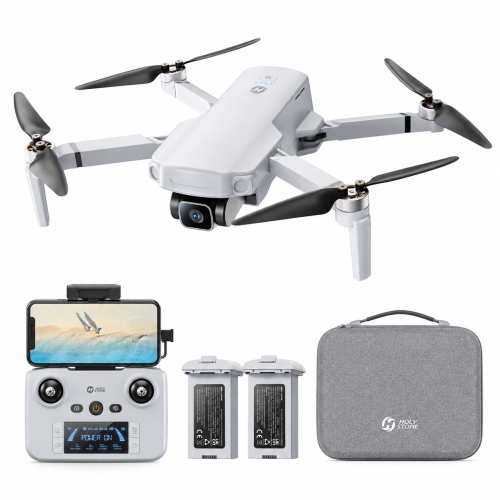
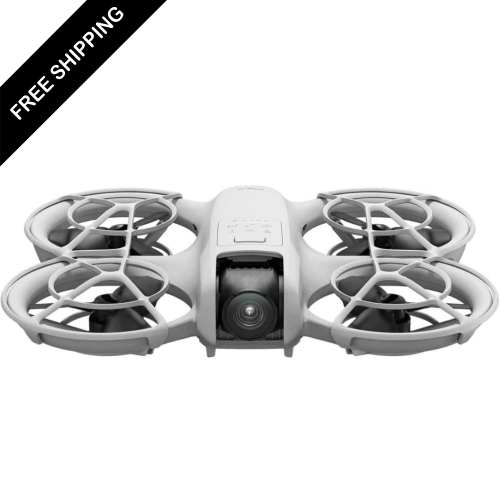
Why precise handling matters more than outright speed
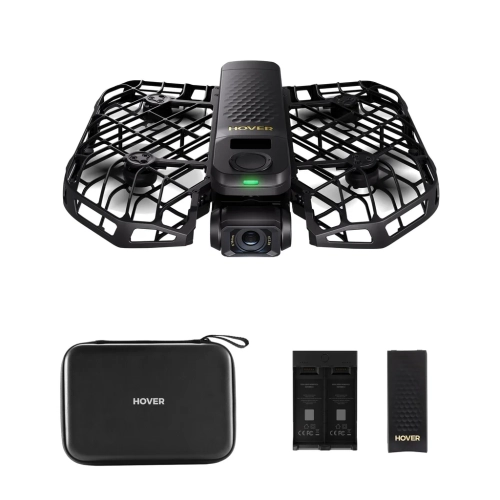
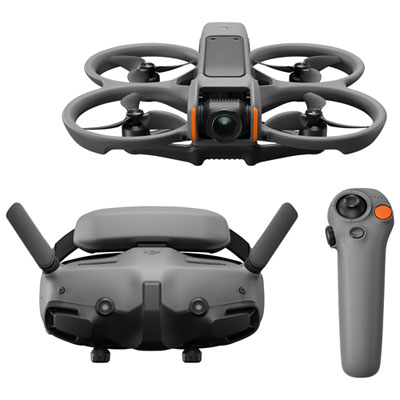
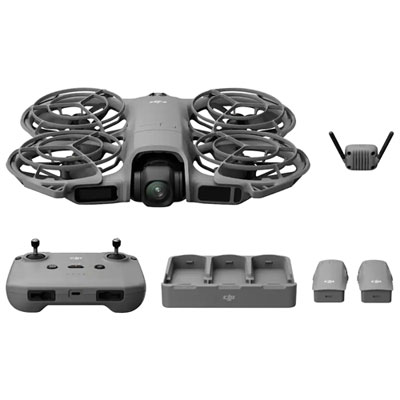
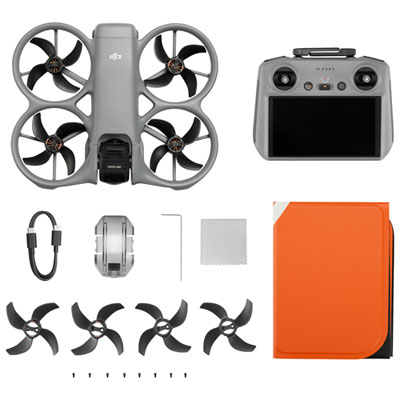
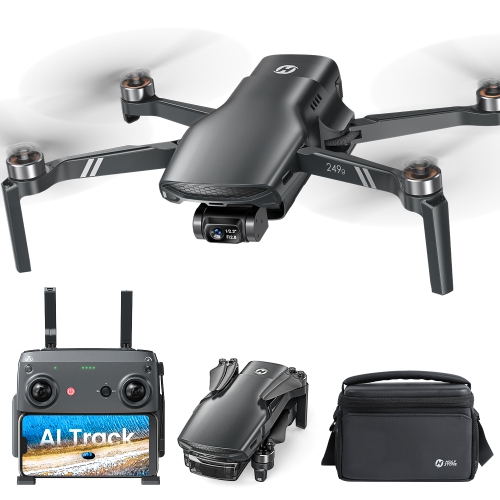
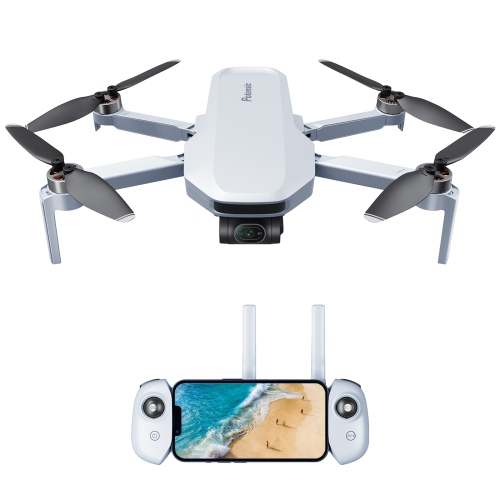
Racing drones are lightweight, high-performance aircraft built for quick acceleration, sharp turns, and precise control around a course. Most use a quadcopter layout, with four motors and propellers mounted around a compact central frame. Unlike camera drones designed mainly for steady aerial photography, racing drones prioritize responsiveness and a direct connection between the pilot’s inputs and the aircraft’s movement. First-person view, or FPV, adds to that connection: an onboard camera sends live video to compatible goggles or a monitor, letting the pilot see the approach to a gate or the opening between course markers from the drone’s perspective. A low-latency video system helps make those split-second adjustments feel immediate, although overall response also depends on the radio link, flight controller, and display. On a tight circuit, predictable handling can matter more than outright speed. A drone that holds its line through a narrow gate and accelerates cleanly out of a turn may be more useful than one built solely for fast straight-line passes. Racing drones also differ from freestyle drones, which are typically configured for flowing aerial manoeuvres and tricks, though the two categories share many components. Shoppers comparing racing-focused aircraft with other fast-flying designs can also explore High Speed Drones, keeping intended use and control characteristics in mind. The appeal extends from small-scale practice circuits to organized club racing, where pilots follow defined routes and work towards smoother, more consistent laps. Compact ducted micro drones can suit appropriately cleared indoor courses, while larger open-propeller aircraft need substantially more space and a suitable designated flying area. Size alone does not establish whether a drone is beginner-friendly; its power, flight modes, propeller protection, and setup requirements all affect the experience. For someone drawn to hands-on electronics, competitive hobbies, or the challenge of mastering a precise skill, racing drones combine mechanical interest with an absorbing form of piloting.
Frame construction and component matching shape how a racing drone feels in flight and how well it stands up to repeated use. Carbon fibre is common in larger racing frames because it provides stiffness without excessive weight, helping keep the motors aligned under load. Many frames use an X-style layout, although arm geometry and component placement vary to suit different handling goals. Smaller ducted designs often use moulded plastic frames or propeller guards, which can flex during minor contact and shield the propeller edges. Guards reduce some contact risks but do not make a spinning propeller safe to touch. Durability depends on more than the frame material: arm thickness, fastener security, camera protection, and the placement of wiring and antennas all influence what happens after a missed gate or awkward landing. Replaceable arms, accessible motor mounts, and a straightforward internal layout can make repairs less involved. Brushless motors are common, with motor size and KV rating matched to the propellers, battery voltage, and intended flight characteristics. A higher KV number is not automatically better; it describes rotational speed per volt under no load, rather than a drone’s overall quality or guaranteed flying speed. Propeller diameter, blade count, and pitch also affect thrust, grip through turns, electrical demand, and handling. Three-blade propellers are common in racing, but a suitable combination matters more than any single specification. Battery weight changes the balance as well. A larger pack may carry more energy yet add enough mass to dull acceleration and cornering, so capacity alone does not determine useful flight time. Racing flights are generally short, especially with frequent hard acceleration. The FPV camera’s mounting angle is another practical detail: a more upward-tilted camera supports the forward-leaning attitude used at speed, while a lower angle can make slower practice easier to interpret. Adjustable mounts allow that view to change with the pilot’s pace. Together, these details determine whether an aircraft feels manageable on a compact practice layout or better suited to a larger, faster circuit.
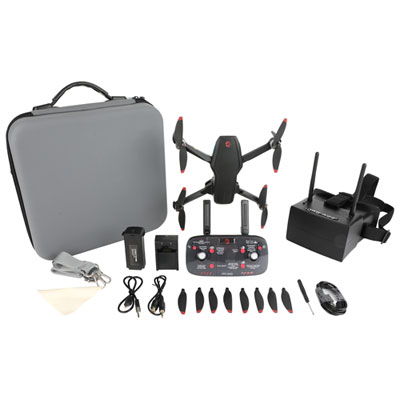
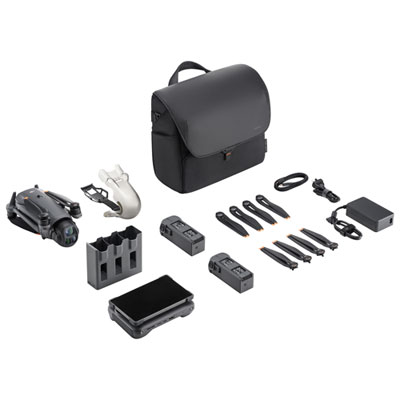
The complete racing experience depends on equipment that works together, not just the aircraft itself. Ready-to-fly packages may include a controller, goggles, batteries, or a charger, but the contents vary; other configurations require several of those components separately. A radio transmitter must support the receiver’s control protocol, and FPV goggles or displays must support the aircraft’s video system. Analogue and digital video equipment are not universally interchangeable, and even digital systems can require a particular compatible receiver or headset. Physical fit deserves attention too. Goggles should sit securely without pressing uncomfortably around the eyes, with suitable strap adjustment and, where offered, lens or interpupillary adjustment for a clear view. A controller that fits the pilot’s hands makes repeated stick movements more comfortable, whether the sticks are held with the thumbs or pinched between thumb and forefinger. Beginners may appreciate supported self-levelling modes, while experienced racers often favour rate or acro modes that give direct rotational control without automatically returning the aircraft to level flight. Simulator practice with a compatible controller can help build familiarity before flying a physical drone. For gift recipients, matching the aircraft to their existing radio and video equipment is especially valuable; a technically impressive drone is less useful if it cannot connect to their setup. Ownership also involves regular care. Propellers need inspection for chips, bends, and cracks, while frames, motor mounts, battery straps, and connectors need checks after impacts. Damaged components should be replaced before further flight, and propellers should be removed during bench setup or motor testing. Many racing drones use lithium-polymer batteries, which require a compatible balance charger, the correct cell-count settings, and careful handling according to the manufacturer’s instructions. Charging should be supervised on a suitable non-combustible surface, and swollen or damaged packs should not be used. Safe flying includes separating the course from bystanders, securing the practice area, and confirming permission to use the location. In Canada, pilots should check applicable Transport Canada requirements, airspace restrictions, and local rules; registration, certification, and operating conditions depend on the aircraft and flight. FPV use may require a visual observer or additional permissions. With suitable equipment, a well-maintained aircraft, and an appropriate flying space, racing becomes a rewarding exercise in precision rather than speed alone.
Frame construction and component matching shape how a racing drone feels in flight and how well it stands up to repeated use. Carbon fibre is common in larger racing frames because it provides stiffness without excessive weight, helping keep the motors aligned under load. Many frames use an X-style layout, although arm geometry and component placement vary to suit different handling goals. Smaller ducted designs often use moulded plastic frames or propeller guards, which can flex during minor contact and shield the propeller edges. Guards reduce some contact risks but do not make a spinning propeller safe to touch. Durability depends on more than the frame material: arm thickness, fastener security, camera protection, and the placement of wiring and antennas all influence what happens after a missed gate or awkward landing. Replaceable arms, accessible motor mounts, and a straightforward internal layout can make repairs less involved. Brushless motors are common, with motor size and KV rating matched to the propellers, battery voltage, and intended flight characteristics. A higher KV number is not automatically better; it describes rotational speed per volt under no load, rather than a drone’s overall quality or guaranteed flying speed. Propeller diameter, blade count, and pitch also affect thrust, grip through turns, electrical demand, and handling. Three-blade propellers are common in racing, but a suitable combination matters more than any single specification. Battery weight changes the balance as well. A larger pack may carry more energy yet add enough mass to dull acceleration and cornering, so capacity alone does not determine useful flight time. Racing flights are generally short, especially with frequent hard acceleration. The FPV camera’s mounting angle is another practical detail: a more upward-tilted camera supports the forward-leaning attitude used at speed, while a lower angle can make slower practice easier to interpret. Adjustable mounts allow that view to change with the pilot’s pace. Together, these details determine whether an aircraft feels manageable on a compact practice layout or better suited to a larger, faster circuit.
The complete racing experience depends on equipment that works together, not just the aircraft itself. Ready-to-fly packages may include a controller, goggles, batteries, or a charger, but the contents vary; other configurations require several of those components separately. A radio transmitter must support the receiver’s control protocol, and FPV goggles or displays must support the aircraft’s video system. Analogue and digital video equipment are not universally interchangeable, and even digital systems can require a particular compatible receiver or headset. Physical fit deserves attention too. Goggles should sit securely without pressing uncomfortably around the eyes, with suitable strap adjustment and, where offered, lens or interpupillary adjustment for a clear view. A controller that fits the pilot’s hands makes repeated stick movements more comfortable, whether the sticks are held with the thumbs or pinched between thumb and forefinger. Beginners may appreciate supported self-levelling modes, while experienced racers often favour rate or acro modes that give direct rotational control without automatically returning the aircraft to level flight. Simulator practice with a compatible controller can help build familiarity before flying a physical drone. For gift recipients, matching the aircraft to their existing radio and video equipment is especially valuable; a technically impressive drone is less useful if it cannot connect to their setup. Ownership also involves regular care. Propellers need inspection for chips, bends, and cracks, while frames, motor mounts, battery straps, and connectors need checks after impacts. Damaged components should be replaced before further flight, and propellers should be removed during bench setup or motor testing. Many racing drones use lithium-polymer batteries, which require a compatible balance charger, the correct cell-count settings, and careful handling according to the manufacturer’s instructions. Charging should be supervised on a suitable non-combustible surface, and swollen or damaged packs should not be used. Safe flying includes separating the course from bystanders, securing the practice area, and confirming permission to use the location. In Canada, pilots should check applicable Transport Canada requirements, airspace restrictions, and local rules; registration, certification, and operating conditions depend on the aircraft and flight. FPV use may require a visual observer or additional permissions. With suitable equipment, a well-maintained aircraft, and an appropriate flying space, racing becomes a rewarding exercise in precision rather than speed alone.
Top selling and popular products
-
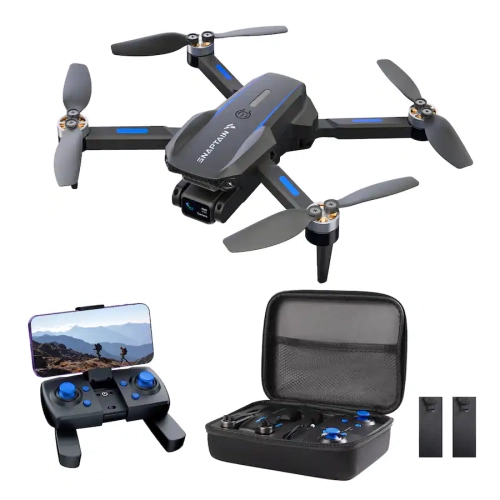 Your price for this item is $109.98
 -
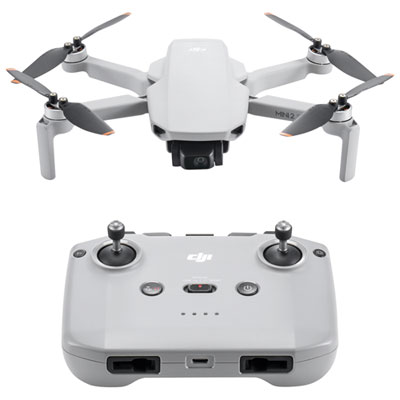 Your price for this item is $359.99
 -
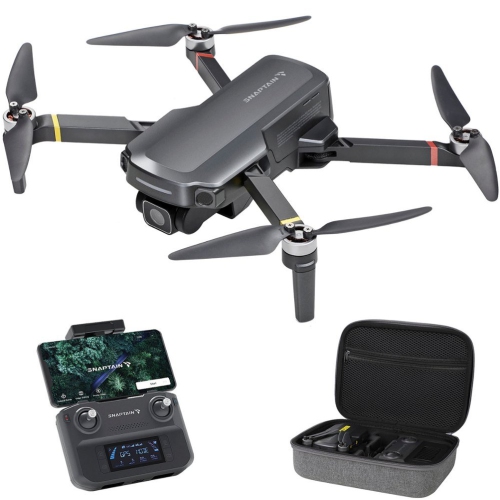 Your price for this item is $279.9
 -
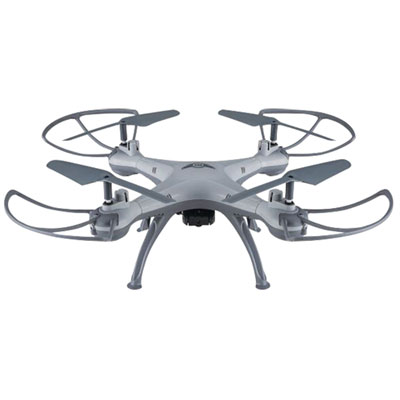 Your price for this item is $49.99
 -
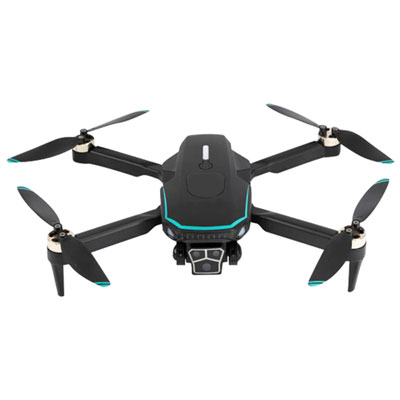 Your price for this item is $79.99
 -
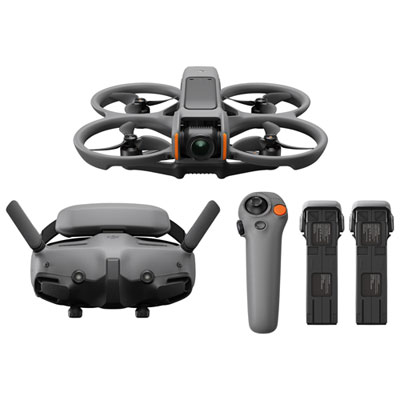 Your price for this item is $1279.99
 -
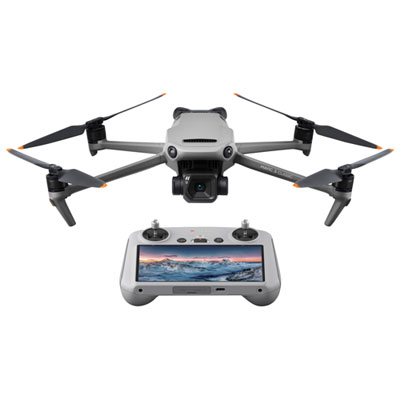 Your price for this item is $1759.99
 -
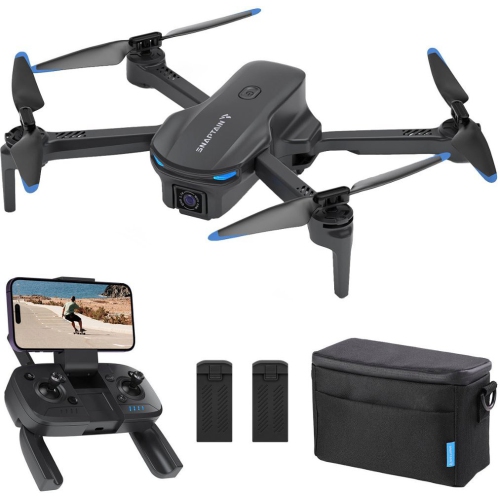 Your price for this item is $189.9
Discover more categories related to Racing Drones
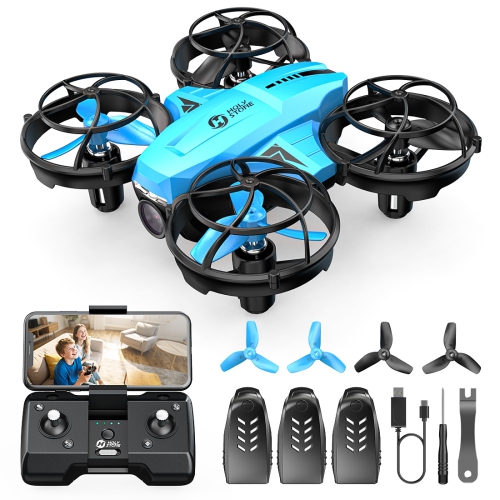

Top Collections:
Pokemon Centers, Kindle Devices, Best Budget Office Chairs, Apple iPhones 16, Best Laptops for Writers, iPhone 15 Apple, Canon G7X Cameras, Refurbished Apple Laptops, Alarm Clock, Motorola Razr Phones
Some products may be subject to Environmental Handling Fees
(EHF) depending on your province.
Learn more about EHFs.