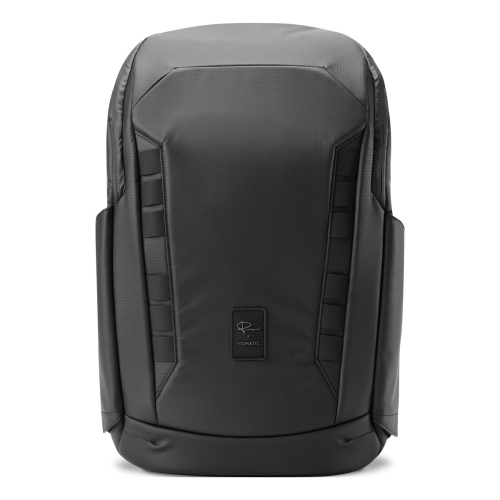
Hiking Camera Backpacks
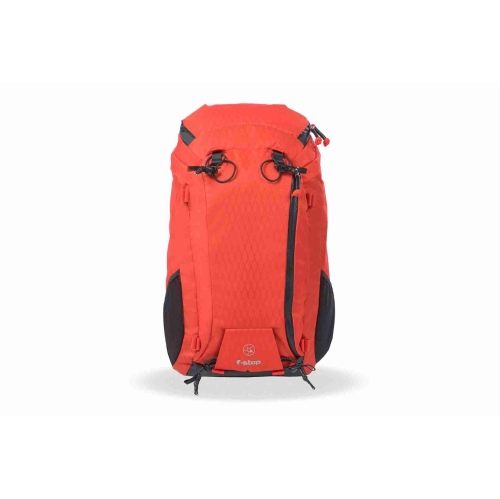
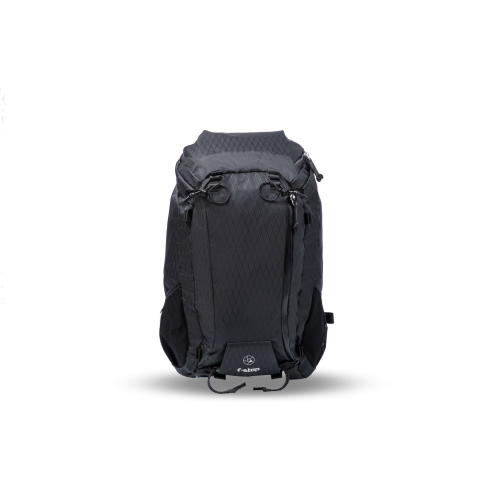
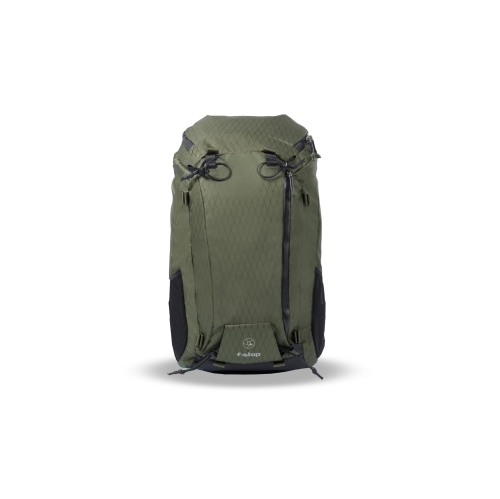
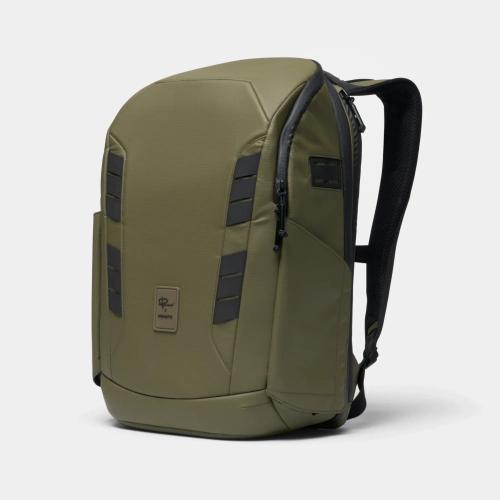
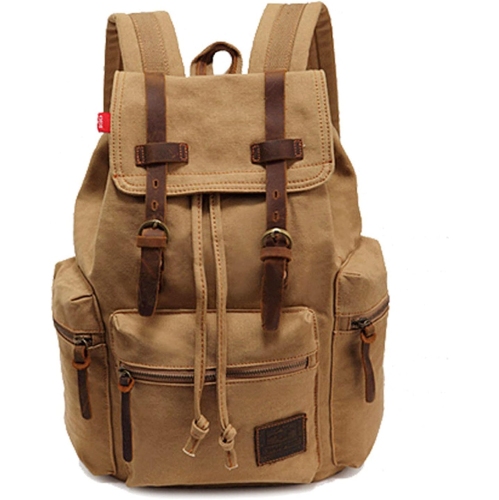
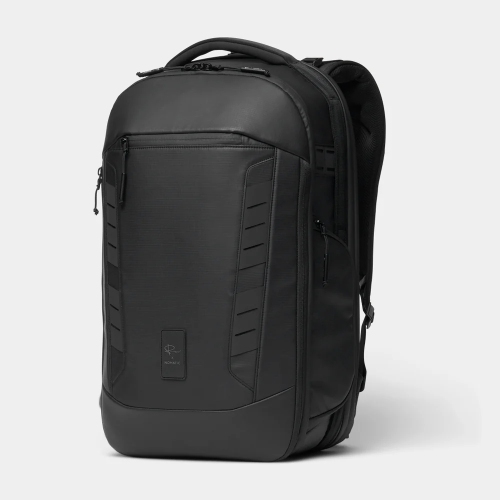
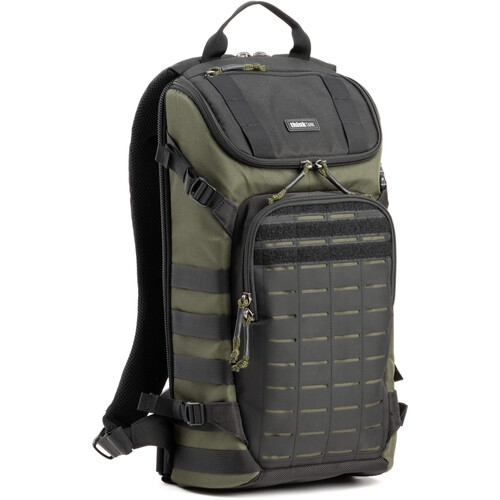
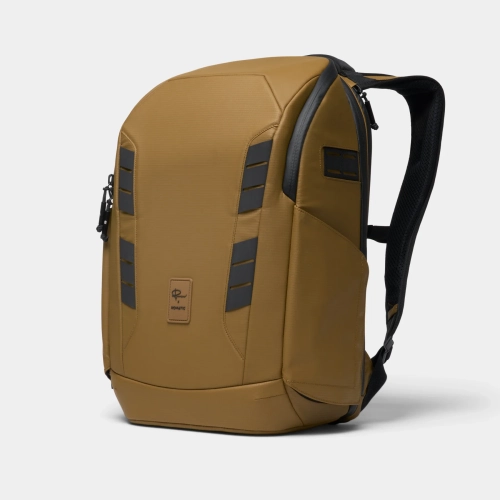
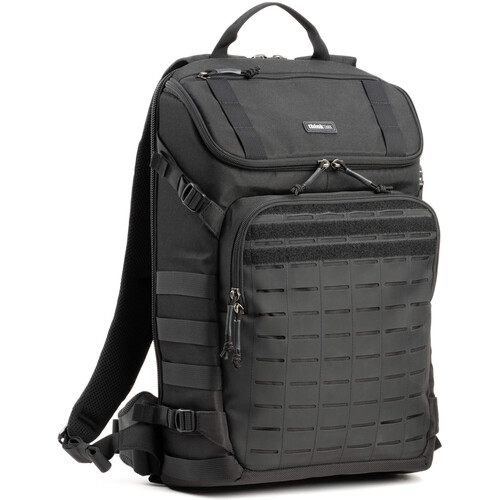
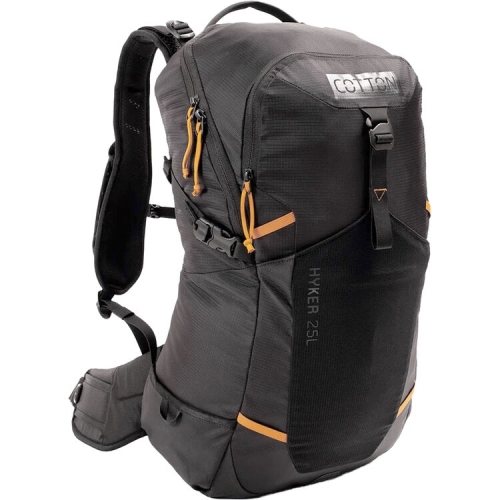
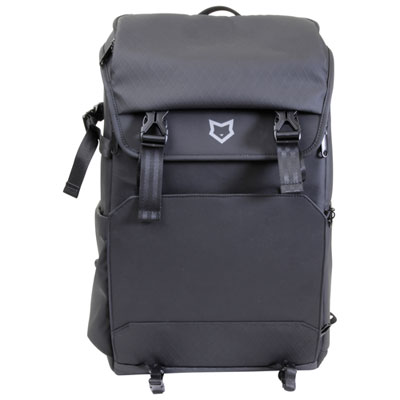
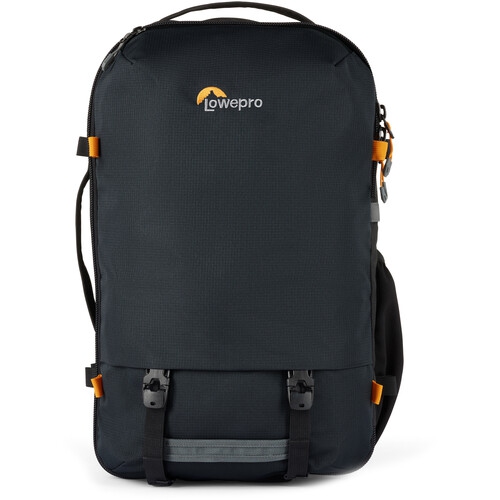
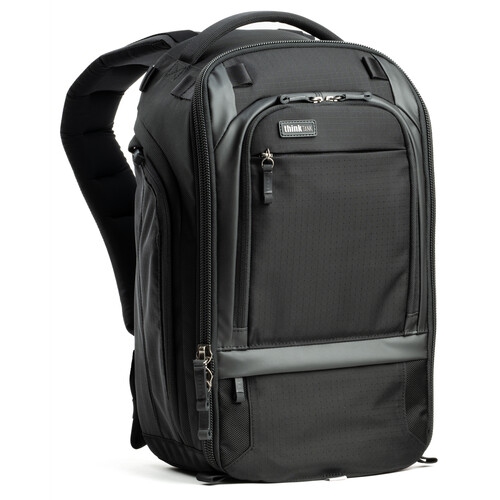
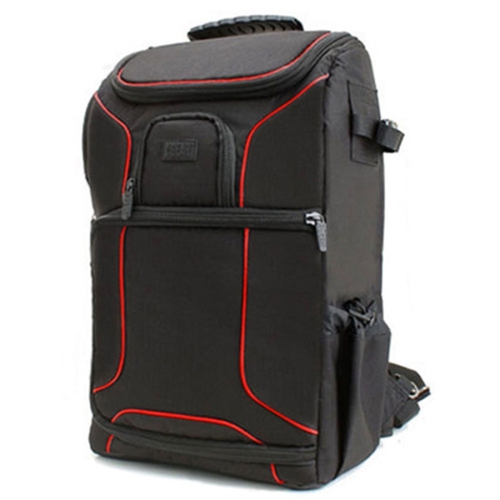
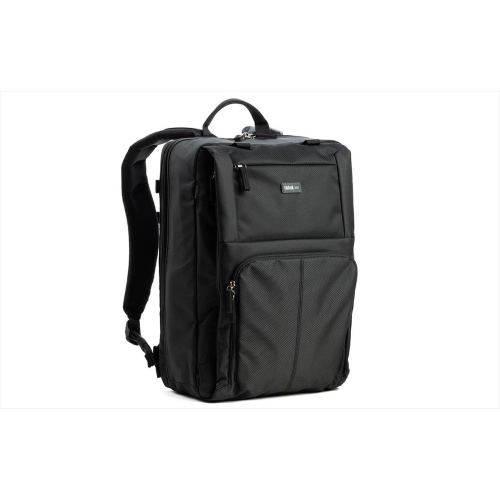
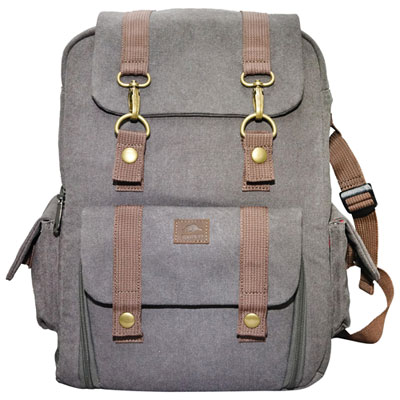
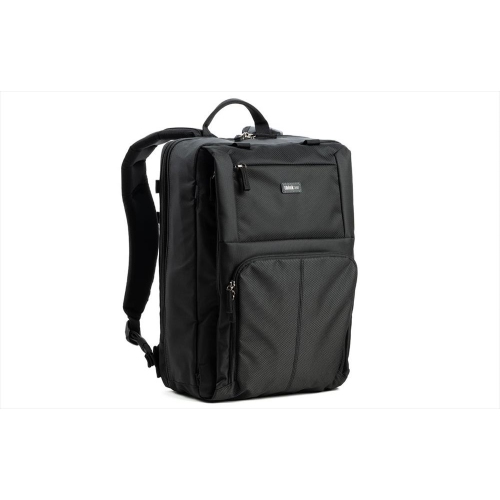
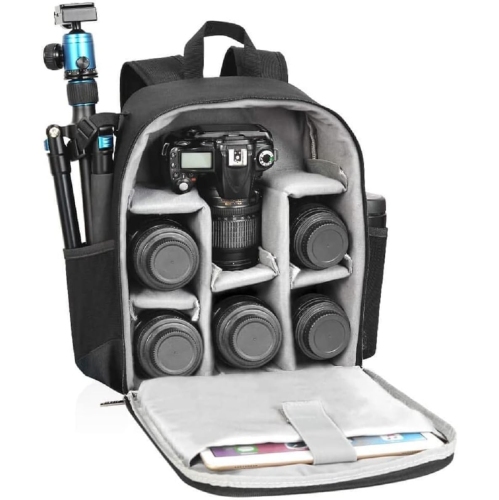
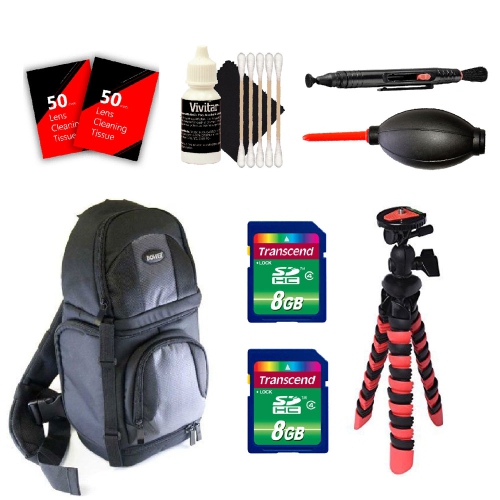
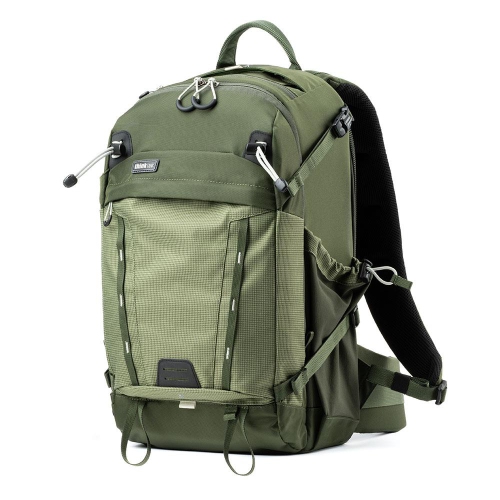
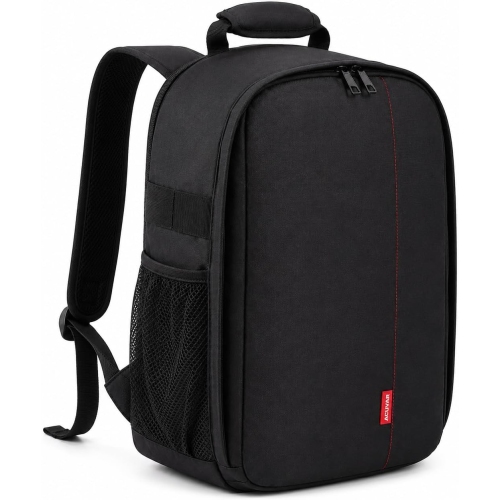
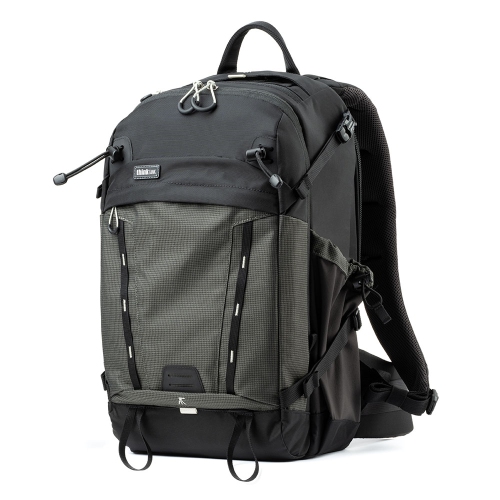
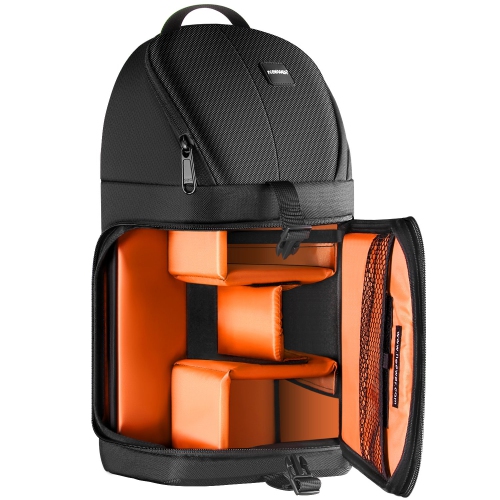
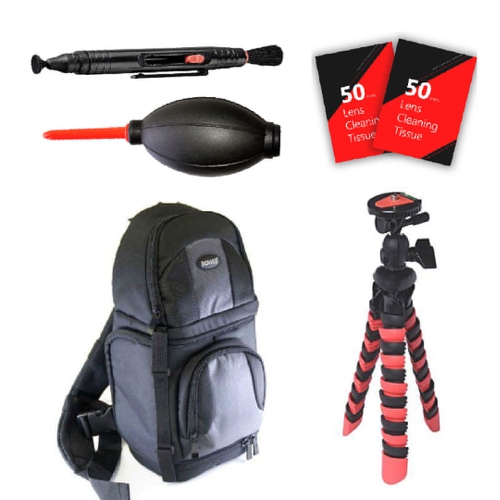
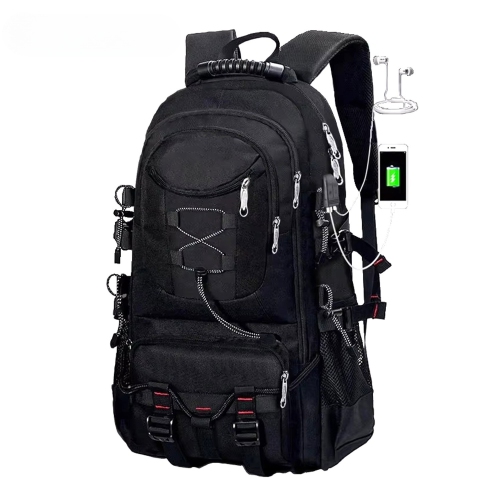
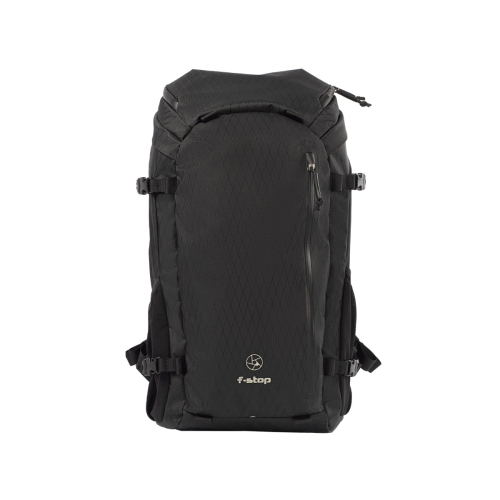
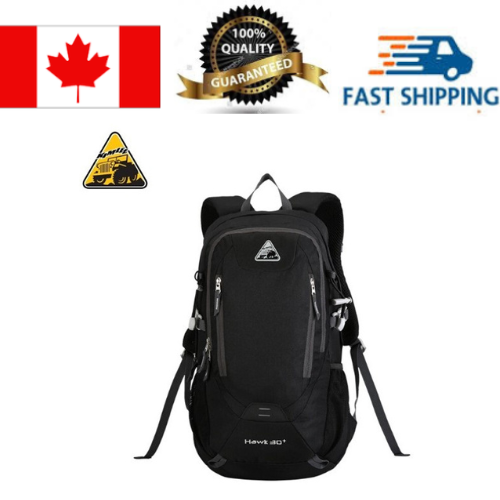
Capture every breathtaking moment of your outdoor adventures with these perfect hiking camera backpacks. Designed to keep your camera equipment safe, secure, and easily accessible while you explore the great outdoors, these backpacks are a must-have for almost any photography enthusiast. Whether you're scaling rugged mountains, trekking through dense forests, or simply enjoying a leisurely hike, our hiking camera backpacks offer the ultimate combination of functionality and durability. With features like padded compartments for cameras and lenses, adjustable straps for a comfortable fit, and some are made with weather-resistant materials to protect your gear from the elements, you can focus on capturing stunning images without worrying about the safety of your equipment. So get ready to embark on your next adventure and elevate your photography game with these hiking camera backpacks that are as reliable as it is stylish.

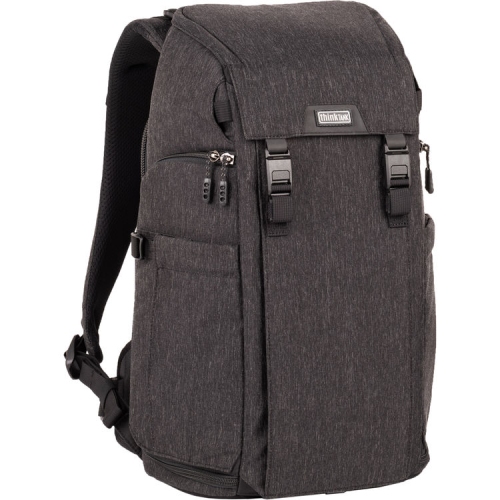
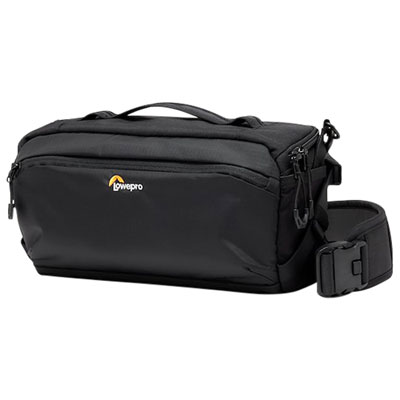
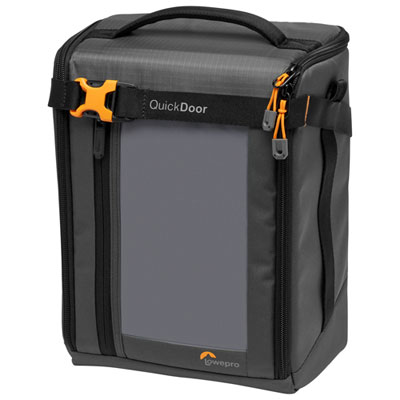
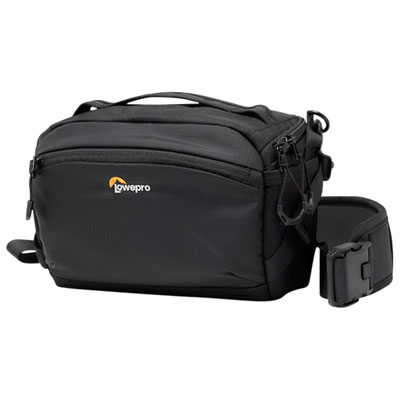


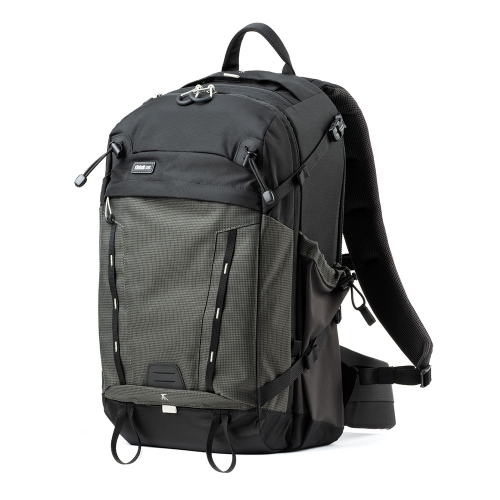
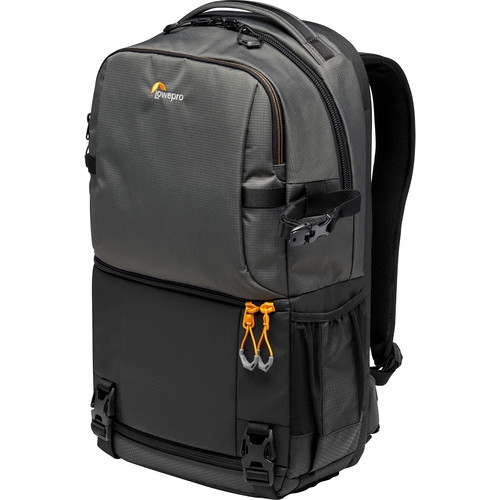
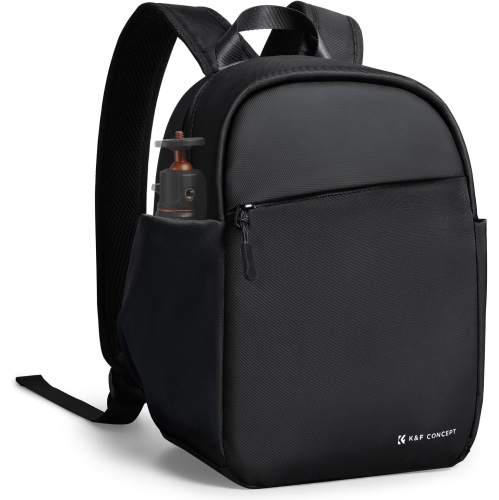
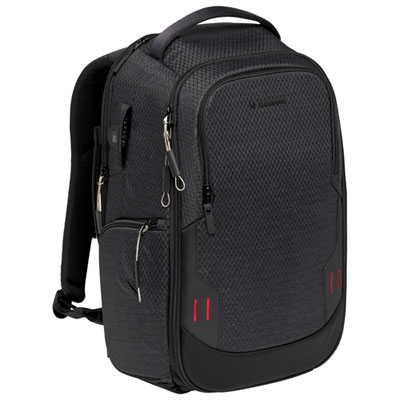






Why pack layout matters more than total capacity
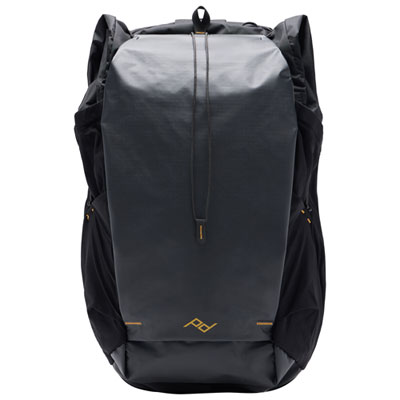
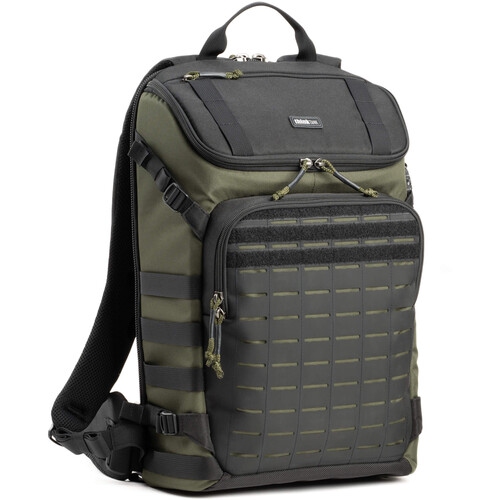
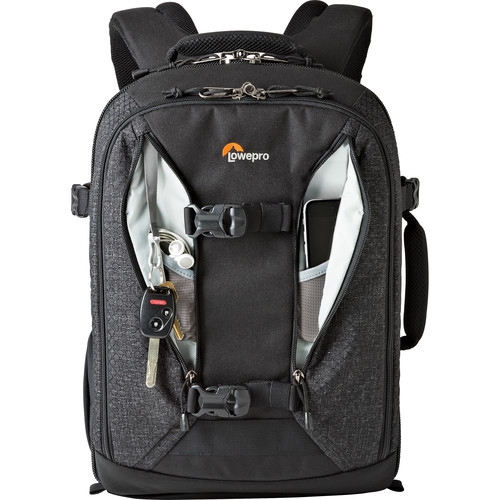
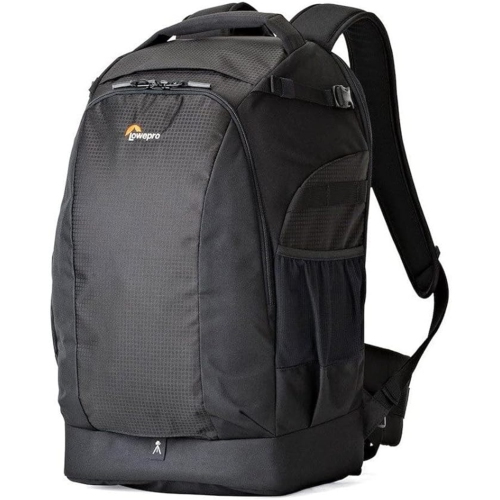
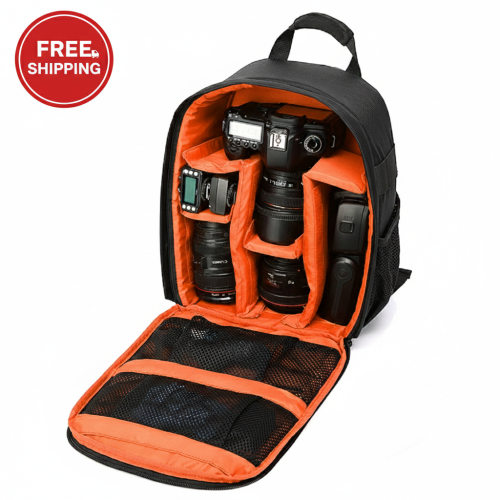
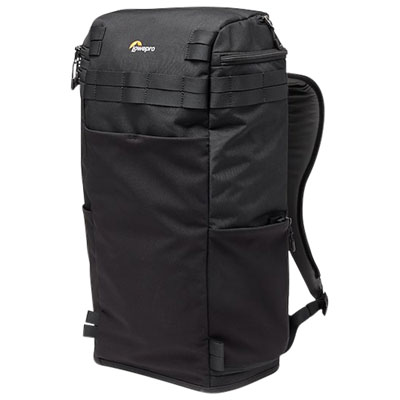
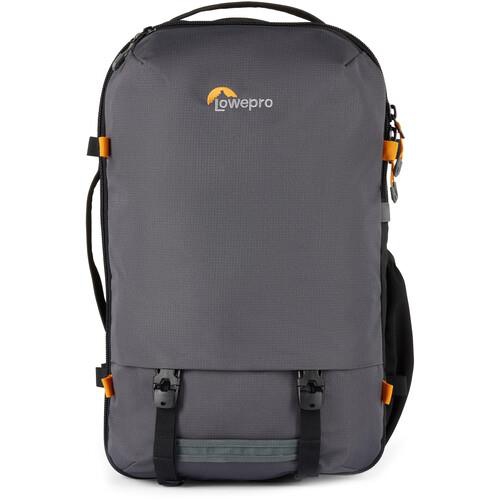
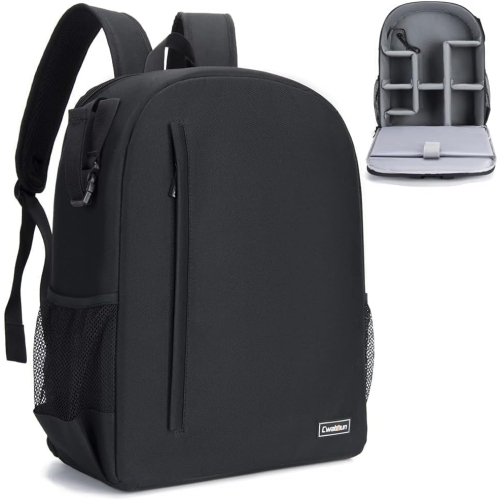
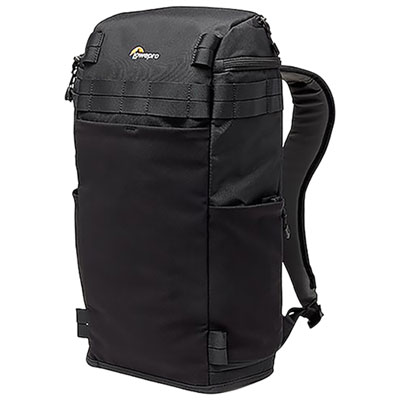
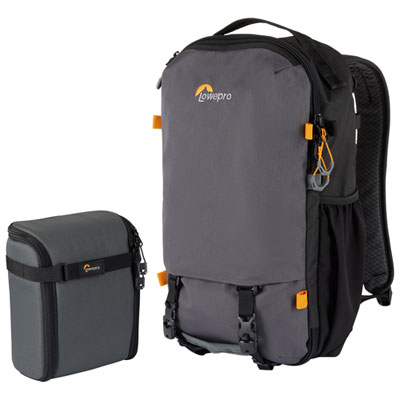
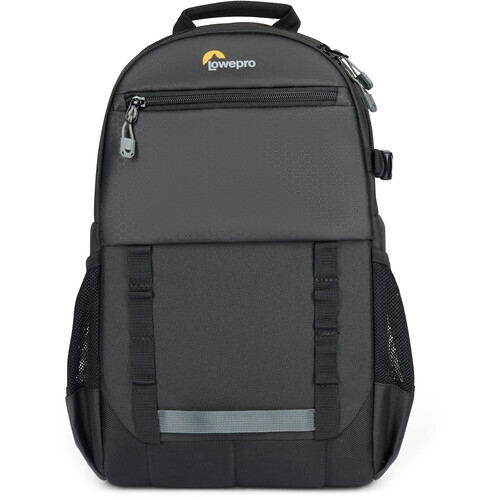
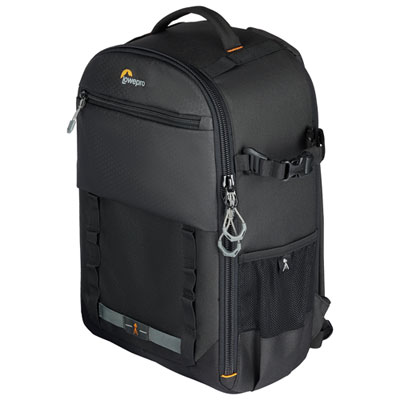
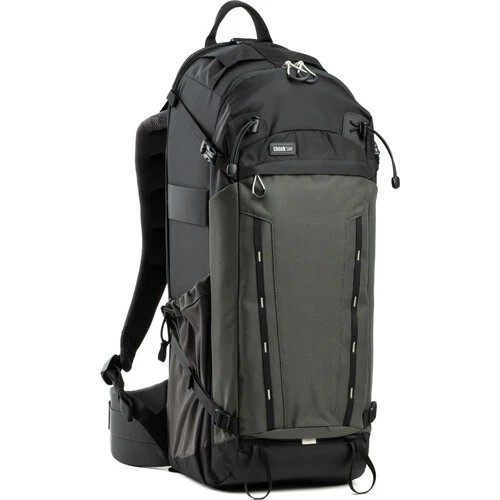
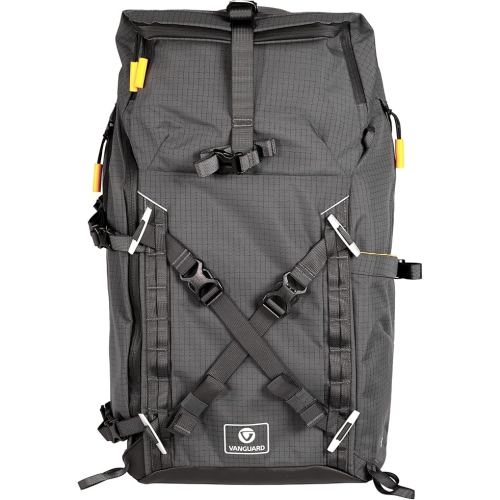
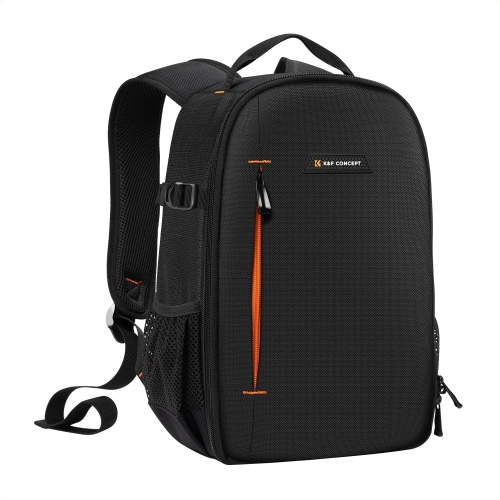
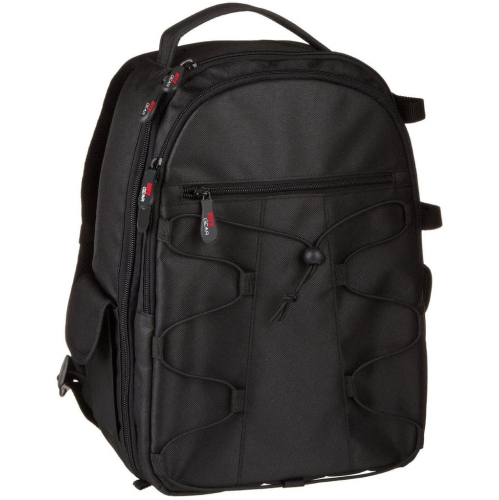
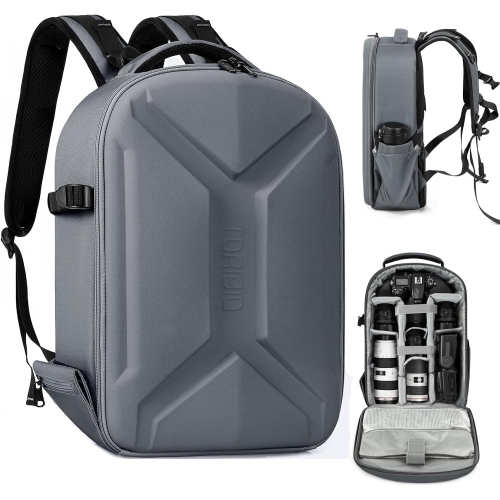
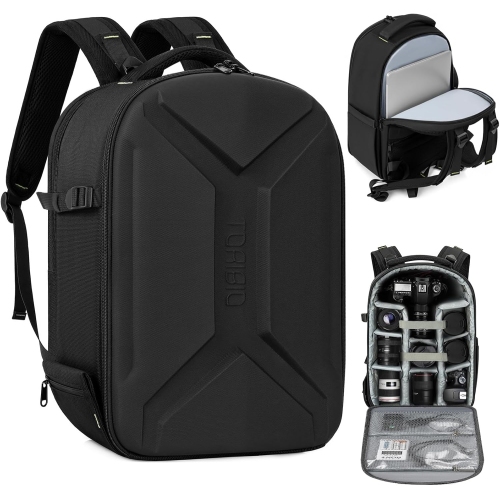
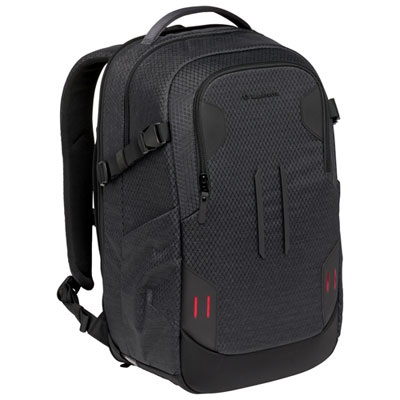
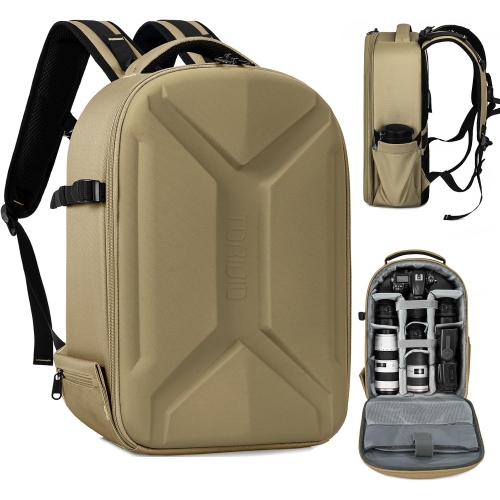
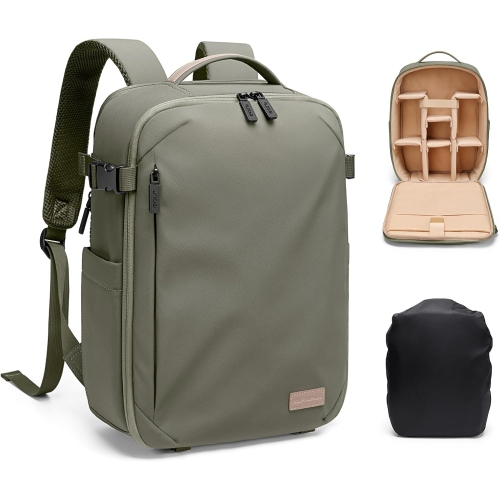
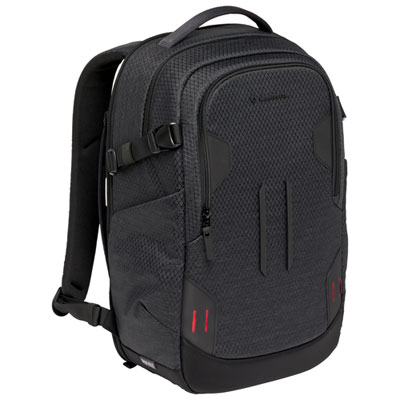
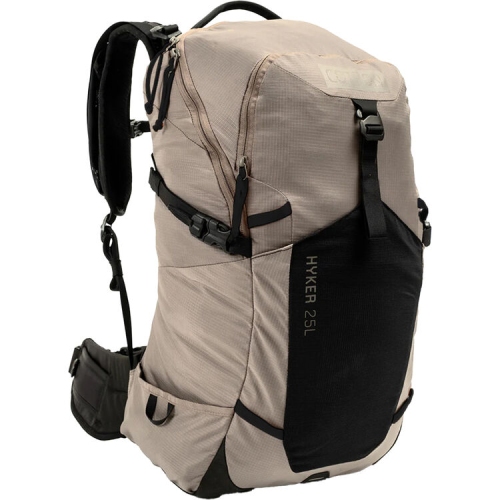
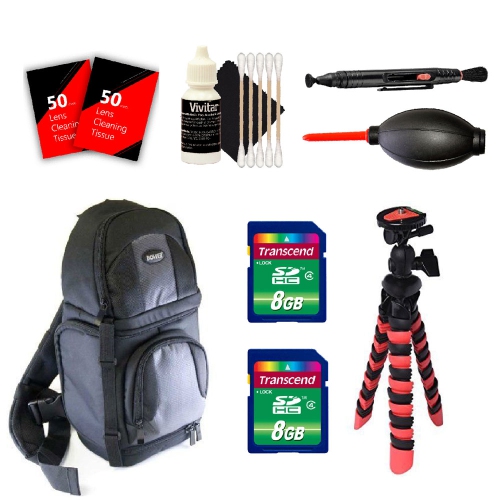
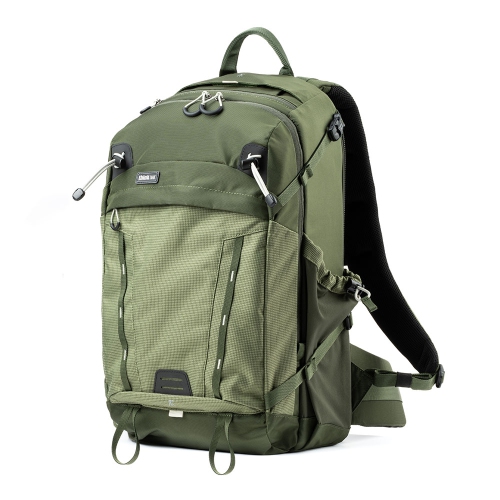
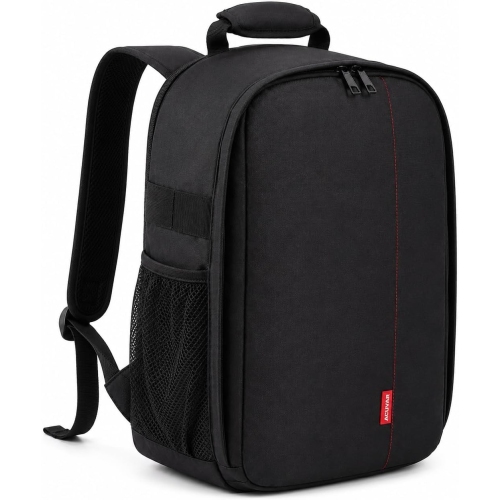
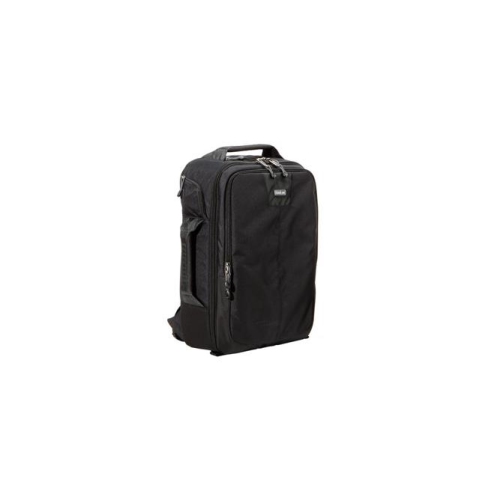
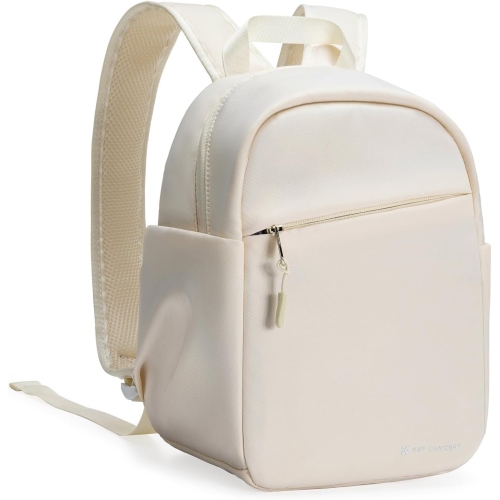
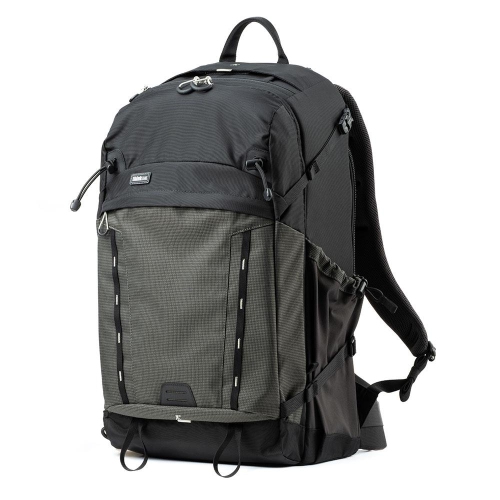
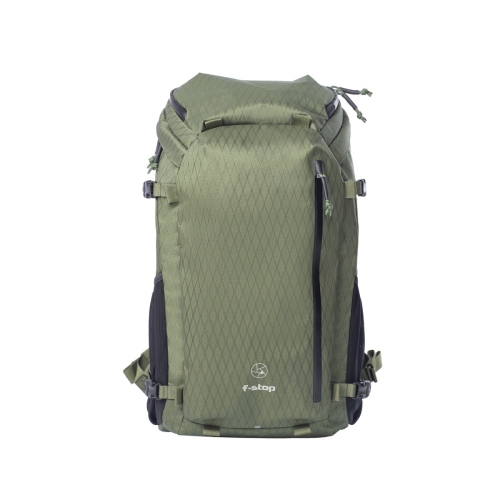
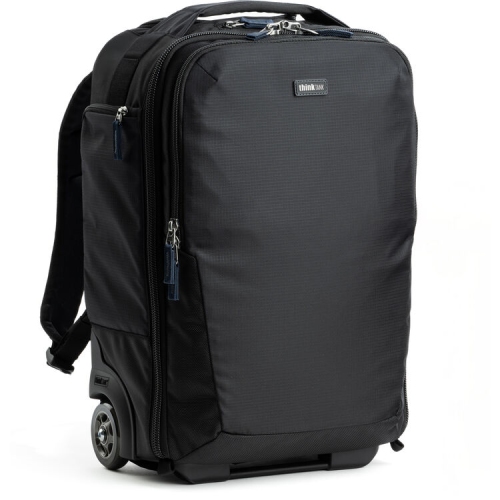
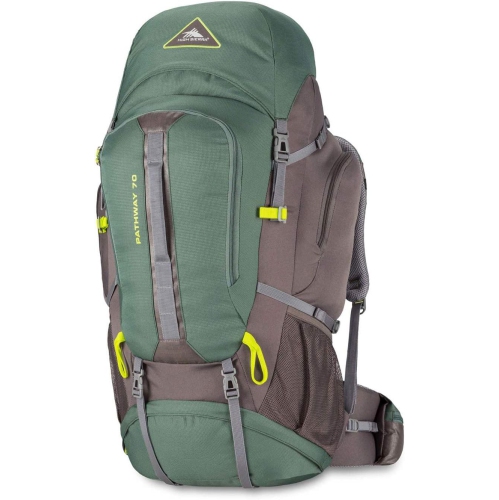
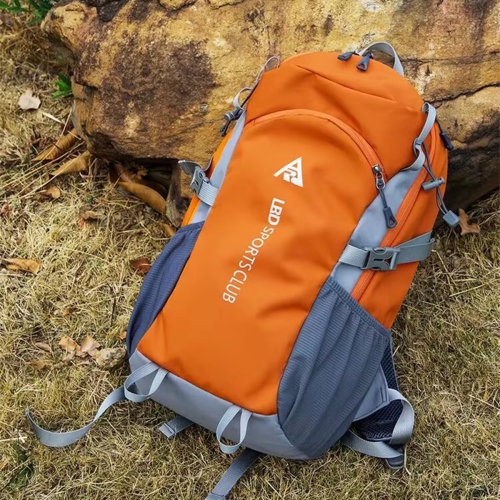
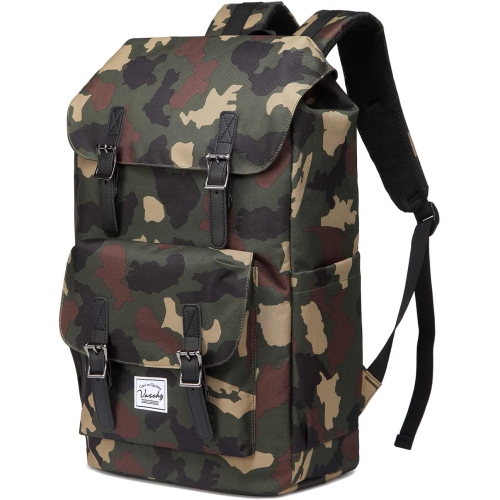
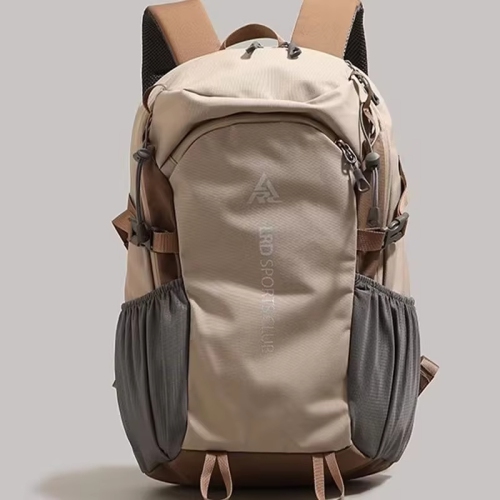
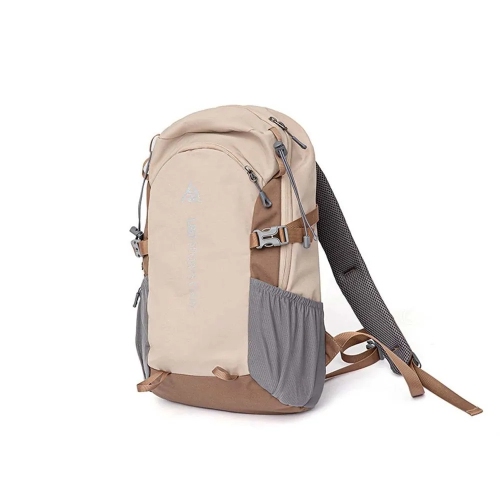
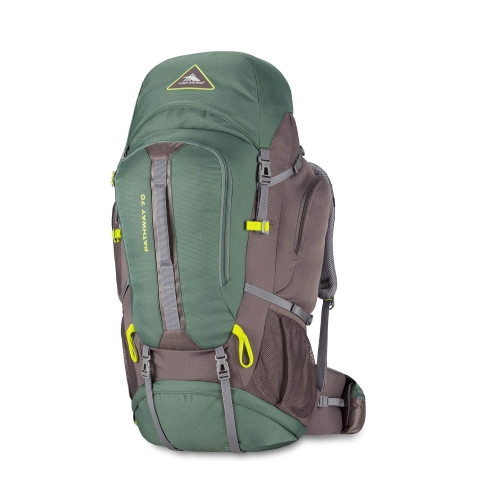
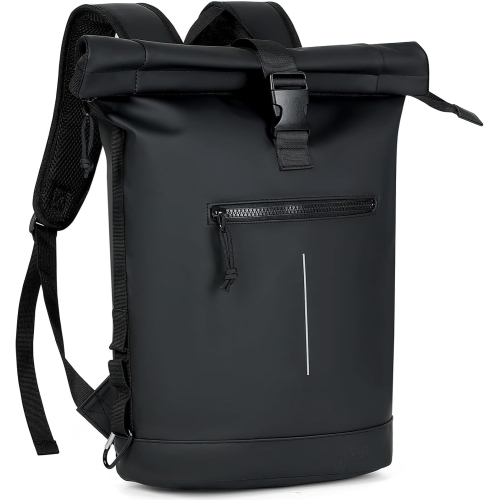
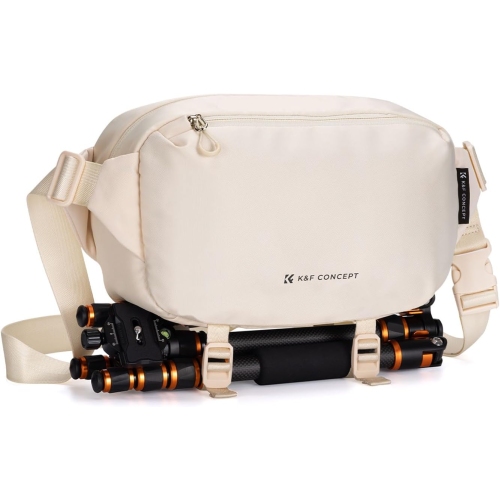
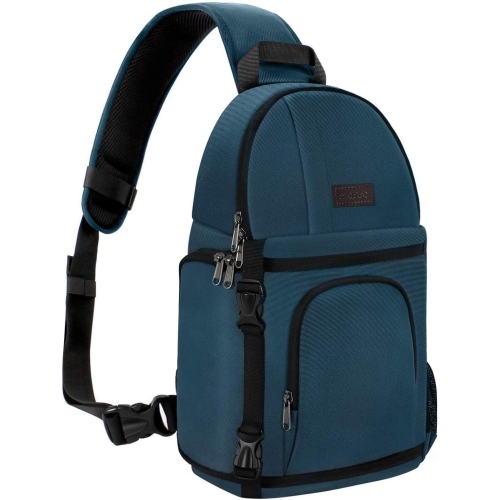
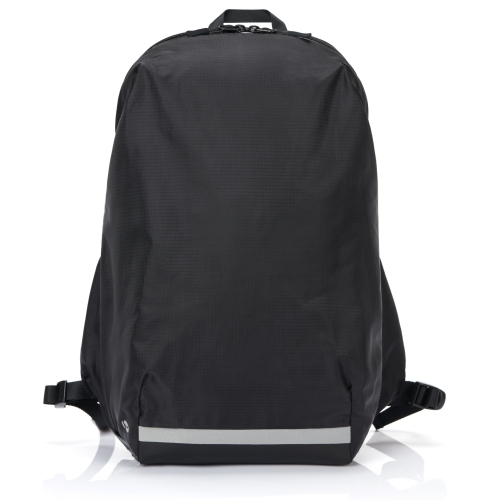
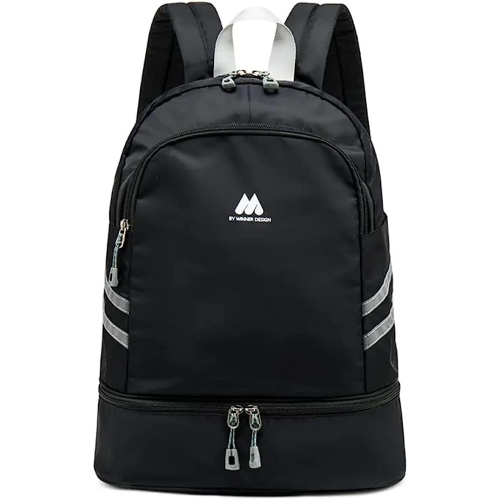
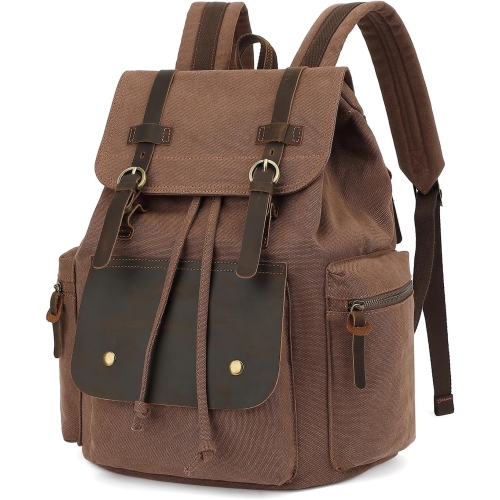
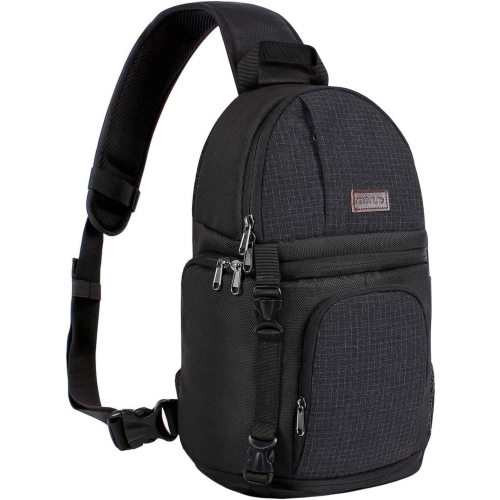
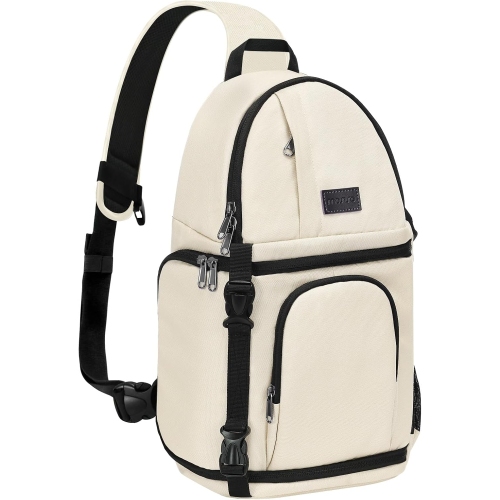
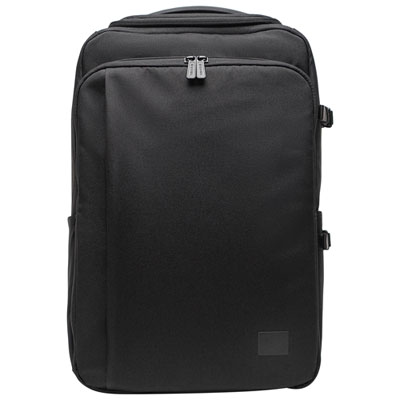
Fit becomes especially important once camera equipment, water and personal supplies are packed together. A backpack that feels comfortable when empty can carry quite differently with a dense camera body and several lenses inside. Torso length, shoulder-strap shape and hip-belt placement all affect how the load sits, so overall bag dimensions alone are not enough to judge comfort. An adjustable harness can help position the pack close to the back, while a supportive hip belt can transfer some of the load from the shoulders to the hips when properly fitted. A narrow webbing waist strap mainly limits movement and should not be confused with a structured, padded belt designed to support weight. A sternum strap helps keep shoulder straps in position, and compression straps can reduce shifting when the bag is only partly filled. Frames and internal support panels vary between designs; their value becomes more noticeable with heavier loads or longer distances. Keeping dense equipment close to the back generally improves balance, provided the arrangement follows the bag’s intended layout and does not create uncomfortable pressure points. Breathable mesh and shaped back panels may improve comfort, but their effectiveness depends on fit, clothing and the load being carried. Exterior materials also influence durability and weight. Nylon and polyester are common choices, with fabric construction, reinforcement and stitching all contributing to how well a bag handles repeated use. Higher fabric weight is not, by itself, proof of greater durability. Reinforced bases, well-finished seams and secure attachment points deserve attention because these areas experience regular strain. Coated fabrics can offer water resistance, but that does not make every seam, zipper or compartment waterproof. Padded walls help cushion ordinary bumps and keep equipment separated; they do not make delicate cameras or lenses immune to damage. Strong zipper pulls that are easy to grasp, protected zipper tracks and smoothly operating buckles are useful details when opening and closing the same compartments throughout an outing.
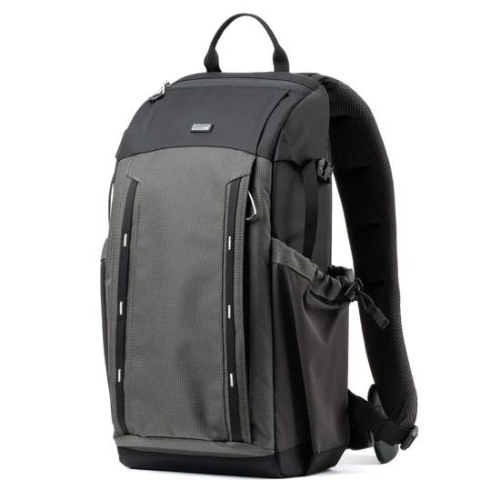
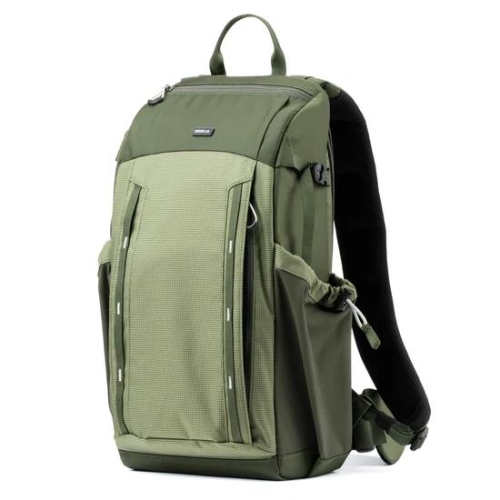
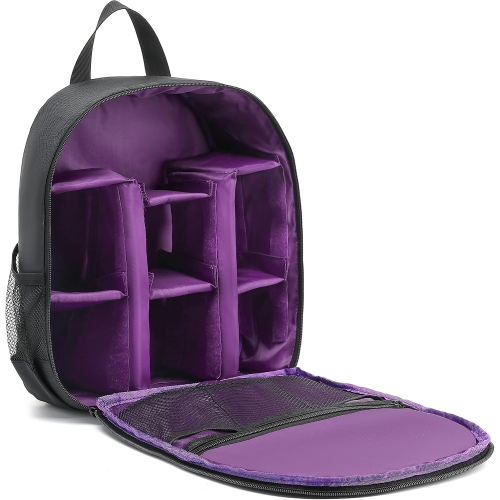
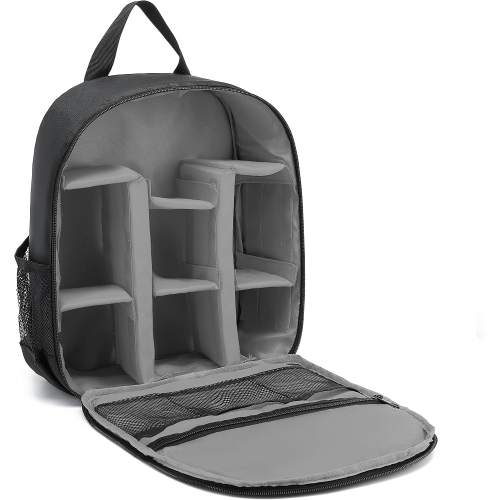
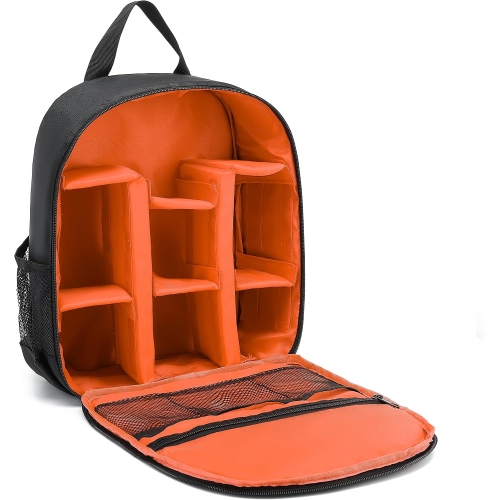
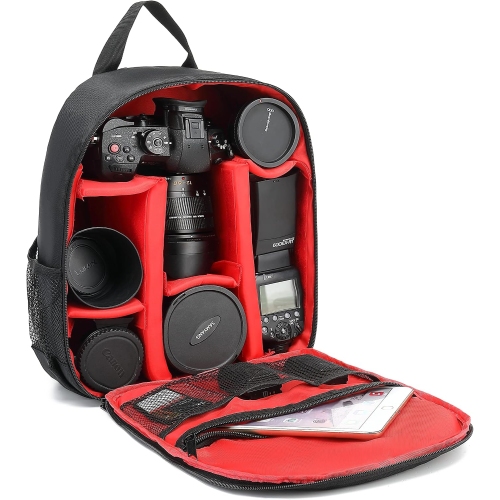
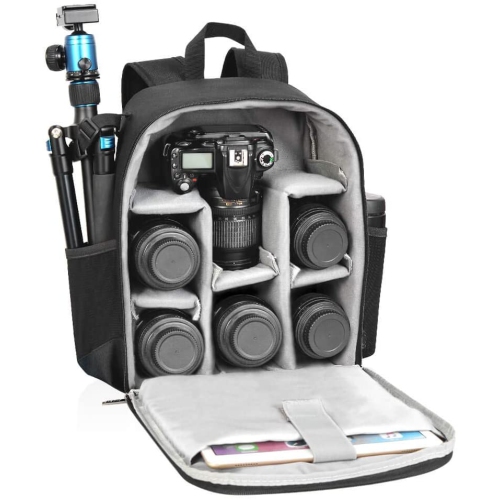
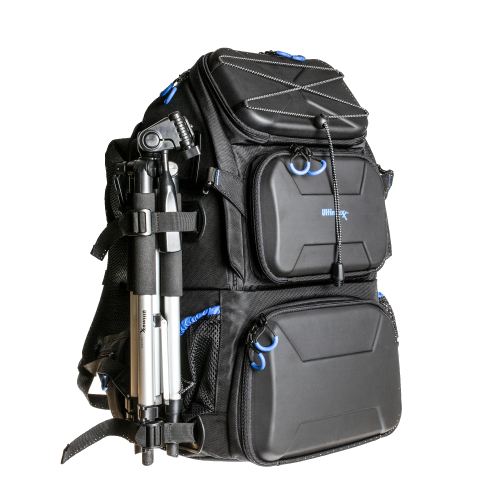
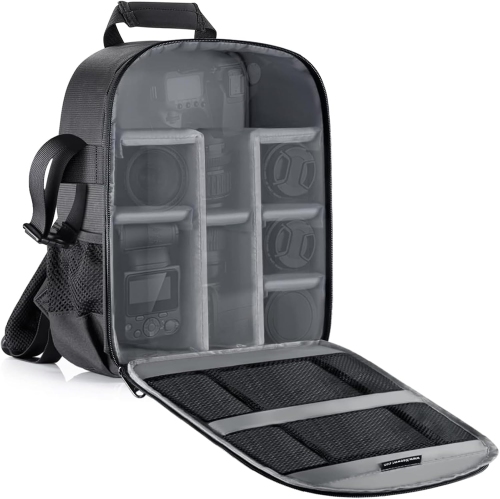
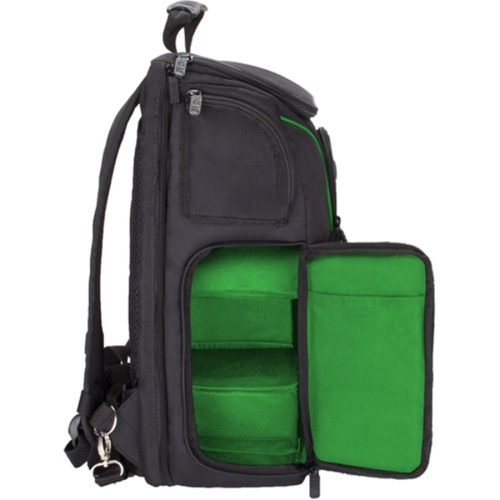
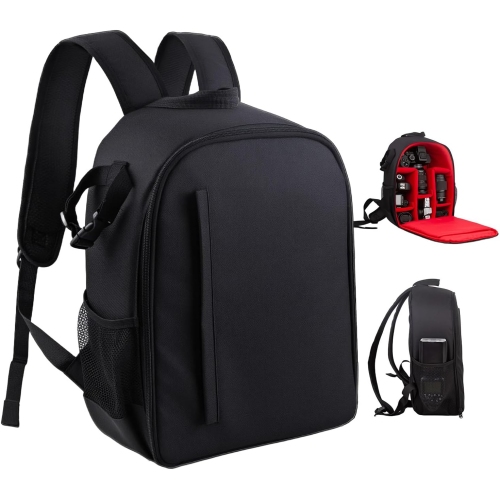
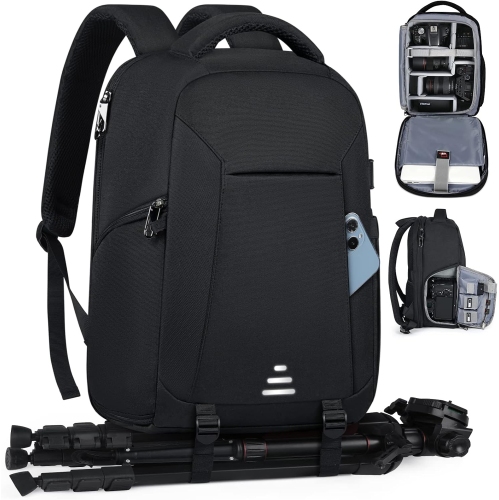
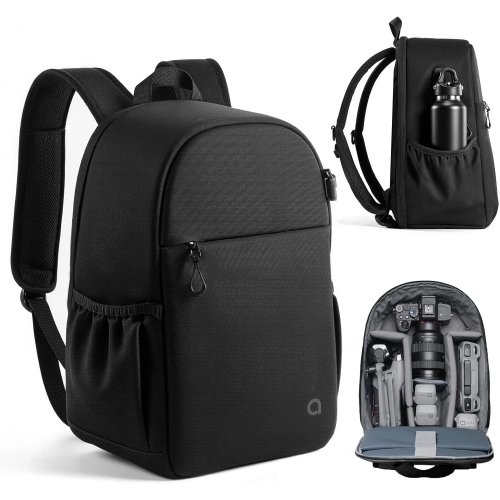
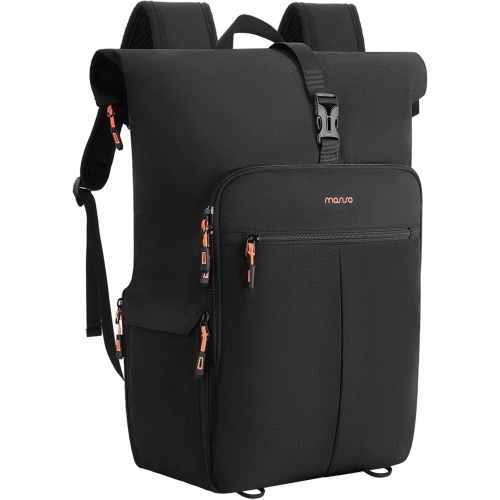
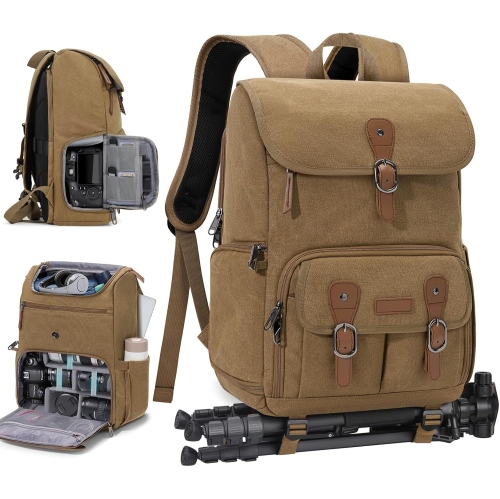
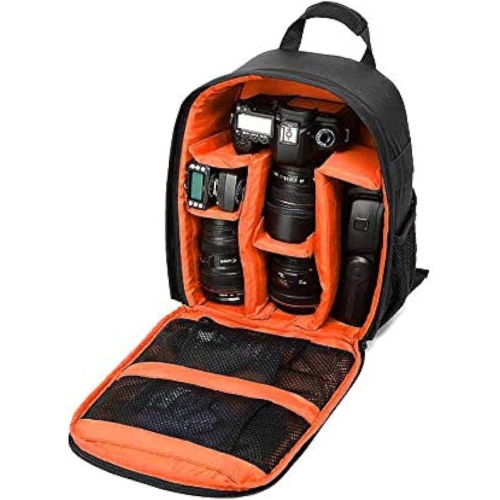
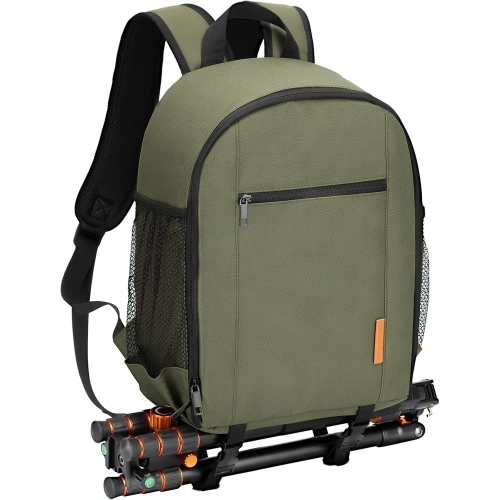
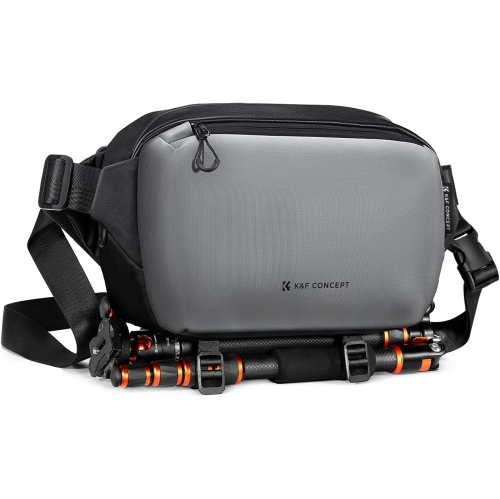
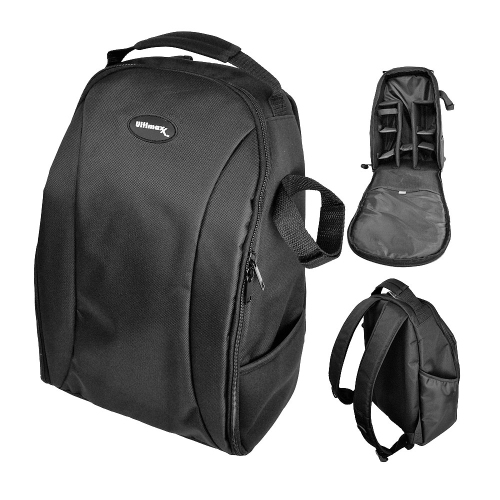
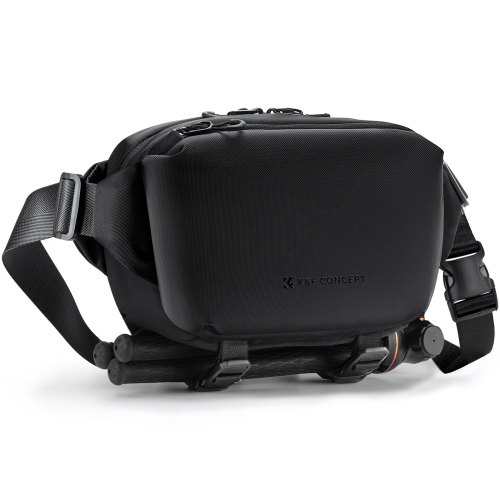
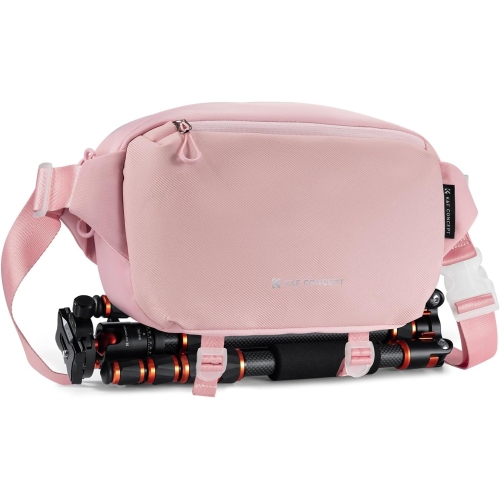
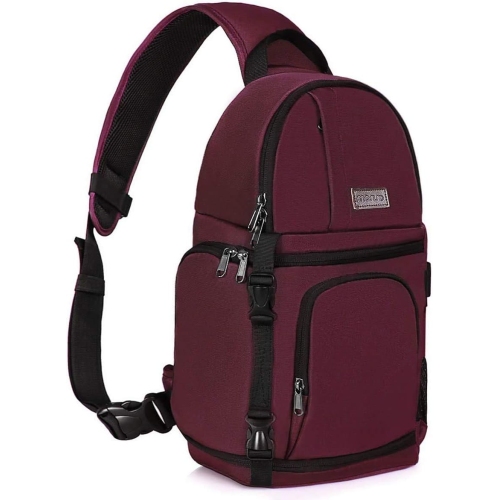
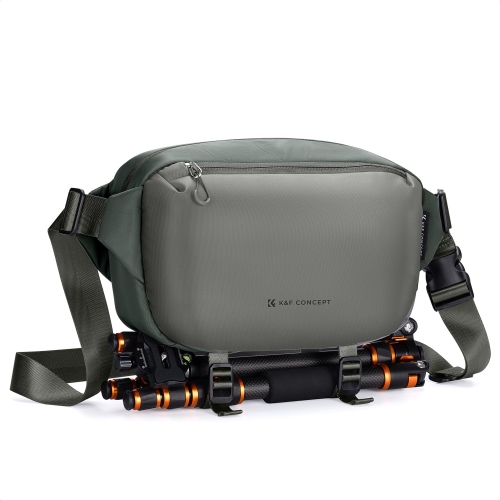
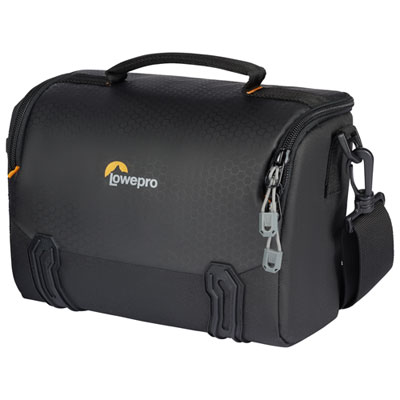
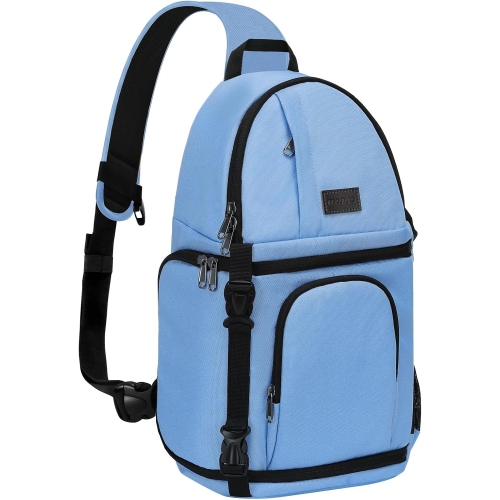
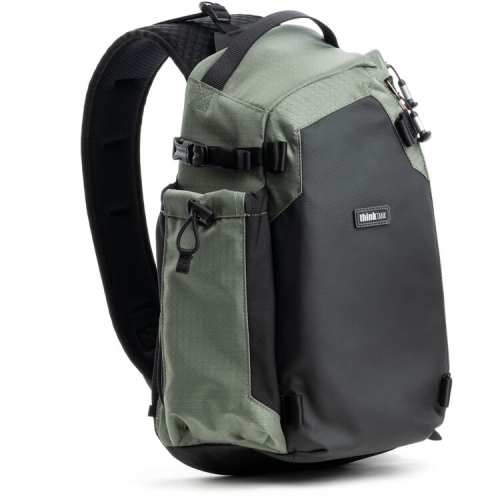
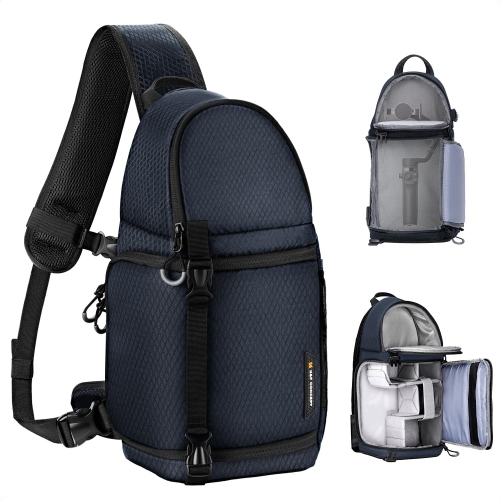
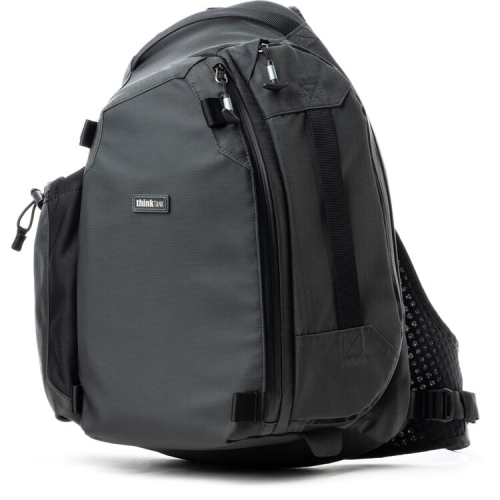
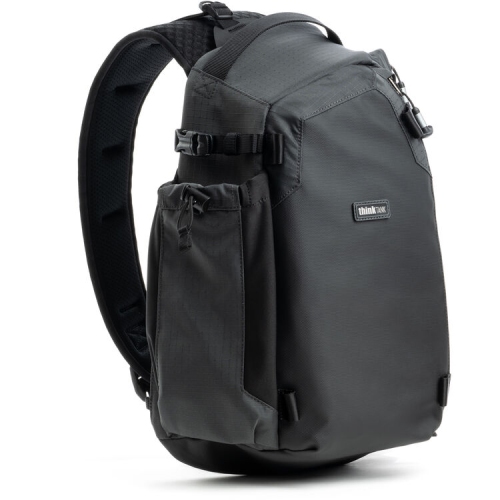
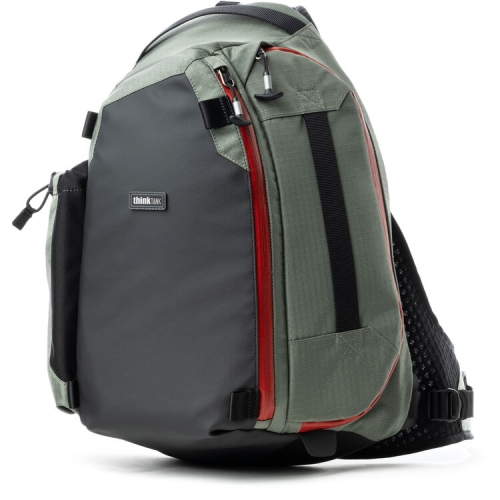
Access style changes how a hiking camera backpack works at each stop. Rear-panel access can expose the main equipment compartment while the front of the bag rests on a suitable surface, helping keep the harness away from dirt. Side-access openings can make a camera easier to reach without opening the entire bag, although the size of the opening and the position of the dividers determine what can actually be removed. Some designs allow the pack to rotate forward while the hip belt remains fastened, but this should only be done when the bag is designed for that movement. Top access may suit a camera stored near the upper compartment, while a full clamshell opening makes it easier to arrange equipment before heading out. Whatever the layout, stopping in a stable place before changing lenses or opening a large panel reduces the chance of dropping equipment or losing small accessories. Tripod storage deserves similar attention: a secure attachment should restrain both the legs and the upper section without blocking a zipper or swinging into the walking path. Bottle pockets and hydration compartments are useful when their placement keeps liquids separate from electronics. After an outing, emptying the bag makes it easier to remove grit before it works into fabric, dividers or zipper tracks. Loose dirt can usually be brushed away, and small marks may respond to gentle spot cleaning, subject to the care label. Removable inserts and padding should dry fully before equipment is packed again, and machine washing should be avoided unless the manufacturer specifically permits it. Store the backpack without crushing its padding or leaving heavy equipment pressing against one area for extended periods. For a photography enthusiast, a hiking camera backpack can be a thoughtful gift when their equipment dimensions and preferred outings are known. Appearance matters alongside function, particularly for a bag used between trail visits; Cool Camera Backpacks offers a related selection for considering different carrying styles. The most useful choice remains one that protects the intended setup, fits comfortably and leaves room for the rest of the day’s essentials.
Top selling and popular products
-
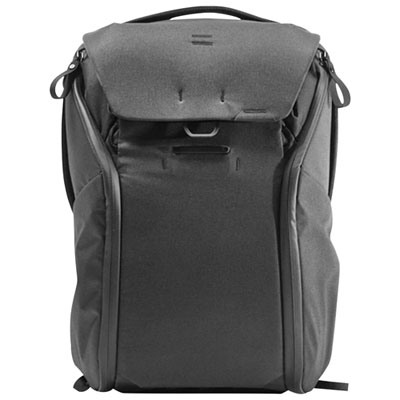 Your price for this item is $389.97
-
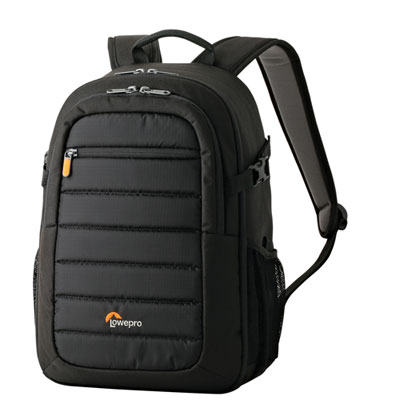 Your price for this item is $98.98
-
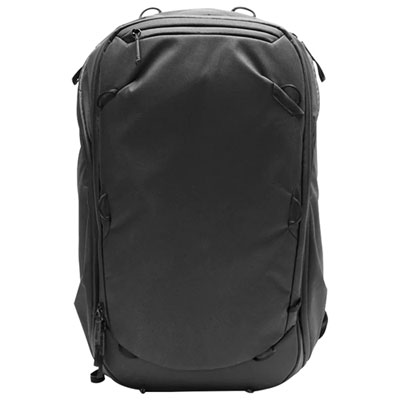 Your price for this item is $399.97
-
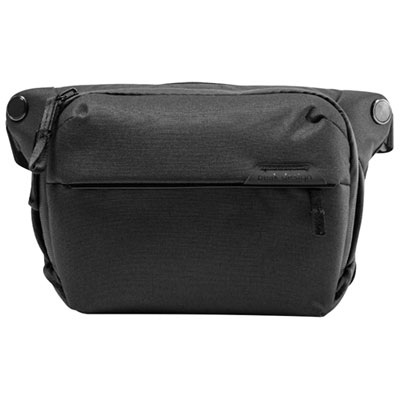 Your price for this item is $139.99
-
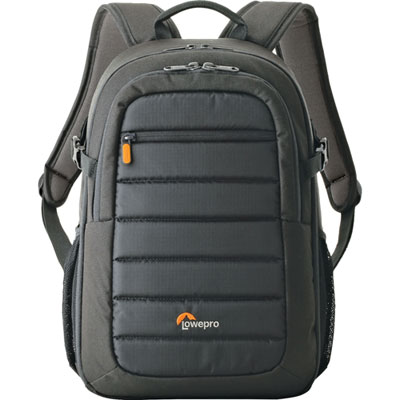 Your price for this item is $134.99
-
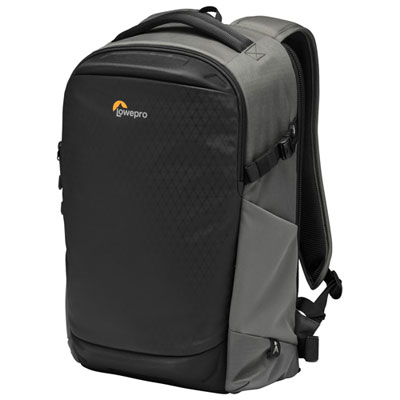 Your price for this item is $269.99
-
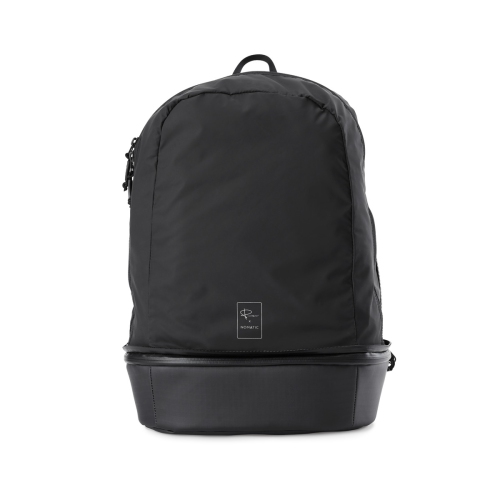 Your price for this item is $154.99
-
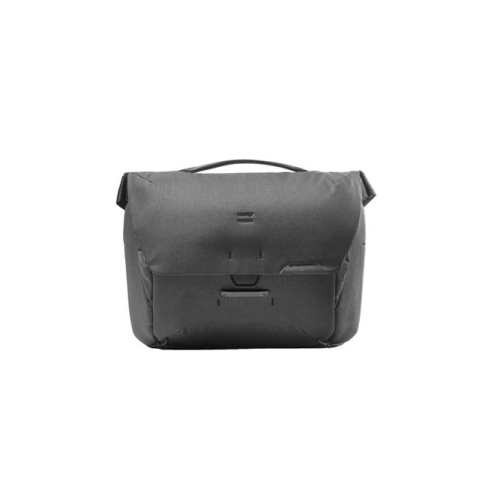 Your price for this item is $349