Hobbyist Drones
Looking to take your aerial photography and videography skills to new heights? Look no further than our extensive selection of hobbyist drones. Whether you're a beginner looking to dip your toes into the world of drone flying or an experienced enthusiast seeking advanced features and capabilities, our range of hobbyist drones has something for everyone. From compact and portable options perfect for on-the-go adventures to powerful models equipped with cutting-edge technology, we've curated a collection that caters to all skill levels and budgets. Explore our diverse assortment of hobbyist drones and prepare to unlock a whole new perspective on capturing stunning visuals from above.
Sort
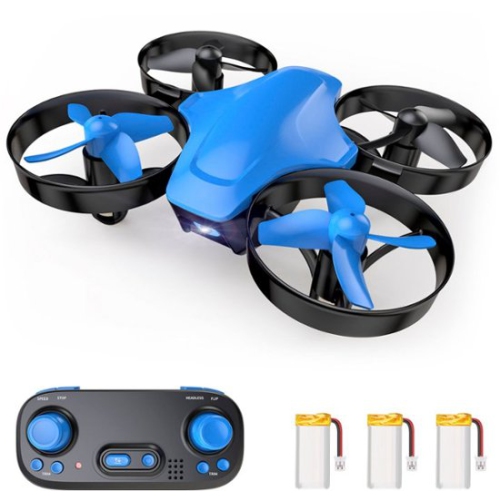

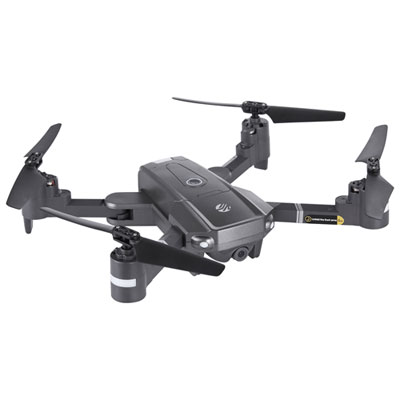
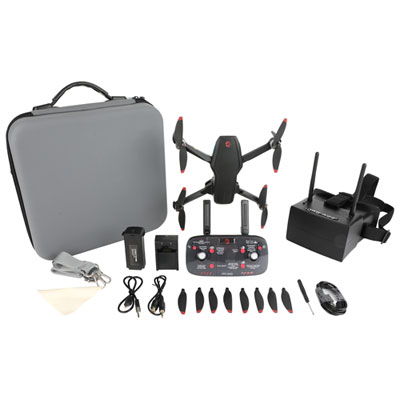
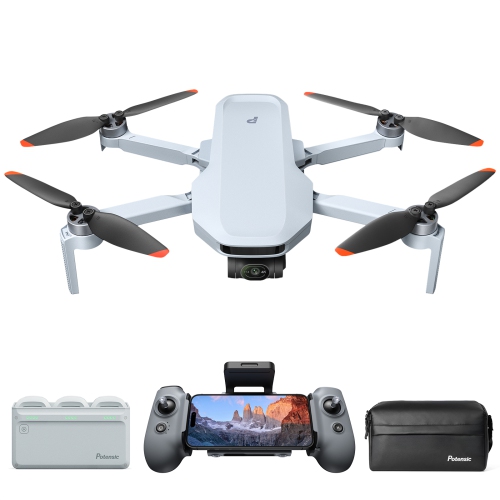
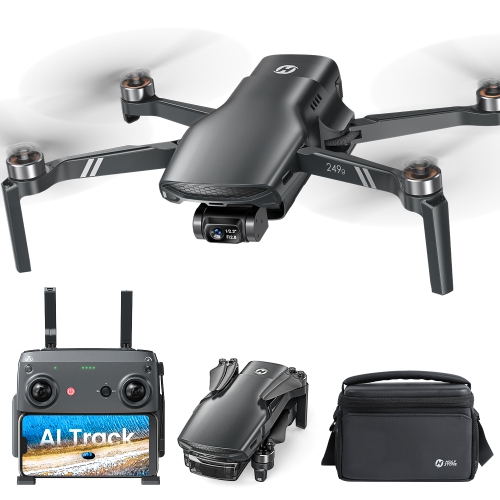
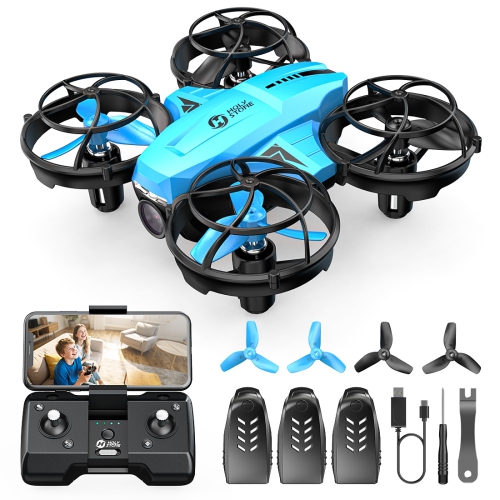
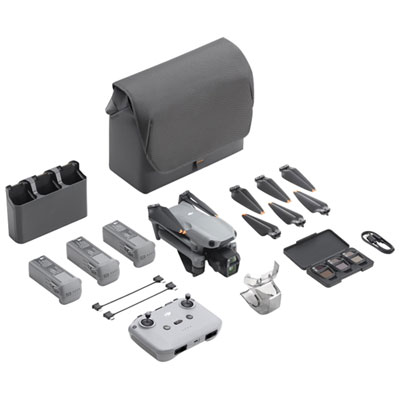
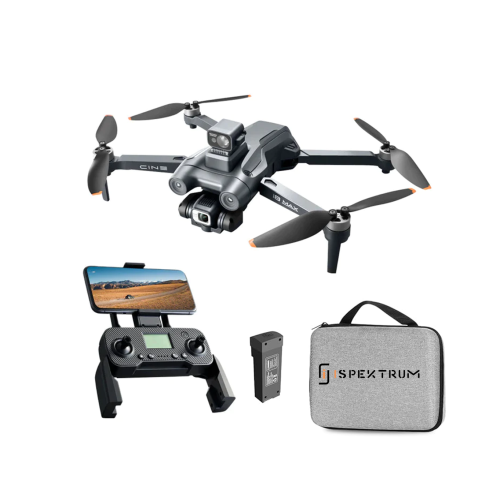
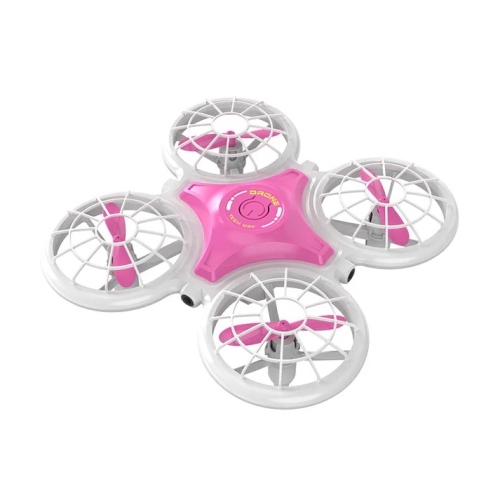
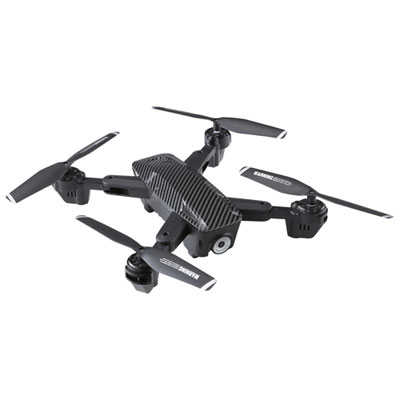
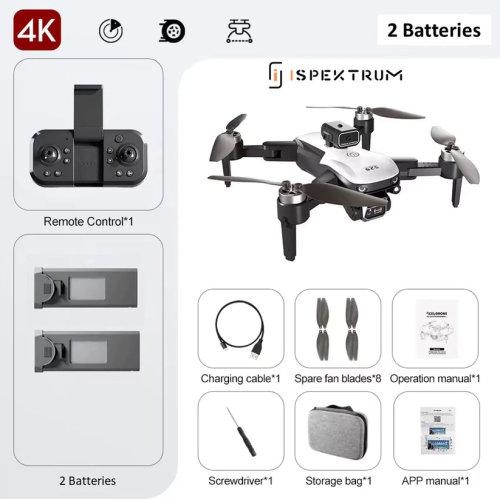
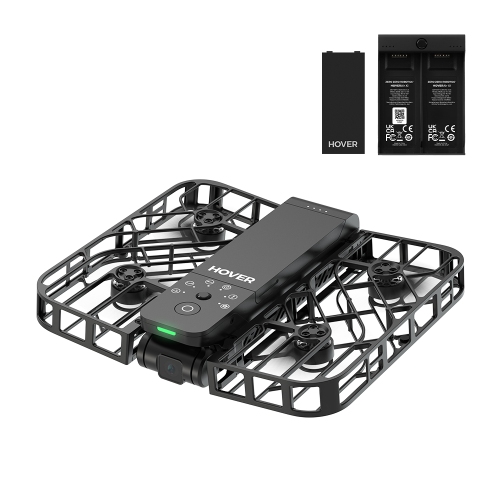
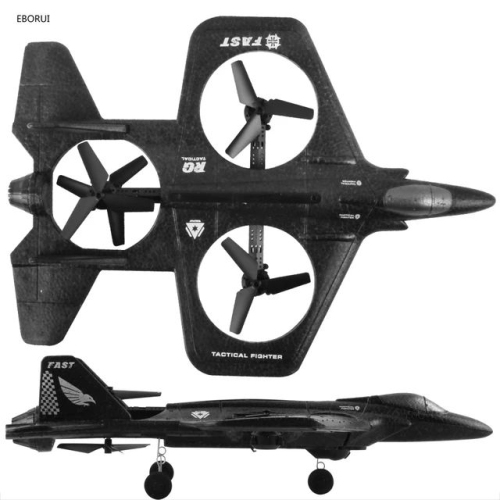
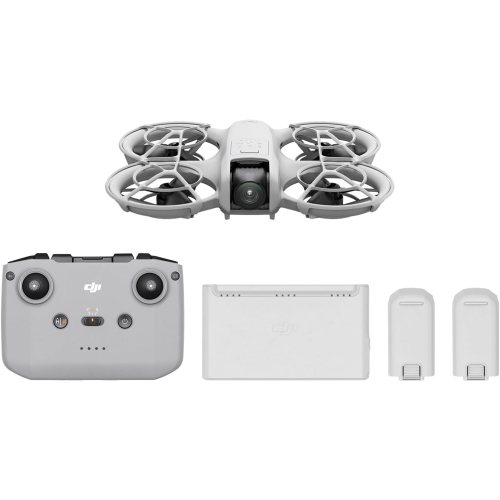
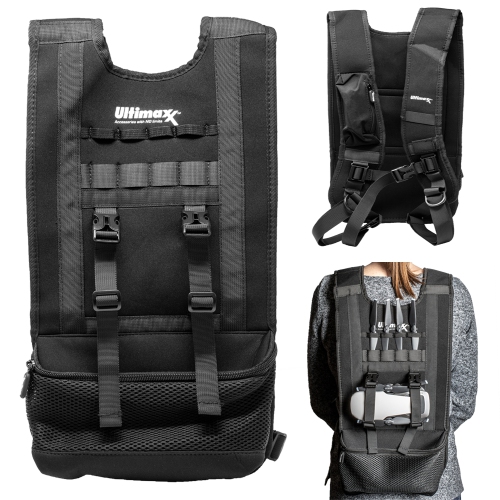
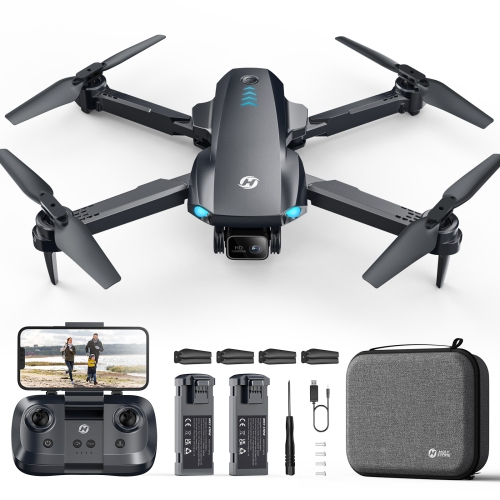

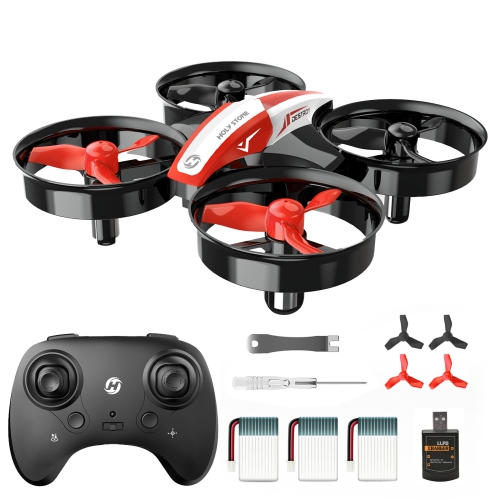
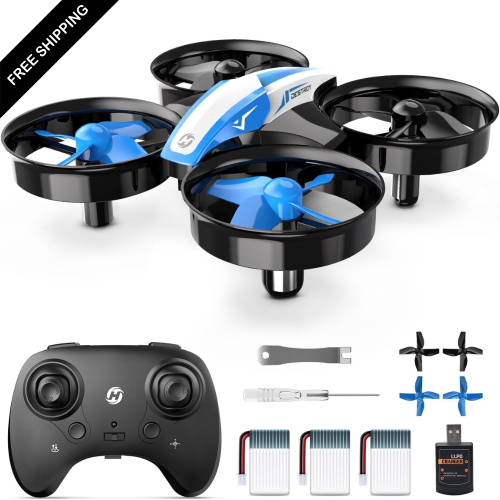
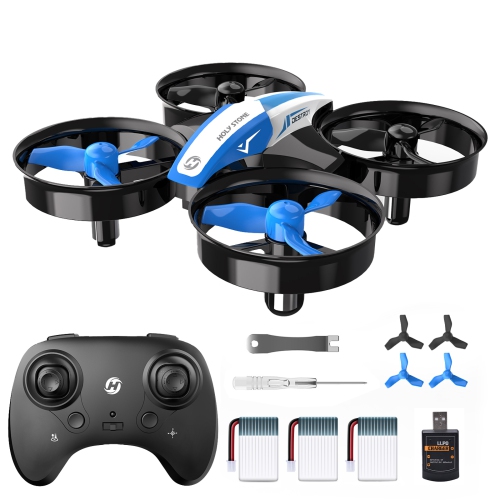
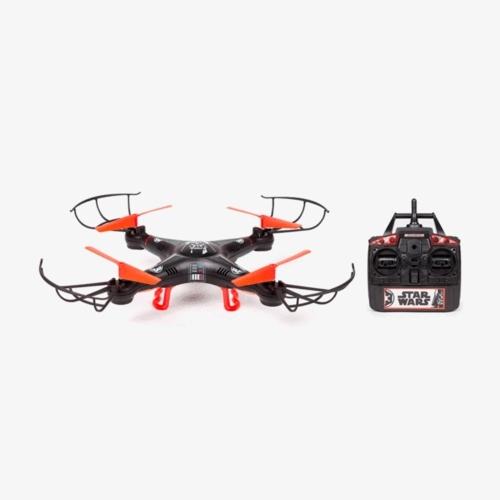
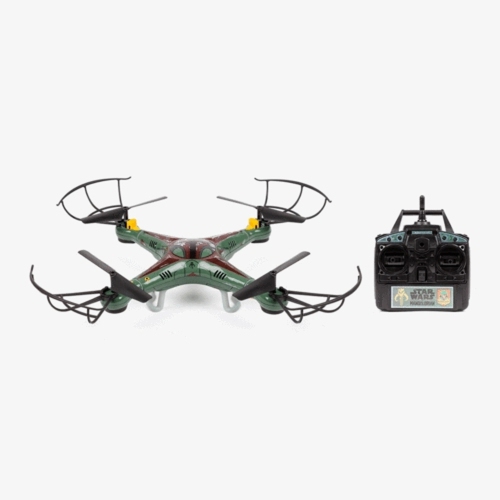
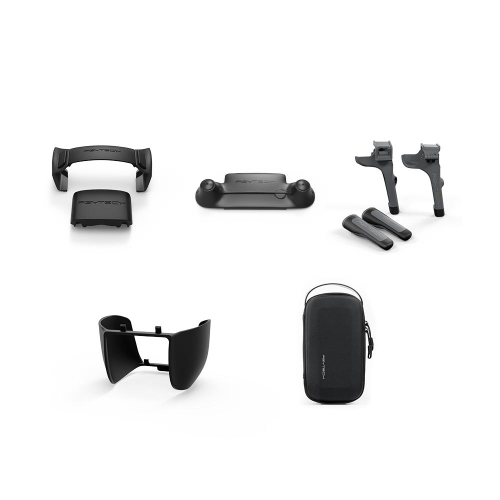
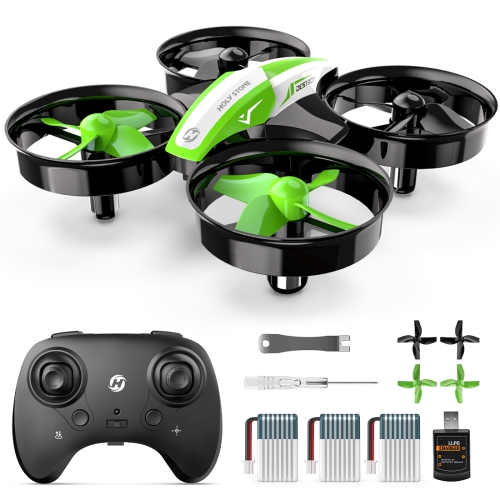
Different drones suit different ways to fly
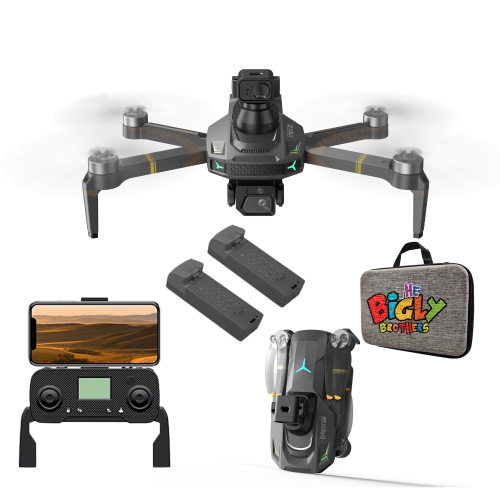
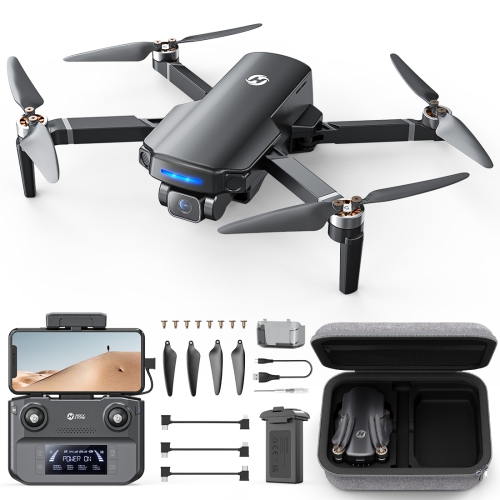
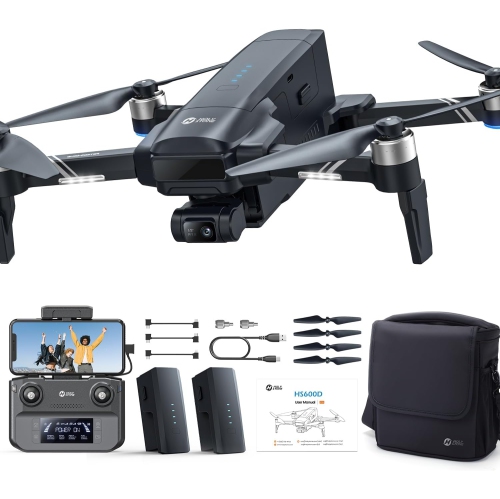
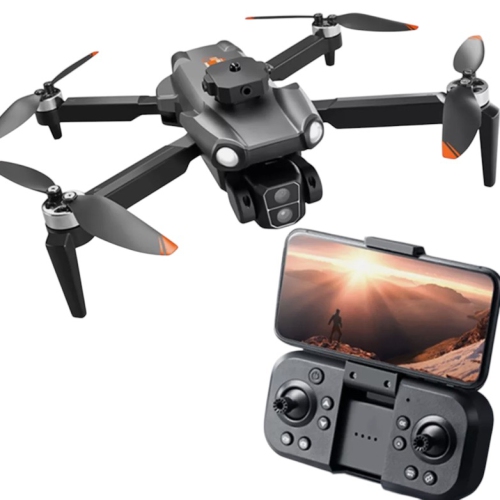
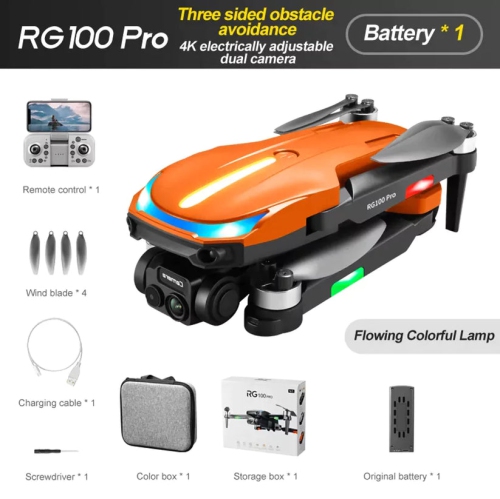
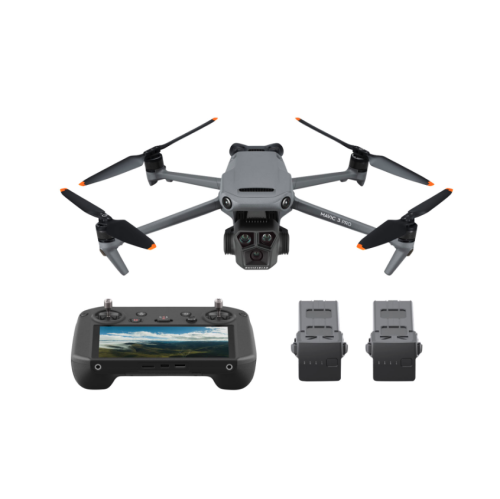
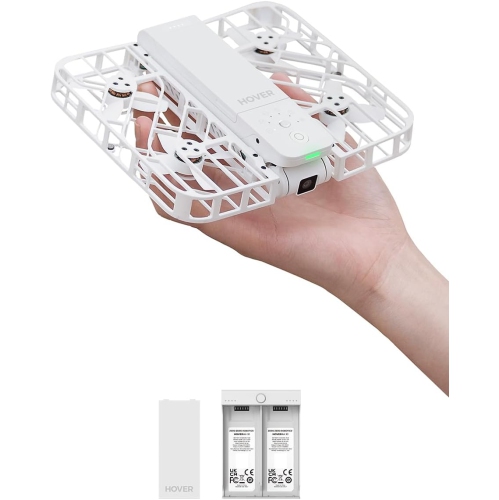
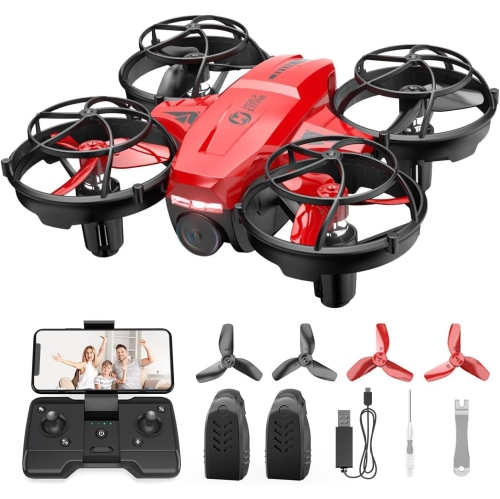
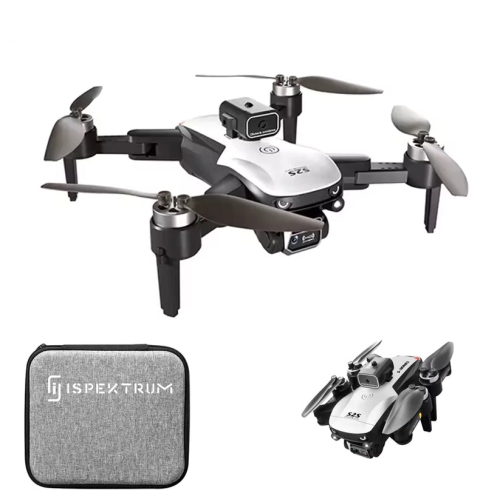
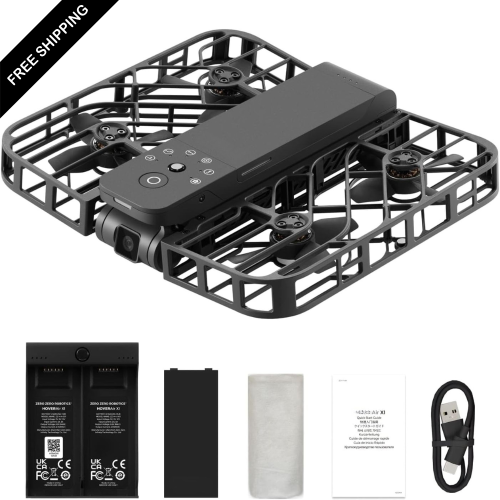
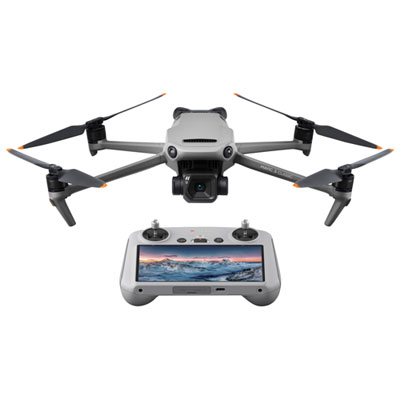
Hobbyist drones bring a fresh perspective to familiar places, whether you are learning to hold a steady hover in the backyard, capturing sweeping views of a favourite trail, or practising quick turns through an indoor obstacle course. This category includes several distinct types of drones, so the best choice depends on how you plan to fly. Camera and GPS drones are designed for smooth, controlled flights and aerial photography, with features such as stabilised video, automated takeoff and landing, return-to-home functions, subject tracking, and obstacle sensing. They are a natural fit for beginners who want an approachable flying experience, families recording outdoor adventures, travellers documenting landscapes, and hobbyists who enjoy turning a short flight into polished photos or video. Compact designs can be easier to carry in a backpack and quicker to prepare at a park or open field, while larger models may offer longer flight times, stronger wind resistance, more advanced cameras, or additional control options. When comparing hobbyist drones, consider the camera resolution and stabilisation system, the quality of the live-view connection, the controller layout, the expected flight time per battery, and whether spare batteries or a charging hub are available. A drone that is simple to set up and responsive to the controls is often more enjoyable than one with an impressive feature list that feels difficult to manage. GPS assistance can help a new pilot maintain position and recover from a moment of uncertainty, although every flight still benefits from practice in a clear, open area.
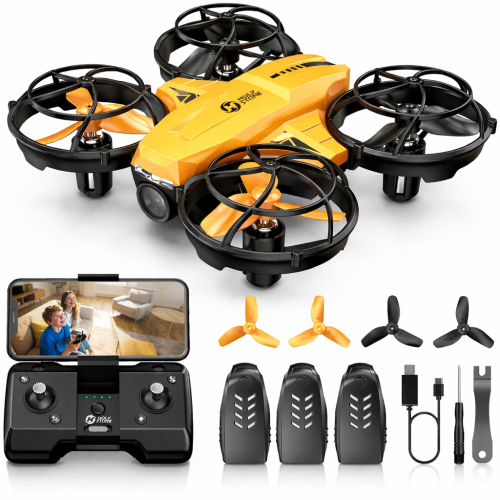
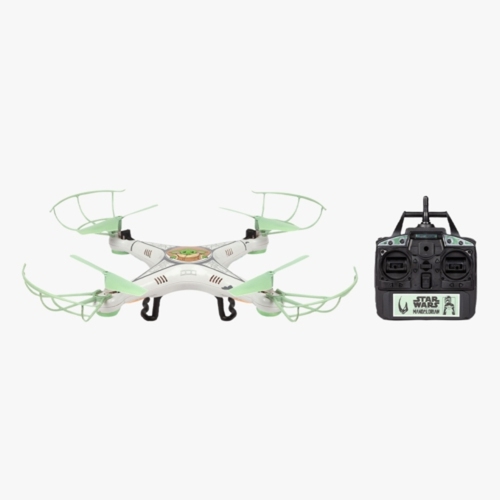
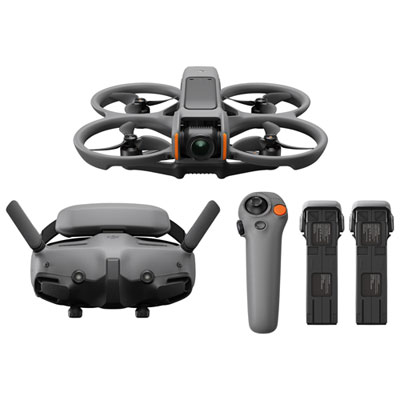
FPV, or first-person view, drones offer a more immersive style of flying. Instead of watching the aircraft from the ground, the pilot uses a headset or goggles to see a real-time view from the drone, creating the sensation of sitting in the cockpit. FPV systems are popular with hobbyists who enjoy speed, tight turns, climbing, diving, and aerial acrobatics, and they can make a rewarding gift for someone who likes remote-control vehicles, simulation games, technology, or hands-on projects. Entry-level FPV kits may include assisted flight modes, propeller guards, durable construction, and controls that help new pilots build confidence before moving on to fully manual manoeuvres. More advanced FPV setups typically demand quicker reactions and a greater understanding of orientation, battery management, and safe flying space. Toy and micro drones provide another accessible starting point, especially for casual indoor practice or short outdoor flights in calm conditions. Their lightweight frames and straightforward controls can make them suitable for children with close adult supervision, first-time pilots, and anyone who wants a low-commitment way to explore the hobby. Look for features that match the intended setting: propeller guards are useful around furniture and walls, altitude hold can make hovering less frustrating, and one-button landing can help reduce nervousness during a first session. For outdoor use, pay attention to the drone’s weight, wind performance, control range, battery charging time, and replacement-part availability. Cooler months can reduce battery performance, while damp conditions, frost, snow, and strong gusts can affect flight safety and electronics, so indoor practice or calm, dry days may be the better option as the seasons change.
Before purchasing or gifting a hobbyist drone, think about the pilot’s experience, the available flying space, and the amount of time they want to spend learning. Someone interested in scenic video may prefer a stable camera drone with automated flight support, while a pilot drawn to racing and stunts may be happier with an FPV kit and a durable frame. A beginner-friendly bundle with a controller, goggles where applicable, batteries, spare propellers, and basic accessories can help reduce the need for additional purchases and make the first flight more inviting. It is also worth checking the control method and app compatibility, since some drones rely on a mobile device for setup, live viewing, firmware updates, or flight records. Before each flight, inspect the propellers, confirm that the battery is securely installed, check the signal and GPS status when available, and choose a location away from people, traffic, buildings, airports, and other aircraft. In Canada, drone pilots are responsible for following Transport Canada rules, which can include registration, pilot certification, operating limits, and restrictions around controlled or sensitive airspace; requirements depend on the drone and how it is flown. Respect privacy by avoiding unwanted recording of neighbours or bystanders, and keep the aircraft within sight unless the applicable rules and equipment allow otherwise. Pilots seeking more specialised imaging capabilities or advanced flight performance can also explore Professional Drones. With the right match between features, skill level, and flying environment, hobbyist drones can support quiet solo practice, creative photography, family outings, friendly racing sessions, and memorable gifts that encourage curiosity long after the packaging has been opened.
FPV, or first-person view, drones offer a more immersive style of flying. Instead of watching the aircraft from the ground, the pilot uses a headset or goggles to see a real-time view from the drone, creating the sensation of sitting in the cockpit. FPV systems are popular with hobbyists who enjoy speed, tight turns, climbing, diving, and aerial acrobatics, and they can make a rewarding gift for someone who likes remote-control vehicles, simulation games, technology, or hands-on projects. Entry-level FPV kits may include assisted flight modes, propeller guards, durable construction, and controls that help new pilots build confidence before moving on to fully manual manoeuvres. More advanced FPV setups typically demand quicker reactions and a greater understanding of orientation, battery management, and safe flying space. Toy and micro drones provide another accessible starting point, especially for casual indoor practice or short outdoor flights in calm conditions. Their lightweight frames and straightforward controls can make them suitable for children with close adult supervision, first-time pilots, and anyone who wants a low-commitment way to explore the hobby. Look for features that match the intended setting: propeller guards are useful around furniture and walls, altitude hold can make hovering less frustrating, and one-button landing can help reduce nervousness during a first session. For outdoor use, pay attention to the drone’s weight, wind performance, control range, battery charging time, and replacement-part availability. Cooler months can reduce battery performance, while damp conditions, frost, snow, and strong gusts can affect flight safety and electronics, so indoor practice or calm, dry days may be the better option as the seasons change.
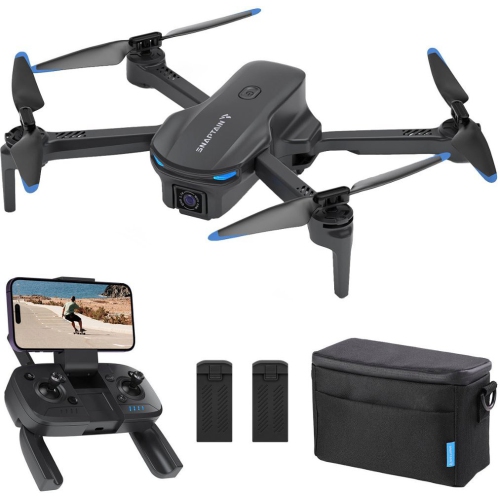
Before purchasing or gifting a hobbyist drone, think about the pilot’s experience, the available flying space, and the amount of time they want to spend learning. Someone interested in scenic video may prefer a stable camera drone with automated flight support, while a pilot drawn to racing and stunts may be happier with an FPV kit and a durable frame. A beginner-friendly bundle with a controller, goggles where applicable, batteries, spare propellers, and basic accessories can help reduce the need for additional purchases and make the first flight more inviting. It is also worth checking the control method and app compatibility, since some drones rely on a mobile device for setup, live viewing, firmware updates, or flight records. Before each flight, inspect the propellers, confirm that the battery is securely installed, check the signal and GPS status when available, and choose a location away from people, traffic, buildings, airports, and other aircraft. In Canada, drone pilots are responsible for following Transport Canada rules, which can include registration, pilot certification, operating limits, and restrictions around controlled or sensitive airspace; requirements depend on the drone and how it is flown. Respect privacy by avoiding unwanted recording of neighbours or bystanders, and keep the aircraft within sight unless the applicable rules and equipment allow otherwise. Pilots seeking more specialised imaging capabilities or advanced flight performance can also explore Professional Drones. With the right match between features, skill level, and flying environment, hobbyist drones can support quiet solo practice, creative photography, family outings, friendly racing sessions, and memorable gifts that encourage curiosity long after the packaging has been opened.
Top selling and popular products
-
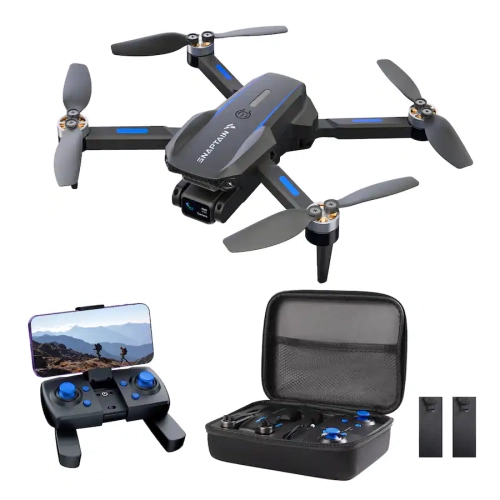 Your price for this item is $109.98
 -
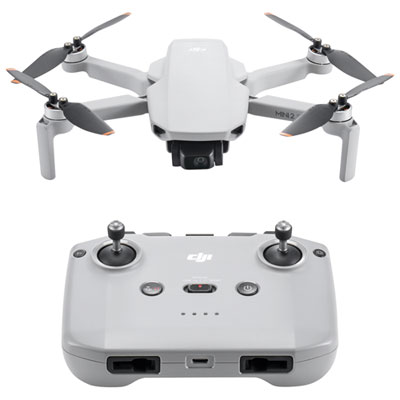 Your price for this item is $359.99
 -
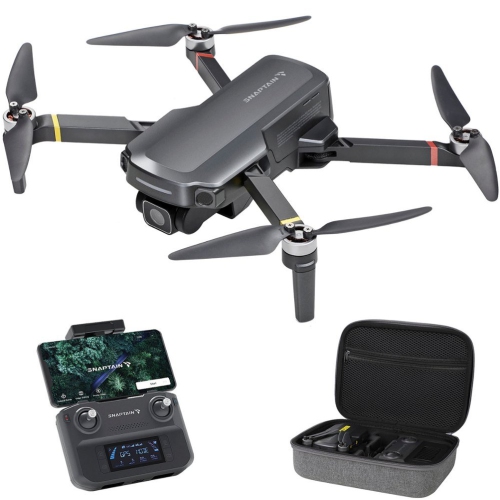 Your price for this item is $279.9
 -
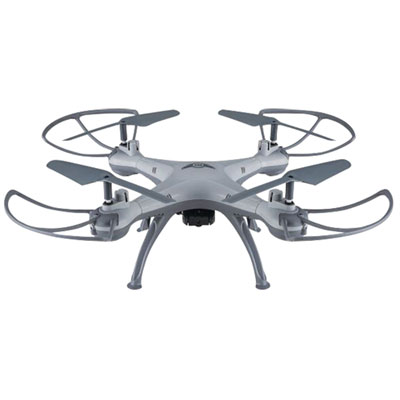 Your price for this item is $49.99
 -
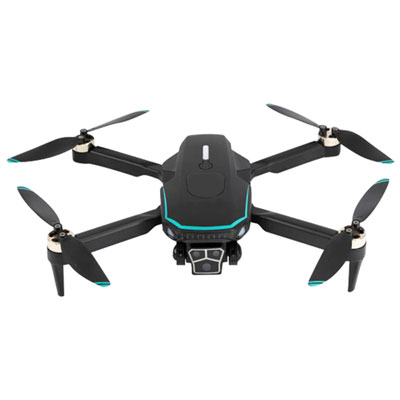 Your price for this item is $79.99
 -
 Your price for this item is $1279.99
 -
 Your price for this item is $1759.99
 -
 Your price for this item is $189.9
Discover more categories related to Hobbyist Drones
Top Collections:
Pokemon Centers, Kindle Devices, Best Budget Office Chairs, Apple iPhones 16, Best Laptops for Writers, iPhone 15 Apple, Canon G7X Cameras, Refurbished Apple Laptops, Alarm Clock, Motorola Razr Phones
Some products may be subject to Environmental Handling Fees
(EHF) depending on your province.
Learn more about EHFs.