Professional Drones
Capture breathtaking aerial footage and take your photography and videography skills to new heights with these professional drones. Whether you're a seasoned drone enthusiast or a professional photographer looking to expand your creative possibilities, this range of high-quality drones is designed to meet your needs. From advanced flight features and cutting-edge camera technology to long battery life and reliable performance, these drones are built to deliver exceptional results.
Sort


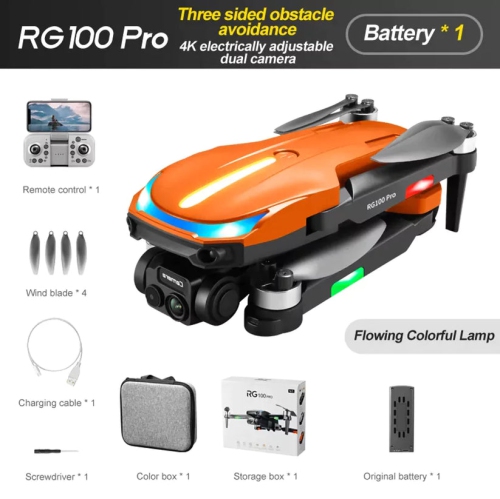
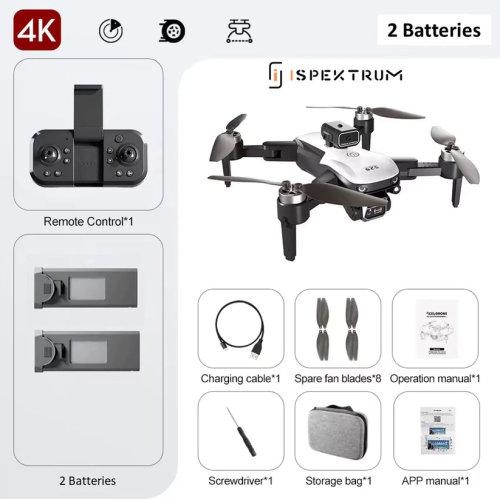
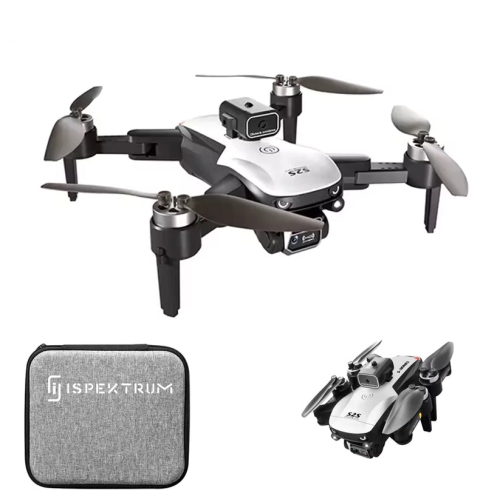
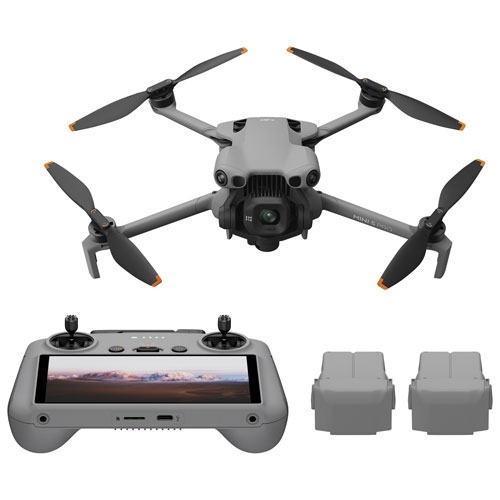
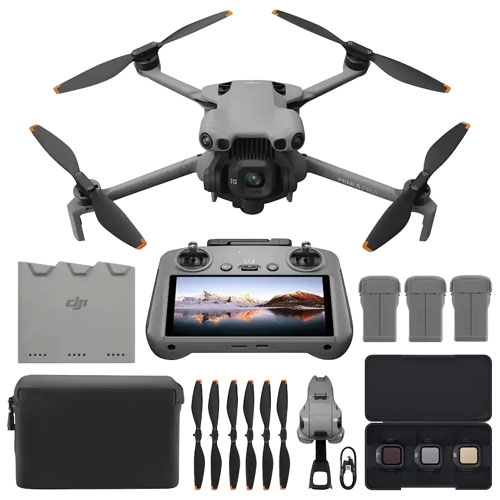
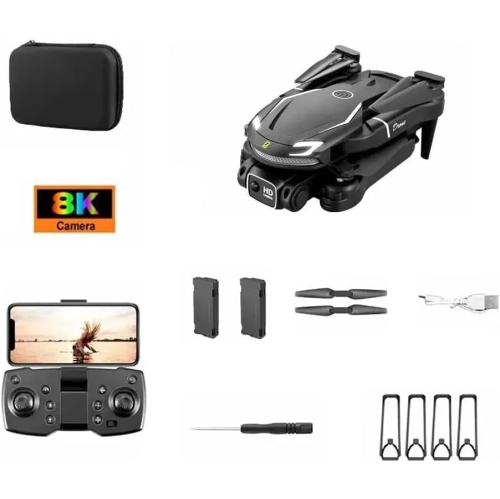
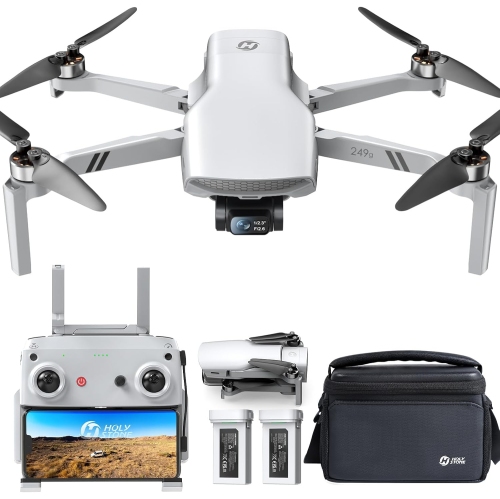
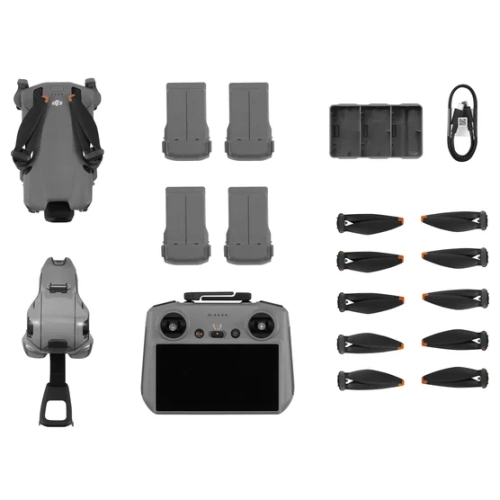
What to consider for demanding aerial work
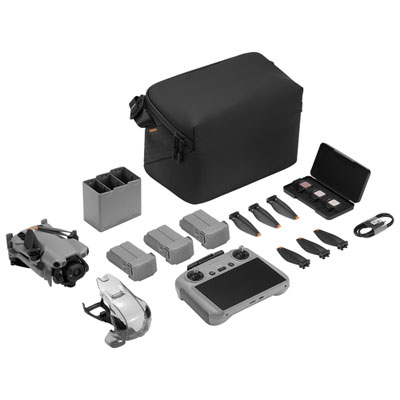
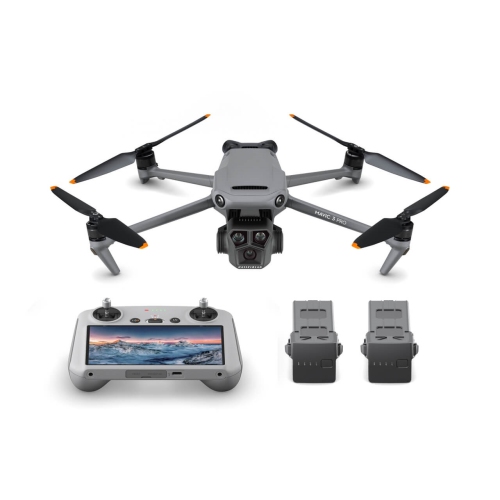
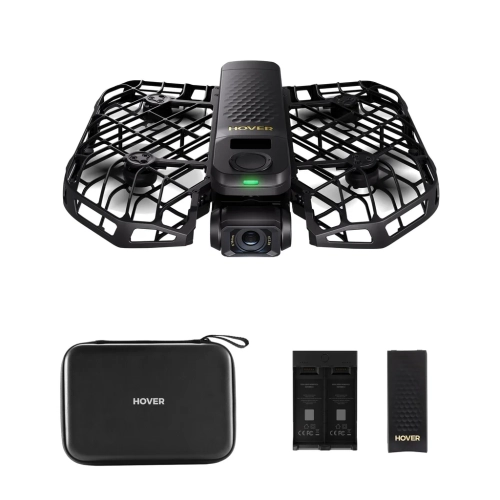
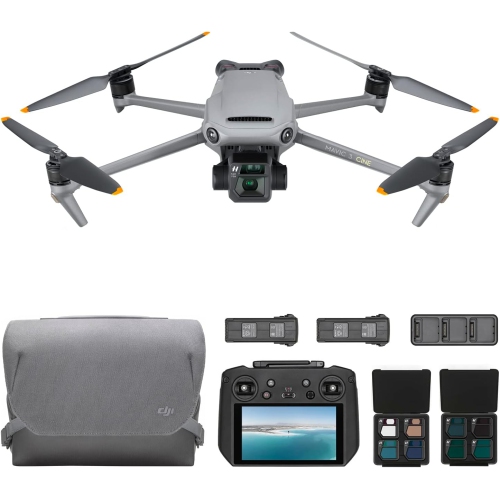
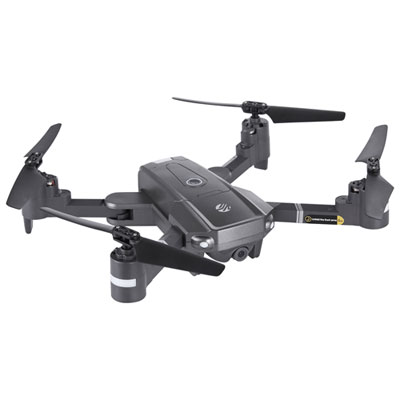
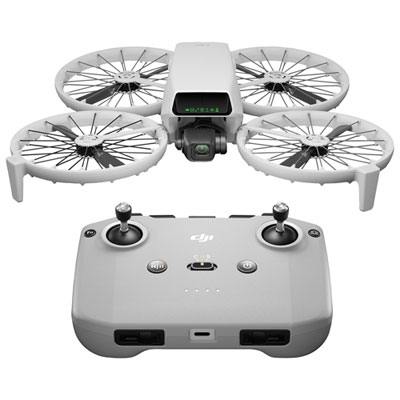
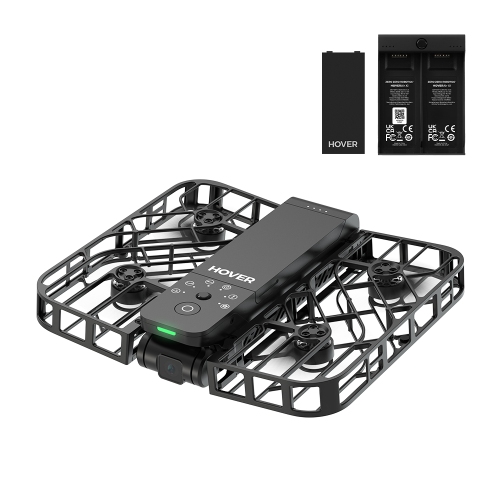
Professional drones are designed for demanding aerial work where image quality, flight reliability, control and data management matter as much as the aircraft itself. They can help filmmakers capture smooth overhead sequences, real estate professionals present properties from a memorable perspective, surveyors document land and structures, and contractors monitor progress across large or difficult-to-reach sites. Depending on the model, professional drones may include large image sensors, interchangeable or multi-camera systems, high-resolution still photography, advanced video recording, obstacle sensing and precise positioning. A capable drone can reveal details that are easy to miss from the ground: the layout of a sprawling property, the condition of a roofline, the progress of a bridge project or the way light moves across a landscape at sunrise. For shoppers focused on photography and videography, explore Professional Aerial Photography Drones to compare equipment suited to elevated image-making. Choosing the right professional drone starts with identifying the work it needs to perform. A filmmaker may place greater value on cinematic video formats, dependable gimbal stabilization, high dynamic range and a camera that performs well as daylight fades. A property photographer may prioritize portability, quiet operation, accurate positioning and the ability to create clean, polished footage without repeated flights. Surveying, inspection and mapping applications can call for different capabilities, including accurate geolocation, long flight endurance, detailed downward-facing imagery, thermal imaging or a rangefinder for measuring distance. A drone with a sophisticated camera is not automatically the best choice for every job; the complete system must support the operator’s workflow from takeoff to file delivery.
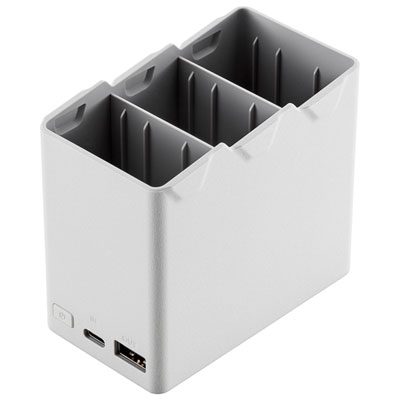
Flight time is another important consideration, although the advertised maximum is only one part of the picture. Wind, temperature, payload, flight speed and return-to-home settings can all affect the time available in the air. Professional users often plan around spare batteries, charging equipment and safe landing options rather than relying on a single battery cycle. A compact, quick-folding design can be valuable for photographers travelling between locations, while a larger aircraft may offer stronger wind handling, expanded payload options and more robust transmission over challenging terrain. Look closely at the controller, live-view quality, storage options and file-transfer process as well. When a project involves dozens of images or lengthy video clips, fast storage and a straightforward way to organize files can save considerable time after landing. Obstacle detection and automated flight features can add confidence, but they do not replace good judgement. Trees, wires, reflective surfaces, birds, changing light and crowded surroundings can all create hazards that sensors may not detect perfectly. Before each flight, professional operators should inspect the propellers, batteries and aircraft body, confirm the home point, check weather and review the planned route. It is also wise to consider replacement parts, protective cases, extra propellers and insurance when calculating the overall cost of a professional setup. During the cooler months, batteries may need additional care because low temperatures can reduce available flight time, while condensation can affect equipment when moving between warm interiors and cold outdoor air.
Professional drones can be useful for established businesses, independent creators and students building practical experience in aerial imaging. A real estate team might use one to show how a home sits within its neighbourhood, while a roofing company could document areas that are difficult or unsafe to inspect from a ladder. On a farm, aerial views can help track field conditions and identify patterns that deserve closer attention; on a construction site, repeated flights can create a visual record of progress for project teams and clients. Videographers may use a drone to add scale to a wedding venue, sports event or outdoor production, provided the location and flight plan allow it. These products can also make a meaningful gift for an experienced photographer, filmmaker or technology enthusiast who already understands the responsibilities of operating an aircraft and has a clear creative project in mind. They are less suited to casual, unplanned use, since professional models require preparation, practice and a safe place to fly. In Canada, drone operators must follow Transport Canada rules that can vary according to the aircraft, operation and location. Certification, registration, airspace restrictions, distance from people and property, privacy obligations and local bylaws should all be reviewed before a flight. Operators may also need permission for controlled airspace or additional training for more complex work. Keeping records of flights, inspections and maintenance can support safer, more consistent results over time. The best professional drone is the one that matches the operator’s subject, environment and workflow, with enough camera performance, flight endurance, control range and safety features to complete the job confidently. By comparing these details before purchasing, shoppers can choose equipment that delivers useful aerial imagery in real working conditions, from broad scenic views to precise documentation of a single roof, structure or worksite.
Flight time is another important consideration, although the advertised maximum is only one part of the picture. Wind, temperature, payload, flight speed and return-to-home settings can all affect the time available in the air. Professional users often plan around spare batteries, charging equipment and safe landing options rather than relying on a single battery cycle. A compact, quick-folding design can be valuable for photographers travelling between locations, while a larger aircraft may offer stronger wind handling, expanded payload options and more robust transmission over challenging terrain. Look closely at the controller, live-view quality, storage options and file-transfer process as well. When a project involves dozens of images or lengthy video clips, fast storage and a straightforward way to organize files can save considerable time after landing. Obstacle detection and automated flight features can add confidence, but they do not replace good judgement. Trees, wires, reflective surfaces, birds, changing light and crowded surroundings can all create hazards that sensors may not detect perfectly. Before each flight, professional operators should inspect the propellers, batteries and aircraft body, confirm the home point, check weather and review the planned route. It is also wise to consider replacement parts, protective cases, extra propellers and insurance when calculating the overall cost of a professional setup. During the cooler months, batteries may need additional care because low temperatures can reduce available flight time, while condensation can affect equipment when moving between warm interiors and cold outdoor air.
Professional drones can be useful for established businesses, independent creators and students building practical experience in aerial imaging. A real estate team might use one to show how a home sits within its neighbourhood, while a roofing company could document areas that are difficult or unsafe to inspect from a ladder. On a farm, aerial views can help track field conditions and identify patterns that deserve closer attention; on a construction site, repeated flights can create a visual record of progress for project teams and clients. Videographers may use a drone to add scale to a wedding venue, sports event or outdoor production, provided the location and flight plan allow it. These products can also make a meaningful gift for an experienced photographer, filmmaker or technology enthusiast who already understands the responsibilities of operating an aircraft and has a clear creative project in mind. They are less suited to casual, unplanned use, since professional models require preparation, practice and a safe place to fly. In Canada, drone operators must follow Transport Canada rules that can vary according to the aircraft, operation and location. Certification, registration, airspace restrictions, distance from people and property, privacy obligations and local bylaws should all be reviewed before a flight. Operators may also need permission for controlled airspace or additional training for more complex work. Keeping records of flights, inspections and maintenance can support safer, more consistent results over time. The best professional drone is the one that matches the operator’s subject, environment and workflow, with enough camera performance, flight endurance, control range and safety features to complete the job confidently. By comparing these details before purchasing, shoppers can choose equipment that delivers useful aerial imagery in real working conditions, from broad scenic views to precise documentation of a single roof, structure or worksite.
Top selling and popular products
-
 Your price for this item is $109.98
 -
 Your price for this item is $359.99
 -
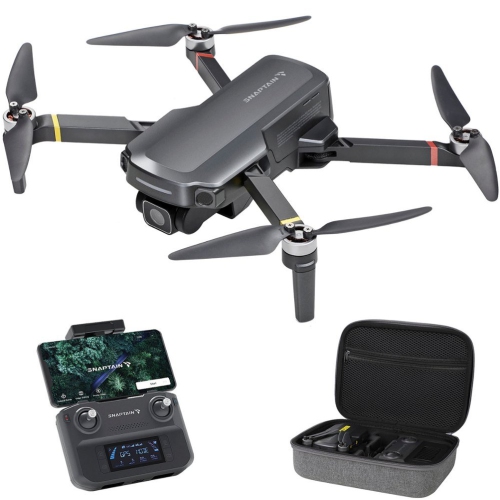 Your price for this item is $279.9
 -
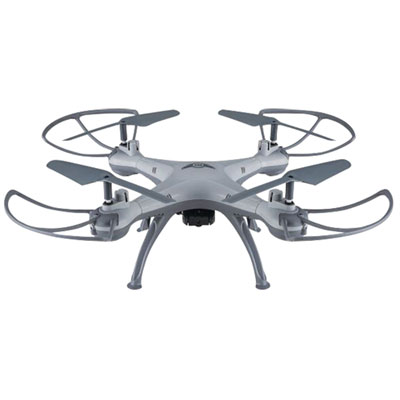 Your price for this item is $49.99
 -
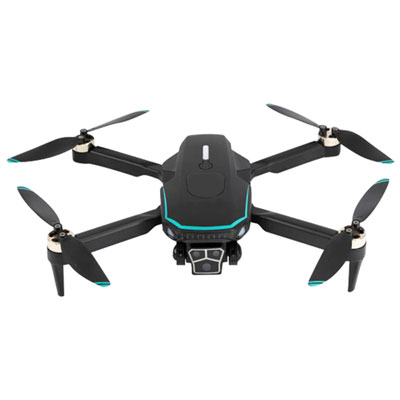 Your price for this item is $79.99
 -
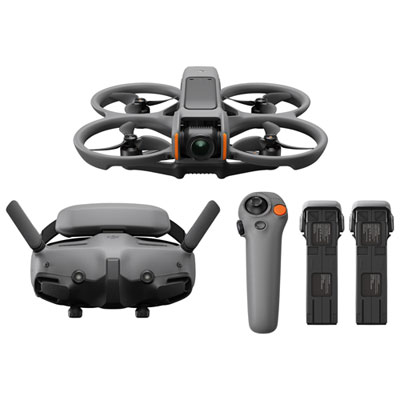 Your price for this item is $1279.99
 -
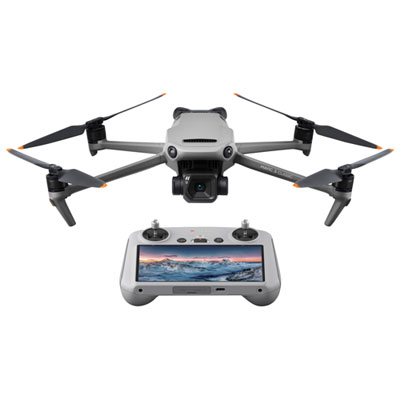 Your price for this item is $1759.99
 -
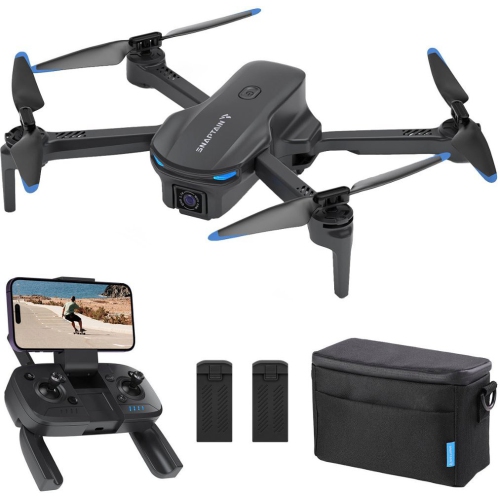 Your price for this item is $189.9
Discover more categories related to Professional Drones
Top Collections:
Pokemon Centers, Kindle Devices, Best Budget Office Chairs, Apple iPhones 16, Best Laptops for Writers, iPhone 15 Apple, Canon G7X Cameras, Refurbished Apple Laptops, Alarm Clock, Motorola Razr Phones
Some products may be subject to Environmental Handling Fees
(EHF) depending on your province.
Learn more about EHFs.