Hunting Drones
Looking to take your hunting experience to the next level? Look no further than our collection of hunting drones. These high-tech devices are revolutionizing the way hunters scout, track, and survey their prey. Whether you're a seasoned hunter or just starting out, our wide selection of hunting drones offers advanced features and cutting-edge technology to enhance your hunting skills. From aerial photography capabilities to real-time tracking systems, these drones are designed to give you the ultimate advantage in the wild. Explore our range of hunting drones and discover the perfect companion for your next hunting expedition.
Sort

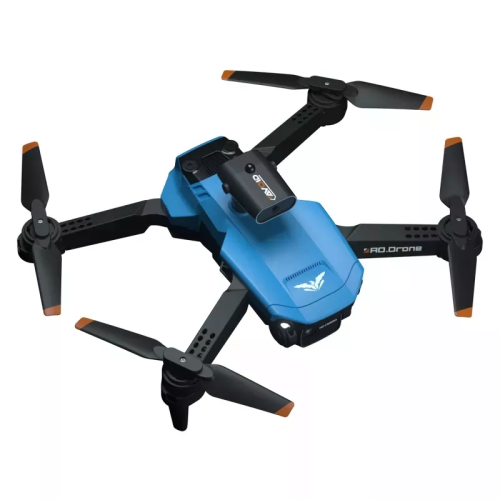
Canadian rules shape responsible drone use in the field
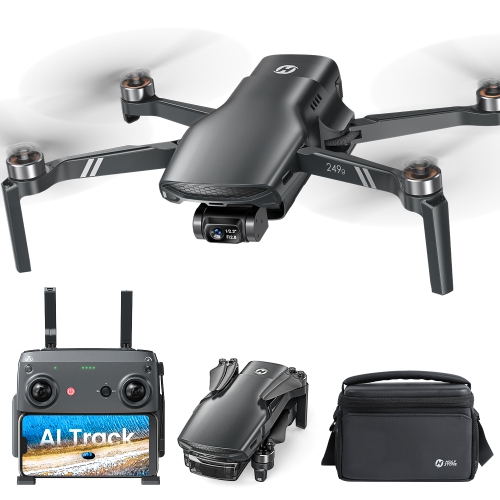
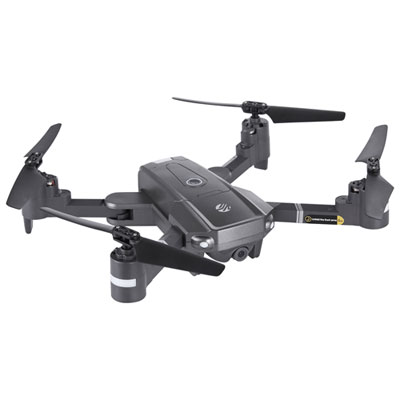
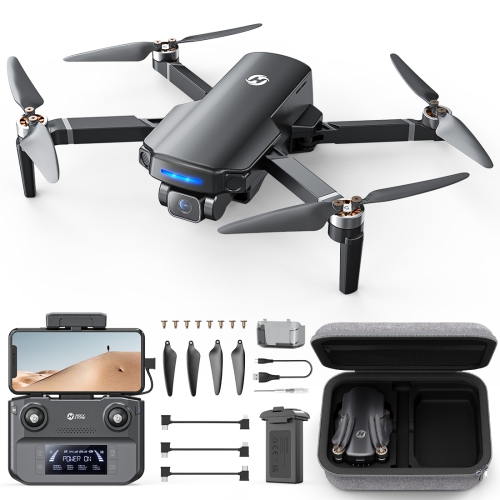
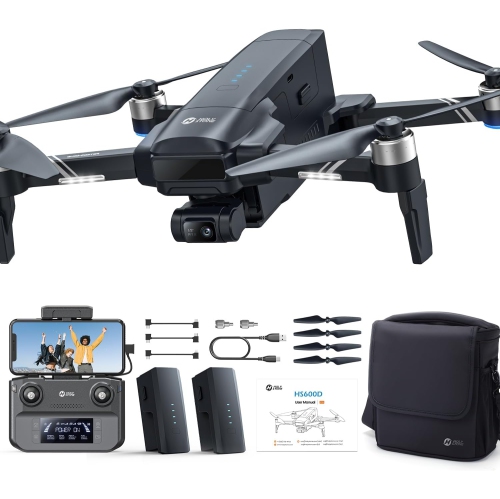
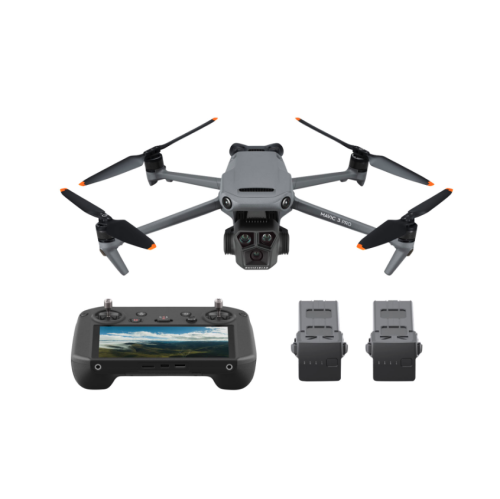
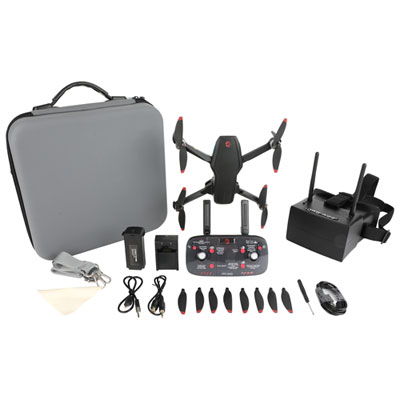
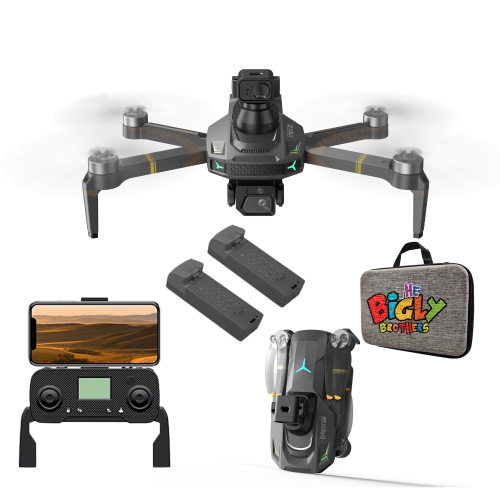
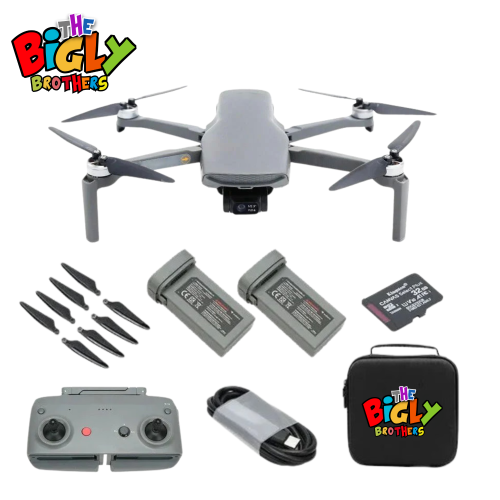
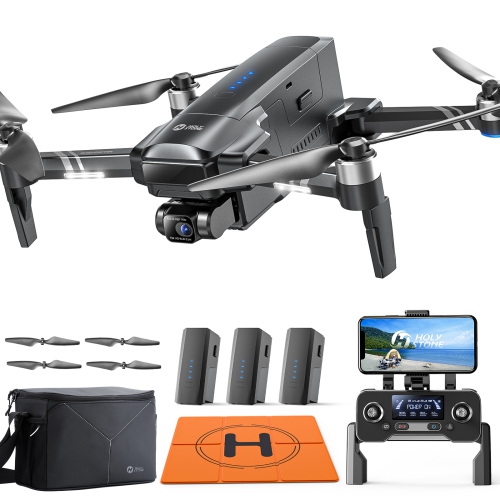
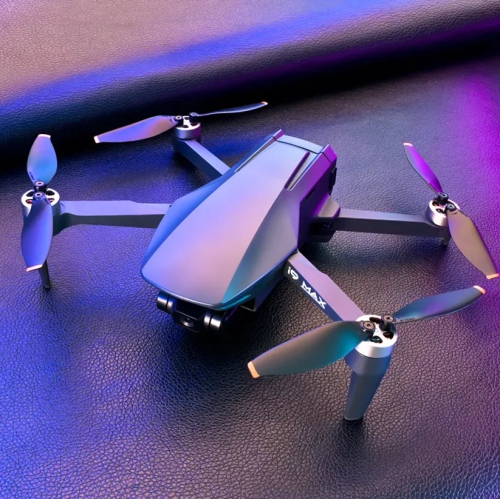
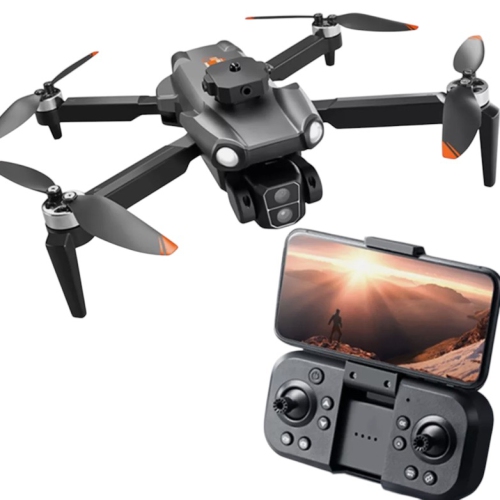
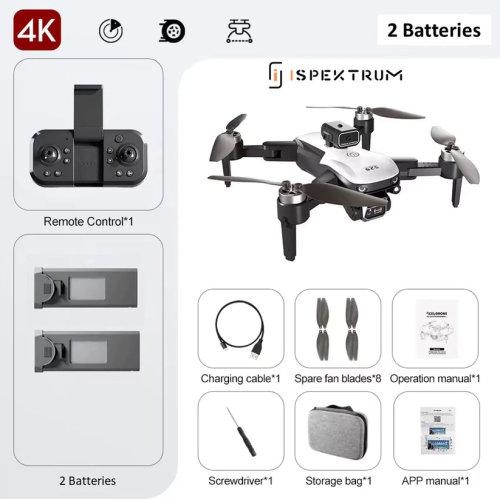
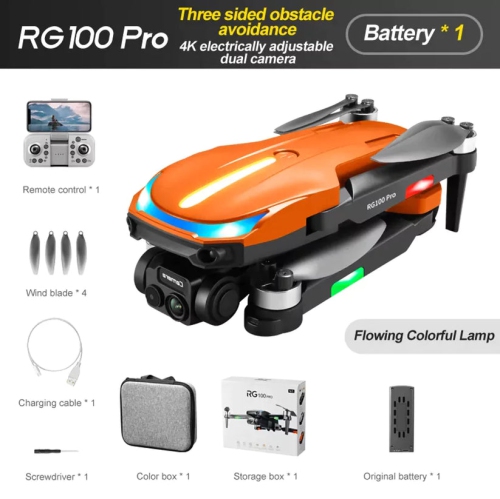
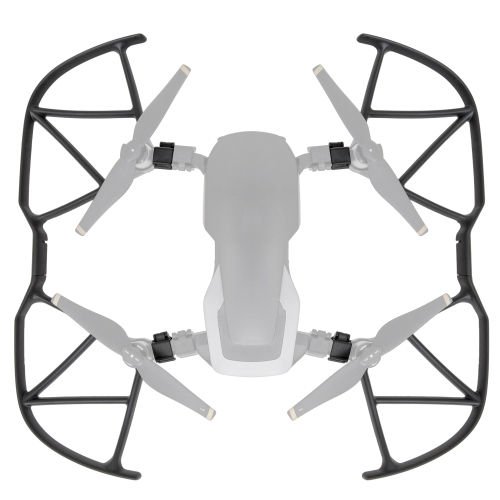
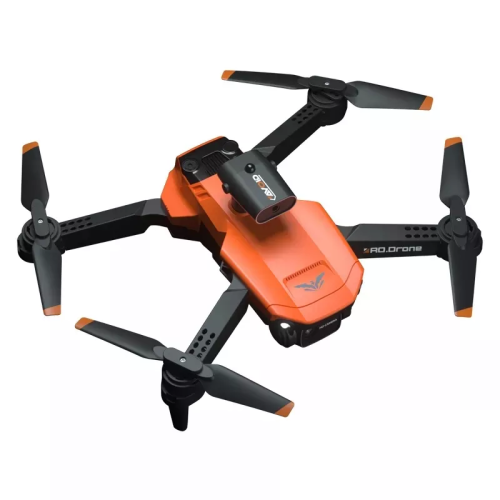
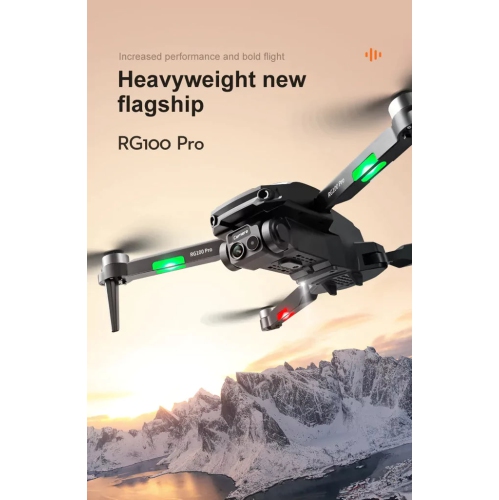
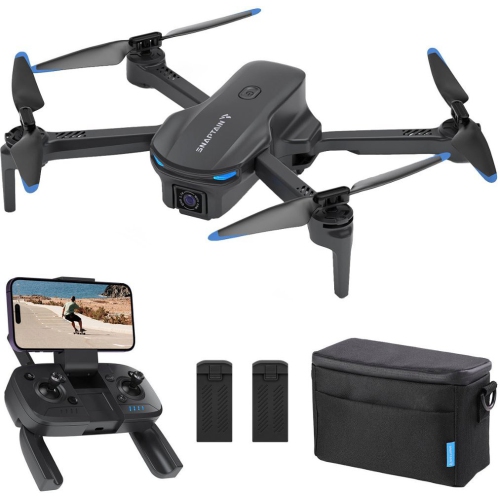
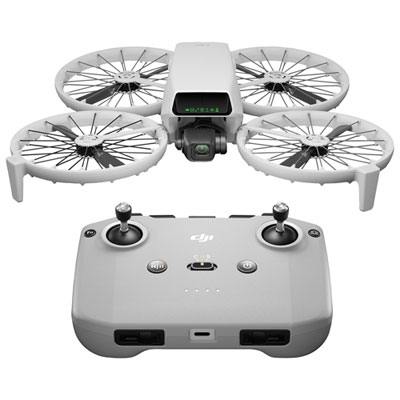
Hunting drones are generally considered tools for responsible preparation and permitted game recovery, not equipment for pursuing wildlife. In Canada, rules can vary by province, territory, wildlife management unit and land designation, so checking applicable hunting regulations and Transport Canada requirements is an essential first step. In many jurisdictions, using a drone to locate, track, herd, harass or direct a hunter toward live game during an active hunt is prohibited, even when the aircraft is operated from a distance or the animal is not physically disturbed. A drone may instead be useful before the season for observing terrain, identifying access points, reviewing open areas, checking the condition of trails and understanding how fields, wooded edges, water sources and elevated ground connect. It can also support permitted recovery efforts after an animal has been legally harvested or, where local rules allow, help locate a wounded animal without sending a person immediately into difficult terrain. Always confirm the exact rules before flying, including restrictions on aircraft use for scouting, thermal imaging, recovery, protected areas and private property. A drone should never be used to replace sound judgement, ethical hunting practices or direct confirmation of a safe shot. When choosing equipment, consider the type of information you need rather than simply selecting the most advanced camera. A high-resolution visual camera can reveal terrain features, fence lines, clearings and routes during daylight, while thermal imaging can help identify heat sources in low-light conditions or assist with recovery in thick vegetation. Thermal viewing is not a licence to pursue or target wildlife, and heat signatures can come from people, livestock, vehicles, rocks warmed by the sun or other objects, so images should be interpreted carefully. For many outdoor users, a stable aircraft with a dependable GPS system, return-to-home function, obstacle sensing and a clear live view provides a useful balance of control and confidence. Foldable designs are easier to transport to a trailhead or cabin, while a rugged case can help protect the aircraft, controller and spare parts during travel. Battery capacity matters in cooler conditions, when flight time may be reduced, and extra batteries should be stored and handled according to the manufacturer’s instructions. It is also wise to account for wind, rain, fog, tree cover and limited visibility, since autumn weather can change quickly over open fields and forested areas.
The best hunting drone setup depends on how it will be used, where it will be flown and who will operate it. Someone planning pre-season terrain work may place greater value on detailed daylight photography, smooth video, accurate positioning and a flight time that supports broad mapping. A person involved in lawful recovery may prioritize a sensitive thermal camera, a bright display, strong signal stability and the ability to hover steadily while reviewing an area from a safe location. Zoom can help examine distant terrain without moving the aircraft closer, but it does not remove the need to respect distance limits, wildlife protections, privacy and airspace rules. Before each flight, check the aircraft, propellers, battery condition, compass or positioning status, controller connection and planned landing area. Keep a clear record of where and when the drone was flown, avoid disturbing animals and people, and maintain a safe distance from roads, homes, livestock, other aircraft and emergency operations. Operators should also understand whether their flight requires registration, a pilot certificate, permission from a landowner or authorization for a particular area. A responsible flight plan includes an alternate landing location and a decision to stay on the ground when visibility or wind becomes unsafe. These drones can be useful for outdoor enthusiasts who enjoy learning a landscape before heading into it, including hunters, property managers, search-and-rescue volunteers and backcountry photographers, provided each activity follows the relevant rules. They may also be considered as a gift for an experienced drone operator or outdoorsperson who already understands aviation safety and local wildlife regulations; they are less suitable as an impulse gift for a first-time flyer with no opportunity to practise in an open, permitted area. If you are comparing related aerial camera styles, you can also explore Helicopter Drones for other options suited to recreational flying and aerial photography. During the warmer part of the year and into the cooler months, careful preparation remains important: charge batteries indoors, protect equipment from condensation, allow cold devices to acclimatize before use and keep visibility clear around the landing zone. Used thoughtfully, a hunting drone can provide a different perspective on terrain and support lawful planning or recovery while keeping animal welfare, personal safety, privacy and Canadian regulations at the centre of every flight.
The best hunting drone setup depends on how it will be used, where it will be flown and who will operate it. Someone planning pre-season terrain work may place greater value on detailed daylight photography, smooth video, accurate positioning and a flight time that supports broad mapping. A person involved in lawful recovery may prioritize a sensitive thermal camera, a bright display, strong signal stability and the ability to hover steadily while reviewing an area from a safe location. Zoom can help examine distant terrain without moving the aircraft closer, but it does not remove the need to respect distance limits, wildlife protections, privacy and airspace rules. Before each flight, check the aircraft, propellers, battery condition, compass or positioning status, controller connection and planned landing area. Keep a clear record of where and when the drone was flown, avoid disturbing animals and people, and maintain a safe distance from roads, homes, livestock, other aircraft and emergency operations. Operators should also understand whether their flight requires registration, a pilot certificate, permission from a landowner or authorization for a particular area. A responsible flight plan includes an alternate landing location and a decision to stay on the ground when visibility or wind becomes unsafe. These drones can be useful for outdoor enthusiasts who enjoy learning a landscape before heading into it, including hunters, property managers, search-and-rescue volunteers and backcountry photographers, provided each activity follows the relevant rules. They may also be considered as a gift for an experienced drone operator or outdoorsperson who already understands aviation safety and local wildlife regulations; they are less suitable as an impulse gift for a first-time flyer with no opportunity to practise in an open, permitted area. If you are comparing related aerial camera styles, you can also explore Helicopter Drones for other options suited to recreational flying and aerial photography. During the warmer part of the year and into the cooler months, careful preparation remains important: charge batteries indoors, protect equipment from condensation, allow cold devices to acclimatize before use and keep visibility clear around the landing zone. Used thoughtfully, a hunting drone can provide a different perspective on terrain and support lawful planning or recovery while keeping animal welfare, personal safety, privacy and Canadian regulations at the centre of every flight.
Top selling and popular products
-
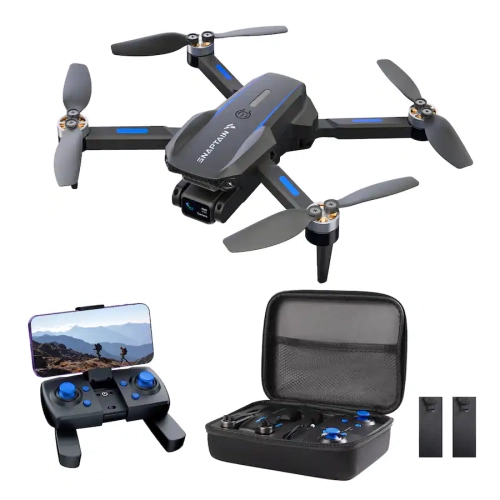 Your price for this item is $109.98
 -
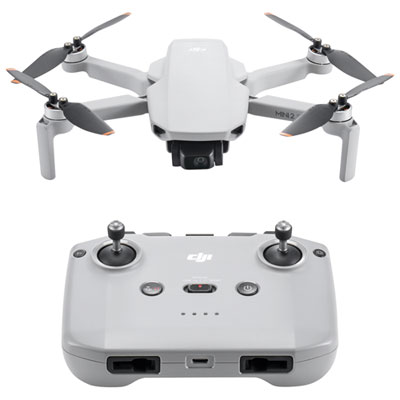 Your price for this item is $359.99
 -
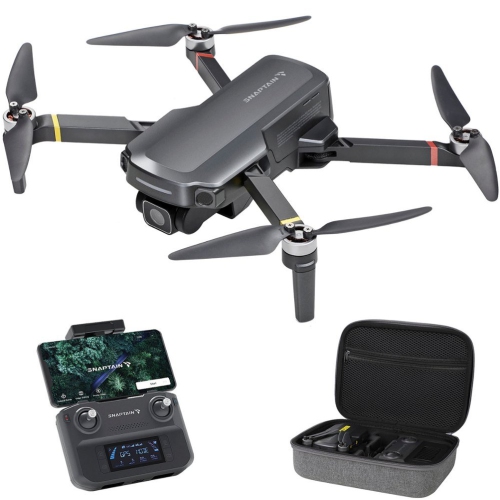 Your price for this item is $279.9
 -
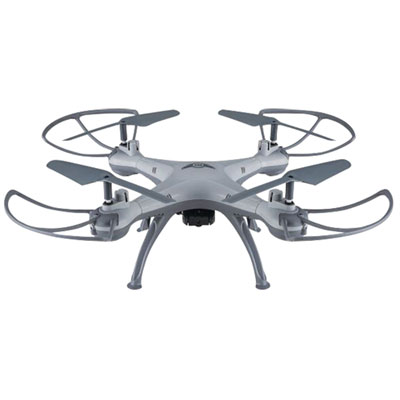 Your price for this item is $49.99
 -
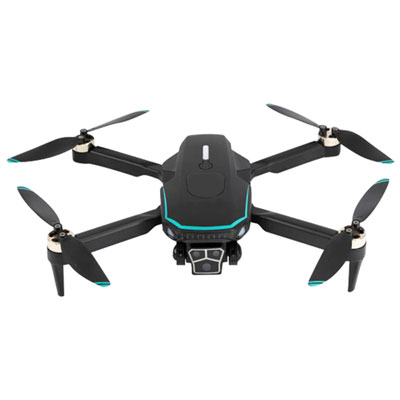 Your price for this item is $79.99
 -
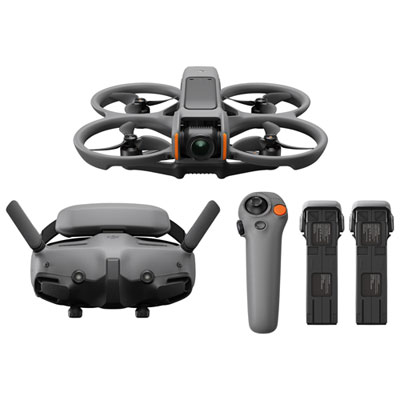 Your price for this item is $1279.99
 -
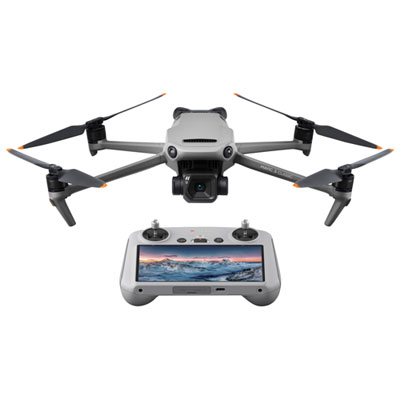 Your price for this item is $1759.99
 -
 Your price for this item is $189.9
Discover more categories related to Hunting Drones

Top Collections:
Pokemon Centers, Kindle Devices, Apple iPhones 16, Samsung Galaxy Phones, Canon G7X Cameras, iPhone 15 Apple, Flip Phones, Apple Wired Earphones, Best Budget Office Chairs, Refurbished Apple Laptops
Some products may be subject to Environmental Handling Fees
(EHF) depending on your province.
Learn more about EHFs.