Instant Film Cameras With Flash
Capture memorable moments and enjoy the classic charm of analog photography with instant film cameras with flash. These cameras offer a fun and easy way to snap photos and see your prints develop right before your eyes. Perfect for parties, events, or everyday adventures, instant film cameras with flash provide a simple solution for creating tangible keepsakes to share with friends and family. Explore a range of styles and features to find the ideal camera for your creative needs.
Sort
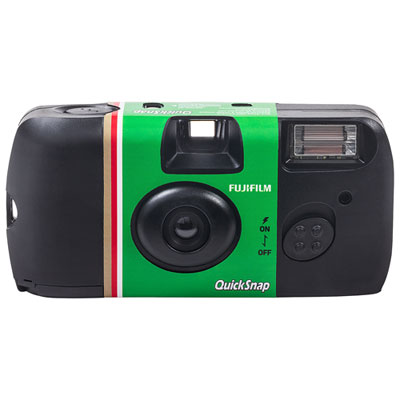

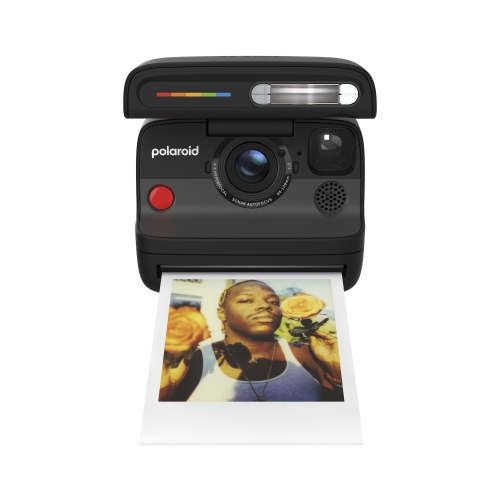
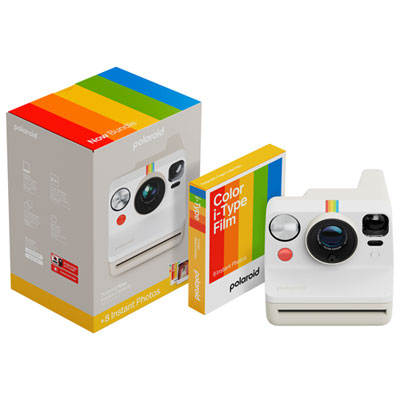
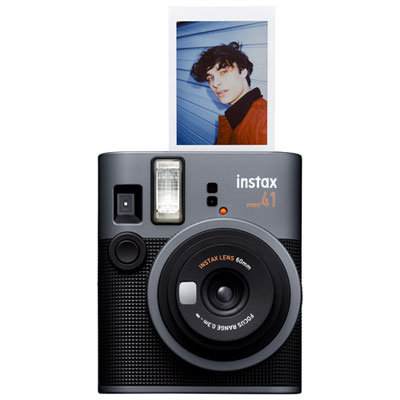
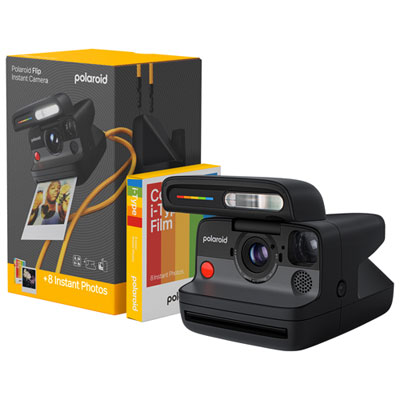
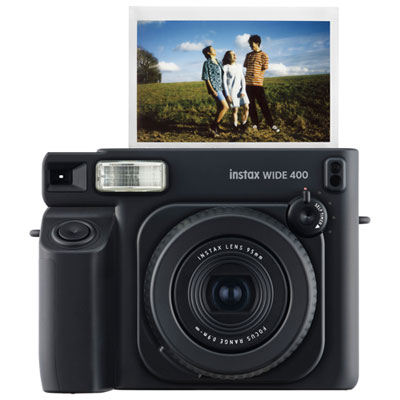
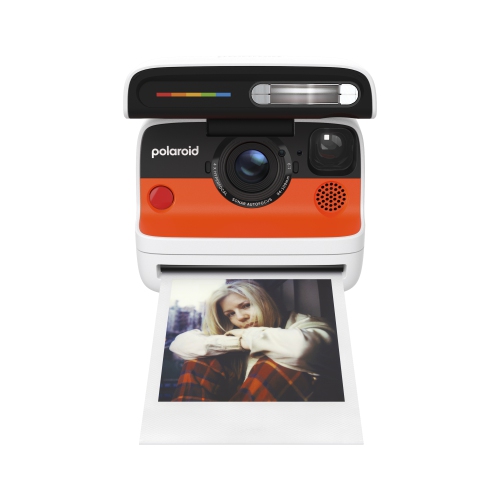
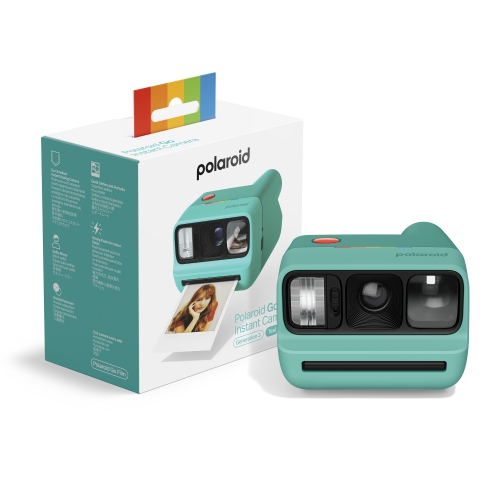
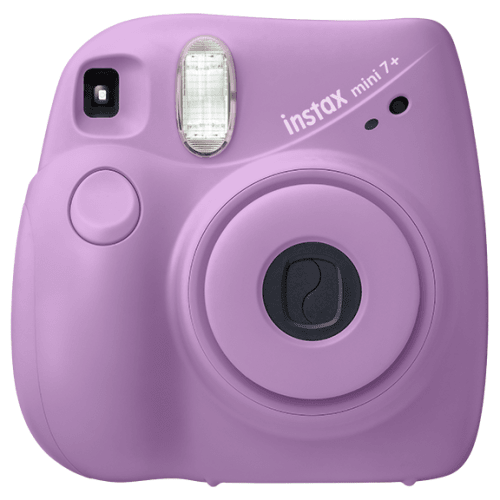

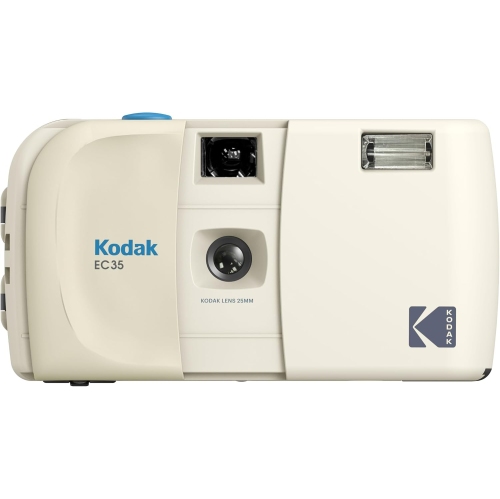

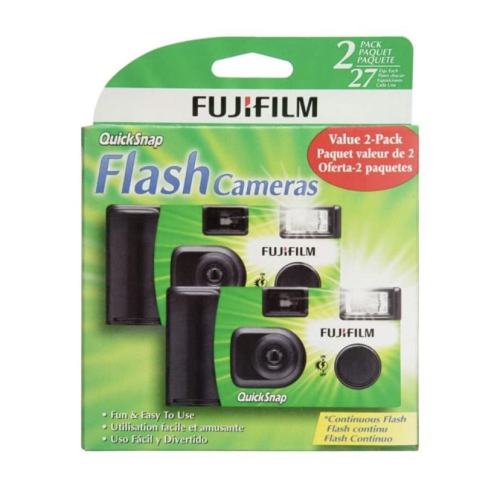
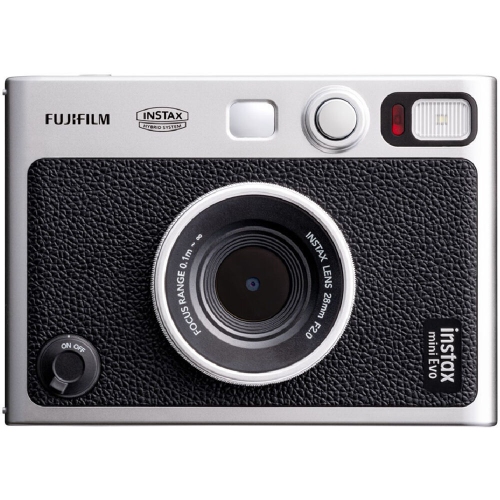
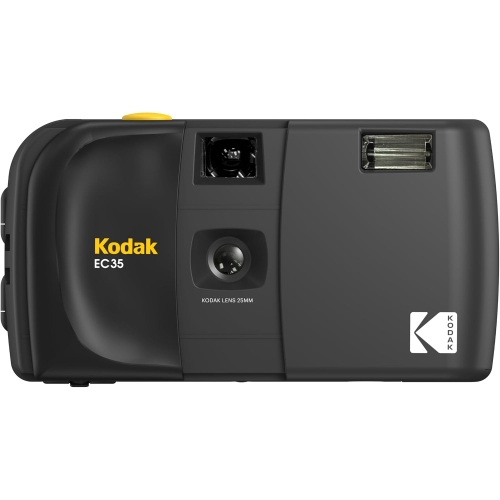
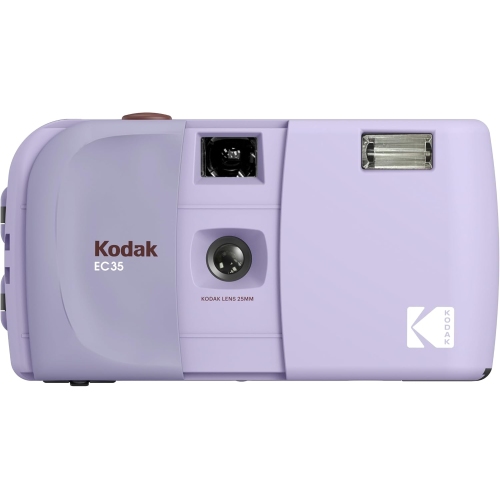
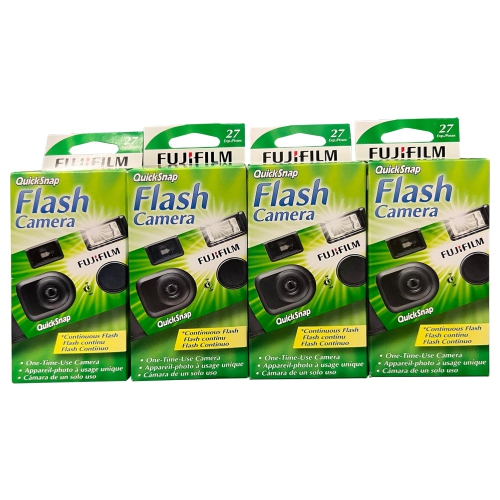
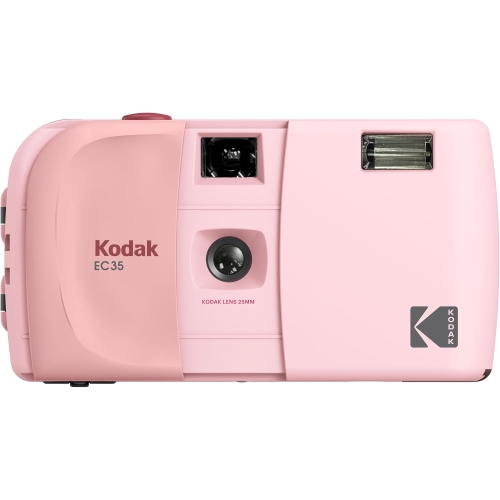

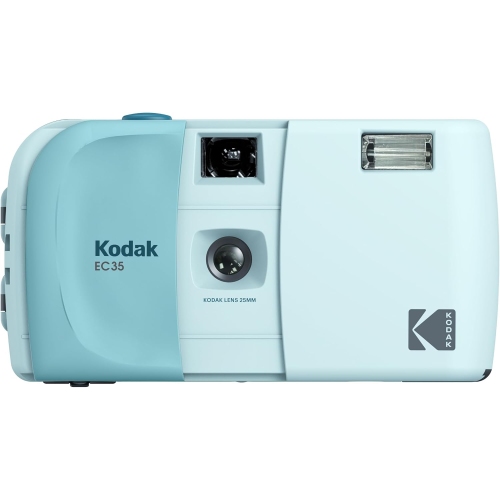


Flash-lit portraits become keepsakes you can share
Instant film cameras with flash combine a camera, a flash and self-developing film to create a physical photograph shortly after the shutter is pressed. The flash supplies a brief burst of light that can help illuminate nearby faces and subjects, making these cameras useful for indoor portraits, birthday celebrations and casual gatherings where room lighting alone may not be enough. Unlike a digital photo that stays on a screen, an instant print becomes something to pass across a table, slip into a card or display beside a favourite keepsake. Built-in flash operation varies by camera: some designs fire automatically when extra light is needed, some use flash for every shot, and others offer settings that let the photographer turn it on or off. That distinction matters for different uses, from taking simple snapshots at a family dinner to photographing a friend beside a bright window. Flash is most effective within the camera’s stated working distance; it cannot light an entire hall or bring a distant background into view. A person standing close to the camera may appear well lit while the room behind them remains dark, which is part of the familiar instant-photo look. Mirrors, glossy decorations and eyeglasses can also catch the flash, so a slight change in angle can make a noticeable difference. Automatic exposure keeps everyday shooting straightforward, while certain cameras provide brightness adjustments, close-up settings or other controls for more deliberate compositions. These features vary, and a built-in flash does not necessarily mean that a camera includes manual exposure or adjustable flash power. For someone who enjoys collecting small, tangible records of ordinary moments, the appeal is as much about the finished print as the act of taking the picture. A candid expression, a crowded dinner table or a quick portrait before friends head home can become a keepsake without a separate printer. Because each exposure uses a sheet of film, the experience also encourages a little more attention to framing and timing than taking a long burst of phone photos.
The size and shape of the finished photograph help define how an instant film camera fits into everyday use. Smaller prints tuck neatly into wallets, journals and handwritten notes, while square or wider formats provide a different balance of subject detail, background space and room for groups. Film compatibility is specific to the camera system, so similar-looking cartridges are not necessarily interchangeable. The picture area and the overall print dimensions are also different measurements, particularly when a broad border surrounds the image. That border can be useful for a short caption or date, provided any writing is kept away from the image area and follows the film maker’s handling recommendations. Camera size deserves similar attention: a compact body is easier to carry to a gathering, while a larger design may offer a more substantial grip or accommodate a larger film format. Many instant cameras use lightweight moulded plastic housings, with textured grip areas, wrist straps or shoulder strap attachments that make them easier to hold securely. A comfortable grip and an accessible shutter button matter when framing a portrait with one hand or passing the camera between several people. A selfie mirror can assist with framing at arm’s length, although the camera’s minimum focusing distance still determines how close a face or object can be. Close-up modes are especially relevant for portraits, small keepsakes and tabletop details, where moving too near can leave the subject soft. Viewfinder framing can also differ slightly from the lens’s view at short distances, so a close-up setting or framing correction, when provided, has a practical purpose. Power arrangements vary between replaceable batteries and rechargeable designs, and flash use affects battery consumption. The flash may also need a short recharge interval between shots. Those details shape the experience at a busy event, where a simple, clearly indicated ready light can be more useful than a long list of creative settings. For a wider view of film-based photography, Cameras With Film brings the broader category into focus.
Instant film cameras with flash suit people who enjoy photography as a shared activity, including students documenting friendships, families building albums and hosts setting up a guestbook table. They can also make thoughtful gifts for someone who likes scrapbooking, travel journals or displaying photographs around a desk. At a wedding reception, for example, guests might take a portrait and leave the print beside a handwritten message; at a birthday gathering, a few snapshots can become personal mementos to take home. Easy controls can make a camera approachable for beginners, while optional creative modes appeal to photographers who enjoy experimenting with composition and exposure. The finished image still depends on the film, the lighting, the distance to the subject and how steadily the camera is held. Flash can help illuminate a nearby subject, but it does not remove the need to hold still or keep fingers clear of the lens, flash and light sensor. Day-to-day care is straightforward but important. A protective case helps prevent scratches during transport, and a strap provides extra security when the camera changes hands. Plastic housings are practical for regular use, though they should not be treated as impact-proof or waterproof unless explicitly rated that way. A clean, dry microfibre cloth is suitable for gently removing surface marks, while the lens and film rollers should be cleaned only as directed by the manufacturer. The film door needs to remain closed while a loaded pack is in use, since opening it can expose the remaining sheets to light. After a photograph ejects, it needs time to develop; shaking or bending it does not speed up the process and may damage the image. Development time and light-shielding requirements differ by film type, making the handling directions worth following. Keeping undeveloped film in its recommended storage conditions and finished prints away from moisture and prolonged direct sunlight helps protect the results. With compatible film, comfortable handling and flash controls suited to the setting, an instant camera offers a simple way to turn familiar faces and everyday occasions into photographs that can be held, shared and kept.
Top selling and popular products
-
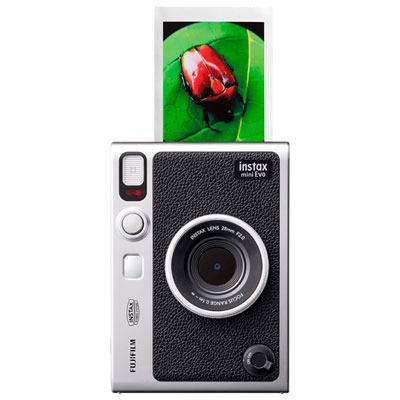 Your price for this item is $299.99
-
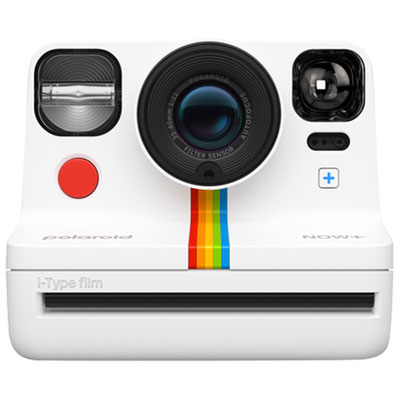 Your price for this item is $199.97
-
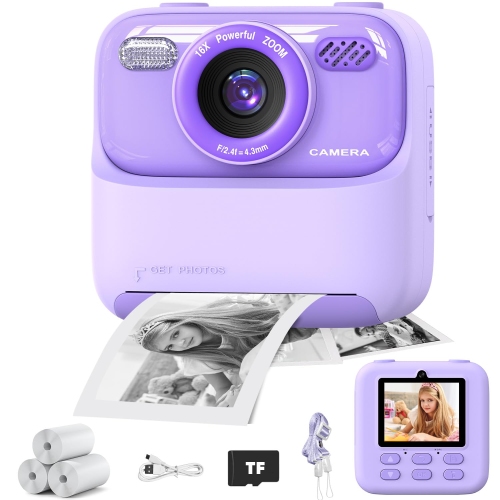 Your price for this item is $91.99
-
 Your price for this item is $450
-
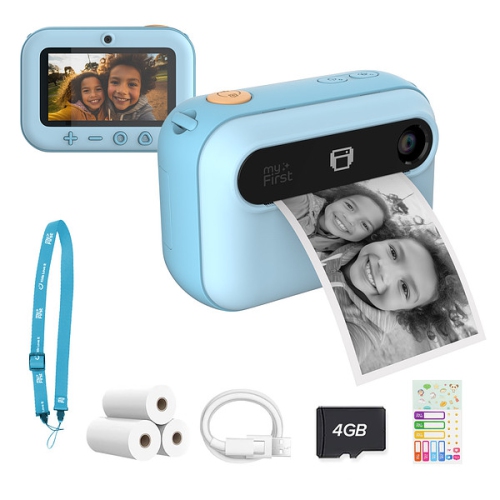 Your price for this item is $129.9
-
 Your price for this item is $129.9
-
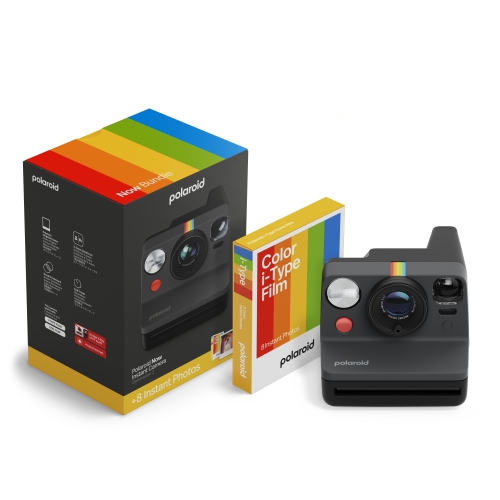 Your price for this item is $199.99
-
 Your price for this item is $144.99
Discover more categories related to Instant Film Cameras With Flash
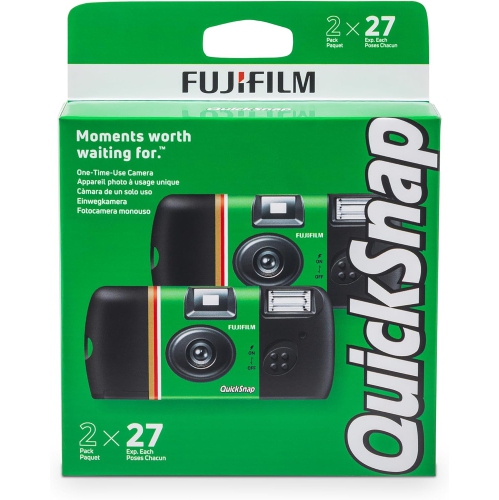
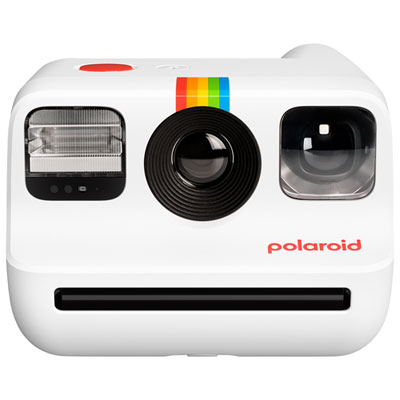

Top Collections:
Best Black Friday Deals This Year, Best Black Friday Deals On Electronics, Kindle Devices, Pokemon Centers, Best Black Friday Deals On Apple Products, Best Cameras for Sports Photography, Dyson Airwrap, Pokémon 30th Celebration Cards, Apple iPhone 17 Pro, Canon G7X Cameras
Some products may be subject to Environmental Handling Fees
(EHF) depending on your province.
Learn more about EHFs.