Kodak Point And Shoot Cameras
Capture life’s memorable moments with ease using Kodak point and shoot cameras. Designed for simplicity and convenience, these cameras are perfect for anyone looking to snap high-quality photos without the hassle of complicated settings. Whether you’re documenting family gatherings, vacations, or everyday adventures, Kodak point and shoot cameras offer a reliable solution for quick and effortless photography. Explore a variety of models to find the ideal camera that fits your lifestyle and helps you preserve your favorite memories in crisp detail.
Sort
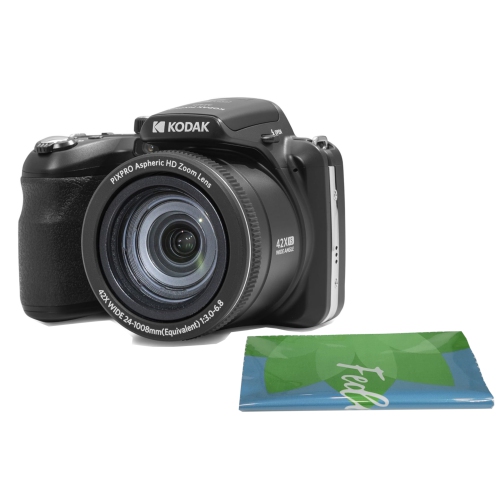
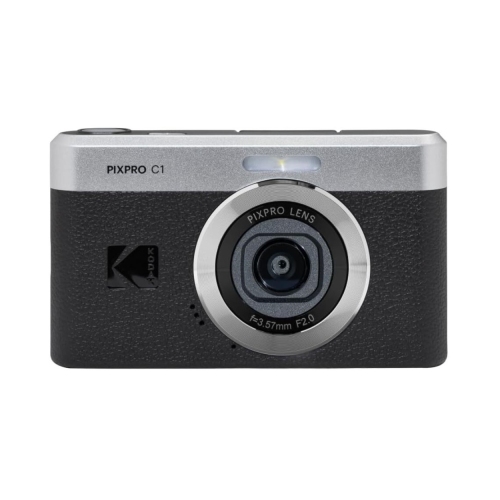
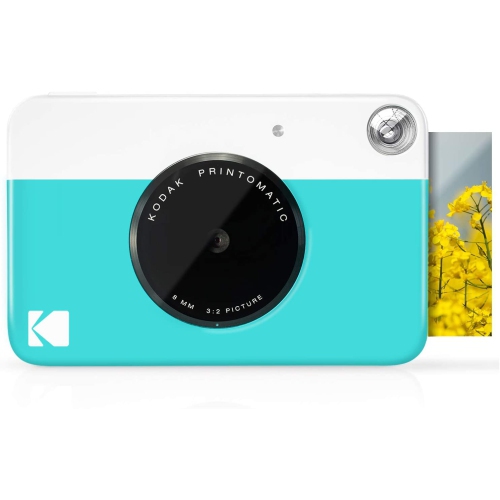
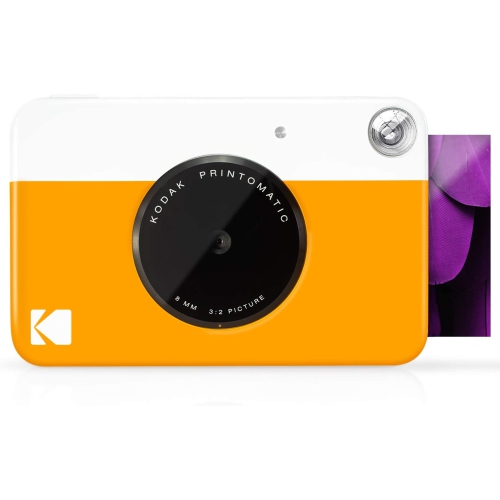
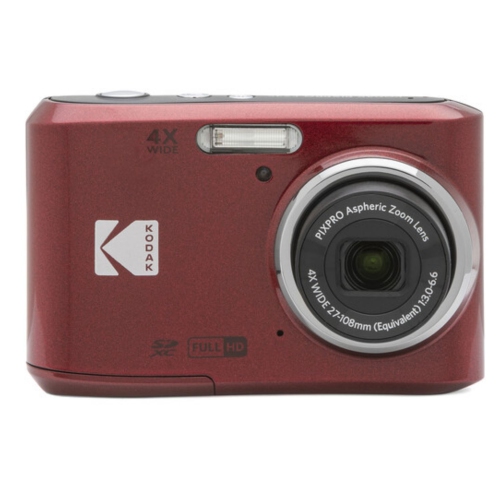
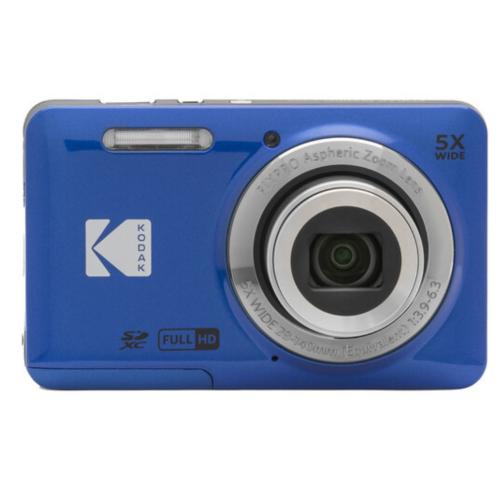
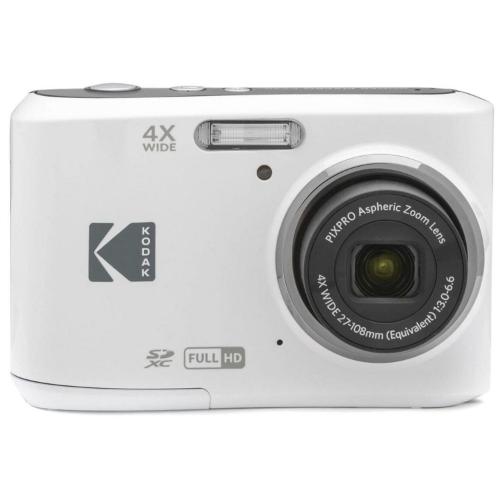
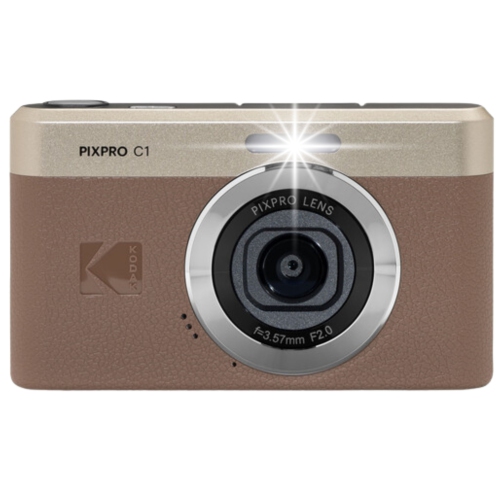
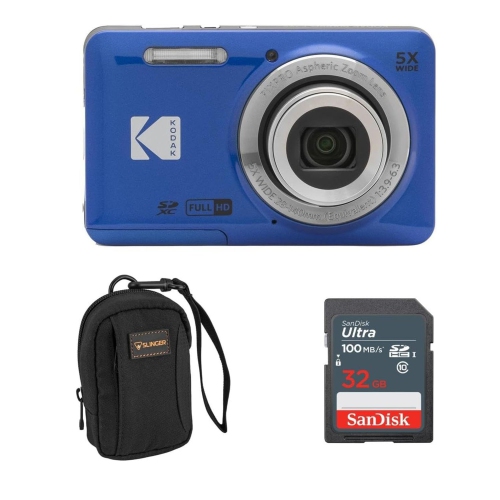
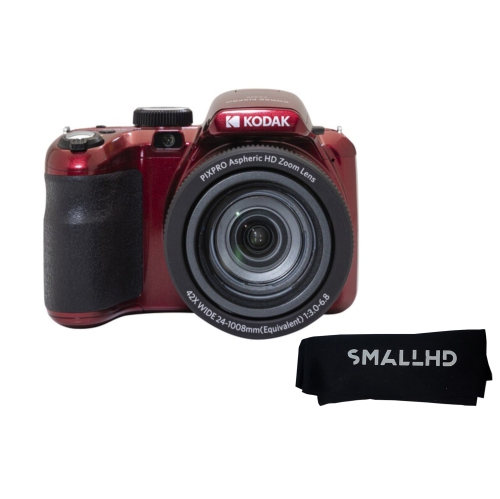
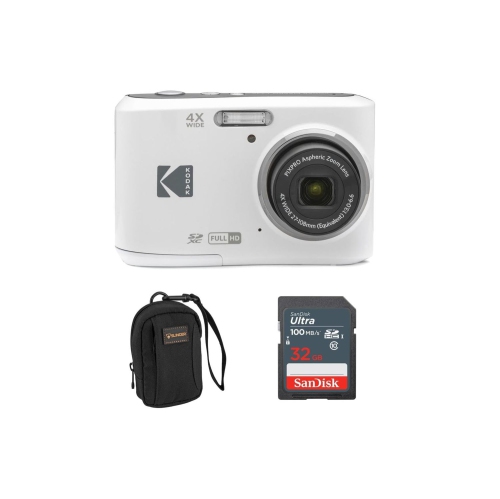
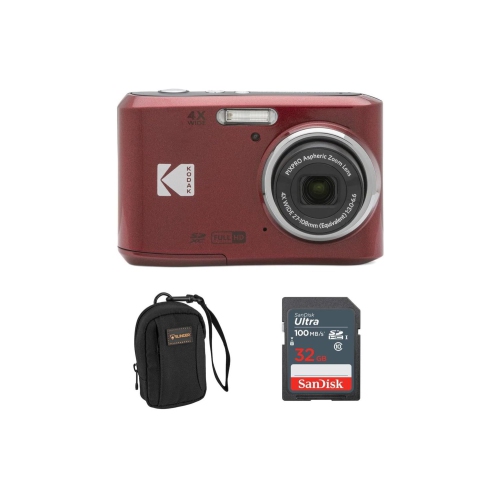
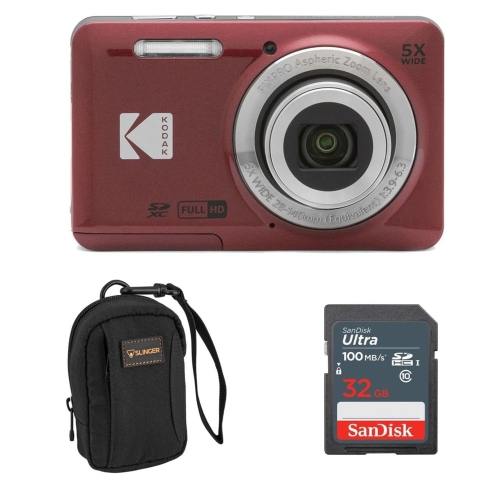
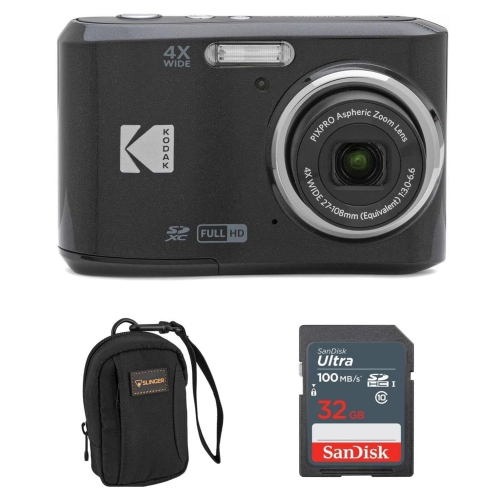
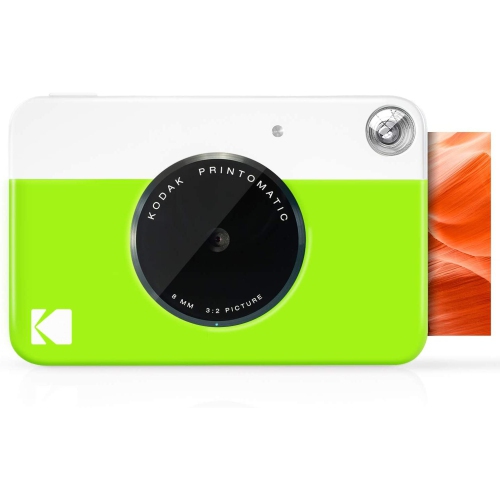
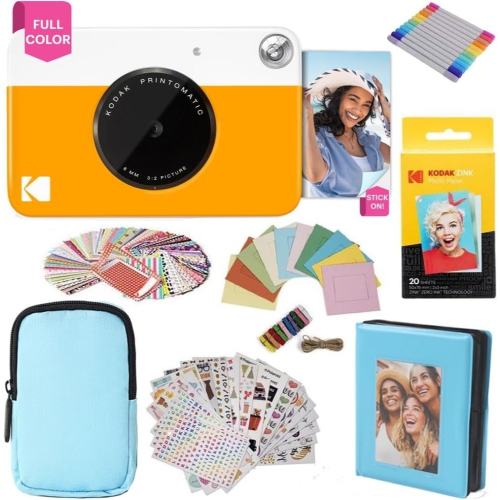
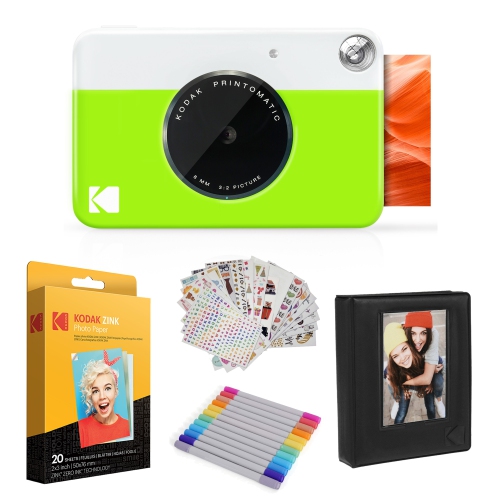
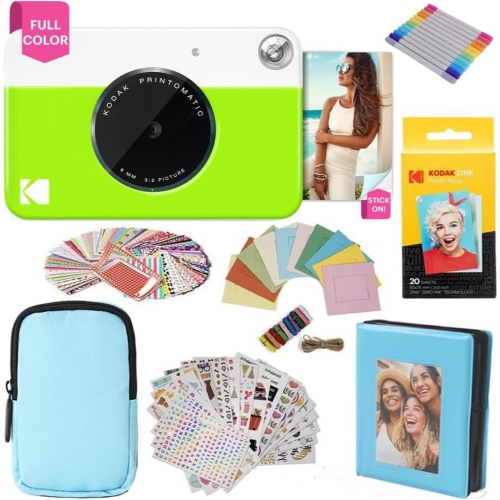
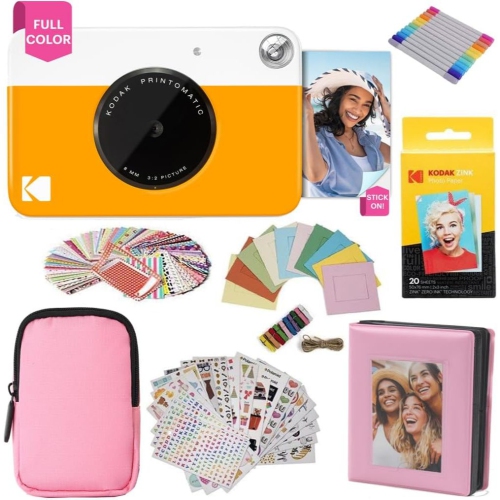
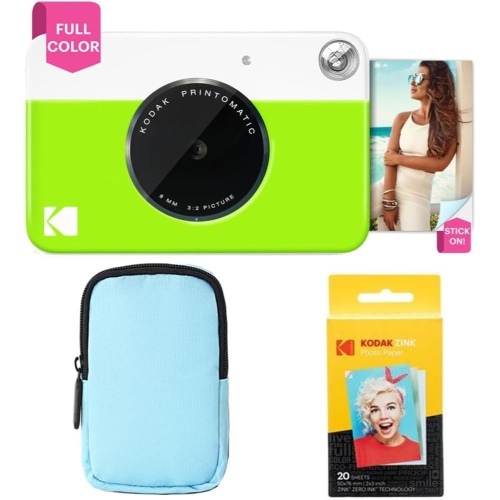
Simple features for everyday photos, travel and family moments
Point-and-shoot cameras offer a simple, dedicated way to capture everyday moments without relying on a smartphone. Their compact bodies are easy to carry in a coat pocket, handbag, backpack or travel pouch, making them useful for family gatherings, road trips, school performances, sightseeing and casual photography around the home. For shoppers exploring Kodak point-and-shoot cameras, the main appeal is often a straightforward combination of an automatic shooting mode, a built-in flash, a lightweight design and a price that can feel more approachable than an interchangeable-lens camera. Many entry-level compact cameras use sensors around 16 megapixels, which can produce detailed images for social sharing, photo books, digital albums and standard-size prints when used in good lighting. A wide-angle lens in the approximately 27 mm to 28 mm range is practical for group photos, indoor scenes and landmarks, while a 4x or 5x optical zoom provides extra flexibility for portraits, pets, children’s activities and details that are just beyond arm’s reach. Optical zoom is especially useful because it enlarges the subject through the lens rather than simply cropping the image, helping photos retain more detail. Built-in 1080p video can also make these cameras handy for recording short clips at celebrations, travel stops or family events. Compared with using a phone, a dedicated camera separates photography from notifications, calls and other distractions, and its physical shutter button can make framing and taking a photo feel more deliberate. It may also be a thoughtful gift for a student, first-time photographer, traveller or family member who wants an easy introduction to digital photography without learning complicated manual controls.
Size and power are two of the most important considerations when comparing compact point-and-shoot cameras. Slim models are convenient for days when you want to travel light, especially during city walks, museum visits, dining outings or cooler-weather excursions when pockets and small bags are already holding personal essentials. A camera with a rechargeable lithium-ion battery can be convenient for regular use at home or when a USB charging option is available, but it is worth checking whether the package includes a charging cable, wall adapter or separate accessories. Other compact cameras use two AA batteries, which can be appealing for camping, long drives and travel in places where charging access may be limited. Spare batteries are easy to pack, and replacing them can be quicker than waiting for a depleted rechargeable battery to power up. Consider how often the camera will be used, whether you prefer to recharge between outings and how much space you have for accessories. Storage is another practical detail. A compatible memory card provides room for photographs and video, while a spare card can be helpful for trips or events where many images will be taken. Look for a clear display, accessible controls and menus that are easy to understand at a glance. Optical image stabilization can make handheld shooting easier, particularly when using zoom or photographing indoors, although steady technique and reasonable lighting still matter. A modest compact camera is generally best suited to everyday snapshots rather than professional studio work, very low-light photography or fast-moving wildlife. For shoppers who value a small footprint above all else, explore Small Point And Shoot Cameras to compare compact options by size, features and intended use.
Shoppers who want more reach may prefer a bridge-style point-and-shoot camera instead of an ultra-slim compact design. These cameras are usually larger because their lenses cover much wider optical zoom ranges, with some options reaching approximately 25x to 40x magnification. That extra reach can be useful for photographing birds in a backyard, wildlife on a trail, performers on a stage, distant architecture or scenic details across a lake. A long zoom lens can also create more flexible portraits by letting the photographer stand farther away, which is helpful when photographing children who are absorbed in play or pets that become distracted when a camera is held close. The trade-off is a larger body and a greater need for steady handling, particularly at the far end of the zoom range. Image stabilization can help reduce the effect of small hand movements, but a support surface or tripod may still be useful for distant subjects, evening scenes and video. Before choosing a camera, think about where it will be used most often: a slim compact model suits spontaneous snapshots and travel, while a bridge-style option may be a better match for nature walks, sporting events and subjects that cannot be approached. In either case, automatic modes make it easy to get started, while features such as face detection, scene modes, self-timers and panoramic shooting can add creative flexibility without requiring advanced technical knowledge. Point-and-shoot cameras can be especially enjoyable during the cooler months, when family gatherings, indoor celebrations and weekend getaways create plenty of opportunities for photos, and they remain useful as the weather warms for outdoor meals, day trips and local exploring. A well-chosen camera should feel comfortable to carry, simple enough to use immediately and capable of matching the types of moments you most want to remember.
Size and power are two of the most important considerations when comparing compact point-and-shoot cameras. Slim models are convenient for days when you want to travel light, especially during city walks, museum visits, dining outings or cooler-weather excursions when pockets and small bags are already holding personal essentials. A camera with a rechargeable lithium-ion battery can be convenient for regular use at home or when a USB charging option is available, but it is worth checking whether the package includes a charging cable, wall adapter or separate accessories. Other compact cameras use two AA batteries, which can be appealing for camping, long drives and travel in places where charging access may be limited. Spare batteries are easy to pack, and replacing them can be quicker than waiting for a depleted rechargeable battery to power up. Consider how often the camera will be used, whether you prefer to recharge between outings and how much space you have for accessories. Storage is another practical detail. A compatible memory card provides room for photographs and video, while a spare card can be helpful for trips or events where many images will be taken. Look for a clear display, accessible controls and menus that are easy to understand at a glance. Optical image stabilization can make handheld shooting easier, particularly when using zoom or photographing indoors, although steady technique and reasonable lighting still matter. A modest compact camera is generally best suited to everyday snapshots rather than professional studio work, very low-light photography or fast-moving wildlife. For shoppers who value a small footprint above all else, explore Small Point And Shoot Cameras to compare compact options by size, features and intended use.
Shoppers who want more reach may prefer a bridge-style point-and-shoot camera instead of an ultra-slim compact design. These cameras are usually larger because their lenses cover much wider optical zoom ranges, with some options reaching approximately 25x to 40x magnification. That extra reach can be useful for photographing birds in a backyard, wildlife on a trail, performers on a stage, distant architecture or scenic details across a lake. A long zoom lens can also create more flexible portraits by letting the photographer stand farther away, which is helpful when photographing children who are absorbed in play or pets that become distracted when a camera is held close. The trade-off is a larger body and a greater need for steady handling, particularly at the far end of the zoom range. Image stabilization can help reduce the effect of small hand movements, but a support surface or tripod may still be useful for distant subjects, evening scenes and video. Before choosing a camera, think about where it will be used most often: a slim compact model suits spontaneous snapshots and travel, while a bridge-style option may be a better match for nature walks, sporting events and subjects that cannot be approached. In either case, automatic modes make it easy to get started, while features such as face detection, scene modes, self-timers and panoramic shooting can add creative flexibility without requiring advanced technical knowledge. Point-and-shoot cameras can be especially enjoyable during the cooler months, when family gatherings, indoor celebrations and weekend getaways create plenty of opportunities for photos, and they remain useful as the weather warms for outdoor meals, day trips and local exploring. A well-chosen camera should feel comfortable to carry, simple enough to use immediately and capable of matching the types of moments you most want to remember.
Top selling and popular products
-
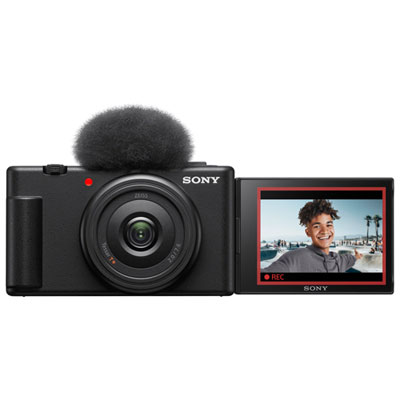 Your price for this item is $649.99
 -
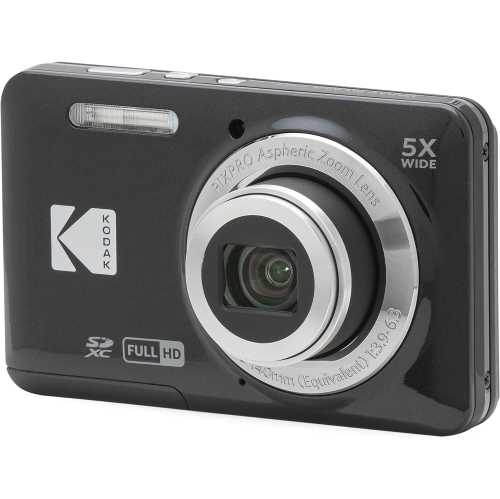 Your price for this item is $255
 -
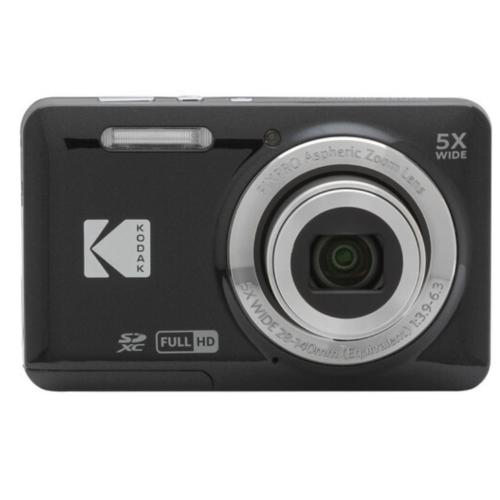 Your price for this item is $264
 -
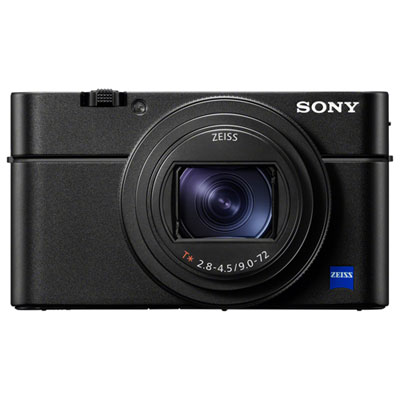 Your price for this item is $1799.99
 -
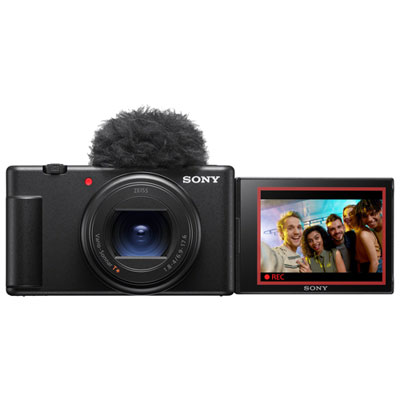 Your price for this item is $1199.99
 -
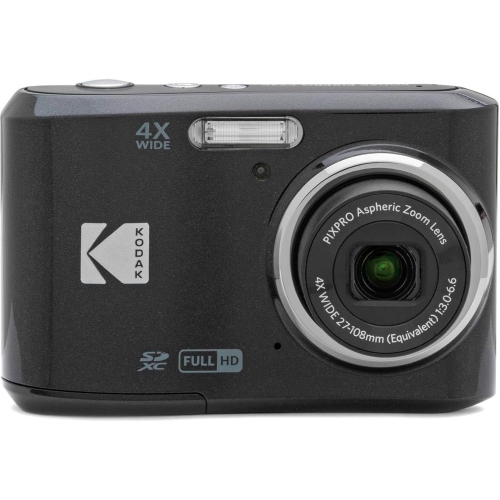 Your price for this item is $187
 -
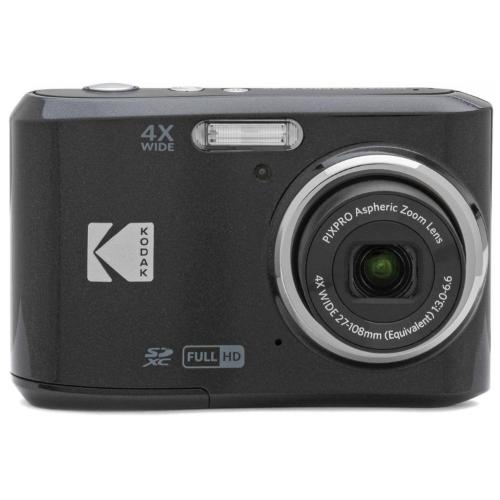 Your price for this item is $278
 -
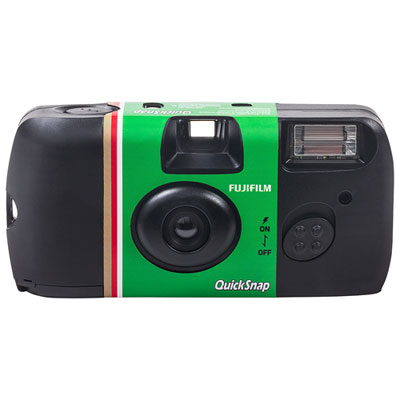 Your price for this item is $28.99
Discover more categories related to Kodak Point And Shoot Cameras
Top Collections:
Best Laptops for Video Editing, Pokemon Centers, Samsung Z Fold, Kindle Devices, Best Cell Phones Under $300, Best Laptop Computers for Students, iPhone 15 Apple, Best Cell Phones Under $500, Alarm Clock, Canon G7X Cameras
Some products may be subject to Environmental Handling Fees
(EHF) depending on your province.
Learn more about EHFs.