Compact Point And Shoot Cameras
Capture life’s moments with ease using compact point and shoot cameras. Designed for portability and simplicity, these cameras are perfect for travel, family gatherings, and everyday adventures. Whether you’re a beginner or just looking for a convenient way to take high-quality photos on the go, compact point and shoot cameras offer a user-friendly experience in a sleek, lightweight package. Explore options that fit seamlessly into your lifestyle and make photography effortless wherever you are.
Sort
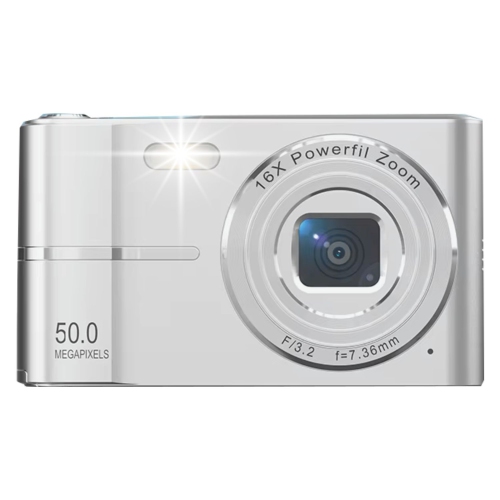
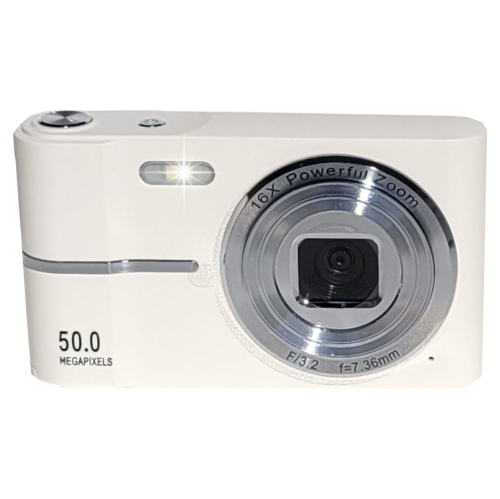
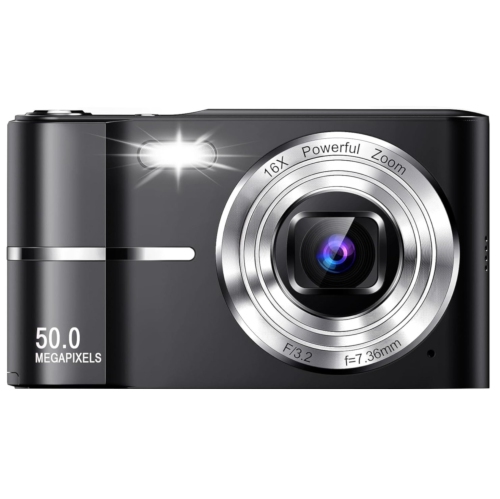
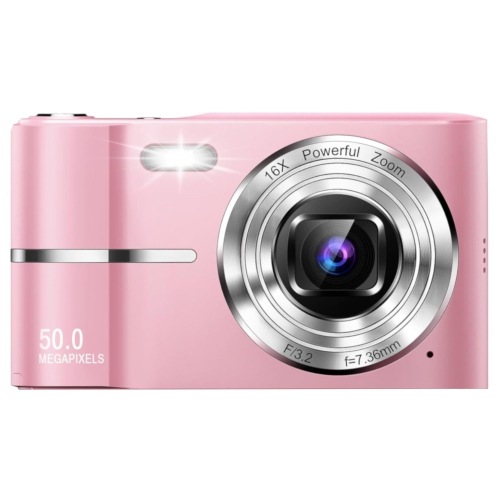
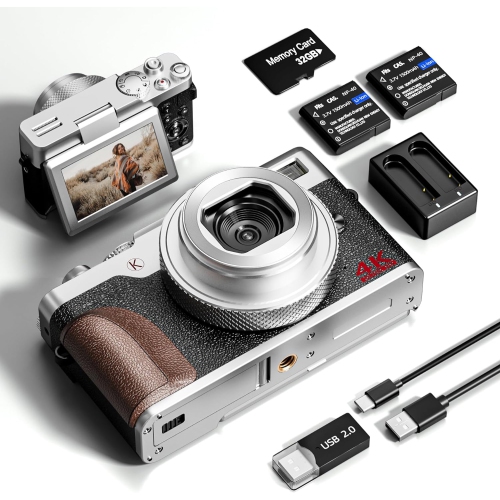
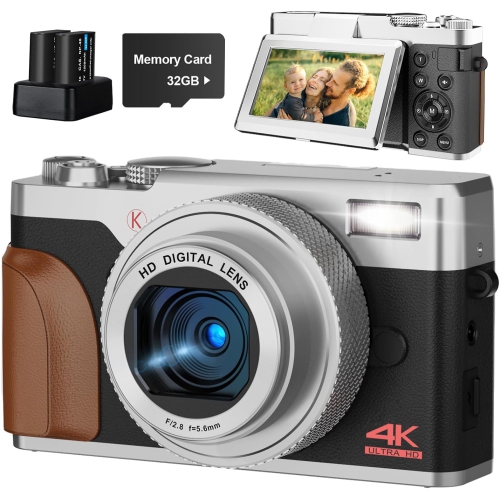
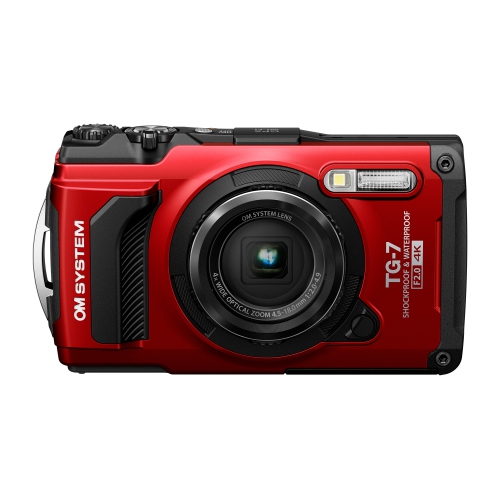
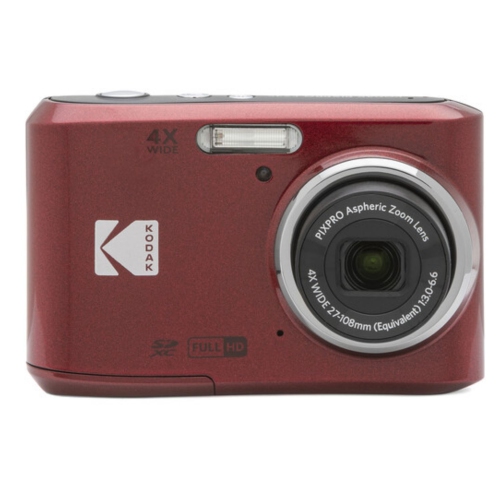
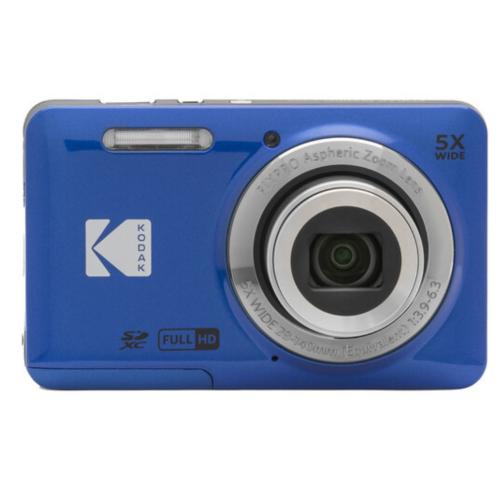
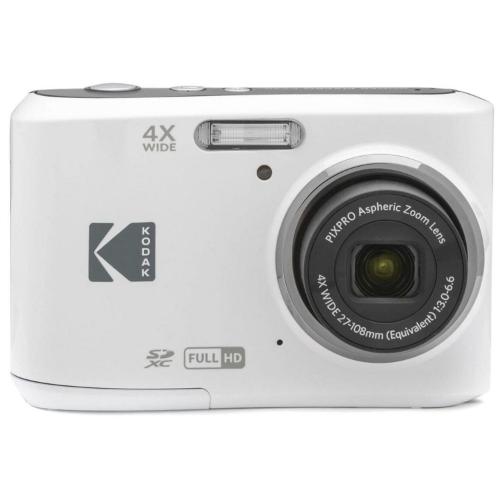
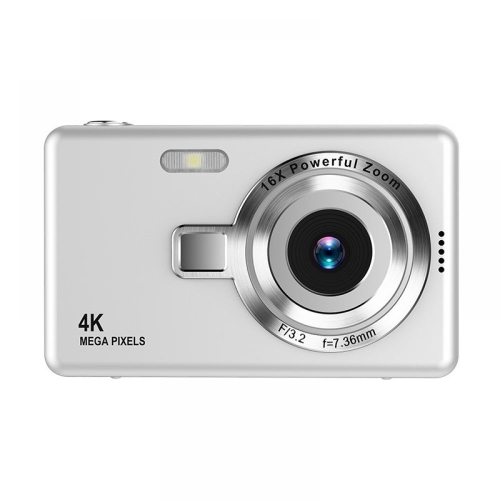
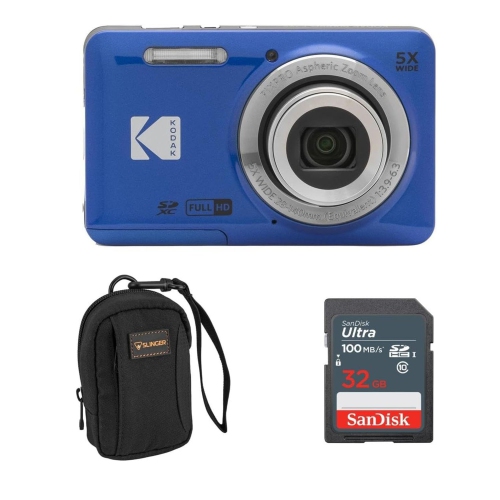
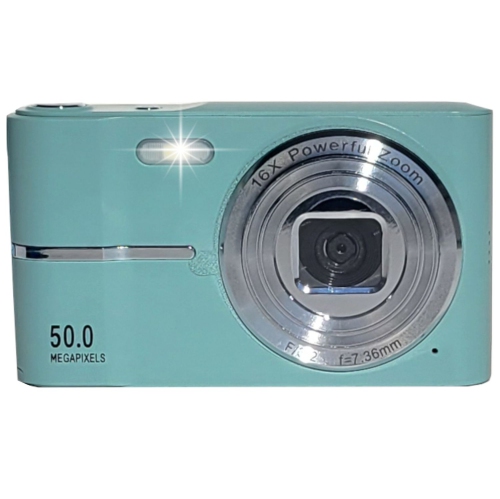
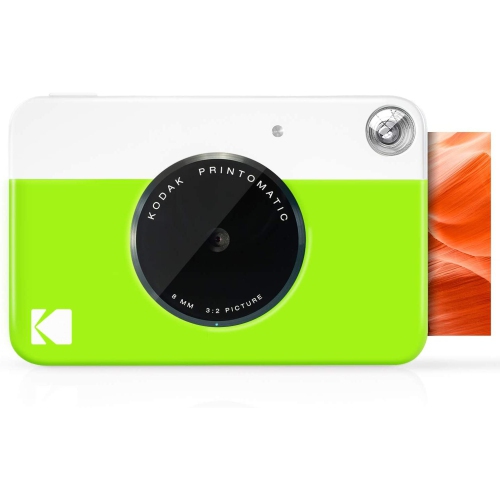
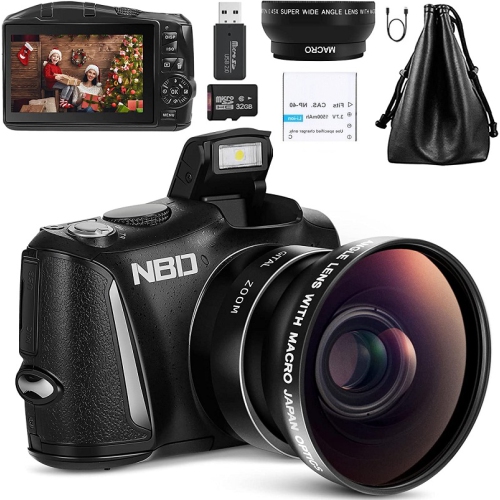
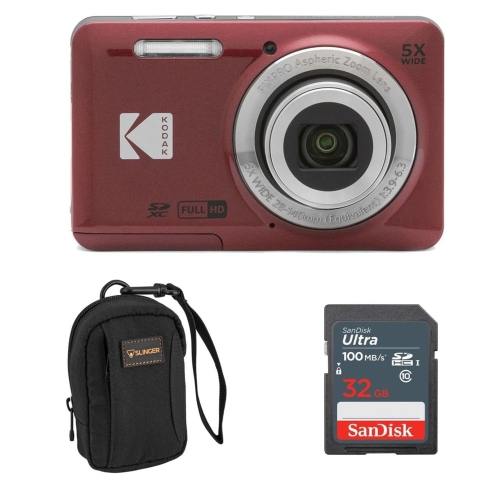
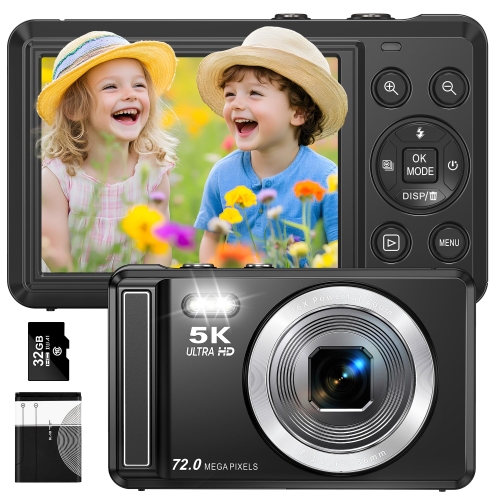
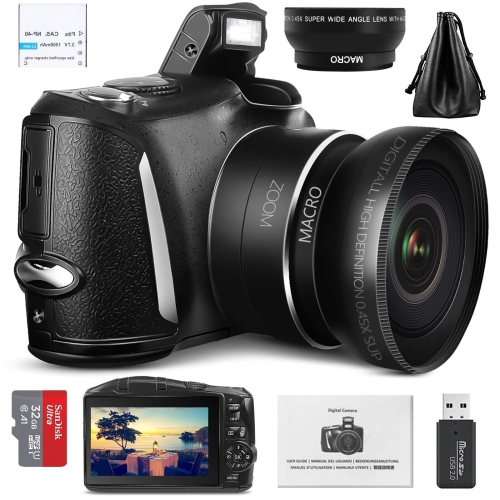
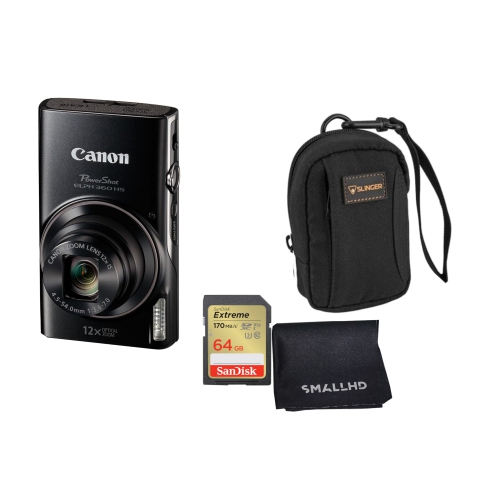
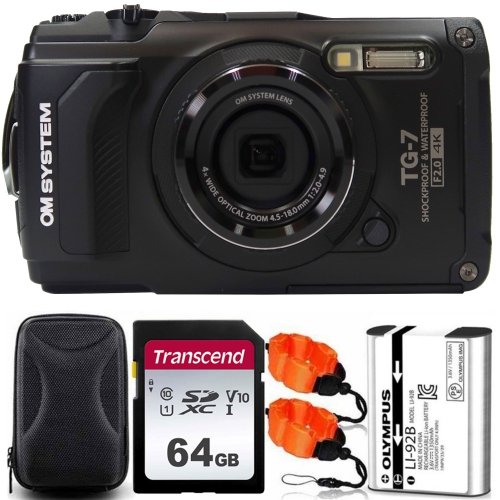
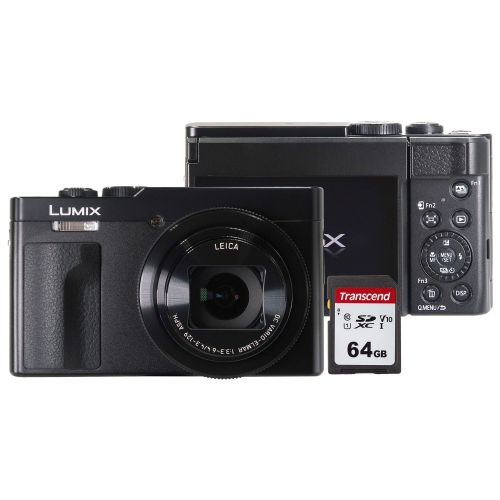
Everyday photos without the weight of extra lenses
Compact point-and-shoot cameras are small, self-contained cameras with built-in lenses and automatic shooting modes, designed to make taking photos straightforward without carrying separate lenses. Their appeal is easy to picture: a camera tucked into a jacket pocket on a walk, ready for the moment sunlight catches a row of colourful houses or someone laughs across a café table. For travel, family gatherings, casual portraits, and everyday photography, that balance of portability and simplicity can matter more than a long list of advanced features. The category includes basic cameras with uncomplicated controls, pocket-sized zoom cameras that cover a variety of subjects, and premium compacts with larger sensors and more hands-on settings. Some have a fixed focal length rather than a zoom, favouring a particular angle of view and encouraging you to move closer or step back when composing a photo. Others offer optical zoom, which changes the lens’s magnification to frame distant details without relying solely on digital cropping. A wide-angle setting is useful for interiors, landscapes, and group shots, while a longer telephoto setting helps isolate architectural details or capture candid expressions from farther away. Not every compact camera is equally pocketable, either. A slim body with a retracting lens may slip comfortably into a small bag, whereas a larger grip, longer lens, or built-in viewfinder can add bulk. Checking dimensions and weight, including the battery, gives a better sense of everyday carrying comfort than the word “compact” alone. The best compact point-and-shoot cameras for a particular person are the ones that balance size, image quality, lens range, and ease of use around the photos they actually take. A traveller who likes distant scenery has different priorities from someone photographing friends indoors. For a broader look at this category, Top Point and Shoot Cameras offers another place to explore options. A dedicated camera can also create a welcome separation between taking a photograph and checking a phone, keeping the experience centred on the scene in front of you.
Image quality depends on more than megapixels, so sensor size, lens brightness, autofocus, and stabilization deserve close attention when comparing compact digital cameras. Higher resolution can leave room for cropping or making larger prints, but it does not automatically mean cleaner photos in dim light. With other factors being comparable, a larger sensor generally offers advantages in low-light image quality and the ability to retain detail in bright and dark areas. A lens with a wider maximum aperture, indicated by a lower f-number, lets in more light and can help maintain faster shutter speeds indoors. On many zoom cameras, the maximum aperture becomes narrower as you zoom in, which is worth considering if you often photograph people across a room. Optical image stabilization helps reduce blur from small hand movements, especially at longer zoom settings, but it cannot freeze a moving child or pet; that still requires a sufficiently fast shutter speed. Reliable autofocus, face detection, and subject tracking, where available, are useful for those lively moments when nobody stays still for long. Burst shooting can improve the chances of catching a natural expression, although autofocus behaviour and the number of images the camera can capture before slowing down vary by model. Handling matters just as much as specifications. Clearly labelled buttons, an accessible zoom control, and a comfortable grip make a camera easier to use without interrupting the moment. A touchscreen may feel familiar, while physical dials can be easier to operate when making quick adjustments. Tilting screens help with low-angle compositions and photos taken above a crowd; a viewfinder can make framing easier when glare obscures the rear display. Automatic modes suit anyone who wants to concentrate on timing and composition, while exposure compensation, manual controls, and RAW capture leave room to develop photographic skills. RAW files offer more editing flexibility but require additional processing and storage, so convenient JPEG output remains a practical priority for many everyday users.
Video features, connectivity, and the accessories needed to start shooting help round out a purchase decision. For short travel clips, family celebrations, or casual video diaries, look beyond resolution to autofocus during filming, stabilization, sound capture, and screen positioning. A camera that offers 4K video may still have limitations such as a tighter field of view, shorter recording times, or restrictions on certain settings. A front-facing screen is useful when filming yourself, and an external microphone connection can offer more audio options where supported. Wi-Fi or Bluetooth connectivity may simplify transferring photos to a compatible phone, though the available functions and setup requirements differ between cameras. Check battery life, charging arrangements, and memory card compatibility as well. Some cameras charge through USB, while others use a separate charger, and the required cables or power adapter may not all be included. A spare battery can be useful on longer outings, particularly during the cooler months when cold temperatures can shorten battery performance. A compatible memory card, protective case, and wrist strap are practical additions rather than afterthoughts: the strap helps keep the camera secure when leaning over a lookout, and a case protects it from scratches inside a bag. Ordinary compact cameras should not be assumed to withstand rain, snow, or drops; outdoor use in challenging conditions calls for explicitly stated protection ratings. As gifts, point-and-shoot cameras can suit students documenting time with friends, relatives who prefer dedicated buttons, travellers packing light, and budding photographers ready to explore beyond automatic settings. Match the controls and capabilities to the recipient rather than simply choosing the model with the most features. Someone who wants ready-to-share snapshots may appreciate simplicity more than extensive editing options, while an enthusiastic hobbyist may value a larger sensor and direct exposure controls. Picture the camera being passed around at a family meal, carried through a quiet neighbourhood walk, or brought along for a weekend away. A comfortable size, dependable operation, and a lens suited to those familiar occasions help make it something its owner reaches for often.
Image quality depends on more than megapixels, so sensor size, lens brightness, autofocus, and stabilization deserve close attention when comparing compact digital cameras. Higher resolution can leave room for cropping or making larger prints, but it does not automatically mean cleaner photos in dim light. With other factors being comparable, a larger sensor generally offers advantages in low-light image quality and the ability to retain detail in bright and dark areas. A lens with a wider maximum aperture, indicated by a lower f-number, lets in more light and can help maintain faster shutter speeds indoors. On many zoom cameras, the maximum aperture becomes narrower as you zoom in, which is worth considering if you often photograph people across a room. Optical image stabilization helps reduce blur from small hand movements, especially at longer zoom settings, but it cannot freeze a moving child or pet; that still requires a sufficiently fast shutter speed. Reliable autofocus, face detection, and subject tracking, where available, are useful for those lively moments when nobody stays still for long. Burst shooting can improve the chances of catching a natural expression, although autofocus behaviour and the number of images the camera can capture before slowing down vary by model. Handling matters just as much as specifications. Clearly labelled buttons, an accessible zoom control, and a comfortable grip make a camera easier to use without interrupting the moment. A touchscreen may feel familiar, while physical dials can be easier to operate when making quick adjustments. Tilting screens help with low-angle compositions and photos taken above a crowd; a viewfinder can make framing easier when glare obscures the rear display. Automatic modes suit anyone who wants to concentrate on timing and composition, while exposure compensation, manual controls, and RAW capture leave room to develop photographic skills. RAW files offer more editing flexibility but require additional processing and storage, so convenient JPEG output remains a practical priority for many everyday users.
Video features, connectivity, and the accessories needed to start shooting help round out a purchase decision. For short travel clips, family celebrations, or casual video diaries, look beyond resolution to autofocus during filming, stabilization, sound capture, and screen positioning. A camera that offers 4K video may still have limitations such as a tighter field of view, shorter recording times, or restrictions on certain settings. A front-facing screen is useful when filming yourself, and an external microphone connection can offer more audio options where supported. Wi-Fi or Bluetooth connectivity may simplify transferring photos to a compatible phone, though the available functions and setup requirements differ between cameras. Check battery life, charging arrangements, and memory card compatibility as well. Some cameras charge through USB, while others use a separate charger, and the required cables or power adapter may not all be included. A spare battery can be useful on longer outings, particularly during the cooler months when cold temperatures can shorten battery performance. A compatible memory card, protective case, and wrist strap are practical additions rather than afterthoughts: the strap helps keep the camera secure when leaning over a lookout, and a case protects it from scratches inside a bag. Ordinary compact cameras should not be assumed to withstand rain, snow, or drops; outdoor use in challenging conditions calls for explicitly stated protection ratings. As gifts, point-and-shoot cameras can suit students documenting time with friends, relatives who prefer dedicated buttons, travellers packing light, and budding photographers ready to explore beyond automatic settings. Match the controls and capabilities to the recipient rather than simply choosing the model with the most features. Someone who wants ready-to-share snapshots may appreciate simplicity more than extensive editing options, while an enthusiastic hobbyist may value a larger sensor and direct exposure controls. Picture the camera being passed around at a family meal, carried through a quiet neighbourhood walk, or brought along for a weekend away. A comfortable size, dependable operation, and a lens suited to those familiar occasions help make it something its owner reaches for often.
Top selling and popular products
-
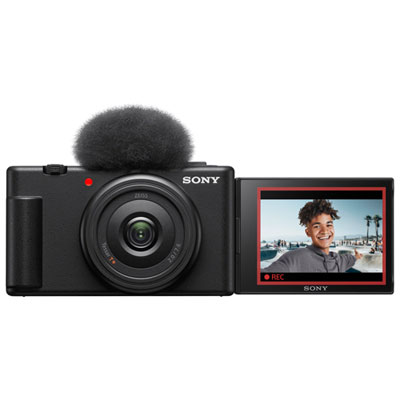 Your price for this item is $649.99
 -
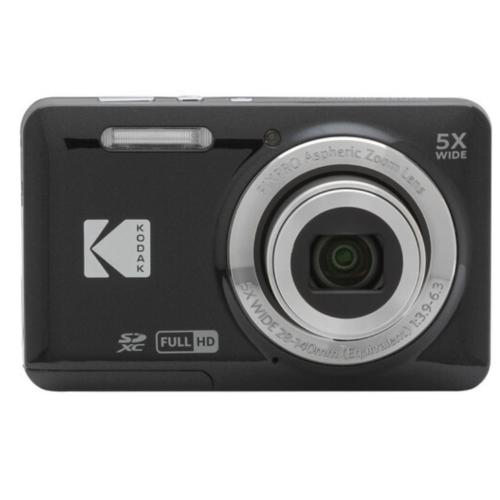 Your price for this item is $253
 -
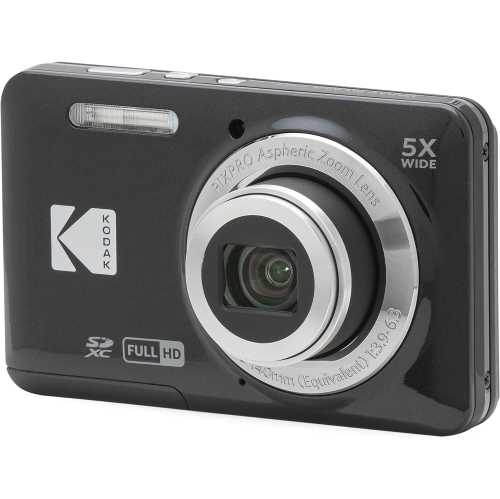 Your price for this item is $255
 -
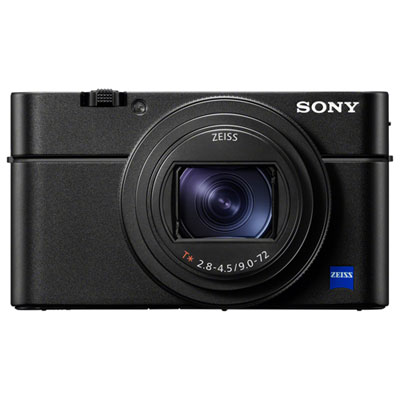 Your price for this item is $1999.99
 -
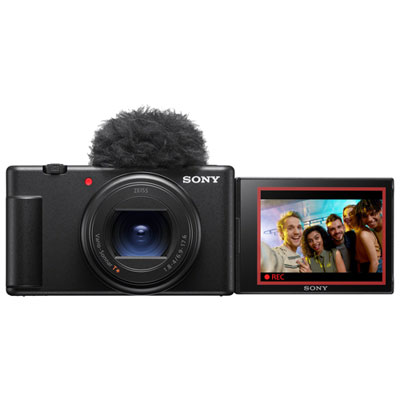 Your price for this item is $1199.99
 -
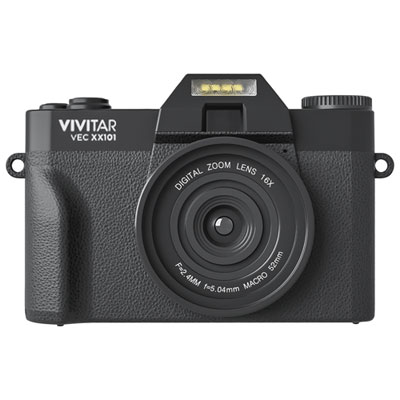 Your price for this item is $199.99
 -
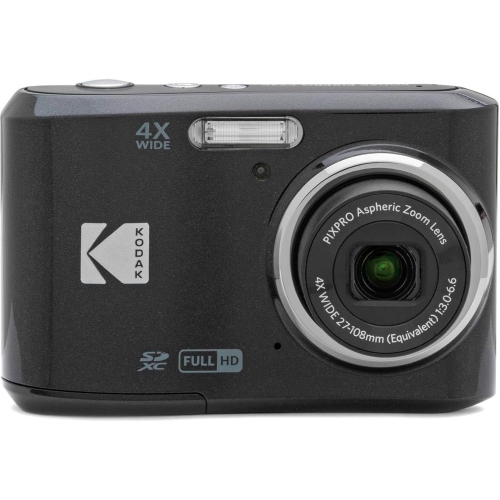 Your price for this item is $185
 -
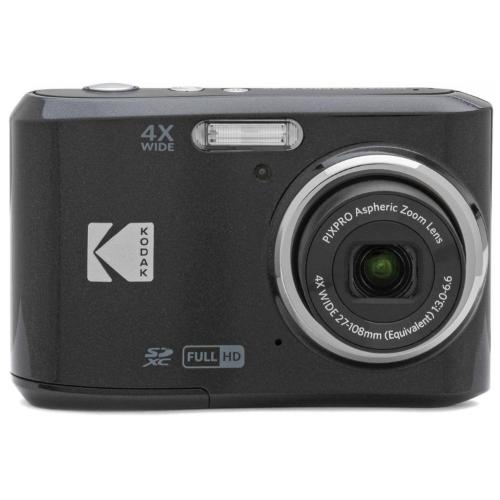 Your price for this item is $278
Discover more categories related to Compact Point And Shoot Cameras
Top Collections:
Pokemon Centers, Kindle Devices, Best Budget Office Chairs, Apple iPhones 16, Best Laptops for Writers, iPhone 15 Apple, Canon G7X Cameras, Refurbished Apple Laptops, Alarm Clock, Motorola Razr Phones
Some products may be subject to Environmental Handling Fees
(EHF) depending on your province.
Learn more about EHFs.