Lens Hoods for Canon
Lens hoods are essential accessories for any photographer looking to enhance the quality of their images. By reducing lens flare and protecting the lens from accidental bumps or scratches, lens hoods help photographers achieve optimal image clarity and sharpness. Whether you're shooting portraits in a studio or capturing landscapes in natural light, investing in a high-quality lens hood can make a significant difference in the overall outcome of your photographs. Discover a wide selection of lens hoods designed for Canon cameras to elevate your photography game to the next level.
Sort
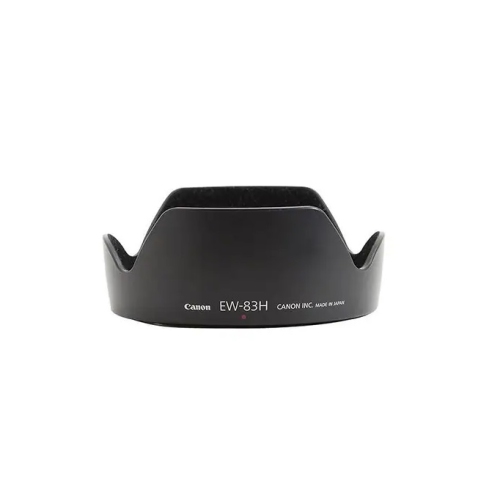
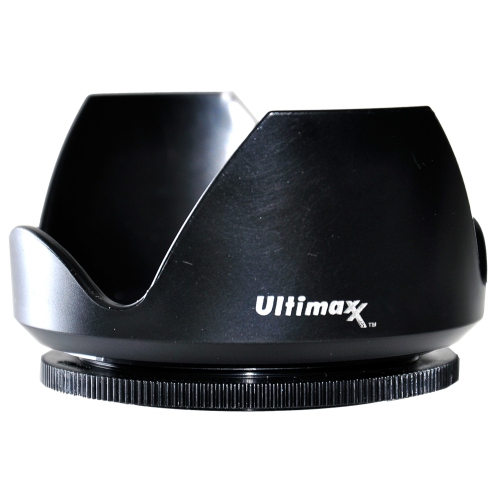
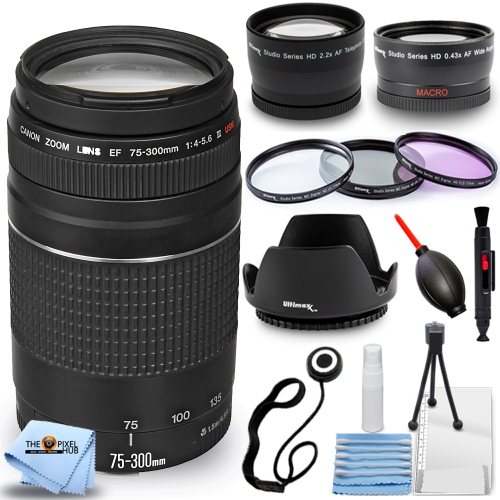
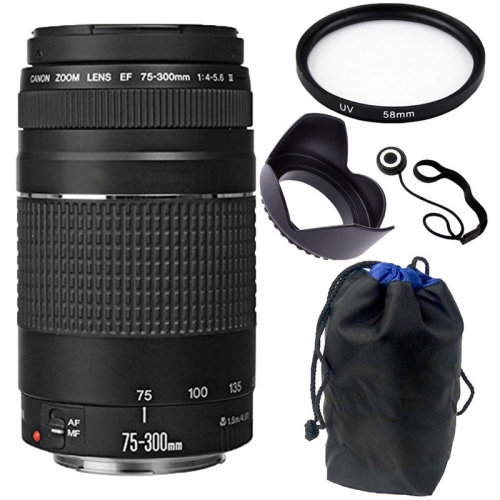

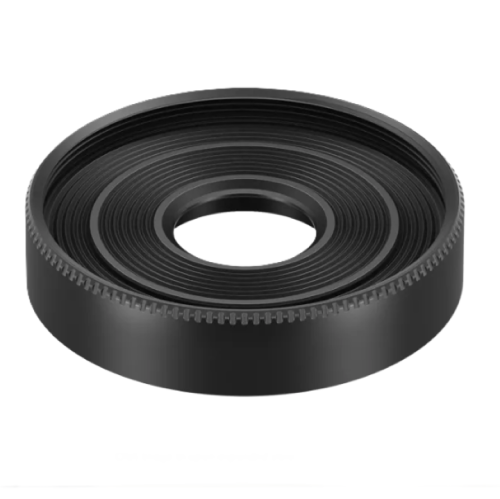
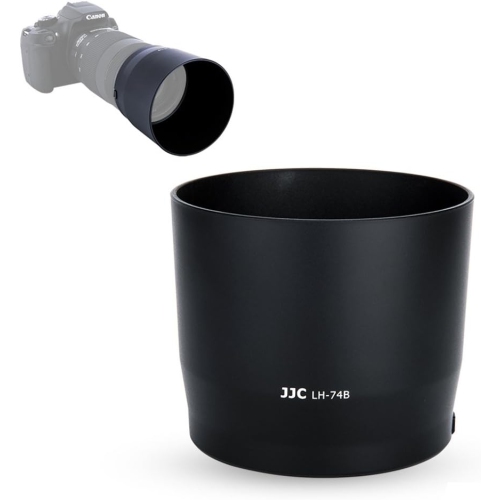
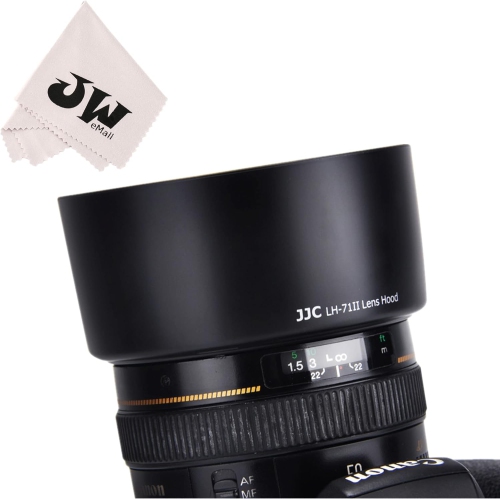
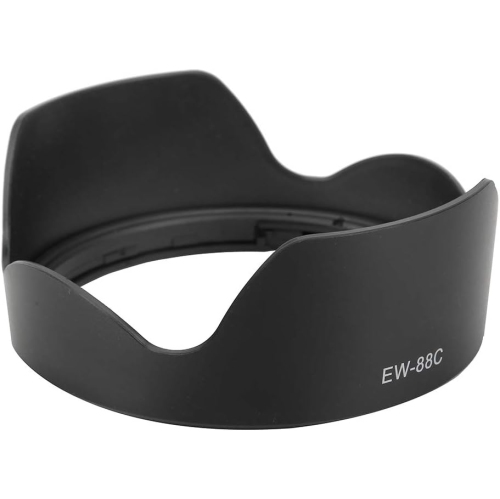
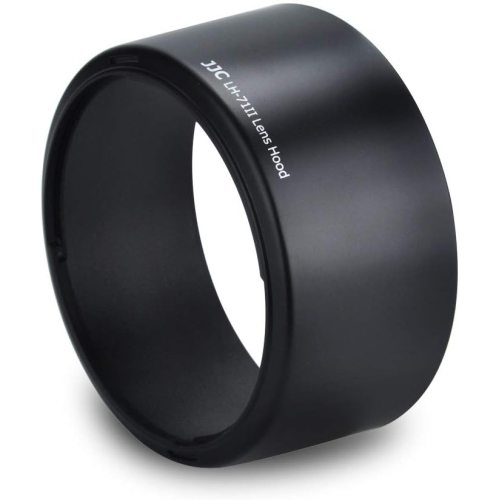
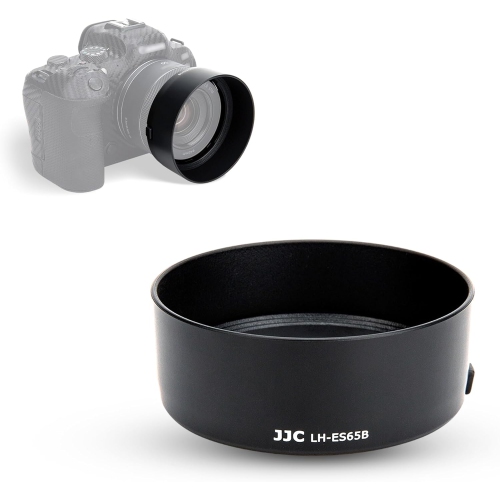
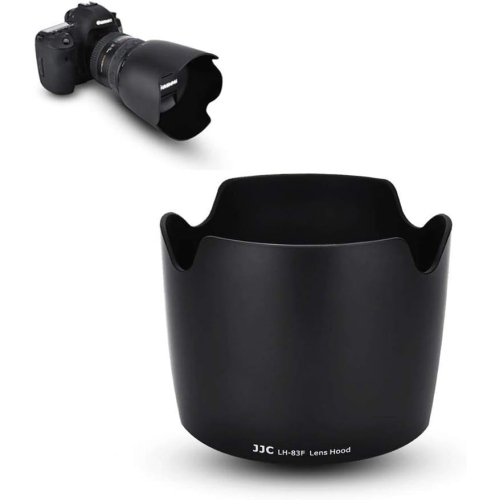
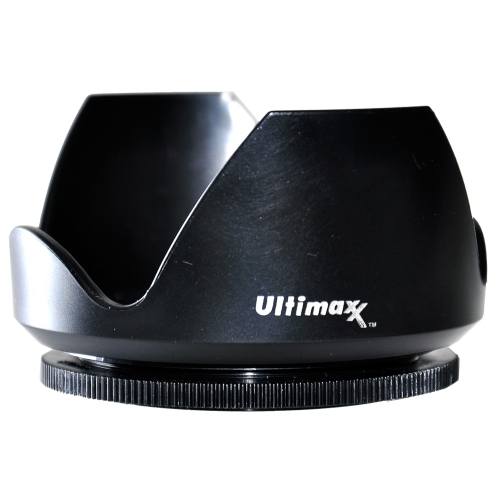
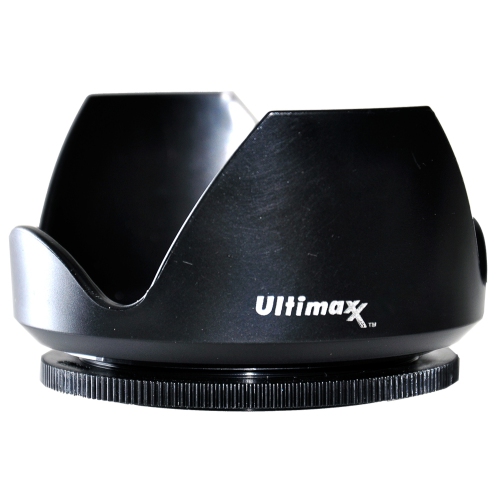
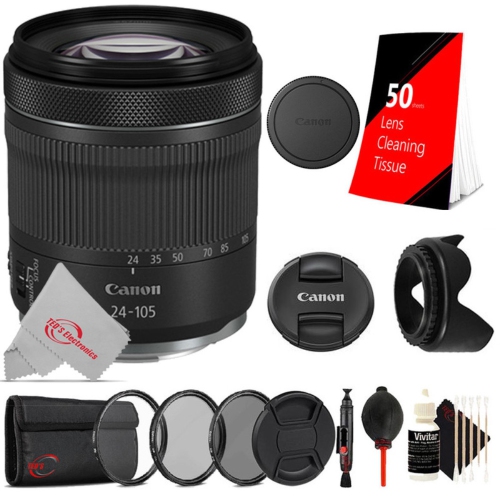
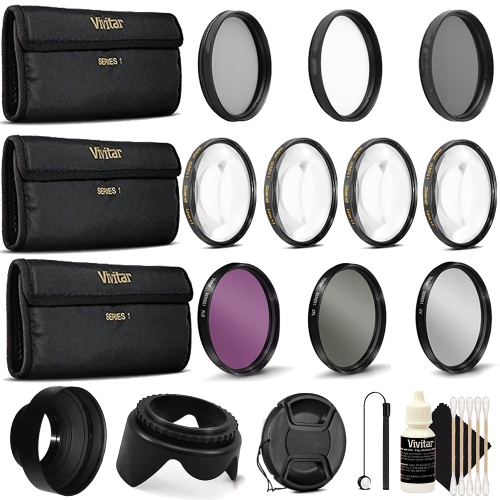
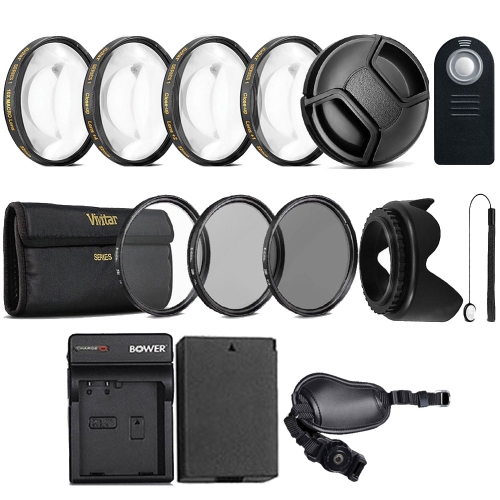
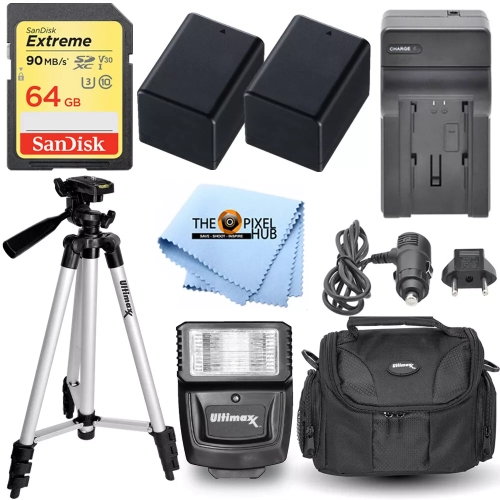
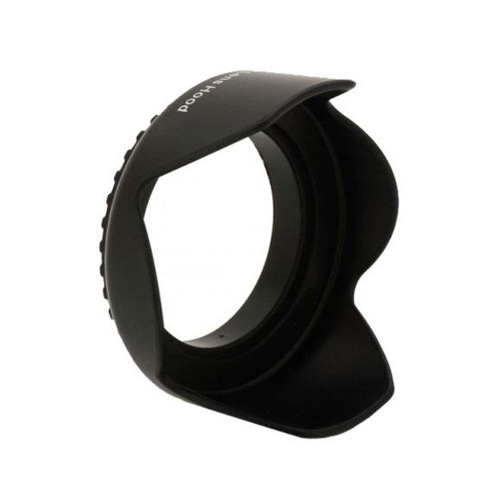
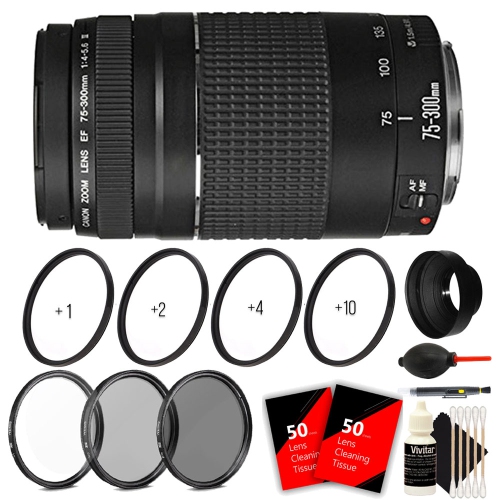
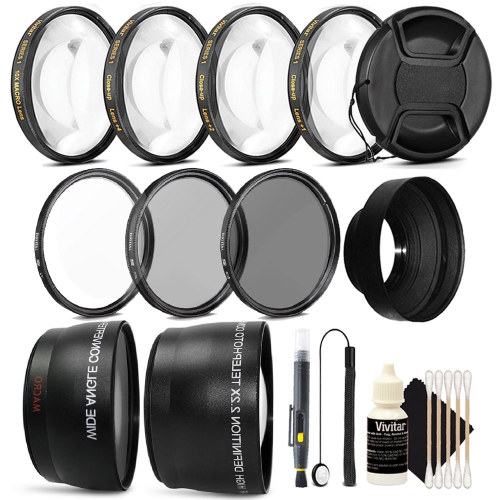
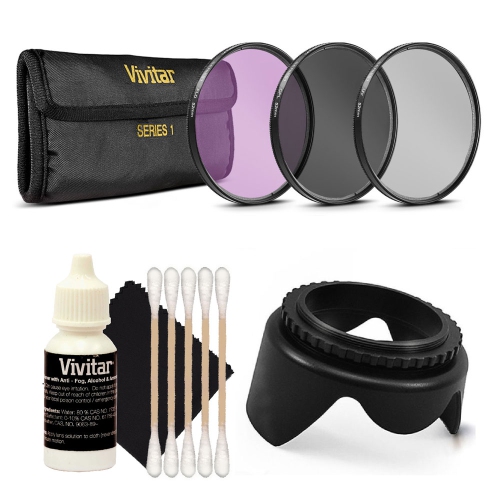
Less glare and added protection for every Canon lens
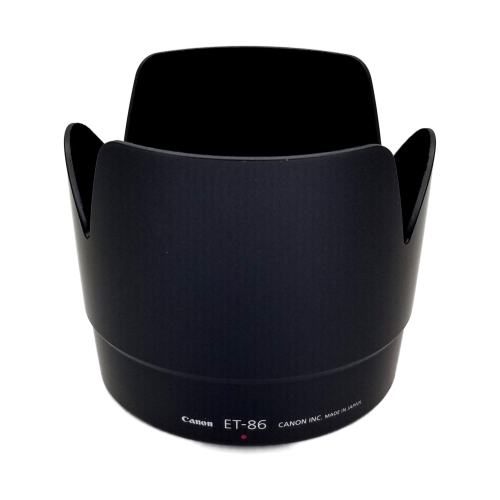
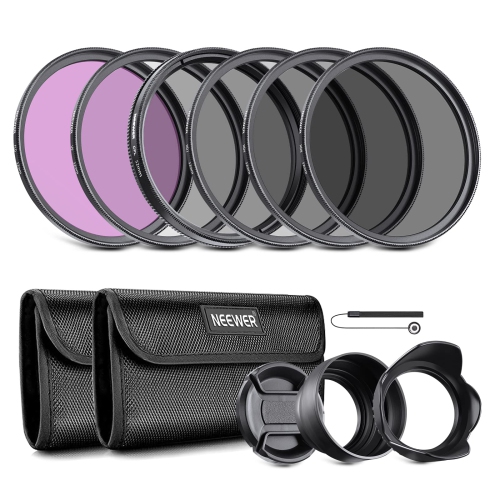
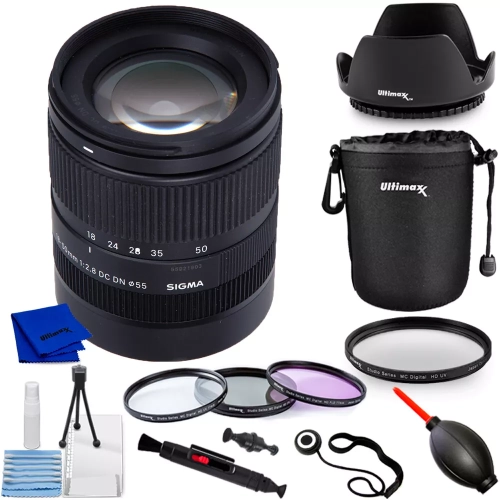
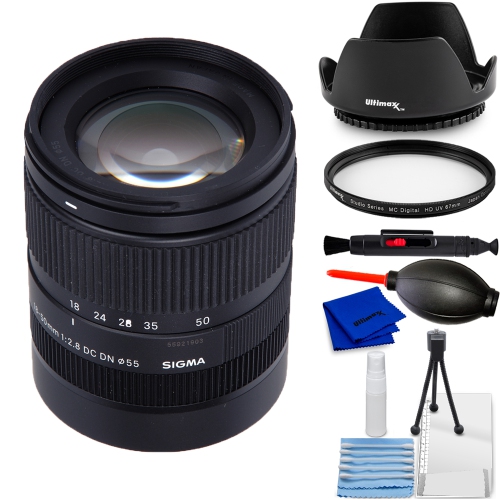
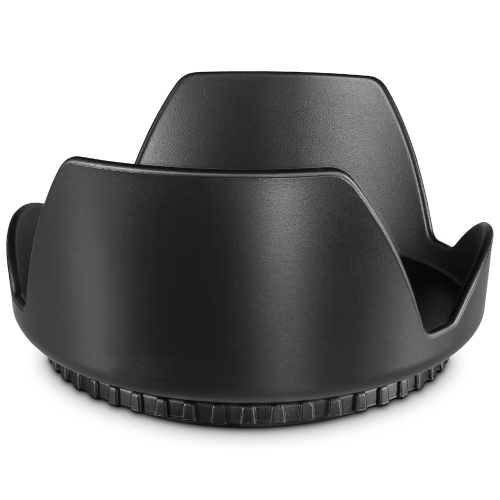
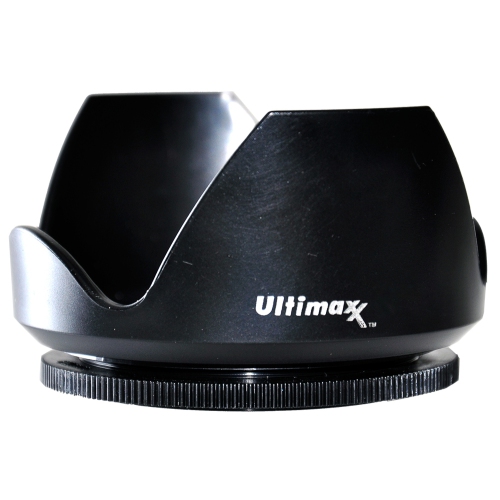
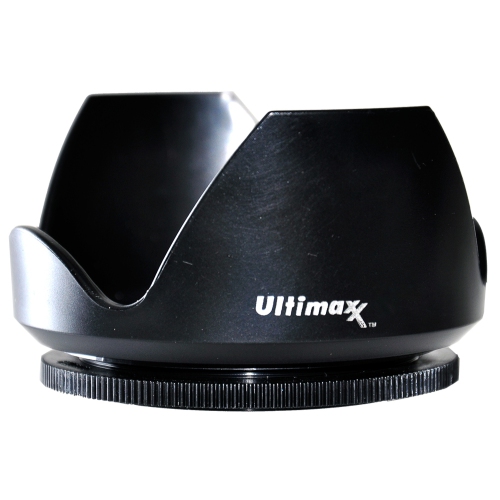
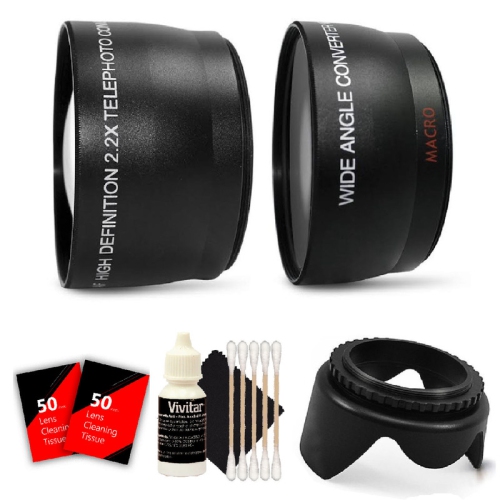
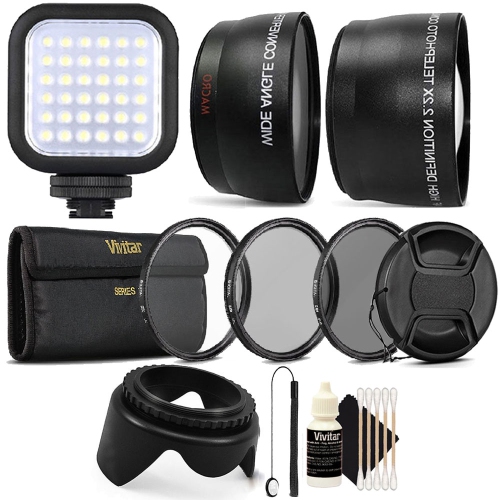
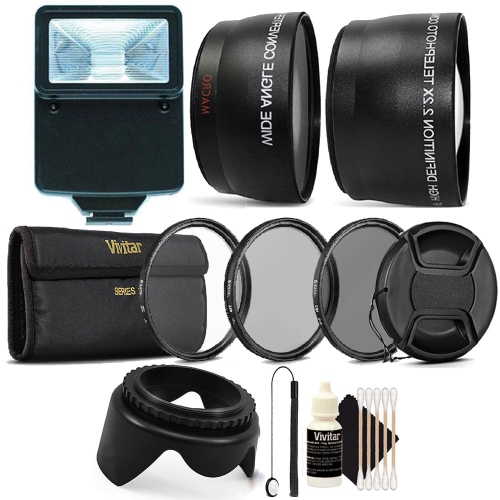
Lens hoods for Canon cameras are practical accessories that help photographers get cleaner, more consistent results in a wide range of lighting conditions. A hood extends beyond the front of a lens to shade the glass from stray light coming from the side, which can reduce flare, haze, and washed-out contrast when shooting near a bright window, under a low afternoon sun, or beneath strong overhead lighting. Colours can appear richer, details can look more defined, and scenes with deep shadows and bright highlights may retain more of the contrast you intended to capture. A lens hood also provides a useful first layer of protection for the front lens element. If a camera swings against a door frame, brushes past a branch, or receives a few light drops during an outdoor shoot, the hood can help keep the glass itself from taking the impact. It can also reduce the amount of dust, sand, rain, and fingerprints that reach the front of the lens. For family photographers, travellers, students, hobbyists, and anyone who carries a camera regularly, this small accessory can become part of the everyday setup rather than something reserved for special occasions. It is especially useful during outdoor portraits, sports, wildlife photography, architecture, landscapes, and street photography, where changing angles and unpredictable light can make stray illumination difficult to control. During the warmer seasons, it can help when photographing bright waterfronts, gardens, patios, and sporting events; during the cooler months, it remains valuable for walks, travel, indoor gatherings near windows, and evening scenes lit by streetlights or shopfronts.
Compatibility is the most important consideration when choosing a lens hood for a Canon lens. Lens hoods are not universal, even when two lenses have a similar appearance or use the same camera body. The correct hood depends on the exact lens model, focal length range, front filter size, and mounting design. Check the writing around the front of the lens, the user manual, or the manufacturer’s compatibility information before ordering, and compare the hood code or fit details carefully. A secure fit should feel firm without requiring excessive force, while the release should be straightforward when the hood needs to be removed. Wide-angle lenses commonly use petal-shaped hoods, with cut-outs designed to provide shade without appearing in the corners of the frame. Standard and telephoto lenses often use round or tube-shaped hoods because their narrower viewing angle allows a deeper, more uniform shield. Using the wrong shape or a hood that extends too far can cause dark corners, particularly at the widest focal-length setting, while a hood that is too shallow may offer less protection from side light. Photographers who use filters should also confirm that the hood leaves enough room for the filter ring and allows the filter to be adjusted when necessary. Those who rely on a lens cap, compact camera bag, or quick changes between lenses may appreciate a design that can be reversed over the lens for storage. A reversible hood takes up less space while travelling and can stay with the lens without adding much bulk. It is also worth considering the material and finish: a lightweight, rigid construction can withstand regular handling, while a non-reflective interior helps prevent light from bouncing back toward the lens. These details are easy to overlook, yet they can make a noticeable difference when moving from a dim room into bright daylight or setting up quickly before an important moment.
Lens hoods for Canon are useful for both new and experienced photographers because they support good shooting habits without adding complicated steps. A beginner may notice that an image taken toward the sun looks pale compared with the scene they remember, or that bright lights create distracting streaks across an otherwise sharp composition. Fitting the appropriate hood can help address those challenges while encouraging the photographer to pay closer attention to the direction and quality of light. More experienced users may keep a hood attached for protection throughout a full day of shooting, removing it only when a particular setup requires different accessories. The right choice can also make a thoughtful gift for someone receiving a new camera, building a lens collection, or preparing for a trip, graduation, family celebration, or creative project. It pairs naturally with Lenses for Canon, especially when a photographer is checking compatibility for a recently purchased lens. Before choosing, consider the recipient’s lens model, how they usually photograph, and whether they work mostly indoors, outdoors, in bright sun, or in changing weather. A portrait photographer might value protection from flare during backlit sessions, while a parent photographing children may appreciate the added buffer during busy outdoor activities. A traveller could benefit from a hood that stores neatly and stays attached during long walks, and a landscape photographer may prefer dependable shading when working across open fields, rocky shorelines, or snowy viewpoints. With the correct fit, a lens hood becomes a simple, dependable part of a Canon camera kit—helping protect the lens, manage stray light, and keep the photographer ready for the next scene.
Compatibility is the most important consideration when choosing a lens hood for a Canon lens. Lens hoods are not universal, even when two lenses have a similar appearance or use the same camera body. The correct hood depends on the exact lens model, focal length range, front filter size, and mounting design. Check the writing around the front of the lens, the user manual, or the manufacturer’s compatibility information before ordering, and compare the hood code or fit details carefully. A secure fit should feel firm without requiring excessive force, while the release should be straightforward when the hood needs to be removed. Wide-angle lenses commonly use petal-shaped hoods, with cut-outs designed to provide shade without appearing in the corners of the frame. Standard and telephoto lenses often use round or tube-shaped hoods because their narrower viewing angle allows a deeper, more uniform shield. Using the wrong shape or a hood that extends too far can cause dark corners, particularly at the widest focal-length setting, while a hood that is too shallow may offer less protection from side light. Photographers who use filters should also confirm that the hood leaves enough room for the filter ring and allows the filter to be adjusted when necessary. Those who rely on a lens cap, compact camera bag, or quick changes between lenses may appreciate a design that can be reversed over the lens for storage. A reversible hood takes up less space while travelling and can stay with the lens without adding much bulk. It is also worth considering the material and finish: a lightweight, rigid construction can withstand regular handling, while a non-reflective interior helps prevent light from bouncing back toward the lens. These details are easy to overlook, yet they can make a noticeable difference when moving from a dim room into bright daylight or setting up quickly before an important moment.
Lens hoods for Canon are useful for both new and experienced photographers because they support good shooting habits without adding complicated steps. A beginner may notice that an image taken toward the sun looks pale compared with the scene they remember, or that bright lights create distracting streaks across an otherwise sharp composition. Fitting the appropriate hood can help address those challenges while encouraging the photographer to pay closer attention to the direction and quality of light. More experienced users may keep a hood attached for protection throughout a full day of shooting, removing it only when a particular setup requires different accessories. The right choice can also make a thoughtful gift for someone receiving a new camera, building a lens collection, or preparing for a trip, graduation, family celebration, or creative project. It pairs naturally with Lenses for Canon, especially when a photographer is checking compatibility for a recently purchased lens. Before choosing, consider the recipient’s lens model, how they usually photograph, and whether they work mostly indoors, outdoors, in bright sun, or in changing weather. A portrait photographer might value protection from flare during backlit sessions, while a parent photographing children may appreciate the added buffer during busy outdoor activities. A traveller could benefit from a hood that stores neatly and stays attached during long walks, and a landscape photographer may prefer dependable shading when working across open fields, rocky shorelines, or snowy viewpoints. With the correct fit, a lens hood becomes a simple, dependable part of a Canon camera kit—helping protect the lens, manage stray light, and keep the photographer ready for the next scene.
Top selling and popular products
-
 Your price for this item is $10.99
 -
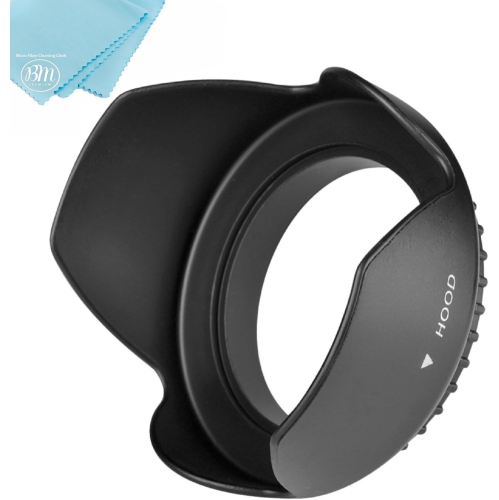 Your price for this item is $12.99
 -
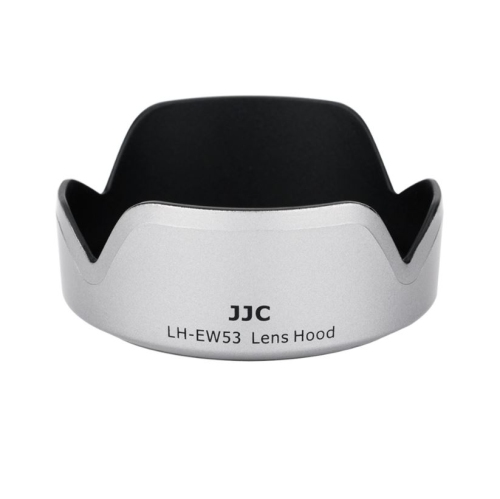 Your price for this item is $11.99
 -
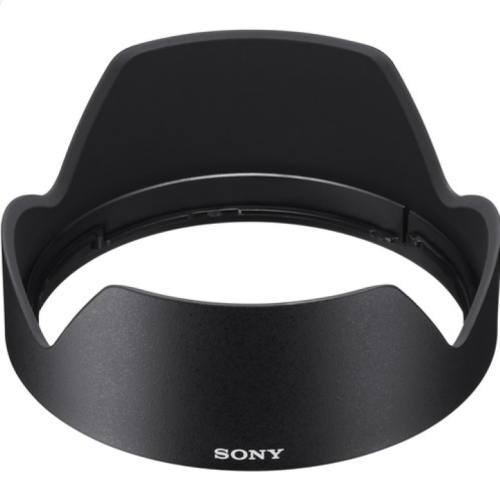 Your price for this item is $28.99
 -
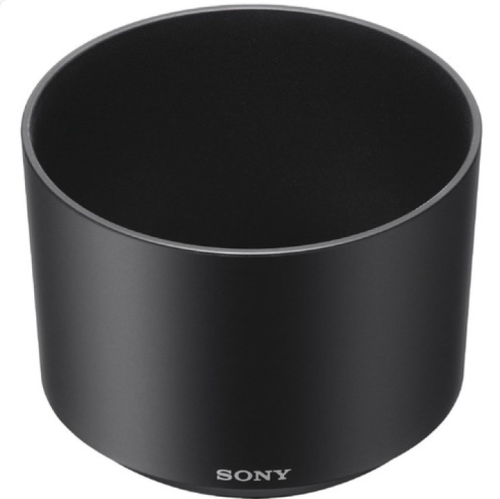 Your price for this item is $18.99
 -
 Your price for this item is $39.99
 -
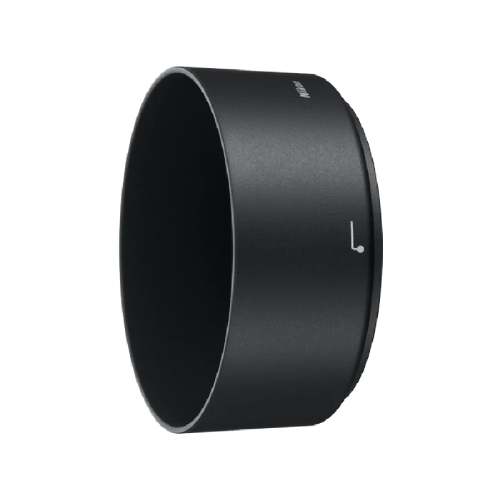 Your price for this item is $59.99
 -
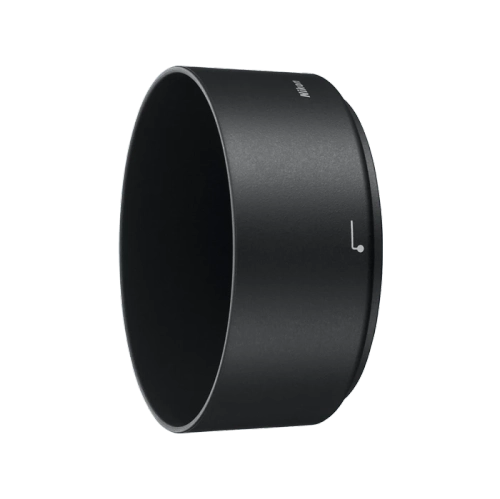 Your price for this item is $34.99
Discover more categories related to Lens Hoods for Canon
Top Collections:
Pokemon Centers, Kindle Devices, Best Budget Office Chairs, Apple iPhones 16, Best Laptops for Writers, iPhone 15 Apple, Canon G7X Cameras, Refurbished Apple Laptops, Alarm Clock, Motorola Razr Phones
Some products may be subject to Environmental Handling Fees
(EHF) depending on your province.
Learn more about EHFs.