Rubber Lens Hoods
Enhance your photography skills and protect your lenses with this wide selection of rubber lens hoods. Designed to fit a variety of camera lenses, these durable and flexible hoods shield your precious optics from unwanted glare, reflections, and lens flares. Whether you're shooting in bright sunlight or challenging lighting conditions, these rubber lens hoods provide optimal light control, allowing you to capture stunning images with enhanced clarity and contrast.
Sort
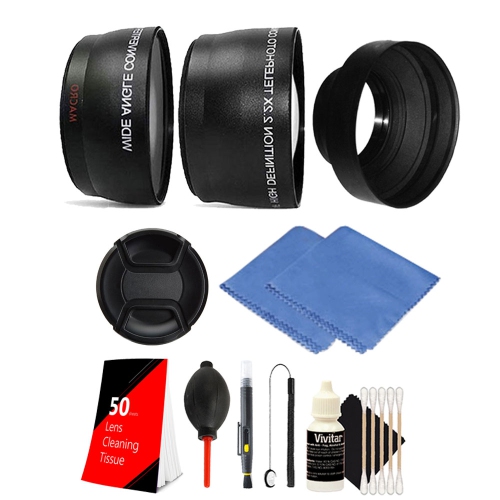
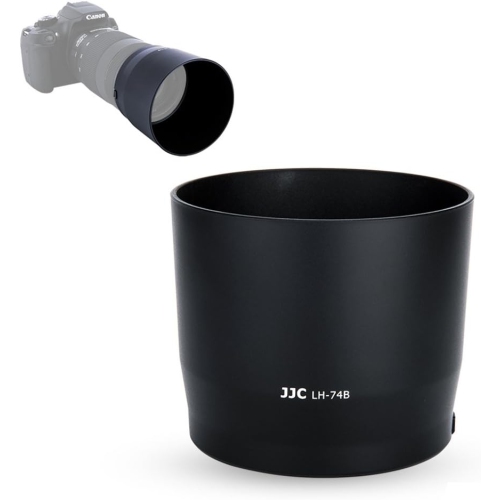
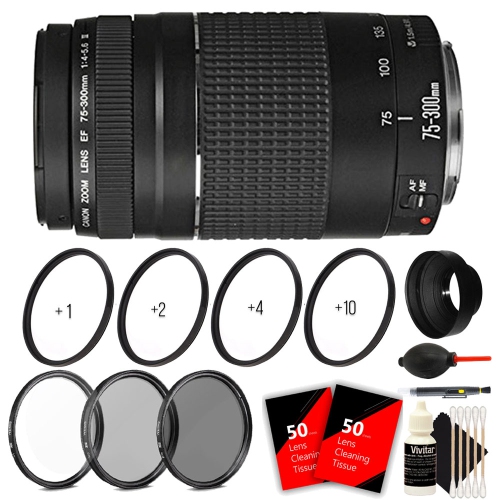
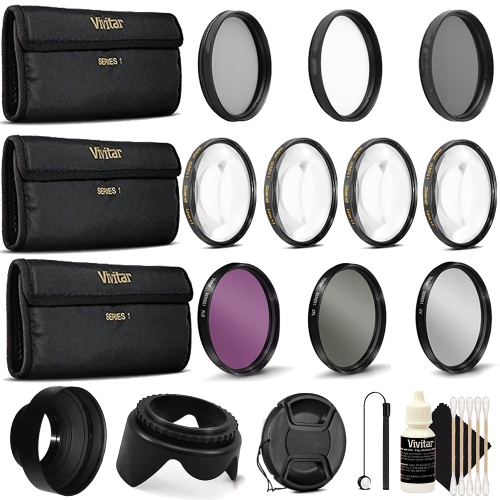
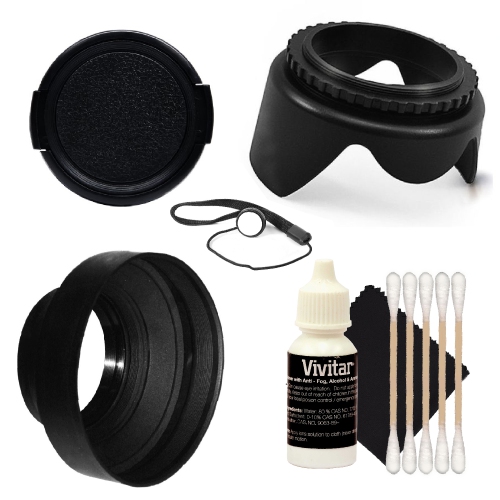
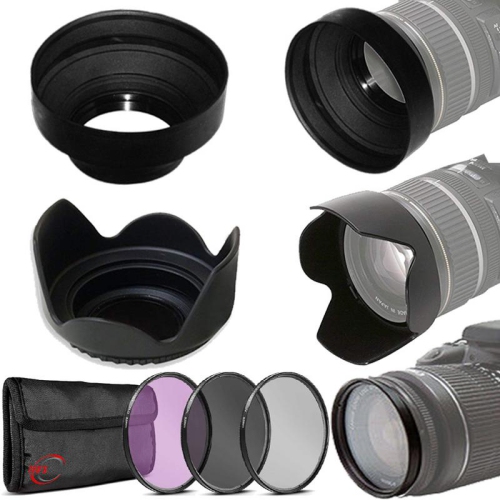
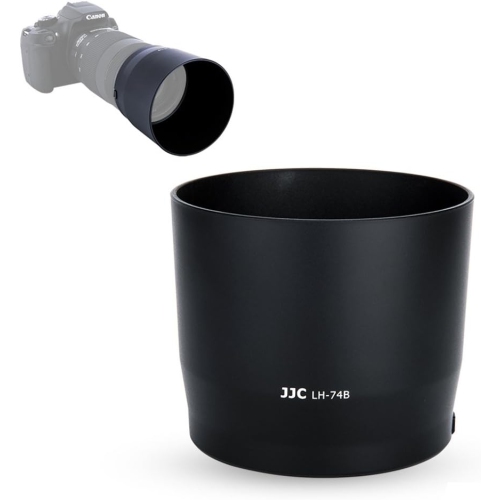
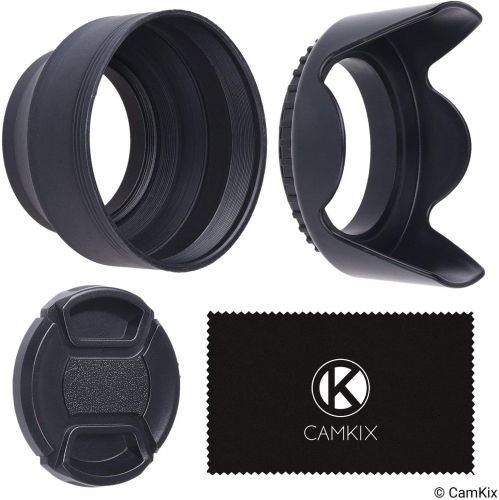
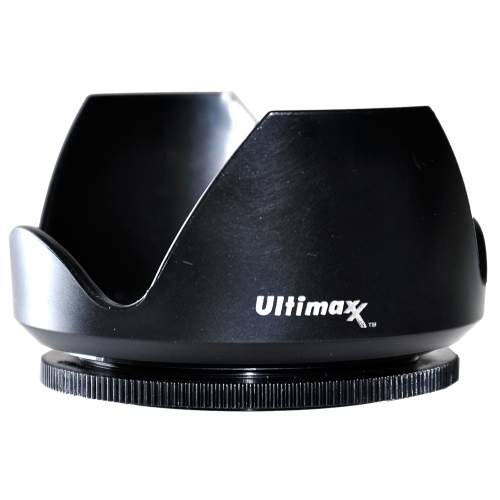
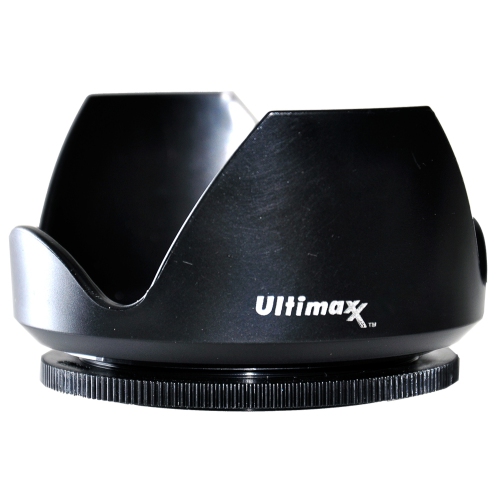
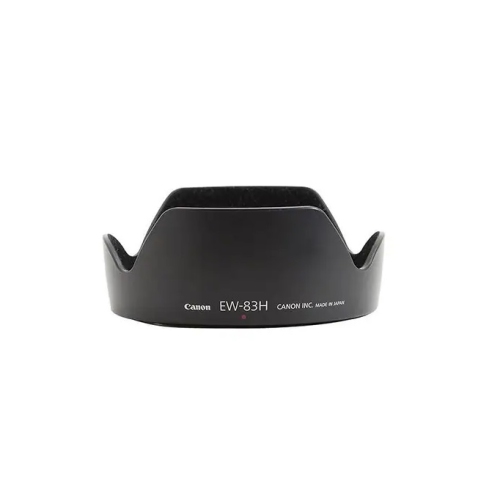
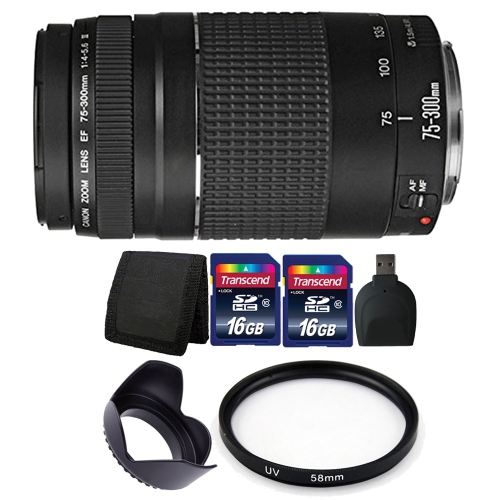
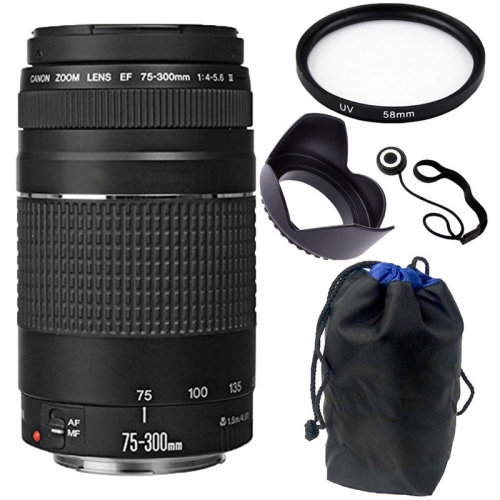
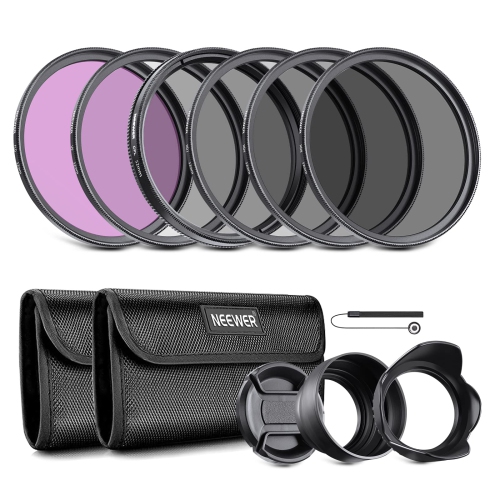
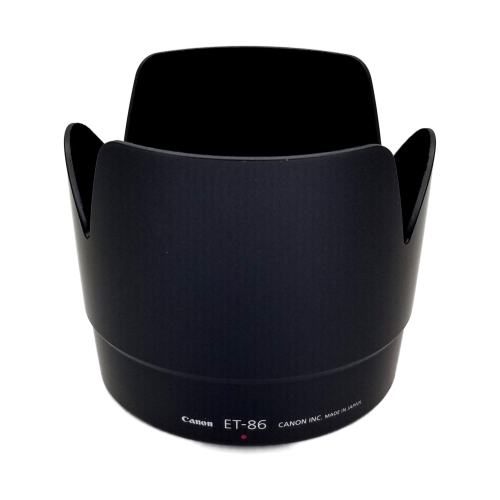
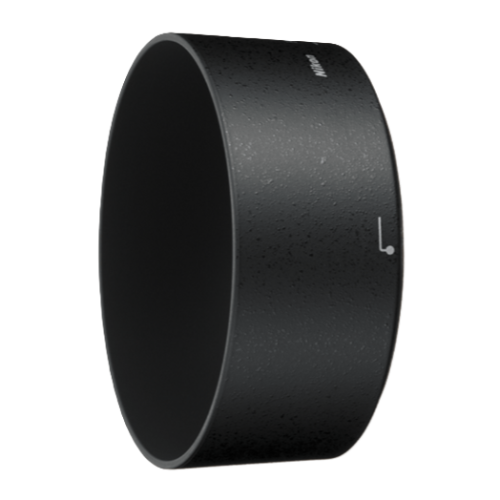
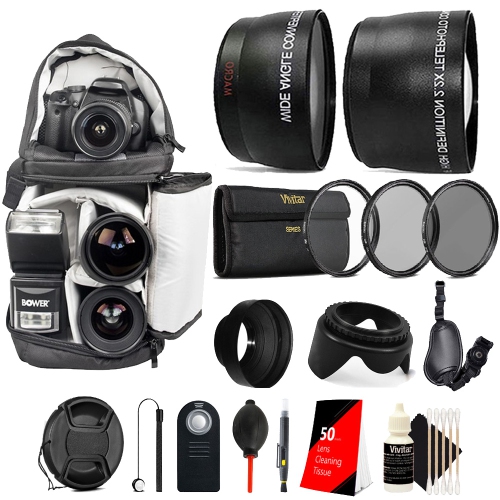
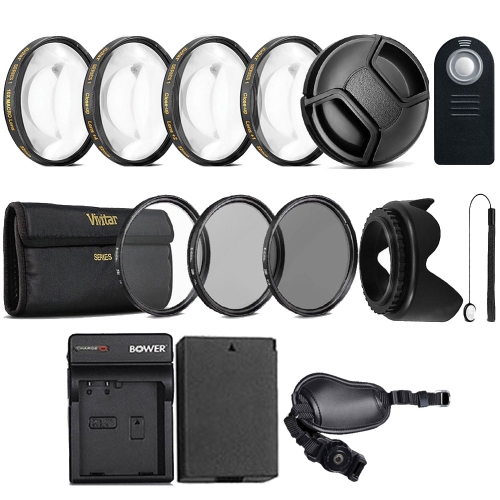
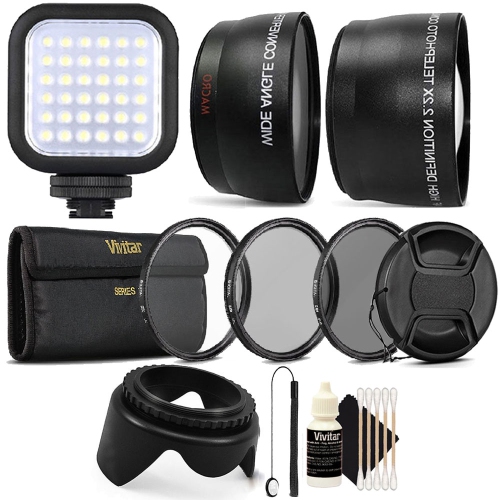
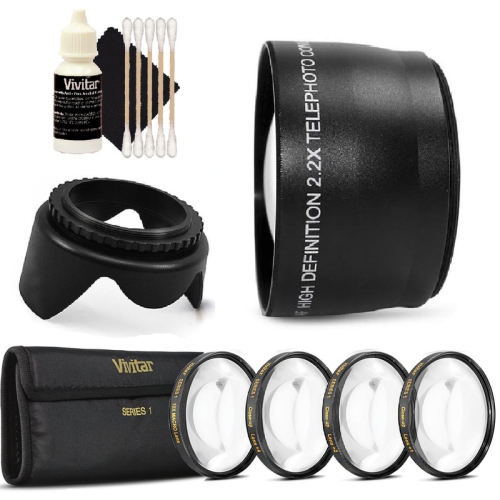
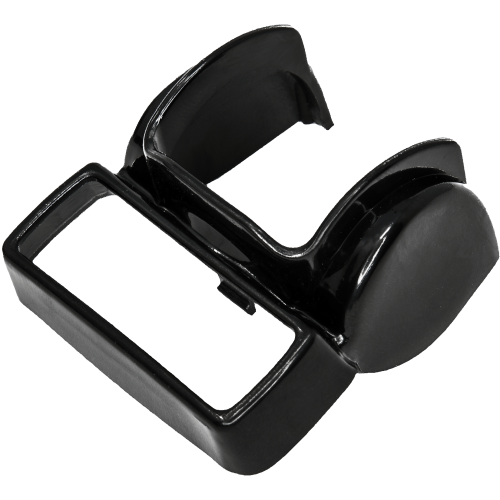
Less lens flare with shade that folds away
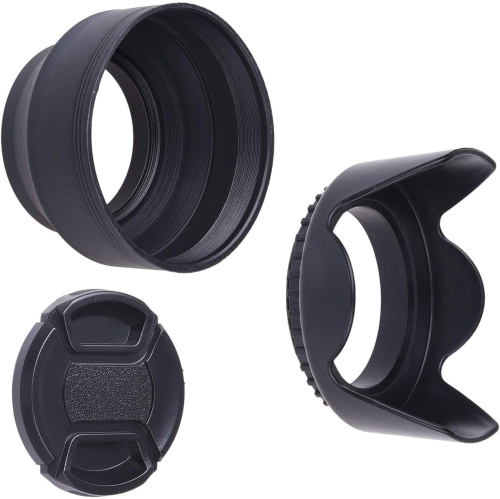
Rubber lens hoods are flexible camera accessories that shade the front of a lens from unwanted light, helping reduce glare and lens flare while offering a soft buffer against minor knocks. Many attach to the lens’s front filter thread through a mounting ring, with a collapsible rubber body that extends for shooting and folds back for storage. Their main purpose is to block light arriving from outside the picture area before it reaches the front glass. That can make a difference when photographing a person beside a bright window, a landscape with low sunlight just beyond the frame, or a street scene with strong lighting off to one side. Stray light can create visible streaks or coloured shapes, but it can also appear as a pale haze that weakens contrast and makes dark areas look washed out. A properly fitted hood helps limit these effects without changing the lens’s exposure settings or adding another layer of glass. It cannot eliminate every reflection or prevent flare from a light source that remains inside the composition, and its effectiveness depends on the lens, the hood’s shape, and the direction of the light. Rubber designs appeal to photographers who value compact accessories: the flexible body takes up less space when collapsed and is less rigid than a hard plastic or metal hood when it brushes against nearby objects. Some have several extension positions to suit different angles of view, though those positions do not guarantee compatibility with every focal length. For broader context on the same light-control function, Lens Hoods for Reducing Lens Flare covers the wider accessory category. Whether used for travel photographs, family portraits, or video, a rubber lens hood is most useful when its depth and opening match what the camera needs to see.
Fit involves both the attachment size and the field of view. A lens’s filter-thread diameter, usually marked with the diameter symbol followed by a measurement in millimetres, is not the same as its focal length. A lens marked with a 50 mm focal length, for example, does not necessarily accept a hood with a 50 mm mounting thread. Matching the stated filter-thread size is the starting point for screw-in designs, while lenses without front filter threads may need a different attachment system. The hood must also stay outside the image area. Wide-angle lenses capture a broad scene and generally need a shallow hood opening; longer focal lengths can often accommodate a deeper extension. If a hood projects too far forward or has too narrow an opening, it may cause vignetting, visible as dark corners or curved shadows at the edges of the picture. With a zoom lens, a position that works at the long end may intrude when zoomed out. Adjustable folds can make a rubber hood more versatile, but checking the full image at the widest intended setting remains important. Filters introduce another fit consideration. Attaching a hood to a filter may be possible when the filter has suitable front threads, yet the added distance from the lens can increase the chance of corner shading. Stacked filters add still more depth, and rotating a polarizing filter may become less convenient with a hood attached. Lens-cap clearance also varies with the mounting design, so a matching thread diameter alone does not establish whether every accessory will work together comfortably. For everyday use, secure attachment should not require force: a screw-in ring should engage smoothly rather than sit crooked or bind. These details matter just as much for a lightweight camera carried on a walk as they do for a camera on a tripod, especially when moving between broad scenic views and tighter compositions.
The pliable construction also gives rubber lens hoods a useful role in photography through glass. A sufficiently wide, flexible hood can sometimes rest gently against a clean windowpane, forming a shaded area around the lens that reduces reflections from room lights or clothing behind the camera. This can help when photographing a view from an observation area or filming through a window, although results depend on the hood making suitable contact and staying clear of the picture. It will not remove dirt, scratches, tint, or reflections between layers of glass, and pressing firmly can stress the lens or shift the camera. Light contact is preferable, with no contact at all where a venue restricts touching the glass. Away from windows, the rubber rim can cushion an incidental brush against a surface, but it is not drop protection and does not replace a lens cap or padded camera bag. Durability depends on the rubber formulation, the thickness of the folds, storage conditions, and how often the hood is extended and collapsed. Repeated bending, prolonged heat, and exposure to strong sunlight can contribute to hardening, cracking, or splits, particularly along the folding sections. During cooler-weather outings, flexibility may change with temperature, so a stiff hood is better handled gently than forced into position. Routine care is straightforward: loose dust can be removed with a soft brush, and the rubber exterior can usually be wiped with a soft, lightly dampened cloth, following the accessory’s care directions. Harsh solvents and abrasive cleaners can damage rubber or finishes. Letting the hood dry before storage and keeping grit out of the mounting threads helps maintain smooth handling. Stored without heavy equipment crushing it, a well-fitting hood can remain a practical part of a compact camera kit. It can also make a thoughtful accessory gift for a photography student, traveller, or family photographer when the recipient’s lens thread size and intended focal lengths are known.
Fit involves both the attachment size and the field of view. A lens’s filter-thread diameter, usually marked with the diameter symbol followed by a measurement in millimetres, is not the same as its focal length. A lens marked with a 50 mm focal length, for example, does not necessarily accept a hood with a 50 mm mounting thread. Matching the stated filter-thread size is the starting point for screw-in designs, while lenses without front filter threads may need a different attachment system. The hood must also stay outside the image area. Wide-angle lenses capture a broad scene and generally need a shallow hood opening; longer focal lengths can often accommodate a deeper extension. If a hood projects too far forward or has too narrow an opening, it may cause vignetting, visible as dark corners or curved shadows at the edges of the picture. With a zoom lens, a position that works at the long end may intrude when zoomed out. Adjustable folds can make a rubber hood more versatile, but checking the full image at the widest intended setting remains important. Filters introduce another fit consideration. Attaching a hood to a filter may be possible when the filter has suitable front threads, yet the added distance from the lens can increase the chance of corner shading. Stacked filters add still more depth, and rotating a polarizing filter may become less convenient with a hood attached. Lens-cap clearance also varies with the mounting design, so a matching thread diameter alone does not establish whether every accessory will work together comfortably. For everyday use, secure attachment should not require force: a screw-in ring should engage smoothly rather than sit crooked or bind. These details matter just as much for a lightweight camera carried on a walk as they do for a camera on a tripod, especially when moving between broad scenic views and tighter compositions.
The pliable construction also gives rubber lens hoods a useful role in photography through glass. A sufficiently wide, flexible hood can sometimes rest gently against a clean windowpane, forming a shaded area around the lens that reduces reflections from room lights or clothing behind the camera. This can help when photographing a view from an observation area or filming through a window, although results depend on the hood making suitable contact and staying clear of the picture. It will not remove dirt, scratches, tint, or reflections between layers of glass, and pressing firmly can stress the lens or shift the camera. Light contact is preferable, with no contact at all where a venue restricts touching the glass. Away from windows, the rubber rim can cushion an incidental brush against a surface, but it is not drop protection and does not replace a lens cap or padded camera bag. Durability depends on the rubber formulation, the thickness of the folds, storage conditions, and how often the hood is extended and collapsed. Repeated bending, prolonged heat, and exposure to strong sunlight can contribute to hardening, cracking, or splits, particularly along the folding sections. During cooler-weather outings, flexibility may change with temperature, so a stiff hood is better handled gently than forced into position. Routine care is straightforward: loose dust can be removed with a soft brush, and the rubber exterior can usually be wiped with a soft, lightly dampened cloth, following the accessory’s care directions. Harsh solvents and abrasive cleaners can damage rubber or finishes. Letting the hood dry before storage and keeping grit out of the mounting threads helps maintain smooth handling. Stored without heavy equipment crushing it, a well-fitting hood can remain a practical part of a compact camera kit. It can also make a thoughtful accessory gift for a photography student, traveller, or family photographer when the recipient’s lens thread size and intended focal lengths are known.
Top selling and popular products
-
 Your price for this item is $10.99
 -
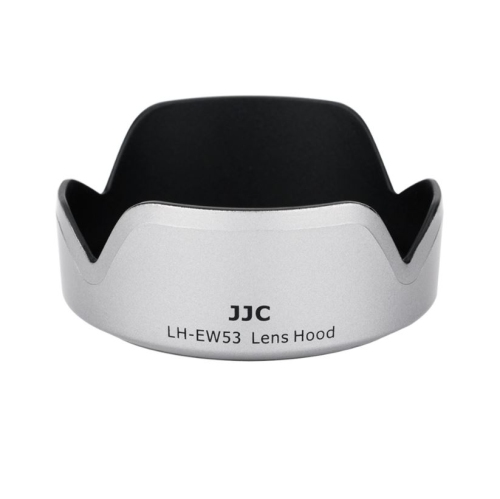 Your price for this item is $11.99
 -
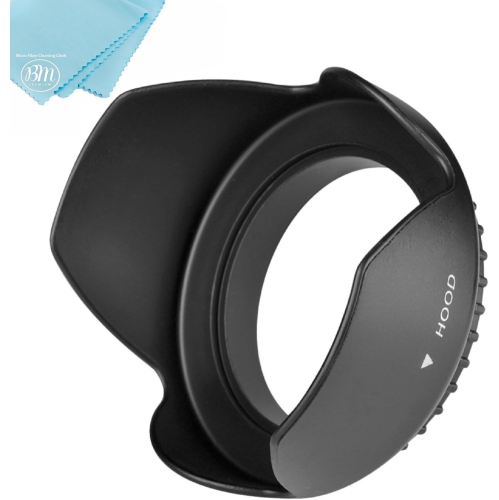 Your price for this item is $12.99
 -
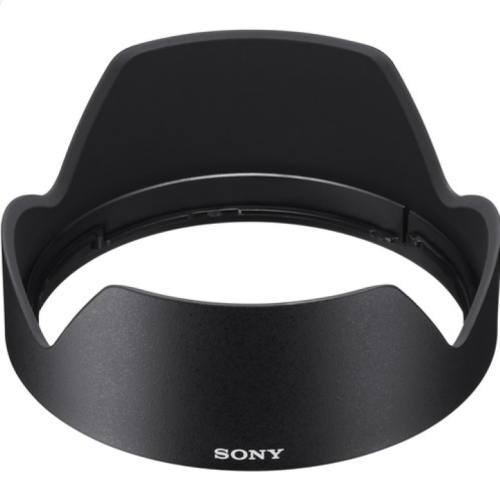 Your price for this item is $28.99
 -
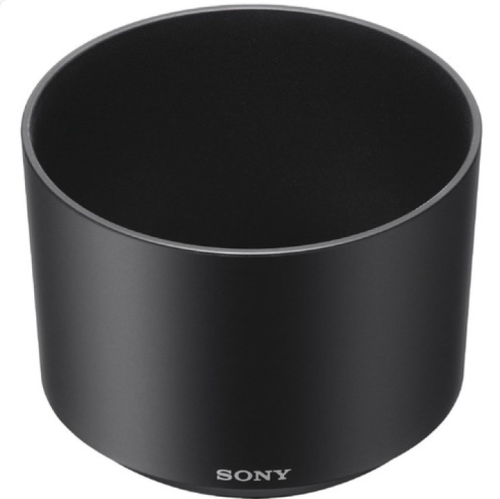 Your price for this item is $18.99
 -
 Your price for this item is $39.99
 -
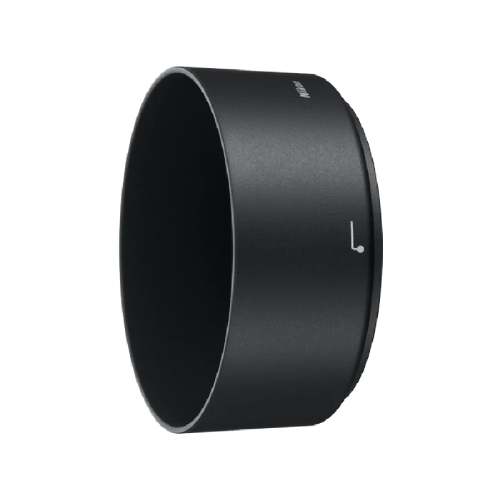 Your price for this item is $59.99
 -
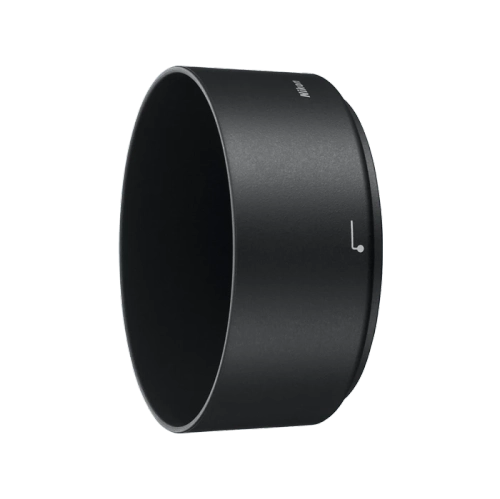 Your price for this item is $34.99
Discover more categories related to Rubber Lens Hoods
Top Collections:
Pokemon Centers, Kindle Devices, Best Budget Office Chairs, Apple iPhones 16, Best Laptops for Writers, iPhone 15 Apple, Canon G7X Cameras, Refurbished Apple Laptops, Alarm Clock, Motorola Razr Phones
Some products may be subject to Environmental Handling Fees
(EHF) depending on your province.
Learn more about EHFs.