Mavic Drones
Explore our collection of high-quality drones that are designed to elevate your aerial photography and videography game. Whether you are a beginner looking to hone your skills or a professional seeking advanced features, our range of drones offers something for everyone. From compact models perfect for travel to powerful options with cutting-edge technology, find the perfect drone to capture stunning footage from new heights.
Sort
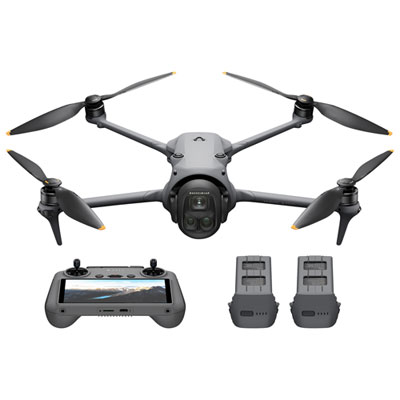
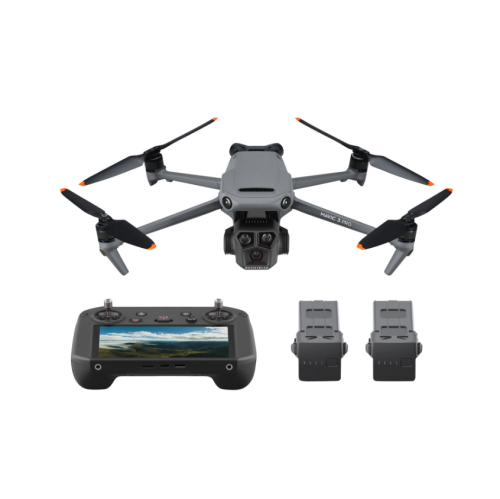
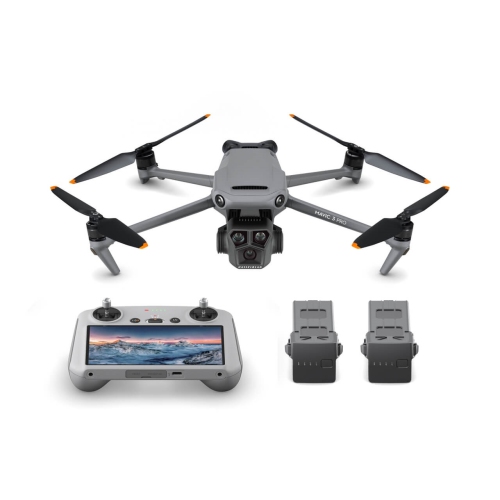
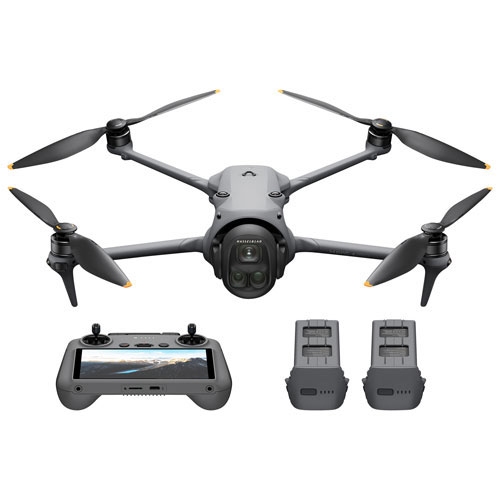
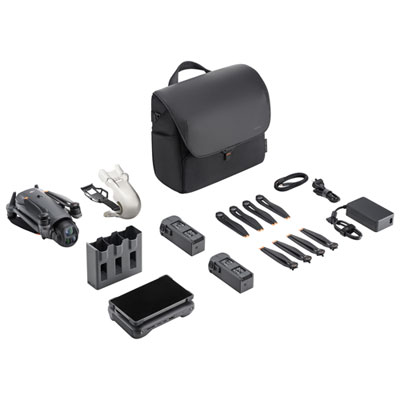
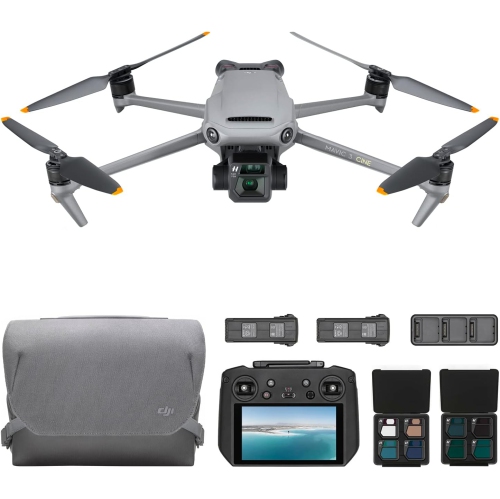
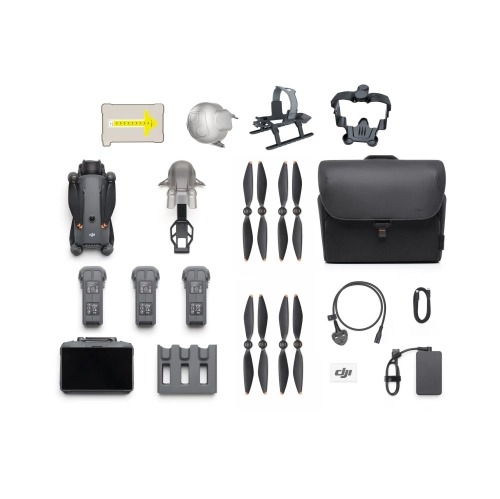
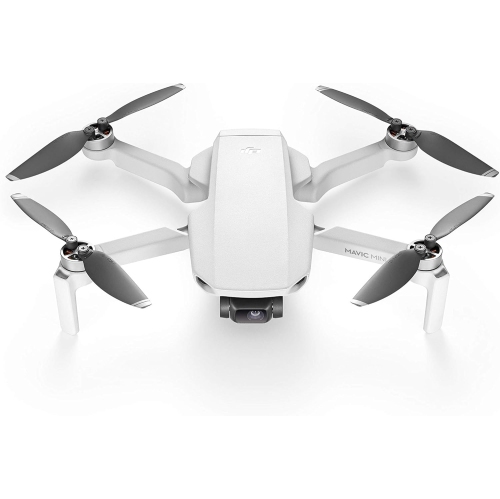
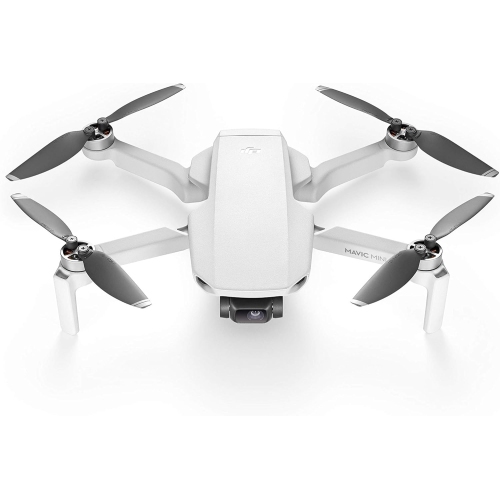
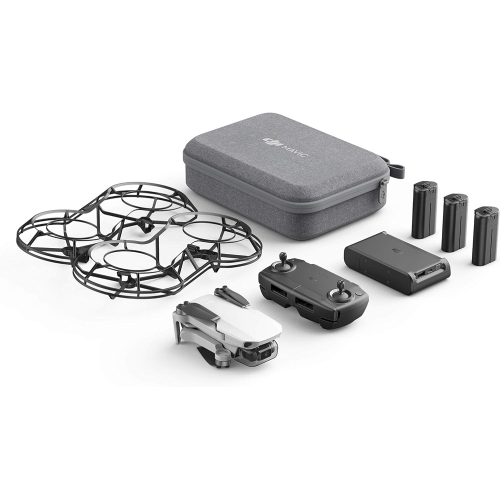

Aerial photography that travels with your camera kit
Foldable camera drones bring aerial photography and filmmaking into a format that can travel alongside a camera bag rather than requiring a large equipment case. Their appeal lies in the combination of a compact, folding airframe, a stabilized camera and remote control over both flight and framing. From above, familiar subjects take on different shapes: a winding path becomes a leading line, a rocky shoreline reveals its texture, and a building’s geometry becomes easier to appreciate. These drones can suit photographers expanding beyond ground-level compositions, filmmakers capturing establishing shots, and experienced hobbyists who enjoy planning precise, repeatable movements. Camera capability is an important distinction within this category. A larger image sensor can offer advantages in fine detail, dynamic range and image quality, while the lens determines how much of a scene fits into the frame. Where multiple focal lengths are supported, a wider view can establish a location and a longer view can isolate a subject without placing the aircraft as close to it. Optical focal-length options and digital zoom are not interchangeable, so the camera specifications deserve a close look. Video resolution is only part of the picture, too: frame rates, compression, colour profiles and recording formats affect how footage looks and how easily it can be edited. A photographer making large prints may value RAW still-image capture, while a filmmaker matching footage from several cameras may place greater importance on manual exposure controls and flexible colour adjustment. Supported features vary by model. A mechanical gimbal helps keep the camera level and movements smooth, but deliberate flying still matters; a slow rise above a foreground feature often creates a more polished shot than a sudden change in direction. For shoppers narrowing their interest to a particular generation, Mavic 2 Drones provides a more focused category to explore. The best fit depends on the images being created, the equipment already in use and the level of control the pilot wants.
Portability involves more than the dimensions of the folded aircraft. The controller, spare batteries, charging equipment, propellers and protective case all contribute to the size and weight of a complete flying kit. Someone walking to a viewpoint may value a compact shoulder bag, while a person transporting equipment between filming locations may prefer a fitted case that keeps components separated and protected. Folding arms should move as intended and sit securely in their operating positions; camera assemblies and propellers need protection from pressure during transport. Construction can include moulded polymer housings and metal components, with the balance between weight and rigidity varying by design. Even a solidly built aircraft contains delicate moving parts, so durability should not be confused with resistance to impacts. The controller also affects everyday comfort. Grip shape, control-stick placement, screen visibility and access to camera settings can make a meaningful difference during a carefully framed shot. Some setups use an integrated display, while others depend on a compatible phone and app. Phone size, operating-system support, cable connections and the ability to see flight information clearly are practical considerations before choosing a setup. Positioning assistance, automated camera movements and obstacle sensing can make operation more manageable where supported, but their coverage and limitations differ. Sensors are not a guarantee against contact with thin branches, wires or other difficult-to-detect obstacles, and automated flight still requires attentive supervision. Battery specifications deserve similar context. Published maximum flight times are measured under stated test conditions and should not be treated as the amount of filming time available on every outing. Takeoff, positioning, returning and landing all use part of the charge, and a reserve is necessary for a controlled return. Spare batteries can extend a photography session, but each one adds carrying weight and charging needs. For a traveller, the most convenient kit is often the one that packs neatly, supports the intended camera work and remains straightforward to manage from setup through landing.
Ownership also includes routine care, file management and responsible operation. Propellers should be checked for cracks, chips or distortion, and replacement parts need to match the aircraft’s specifications rather than merely look similar. Dust and grit around folding joints or motors should be addressed using the manufacturer’s recommended cleaning methods, without forcing debris into openings. A camera lens benefits from careful cleaning with suitable optical supplies, while a gimbal protector helps prevent movement and pressure damage during transport when fitted as directed. Battery care is equally important: use compatible charging equipment, inspect packs for damage or swelling, and follow the manufacturer’s charging and storage instructions. A damaged battery should not be used. Keeping firmware, controller software and the flight app compatible can help maintain reliable communication and access to supported functions. Recording media also needs to meet the camera’s requirements; high-resolution video can demand sustained write speeds and substantial storage space. Copying footage to a separate drive after a session helps protect valuable work and frees the card for the next flight. In Canada, the rules that apply depend on factors including aircraft weight, flight location and the type of operation. Check Transport Canada requirements, airspace restrictions and any applicable pilot certification, registration or authorization requirements before flying. A clear takeoff and landing area, appropriate separation from people and property, and respect for privacy are essential parts of planning a shoot. Access to a location does not automatically include permission to launch a drone or film there. For gift giving, a camera drone is best suited to someone interested in both image-making and the responsibilities of flying, rather than someone seeking a simple toy. A photography enthusiast may appreciate creative camera control, while a detail-oriented hobbyist may enjoy practising smooth flight paths and learning how aerial perspective changes a composition. Suitable protective storage, compatible charging equipment and time spent learning the controls can contribute as much to a rewarding ownership experience as an impressive camera specification.
Top selling and popular products
-
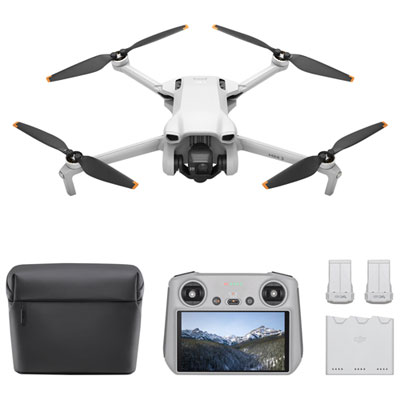 Your price for this item is $689.97
-
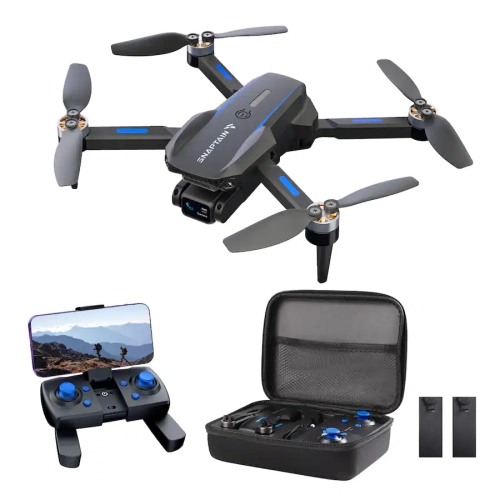 Your price for this item is $109.98
-
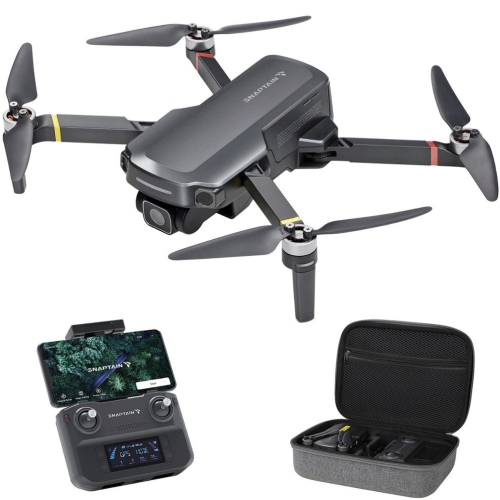 Your price for this item is $279.9
-
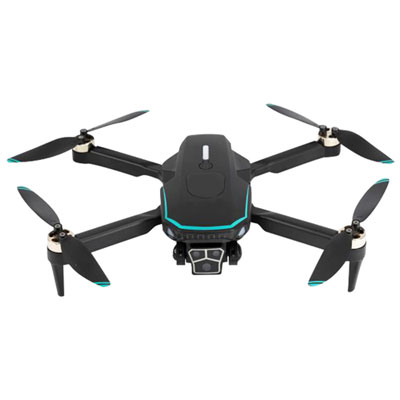 Your price for this item is $79.99
-
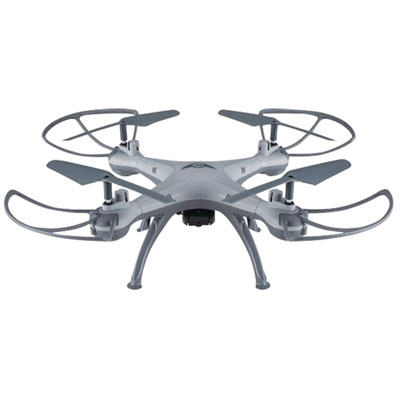 Your price for this item is $49.99
-
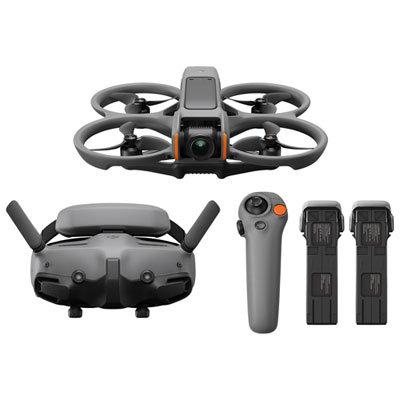 Your price for this item is $1279.99
-
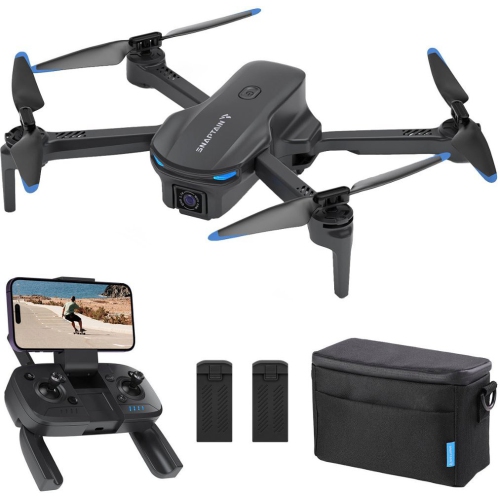 Your price for this item is $189.9
-
 Your price for this item is $205.99
Discover more categories related to Mavic Drones
Top Collections:
Best Black Friday Deals This Year, Best Black Friday Deals On Electronics, Kindle Devices, Best Black Friday Deals On Apple Products, Best Budget Office Chairs, Best Cameras for Sports Photography, Dyson Airwrap, Canon G7X Cameras, Best Laptops for Writers, Samsung Galaxy Phones
Some products may be subject to Environmental Handling Fees
(EHF) depending on your province.
Learn more about EHFs.