Must Haves for Photographers
Must Haves for Photographers bring together the essential tools and gear every photographer needs to capture stunning images with confidence. Whether you’re just beginning your photography journey or looking to upgrade your equipment, the right accessories and devices can make all the difference in your creative process. Explore a wide selection of must-have items designed to support every style and skill level, helping you stay prepared for every shot, session, or adventure.
Sort
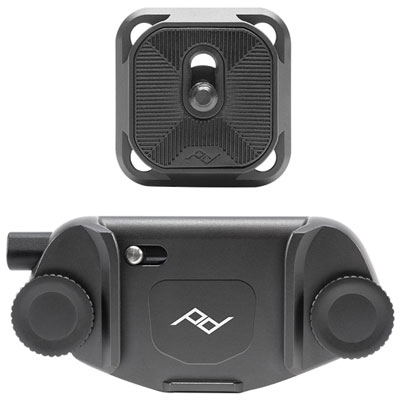


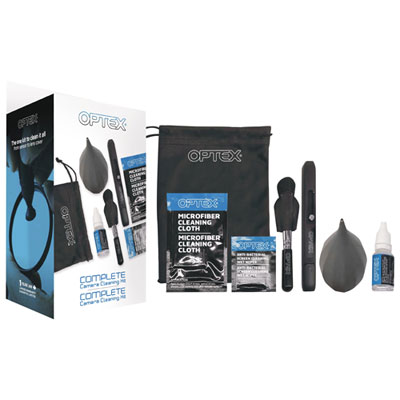
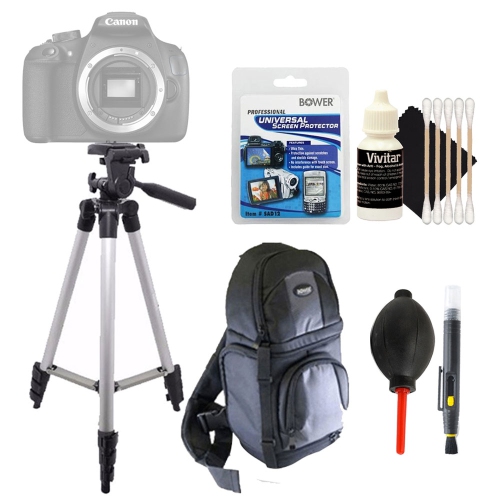
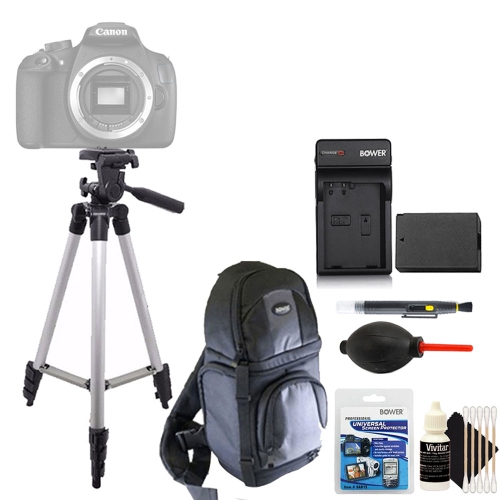
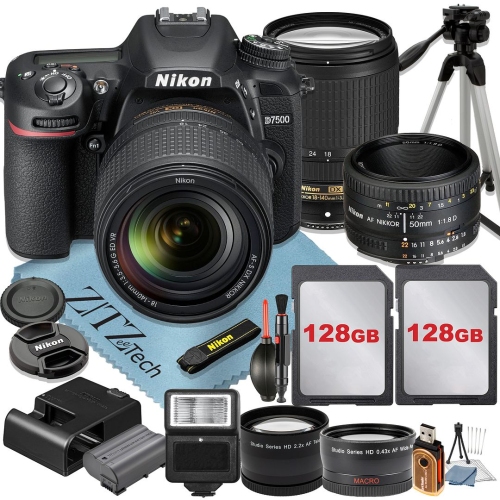


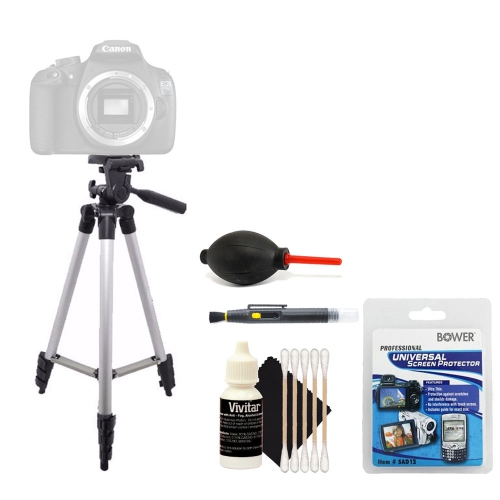
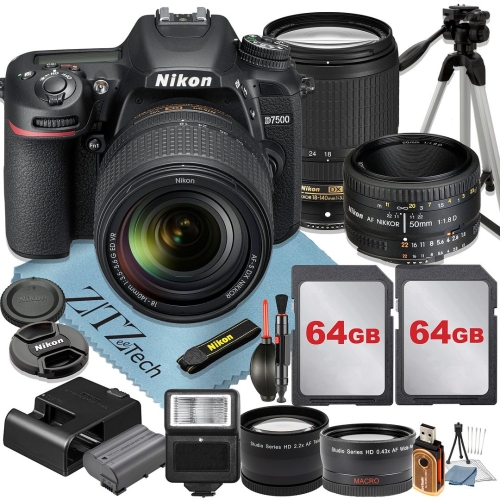
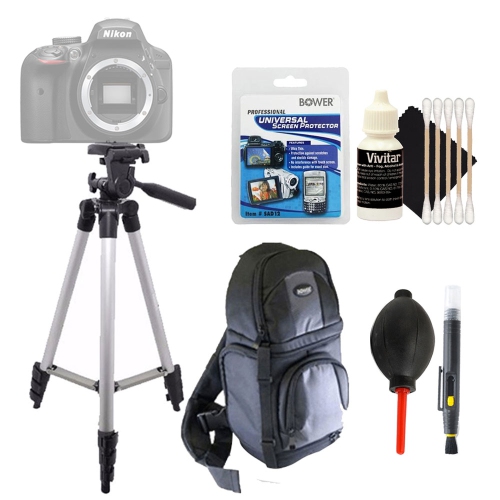
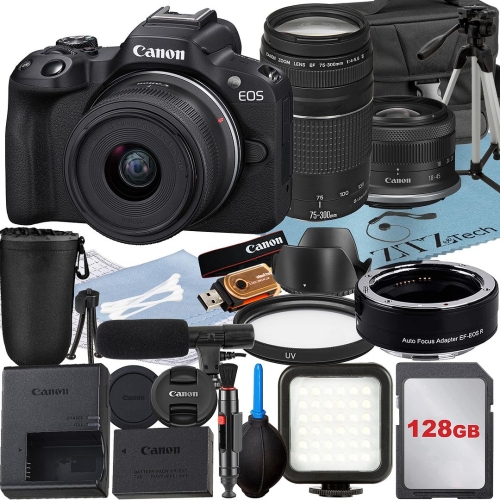
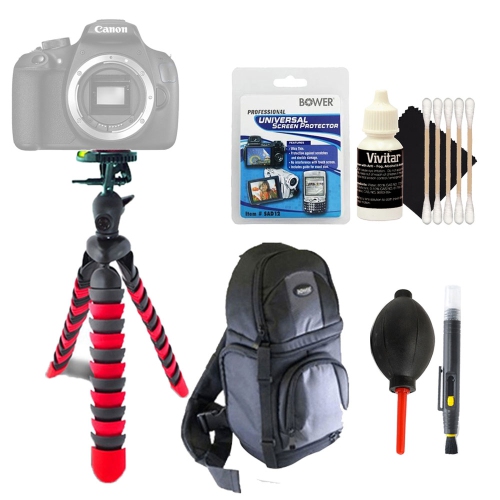
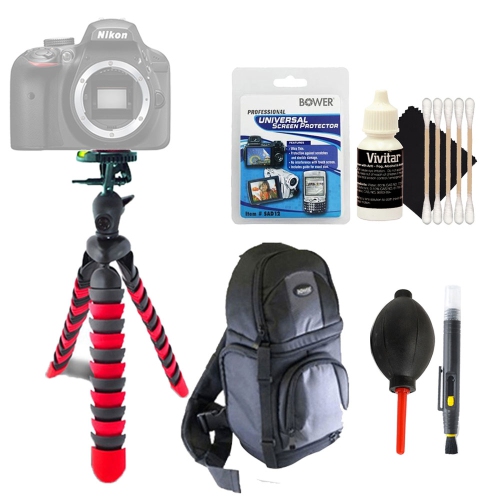
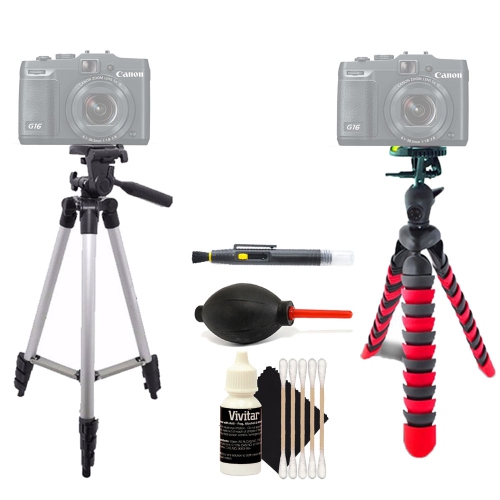
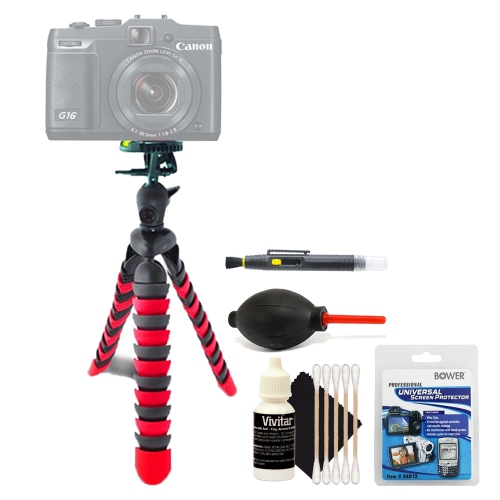
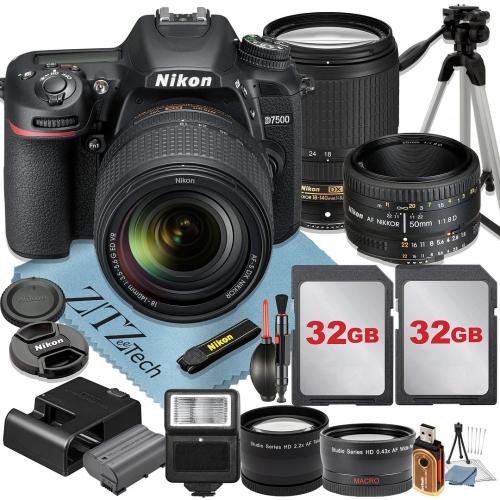
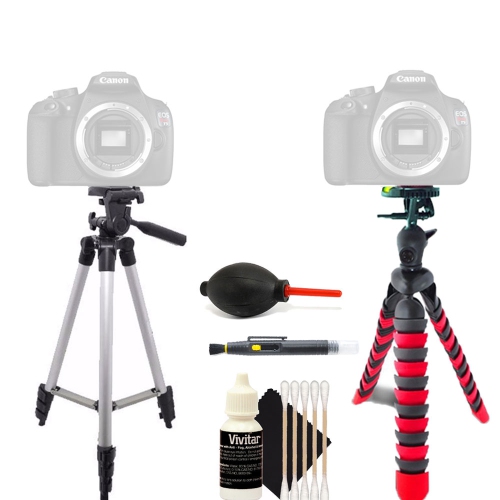
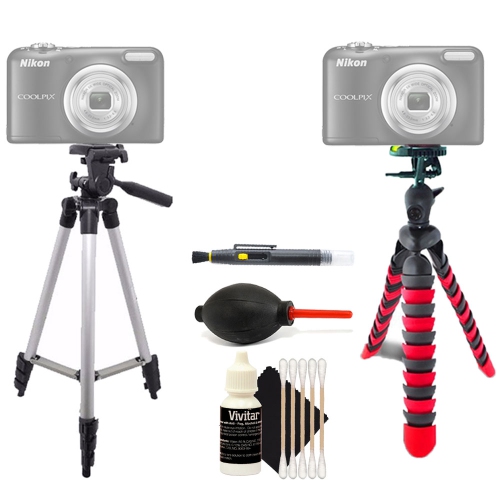
A well-matched photography kit goes beyond the camera
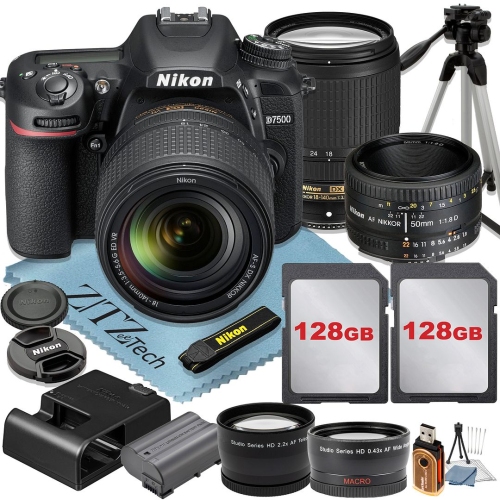
Must-haves for photographers include a camera suited to the intended subject, compatible lenses, dependable memory cards, spare power, stable support, and protection for equipment in transit. These essentials serve different purposes: the camera and lens capture the image, while supporting accessories help keep equipment secure, extend shooting time, and make everyday tasks more manageable. For someone learning photography, comfortable controls and a manageable kit can matter more than an extensive collection of equipment. A camera that fits comfortably in the hand is easier to carry through a museum, bring to a family gathering, or hold steady while waiting for a pet to look towards the lens. Lens choice shapes both framing and working distance. Wider views suit interiors and group photographs, while longer focal lengths help isolate details or photograph subjects from farther away. A versatile zoom offers flexibility when there is little time to change lenses, whereas a compact prime lens can make a camera easier to carry and provide a wide aperture for softly blurred backgrounds. Compatibility goes beyond whether a lens physically attaches: the lens mount, sensor coverage, autofocus support, and any required adapter all affect the combination. Memory cards also need to match the camera’s supported format and performance requirements, particularly for rapid bursts or high-resolution video. Capacity determines how much can be stored, but reliable file handling and a sensible backup routine matter just as much. Spare batteries and compatible chargers support longer sessions, especially when a camera is being used frequently for playback or video. Charging through a USB connection is useful only when the camera and power source support it. Together, these core photography essentials suit students, hobbyists, travellers, and experienced image-makers building a kit around a particular interest. The most practical assortment reflects how photographs are actually made, whether that means a small setup for everyday observations or a more substantial combination for portraits, close-ups, and distant subjects.
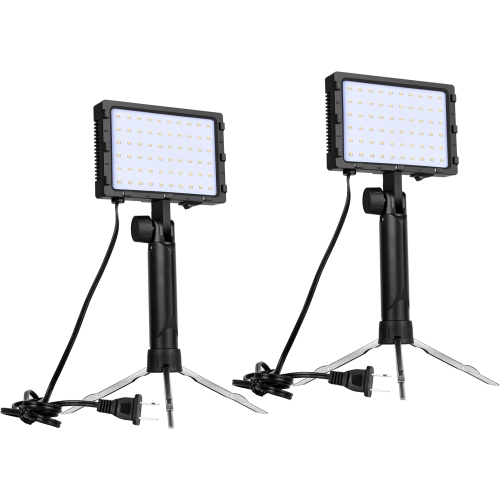
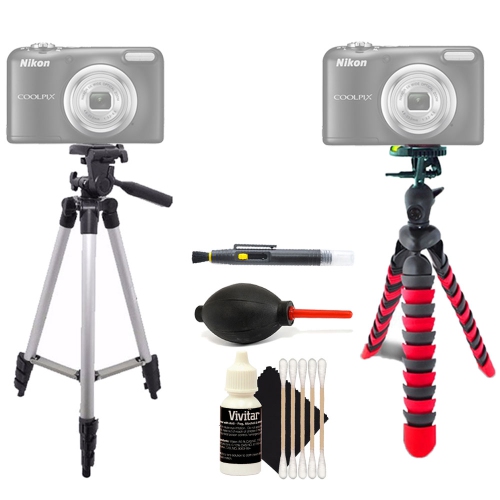
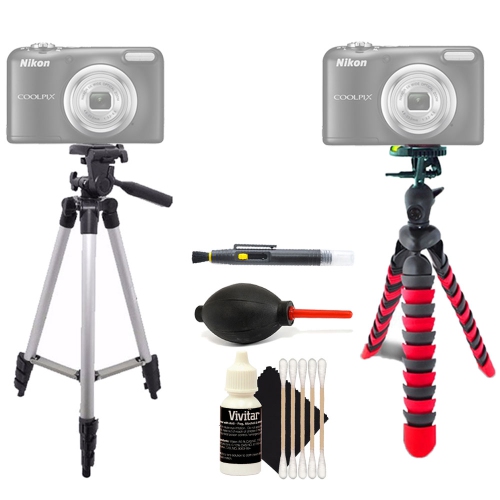
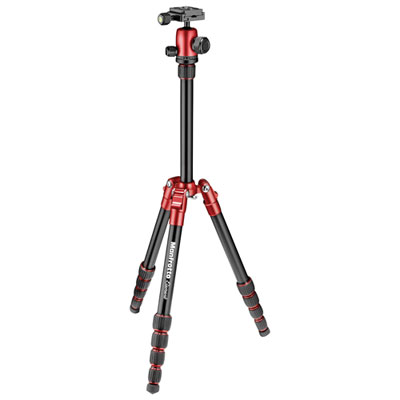
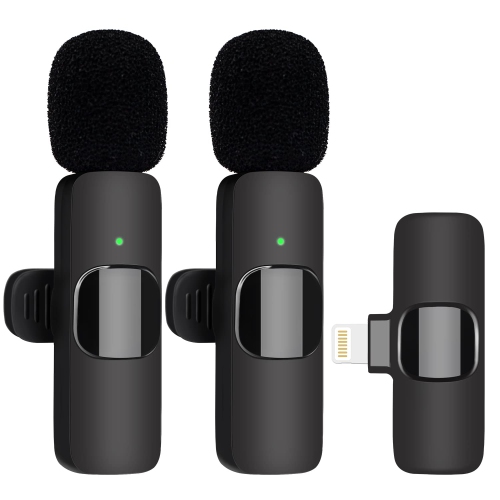
Supporting photography accessories become especially valuable when a scene calls for precision, consistent framing, or control over light. A tripod provides a stable base for carefully composed landscapes, tabletop photographs, self-portraits, and long exposures in which moving traffic becomes a ribbon of light. Stability depends on more than the stated load capacity: leg construction, the height of the centre column, the surface beneath the feet, and the weight distribution of the camera and lens all influence performance. Aluminum construction is common in sturdy supports, while carbon fibre can reduce carrying weight; the practical difference is often most noticeable when equipment travels on foot. The tripod head matters too, with smooth movement and secure locking helping a composition stay where it was set. Quick-release plates need to fit the mounting system properly, and access to the battery compartment can affect day-to-day convenience. Lighting accessories serve a different but equally useful role. A reflector can redirect window light towards the shadowed side of a face, while a diffuser softens the apparent harshness of a small light source. Continuous lighting makes the effect visible before the shutter is pressed and can also support video, while compatible flash equipment can help illuminate moving subjects or balance light within a room. Colour consistency, adjustable output, mounting options, and secure stands are relevant considerations for a repeatable setup. For portraits, the position and apparent size of a light source often influence the result as much as its brightness. Lens filters have specific uses rather than being necessary for every photograph: a polarizing filter can reduce certain reflections, and a neutral-density filter reduces incoming light for longer exposures or wider apertures. Filter diameter must match the lens or an appropriate adapter ring. Remote shutter controls can reduce handling during carefully timed exposures, while an external microphone becomes relevant when a photography kit also supports interviews, demonstrations, or other video work.
Carrying, cleaning, and organizing equipment are part of keeping a photography kit useful over time. Camera bags range from compact shoulder styles to backpacks with adjustable dividers, with the right fit depending on the equipment carried and how often it needs to be reached. Padded compartments help separate camera bodies and lenses, while secure closures, reinforced stitching, and abrasion-resistant fabrics support regular use. A bag that feels comfortable when empty may sit differently once loaded, making shoulder-strap adjustment, back padding, and weight distribution important details. For crowded spaces or frequent movement, a properly fitted camera strap or harness can keep equipment accessible without leaving it swinging loosely. Small accessories are easier to manage when memory cards, charged batteries, and cables have separate compartments rather than sharing the bottom of a bag. The range of Supplies for Photographers also extends to routine care, where lens-safe materials matter. A hand-operated blower can lift loose dust, and a clean microfibre cloth or appropriate lens tissue can address marks on optical surfaces when used according to the equipment manufacturer’s directions. Household cleaners and rough fabrics can damage coatings, while delicate internal components require particular care. Beyond the camera bag, a dependable workflow helps preserve the photographs themselves. A compatible card reader simplifies transfers, and separate storage locations reduce reliance on a single copy of important files. Storage capacity should reflect the volume and size of the images, especially for photographers working with RAW files or video. A monitor with consistent colour reproduction can support editing, while a calibration tool helps establish a more predictable display for colour-sensitive work. These supporting essentials also make thoughtful gifts when matched to the recipient’s equipment and habits. A photography student may appreciate easier organization, a family photographer may value comfortable carrying accessories, and someone exploring close-up work may benefit from more controlled support and lighting. Camera-specific accessories require careful compatibility checks, while general-purpose storage and carrying options still need the right dimensions. A well-matched collection leaves more attention available for expression, timing, and the details that make a photograph worth keeping.
Top selling and popular products
-
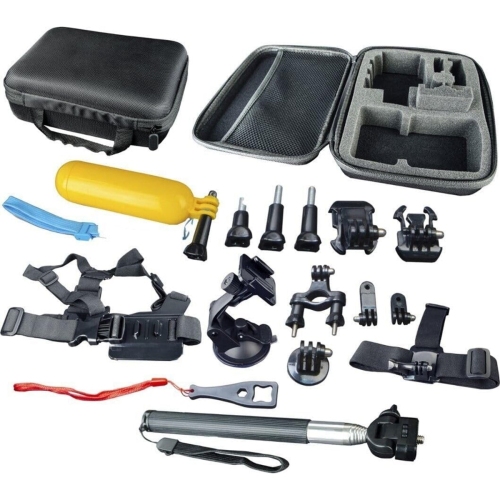 Your price for this item is $89.99
-
 Your price for this item is $149.95
-
 Your price for this item is $169.95
-
 Your price for this item is $149
-
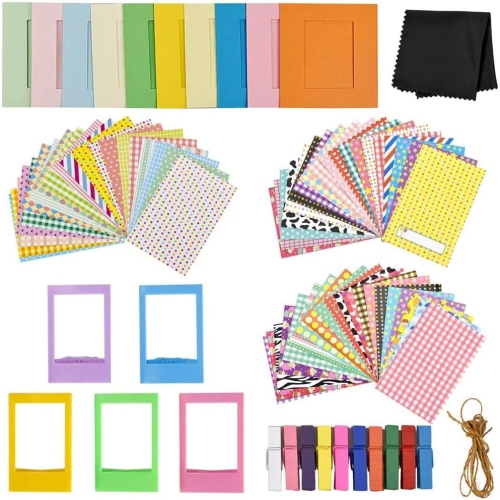 Your price for this item is $23.2
-
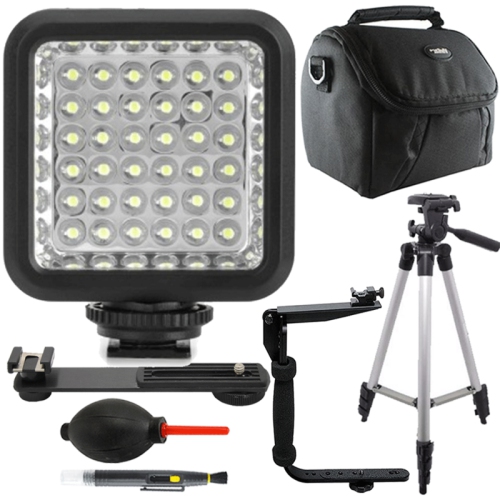 Your price for this item is $96.99
-
 Your price for this item is $159.95
-
 Your price for this item is $89.95
Discover more categories related to Must Haves for Photographers
Top Collections:
Best Black Friday Deals This Year, Best Black Friday Deals On Electronics, Kindle Devices, Pokemon Centers, Best Black Friday Deals On Apple Products, Best Cameras for Sports Photography, Dyson Airwrap, Pokémon 30th Celebration Cards, Apple iPhone 17 Pro, Canon G7X Cameras
Some products may be subject to Environmental Handling Fees
(EHF) depending on your province.
Learn more about EHFs.