Must-Have Camera Accessories
Capture every moment with the perfect camera accessories. Whether you're a professional photographer or a passionate hobbyist, these must-have camera accessories are designed to enhance your photography experience. From lenses that bring your subjects closer to tripods that keep your shots steady, these essential tools will take your photography skills to new heights. Discover the latest and greatest camera accessories that will help you unleash your creativity and capture stunning images every time.
Sort


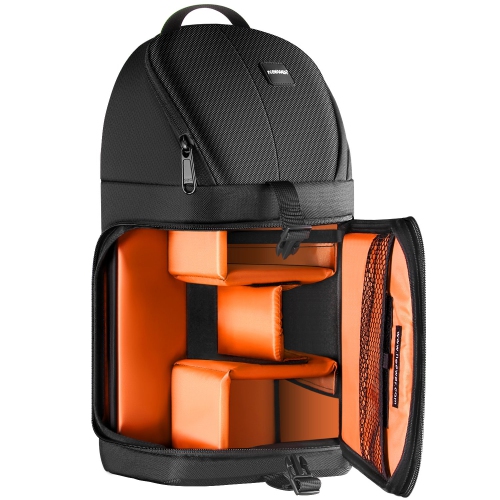
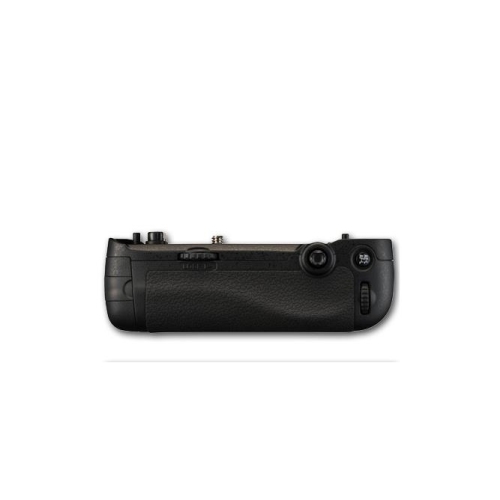

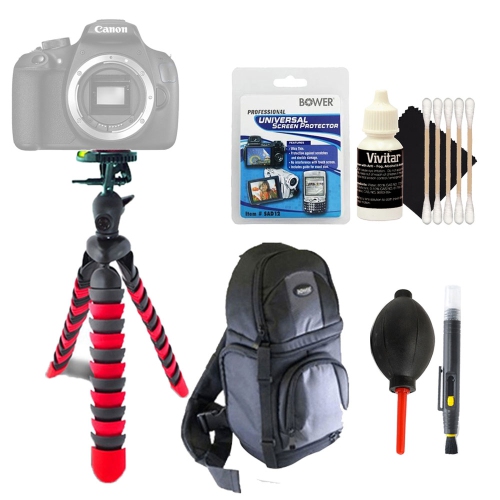
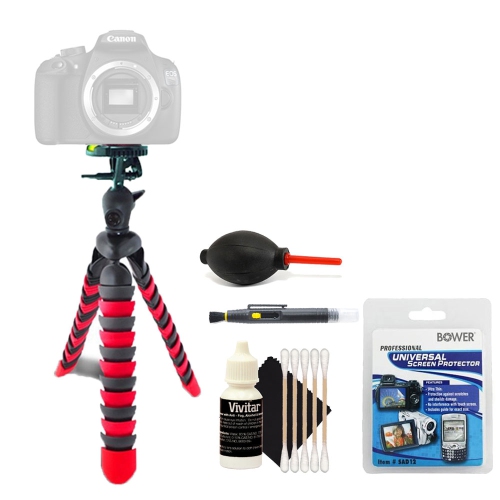
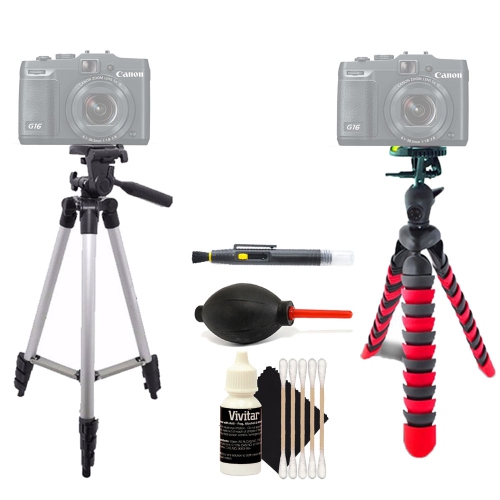
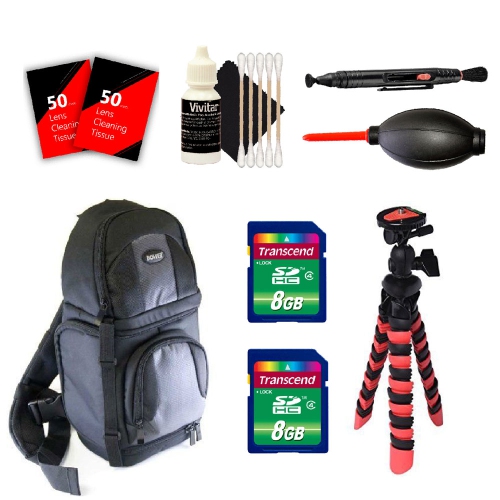
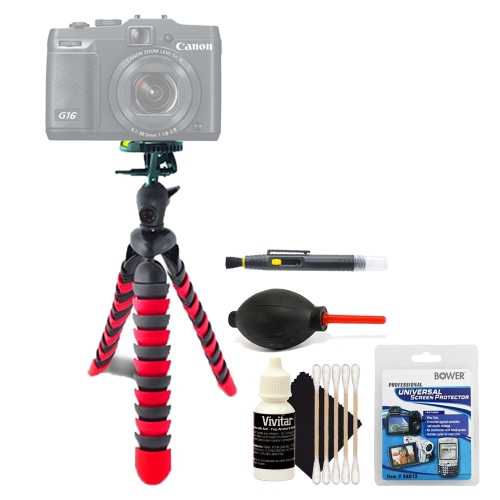
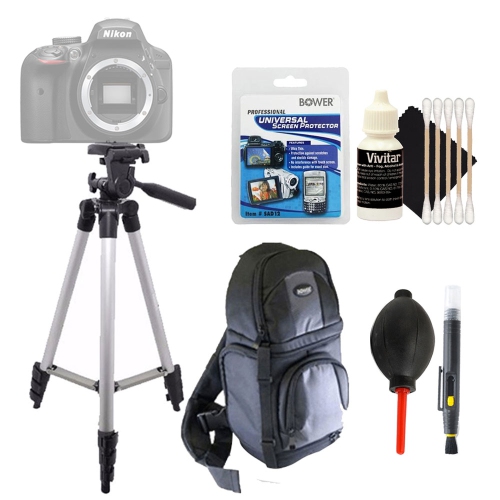
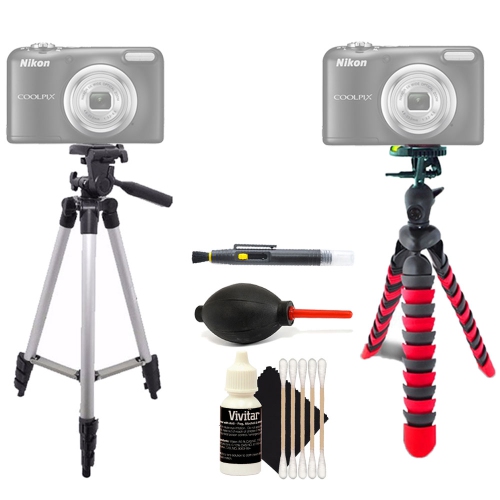
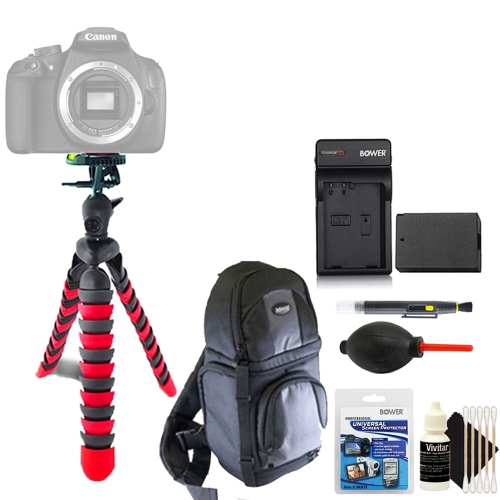
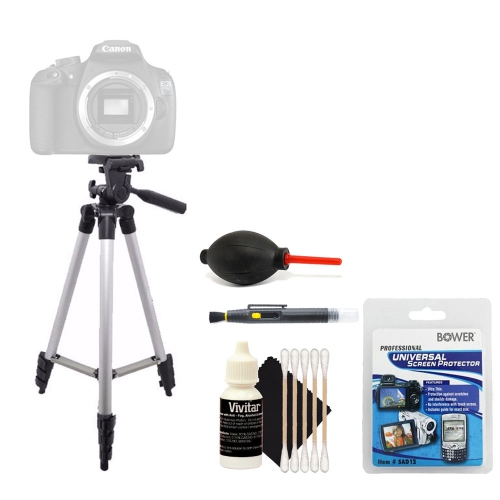
Better shots start with accessories that fit your camera
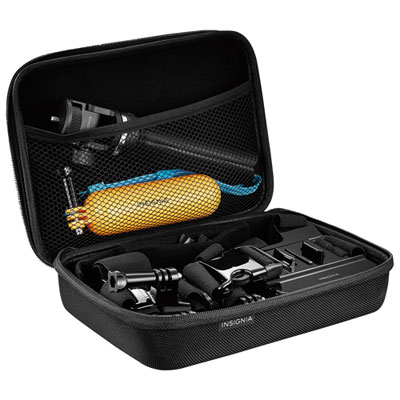
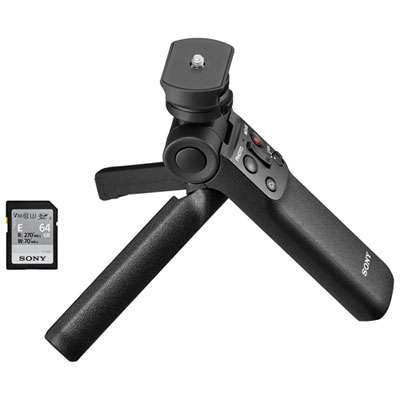
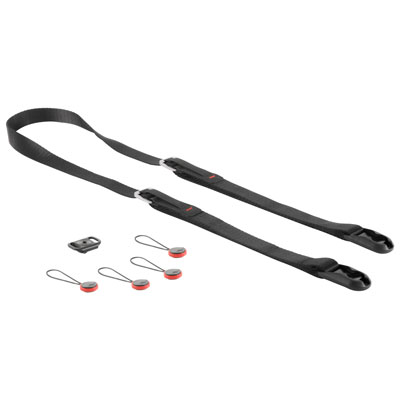
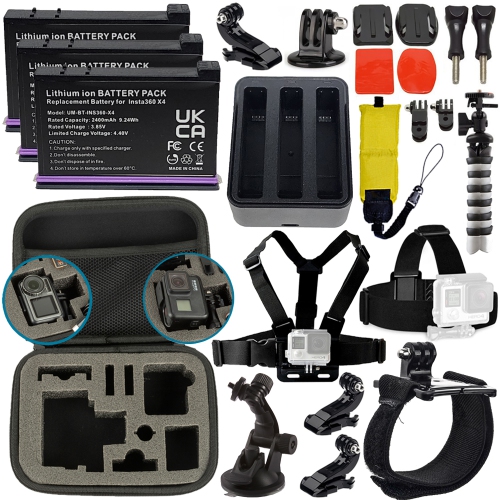
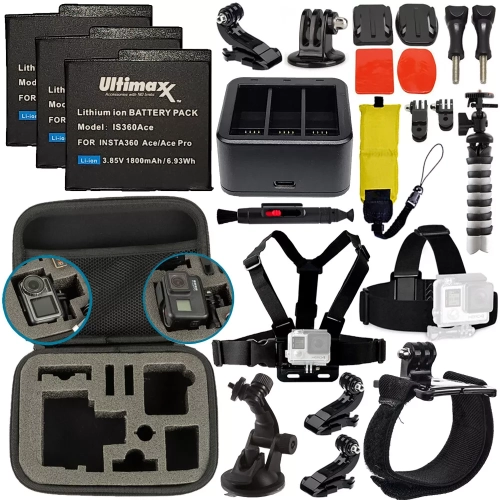
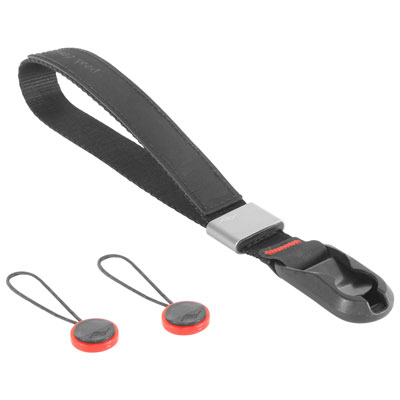
Must-have camera accessories include spare batteries, compatible memory cards, a sturdy tripod, a padded camera bag, and lens-cleaning supplies. Together, these essentials support longer shooting sessions, steadier images, safer transport, and clearer results. The right combination depends on the camera and how it is used: a lightweight travel setup has different carrying needs from a portrait kit with several lenses, while video recording places particular demands on power and storage. Spare batteries need to match the camera’s supported battery type, and chargers should be designed for those batteries. USB charging options can be convenient away from a desk, although in-camera charging and power delivery support vary between cameras. Memory cards require equally careful matching. Card format, capacity support, and sustained write speed all matter; a card that works well for occasional still photographs may not meet the requirements of high-resolution bursts or demanding video formats. SD and CFexpress cards are not interchangeable, and CFexpress types also differ in size and compatibility. Camera specifications provide the clearest reference for suitable card formats and recording speeds. A protective card case keeps spare cards organized and their contacts shielded from loose objects inside a bag. For carrying the camera itself, padded compartments and adjustable dividers help keep a body, lenses, and accessories separated without leaving room for them to knock together. Tough woven nylon or polyester shells suit frequent handling, while reinforced stitching, dependable zippers, and a structured base contribute to everyday durability. Interior dimensions matter more than the bag’s appearance, particularly when a longer lens remains attached. Shoulder bags offer quick access during a walk through a gallery or an afternoon of street photography; backpacks distribute a larger kit across both shoulders. A comfortable strap completes the carrying setup. Wide straps spread weight, wrist straps keep smaller cameras close at hand, and secure attachment points help prevent accidental drops. Space for a few small essentials can also make a bag easier to use without turning every outing into a full-kit excursion.
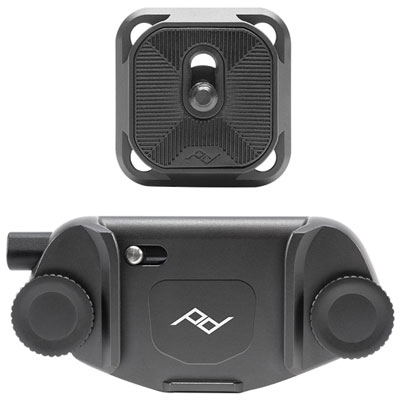
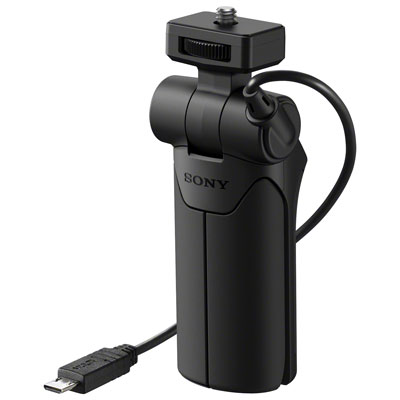
Camera supports and lens accessories serve a different purpose: they give photographers more control over sharpness, framing, and the light reaching the sensor. A tripod is particularly useful for carefully composed portraits, tabletop photographs, self-portraits, and long exposures, where even a small movement can soften fine detail. Stability depends on more than the advertised load capacity. Leg construction, the head, the height of the centre column, and the balance of the mounted camera and lens all affect how solidly the setup holds its position. Aluminium tripods are commonly chosen for their sturdy construction, while carbon-fibre options can reduce carrying weight. Folded length matters for travel, and working height affects comfort during longer sessions. Ball heads allow flexible repositioning for still photography; fluid heads are designed to make video pans and tilts smoother. Quick-release plates also need to fit the tripod head and attach securely to the camera without obstructing essential controls or compartments. For lenses, protective caps help shield exposed surfaces during storage, and correctly fitted lens hoods can reduce stray light while adding a small buffer around the front element. Filter selection depends on both the desired effect and the lens design. Circular polarizers can reduce reflections from glass and water and make certain colours appear richer, although their effect changes with the viewing angle. Neutral-density filters reduce incoming light, allowing longer shutter speeds for blurred motion or wider apertures when the scene is brightly lit. Screw-in filters must match the lens’s filter-thread diameter, which is different from its focal length. Slim filter frames can help reduce darkened corners with some wide-angle lenses, though stacking filters may still create problems. Keeping optical surfaces clean is just as important as adding accessories. A hand-operated blower helps lift loose particles, while a clean microfibre cloth and cleaning solution intended for coated optics address fingerprints and smudges. Separating cleaning cloths from dusty bag pockets helps keep grit away from delicate surfaces. Sensor cleaning requires different tools and greater care than cleaning the outside of a lens, making the camera manufacturer’s maintenance recommendations especially important.
Accessories for video, lighting, and file handling extend a camera kit beyond taking individual photographs. An external microphone can place sound pickup closer to a speaker, making dialogue easier to distinguish from surrounding noise. Connection type is important: a microphone’s plug, power requirements, and mounting arrangement must work with the camera or recording device. Headphone monitoring, where supported, helps reveal rustling clothing, handling noise, or an unexpectedly quiet recording before a session ends. Compact lights offer more consistent illumination for product photographs, video calls, and spoken presentations, while diffusers soften the transition between highlights and shadows. Adjustable brightness and colour temperature make it easier to balance added light with the existing lighting in a room. For still photography, compatible flashes provide another way to shape light, but shoe fit alone does not guarantee support for automatic exposure or wireless triggering. Remote shutter releases can reduce camera movement during tripod work and let the photographer step into a group portrait; wired connections, wireless systems, and camera app controls have different compatibility requirements. After a shoot, a compatible card reader provides a practical connection between the memory card and a computer. Transfer speed depends on the card, reader, cable, and computer port together, rather than on any one component alone. Separate storage for backup copies helps protect photographs from a lost card or failed drive, and clear organization makes a favourite frame easier to find later. These practical additions also make thoughtful gifts for photography students, travellers, family photographers, and people building a video setup. Broadly useful carrying and cleaning accessories can suit many recipients, while batteries, filters, mounting plates, and electronic accessories benefit from knowing the exact equipment they use. The related collection, Must Haves for Photographers, brings together accessories for different parts of the photography process. A well-matched kit supports the way its owner actually shoots, whether that means keeping a camera within reach for candid moments or arranging a steady, repeatable setup for creative work.
Top selling and popular products
-
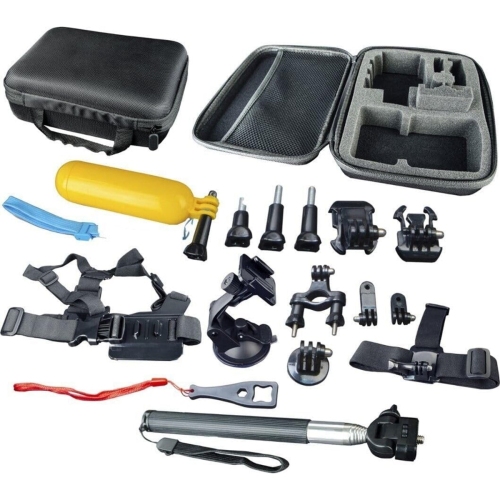 Your price for this item is $89.99
-
 Your price for this item is $149.95
-
 Your price for this item is $169.95
-
 Your price for this item is $149
-
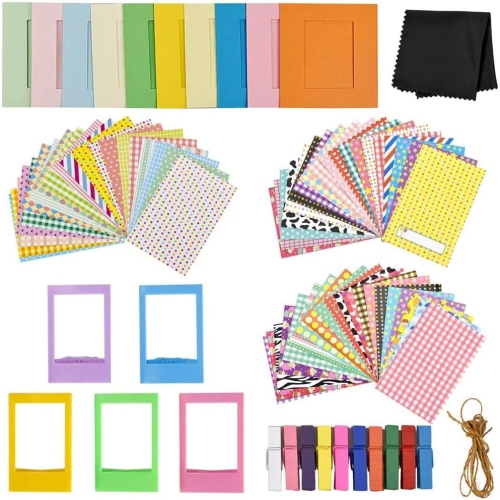 Your price for this item is $23.2
-
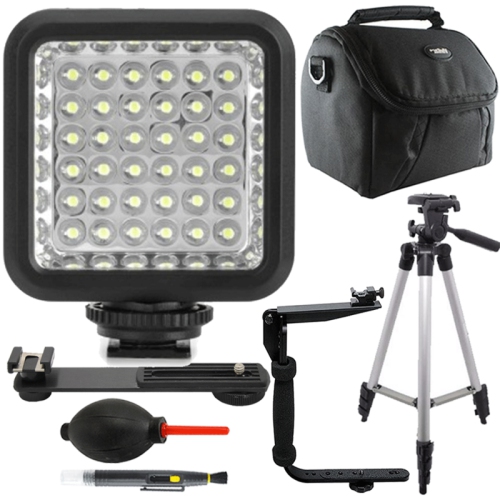 Your price for this item is $96.99
-
 Your price for this item is $159.95
-
 Your price for this item is $89.95
Discover more categories related to Must-Have Camera Accessories

Top Collections:
Best Black Friday Deals This Year, Best Black Friday Deals On Electronics, Kindle Devices, Pokemon Centers, Best Black Friday Deals On Apple Products, Best Cameras for Sports Photography, Dyson Airwrap, Pokémon 30th Celebration Cards, Apple iPhone 17 Pro, Canon G7X Cameras
Some products may be subject to Environmental Handling Fees
(EHF) depending on your province.
Learn more about EHFs.