Panasonic HC
Explore the impressive selection of Panasonic HC options designed to enhance your entertainment and capture memorable moments with ease. Whether you’re looking for advanced video capabilities or user-friendly controls, these devices offer versatility for a range of needs. Find the ideal Panasonic HC model to suit your lifestyle and enjoy reliable performance every time you record or play back your favorite content.
Sort
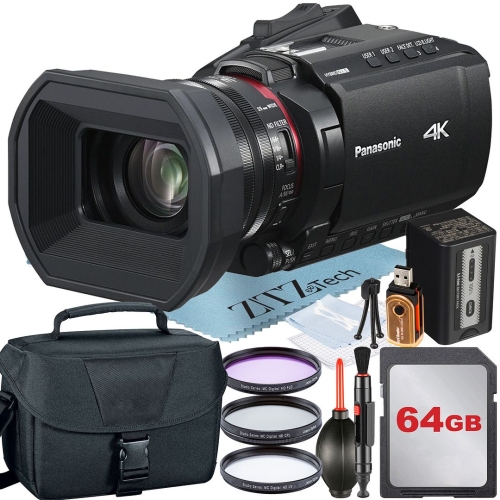
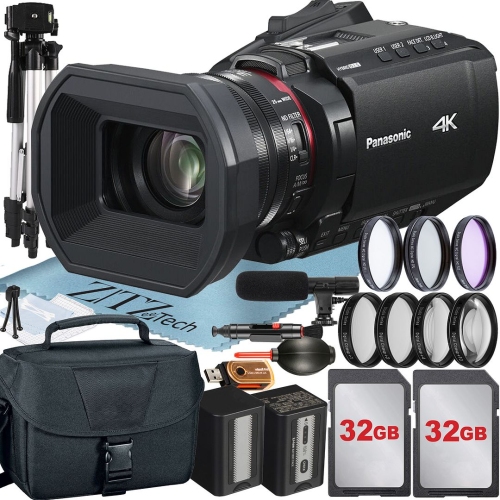
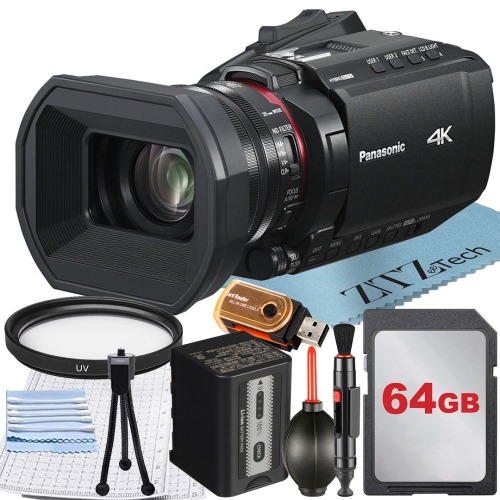
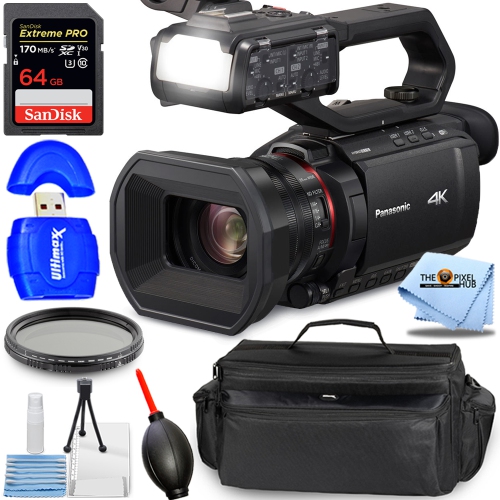
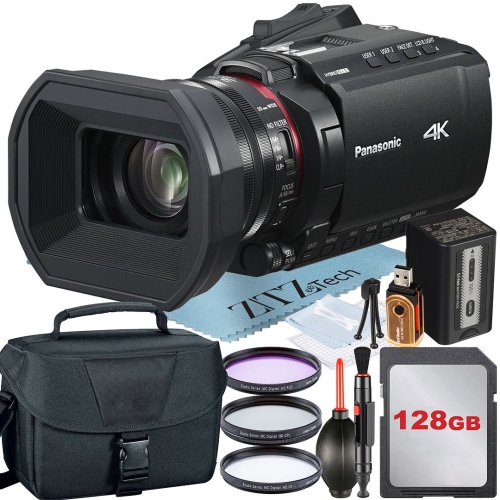
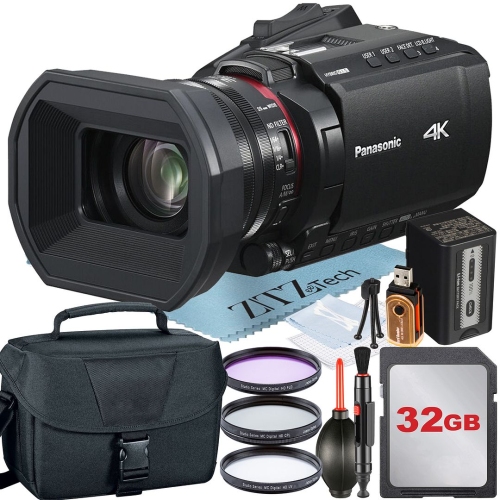
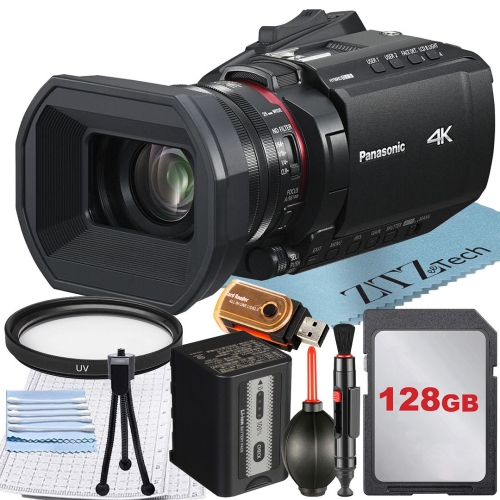
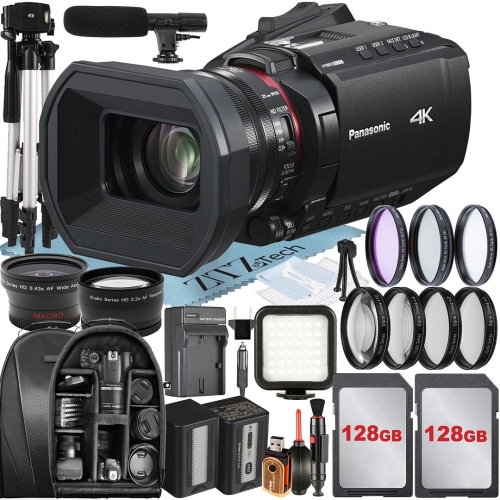
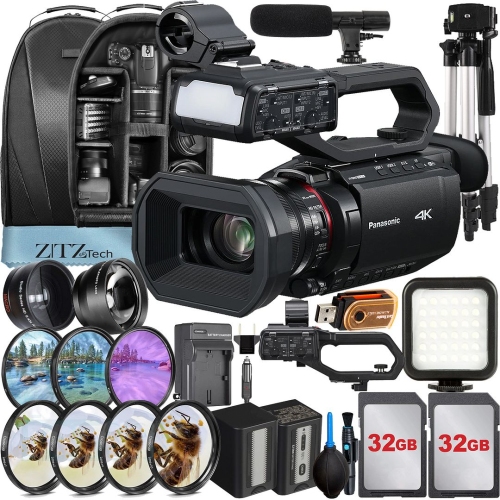
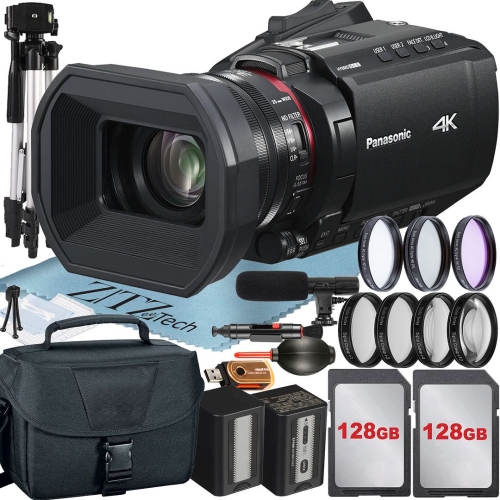
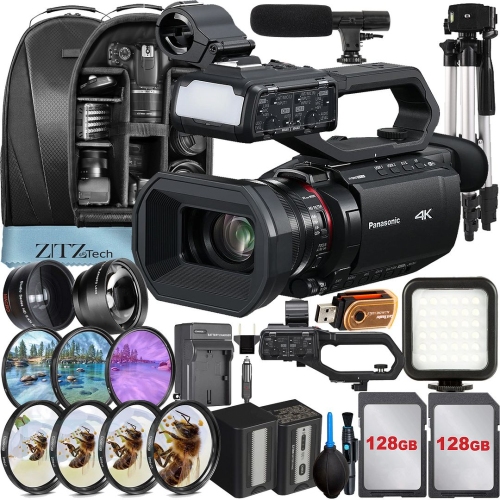
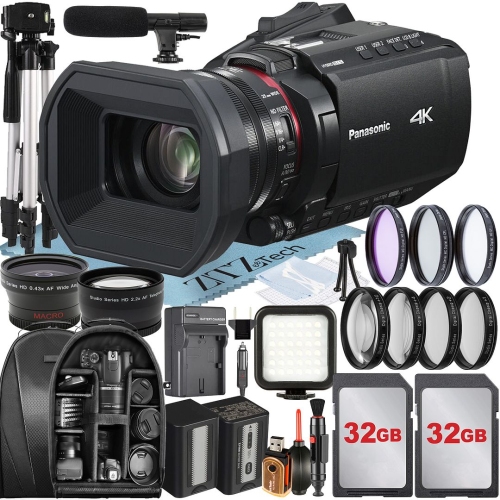
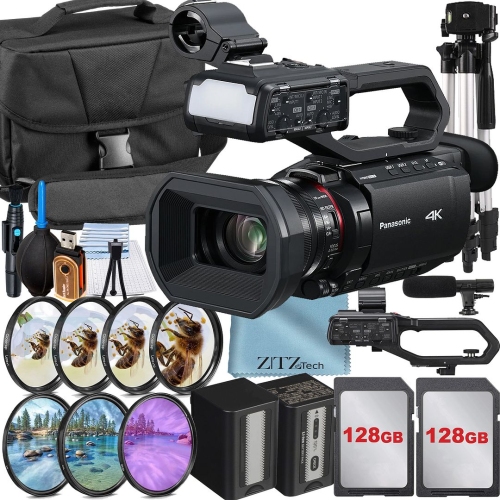
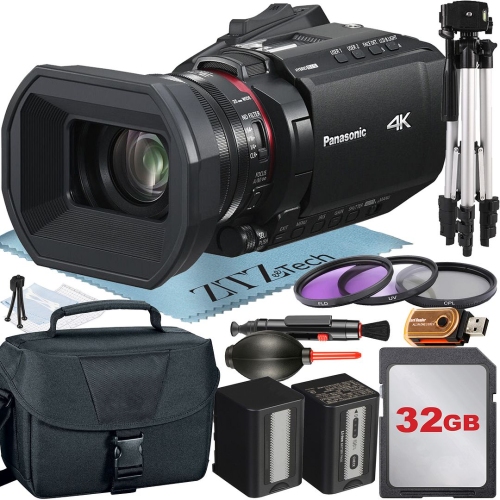
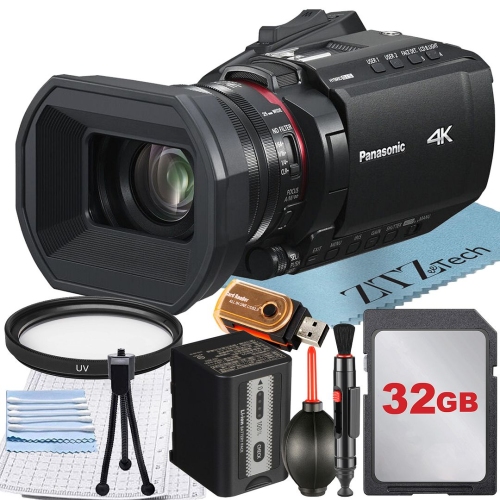
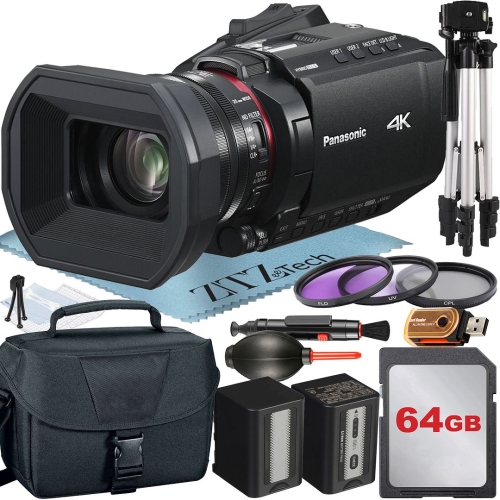
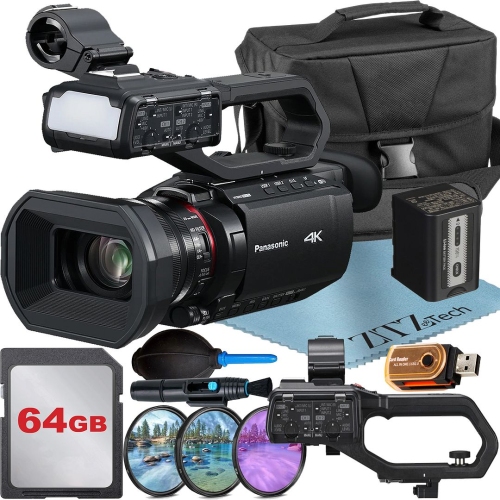
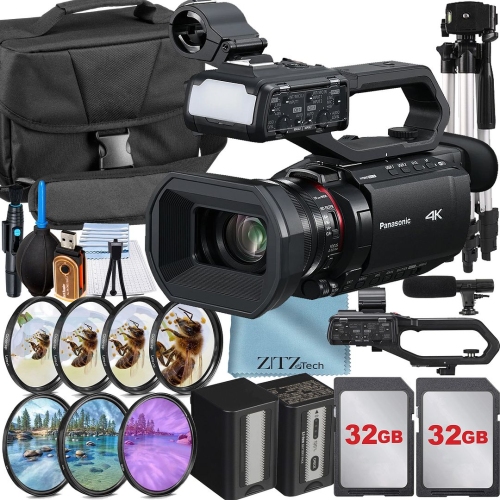
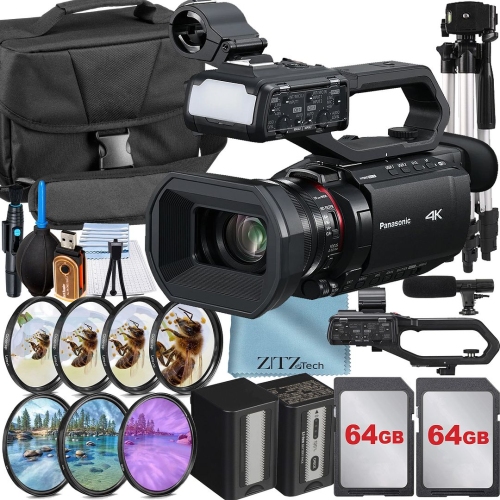
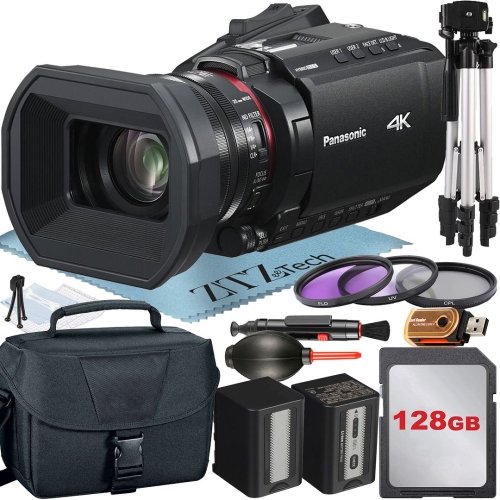
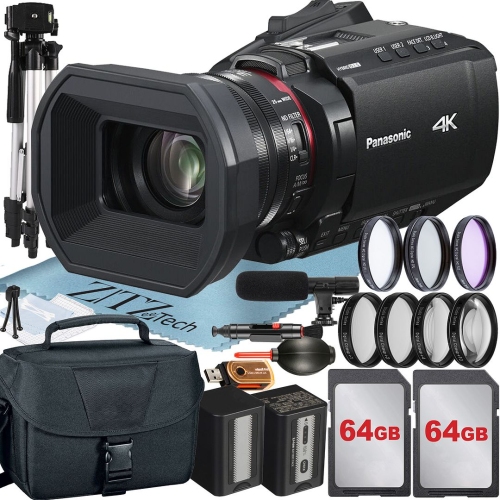
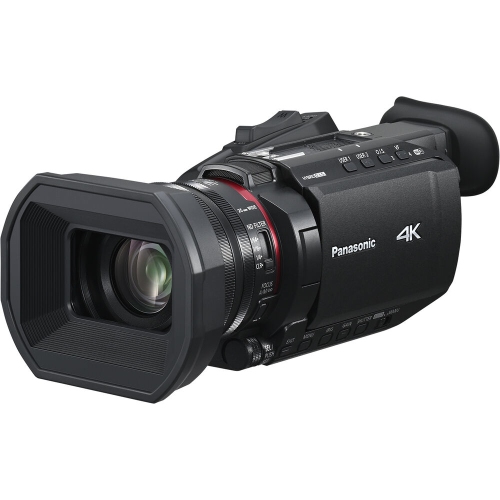
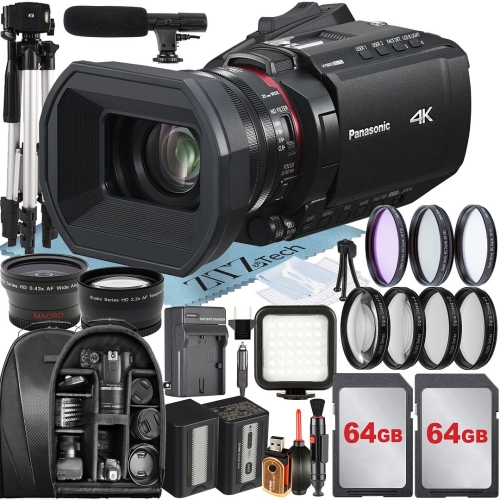
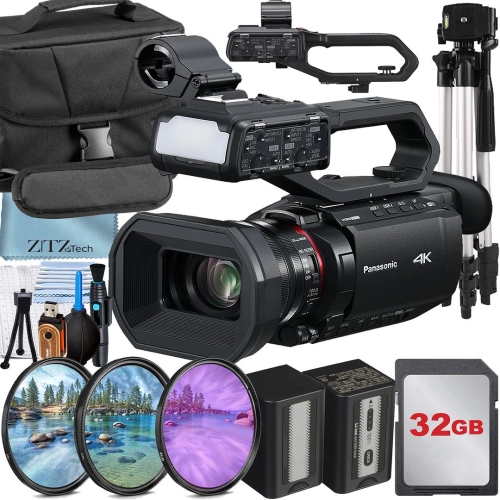
Why dedicated camcorders suit more than quick clips
Digital camcorders range from compact Full HD cameras for family memories to advanced 4K models for event coverage, interviews, and independent video production. Their appeal comes from bringing a lens, zoom controls, microphone, display, and video recording functions together in a purpose-built body. A child stepping onto a school stage, a player crossing a distant field, or a speaker moving across a conference platform can all call for a camera that stays comfortable to hold while following the action. An integrated optical zoom changes framing without requiring a lens change, making it useful when moving closer would interrupt the moment. Wide-angle coverage helps fit a group or more of a room into the frame, while a longer telephoto reach brings distant subjects into view. Optical zoom uses the lens to adjust magnification; digital zoom enlarges the captured image and can reduce visible detail. Image stabilization helps limit the appearance of hand movement, although its effectiveness varies with the camera, zoom position, and shooting conditions. Full HD remains a practical format for everyday viewing and straightforward sharing, while 4K captures additional detail and can provide room to crop footage when producing a Full HD video. Higher frame-rate settings, where supported, can make movement appear smoother or provide material for slow-motion playback with compatible editing software. Resolution alone does not determine picture quality: sensor size, lens performance, focus accuracy, lighting, and image processing also affect the finished footage. In a room lit mainly by lamps, a camera’s handling of image noise and its ability to maintain focus can matter more than the resolution printed in its specifications. For faces, fabric textures, and subtle colour differences, balanced exposure and suitable lighting help preserve a natural appearance. These distinctions give dedicated camcorders a role in everything from a family video collection to a small production team’s regular assignments.
Handling and control become especially important when a recording lasts longer than a quick clip. A compact body with an adjustable hand strap can feel manageable during a school performance or walking tour, while a larger body may provide more direct access to settings and connections. Grip shape, overall weight, and the position of the zoom rocker affect how easily a camera can be operated with one hand. An articulating screen helps with framing from different heights, and an electronic viewfinder, where fitted, offers another way to compose a shot. Automatic focus and exposure simplify spontaneous filming; manual controls give experienced users more influence over brightness, shutter speed, focus, and white balance. Keeping exposure and colour consistent is particularly useful when an interview combines several takes. Sound deserves equal attention because clear speech often carries the meaning of a scene. Built-in microphones are convenient for general activity and ambient sound, while compatible external microphones can place audio capture closer to a presenter or interview subject. Microphone inputs, headphone monitoring, adjustable audio levels, and professional audio connections differ across the range, so those features are model-specific rather than standard on every camcorder. The same distinction applies to HDMI outputs, Wi-Fi functions, live-streaming support, and connections used in more involved production setups. A video output alone does not guarantee that a camera can stream directly without additional equipment. For longer sessions, battery capacity, supported power options, memory-card requirements, and recording limits affect how the camera fits into the day. Some advanced camcorders support two memory-card slots, with functions that may include relay recording or backup recording. The selected resolution, frame rate, and recording format also influence storage needs and editing demands. Footage intended for quick family sharing has different workflow requirements from a multi-camera presentation that needs synchronized sound, consistent colour, and substantial editing.
A camcorder’s physical construction and everyday care contribute to how reliably it can accompany repeated use. Moulded body panels help keep many compact designs manageable, while metal components may reinforce mounting points or other areas that receive regular handling. Body size or finish alone does not establish resistance to impacts, dust, or moisture; any protective rating needs to be stated in the camera’s specifications. A padded case with a separate space for batteries and cables helps prevent loose accessories from rubbing against the screen or lens. A fitted lens cap protects the front element between recordings, and gentle cleaning with appropriate optical materials helps remove fingerprints without unnecessary pressure on delicate surfaces. The screen hinge, card-slot cover, connectors, and hand-strap attachments also benefit from careful handling. Tripod use can make a long ceremony, interview, or fixed view of a playing area easier to watch, especially at longer zoom settings where small movements become more noticeable. A mounting plate suited to the camera’s base and a support rated for its weight help create a stable setup. Accessory compatibility matters just as much for batteries, chargers, microphones, memory cards, and connection cables, since similar-looking parts are not necessarily interchangeable. For someone receiving a camcorder as a gift, intended use offers a more useful starting point than a long feature list. A family documentarian may appreciate straightforward controls and comfortable handling, a student filmmaker may value manual adjustments and external audio support, and a community organization may need dependable operation for talks, performances, or recorded announcements. Keeping original video files organized and backed up helps preserve those recordings after the memory card is cleared. Familiar controls, suitable accessories, and an editing setup that supports the chosen recording format all contribute to a camera that remains useful beyond its first outing. For a home office or small business with telephone needs alongside video work, Panasonic KX is a separate communications product family.
Top selling and popular products
-
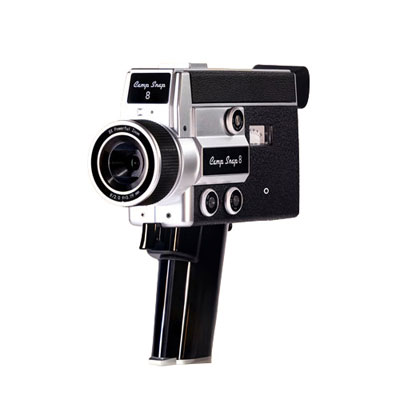 Your price for this item is $199.99
-
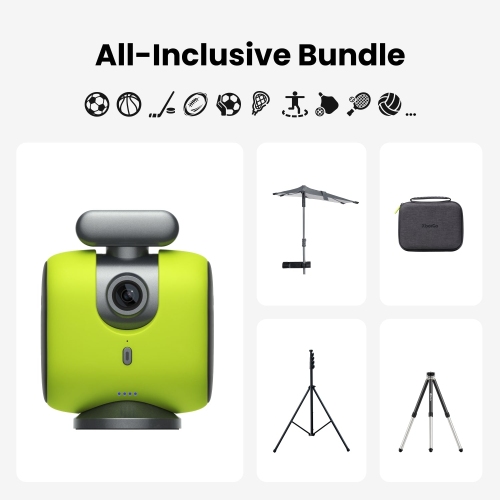 Your price for this item is $859.99
-
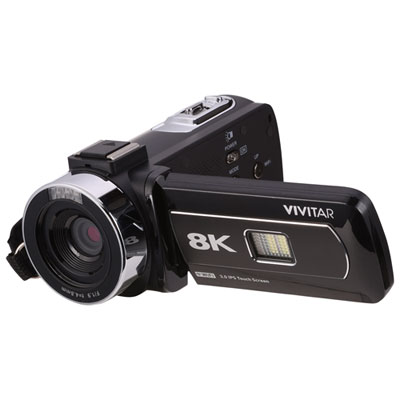 Your price for this item is $249.99
-
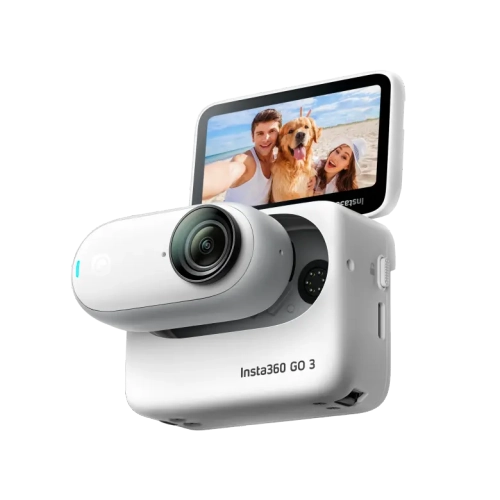 Your price for this item is $522.37
-
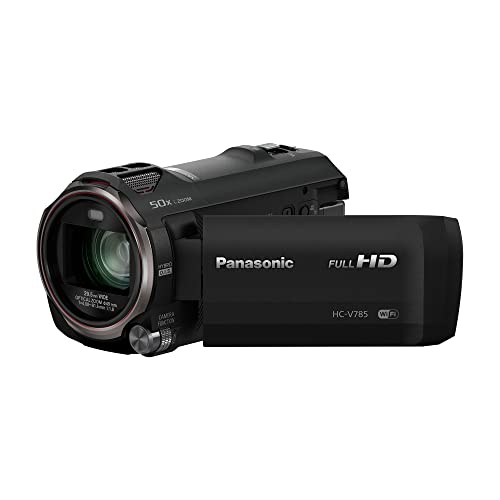 Your price for this item is $839.98
-
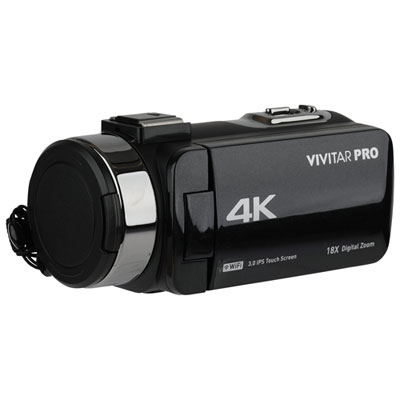 Your price for this item is $199.99
-
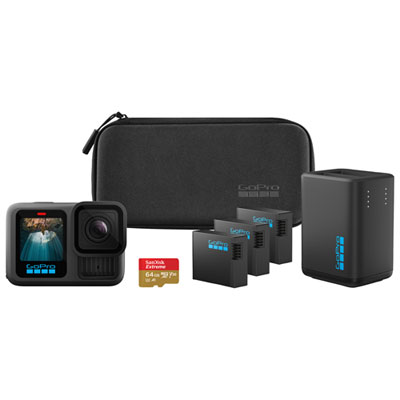 Your price for this item is $679.97
-
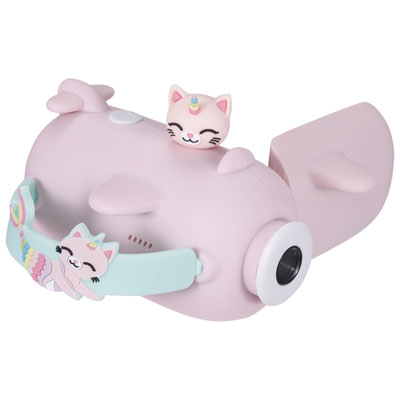 Your price for this item is $69.99
Discover more categories related to Panasonic HC
Top Collections:
Pokemon Centers, Best Cameras for Sports Photography, Kindle Devices, Samsung Galaxy Phones, Canon G7X Cameras, Pokémon 30th Celebration Cards, Refurbished Apple Laptops, iPhone 15 Apple, Laptops for Students, Budget Smartphones
Some products may be subject to Environmental Handling Fees
(EHF) depending on your province.
Learn more about EHFs.