Panasonic S5
Discover the possibilities of creative photography and videography with the Panasonic S5. Whether you're a seasoned professional or an enthusiastic beginner, explore a selection designed to help you capture every moment in stunning detail. Find the perfect Panasonic S5 model and accessories to suit your needs and elevate your content creation experience. Shop now to unlock new levels of performance and versatility.
Sort
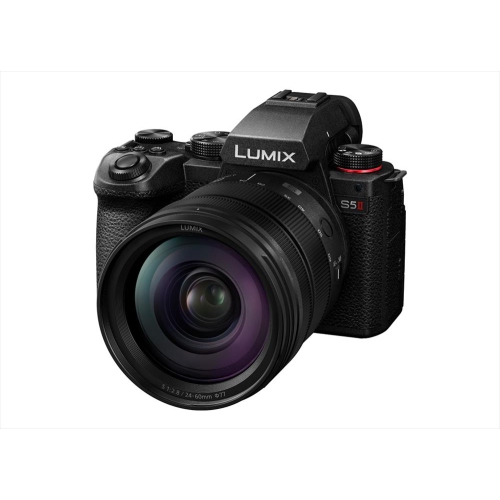
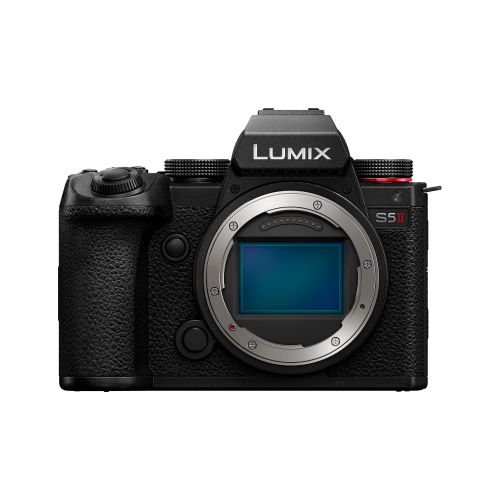

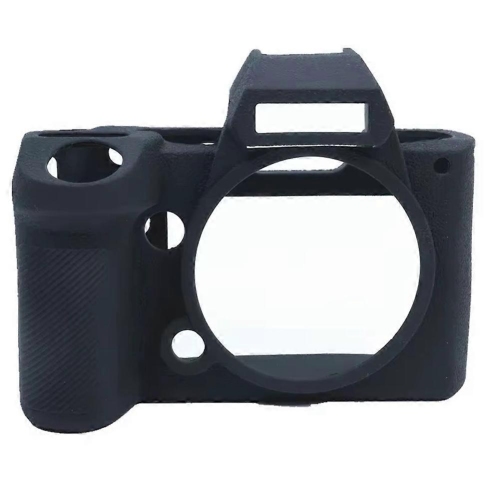
Full-frame detail for projects that blend photos and video
Full-frame mirrorless cameras bring detailed still photography and flexible video capture together in a system built around interchangeable lenses. This hybrid approach suits photographers who also film, videographers who need strong still-image capability, and creators whose projects move between the two. A full-frame sensor measures approximately 36 × 24 mm, giving it a larger light-gathering area than smaller sensor formats, although image quality also depends on lens choice, exposure, and processing. Resolution around 24 megapixels offers a practical balance of detail and manageable file sizes for portraits, travel photographs, family albums, and many print applications. Fine textures in a wool coat, the subtle tones of an overcast landscape, and the glow of a window-lit room all benefit from careful exposure and a capable lens. Larger sensors can also make it easier to achieve shallow depth of field at a given framing and aperture, separating a face or small subject from a softly blurred background. That effect is useful for portraits and close-up details, while smaller apertures keep more of a landscape or group photograph sharp. RAW image capture retains flexibility for adjusting white balance and recovering some highlight or shadow detail during editing; JPEG files offer a simpler route to sharing finished photographs. For anyone moving from a phone or a smaller camera, the appeal extends beyond resolution. An electronic viewfinder, direct exposure controls, and a comfortable grip can make deliberate composition easier, especially in bright daylight or during longer sessions. Compact bodies reduce some of the bulk associated with full-frame equipment, but the complete carrying weight still depends heavily on the lens. A small prime lens creates a different everyday setup from a bright telephoto zoom. These systems can suit hobbyists developing a personal style, students building portfolios, and working creators producing a mixture of photographs and video without maintaining two entirely separate camera setups.
Video capability adds another dimension to a hybrid camera system, particularly for interviews, short films, event coverage, and footage made for online sharing. 4K capture can preserve fine detail and provide room for reframing when the finished project uses a lower resolution. Frame rate matters as much as the resolution label: footage captured at 24 or 30 frames per second serves different creative needs from 60-frame-per-second footage intended for smoother movement or slow-motion playback on a compatible timeline. Some cameras apply a sensor crop in particular video modes, narrowing the angle of view, so a wide lens may frame a room differently when switching between settings. Where supported, 10-bit video provides finer tonal gradations than 8-bit footage, which can be helpful when adjusting colours or working with skies, skin tones, and softly lit backgrounds. Log profiles offer additional grading flexibility but need suitable exposure and post-production rather than delivering a finished look straight from the camera. Stabilization can reduce the appearance of small handheld movements, although it does not freeze a moving subject or completely replace a tripod or gimbal. A steady interview beside a window, a slow handheld detail shot, and a walking sequence each place different demands on the equipment. Autofocus behaviour also deserves attention: detecting a face, maintaining focus as someone approaches, and holding a fixed focal plane during a controlled scene are distinct tasks. Performance varies with the camera, lens, light level, and selected settings. Clear sound is equally important for spoken content, with microphone connections and headphone monitoring offering useful control where fitted. Articulating screens can help with low-angle compositions and self-filming, while compatible memory cards must meet the write-speed requirements of the selected video format. Shoppers comparing related camera systems can also explore Lumix S5 IIX, with attention to the differences in autofocus, video formats, connectivity, and handling that shape everyday use.
The usefulness of a full-frame camera system depends on how well its lenses, accessories, and physical design fit the work ahead. Lens-mount compatibility is essential, and a lens that attaches through an adapter may not retain every autofocus or stabilization function. Full-frame image coverage matters too, since lenses designed for smaller sensors can require a crop or leave dark corners. A standard zoom offers flexibility for a family gathering or an afternoon of travel photography, while a bright prime lens can suit portraits and indoor scenes where flash would interrupt the mood. Close-focusing capability is valuable for photographing jewellery, food, and small handmade objects; longer focal lengths provide working distance for distant subjects. Grip depth, button placement, and viewfinder comfort become especially noticeable with gloves, larger lenses, or several hours of shooting. Metal-alloy chassis and durable exterior materials can support regular use, but weather-resistant construction is not the same as waterproofing. Protection depends on the body, attached lens, closed covers, and the manufacturer's stated limits. Rain covers and padded bags help protect equipment during outdoor work, while separate compartments keep loose accessories from rubbing against screens or lens surfaces. During the cooler months, moving a cold camera into a warm room can cause condensation; allowing equipment to warm gradually inside a closed bag helps limit sudden exposure to moist indoor air. Routine care includes clearing loose dust with a suitable blower before gently cleaning lens glass, keeping caps fitted during transport, and following manufacturer guidance for sensor cleaning. Spare compatible batteries support longer outings, especially when low temperatures shorten battery life. Dual memory-card slots, where included, may support backup capture or overflow storage, depending on the camera and mode, but a separate file backup remains important. As a gift for a photography enthusiast or film student, a camera-related accessory is most useful when it matches an existing setup. The right combination supports everyday practice as comfortably as more ambitious projects, from a quiet portrait session at home to a carefully planned day of filming.
Top selling and popular products
-
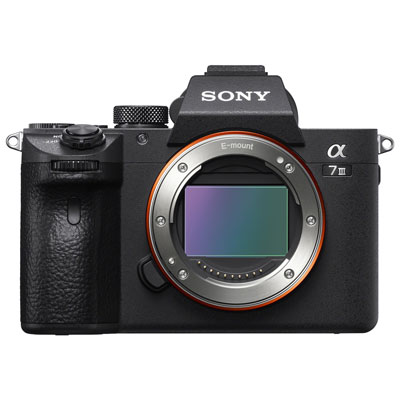 Your price for this item is $1899.99
-
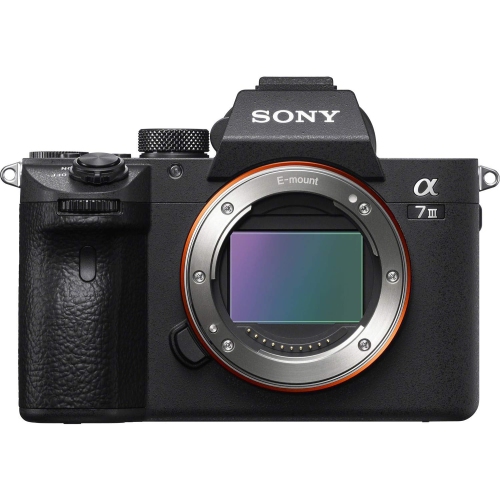 Your price for this item is $1899
-
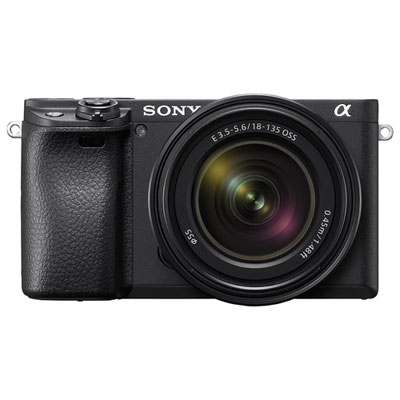 Your price for this item is $1749.99
-
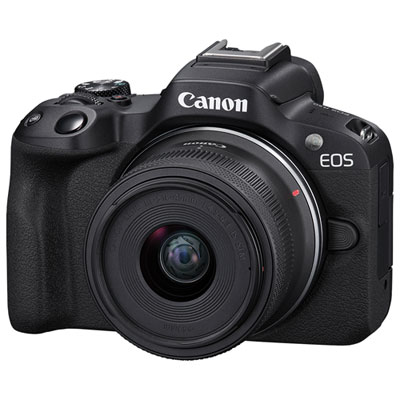 Your price for this item is $1099.99
-
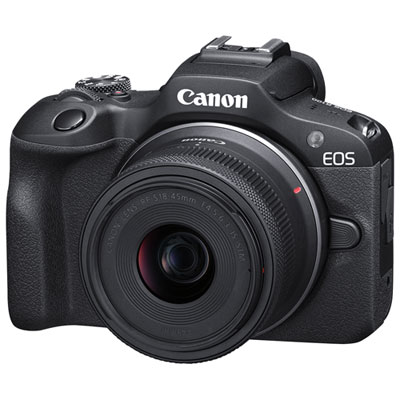 Your price for this item is $629.99
-
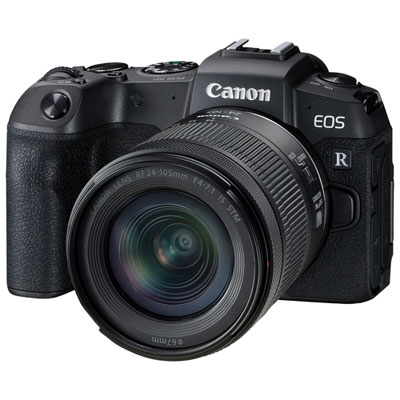 Your price for this item is $1499.99
-
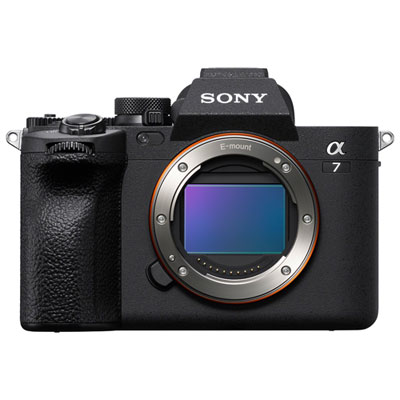 Your price for this item is $2699.99
-
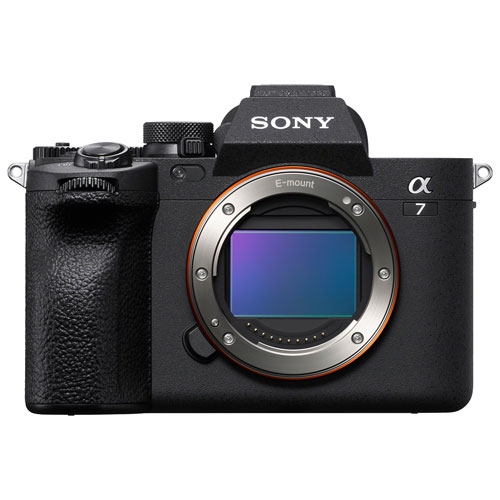 Your price for this item is $2419.99
Discover more categories related to Panasonic S5
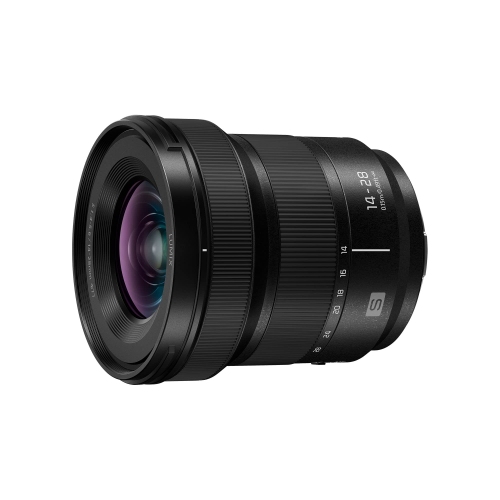
Top Collections:
Pokemon Centers, Best Cameras for Sports Photography, Kindle Devices, Samsung Galaxy Phones, Canon G7X Cameras, Pokémon 30th Celebration Cards, Refurbished Apple Laptops, iPhone 15 Apple, Laptops for Students, Budget Smartphones
Some products may be subject to Environmental Handling Fees
(EHF) depending on your province.
Learn more about EHFs.