Photography Studio Equipment
Capture the perfect shot with our wide selection of photography studio equipment. Whether you're a professional photographer or just starting out, having the right gear is essential to achieving stunning results. From lighting kits and backdrops to tripods and reflectors, we have everything you need to create a professional studio setup in the comfort of your own home. Explore our range of high-quality equipment designed to enhance your photography skills and bring your creative vision to life.
Sort



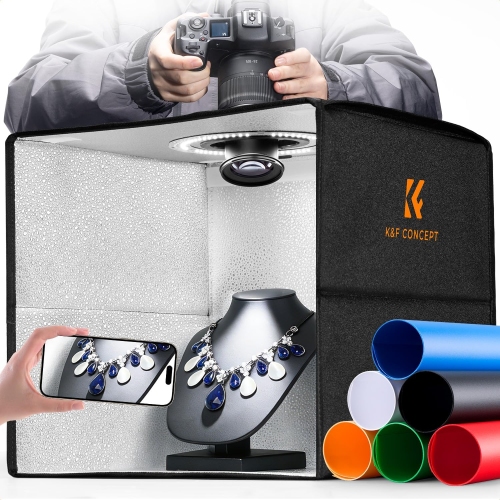
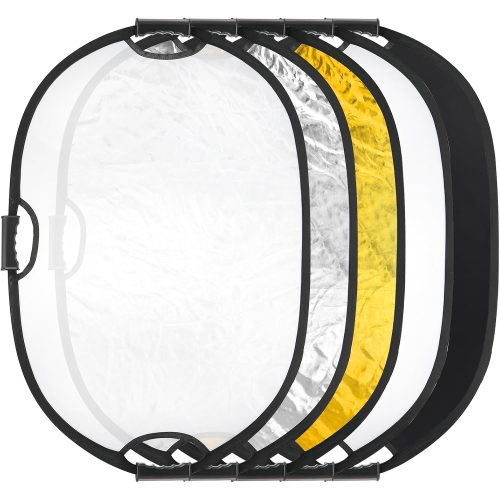
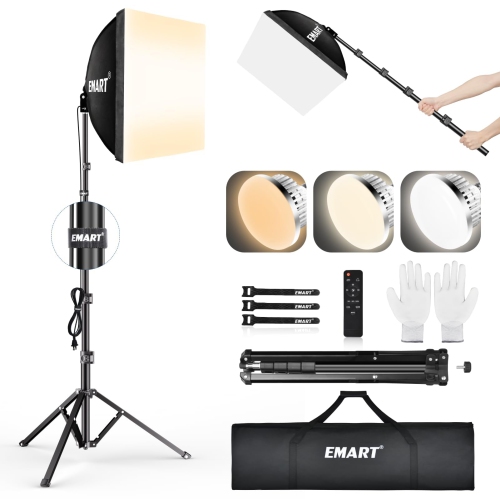
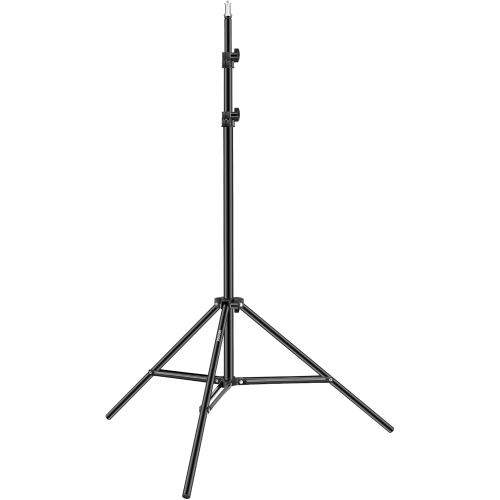














The setup behind consistent portraits and product photos
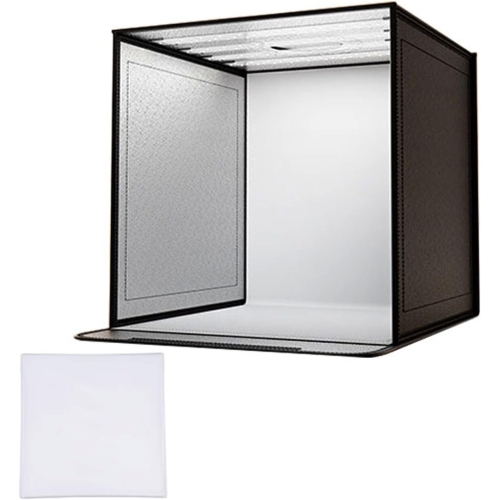
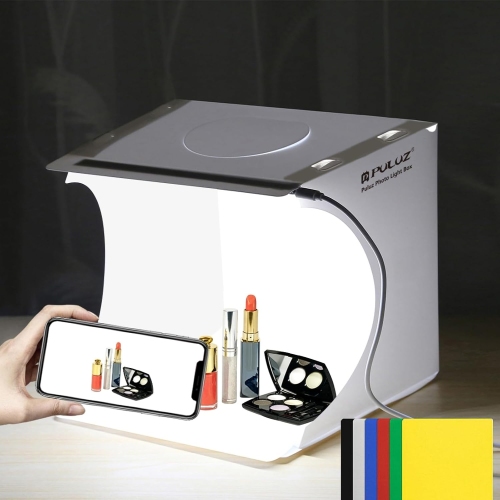
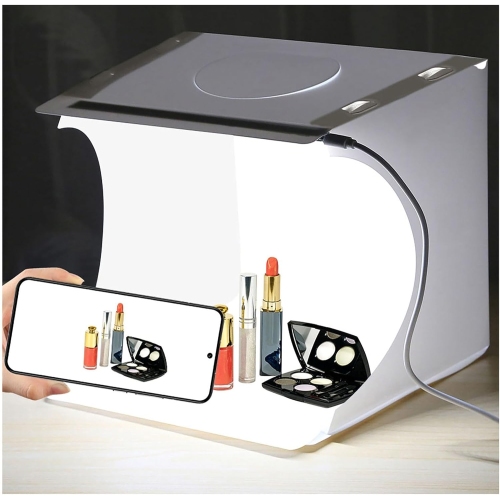
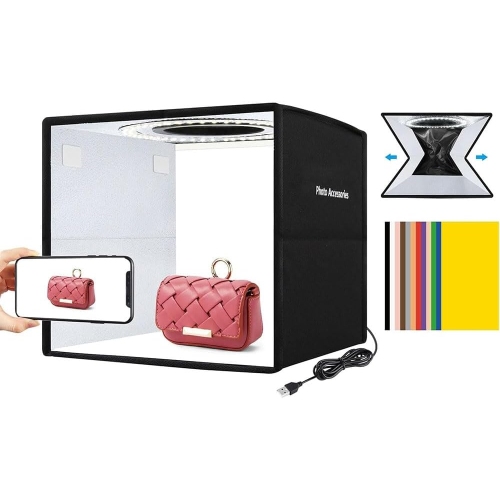
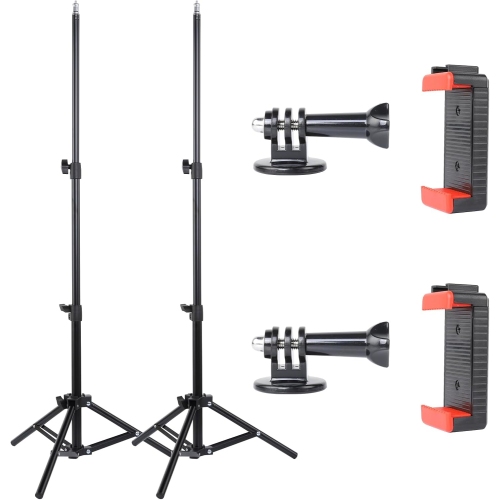
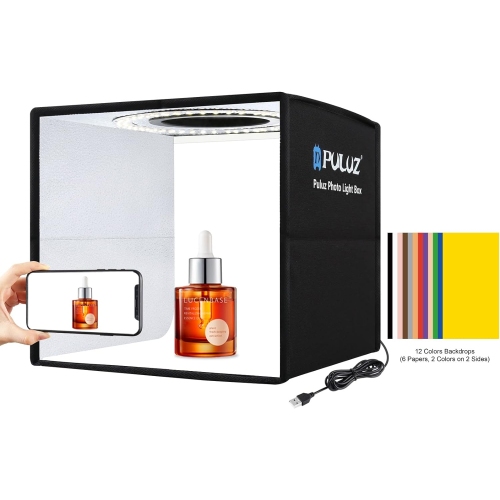
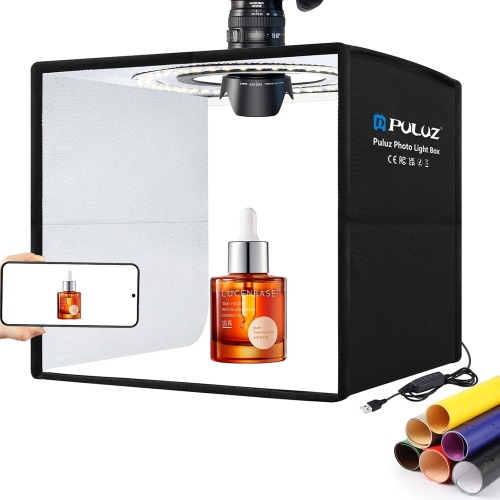
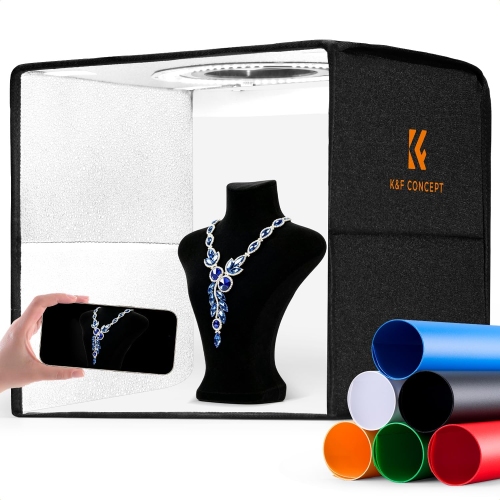
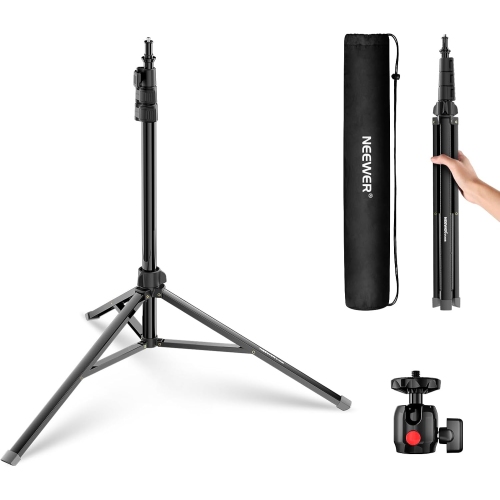
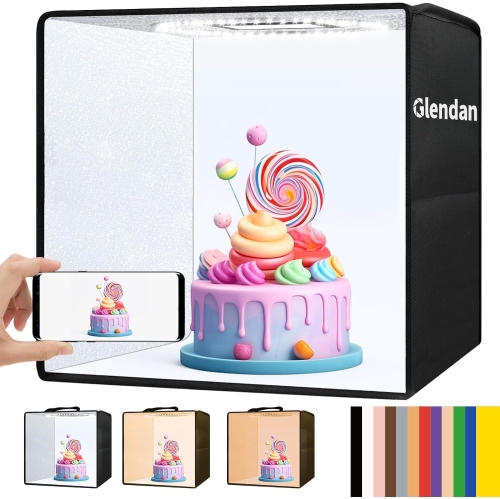
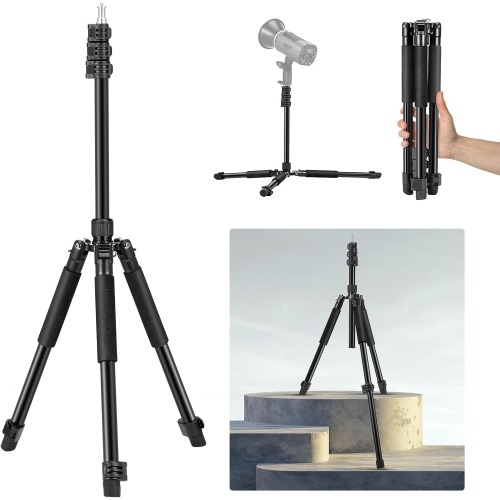
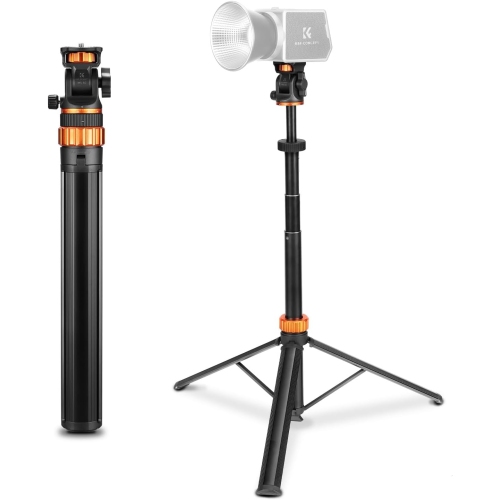
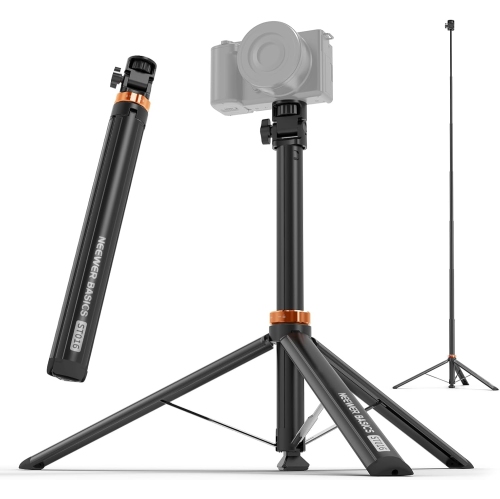
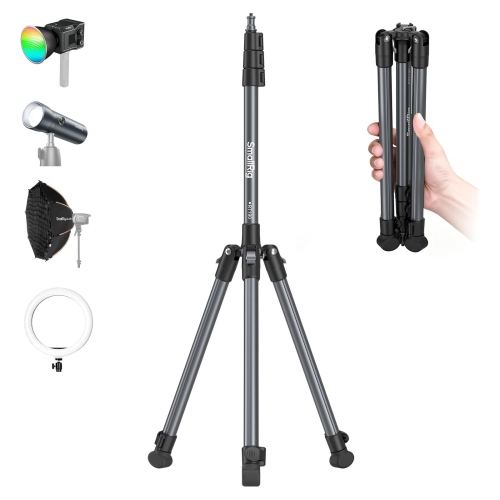
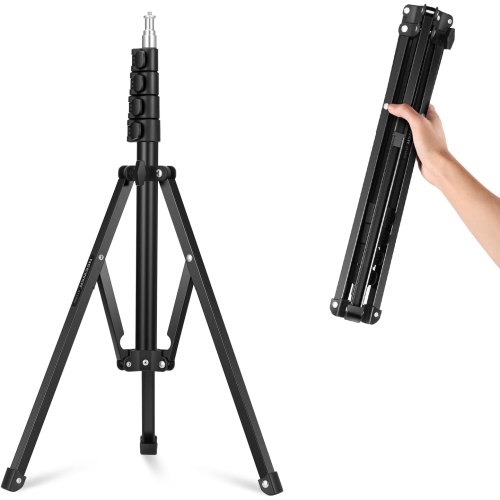
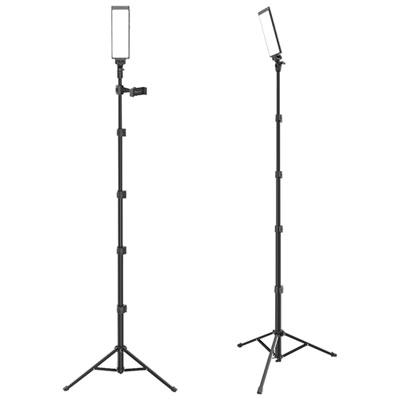
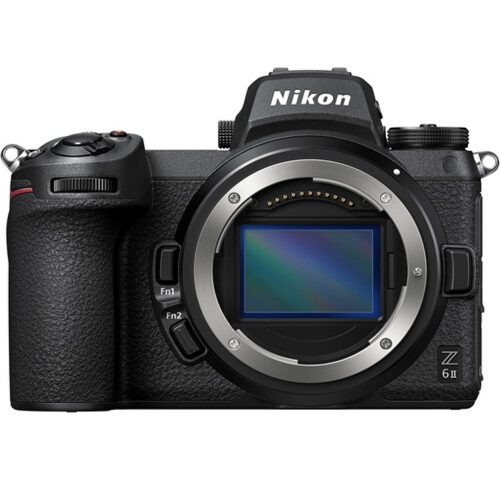
Photography studio equipment brings cameras, lighting, backgrounds, and support gear together to create a space where images can be made with consistent, repeatable results. A studio might be a dedicated commercial room, a corner used for family portraits, or a tabletop where a small business photographs jewellery, ceramics, and packaged goods. Each setting benefits from equipment suited to the size of the subject, the working space, and the way the images will be used. A camera with manual exposure controls allows the photographer to keep brightness consistent between shots, while interchangeable lenses provide different framing options. Portrait lenses can capture flattering facial proportions from a comfortable working distance, standard zoom lenses accommodate changing compositions, and macro lenses reveal small details such as stitching or engraved lettering. The distance between the camera and subject matters as much as the lens itself: photographing a face from very close range produces a different perspective from stepping back and using a longer focal length. A sturdy tripod helps maintain the same composition across a series of images, especially when photographing products or working with longer exposures. Its load rating needs to accommodate the camera, lens, and attached accessories, while the head should hold its position without drifting. Quick-release plates make transitions between handheld and tripod work more convenient, provided the plate and head use compatible fittings. For smaller spaces, equipment that folds neatly or serves more than one purpose can keep a room practical between sessions. A permanent setup may place greater emphasis on repeatable positioning, cable management, and supports that remain in place. Tethered capture, where a compatible camera sends images to a computer, can make it easier to assess focus and fine detail on a larger screen. Secure connections and a stable surface for the computer help keep that workflow dependable. Whether the goal is a polished headshot or a consistent set of catalogue images, the most useful studio setup is one whose parts work together comfortably.
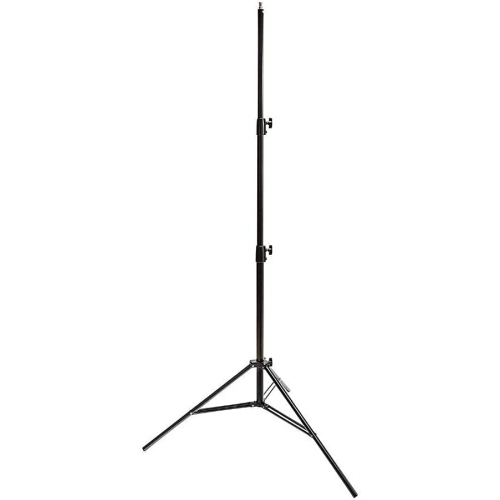
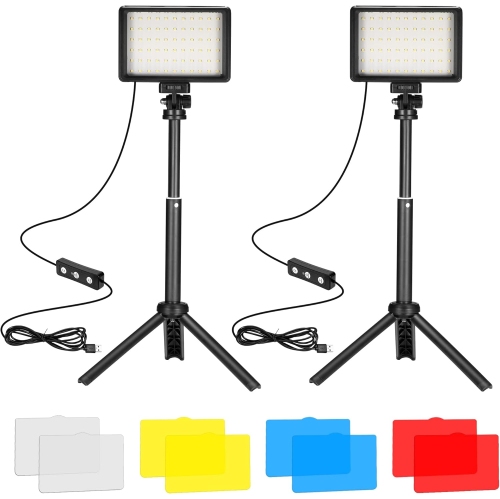
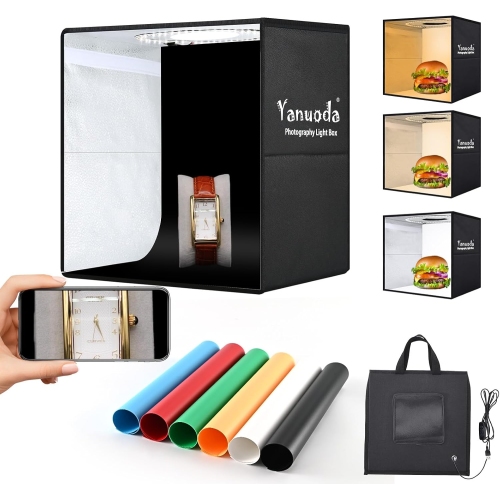
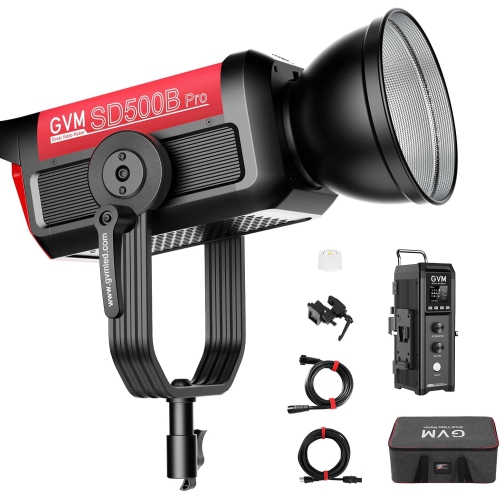
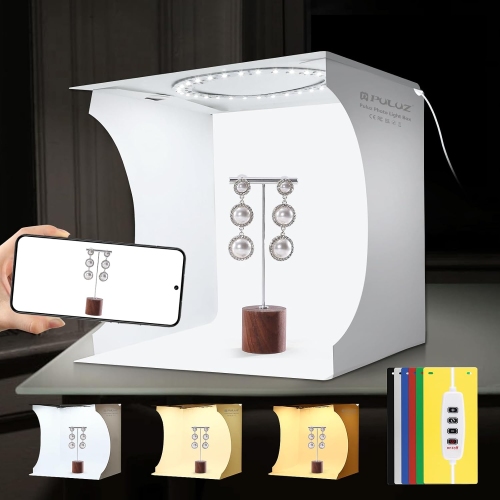
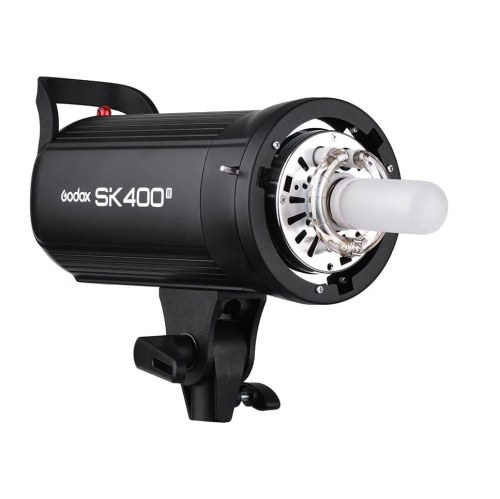
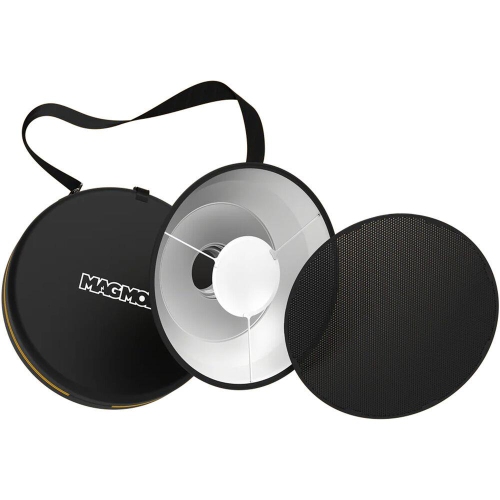
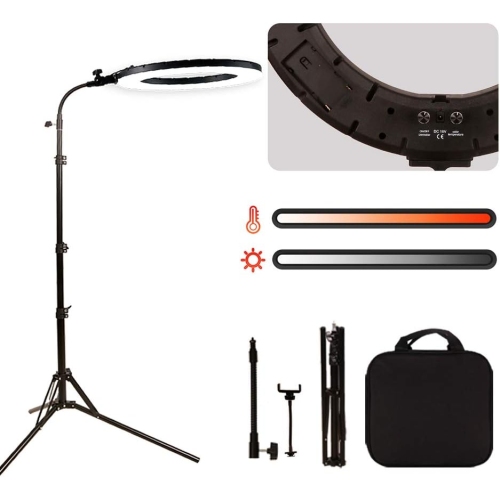
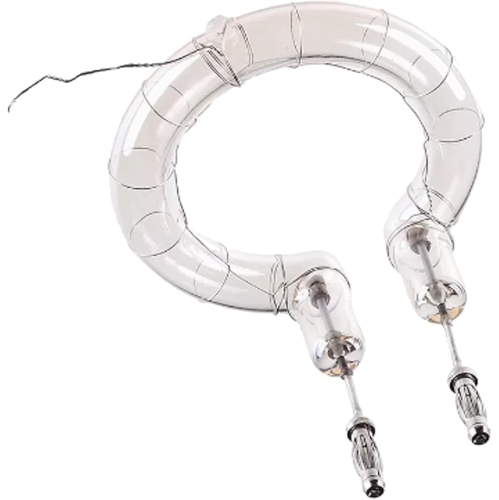
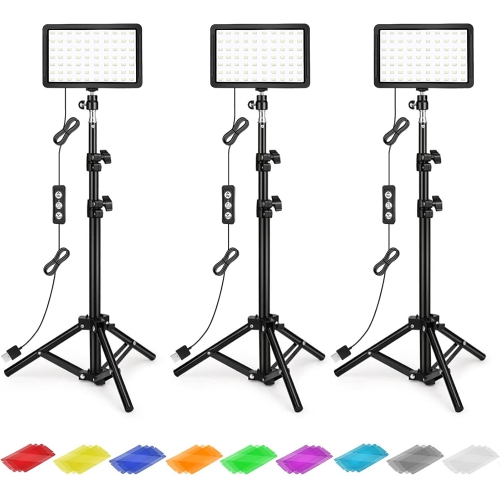
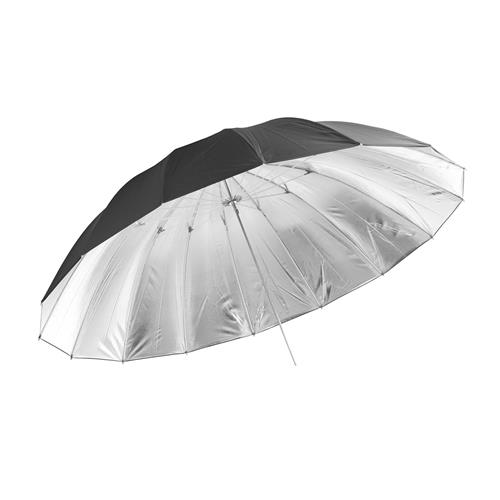
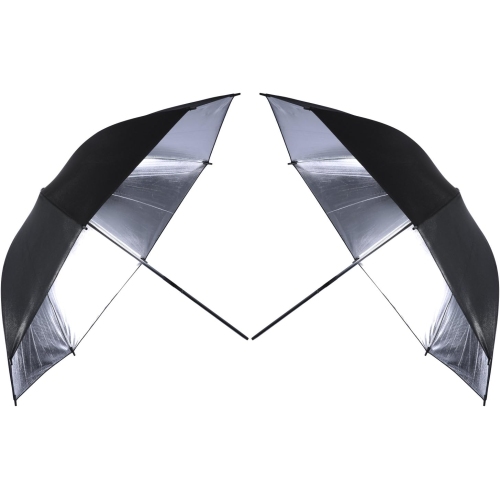
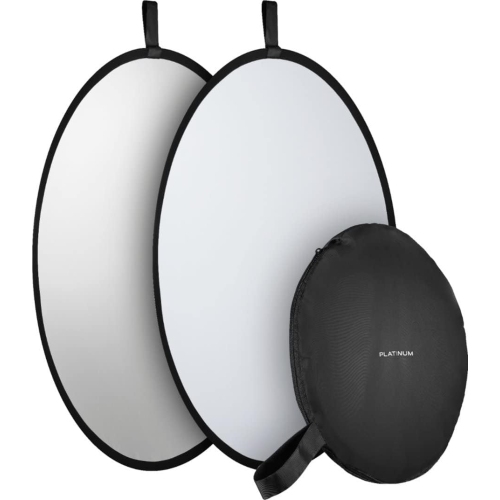
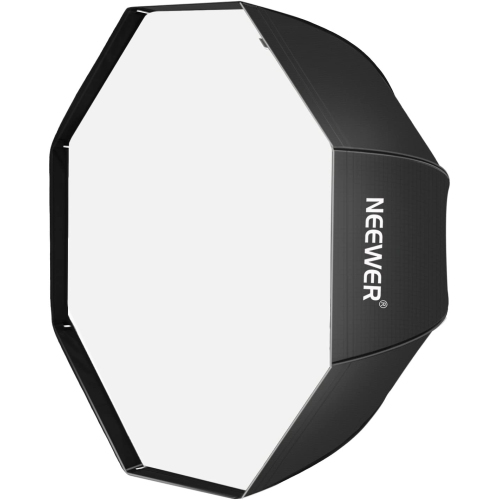
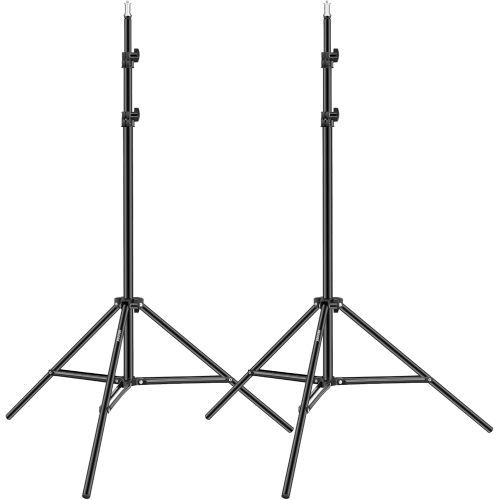
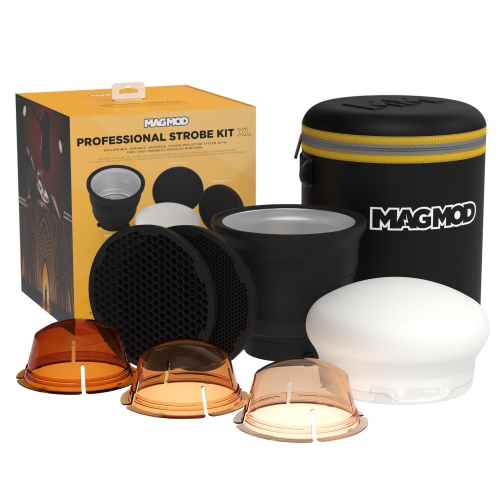
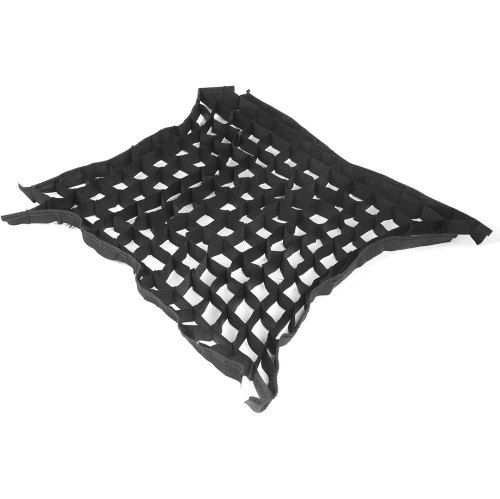
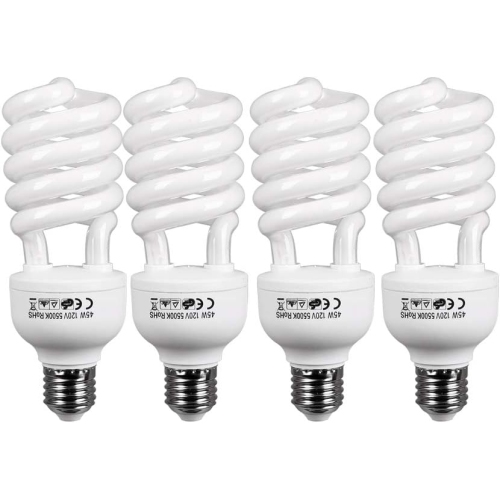
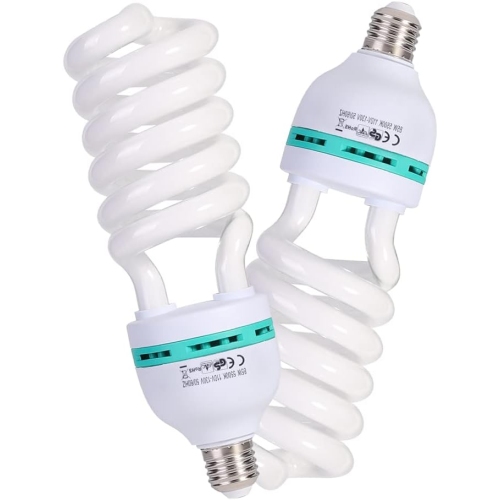
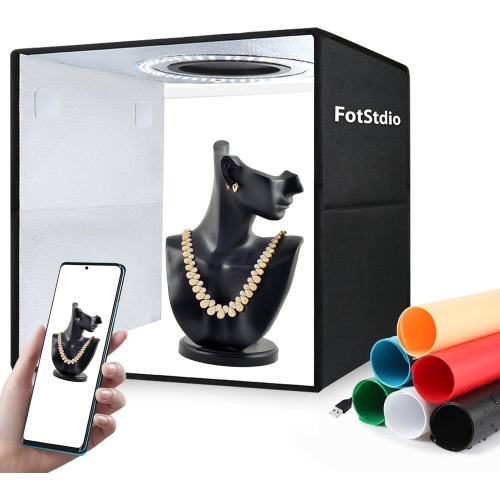
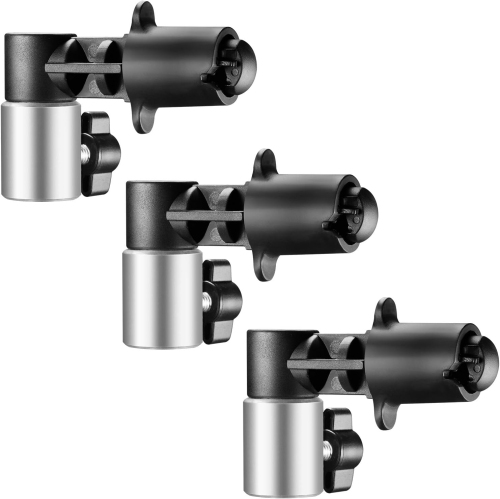
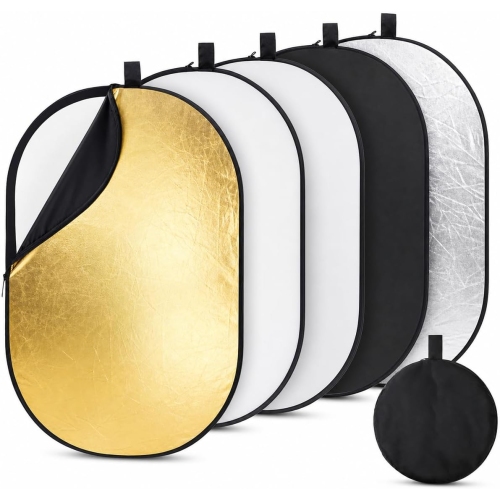
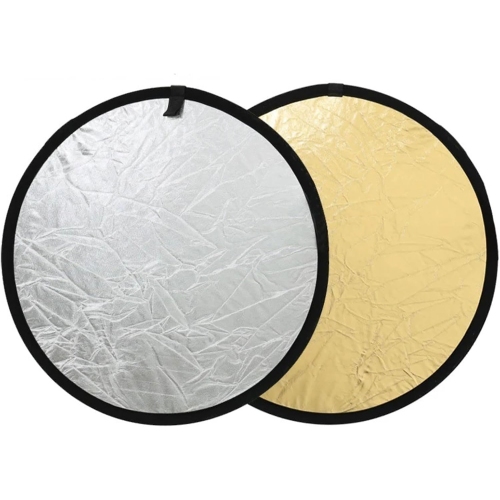
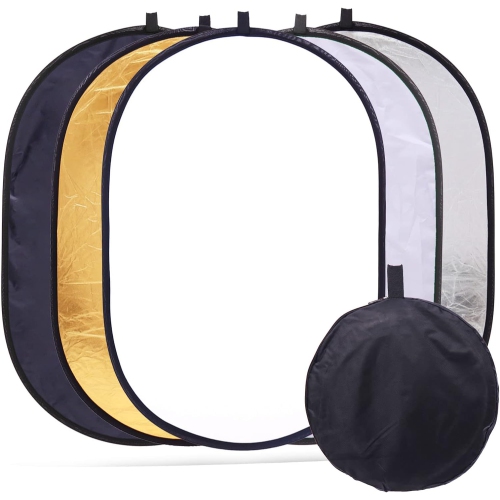
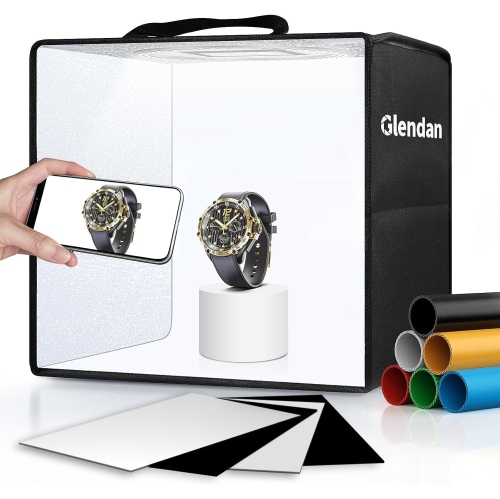
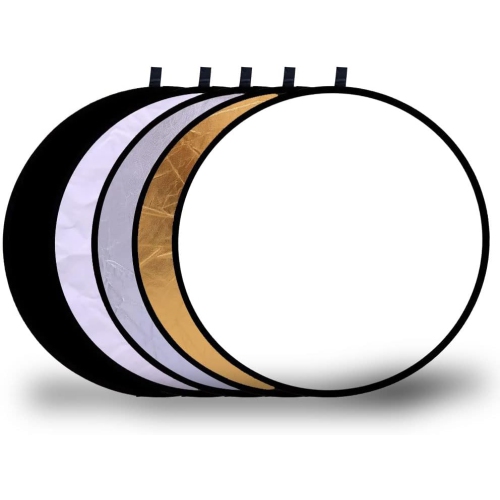
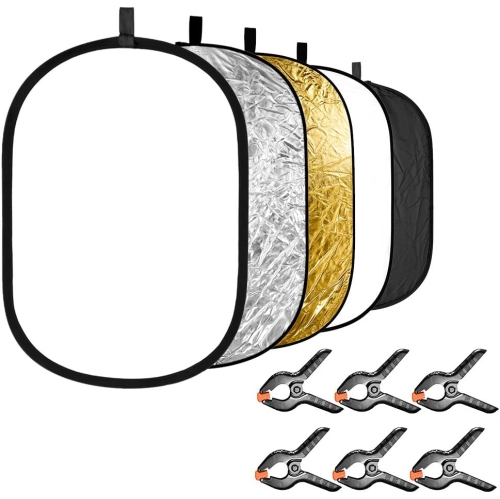
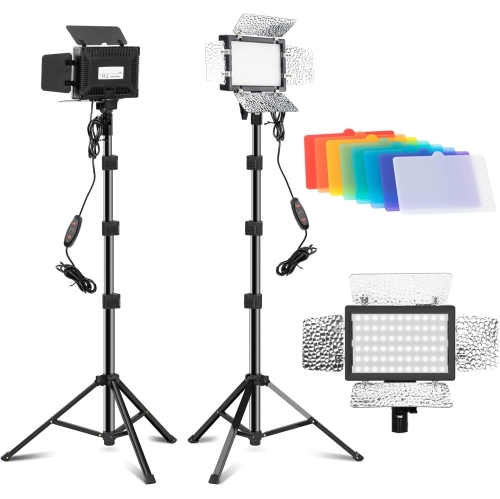
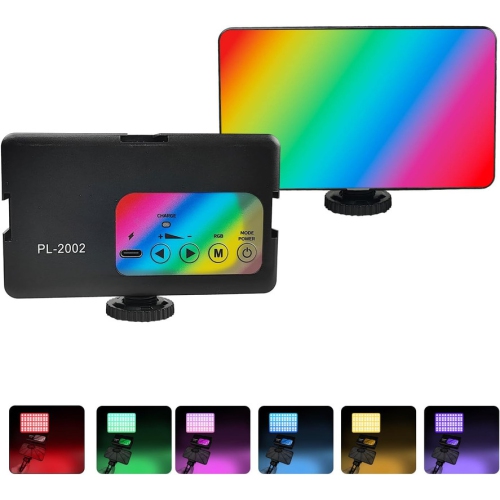
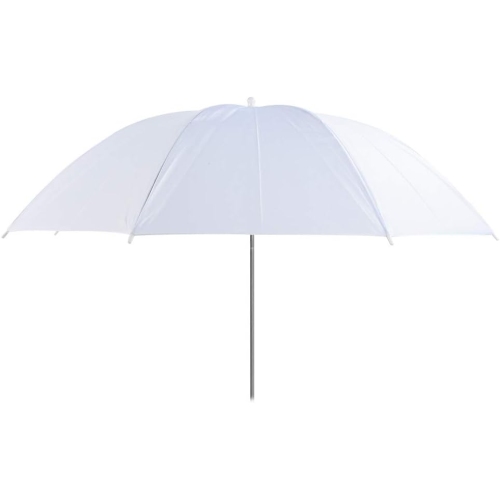
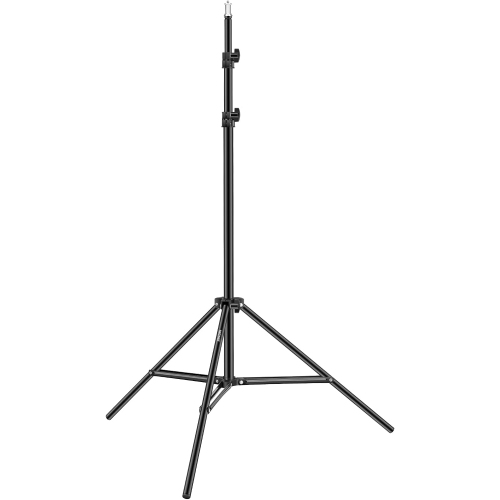
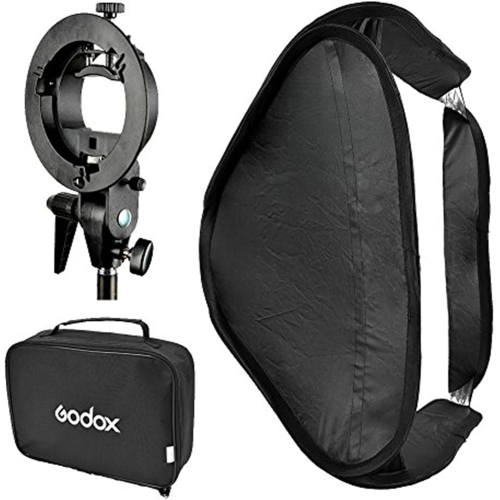
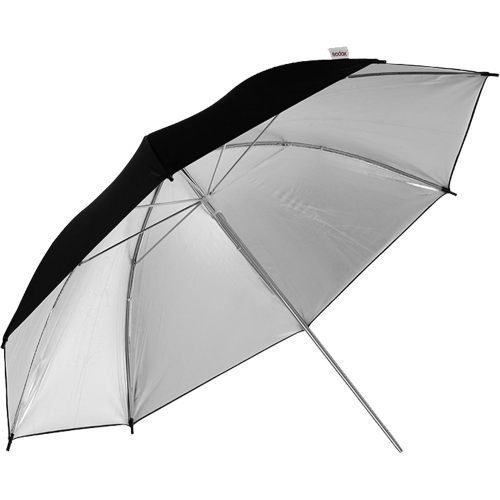
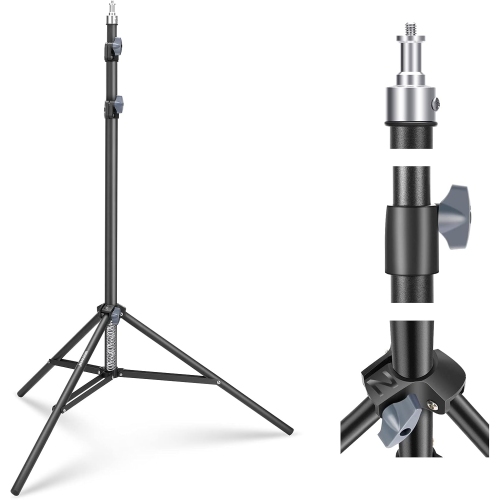
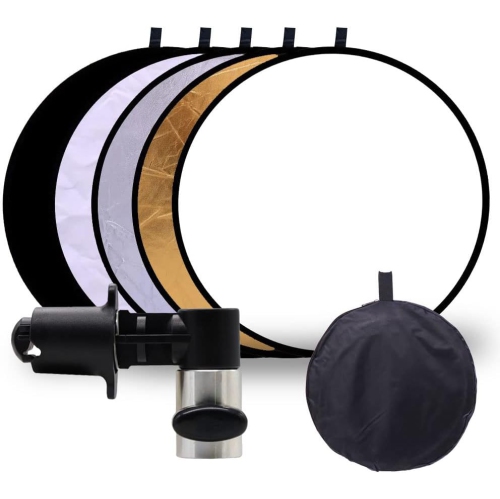
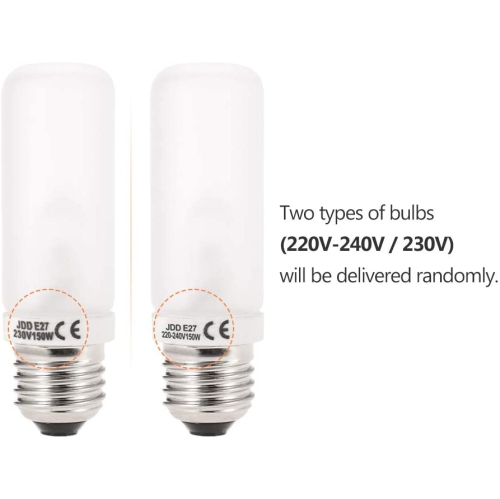
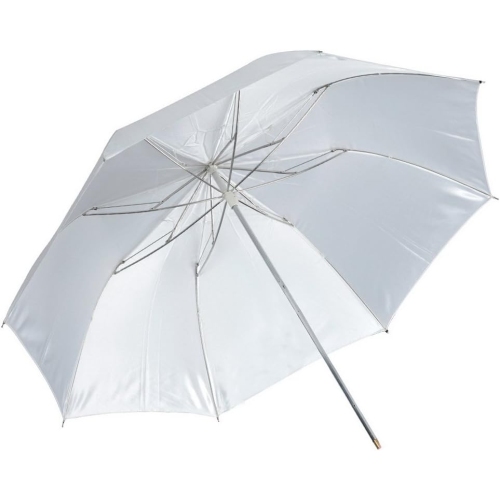
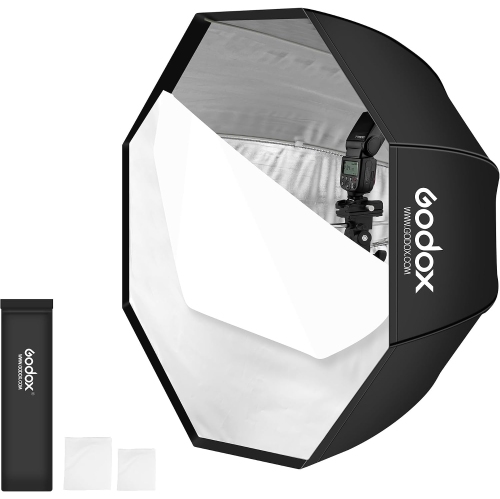
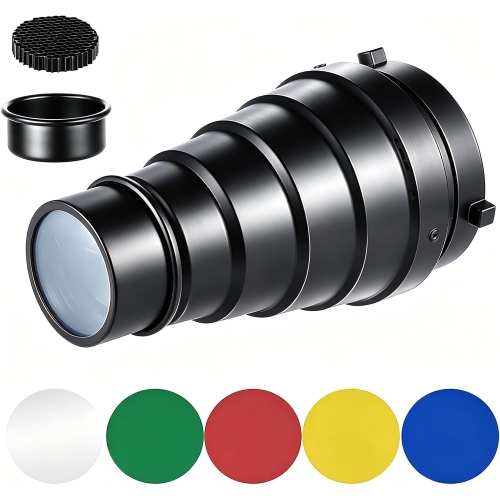
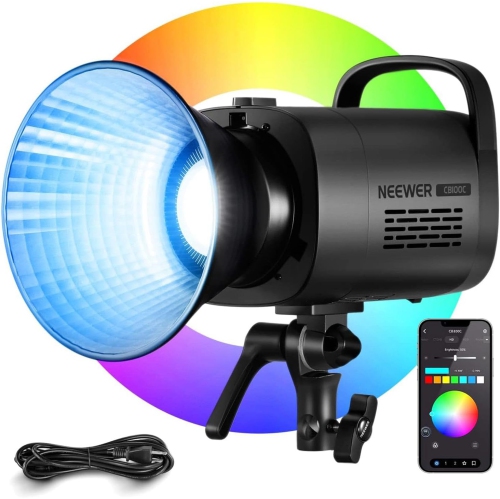
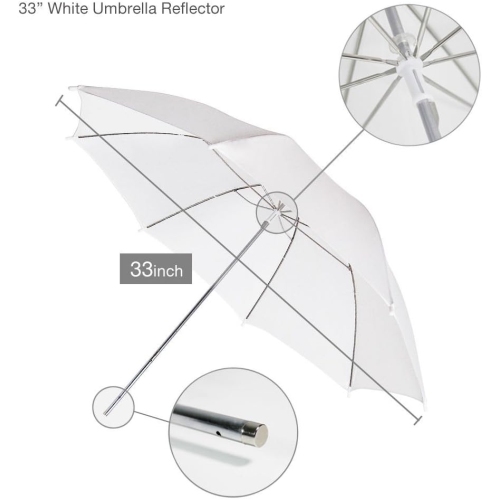
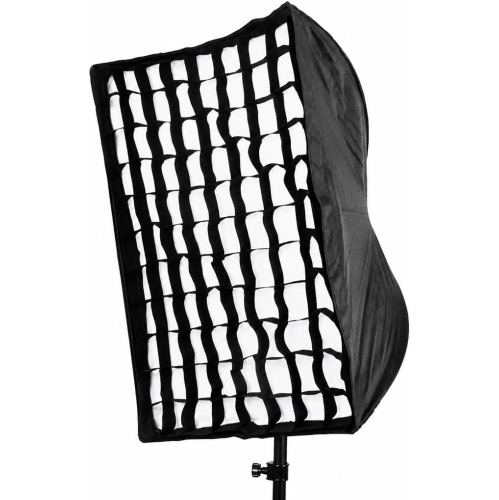
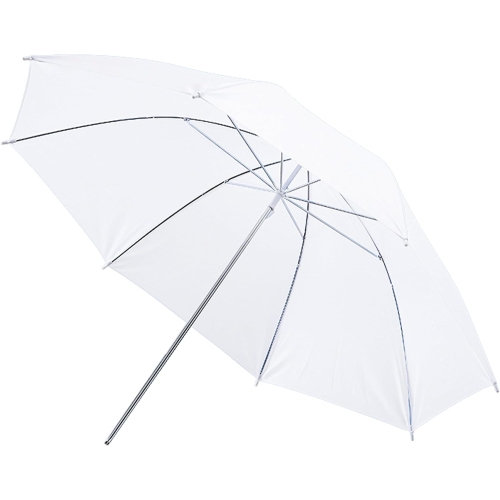
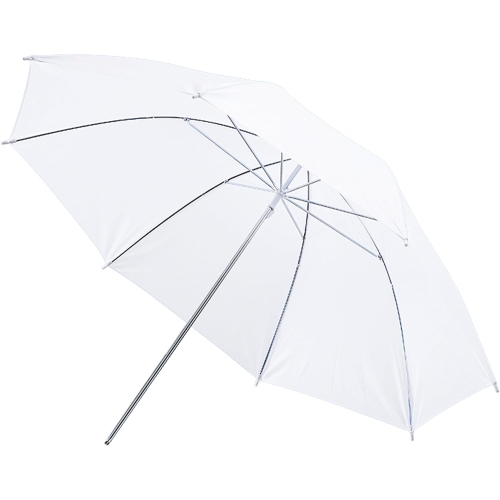
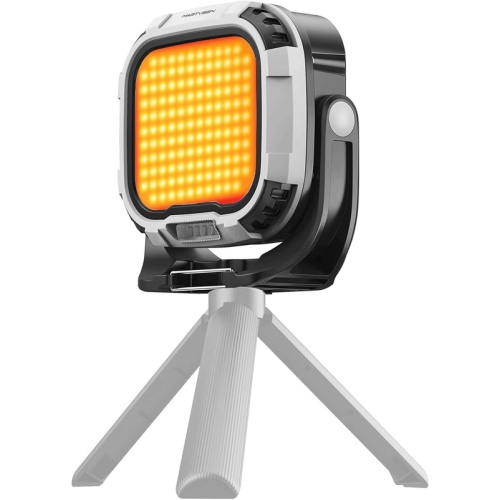
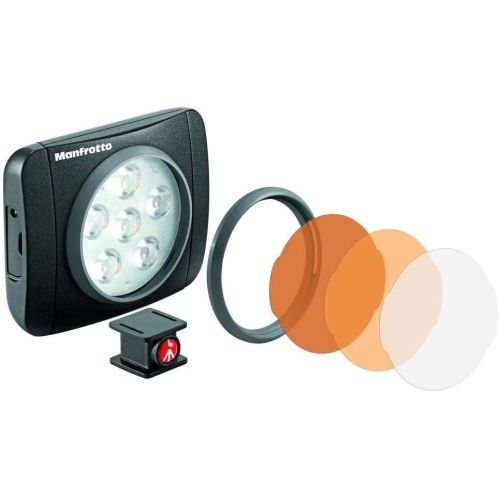
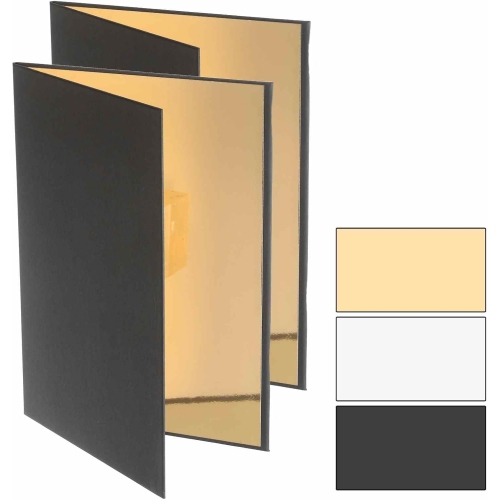
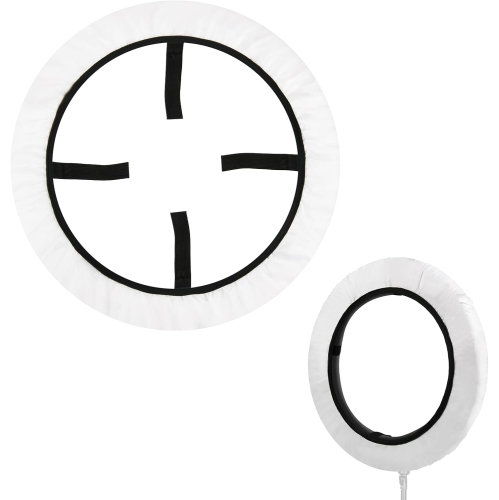
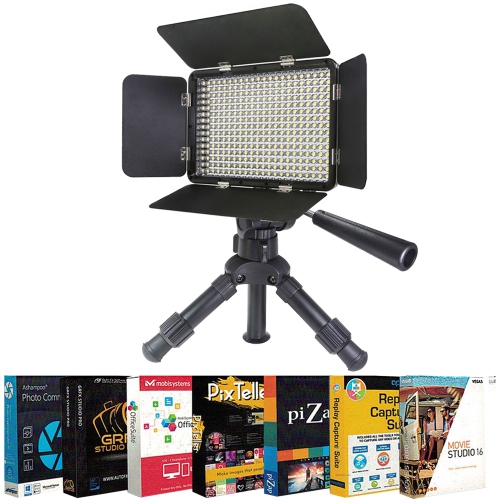
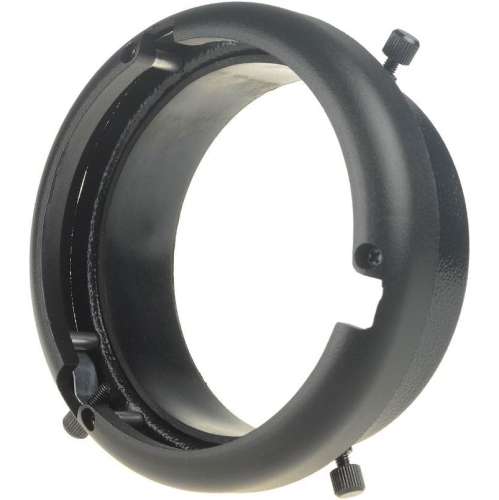
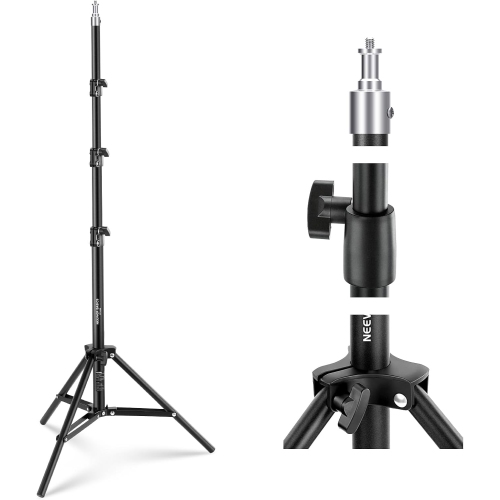
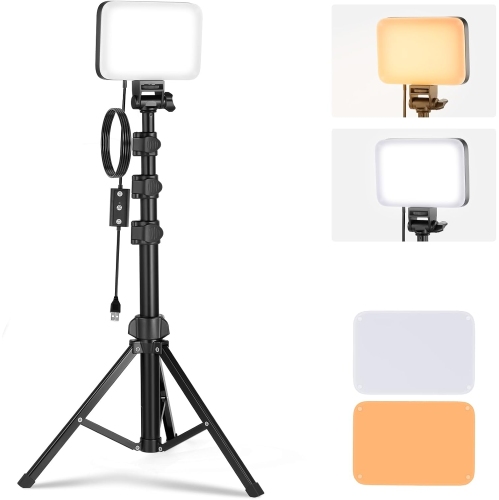
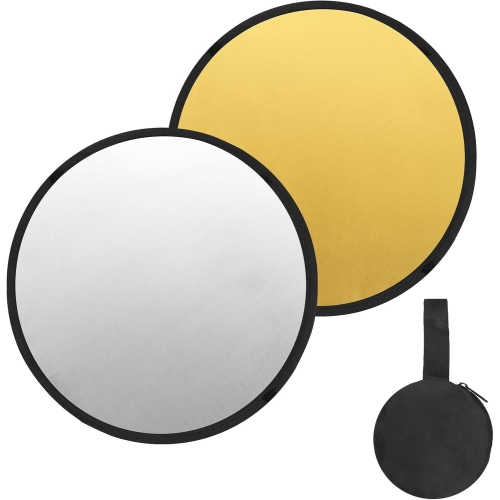
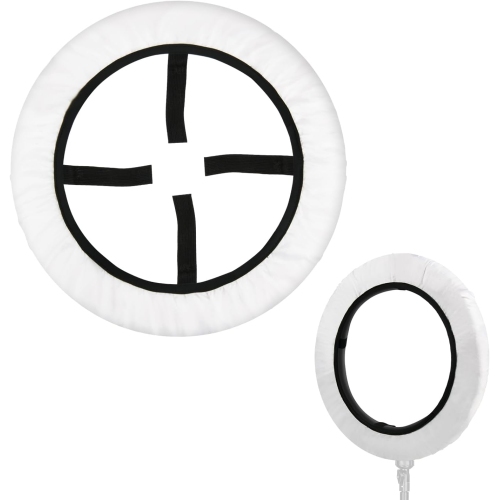
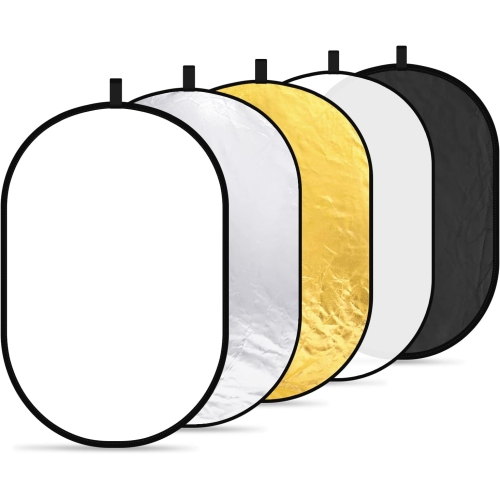
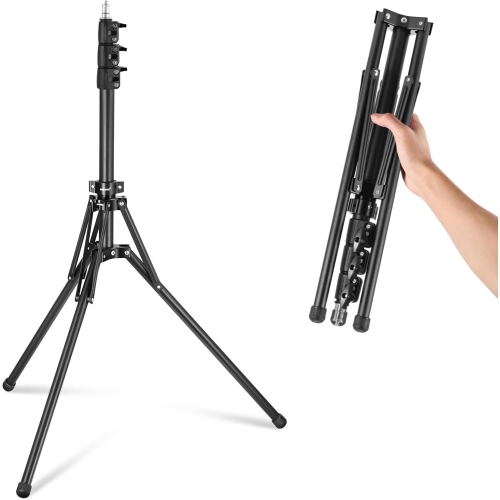
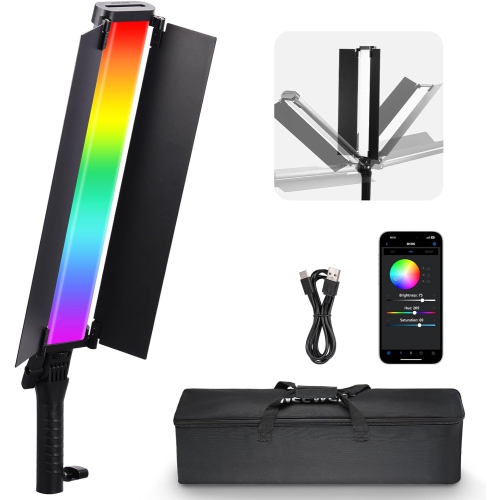
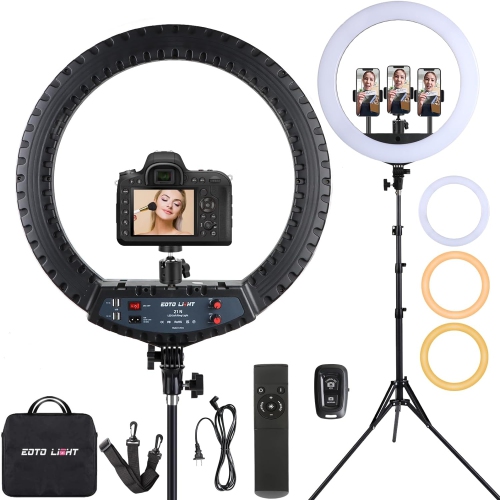
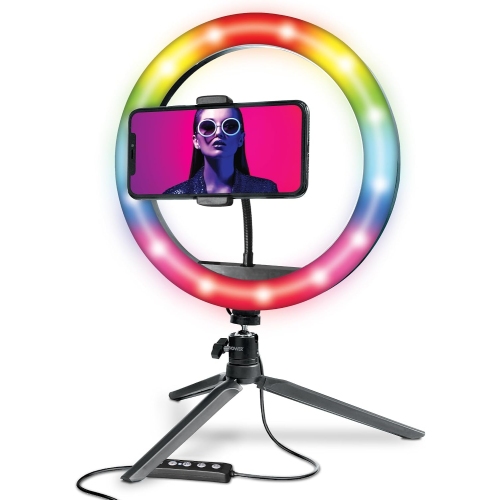
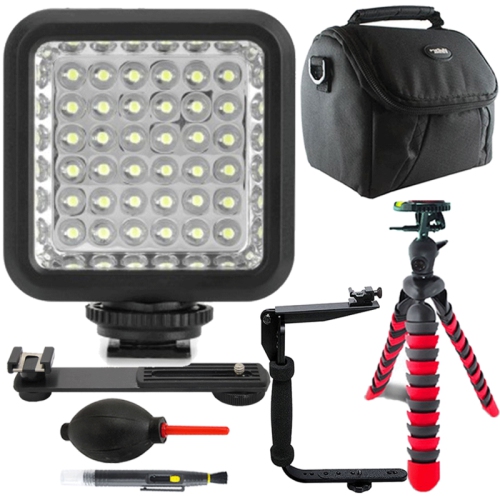
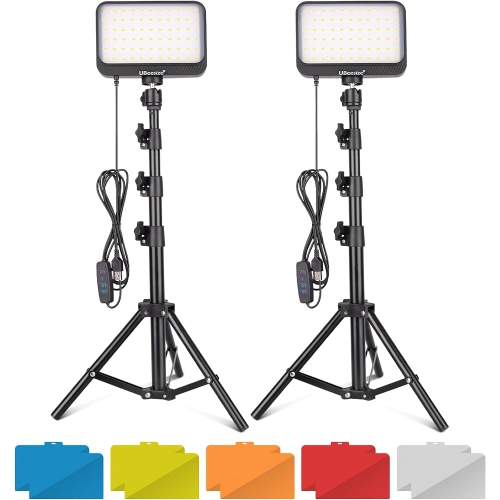
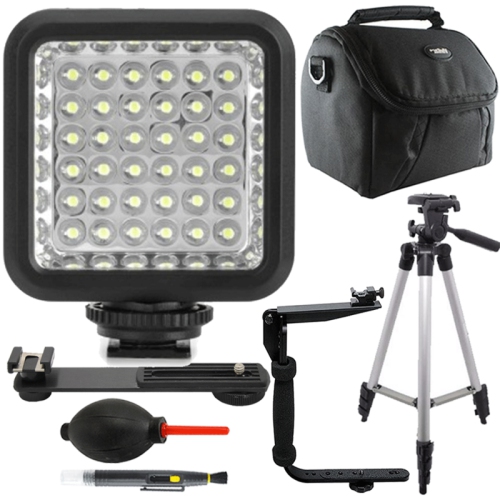
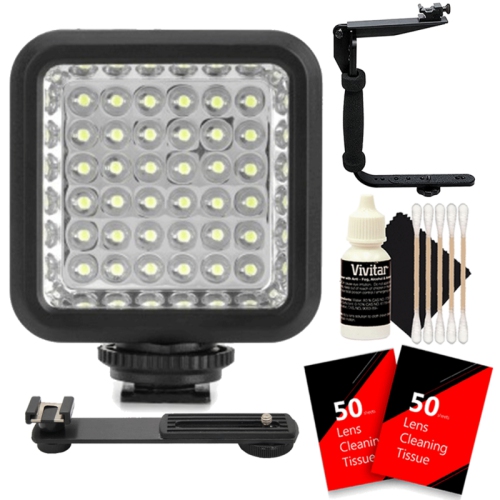
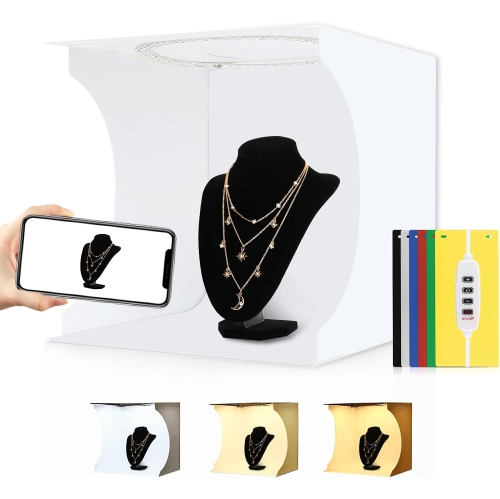
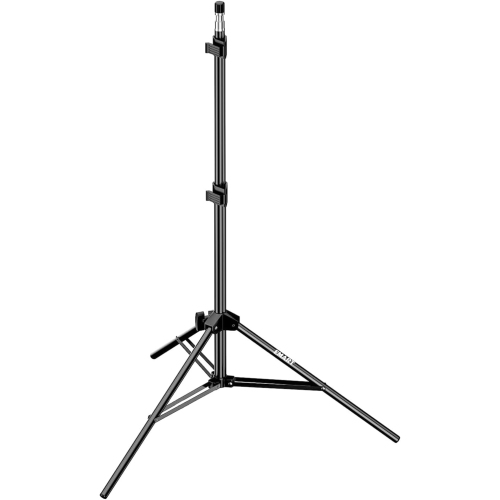
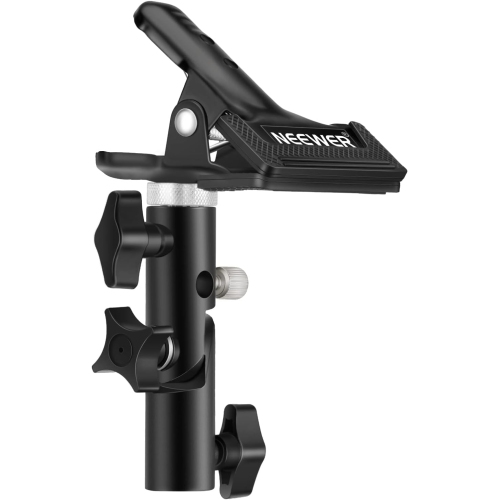
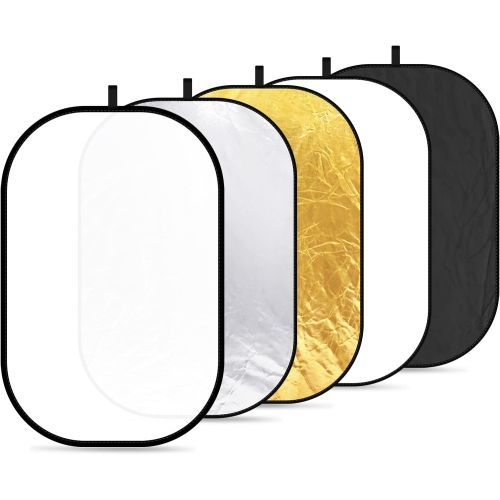
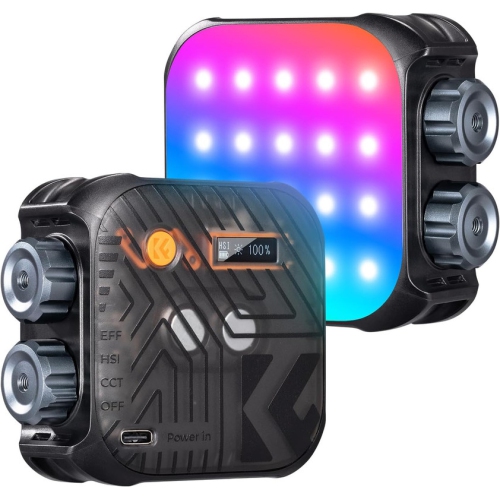
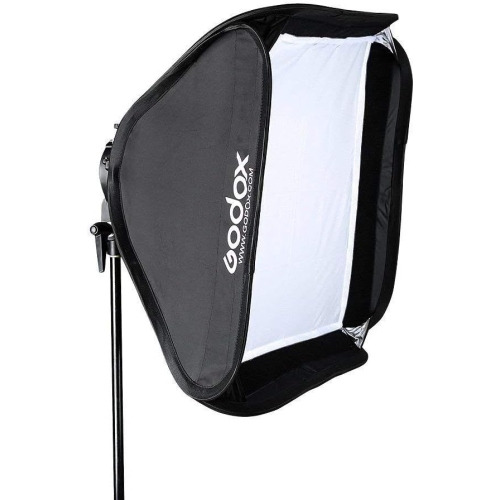
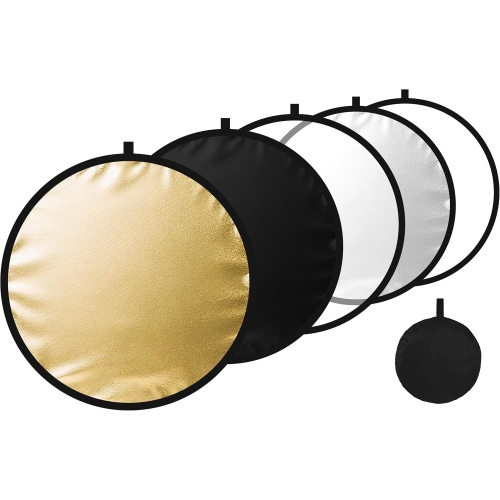
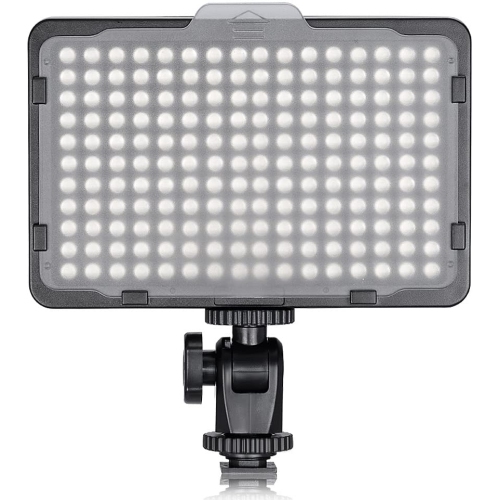
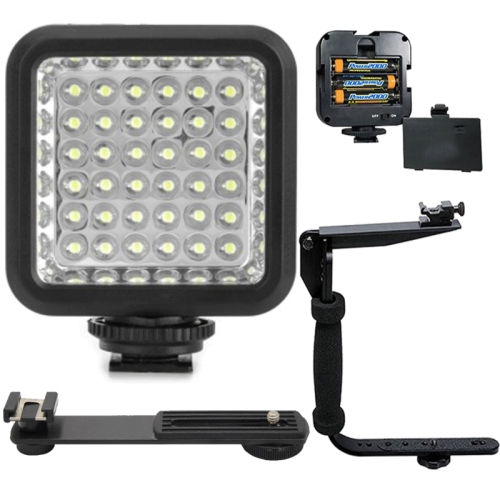
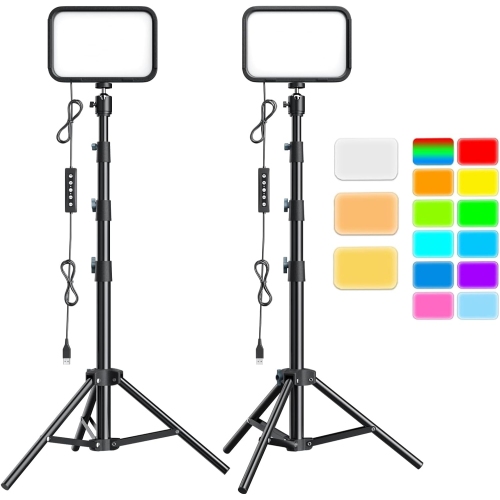
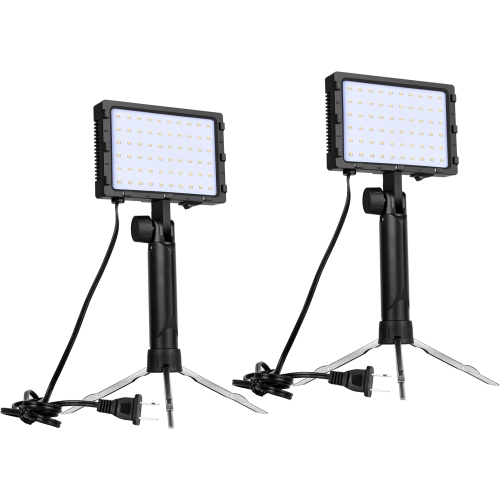
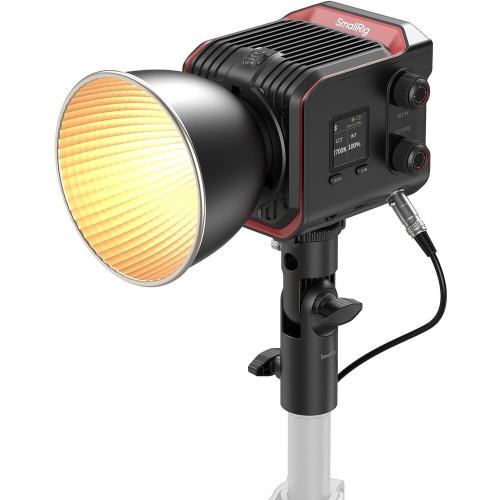
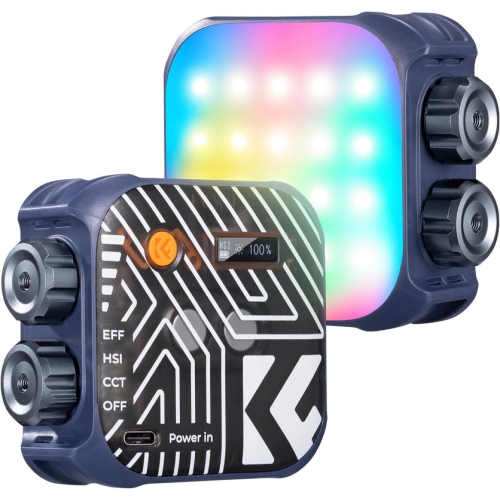
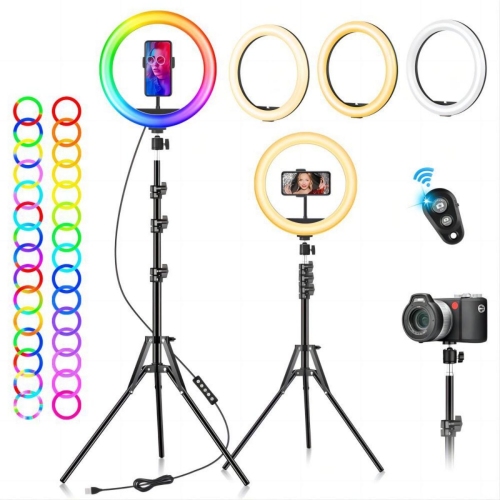
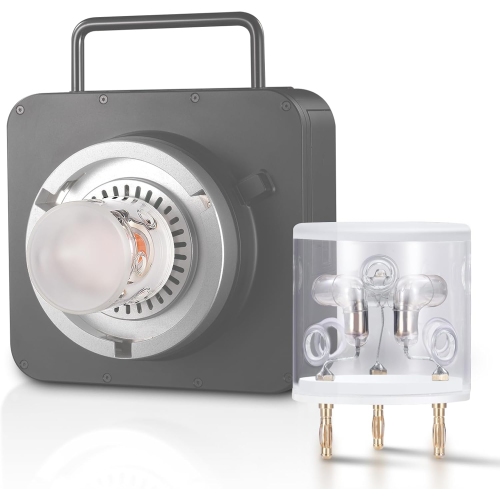
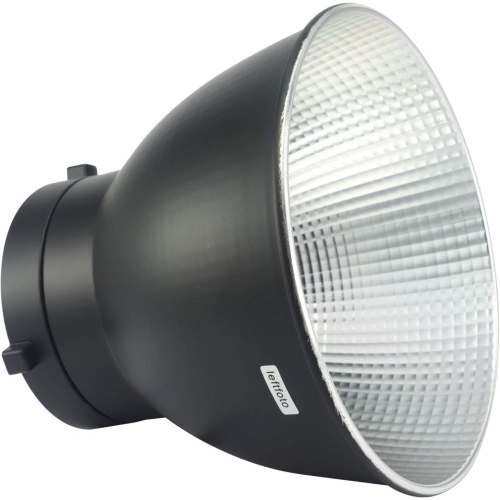
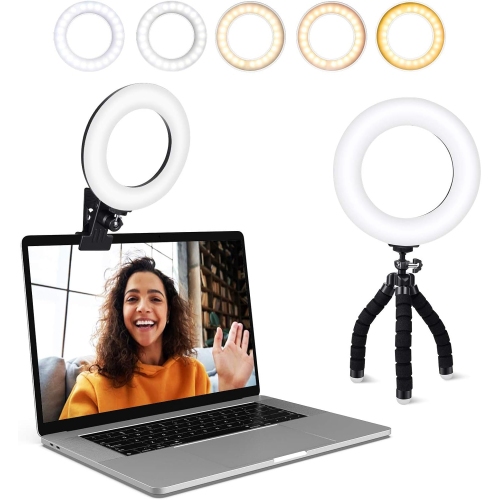
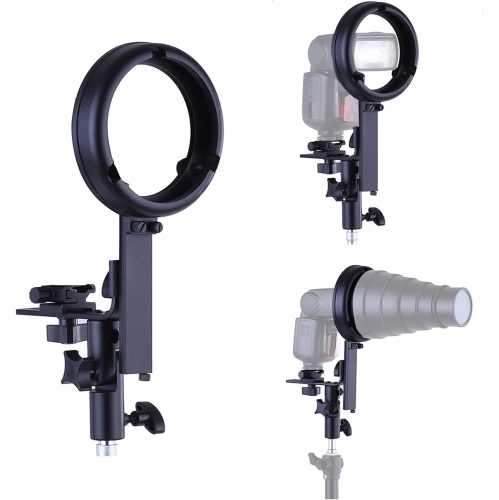
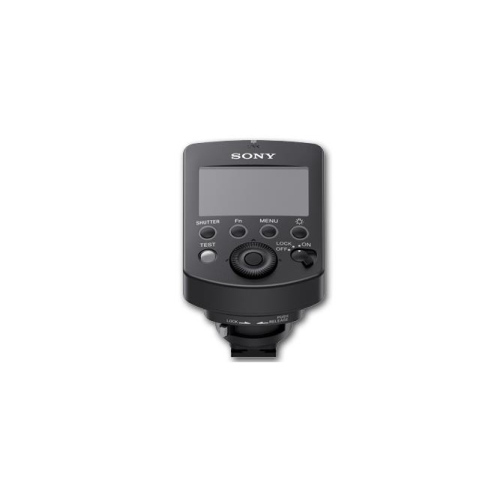
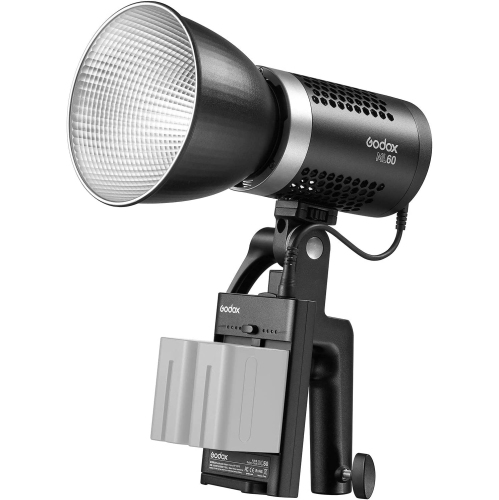
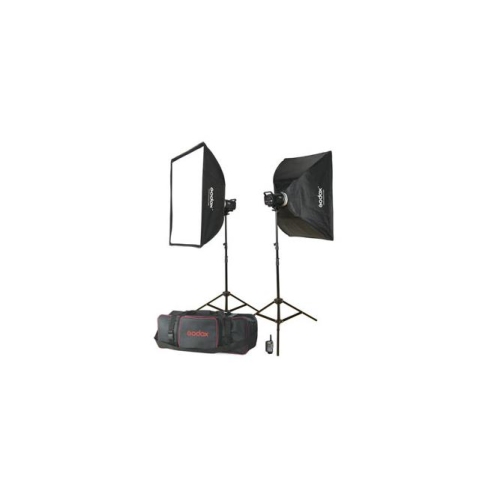
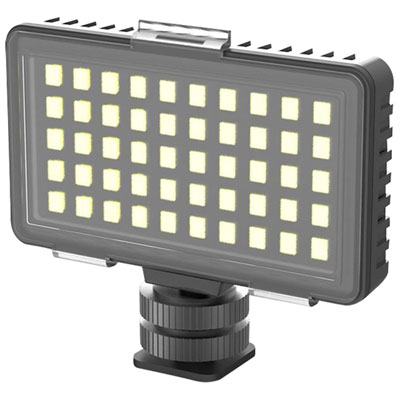
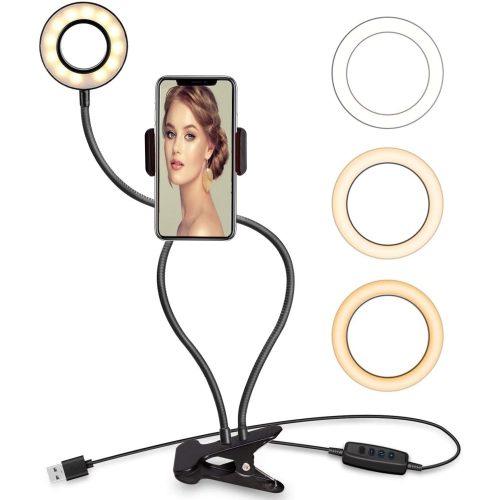
Lighting determines how texture, shape, and colour appear in a photograph, making it central to the studio. For portraits, still-life compositions, and photo-and-video work, Professional Photography Lights support different approaches to controlling brightness and shadow. Continuous LED lighting shows its effect before the shutter is released and can serve both photography and video. Flash lighting delivers a brief burst of light, with output and flash duration varying by unit and power setting. A compatible trigger can synchronize off-camera flashes with the camera, although camera support, radio compatibility, and shutter synchronization limits all matter. Adjustable output helps balance the main light with fill or background lighting without having to move every stand. Colour temperature controls can help match different light sources, while strong colour-rendering performance is particularly useful when accurate skin tones, fabrics, or product finishes are important. Light modifiers change how that output reaches the subject. A softbox can produce broad, diffused illumination with more directional control than many umbrella arrangements, while an umbrella provides a convenient way to spread or bounce light. The apparent size of the light source relative to the subject influences shadow softness: a large modifier placed close to a face generally creates gentler transitions than a small source positioned farther away. Grids help restrict light spread, and flags block light from areas that need to stay darker. A white reflector can lift shadows under a chin, a silver surface can provide a brighter return, and a black panel can deepen shadow by reducing reflected light. These differences become especially visible on glossy packaging, polished metal, and glass, where the reflected shape of the light source forms part of the image. Modifier mounts must fit the light, and stands must support the combined weight of the fixture and its attachments. Lights positioned above or beside people also need secure fittings and appropriate ballast. In a shared home workspace, compact modifiers and manageable stands can be more practical than oversized equipment that leaves little room to move.
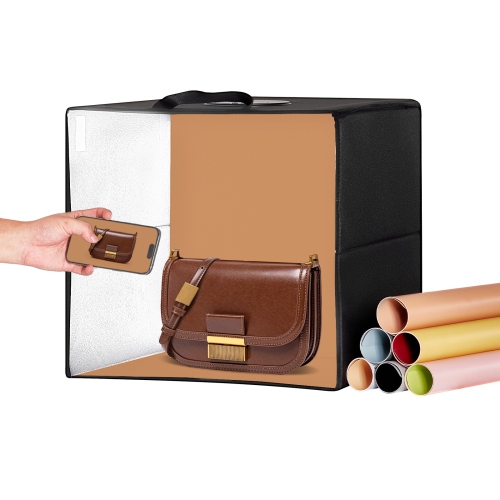
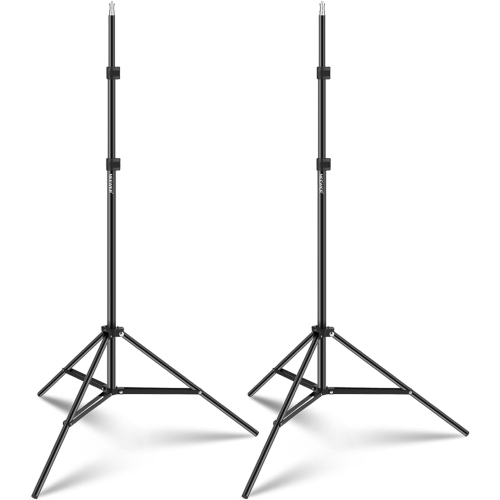
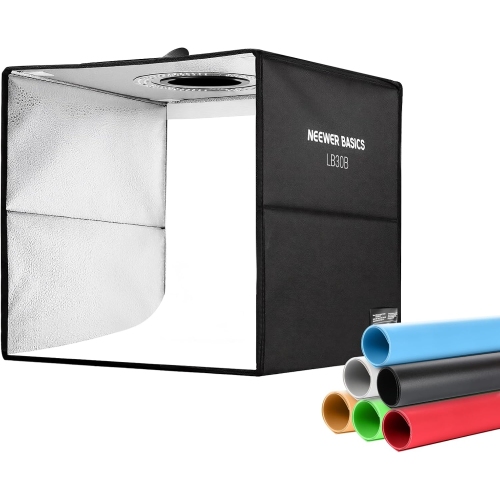
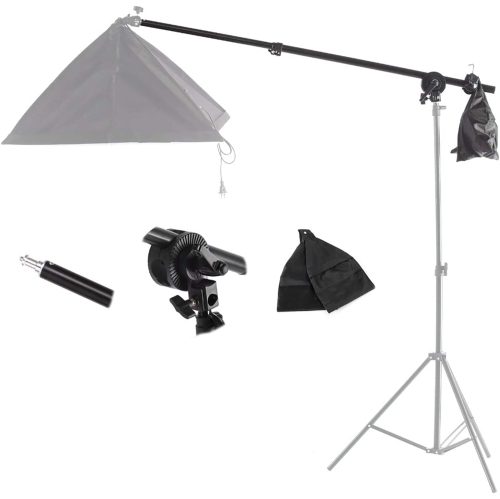
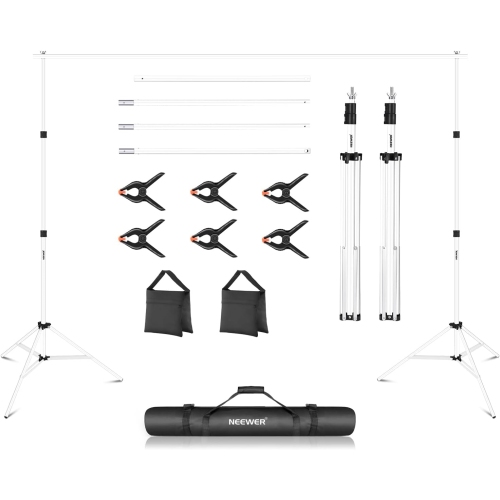
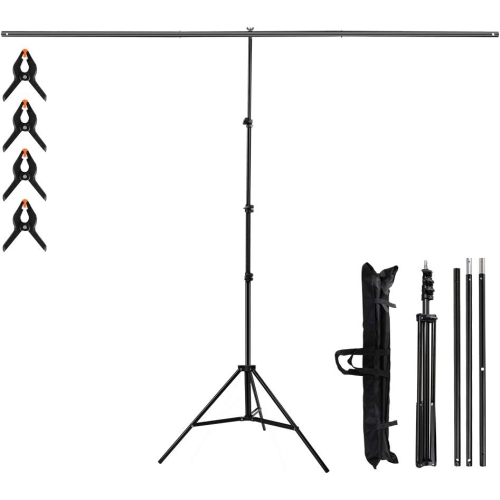
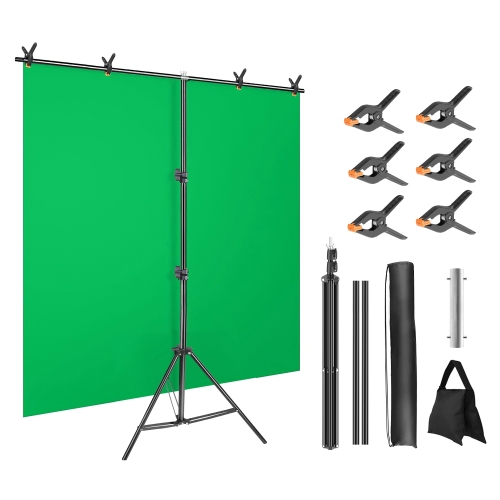
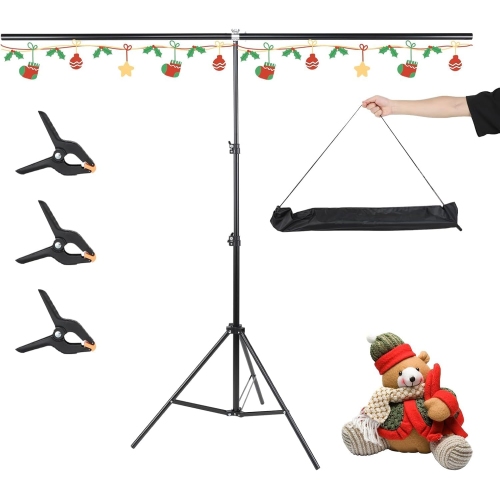
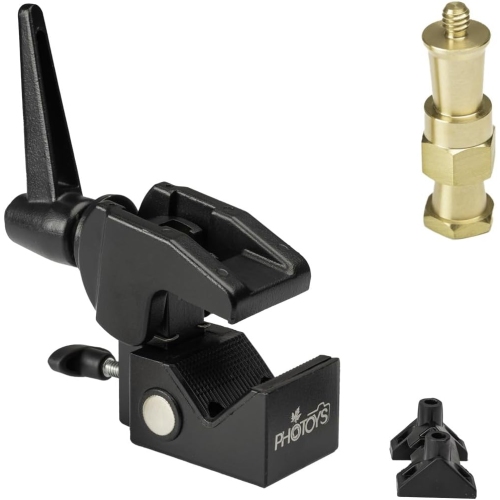
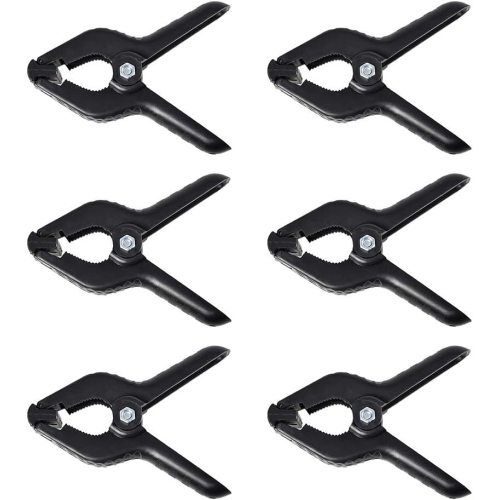
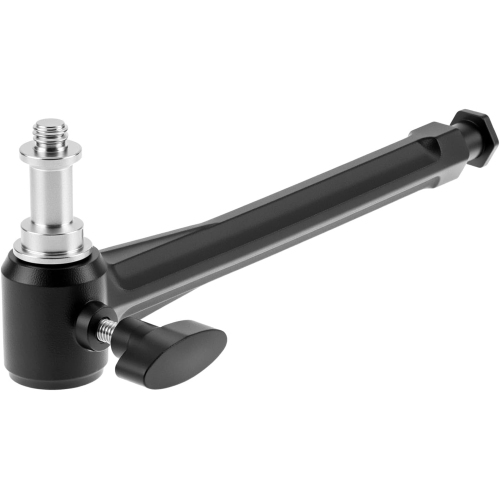
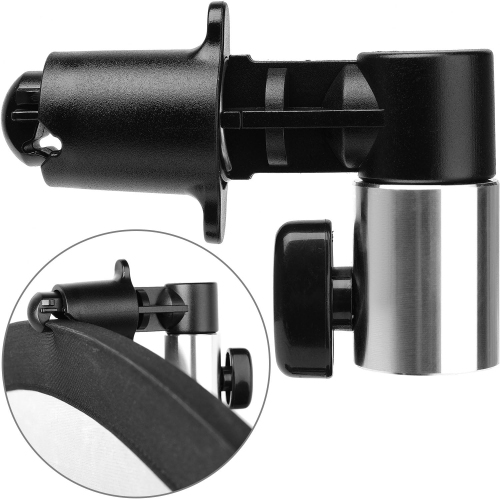
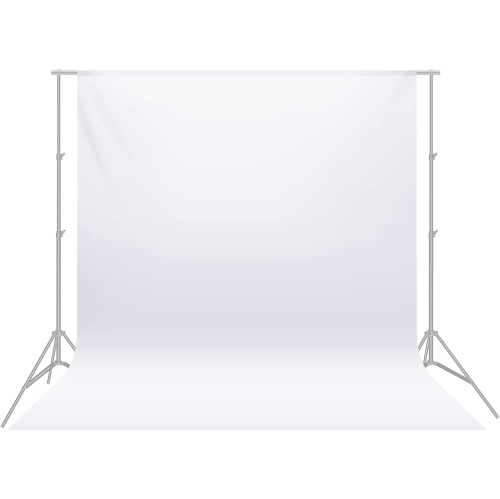
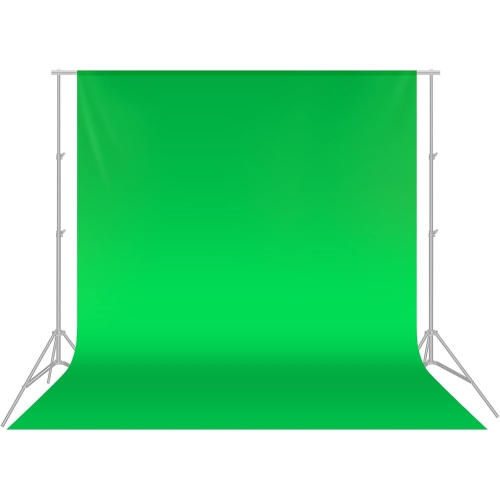
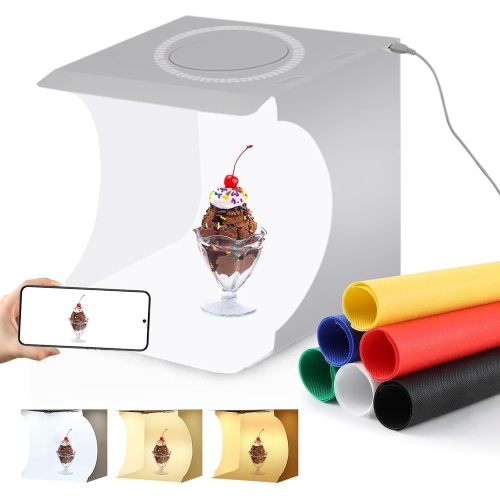
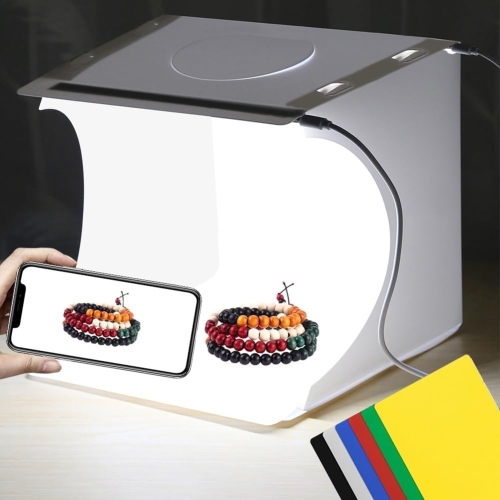
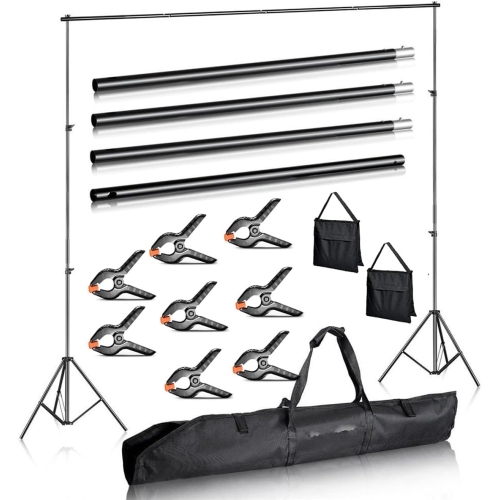
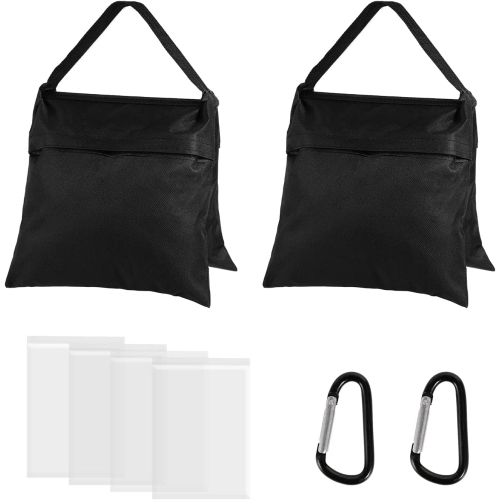
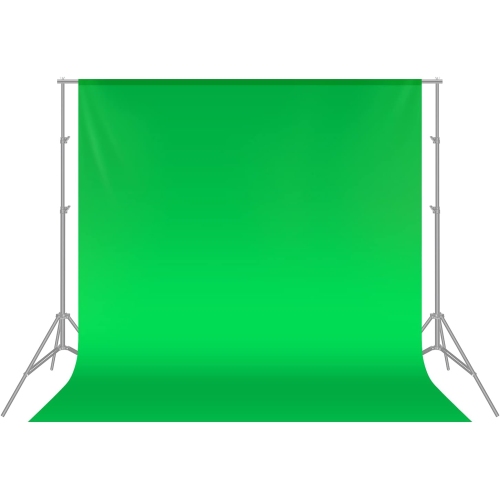
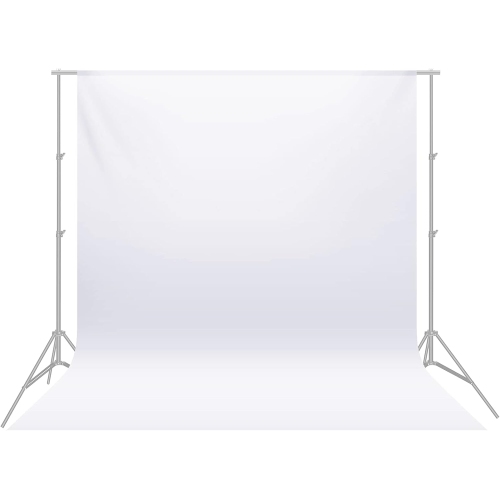
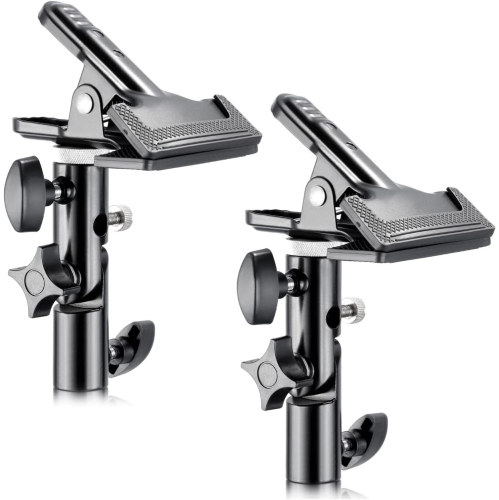
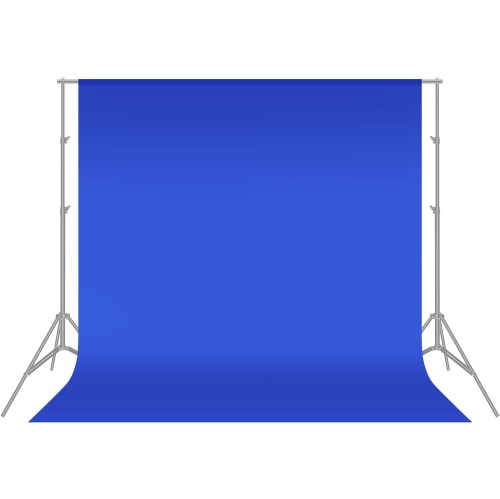
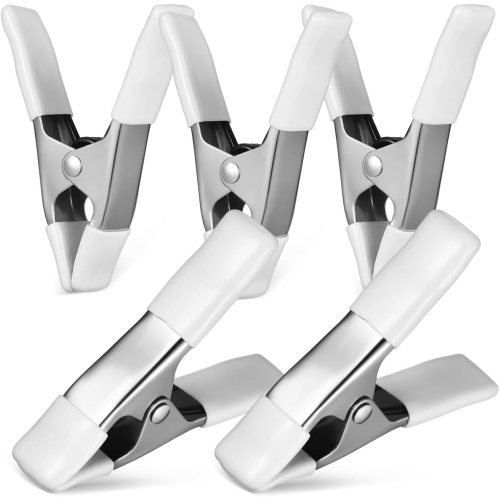
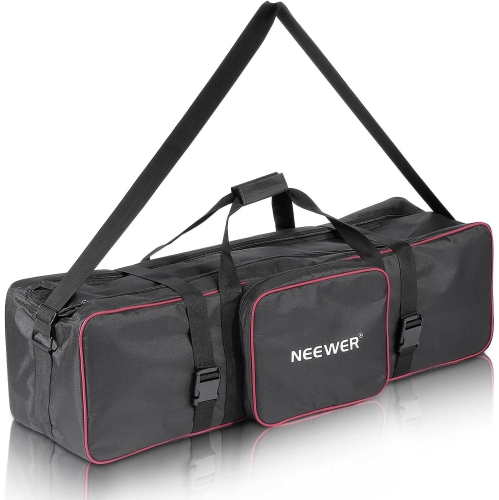
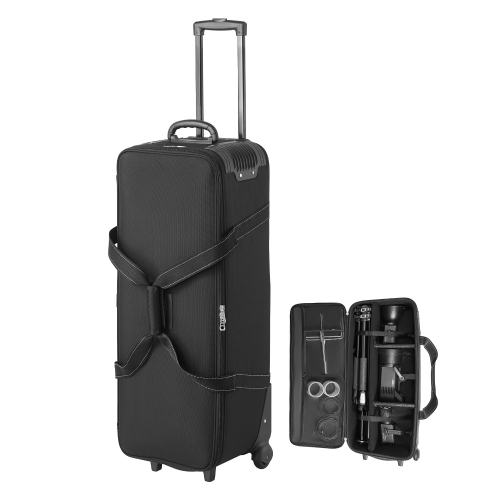
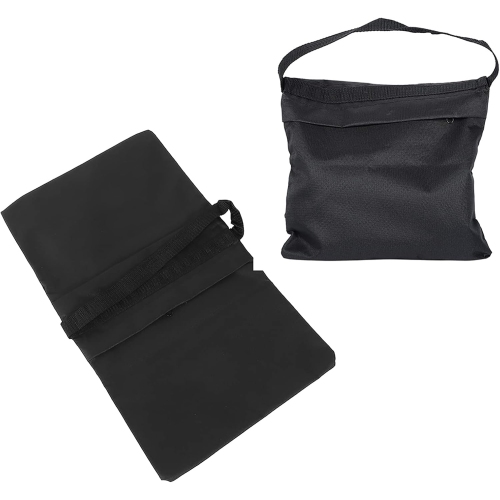
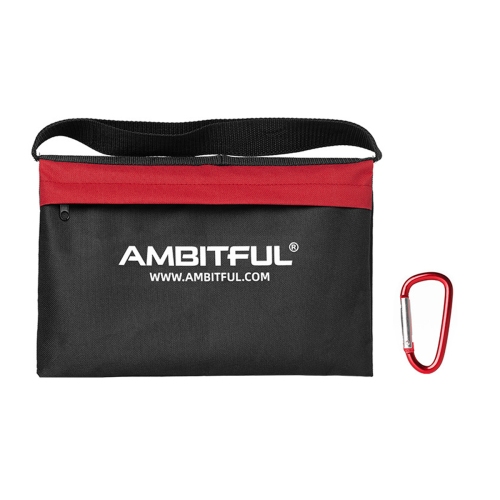
Backgrounds and support accessories complete a studio by keeping attention on the subject and making the space easier to use. Seamless paper creates a smooth surface and can sweep from a vertical background onto the floor without a visible corner. Its clean appearance suits portraits and product photography, although the section underfoot can become marked or creased. Fabric backdrops offer a reusable alternative, with muslin providing a textured look and polyester options often chosen for portability and straightforward care. Wrinkles, transparency, and surface sheen vary by fabric, so background material affects both the finished image and the lighting needed to achieve it. Matte surfaces tend to be easier to light evenly than reflective ones. Background width should allow for the subject and framing, with extra room for wider poses or groups; sufficient distance behind the subject can also help reduce unwanted shadows. Telescopic supports are convenient for temporary setups, while fixed support systems suit dedicated rooms when installed according to their mounting requirements. Crossbars, clamps, and support stands need compatible dimensions and suitable load ratings, particularly with wider paper rolls or heavier cloth. Sandbags add stability when correctly placed, but do not replace observing a stand’s rated capacity or keeping its centre of gravity within the base. Cables routed away from walking paths and securely managed reduce snags during busy sessions. Durability often comes down to details such as reliable locking collars, sound stitching, protected electrical connections, and fittings that tolerate repeated assembly. Metal supports offer strength, while weight and folded length influence how easily equipment travels between locations. Padded cases help protect lights and modifiers in transit, and separate compartments keep smaller fittings from rubbing against delicate surfaces. Care depends on the material: fabric should be cleaned according to its label, paper rolls stored to avoid crushing and moisture, and lighting equipment allowed to cool before packing. For students, hobbyists, content creators, and working photographers, compatible accessories can make thoughtful gifts when their existing setup is known. Equipment that fits the space and the intended work helps make every session more comfortable and consistent.
Top selling and popular products
-
 Your price for this item is $479.99
-
 Your price for this item is $239.99
-
 Your price for this item is $239.99
-
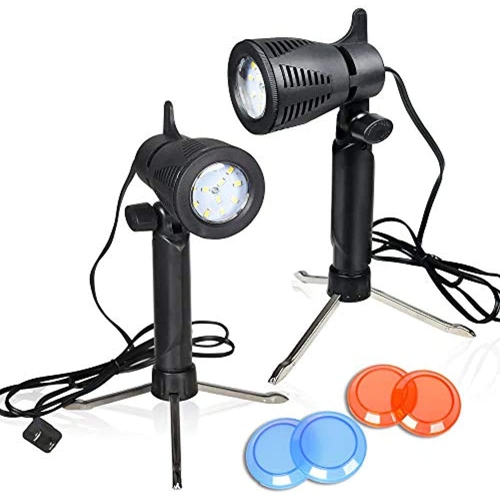 Your price for this item is $29.99
-
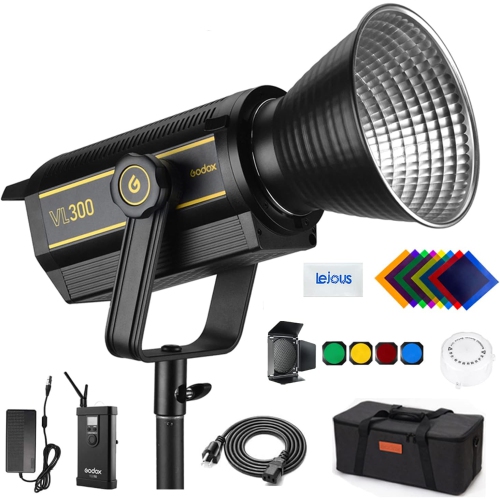 Your price for this item is $899.99
-
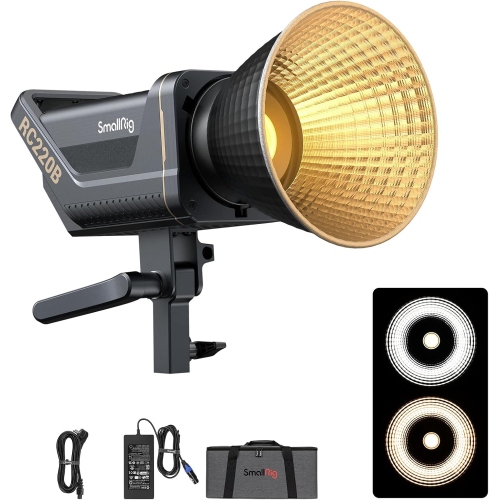 Your price for this item is $442.85
-
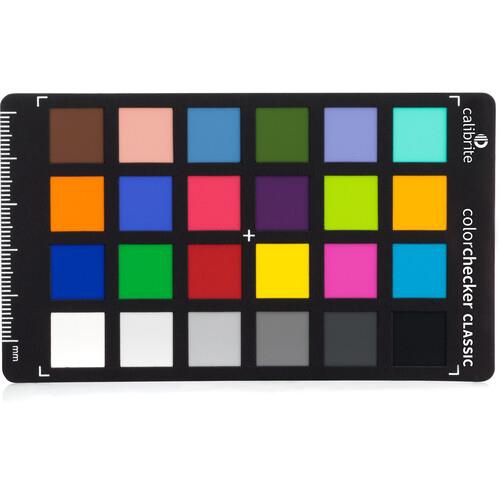 Your price for this item is $109
-
 Your price for this item is $529.99
Discover more categories related to Photography Studio Equipment
Top Collections:
Best Black Friday Deals This Year, Best Black Friday Deals On Electronics, Kindle Devices, Pokemon Centers, Best Black Friday Deals On Apple Products, Best Cameras for Sports Photography, Dyson Airwrap, Pokémon 30th Celebration Cards, Apple iPhone 17 Pro, Canon G7X Cameras
Some products may be subject to Environmental Handling Fees
(EHF) depending on your province.
Learn more about EHFs.