Professional Photography Lights
Capture stunning photographs with our selection of professional photography lights. Whether you're a seasoned photographer or just starting out, having the right lighting equipment is essential for achieving the perfect shot. Our range of photography lights offers a variety of options to suit your specific needs and preferences. From versatile studio lighting kits to portable LED panels, we have everything you need to illuminate your subjects and bring your creative vision to life. Enhance the quality of your photos and take your photography skills to new heights with our top-notch selection of professional photography lights.
Sort

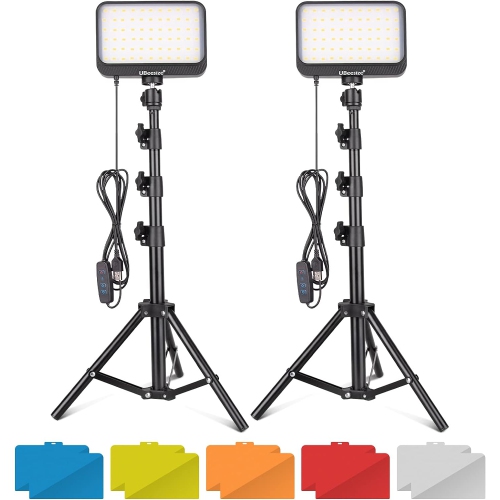
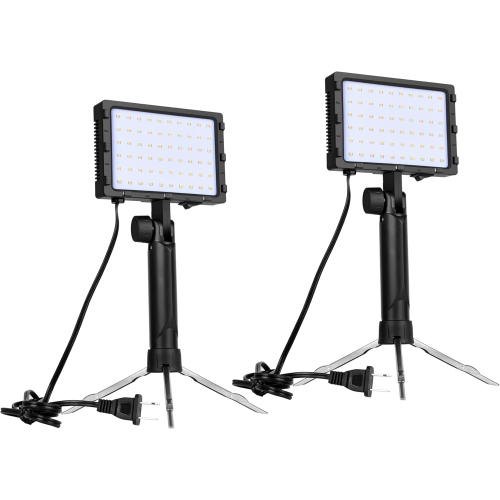
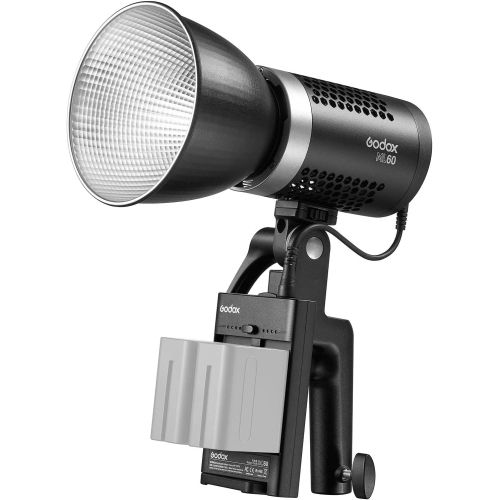
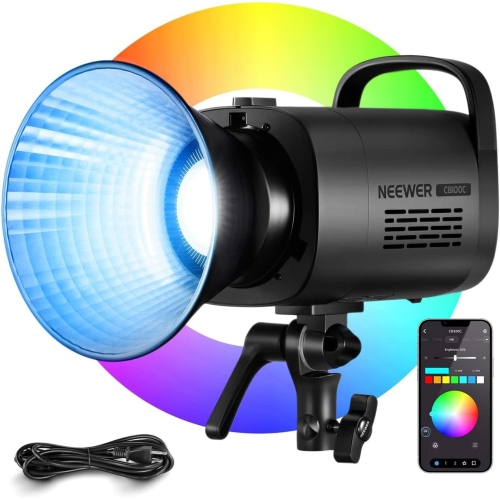
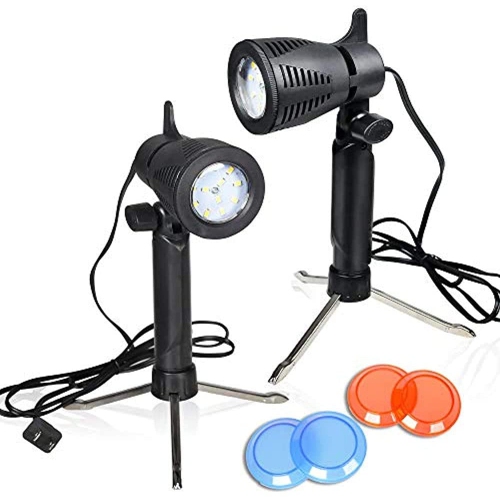
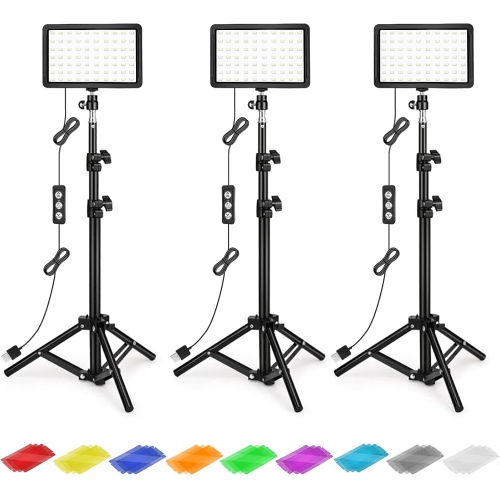
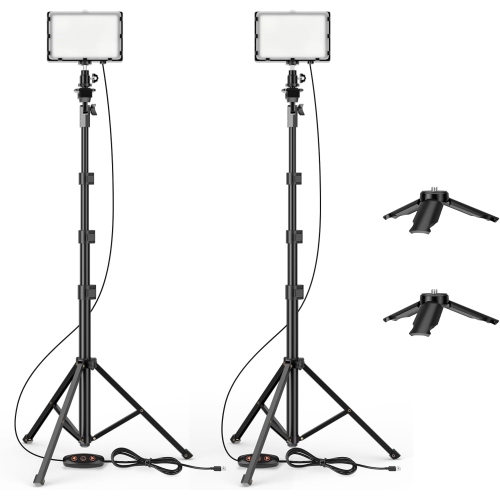
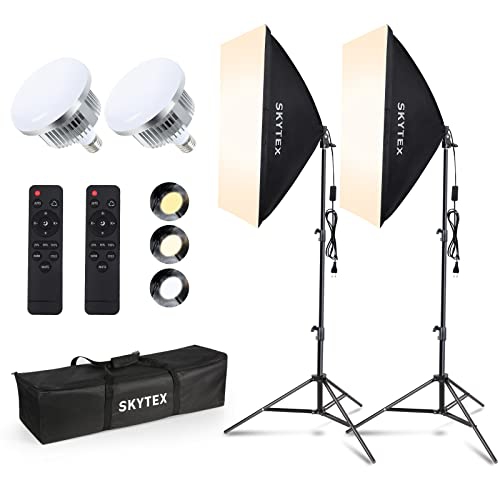
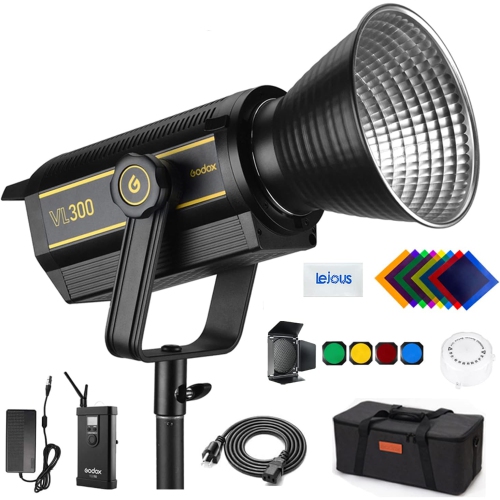
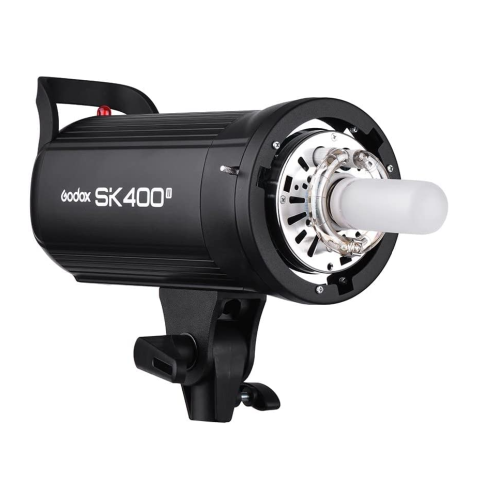
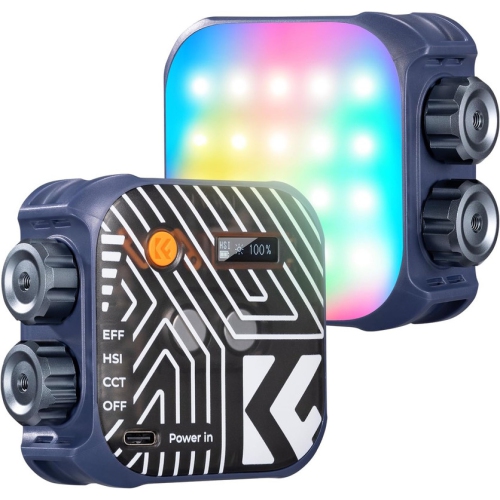
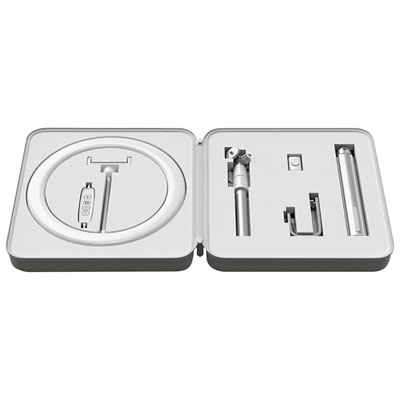
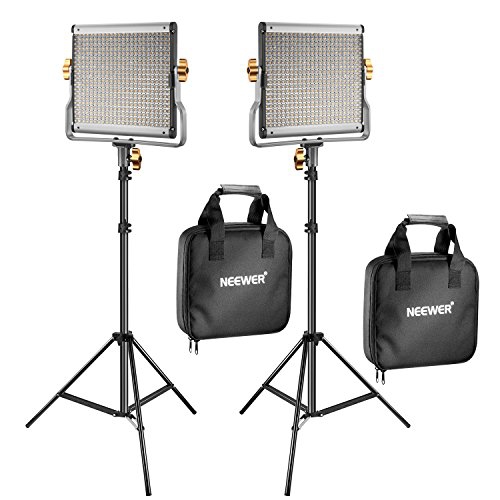
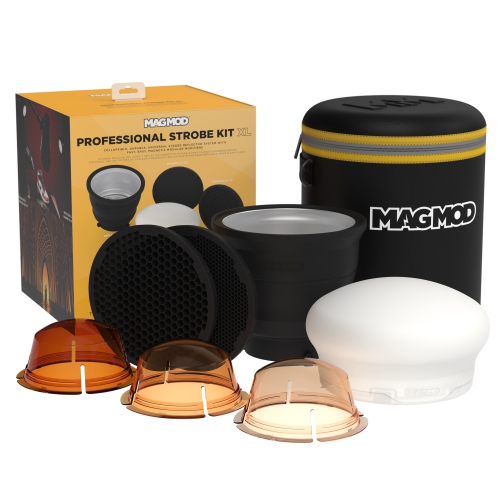
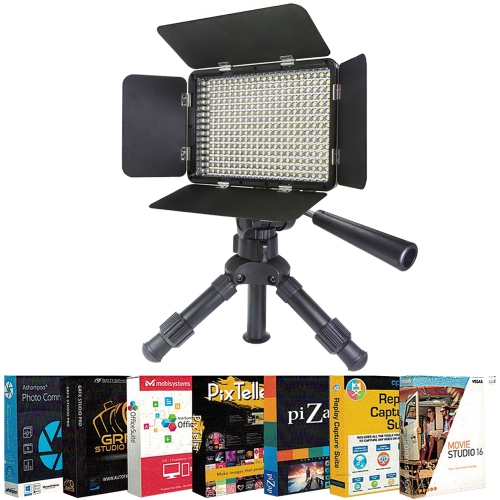
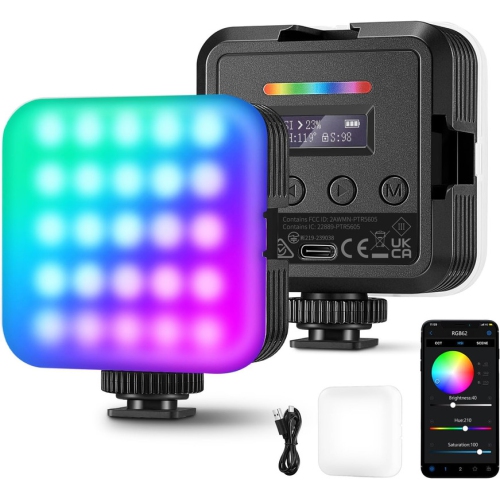
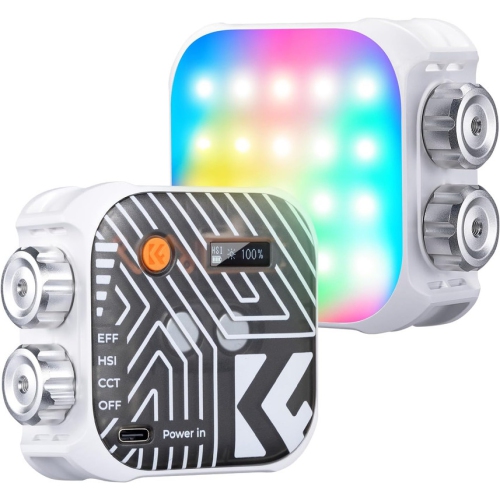
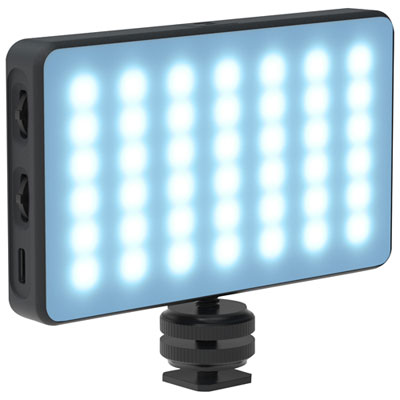
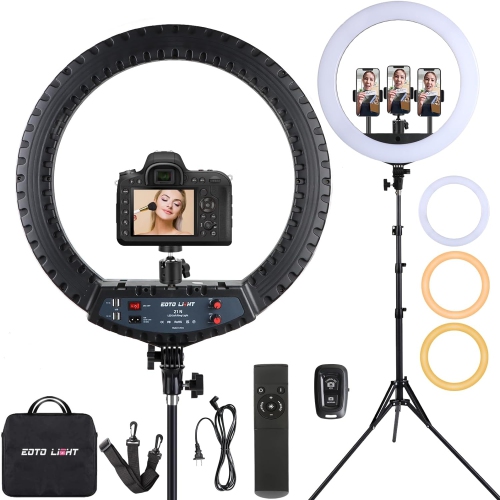
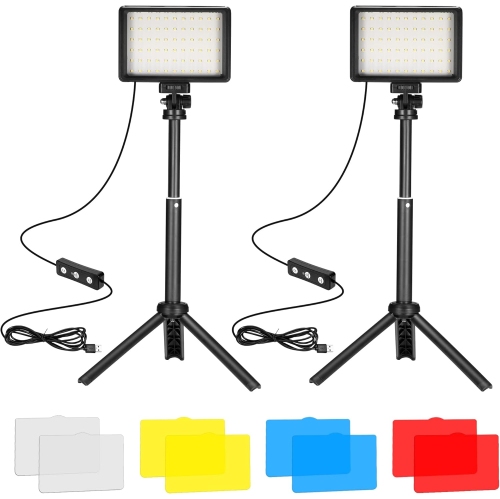
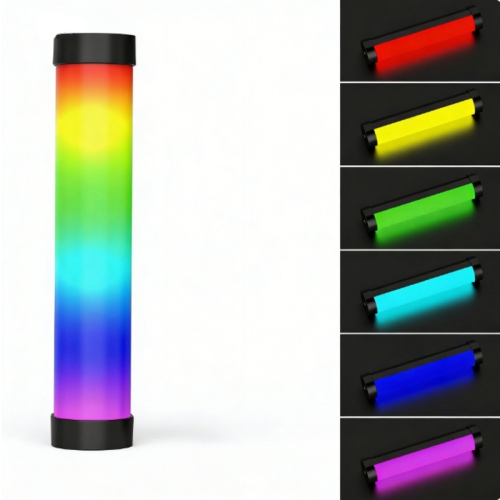
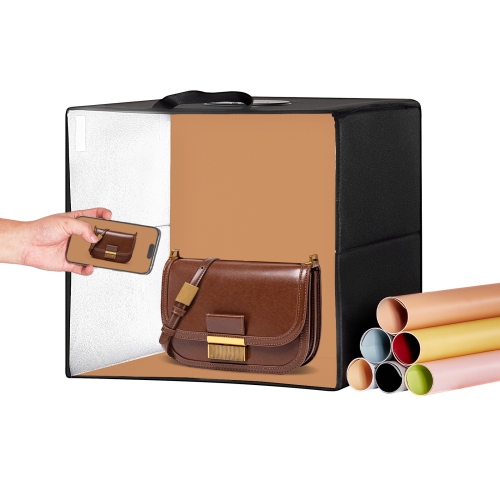
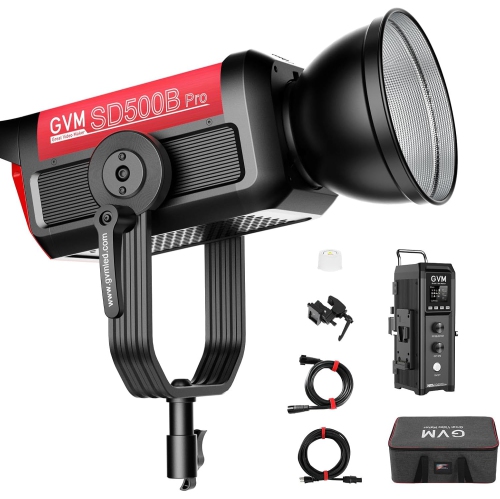
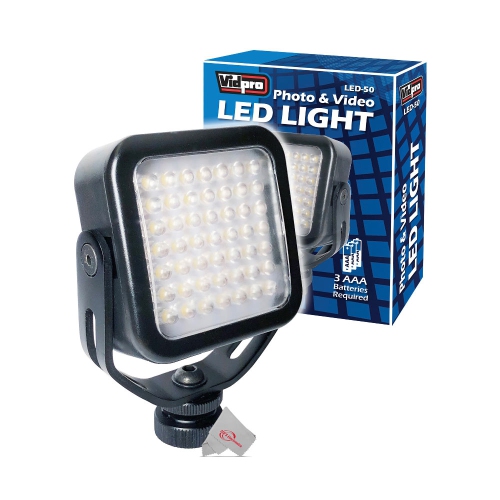
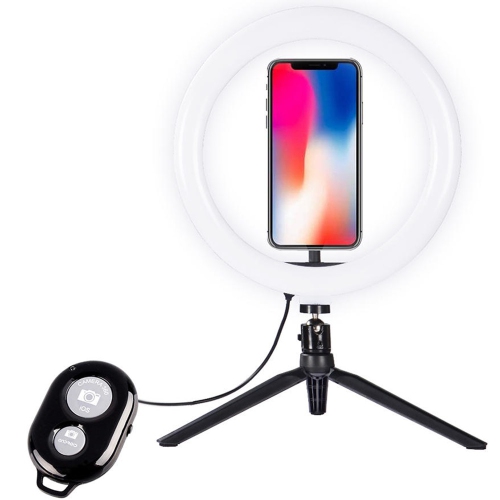
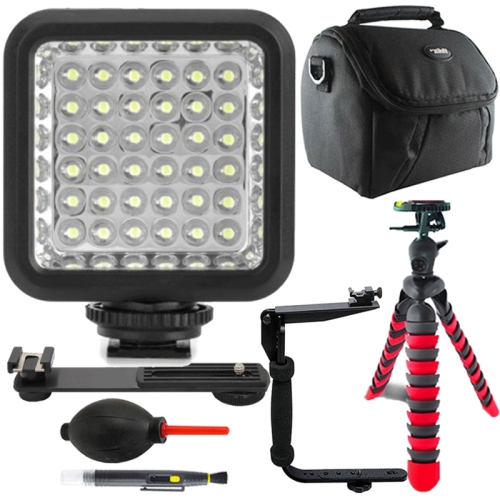
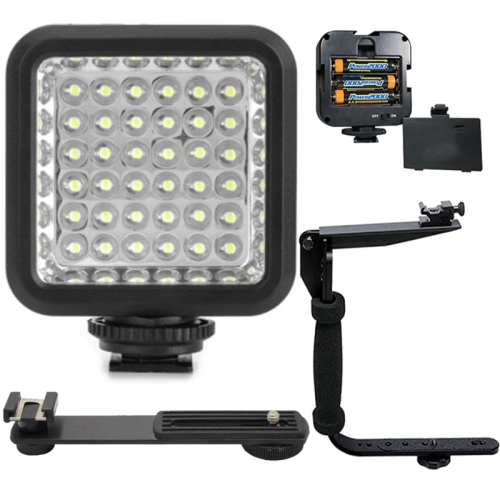
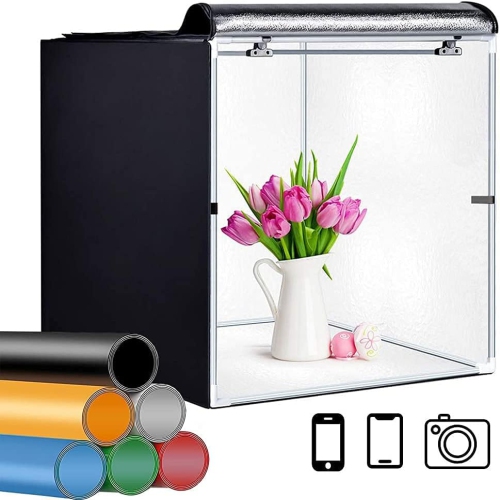
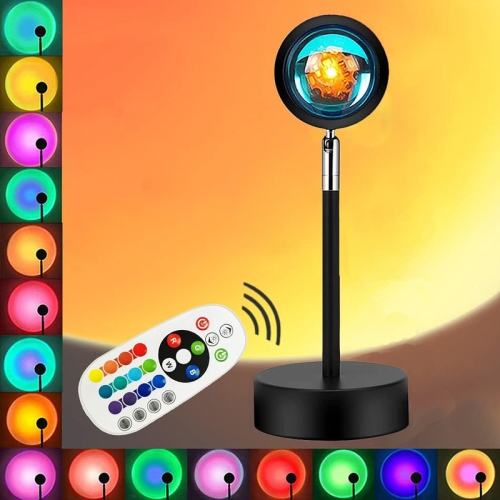
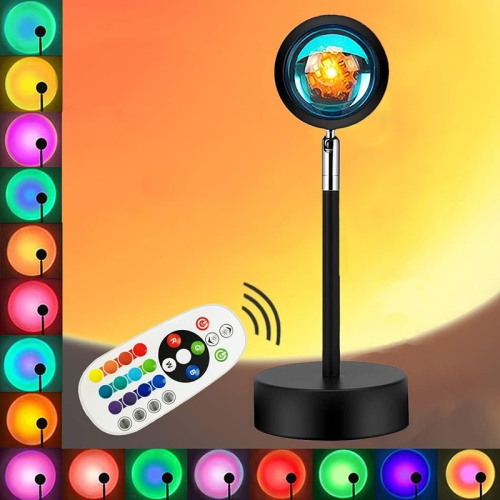
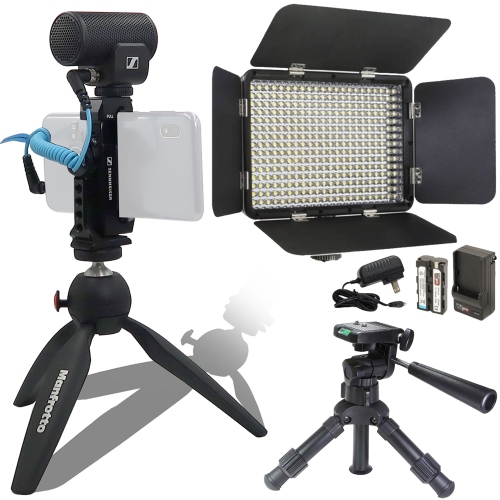
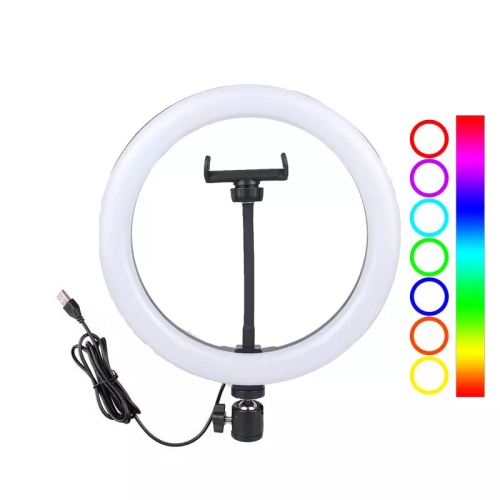
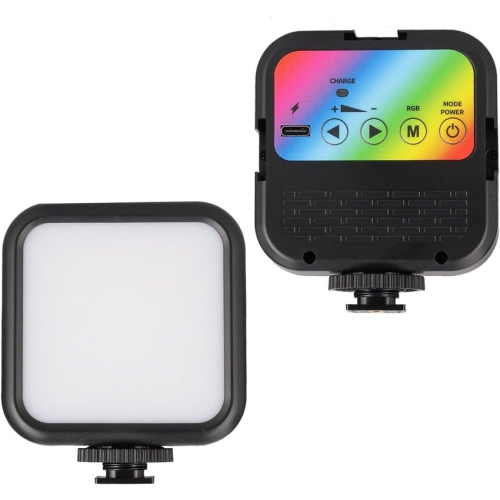
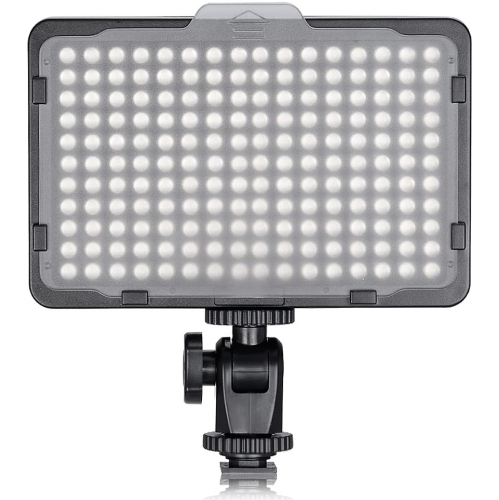

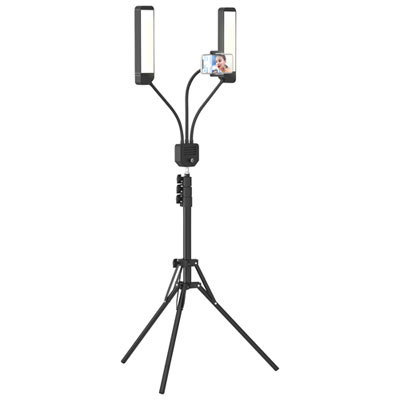
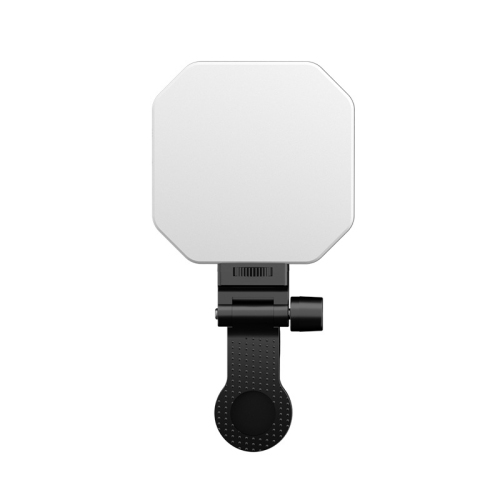

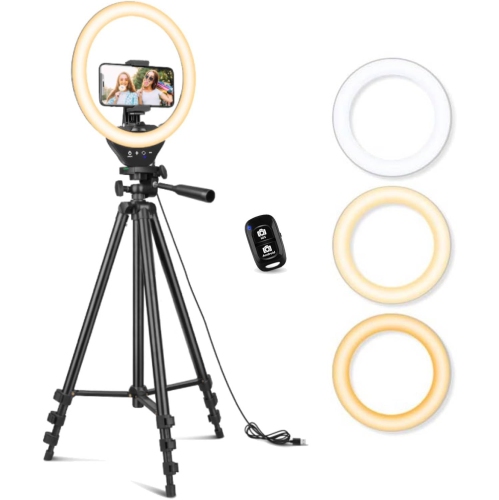
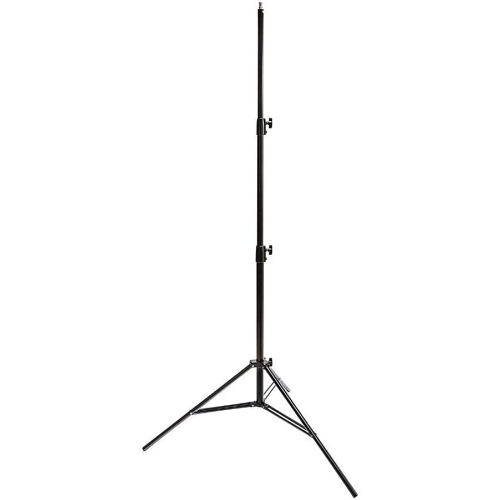
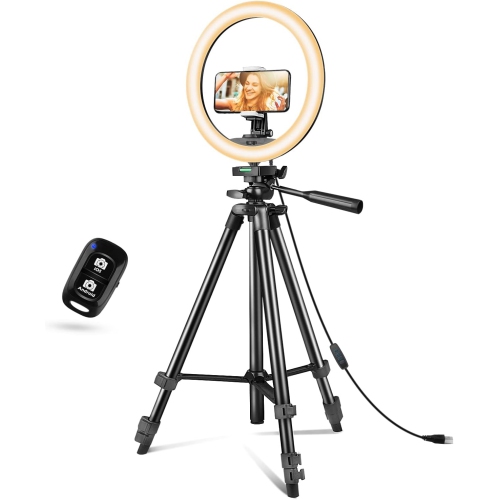
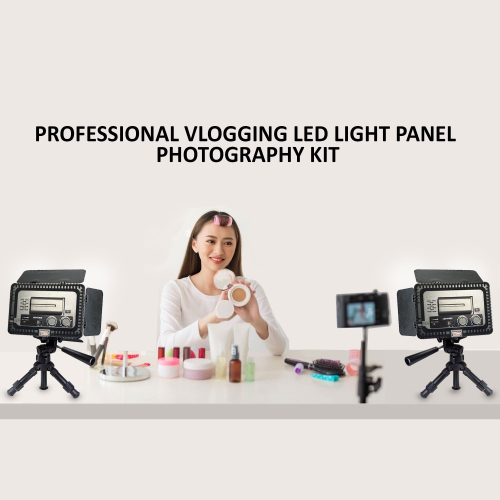
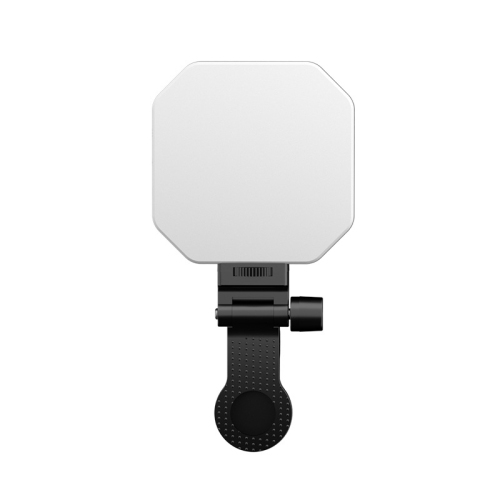
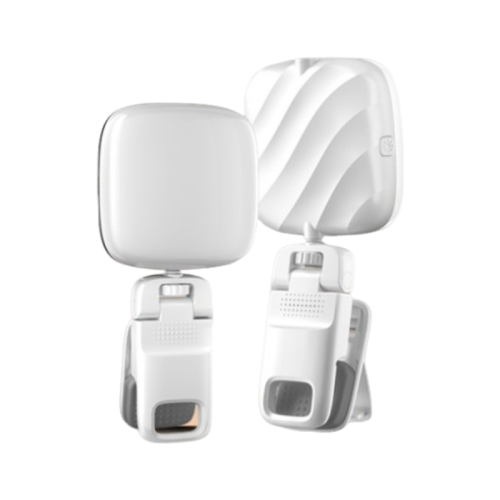
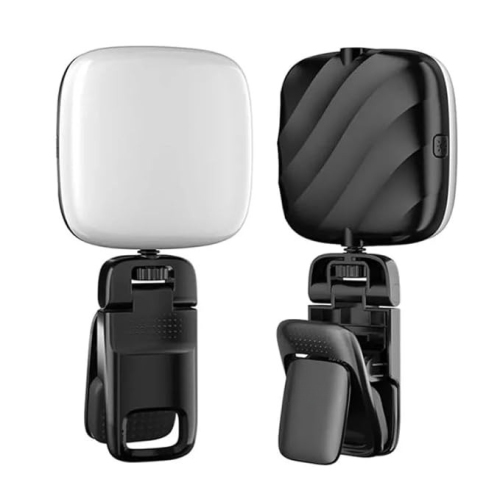
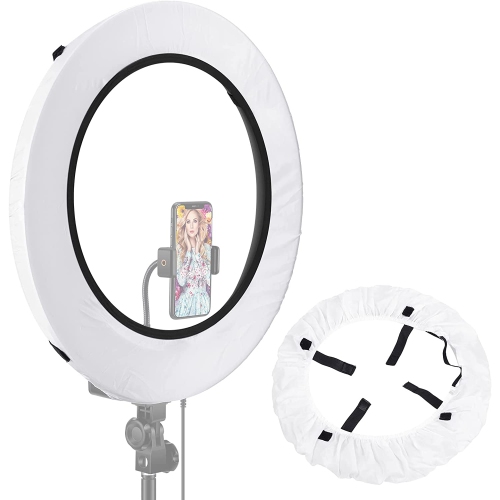


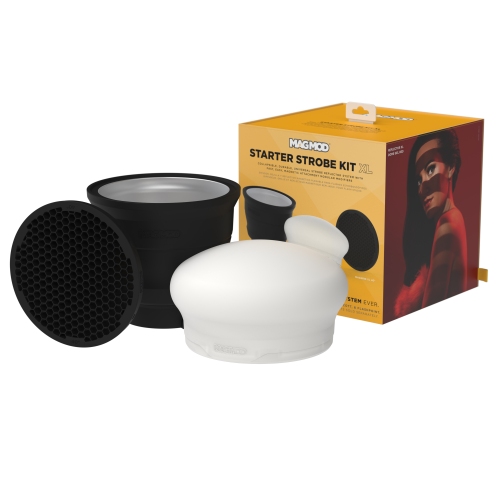
How lighting choices shape stills and video
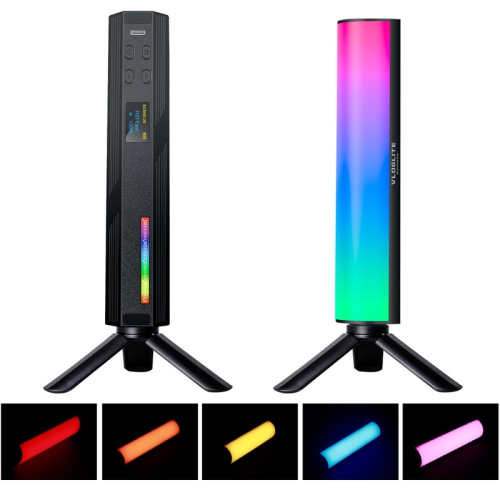
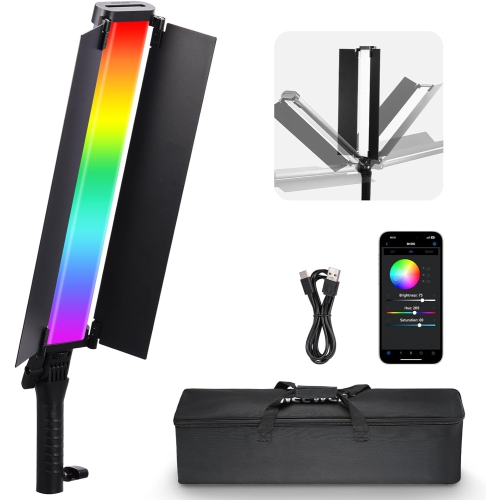
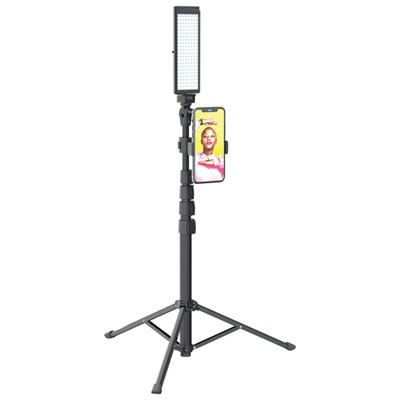
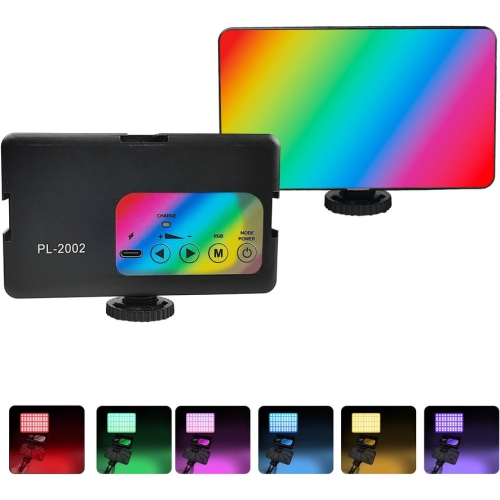
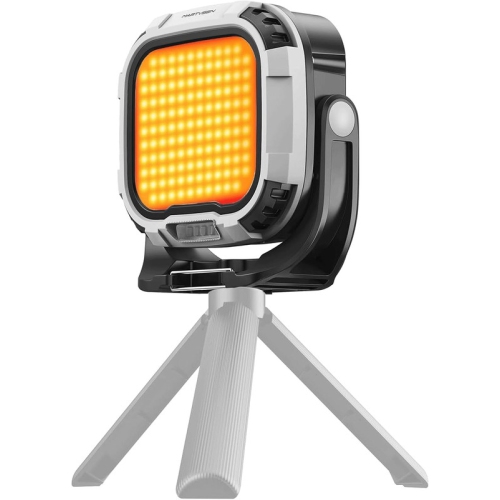
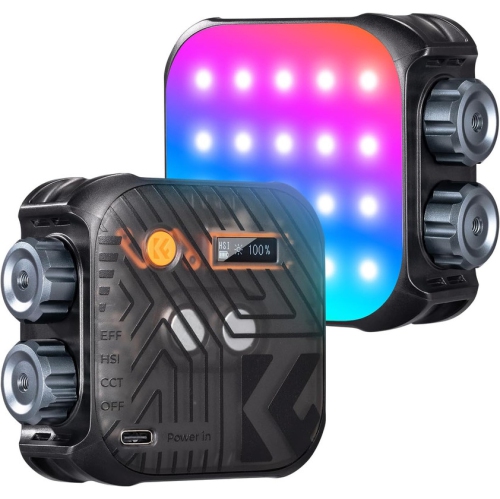
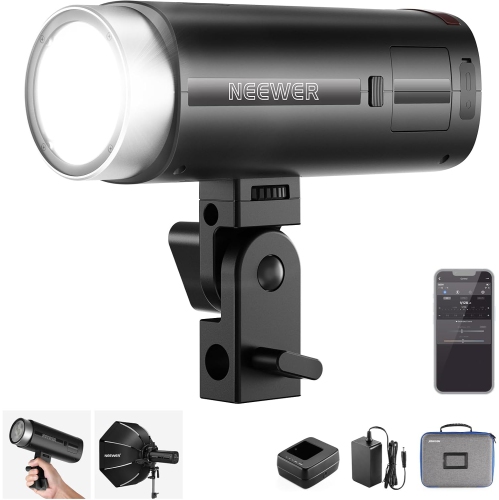
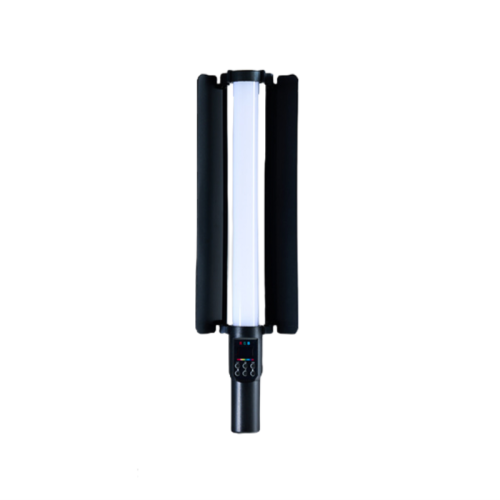
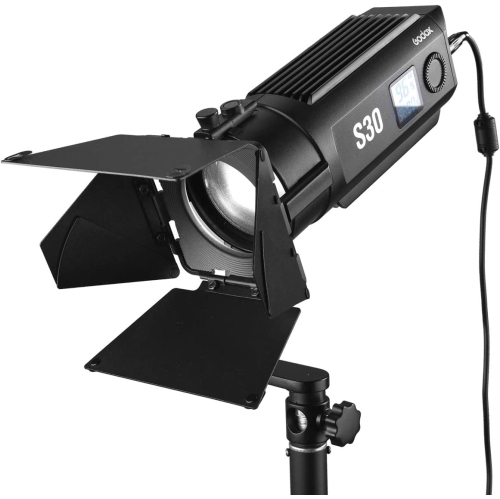
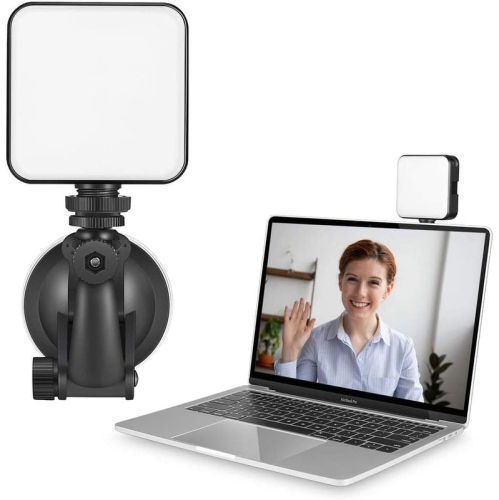
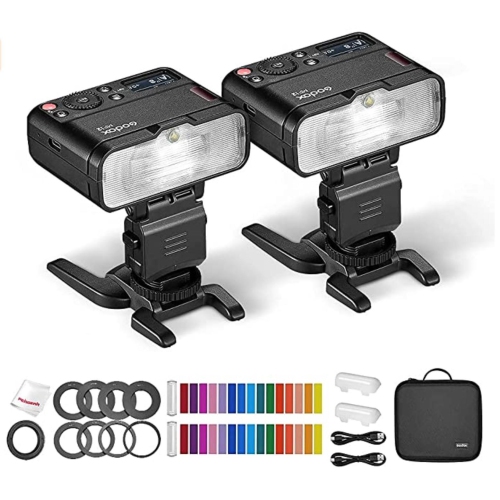
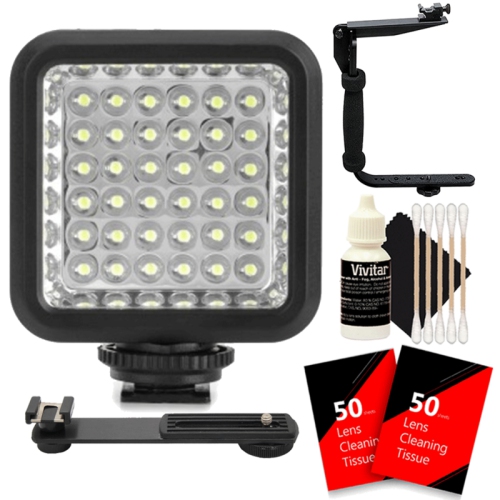
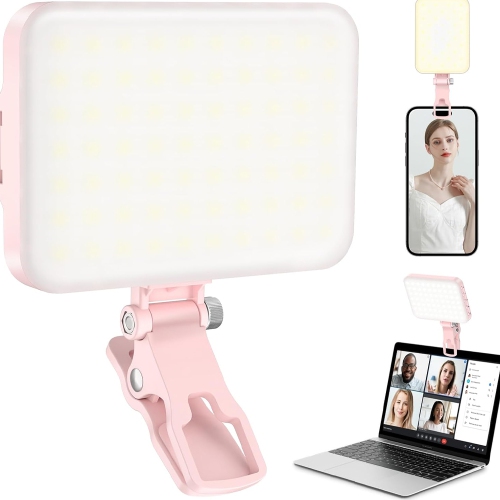
Professional photography lights provide controlled illumination for portraits, product images, commercial assignments, and creative studio work. The main types are studio strobes, portable flashes, and continuous lights, each suited to different shooting needs. Strobes produce a brief burst of light synchronized with the camera, offering strong output for still photography and, with a sufficiently short flash duration, the ability to capture crisp movement. That can make a difference when photographing a dancer’s leap, loose hair in motion, or a splash beside a beverage glass. Continuous LED lights remain illuminated, so the position of shadows, highlights, and reflections is visible before the shutter is pressed. They also support video recording, making them useful for photographers who create interviews, demonstrations, or social content alongside still images. LED panels spread light across a relatively broad surface, while point-source LED fixtures work with compatible modifiers to create anything from a concentrated beam to a wide, diffused glow. Portable flashes offer a compact option for location portraits and event work, although their output and sustained shooting capacity differ from larger studio units. Across these categories, useful performance characteristics include adjustable brightness, consistent colour, dependable power, and controls that remain easy to reach once a light is mounted. For continuous lighting, colour-rendering ratings such as CRI and TLCI provide useful context, particularly when accurate skin tones, fabric colours, or packaging details matter. Those ratings are not a complete measure of image quality, but they help describe how faithfully a source renders colour. Adjustable colour temperature can help balance a fixture with other light sources, while a fixed-colour light may suit a studio that uses the same setup repeatedly. The right type depends on the work: a portrait photographer may prioritize flash output and modifier compatibility, while someone producing both photographs and video may place more value on continuous illumination, quiet operation, and smooth dimming.
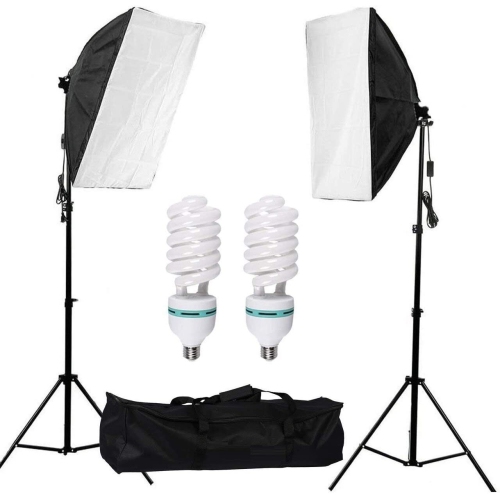
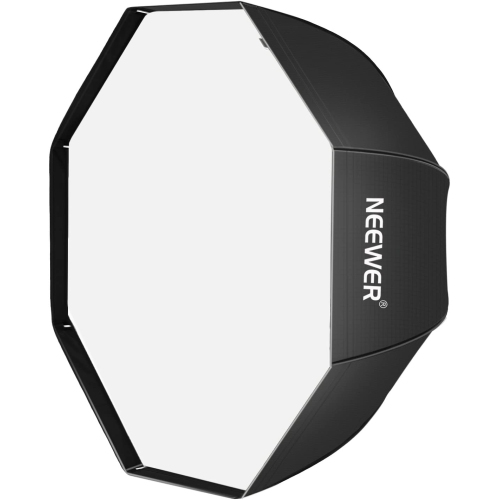
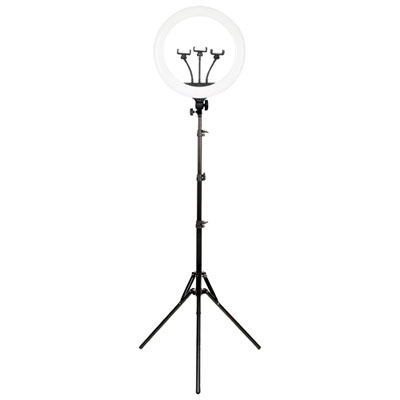
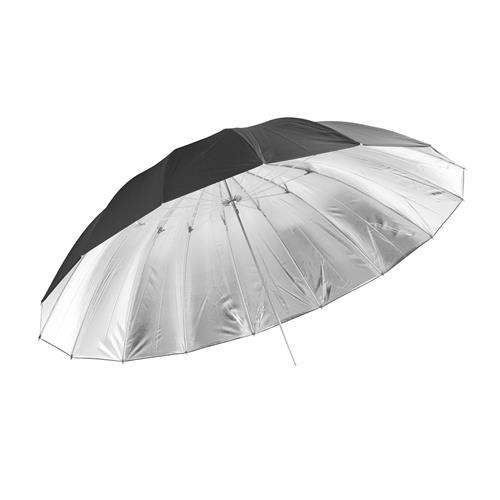
The character of photography lighting depends as much on the size, position, and shape of the source as on its power. A large softbox placed close to a subject creates gradual transitions between light and shadow, a familiar look in headshots, beauty portraits, and clothing photography. A smaller source or a more distant light creates firmer shadows that can emphasize texture, facial structure, or the edges of a sculptural object. Umbrellas offer a straightforward way to spread or bounce light, while strip softboxes can create narrow highlights along bottles, furniture, and other tall or curved subjects. Grids limit light spread, helping keep illumination off a backdrop or direct attention to one part of a composition. Reflectors can lift shadow areas without adding another powered fixture, and flags can block unwanted spill or reflections. For a shiny watch or a glazed ceramic bowl, the reflected shape of the light may be just as important as the brightness falling on the surface. This is where compatibility becomes practical rather than abstract: the fixture’s accessory mount, the modifier’s attachment system, and the stand’s mounting hardware all need to work together. A modifier’s weight and depth also affect balance, especially when the light is tilted downward or extended away from the stand. Aluminium housings and stand sections are common because they combine manageable weight with useful rigidity, though build quality also depends on the locks, joints, brackets, and fittings. Diffusion fabrics should attach securely and sit clear of components as specified by the manufacturer. In a small workspace, stand footprint, ceiling clearance, and room for the subject can matter more than maximum output. Coordinated Photography Lighting Kits can simplify assembling a setup, with package contents determining which lights, supports, modifiers, and carrying accessories are included. A single well-positioned light can produce a polished portrait, while additional fixtures allow separate control over the background, shadow fill, or a rim of light around the subject. More lights add flexibility, but purposeful placement is what gives an image depth and clarity.
Day-to-day handling helps distinguish lighting that suits occasional projects from equipment intended for a demanding professional workflow. In a fixed studio, mains-powered fixtures can support extended sessions without battery changes, provided the electrical supply and cable layout meet the equipment’s requirements. Battery-powered lights give location photographers more freedom of placement, particularly where outlets are inconvenient or cables would cross a working area. Battery runtime varies with output, usage, and the fixture itself, so a quoted maximum does not necessarily describe a full session at high brightness. For strobes, the interval between flashes affects shooting pace, and colour and output consistency matter when a series of images needs to match. Wireless triggering can keep a portrait session moving, but transmitter compatibility, camera support, synchronization limits, and any automatic flash features need to align with the intended setup. For continuous lights used on camera, flicker performance at the planned frame rate and shutter speed is important; fan noise also deserves attention when a microphone is nearby. Controls that allow small, repeatable adjustments are helpful when photographing a collection of garments or returning to the same tabletop arrangement over several sessions. Durability involves more than a sturdy outer casing. Secure tilt brackets, reliable stand locks, protected connections, and a padded carrying case all contribute to equipment that travels and sets up well. Properly rated supports and suitable ballast help keep fixtures stable, while tidy cable routing reduces snagging and tripping risks. Care is generally straightforward: lights should be powered down and allowed to cool before packing, vents kept unobstructed, and housings and accessories cleaned according to their instructions. Diffusion fabric needs gentle handling, and batteries require the specified charging and storage practices. These practical details matter to working photographers, photography students, small business owners creating catalogue images, and creators building a multipurpose studio. Lighting can also be a thoughtful gift for an experienced photographer when their camera system, accessory mounts, and shooting interests are known. Whether the subject is a face, a handmade object, or a full-length fashion image, dependable control over light supports a repeatable look and leaves more attention for composition, expression, and detail.
The character of photography lighting depends as much on the size, position, and shape of the source as on its power. A large softbox placed close to a subject creates gradual transitions between light and shadow, a familiar look in headshots, beauty portraits, and clothing photography. A smaller source or a more distant light creates firmer shadows that can emphasize texture, facial structure, or the edges of a sculptural object. Umbrellas offer a straightforward way to spread or bounce light, while strip softboxes can create narrow highlights along bottles, furniture, and other tall or curved subjects. Grids limit light spread, helping keep illumination off a backdrop or direct attention to one part of a composition. Reflectors can lift shadow areas without adding another powered fixture, and flags can block unwanted spill or reflections. For a shiny watch or a glazed ceramic bowl, the reflected shape of the light may be just as important as the brightness falling on the surface. This is where compatibility becomes practical rather than abstract: the fixture’s accessory mount, the modifier’s attachment system, and the stand’s mounting hardware all need to work together. A modifier’s weight and depth also affect balance, especially when the light is tilted downward or extended away from the stand. Aluminium housings and stand sections are common because they combine manageable weight with useful rigidity, though build quality also depends on the locks, joints, brackets, and fittings. Diffusion fabrics should attach securely and sit clear of components as specified by the manufacturer. In a small workspace, stand footprint, ceiling clearance, and room for the subject can matter more than maximum output. Coordinated Photography Lighting Kits can simplify assembling a setup, with package contents determining which lights, supports, modifiers, and carrying accessories are included. A single well-positioned light can produce a polished portrait, while additional fixtures allow separate control over the background, shadow fill, or a rim of light around the subject. More lights add flexibility, but purposeful placement is what gives an image depth and clarity.
Day-to-day handling helps distinguish lighting that suits occasional projects from equipment intended for a demanding professional workflow. In a fixed studio, mains-powered fixtures can support extended sessions without battery changes, provided the electrical supply and cable layout meet the equipment’s requirements. Battery-powered lights give location photographers more freedom of placement, particularly where outlets are inconvenient or cables would cross a working area. Battery runtime varies with output, usage, and the fixture itself, so a quoted maximum does not necessarily describe a full session at high brightness. For strobes, the interval between flashes affects shooting pace, and colour and output consistency matter when a series of images needs to match. Wireless triggering can keep a portrait session moving, but transmitter compatibility, camera support, synchronization limits, and any automatic flash features need to align with the intended setup. For continuous lights used on camera, flicker performance at the planned frame rate and shutter speed is important; fan noise also deserves attention when a microphone is nearby. Controls that allow small, repeatable adjustments are helpful when photographing a collection of garments or returning to the same tabletop arrangement over several sessions. Durability involves more than a sturdy outer casing. Secure tilt brackets, reliable stand locks, protected connections, and a padded carrying case all contribute to equipment that travels and sets up well. Properly rated supports and suitable ballast help keep fixtures stable, while tidy cable routing reduces snagging and tripping risks. Care is generally straightforward: lights should be powered down and allowed to cool before packing, vents kept unobstructed, and housings and accessories cleaned according to their instructions. Diffusion fabric needs gentle handling, and batteries require the specified charging and storage practices. These practical details matter to working photographers, photography students, small business owners creating catalogue images, and creators building a multipurpose studio. Lighting can also be a thoughtful gift for an experienced photographer when their camera system, accessory mounts, and shooting interests are known. Whether the subject is a face, a handmade object, or a full-length fashion image, dependable control over light supports a repeatable look and leaves more attention for composition, expression, and detail.
Top selling and popular products
-
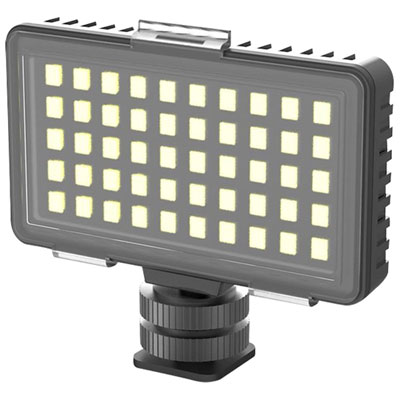 Your price for this item is $39.99
 -
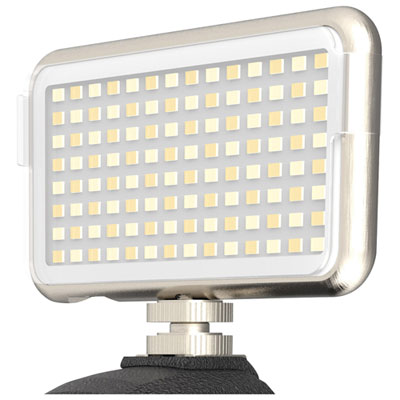 Your price for this item is $49.99
 -
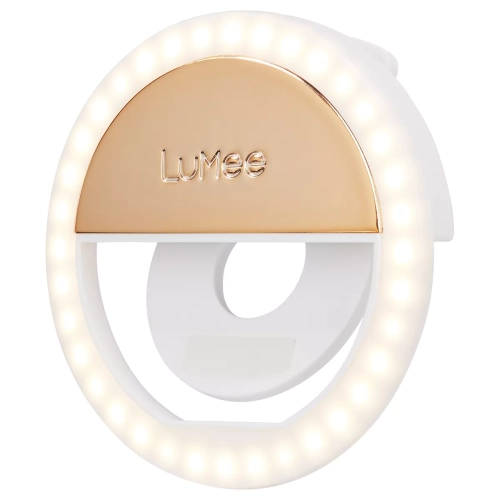 Your price for this item is $39.99
 -
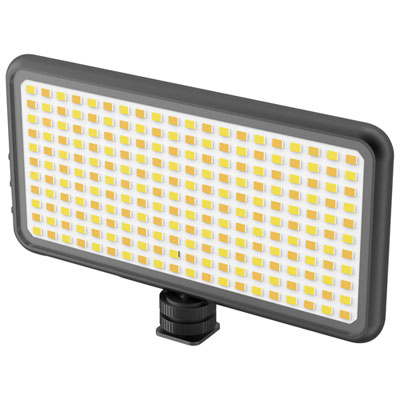 Your price for this item is $119.99
 -
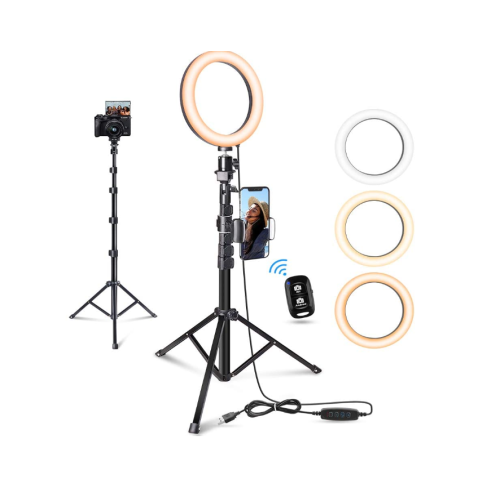 Your price for this item is $57.8
 -
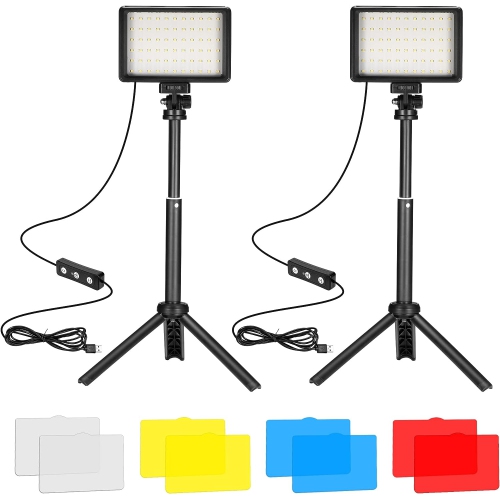 Your price for this item is $45.99
 -
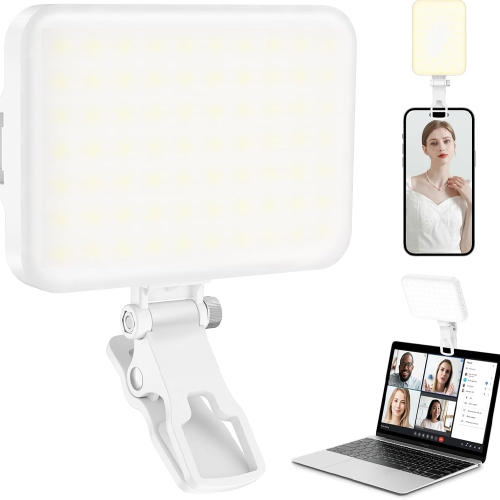 Your price for this item is $29.99
 -
 Your price for this item is $49.99
Discover more categories related to Professional Photography Lights
Top Collections:
Pokemon Centers, Kindle Devices, Best Budget Office Chairs, Apple iPhones 16, Best Laptops for Writers, iPhone 15 Apple, Canon G7X Cameras, Refurbished Apple Laptops, Alarm Clock, Motorola Razr Phones
Some products may be subject to Environmental Handling Fees
(EHF) depending on your province.
Learn more about EHFs.