Point And Shoot Cameras With Flip Screen
Capture every moment with ease using point and shoot cameras with flip screen. Perfect for on-the-go photography, these cameras make it simple to frame your shots from any angle, whether you’re snapping selfies, recording videos, or documenting your travels. Explore a wide selection of user-friendly models designed to help you get great results without the hassle of complicated settings. Find the ideal point and shoot camera with flip screen to suit your style and start creating memories in vivid detail.
Sort
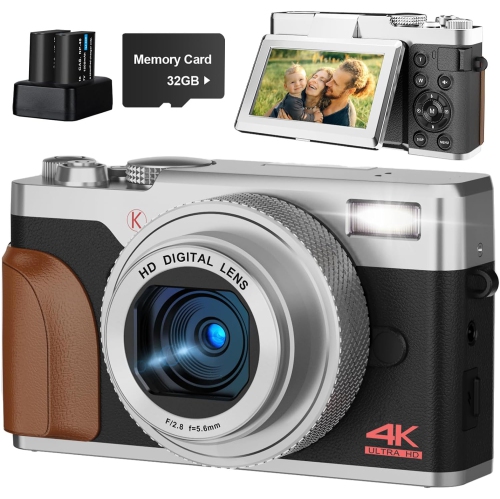
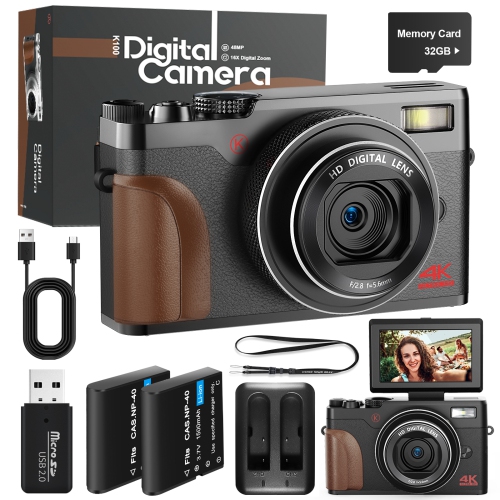
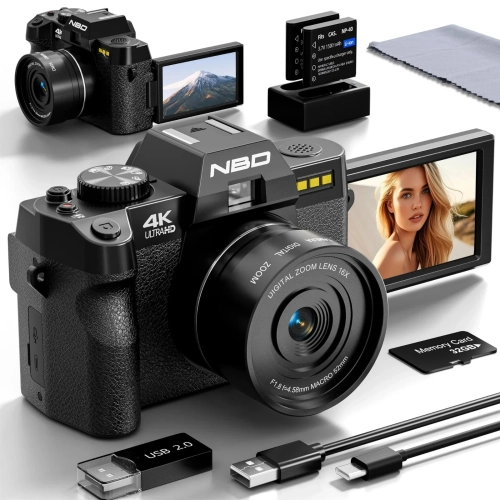
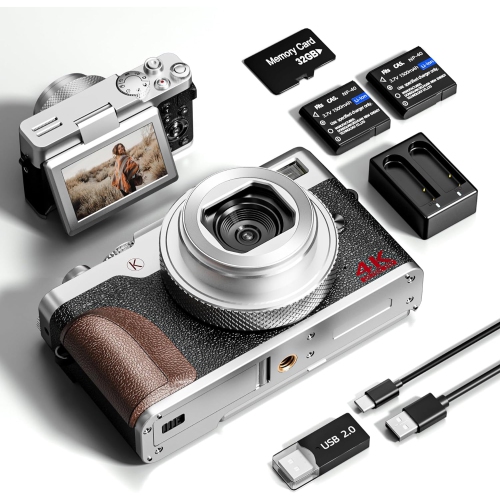
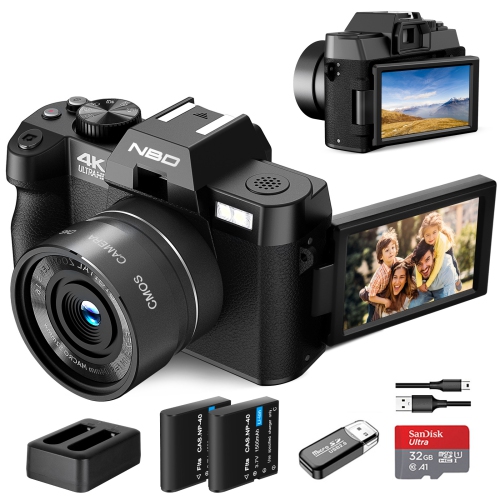


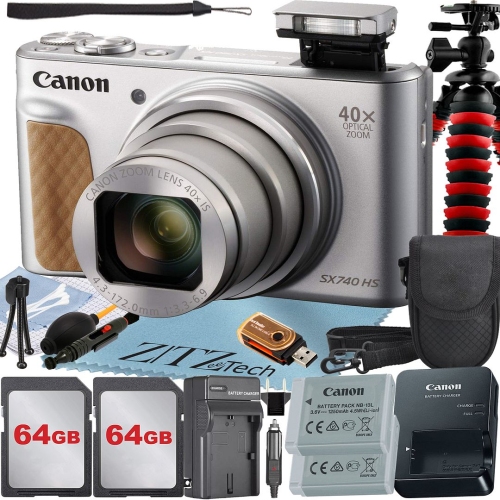
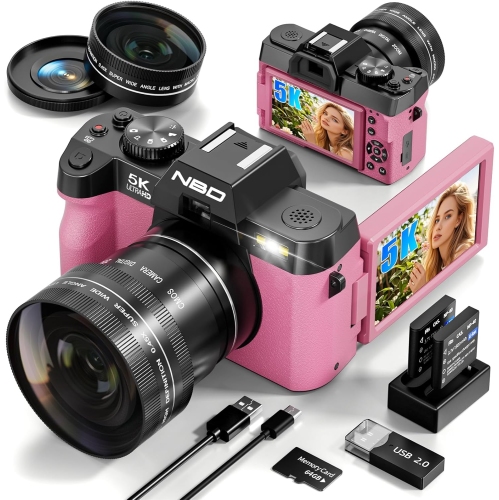


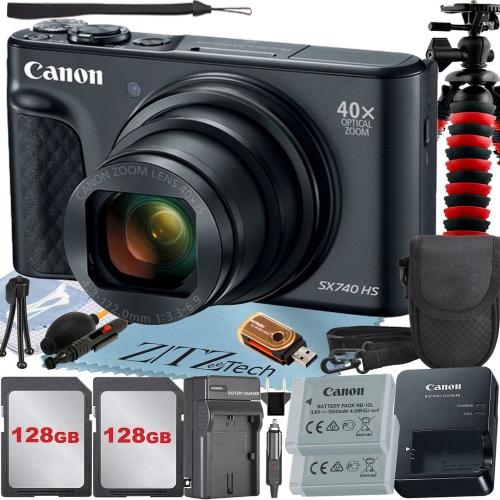
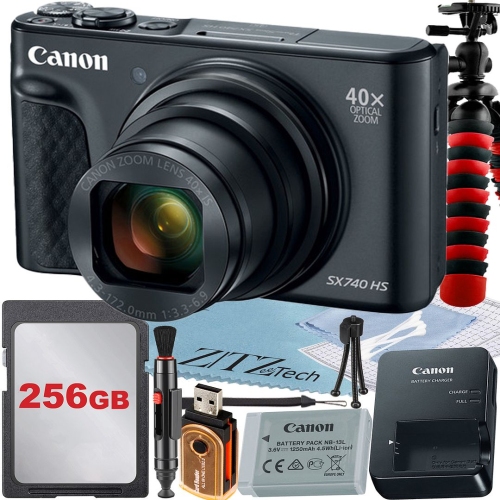
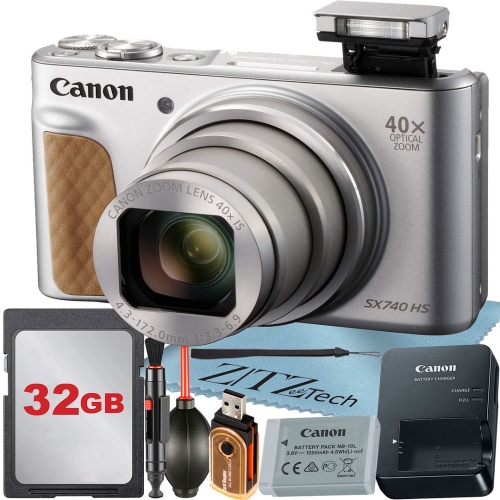
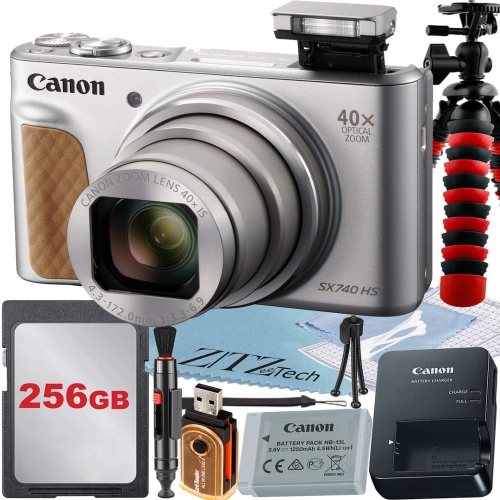
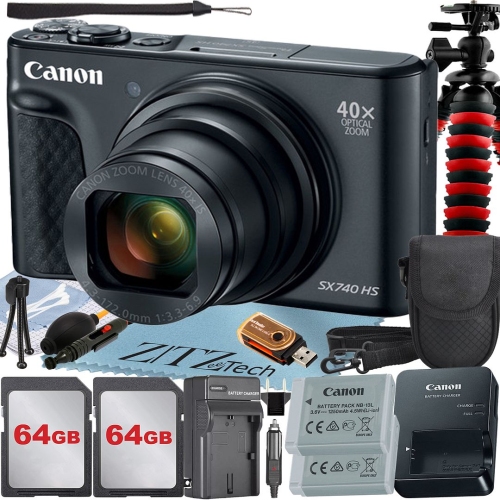
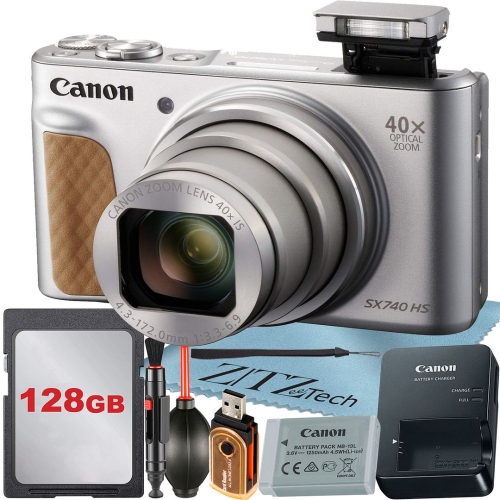
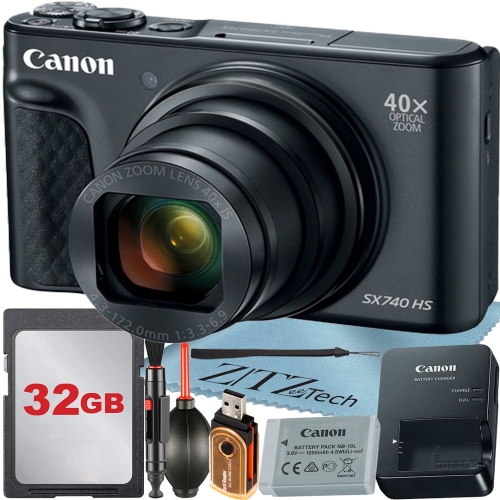
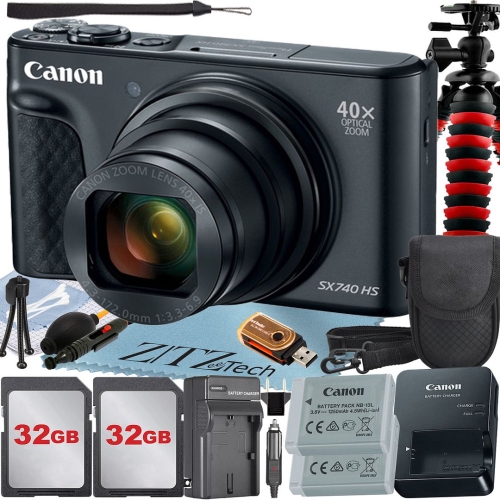
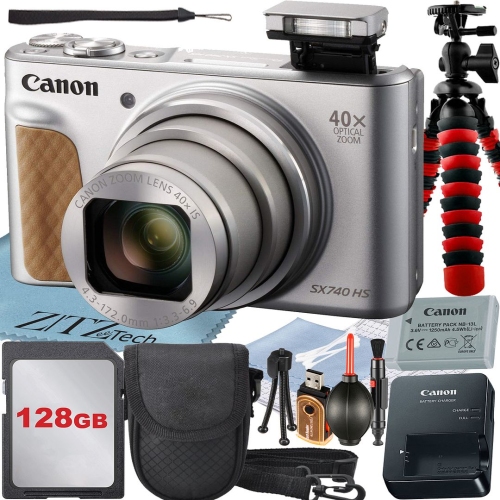
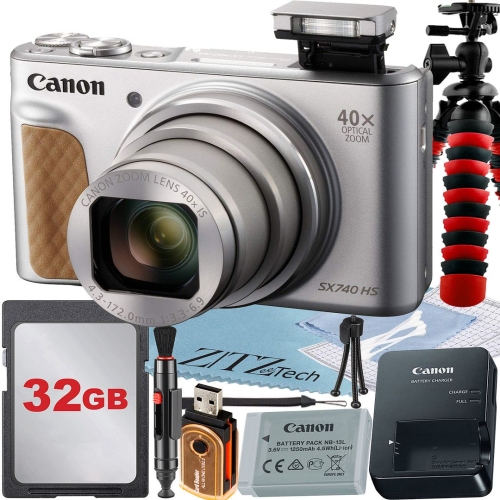
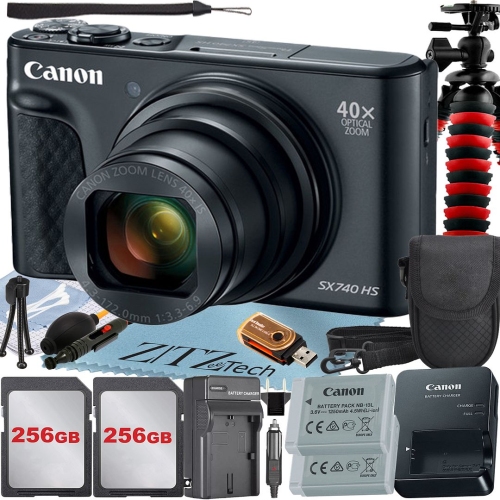
Flexible framing without a bag of extra lenses
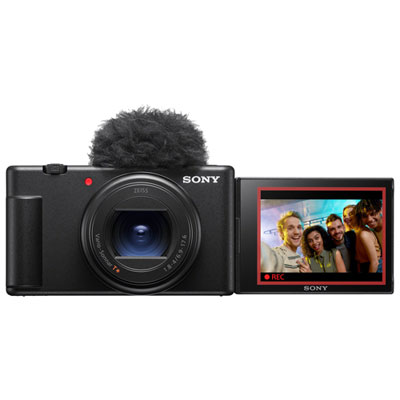
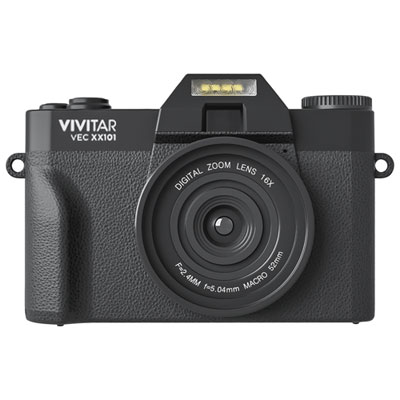
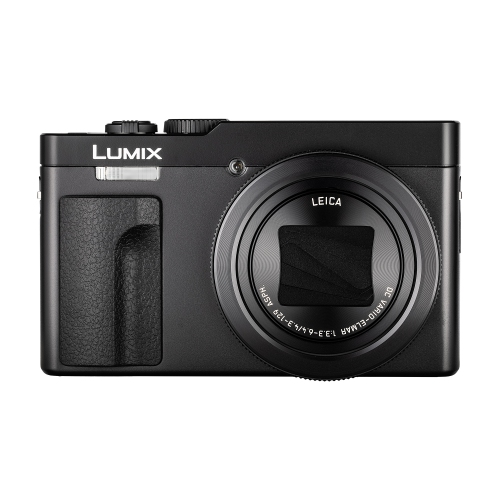
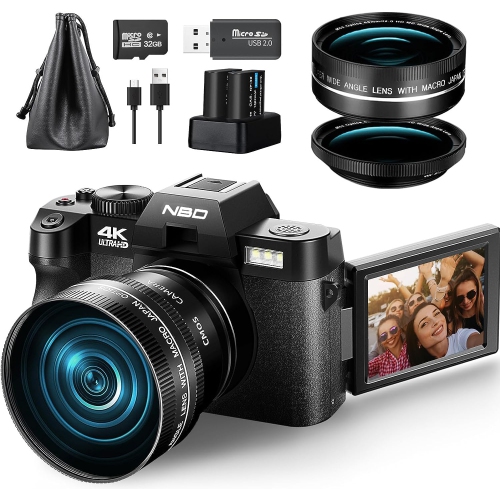
Point-and-shoot cameras with flip screens pair the convenience of a built-in lens with a movable display that makes it easier to frame photos and videos from different angles. Instead of holding the camera at eye level for every shot, a movable screen lets you compose a photograph near the ground, shoot over a crowd, or check your framing while standing in front of the lens, depending on the screen’s range of movement. That flexibility suits travel photography, family snapshots, self-portraits, and casual video creation without requiring a bag of interchangeable lenses. Screen designs differ in useful ways: a tilting display angles up or down, a flip-up display may rotate far enough to face forward, and a side-hinged, fully articulating display can offer more freedom when positioning the camera. Not every tilting screen faces the person being photographed, so forward-facing movement is an important distinction for selfies and vlogging. Touch controls, where included, can make selecting a focus point or navigating menus feel familiar, while physical buttons remain useful for quick adjustments. For someone photographing a pet stretched out on a rug, an upward-facing screen can make a low viewpoint more comfortable. For a traveller capturing a group portrait, a forward-facing screen helps everyone see whether they fit into the frame before the shutter fires. Display brightness and reflections also affect how easily a scene can be composed outdoors; a movable screen helps with positioning but does not eliminate glare. Shoppers who prefer an eye-level way to frame photographs can also explore Point and Shoot Cameras With Viewfinder. Within the flip-screen category, body size, grip shape, and screen placement all influence everyday comfort. A slim camera may slip neatly into a jacket pocket, while a more substantial grip can feel steadier during longer outings. The best fit depends on whether the camera will mostly accompany everyday errands, document trips, or spend time on a tripod facing its owner.
Image quality depends on more than the number of megapixels printed in a specification list. Sensor size, lens quality, image processing, and the amount of light reaching the sensor all contribute to the finished photograph. A larger sensor can offer advantages for indoor scenes and softly blurred backgrounds, although results also depend on lens aperture, focal length, and subject distance. A lens with a wider maximum aperture can help in dim light, such as a family gathering lit by table lamps, while a longer optical zoom can bring distant details closer during sightseeing. Optical zoom changes the lens’s framing rather than simply enlarging a cropped image, making it a useful distinction from digital zoom. The widest angle matters too: at arm’s length, a narrow view may leave little room for a second person or the scenery behind them. Long zoom ranges and pocketable dimensions involve design trade-offs, so a camera suited to distant architectural details may behave differently indoors from one built around a shorter, brighter lens. Image stabilization can reduce blur from camera shake, especially when zooming in, but it cannot freeze a child or pet moving quickly across the frame. Autofocus performance, face detection, and subject tracking are therefore worth considering alongside resolution. For video, a forward-facing screen provides a convenient framing check, but clear footage also relies on dependable focus, suitable stabilization, and usable sound. Full HD and 4K describe video resolution, not the entire viewing experience; frame rate, cropping, processing, and lighting matter as well. Built-in microphones may capture handling noise or wind, while an external microphone connection, when supported, allows more audio options. Screen movement can also affect accessories: an upward-flipping display may sit behind something attached to the top of the camera, while a side-opening display needs clearance beside the body. For desk-based filming, recipe demonstrations, or travel clips, those practical details can matter as much as a headline video specification.
Materials, controls, and care help determine how well a compact camera fits into daily life. Bodies may use moulded plastics, metal panels, or a combination of materials, and a textured grip can provide a more secure hold than a smooth finish alone. A metal exterior does not automatically make a camera weather-resistant, and a small body is not necessarily designed to withstand a drop. The screen hinge and extending lens deserve particular care because both are moving parts. A padded pouch helps protect the display and lens assembly from keys, grit, and knocks inside a bag, while a wrist strap adds reassurance when photographing near water or leaning over a railing. Dust can usually be lifted gently with an appropriate blower or soft brush, and a clean lens cloth is useful for fingerprints; cleaning fluid should only be used as directed by the manufacturer. During the cooler months, keeping a spare battery protected from the cold can help on longer outings. Moving a cold camera into a warm room can also cause condensation, so allowing it to warm gradually inside a closed bag before use is a sensible precaution. Battery endurance, charging method, and memory card requirements deserve attention for day trips and longer filming sessions. Some cameras support charging through USB, but operation while connected and compatibility with a particular power source vary. Wi-Fi or Bluetooth, where included, may simplify transferring photographs to a compatible phone, though app support and transfer options differ. A tripod socket can be useful for group shots and steady video, provided the mounting plate leaves any necessary battery or card compartment accessible. These cameras can make thoughtful gifts for travellers, students documenting everyday life, grandparents capturing family visits, or beginners who want dedicated camera controls without changing lenses. For a gift recipient, comfortable handling, readable menus, and straightforward file transfer may be more valuable than an extensive list of advanced settings. A well-matched point-and-shoot camera with a flip screen makes those everyday photographs and videos easier to compose, whether the moment calls for a quick snapshot or a carefully arranged self-portrait.
Top selling and popular products
-
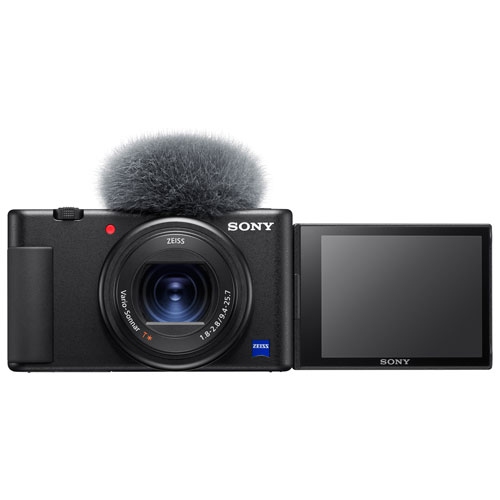 Your price for this item is $804.97
-
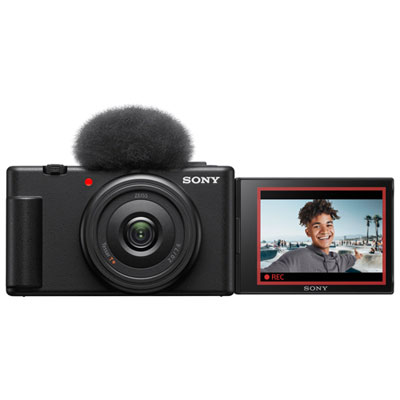 Your price for this item is $649.99
-
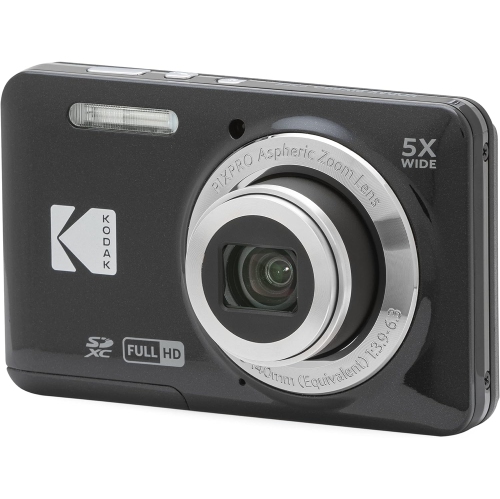 Your price for this item is $255
-
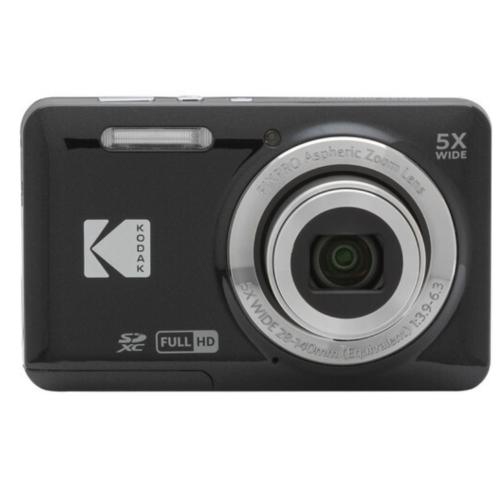 Your price for this item is $253
-
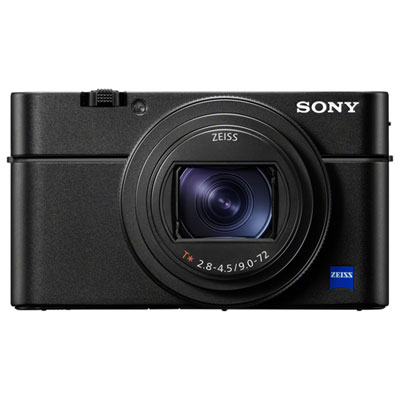 Your price for this item is $1999.99
-
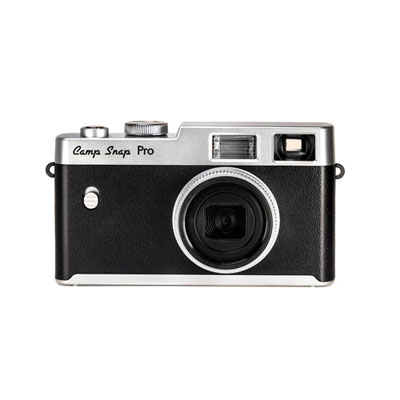 Your price for this item is $99.99
-
 Your price for this item is $1199.99
-
 Your price for this item is $249.99
Discover more categories related to Point And Shoot Cameras With Flip Screen
Top Collections:
Pokemon Centers, Kindle Devices, Best Cameras for Sports Photography, Pokémon 30th Celebration Cards, Apple iPhones 16, Canon G7X Cameras, iPhone 15 Apple, Flip Phones, Samsung Galaxy Phones, Alarm Clock
Some products may be subject to Environmental Handling Fees
(EHF) depending on your province.
Learn more about EHFs.