Professional DSLR Cameras for Beginners
Capture stunning moments and unleash your creativity with these professional DSLR cameras designed for beginners. Whether you're just starting your photography journey or looking to upgrade from a point-and-shoot camera, our selection of top-notch DSLRs will empower you to take your skills to the next level. With user-friendly features, intuitive controls, and exceptional image quality, these cameras are perfect for capturing everything from breathtaking landscapes to beautiful portraits. Discover the joy of photography and unlock your full potential with a professional DSLR camera tailored for beginners.
Sort

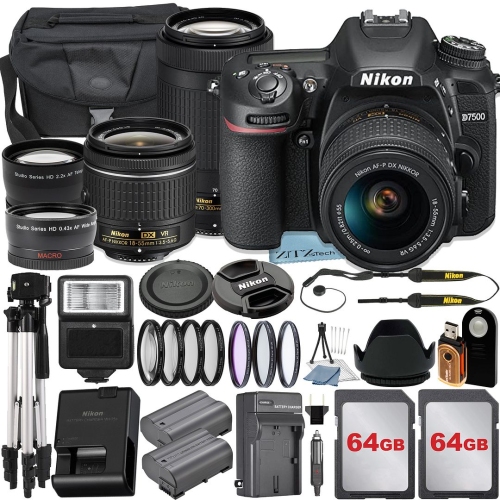
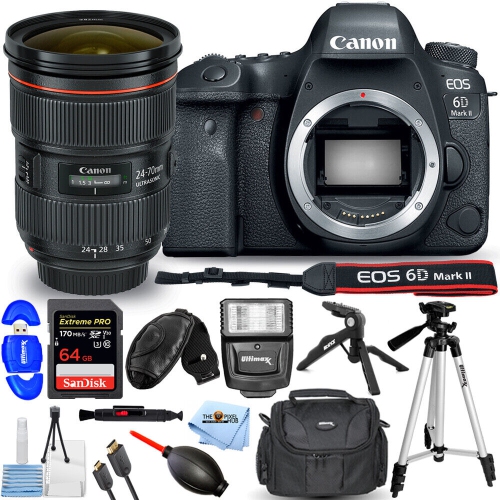
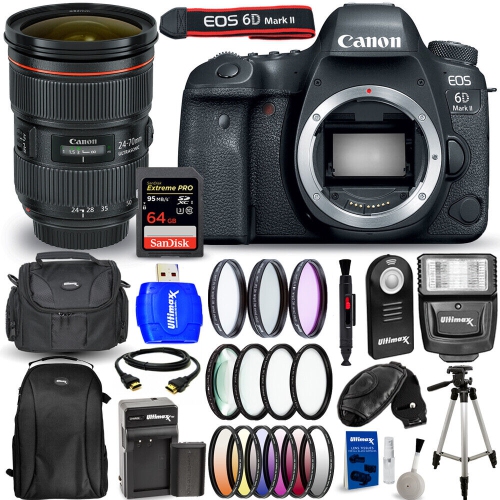
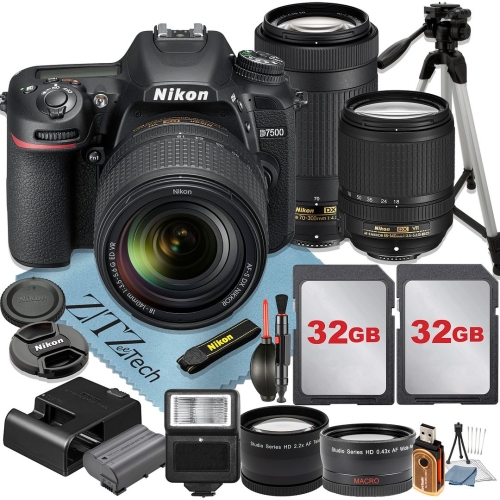


![CANON 90D Digital Slr Camera [Body Only]](https://multimedia.bbycastatic.ca/multimedia/products/500x500/163/16320/16320694.jpeg)
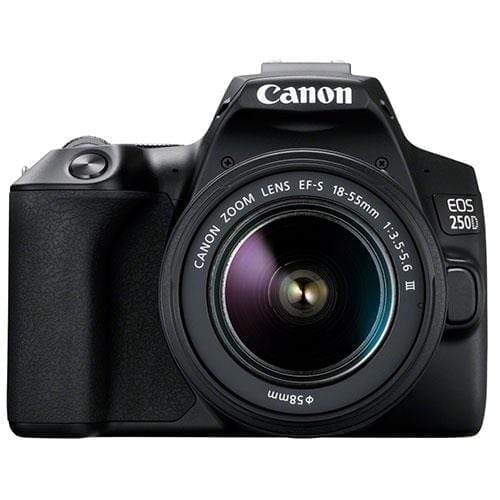
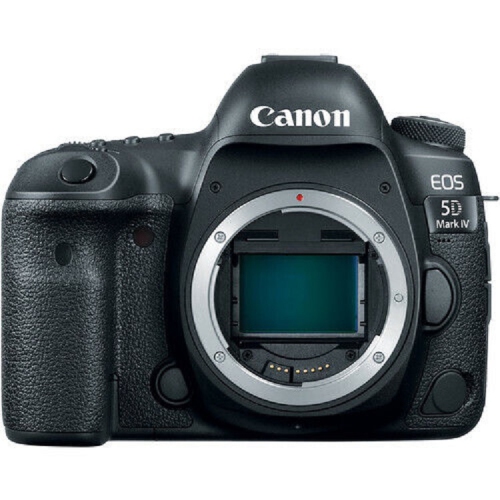
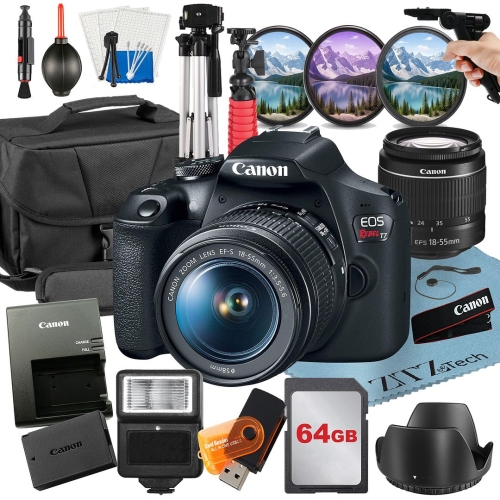
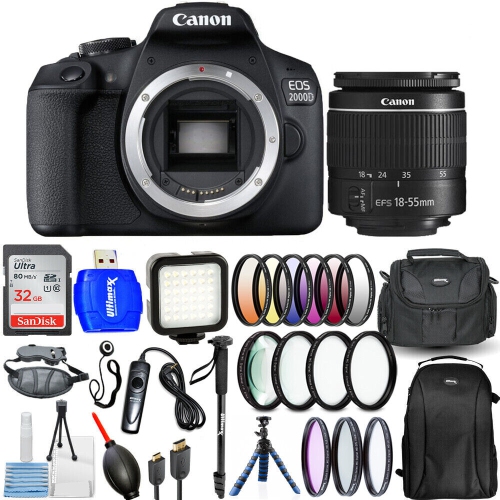
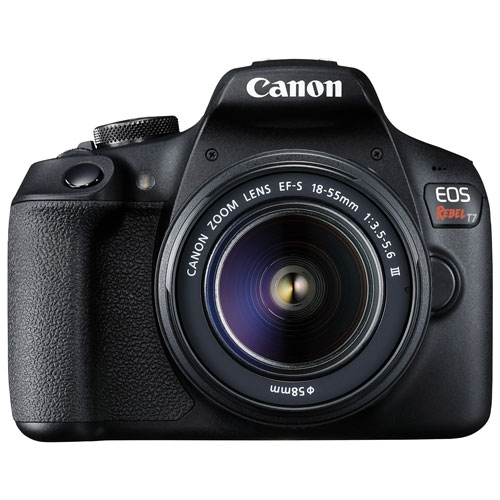
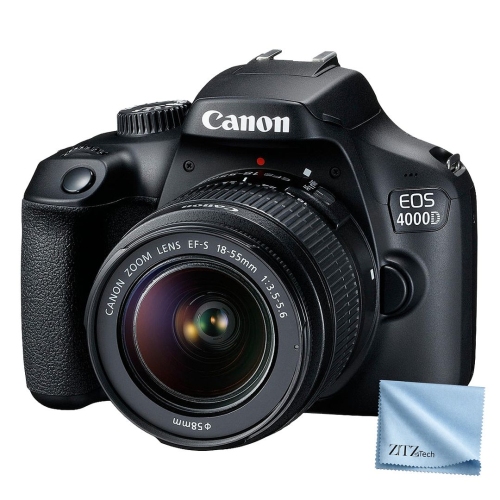
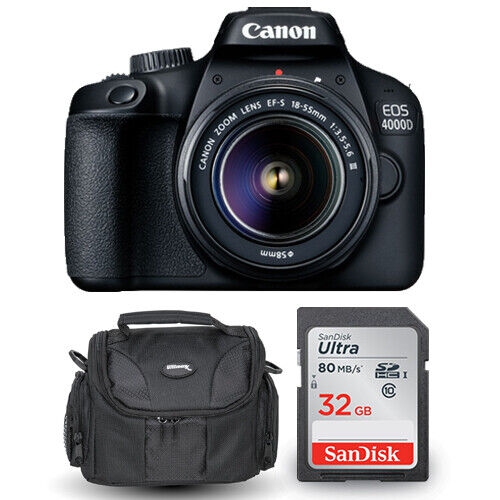
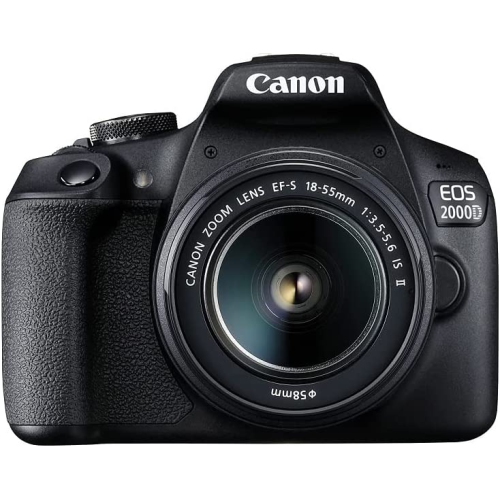
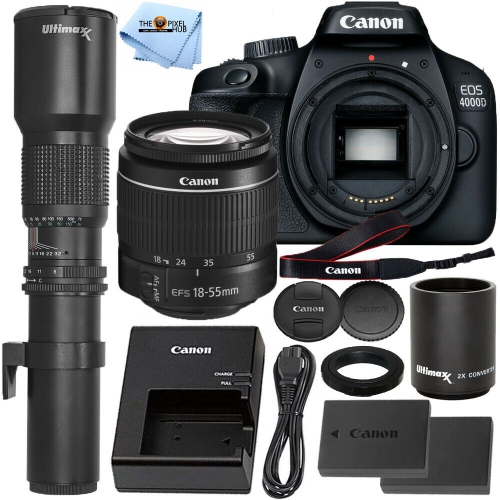
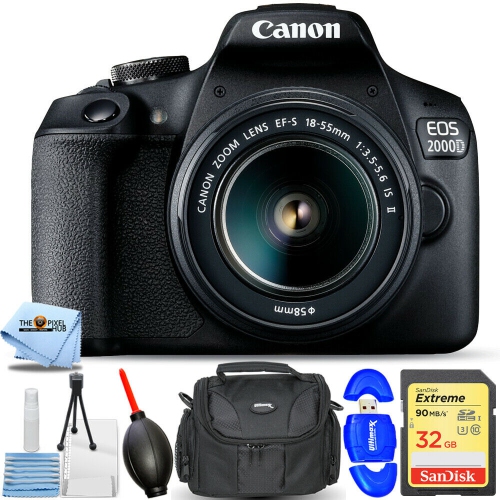
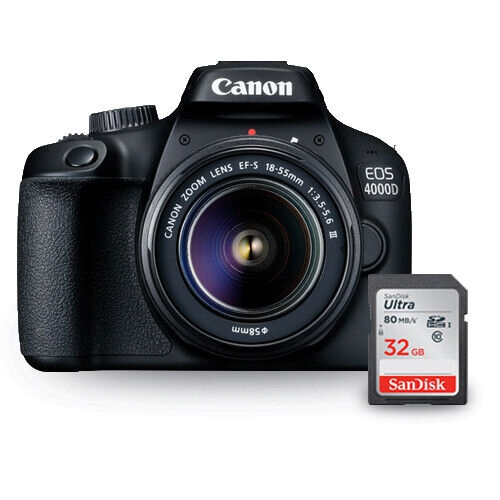
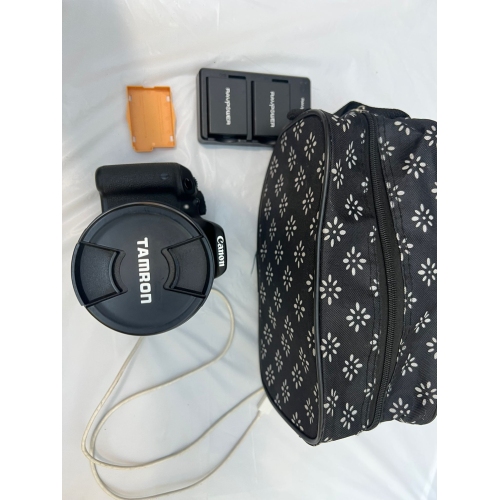
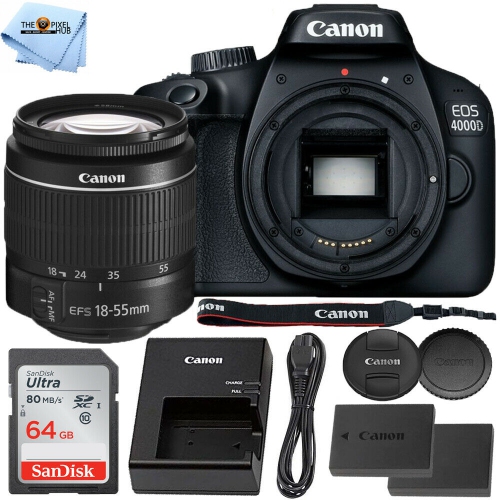
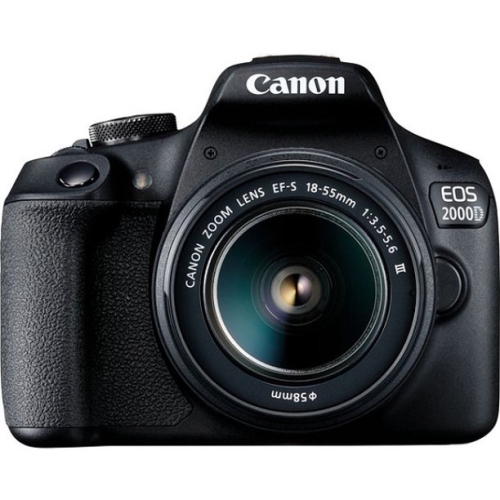
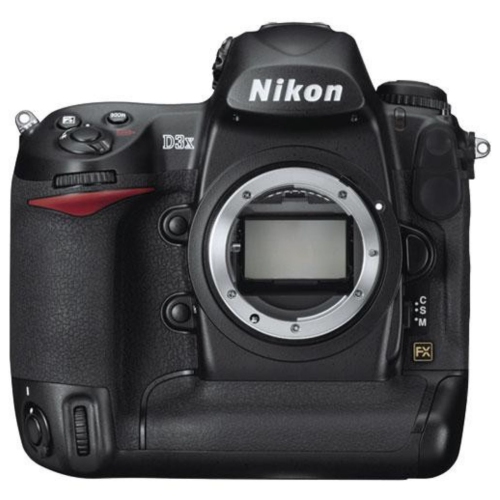
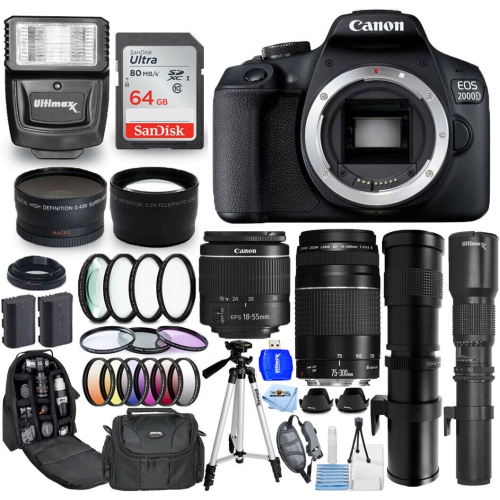
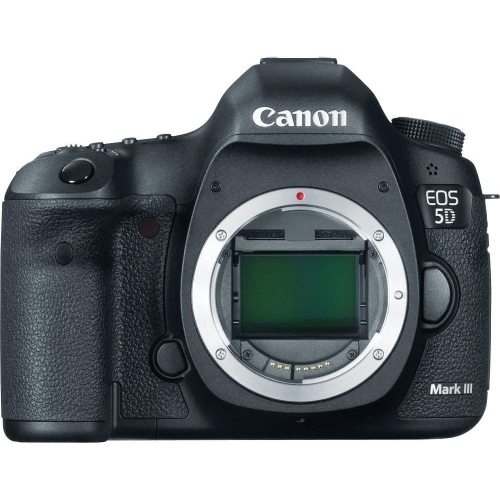
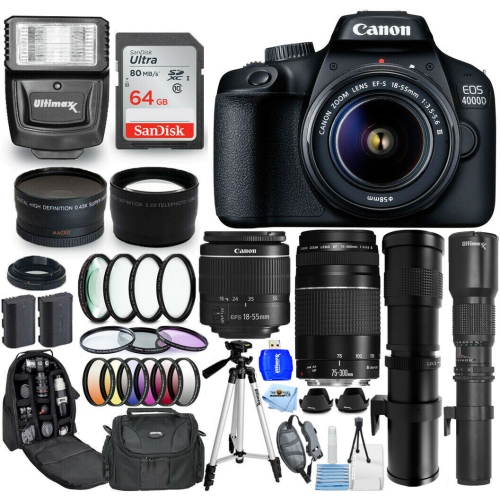
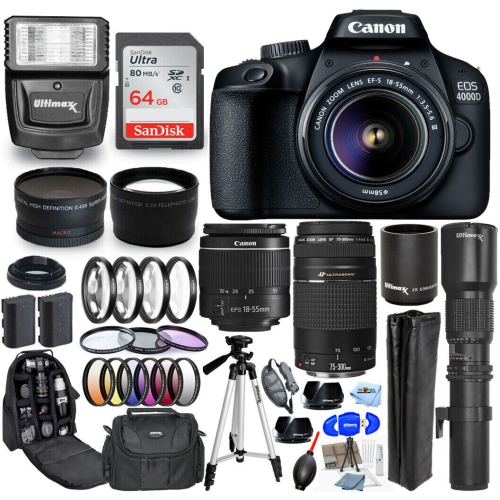
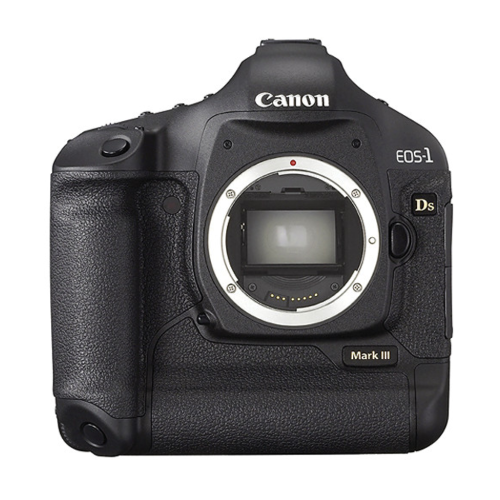
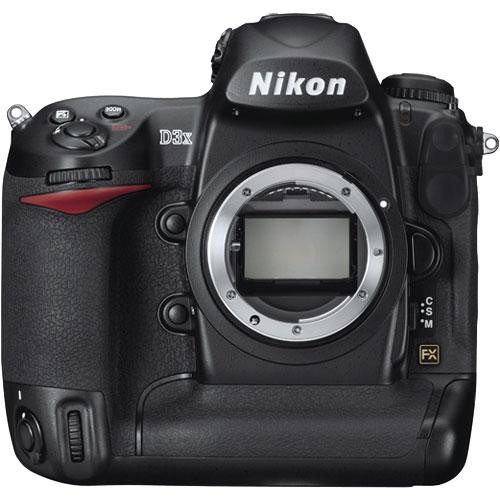
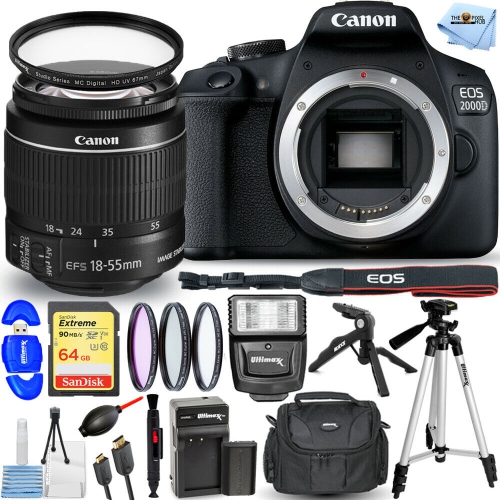
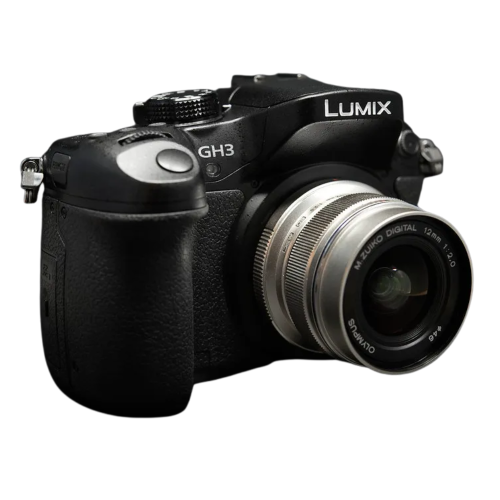
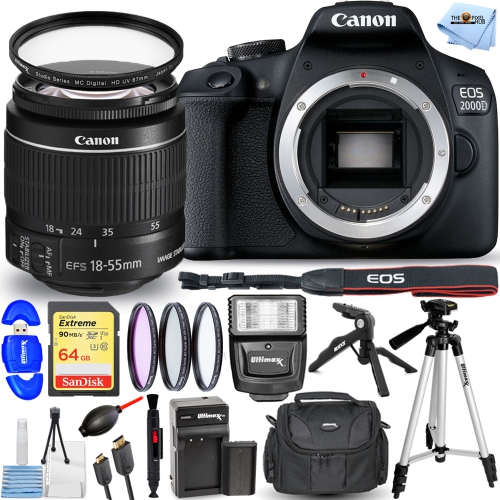
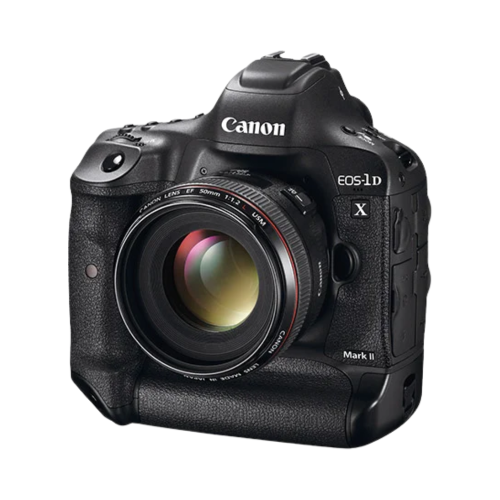
Hands-on controls and flexible lenses support growing photography skills
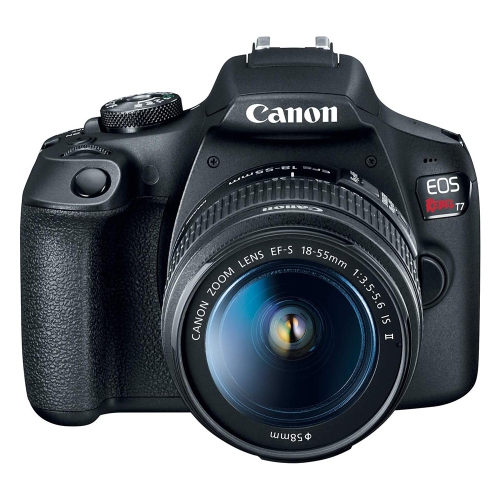
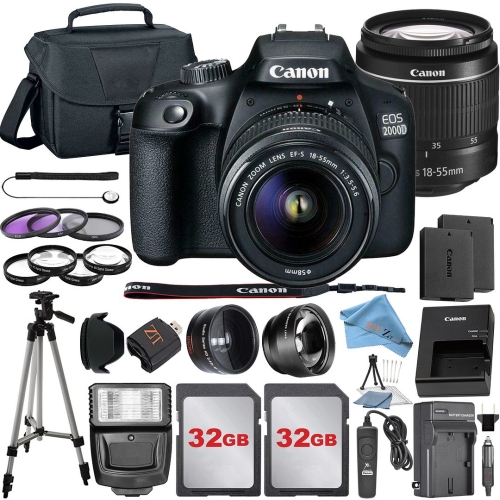
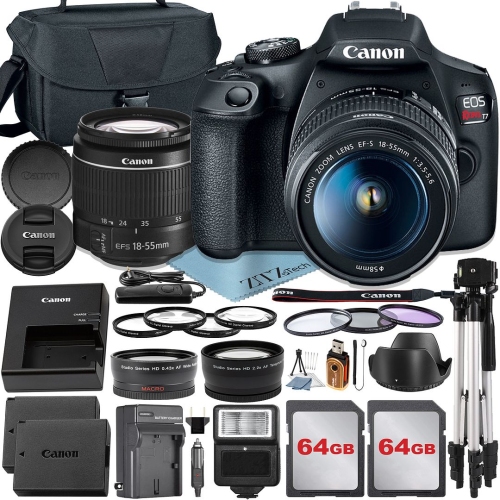
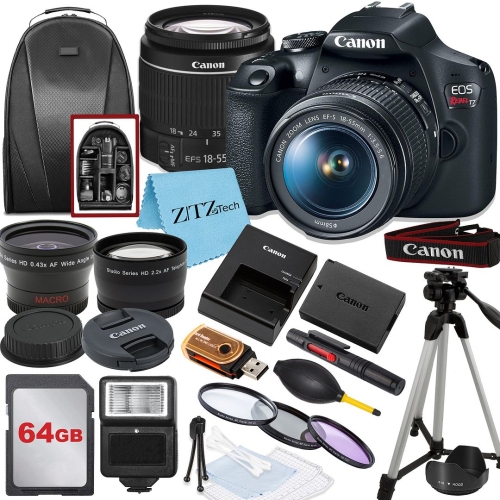
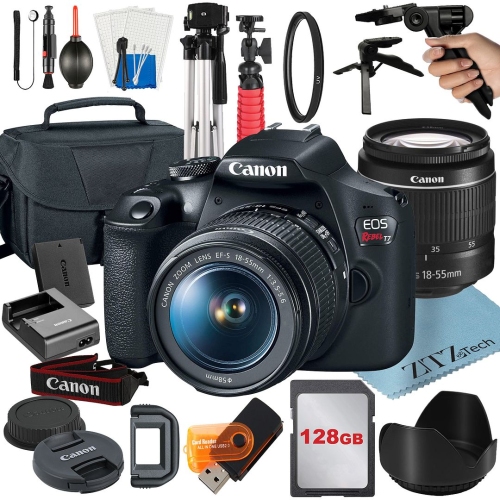
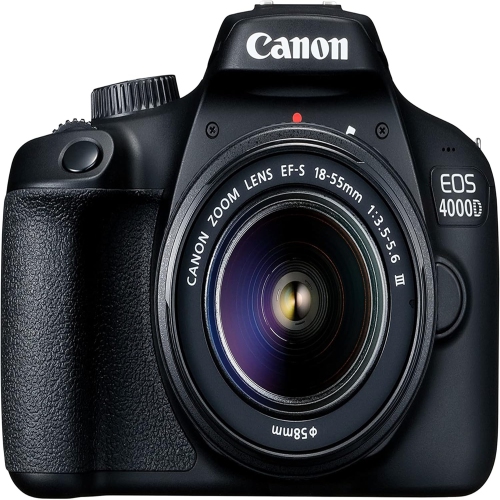
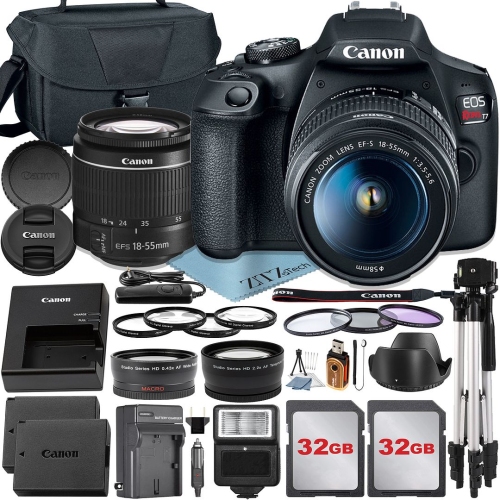
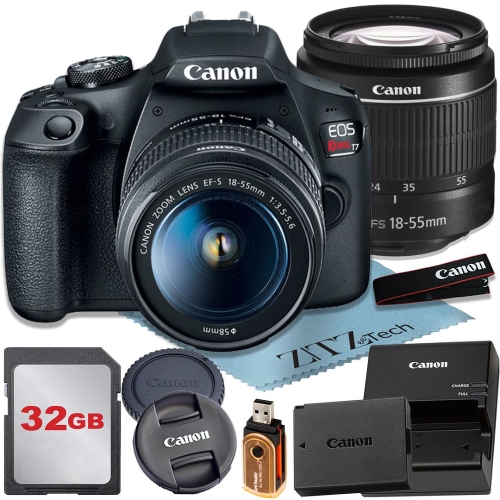
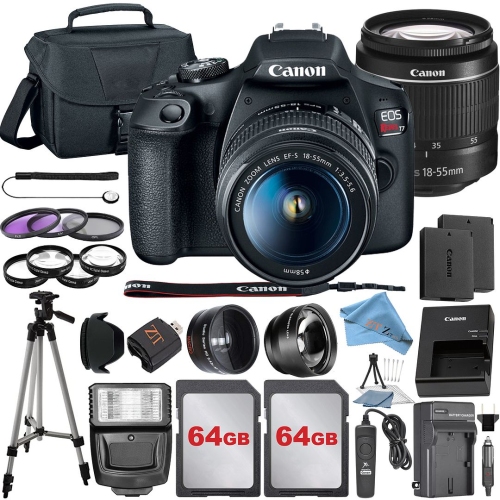
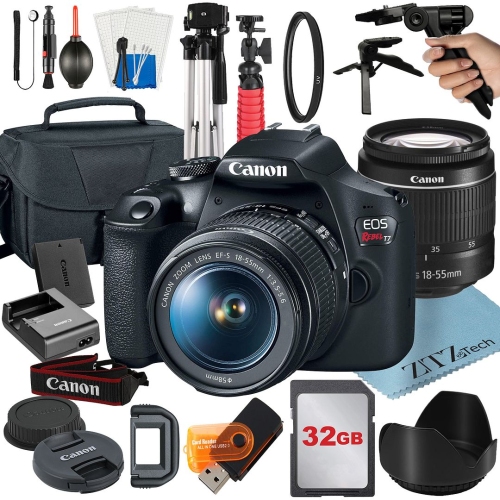
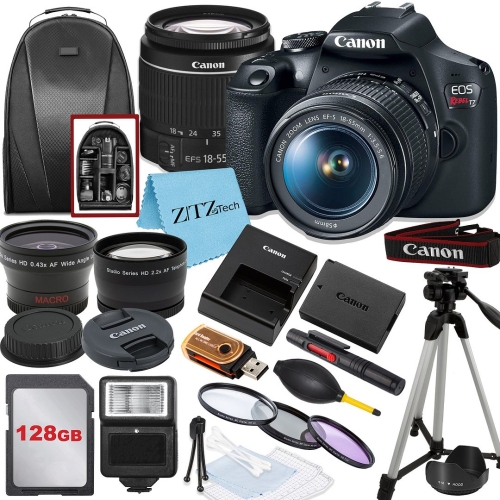
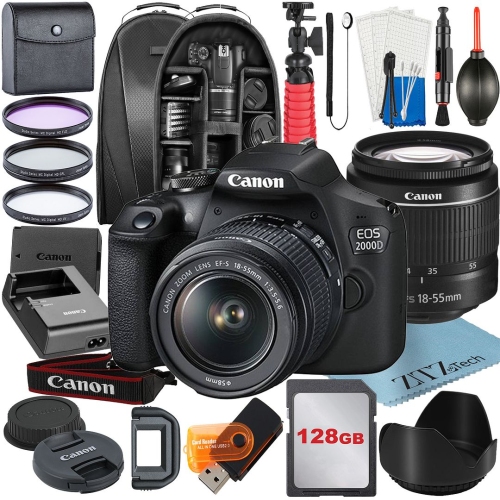
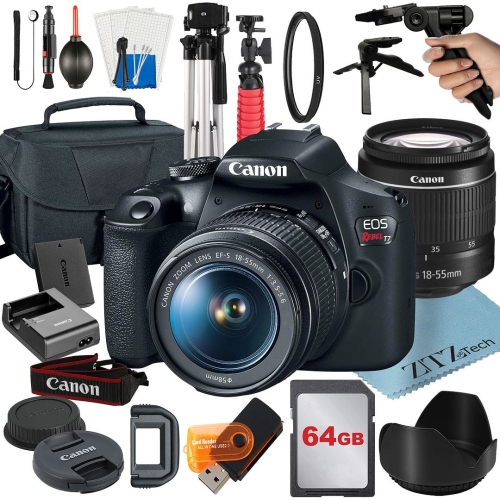
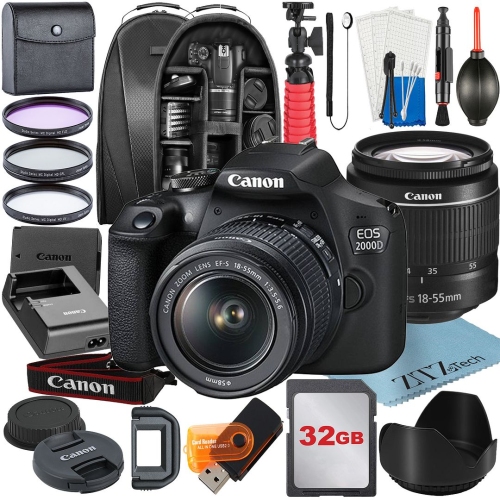
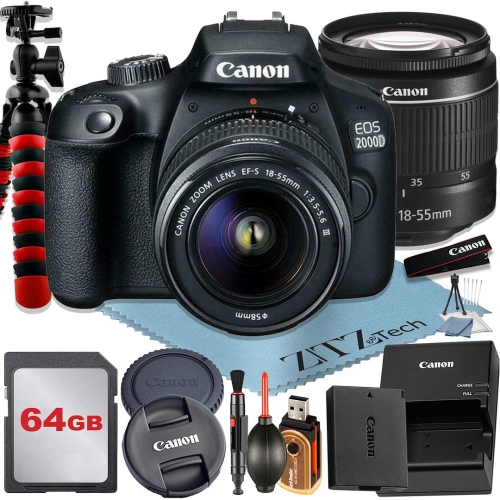
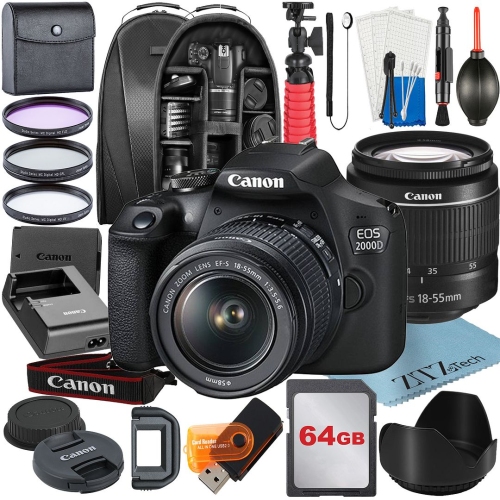
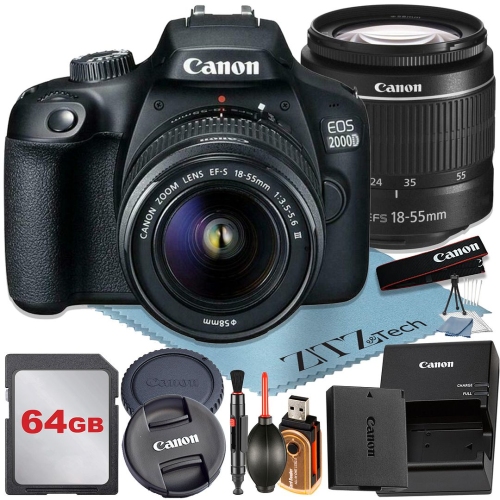
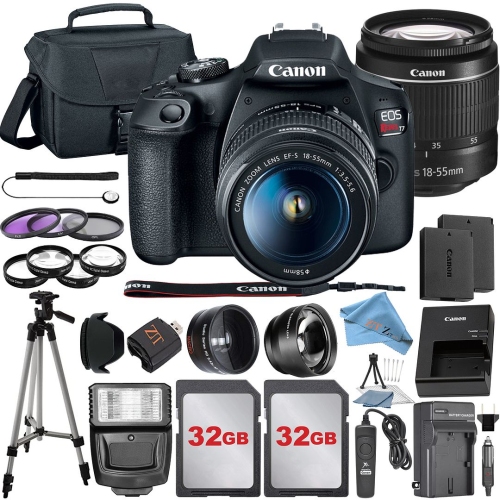
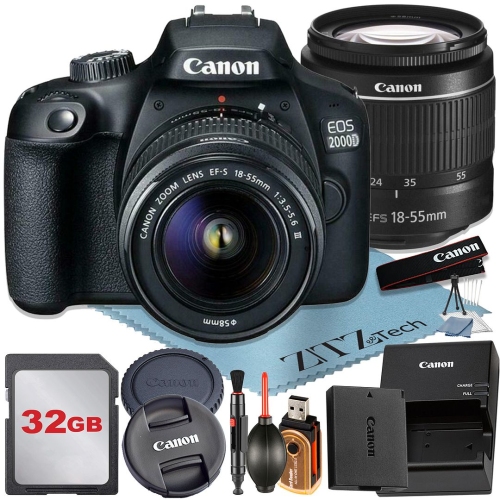
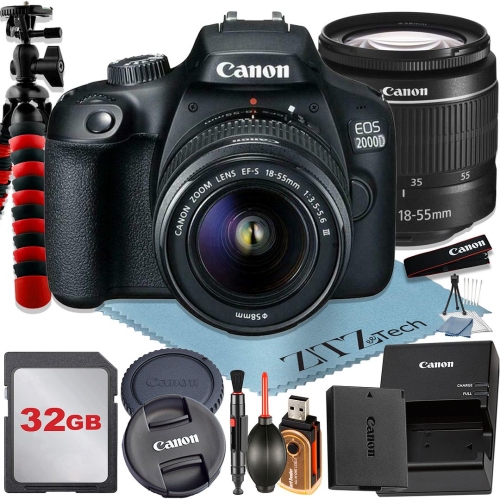
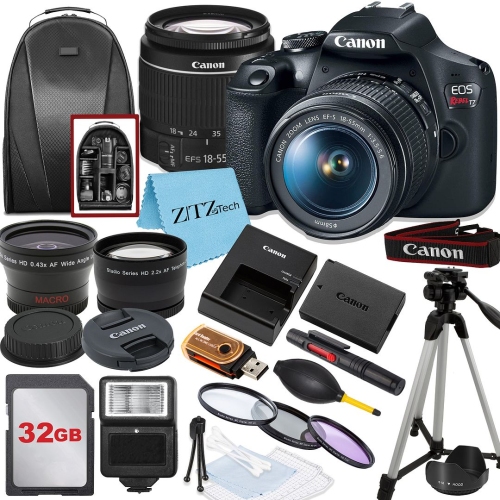
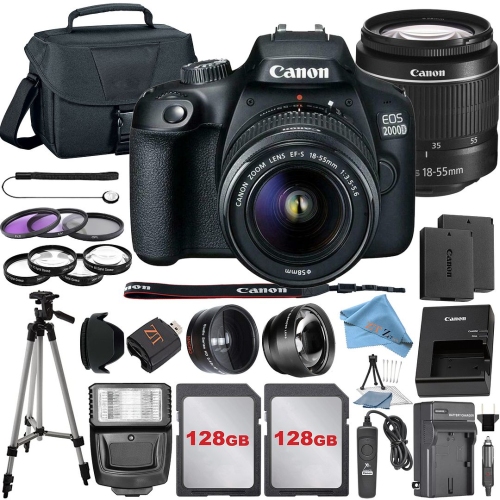
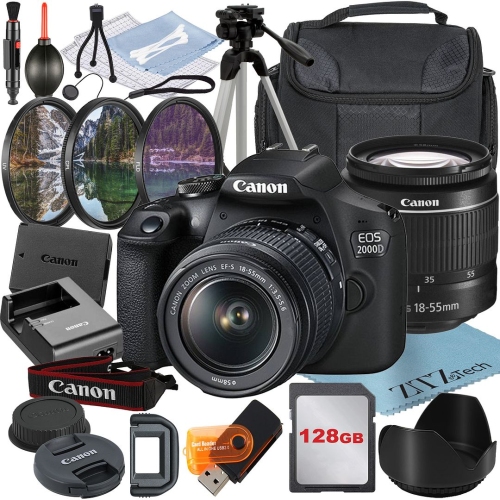
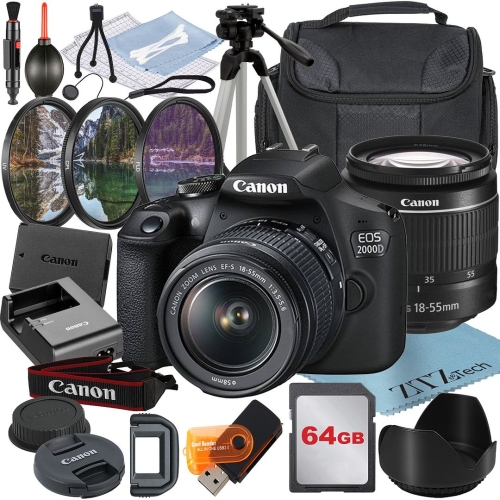
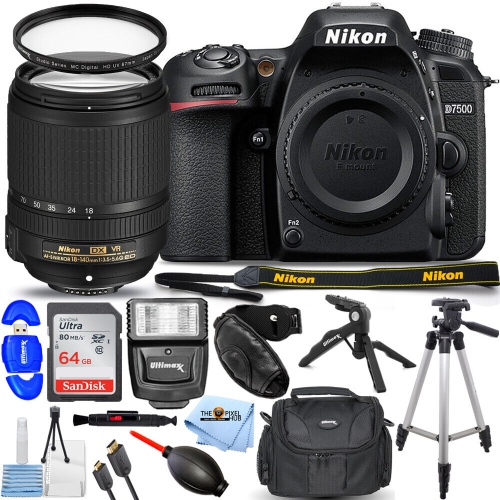
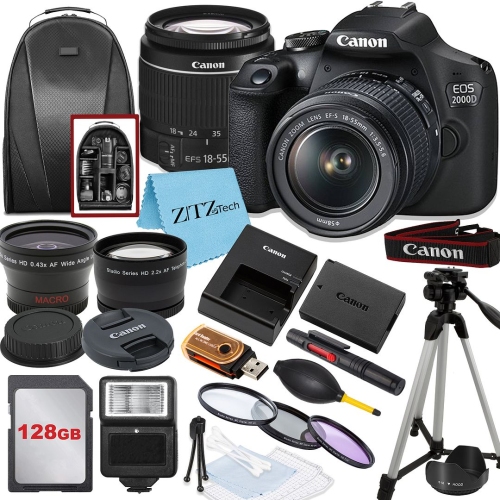
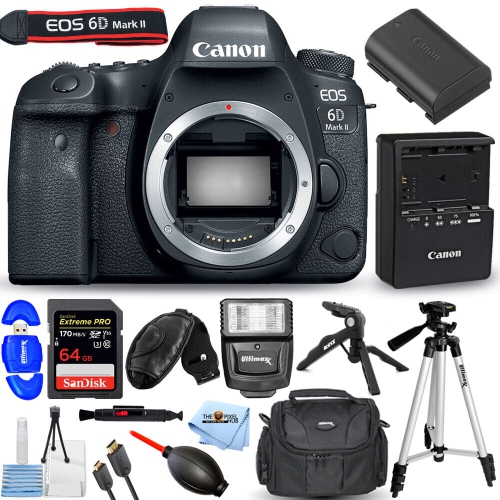
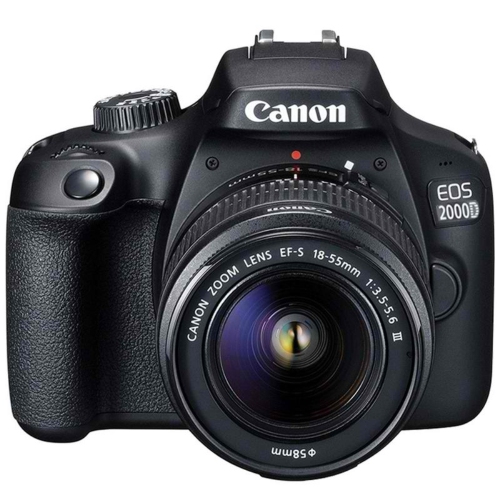
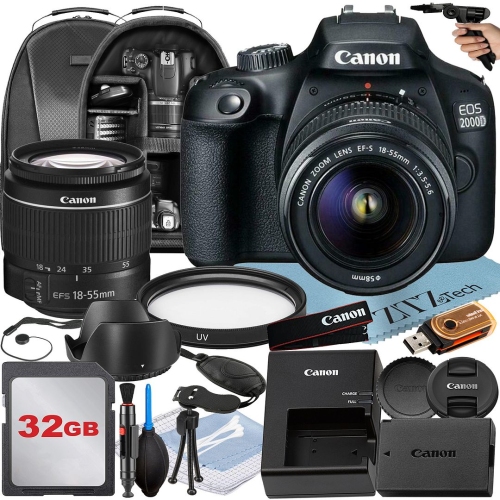
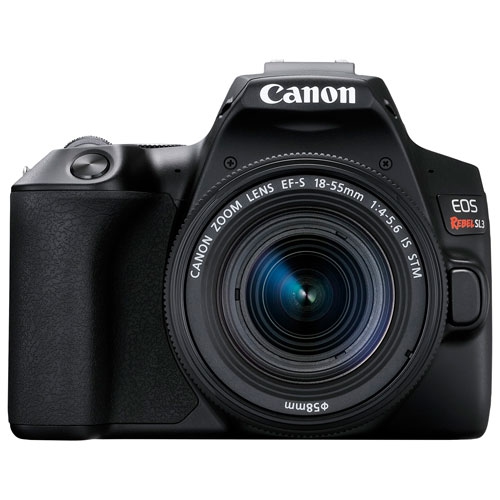
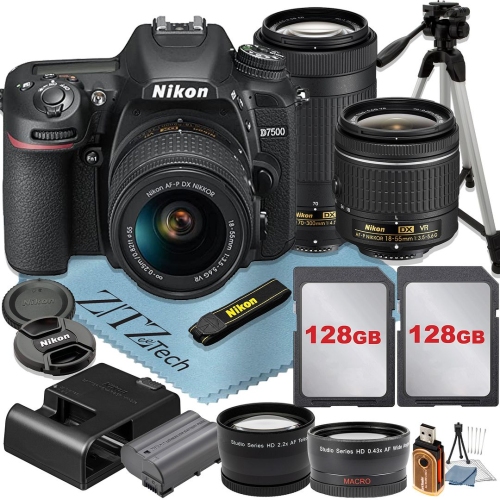
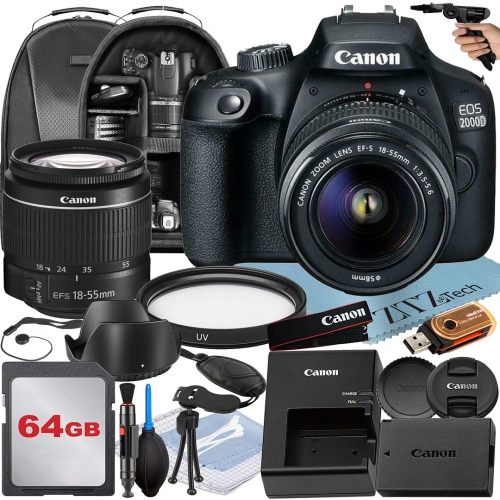
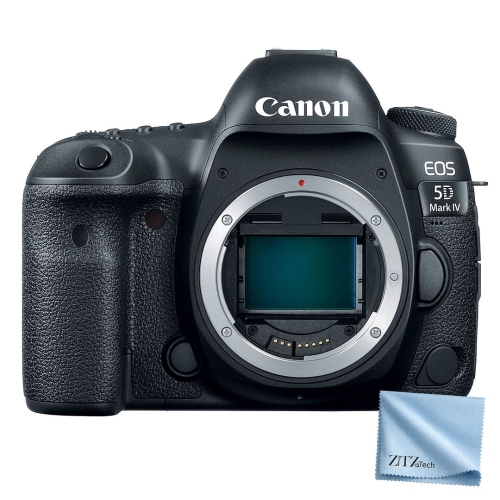
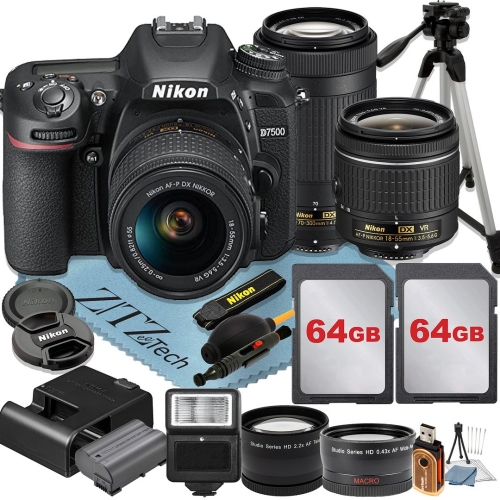
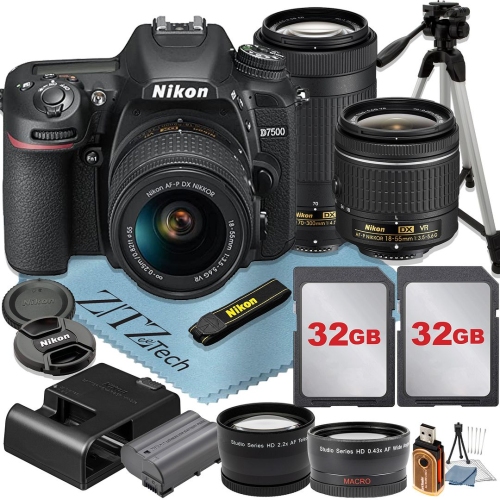
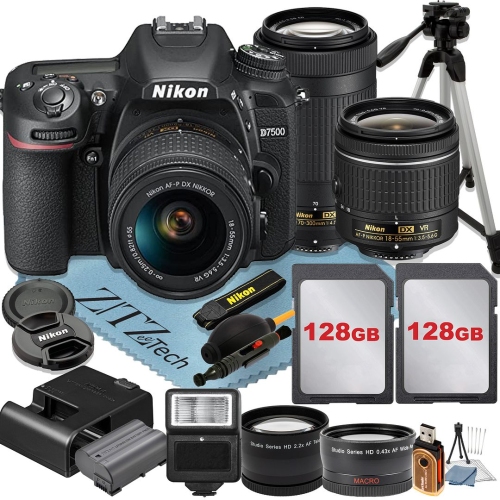
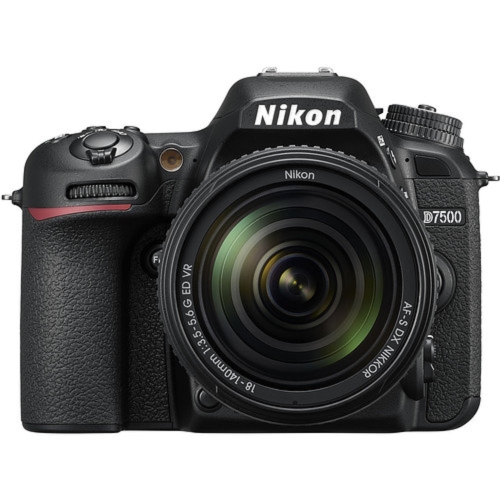
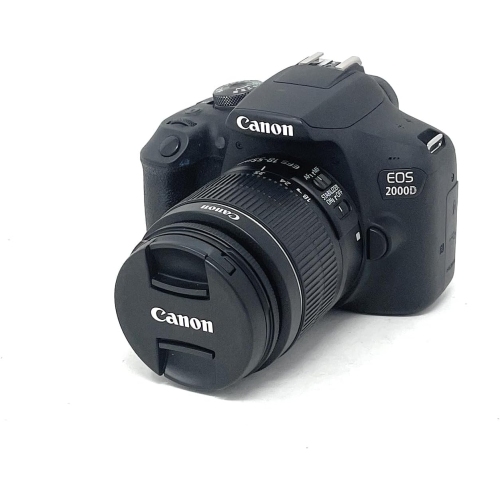
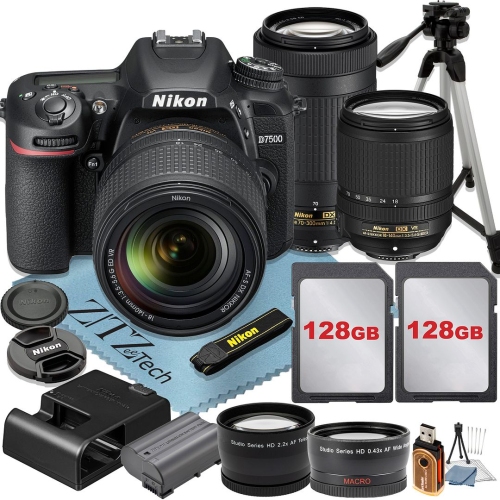
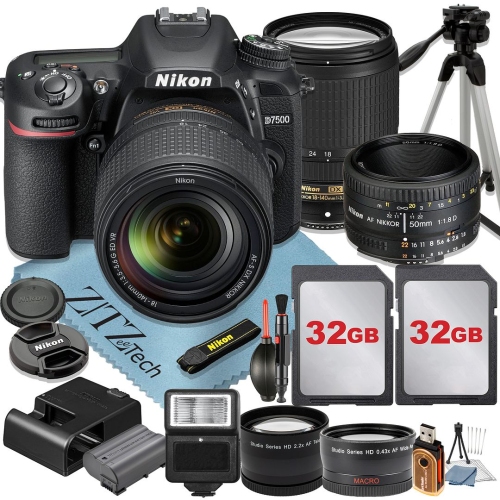
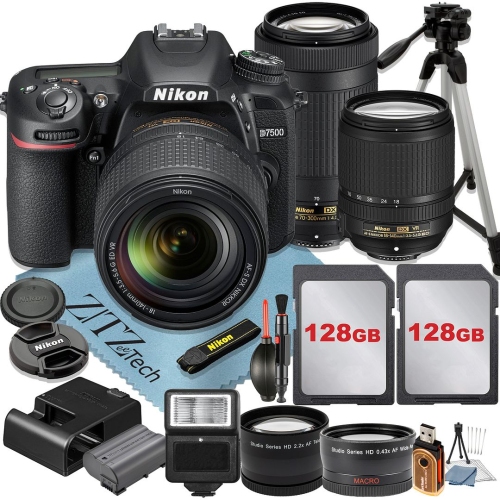
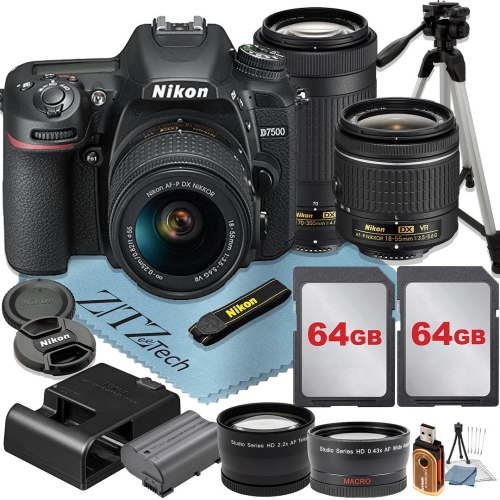
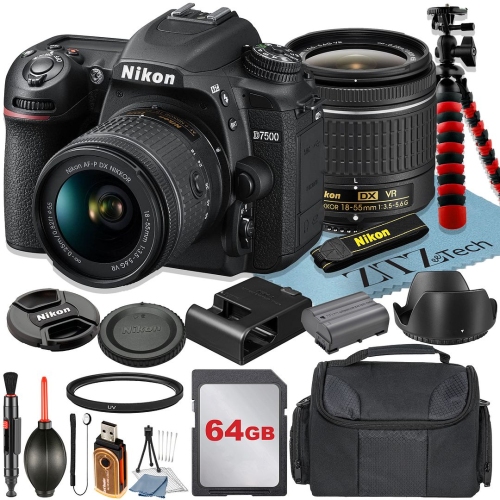
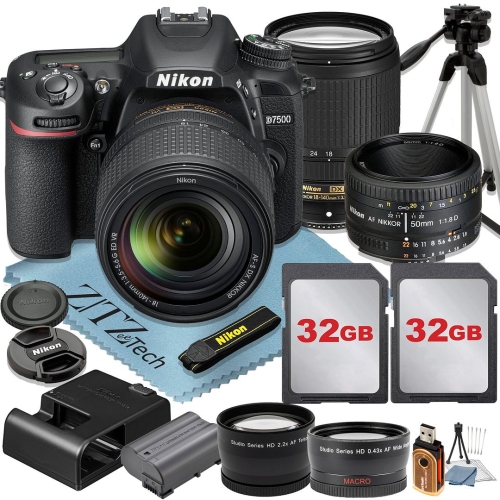
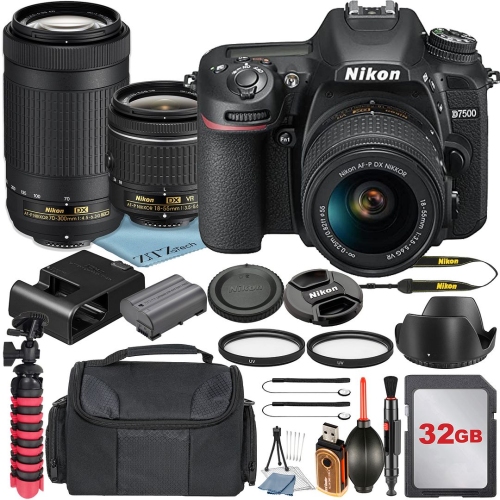
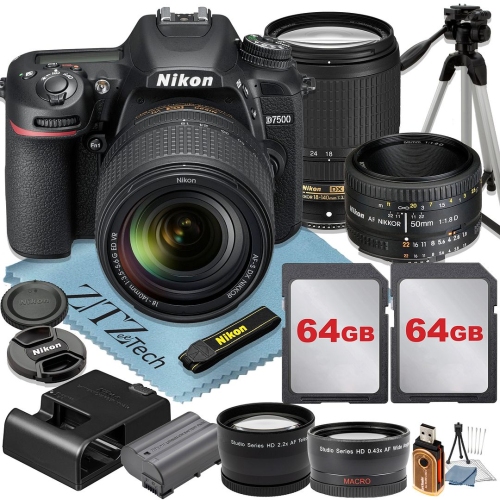
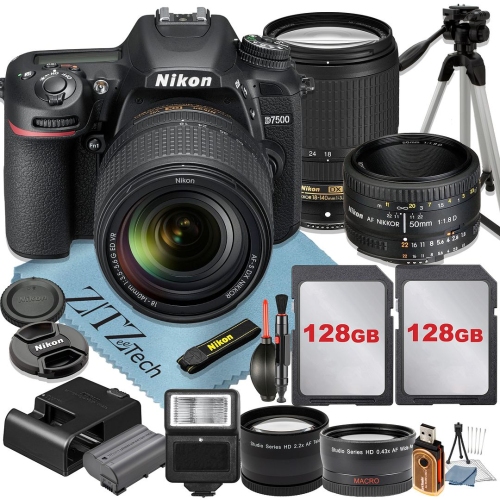
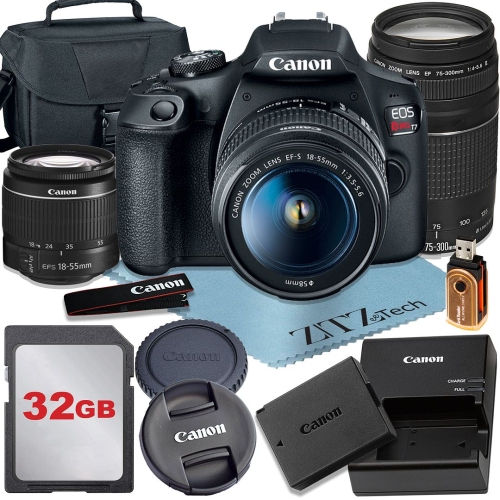
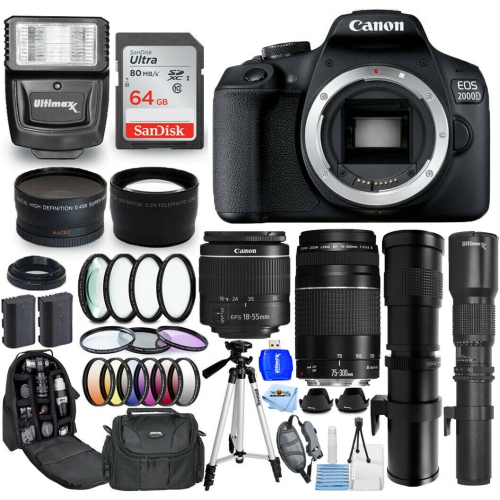
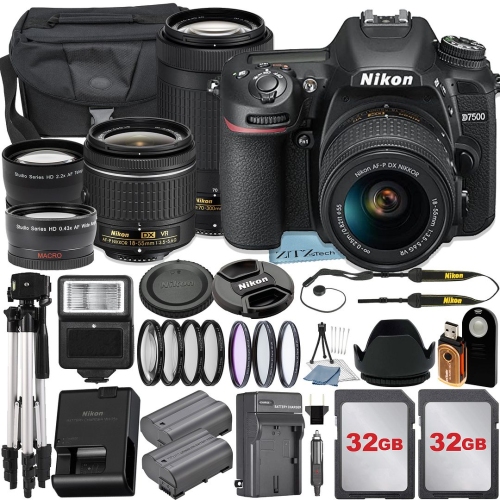
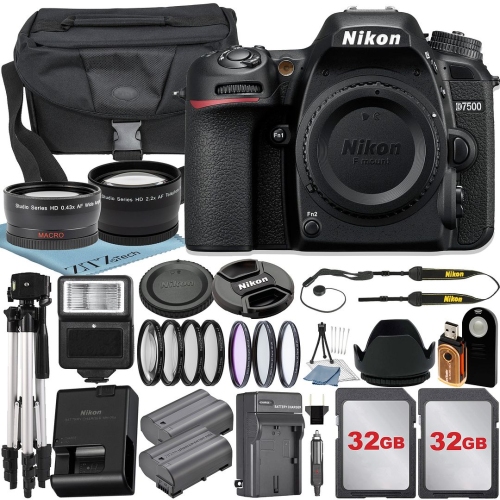
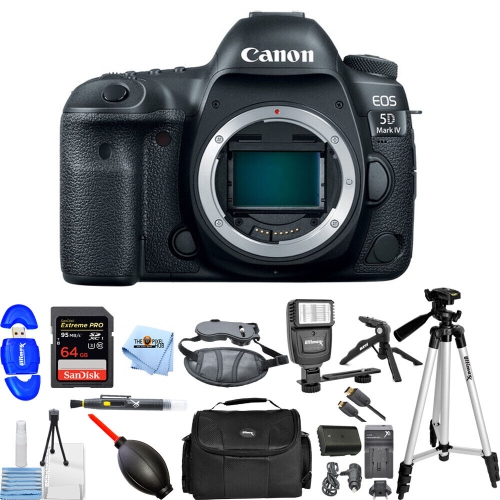
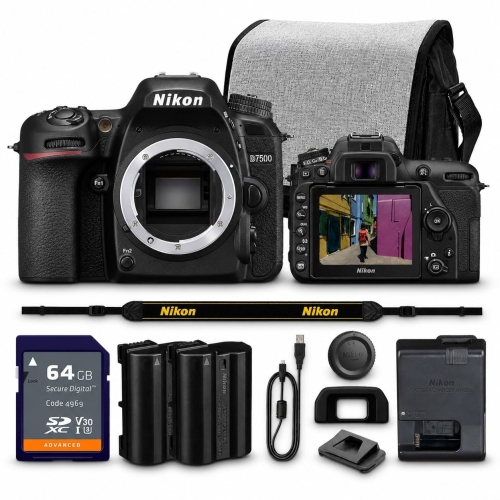
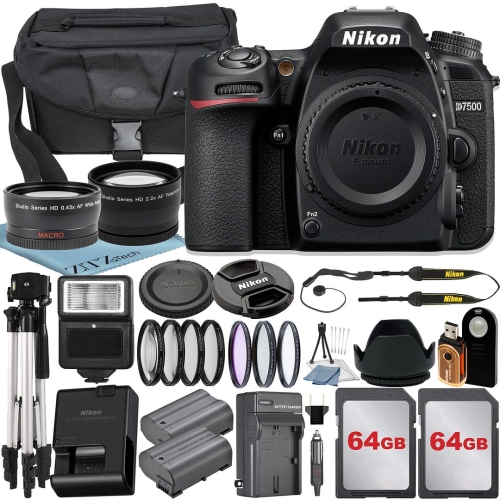
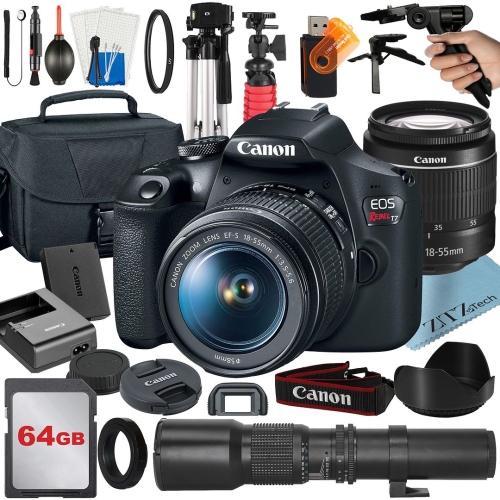
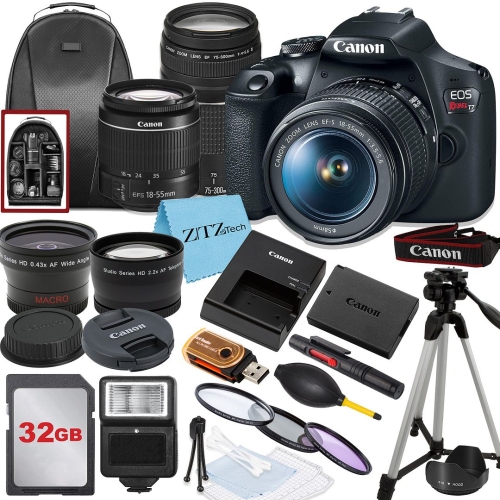
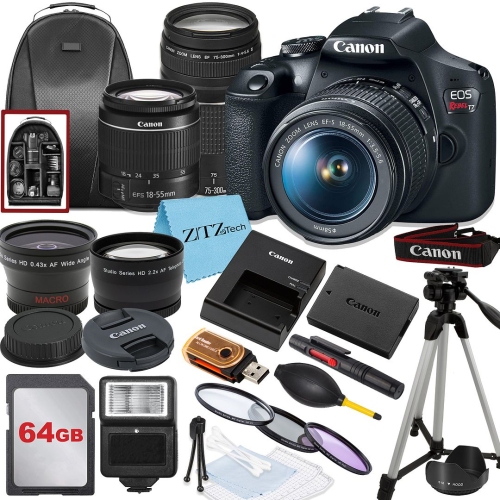
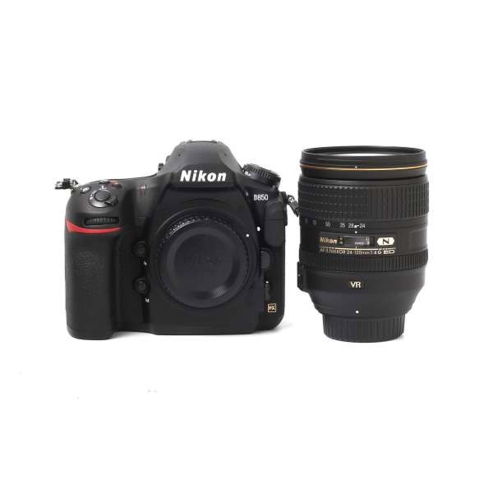
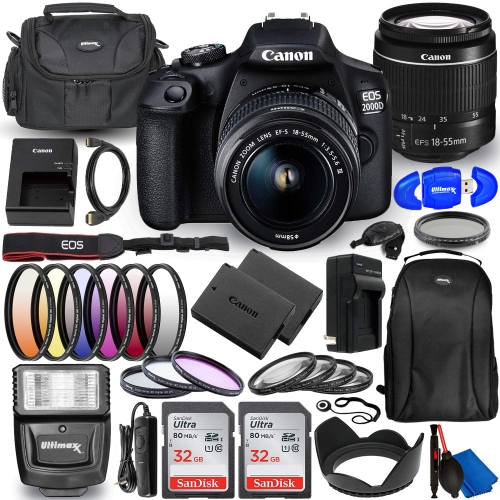
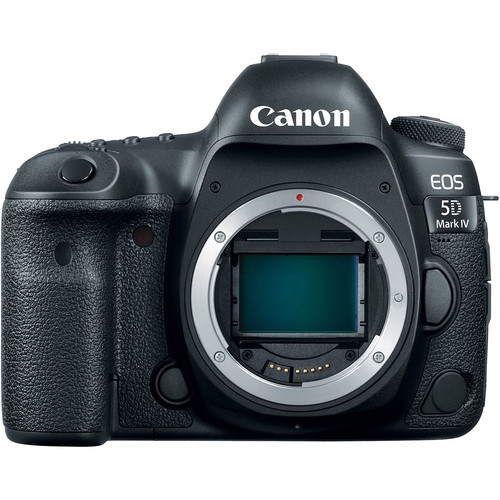
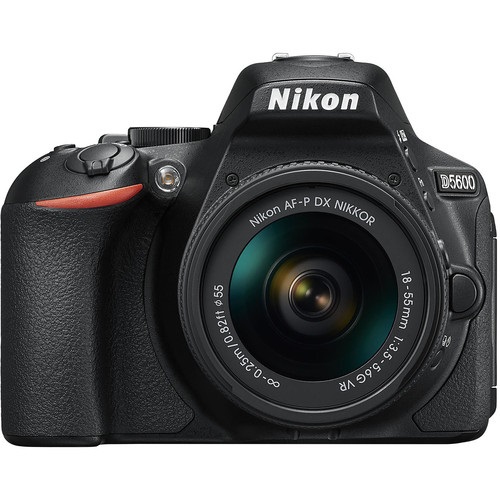
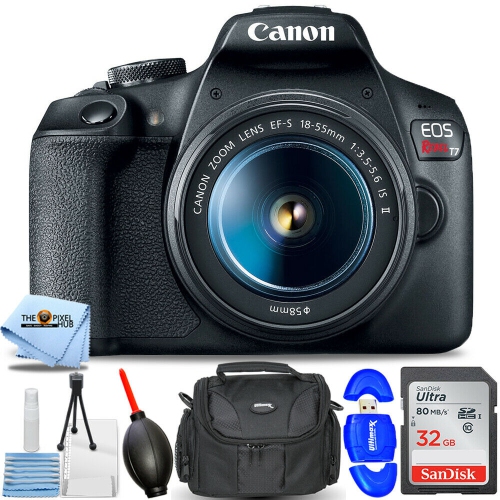
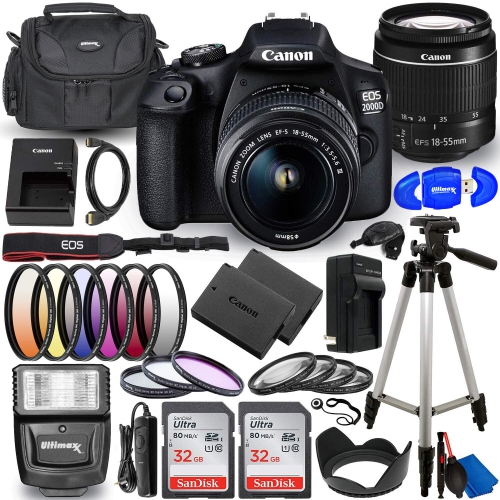
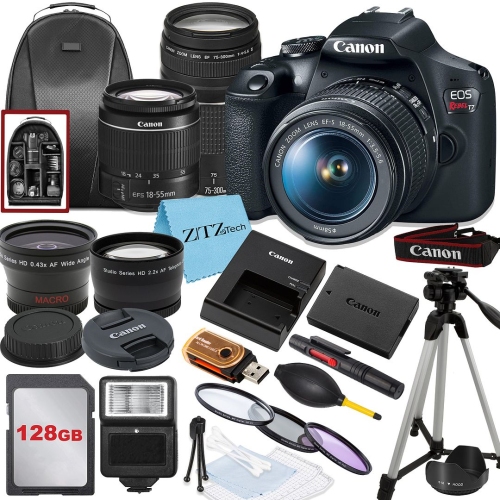
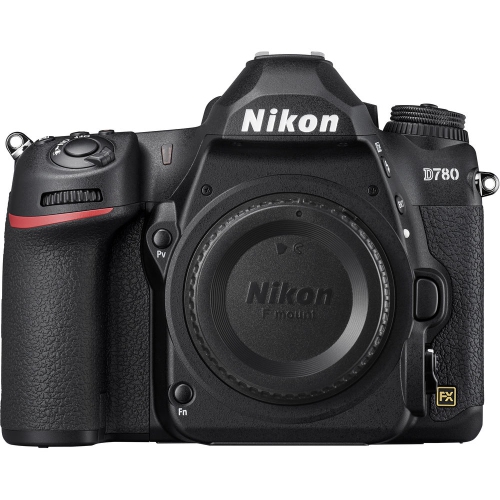
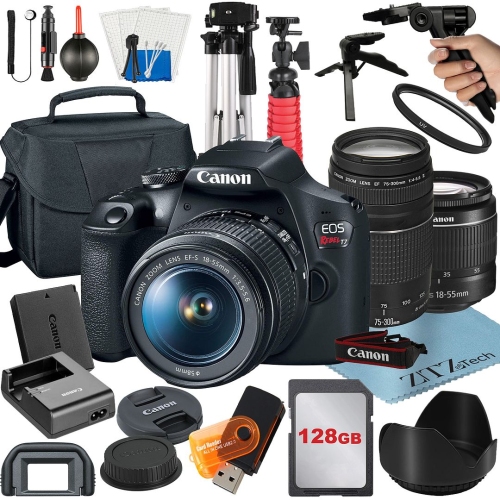
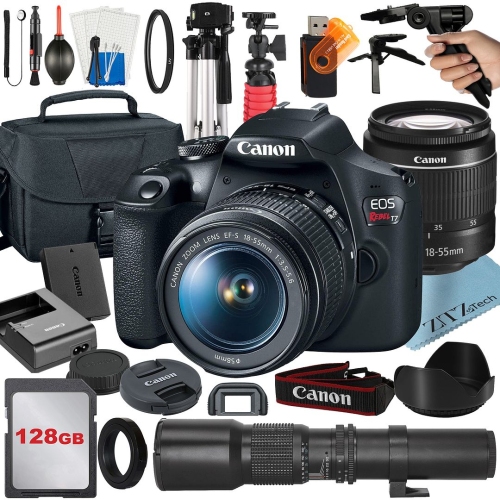
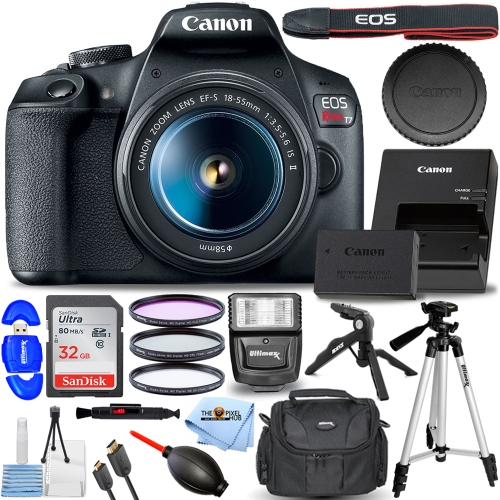
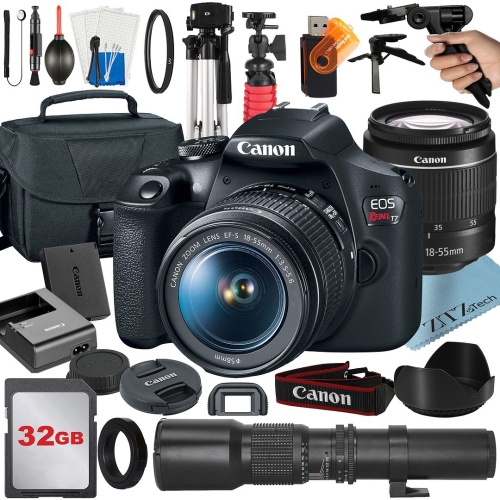
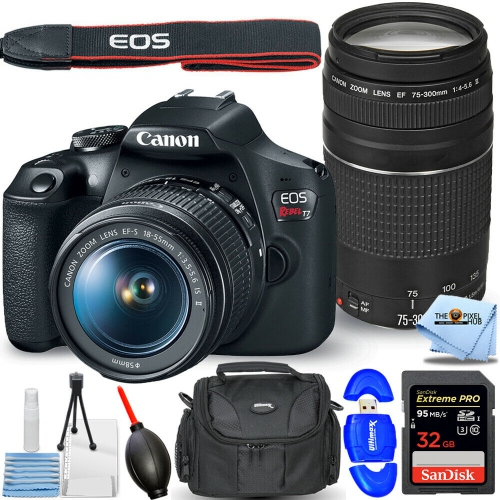
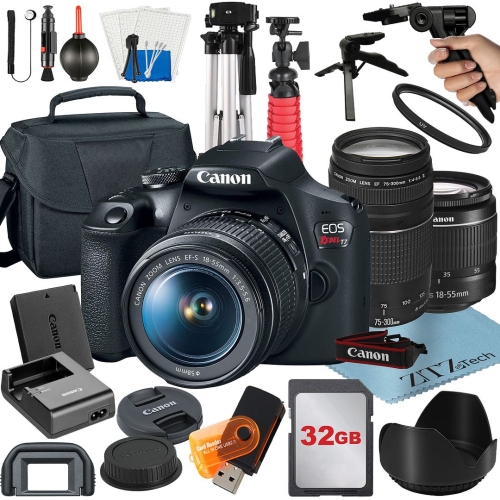
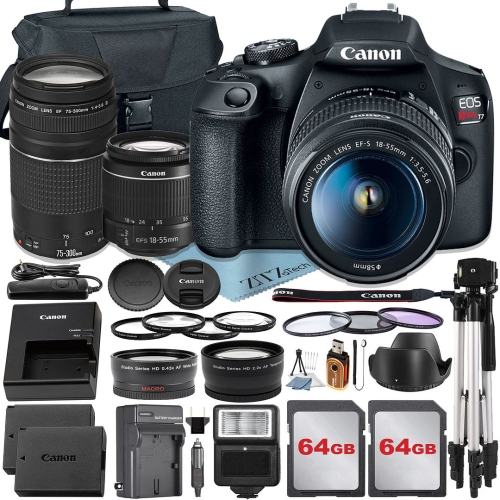
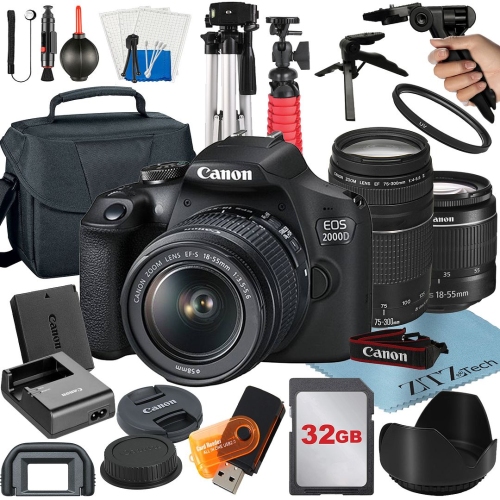
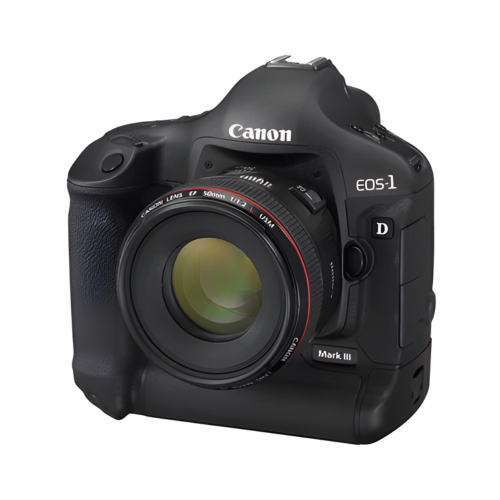
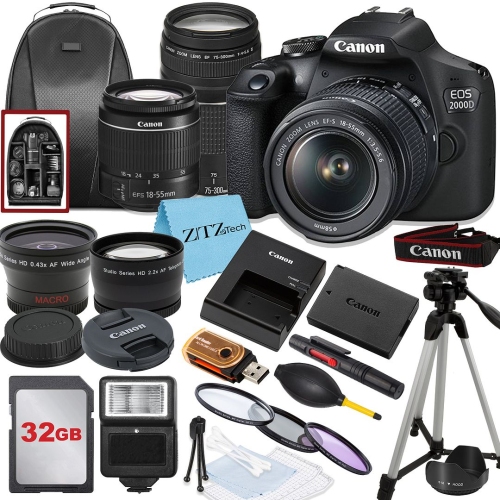
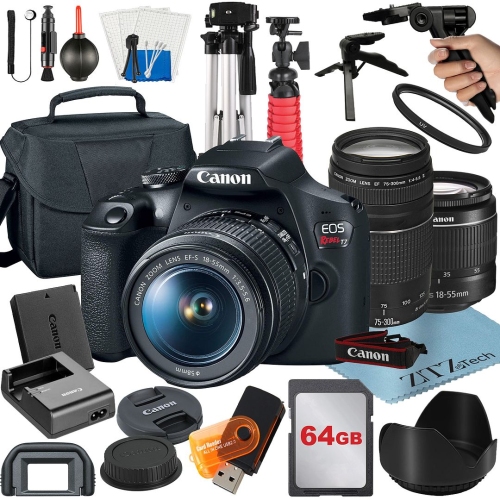
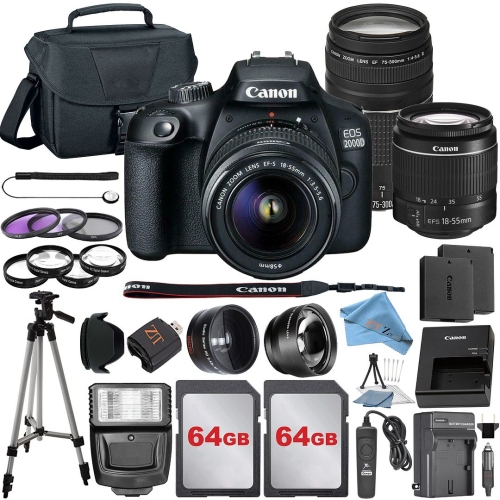
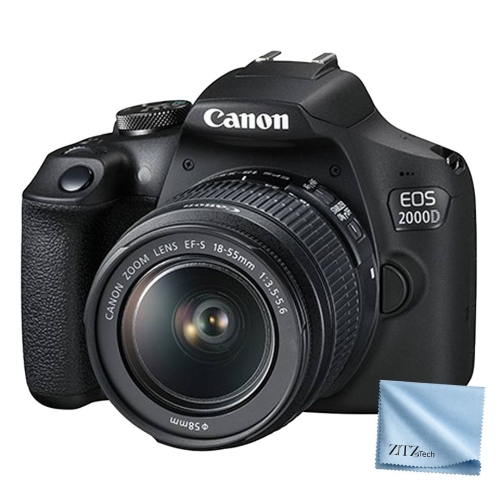
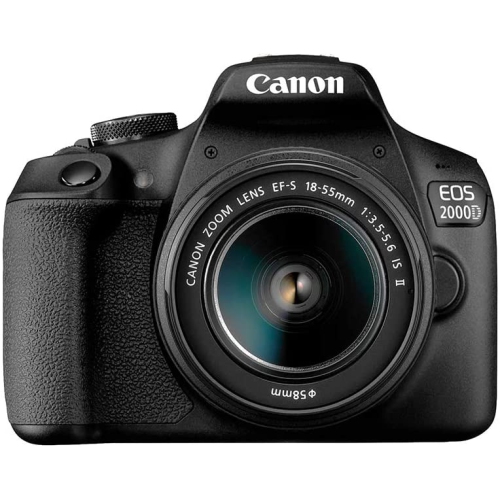
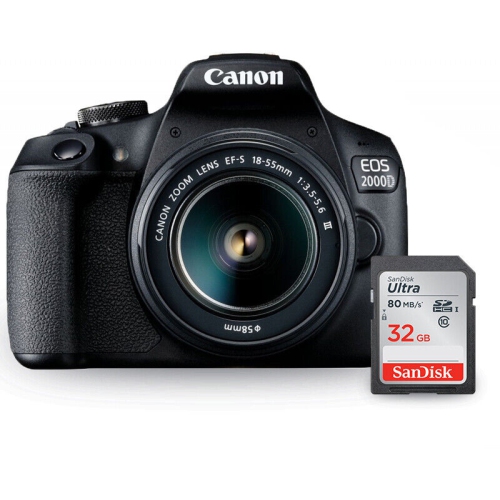
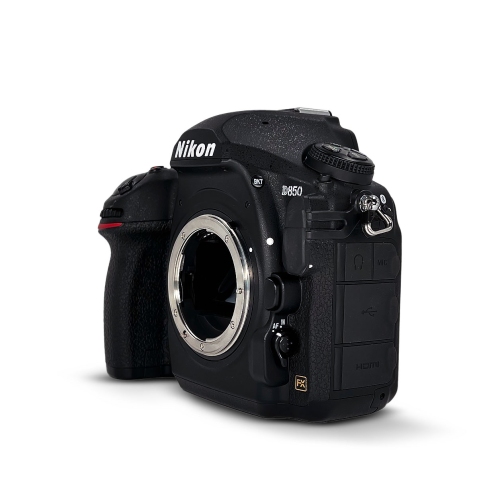
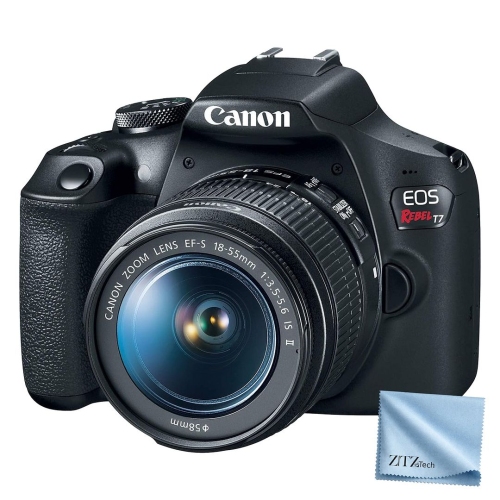
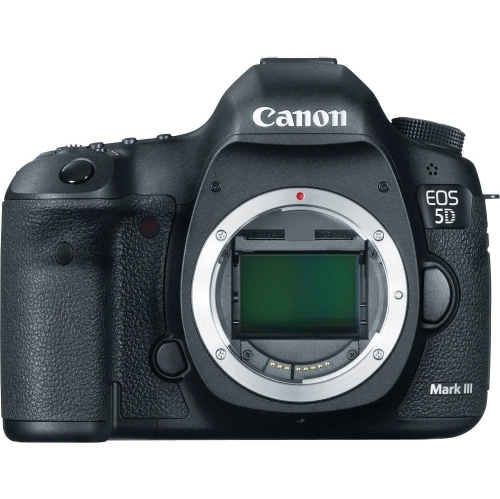
Professional DSLR cameras for beginners offer a practical way to learn photography while leaving room to develop more advanced skills. Unlike a compact point-and-shoot camera, a DSLR gives you direct control over the settings that shape an image, including shutter speed, aperture, ISO, focus mode, and white balance. Beginner-friendly professional models typically combine straightforward controls with the image quality, durability, and lens flexibility that new photographers can grow into. An APS-C sensor is a common choice in this category, delivering detailed images, attractive background blur, and dependable performance in a wide range of lighting conditions without the added size and cost of a full-frame system. Resolution around 24 megapixels is well suited to everyday photography, prints, online galleries, and cropping compositions after the photo has been taken. A camera with a guided menu or feature explanations can make the transition from automatic shooting to manual control feel much less intimidating. These built-in aids can help explain how a wider aperture affects depth of field, how a faster shutter speed freezes motion, or how raising ISO can brighten a scene in dim light while potentially adding grain. Many photographers begin with a standard zoom lens because it covers familiar viewpoints, from group portraits and travel scenes to close details at a family gathering. As confidence develops, the same interchangeable-lens system can support a wide range of creative approaches, including a wide-angle lens for architecture and landscapes, a telephoto lens for sports and wildlife, or a bright prime lens for portraits and indoor photography. When comparing cameras, look for a comfortable grip, logically placed controls, a clear optical viewfinder, responsive autofocus, and a battery that can support a full day of practice or shooting. Weight also matters: a camera that feels balanced in your hands is more likely to come along on a walk, weekend trip, school event, or outdoor celebration. Wi-Fi connectivity can make it easier to transfer selected images to a compatible mobile device for sharing, while a built-in flash can provide useful fill light when natural illumination is limited. If video is part of the plan, review the available recording resolution, microphone options, autofocus behaviour, and whether the screen can be adjusted for easier framing from different angles. For anyone comparing more approachable options, Simple DSLR Cameras for Beginners can provide another useful starting point before choosing a camera with more advanced controls and room to grow.
A professional DSLR camera for beginners can suit a first-time photographer who wants to understand the craft rather than rely on automatic results alone. It can also be a thoughtful gift for a student exploring photography, a parent documenting family milestones, a traveller building a visual record of new places, or a creative hobbyist who has outgrown a phone camera. A new user may spend an afternoon photographing a quiet street during the cooler months, learning how changing the aperture turns distant lights into soft circles, or practise tracking a moving pet across a park as the weather changes. The most suitable camera depends on what and where the recipient plans to photograph. For portraits, a reliable autofocus system, natural skin tones, and access to lenses with wider apertures are valuable. For sports, pets, and active children, look for continuous autofocus, a responsive burst rate, and a viewfinder that keeps the subject easy to follow. Landscape photographers may place greater importance on dynamic range, a high-resolution sensor, a wide selection of compatible lenses, and a body that is comfortable to carry on longer outings. Travel photographers often benefit from a lighter kit, dependable battery life, built-in connectivity, and controls that can be adjusted quickly while moving between bright outdoor scenes and darker interiors. A beginner who expects to photograph concerts, indoor gatherings, or evening streets should consider low-light performance and the availability of lenses that let in more light. It is also worth checking the camera’s mount and the range of compatible lenses, flashes, batteries, memory cards, and other accessories, since a flexible system can support new interests over time. A sturdy camera bag protects the body and lenses during transport, while a spare battery and extra memory card help prevent interruptions when an important moment unfolds. Learning does not require a complicated setup: starting with one lens, reviewing images on a computer, and making one small adjustment at a time can build understanding quickly. Photographing the same scene at different shutter speeds reveals the difference between frozen movement and intentional motion blur; trying several apertures shows how focus can shift from a complete group to a single face. With regular practice, a beginner can move comfortably from guided modes to aperture priority, shutter priority, and eventually full manual exposure. Professional DSLR cameras for beginners are designed to make that progression accessible, offering a dependable foundation for everyday memories and a capable platform for more deliberate photographic work as skills, subjects, and creative ambitions expand.
A professional DSLR camera for beginners can suit a first-time photographer who wants to understand the craft rather than rely on automatic results alone. It can also be a thoughtful gift for a student exploring photography, a parent documenting family milestones, a traveller building a visual record of new places, or a creative hobbyist who has outgrown a phone camera. A new user may spend an afternoon photographing a quiet street during the cooler months, learning how changing the aperture turns distant lights into soft circles, or practise tracking a moving pet across a park as the weather changes. The most suitable camera depends on what and where the recipient plans to photograph. For portraits, a reliable autofocus system, natural skin tones, and access to lenses with wider apertures are valuable. For sports, pets, and active children, look for continuous autofocus, a responsive burst rate, and a viewfinder that keeps the subject easy to follow. Landscape photographers may place greater importance on dynamic range, a high-resolution sensor, a wide selection of compatible lenses, and a body that is comfortable to carry on longer outings. Travel photographers often benefit from a lighter kit, dependable battery life, built-in connectivity, and controls that can be adjusted quickly while moving between bright outdoor scenes and darker interiors. A beginner who expects to photograph concerts, indoor gatherings, or evening streets should consider low-light performance and the availability of lenses that let in more light. It is also worth checking the camera’s mount and the range of compatible lenses, flashes, batteries, memory cards, and other accessories, since a flexible system can support new interests over time. A sturdy camera bag protects the body and lenses during transport, while a spare battery and extra memory card help prevent interruptions when an important moment unfolds. Learning does not require a complicated setup: starting with one lens, reviewing images on a computer, and making one small adjustment at a time can build understanding quickly. Photographing the same scene at different shutter speeds reveals the difference between frozen movement and intentional motion blur; trying several apertures shows how focus can shift from a complete group to a single face. With regular practice, a beginner can move comfortably from guided modes to aperture priority, shutter priority, and eventually full manual exposure. Professional DSLR cameras for beginners are designed to make that progression accessible, offering a dependable foundation for everyday memories and a capable platform for more deliberate photographic work as skills, subjects, and creative ambitions expand.
Top selling and popular products
-
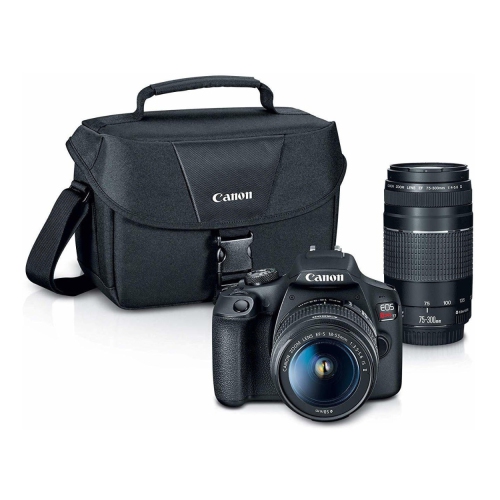 Your price for this item is $1039.95
 -
 Your price for this item is $799.99
 -
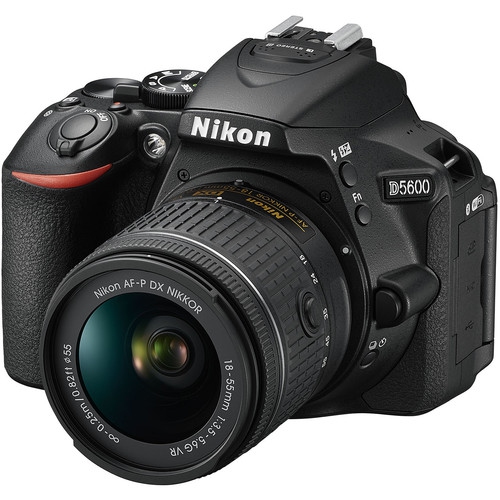 Your price for this item is $1309.95
 -
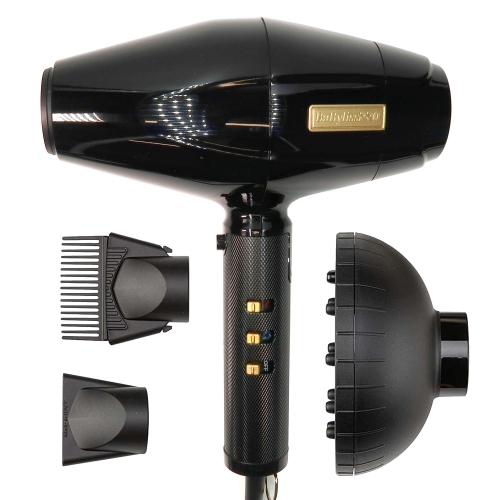 Your price for this item is $1199.95
 -
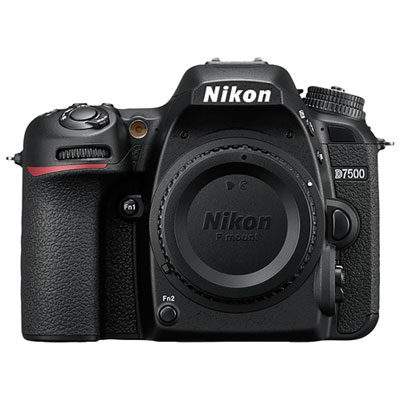 Your price for this item is $879.99
 -
 Your price for this item is $1909.95
 -
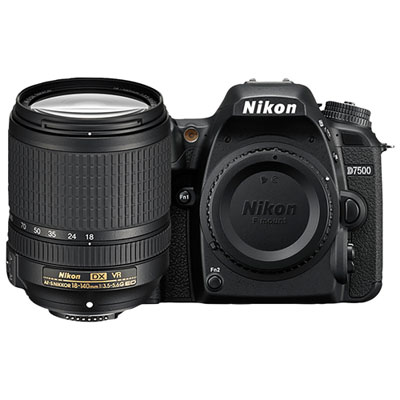 Your price for this item is $1279.99
 -
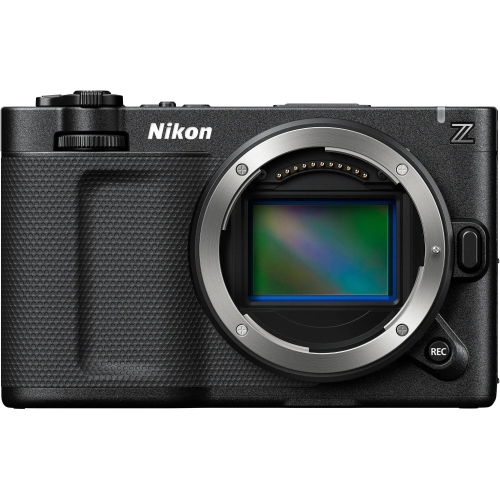 Your price for this item is $2889.99
Discover more categories related to Professional DSLR Cameras for Beginners
Top Collections:
Pokemon Centers, Best Cameras for Sports Photography, Kindle Devices, Samsung Galaxy Phones, Canon G7X Cameras, Pokémon 30th Celebration Cards, Refurbished Apple Laptops, iPhone 15 Apple, Laptops for Students, Budget Smartphones
Some products may be subject to Environmental Handling Fees
(EHF) depending on your province.
Learn more about EHFs.