Quick Release Camera Straps
Capture every moment with ease and convenience using our collection of quick release camera straps. Designed to provide maximum comfort and security, these camera straps are perfect for photographers of all levels. Whether you're shooting breathtaking landscapes or capturing candid moments, our selection of quick release camera straps ensures that your gear stays securely in place while allowing for effortless adjustments. With a variety of styles and designs to choose from, finding the perfect camera strap to suit your needs has never been easier. Elevate your photography experience and enjoy peace of mind knowing that your camera is always within reach with our top-notch quick release camera straps.
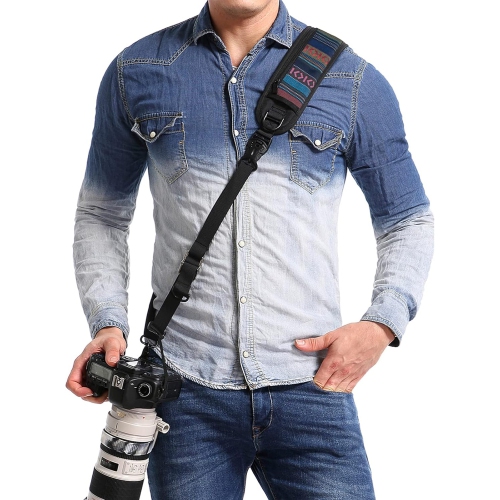
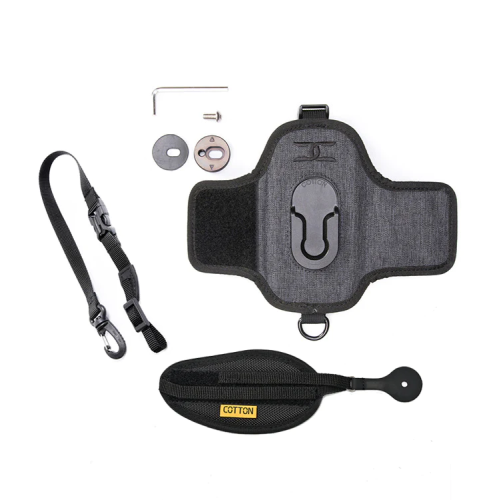
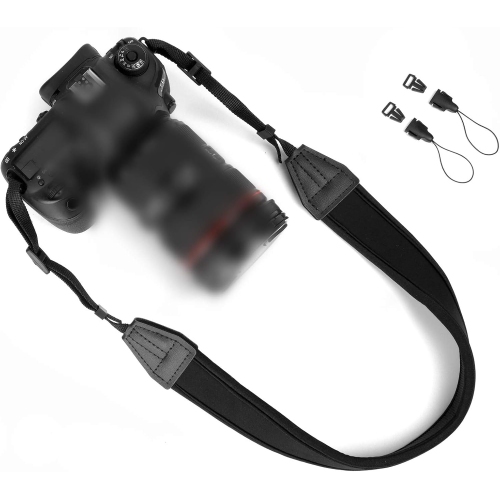
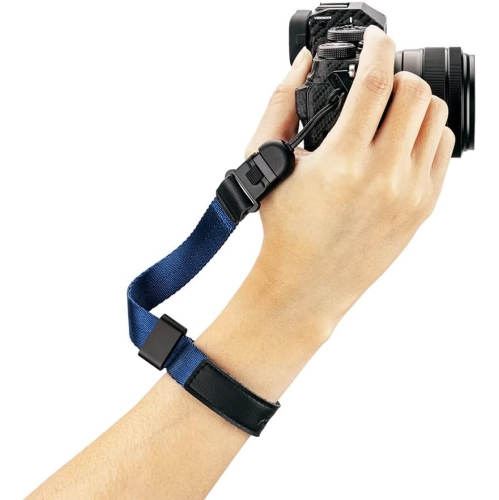
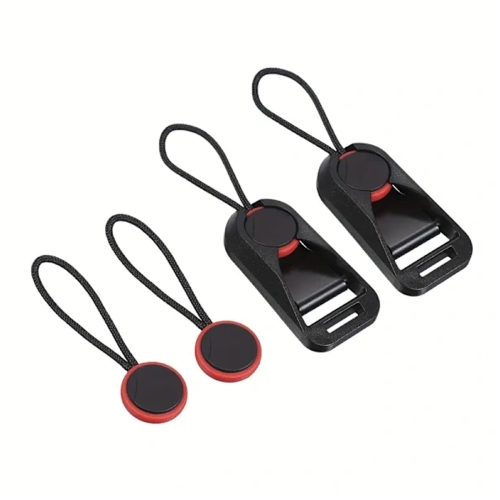
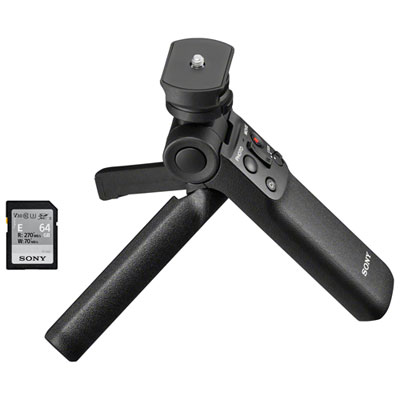
An easier switch from carrying to tripod shooting
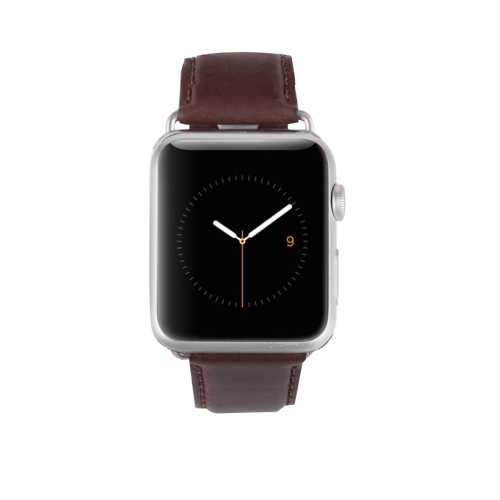
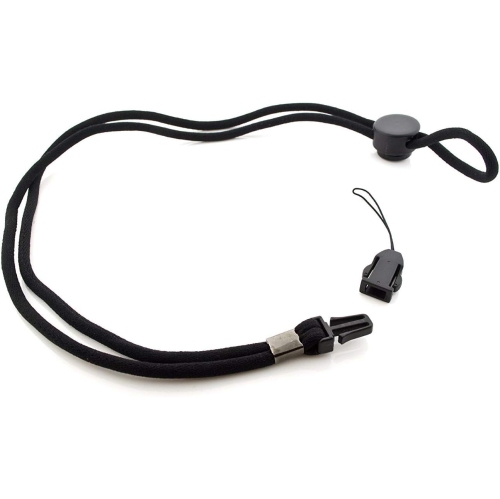
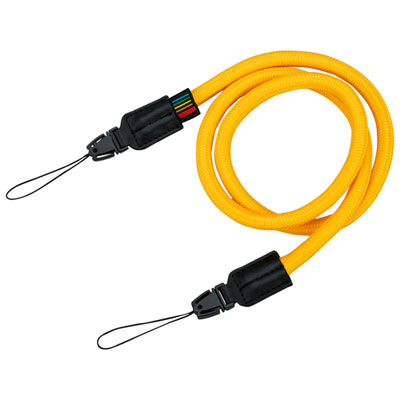
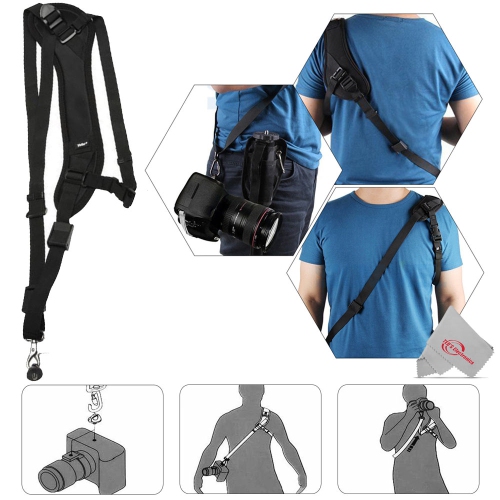
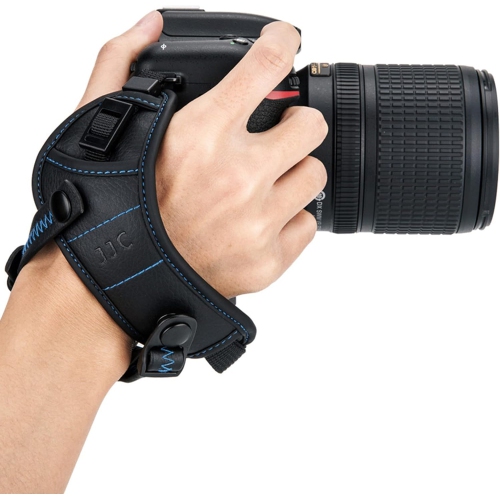
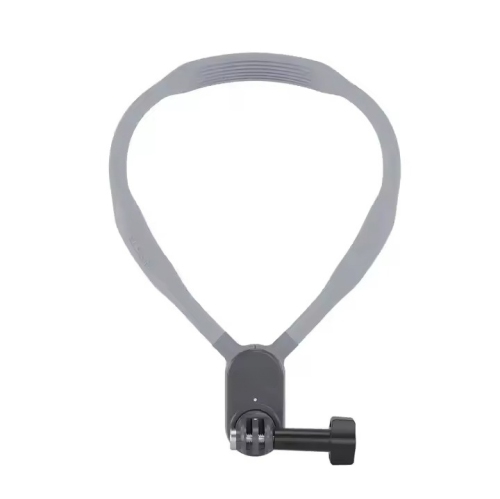
Comfort depends on how the strap spreads weight and where the camera rests against the body. A neck strap keeps the camera near the centre of the chest, making it easy to reach between photographs, but a heavier setup can place noticeable pressure on the neck during extended use. A shoulder or crossbody camera strap shifts the carrying position and may let the camera sit near the hip, where it can be brought up to eye level when needed. A wrist strap provides a compact tether for photographers who prefer to keep the camera in hand; it does not replace the weight distribution of a shoulder strap during a long outing. Strap width, padding, and adjustment range all influence the fit. Wider webbing can spread pressure over a larger area, while a narrow strap may feel less bulky with a lightweight camera. Padding can add cushioning, although its placement needs to match the point where the strap actually rests. A sliding adjustment is useful when moving from a close carrying position to a longer shooting position, particularly when it can be operated without leaving excess webbing hanging near controls. Materials affect the feel as well. Nylon webbing is commonly used for its strength and flexibility, woven fabric can offer a softer texture, and leather can provide a structured feel that changes with wear. Smooth surfaces may slide more freely across clothing, while textured or grippy sections can help a shoulder strap stay in place. Neither approach is best for every carrying style. Colour and finish are personal choices, too: Black Camera Straps offer an understated look alongside camera bodies and bags in a range of colours. Beyond appearance, finished edges, neatly secured stitching, and hardware that does not press into the collarbone can make a meaningful difference over several hours. Fit is most useful when assessed with the camera and lens attached, since an empty strap cannot show how the complete setup will hang, swing, or balance.
Durability involves the entire connection between camera and wearer, including the webbing, stitching, anchor cords, clips, and any screw-in mounting hardware. A sturdy strap cannot compensate for a worn anchor or an attachment that has not fully locked. Before carrying a camera, each connection should be seated according to the manufacturer’s directions and checked while the camera is supported over a stable surface. Frayed cords, cut webbing, cracked housings, loose stitching, or unreliable latches are reasons to stop using the affected component and replace it with an approved compatible part. A release mechanism should move as intended rather than bind or require unusual force. Care varies by material: many fabric straps can be spot-cleaned with a mild solution if permitted by their care instructions, while leather may need a suitable leather-care treatment rather than soaking. Straps should dry fully before storage, and clips should be kept free of grit and debris that could obstruct their movement. For tripod use, removing the strap can prevent it from catching on the tripod head or dangling into the working area, but the camera must be securely mounted before the carrying support is detached. Bottom-mounted strap fittings deserve particular attention because they may occupy the tripod socket or affect how a quick-release plate sits; compatibility with one tripod arrangement does not guarantee compatibility with another. Photographers who alternate between still photography and video may also appreciate being able to remove loose straps before balancing a camera on a stabilizer, subject to that equipment’s setup requirements. For travel, street photography, family gatherings, and longer portrait sessions, the right carrying arrangement is one that keeps the camera accessible without obstructing the way it is used. A quick-release strap can also be a thoughtful gift for a photography student, an enthusiastic hobbyist, or someone building a more comfortable camera kit. Knowing the recipient’s camera, usual lens, preferred carrying position, and existing connector system helps make that gift a practical addition rather than an attachment that needs extra adapters.
Top selling and popular products
-
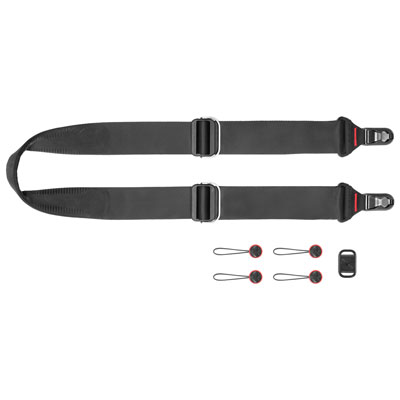 Your price for this item is $109.99
 -
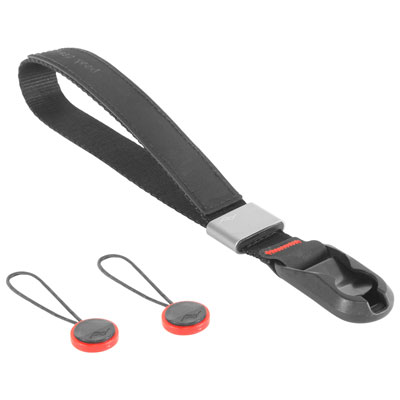 Your price for this item is $54.99
 -
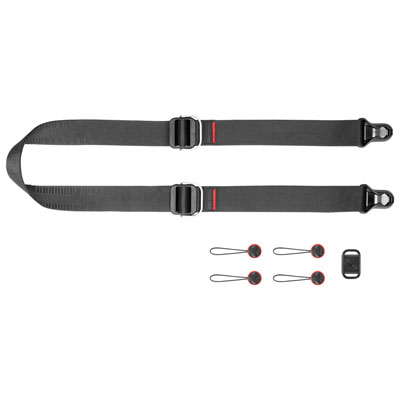 Your price for this item is $99.99
 -
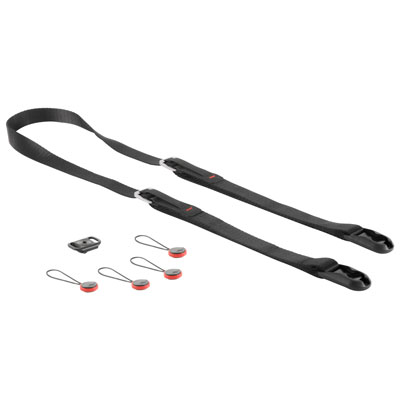 Your price for this item is $69.99
 -
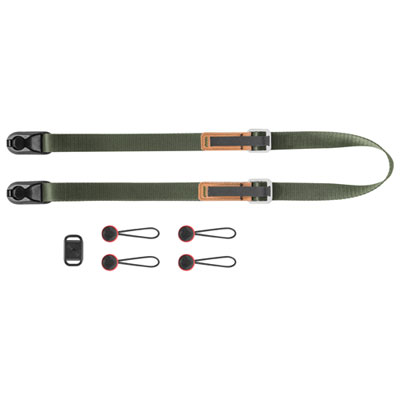 Your price for this item is $54.99
 -
 Your price for this item is $69.99
 -
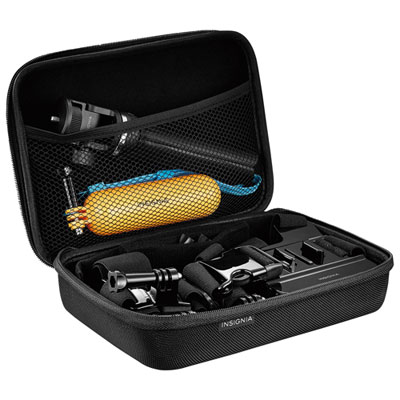 Your price for this item is $49.97
 -
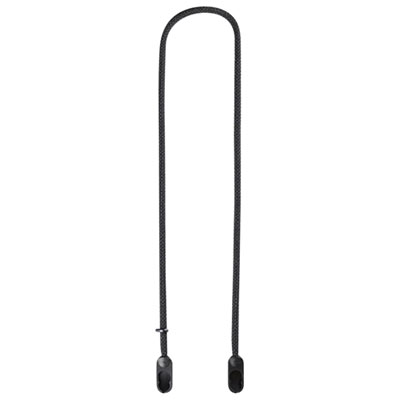 Your price for this item is $69.99