Quick Release Tripods
Quick Release Tripods offer a convenient solution for photographers and videographers looking to streamline their setup. Designed for efficiency, these tripods allow for easy attachment and removal of cameras or equipment, making them ideal for capturing moments on the go. Whether you’re shooting in the studio or out in the field, Quick Release Tripods provide stability and flexibility to help you get the perfect shot every time. Explore a wide selection to find the right fit for your creative needs.
Sort
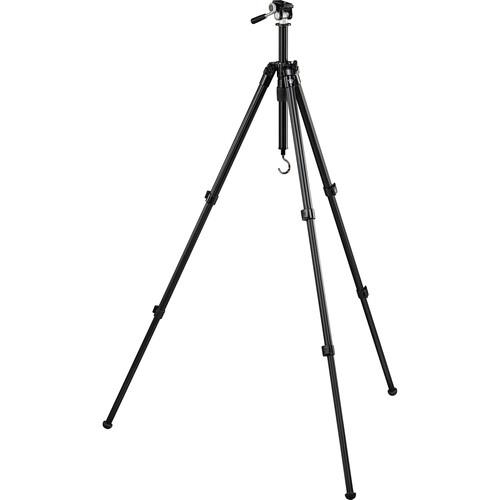
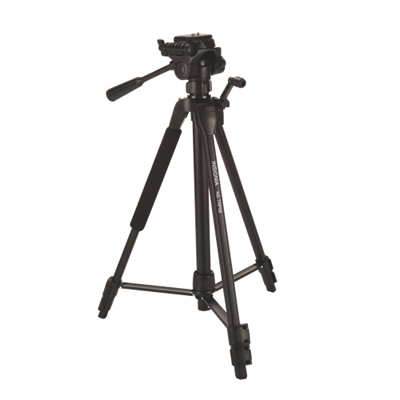
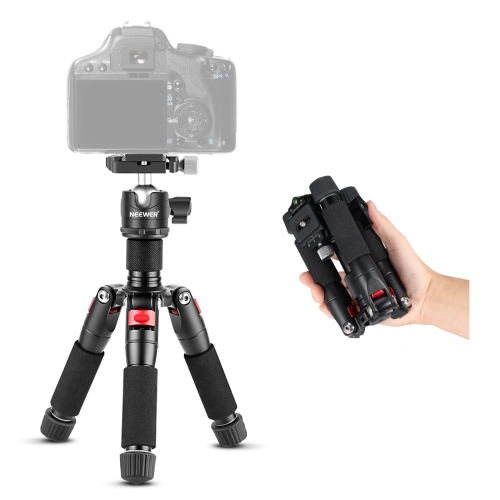
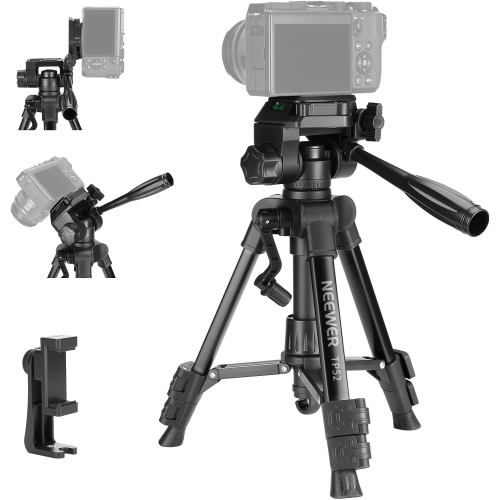
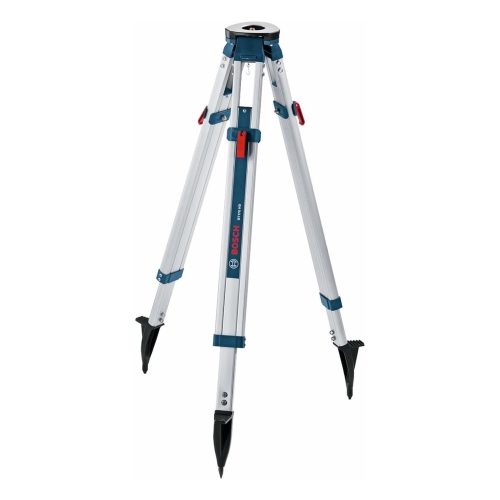
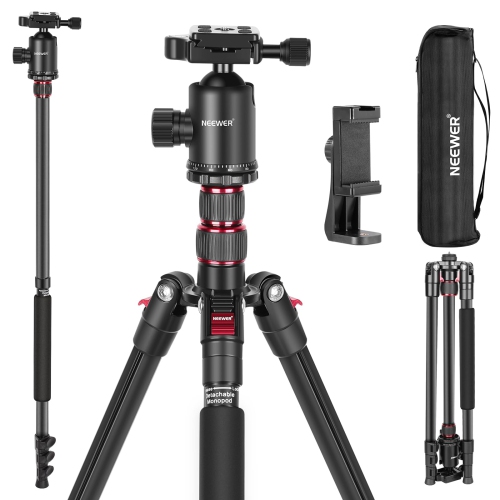

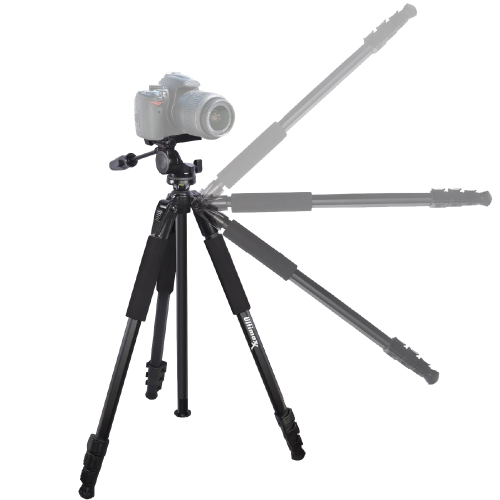
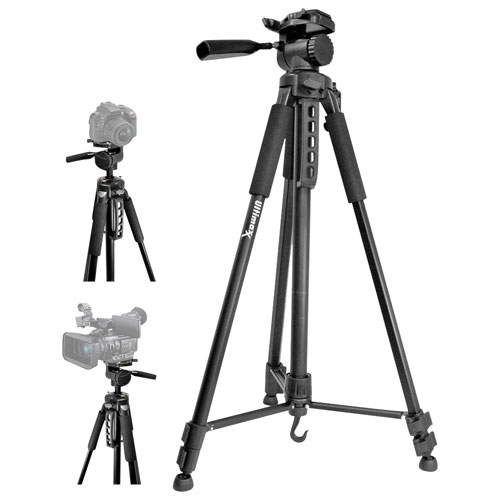
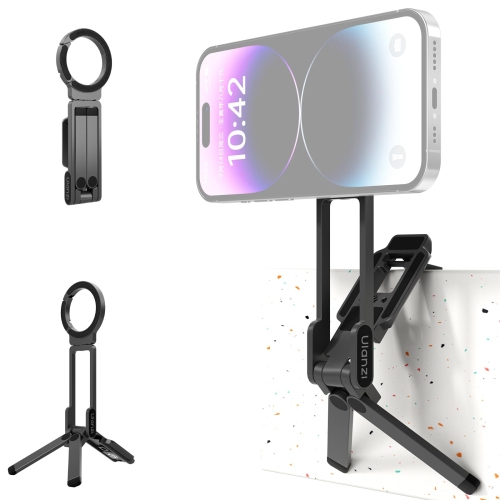
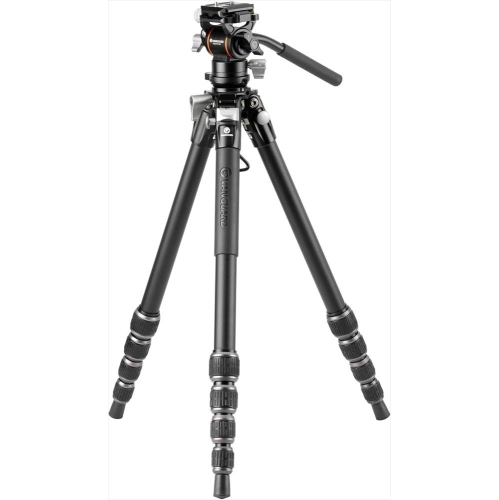
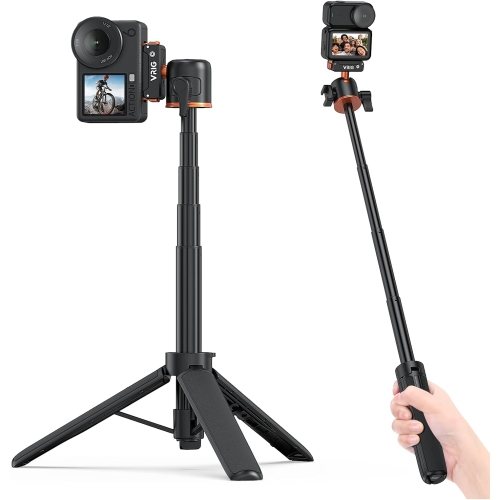
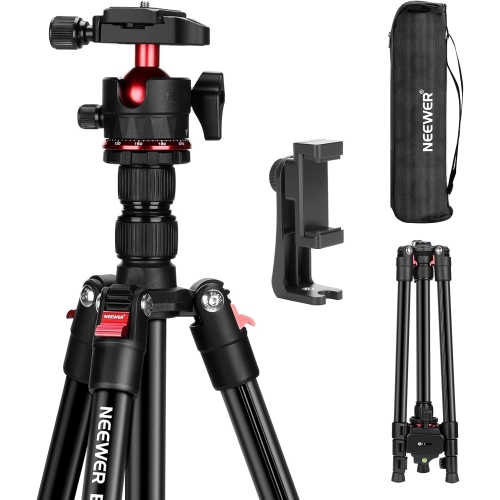
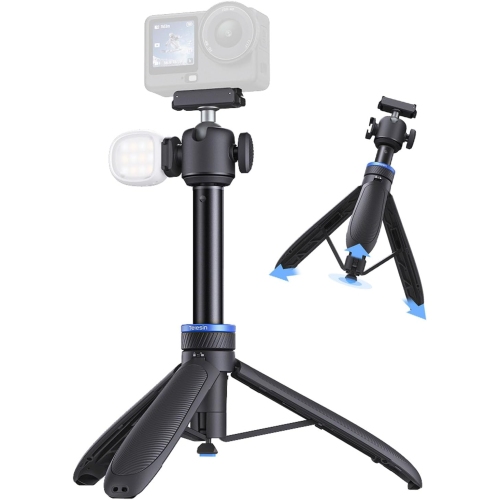
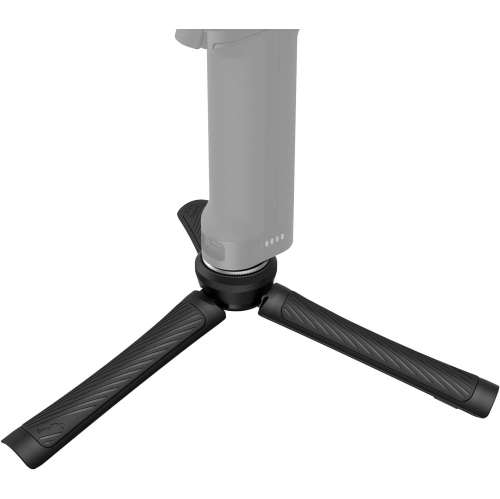
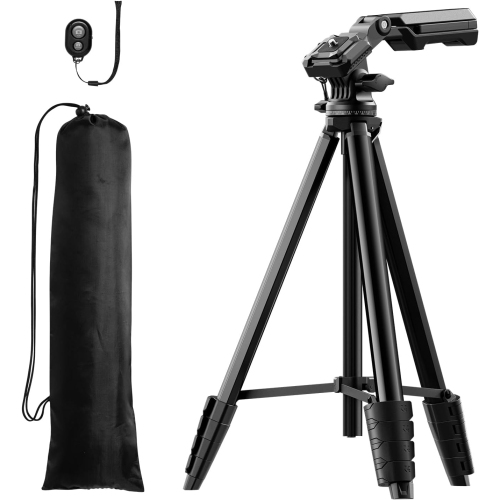
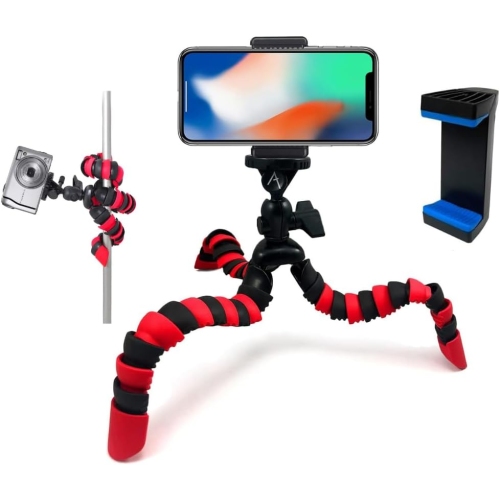
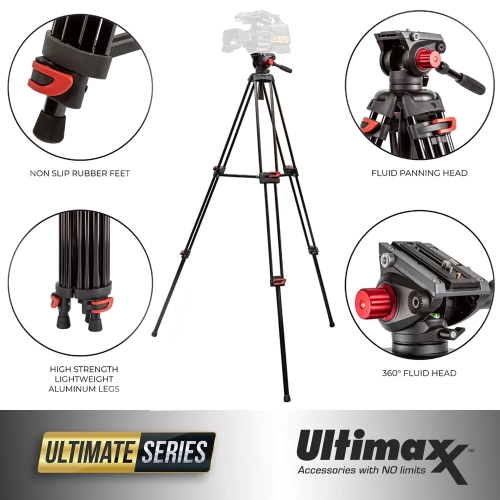

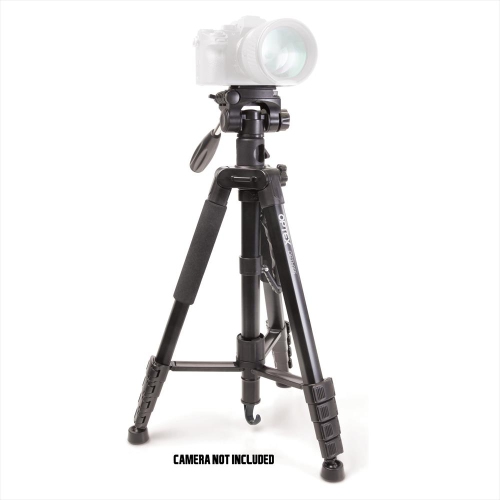
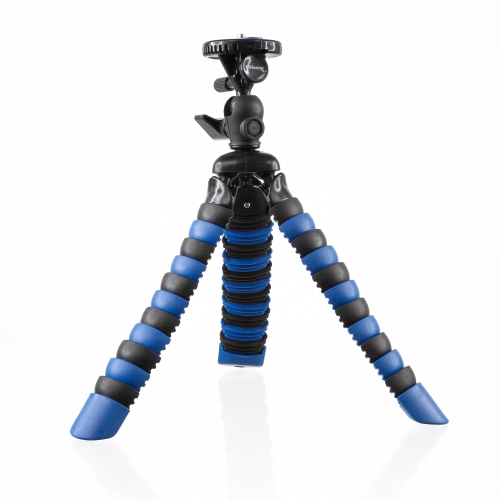
From tripod support to handheld shooting with less twisting
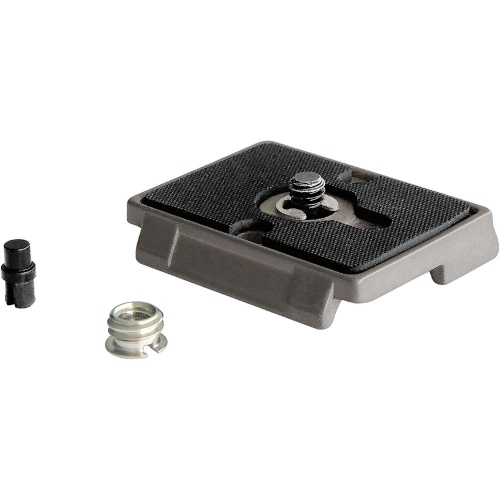
Quick release tripods make it easier to move a camera between stable support and handheld shooting without repeatedly threading the camera onto the tripod head. The system has two main parts: a mounting plate that attaches to the camera or lens collar, and a matching clamp or receiver on the tripod head. Once the plate is attached, it can slide, drop or click into the receiver, depending on the design, and lock in place with a knob, lever or latch. This arrangement is useful when a carefully framed photograph is followed by a spontaneous moment across the room, or when a video setup needs to move between several positions. The plate can often stay attached to the camera between sessions, provided it does not obstruct controls, compartments or comfortable handling. Most camera plates attach with a 1/4-inch-20 screw, although the mounting requirements of the camera or lens support should always match the plate. Compatibility matters just as much at the clamp: similar-looking plates are not necessarily interchangeable. A common dovetail format uses a plate approximately 38 mm wide, but dimensions, profiles and safety-stop arrangements can vary, so a shared description alone does not guarantee a secure fit. Other systems use dedicated plate shapes that require a matching receiver. Quick release describes the mounting connection, rather than the way the tripod head moves. A ball head offers flexible positioning for still photography, a pan-and-tilt head separates movement along different axes, and a fluid video head provides controlled resistance for smoother pans and tilts. For someone photographing a tabletop arrangement and then turning the camera towards a presenter, the right combination of head and release mechanism can make those changes less disruptive. The main advantage is a repeatable connection: the camera returns to its support without the repeated twisting involved in a direct screw-on mount, although framing may still need a small adjustment after each move.
The usefulness of a quick release tripod also depends on the legs, head and overall proportions of the support. Aluminum construction commonly offers a sturdy feel, while carbon fibre can reduce carrying weight and help damp vibration; performance still depends on tube diameter, joints, head design and how far the legs are extended. A compact folded length is convenient for a shoulder bag or carry-on, while a taller working height can make longer sessions more comfortable. Maximum height alone tells only part of the story. Raising a centre column fully can introduce more movement than working with the column lowered, especially with a longer lens or a camera positioned away from the centre of the legs. The broader range of photography tripods includes supports suited to travel, home studios, close-up work and video, with quick release connections appearing across several designs. Load capacity should account for the complete setup, including the camera, lens, microphone, light and any brackets attached to it. The head and legs may have separate ratings, and a stated maximum load does not by itself describe resistance to vibration or how comfortably a head will hold an off-centre load. A long lens, for example, places different demands on a head than a compact camera of the same weight. Where a lens has a tripod collar, mounting through that collar can improve balance and reduce strain on the camera connection. Plate length also affects positioning: a longer sliding plate can help balance a video setup, while a smaller plate may sit more comfortably beneath a compact camera. For portrait-oriented photographs, a head that tilts sideways may be sufficient, while a compatible L-shaped bracket can allow a change in orientation without moving the camera as far to one side. Smartphone use requires a suitable holder; a quick release plate alone does not grip a phone.
Small details around the release mechanism have a noticeable effect during everyday use. A broad, textured tightening knob can be easier to operate than a recessed control, while a lever provides a clear opening and closing action when correctly adjusted for its matching plate. Some receivers include a secondary catch, safety pin or stop that helps prevent the plate from sliding out unintentionally. These features add protection but do not replace fully engaging the clamp and confirming that the camera is secure before letting go. Rubber or cork contact pads can help resist twisting and protect the camera’s base, while locating pins or raised edges may provide additional resistance to rotation on compatible equipment. Access underneath the camera is worth considering, too: an oversized plate can cover a battery door, and a protruding screw fitting may feel awkward during handheld shooting. For photographers who alternate between a tripod and another support, compatible receivers can reduce plate changes, but each connection still needs to match the plate and carry the intended load. Care is generally straightforward. Grit around the clamp, screw or leg locks can interfere with a snug fit, so loose debris should be removed with a soft brush or cloth, following the manufacturer’s cleaning directions. Contact surfaces should be clean and dry before mounting, and moving parts should not be lubricated unless the manufacturer specifies it. Occasional checks for a loose mounting screw, worn pads, damaged threads or play in the head can catch problems before equipment is placed on the support. These practical details matter to many users: a hobbyist photographing handmade pieces needs consistent framing, a family photographer benefits from stepping into the picture, and a creator filming demonstrations needs a stable camera that can be removed without dismantling the whole setup. As a gift for a photographer or videographer, a quick release tripod is most useful when its carrying size, working height, head movement and plate compatibility suit the equipment and subjects they already enjoy.
Top selling and popular products
-
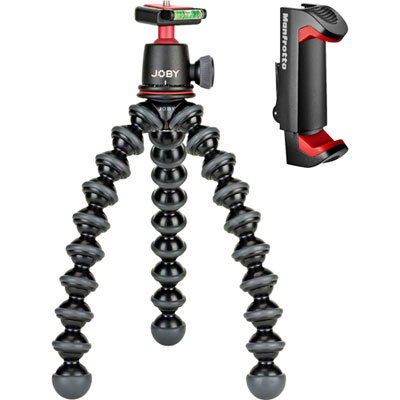 Your price for this item is $144.99
-
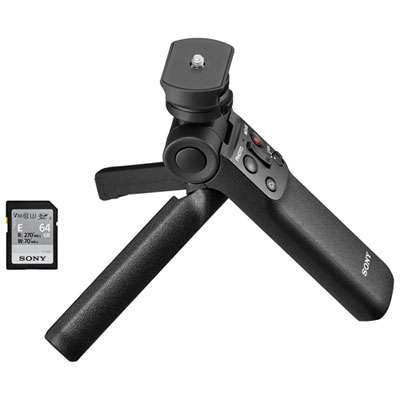 Your price for this item is $199.97
-
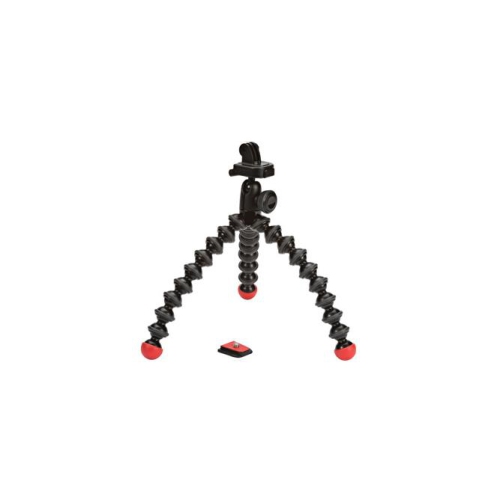 Your price for this item is $126.91
-
 Your price for this item is $139.99
-
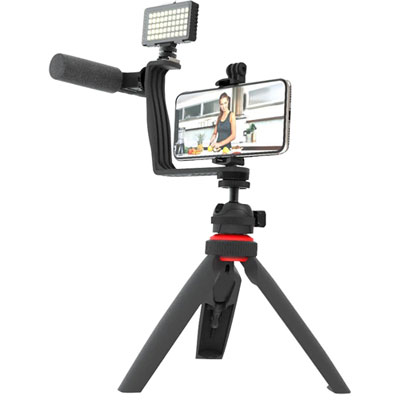 Your price for this item is $69.99
-
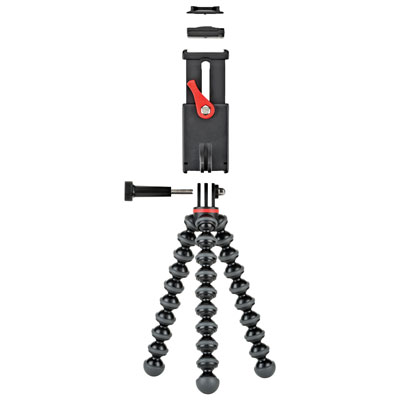 Your price for this item is $78.97
-
 Your price for this item is $259.99
-
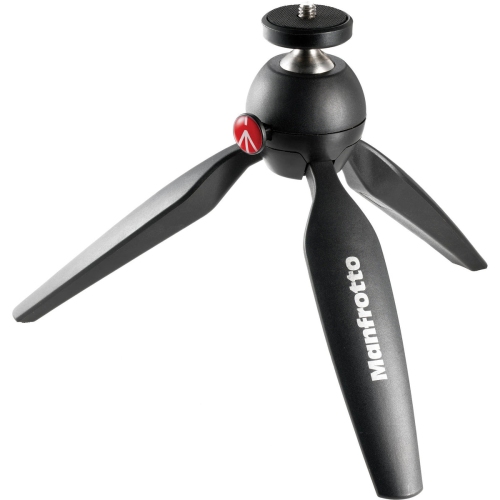 Your price for this item is $83.53
Discover more categories related to Quick Release Tripods
Top Collections:
Best Black Friday Deals This Year, Best Black Friday Deals On Electronics, Kindle Devices, Pokemon Centers, Best Black Friday Deals On Apple Products, Best Cameras for Sports Photography, Dyson Airwrap, Pokémon 30th Celebration Cards, Apple iPhone 17 Pro, Canon G7X Cameras
Some products may be subject to Environmental Handling Fees
(EHF) depending on your province.
Learn more about EHFs.