FPV Drones
Discover the exhilarating world of fpv drones, where immersive flight experiences and real-time aerial perspectives take your adventures to new heights. Whether you’re a seasoned pilot or just beginning your journey, fpv drones offer an exciting way to explore the skies, capture unique footage, and enjoy dynamic control. Find the perfect fpv drone to match your skill level and interests, and get ready to elevate your flying experience.
Sort
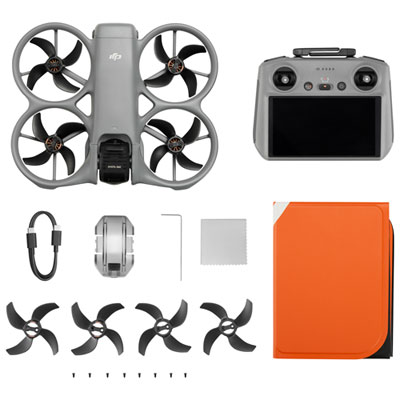
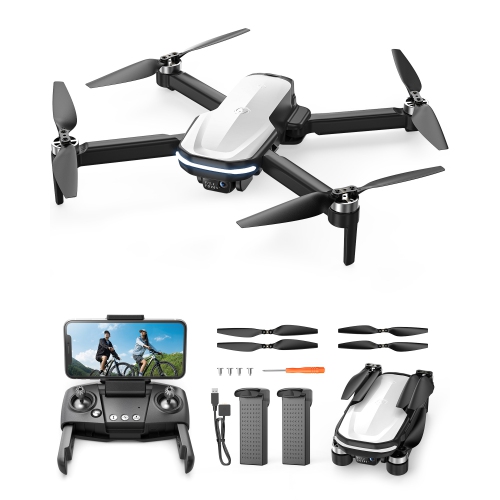
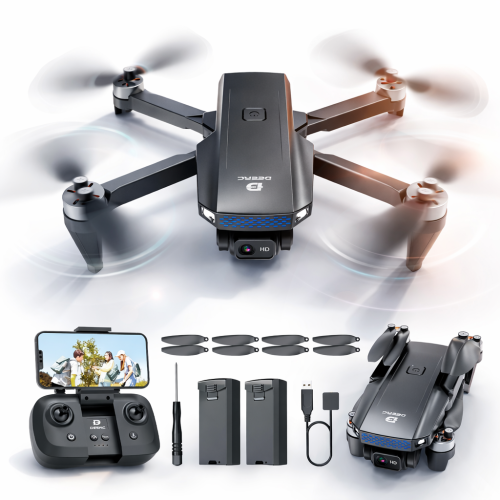
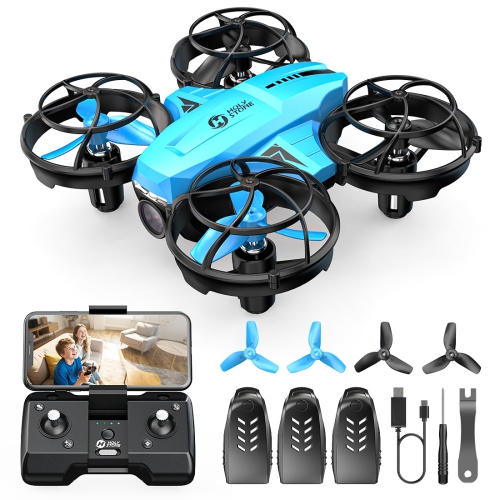
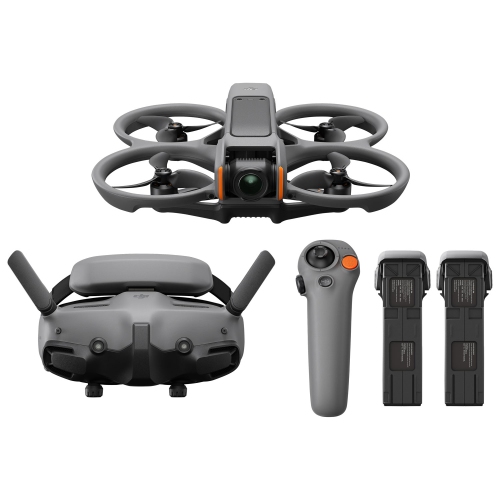
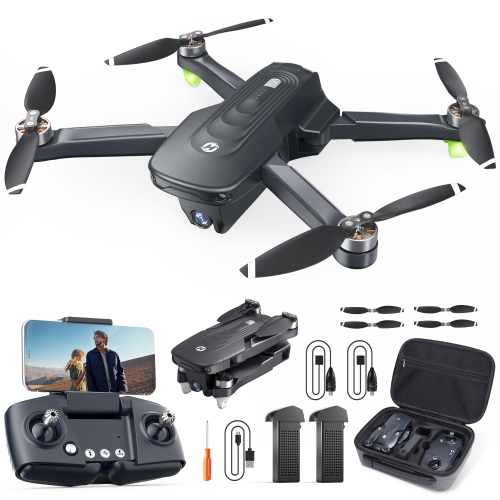
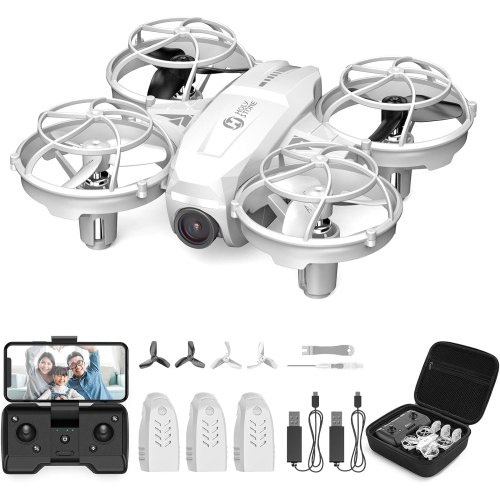
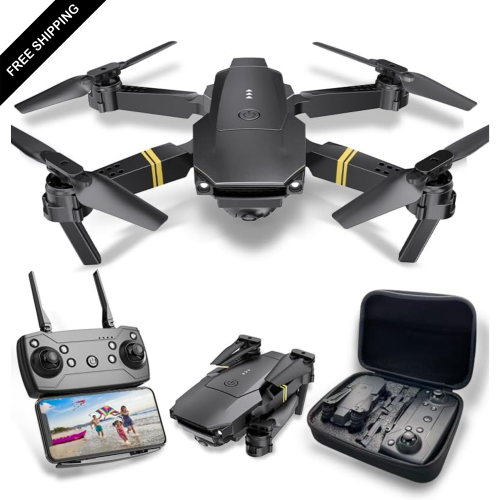
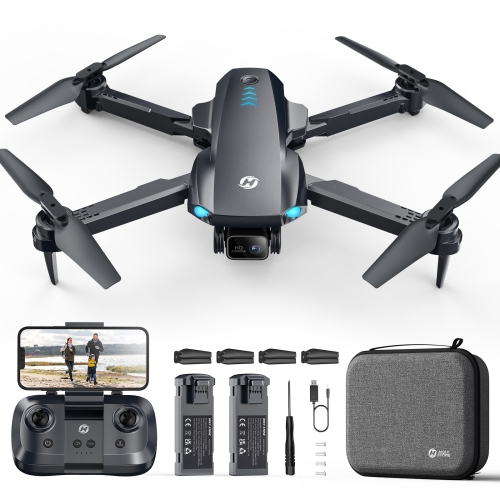
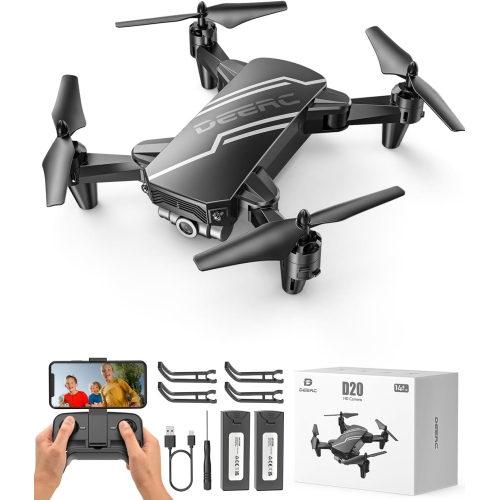
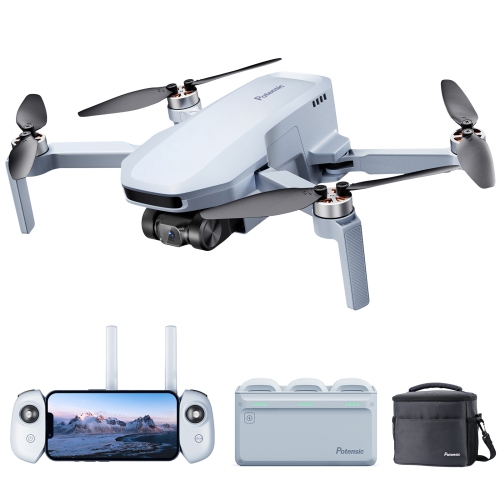
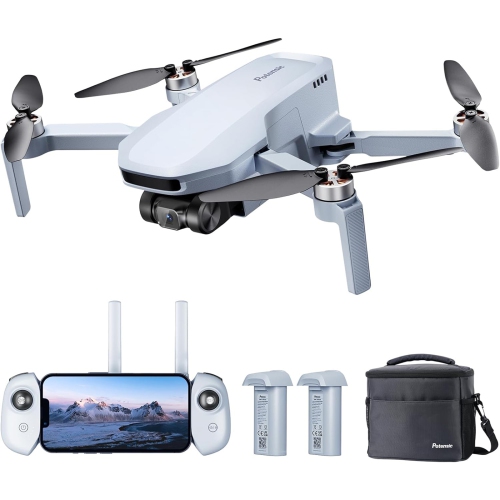
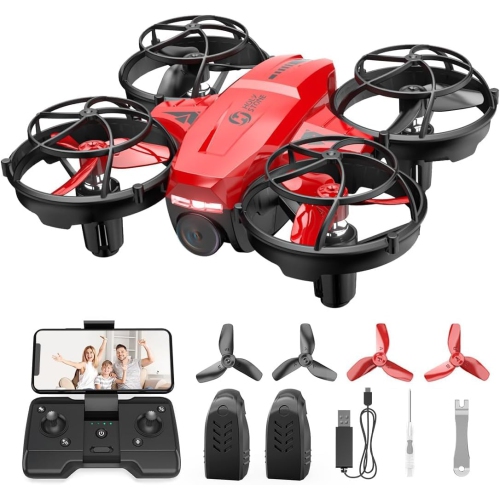
How live video puts you in the pilot’s seat
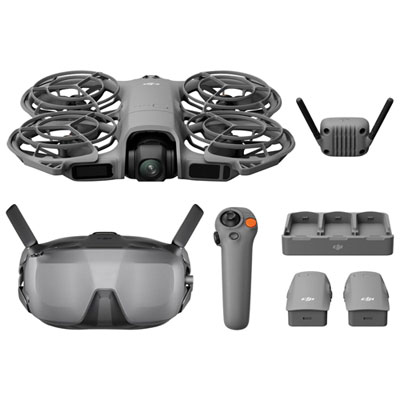
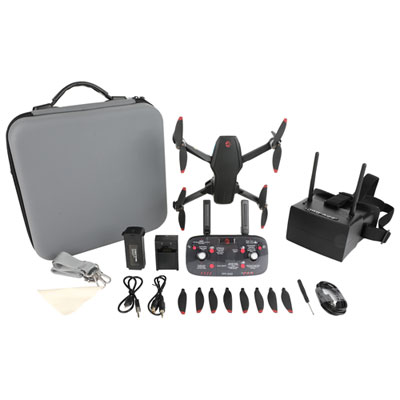
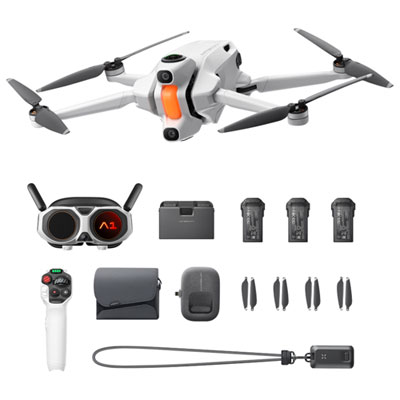
FPV drones are remote-controlled aircraft that transmit live video from an onboard camera to compatible goggles or a screen, giving the pilot a first-person view of the flight. Instead of watching the aircraft only from the ground, the pilot sees the direction its camera faces, with turns, climbs, and changes in speed unfolding from an airborne perspective. This viewing experience is central to FPV flying, whether the intended use is recreational practice, organized racing, freestyle manoeuvres, or capturing moving footage. The live camera feed helps the pilot judge direction and movement, but it does not replace the need to maintain the visual awareness required for safe, lawful operation. Different designs suit different purposes: compact, guarded aircraft can suit controlled practice in an appropriate space, while performance-focused designs may emphasize responsive handling and an open frame. Camera-oriented FPV drones may place more emphasis on smoother movement, image quality, and support for recording equipment. The camera used to navigate is not always the camera that records the final footage, so a clear live feed and a high-resolution recording are separate considerations. Video latency, meaning the delay between what the camera sees and what appears in the goggles, matters particularly when making quick corrections or approaching gates on a designated course. Analogue and digital video systems differ in image presentation, equipment requirements, and how the picture behaves as signal quality changes. Compatibility is essential across the aircraft, video transmitter, receiver, goggles, and controller; matching one connection or frequency alone does not guarantee that everything will work together. For someone new to the hobby, the most useful setup is often one whose controls, viewing equipment, and flight modes suit their experience. Experienced pilots may instead prioritize precise control, repair access, or a particular video system. Those differences make intended use a more meaningful starting point than appearance alone.
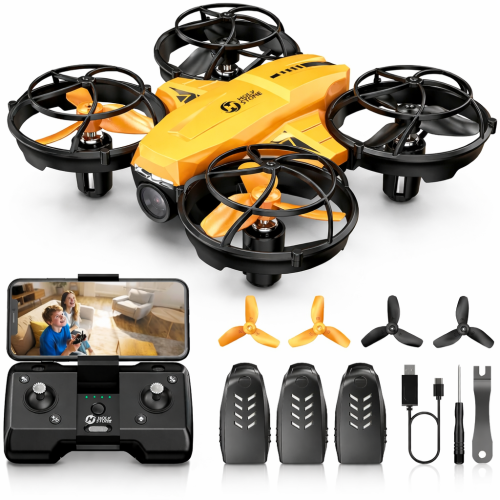
The way an FPV drone is built affects how it handles, how it tolerates contact, and how practical it is to maintain. Carbon-fibre frames are common in performance-oriented designs because they combine stiffness with relatively low weight, while moulded plastic structures and propeller guards appear on many compact aircraft. Guards can help separate spinning propellers from nearby surfaces, but they do not make an aircraft harmless or suitable for flying close to people. Frame layout also matters: an exposed arm can be easier to inspect after a rough landing, while a more enclosed design may require additional disassembly to reach internal parts. Propellers are wear components, and chips, bends, or cracks can introduce vibration and affect control. Replaceable arms, accessible fasteners, and clearly documented replacement parts can make routine upkeep less frustrating, particularly for pilots who expect to practise regularly. Aircraft weight, motor characteristics, propeller size, and battery choice work together rather than independently. Adding a recording camera or a larger battery changes the load, which can alter handling and flight duration instead of simply adding capability. Advertised flight times also depend on the test conditions; repeated acceleration and sharp manoeuvres typically use energy differently from steady, gentle flight. Battery compatibility includes the connector, voltage, physical dimensions, and the aircraft’s supported specifications, not just whether a pack fits beneath a strap. Controllers deserve similar attention. Comfortable stick spacing, a secure grip, and accessible switches can matter over repeated practice sessions, especially when a pilot needs to change modes without looking away from the flight view. Some aircraft offer self-levelling or other assistance, while manual flight modes demand more continuous input and practice. A controller that supports a compatible simulator can provide a useful way to become familiar with stick movements before flying the aircraft. For a gift recipient, knowing their existing control and video systems can be more helpful than choosing equipment based on its size or styling.
Goggles shape much of the FPV experience, so fit and visual comfort deserve as much attention as the aircraft itself. An adjustable head strap, balanced weight, and a face cushion that sits comfortably around the eyes can make a noticeable difference during repeated short flights. Depending on the design, interpupillary distance adjustment, focus adjustment, or support for corrective inserts may help the display suit the wearer. Glasses compatibility varies and should not be assumed from the size of the headset. A well-fitting facial interface can also reduce distracting light around the display without requiring excessive strap pressure. For shoppers exploring immersive viewing options, VR Drones is a related category, although conventional virtual reality headsets are not automatically compatible with FPV video systems. The aircraft’s transmission system and the viewing device still need to work together. Screen viewing can be another option where supported, and some setups allow a separate display for someone following the flight without wearing goggles. Beyond the viewing equipment, practical ownership includes a suitable charger, secure battery storage, protection for lenses, and a way to transport the aircraft without bending propellers or straining antennas. Dust and debris should be removed according to the manufacturer’s care instructions, and frames, wiring, fasteners, and propellers need inspection after impacts. Batteries require the specified charging equipment and handling procedures; damaged or swollen packs should not remain in service. FPV drones can appeal to photography enthusiasts, technically curious hobbyists, and pilots interested in developing coordinated flying skills, but they also require an appropriate place to operate and time to learn. A small aircraft is not automatically suitable for a shared indoor space, and a large open area is not automatically an authorized flight location. In Canada, the aircraft’s weight, location, and type of operation can affect registration, pilot certification, and other requirements. Goggle use must fit applicable visual line-of-sight and observer requirements, and permission to use a site does not replace airspace rules. Matching the aircraft to the pilot’s experience, maintenance preferences, and permitted flying space helps make FPV ownership a rewarding, manageable hobby.
Top selling and popular products
-
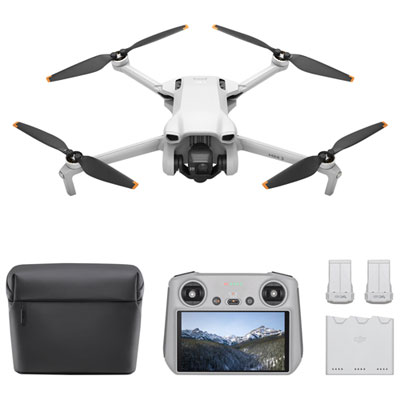 Your price for this item is $689.97
-
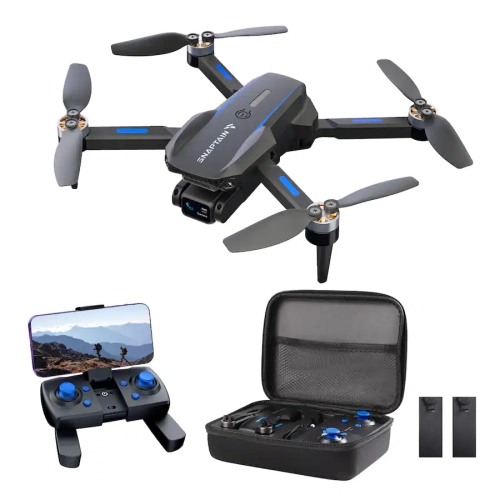 Your price for this item is $109.98
-
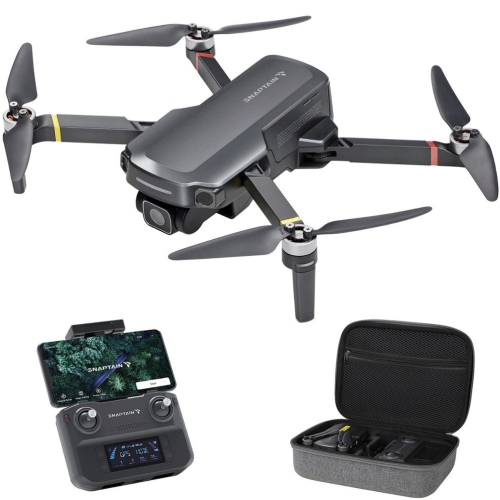 Your price for this item is $279.9
-
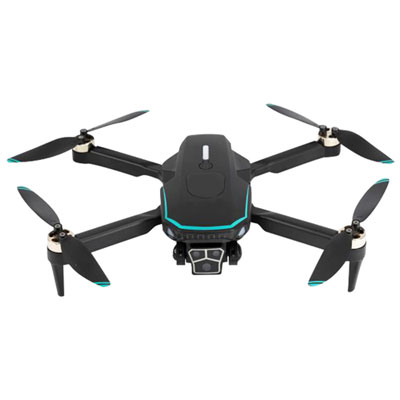 Your price for this item is $79.99
-
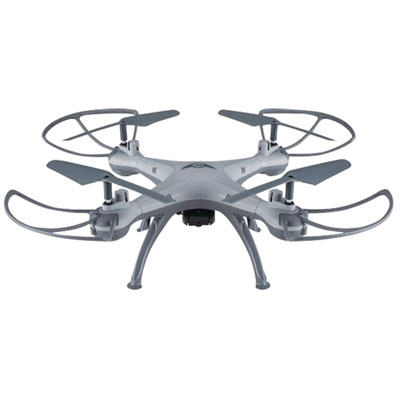 Your price for this item is $49.99
-
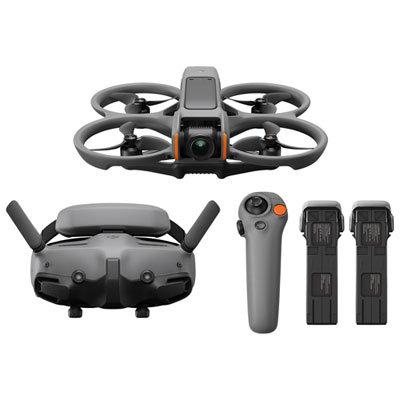 Your price for this item is $1279.99
-
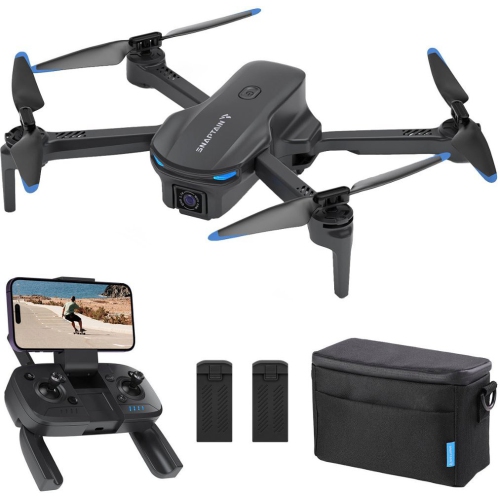 Your price for this item is $189.9
-
 Your price for this item is $205.99
Discover more categories related to FPV Drones
Top Collections:
Best Black Friday Deals This Year, Best Black Friday Deals On Electronics, Kindle Devices, Best Black Friday Deals On Apple Products, Best Budget Office Chairs, Best Cameras for Sports Photography, Dyson Airwrap, Canon G7X Cameras, Best Laptops for Writers, Samsung Galaxy Phones
Some products may be subject to Environmental Handling Fees
(EHF) depending on your province.
Learn more about EHFs.