Retro Cameras
Retro Cameras capture the charm of classic photography with a nostalgic aesthetic that stands out in today's digital world. Whether you're an avid collector, a photography enthusiast, or simply drawn to vintage-inspired designs, these cameras offer a unique way to express your creativity. Explore a wide selection of Retro Cameras that blend timeless style with modern convenience, perfect for those who appreciate both form and function. Find the ideal addition to your camera collection or discover a standout gift for any photography lover.
Sort
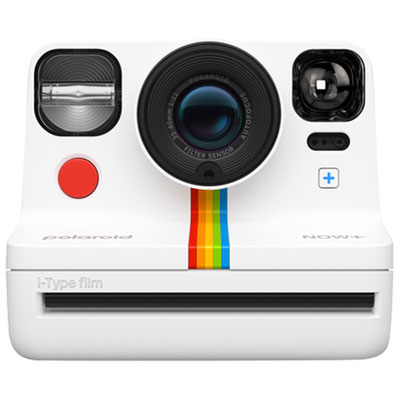

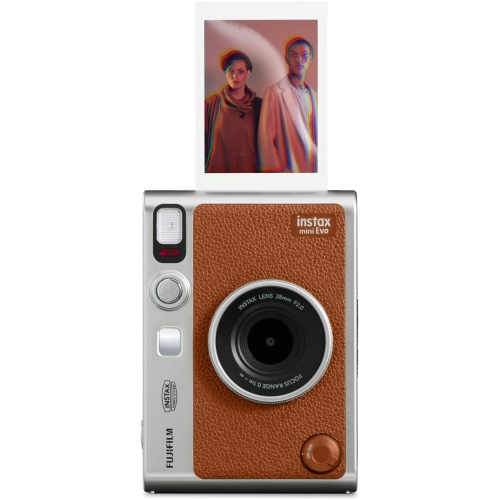

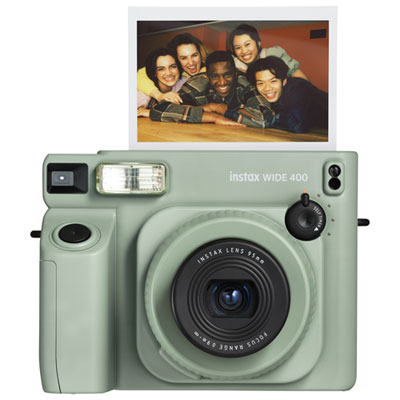
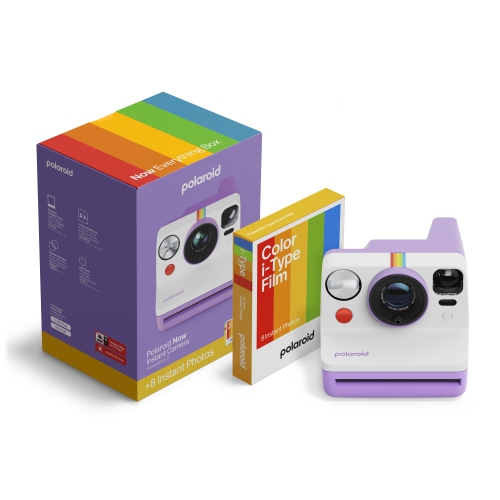
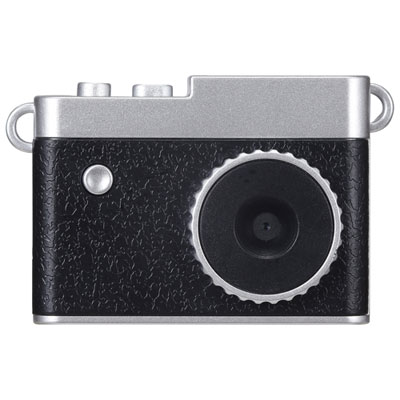
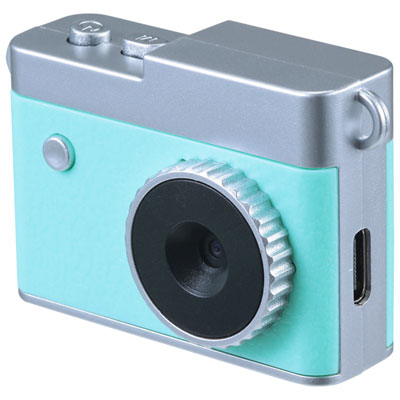
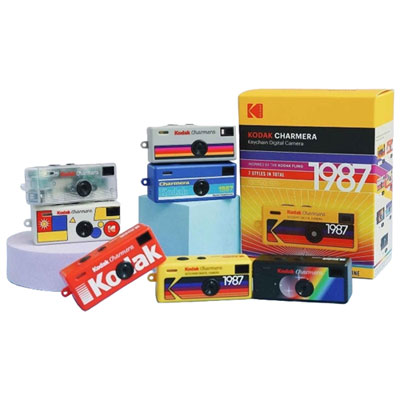


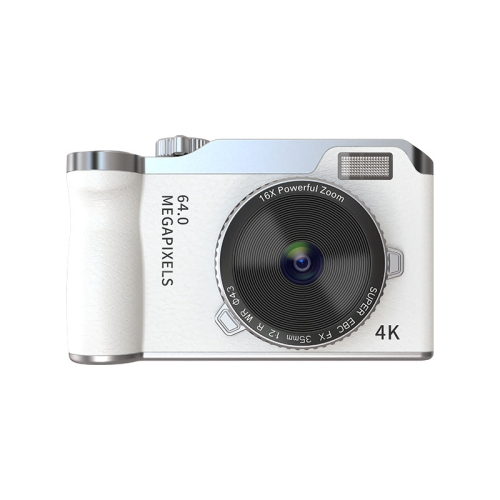
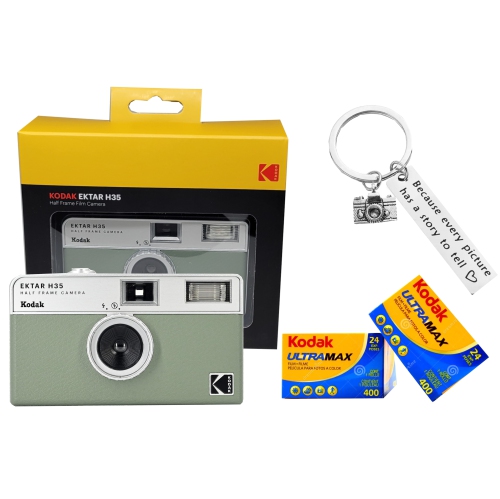

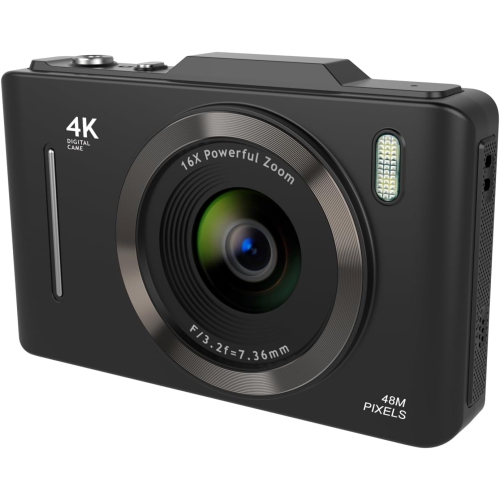
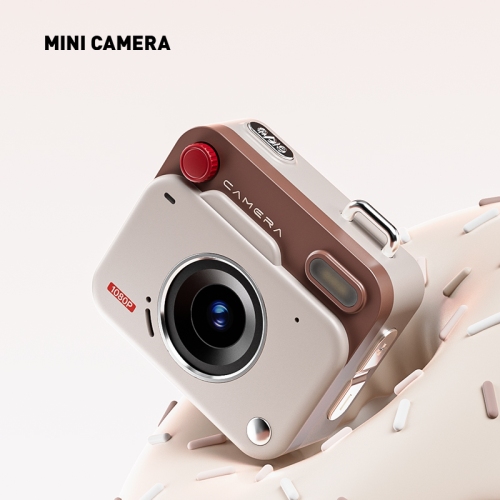
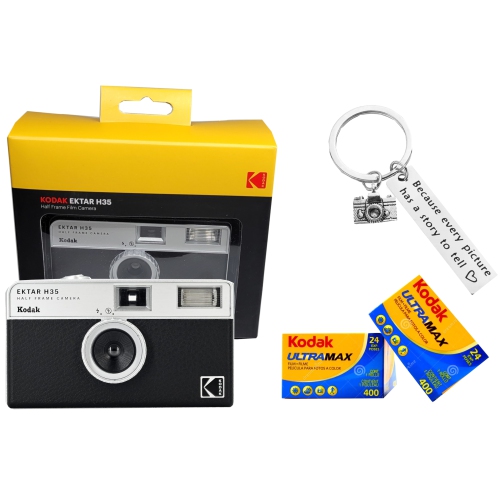
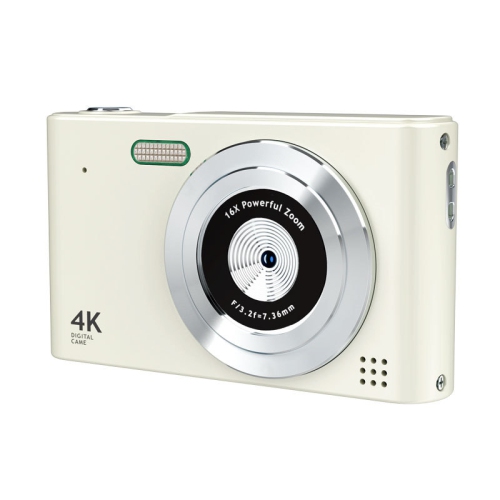
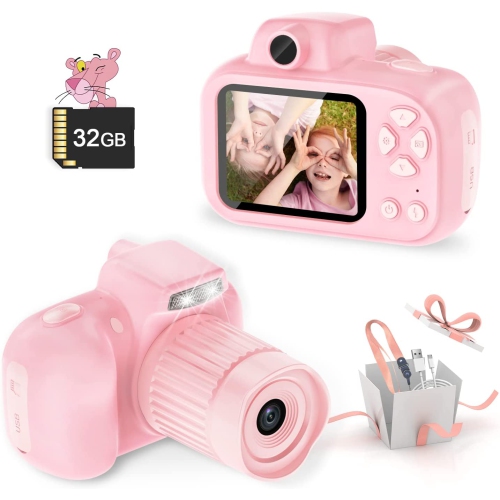
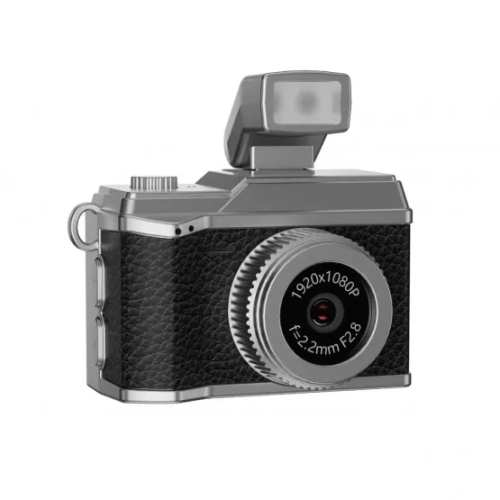
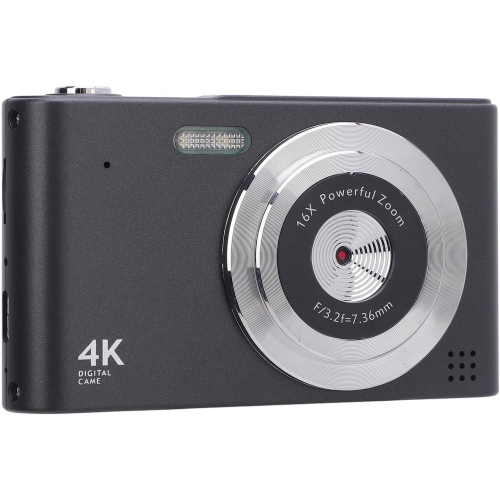
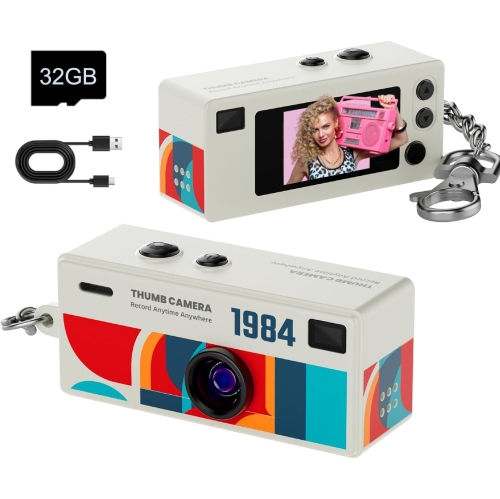
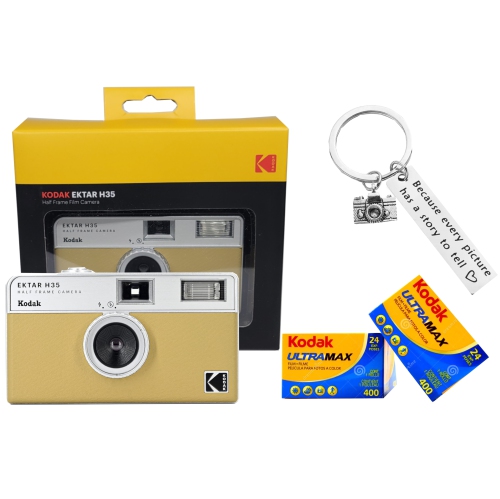
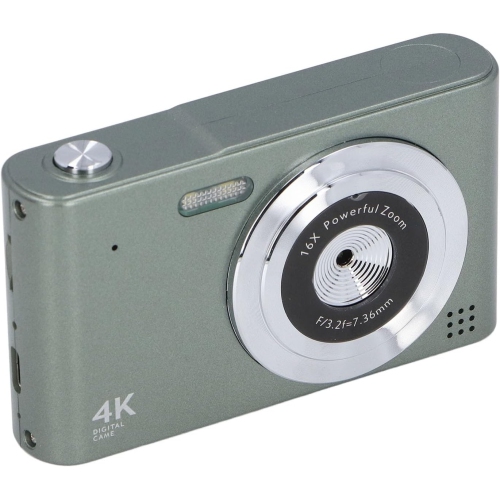
Vintage looks don’t always mean shooting on film
Retro cameras include classic 35mm film cameras, instant cameras, early digital point-and-shoots and modern digital cameras with vintage-inspired styling. What connects them is an interest in the look, feel or photographic character of earlier cameras, rather than one particular way of taking pictures. Some create physical negatives or prints; others record digital files while bringing back textured grips, compact rectangular bodies and tactile controls. That distinction matters because a camera can look vintage without using film, and an older digital camera can produce a nostalgic image without resembling a traditional film camera. Reusable 35mm cameras offer the familiar experience of loading a roll, composing through a viewfinder and seeing the photographs after processing. Simple versions often have fixed-focus lenses and limited settings, making them suited to casual snapshots within their specified shooting range. More advanced film cameras may offer adjustable focus, shutter speed and aperture for photographers who enjoy shaping each exposure. Full-frame 35mm cameras generally record one photograph per standard film frame, while half-frame cameras divide that space into two smaller images. A 36-exposure roll can therefore yield approximately 72 half-frame photographs, although the actual count depends on loading and the camera. Those smaller negatives can show more visible grain when enlarged, which may be part of their appeal for informal portraits and travel journals. Film choice also contributes to colour, contrast and grain, while lens quality, lighting and exposure influence the final result. A built-in flash can help with nearby subjects, but its reach is limited and varies by camera. Film processing remains part of the experience, with negatives providing a physical original and scans making photographs easier to share digitally. For someone who enjoys the anticipation of seeing a finished roll, that separation between taking a photograph and viewing it can be as meaningful as the camera’s appearance.
Instant cameras bring a different kind of immediacy to retro photography by producing a physical photograph shortly after the shutter is pressed. They suit guest books, scrapbooks, casual portraits and small gatherings where a print can become part of the occasion. Print dimensions, image area and film compatibility vary between camera systems, so instant film is not interchangeable simply because the cartridges or packaging look similar. Some instant cameras keep operation straightforward, while others add close-up settings, exposure adjustment, timers or creative shooting modes. Analogue instant cameras expose film directly; hybrid instant cameras combine digital capture with a printing function and may allow images to be reviewed before printing. That difference affects whether every shutter press uses a sheet of film. Prints also need time to develop, and their handling requirements depend on the film type. Retro digital cameras cover an equally broad range. Early digital compact cameras are associated with small bodies, direct flash and an unmistakable snapshot aesthetic, particularly in photographs of friends at a dinner table or candid moments on a night out. Their results depend on the sensor, lens, processing and available light, not simply their age. Modern retro-styled digital cameras may pair traditional-looking controls with newer imaging technology, electronic viewfinders and digital sharing features. Some compact designs include fixed lenses, while certain mirrorless designs support interchangeable lenses for different perspectives and subjects. A vintage-looking body does not automatically include film simulations, and a film-look filter does not reproduce every characteristic of a film negative. Digital options nevertheless offer room to experiment with colour, monochrome and composition without waiting for processing. Screen-free designs emphasize shooting without immediate review, whereas cameras with rear displays make it easier to assess framing and focus. Storage formats, battery types and transfer methods vary, particularly with older digital cameras, where compatible memory cards, chargers or computer connections may be less familiar than those used by newer equipment.
The physical experience of using a retro camera often explains its appeal as much as the photographs do. A lightweight plastic body can be comfortable in a small shoulder bag, while a metal-bodied design may have a more substantial feel in the hand. Textured coverings, grip shape, strap attachment points and the spacing of controls all affect everyday handling. A slim camera can suit walks through the city or a day spent visiting friends, whereas a larger body with a pronounced grip may feel steadier during longer photography sessions. Across Retro Style Cameras, familiar details such as prominent dials, contrasting finishes and viewfinders can accompany very different levels of control. Exterior styling alone does not indicate image quality, durability or resistance to moisture and dust. Protective cases, suitable straps and lens caps help reduce scuffs and accidental knocks, while clean storage keeps grit away from lenses, switches and moving parts. Optical surfaces benefit from camera-appropriate cleaning materials rather than household cleaners or rough fabrics. For older cameras, the condition of battery compartments, film doors, light seals and moving mechanisms can be particularly important; an attractive exterior does not confirm that every function works properly. Fit also extends to the photographer’s habits. Someone who enjoys quick pictures of café tables, pets and everyday outings may appreciate simple controls and a body that is easy to carry. A photography student or experienced hobbyist may prefer manual settings that make exposure decisions more deliberate. Instant photography can appeal to people who enjoy displaying or giving away small prints, while digital capture suits those who like organizing photographs into albums and sharing files. As gifts, retro cameras can connect with an interest in design, family photography or creative projects, but the recipient’s preferred format matters more than appearance alone. Film, batteries, memory cards and printing supplies have different compatibility requirements, and not every camera uses all of them. The most satisfying match is a camera whose size, controls and image-making process fit naturally into the way its owner likes to take photographs.
Top selling and popular products
-
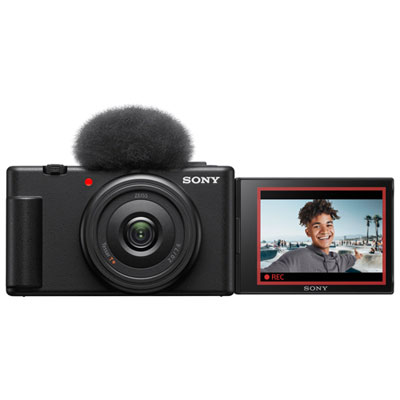 Your price for this item is $599.99
-
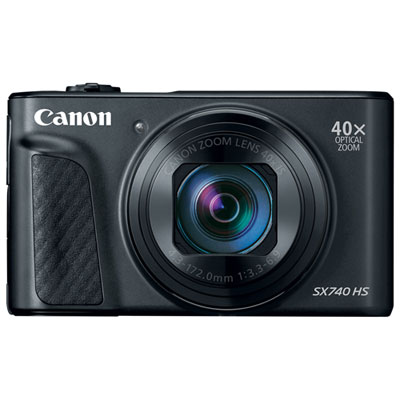 Your price for this item is $799.99
-
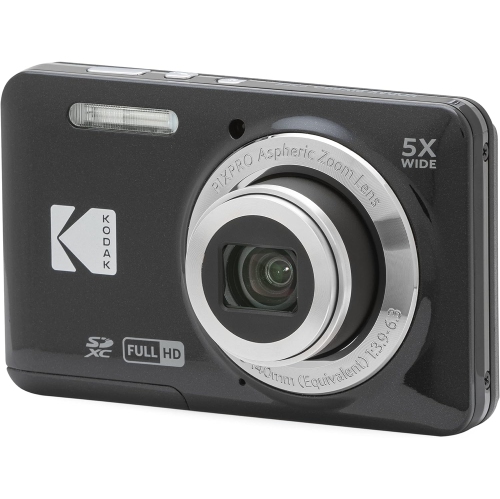 Your price for this item is $255
-
 Your price for this item is $253
-
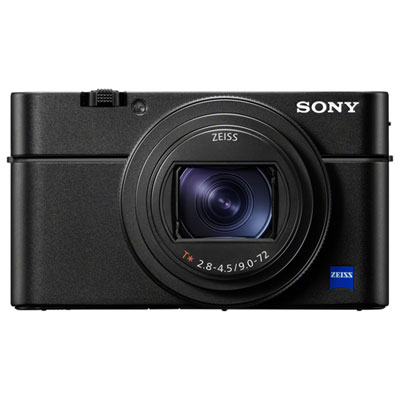 Your price for this item is $1799.99
-
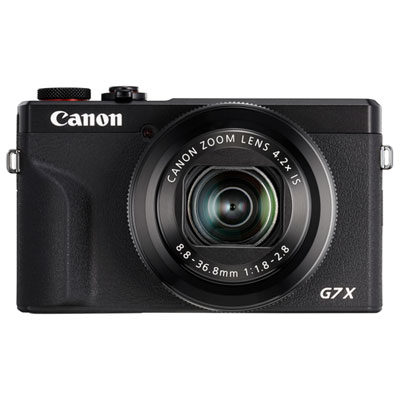 Your price for this item is $1999.99
-
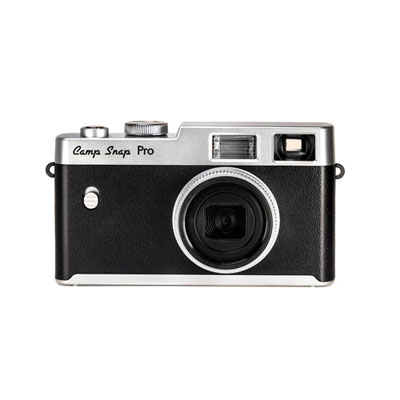 Your price for this item is $149.99
-
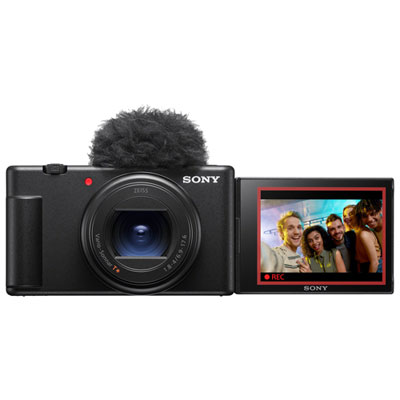 Your price for this item is $1099.99
Discover more categories related to Retro Cameras
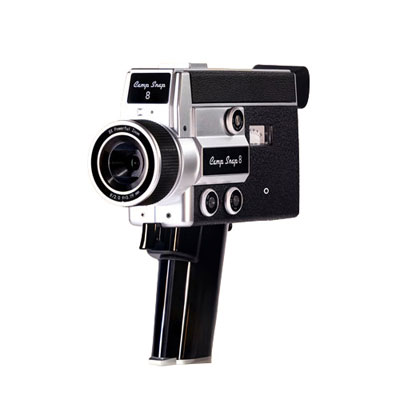
Top Collections:
Best Black Friday Deals This Year, Best Black Friday Deals On Electronics, Kindle Devices, Pokemon Centers, Best Black Friday Deals On Apple Products, Best Cameras for Sports Photography, Dyson Airwrap, Pokémon 30th Celebration Cards, Apple iPhone 17 Pro, Canon G7X Cameras
Some products may be subject to Environmental Handling Fees
(EHF) depending on your province.
Learn more about EHFs.