Rode Videomics
Capture crystal-clear audio with our selection of Videomics. Whether you're a professional videographer or an aspiring content creator, having high-quality audio is essential for creating engaging videos. Our range of Videomics offers top-notch sound recording capabilities, allowing you to capture every nuance and detail with precision. With features like directional pickup patterns and built-in shock mounts, these Videomics are designed to deliver exceptional audio performance in any situation. Explore our collection today and take your video production to the next level.
Sort
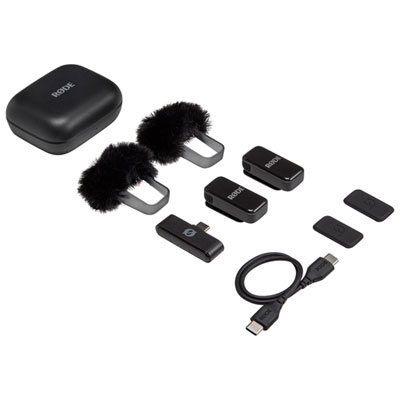

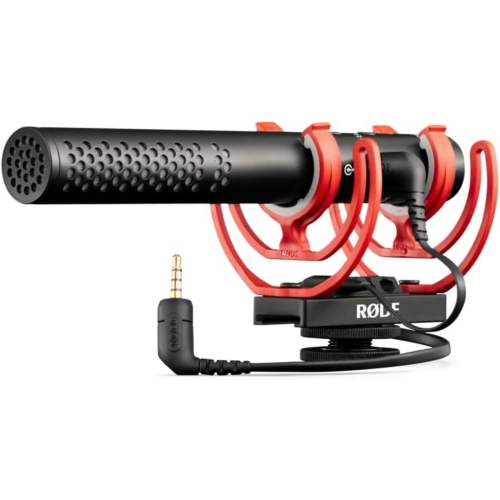
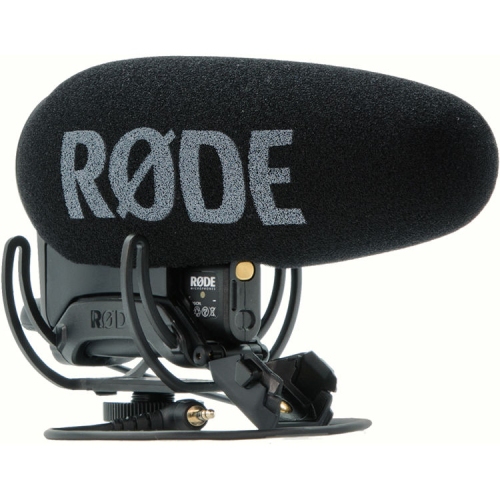
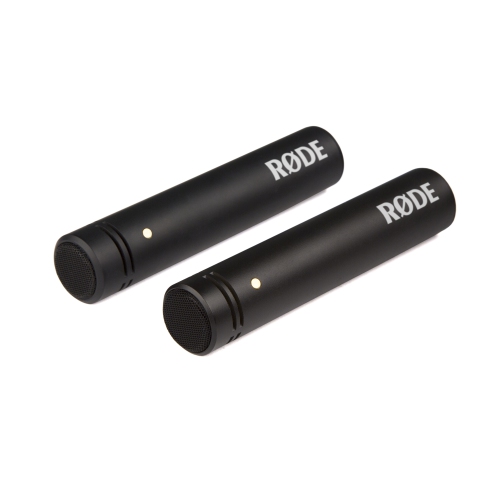
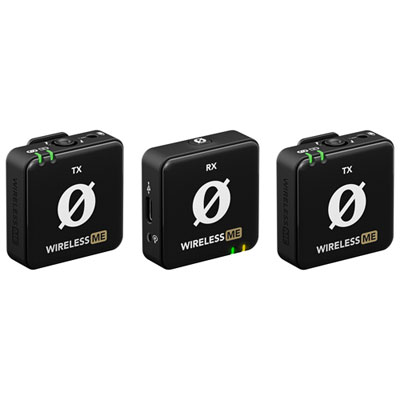
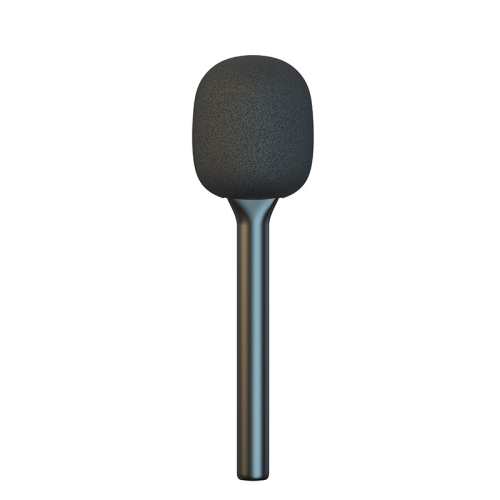
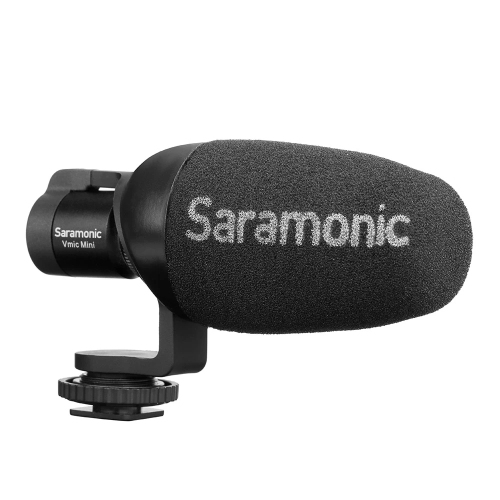


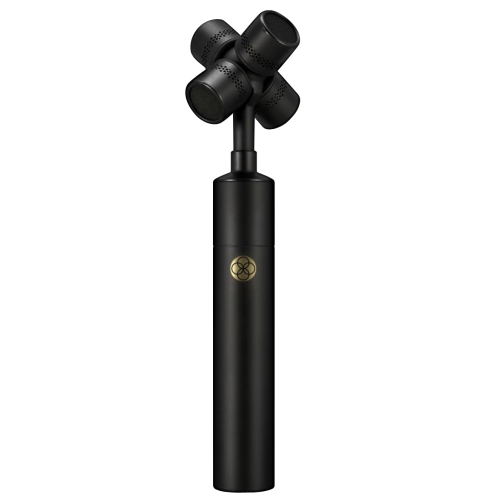
Clearer speech with the right connection and wind protection
On-camera microphones are a practical way to give videos a fuller, clearer sound without adding a complicated recording setup. Built for use with cameras, camcorders, and compatible mobile devices, these compact microphones sit close to the lens and help capture speech from in front of the camera with greater presence than many built-in microphones. They are well suited to vlogs, interviews, travel videos, family recordings, tutorials, livestreams, short films, and behind-the-scenes footage. A camera may produce sharp images, but thin or distant audio can make the finished recording feel flat; a dedicated microphone helps voices sound more immediate and easier to follow. When browsing this collection, start by checking device compatibility and connection type. Some microphones draw plug-in power directly from a compatible camera or mobile device, so no separate battery is needed, while others may require a particular adapter, cable, or external power source. This detail matters when moving between a DSLR or mirrorless camera, a compact camera, a camcorder, a tablet, and a phone. A microphone intended for a camera may use a different connection from one designed for a mobile device, and a phone may need an audio adapter that supports microphone input. For a broader selection of options suited to filming, recording, and content creation, explore Video Recording Microphones. It is also worth considering how the microphone will be used. A creator who records seated tutorials in a quiet room may prioritize a small, straightforward microphone, while someone filming walks, interviews, or outdoor scenes may benefit from stronger handling-noise control and improved wind protection. A lightweight design can make a noticeable difference during a long shoot, especially when the camera is held by hand or mounted on a small tripod. Compact microphones are often easy to keep in a camera bag, making them useful whenever an unexpected recording opportunity appears.
Handling noise is one of the most important details to consider because small bumps and finger movements can be surprisingly prominent in a recording. A built-in shock mount, such as a flexible suspension system, helps isolate the microphone from vibrations travelling through the camera body, shoe mount, or grip. This can reduce the dull thuds caused by adjusting controls, repositioning the camera, or walking with the setup. Wind protection is equally useful for outdoor filming. Even a gentle breeze can create a rushing sound across the microphone capsule, obscuring speech and making dialogue difficult to repair later. A furry windshield is designed to soften the effect of moving air while allowing voices and surrounding sounds to remain audible. It is especially handy for park walks, travel clips, sports coverage, property tours, and recordings made near open doors or windows. Indoors, a compact condenser microphone can help bring a speaker’s voice forward, but placement still matters. Point the camera and microphone towards the person speaking, keep unnecessary distance to a minimum, and avoid placing the setup beside loud appliances, fans, or hard reflective surfaces. In a room with bare walls, a few soft furnishings can help reduce the sharp echo that microphones faithfully capture. Outdoors, keep the windshield fitted whenever there is noticeable airflow, and take a short test recording before beginning the main scene. Listening through headphones, when the camera or recording device supports monitoring, can reveal cable noise, distortion, or a loose connection before an entire take is lost. For quick projects, the best setup is often the one that can be attached, checked, and used within minutes. A compact all-metal body may offer a reassuringly solid feel, while a simple connection and low-maintenance design can be valuable for beginners who want better sound without carrying a larger audio kit.
These microphones can suit a wide range of people and make a thoughtful gift for someone who enjoys creating videos, documenting trips, recording demonstrations, or sharing ideas online. A student might use one for presentations, film projects, or interviews; a small business owner could use one for product demonstrations and social media clips; and a parent or grandparent may appreciate an easier way to capture clear family conversations and special occasions. They are also useful for experienced creators who already have a camera but want to improve the audio portion of their setup. Before choosing, consider the person’s main device, typical recording location, and comfort level with accessories. A first-time creator may prefer a plug-and-play option with no separate battery, while a more experienced videographer may look for specific pickup characteristics, mounting flexibility, included wind protection, or compatibility with different cables and adapters. Think about the whole recording routine as well: a microphone that fits securely on the camera, slips easily into a small bag, and does not add much weight is more likely to be used regularly. During the cooler months, indoor filming can benefit from a microphone that helps keep speech clear in home offices, workshops, classrooms, and living rooms, while recordings made outdoors still benefit from careful wind control and secure mounting. Audio quality also depends on expectations. These microphones are designed to improve sound captured from the camera’s direction, but they are not a replacement for a close-positioned interview microphone in every situation. For the clearest results, keep the subject reasonably close, avoid covering the microphone openings, secure the cable so it does not brush against the camera, and record a brief sample before an important scene. With the right connection, placement, and protection from handling noise and wind, a small on-camera microphone can make footage feel more polished, natural, and ready to share.
Top selling and popular products
-
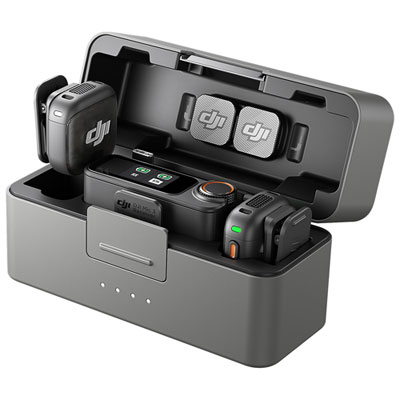 Your price for this item is $385.99
-
 Your price for this item is $149.99
-
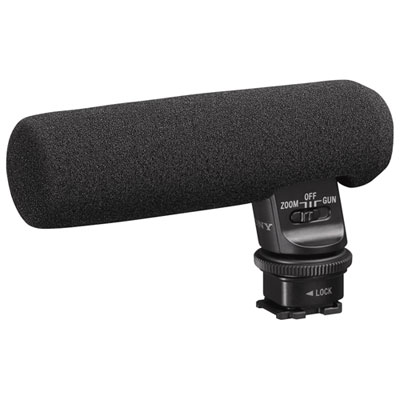 Your price for this item is $129.97
-
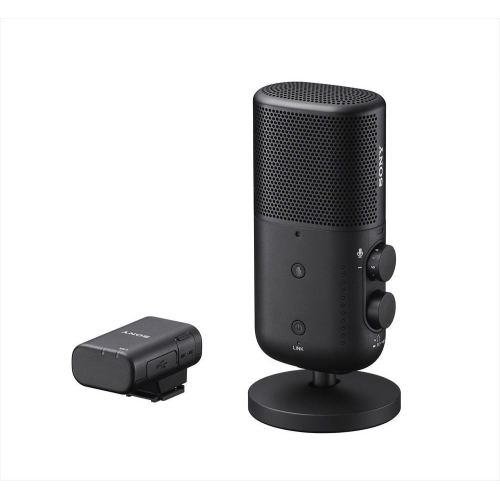 Your price for this item is $568
-
 Your price for this item is $218
-
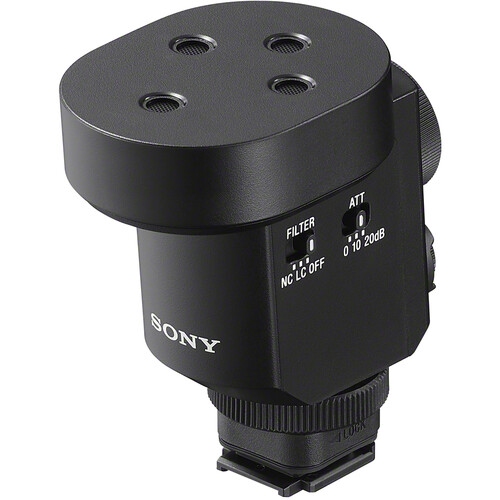 Your price for this item is $468
-
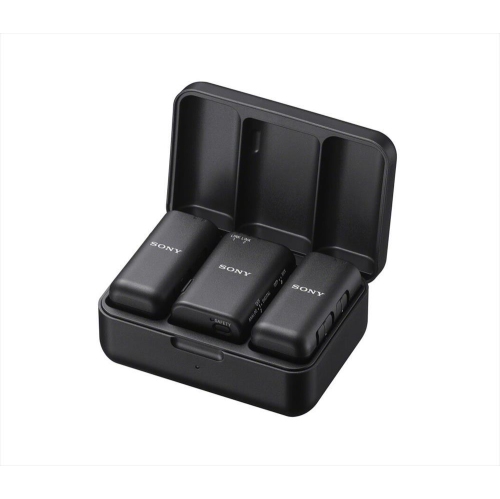 Your price for this item is $628
-
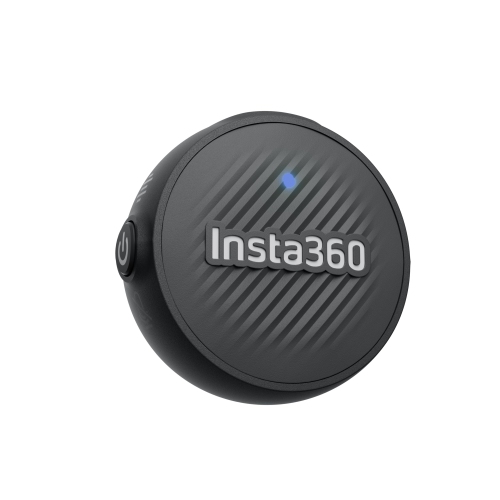 Your price for this item is $99.99
Discover more categories related to Rode Videomics
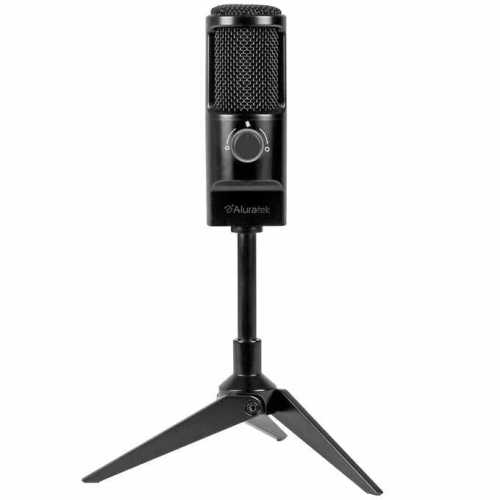
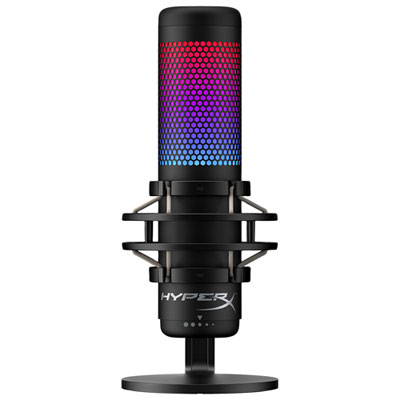
Top Collections:
Pokemon Centers, Best Cameras for Sports Photography, Kindle Devices, Samsung Galaxy Phones, Canon G7X Cameras, Pokémon 30th Celebration Cards, Refurbished Apple Laptops, iPhone 15 Apple, Laptops for Students, Budget Smartphones
Some products may be subject to Environmental Handling Fees
(EHF) depending on your province.
Learn more about EHFs.