Sony Camera Mounts
Capture stunning photos and videos with our wide selection of camera mounts. Whether you're a professional photographer or an avid adventurer, these versatile accessories are designed to elevate your photography game to new heights. From sturdy tripods to flexible gorilla pods, our range of camera mounts offers the perfect solution for every shooting situation. Explore our collection today and discover the ideal mount that will help you capture those breathtaking moments with precision and stability.
Sort



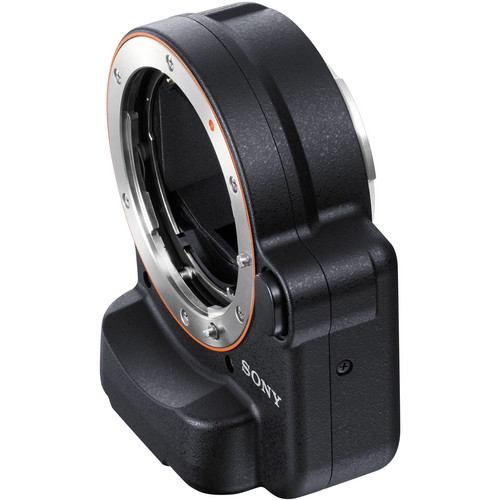
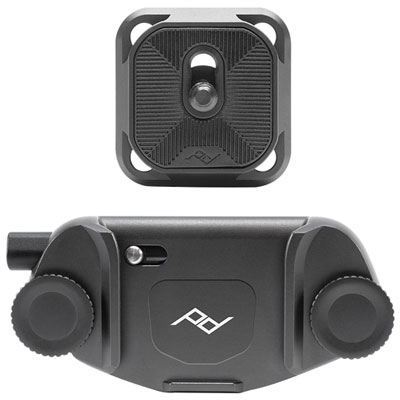
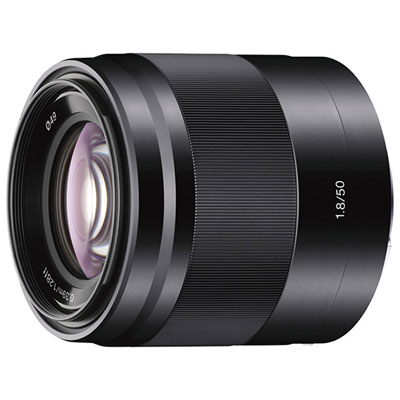
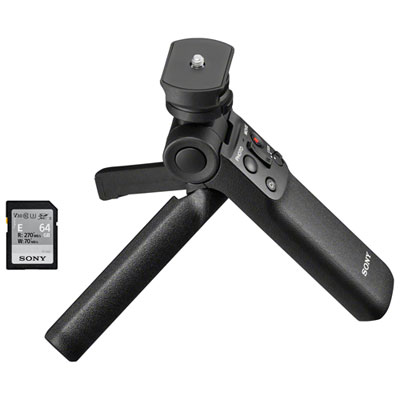
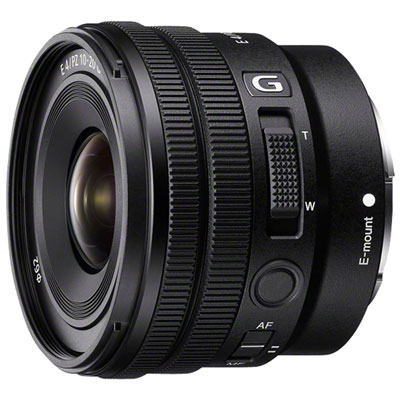
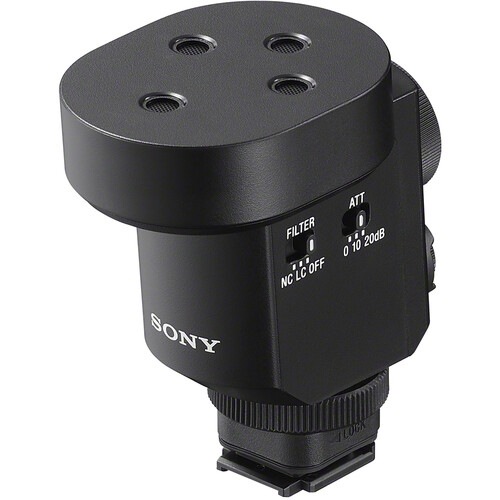
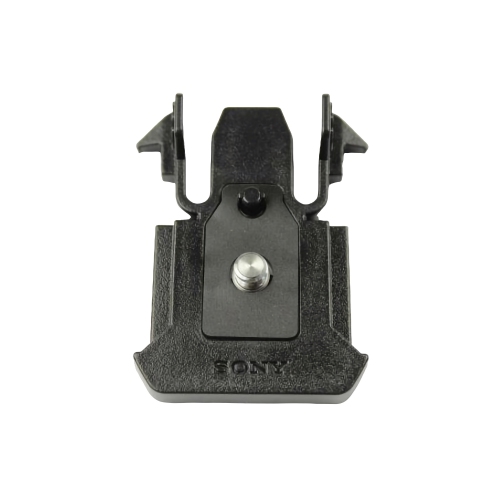
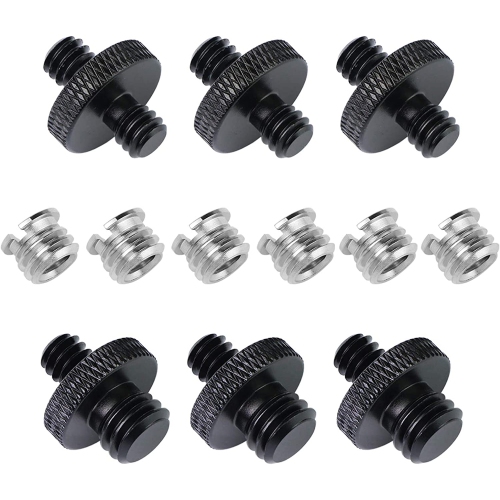
Camera mount compatibility goes beyond a secure fit
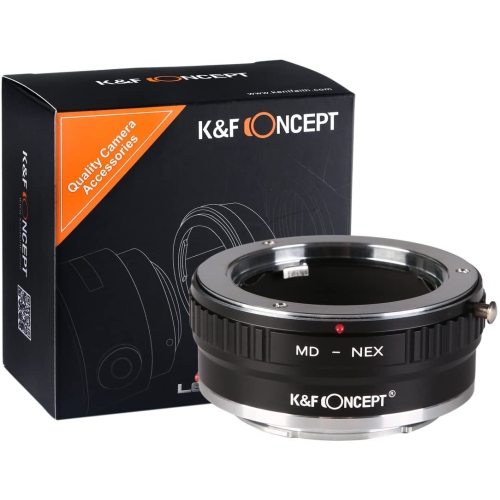
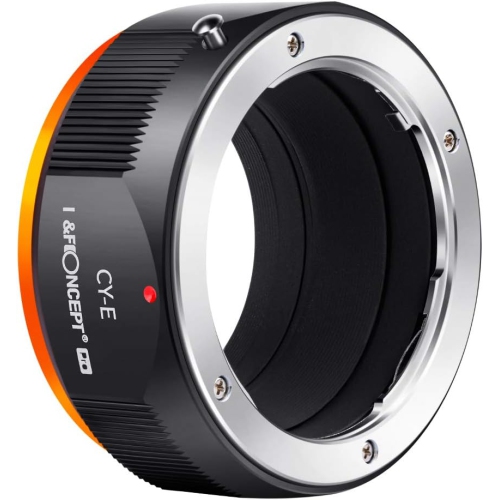
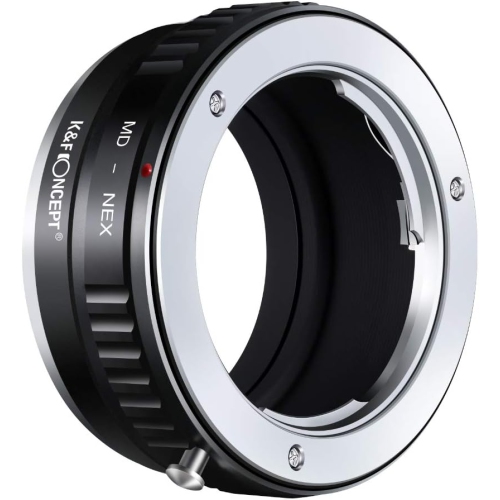
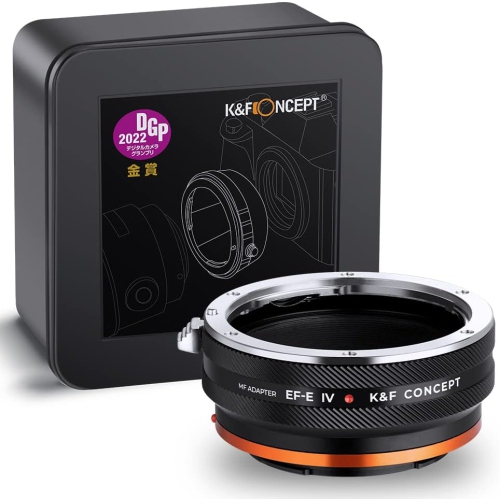
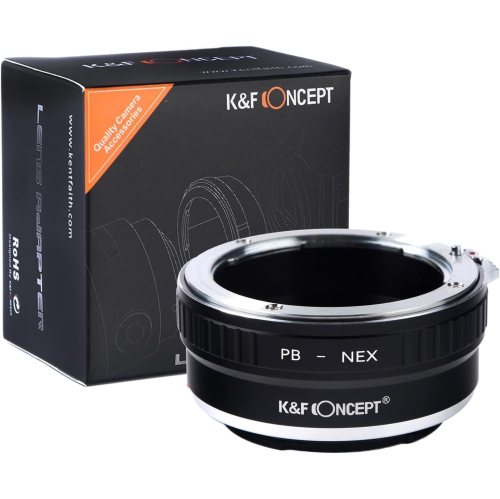
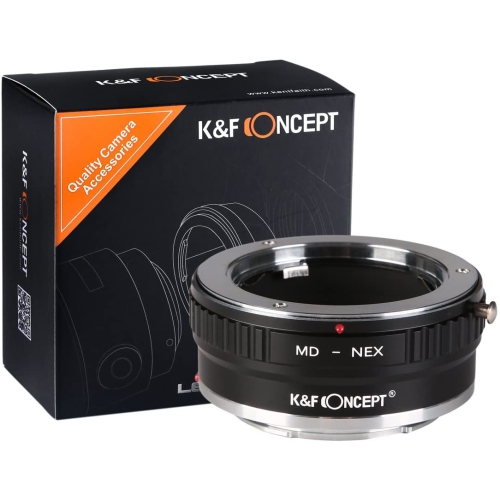
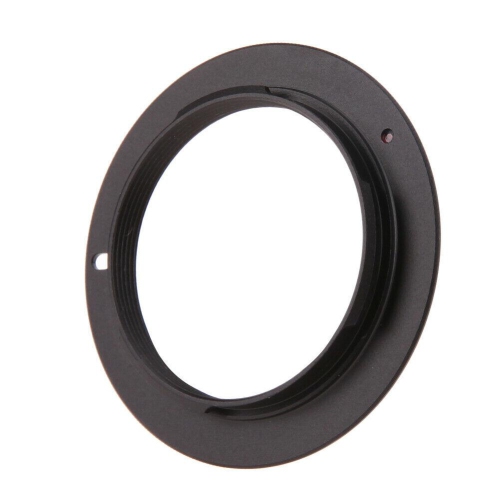
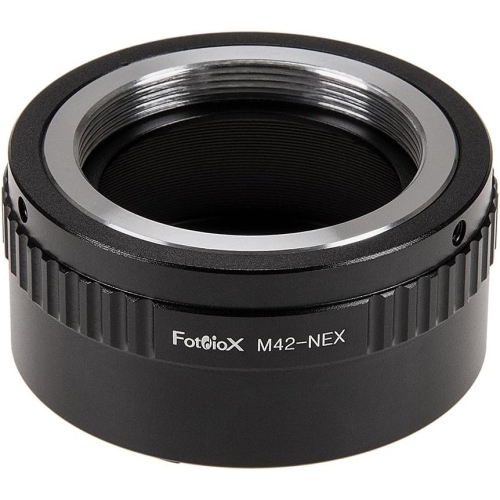
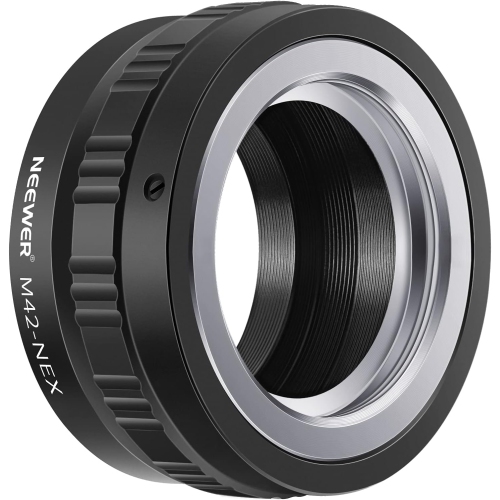
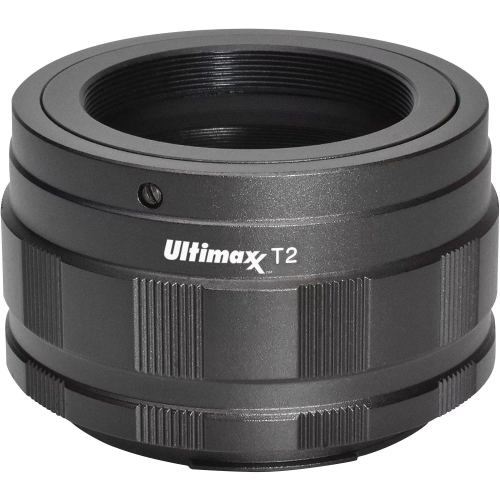
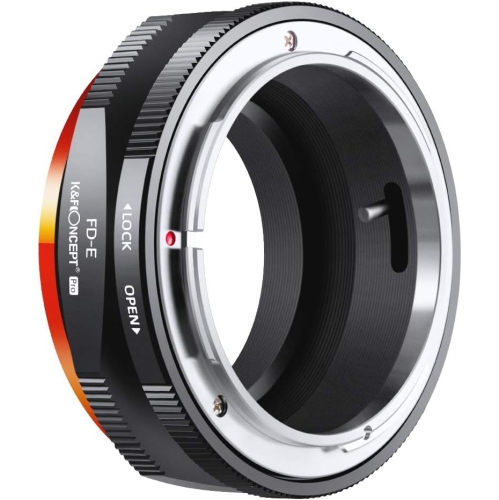
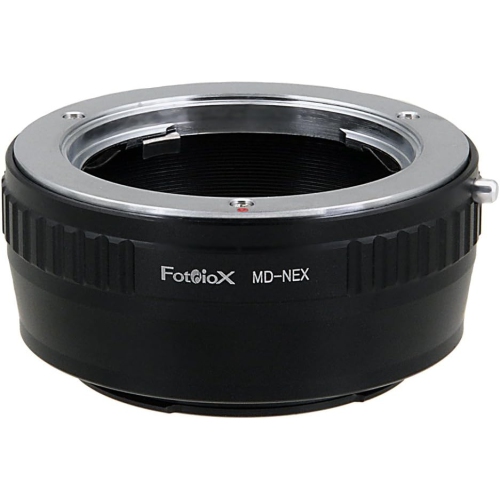
Camera mounts connect a camera to a lens, a support, or a larger shooting setup, and those connections serve different purposes. A lens mount determines which lenses attach to the camera body, while a tripod plate, L-bracket, cage, or clamp secures the camera for photography and video. For interchangeable-lens cameras in this category, the key distinction is between E-mount and the older A-mount system. E-mount is designed for mirrorless cameras and supports both APS-C and full-frame formats; FE identifies lenses designed to cover a full-frame sensor within the E-mount system rather than a separate physical mount. A-mount belongs to an earlier system used by DSLR and translucent-mirror cameras, and its lenses do not attach directly to an E-mount body without a suitable adapter. The short distance between an E-mount lens flange and the camera’s sensor also makes adapting certain other lens systems possible, although physical attachment alone does not guarantee full functionality. An adapter may support electronic aperture control, autofocus, or lens information transfer, but these capabilities depend on the camera, lens, and adapter combination. Some adapters provide only a mechanical connection, leaving focus and aperture adjustments to the photographer where the lens permits them. Sensor coverage matters, too: an APS-C lens may trigger a cropped image area on a compatible full-frame body, reducing the portion of the sensor used. These distinctions are especially relevant when keeping familiar lenses after changing camera bodies, building a compact travel kit, or sharing lenses between compatible cameras. A photographer who enjoys manually focusing portraits has different needs from someone tracking a child running across a room, where dependable autofocus communication is more important. Compatibility therefore involves more than matching the shape of the mount. The camera model, lens mount, sensor format, supported electronic functions, and any stated limitations all help establish whether a connection suits the intended use.
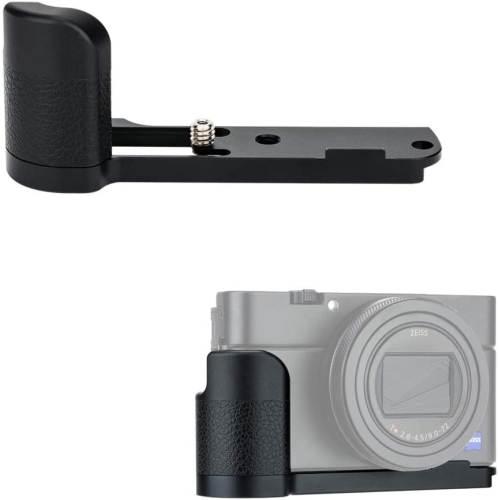
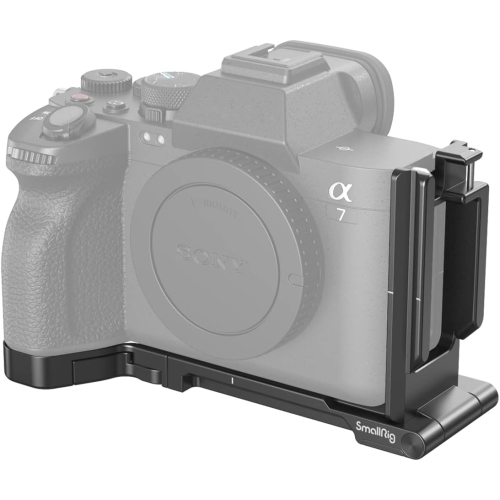
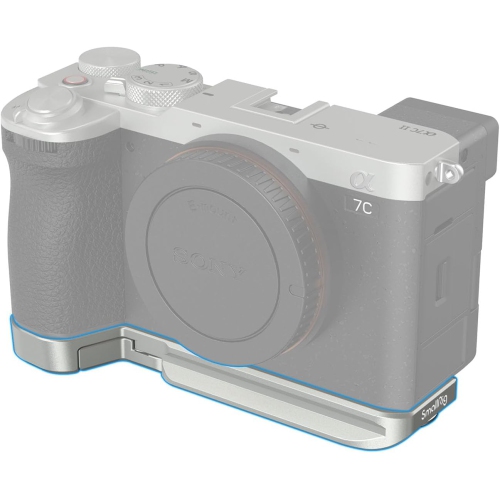
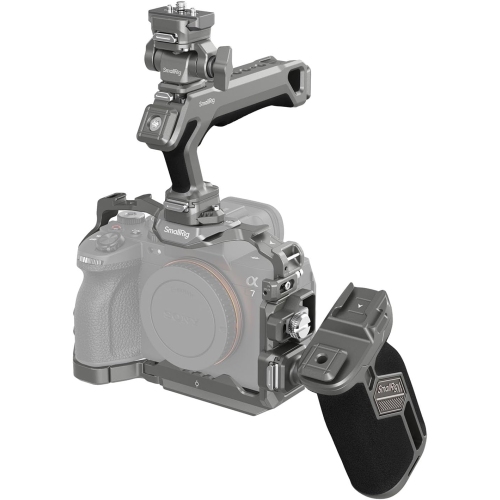
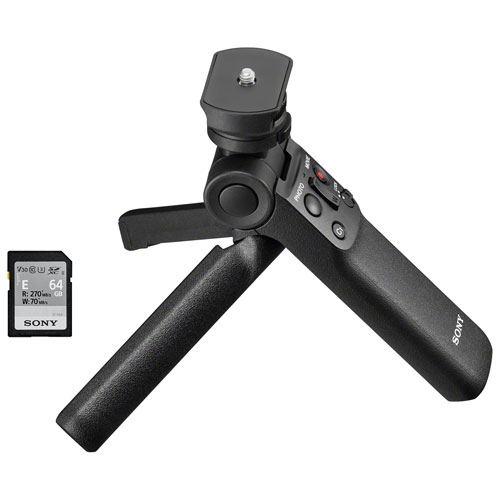
Support mounts address a different part of the setup: how securely the camera sits and how easily it moves between shooting positions. A tripod plate typically fastens to the camera’s threaded base and locks into a compatible head or clamp. Many cameras use a 1/4-inch-20 tripod socket, but the screw size, usable thread length, plate dimensions, and clamp interface still need to match the equipment. Arca-type plates and brackets use a dovetail profile that is common across many support systems, though fit and safety-stop arrangements should be checked rather than assumed. An L-bracket adds a mounting surface along the side of the camera, allowing a compatible clamp to hold it horizontally or vertically without tipping the tripod head sideways. This can help keep the camera positioned over the support when switching from a wide group portrait to a vertical individual portrait. Rotating mounts provide another way to change orientation, but their clearance around the camera body, lens, and controls varies by design. A camera cage surrounds part of the body and adds attachment points for accessories such as a microphone, monitor, or handle; it is not necessarily a substitute for a tripod plate. For tabletop photography, a compact plate may be enough to keep a composition consistent while objects are arranged in front of the lens. For an interview setup, access to microphone connections, a side-opening screen, and the battery compartment can matter as much as the mounting position itself. Body-specific brackets often follow the camera’s contours closely, while universal designs offer flexibility but may require more adjustment. A secure fit should leave buttons usable, avoid pressure on port covers, and allow cables to connect without sharp bends. Accessories considered alongside Sony Camera Accessories should also work together as a complete setup: a bracket that fits the body may still interfere with a particular strap attachment, grip, or tripod clamp. Dimensions and clearance are particularly important when several accessories share a small amount of space.
Materials, construction, and everyday handling influence how a mount performs over time. Machined aluminium is common in plates, brackets, and cages because it combines rigidity with manageable weight, while steel fasteners provide strength at threaded connections. Polymer components and rubber or cork contact pads may help protect the camera’s finish or resist twisting, although padding cannot compensate for an incorrectly shaped plate. Close-fitting surfaces, cleanly finished edges, and locking controls that are easy to reach all contribute to a setup that feels dependable during repeated adjustments. Load ratings deserve attention, but the weight of the camera body alone is not the whole picture. A long lens, an external monitor, or an offset accessory can place extra leverage on a connection, especially when the camera is tilted. Where a lens includes a suitable tripod collar, supporting the assembly at the lens can improve balance and reduce strain on the camera’s lens mount. For video work on a stabilizer, even a small change in plate position or accessory placement can affect balance, so a mount that allows controlled adjustment may simplify setup. Care is generally straightforward: remove grit from mating surfaces, wipe accessible parts with a soft cloth, and follow the manufacturer’s instructions for cleaning and tightening. Avoid forcing a lens or adapter into position, overtightening a camera screw, or applying lubricant unless the manufacturer specifically calls for it. Periodic checks of screws, clamps, pads, and locking mechanisms are useful after transport or frequent orientation changes. A mount should hold firmly without wobble, and any damaged thread or unreliable latch warrants attention before the camera is used on a support. These accessories can be useful for photography students, family photographers, content creators, and anyone who repeatedly sets up the same composition. They can also make thoughtful gifts for a camera enthusiast when the exact camera body, lens system, and existing support interface are known. The most useful choice is one that solves a clear handling need while keeping the camera secure, accessible, and comfortable to operate.
Support mounts address a different part of the setup: how securely the camera sits and how easily it moves between shooting positions. A tripod plate typically fastens to the camera’s threaded base and locks into a compatible head or clamp. Many cameras use a 1/4-inch-20 tripod socket, but the screw size, usable thread length, plate dimensions, and clamp interface still need to match the equipment. Arca-type plates and brackets use a dovetail profile that is common across many support systems, though fit and safety-stop arrangements should be checked rather than assumed. An L-bracket adds a mounting surface along the side of the camera, allowing a compatible clamp to hold it horizontally or vertically without tipping the tripod head sideways. This can help keep the camera positioned over the support when switching from a wide group portrait to a vertical individual portrait. Rotating mounts provide another way to change orientation, but their clearance around the camera body, lens, and controls varies by design. A camera cage surrounds part of the body and adds attachment points for accessories such as a microphone, monitor, or handle; it is not necessarily a substitute for a tripod plate. For tabletop photography, a compact plate may be enough to keep a composition consistent while objects are arranged in front of the lens. For an interview setup, access to microphone connections, a side-opening screen, and the battery compartment can matter as much as the mounting position itself. Body-specific brackets often follow the camera’s contours closely, while universal designs offer flexibility but may require more adjustment. A secure fit should leave buttons usable, avoid pressure on port covers, and allow cables to connect without sharp bends. Accessories considered alongside Sony Camera Accessories should also work together as a complete setup: a bracket that fits the body may still interfere with a particular strap attachment, grip, or tripod clamp. Dimensions and clearance are particularly important when several accessories share a small amount of space.
Materials, construction, and everyday handling influence how a mount performs over time. Machined aluminium is common in plates, brackets, and cages because it combines rigidity with manageable weight, while steel fasteners provide strength at threaded connections. Polymer components and rubber or cork contact pads may help protect the camera’s finish or resist twisting, although padding cannot compensate for an incorrectly shaped plate. Close-fitting surfaces, cleanly finished edges, and locking controls that are easy to reach all contribute to a setup that feels dependable during repeated adjustments. Load ratings deserve attention, but the weight of the camera body alone is not the whole picture. A long lens, an external monitor, or an offset accessory can place extra leverage on a connection, especially when the camera is tilted. Where a lens includes a suitable tripod collar, supporting the assembly at the lens can improve balance and reduce strain on the camera’s lens mount. For video work on a stabilizer, even a small change in plate position or accessory placement can affect balance, so a mount that allows controlled adjustment may simplify setup. Care is generally straightforward: remove grit from mating surfaces, wipe accessible parts with a soft cloth, and follow the manufacturer’s instructions for cleaning and tightening. Avoid forcing a lens or adapter into position, overtightening a camera screw, or applying lubricant unless the manufacturer specifically calls for it. Periodic checks of screws, clamps, pads, and locking mechanisms are useful after transport or frequent orientation changes. A mount should hold firmly without wobble, and any damaged thread or unreliable latch warrants attention before the camera is used on a support. These accessories can be useful for photography students, family photographers, content creators, and anyone who repeatedly sets up the same composition. They can also make thoughtful gifts for a camera enthusiast when the exact camera body, lens system, and existing support interface are known. The most useful choice is one that solves a clear handling need while keeping the camera secure, accessible, and comfortable to operate.
Top selling and popular products
-
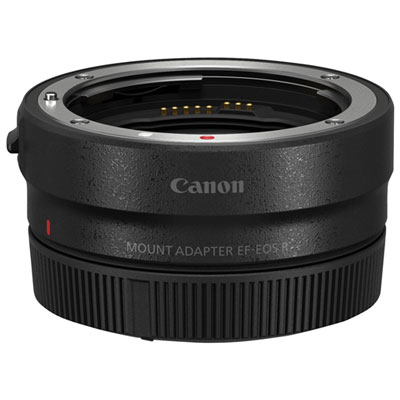 Your price for this item is $179.99
 -
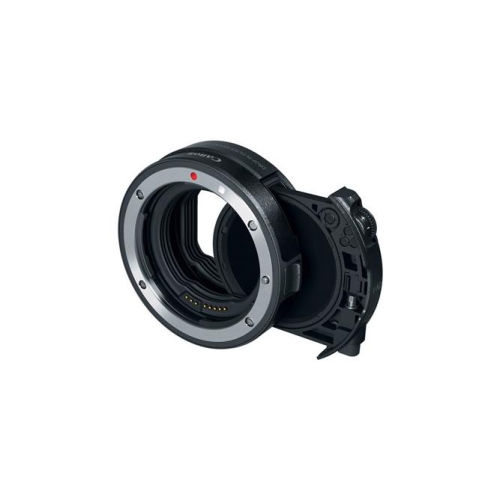 Your price for this item is $499.99
 -
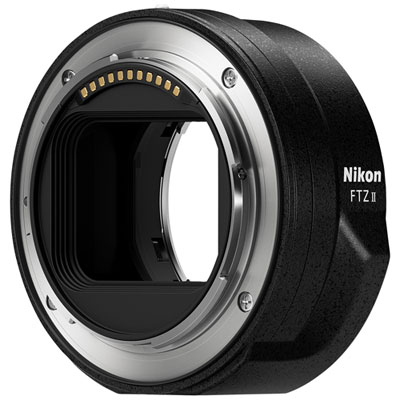 Your price for this item is $349.99
 -
 Your price for this item is $21.99
 -
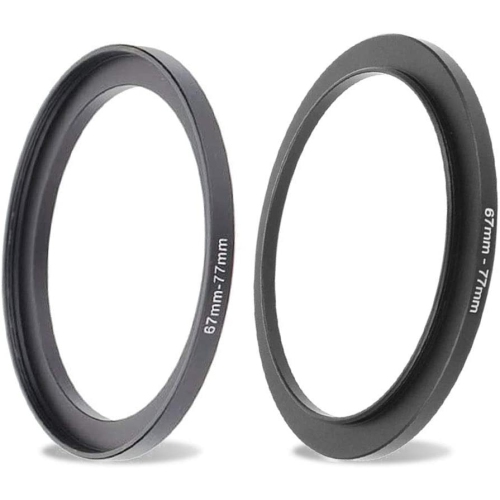 Your price for this item is $13.99
 -
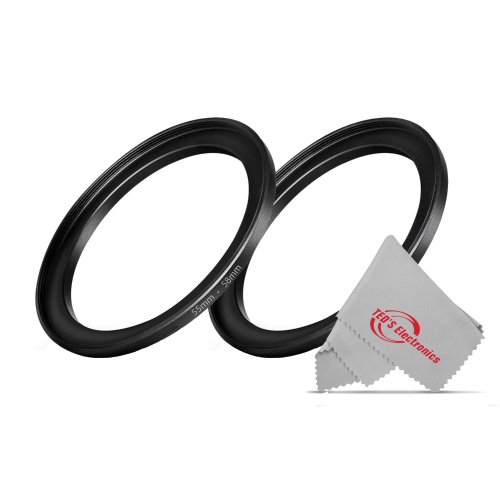 Your price for this item is $48.99
 -
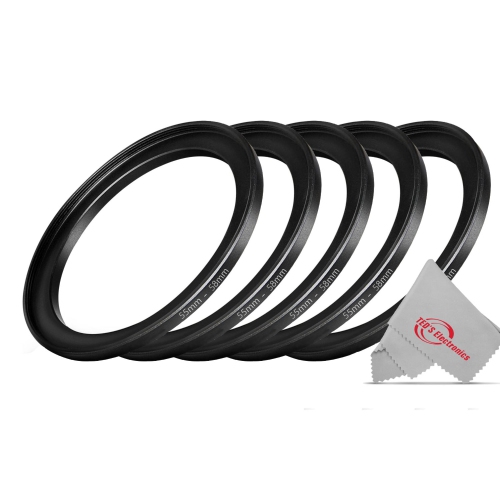 Your price for this item is $57.99
 -
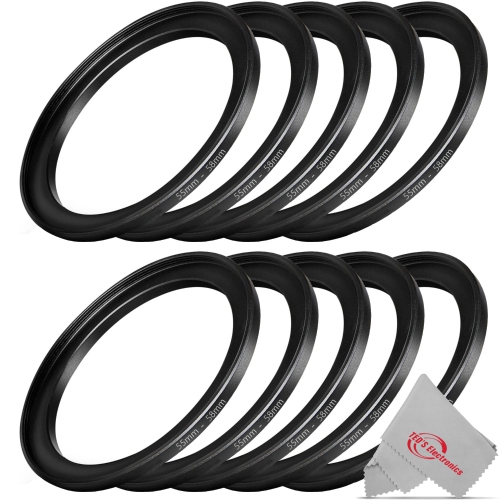 Your price for this item is $72.99
Discover more categories related to Sony Camera Mounts
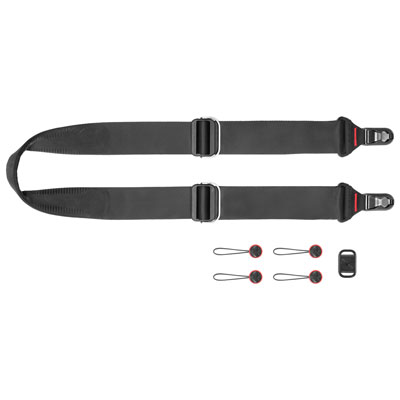
Top Collections:
Pokemon Centers, Kindle Devices, Best Budget Office Chairs, Apple iPhones 16, Best Laptops for Writers, iPhone 15 Apple, Canon G7X Cameras, Refurbished Apple Laptops, Alarm Clock, Motorola Razr Phones
Some products may be subject to Environmental Handling Fees
(EHF) depending on your province.
Learn more about EHFs.