Tripods for Landscape Photography
Capture stunning vistas and breathtaking scenery with the right support from Tripods for Landscape Photography. Whether you're a seasoned professional or an enthusiastic hobbyist, a reliable tripod is essential for achieving sharp, detailed images in outdoor settings. Explore a wide selection designed to help you stabilize your camera, compose shots with precision, and make the most of every landscape adventure. Find the perfect tripod to elevate your photography and confidently frame every natural wonder.
Sort
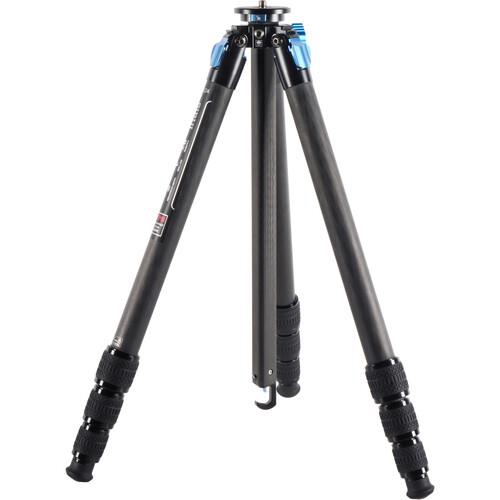

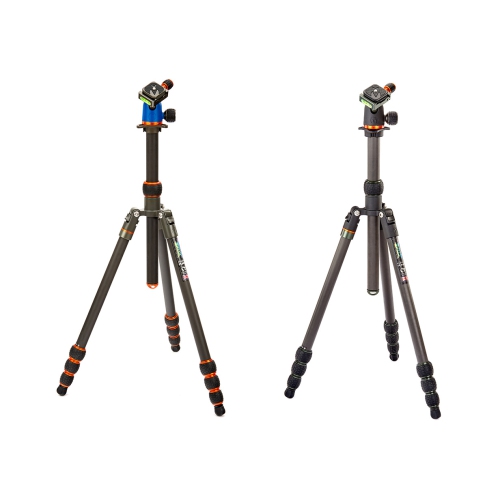
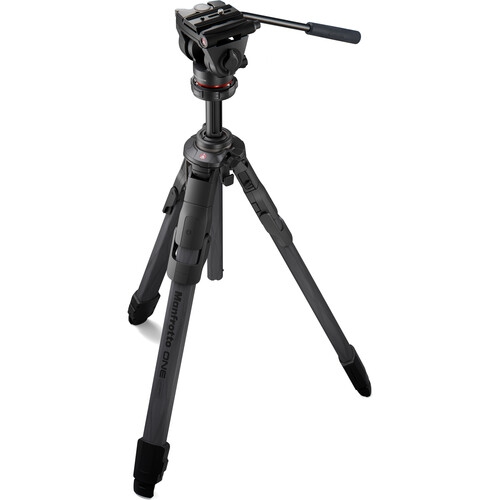
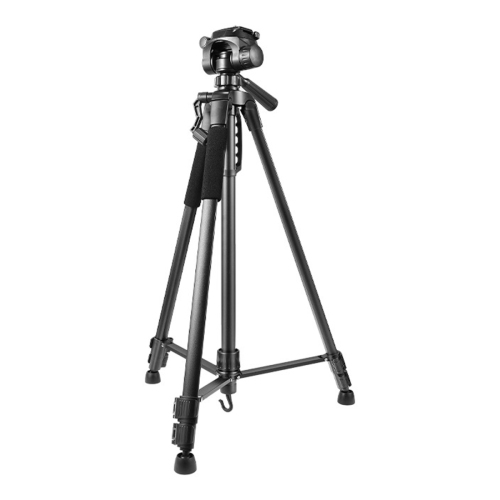
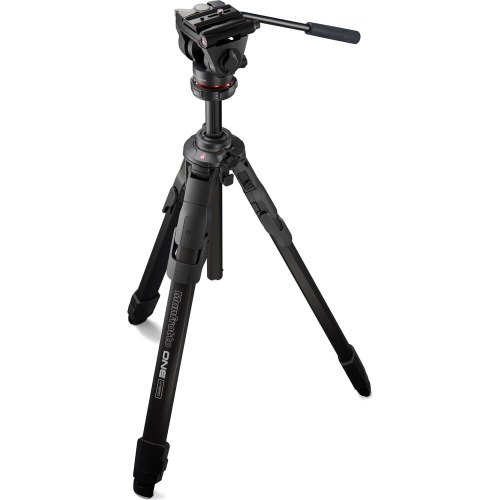
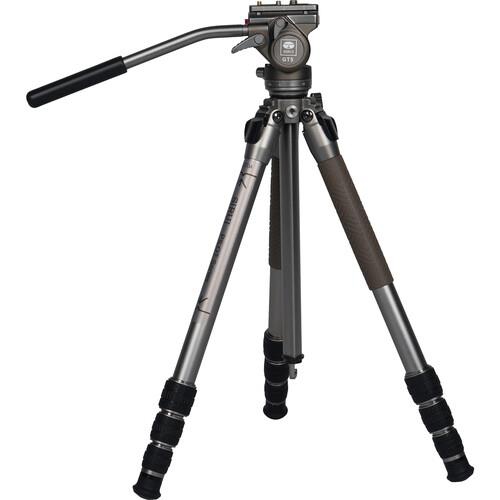
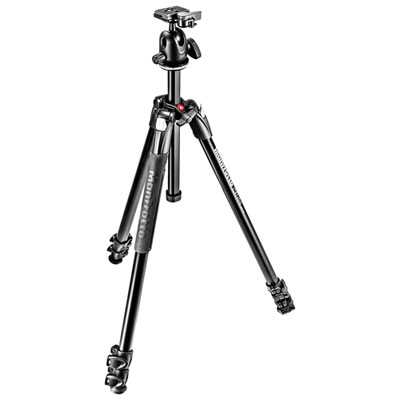
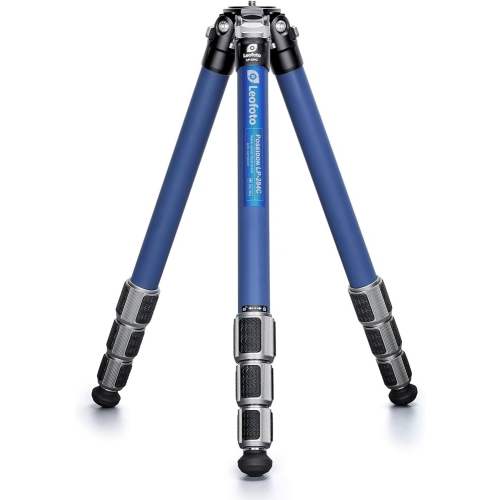
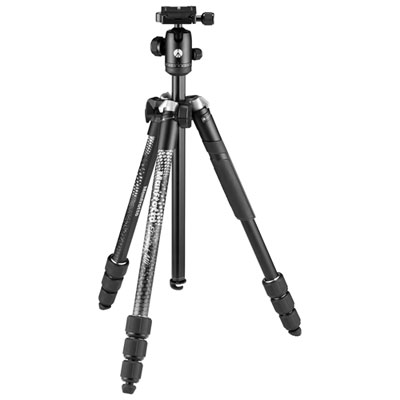
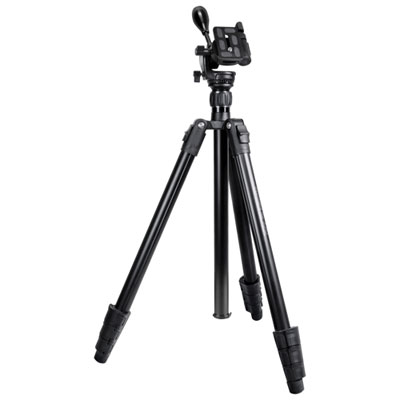
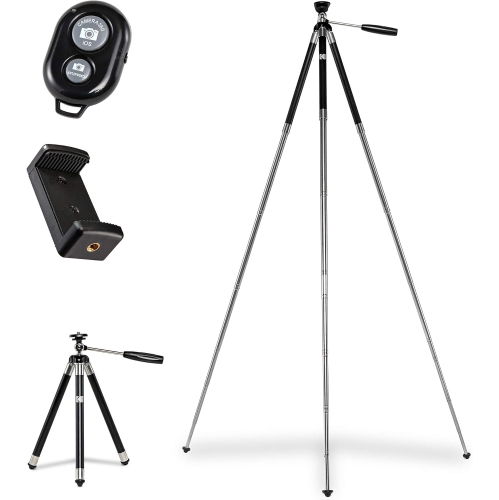


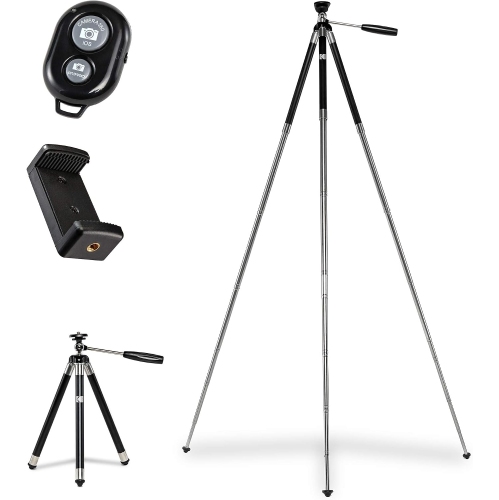
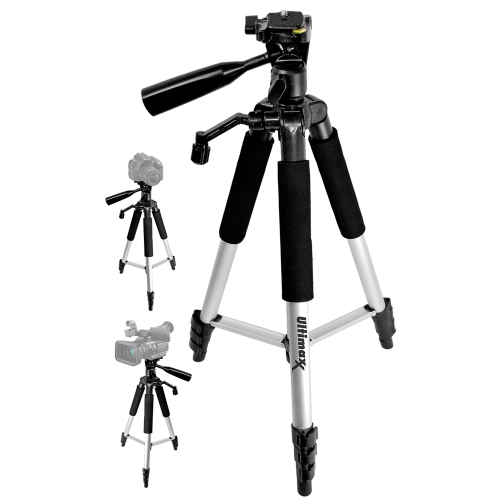
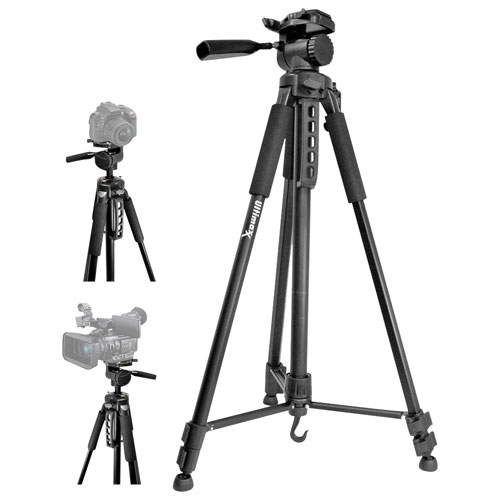
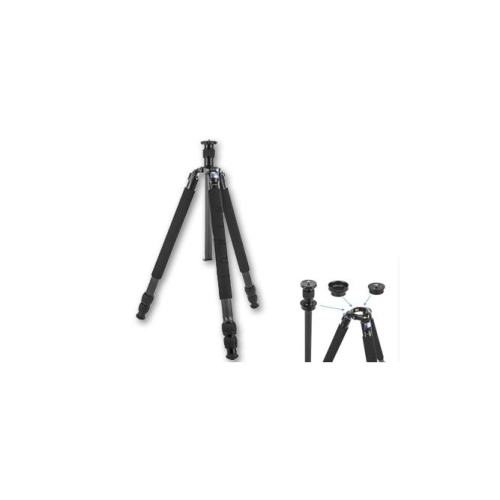

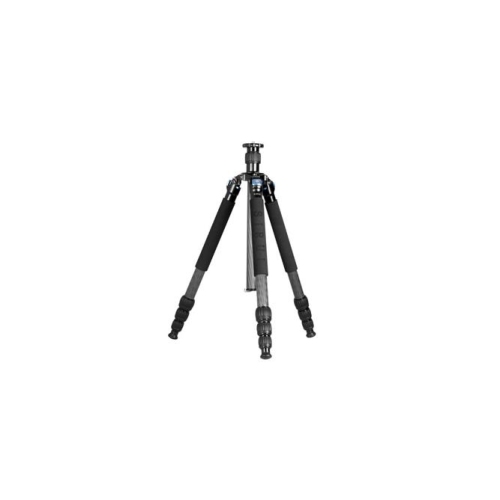
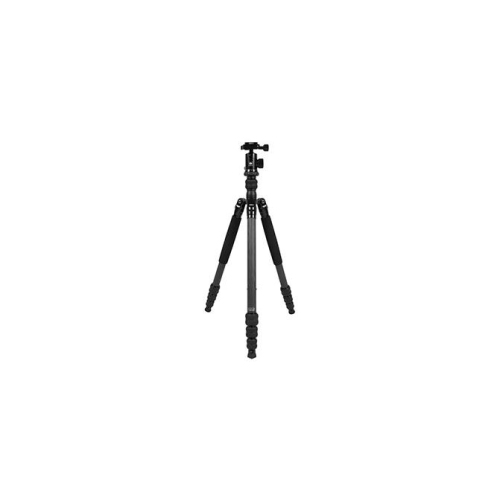
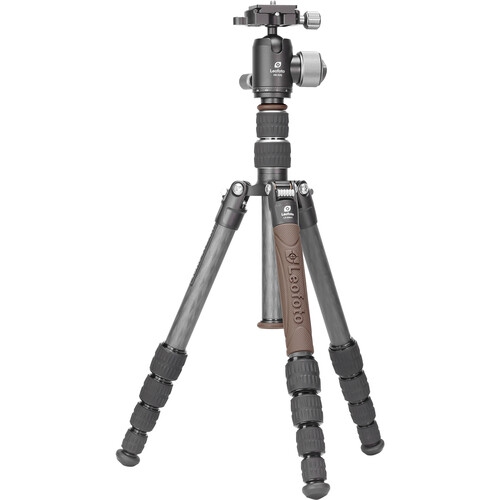

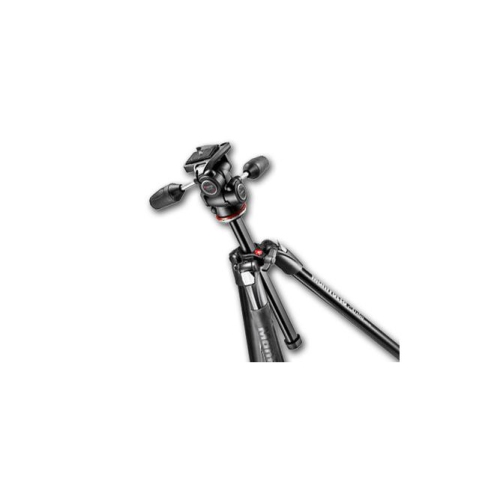
Steady framing for long exposures and uneven ground
Tripods for landscape photography provide a stable camera platform for detailed scenes, long exposures and carefully aligned compositions. The most suitable options balance rigidity, carrying weight and working height, with a head that holds the camera and lens securely at the required angle. That balance matters when a photograph involves more than a quick stop: a view across a valley, a layered rock formation or reflections along a shoreline can reward small, deliberate adjustments to framing. Keeping the camera supported allows slower shutter speeds without relying on handholding, making it possible to capture flowing water as a soft ribbon while retaining detail in stationary rocks. A fixed position also helps maintain consistent framing across exposure brackets or a sequence of images intended for focus stacking. For photographers using longer focal lengths to isolate a distant ridge, resistance to vibration becomes especially important because small movements are more noticeable at higher magnifications. Working height is another practical consideration. A tripod that brings the viewfinder or rear screen to a comfortable level without fully extending the centre column offers a useful combination of posture and stability. At the other end of its range, a low minimum height makes room for foreground-led compositions, such as a textured stone close to the lens with a broad vista beyond. Independently adjustable leg angles help position the camera on uneven ground, where each foot may need a different placement. Folded length matters between locations, particularly when the tripod needs to fit inside a bag or attach neatly to the outside of a backpack. More leg sections can create a shorter folded package, while fewer sections generally mean fewer locks to operate and thicker lower leg sections for a comparable overall height. For short walks to a viewpoint, a larger support may be practical; for a route with considerable walking, packed size and carrying weight can be just as important as maximum extension. These differences make landscape tripods relevant to both occasional outings and photography-focused trips.
Materials and construction influence how a tripod feels to carry, adjust and use repeatedly. Aluminum legs offer a rigid structure and are common across many tripod designs, while carbon fibre can reduce carrying weight relative to comparable aluminum construction. Material alone does not determine stability: leg diameter, joint design, extension height and the quality of the locking mechanisms all contribute. Wider upper leg sections and a restrained centre-column extension can provide a steadier base than a tall setup resting on slender lower sections. Twist locks offer a streamlined profile, while lever locks make their open or closed position easy to see; either style needs to engage securely and remain free of trapped grit. Rubber feet help provide grip on many firm surfaces, and interchangeable feet can broaden the types of ground a tripod is suited to, provided the attachment is compatible and appropriate for the location. The tripod head is equally important because it controls positioning and supports the camera once the composition is set. A ball head allows quick adjustments in several directions, making it useful when moving between horizontal and vertical framing. A three-way head separates adjustments by axis, while a geared head allows small, controlled changes that can suit precise compositions. An independent panning control is useful for rotating the camera without releasing every adjustment, although a level panning base and suitable camera positioning are still important for stitched panoramas. Load capacity should be checked for both the legs and the head against the camera, lens and attached accessories, allowing a sensible margin rather than working at the stated limit. Those ratings are useful reference points, not a guarantee that every extended setup will perform equally well. A front-heavy lens may need support through its tripod collar to improve balance. Secure locking, smooth adjustment and minimal movement after tightening are particularly valuable when a carefully placed horizon or foreground detail needs to remain exactly where it was framed.
Fit extends beyond the camera’s weight to the mounting system, carrying setup and way the photographer works. A quick-release plate needs to match the head’s clamp, sit securely against the camera or lens collar and leave necessary battery doors or controls accessible. Plates that look similar are not always interchangeable, so compatibility is worth confirming rather than assuming. A compatible L-bracket can make portrait-orientation landscapes easier to frame while keeping the camera centred over the head, instead of hanging it to one side. For photographers who alternate between wide views and close foreground details, flexible leg angles and straightforward controls can make repeated repositioning less cumbersome. A remote shutter release or the camera’s self-timer can reduce movement caused by pressing the shutter button, helping the support deliver its intended benefit during longer exposures. Carrying details also deserve attention: a comfortable strap, a suitable bag attachment and locks that do not catch easily on other equipment can make a tripod less awkward between shooting locations. Photographers whose plans involve frequent travel may also find travel tripods for photography relevant when compact packing is a priority. Regular care helps preserve reliable operation. Dust and sand should be removed from feet and joints before the legs are collapsed, and any deeper cleaning should follow the manufacturer’s directions, especially where locks contain removable parts. Salt residue requires particular attention after use near the coast; cleaning and thorough drying help protect metal fittings and keep moving parts working properly. Periodic checks of mounting screws, leg locks and foot attachments can reveal looseness before it affects a shoot. For a photographer receiving a tripod as a gift, compatibility with an existing camera kit and a realistic match to their carrying habits matter more than an impressive maximum height alone. A comfortable, dependable support is more likely to accompany them to a favourite overlook, a quiet lakeshore or a carefully chosen foreground composition.
Top selling and popular products
-
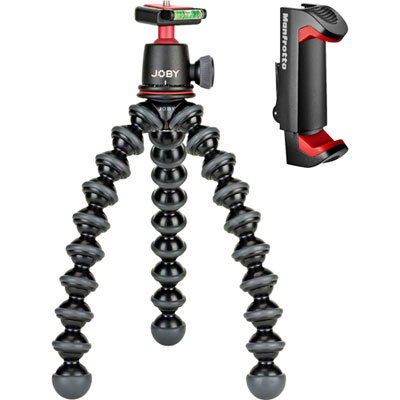 Your price for this item is $144.99
-
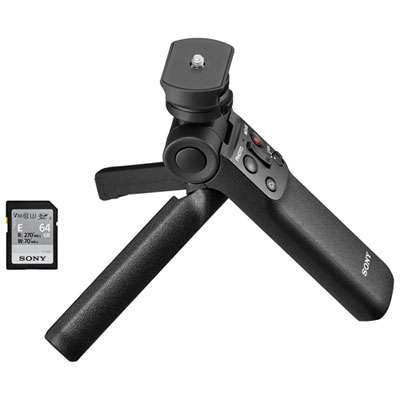 Your price for this item is $199.97
-
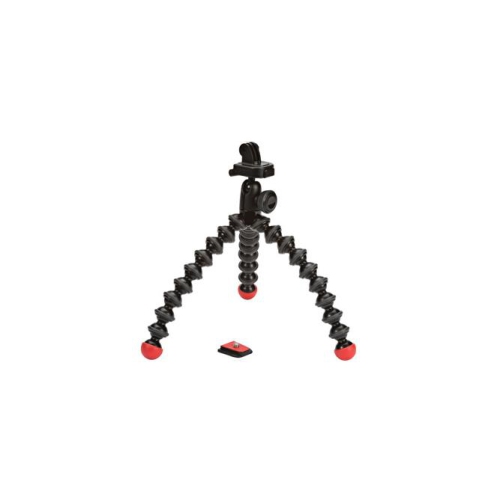 Your price for this item is $126.91
-
 Your price for this item is $139.99
-
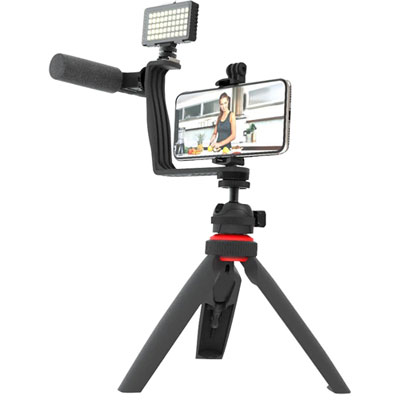 Your price for this item is $69.99
-
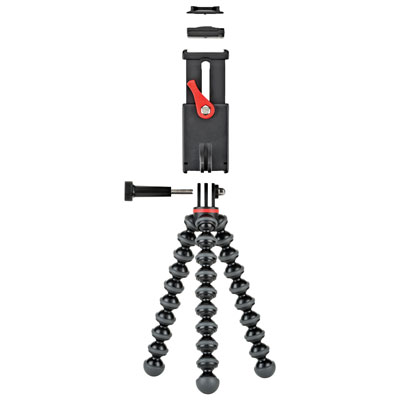 Your price for this item is $78.97
-
 Your price for this item is $259.99
-
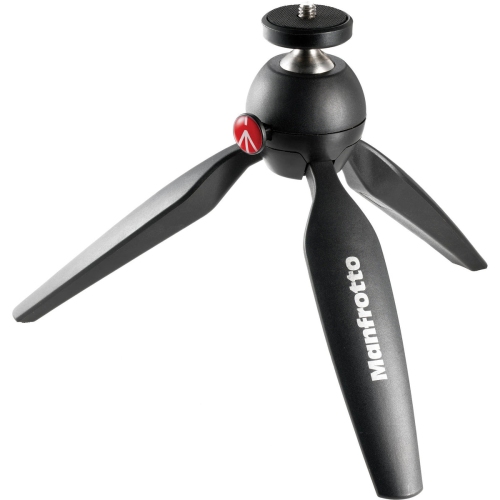 Your price for this item is $83.53
Discover more categories related to Tripods for Landscape Photography

Top Collections:
Best Black Friday Deals This Year, Best Black Friday Deals On Electronics, Kindle Devices, Pokemon Centers, Best Black Friday Deals On Apple Products, Best Cameras for Sports Photography, Dyson Airwrap, Pokémon 30th Celebration Cards, Apple iPhone 17 Pro, Canon G7X Cameras
Some products may be subject to Environmental Handling Fees
(EHF) depending on your province.
Learn more about EHFs.