UFO Drones
If you're looking to take your aerial photography and videography skills to new heights, look no further than these UFO drones. These cutting-edge devices offer a thrilling and unique flying experience, allowing you to capture stunning footage from angles that were once only possible in your wildest dreams. Whether you're an aspiring filmmaker, a photography enthusiast, or simply someone who loves exploring the world from above, this range of UFO drones will have you soaring through the skies with ease.
Sort
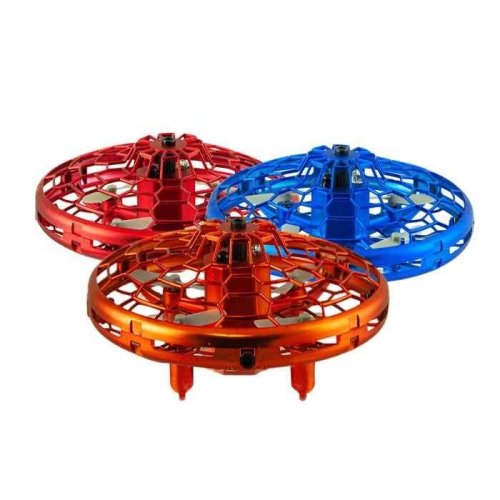
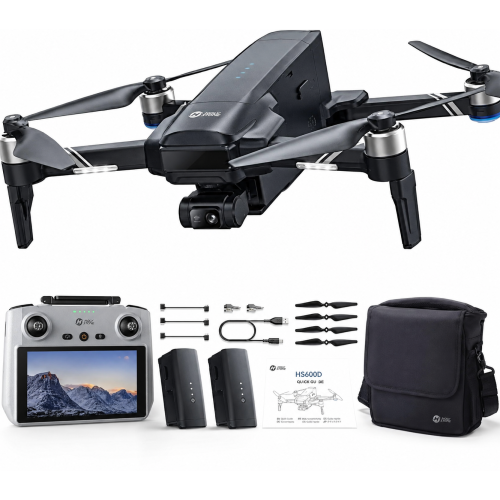
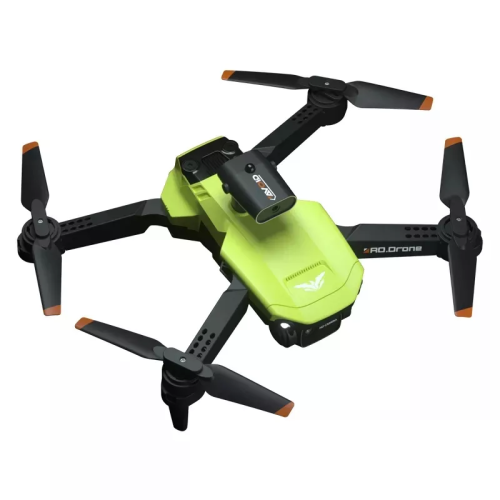
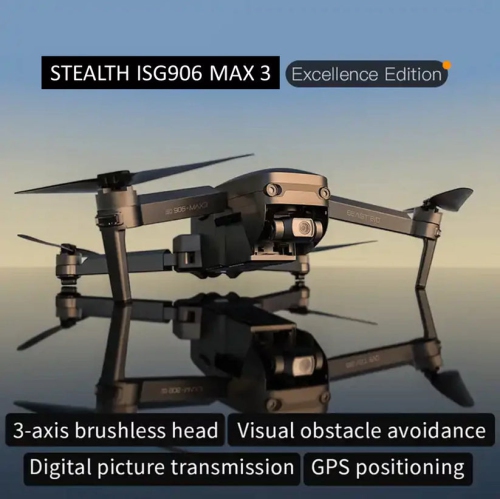
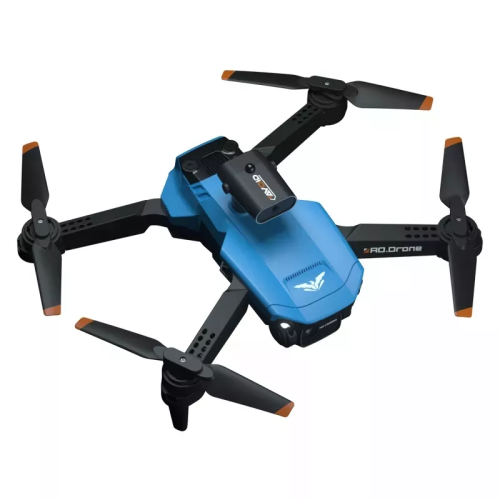
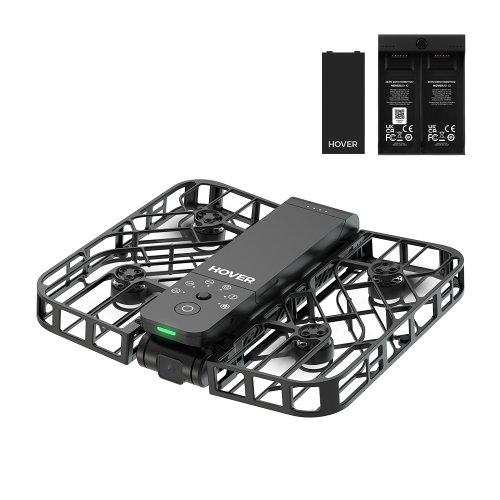
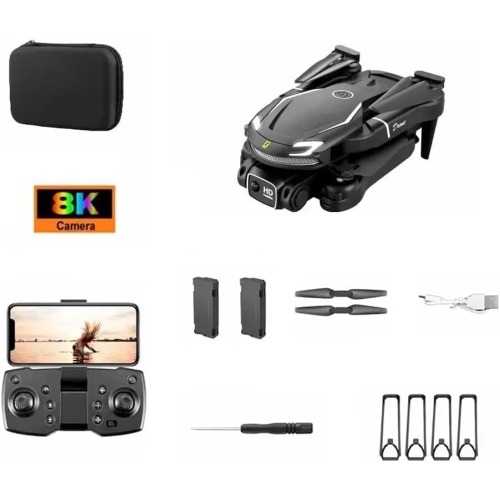
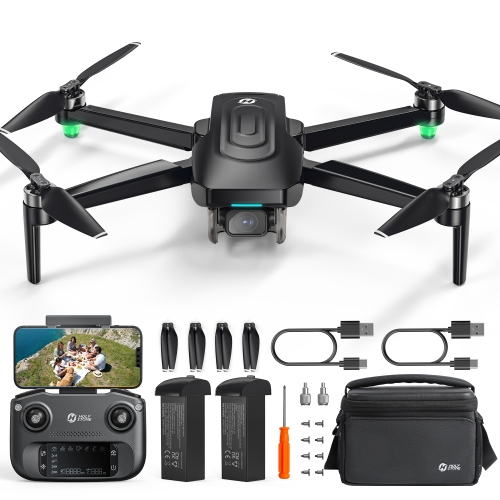
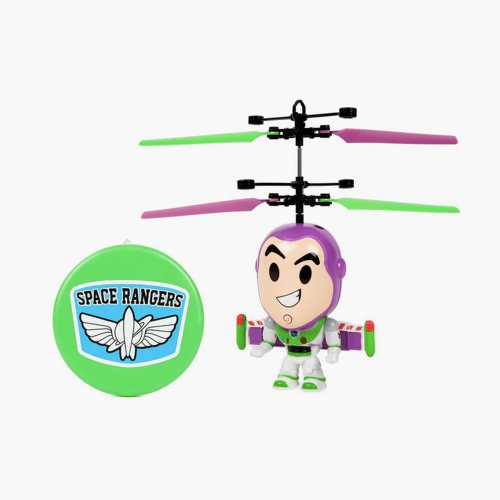
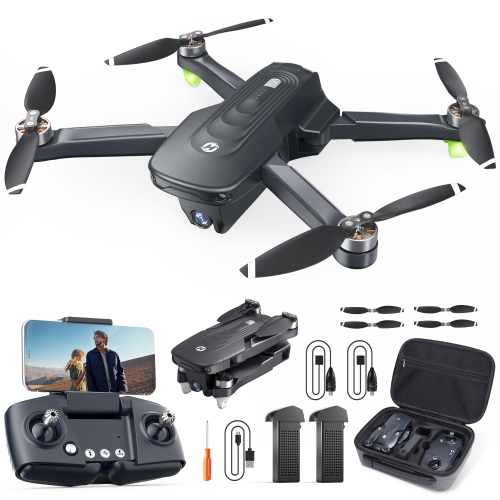
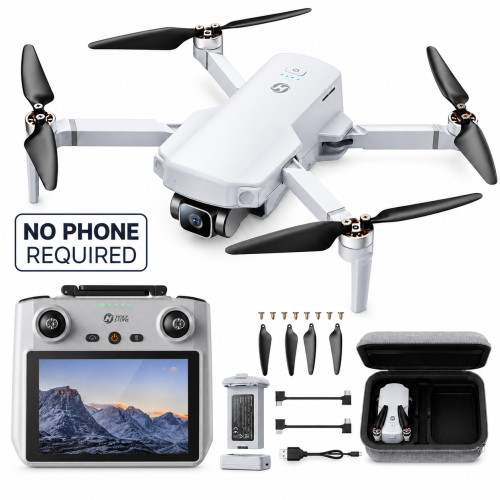
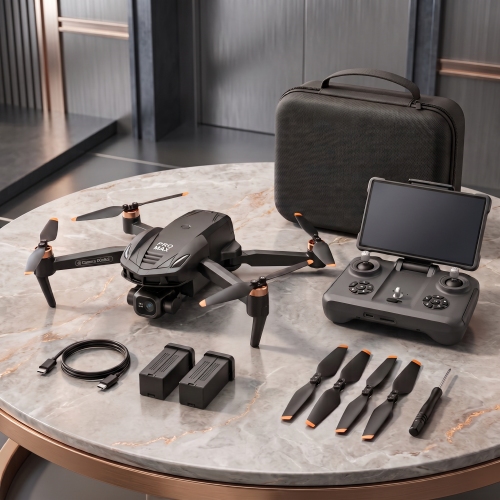
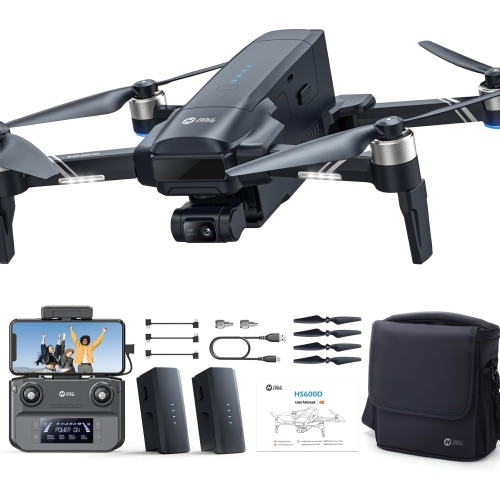
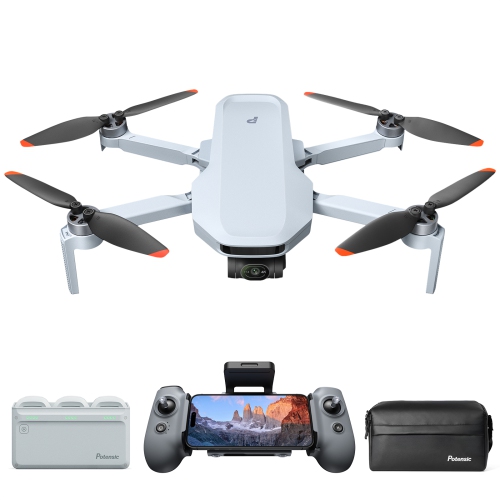
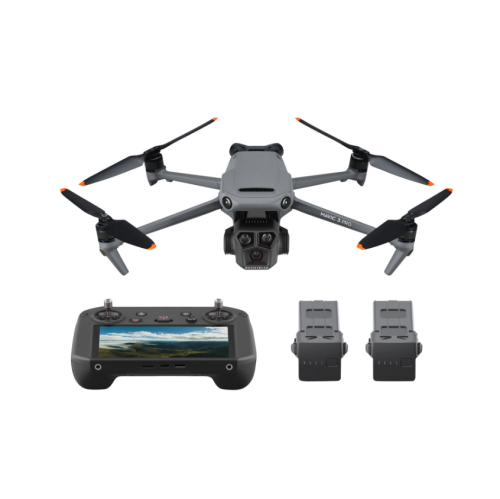
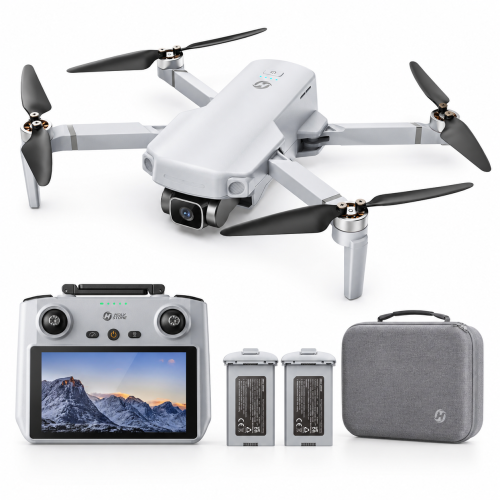


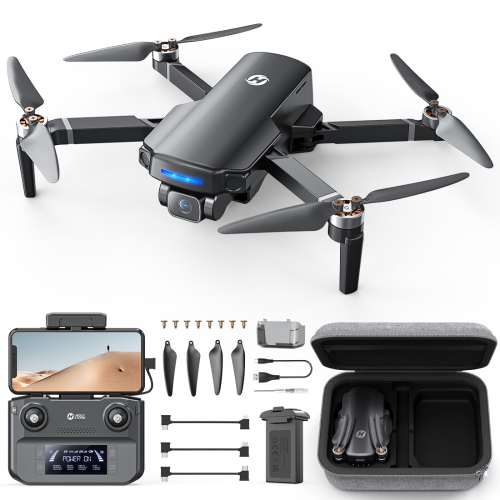

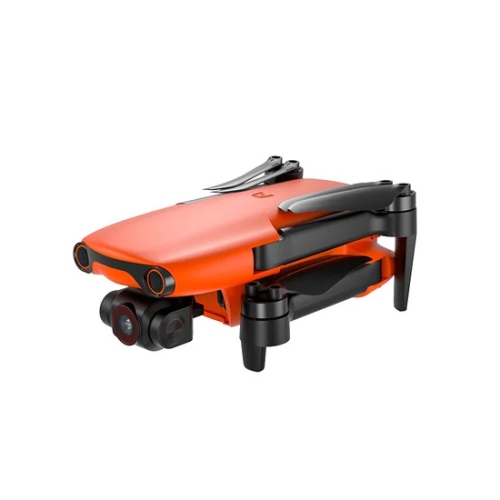

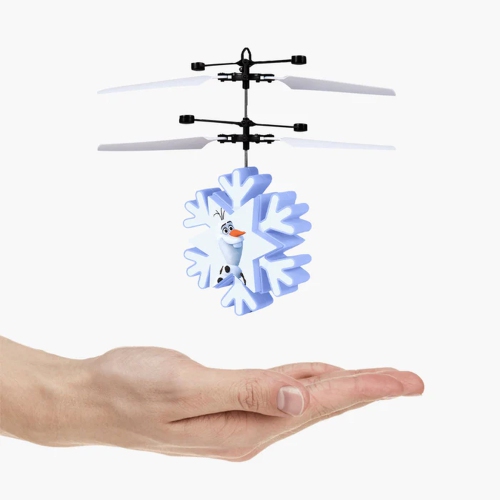
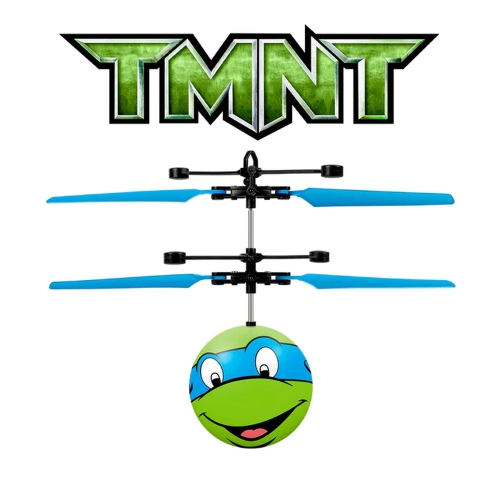
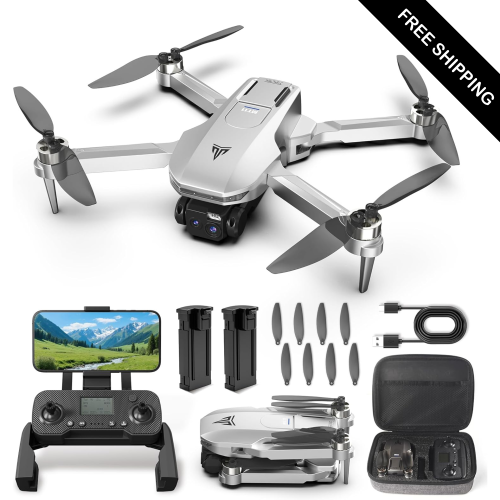
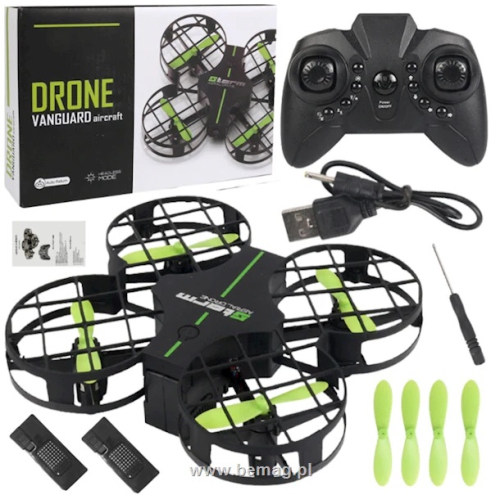
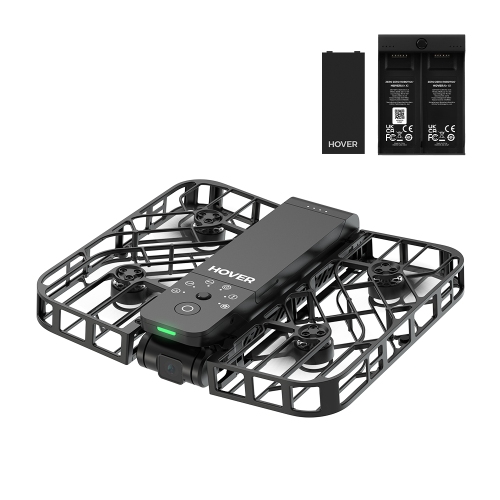
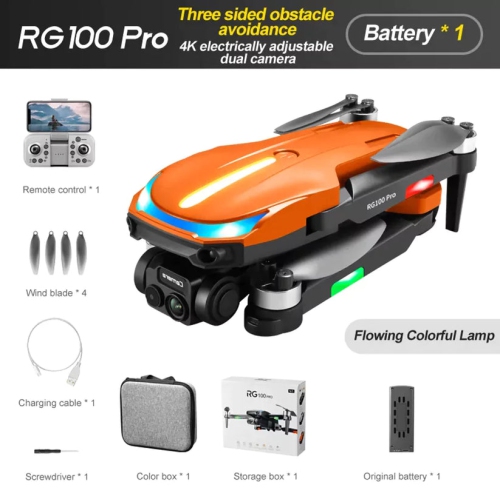
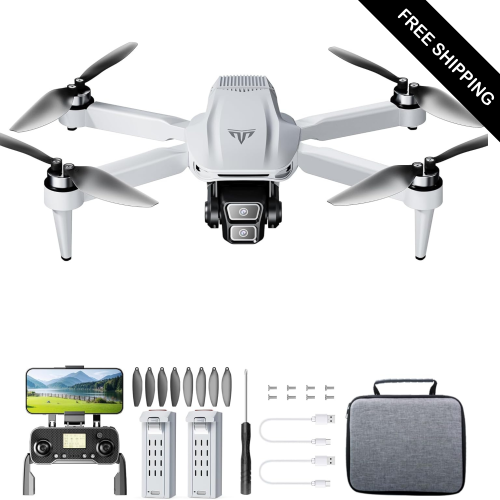
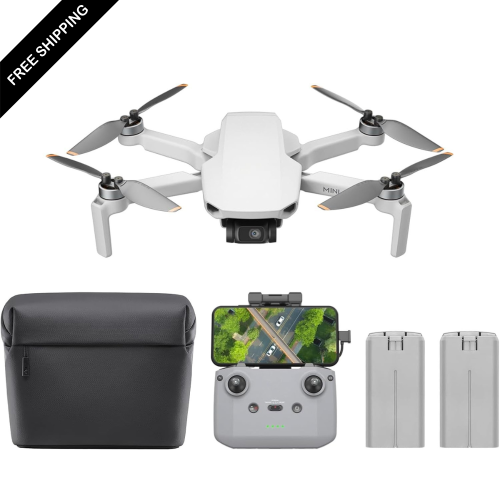
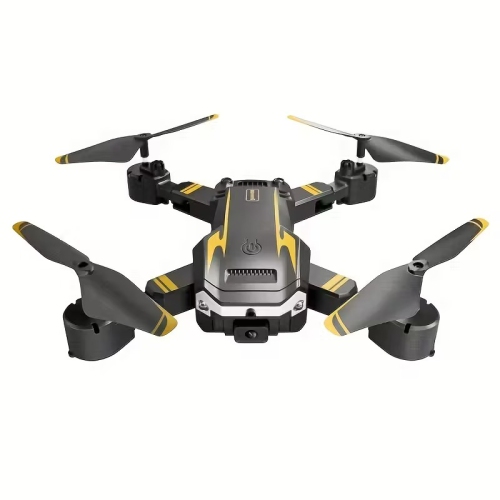
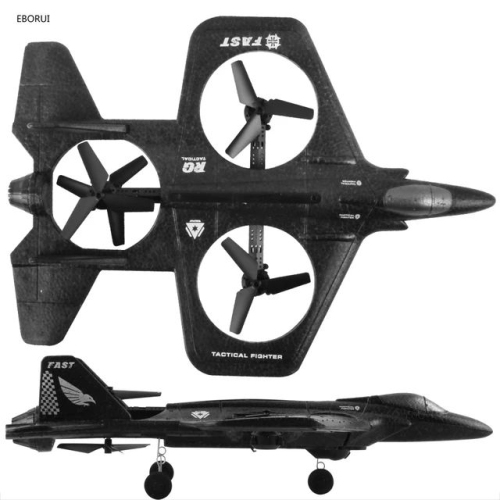
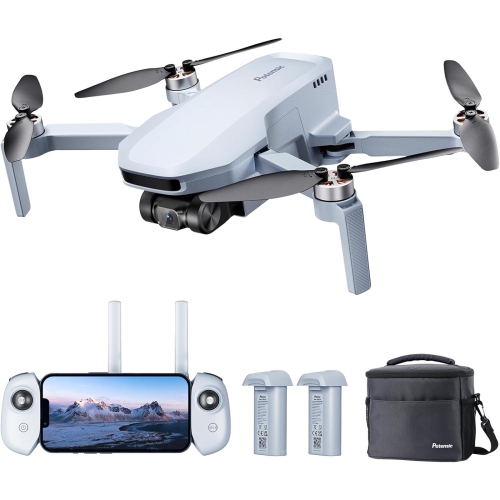
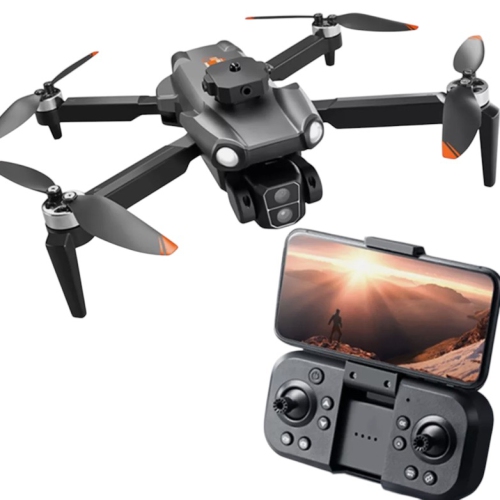
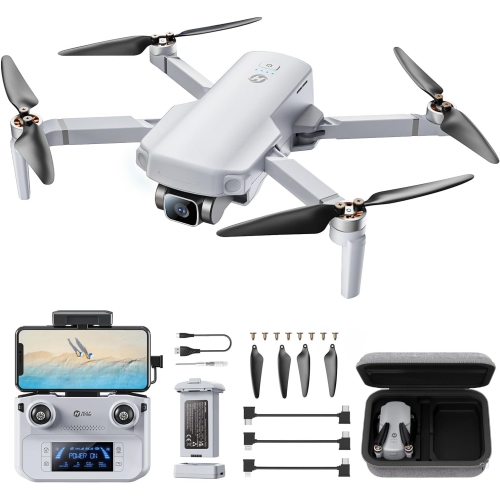
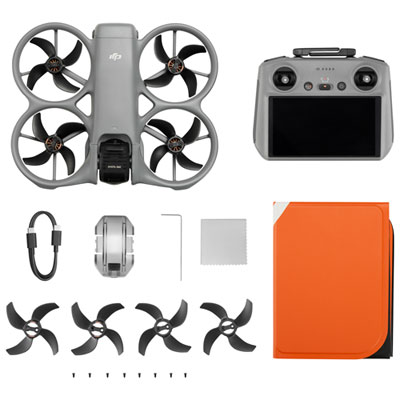
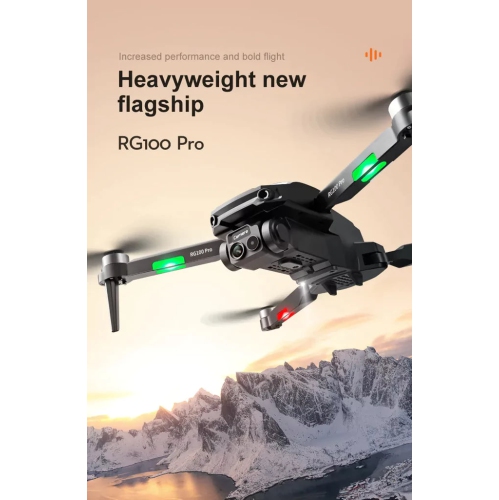
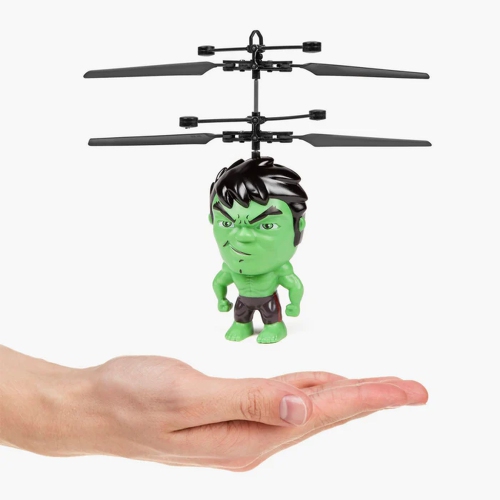
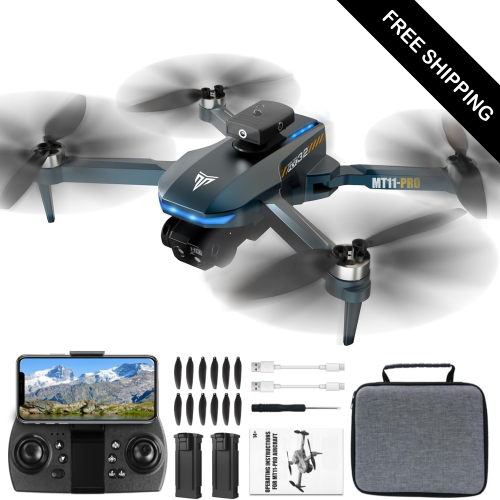
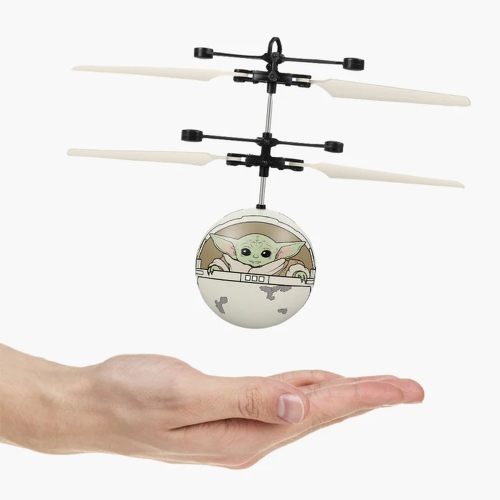
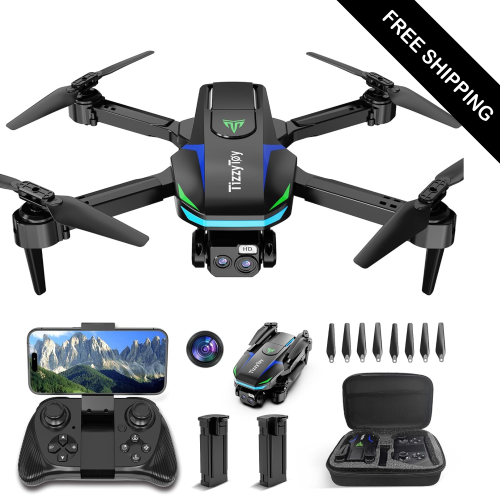
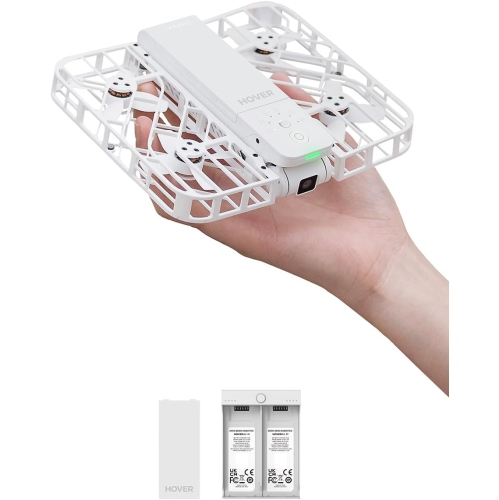
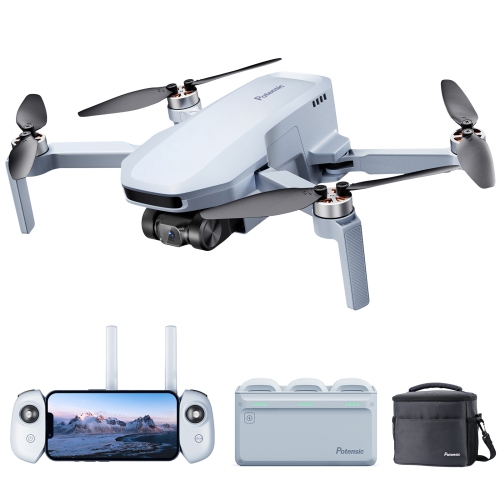
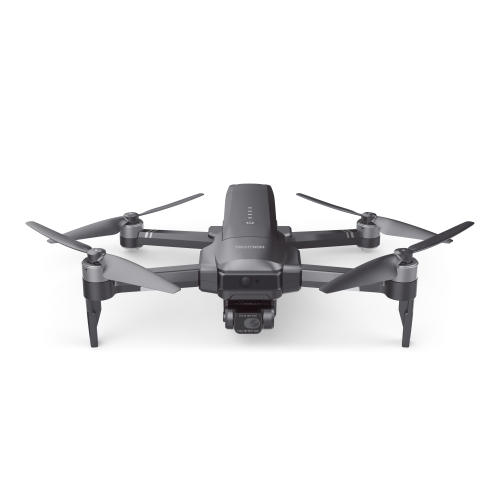
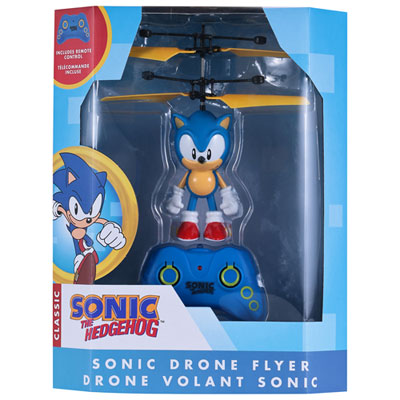
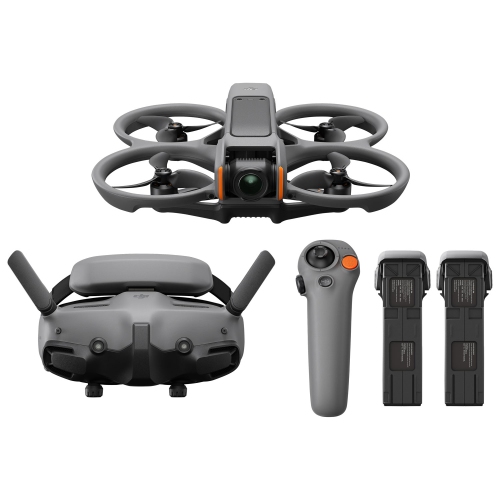
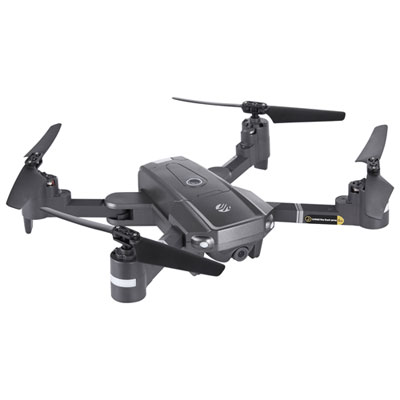
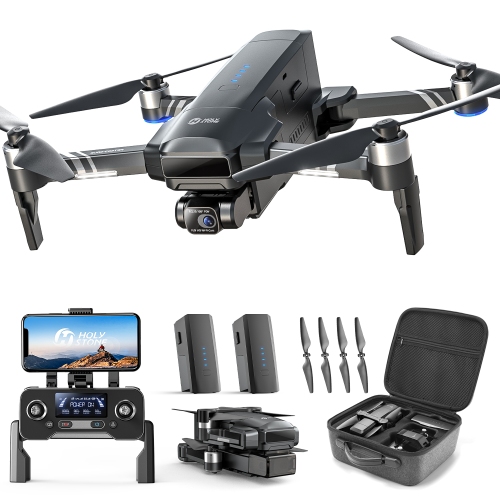
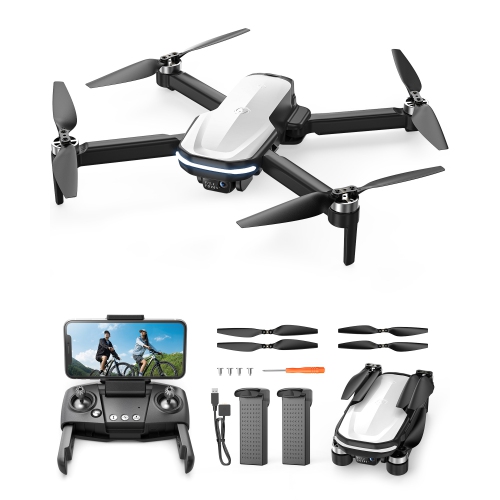
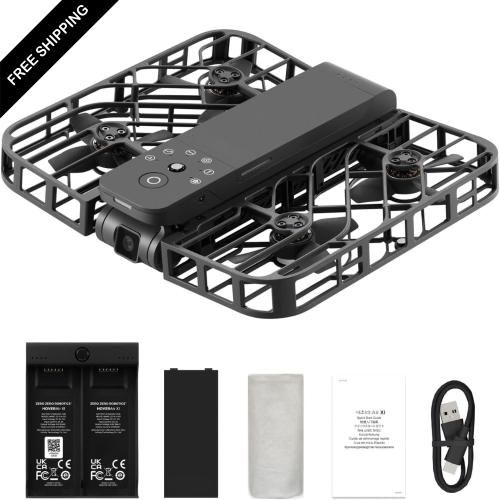
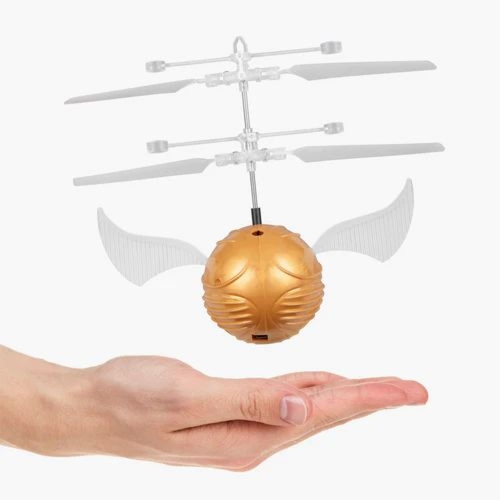
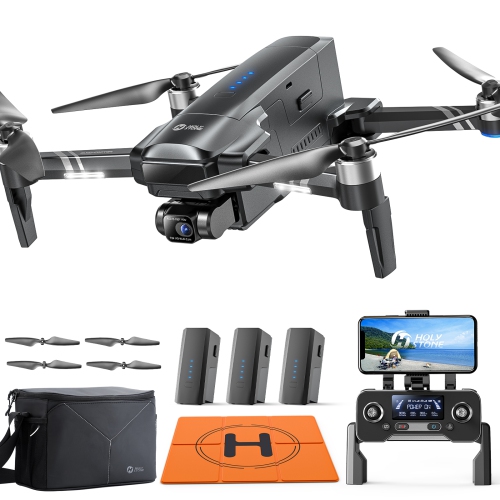
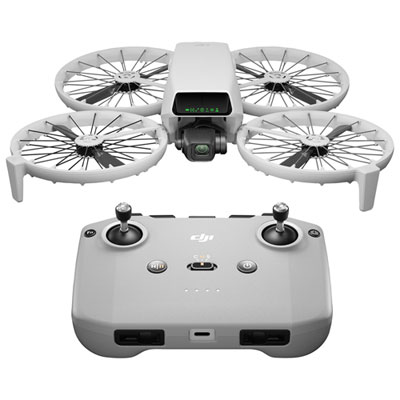
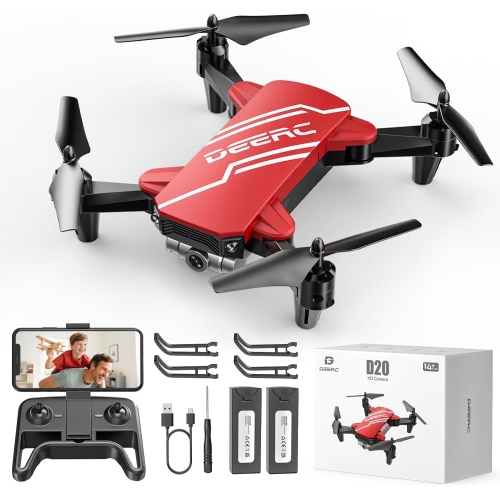
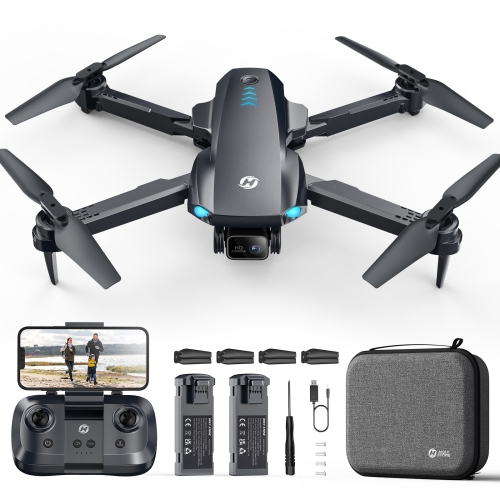
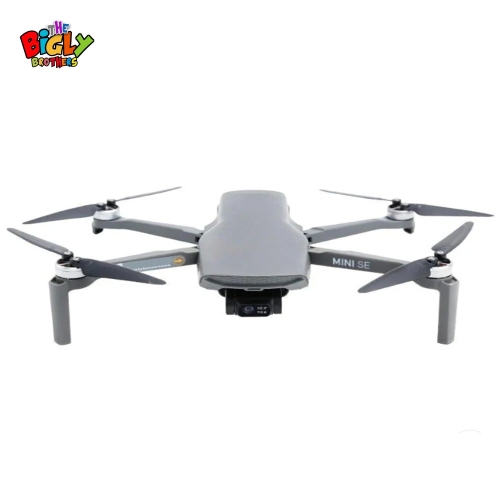
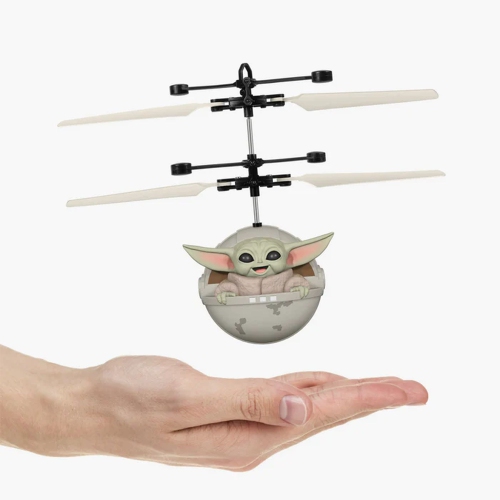
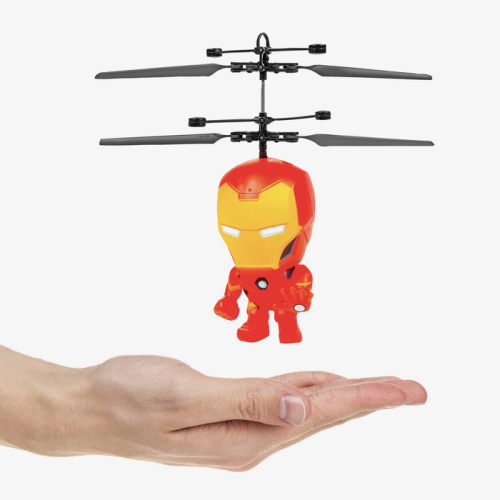
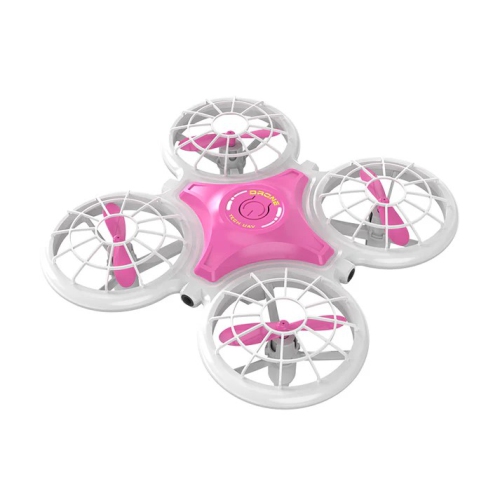
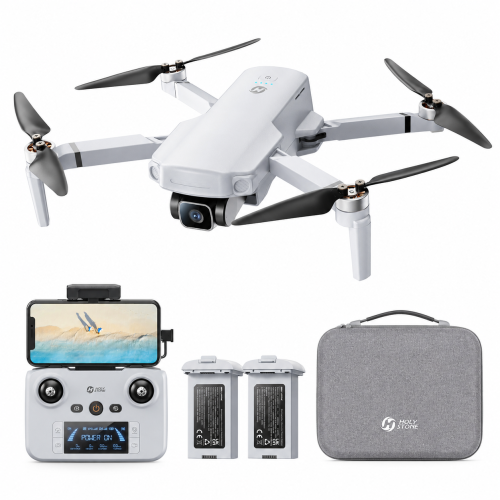

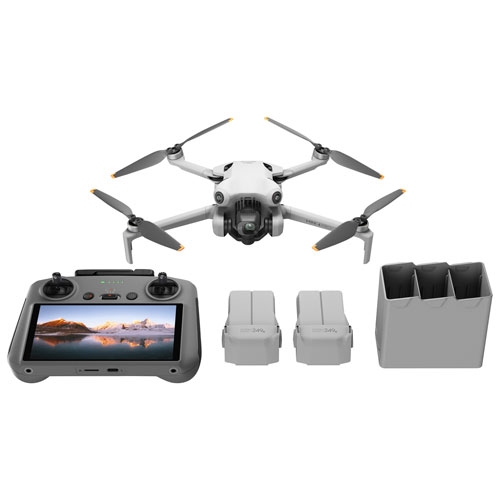


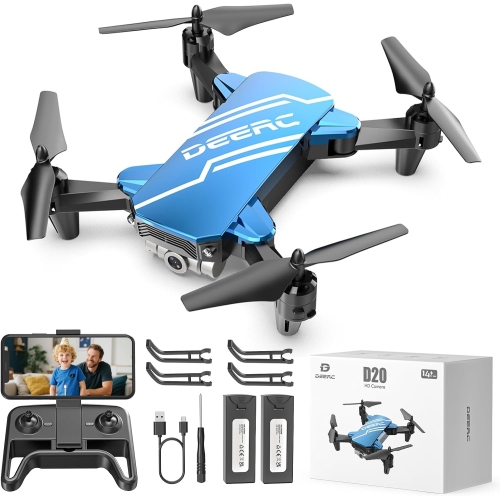
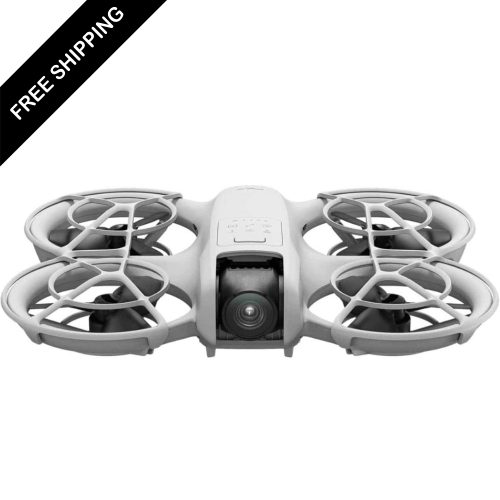
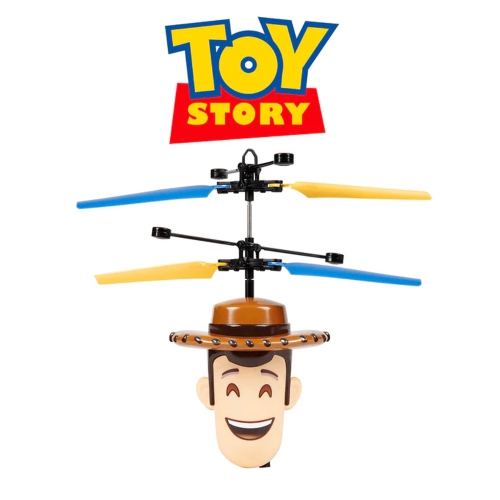
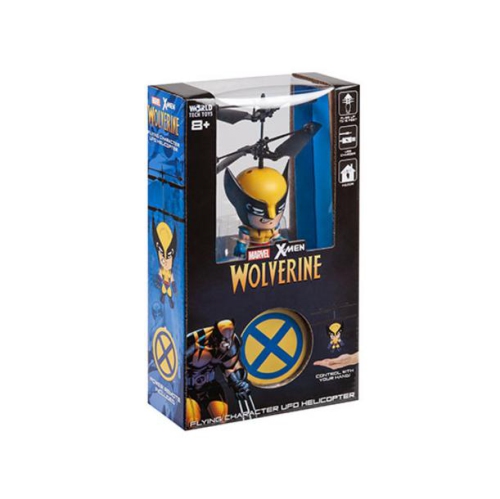
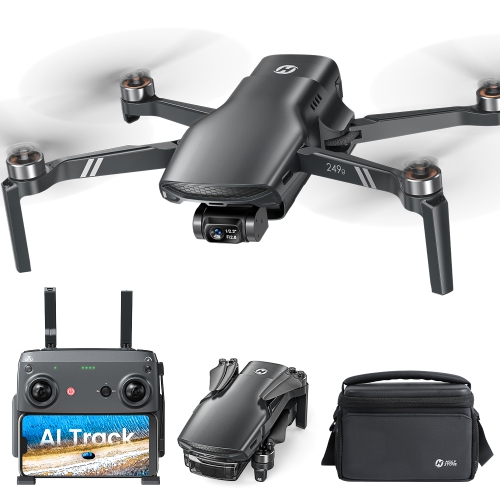
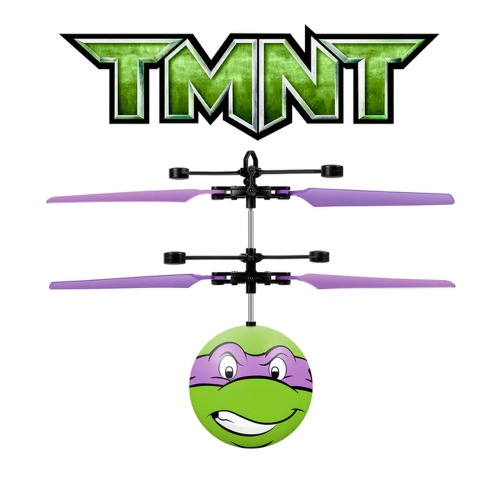
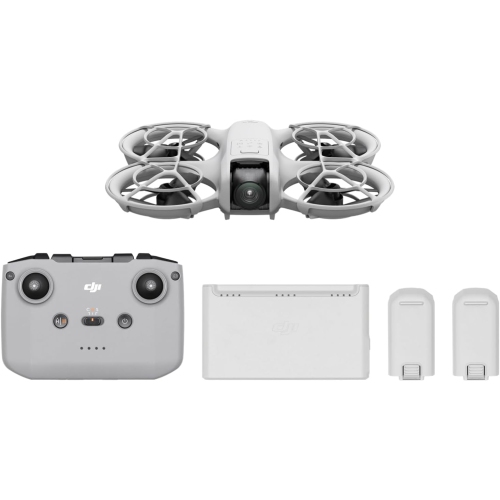
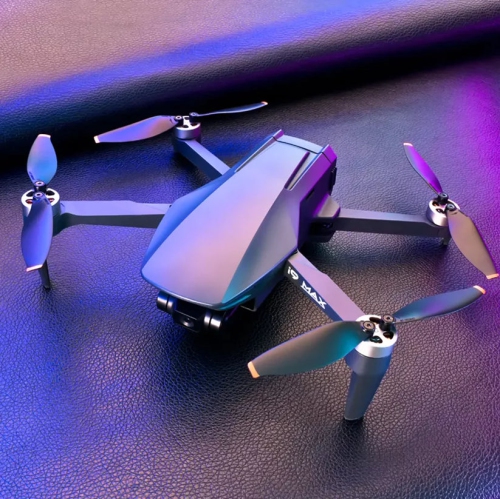
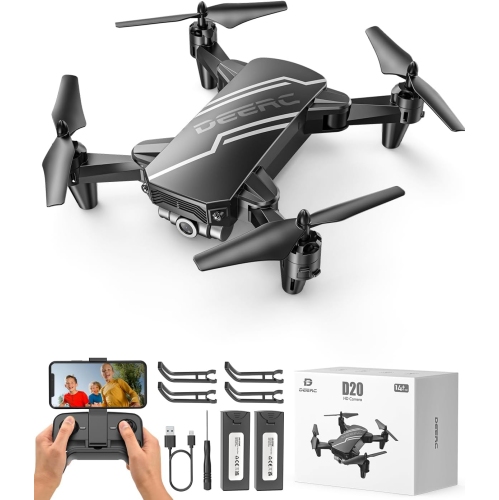
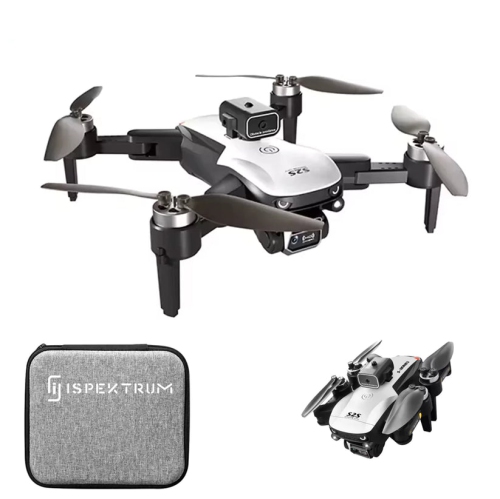
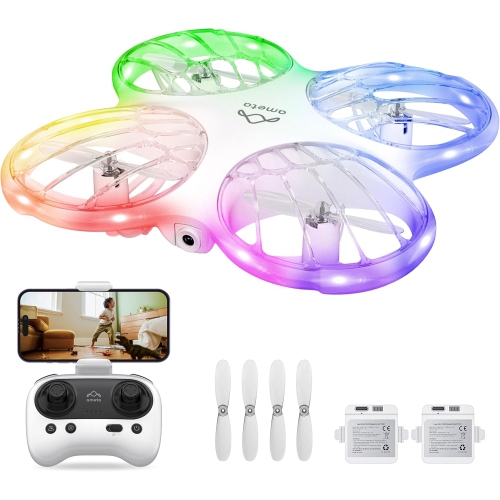
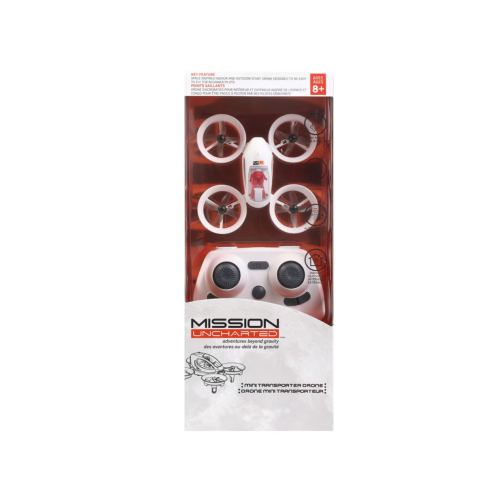
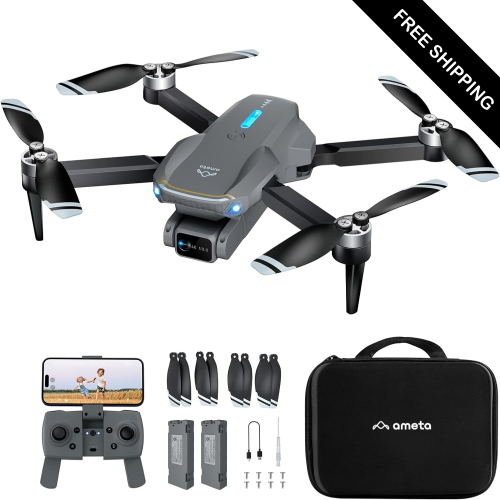
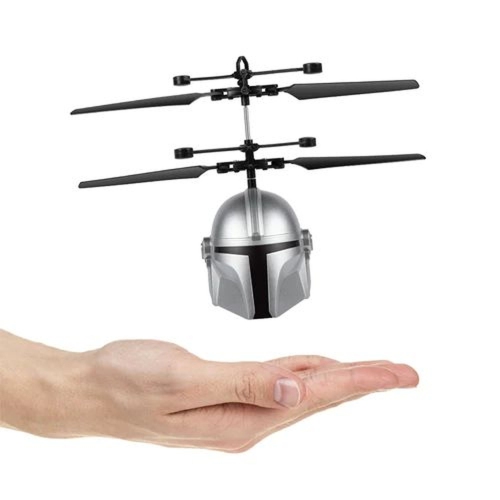
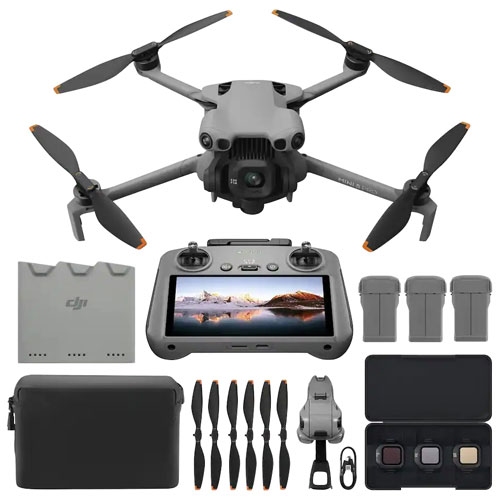
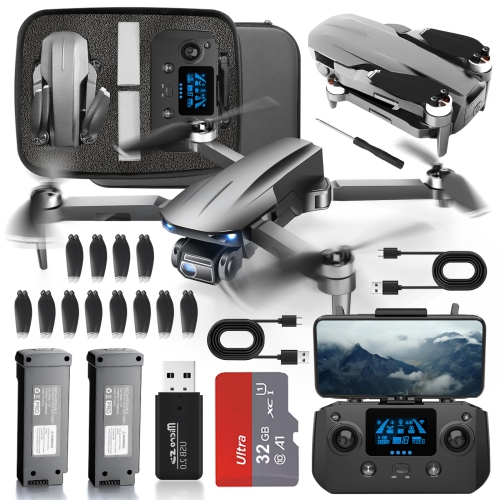
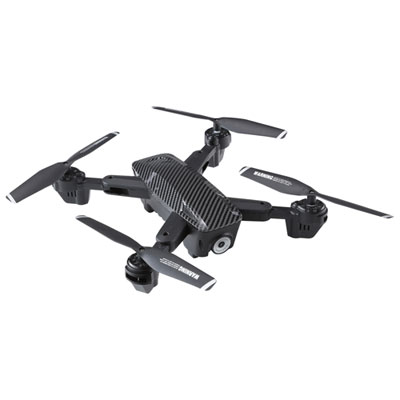
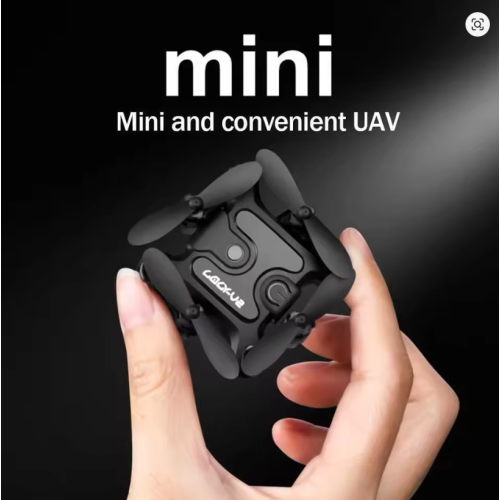
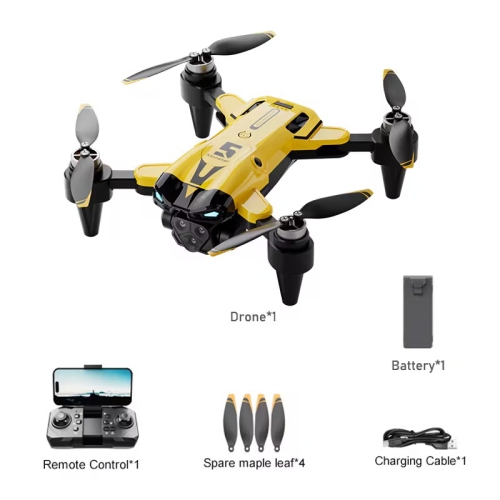
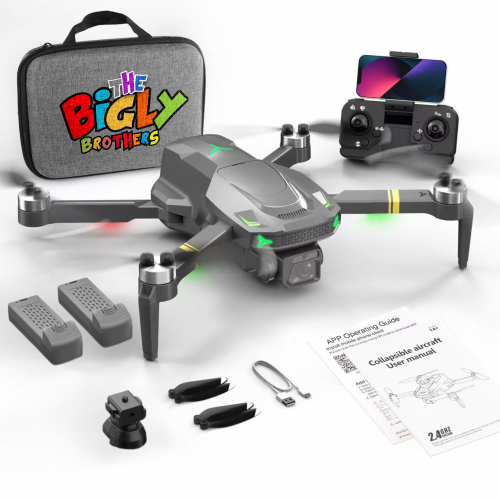
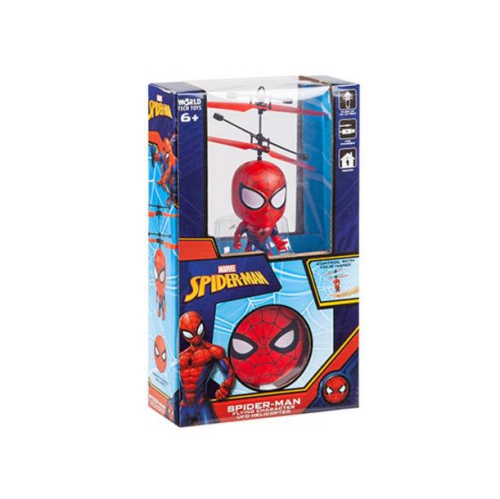
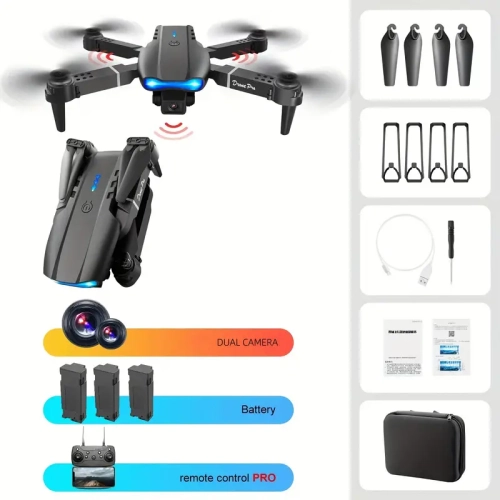
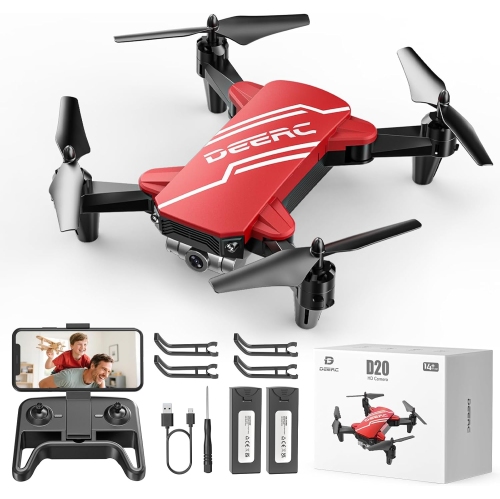
How hovering toys respond to a guiding hand
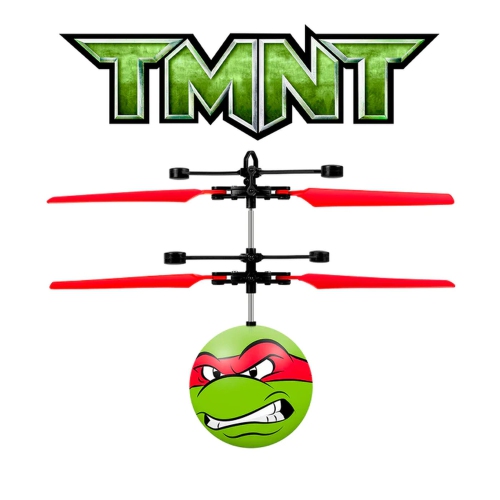
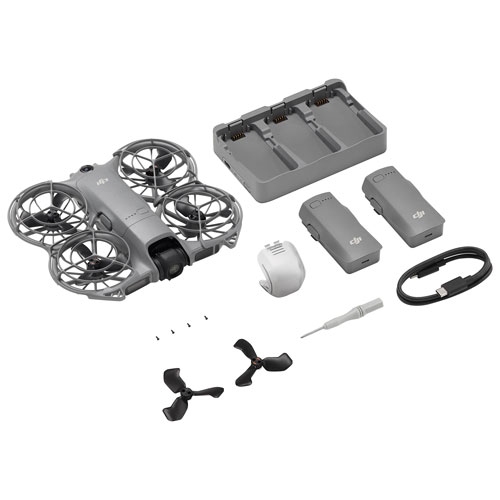
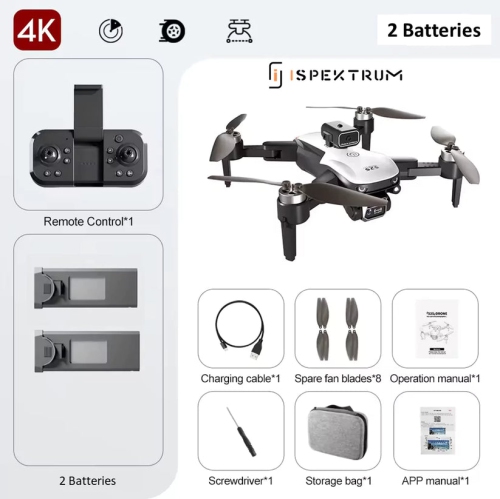
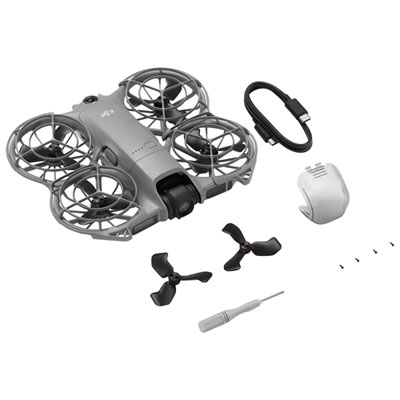
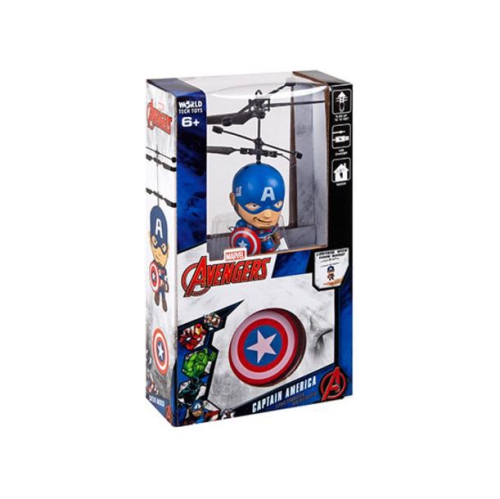
UFO drones are compact flying toys with saucer-like bodies, rounded protective cages, or glowing shells that give them a miniature spacecraft appearance. In a shopping context, the term usually describes playful consumer drones rather than unidentified objects reported in the sky. Many are designed for hand-controlled flight, using sensors to detect nearby surfaces and respond as a hand approaches, while others use a remote control or a different motion-based control system. The appeal is easy to picture: a small illuminated craft lifts into the air, hovers nearby, and changes direction as someone holds out a palm. Depending on the design, lights can make its movement easier to follow and add to the flying-saucer effect. These toys typically focus on short, close-range play rather than aerial photography, long-distance flying, or carrying accessories. Their rounded shape is not just decorative; an outer cage can help shield the propellers from incidental contact and absorb some of the bumps that happen while learning. However, a protective shell does not make moving blades safe to touch, and openings should always be kept clear of fingers, hair, loose clothing, and jewellery. Hand-operated UFO drones also differ from flying spinner toys, even when the two share a similar glowing, cage-like appearance. A sensor-controlled drone may hover and steer away from a nearby hand, whereas a spinner may rely on its launch angle and a particular throwing motion to follow an arc. Neither behaviour should be assumed from the shape alone. Details about how a toy starts, steers, lands, and shuts off are more useful than its UFO styling when matching it to the person who will use it. For a child trying a flying toy for the first time, a simple control method and clear stopping procedure can matter more than elaborate lighting. For someone who enjoys practising repeatable movements, a design with more direct steering may hold greater interest.
The best fit for a UFO drone depends as much on the play space as on the toy’s size. A palm-sized body may look suitable for a crowded bedroom, but it still needs clearance to lift, drift, turn, and land without brushing a curtain or striking a shelf. An open indoor area away from stairways, ceiling fans, breakable objects, and uncovered drinks makes it easier to focus on the flight itself. Pets should be kept out of the play area, since a buzzing, moving object can invite chasing or swatting. Many novelty UFO drones are intended for indoor use, so outdoor suitability should be confirmed rather than inferred from the word “drone.” Sensor placement also affects the experience: a toy that detects objects beneath it may respond differently from one with sensors around its sides, and obstacle sensing does not guarantee that it will avoid every surface. Mirrors, transparent barriers, narrow furniture legs, and clutter can pose challenges for some sensing systems. Materials and construction deserve similar attention. Lightweight plastic keeps the flying body manageable, while a flexible cage may give slightly during a gentle bump instead of taking the full impact at one point. That flexibility is useful, but it is not a promise of damage-free crashes. Smooth edges, firmly attached guards, and a shell that stays clear of the propellers are practical details for repeated play. Size is worth considering beyond whether the toy fits in a hand: the user needs enough room to approach the controls without reaching into moving parts. Manufacturer age ratings, supervision requirements, and any small detachable pieces help establish whether a design is appropriate for a particular child. A shared family toy should suit the youngest intended user, not simply the most confident flyer. Sound is another everyday consideration. Small motors and propellers produce an audible buzz, which may be noticeable in a quiet room or distracting near someone studying. A suitable play area gives both the flyer and everyone nearby a little breathing room.
Battery operation, routine care, and realistic expectations help make UFO drones enjoyable beyond the first flight. Their small rechargeable batteries generally support brief play sessions, with actual flight time affected by the design, battery condition, and operating mode. Charging time and flight time are separate specifications, so both matter when planning how a toy will be used. A few minutes of hovering can suit a quick activity between other games, but uninterrupted group play calls for patience while the battery charges. Charging connections also vary; a USB cable does not necessarily mean a wall adapter is included, and the supplied charging instructions should determine which power source is suitable. An adult should oversee charging for younger users, with the toy placed on a stable surface away from soft furnishings. After a bump, power it off and check for cracked guards, displaced parts, or propellers rubbing against the shell before flying again. Hair and fibres can wind around small moving parts, while dust can collect in cage openings. Cleaning should follow the manufacturer’s directions, with power disconnected and without rinsing the body or forcing tools through the guards. Keeping the charging cable with the toy and storing the body where it will not be crushed helps preserve its shape and makes the next session easier to set up. These flying toys can be appealing birthday gifts for children who enjoy space-themed play, or for adults who like small interactive gadgets, provided the age rating and required skill level suit the recipient. Taking turns guiding a hovering craft across an open area can offer a simple shared activity without needing a screen, although app-free operation should be verified for the design concerned. UFO-style toys offer a playful introduction to flight, but they are not substitutes for camera-equipped aircraft or drones built around precise piloting controls. Those interested in aerial imaging and more involved flight features can explore Advanced Drones as a distinct category. For close-range novelty flying, the strongest match is a UFO drone whose controls, construction, and care requirements suit the user’s patience, abilities, and available space.
Top selling and popular products
-
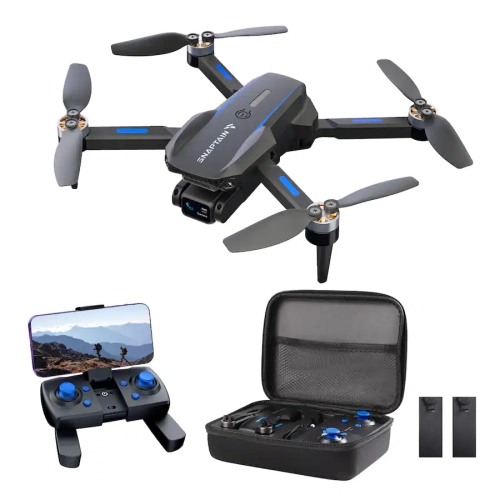 Your price for this item is $109.98
-
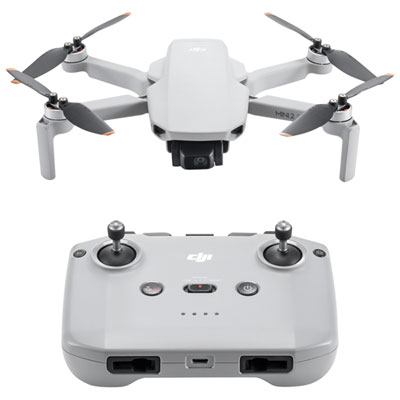 Your price for this item is $359.99
-
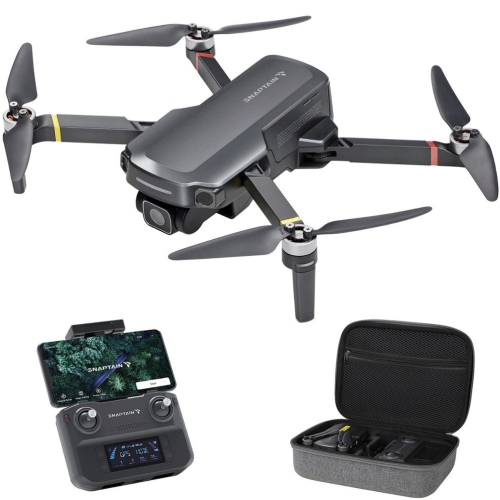 Your price for this item is $279.9
-
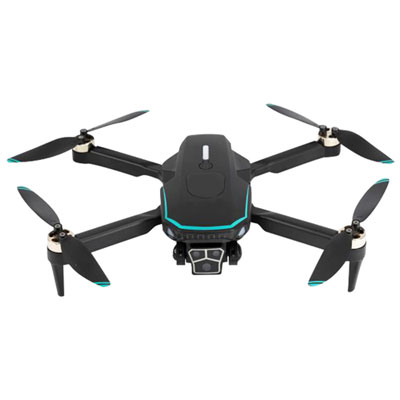 Your price for this item is $99.99
-
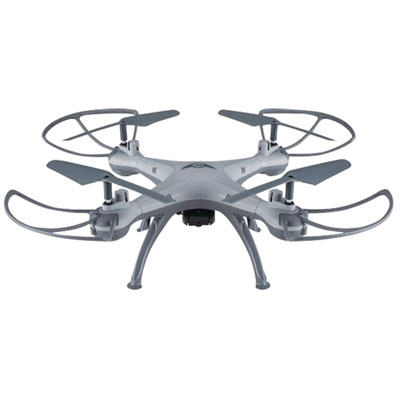 Your price for this item is $64.99
-
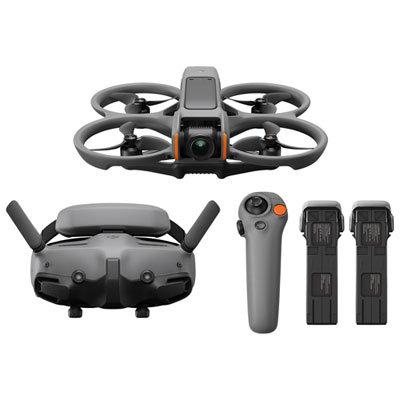 Your price for this item is $1279.99
-
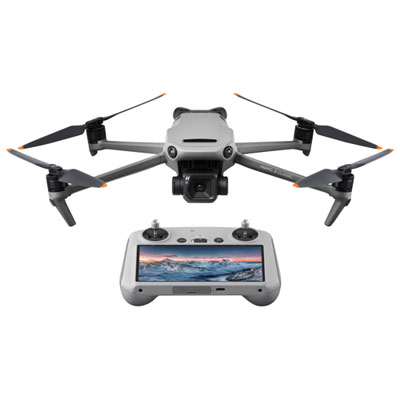 Your price for this item is $1759.99
-
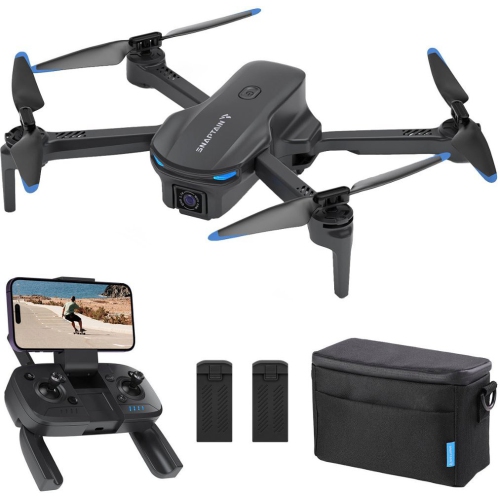 Your price for this item is $189.9
Discover more categories related to UFO Drones
Top Collections:
Pokemon Centers, Best Cameras for Sports Photography, Kindle Devices, Samsung Galaxy Phones, Canon G7X Cameras, Pokémon 30th Celebration Cards, Refurbished Apple Laptops, iPhone 15 Apple, Laptops for Students, Budget Smartphones
Some products may be subject to Environmental Handling Fees
(EHF) depending on your province.
Learn more about EHFs.