Zoom Cameras
Capture every moment with precision and clarity using a zoom camera, the perfect companion for photography enthusiasts and professionals alike. Whether you're snapping wildlife from afar or getting up close to intricate details, these cameras offer unparalleled versatility. With advanced technology that brings distant subjects into sharp focus, you can explore new creative possibilities and elevate your photography game. Discover a range of options designed to suit various skill levels and preferences, ensuring that you find the ideal tool to bring your vision to life. Dive into the world of zoom cameras and unlock the potential to see the world in stunning detail.
Sort
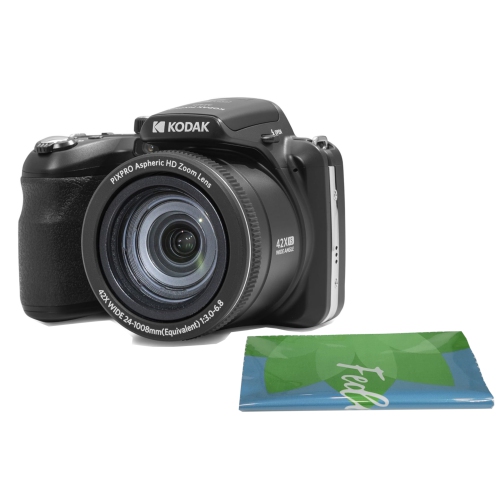
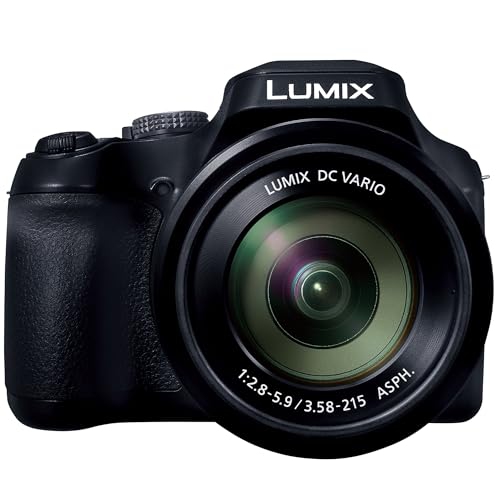
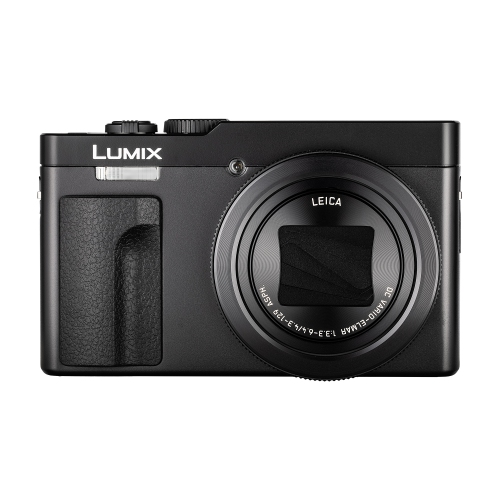


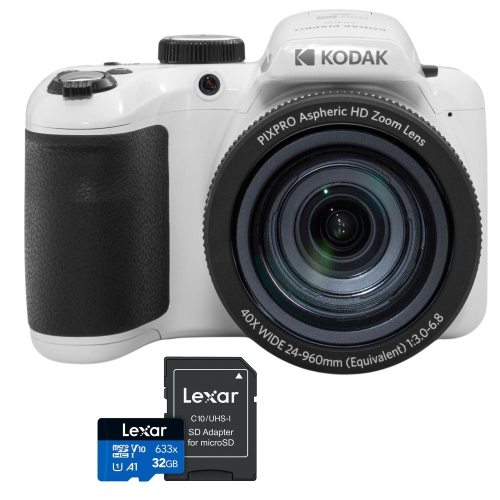










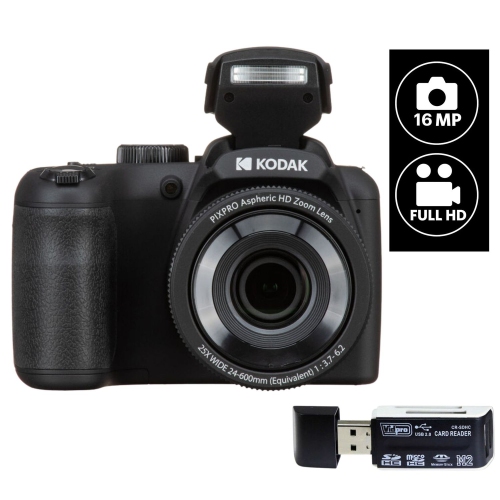
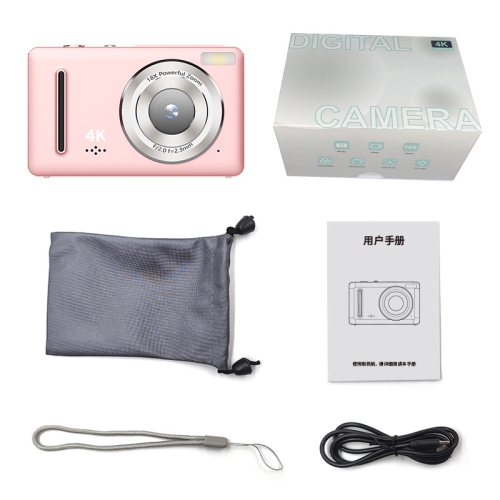


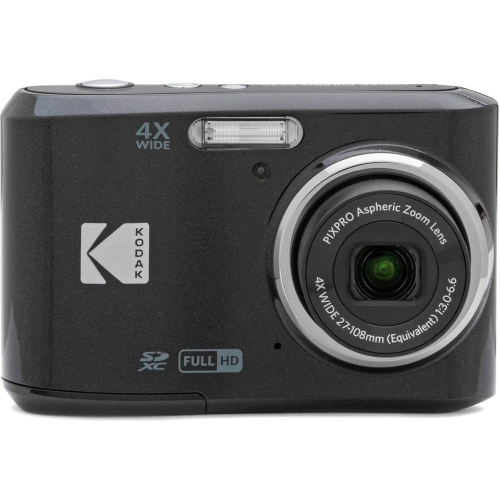

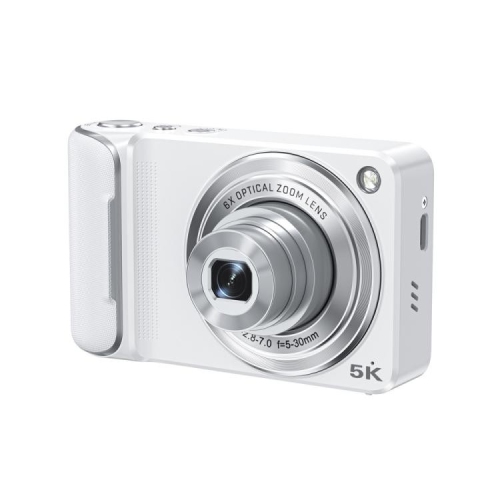
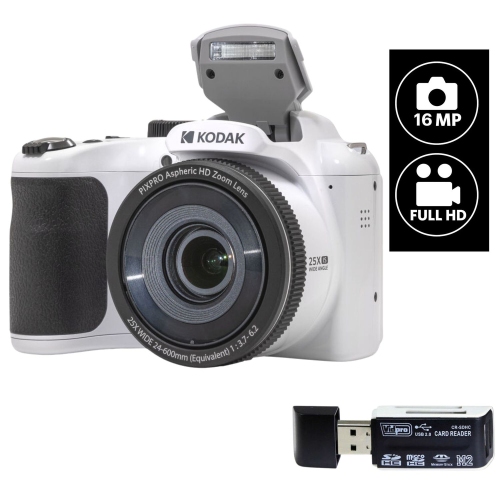


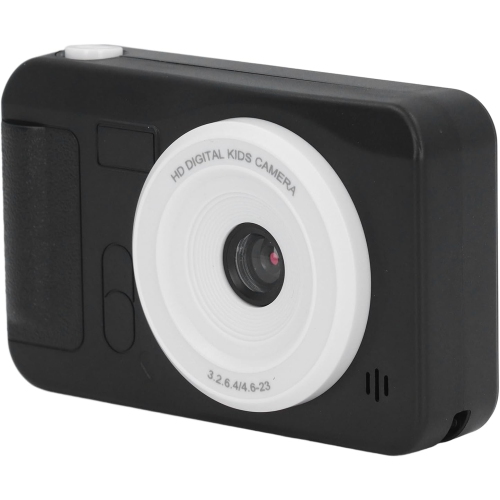
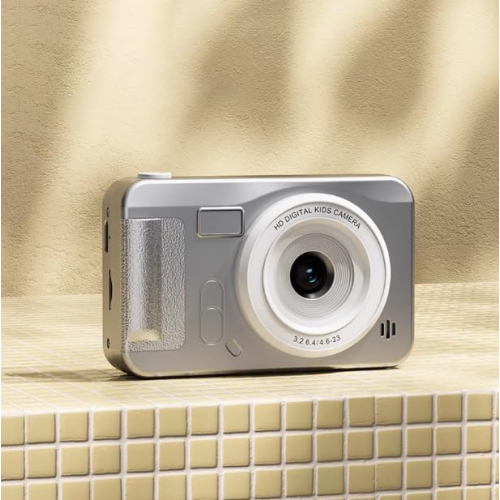


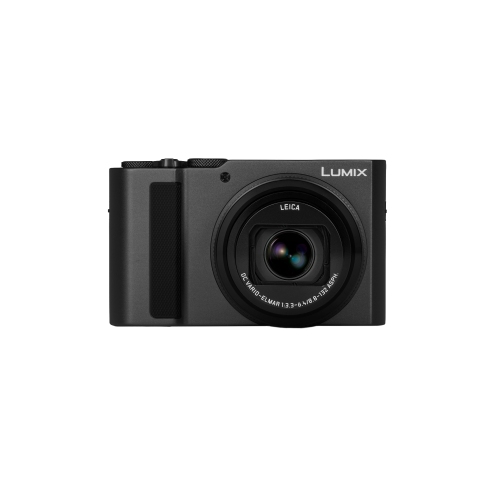






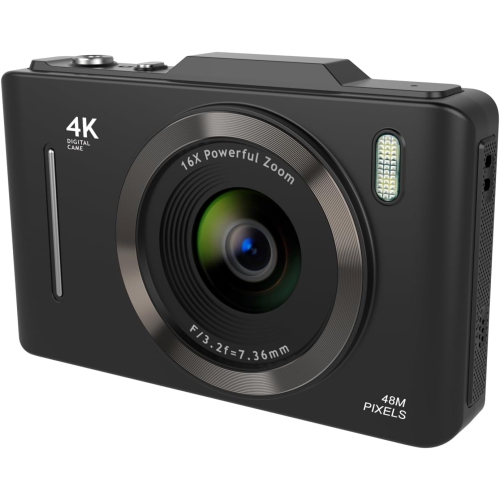

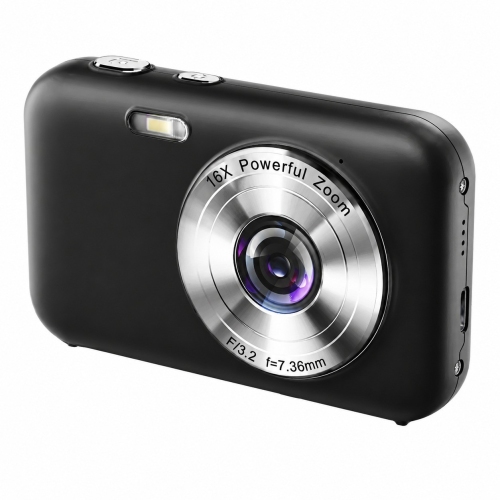
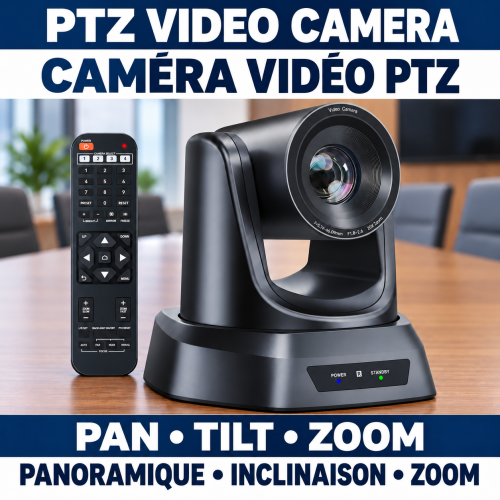
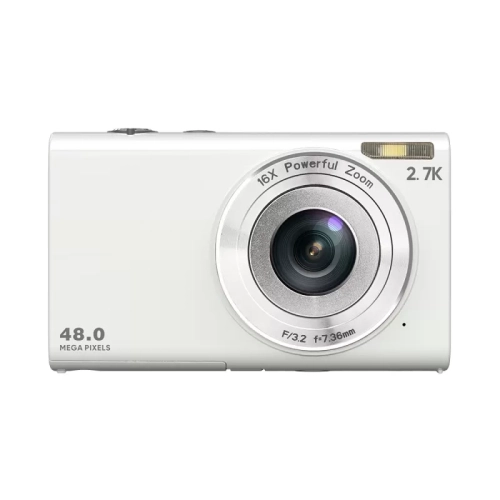








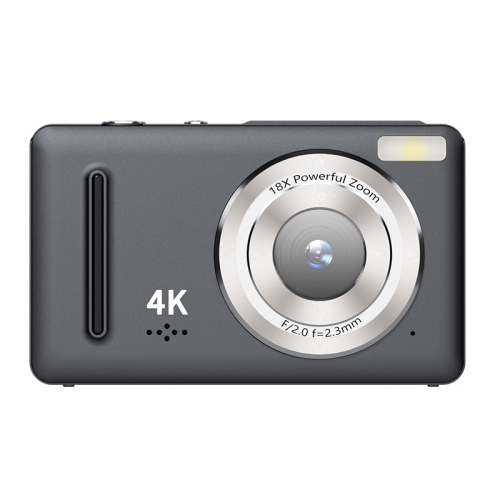

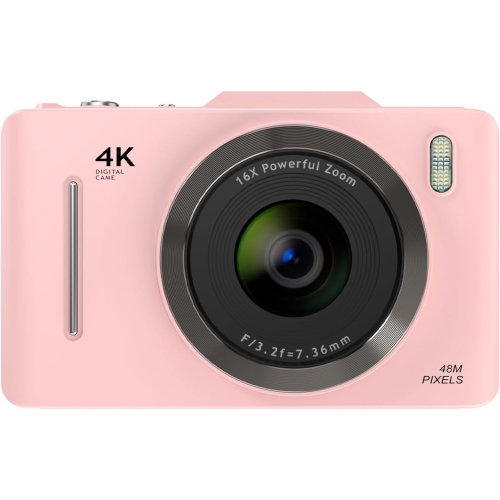
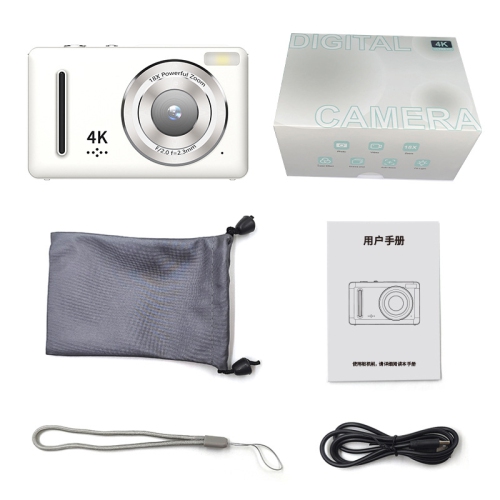

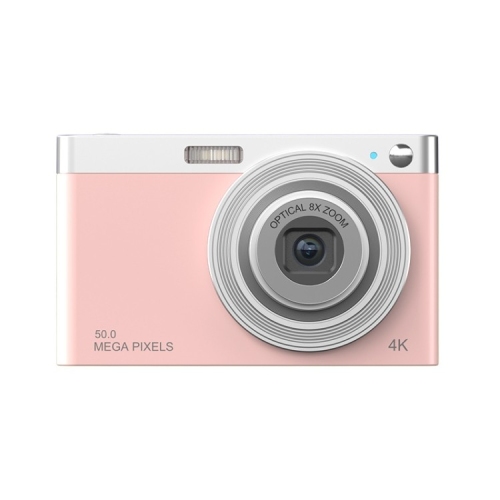


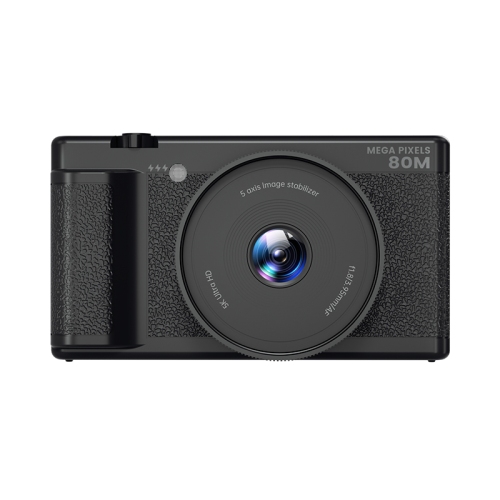

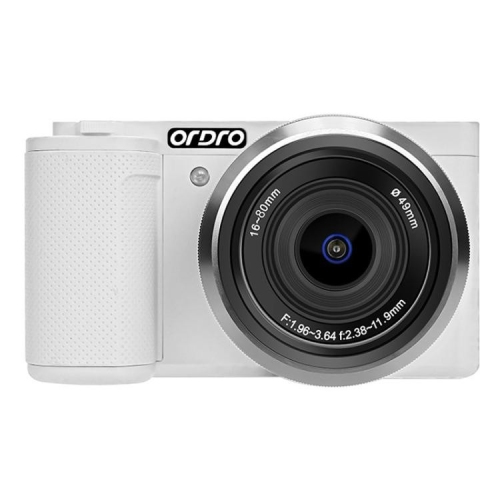
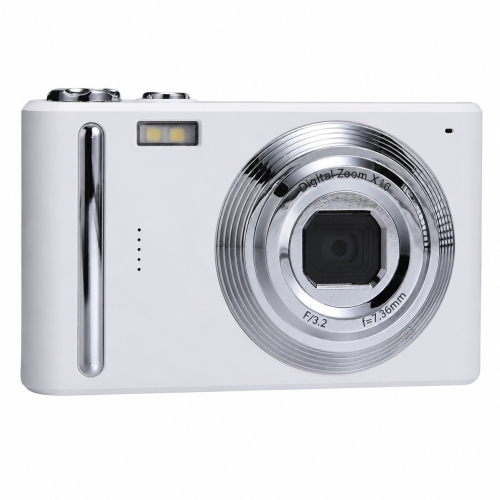
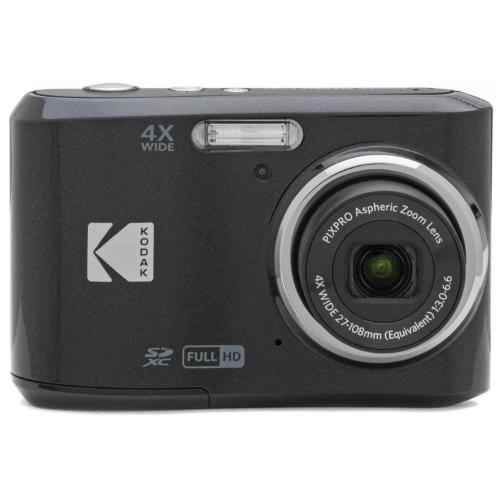
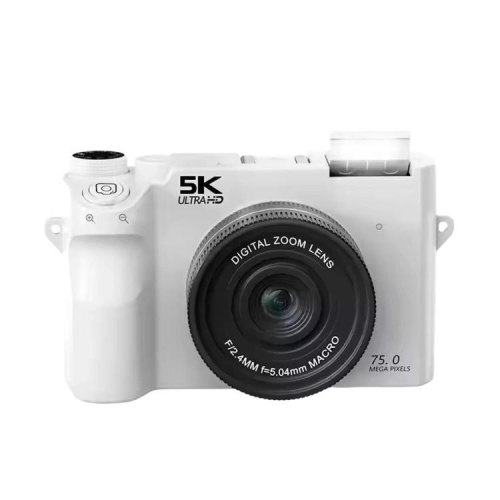


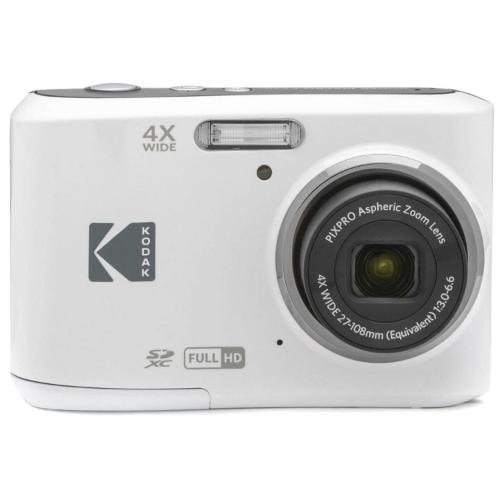


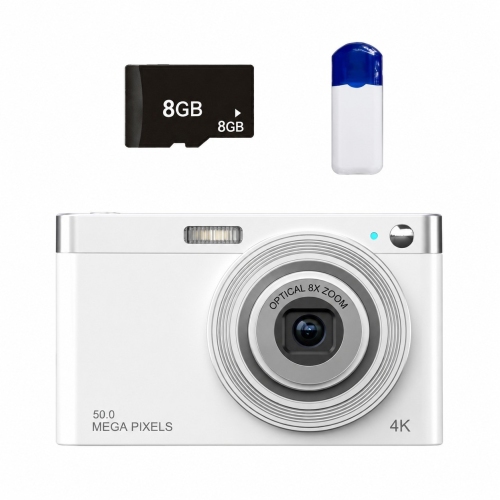

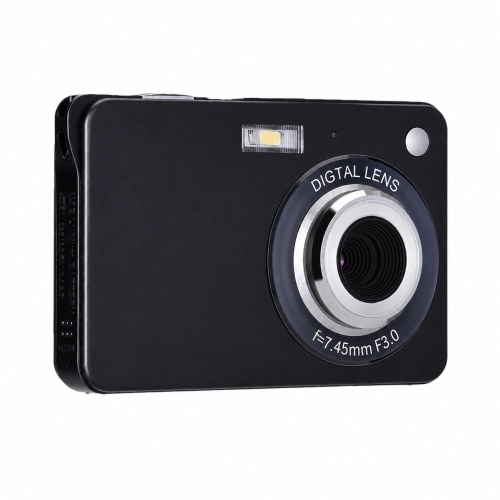



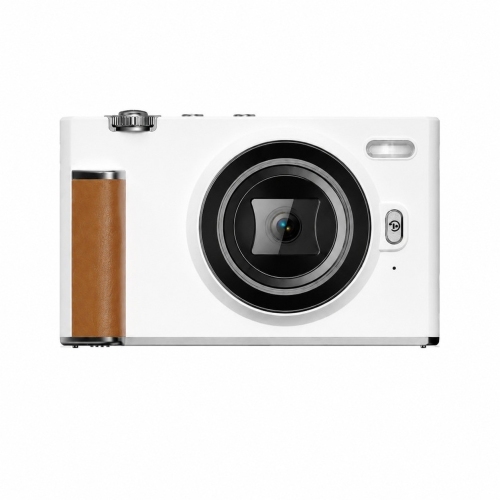

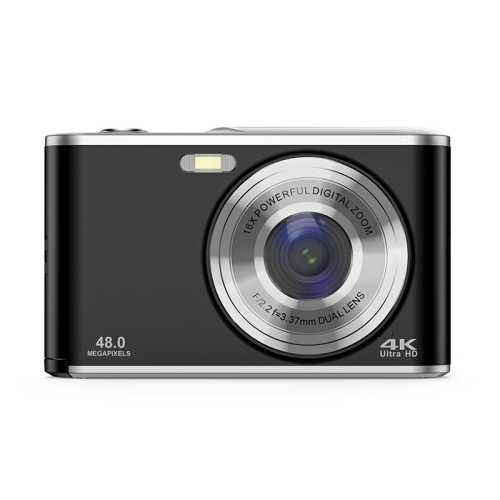
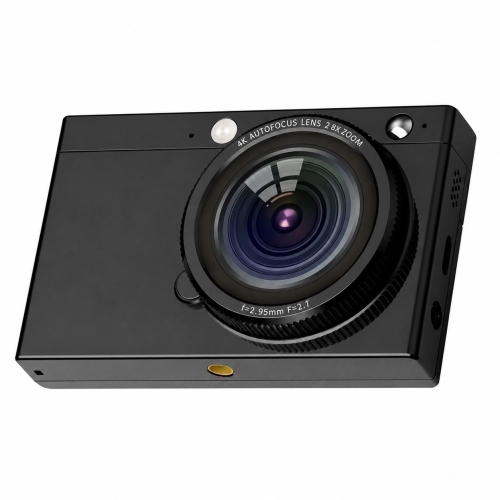
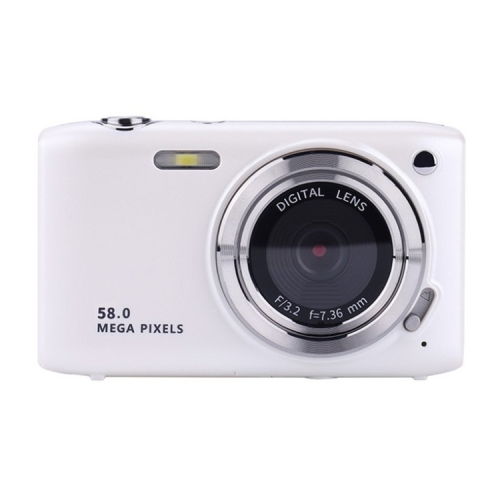
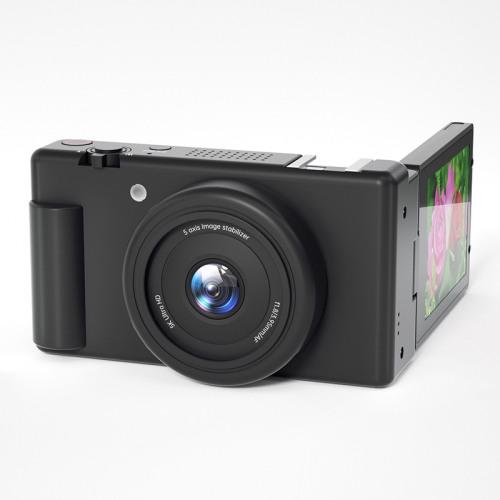


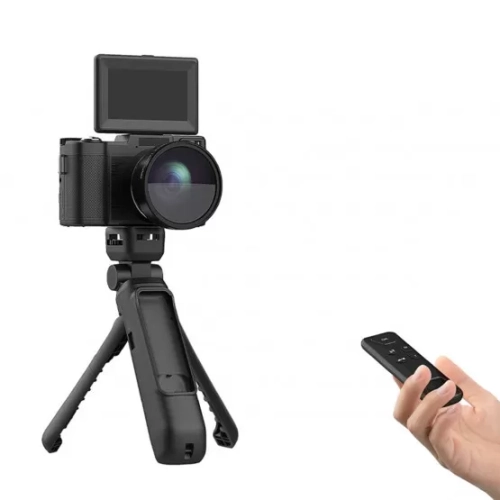

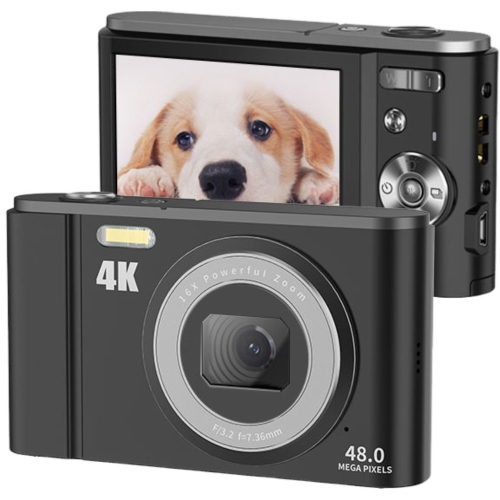

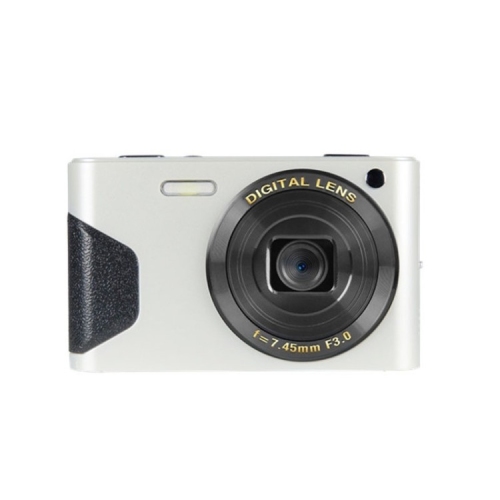
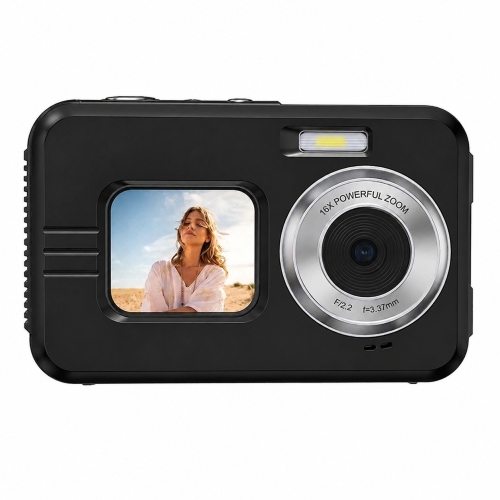
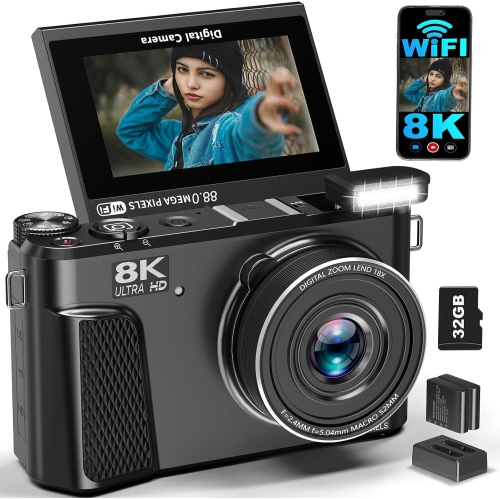
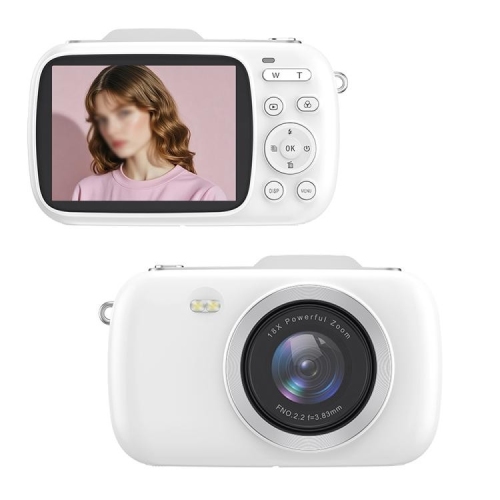

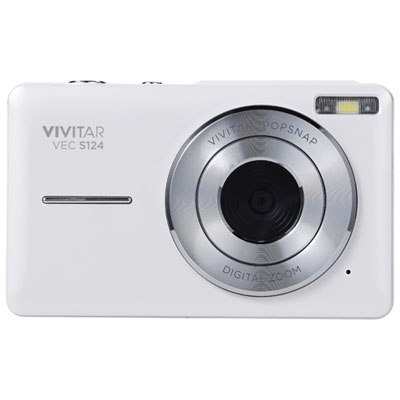

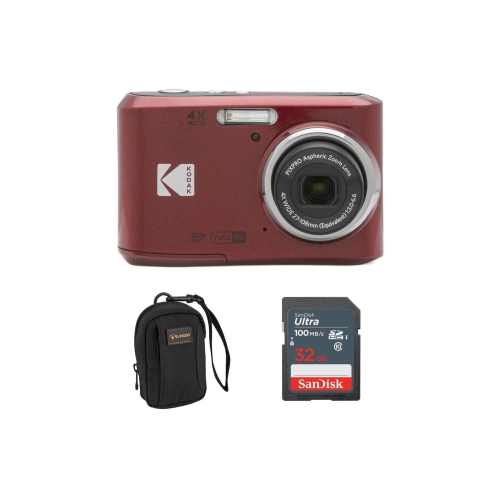
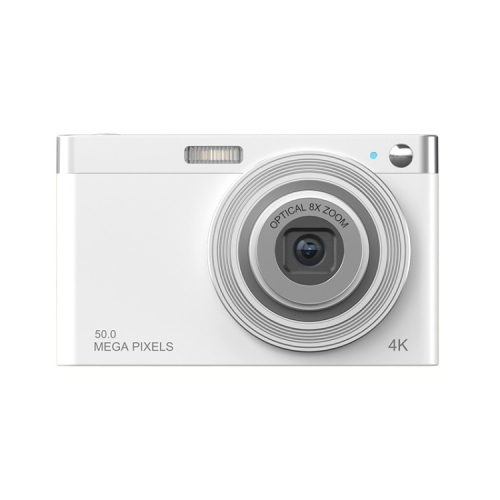
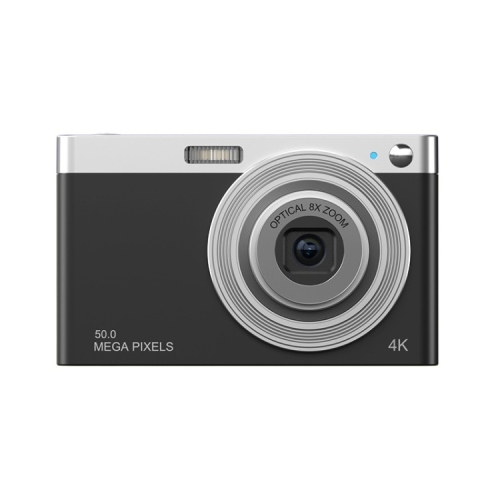
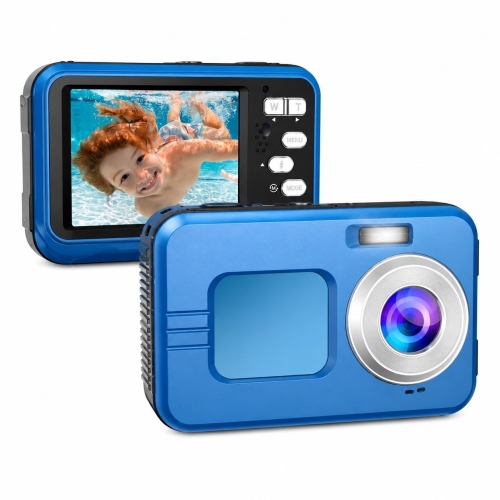
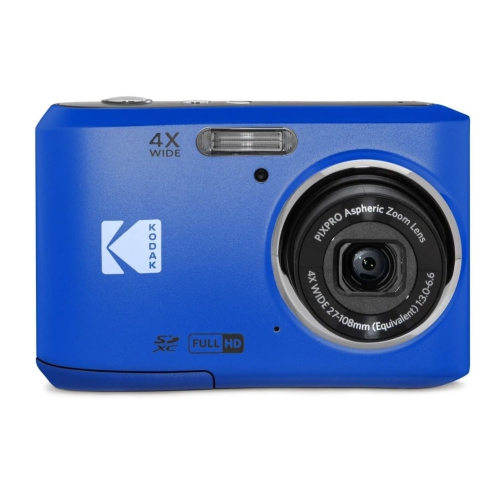

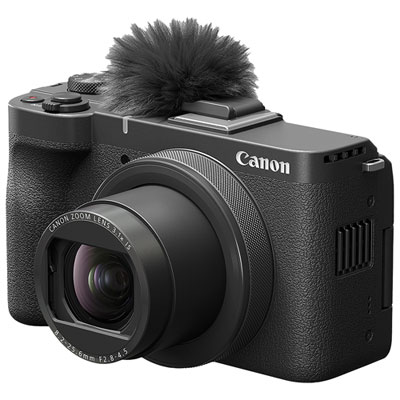
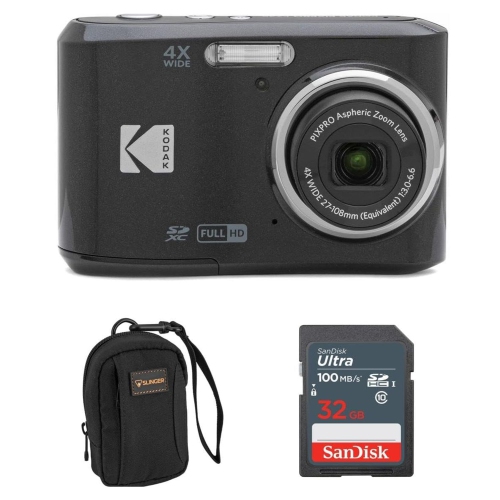
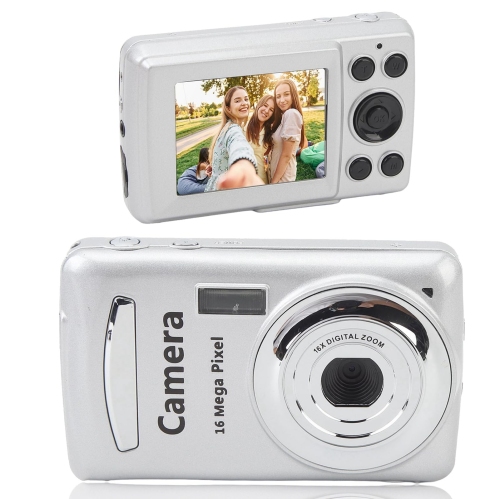
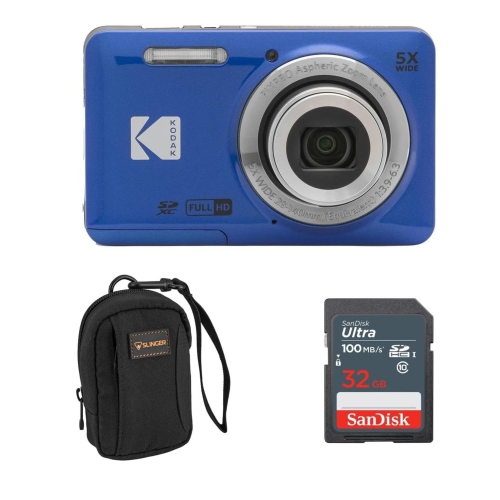
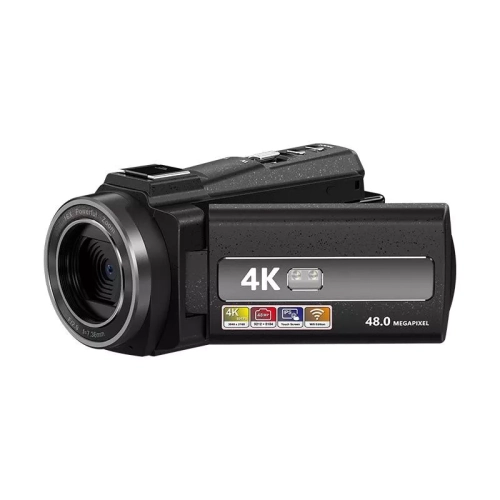
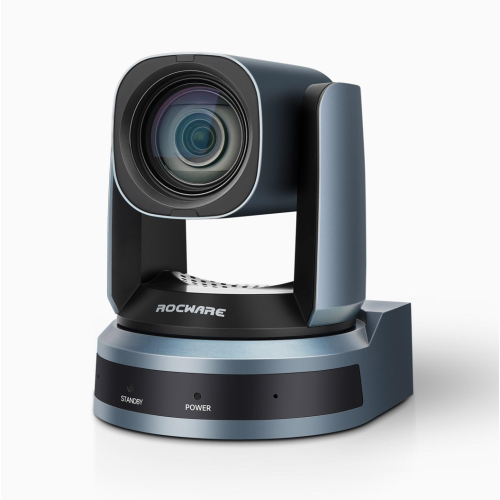

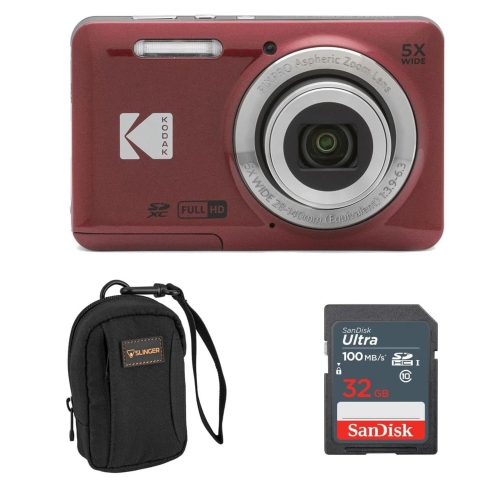


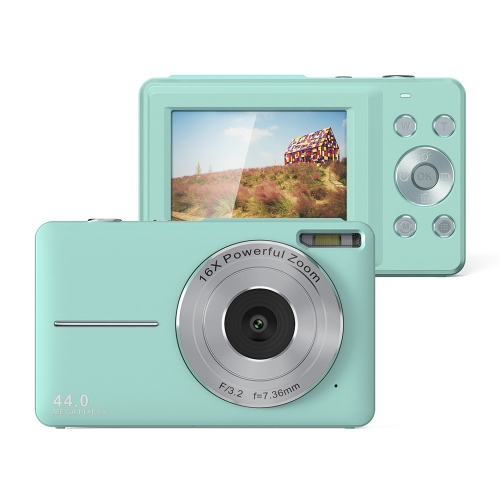
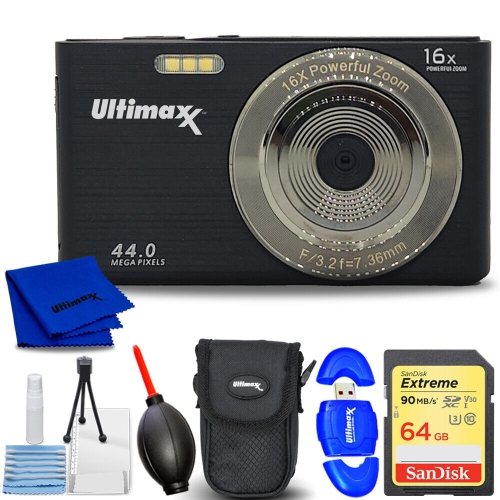
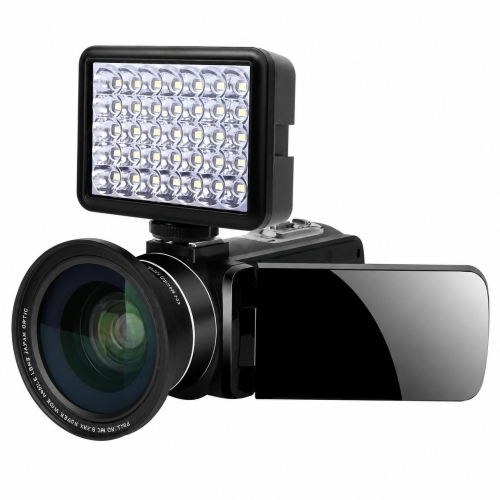
Why lens reach is only part of the picture
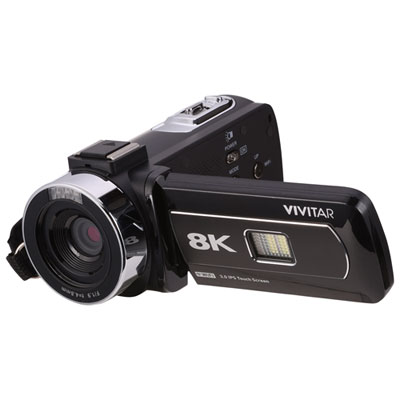
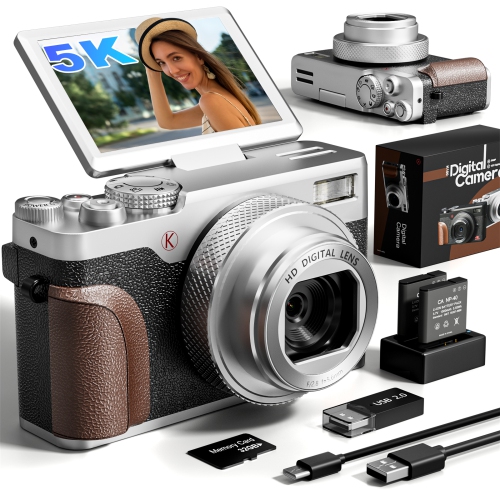
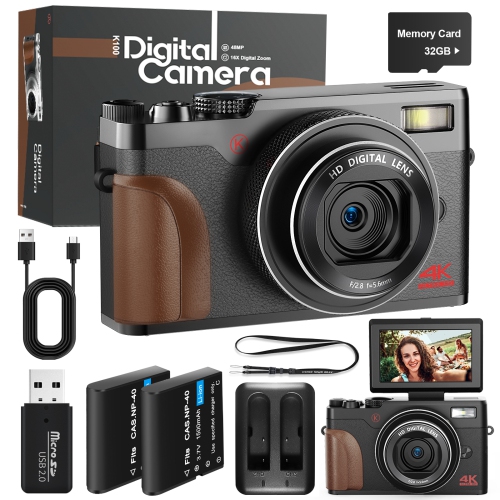
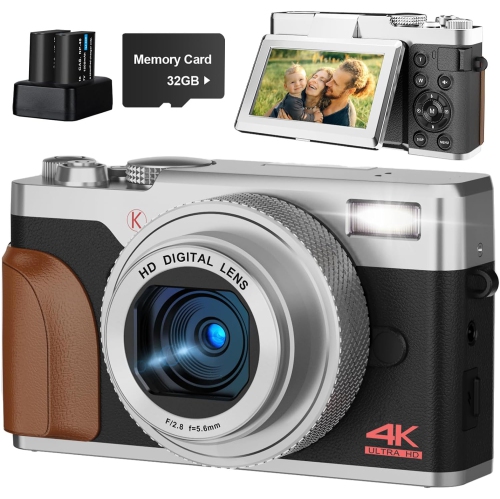
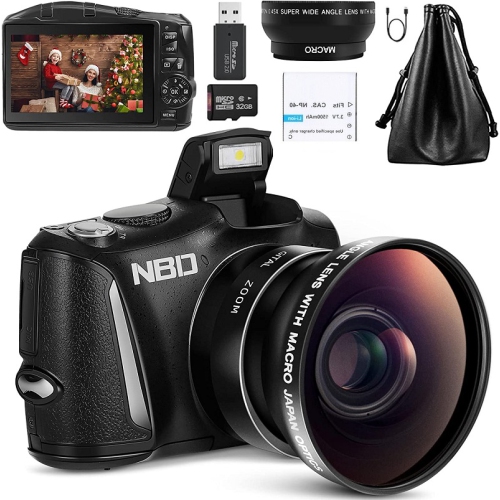
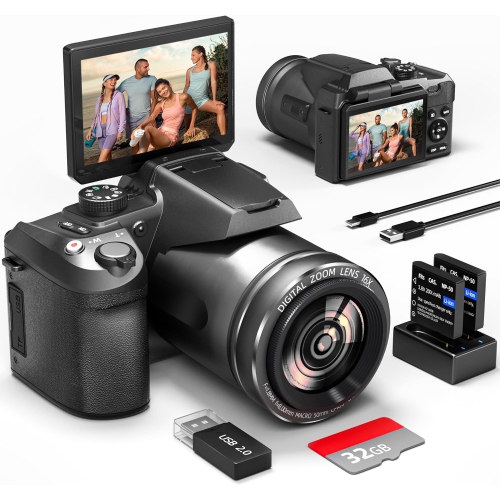
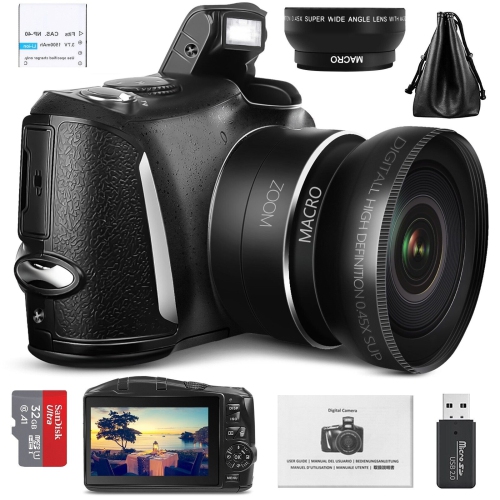
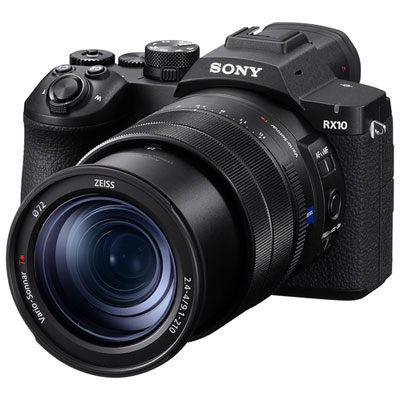
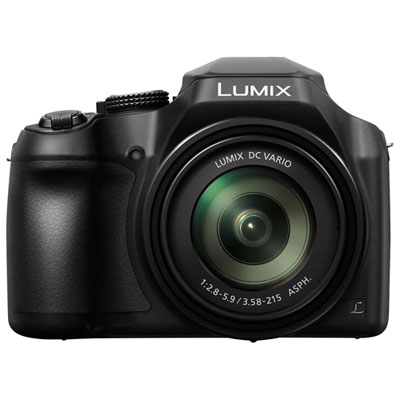
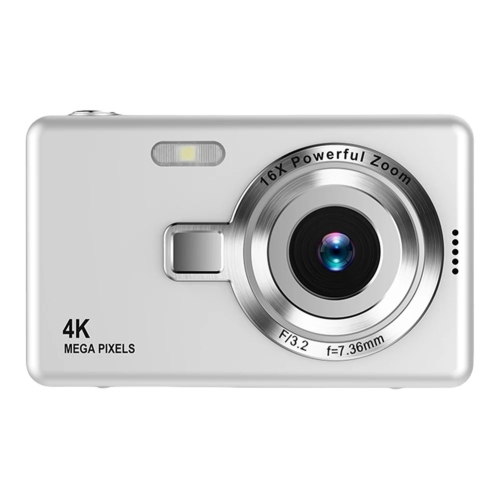
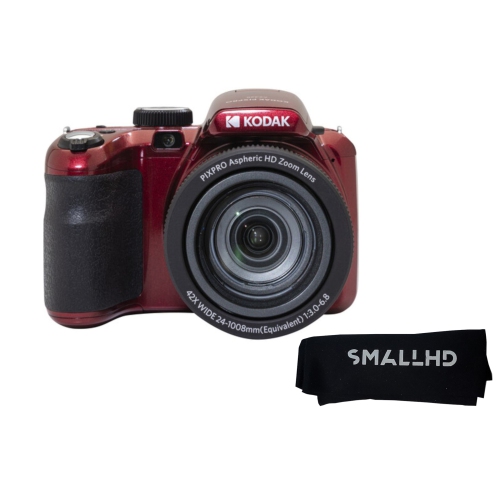
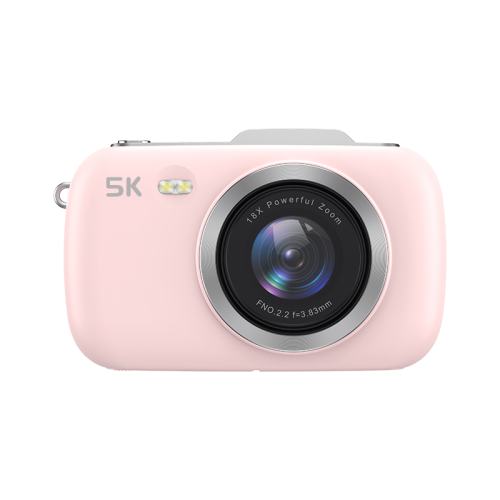
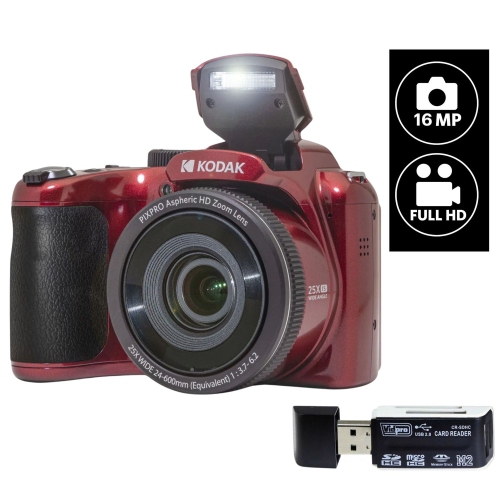
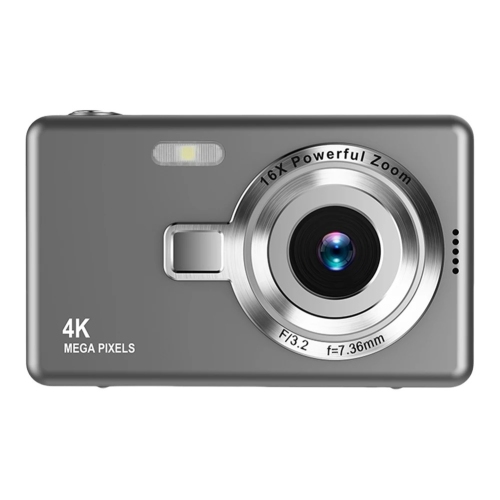
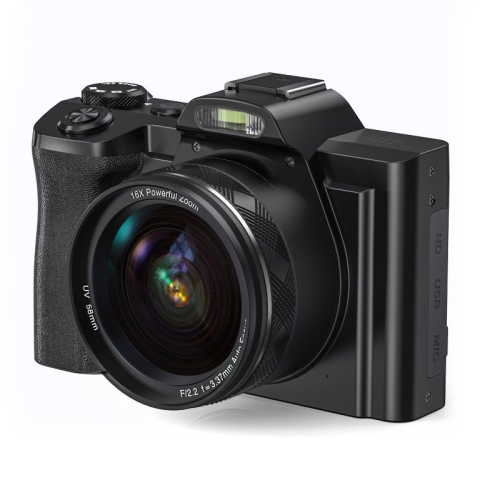
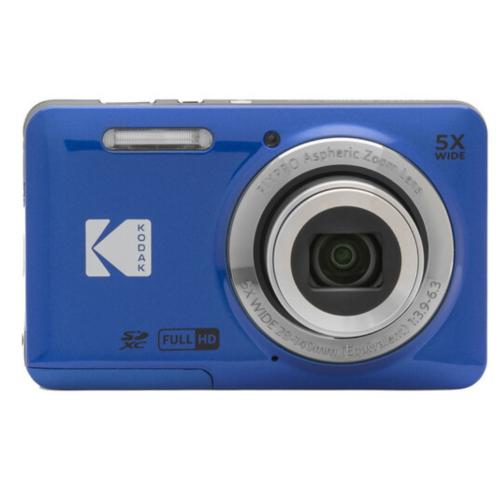
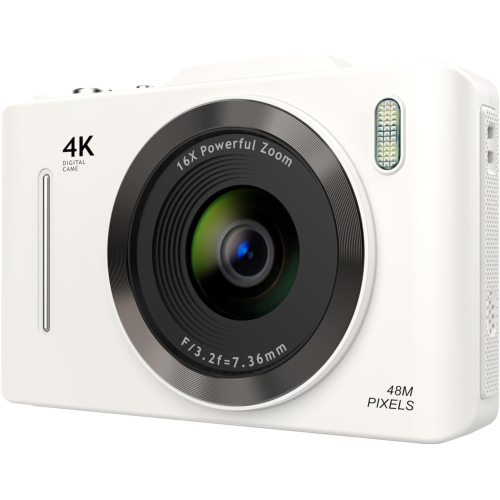
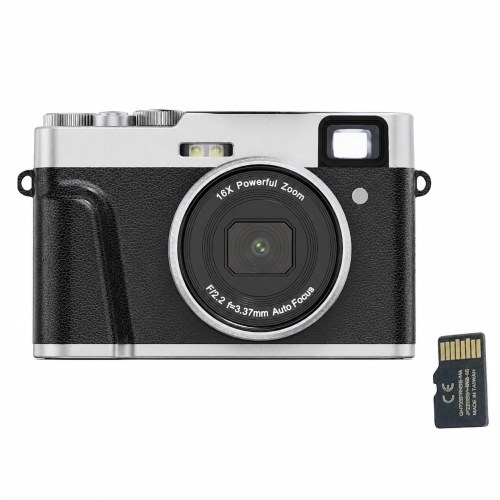
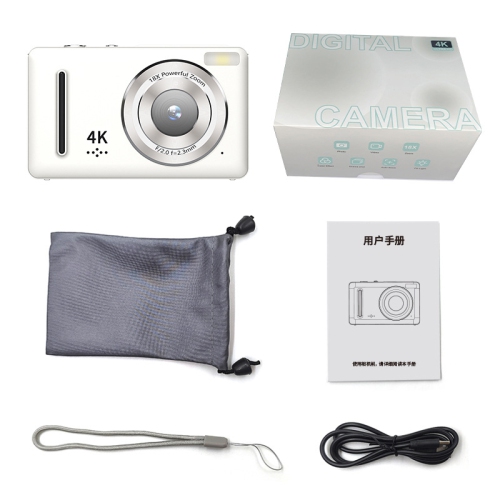
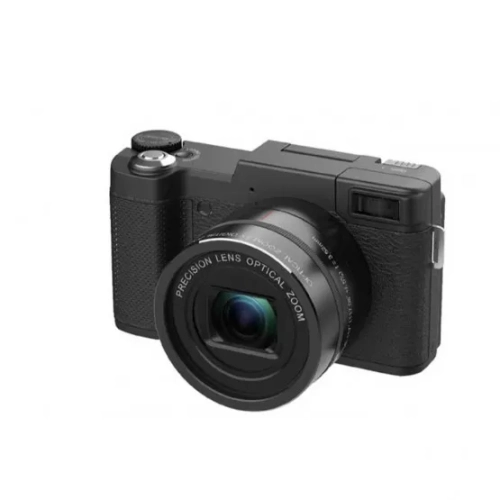
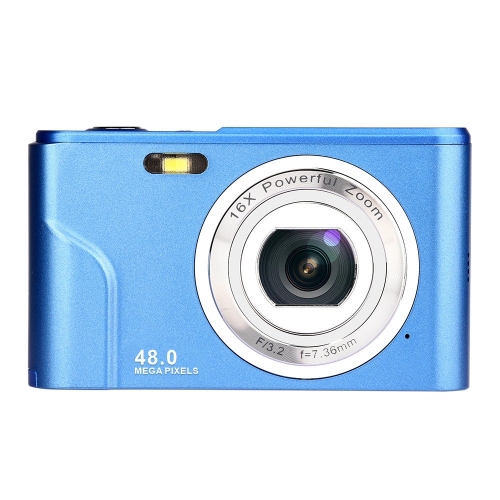
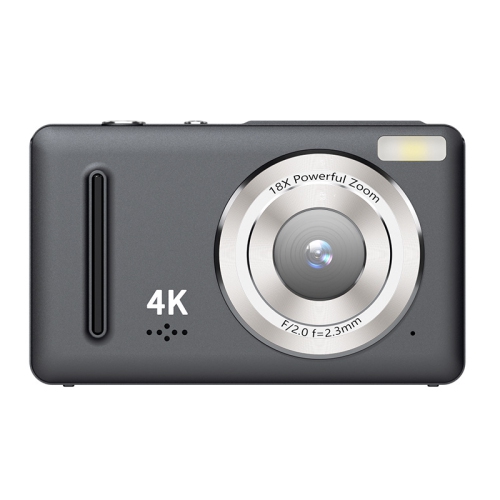
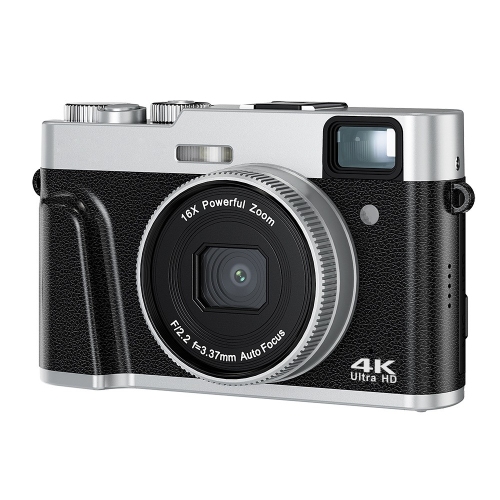
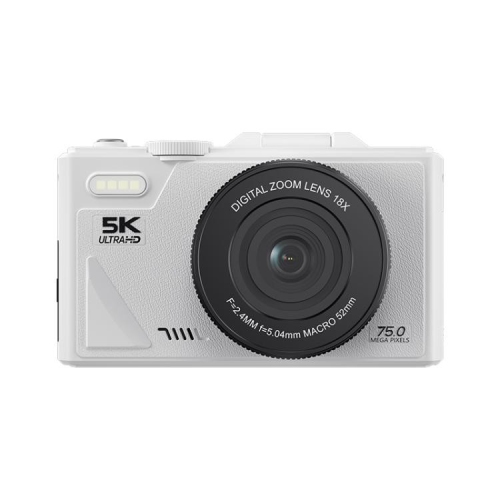
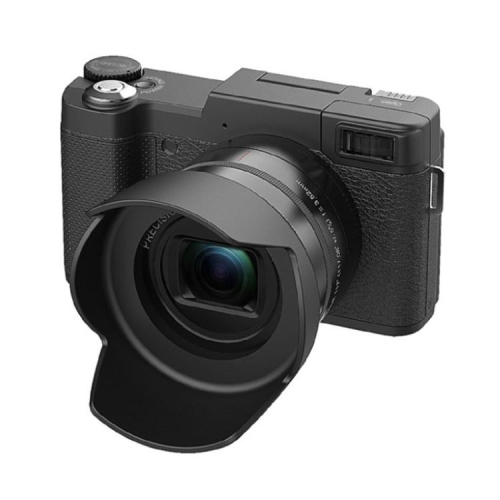
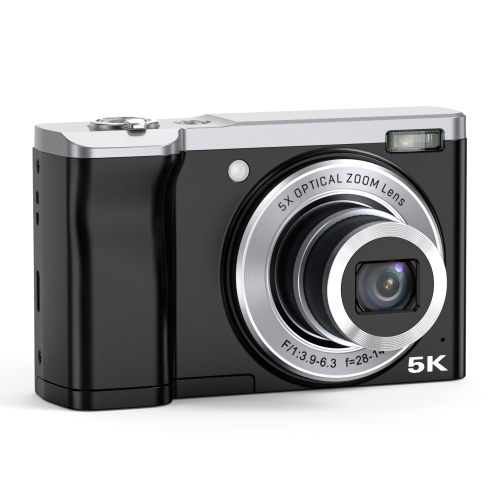
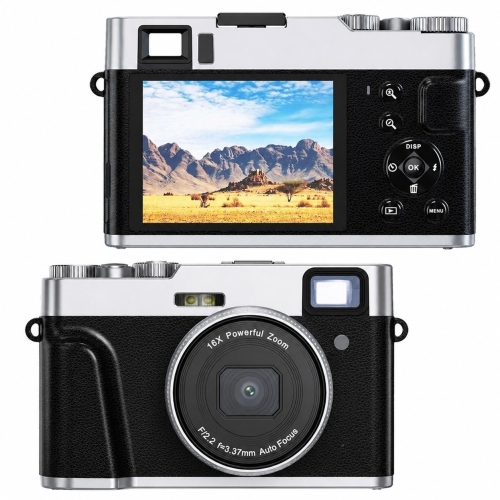
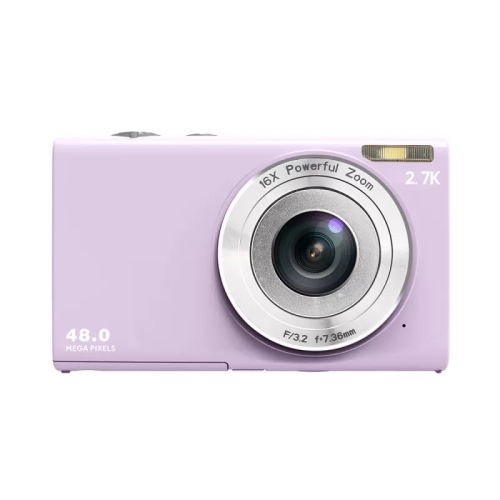
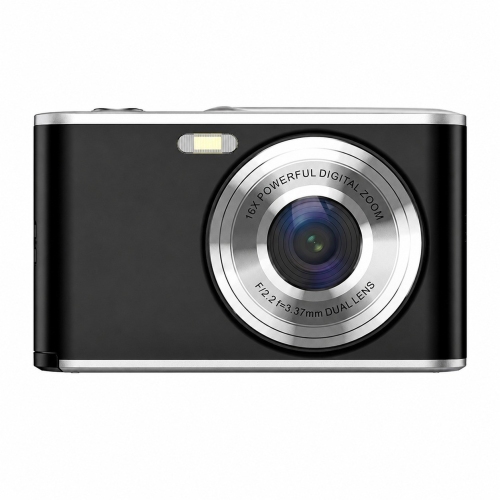
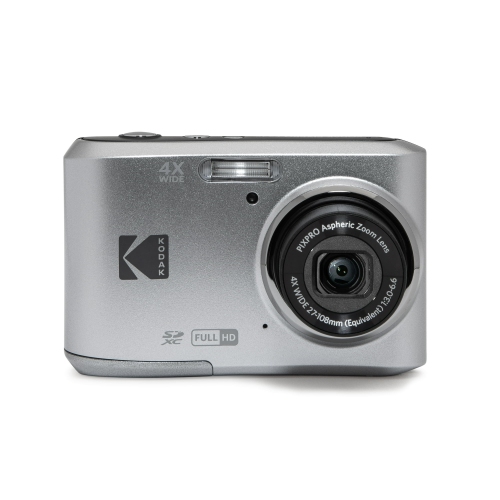
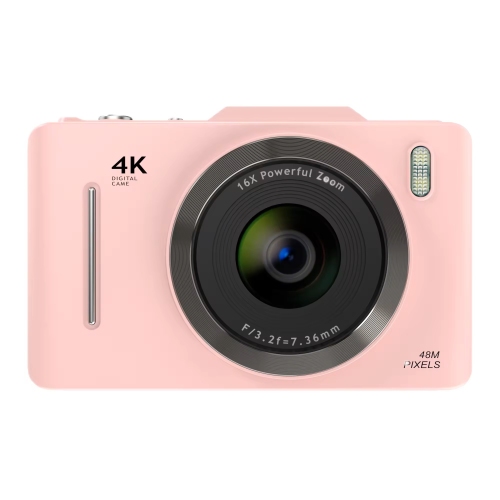
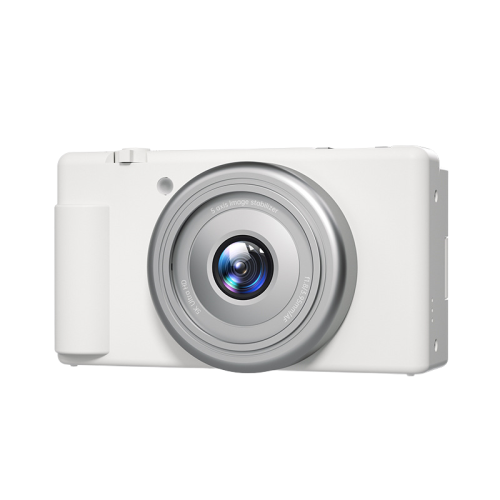
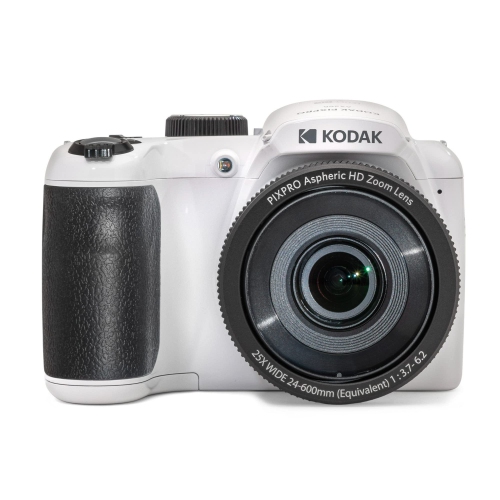
Zoom cameras bring nearby details and distant subjects into the same photographic toolkit, using a lens with an adjustable focal length to change how much of a scene appears in the frame. Optical zoom changes the view through the lens, while digital zoom generally crops and enlarges the image, which can reduce fine detail. That distinction matters when photographing a bird perched across a pond, a player on the far side of a field, or architectural details high above a city street. Many compact and bridge cameras have built-in zoom lenses, offering a broad range of framing options without requiring separate lenses or lens changes. Compact zoom cameras emphasize portability, with smaller bodies that fit comfortably in a bag and, depending on their dimensions, a jacket pocket. They suit travel, family outings, and everyday photography where carrying a larger camera kit would feel cumbersome. Bridge cameras typically have more substantial grips, longer lenses, and controls that resemble those on interchangeable-lens cameras. Their larger bodies can be easier to hold securely when following a distant subject, though the extended lens adds weight and takes up more space. A zoom ratio describes the relationship between the lens’s widest and longest focal lengths; it does not, by itself, reveal how wide the camera can shoot or how close a distant subject will appear. Equivalent focal-length specifications provide a more useful sense of those framing possibilities. A wide-angle setting can include an entire dining table or a sweeping landscape, while a telephoto setting isolates a face, an animal, or a small detail within a larger scene. Image stabilization helps reduce blur caused by camera movement, particularly at longer focal lengths, but it cannot freeze a running child or a bird in flight. Those subjects also depend on a sufficiently fast shutter speed. At high magnification, a steady stance, supported elbows, or a suitable tripod can make a noticeable difference to framing and sharpness.
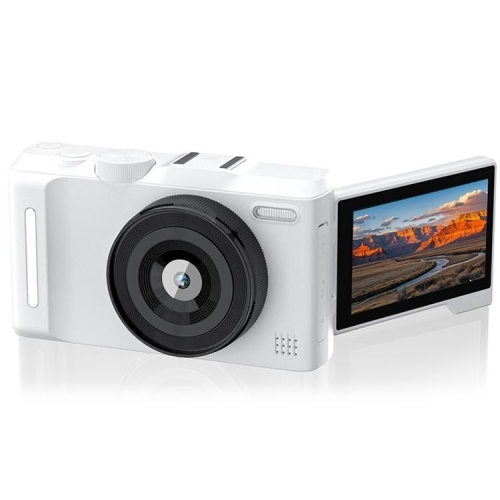
The balance between lens reach, sensor size, and handling shapes how a zoom camera performs in everyday use. A very long zoom can make distant subjects accessible, but maximum magnification is only one part of the picture. Sensor size, lens quality, focus accuracy, and available light all affect the detail, colour, and tonal range in a photograph. Larger sensors generally offer advantages in dim lighting and greater flexibility for separating a subject from its background, while smaller sensors can enable extensive zoom ranges in a manageable camera body. Lens aperture matters, too: many zoom lenses admit less light at their longest setting, which can influence shutter speed and image noise when photographing an indoor performance or a pet moving through a room. Autofocus tracking and continuous shooting can help capture a useful sequence during action, although performance varies by camera and shooting conditions. For everyday handling, a comfortable grip and clearly placed buttons are worth as much attention as headline specifications. A camera should feel secure with the lens extended, and its controls should remain accessible without an awkward change of hand position. An electronic viewfinder offers a close, stable way to compose distant scenes, while a tilting or articulating screen can make low-angle photographs and self-recorded video easier. Touch controls may feel familiar to someone accustomed to a phone; physical dials offer direct adjustments for photographers who prefer a more hands-on approach. Body construction can include moulded plastics, metal components, and textured grip surfaces, with durability depending on the design rather than the material alone. A padded case protects the camera from knocks, and a wrist or neck strap adds security while carrying it. Dust and fingerprints on the front lens element are best addressed with a suitable blower, lens brush, or clean lens cloth rather than clothing fabric. The extending lens mechanism also benefits from careful handling and protection from grit. Water resistance should never be assumed without an explicit manufacturer rating.
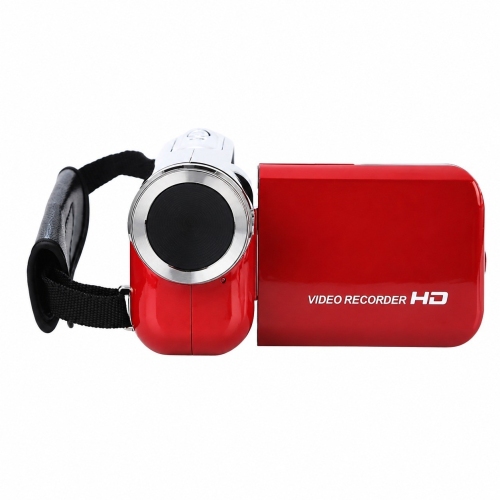
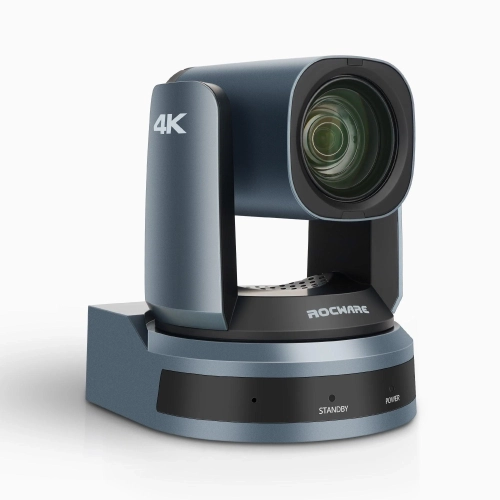
Zoom cameras can also support video, making them useful for recording a music recital, documenting a trip, or capturing a child’s first confident ride along a park path. Video resolution is one consideration, but stabilization, autofocus behaviour, audio capture, and ease of operation help determine how watchable the result will be. Optical zoom can change framing during a recording, though lens-motor noise, focus transitions, and zoom speed vary between cameras. A microphone input, where provided, offers more flexibility for spoken recordings, while built-in microphones may be sufficient for casual clips. Long telephoto settings magnify small movements in video as well as photographs, so a stable support is especially useful for extended recordings of distant subjects. Battery endurance and memory-card compatibility influence how comfortably a camera fits into a full day of photography. Spare batteries, supported charging methods, and a card suited to the camera’s recording requirements can reduce interruptions, particularly when capturing video or rapid bursts of images. Wi-Fi and Bluetooth, when included, may support image transfers or remote operation through a compatible app; the available functions depend on the camera and connected device. For someone who enjoys making printed photographs, flexibility in framing and consistent image quality may matter more than the longest possible zoom. A traveller may value a lighter body and a broad lens range, while a wildlife enthusiast may prefer a deeper grip, a viewfinder, and stronger telephoto reach. As a gift, a zoom camera can suit a beginner who wants more framing options than a phone provides, or an experienced photographer seeking a convenient companion to a larger kit. Portable photographic cameras are distinct from Zoom Surveillance Cameras, which are designed for monitoring an area rather than being carried from scene to scene. For photography, the most useful combination is reach that suits the subject, controls that feel comfortable, and a body practical enough to bring along.
Top selling and popular products
-
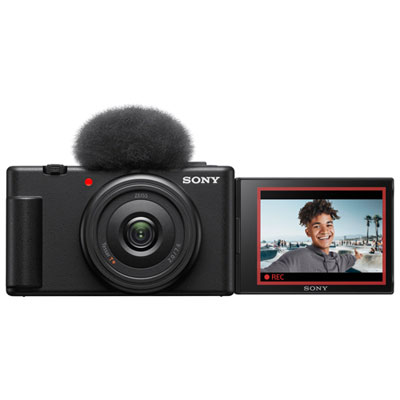 Your price for this item is $599.99
-
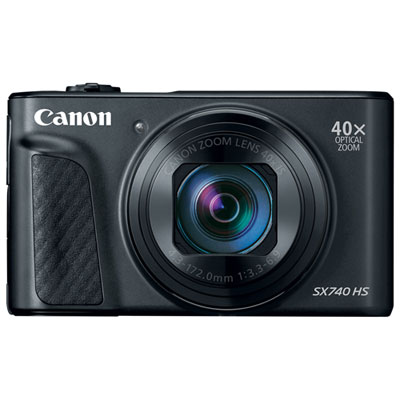 Your price for this item is $799.99
-
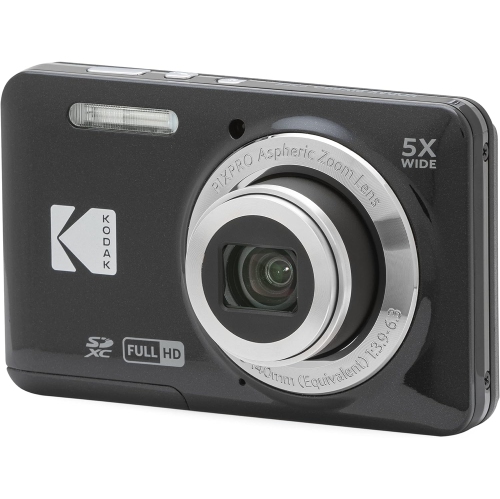 Your price for this item is $255
-
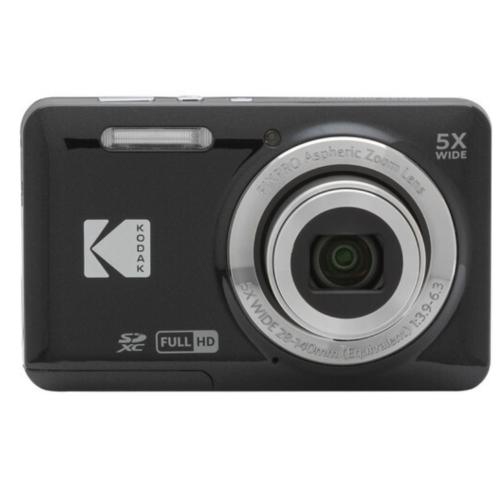 Your price for this item is $253
-
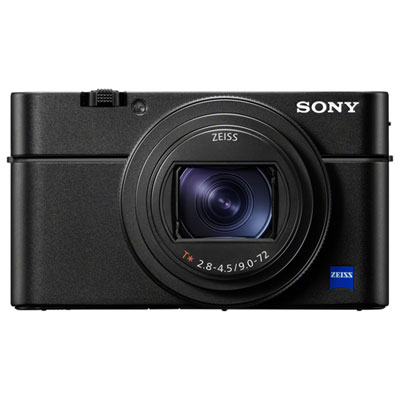 Your price for this item is $1799.99
-
 Your price for this item is $1999.99
-
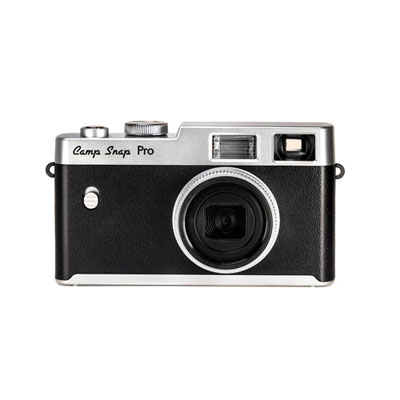 Your price for this item is $149.99
-
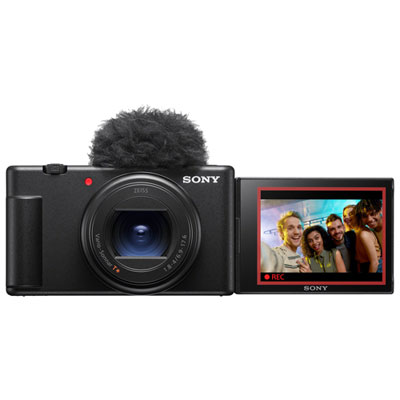 Your price for this item is $1099.99
Discover more categories related to Zoom Cameras


Top Collections:
Best Black Friday Deals This Year, Best Black Friday Deals On Electronics, Kindle Devices, Pokemon Centers, Best Black Friday Deals On Apple Products, Best Cameras for Sports Photography, Dyson Airwrap, Pokémon 30th Celebration Cards, Apple iPhone 17 Pro, Canon G7X Cameras
Some products may be subject to Environmental Handling Fees
(EHF) depending on your province.
Learn more about EHFs.