Equipment for Trail Running
Whether you're a seasoned trail runner or just getting started, having the right equipment can make all the difference in your performance and overall experience. From rugged trail running shoes that provide traction on uneven terrain to lightweight hydration packs that keep you fueled during long runs, our selection of gear is designed to enhance your outdoor adventures. Explore our range of trail running essentials to elevate your next off-road workout and conquer new trails with confidence.
Sort

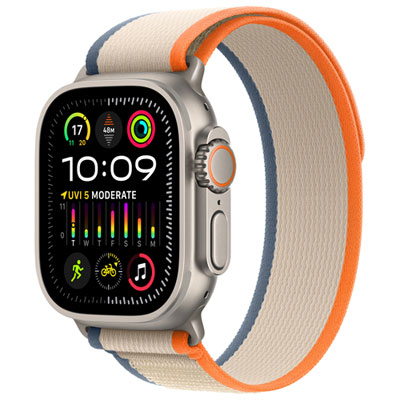
![APPLE Watch Ultra 2 [Gps + Cellular 49Mm] Smartwatch With Rugged Titanium Case & Blue/black Trail Loop, M/l In Multicolor The best love it](https://multimedia.bbycastatic.ca/multimedia/products/500x500/181/18165/18165759.jpeg)
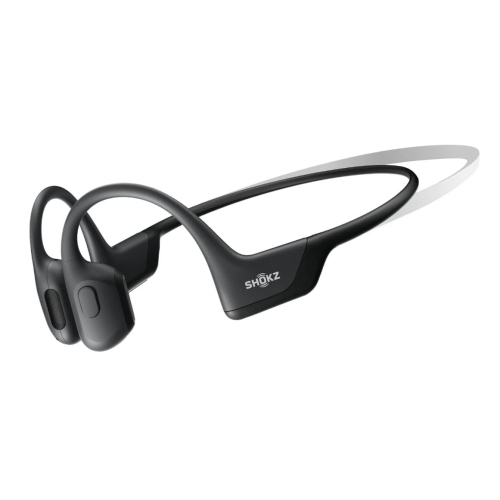
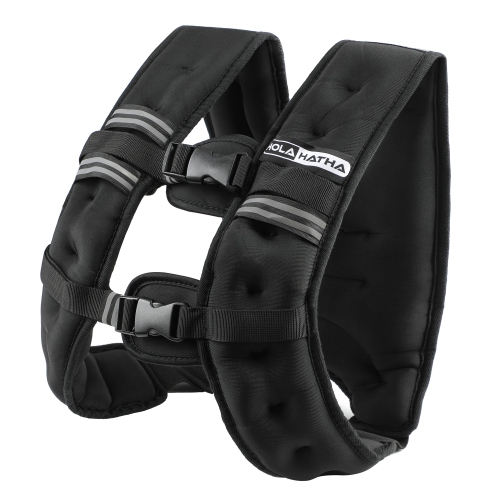
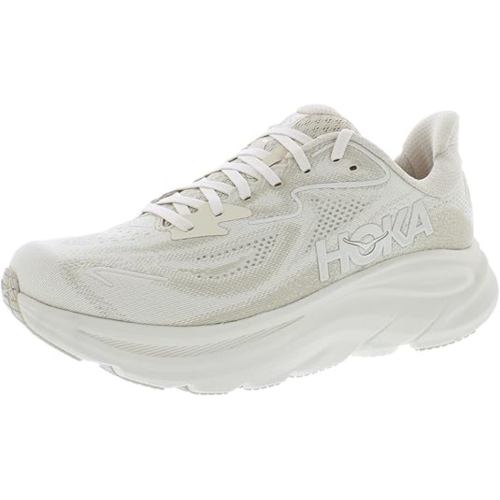
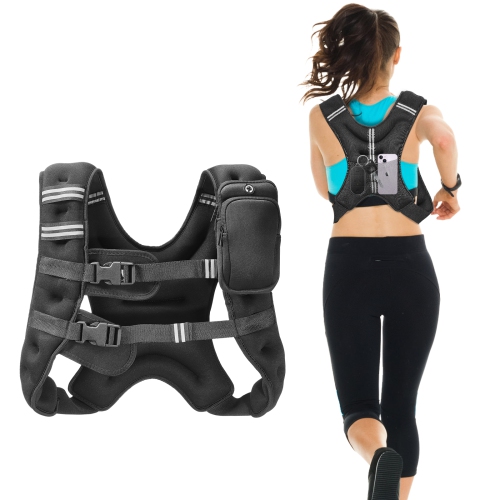
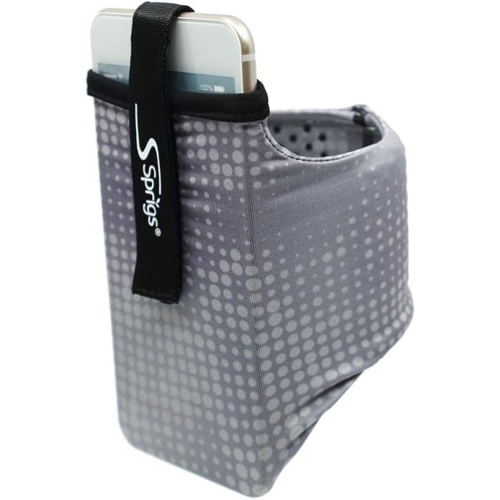
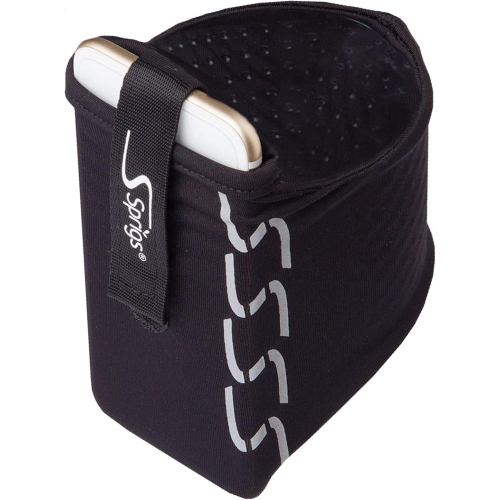
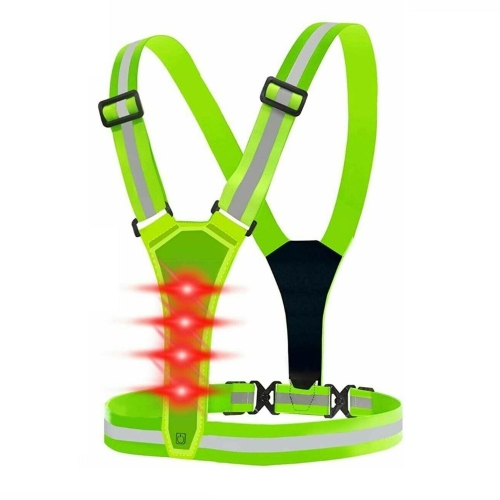
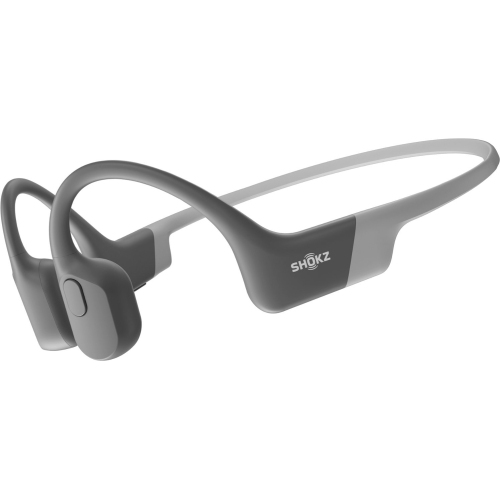
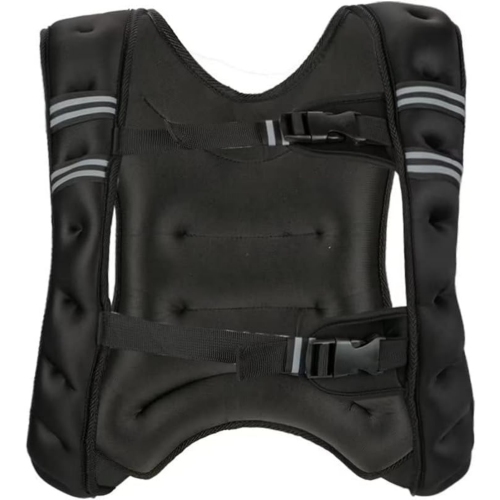
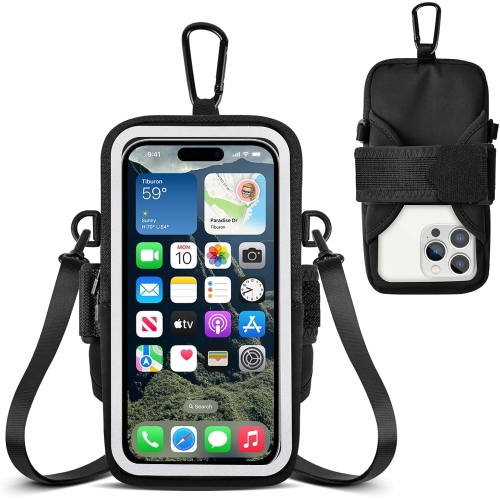
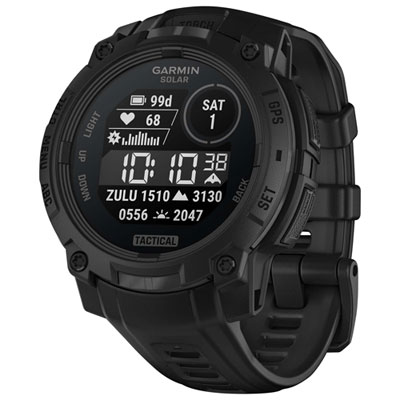
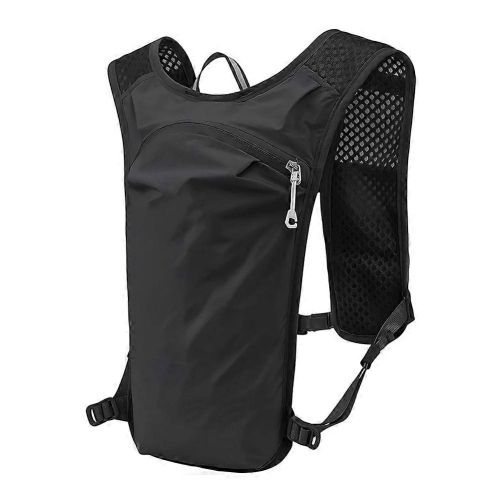
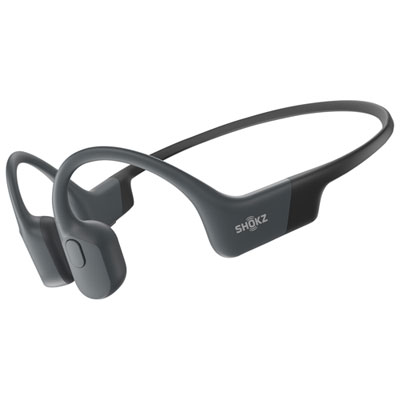
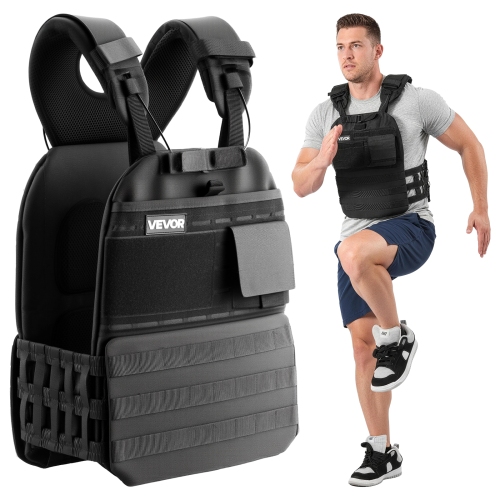
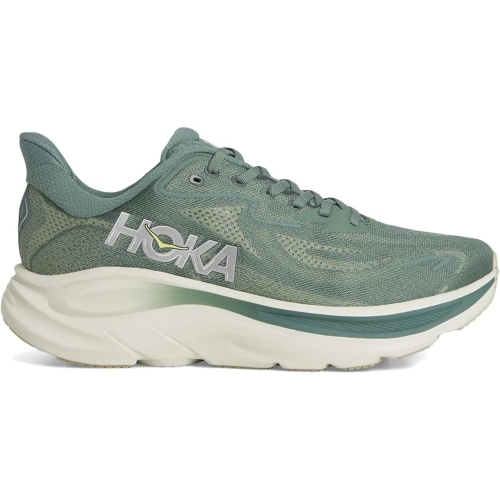
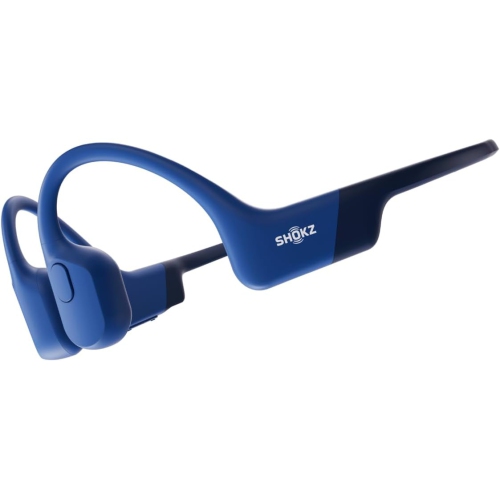
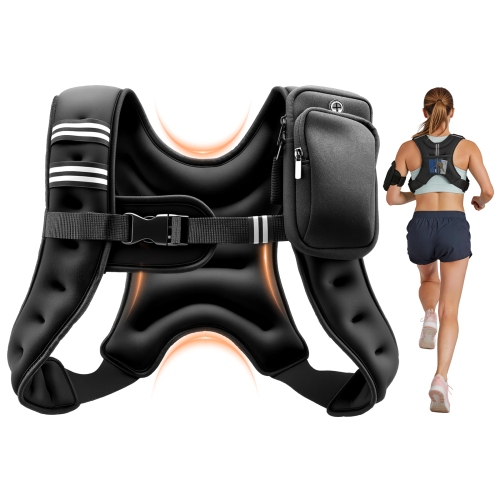
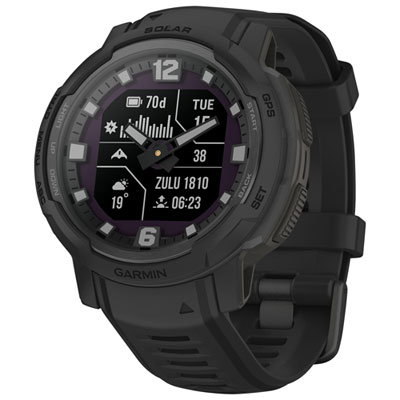
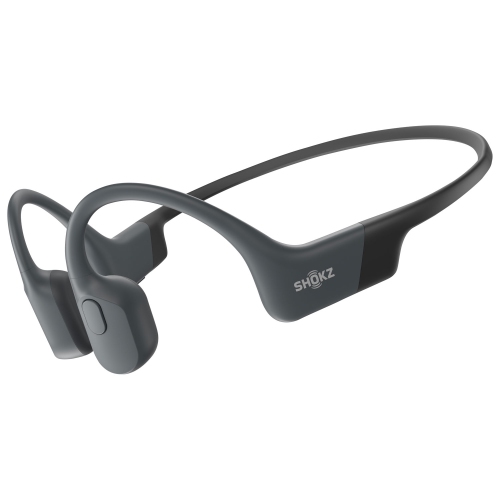
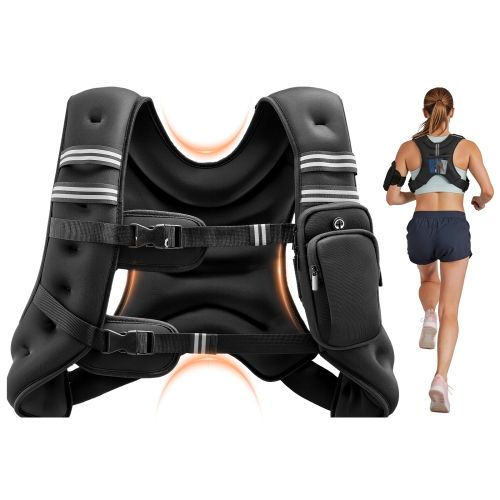
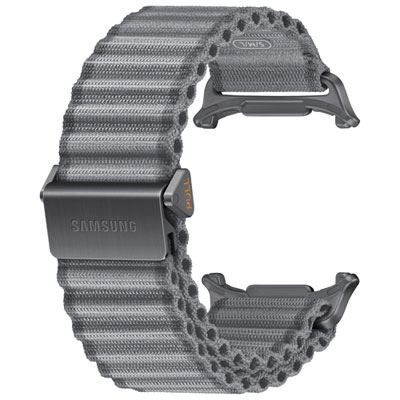
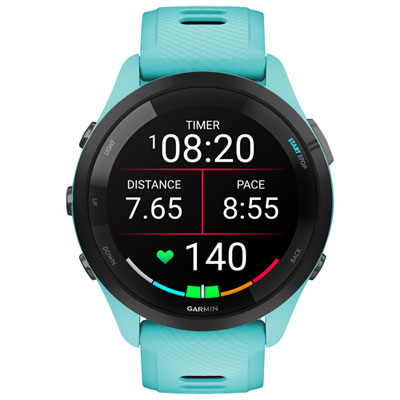
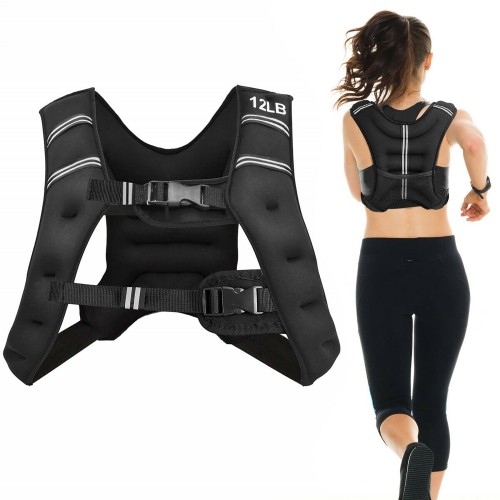
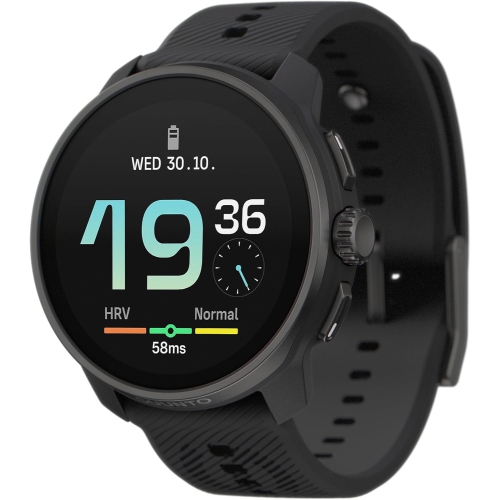
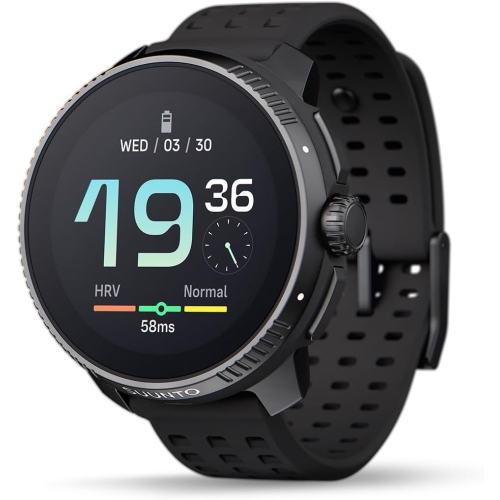
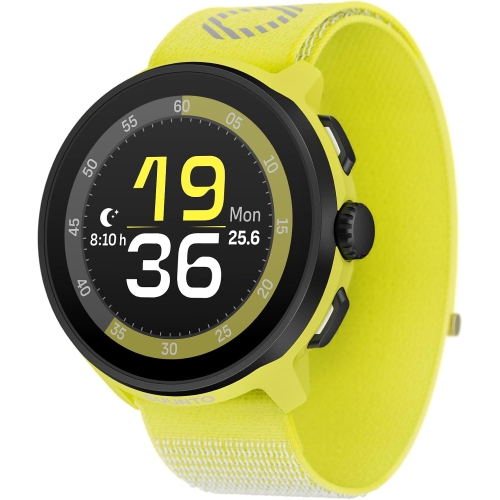


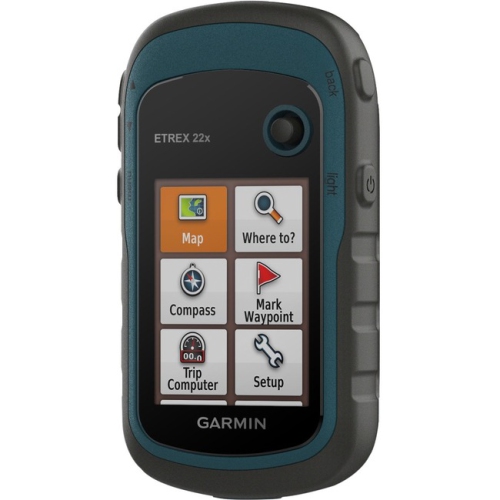
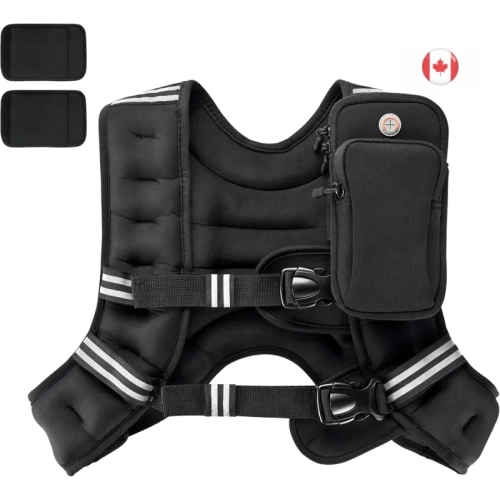
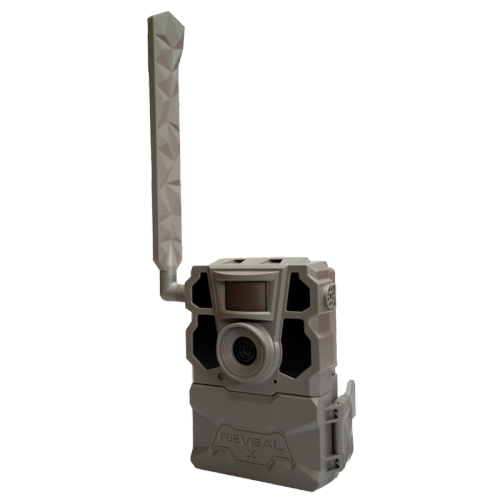
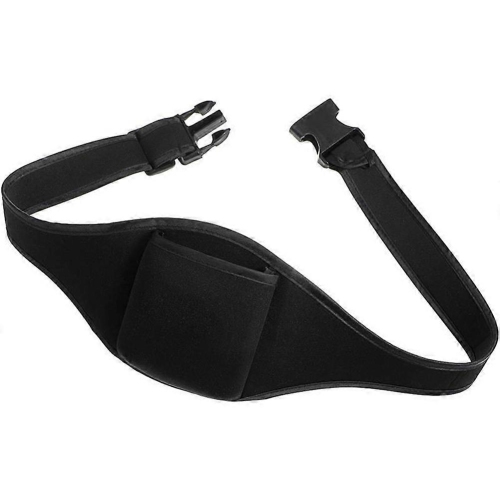
Gear that supports every trail, climb and changing forecast
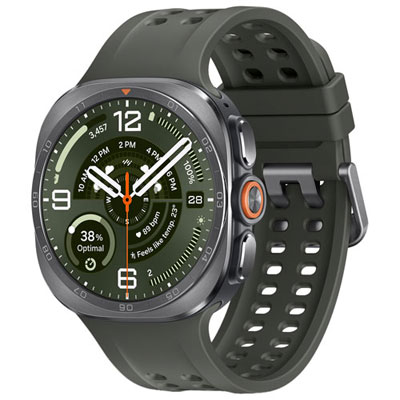
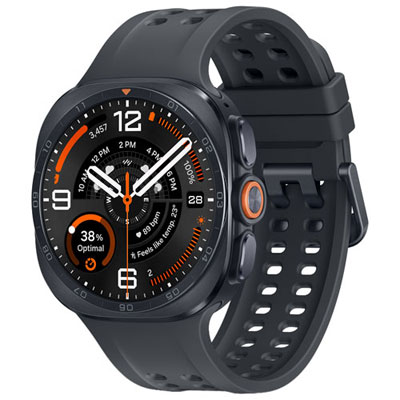
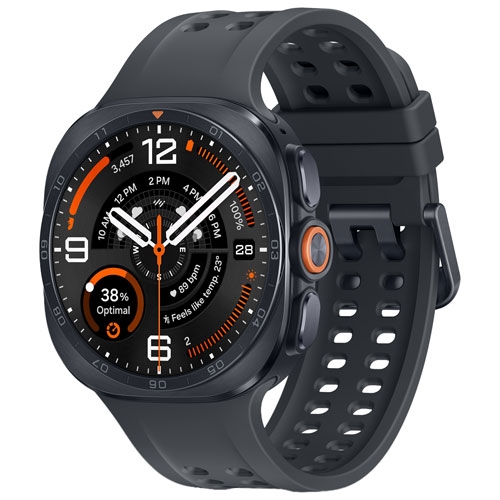
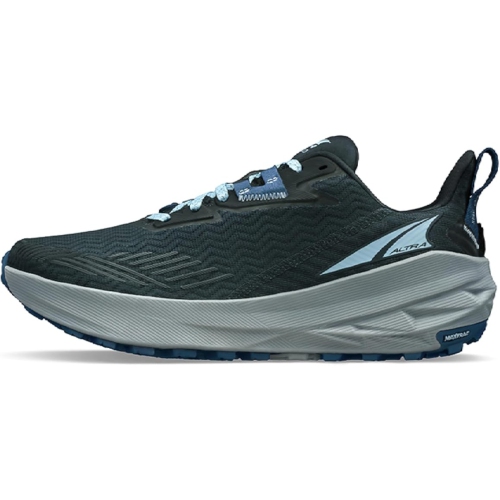
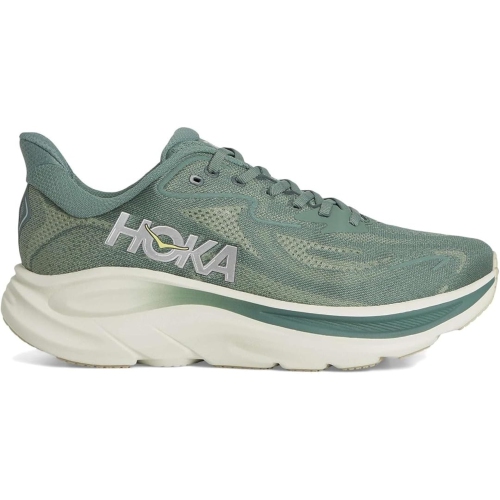
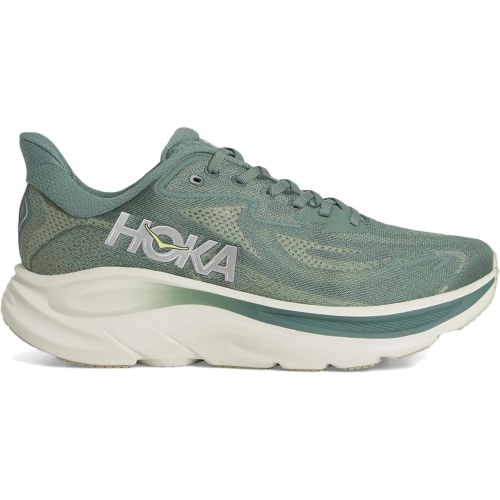
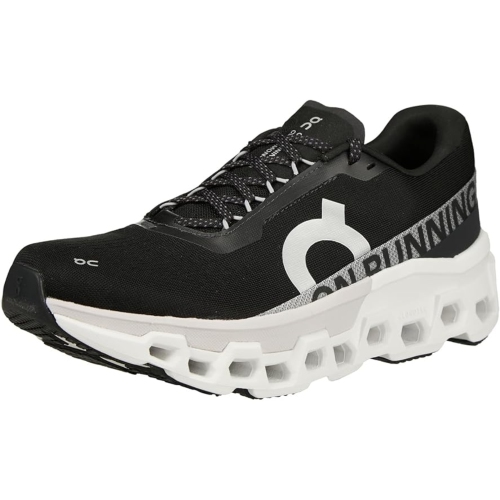
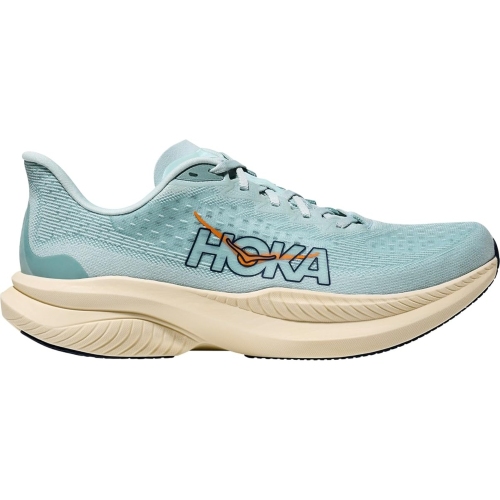
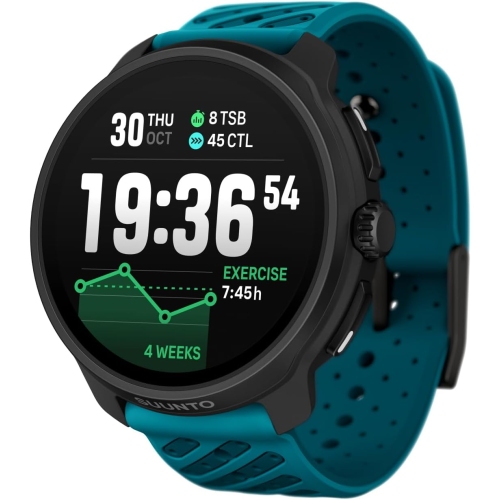
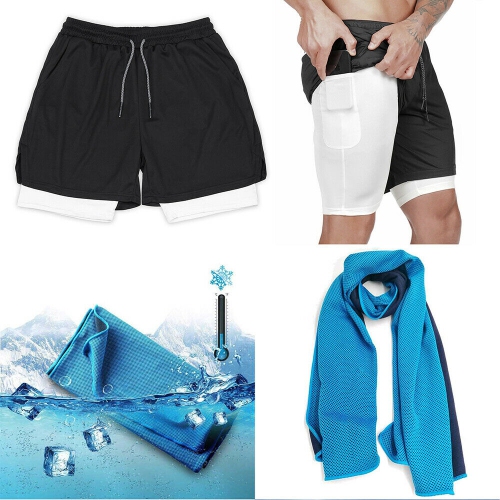
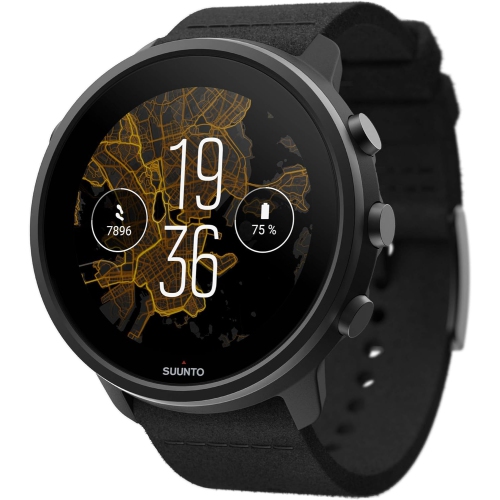
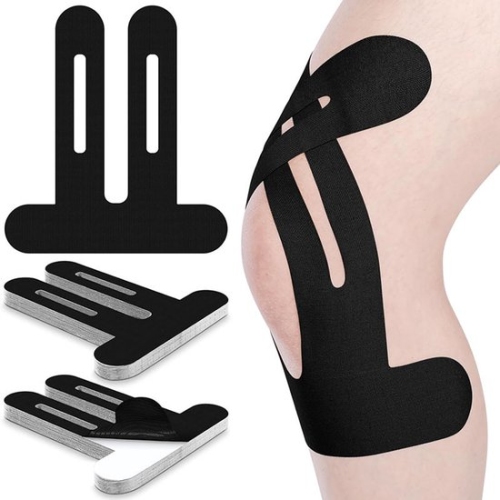
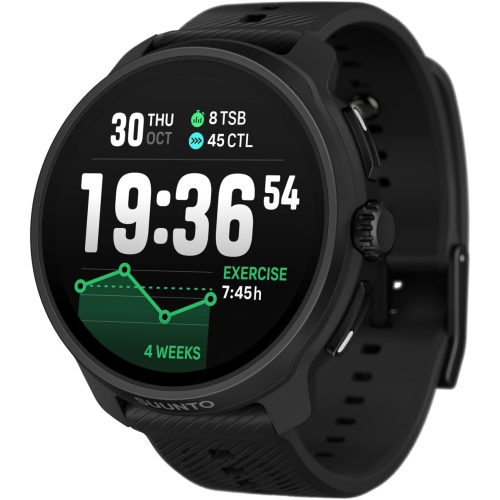
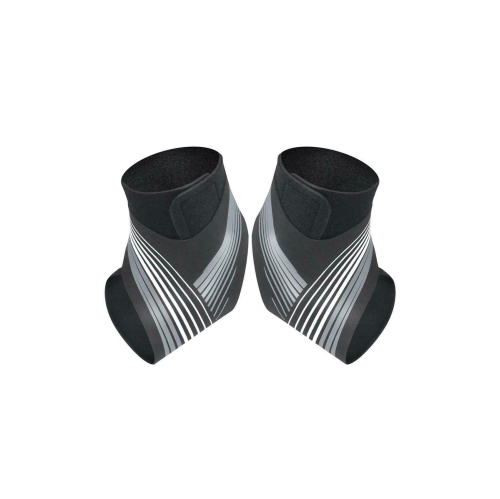
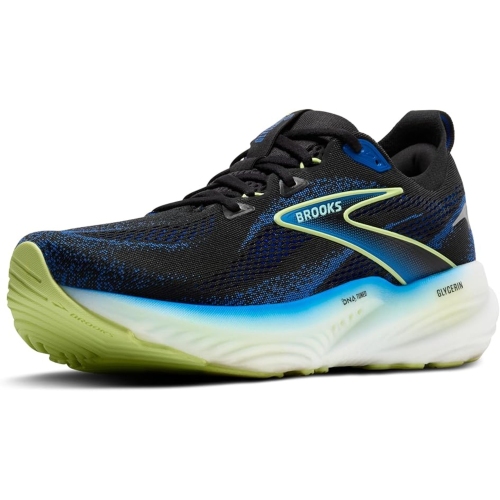
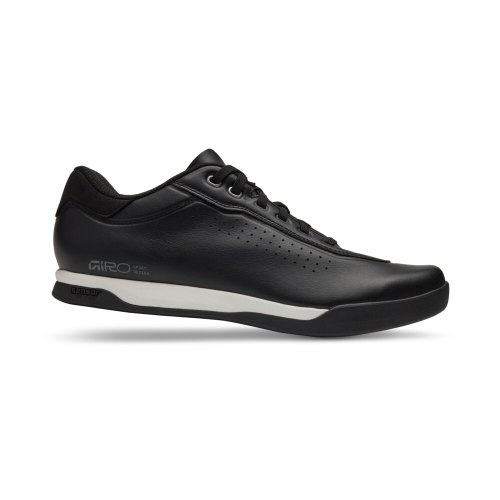
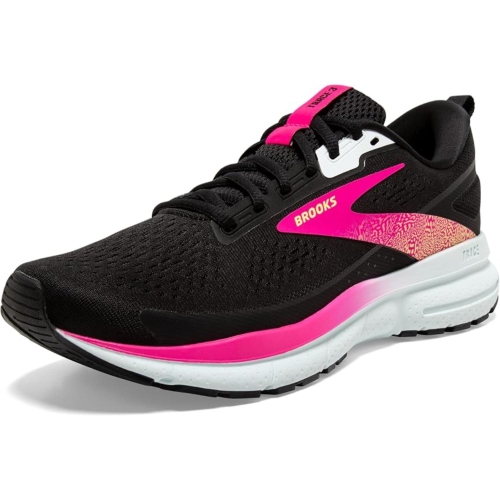
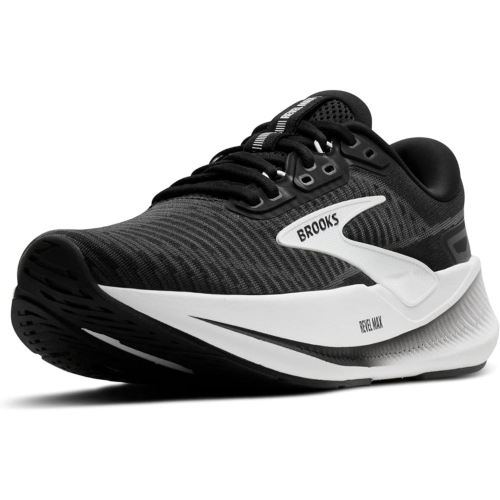
Equipment for trail running is designed to help you move comfortably and confidently beyond paved roads, whether your route follows packed dirt through a local conservation area or climbs over rocky, root-covered ground. The right setup usually begins with trail-running shoes that match the surfaces you expect to encounter. Look for a secure fit, supportive construction and an outsole with pronounced lugs that can grip loose soil, mud, gravel and wet rock. Deeper lugs can be useful on soft or slippery ground, while a less aggressive tread may feel smoother on hard-packed paths and mixed urban-to-trail routes. A comfortable toe box gives your feet room to swell during longer outings, and a firm heel fit helps limit unwanted movement on descents. Trail socks are also worth considering because they can help manage moisture, reduce friction and provide cushioning where uneven terrain places extra stress on your feet. Merino wool and synthetic fibres are popular choices for their ability to help regulate temperature and dry efficiently. Clothing should work with the conditions rather than restrict your stride: breathable tops, lightweight shorts or tights, supportive base layers and quick-drying fabrics can make a noticeable difference when the pace changes or the weather shifts. During the cooler months, a thin insulating layer can add warmth without excessive bulk, while a packable windproof or waterproof shell provides an extra layer of protection if rain, wind or an unexpected stop turns a comfortable run into a chilly one. Neutral colours and versatile layers can also make trail-running equipment useful for walking, hiking and other outdoor activities.
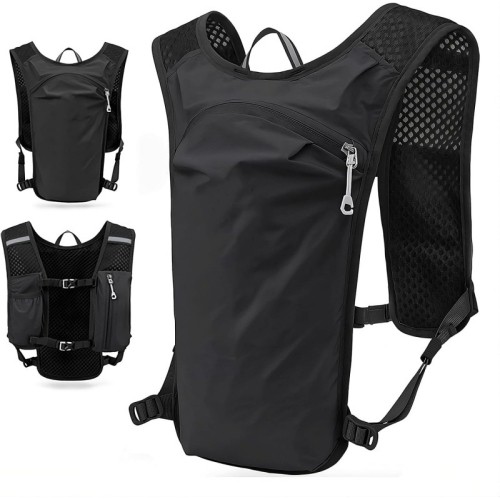
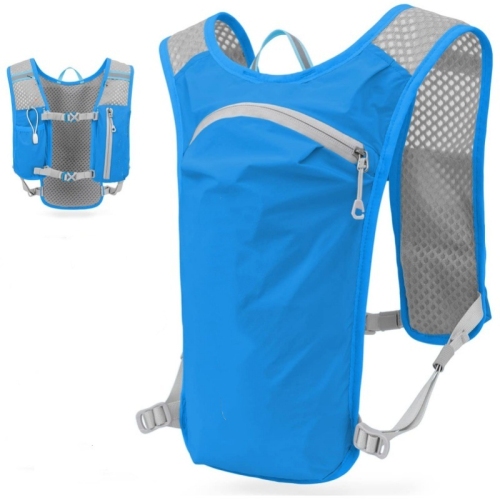
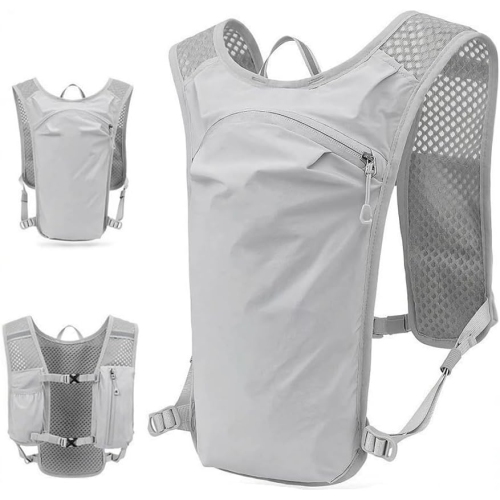
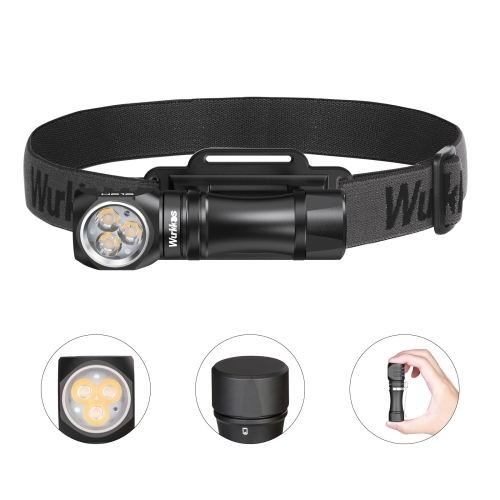
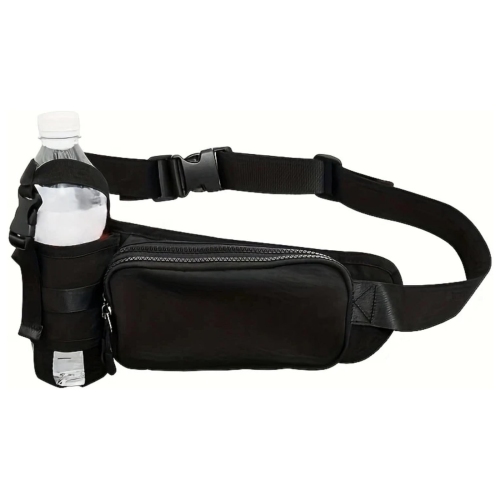
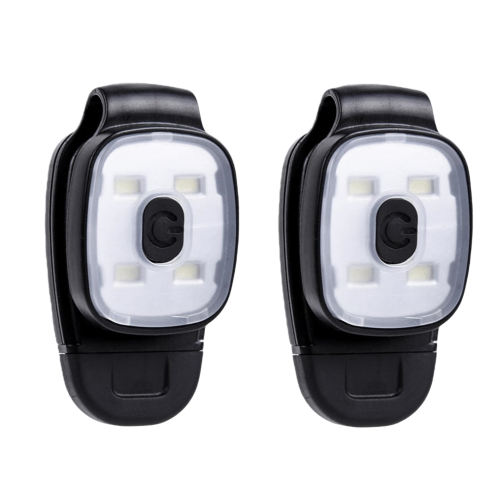
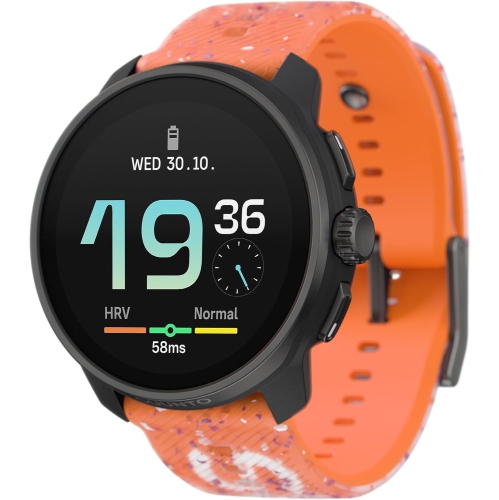
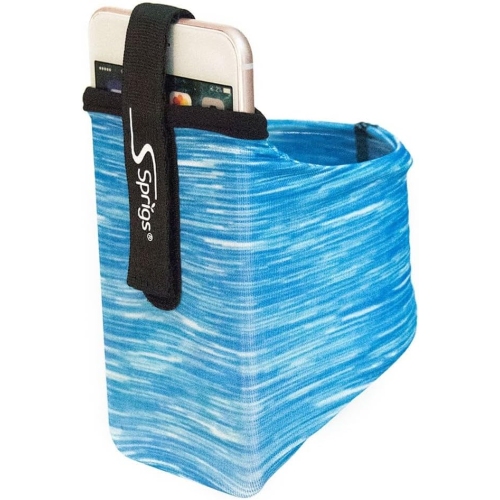
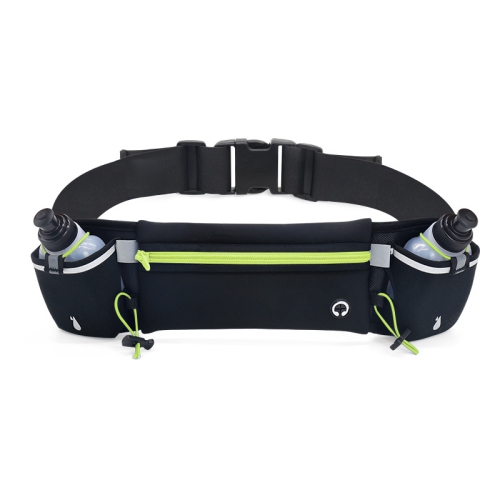
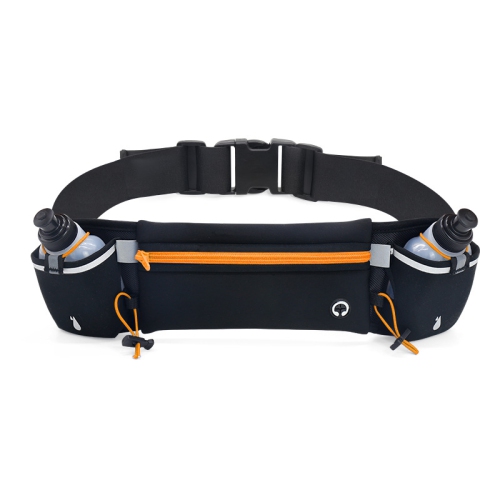
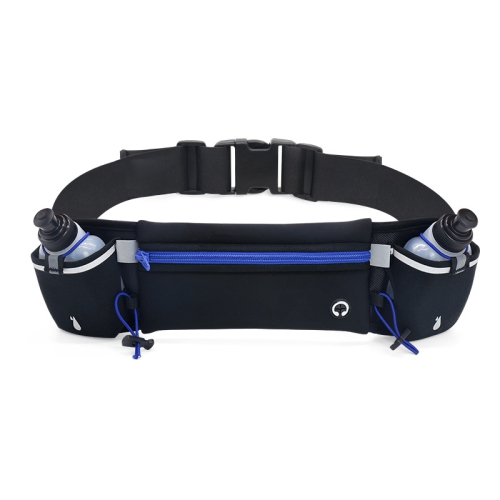
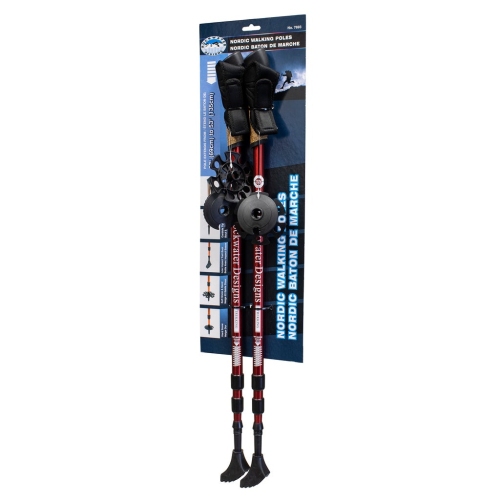
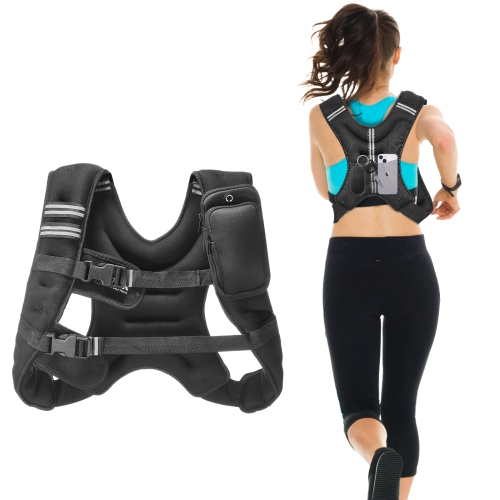
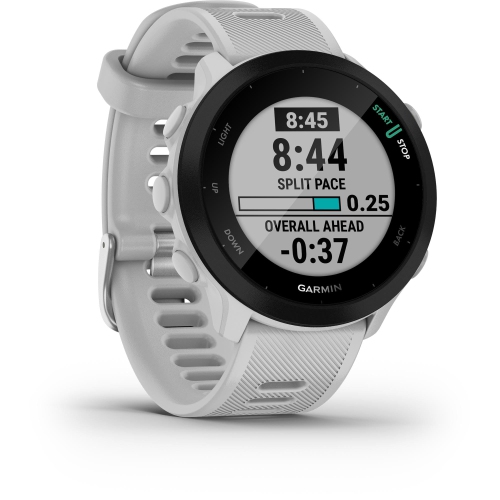
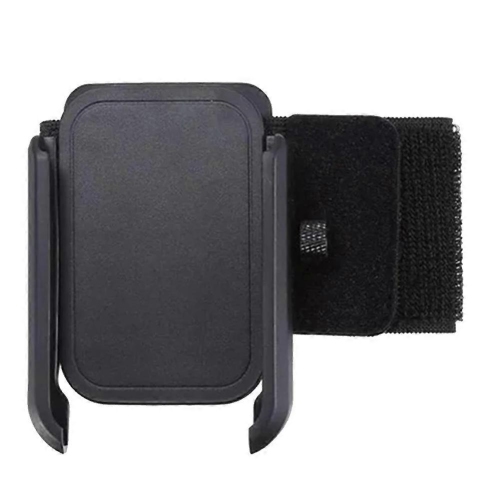
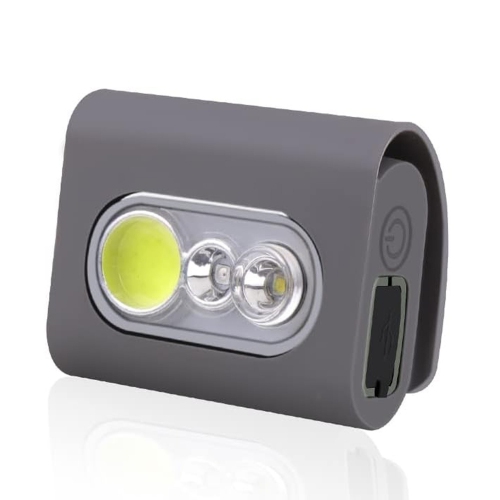
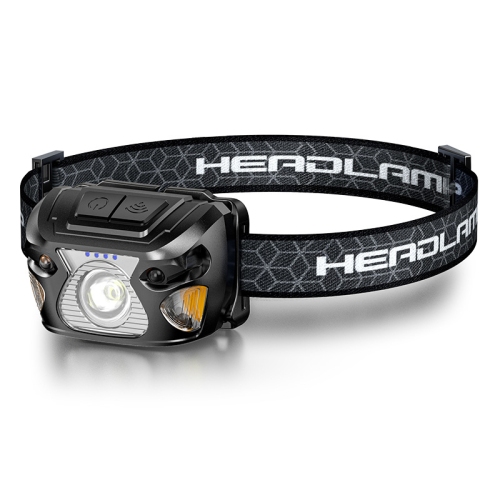
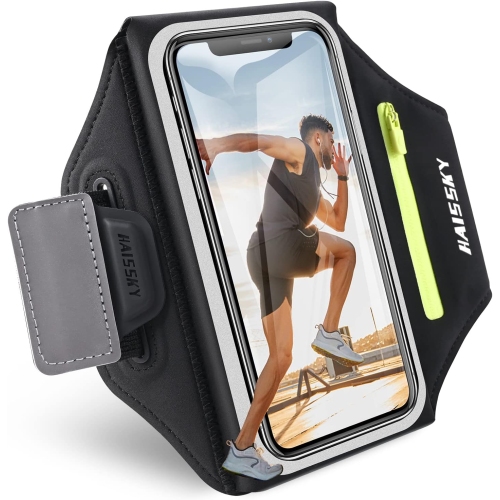
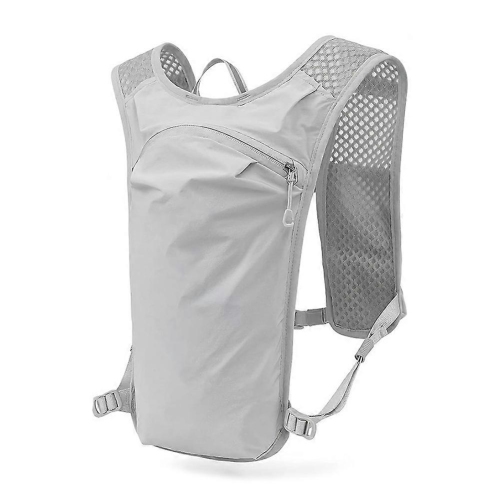
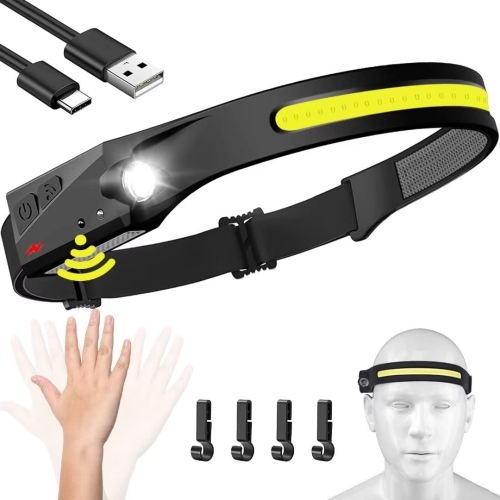
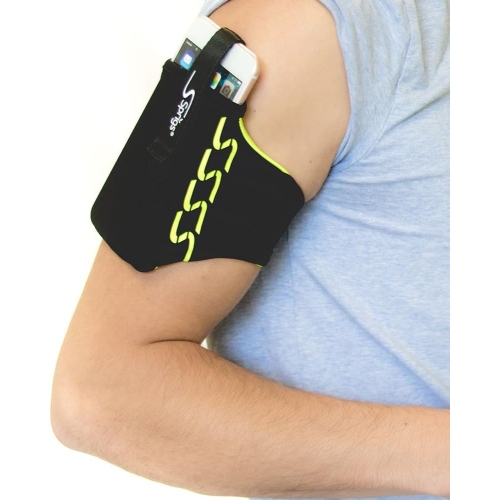
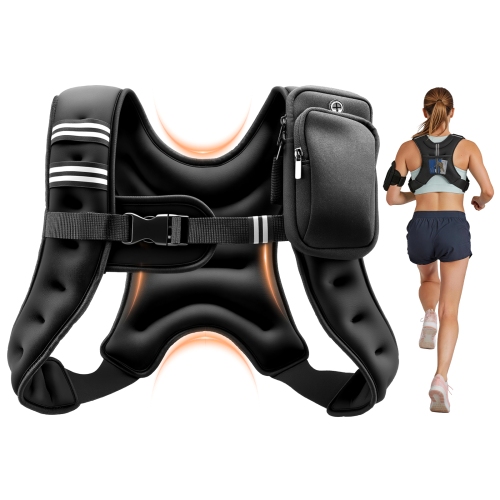
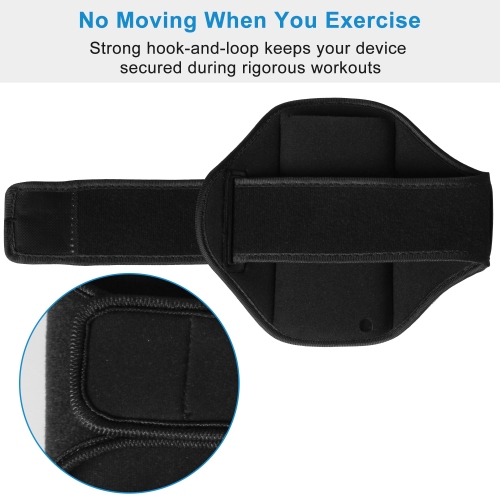
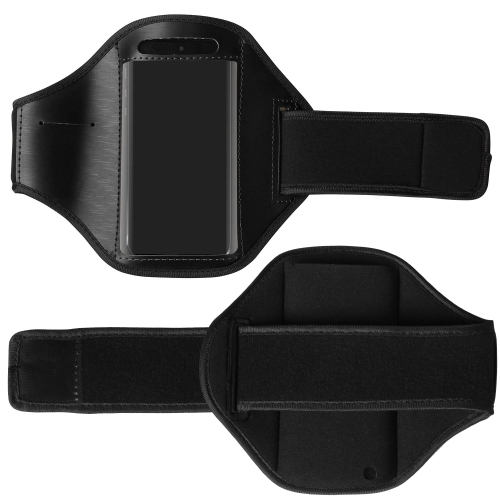
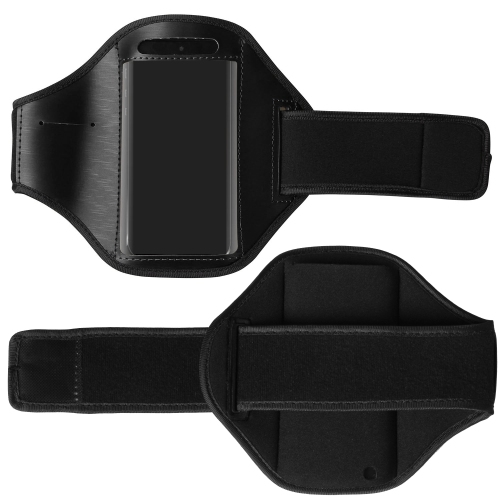
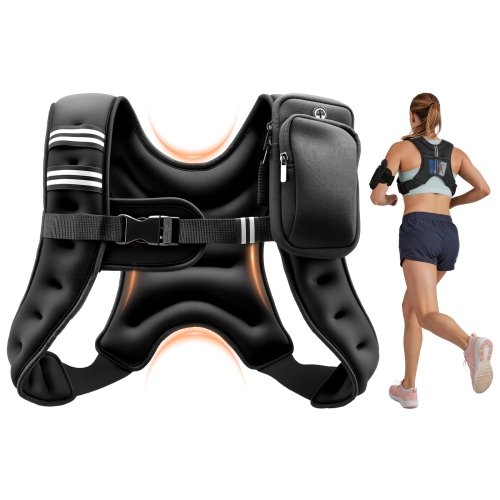
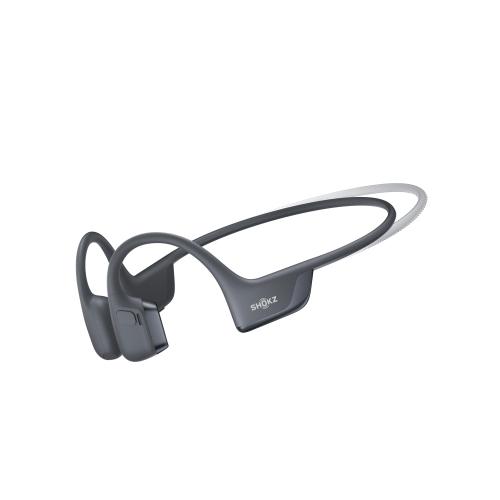
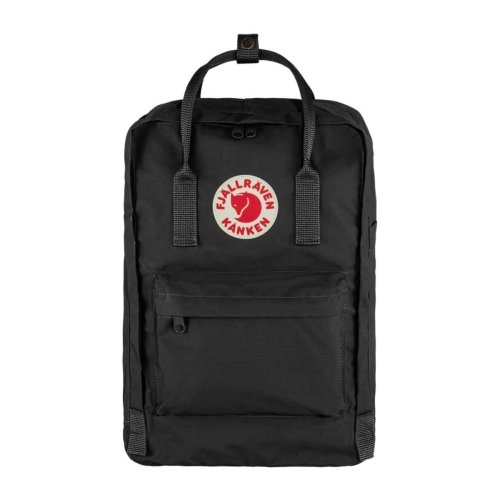
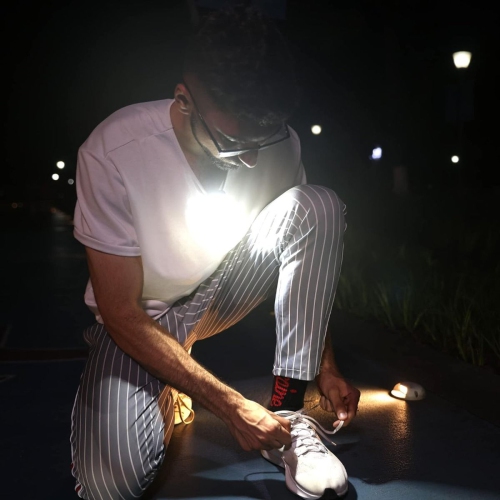
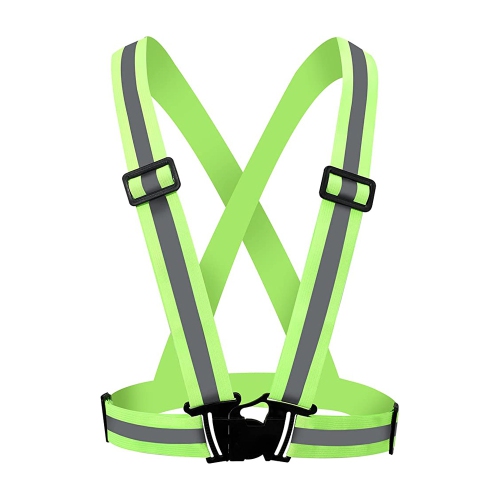
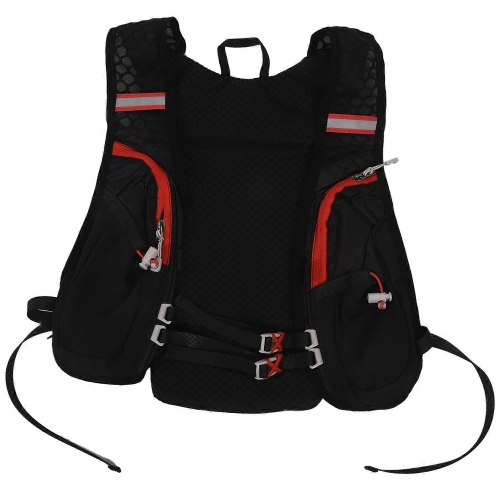
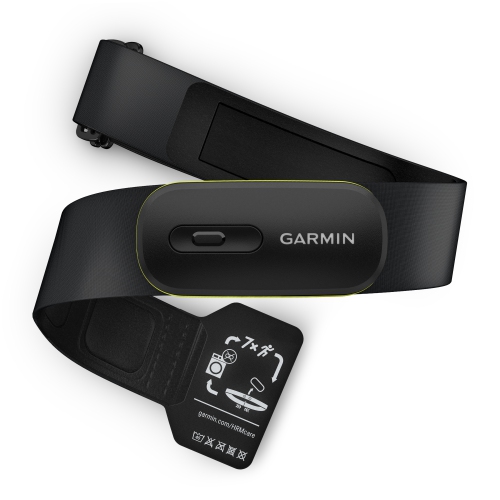
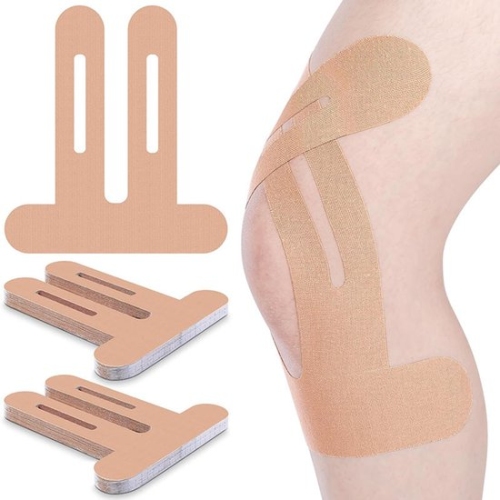
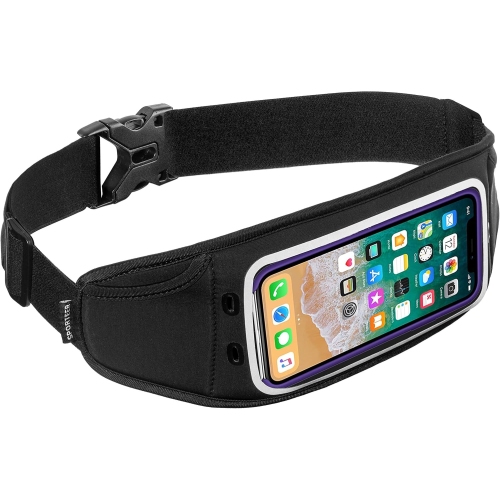
Carrying water and essential supplies is an important part of trail-running equipment, particularly when routes take you away from shops, fountains and busy roads. A running vest or compact hydration pack can keep bottles, a hydration reservoir, nutrition, keys, a phone and an extra layer close at hand without the bounce associated with a regular backpack. Smaller capacities may suit short, familiar loops, while a larger vest can be more practical for longer routes, remote terrain or variable weather. Pay close attention to adjustability, pocket placement, bottle access and ventilation. A vest should sit securely against your body while leaving enough room for natural breathing and arm movement. Soft flasks are easy to reach while running, and a reservoir can be convenient when you prefer to drink through a hose. Water is only one consideration; electrolyte drinks, gels, chews or other compact snacks can help support energy during extended efforts, especially on hilly routes. A phone, identification, emergency contact information and a small amount of first-aid gear are sensible additions, even when a run is expected to be brief. Blister protection, adhesive bandages, antiseptic wipes and a whistle take up little space and can be useful when a hot spot develops or assistance is needed. An emergency blanket or compact bivvy sack can offer an extra margin of security if an injury, equipment issue or sudden weather change delays the return trip. Headlamps and reflective accessories are helpful when shaded trails, shorter daylight or changing plans may leave you finishing in low light. For runners who spend time on steep or technical terrain, Trail Running Poles can provide additional balance and support on climbs and descents, particularly when carrying a pack.
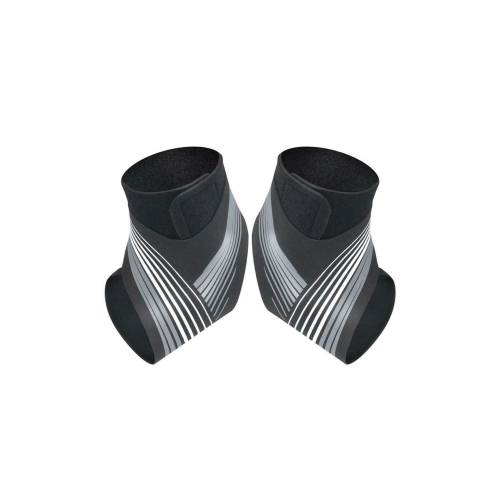
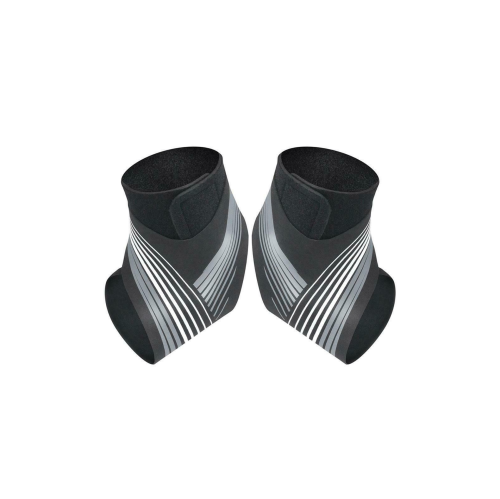
When choosing equipment for trail running, consider the runner, the terrain and the typical length of each outing rather than selecting items based only on appearance. A beginner building confidence on wide, well-maintained paths may need a comfortable pair of shoes, moisture-managing clothing and a simple way to carry water and a phone. Someone tackling rocky hills, narrow single-track routes or longer backcountry loops may place greater value on outsole grip, ankle coverage, durable materials, expanded storage and dependable weather protection. Fit is especially personal, so shoes, packs and clothing should be evaluated for pressure points, chafing and freedom of movement. Trying gear with the socks and layers normally worn on the trail can reveal differences that are easy to miss when testing items indoors. Gift-givers can choose practical accessories such as technical socks, a compact first-aid kit, a lightweight shell, a headlamp or a hydration vest, while experienced runners may appreciate equipment that complements the distances and surfaces they already enjoy. Trail-running gear can also suit hikers, fitness enthusiasts and anyone who prefers active time outdoors, making versatile layers and carrying systems useful beyond running. As the weather moves between milder afternoons and cooler, wetter conditions, adaptable equipment helps runners stay prepared without overloading their kit. Look for breathable construction during warm spells, easy-to-layer pieces when temperatures drop and secure storage for the essentials needed on each route. With properly fitted shoes, comfortable clothing, dependable hydration and a few thoughtful safety items, runners can spend less time managing discomfort and more time noticing the changing trail beneath their feet, from the soft sound of leaves underfoot to the steady rhythm of a climb.
Carrying water and essential supplies is an important part of trail-running equipment, particularly when routes take you away from shops, fountains and busy roads. A running vest or compact hydration pack can keep bottles, a hydration reservoir, nutrition, keys, a phone and an extra layer close at hand without the bounce associated with a regular backpack. Smaller capacities may suit short, familiar loops, while a larger vest can be more practical for longer routes, remote terrain or variable weather. Pay close attention to adjustability, pocket placement, bottle access and ventilation. A vest should sit securely against your body while leaving enough room for natural breathing and arm movement. Soft flasks are easy to reach while running, and a reservoir can be convenient when you prefer to drink through a hose. Water is only one consideration; electrolyte drinks, gels, chews or other compact snacks can help support energy during extended efforts, especially on hilly routes. A phone, identification, emergency contact information and a small amount of first-aid gear are sensible additions, even when a run is expected to be brief. Blister protection, adhesive bandages, antiseptic wipes and a whistle take up little space and can be useful when a hot spot develops or assistance is needed. An emergency blanket or compact bivvy sack can offer an extra margin of security if an injury, equipment issue or sudden weather change delays the return trip. Headlamps and reflective accessories are helpful when shaded trails, shorter daylight or changing plans may leave you finishing in low light. For runners who spend time on steep or technical terrain, Trail Running Poles can provide additional balance and support on climbs and descents, particularly when carrying a pack.
When choosing equipment for trail running, consider the runner, the terrain and the typical length of each outing rather than selecting items based only on appearance. A beginner building confidence on wide, well-maintained paths may need a comfortable pair of shoes, moisture-managing clothing and a simple way to carry water and a phone. Someone tackling rocky hills, narrow single-track routes or longer backcountry loops may place greater value on outsole grip, ankle coverage, durable materials, expanded storage and dependable weather protection. Fit is especially personal, so shoes, packs and clothing should be evaluated for pressure points, chafing and freedom of movement. Trying gear with the socks and layers normally worn on the trail can reveal differences that are easy to miss when testing items indoors. Gift-givers can choose practical accessories such as technical socks, a compact first-aid kit, a lightweight shell, a headlamp or a hydration vest, while experienced runners may appreciate equipment that complements the distances and surfaces they already enjoy. Trail-running gear can also suit hikers, fitness enthusiasts and anyone who prefers active time outdoors, making versatile layers and carrying systems useful beyond running. As the weather moves between milder afternoons and cooler, wetter conditions, adaptable equipment helps runners stay prepared without overloading their kit. Look for breathable construction during warm spells, easy-to-layer pieces when temperatures drop and secure storage for the essentials needed on each route. With properly fitted shoes, comfortable clothing, dependable hydration and a few thoughtful safety items, runners can spend less time managing discomfort and more time noticing the changing trail beneath their feet, from the soft sound of leaves underfoot to the steady rhythm of a climb.
Top selling and popular products
-
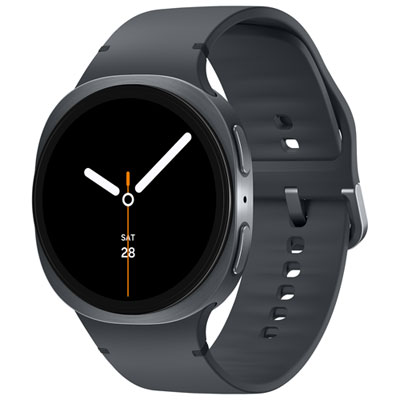 Your price for this item is $399.99
 -
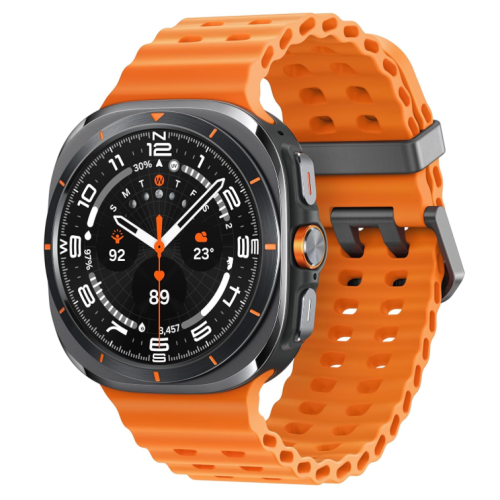 Your price for this item is $579.99
 -
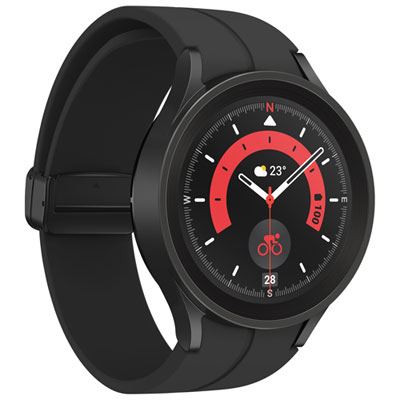 Your price for this item is $629.97
 -
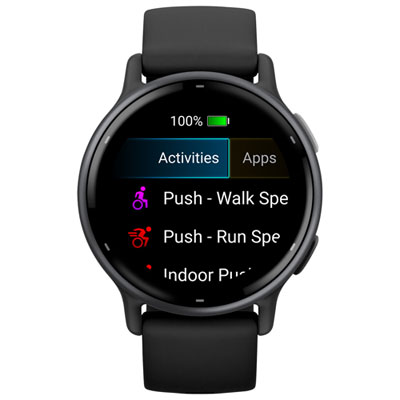 Your price for this item is $349.99
 -
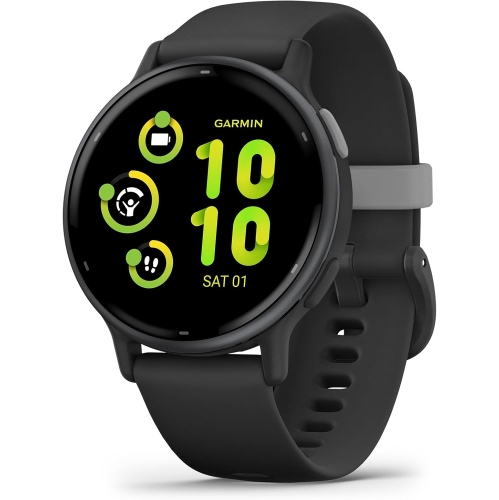 Your price for this item is $371.79
 -
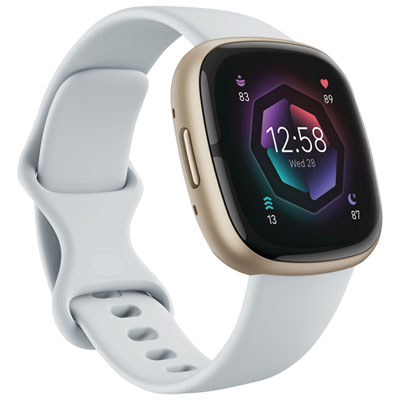 Your price for this item is $329.99
 -
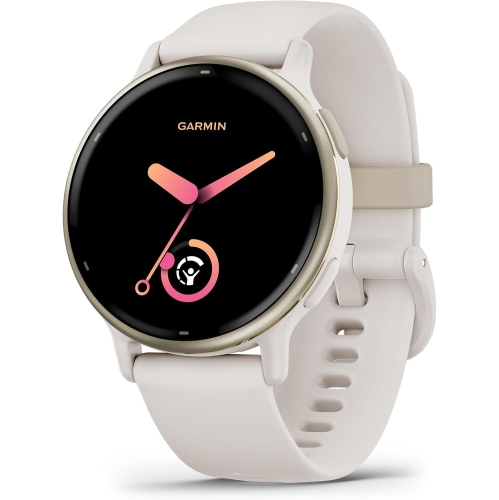 Your price for this item is $323
 -
 Your price for this item is $659.99
Discover more categories related to Equipment for Trail Running
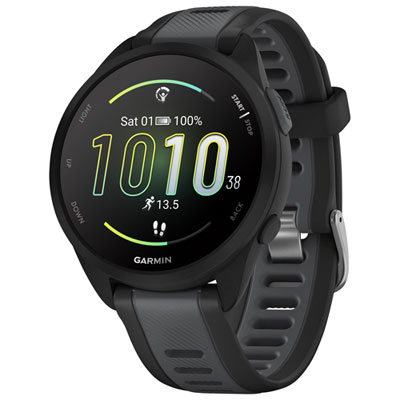
Top Collections:
Pokemon Centers, Best Cameras for Sports Photography, Kindle Devices, Samsung Galaxy Phones, Canon G7X Cameras, Pokémon 30th Celebration Cards, Refurbished Apple Laptops, iPhone 15 Apple, Laptops for Students, Budget Smartphones
Some products may be subject to Environmental Handling Fees
(EHF) depending on your province.
Learn more about EHFs.