Trail Running Poles
Enhance your trail running experience with the perfect companion - trail running poles. Designed to provide stability and support on rugged terrains, these lightweight and durable poles are essential for tackling steep inclines, navigating tricky descents, and maintaining balance during your outdoor adventures. Whether you're a seasoned trail runner looking to improve your performance or a beginner seeking extra assistance on the trails, these poles offer added security and efficiency to help you conquer any trail with confidence.
Sort
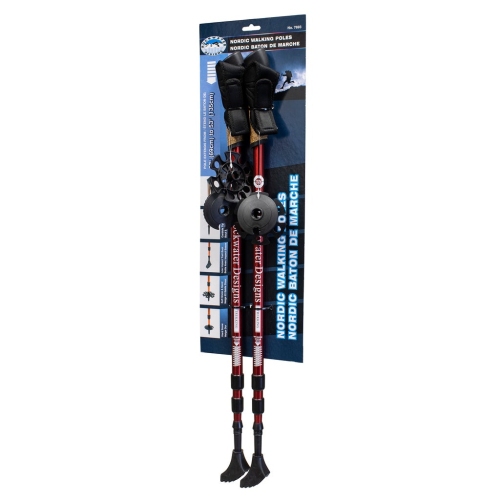
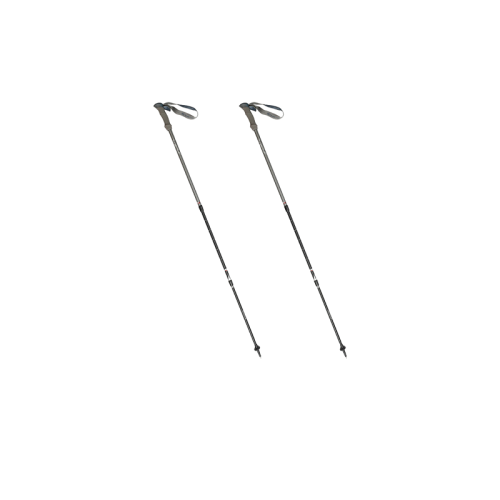
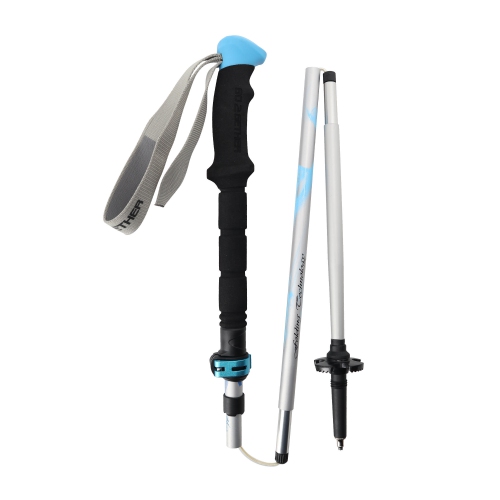
How pole design affects comfort, control and trail performance
Trail running poles are lightweight, collapsible supports designed for runners who spend time on steep, uneven or technical terrain. Unlike heavier trekking poles, trail running poles are made with a focus on low weight, compact storage and efficient movement, making them easier to carry during a race or a long training outing. They can help distribute effort between the legs and upper body on sustained climbs, provide extra balance on loose ground, and offer added confidence when descending over rocks, roots or wet surfaces. Many runners keep their poles folded in a running vest until the trail turns sharply uphill, then deploy them for hands-on support through the most demanding sections. Used with a steady rhythm, poles can make climbing feel more controlled by helping maintain forward momentum and encouraging a consistent stride when fatigue begins to set in. They may also be useful on rolling routes where short, punchy ascents repeatedly interrupt the pace. Trail running poles are not limited to experienced mountain athletes. Newer trail runners, hikers transitioning to running, ultramarathon participants and anyone who prefers additional stability outdoors may appreciate their support. During the cooler months, they can be especially helpful on trails affected by rain, frost, mud or changing ground conditions, although traction and careful foot placement remain important in every season. For a broader selection of outdoor accessories, including items that can complement a trail setup, explore Equipment for Trail Running.
The pole design has a direct effect on how it feels to run with it. Folding poles, sometimes called Z-style poles, use several connected sections that fold down into a compact bundle. Their small packed size makes them convenient to store in a running vest, belt or daypack, and a push-button or tension system can allow them to be assembled quickly when the route becomes steeper. Telescoping poles collapse by sliding sections into one another and generally provide more flexibility for adjusting the length, which can be useful for runners who share equipment or alternate between climbing and descending. Fixed-length poles can be lighter and simpler because they have fewer moving parts, but accurate sizing is important before purchase. As a general starting point, the correct length should allow a comfortable elbow bend when the pole tip is placed beside the foot on level ground; individual preference, arm length and terrain can all affect the final choice. Shaft materials also influence the experience. Carbon fibre poles are often selected for their low weight and responsive feel, while aluminium can provide a practical balance of strength and durability. The grip deserves equal attention. Foam grips are soft and comfortable over long distances, cork-style grips can feel natural in the hand, and textured materials may offer dependable control in damp conditions. Look for ergonomic shapes, breathable straps and adjustment systems that sit comfortably without restricting circulation. A properly fitted strap lets the hand relax while still transferring pressure through the pole, reducing the temptation to grip tightly as the trail rises. A compact storage sleeve or protective tip covers may also be useful for keeping folded poles organized between outings.
Choosing trail running poles starts with considering the routes, distance and carrying habits of the person who will use them. A runner focused on racing may prioritize the lightest possible setup, rapid deployment and a folded length that fits neatly inside a vest. Someone training on local hills may prefer adjustable poles that can be tailored to different slopes or carried comfortably on varied routes. For technical mountain trails, dependable locking points, secure grips and durable tips may matter more than saving a few grams. Pay attention to the packed dimensions, total weight, pole length range, folding mechanism and whether replacement tips or baskets are available. The storage method is worth considering as well: poles that are easy to stow are more likely to be carried consistently, even when the first part of a route is relatively flat. Learning to use them gradually can make the transition more comfortable. Many runners begin by using both poles on climbs, keeping their hands relaxed and planting the tips slightly ahead of the body, then practise shorter steps and a regular arm swing. On descents, poles can assist with balance, but they should not replace controlled footwork or a clear view of the trail. A pair can be a thoughtful gift for a runner preparing for a mountain event, building endurance on hilly paths or upgrading an older set of outdoor gear. They can also suit a walking companion who values compact equipment for day trips. Whether carried for a demanding ascent, a muddy route or extra reassurance on uneven ground, trail running poles are a practical addition for people who want more support and efficiency from their time on the trail.
The pole design has a direct effect on how it feels to run with it. Folding poles, sometimes called Z-style poles, use several connected sections that fold down into a compact bundle. Their small packed size makes them convenient to store in a running vest, belt or daypack, and a push-button or tension system can allow them to be assembled quickly when the route becomes steeper. Telescoping poles collapse by sliding sections into one another and generally provide more flexibility for adjusting the length, which can be useful for runners who share equipment or alternate between climbing and descending. Fixed-length poles can be lighter and simpler because they have fewer moving parts, but accurate sizing is important before purchase. As a general starting point, the correct length should allow a comfortable elbow bend when the pole tip is placed beside the foot on level ground; individual preference, arm length and terrain can all affect the final choice. Shaft materials also influence the experience. Carbon fibre poles are often selected for their low weight and responsive feel, while aluminium can provide a practical balance of strength and durability. The grip deserves equal attention. Foam grips are soft and comfortable over long distances, cork-style grips can feel natural in the hand, and textured materials may offer dependable control in damp conditions. Look for ergonomic shapes, breathable straps and adjustment systems that sit comfortably without restricting circulation. A properly fitted strap lets the hand relax while still transferring pressure through the pole, reducing the temptation to grip tightly as the trail rises. A compact storage sleeve or protective tip covers may also be useful for keeping folded poles organized between outings.
Choosing trail running poles starts with considering the routes, distance and carrying habits of the person who will use them. A runner focused on racing may prioritize the lightest possible setup, rapid deployment and a folded length that fits neatly inside a vest. Someone training on local hills may prefer adjustable poles that can be tailored to different slopes or carried comfortably on varied routes. For technical mountain trails, dependable locking points, secure grips and durable tips may matter more than saving a few grams. Pay attention to the packed dimensions, total weight, pole length range, folding mechanism and whether replacement tips or baskets are available. The storage method is worth considering as well: poles that are easy to stow are more likely to be carried consistently, even when the first part of a route is relatively flat. Learning to use them gradually can make the transition more comfortable. Many runners begin by using both poles on climbs, keeping their hands relaxed and planting the tips slightly ahead of the body, then practise shorter steps and a regular arm swing. On descents, poles can assist with balance, but they should not replace controlled footwork or a clear view of the trail. A pair can be a thoughtful gift for a runner preparing for a mountain event, building endurance on hilly paths or upgrading an older set of outdoor gear. They can also suit a walking companion who values compact equipment for day trips. Whether carried for a demanding ascent, a muddy route or extra reassurance on uneven ground, trail running poles are a practical addition for people who want more support and efficiency from their time on the trail.
Top selling and popular products
-
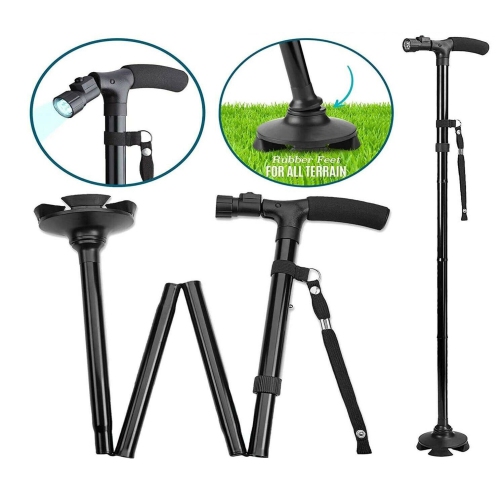 Your price for this item is $22.99
 -
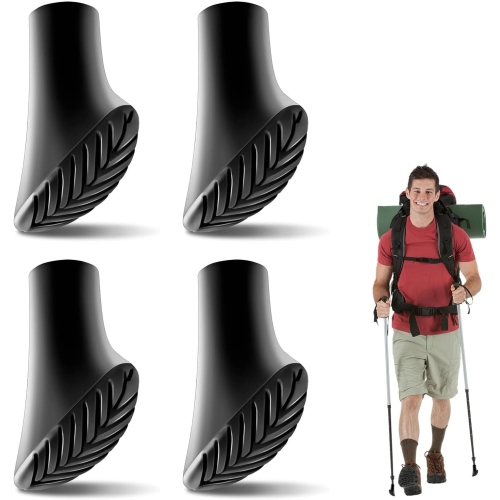 Your price for this item is $16.46
 -
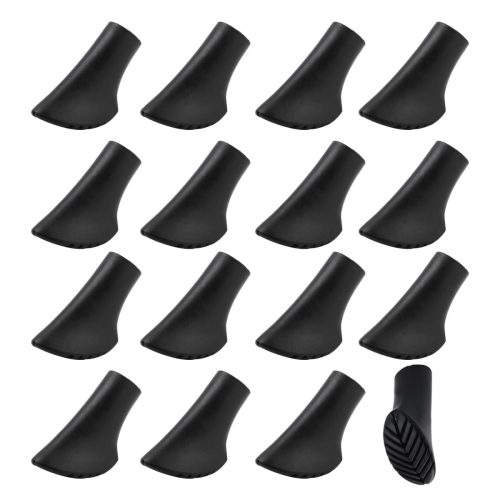 Your price for this item is $31.11
 -
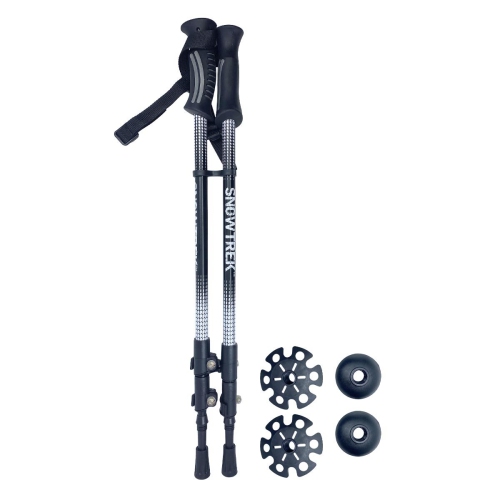 Your price for this item is $39.99
 -
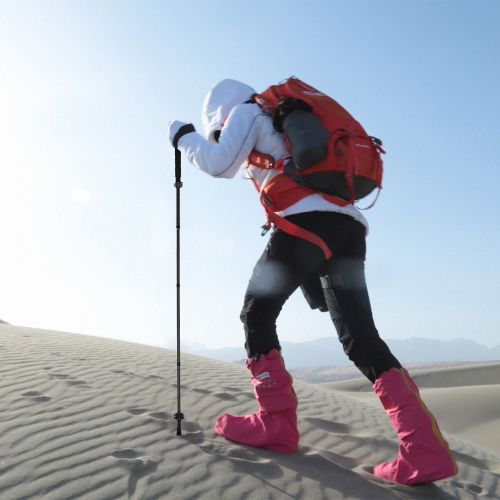 Your price for this item is $69.99
 -
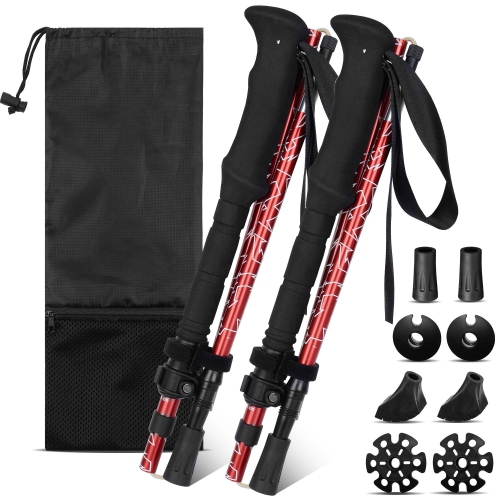 Your price for this item is $59.99
 -
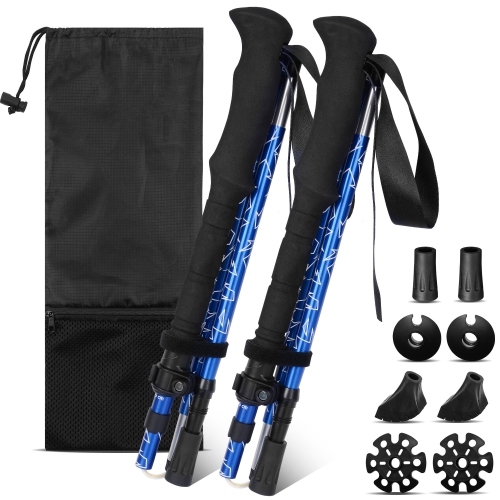 Your price for this item is $59.99
 -
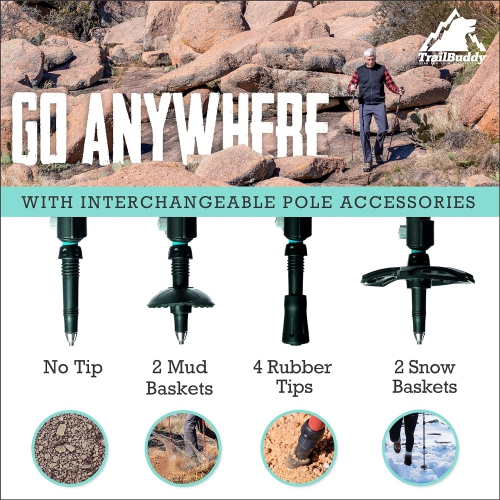 Your price for this item is $33.99
Discover more categories related to Trail Running Poles
Top Collections:
Pokemon Centers, Best Cameras for Sports Photography, Kindle Devices, Samsung Galaxy Phones, Canon G7X Cameras, Pokémon 30th Celebration Cards, Refurbished Apple Laptops, iPhone 15 Apple, Laptops for Students, Budget Smartphones
Some products may be subject to Environmental Handling Fees
(EHF) depending on your province.
Learn more about EHFs.