Tall Tripods
Capture breathtaking shots from new perspectives with tall tripods, the perfect solution for photographers and videographers seeking stability and height. Whether you're shooting landscapes, portraits, or dynamic action scenes, these versatile tools offer the flexibility to elevate your creativity. Ideal for both amateur enthusiasts and seasoned professionals, tall tripods provide a sturdy foundation for capturing stunning visuals in any setting. Explore a range of options designed to support your camera gear while allowing you to explore angles that were previously out of reach.
Sort
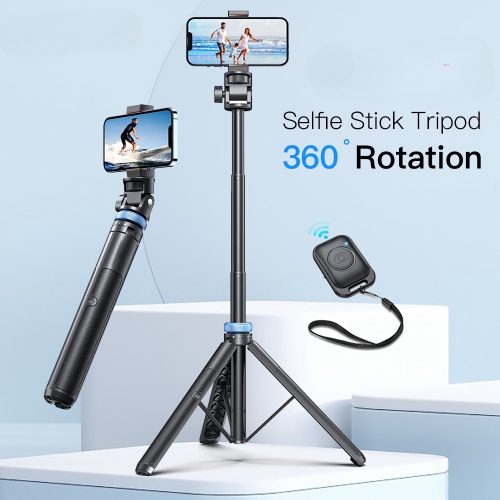
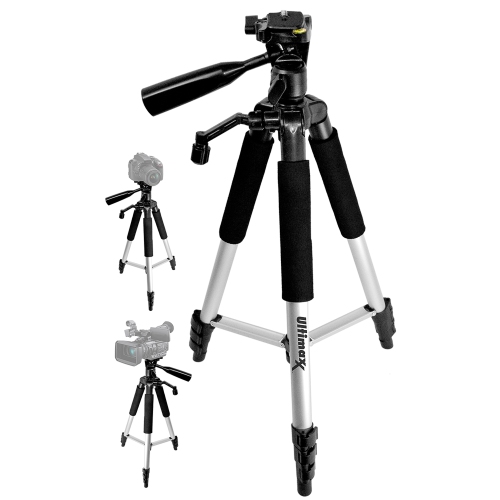
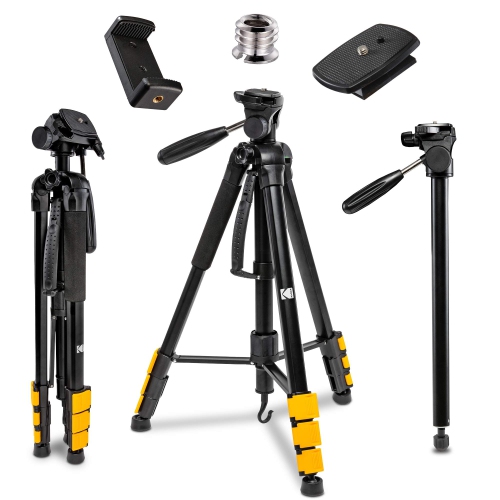
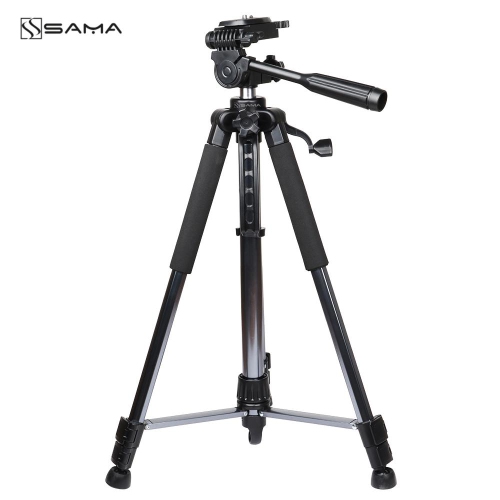

How height, stability and load capacity shape setup
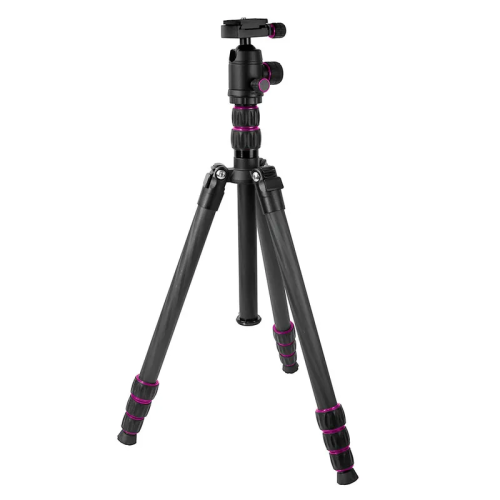
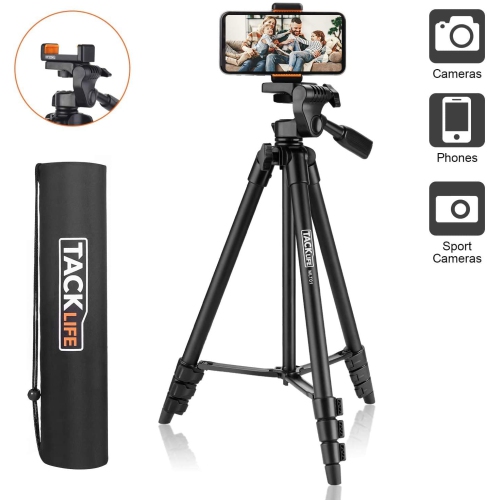
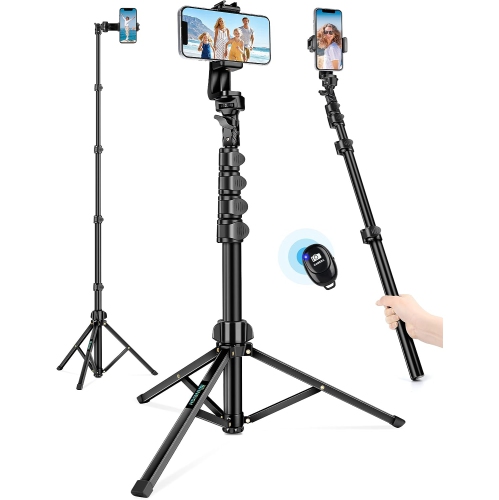
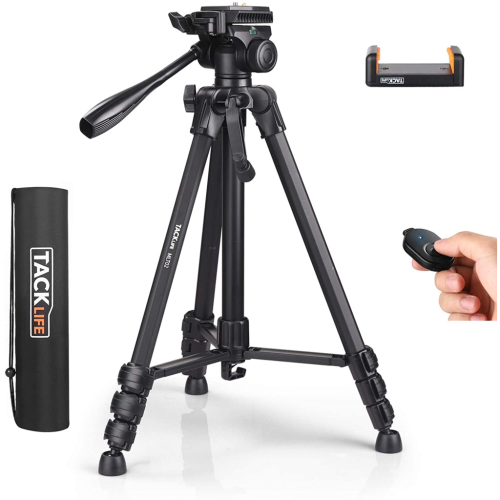
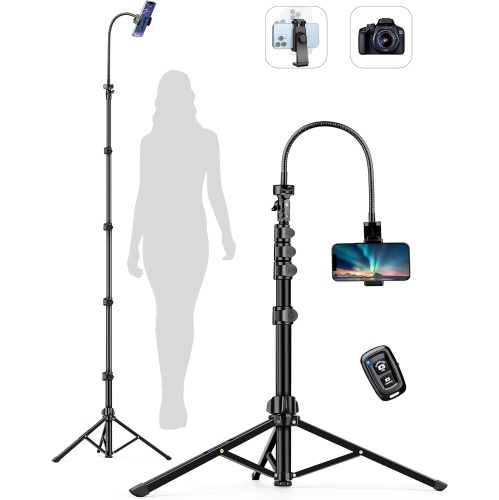
Tall tripods are designed for photographers and videographers who need a working height above the usual tabletop or compact travel range. In general, a tall tripod extends beyond 70 inches, or about 1.8 metres, allowing you to frame subjects while standing upright rather than crouching or repeatedly adjusting your posture. That added reach can be especially useful for full-length portraits, group photos, overhead demonstrations, product photography, interviews, live presentations and video recordings where the camera needs to sit at or above eye level. A taller support can also help you see over crowds or furniture, making it practical for event coverage, school performances and busy indoor spaces. When comparing tall tripods, start with the equipment you plan to mount. A smartphone or small mirrorless camera may work well with a lighter model, while a DSLR with a large lens, a camcorder or a video rig calls for stronger legs, a more substantial head and a higher load rating. Check the combined weight of the camera, lens, microphone, monitor, light and any other accessories, then choose a tripod with capacity beyond that total for a more confident and stable setup. The maximum height is important, but it should not be the only measurement you consider. Look at the height with the centre column lowered, the fully extended height and the folded length so you know how the tripod will behave in a real room and how easily it can be stored or transported.
Stability becomes increasingly important as a tripod rises. A tall, narrow setup can be more sensitive to movement from foot traffic, uneven floors or a quick adjustment, so look for firm leg locks, a rigid centre column and feet that suit the surfaces where you usually work. Rubber feet can provide a dependable grip on smooth indoor flooring, while wider or interchangeable feet may be useful on carpet, packed ground or uneven surfaces. A hook or ballast point can give you the option of adding weight when conditions call for extra steadiness, although any added load should be secured carefully and kept clear of the tripod’s moving parts. Three-section legs often offer a sturdy feel and faster setup, while four-section legs can fold more compactly for travel. A geared centre column is helpful when you need precise height adjustments with heavier equipment, whereas a quick-release column can make it easier to reposition a lighter camera. Consider the head as well: a ball head allows quick changes for still photography, while a pan-and-tilt or fluid-style head can provide smoother movement for video. Controls should be easy to reach without forcing you to let go of the camera, and the mounting plate should attach securely while allowing straightforward portrait or landscape changes. For work in a studio, a larger footprint and heavier construction may be worthwhile. For travel, a lighter design with a practical folded size may be more convenient, provided it remains strong enough for your camera and accessories. During the cooler months, metal parts can feel stiff and gloves can make small controls difficult to use, so textured locks and uncomplicated adjustments are useful when photographing outdoors.
Tall tripods can suit a wide range of users, from a family member recording a school recital to a creator filming cooking demonstrations, fitness sessions or craft tutorials at home. They are also helpful for photographers who want consistent framing while moving around a set, and for anyone creating self-portraits without relying on a nearby table or shelf. A tall tripod may be a thoughtful gift for a new photographer, content creator, student, realtor, teacher or wedding shooter, particularly when the recipient is building a kit and needs dependable support for a variety of cameras. If the tripod is intended for ceremonies, receptions or formal portraits, explore Tripods for Wedding Photography for options suited to event-focused shooting. Before choosing, think about where the tripod will be used most often and how much time the user spends carrying it between locations. A padded case or carrying strap can make a tall model easier to bring to a venue, while a compact folded length can matter when it must fit in a car, closet or equipment bag. Check that the tripod’s height works with the user’s own eye level and camera angle, since maximum extension is not always necessary for every shot. It is often preferable to keep the centre column lowered when possible, as this can improve balance and reduce unwanted vibration. Take time to spread the legs fully, lock each section firmly and confirm that the mounting plate is secure before stepping away from the camera. With the right combination of height, load capacity, portability and control, a tall tripod can make standing-height photography and video more comfortable, repeatable and enjoyable in homes, studios, venues and outdoor locations.
Stability becomes increasingly important as a tripod rises. A tall, narrow setup can be more sensitive to movement from foot traffic, uneven floors or a quick adjustment, so look for firm leg locks, a rigid centre column and feet that suit the surfaces where you usually work. Rubber feet can provide a dependable grip on smooth indoor flooring, while wider or interchangeable feet may be useful on carpet, packed ground or uneven surfaces. A hook or ballast point can give you the option of adding weight when conditions call for extra steadiness, although any added load should be secured carefully and kept clear of the tripod’s moving parts. Three-section legs often offer a sturdy feel and faster setup, while four-section legs can fold more compactly for travel. A geared centre column is helpful when you need precise height adjustments with heavier equipment, whereas a quick-release column can make it easier to reposition a lighter camera. Consider the head as well: a ball head allows quick changes for still photography, while a pan-and-tilt or fluid-style head can provide smoother movement for video. Controls should be easy to reach without forcing you to let go of the camera, and the mounting plate should attach securely while allowing straightforward portrait or landscape changes. For work in a studio, a larger footprint and heavier construction may be worthwhile. For travel, a lighter design with a practical folded size may be more convenient, provided it remains strong enough for your camera and accessories. During the cooler months, metal parts can feel stiff and gloves can make small controls difficult to use, so textured locks and uncomplicated adjustments are useful when photographing outdoors.
Tall tripods can suit a wide range of users, from a family member recording a school recital to a creator filming cooking demonstrations, fitness sessions or craft tutorials at home. They are also helpful for photographers who want consistent framing while moving around a set, and for anyone creating self-portraits without relying on a nearby table or shelf. A tall tripod may be a thoughtful gift for a new photographer, content creator, student, realtor, teacher or wedding shooter, particularly when the recipient is building a kit and needs dependable support for a variety of cameras. If the tripod is intended for ceremonies, receptions or formal portraits, explore Tripods for Wedding Photography for options suited to event-focused shooting. Before choosing, think about where the tripod will be used most often and how much time the user spends carrying it between locations. A padded case or carrying strap can make a tall model easier to bring to a venue, while a compact folded length can matter when it must fit in a car, closet or equipment bag. Check that the tripod’s height works with the user’s own eye level and camera angle, since maximum extension is not always necessary for every shot. It is often preferable to keep the centre column lowered when possible, as this can improve balance and reduce unwanted vibration. Take time to spread the legs fully, lock each section firmly and confirm that the mounting plate is secure before stepping away from the camera. With the right combination of height, load capacity, portability and control, a tall tripod can make standing-height photography and video more comfortable, repeatable and enjoyable in homes, studios, venues and outdoor locations.
Top selling and popular products
-
 Your price for this item is $99.99
 -
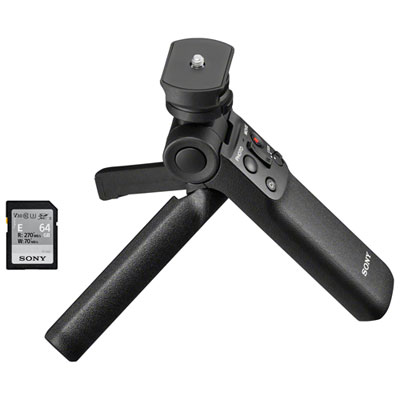 Your price for this item is $199.97
 -
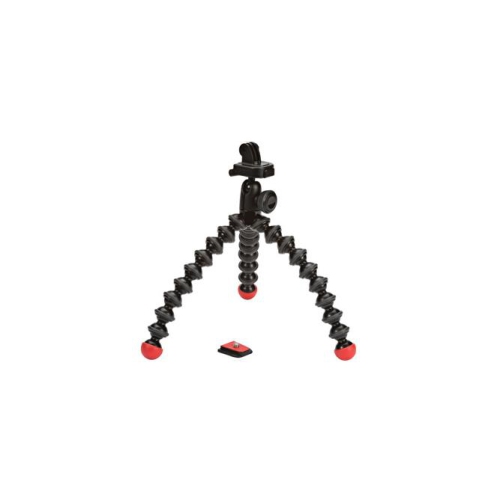 Your price for this item is $126.91
 -
 Your price for this item is $79.99
 -
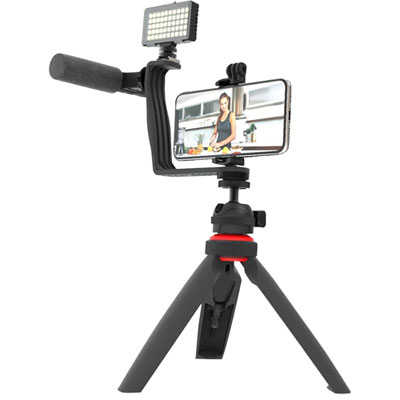 Your price for this item is $59.99
 -
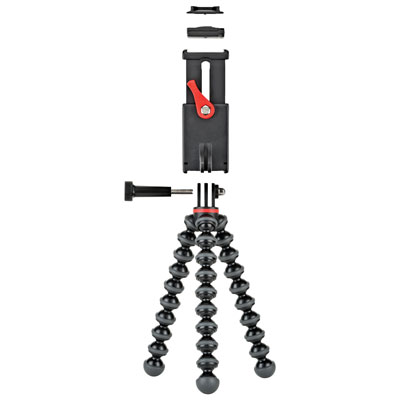 Your price for this item is $59.95
 -
 Your price for this item is $229.99
 -
 Your price for this item is $83.53
Discover more categories related to Tall Tripods
Top Collections:
Pokemon Centers, Kindle Devices, Best Budget Office Chairs, Apple iPhones 16, Best Laptops for Writers, iPhone 15 Apple, Canon G7X Cameras, Refurbished Apple Laptops, Alarm Clock, Motorola Razr Phones
Some products may be subject to Environmental Handling Fees
(EHF) depending on your province.
Learn more about EHFs.