Underwater Cameras
Capture every moment beneath the surface with underwater cameras designed to bring your aquatic adventures to life. Whether you're exploring vibrant coral reefs, snorkeling in crystal-clear lakes, or documenting family fun at the pool, these cameras help you preserve memories in stunning detail. Discover a range of underwater cameras perfect for vacations, sports, and everyday water activities, making it easy to share your experiences both above and below the waves.
Sort
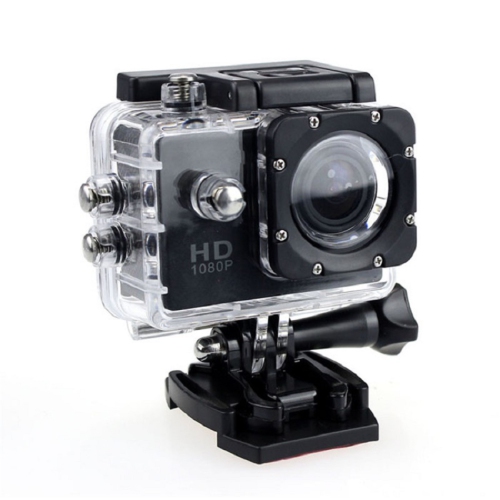
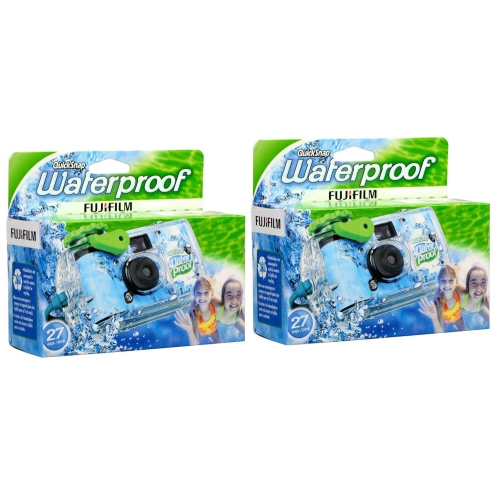
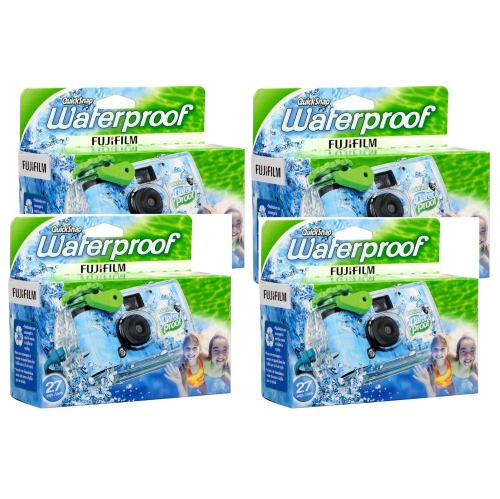
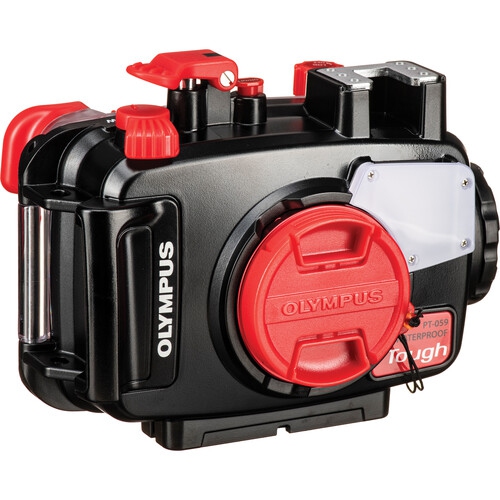
Underwater Cameras
Exploring the world beneath the surface is a thrilling experience, whether you’re snorkelling in clear blue lakes, capturing your kids’ first underwater swim in the pool, or chronicling a summer adventure in cottage country. The right underwater camera can help you preserve those memories with crisp, vibrant photos and videos that ordinary cameras simply can’t deliver. Designed to withstand water, sand, and the occasional bump, an underwater camera is a must-have for anyone who wants to document life’s aquatic moments. Summer in Canada brings endless opportunities for lakeside fun, beach vacations, and pool parties, making this the perfect season to invest in a camera waterproof enough to keep up with your adventures. These cameras are built tough, often sealed against dust and shock as well as water, so you can confidently take them along on hikes, kayaking trips, or even just a day at the splash pad with your family.
When selecting a camera for underwater use, it’s important to consider who will be using it and in what kind of environments. Outdoor enthusiasts and travellers often look for a camera submersible to a certain depth, with features like rugged grips and easy-to-use controls that are accessible even with wet hands or gloves. Parents and grandparents appreciate models that are simple enough for kids to use, yet durable enough to survive a few drops or splashes. For aspiring photographers and videographers, advanced options offer manual controls, high-resolution sensors, and even slow-motion video for capturing unique perspectives under the waves. Many under water cameras also come with built-in Wi-Fi or Bluetooth, making it easy to share your favourite moments instantly with friends and family. Whether you’re recording a child’s first swim, capturing the vibrant colours of a coral reef on a tropical getaway, or simply snapping shots at the local pool, there’s an underwater camera designed to fit your needs and skill level.
Underwater cameras also make thoughtful gifts for a wide range of people. They’re ideal for travellers, outdoor lovers, or anyone who enjoys water sports like kayaking, paddle boarding, or fishing. Even for those who just want to ensure their camera survives a summer of poolside fun, a camera waterproof enough to handle splashes and submersion is a smart choice. With advancements in technology, today’s underwater cameras are more compact, lightweight, and versatile than ever before. If portability is a priority, explore the range of Compact Waterproof Cameras for models that easily fit in your pocket or beach bag. From spontaneous family gatherings by the lake to planned underwater excursions, these cameras are ready to capture every moment, rain or shine. With the right camera for underwater adventures, you can relive the joys of summer and share your unique perspective with the world, season after season.
When selecting a camera for underwater use, it’s important to consider who will be using it and in what kind of environments. Outdoor enthusiasts and travellers often look for a camera submersible to a certain depth, with features like rugged grips and easy-to-use controls that are accessible even with wet hands or gloves. Parents and grandparents appreciate models that are simple enough for kids to use, yet durable enough to survive a few drops or splashes. For aspiring photographers and videographers, advanced options offer manual controls, high-resolution sensors, and even slow-motion video for capturing unique perspectives under the waves. Many under water cameras also come with built-in Wi-Fi or Bluetooth, making it easy to share your favourite moments instantly with friends and family. Whether you’re recording a child’s first swim, capturing the vibrant colours of a coral reef on a tropical getaway, or simply snapping shots at the local pool, there’s an underwater camera designed to fit your needs and skill level.
Underwater cameras also make thoughtful gifts for a wide range of people. They’re ideal for travellers, outdoor lovers, or anyone who enjoys water sports like kayaking, paddle boarding, or fishing. Even for those who just want to ensure their camera survives a summer of poolside fun, a camera waterproof enough to handle splashes and submersion is a smart choice. With advancements in technology, today’s underwater cameras are more compact, lightweight, and versatile than ever before. If portability is a priority, explore the range of Compact Waterproof Cameras for models that easily fit in your pocket or beach bag. From spontaneous family gatherings by the lake to planned underwater excursions, these cameras are ready to capture every moment, rain or shine. With the right camera for underwater adventures, you can relive the joys of summer and share your unique perspective with the world, season after season.
Top Picks For Underwater Cameras
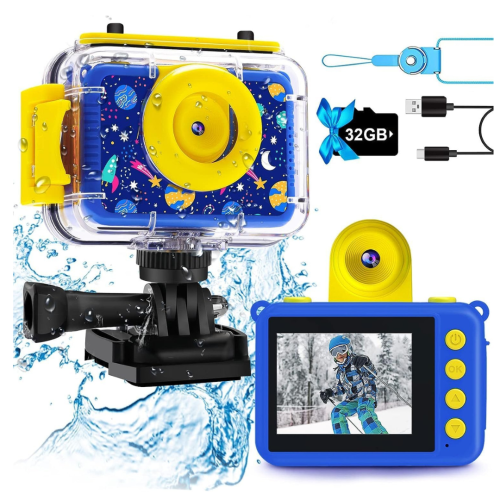
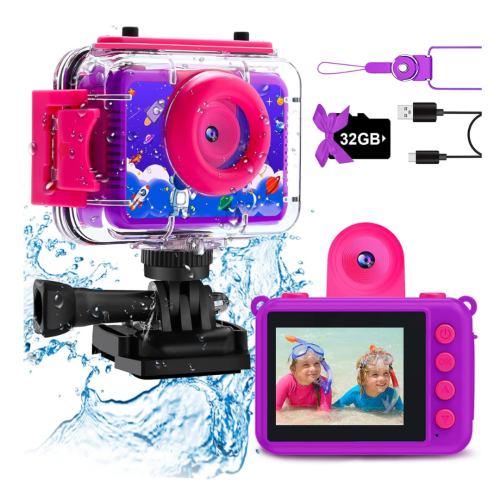
- PRIME MADE Gktz Kids Waterproof Camera - Underwater Camera Birthday Gifts for Girls Boys Children Digital Action Camera \w 32GB Sd Card, Pool Toys
- PRIME MADE Gktz Kids Waterproof Camera - Underwater Camera Birthday Gifts for Girls Boys Children Digital Action Camera \w 32GB Sd Card, Pool Toys
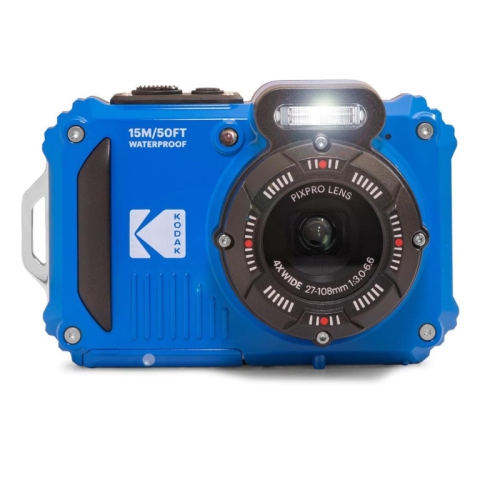
- KODAK Pixpro Wpz2 Rugged Waterproof Shockproof Dustproof Wifi Digital Camera (Blue) 16Mp 4X Optical Zoom 1080P Full HD Video Vlogging Camera 2.7"
Top selling and popular products
-
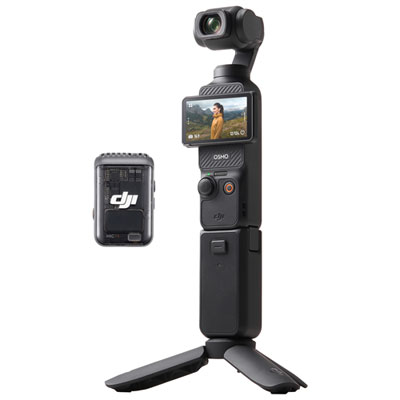 Your price for this item is $649.99
 -
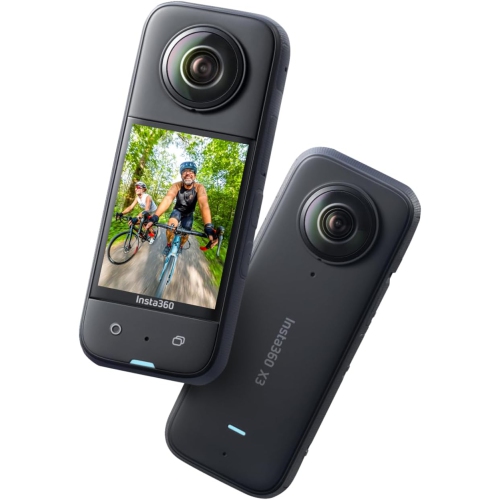 Your price for this item is $412.68
 -
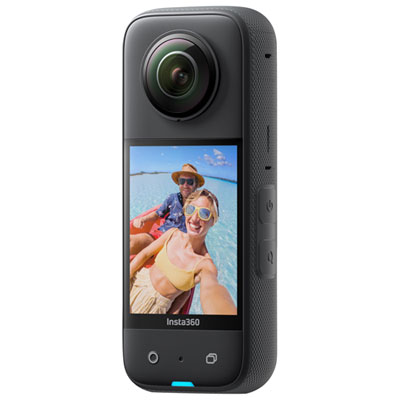 Your price for this item is $399.99
 -
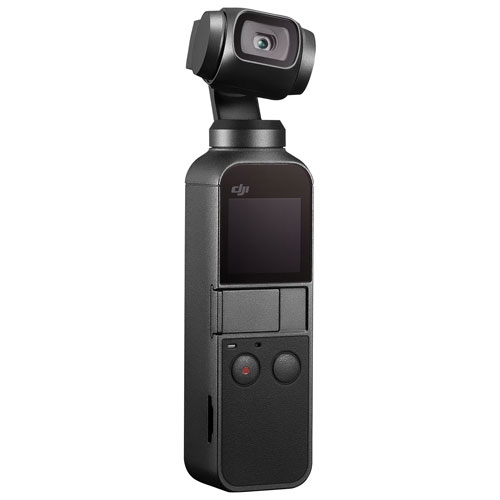 Your price for this item is $199.95
 -
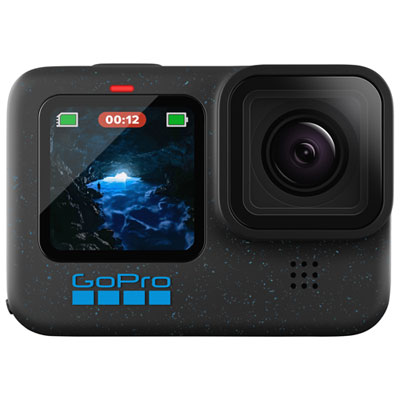 Your price for this item is $479.99
 -
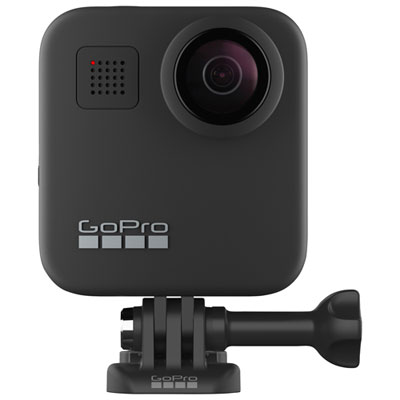 Your price for this item is $619.97
 -
 Your price for this item is $369.97
 -
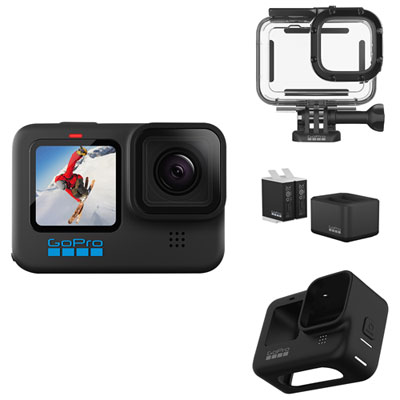 Your price for this item is $494.94
Discover more categories related to Underwater Cameras
Top Collections:
Best Cell Phones Under $500, Canon G7X Cameras, Kindle Devices, Apple iPhones 16, Budget Smartphones, iPhone 15 Apple, Streaming Equipment for Gamers, Laptops for Students, iPhone 14 256GB, Flip Phones
Some products may be subject to Environmental Handling Fees
(EHF) depending on your province.
Learn more about EHFs.