Digital Cameras for Underwater Photography
Capture the beauty of the underwater world with digital cameras for underwater photography. Designed to help you preserve vibrant marine life, colorful reefs, and unforgettable moments beneath the surface, these cameras are ideal for divers, snorkelers, and adventure seekers alike. Explore a variety of options that make it easy to take stunning photos and videos during your aquatic adventures. Whether you're a seasoned professional or just starting out, digital cameras for underwater photography offer the versatility and reliability you need to document every dive.
Sort

Why depth ratings are only the starting point
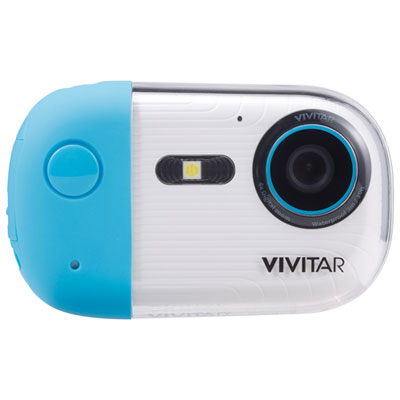
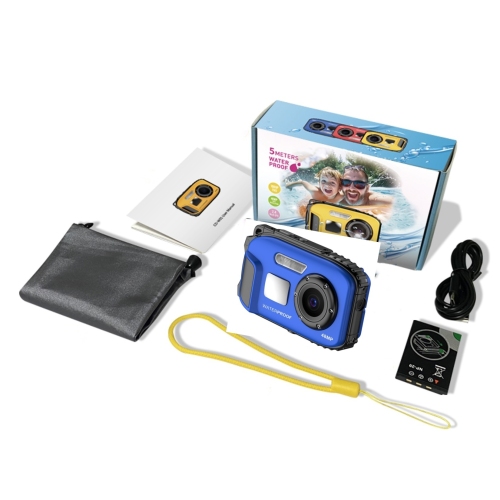
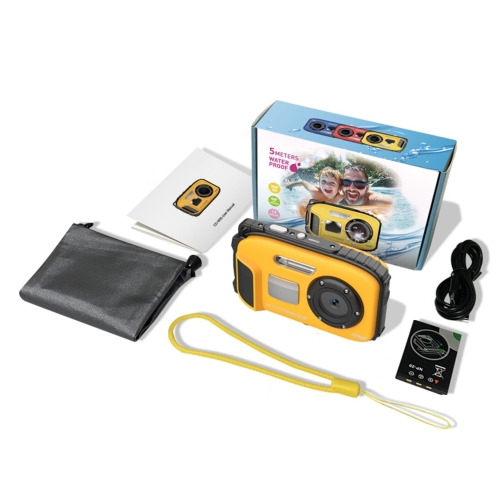
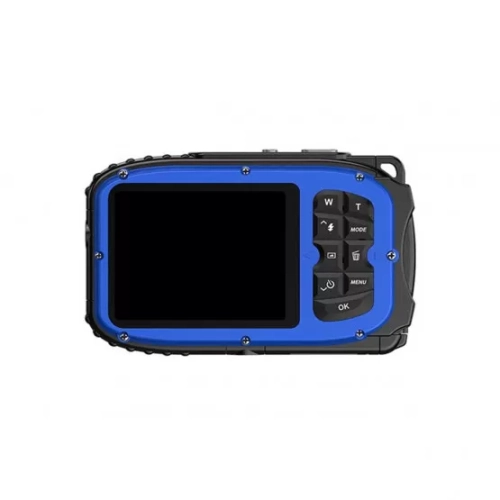
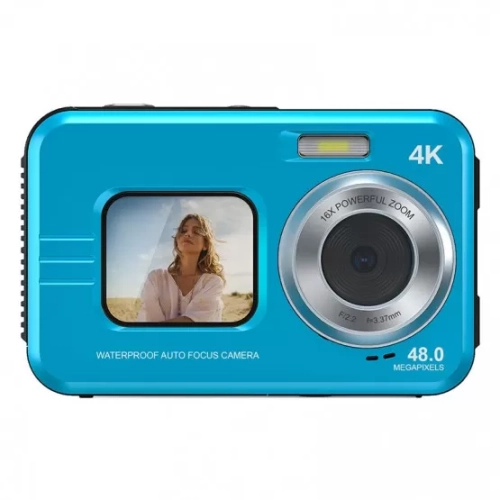
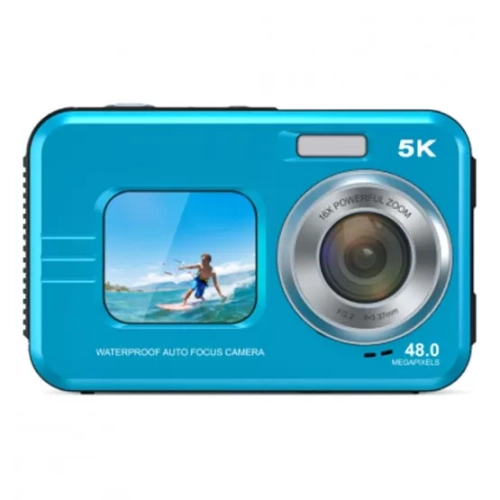
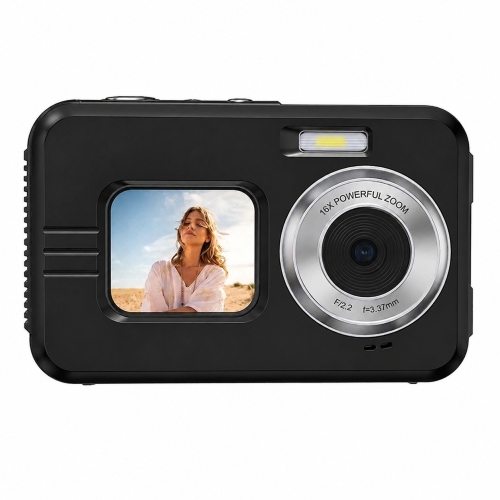
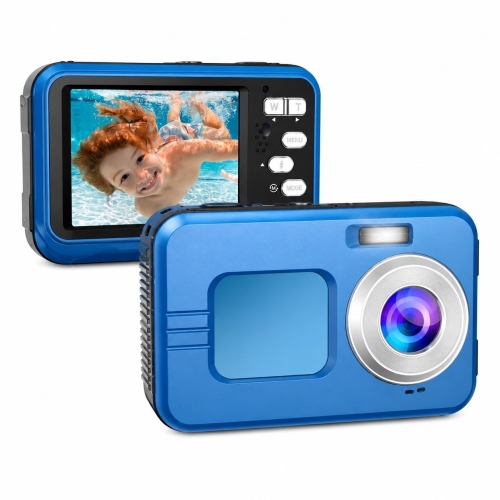
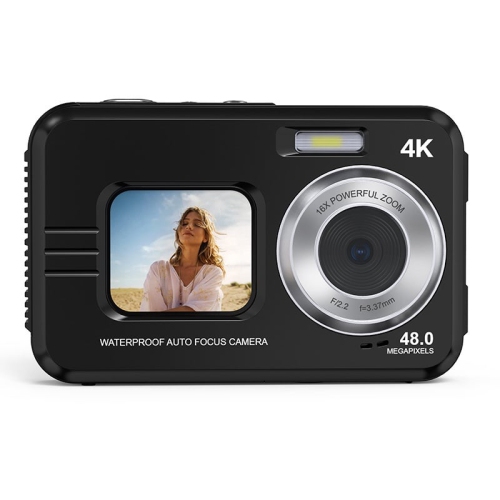
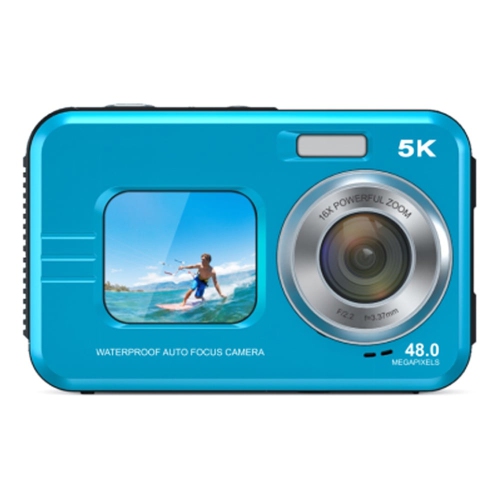
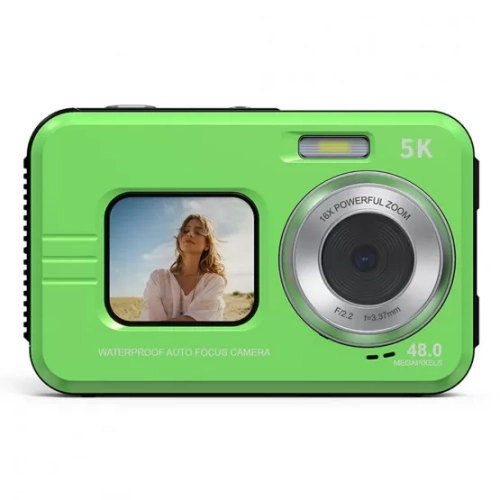
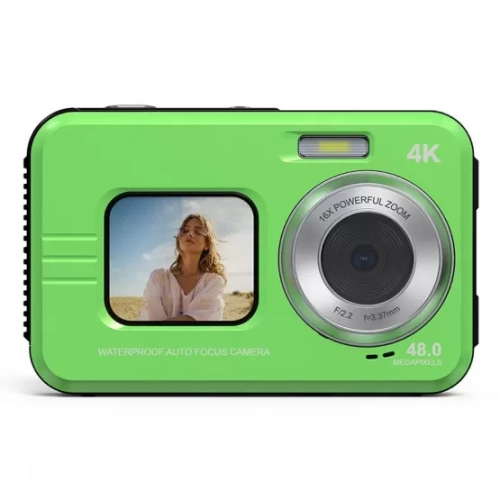
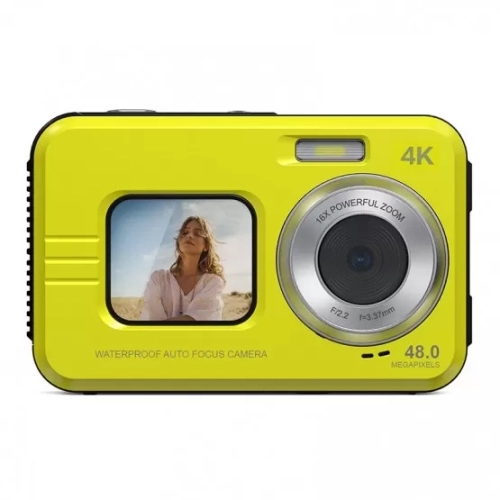
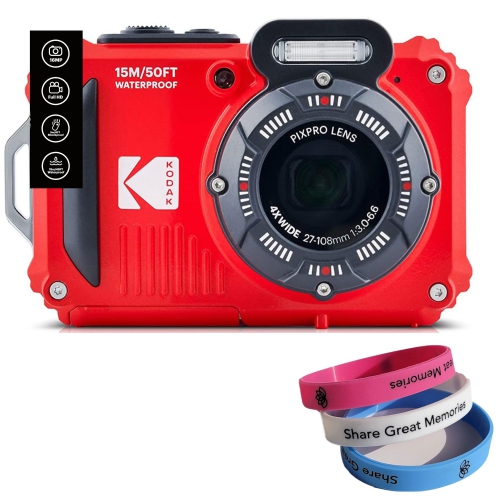
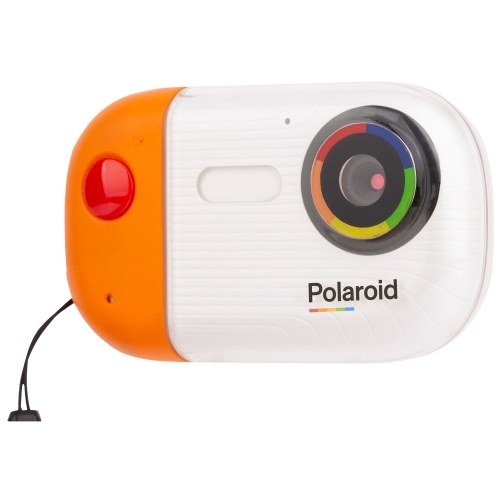
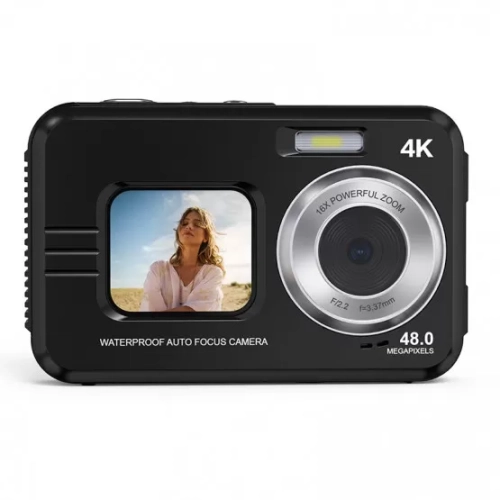
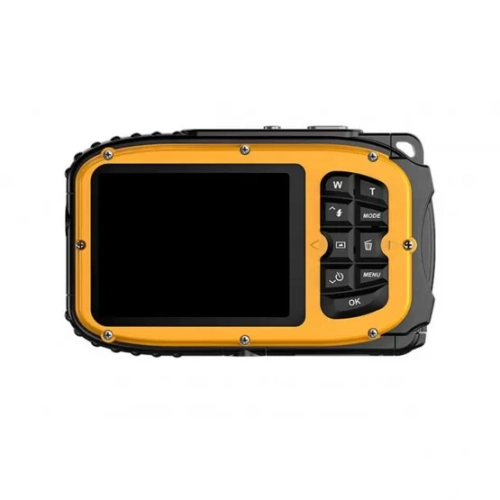
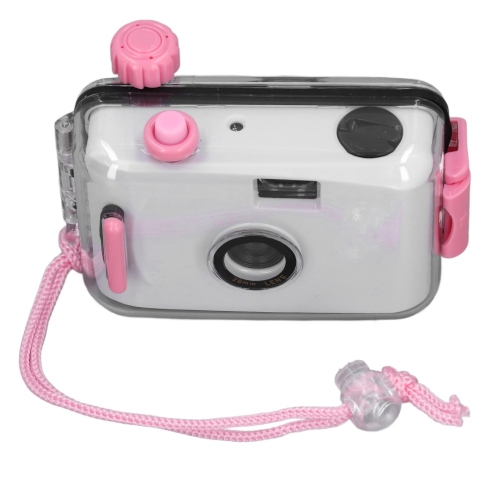
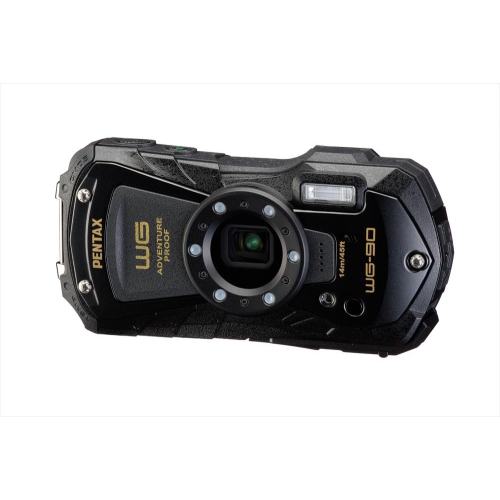
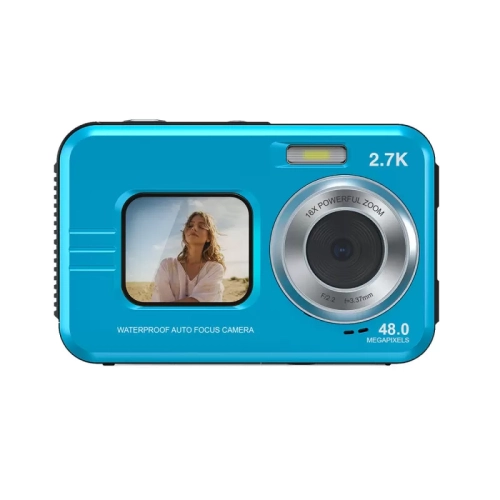
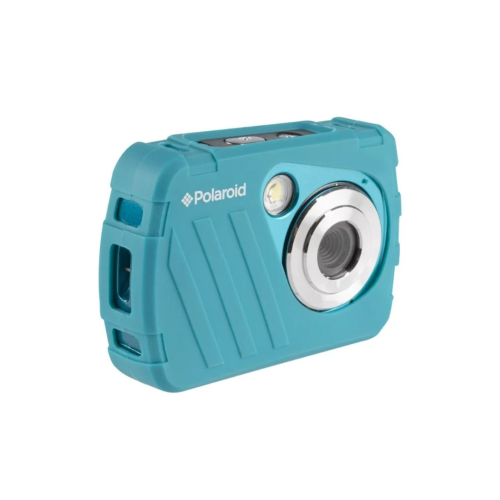
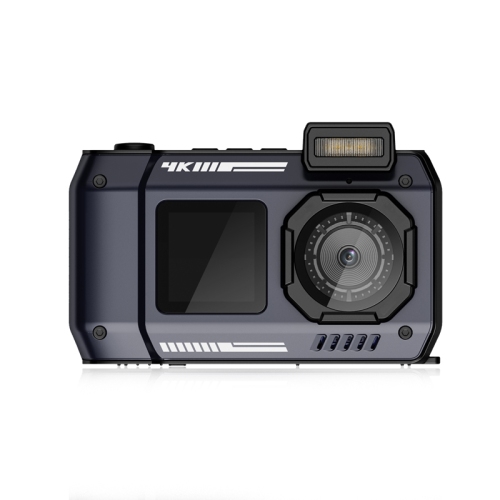
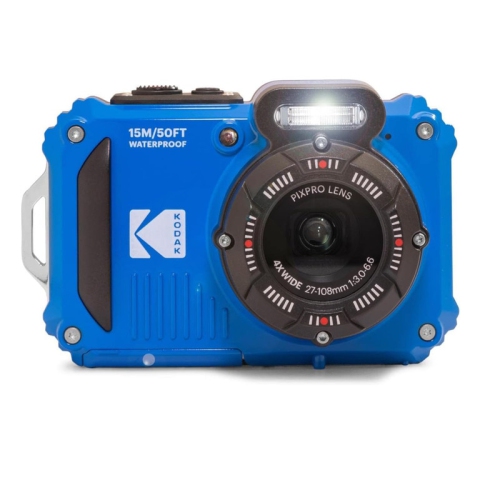
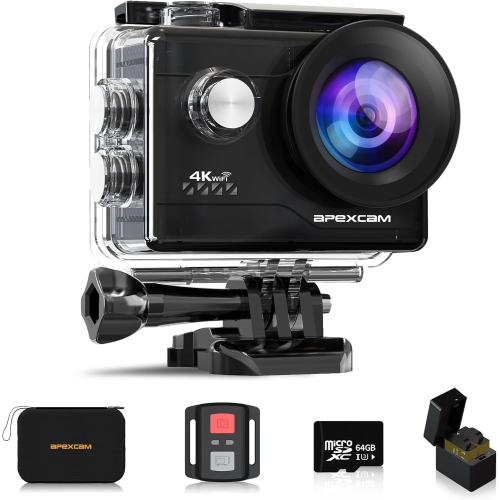
Digital cameras for underwater photography include waterproof compact cameras, action cameras approved for submersion, and compact or interchangeable-lens cameras used inside compatible underwater housings. Each type suits a different way of shooting, from photographing children at a swimming pool to capturing a snorkelling trip or documenting a scuba dive. Across the Underwater Cameras category, the most important distinctions are rated depth, housing compatibility, image quality, and ease of operation beneath the surface. Waterproof compact cameras bring a familiar photography experience into the water, often combining a built-in lens, rear screen, and straightforward shooting modes in a portable body. Their appeal is especially clear when a single camera needs to photograph both a waterfront outing and the view just below the surface. Action cameras favour a small footprint, broad field of view, and flexible mounting options, making them useful for hands-free video and scenes with plenty of movement. Their still-photo capabilities and close-focusing limits vary, so video performance alone does not tell the whole story. Cameras with interchangeable lenses offer more control over framing and image quality, but generally require a purpose-built housing, a suitable lens port, and a larger carrying setup. Depth ratings deserve particular attention: splash resistance is not the same as approval for swimming, and a camera intended for shallow submersion is not automatically suitable for scuba diving. A rating applies under the conditions specified by the manufacturer, including any limits on immersion time or use in salt water. When a separate housing is involved, the complete setup must remain within the limits of every component. Handling matters just as much as the specification sheet. A textured grip, clearly marked buttons, a secure strap attachment, and controls that remain accessible inside a housing can make the difference between capturing a passing fish and missing the moment while searching for a setting.
Underwater image quality depends on more than resolution. Water absorbs light and changes how colours appear, with reds and oranges becoming less prominent as depth and the distance to a subject increase. A camera with dependable autofocus, useful exposure controls, and good performance at higher ISO settings can offer more flexibility when light is limited. RAW capture is valuable for photographers who edit their pictures, since it retains more image information for adjustments to exposure and white balance, although editing cannot fully recover colour information that was never captured. Underwater shooting modes can simplify colour adjustments for casual use, while manual white balance provides more control when conditions change between shots. Lens choice also shapes the kinds of photographs a camera can produce. Wide-angle coverage suits a swimmer framed against the surface, a broad rock formation, or a view along a boat’s hull; close-focusing capability is more useful for the texture of a shell or the markings on a small fish. Getting closer to a subject reduces the amount of water between the lens and the subject, which can help preserve detail and contrast. Housing ports affect the view as well. Flat ports can make subjects appear larger and narrow the apparent field of view underwater, while compatible dome ports are often used with wide-angle lenses. The correct port depends on the camera, lens, and housing rather than appearance alone. External underwater lighting can restore colour at close range, but support for a strobe or video light varies by setup. Light placement matters because suspended particles can reflect illumination back towards the lens and create bright specks known as backscatter. For video, frame-rate options, stabilization, recording limits, and reliable operation through the housing all contribute to the result. Stabilization can soften the effect of small movements, but it cannot fully compensate for an unsteady grip or a subject disappearing beyond the frame.
Materials, fit, and ongoing care are central to the usefulness of any underwater camera setup. Rugged camera bodies may combine impact-resistant construction with sealed doors, while underwater housings commonly use clear polycarbonate or metal construction. The quality and condition of seals, latches, buttons, and port connections are especially important because these parts help keep water away from the camera. Housing compatibility is specific: a case that looks close in size may still leave controls misaligned or fail to support the correct lens. O-rings need the inspection, cleaning, and lubrication specified by the manufacturer; extra lubricant is not a substitute for a clean, undamaged seal. A single hair or grain of sand across a sealing surface can compromise protection. After salt-water use, manufacturer-approved fresh-water rinsing helps remove salt deposits, with the camera or housing kept securely closed until its exterior is clean and dry. Battery and memory-card doors should only be opened in a dry place, away from splashes and loose sand. Battery endurance and storage capacity also take on added importance underwater, where changing either usually means ending the session and drying the equipment first. For travel, the practical kit includes more than the camera body: the housing, charger, spare batteries, compatible memory cards, protective caps, and carrying case all contribute to packed size and weight. A floating strap may be useful for some compact setups, but its buoyancy needs to suit the total attached weight. Larger systems may benefit from a tray and handles that support a steadier grip. These differences also help distinguish gifts for different photographers. A straightforward waterproof compact can suit someone who enjoys swimming and wants keepsakes without managing a large setup, while a housed camera system may better suit an experienced photographer who already works with lenses and manual settings. Matching the equipment to the recipient’s usual activities, intended depth, and preferred balance of photography and video gives it a clearer purpose beyond its first outing.
Top selling and popular products
-
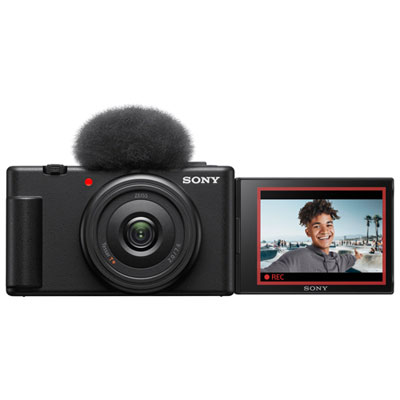 Your price for this item is $599.99
-
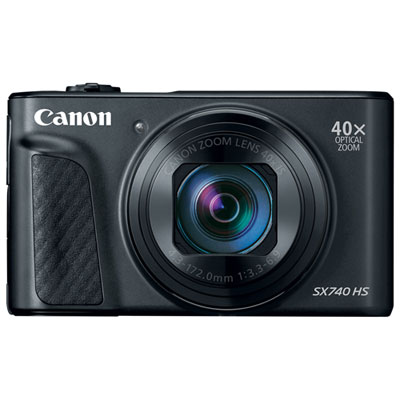 Your price for this item is $799.99
-
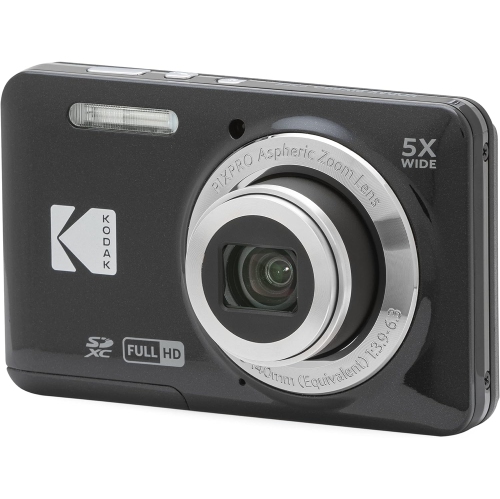 Your price for this item is $255
-
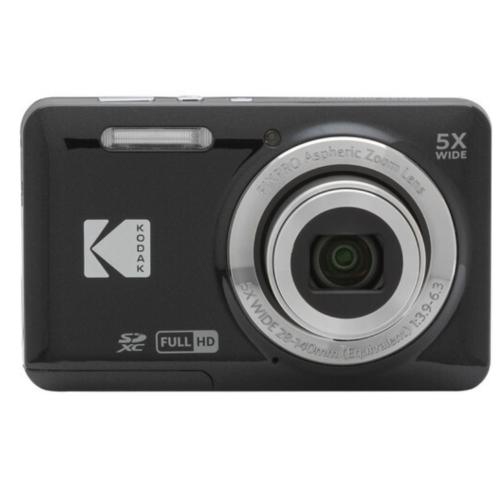 Your price for this item is $253
-
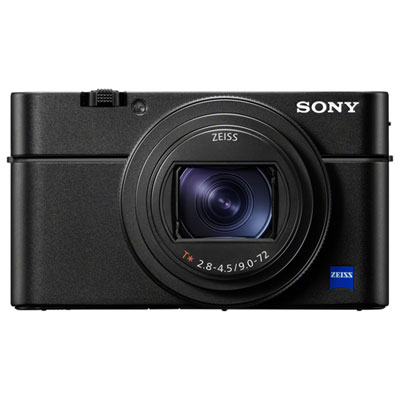 Your price for this item is $1799.99
-
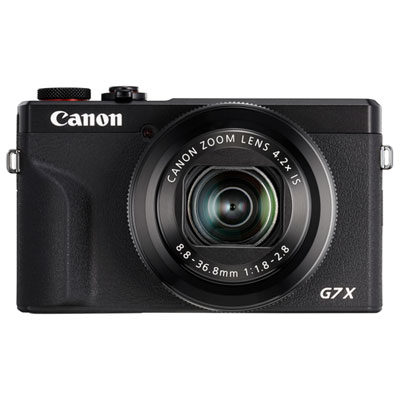 Your price for this item is $1999.99
-
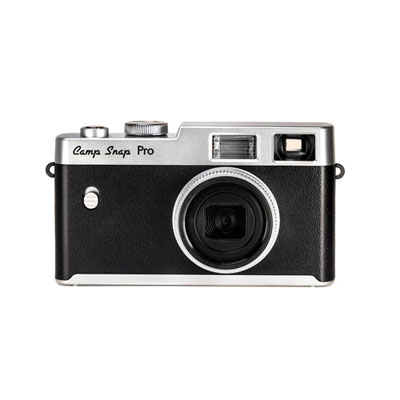 Your price for this item is $149.99
-
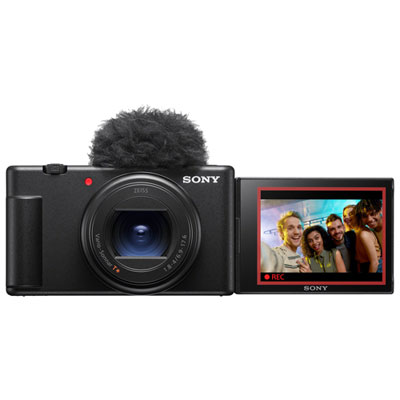 Your price for this item is $1099.99
Discover more categories related to Digital Cameras for Underwater Photography
Top Collections:
Best Black Friday Deals This Year, Best Black Friday Deals On Electronics, Kindle Devices, Pokemon Centers, Best Black Friday Deals On Apple Products, Best Cameras for Sports Photography, Dyson Airwrap, Pokémon 30th Celebration Cards, Apple iPhone 17 Pro, Canon G7X Cameras
Some products may be subject to Environmental Handling Fees
(EHF) depending on your province.
Learn more about EHFs.