Good Action Cameras
Action cameras are a great way to capture your adventures. They're small, lightweight, and easy to use. They can be mounted on your bike, car, or even your motorcycle so you can record your adventures in high quality. Here are some of the best action cameras on the market.
Sort
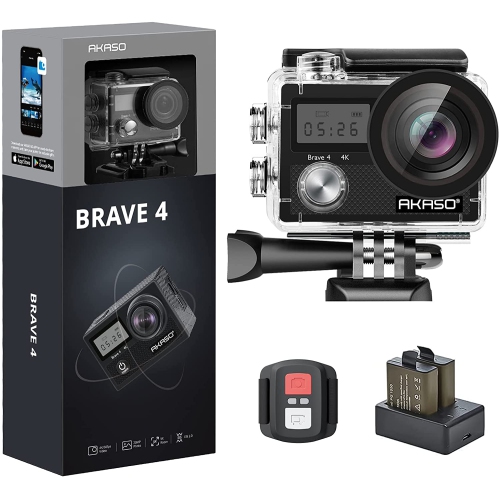
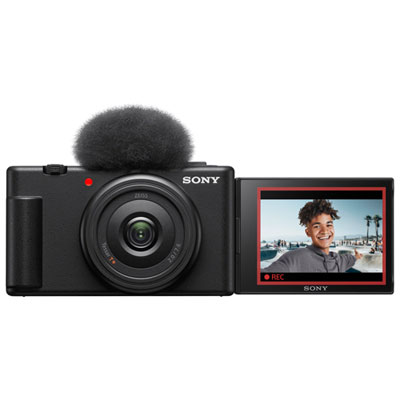
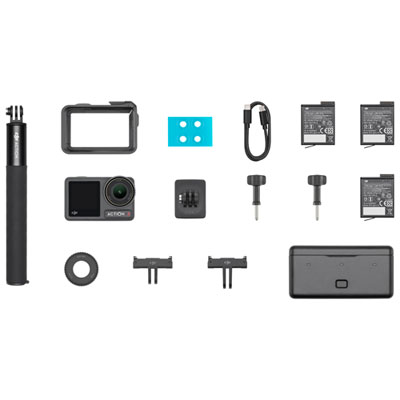
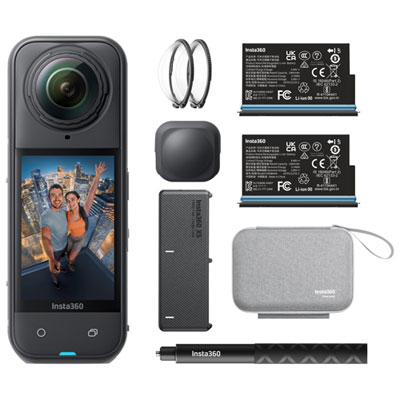
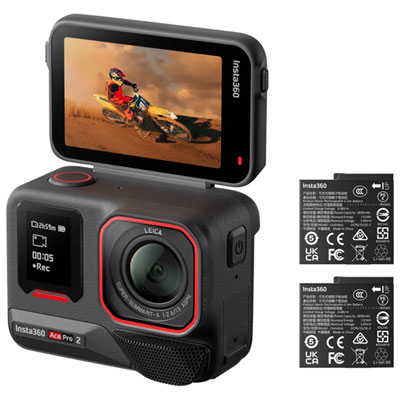
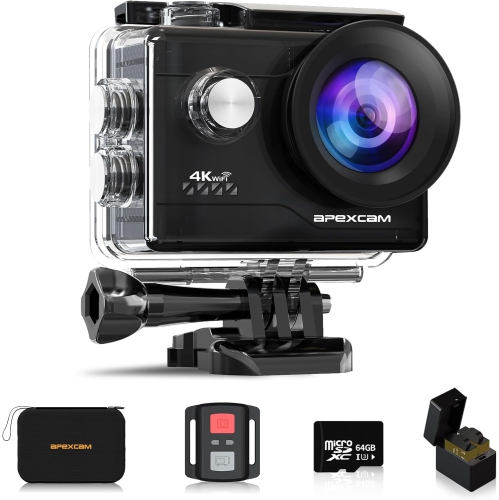
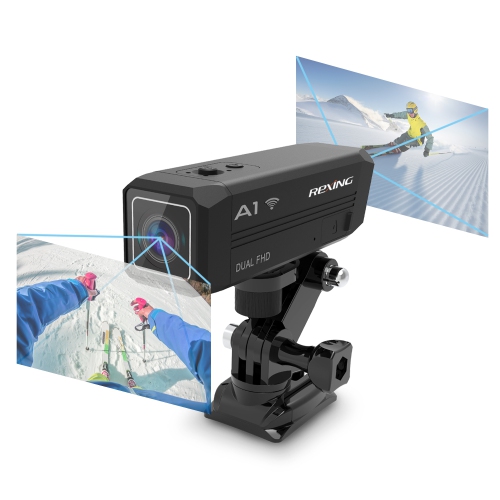
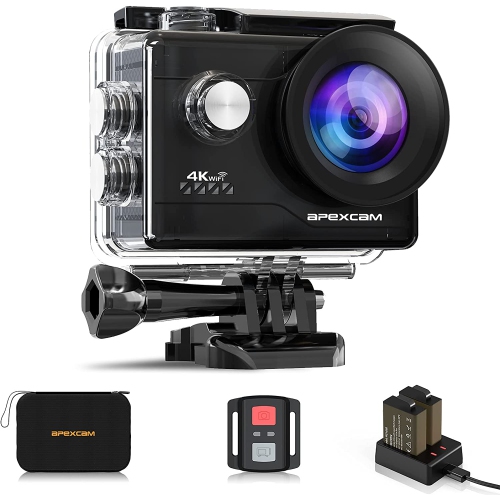
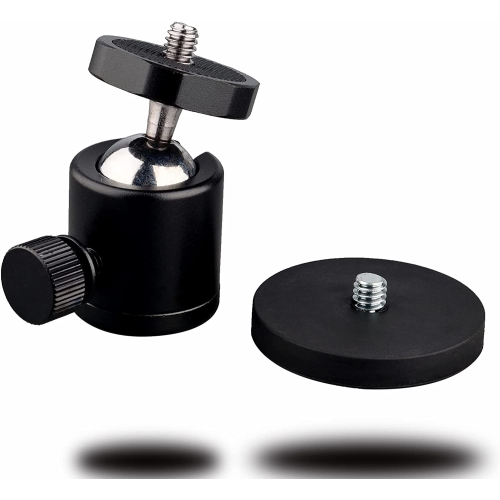
Why steady footage takes more than high resolution
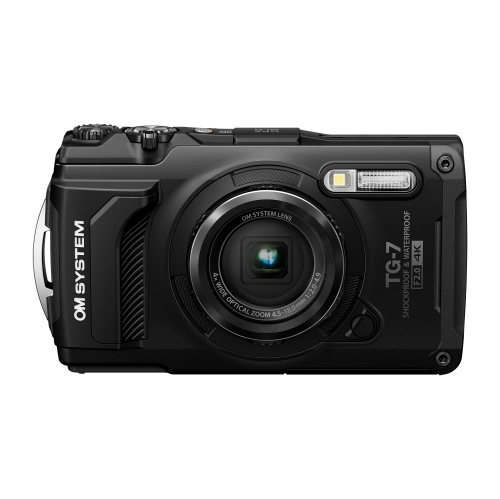
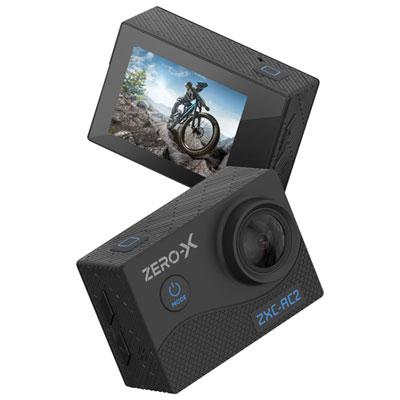
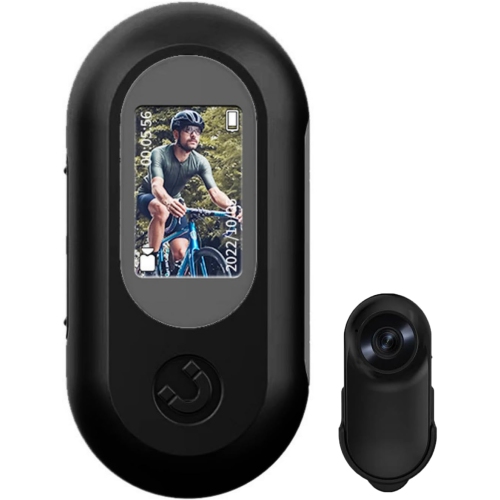
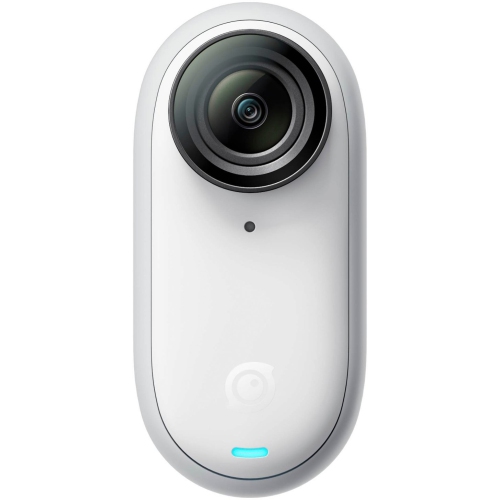
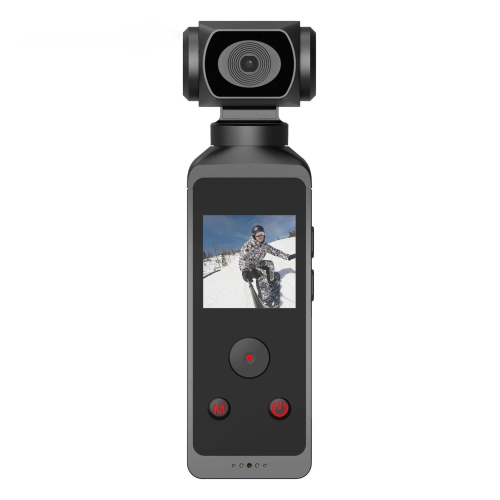
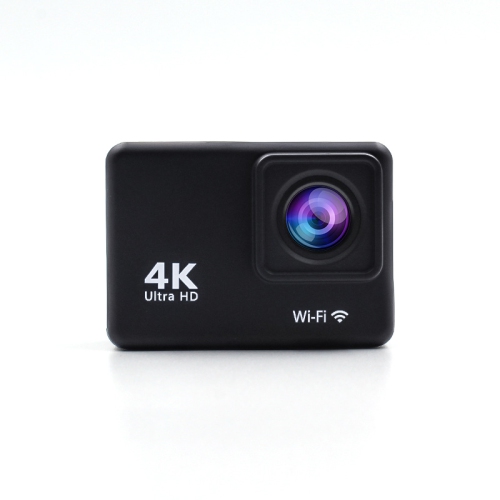
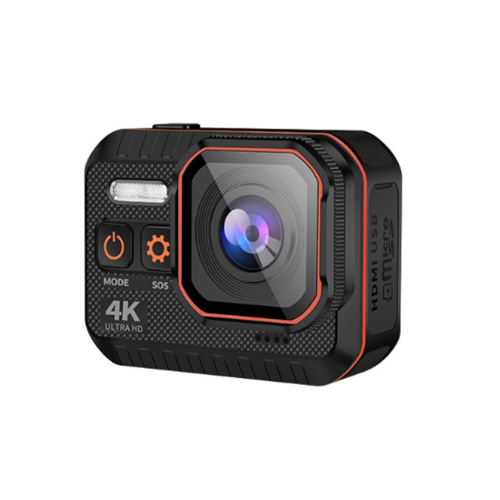
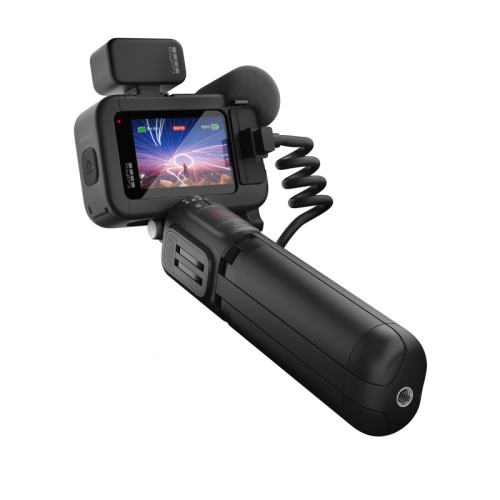
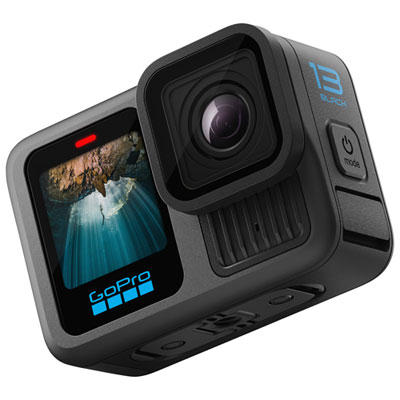
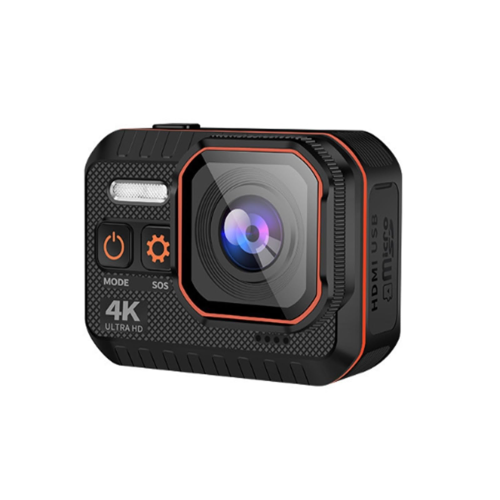
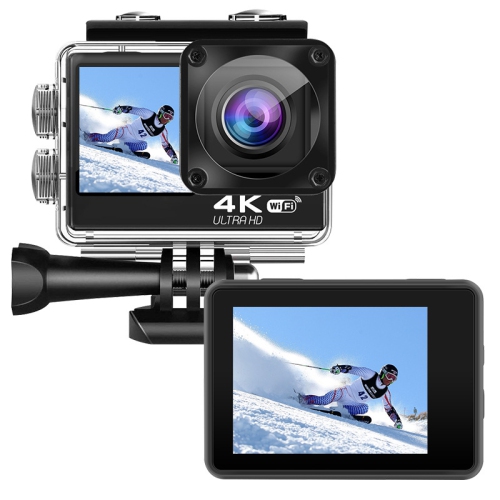
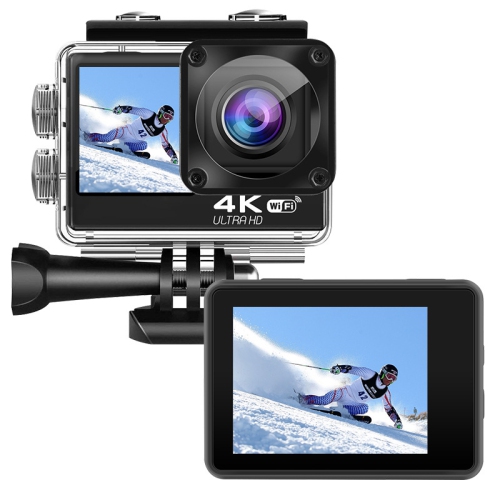
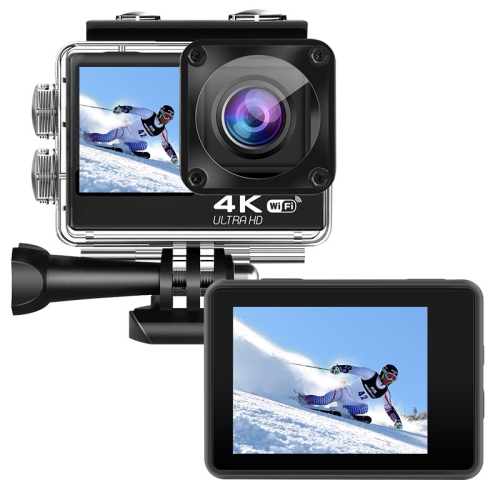
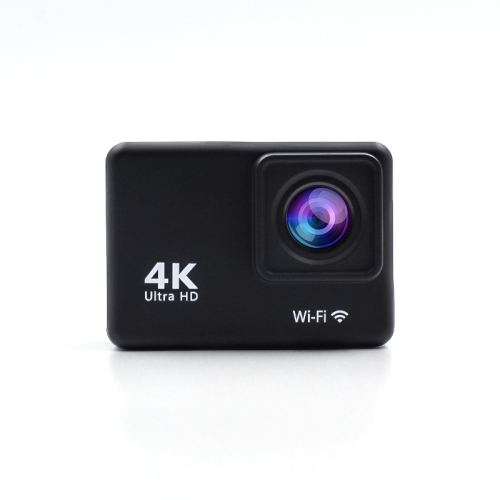
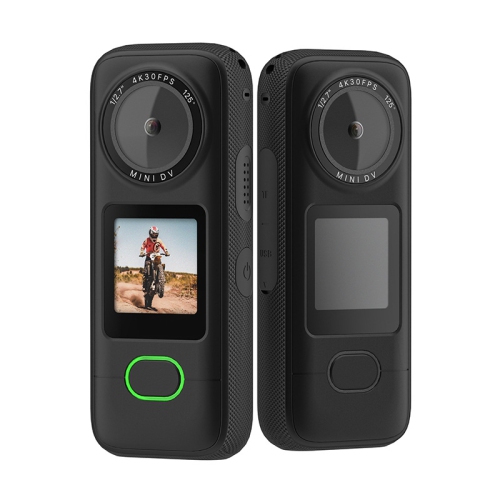
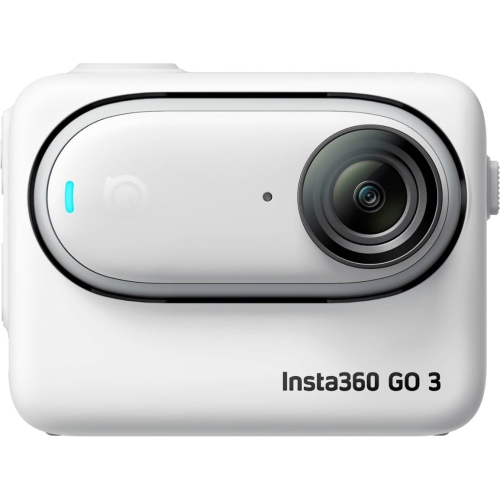
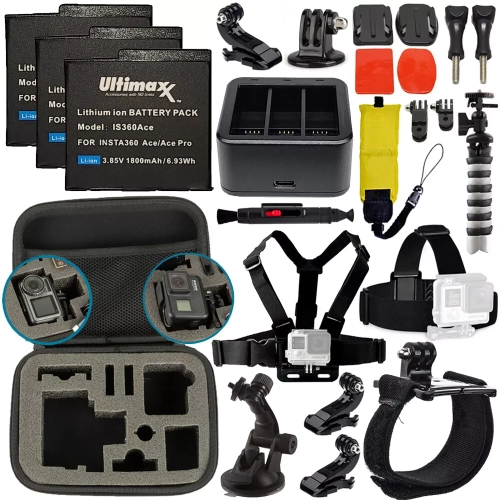
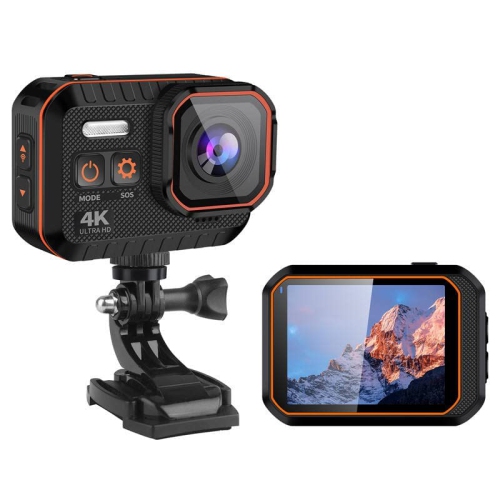
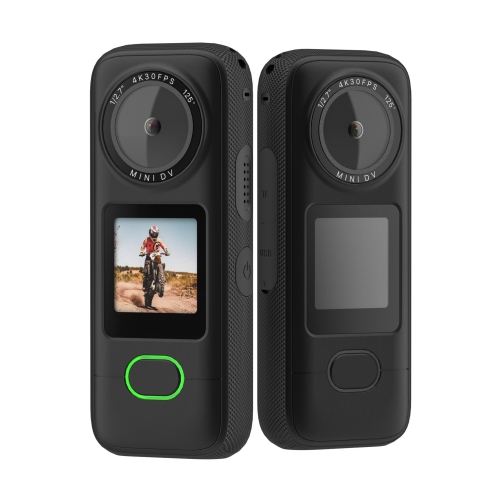
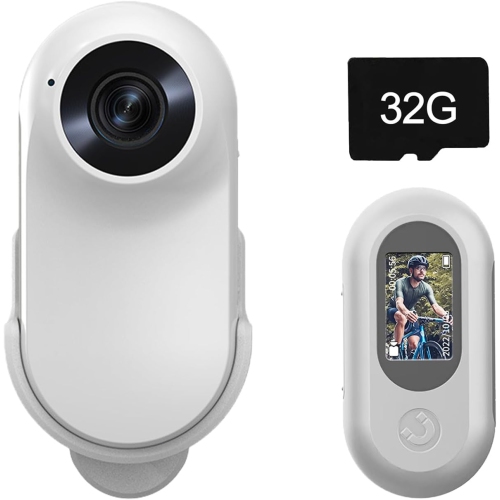
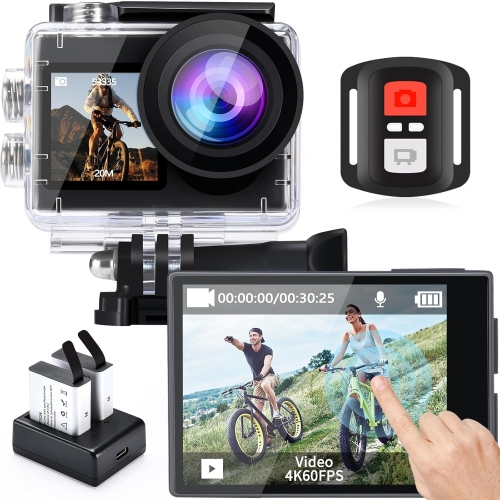
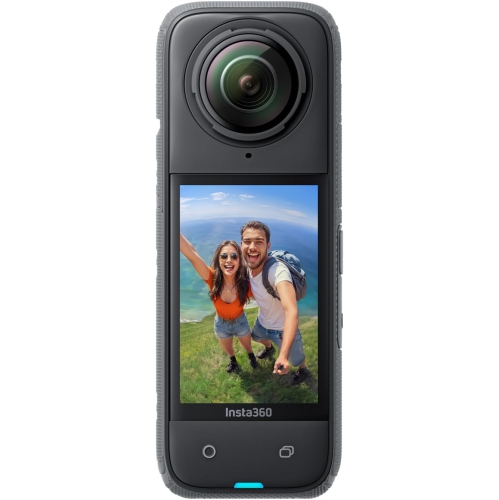
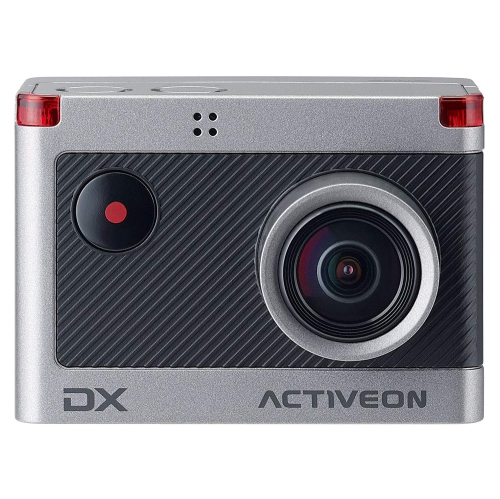
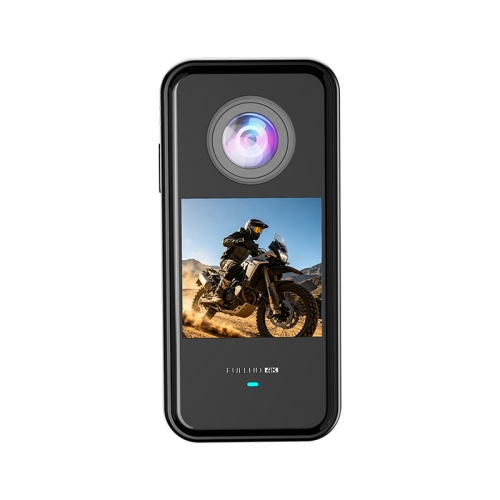
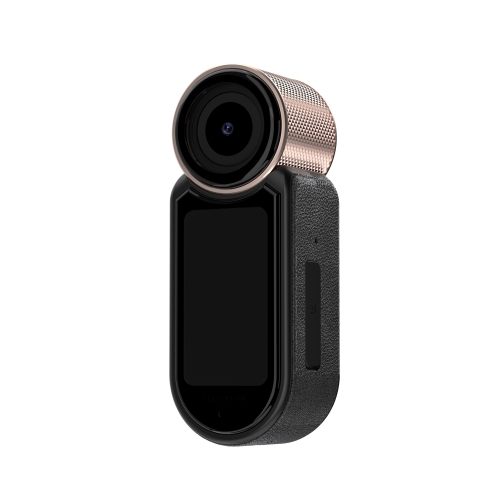
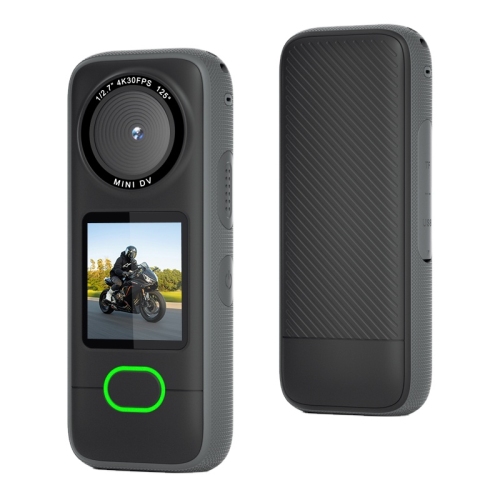
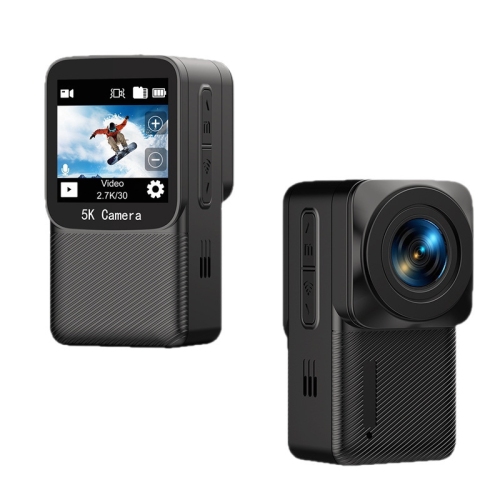
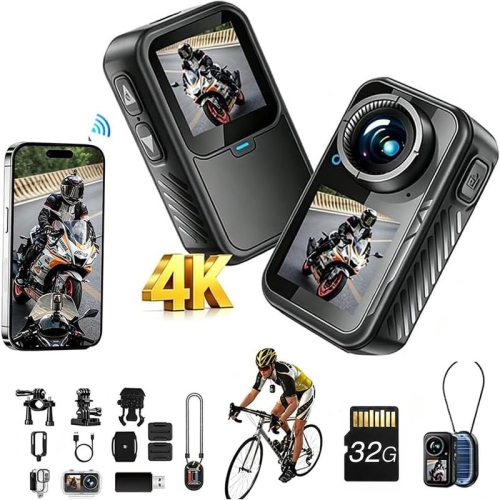
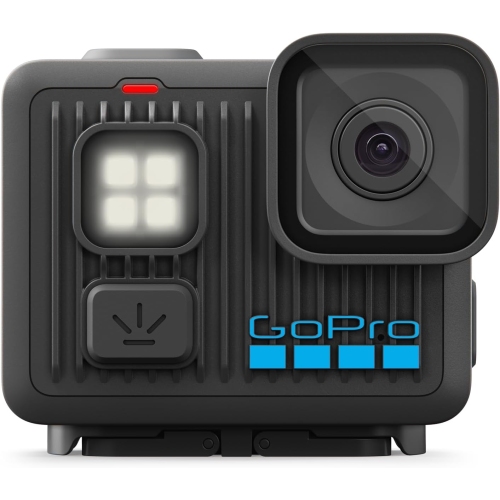
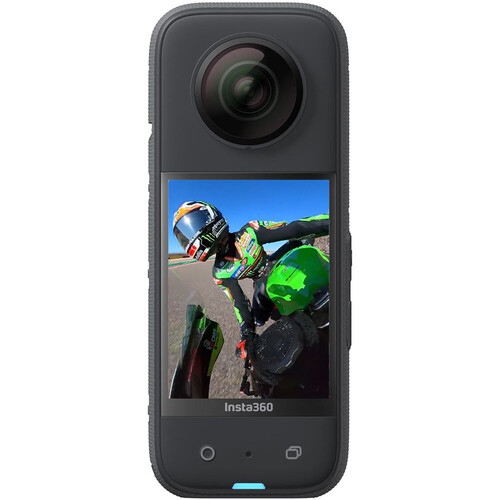
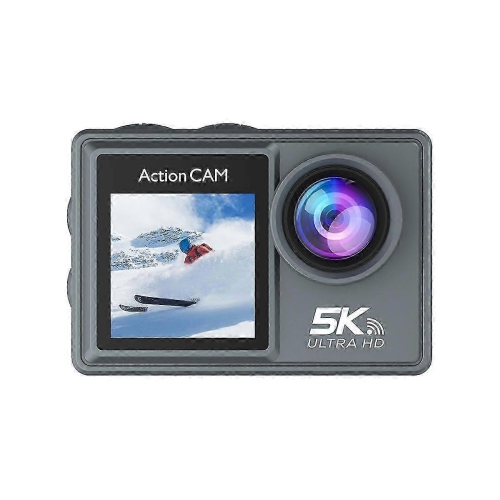
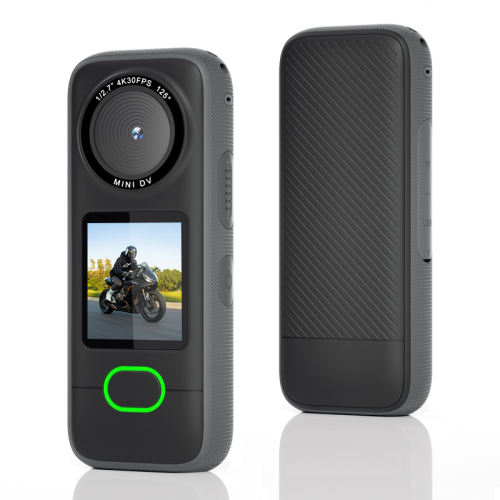
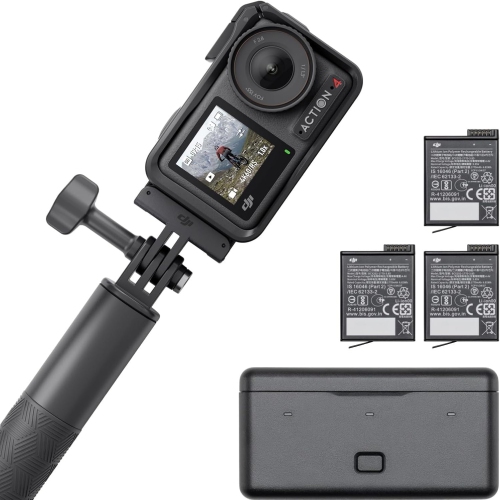
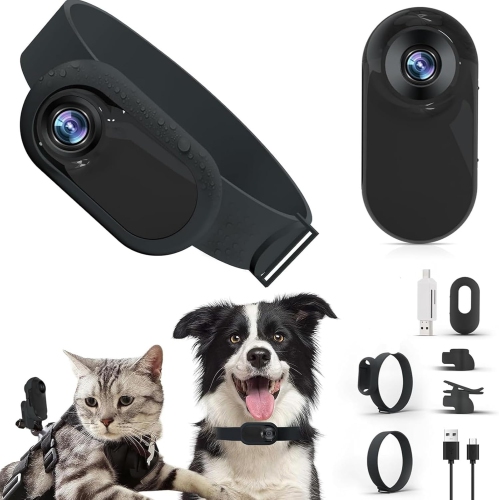
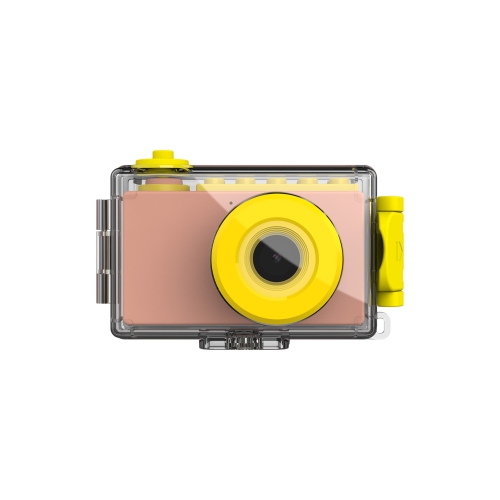
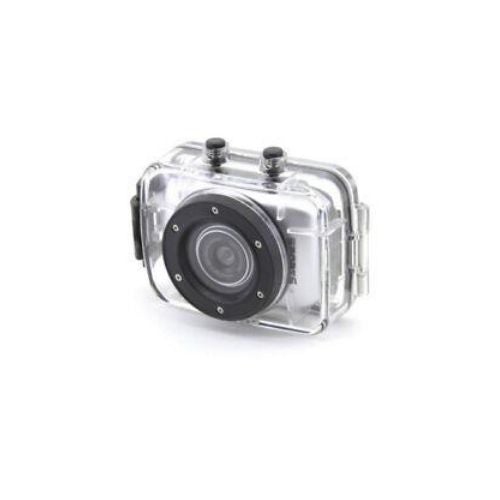
Good action cameras combine clear video, dependable stabilization, secure mounting, and controls that remain straightforward when the activity takes priority over the camera. Their compact size and wide-angle lenses make them well suited to recording a bike ride from the handlebars, capturing a climbing session from a chest mount, or filming a family outing without carrying a larger camera. The best fit depends less on a single headline specification than on how the camera handles the footage someone actually wants to create. High-resolution video can preserve fine details and leave room to crop a shot, while higher frame rates allow smoother slow-motion playback when recorded and edited with compatible settings. Neither feature guarantees better results on its own: lens quality, sensor performance, processing, and available light all affect the finished image. For fast movement, effective electronic image stabilization helps reduce the jolts of footsteps and uneven trails, although it typically crops part of the frame and may perform less effectively in dim light. Horizon levelling can help keep the picture straight when a camera tilts, with the degree of correction varying by model and recording mode. A wide field of view captures more of the scene at close range, making it useful for a first-person view of a trail or skate park. A narrower or corrected view can look more natural for faces and straight lines, though it shows less of the surroundings. Low-light performance matters for indoor training spaces, evening walks, and other situations where fine detail can give way to blur or grain. Larger sensors can help, but exposure settings and subject movement still make a difference. For everyday recording, a balanced combination of image quality, manageable file sizes, and reliable battery life is often more useful than the highest available resolution. Clear menus and quick access to familiar settings also make it easier to capture a spontaneous moment rather than miss it while adjusting the camera.
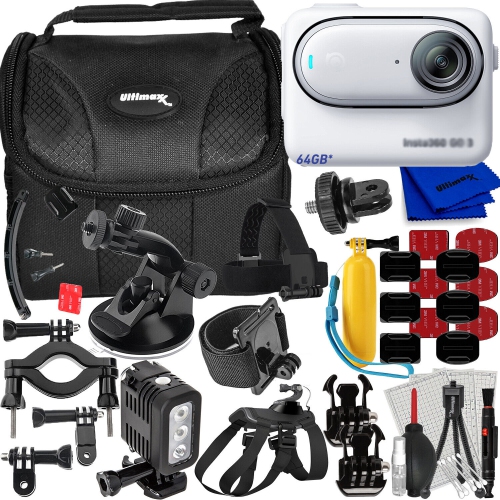
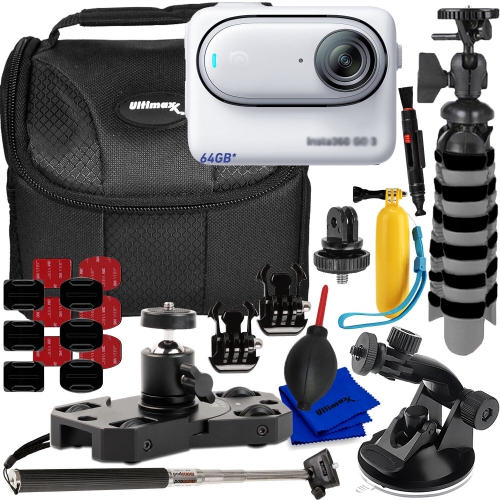
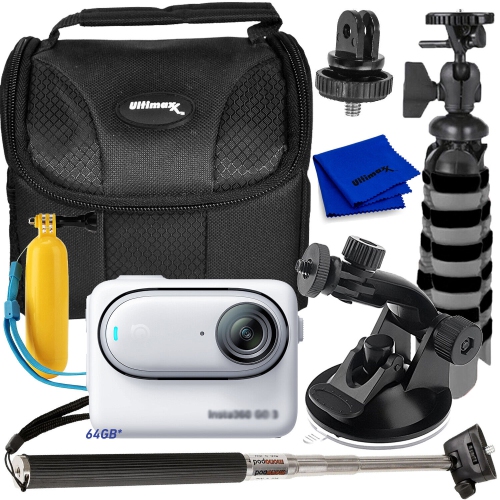
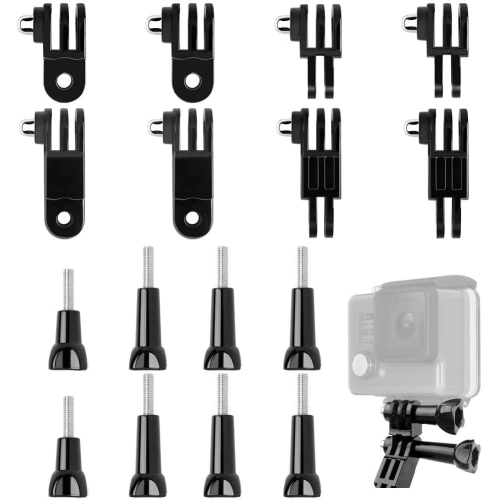
Construction and mounting deserve as much attention as video specifications because an action camera is often attached to equipment rather than held in a hand. Housings commonly use rigid plastics, metal components, or a combination of materials to keep weight manageable while protecting the internal electronics. Reinforced corners, well-sealed doors, and a replaceable lens cover can be useful features for frequent handling, but a rugged appearance is not a substitute for a stated durability rating. Waterproof ratings apply only under the manufacturer's specified conditions, including depth limits and correctly closed seals; some activities require a separate protective housing. Underwater recording also changes how colours and sound are captured, so it helps to consider that use separately from filming on land. Fit is especially important at the mounting point. A chest harness should sit securely without restricting movement, and a handlebar clamp needs to match the tube diameter and remain clear of brake cables and controls. Helmet mounting should follow both the helmet and camera manufacturers' directions, without drilling holes or making changes that could compromise protection. Adhesive bases depend on a suitable surface, careful preparation, and the recommended setting time. Quick-release and magnetic mounting designs can simplify moving between positions, but their locking mechanisms and compatibility still matter. Where appropriate, a safety tether provides additional protection against losing a camera if a mount comes loose, provided it does not introduce an entanglement risk. Camera weight can also affect comfort and balance, particularly on a helmet or an extended handheld grip. Front-facing screens help with framing a spoken update, while a rear touchscreen is useful for reviewing clips and changing settings. Physical buttons offer a practical alternative when touch controls are difficult to use. For cycling, paddling, or recording a workout, a stable attachment and an unobstructed view often contribute more to usable footage than adding another accessory. A short test clip can reveal a tilted angle, a strap entering the frame, or vibration from a loosely fitted mount before a longer recording begins.
Battery life, storage, audio, and care shape the ownership experience long after the first video. Published battery estimates usually reflect particular test settings, so actual recording time varies with resolution, frame rate, screen use, wireless connections, and other features. Removable batteries can make longer sessions easier to manage, while charging connections and support for external power vary between cameras. Recording while connected to power may require an open port door, which can remove water protection. Extended high-resolution recording can also cause heat buildup and may trigger an automatic shutdown, particularly with limited airflow. Memory cards need to meet the camera's capacity and speed requirements; a card that works for photos may not sustain demanding video modes. Higher resolutions and frame rates also mean larger files, longer transfers, and more storage space for editing and backups. Wi-Fi and Bluetooth features can simplify remote control or transfers through a compatible app, while a wired connection may be more practical for moving many large clips. For spoken videos, microphone placement, handling noise, and support for external audio accessories deserve attention alongside picture quality. A voice recorded close to the camera may sound clear enough for a casual update, whereas instruction from across a room can benefit from a compatible microphone setup. Routine care is straightforward but important: remove grit carefully, clean the lens cover with suitable materials, and inspect seals before water use. After exposure to salt water, follow the manufacturer's rinsing instructions, and let the camera dry fully before opening protected compartments. Backing up footage before formatting a memory card helps protect recordings that cannot be repeated. For shoppers comparing everyday usability and owner feedback, Top Rated Action Cameras offers another relevant collection to explore. These compact cameras can make thoughtful gifts for cyclists, travellers, paddlers, and people who enjoy sharing a skill or documenting personal progress. Matching the camera's controls, mounting options, and editing workflow to the recipient's interests makes it more likely to become a regular companion rather than equipment that stays in a drawer.
Construction and mounting deserve as much attention as video specifications because an action camera is often attached to equipment rather than held in a hand. Housings commonly use rigid plastics, metal components, or a combination of materials to keep weight manageable while protecting the internal electronics. Reinforced corners, well-sealed doors, and a replaceable lens cover can be useful features for frequent handling, but a rugged appearance is not a substitute for a stated durability rating. Waterproof ratings apply only under the manufacturer's specified conditions, including depth limits and correctly closed seals; some activities require a separate protective housing. Underwater recording also changes how colours and sound are captured, so it helps to consider that use separately from filming on land. Fit is especially important at the mounting point. A chest harness should sit securely without restricting movement, and a handlebar clamp needs to match the tube diameter and remain clear of brake cables and controls. Helmet mounting should follow both the helmet and camera manufacturers' directions, without drilling holes or making changes that could compromise protection. Adhesive bases depend on a suitable surface, careful preparation, and the recommended setting time. Quick-release and magnetic mounting designs can simplify moving between positions, but their locking mechanisms and compatibility still matter. Where appropriate, a safety tether provides additional protection against losing a camera if a mount comes loose, provided it does not introduce an entanglement risk. Camera weight can also affect comfort and balance, particularly on a helmet or an extended handheld grip. Front-facing screens help with framing a spoken update, while a rear touchscreen is useful for reviewing clips and changing settings. Physical buttons offer a practical alternative when touch controls are difficult to use. For cycling, paddling, or recording a workout, a stable attachment and an unobstructed view often contribute more to usable footage than adding another accessory. A short test clip can reveal a tilted angle, a strap entering the frame, or vibration from a loosely fitted mount before a longer recording begins.
Battery life, storage, audio, and care shape the ownership experience long after the first video. Published battery estimates usually reflect particular test settings, so actual recording time varies with resolution, frame rate, screen use, wireless connections, and other features. Removable batteries can make longer sessions easier to manage, while charging connections and support for external power vary between cameras. Recording while connected to power may require an open port door, which can remove water protection. Extended high-resolution recording can also cause heat buildup and may trigger an automatic shutdown, particularly with limited airflow. Memory cards need to meet the camera's capacity and speed requirements; a card that works for photos may not sustain demanding video modes. Higher resolutions and frame rates also mean larger files, longer transfers, and more storage space for editing and backups. Wi-Fi and Bluetooth features can simplify remote control or transfers through a compatible app, while a wired connection may be more practical for moving many large clips. For spoken videos, microphone placement, handling noise, and support for external audio accessories deserve attention alongside picture quality. A voice recorded close to the camera may sound clear enough for a casual update, whereas instruction from across a room can benefit from a compatible microphone setup. Routine care is straightforward but important: remove grit carefully, clean the lens cover with suitable materials, and inspect seals before water use. After exposure to salt water, follow the manufacturer's rinsing instructions, and let the camera dry fully before opening protected compartments. Backing up footage before formatting a memory card helps protect recordings that cannot be repeated. For shoppers comparing everyday usability and owner feedback, Top Rated Action Cameras offers another relevant collection to explore. These compact cameras can make thoughtful gifts for cyclists, travellers, paddlers, and people who enjoy sharing a skill or documenting personal progress. Matching the camera's controls, mounting options, and editing workflow to the recipient's interests makes it more likely to become a regular companion rather than equipment that stays in a drawer.
Top selling and popular products
-
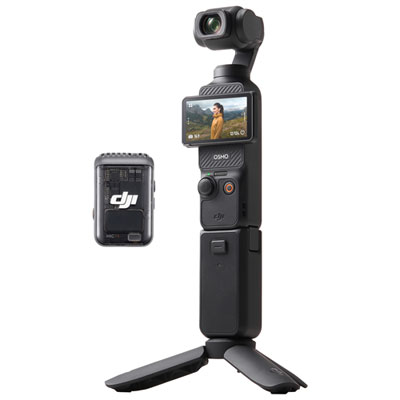 Your price for this item is $649.99
 -
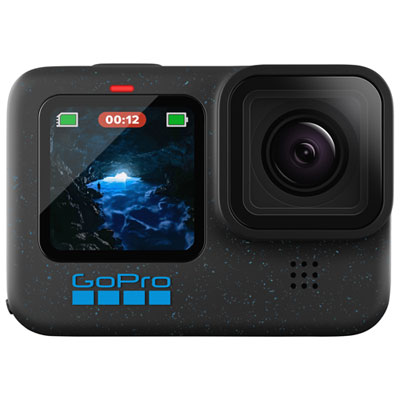 Your price for this item is $479.97
 -
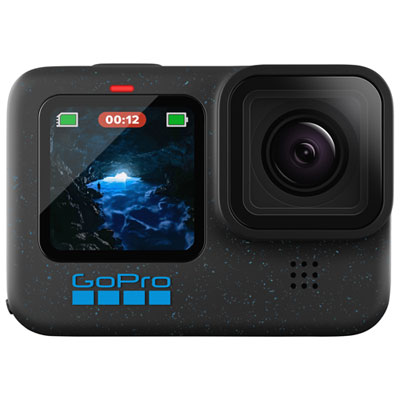 Your price for this item is $399.97
 -
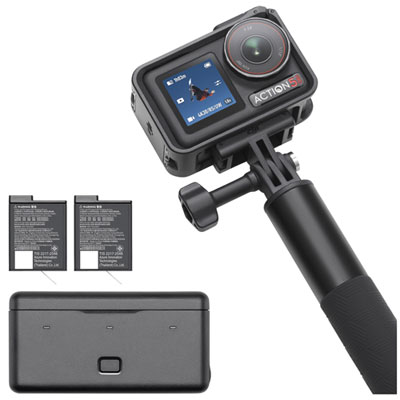 Your price for this item is $585.99
 -
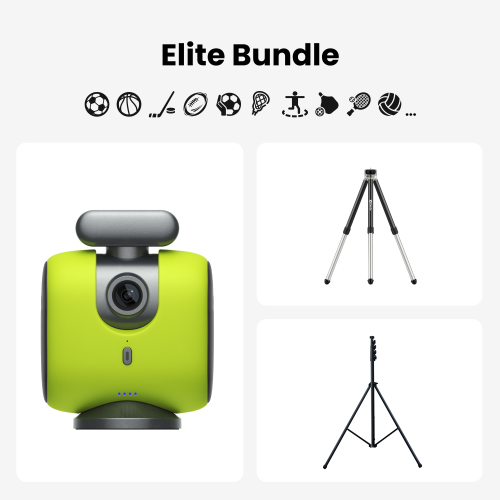 Your price for this item is $719.99
 -
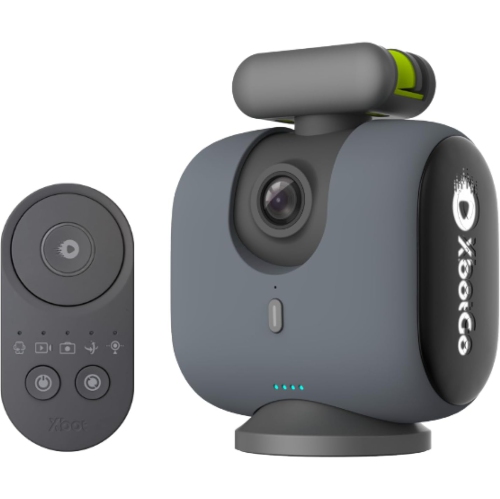 Your price for this item is $439.99
 -
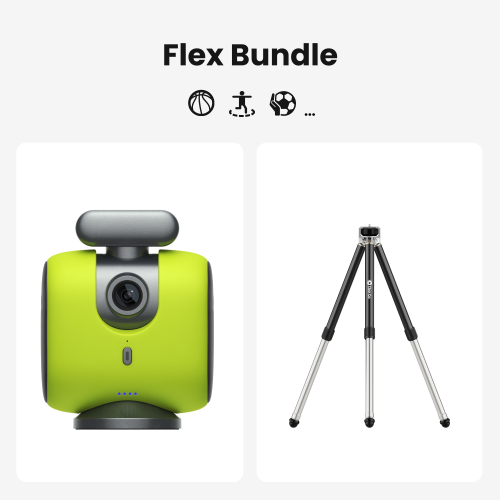 Your price for this item is $499.99
 -
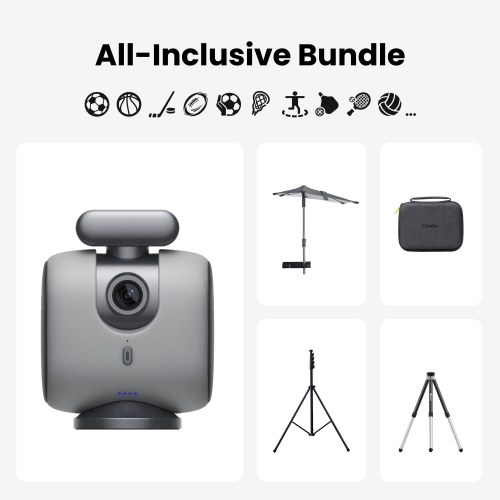 Your price for this item is $859.99
Discover more categories related to Good Action Cameras
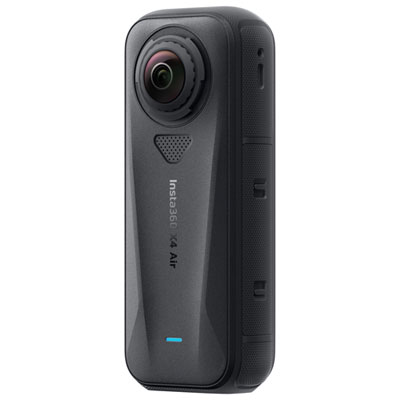
Top Collections:
Pokemon Centers, Kindle Devices, Best Budget Office Chairs, Apple iPhones 16, Best Laptops for Writers, iPhone 15 Apple, Canon G7X Cameras, Refurbished Apple Laptops, Alarm Clock, Motorola Razr Phones
Some products may be subject to Environmental Handling Fees
(EHF) depending on your province.
Learn more about EHFs.