Instant Print Cameras for Kids
Instant Print Cameras For Kids are a fun and engaging way to spark creativity and capture memories instantly. Perfect for little photographers, these cameras allow children to enjoy the excitement of seeing their pictures come to life in moments. With simple operation designed for young users, Instant Print Cameras For Kids make it easy for kids to document adventures, special occasions, and everyday fun. Discover a variety of colorful and kid-friendly options that encourage imagination and hands-on play while preserving those unforgettable moments.
Sort




Everyday snapshots become keepsakes kids can hold and share
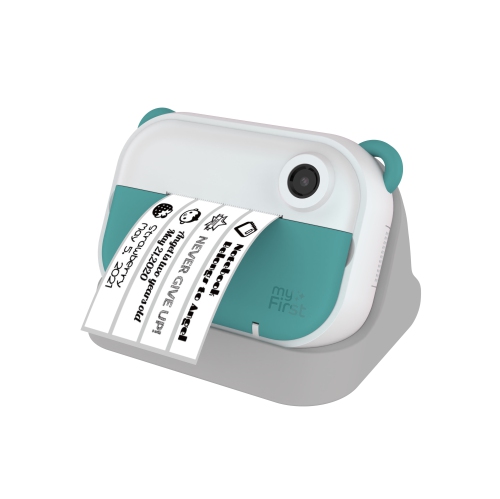
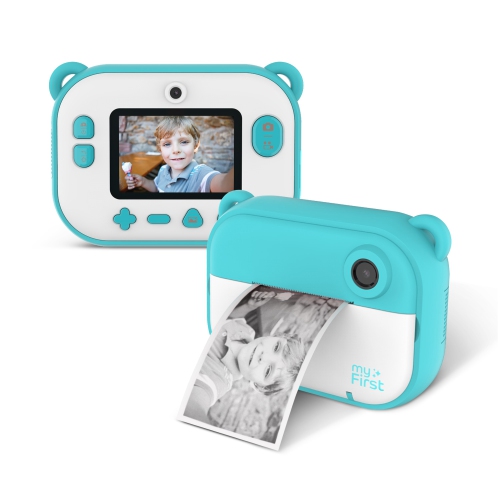
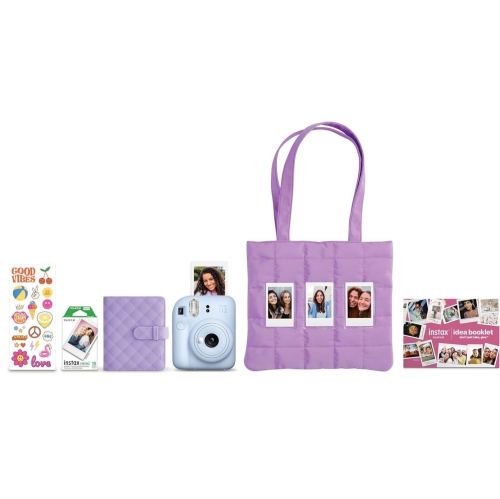
Instant print cameras for kids turn everyday photographs into something children can hold, share and tuck into a scrapbook. A picture of a carefully built block tower, a favourite stuffed animal or a friend making a funny face becomes a small keepsake rather than an image left on a screen. The category includes several printing methods, and the difference matters more than the camera’s shape or colour. Traditional instant-film cameras expose a sheet of film that develops into a photograph after it leaves the camera. These cameras do not necessarily save a digital copy or offer a preview before each shot. Digital instant print cameras capture an electronic image and use a built-in printer to produce the physical picture; depending on the design, they may also let children review photos and choose which ones to print. Inkless colour-printing systems use compatible paper with colour-forming layers activated by heat, while many thermal-print cameras produce black-and-white images on paper rolls. Some compatible colour papers have adhesive backing for decorating journals, while roll-fed thermal prints can suit drawing projects, photo labels and playful picture diaries. These formats produce different results: a small monochrome print has a different look and purpose from a colour instant-film photograph. Print dimensions, borders, contrast and fine detail all affect how a finished picture looks. A clear face photographed nearby will usually translate better to a small print than a distant group with tiny faces. Bright, even light also helps children capture recognizable details, although flash behaviour and close-focusing distance vary by camera. For a child who enjoys the surprise of watching a photograph develop, instant film can make taking each picture feel like an occasion. For one who likes experimenting with expressions, frames and repeat shots, a digital camera with selective printing may be a better match. Both approaches give children a tangible connection between the moment they photograph and the picture they create.
Comfortable handling and straightforward controls are especially important when a camera is intended for small hands. A lightweight body, a grip that is easy to wrap fingers around and a clearly marked shutter button can make photography feel less fiddly. The position of the lens, flash and paper outlet matters too: children need enough room to hold the camera without covering any of them. A chunky shape may be easier to grasp, but overall dimensions and weight are more useful than appearance alone when judging fit. Moulded plastic bodies are common, and some designs add textured surfaces, rubberized edges or removable silicone covers. These features can improve grip or cushion minor bumps, but a soft cover does not automatically make a camera waterproof or drop-proof. A manufacturer-approved wrist strap can help keep the camera close during supervised use, provided it suits the child’s age and the supplied safety directions are followed. Age recommendations remain important because cameras may include small accessories, removable batteries or memory cards that are unsuitable for younger children. Adult help may also be needed to load film, fit a paper roll correctly, replace batteries or connect a charging cable. Simple care supports reliable use: keep fingers off the lens, wipe the exterior with a soft cloth and follow the manufacturer’s cleaning directions. Paper outlets should stay clear, and a print should be allowed to emerge without being pulled. Film packs and printing paper need clean, dry storage away from direct sunlight and heat, with packaging instructions followed for the particular material. Ordinary printer paper is not a substitute for the camera’s specified media. A protective case can keep the lens and controls from rubbing against other belongings in a backpack. At home, a designated spot for the camera, charging cable and unopened paper makes it easier for children to build a routine around looking after their photography supplies.
Features are most useful when they match how the child will actually take pictures. A rear screen can help with framing and reviewing images, while a simple viewfinder offers a more direct point-and-shoot experience. A selfie mirror or front-facing lens may appeal to children who enjoy posing with siblings, but neither is essential for photographing pets, toys or craft projects. Built-in frames and filters can add variety; easy access to basic camera functions matters more than a long list of extras. Digital storage is worth distinguishing from printing: some cameras save image files to internal memory or a compatible memory card, while others are built around physical prints alone. Where files are saved, supported card formats, transfer methods and whether the camera works independently of a phone can affect everyday use. A high advertised megapixel figure does not, by itself, guarantee sharper small prints; lens quality, lighting, focus and the printing method also influence the result. Power arrangements deserve similar attention, whether the camera uses replaceable batteries or a rechargeable battery with a specified cable and power source. For families comparing instant printing with other child-friendly photography options, Cameras for Kids offers a broader starting point. An instant print camera can be a thoughtful birthday gift for a child who enjoys making things, telling stories or collecting little reminders of family outings. Printed pictures can become a sequence showing a baking project, portraits for a homemade family album or clues in an indoor photo scavenger hunt. Older children may enjoy arranging prints alongside handwritten captions, while younger users may prefer photographing familiar objects with adult help. Asking permission before photographing other people adds a useful habit to the experience. The strongest match is a camera whose handling, printing format and level of independence suit the child, leaving plenty of room for curiosity and imperfect, personality-filled pictures.
Top selling and popular products
-
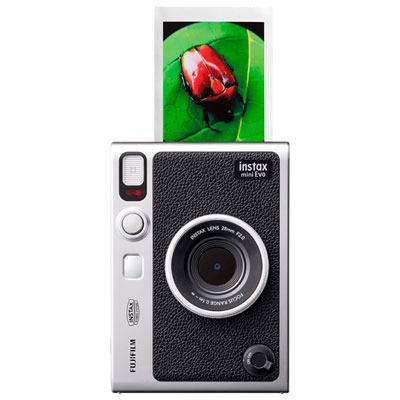 Your price for this item is $299.99
-
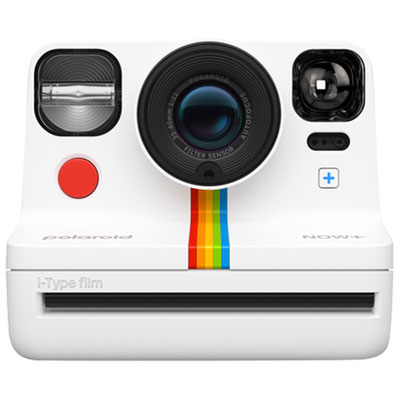 Your price for this item is $199.97
-
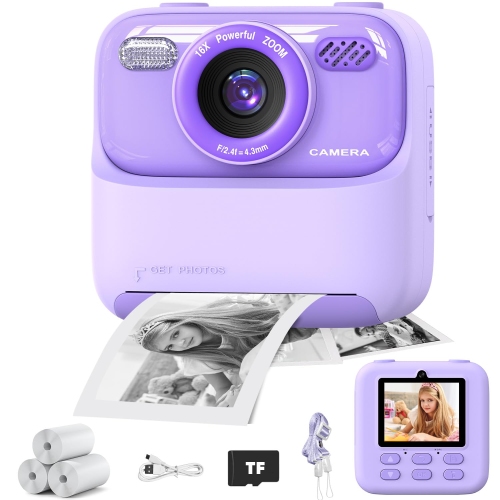 Your price for this item is $91.99
-
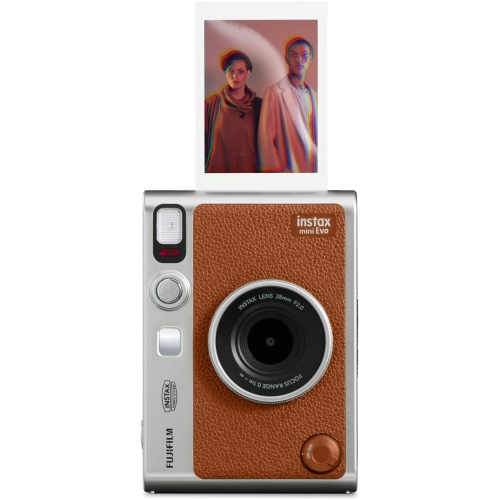 Your price for this item is $450
-
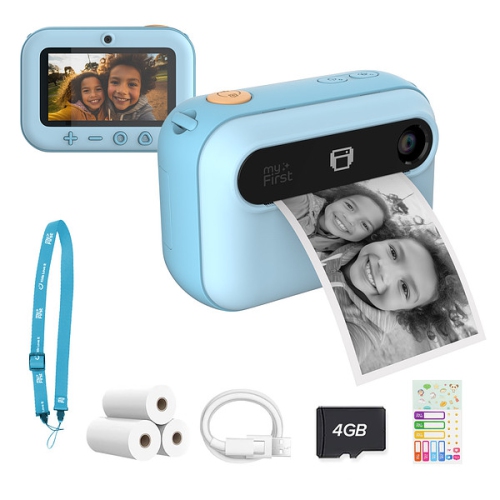 Your price for this item is $129.9
-
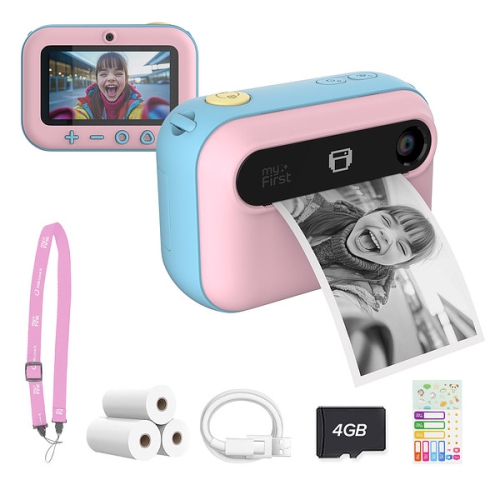 Your price for this item is $129.9
-
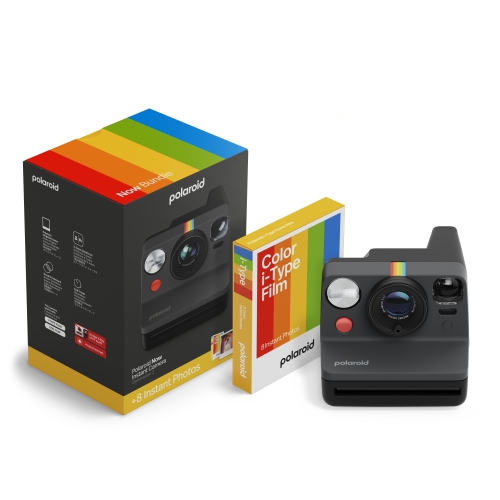 Your price for this item is $199.99
-
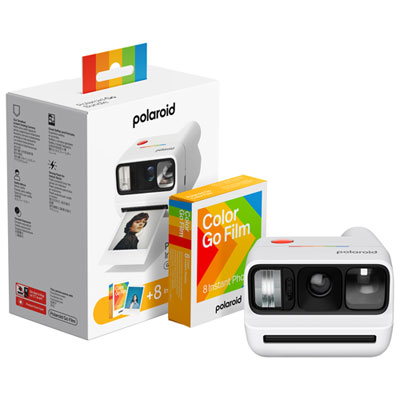 Your price for this item is $144.99
Discover more categories related to Instant Print Cameras for Kids
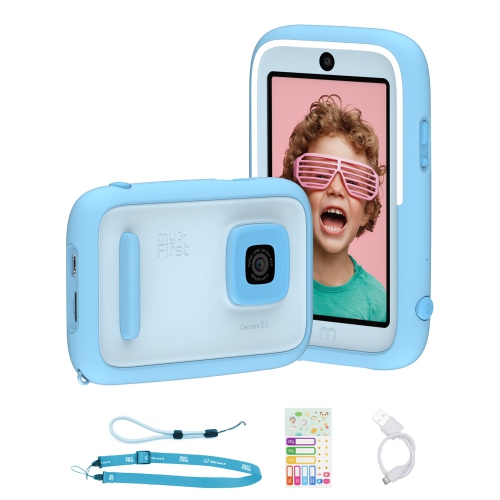
Top Collections:
Best Black Friday Deals This Year, Best Black Friday Deals On Electronics, Kindle Devices, Pokemon Centers, Best Black Friday Deals On Apple Products, Best Cameras for Sports Photography, Dyson Airwrap, Pokémon 30th Celebration Cards, Apple iPhone 17 Pro, Canon G7X Cameras
Some products may be subject to Environmental Handling Fees
(EHF) depending on your province.
Learn more about EHFs.