Amp Fuses
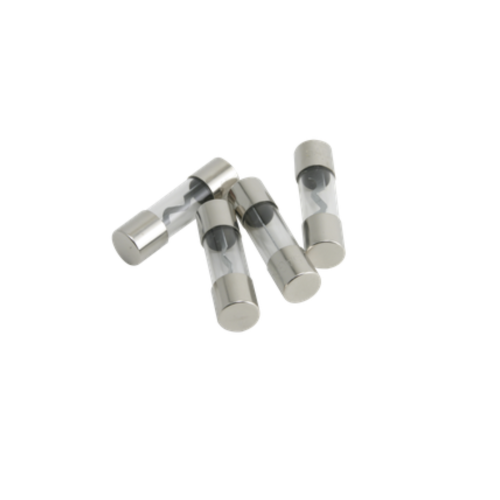
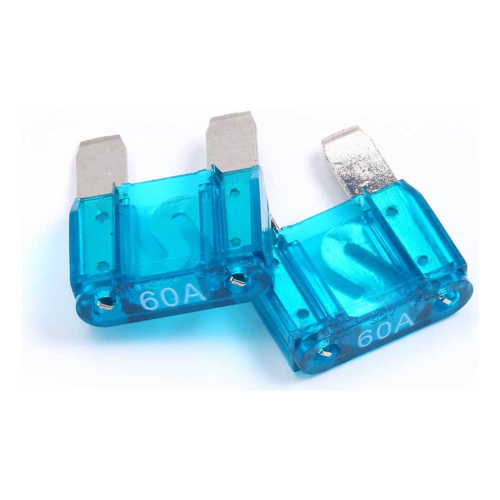
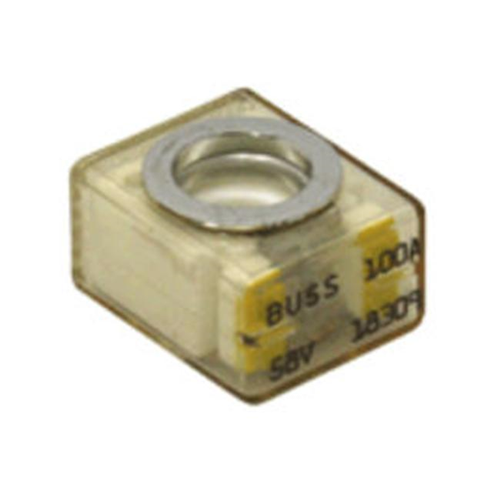
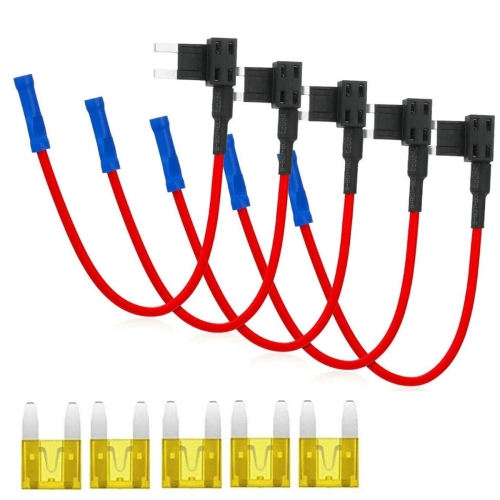
When it comes to protecting your electronic devices from power surges and short circuits, amp fuses are an essential component to have on hand. These small but mighty devices are designed to break the circuit when excess current flows through them, preventing damage to your valuable equipment. Whether you're a DIY enthusiast or a professional electrician, having a selection of amp fuses in various sizes and ratings is crucial for ensuring the safety and longevity of your electronics. Explore our range of amp fuses to find the perfect solution for your needs.
Sort
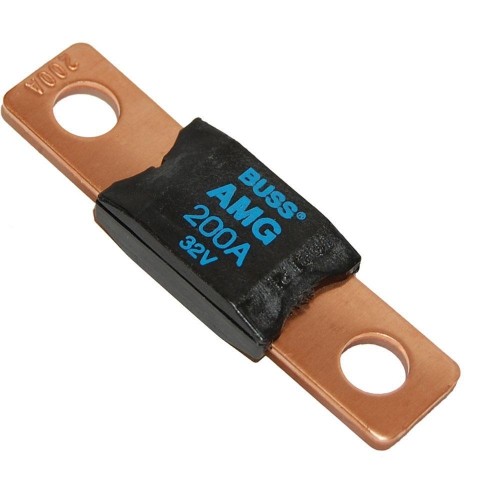
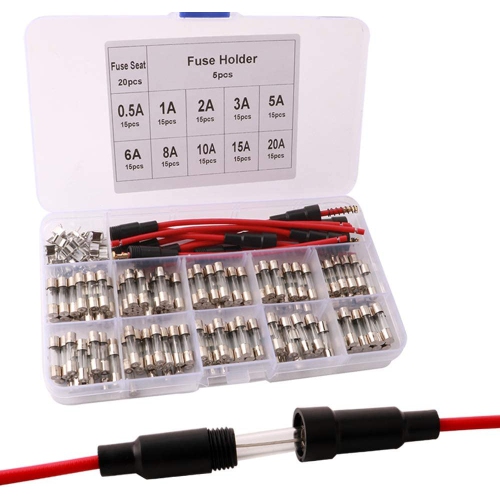

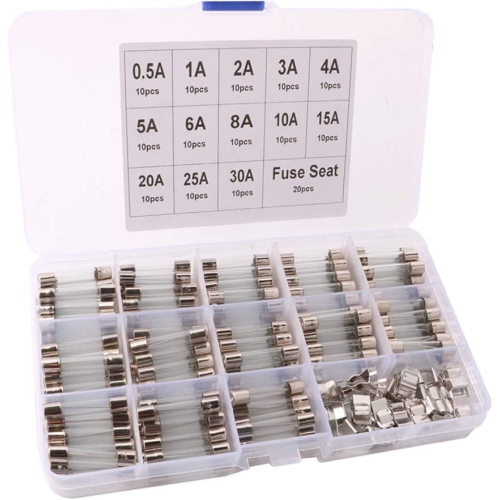
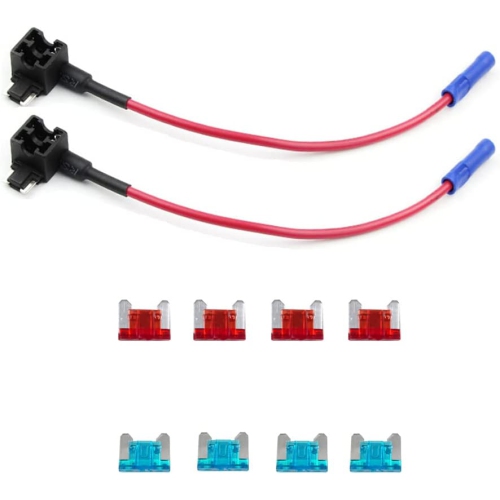
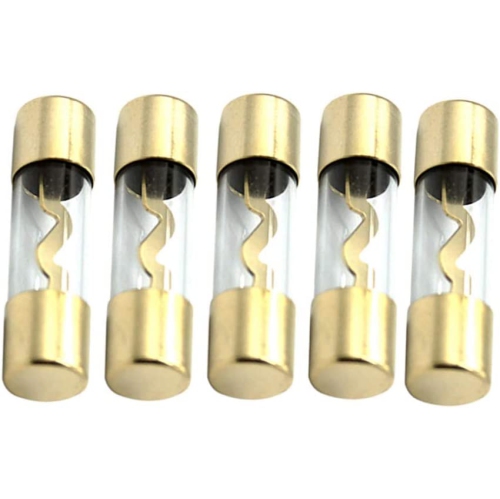

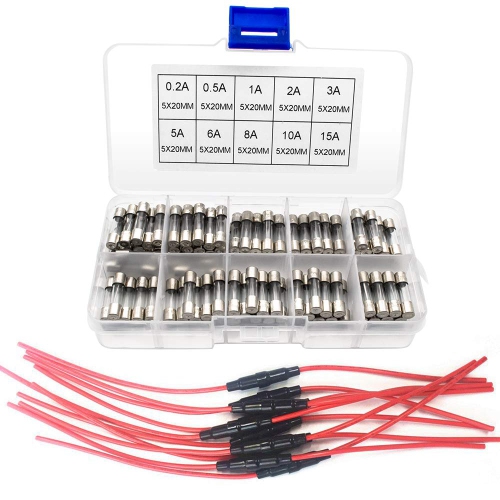
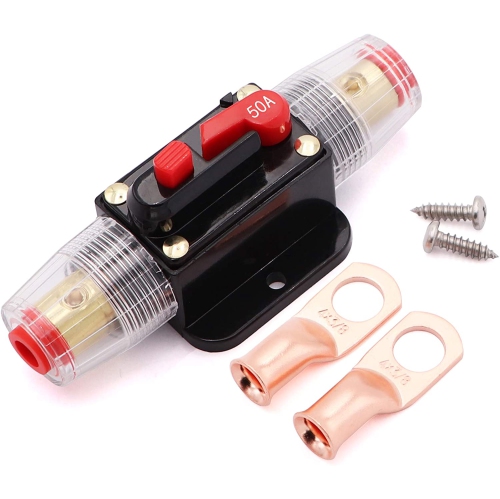
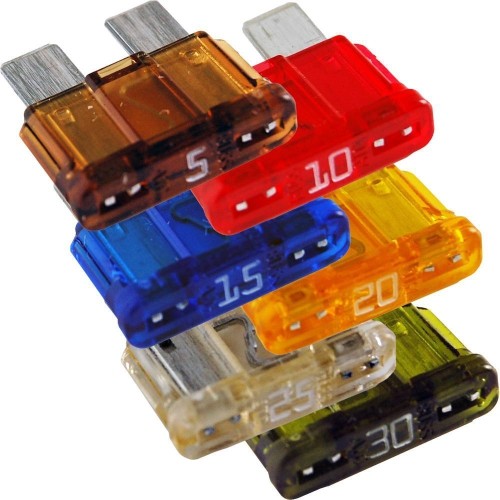




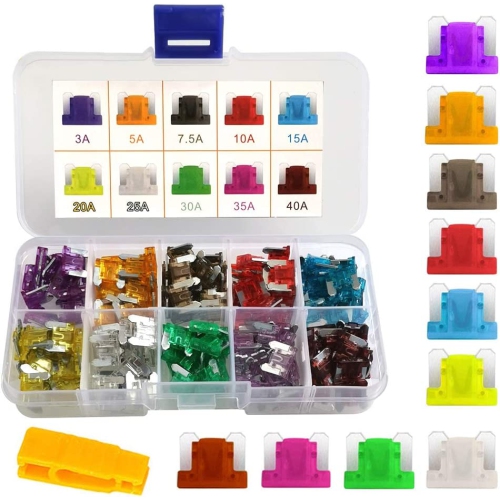
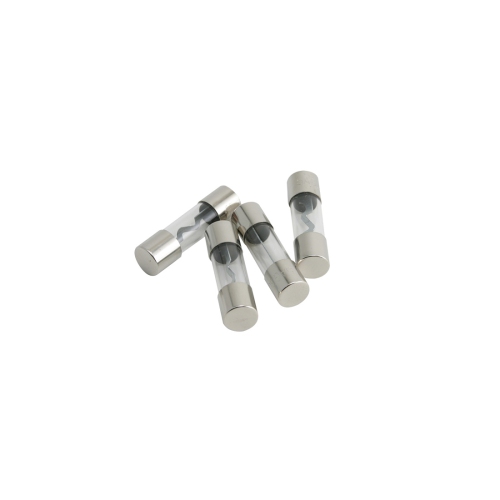
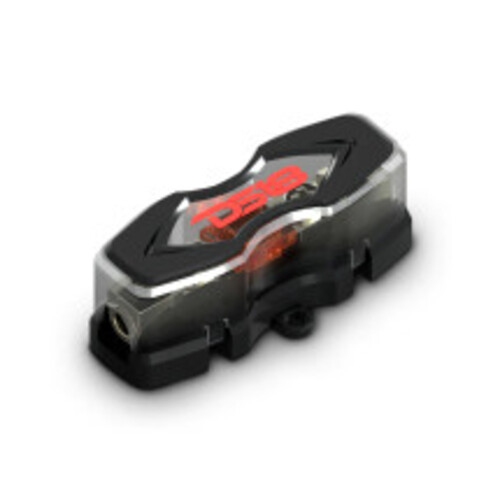
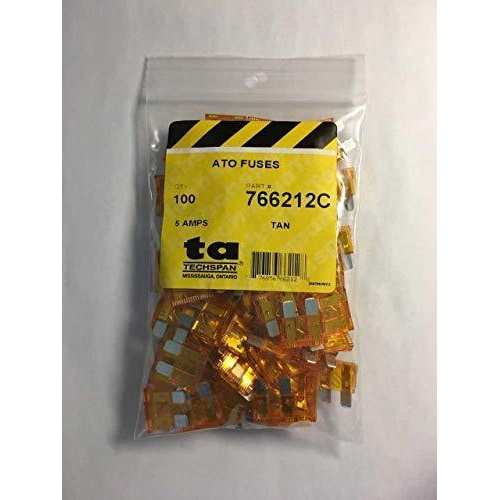
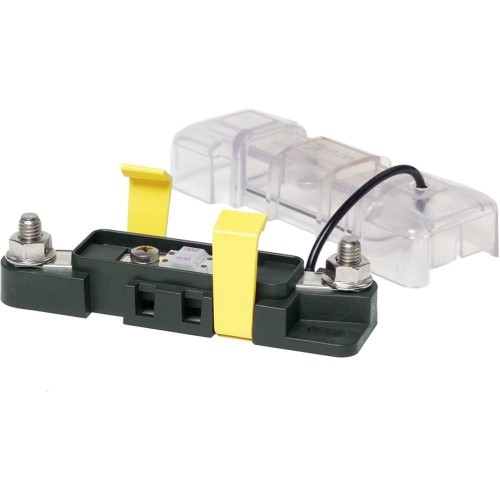
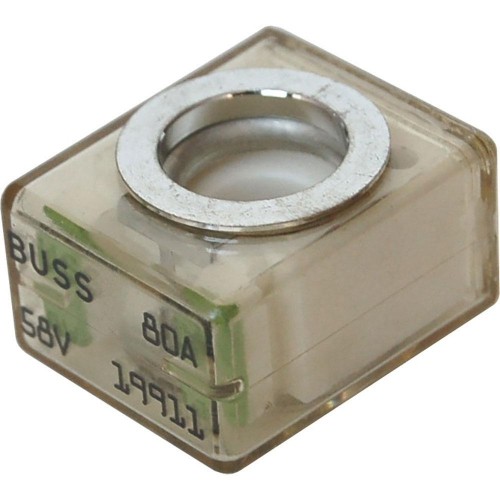
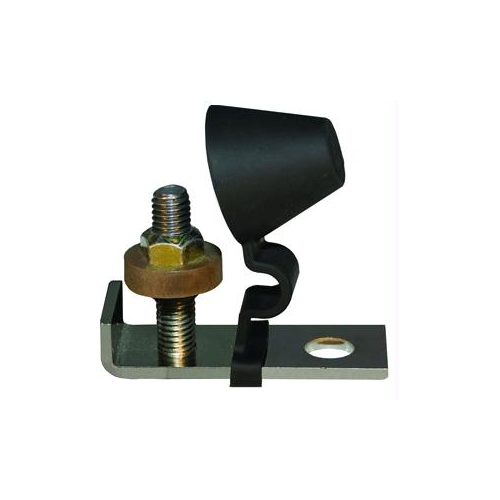
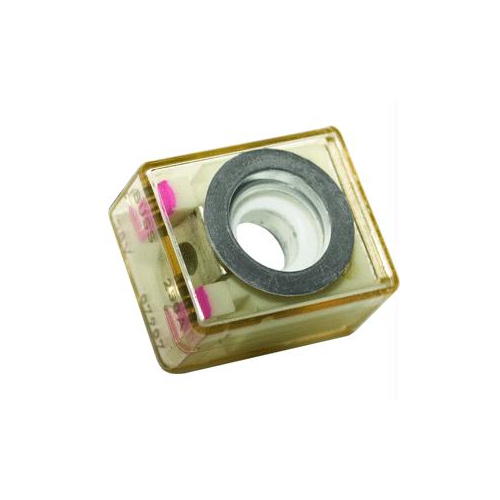
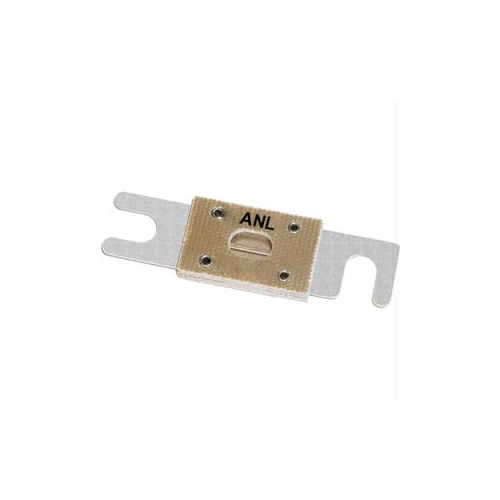
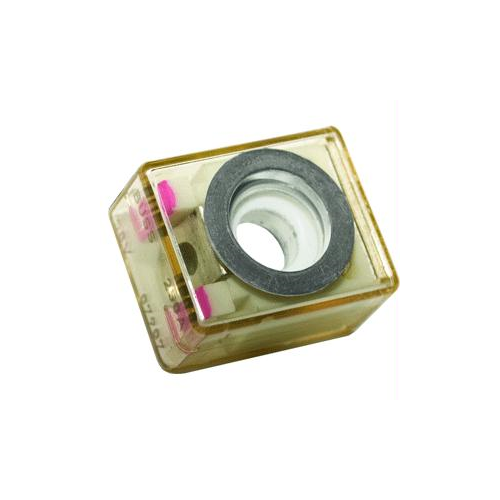
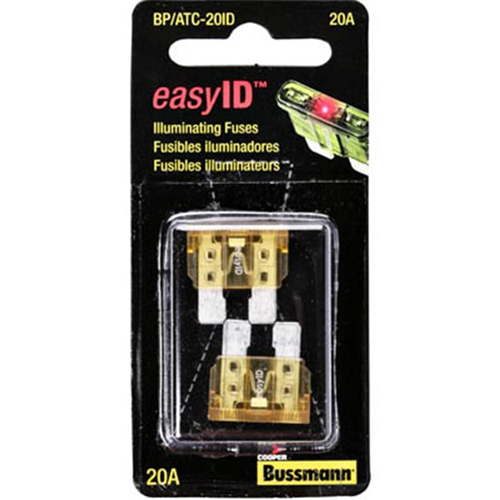
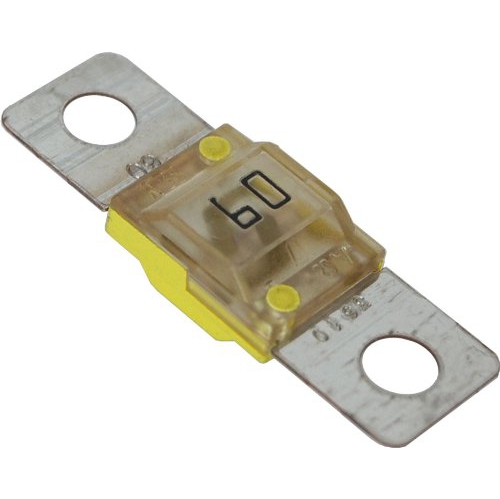
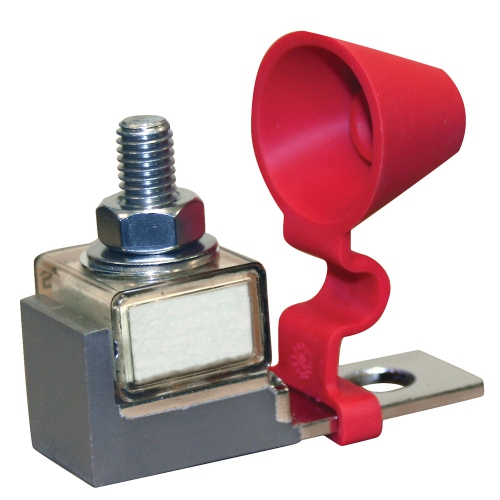
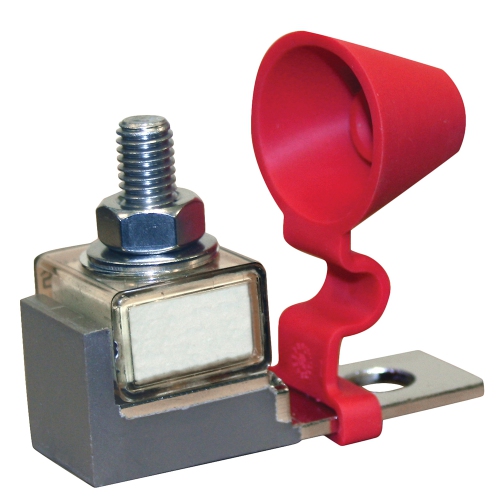



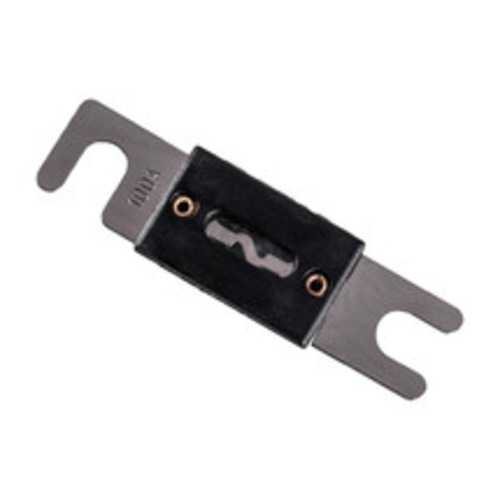
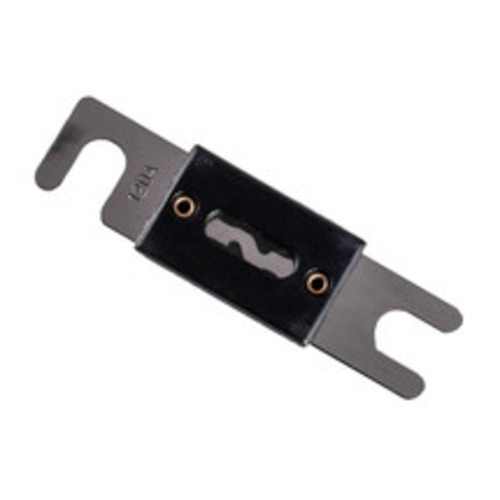
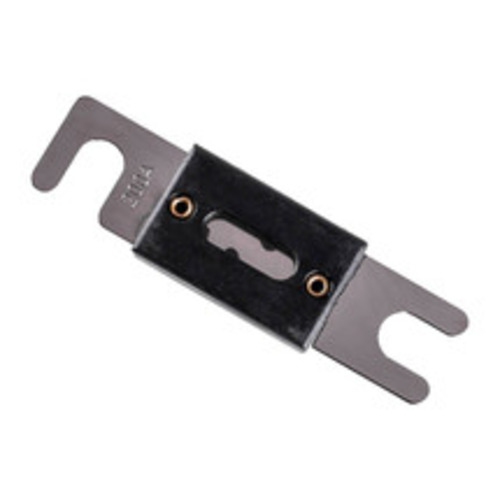

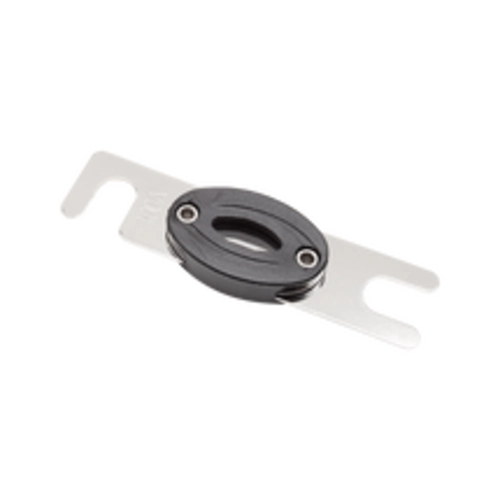
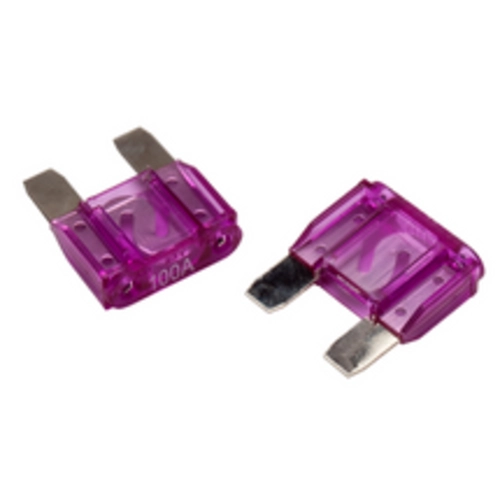
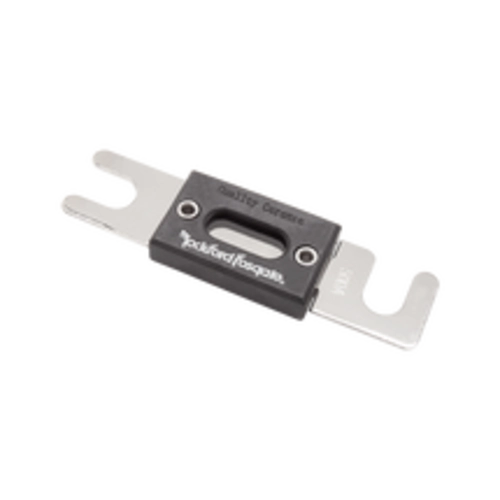
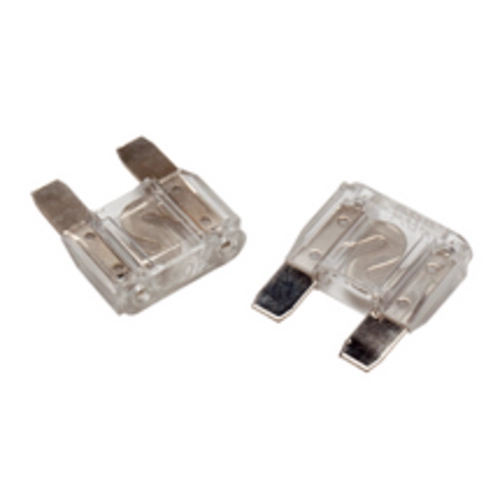
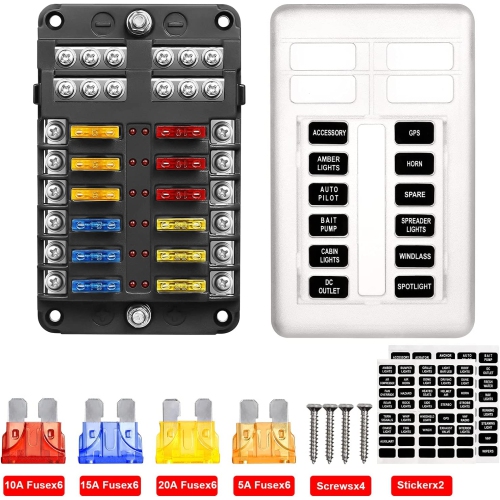
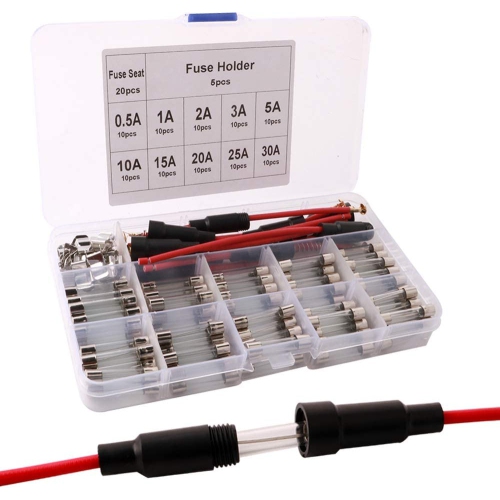
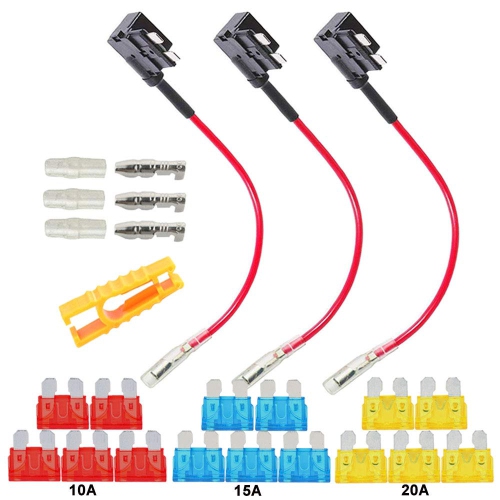
![DOLAER [Ul Listed] 220PC Assorted Standard Auto Car Truck Blade Fuses Set- 2A 3A 5A 7.5A 10A 15A 20A 25A 30A 35A-Atc/apr/ato+Atm Mini Automotive](https://multimedia.bbycastatic.ca/multimedia/products/500x500/164/16480/16480915.jpeg)
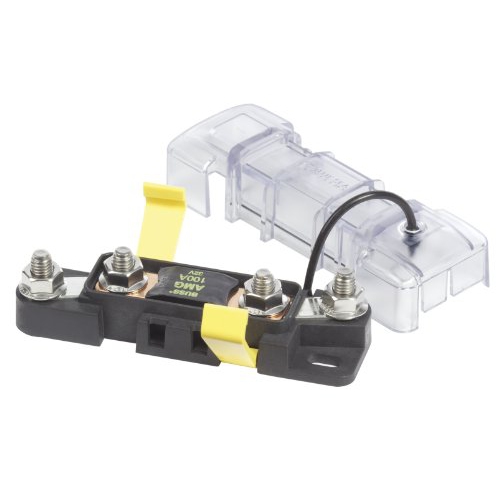

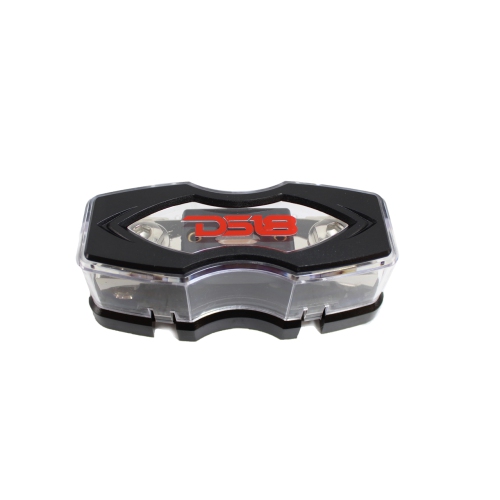
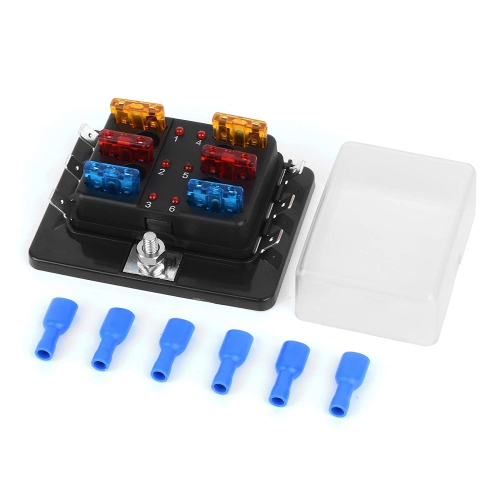

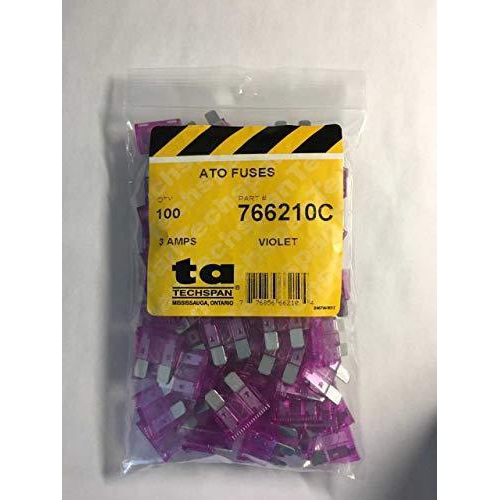
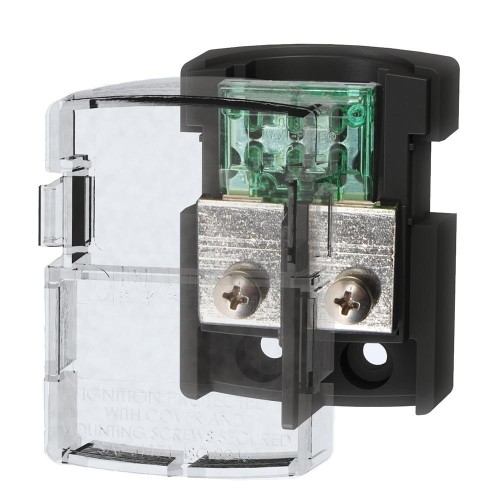
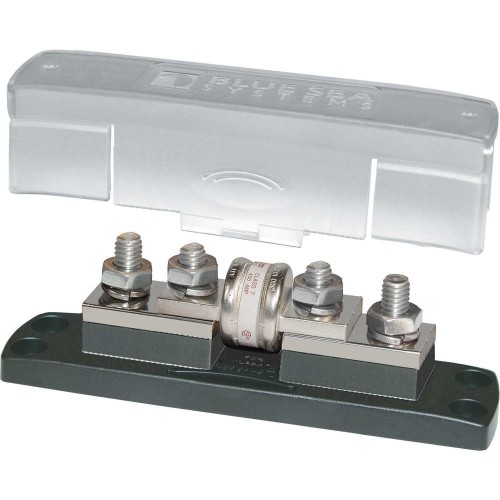
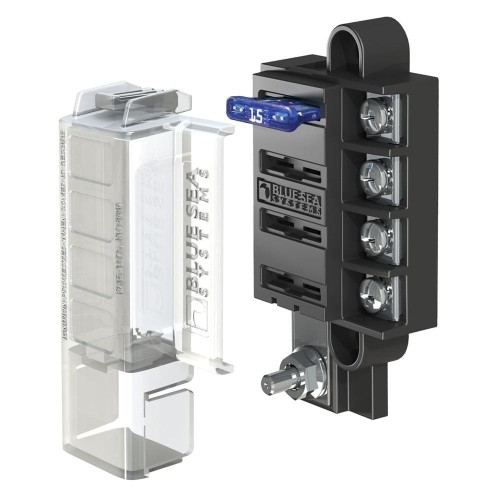
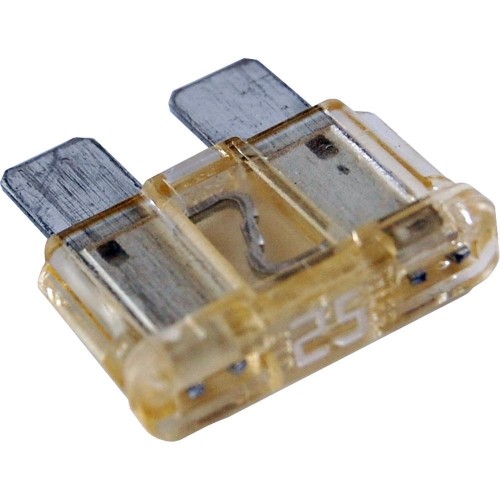
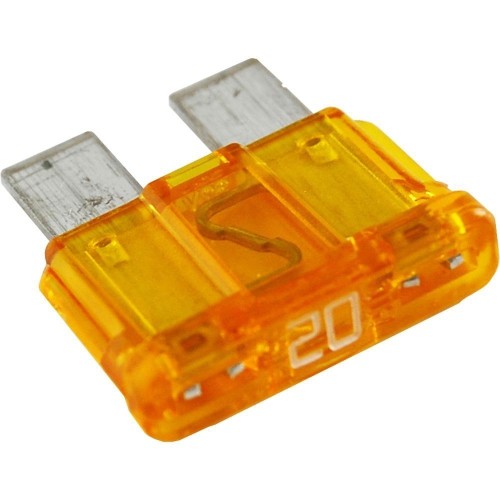
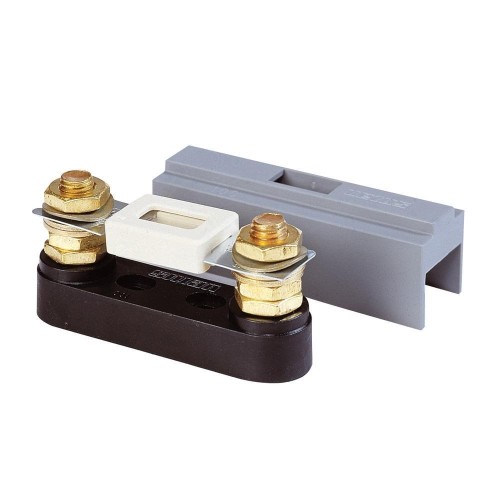
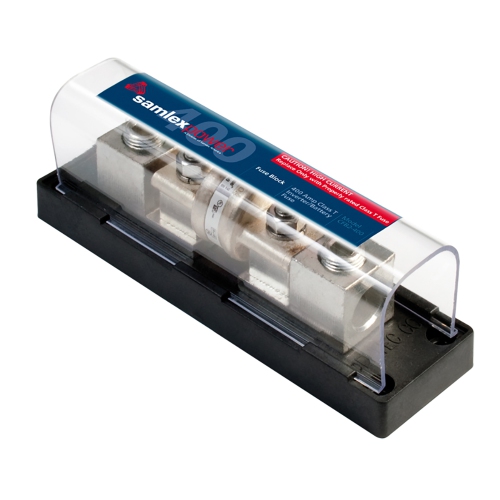
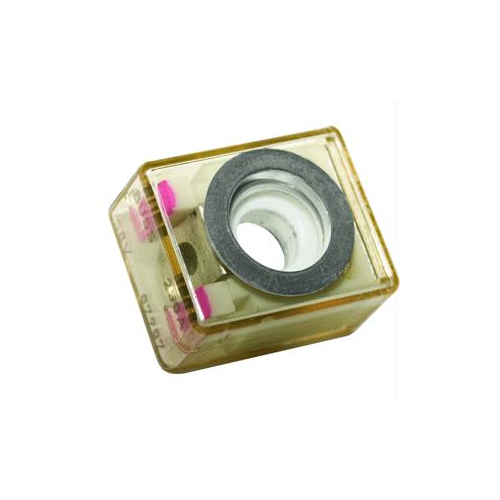
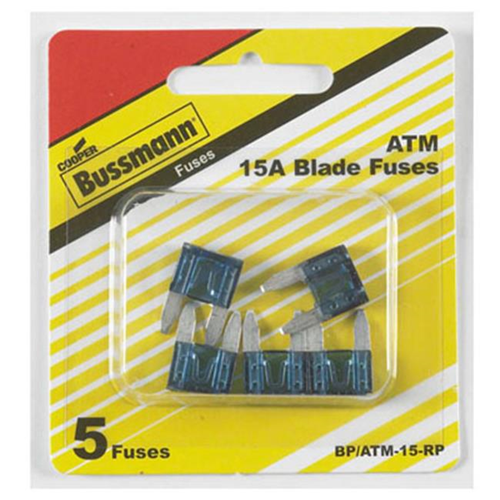
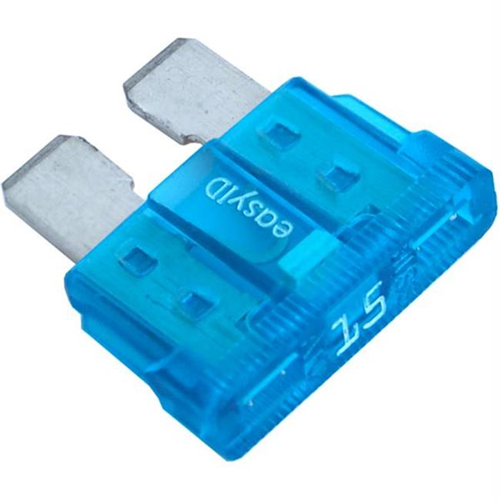
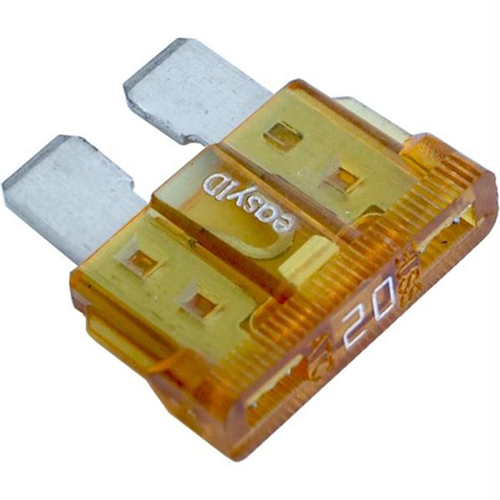
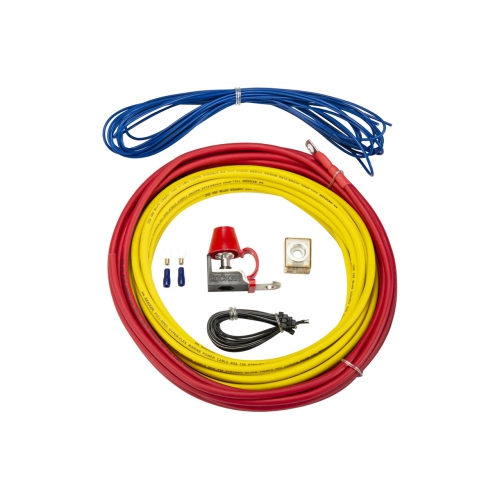
The right fuse helps protect your car audio wiring
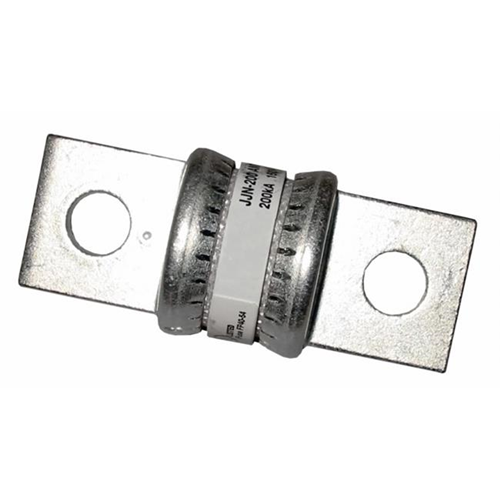
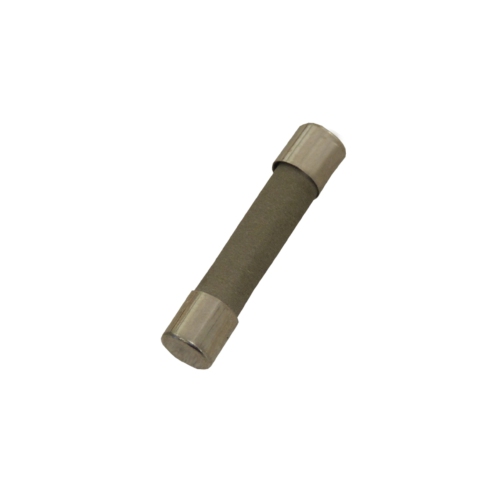
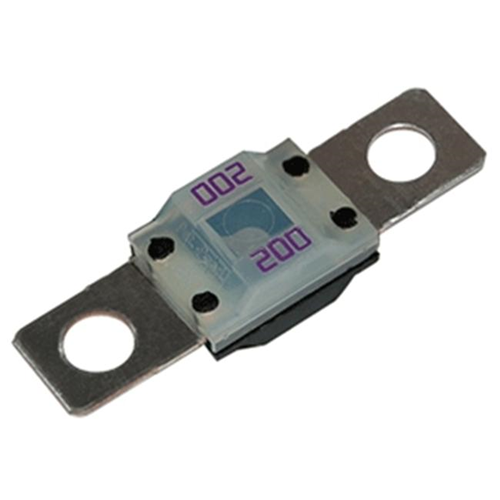
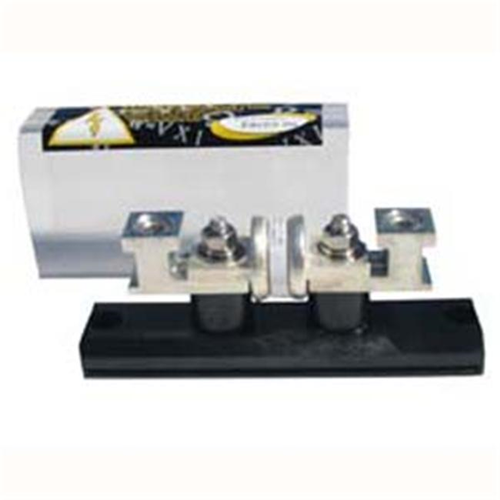
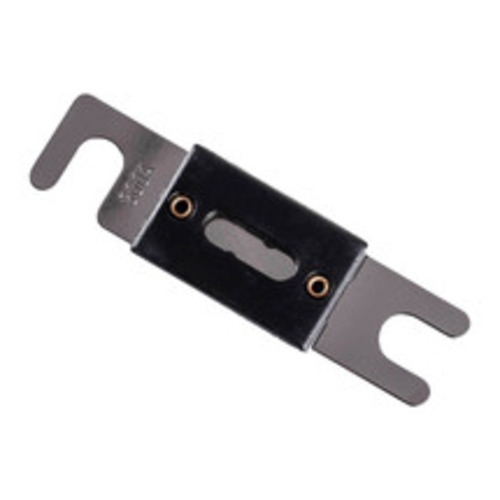
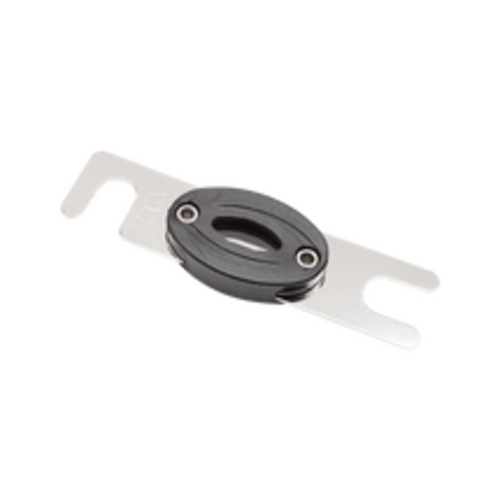
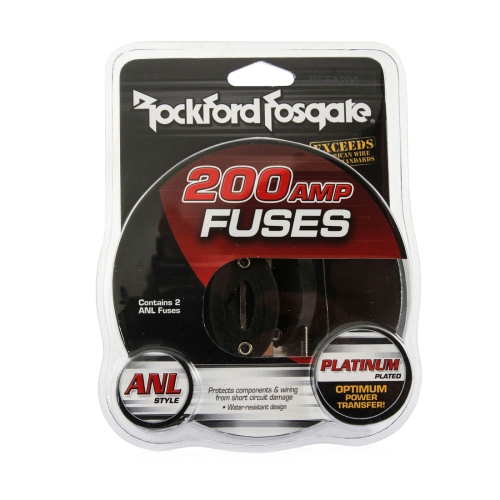
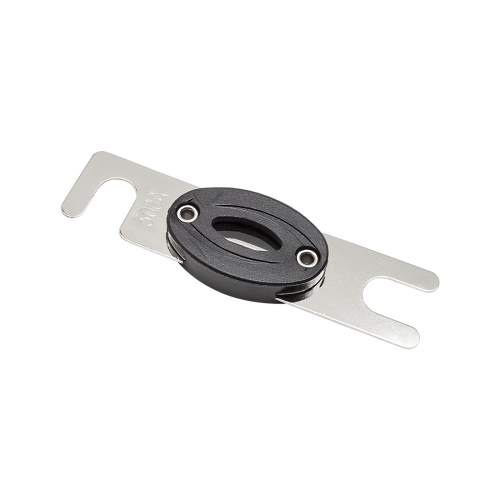
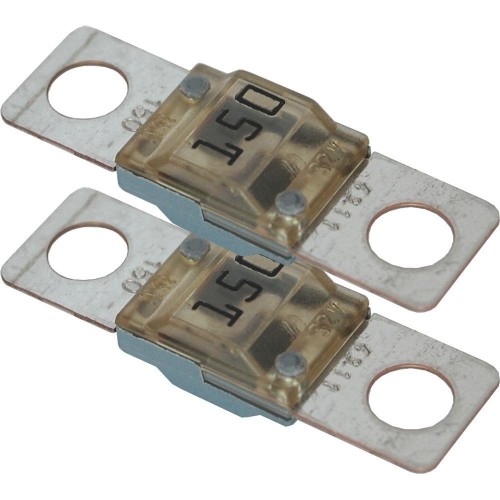
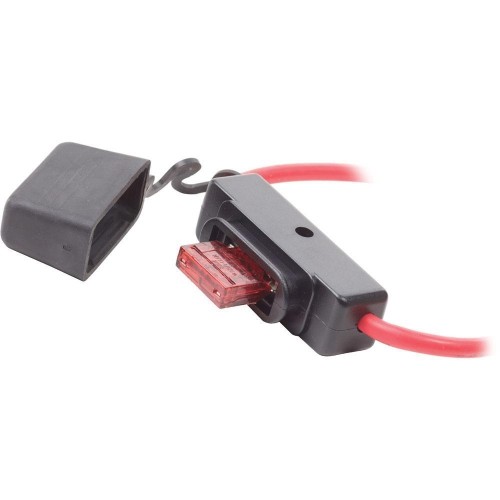
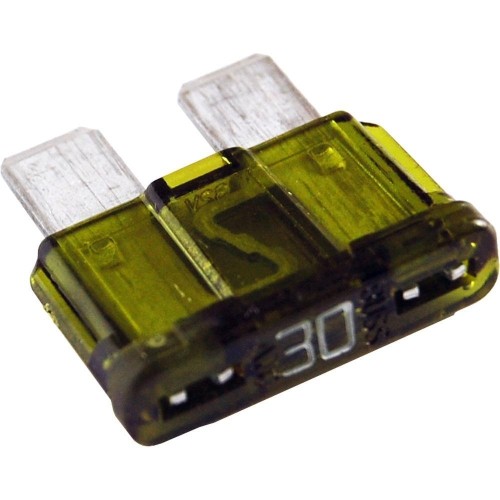
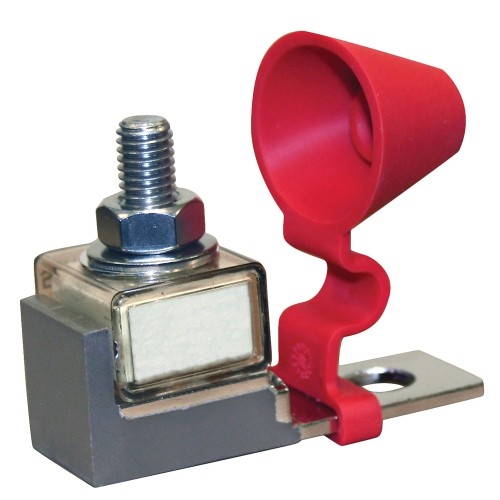
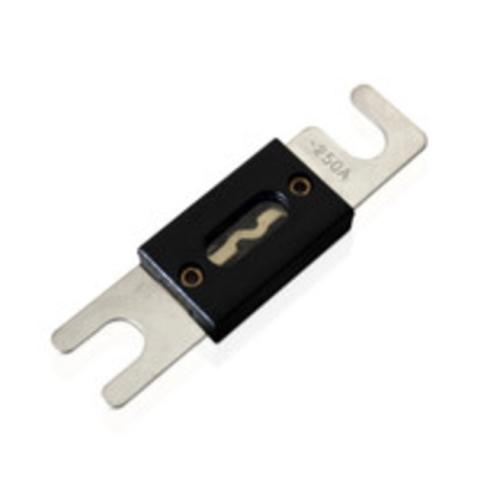
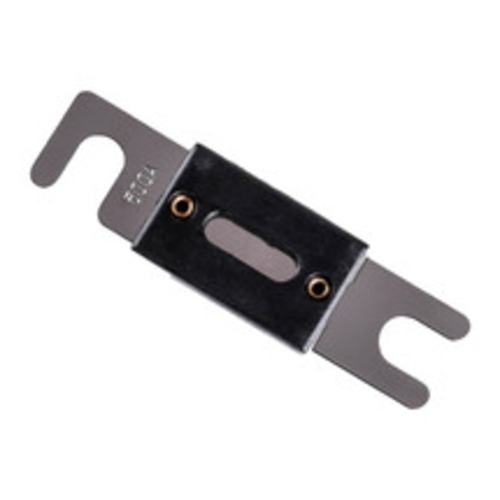
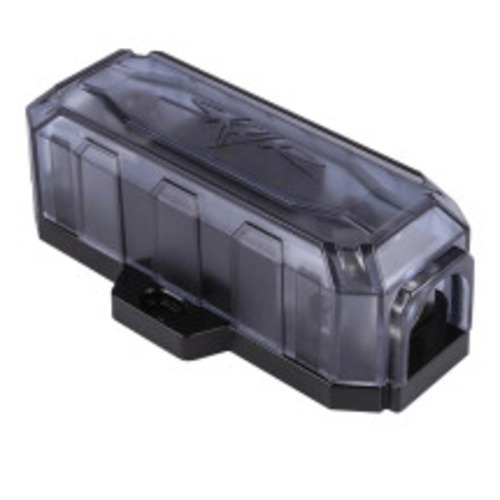
Amp fuses are an important part of a vehicle’s car audio and electrical installation. In an amplifier system, the main fuse is typically installed in the power wire between the vehicle battery and the amplifier, helping protect the wire if it becomes damaged, pinched, or shorted against the vehicle frame. A fuse is designed to open the circuit when current rises beyond its safe limit, reducing the risk of overheated wiring and electrical damage. This makes choosing the correct amp fuse an essential step for anyone installing, upgrading, or maintaining an in-car audio system. They can be useful for professional installers, experienced do-it-yourself enthusiasts, and vehicle owners replacing a blown fuse after troubleshooting an electrical issue. Before purchasing, check the amplifier manual, the existing fuse rating, and the total value of any fuses built into the amplifier. If the amplifier contains multiple fuses, adding their ratings together can help indicate the recommended main fuse size, although the manufacturer’s instructions should always take priority. The main battery fuse should generally be positioned within 18 inches of the battery so that as little unprotected power wire as possible runs through the vehicle. This is especially important when the battery is in the engine compartment and the power cable travels through the firewall, beneath carpeting, or along door sills to reach an amplifier in the cabin or cargo area. A tidy installation, secure connections, and suitable protection around the cable can make future inspection easier and help prevent accidental damage.
The fuse rating must suit both the amplifier’s current demand and the maximum safe capacity of the power wire. The wire gauge sets an upper limit that should not be exceeded simply to prevent nuisance fuse blows. As a general reference, 4-gauge power wire is commonly paired with a fuse no larger than 125 amps, while 1/2-gauge wire may support up to 200 amps and 1/0-gauge wire may support up to 325 amps, depending on the cable construction, installation length, insulation, and applicable recommendations. These figures are reference points rather than universal installation rules. Always confirm the gauge markings on the cable and compare them with the vehicle and amplifier manufacturer’s specifications. A fuse that is too small may open repeatedly during normal operation, particularly when music contains strong bass passages or the amplifier is working at a high output level. A fuse that is too large may fail to protect the power cable in a short-circuit situation. The correct style also matters: amp fuses are available in formats intended for different fuse holders and current ranges, so the replacement must physically fit the holder and make proper contact. Inspect the holder for heat damage, looseness, corrosion, or melted plastic before installing a new fuse. If a replacement blows immediately, avoid fitting a higher-rated fuse or repeatedly replacing it without investigating. A persistent failure may point to a damaged cable, an incorrect connection, a failing amplifier, or another electrical fault that requires professional attention. Disconnecting power before handling the installation and following the vehicle’s service information can help make the work safer. For other automotive electrical protection needs, browse Replacement Fuses to compare compatible options.
Choosing amp fuses is also easier when the whole installation is considered rather than the amplifier alone. Note the amplifier’s rated power, impedance, efficiency, built-in fuse arrangement, and the length of the battery cable. A compact system in a daily commuter may have different requirements from a high-output setup in a vehicle used for weekend trips, road travel, or outdoor gatherings. People who regularly adjust their audio equipment may want a few correctly rated spare fuses stored in the vehicle, along with the appropriate fuse puller and a basic record of the installation details. Keeping spares in their original packaging helps identify the rating when several similar-looking fuses are in the glove compartment, although they should be stored away from excessive heat and moisture. Amp fuses can also be a practical addition to a car audio installation kit for someone setting up a new vehicle sound system, helping them complete the wiring with the right protection from the start. When replacing a fuse, switch off the system, remove the ignition key, and follow the amplifier and fuse-holder instructions. Match the amperage and fuse type exactly unless a qualified installer or the manufacturer specifies otherwise. After installation, check that the cable is firmly secured, the terminals are tight, and the fuse holder is accessible for inspection. During warmer driving conditions, high cabin temperatures and heavy system use can make sound wiring practices particularly important; during cooler months, moisture, road debris, and vibration can still affect connections. A properly selected amp fuse will not improve sound quality on its own, but it supports a dependable installation by helping protect the power cable and connected equipment when an electrical problem occurs.
The fuse rating must suit both the amplifier’s current demand and the maximum safe capacity of the power wire. The wire gauge sets an upper limit that should not be exceeded simply to prevent nuisance fuse blows. As a general reference, 4-gauge power wire is commonly paired with a fuse no larger than 125 amps, while 1/2-gauge wire may support up to 200 amps and 1/0-gauge wire may support up to 325 amps, depending on the cable construction, installation length, insulation, and applicable recommendations. These figures are reference points rather than universal installation rules. Always confirm the gauge markings on the cable and compare them with the vehicle and amplifier manufacturer’s specifications. A fuse that is too small may open repeatedly during normal operation, particularly when music contains strong bass passages or the amplifier is working at a high output level. A fuse that is too large may fail to protect the power cable in a short-circuit situation. The correct style also matters: amp fuses are available in formats intended for different fuse holders and current ranges, so the replacement must physically fit the holder and make proper contact. Inspect the holder for heat damage, looseness, corrosion, or melted plastic before installing a new fuse. If a replacement blows immediately, avoid fitting a higher-rated fuse or repeatedly replacing it without investigating. A persistent failure may point to a damaged cable, an incorrect connection, a failing amplifier, or another electrical fault that requires professional attention. Disconnecting power before handling the installation and following the vehicle’s service information can help make the work safer. For other automotive electrical protection needs, browse Replacement Fuses to compare compatible options.
Choosing amp fuses is also easier when the whole installation is considered rather than the amplifier alone. Note the amplifier’s rated power, impedance, efficiency, built-in fuse arrangement, and the length of the battery cable. A compact system in a daily commuter may have different requirements from a high-output setup in a vehicle used for weekend trips, road travel, or outdoor gatherings. People who regularly adjust their audio equipment may want a few correctly rated spare fuses stored in the vehicle, along with the appropriate fuse puller and a basic record of the installation details. Keeping spares in their original packaging helps identify the rating when several similar-looking fuses are in the glove compartment, although they should be stored away from excessive heat and moisture. Amp fuses can also be a practical addition to a car audio installation kit for someone setting up a new vehicle sound system, helping them complete the wiring with the right protection from the start. When replacing a fuse, switch off the system, remove the ignition key, and follow the amplifier and fuse-holder instructions. Match the amperage and fuse type exactly unless a qualified installer or the manufacturer specifies otherwise. After installation, check that the cable is firmly secured, the terminals are tight, and the fuse holder is accessible for inspection. During warmer driving conditions, high cabin temperatures and heavy system use can make sound wiring practices particularly important; during cooler months, moisture, road debris, and vibration can still affect connections. A properly selected amp fuse will not improve sound quality on its own, but it supports a dependable installation by helping protect the power cable and connected equipment when an electrical problem occurs.
Top selling and popular products
-
 Your price for this item is $49.98
 -
 Your price for this item is $59.9
 -
 Your price for this item is $27.3
 -
 Your price for this item is $872.99
 -
 Your price for this item is $145.99
 -
 Your price for this item is $124.99
 -
 Your price for this item is $508.99
 -
 Your price for this item is $799.99
Discover more categories related to Amp Fuses

Top Collections:
Pokemon Centers, Kindle Devices, Apple iPhones 16, Canon G7X Cameras, iPhone 15 Apple, Alarm Clock, Flip Phones, Refurbished Apple Laptops, iPhone 14 256GB, Lightweight On-Ear USB-C Headphones
Some products may be subject to Environmental Handling Fees
(EHF) depending on your province.
Learn more about EHFs.