Audio Processors
Unlock the full potential of your audio experience with our diverse selection of audio processors. Whether you're a professional sound engineer or an enthusiastic audiophile, these devices are designed to enhance and refine your sound quality, delivering crisp, clear audio across all your favorite media. Explore options that cater to various needs, from home entertainment systems to professional studio setups. With advanced technology and innovative features, our range of audio processors ensures you achieve the perfect sound balance for any setting. Discover how these powerful tools can transform your auditory experience into something truly extraordinary.
Sort
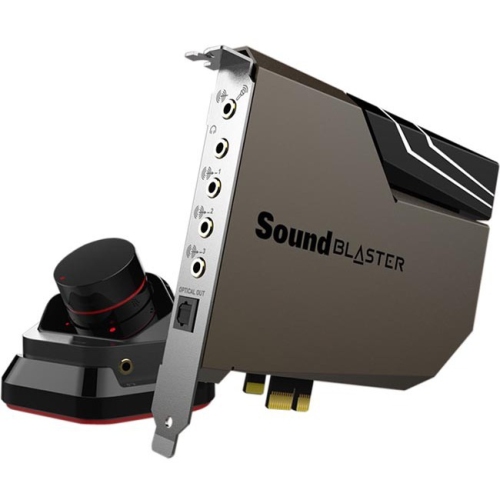
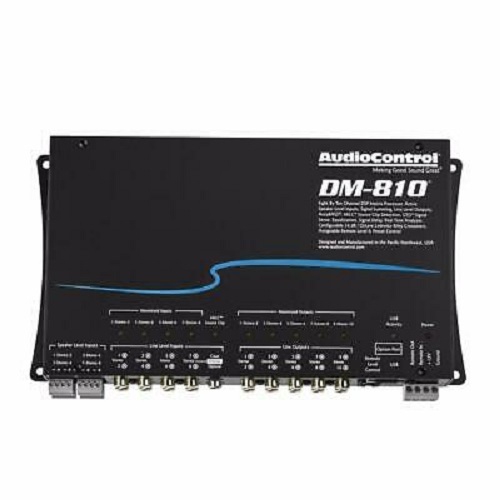
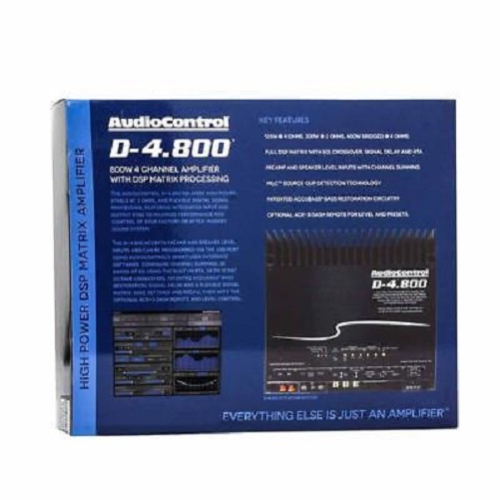
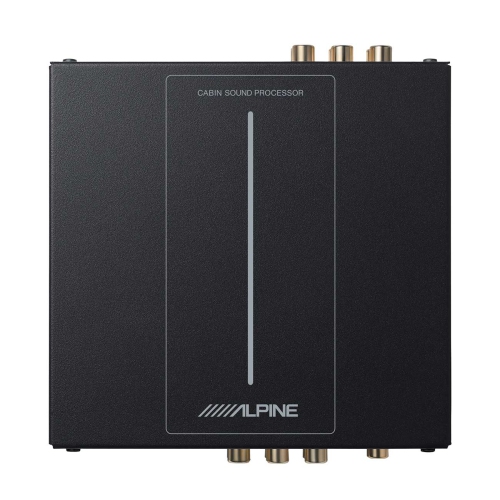
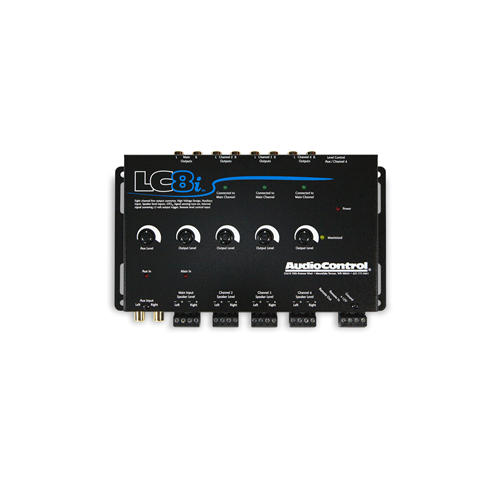
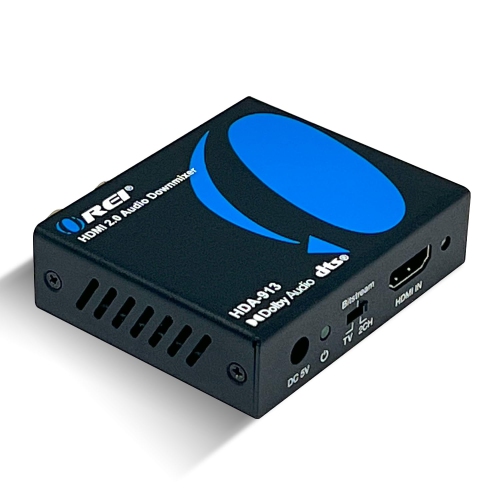
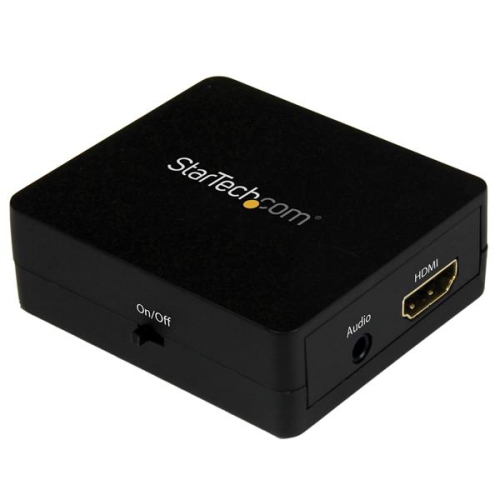
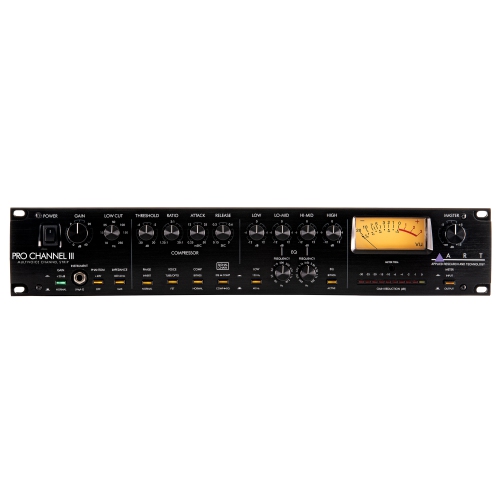
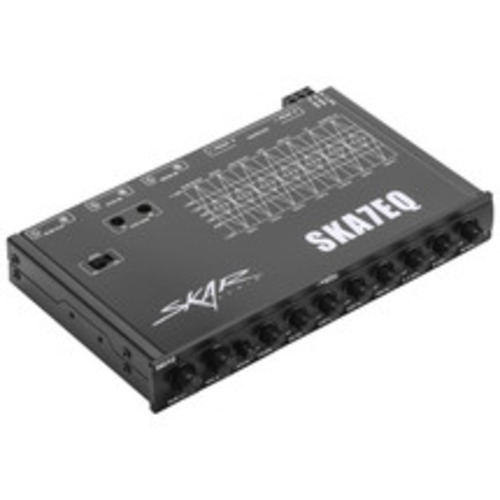
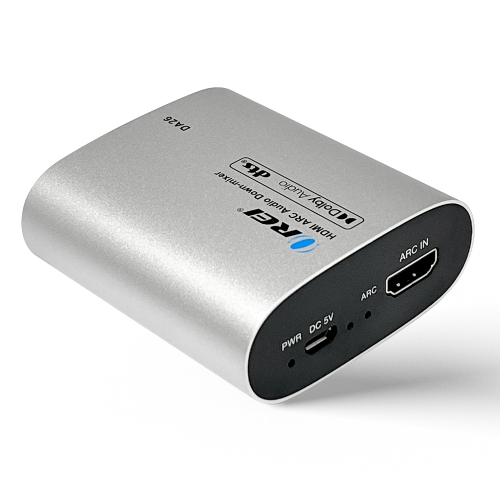
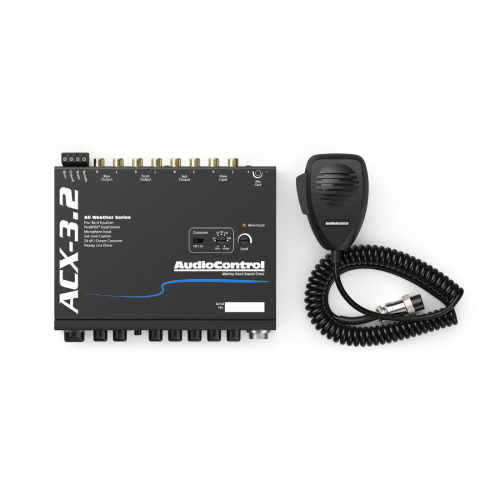
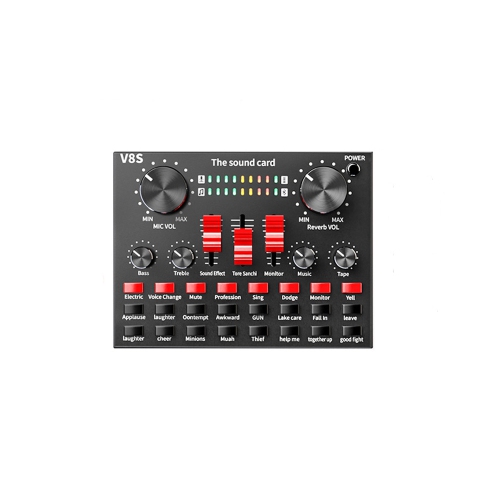



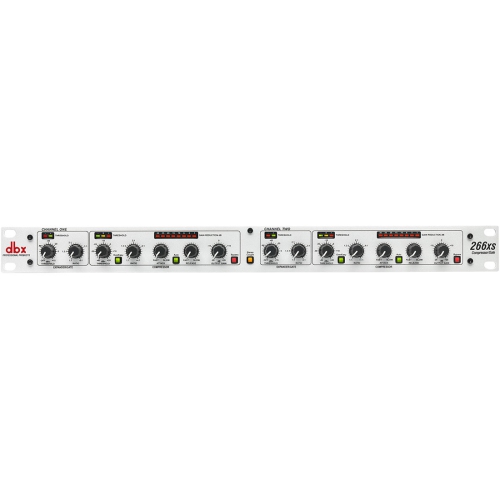
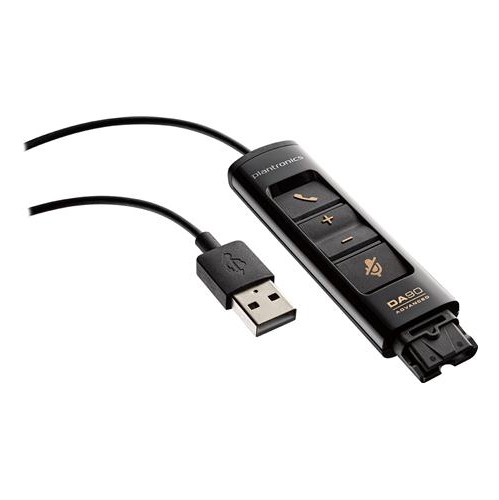
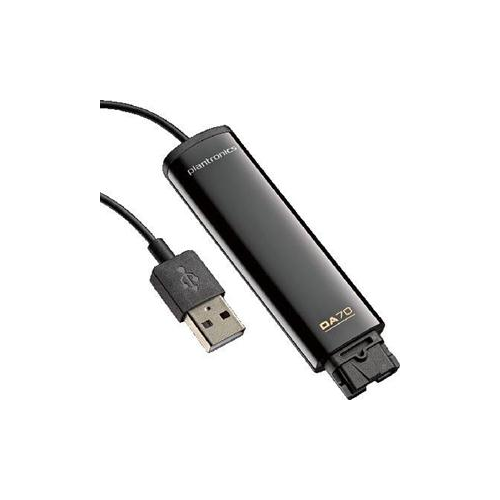
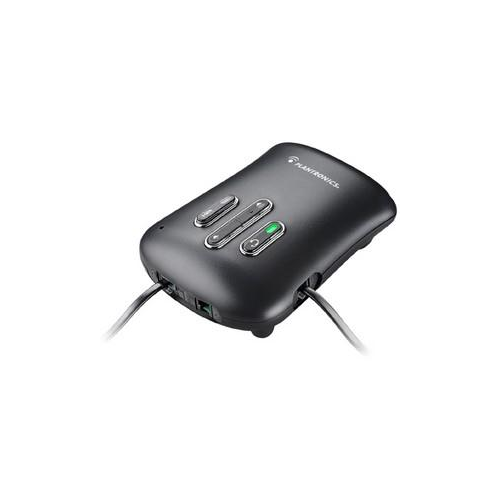
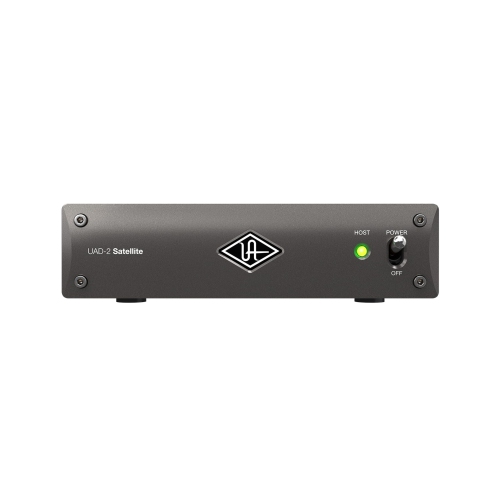
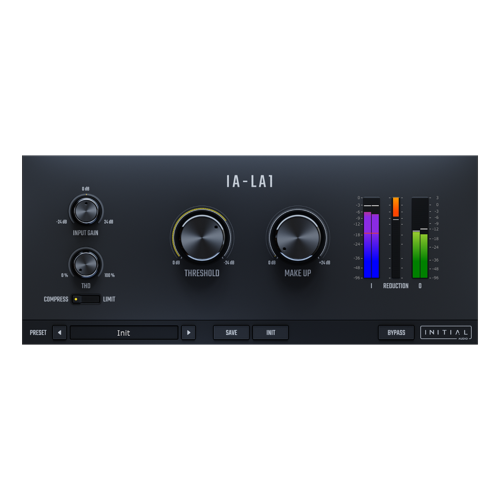
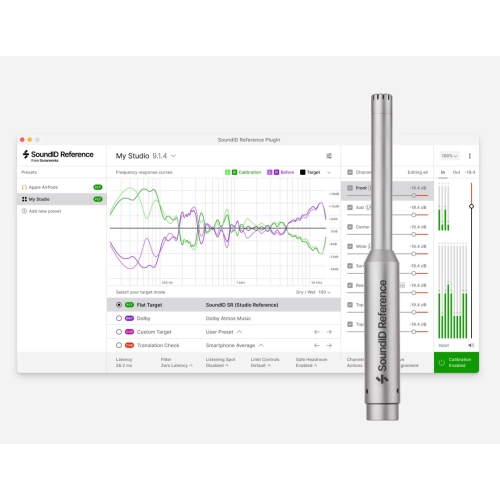
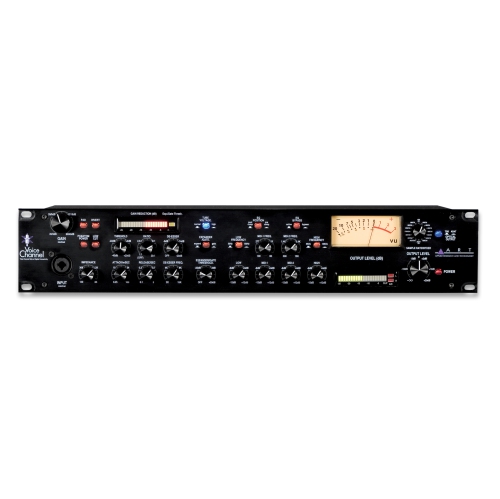
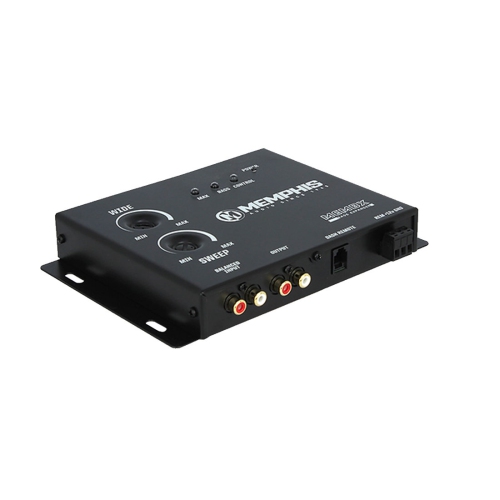
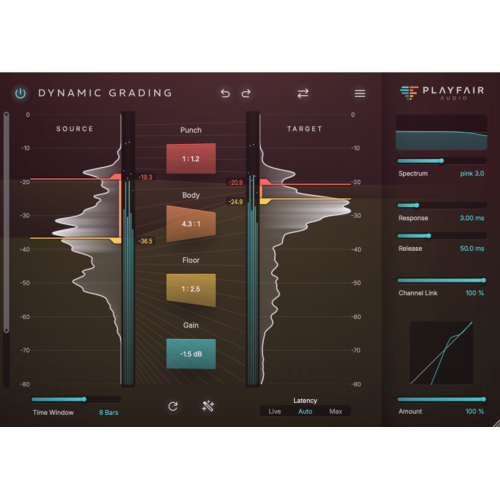
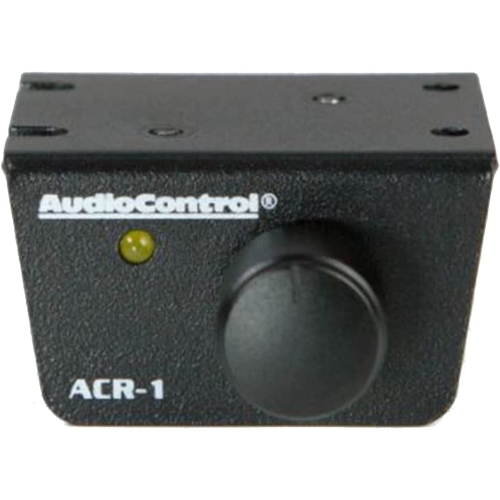
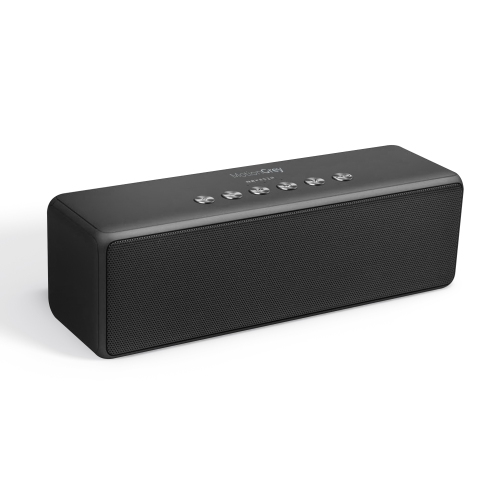
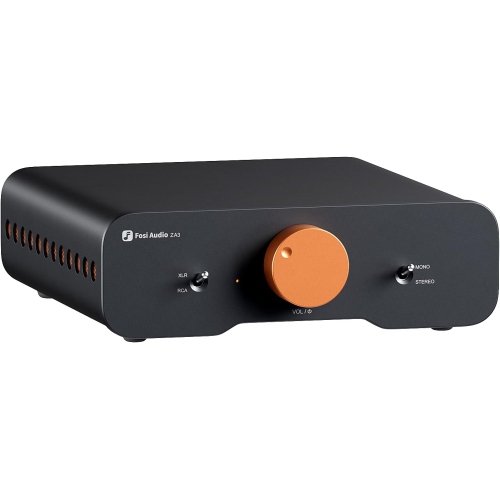
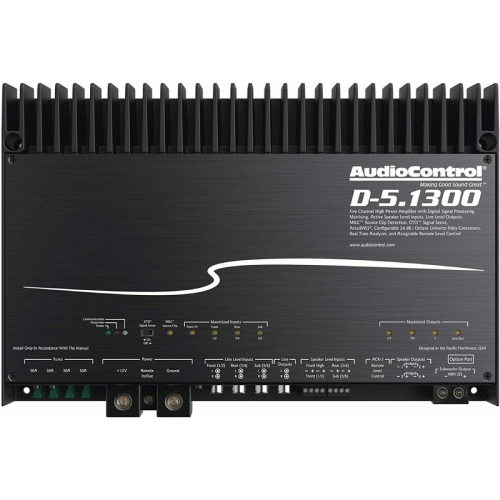
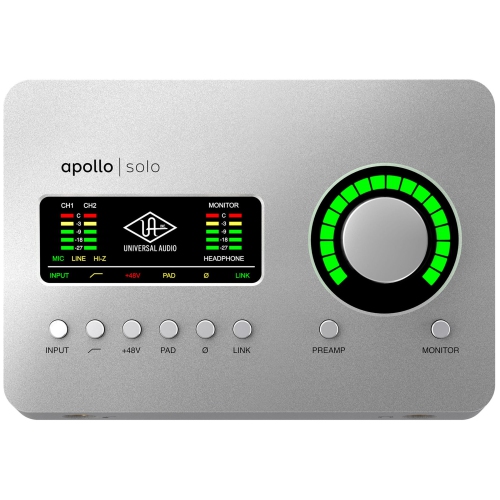
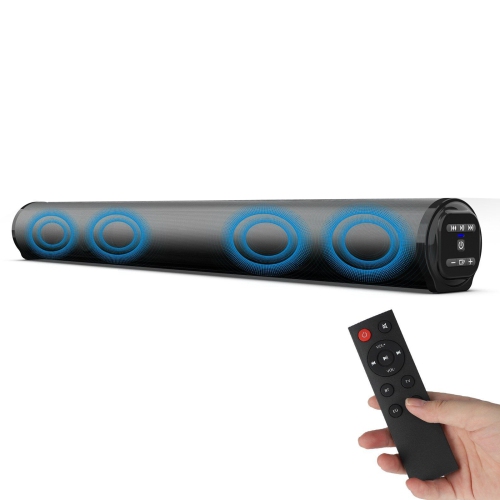
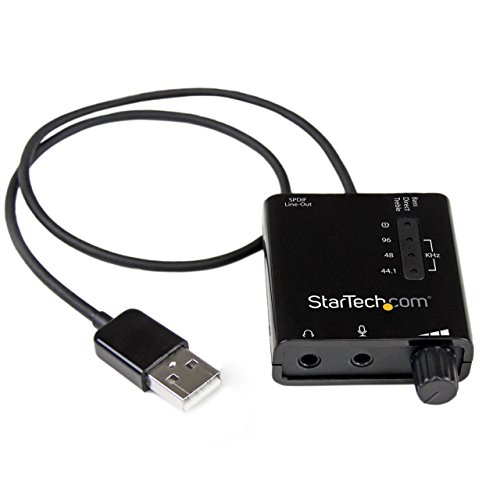
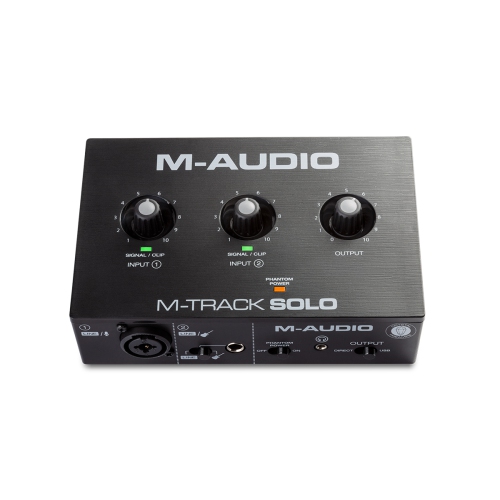
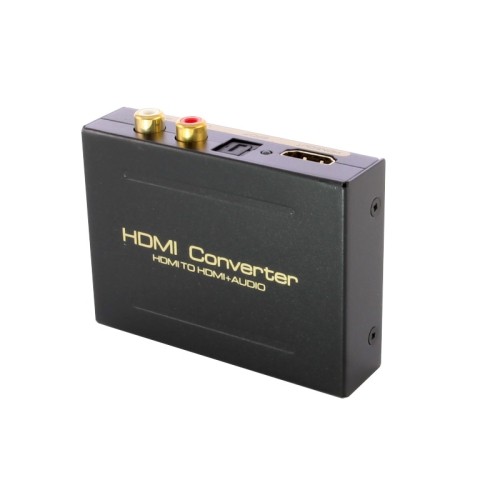
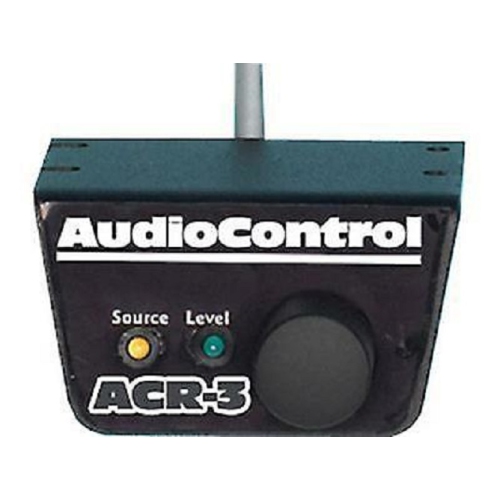
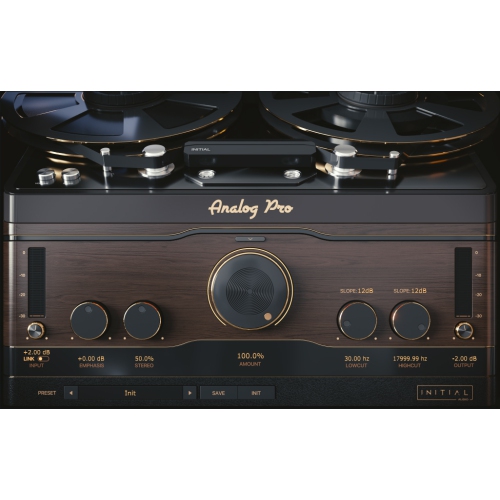
More control over tone and volume in your setup
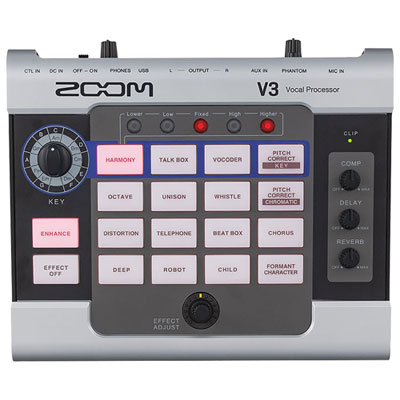
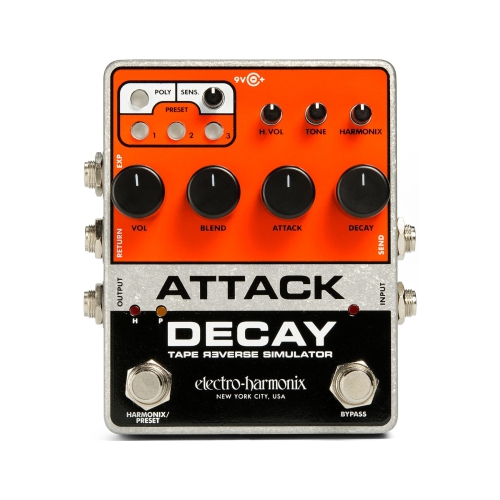
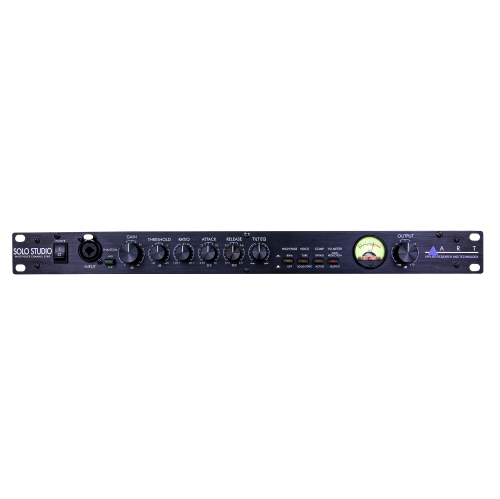
Audio processors shape an audio signal to suit the recording, playback system, or space where it will be heard. They can adjust tonal balance, manage volume peaks, add effects, divide sound between speaker drivers, or direct signals to different outputs. A hardware audio processor may sit between a mixer and an amplifier, connect to a recording interface, or become part of a vehicle’s sound system, depending on its design. Digital signal processing, often shortened to DSP, performs these adjustments through calculations, while analogue processors use electronic circuits to alter the signal. Neither approach replaces the need for suitable speakers, careful placement, and a clean source, but both can provide useful control over how a system sounds. Equalization, or EQ, adjusts selected frequency ranges: reducing a muddy low-mid range can help speech become clearer, while a gentle high-frequency adjustment can change the sense of detail in a recording. Compression reduces dynamic range by turning down signals that exceed a chosen threshold; output gain can then raise the overall level when needed. This can make a spoken-word recording more even or keep a bass guitar from jumping out of a mix. A limiter provides firmer control over peaks, although its settings must suit the equipment and material it is handling. Gates and expanders can reduce unwanted sound between phrases, while reverb and delay add a sense of space or distinct repeats. These functions serve different purposes, so an audio processor for a podcast desk may have little in common with one designed to manage a multi-speaker venue. Musicians, recording enthusiasts, content creators, sound technicians, and home audio listeners may all use audio processing, but the useful features depend on the job. For a presenter moving between quiet explanations and enthusiastic announcements, predictable level control may matter most. For a small performance space, clear vocals and well-balanced speaker coverage may be the priority. The strongest match is a processor that addresses a specific need without adding unnecessary complexity to everyday listening or operation.
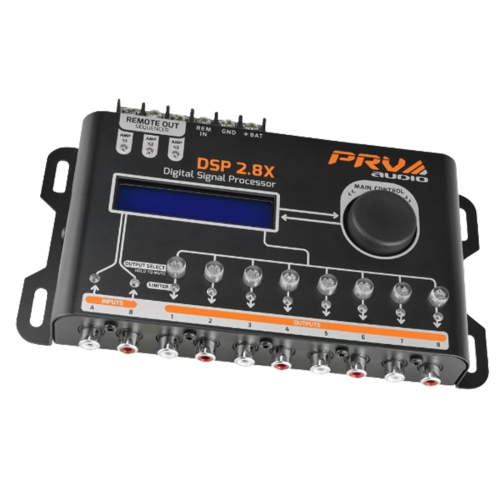
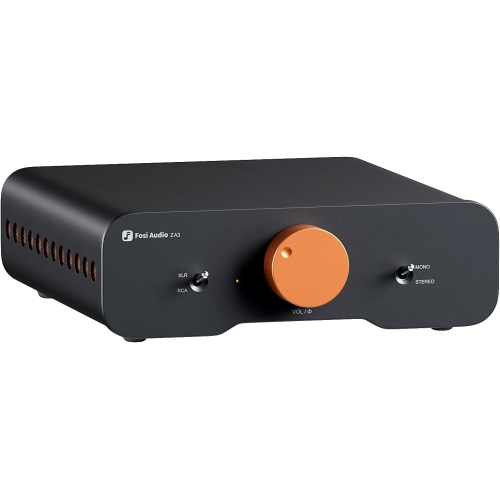
Connections and signal compatibility determine how well an audio processor fits into an existing setup. Analogue inputs and outputs may use XLR, quarter-inch, or RCA connectors, but connector shape alone does not confirm that two devices are compatible. Microphone, instrument, and line-level signals have different requirements, and balanced connections are particularly useful for limiting interference across longer cable runs. Digital connections also need matching formats and supported sample rates. A USB port may carry audio, provide access to control software, or serve only for updates, so its purpose matters as much as its presence. Input and output counts should reflect the full signal path: a stereo listening system, a recording chain for one microphone, and a speaker system with separate subwoofer feeds need different routing capabilities. Speaker management processors commonly combine EQ, crossover filters, delay, and limiting. Crossovers divide the frequency range so that each connected speaker section receives an appropriate band, while delay can help align sound arriving from speakers at different distances. These adjustments require suitable settings for the speakers and amplifiers involved; a processor is not a substitute for a power amplifier and does not usually drive passive speakers directly. Vehicle audio processors bring similar tuning tools to the cabin, where seating positions and speaker locations are rarely symmetrical. Integration may require compatible high-level inputs, suitable output channels, and installation knowledge, particularly when retaining a factory source unit. Home theatre processors have another role, handling supported surround formats and routing channels to external amplification. For recording and performance, latency also deserves attention. A delay that goes unnoticed during playback can distract a singer monitoring their own voice or a musician playing through effects. Clear metering, accessible bypass controls, saved presets, and straightforward channel labels make a practical difference when switching between tasks. A rehearsal setting, a speech setting, and a music playback setting can be easier to manage when adjustments are stored and clearly named. Computer-based recording setups may also use Audio Processing Software for processing within a compatible recording application, with support depending on the operating system, plug-in format, and software version.
Physical construction and control layout matter just as much as the processing features when equipment becomes part of a daily routine. Rack-mounted audio processors suit fixed installations and mobile sound racks, while desktop designs can keep frequently used controls within reach beside an interface or mixer. Rack width, mounting depth, cable clearance, and access to power connections all affect fit. A compact enclosure is helpful on a crowded desk, but tightly spaced controls or rear-panel sockets may be awkward when connections change often. Metal housings, securely mounted connectors, and well-supported knobs can be useful for equipment that travels, although build quality varies and a sturdy case does not make a unit resistant to every knock or spill. A padded case or fitted rack helps protect controls during transport, and strain relief keeps cable weight from pulling on sockets. For care, a soft, dry cloth is generally suitable for exterior dusting, with cleaning and maintenance carried out according to the manufacturer’s directions. Ventilation openings should remain unobstructed, and liquids should stay away from the equipment. Saving presets and keeping a separate copy of important settings can spare considerable work after a reset or system change. Ease of use also influences long-term satisfaction: physical knobs can make quick adjustments intuitive, while screen-based editing may offer a clearer view of detailed routing and EQ curves. App-controlled models depend on compatible devices and continued software support, making control options worth considering alongside audio specifications. For someone building a recording space, a processor can offer focused control over vocals, instruments, or a finished mix; for a community venue, repeatable settings can help different operators maintain consistent sound. Audio processors can also make thoughtful gifts for experienced musicians or recording enthusiasts when the recipient’s connections, workflow, and intended use are known. Because these devices occupy particular places in a signal chain, compatibility is more important than a long feature list. Useful processing leaves the performance easy to follow, the system manageable, and the controls suited to the person using them.
Connections and signal compatibility determine how well an audio processor fits into an existing setup. Analogue inputs and outputs may use XLR, quarter-inch, or RCA connectors, but connector shape alone does not confirm that two devices are compatible. Microphone, instrument, and line-level signals have different requirements, and balanced connections are particularly useful for limiting interference across longer cable runs. Digital connections also need matching formats and supported sample rates. A USB port may carry audio, provide access to control software, or serve only for updates, so its purpose matters as much as its presence. Input and output counts should reflect the full signal path: a stereo listening system, a recording chain for one microphone, and a speaker system with separate subwoofer feeds need different routing capabilities. Speaker management processors commonly combine EQ, crossover filters, delay, and limiting. Crossovers divide the frequency range so that each connected speaker section receives an appropriate band, while delay can help align sound arriving from speakers at different distances. These adjustments require suitable settings for the speakers and amplifiers involved; a processor is not a substitute for a power amplifier and does not usually drive passive speakers directly. Vehicle audio processors bring similar tuning tools to the cabin, where seating positions and speaker locations are rarely symmetrical. Integration may require compatible high-level inputs, suitable output channels, and installation knowledge, particularly when retaining a factory source unit. Home theatre processors have another role, handling supported surround formats and routing channels to external amplification. For recording and performance, latency also deserves attention. A delay that goes unnoticed during playback can distract a singer monitoring their own voice or a musician playing through effects. Clear metering, accessible bypass controls, saved presets, and straightforward channel labels make a practical difference when switching between tasks. A rehearsal setting, a speech setting, and a music playback setting can be easier to manage when adjustments are stored and clearly named. Computer-based recording setups may also use Audio Processing Software for processing within a compatible recording application, with support depending on the operating system, plug-in format, and software version.
Physical construction and control layout matter just as much as the processing features when equipment becomes part of a daily routine. Rack-mounted audio processors suit fixed installations and mobile sound racks, while desktop designs can keep frequently used controls within reach beside an interface or mixer. Rack width, mounting depth, cable clearance, and access to power connections all affect fit. A compact enclosure is helpful on a crowded desk, but tightly spaced controls or rear-panel sockets may be awkward when connections change often. Metal housings, securely mounted connectors, and well-supported knobs can be useful for equipment that travels, although build quality varies and a sturdy case does not make a unit resistant to every knock or spill. A padded case or fitted rack helps protect controls during transport, and strain relief keeps cable weight from pulling on sockets. For care, a soft, dry cloth is generally suitable for exterior dusting, with cleaning and maintenance carried out according to the manufacturer’s directions. Ventilation openings should remain unobstructed, and liquids should stay away from the equipment. Saving presets and keeping a separate copy of important settings can spare considerable work after a reset or system change. Ease of use also influences long-term satisfaction: physical knobs can make quick adjustments intuitive, while screen-based editing may offer a clearer view of detailed routing and EQ curves. App-controlled models depend on compatible devices and continued software support, making control options worth considering alongside audio specifications. For someone building a recording space, a processor can offer focused control over vocals, instruments, or a finished mix; for a community venue, repeatable settings can help different operators maintain consistent sound. Audio processors can also make thoughtful gifts for experienced musicians or recording enthusiasts when the recipient’s connections, workflow, and intended use are known. Because these devices occupy particular places in a signal chain, compatibility is more important than a long feature list. Useful processing leaves the performance easy to follow, the system manageable, and the controls suited to the person using them.
Top selling and popular products
-
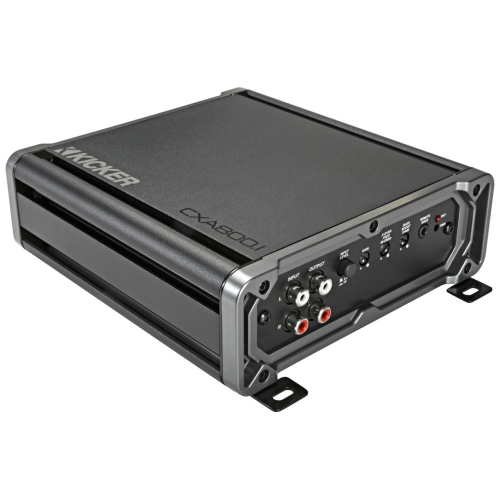 Your price for this item is $449.95
 -
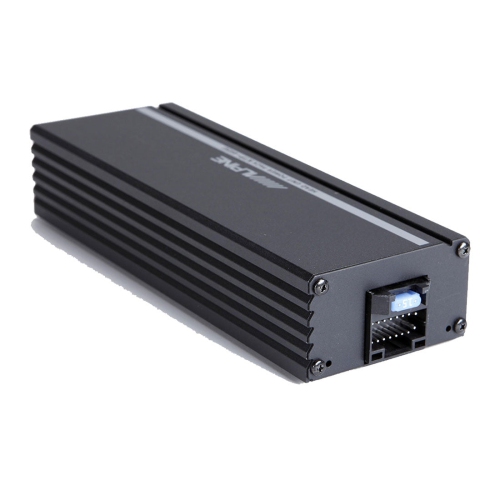 Your price for this item is $398
 -
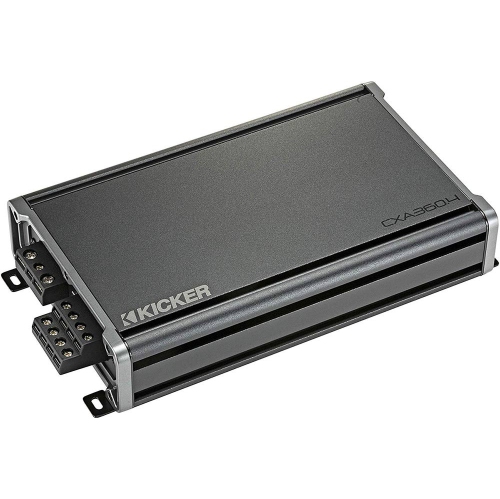 Your price for this item is $349.95
 -
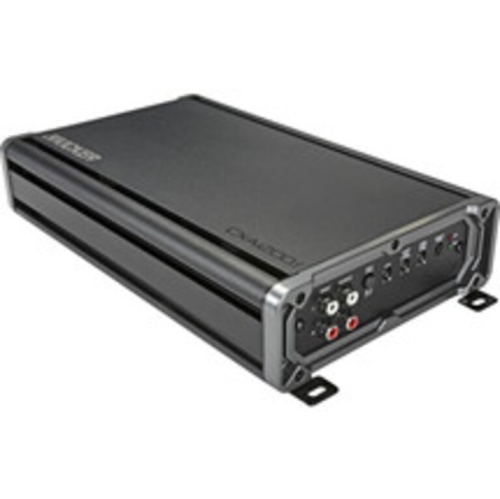 Your price for this item is $599.95
 -
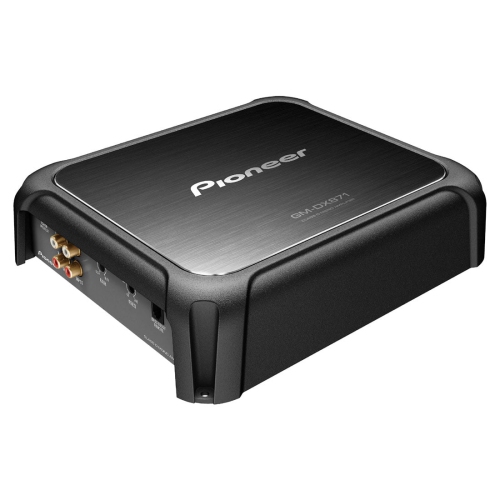 Your price for this item is $248.99
 -
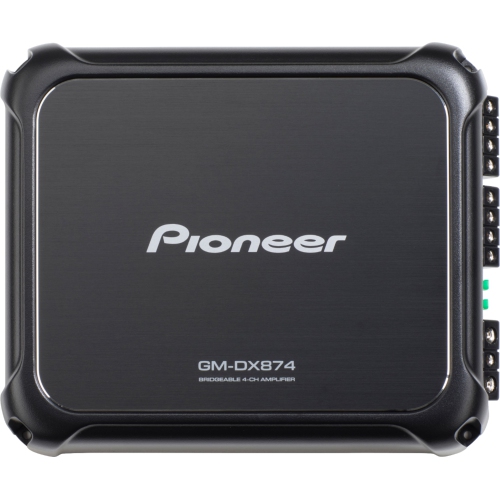 Your price for this item is $328.99
 -
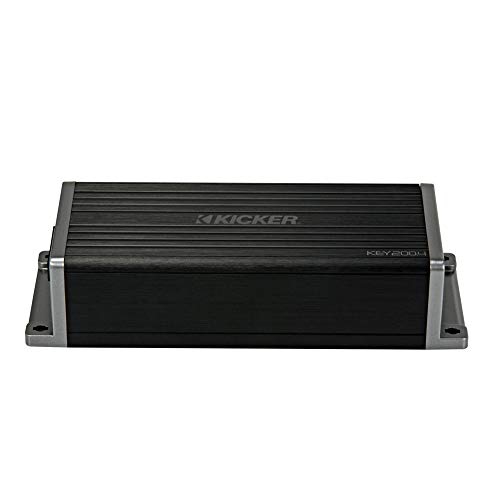 Your price for this item is $449.95
 -
 Your price for this item is $219.99
Discover more categories related to Audio Processors

Top Collections:
Pokemon Centers, Kindle Devices, Best Budget Office Chairs, Apple iPhones 16, Best Laptops for Writers, iPhone 15 Apple, Canon G7X Cameras, Refurbished Apple Laptops, Alarm Clock, Motorola Razr Phones
Some products may be subject to Environmental Handling Fees
(EHF) depending on your province.
Learn more about EHFs.