Automotive Navigation Systems
Our automotive navigation systems are designed to help you navigate the roads with ease, providing accurate directions, real-time traffic updates, and intuitive features that make every journey a breeze. Whether you're planning a road trip or simply need reliable guidance for your daily commutes, our automotive navigation systems offer the perfect solution. Discover the latest in GPS technology and find the perfect device to elevate your driving experience today.
Sort
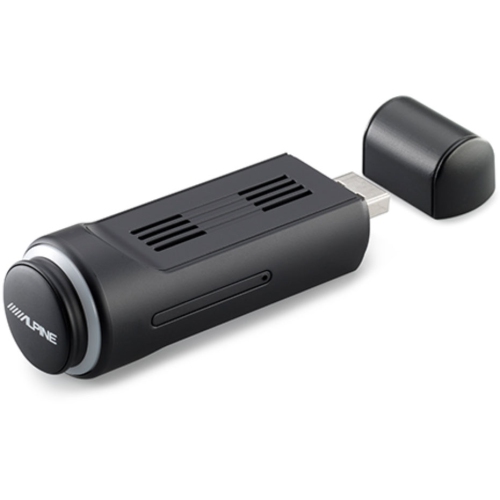
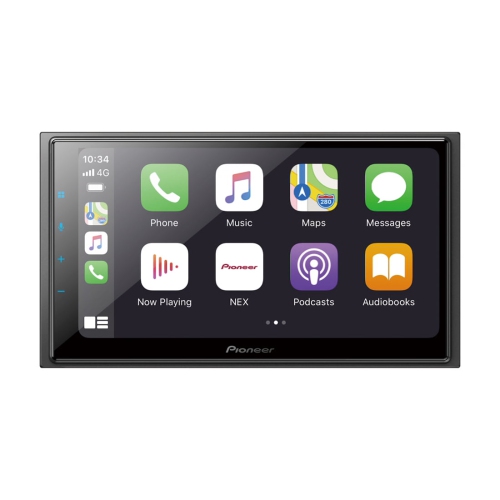
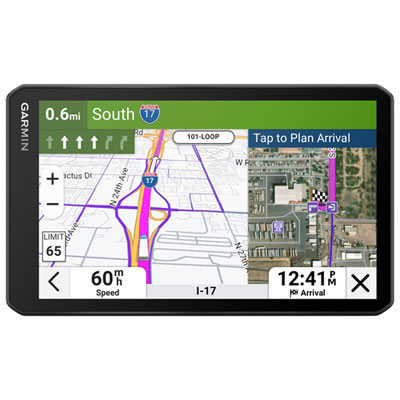
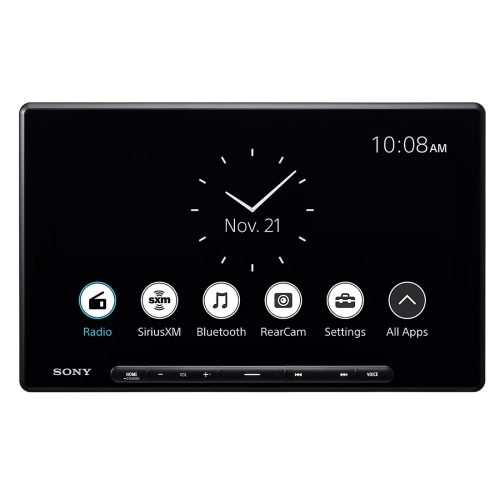
What to consider for clear, reliable directions on the road
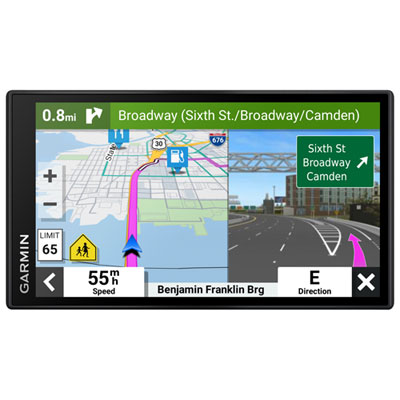
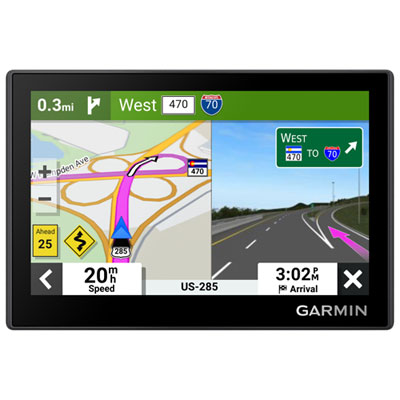
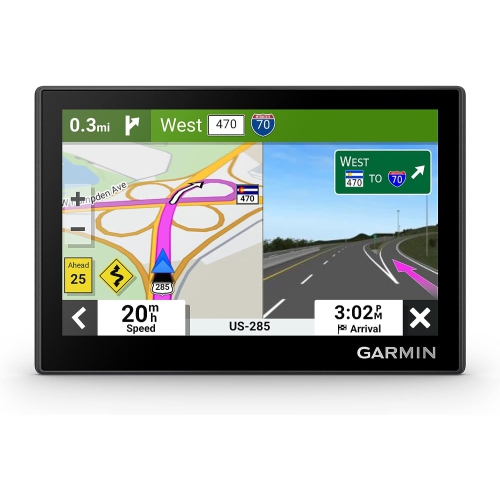
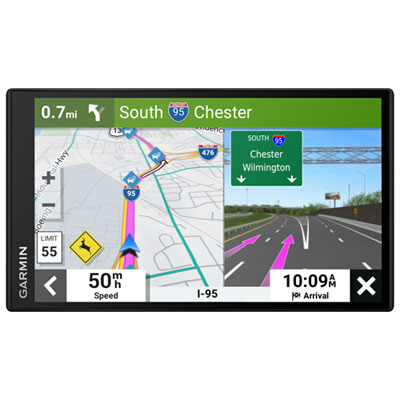
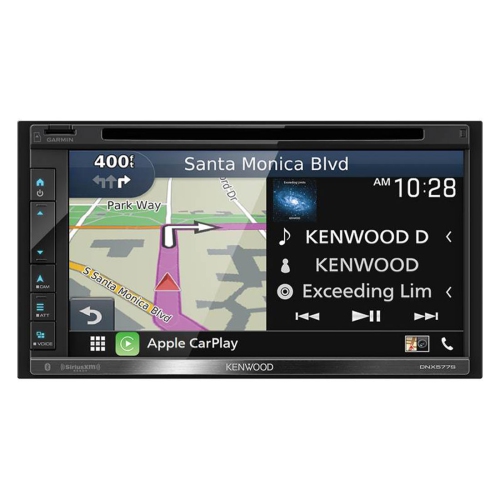
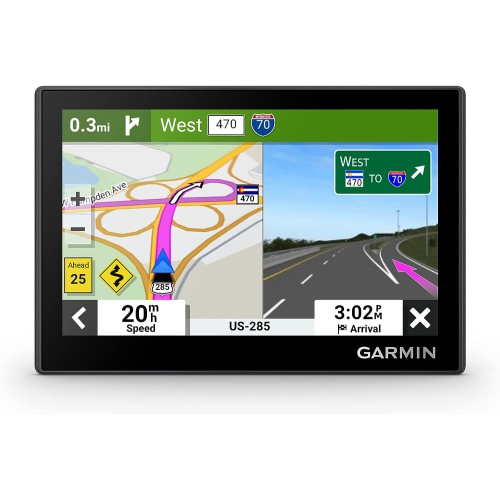
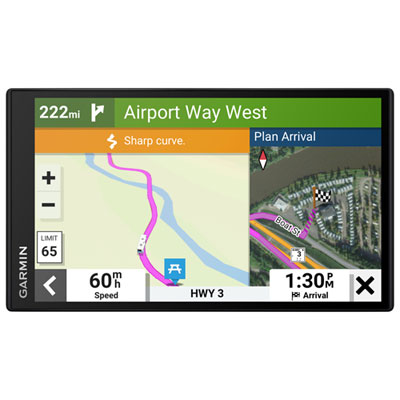
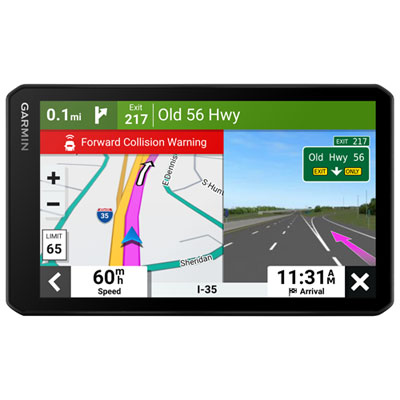
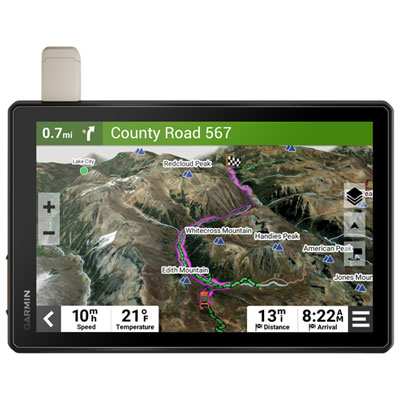
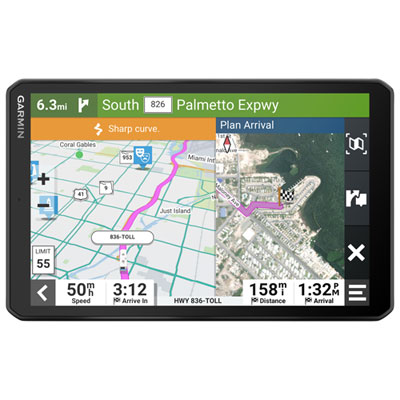
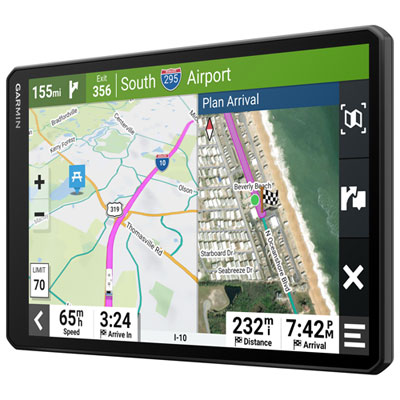
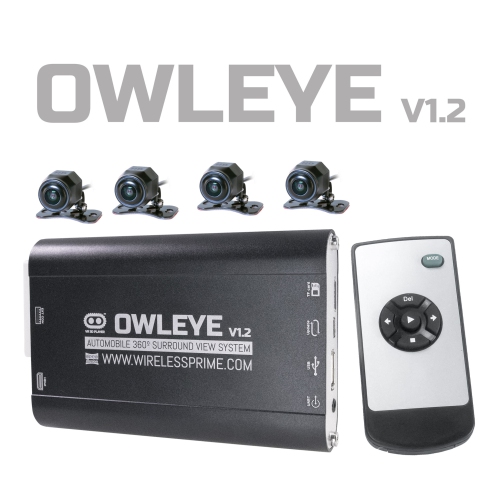
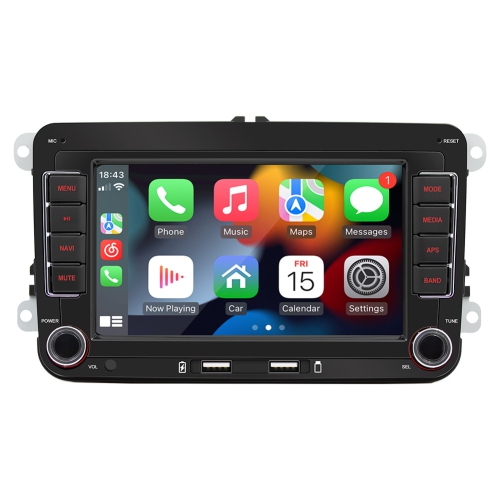
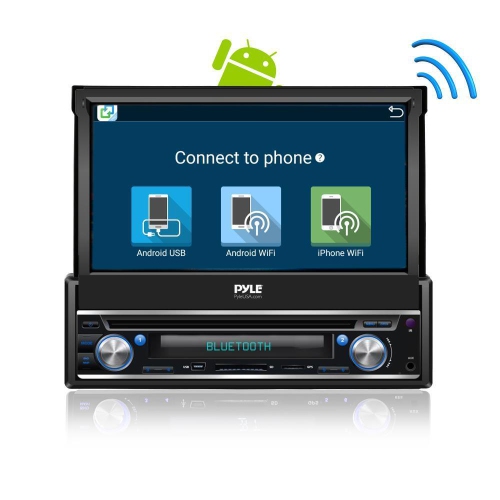
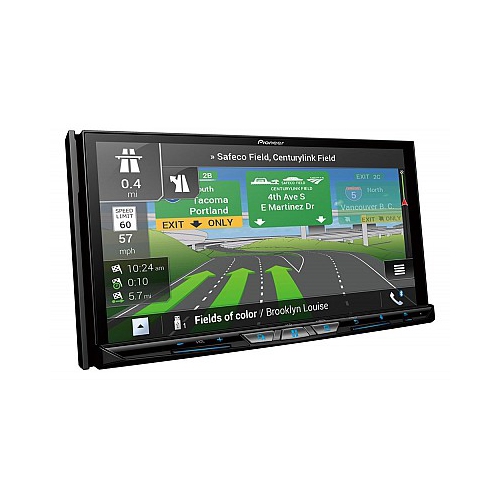
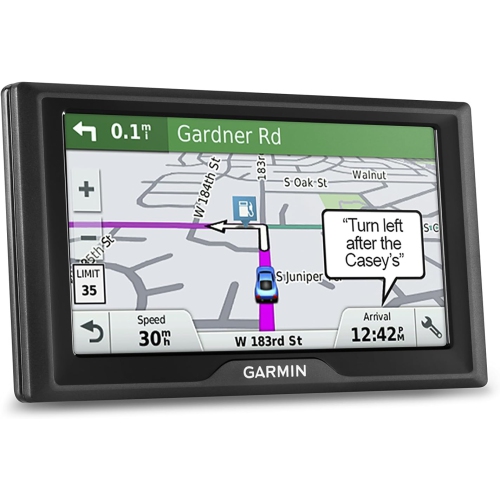
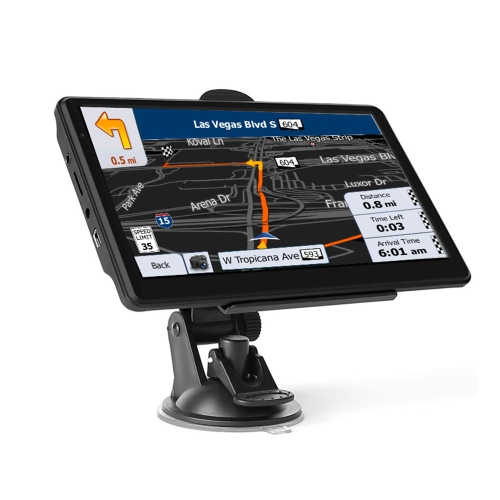
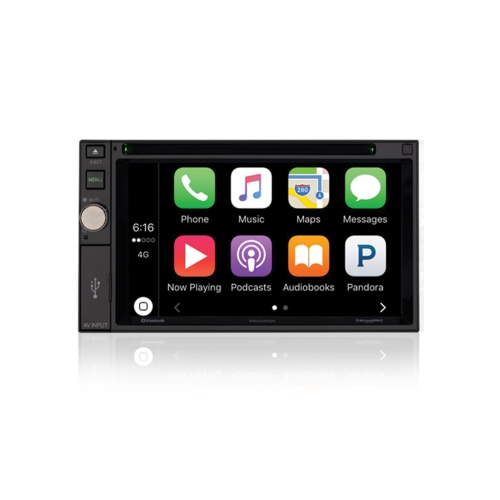
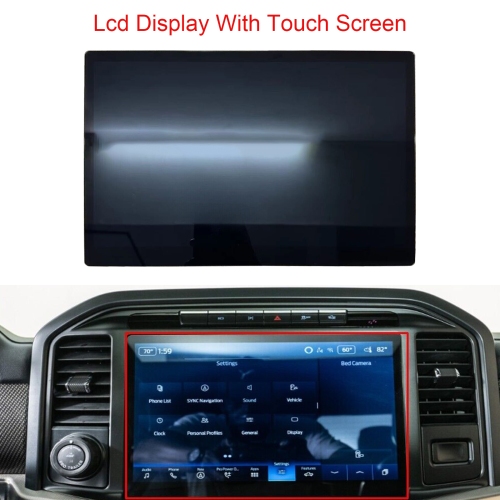
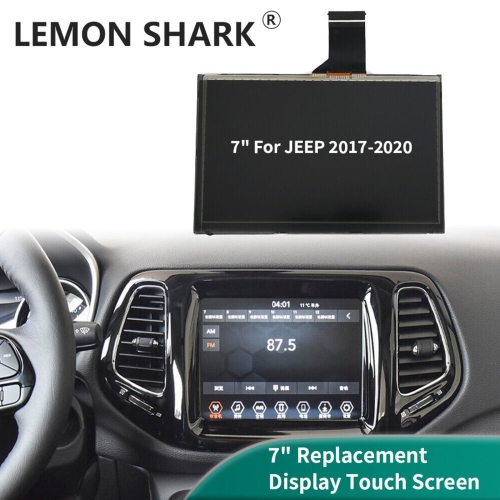
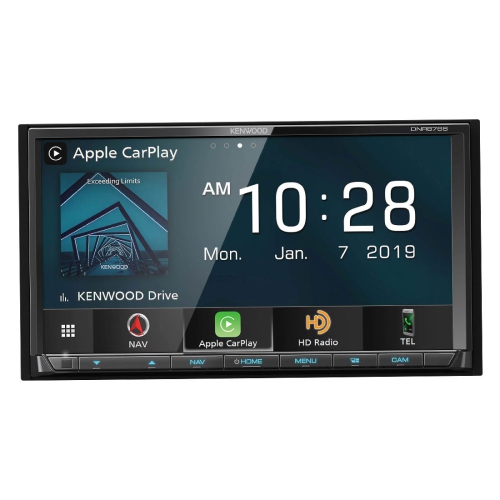
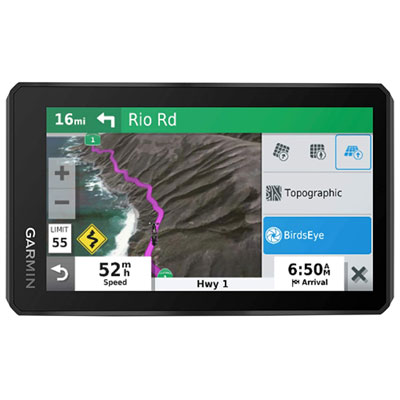
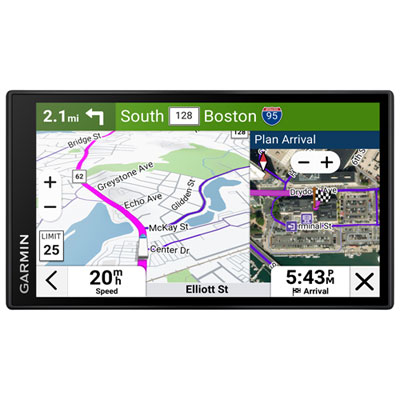
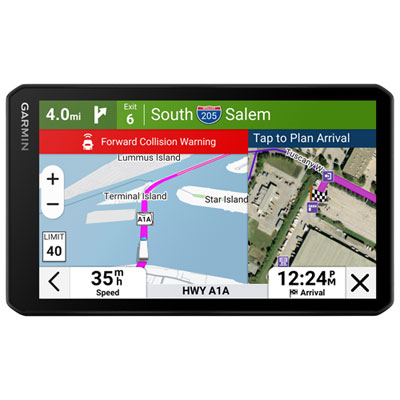
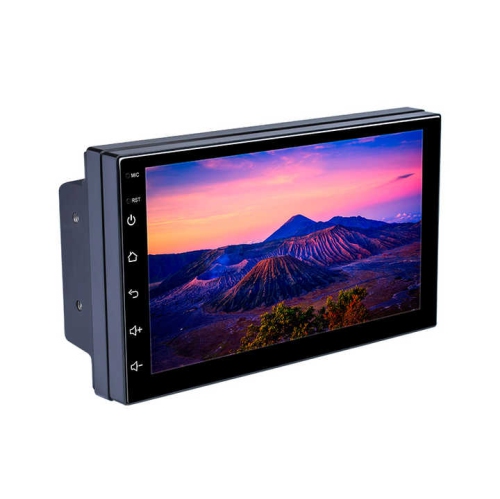
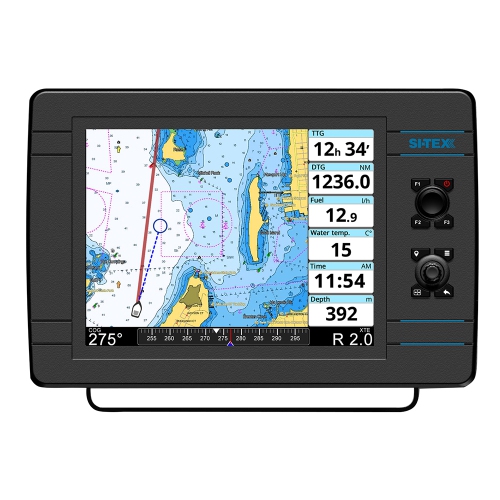
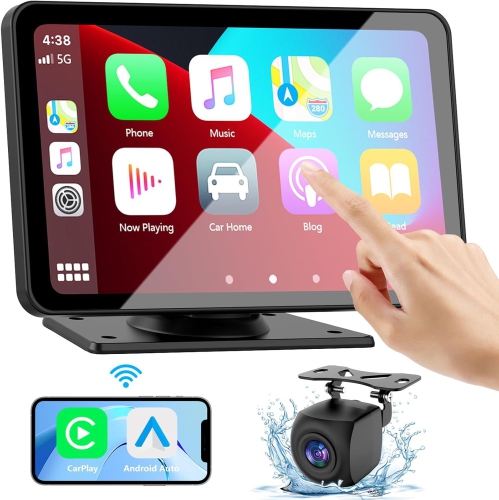
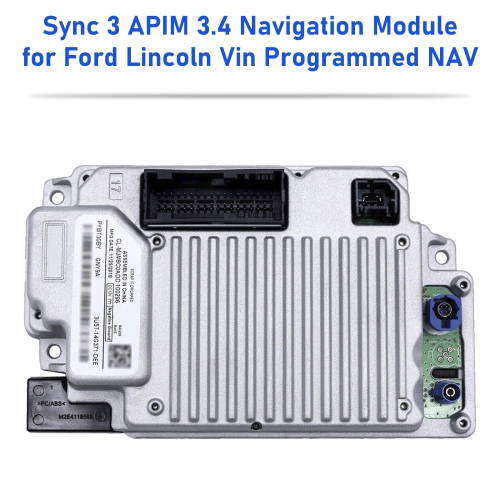
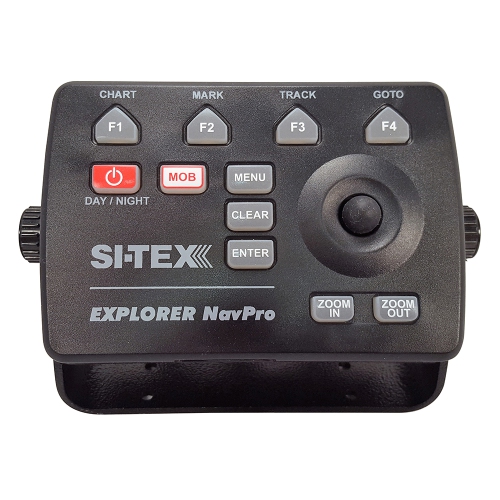
Automotive navigation systems help drivers plan routes, find destinations, and stay oriented without relying entirely on a phone. A dedicated unit can be especially useful for long road trips, daily commuting, delivery work, family travel, or anyone who prefers a clear display mounted within easy view. Unlike a phone placed in a dashboard holder, a standalone navigator is designed specifically for the vehicle, with a larger interface, turn-by-turn prompts, audible directions, and controls suited to driving. Many models can continue providing directions when cellular service is limited, making them practical for rural highways, remote communities, cottage roads, and cross-country travel where a mobile signal may come and go. The right choice depends on how and where the system will be used. Drivers who mainly travel familiar city streets may prefer a compact, straightforward model with simple route guidance, while frequent travellers may appreciate a larger screen, expanded points of interest, lane guidance, traffic information, and more detailed mapping. A selection of Navigation Systems can help shoppers compare different screen sizes, features, and installation styles in one place.
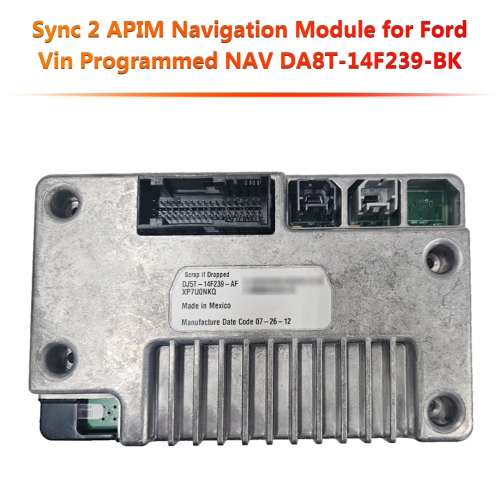
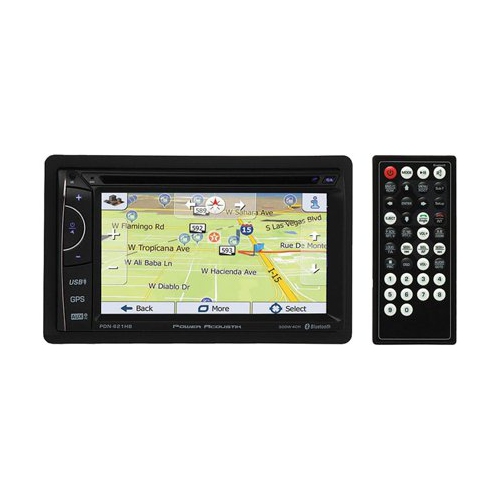
Screen size is one of the first details to consider because it affects readability, mounting flexibility, and how much information can be viewed at once. A smaller display may suit a compact car or a driver who wants to keep the dashboard uncluttered, while a larger display can make street names, lane arrows, and upcoming turns easier to read at a glance. Touchscreen controls should respond smoothly, and menus should be simple enough to use before setting off rather than while the vehicle is moving. Voice guidance is another useful feature, particularly when traffic is heavy, visibility is reduced, or the driver needs to keep both hands focused on the wheel. Look for clear spoken instructions, adjustable volume, and the ability to mute or lower directions when listening to music or speaking with passengers. Live traffic services can help identify congestion, collisions, construction, and road closures, then suggest alternate routes where supported. Some systems receive updates through a connected phone, while others use built-in connectivity or Wi-Fi for map and software updates. Offline maps are valuable for trips through areas with unreliable service, but shoppers should check how map coverage is provided, whether updates are included, and how often new roads or changing speed limits are added. Built-in vehicle infotainment systems may offer a clean, integrated appearance, while portable units can be moved between compatible vehicles. For a portable system, confirm that the included mount attaches securely, the power cable reaches the desired position, and the screen can be seen without blocking the driver’s view. A professional installation may be worthwhile for an in-dash system, especially when it needs to connect with the vehicle’s audio, steering-wheel controls, backup camera, or existing display.
Automotive navigation systems can also be thoughtful gifts for new drivers, frequent commuters, parents preparing for family road trips, or relatives who spend time travelling between towns and cities. A dedicated navigator may be reassuring for someone who finds phone navigation distracting, worries about draining a smartphone battery, or prefers physical controls and a purpose-built interface. It can be helpful in everyday situations, such as finding a medical appointment in an unfamiliar neighbourhood, locating a fuel station during a long drive, or directing visitors to a cottage on winding roads with few signs. Before choosing a gift, consider the recipient’s vehicle, driving habits, comfort with touchscreens, and need for accessibility features such as larger text, louder audio, or straightforward menu layouts. Drivers in cooler months should also think about how the device will be stored and powered when temperatures change; a secure mount, a tidy cable route, and a screen that remains easy to read in bright daylight or dim conditions can make the system more useful throughout the year. Privacy and connectivity settings deserve attention as well. Some connected navigation systems may pair with a phone, access contacts for hands-free calling, or use online services for traffic and search results, so reviewing permissions and account requirements is sensible. It is also worth checking destination search tools, points-of-interest categories, multilingual support, voice-command compatibility, and whether the system can save frequently visited locations. A dependable navigation system should reduce uncertainty rather than add complexity: it should provide timely directions, present information clearly, and fit naturally into the vehicle and the driver’s routine.
Screen size is one of the first details to consider because it affects readability, mounting flexibility, and how much information can be viewed at once. A smaller display may suit a compact car or a driver who wants to keep the dashboard uncluttered, while a larger display can make street names, lane arrows, and upcoming turns easier to read at a glance. Touchscreen controls should respond smoothly, and menus should be simple enough to use before setting off rather than while the vehicle is moving. Voice guidance is another useful feature, particularly when traffic is heavy, visibility is reduced, or the driver needs to keep both hands focused on the wheel. Look for clear spoken instructions, adjustable volume, and the ability to mute or lower directions when listening to music or speaking with passengers. Live traffic services can help identify congestion, collisions, construction, and road closures, then suggest alternate routes where supported. Some systems receive updates through a connected phone, while others use built-in connectivity or Wi-Fi for map and software updates. Offline maps are valuable for trips through areas with unreliable service, but shoppers should check how map coverage is provided, whether updates are included, and how often new roads or changing speed limits are added. Built-in vehicle infotainment systems may offer a clean, integrated appearance, while portable units can be moved between compatible vehicles. For a portable system, confirm that the included mount attaches securely, the power cable reaches the desired position, and the screen can be seen without blocking the driver’s view. A professional installation may be worthwhile for an in-dash system, especially when it needs to connect with the vehicle’s audio, steering-wheel controls, backup camera, or existing display.
Automotive navigation systems can also be thoughtful gifts for new drivers, frequent commuters, parents preparing for family road trips, or relatives who spend time travelling between towns and cities. A dedicated navigator may be reassuring for someone who finds phone navigation distracting, worries about draining a smartphone battery, or prefers physical controls and a purpose-built interface. It can be helpful in everyday situations, such as finding a medical appointment in an unfamiliar neighbourhood, locating a fuel station during a long drive, or directing visitors to a cottage on winding roads with few signs. Before choosing a gift, consider the recipient’s vehicle, driving habits, comfort with touchscreens, and need for accessibility features such as larger text, louder audio, or straightforward menu layouts. Drivers in cooler months should also think about how the device will be stored and powered when temperatures change; a secure mount, a tidy cable route, and a screen that remains easy to read in bright daylight or dim conditions can make the system more useful throughout the year. Privacy and connectivity settings deserve attention as well. Some connected navigation systems may pair with a phone, access contacts for hands-free calling, or use online services for traffic and search results, so reviewing permissions and account requirements is sensible. It is also worth checking destination search tools, points-of-interest categories, multilingual support, voice-command compatibility, and whether the system can save frequently visited locations. A dependable navigation system should reduce uncertainty rather than add complexity: it should provide timely directions, present information clearly, and fit naturally into the vehicle and the driver’s routine.
Top selling and popular products
Discover more categories related to Automotive Navigation Systems
Top Collections:
Pokemon Centers, Kindle Devices, Best Budget Office Chairs, Apple iPhones 16, Best Laptops for Writers, iPhone 15 Apple, Canon G7X Cameras, Refurbished Apple Laptops, Alarm Clock, Motorola Razr Phones
Some products may be subject to Environmental Handling Fees
(EHF) depending on your province.
Learn more about EHFs.