Navigation Systems
Looking to make your next road trip a breeze? Look no further than our selection of navigation systems. Whether you're heading on a cross-country adventure or simply exploring new places in your own city, these devices are designed to help you navigate with ease. With advanced features and user-friendly interfaces, our navigation systems will ensure you never get lost again. Say goodbye to frustrating detours and hello to stress-free travel. Browse our collection of Essential Travel Gear today and find the perfect companion for your next adventure!
Sort
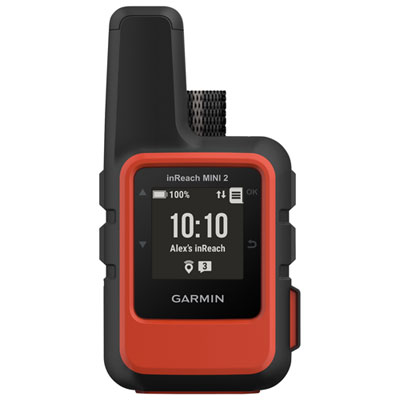
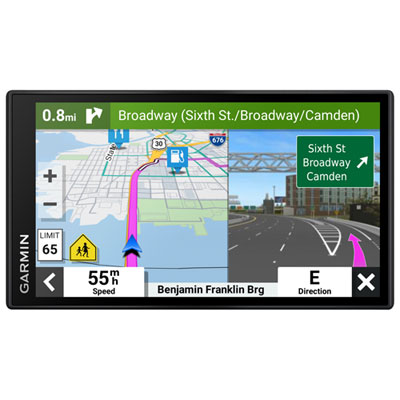
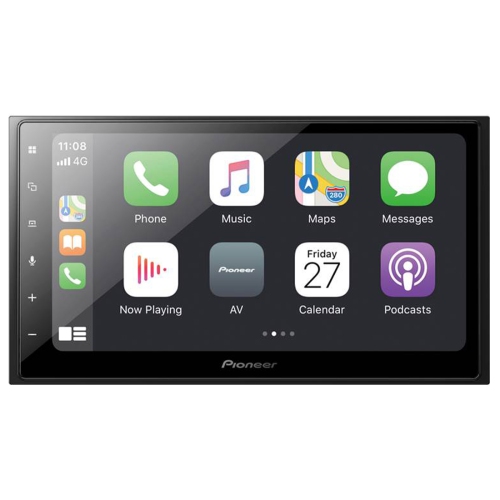
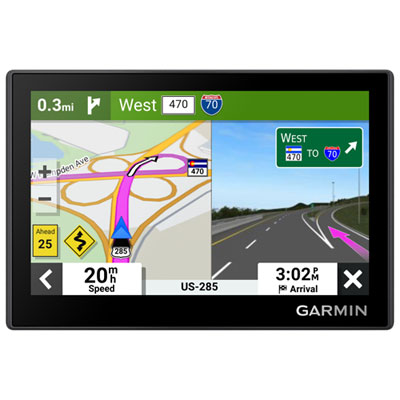
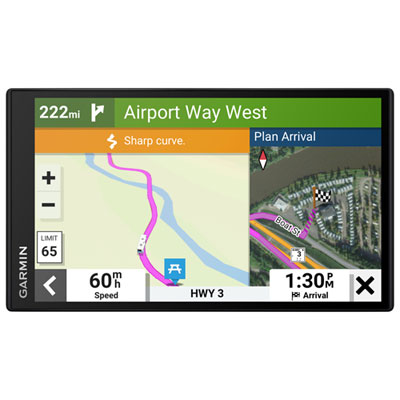
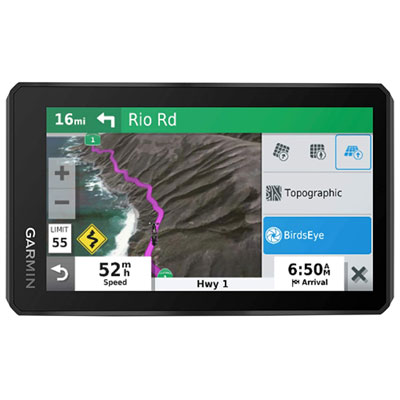
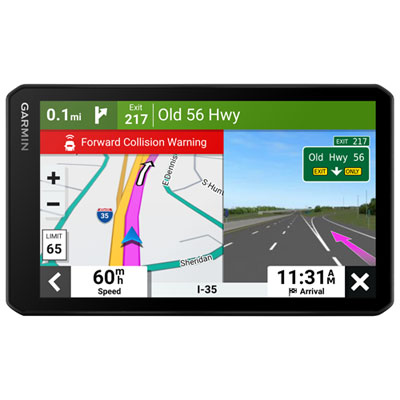
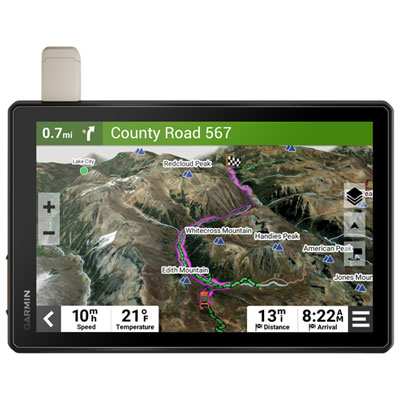
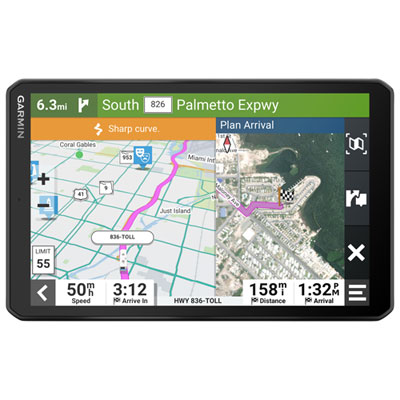
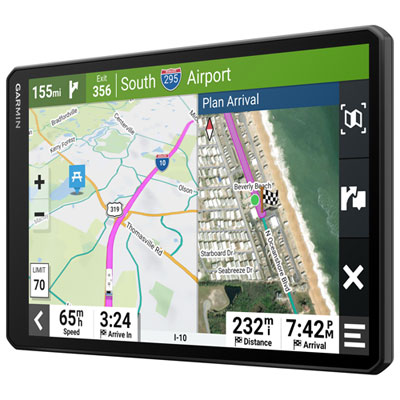
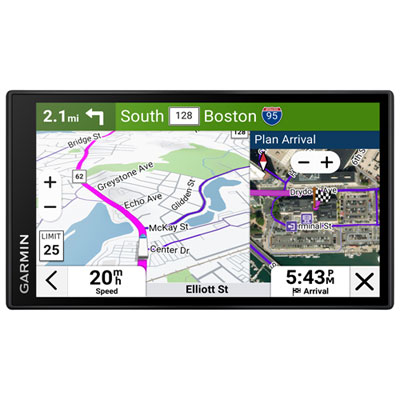
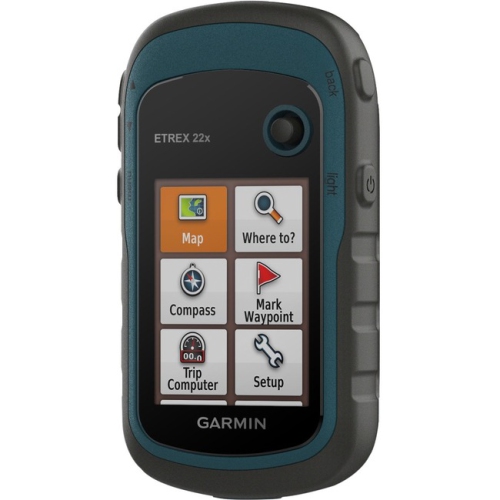


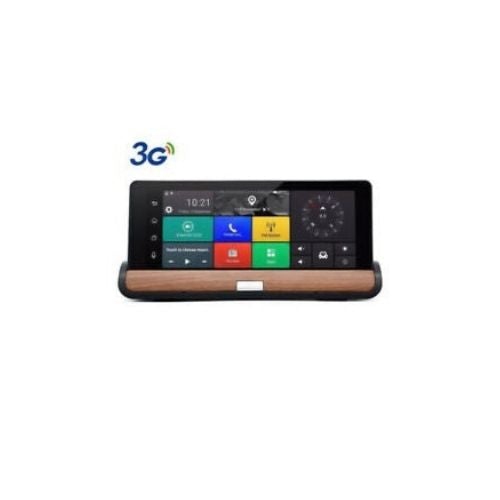
Practical route guidance for commutes and road trips
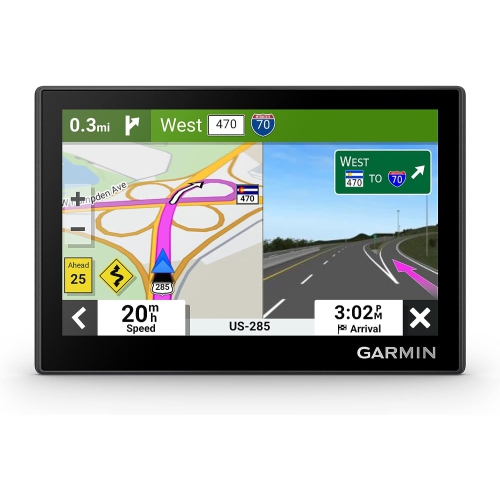
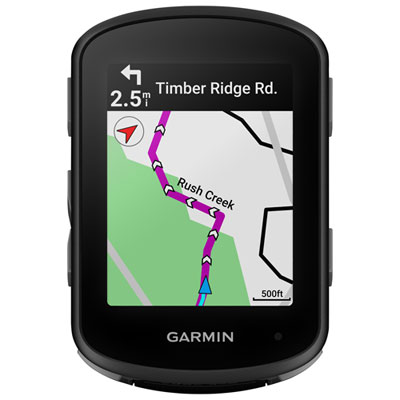
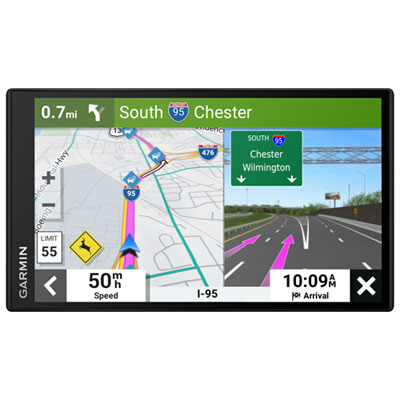
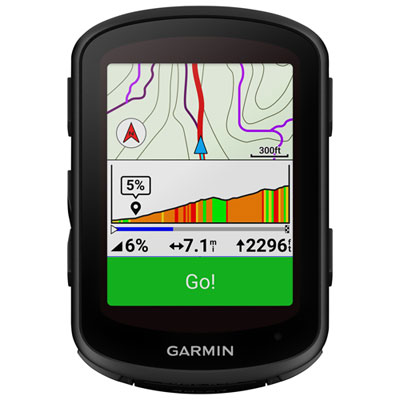
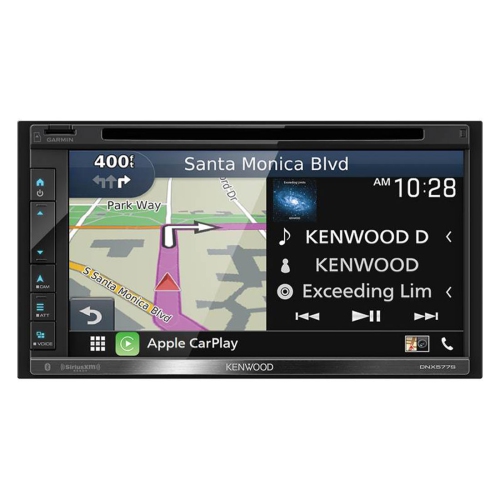
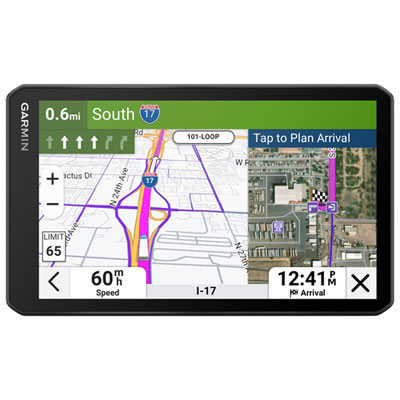
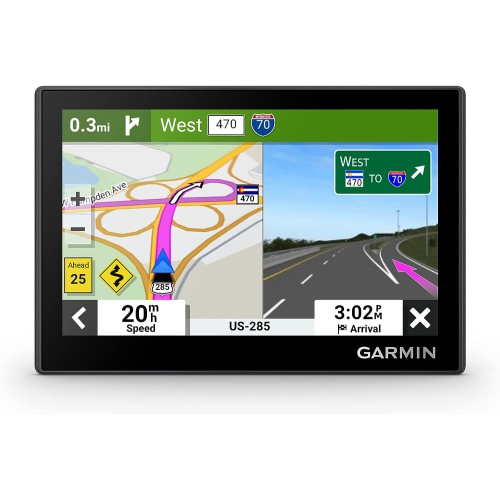
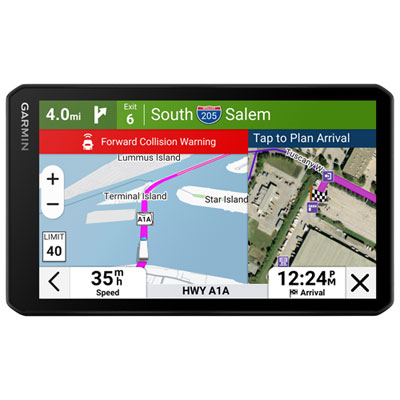
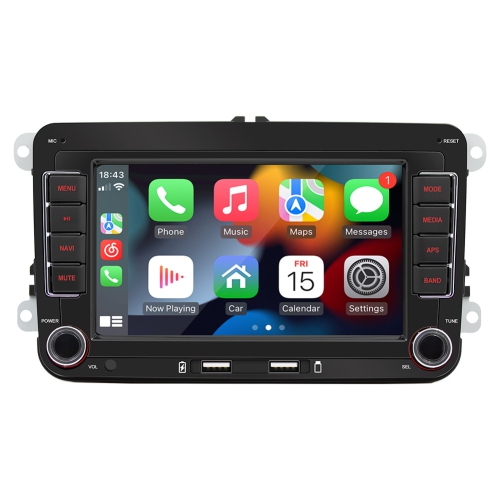
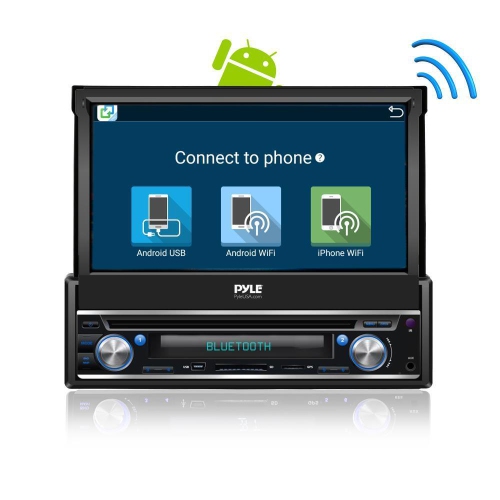
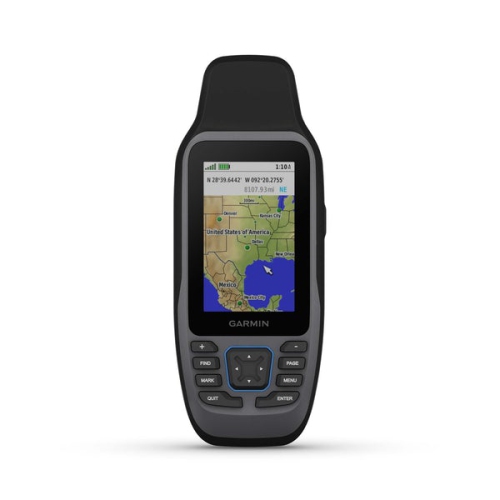
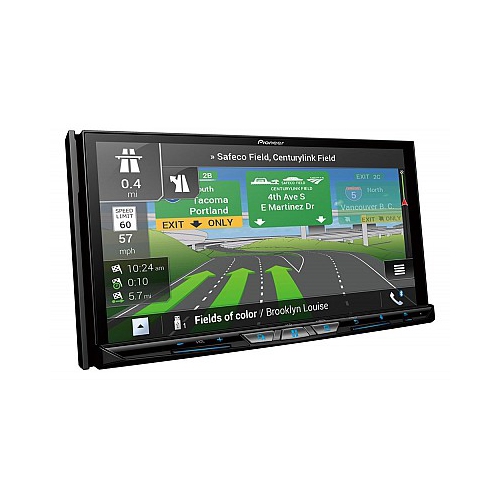
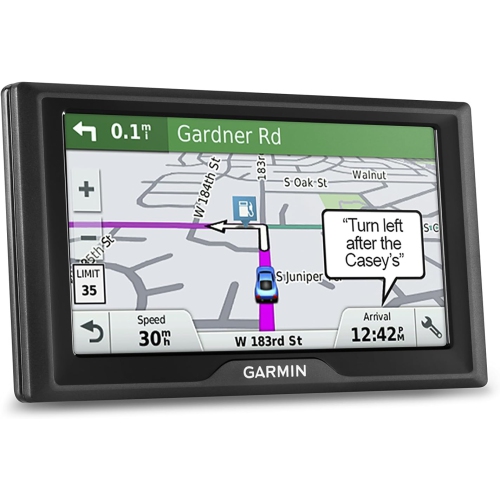
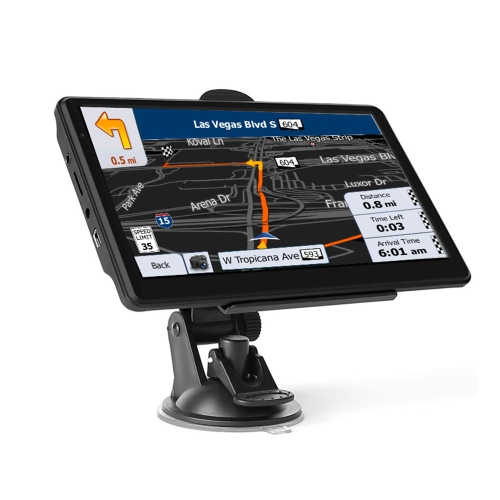
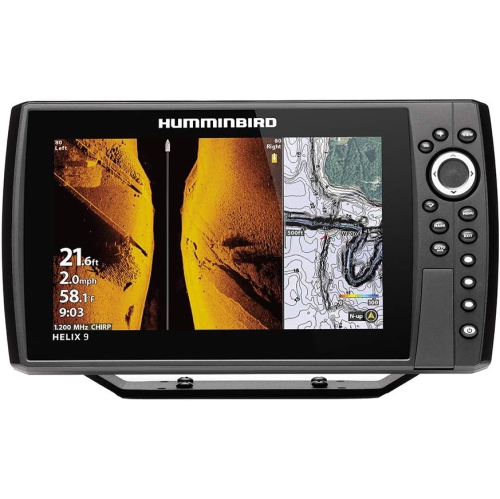
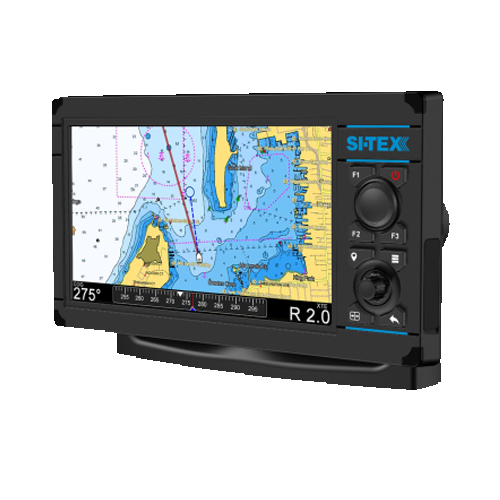
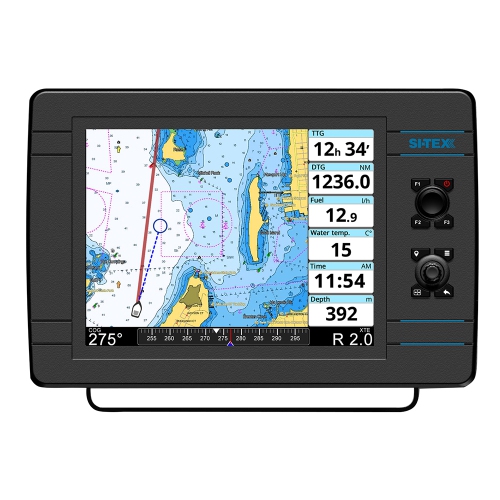
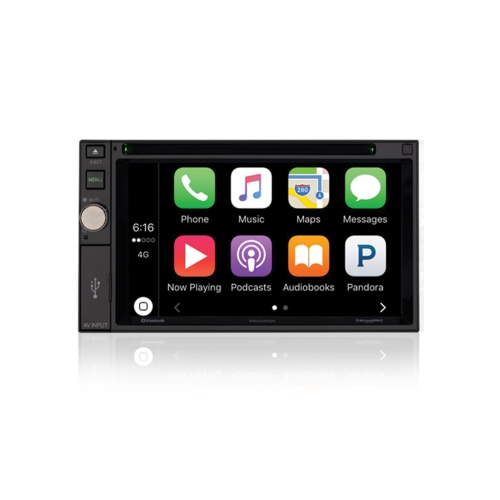
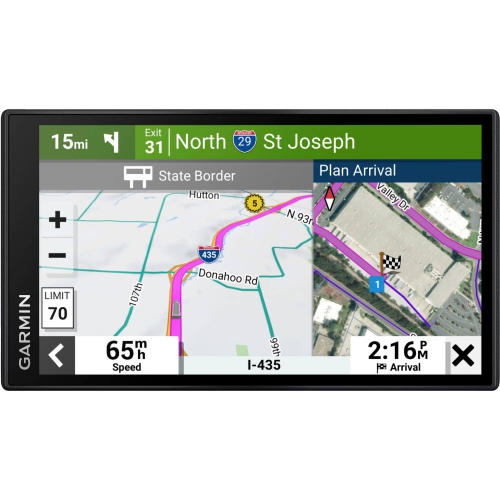
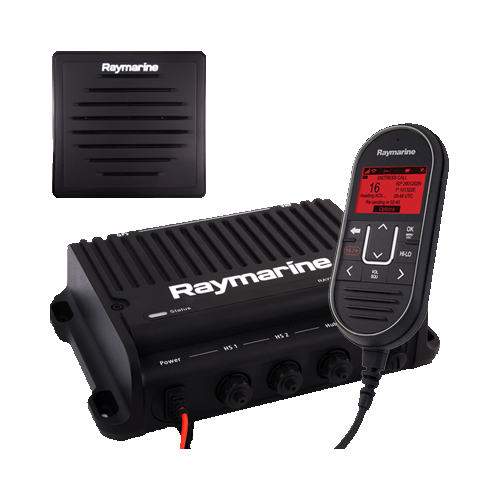
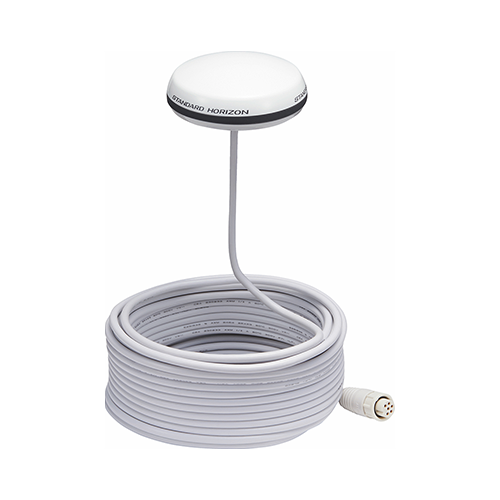
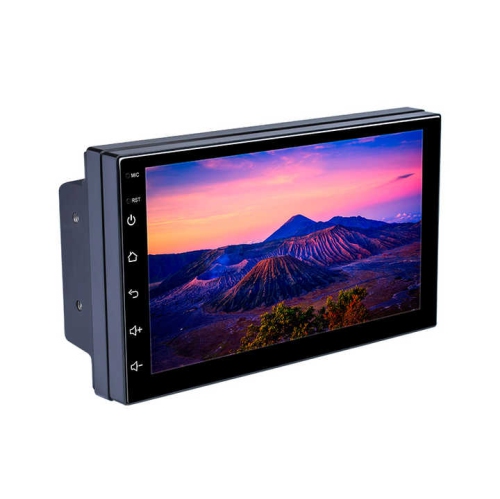
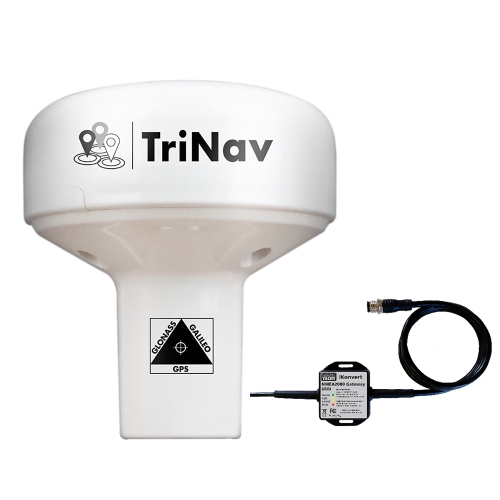
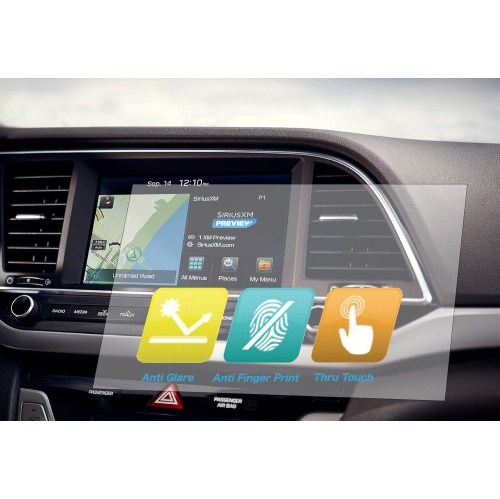
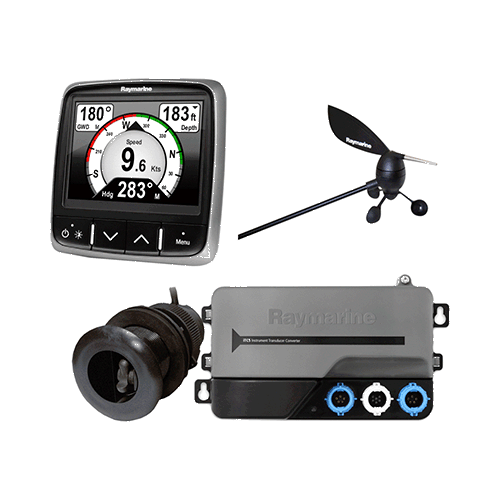
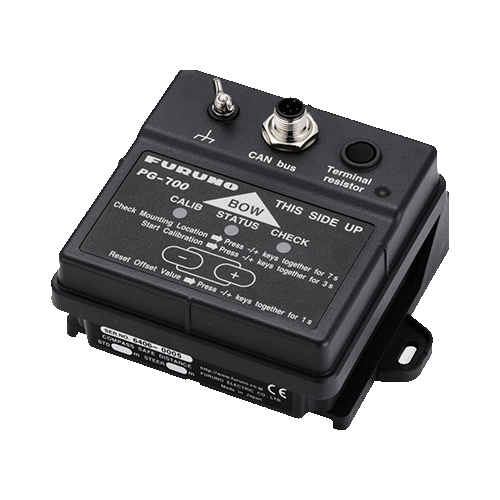
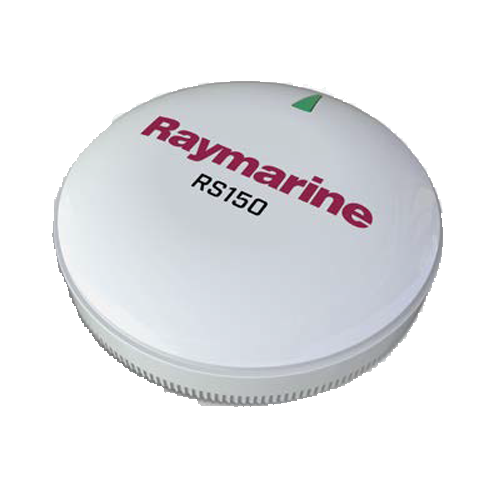
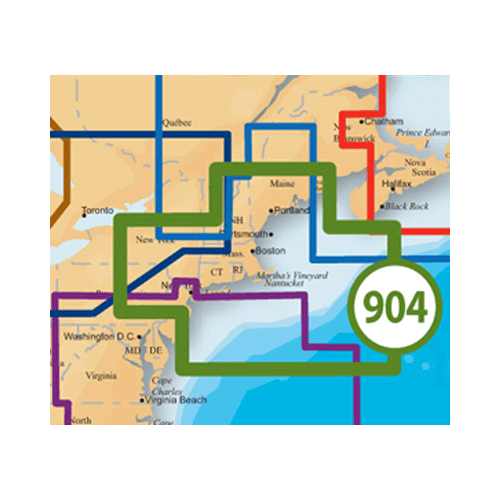
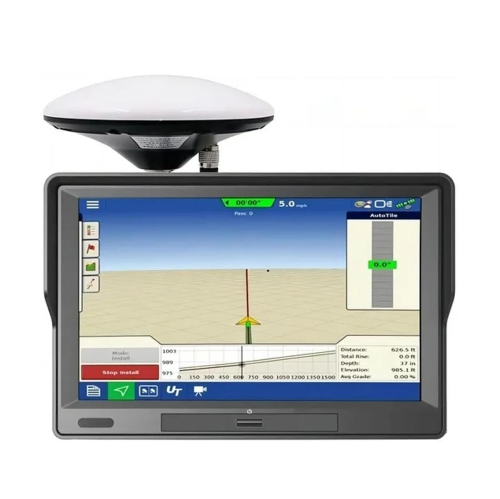
Navigation systems are electronic tools that help determine where you are and guide you towards a destination. In a vehicle, they use satellite signals to calculate your position, direction and movement, then display a route on a digital map with turn-by-turn instructions. Many systems can provide spoken guidance, estimated arrival times, lane information, points of interest and route changes when conditions on the road shift. Depending on the type, a navigation system may be installed into a vehicle’s dashboard, used as a portable device, or accessed through a compatible smartphone. Dedicated units are designed around navigation, with a clear display, mounting options and controls that can be easier to use while driving than a phone. Some also offer offline maps, which can be particularly helpful when travelling through rural areas, underground parking garages, mountain routes or regions where mobile coverage is inconsistent. A Satellite GPS device can be a practical choice for drivers who want location tracking and route guidance without relying entirely on a mobile data connection. Smartphone-based navigation can be convenient for everyday commuting, especially when live traffic information and frequently updated maps are priorities. Built-in systems may create a streamlined look inside the vehicle and can work with other dashboard features, while portable units can be moved between vehicles or stored when not in use. Each approach has its own strengths, so the right choice depends on how often you travel, where you drive and how much assistance you want during a trip.
When comparing navigation systems, begin with the type of travel you do most often. A daily commuter may value live traffic updates, automatic rerouting and clear lane guidance for busy city streets, while someone who drives long rural distances may place greater importance on offline map coverage, a bright display and dependable satellite reception. Frequent road-trip travellers can look for route planning tools, fuel stations, accommodation and restaurant searches, as well as the ability to save favourite destinations. Drivers who tow a trailer, operate a larger vehicle or travel on roads with height and weight restrictions should check whether the system supports vehicle-specific routing, since the shortest route is not always suitable for every vehicle. Display size and placement also matter: a screen should be easy to read at a glance without blocking the driver’s view, and controls should be straightforward to operate before setting off. Spoken directions can help reduce the need to look at the screen, while adjustable volume and clear prompts are useful when road noise, passengers or changing weather make instructions harder to hear. Map updates, subscription requirements, traffic services and compatibility with a vehicle or phone are also worth reviewing before purchase. Battery life is important for portable units, particularly when moving between vehicles or using navigation away from a convenient power connection. A secure mount, vehicle power cable and responsive interface can make everyday use more comfortable. During cooler months and changing driving conditions, reliable route information can also make unfamiliar journeys feel less stressful by helping drivers anticipate turns, closures and alternate roads.
Navigation systems can suit a wide range of drivers, from new motorists learning unfamiliar routes to experienced travellers covering long distances for work or leisure. They can be useful for family trips, weekend drives, deliveries, commuting between towns and visits to locations that are difficult to find by street address alone. A system with points-of-interest search can help locate nearby services when plans change, while saved destinations make it easier to return to a workplace, campsite, cabin or frequently visited address. They can also make thoughtful gifts for a new driver, a family member who enjoys road trips or anyone preparing for a move to a new city. When selecting one as a gift, consider whether the recipient prefers a dedicated screen, a portable setup or phone-connected features, and think about the type of roads they use most. A simple interface may be best for someone who wants dependable guidance without extra settings, while a frequent traveller may appreciate detailed mapping, traffic information and broader route-planning features. Navigation systems are most effective when used as a support for attentive driving: routes should be set before departure, instructions should be followed only when safe, and local road signs and changing conditions should always take priority. With the right combination of mapping, position tracking and guidance features, a navigation system can bring more confidence to everyday driving and help turn a complicated route into a clear series of manageable steps.
When comparing navigation systems, begin with the type of travel you do most often. A daily commuter may value live traffic updates, automatic rerouting and clear lane guidance for busy city streets, while someone who drives long rural distances may place greater importance on offline map coverage, a bright display and dependable satellite reception. Frequent road-trip travellers can look for route planning tools, fuel stations, accommodation and restaurant searches, as well as the ability to save favourite destinations. Drivers who tow a trailer, operate a larger vehicle or travel on roads with height and weight restrictions should check whether the system supports vehicle-specific routing, since the shortest route is not always suitable for every vehicle. Display size and placement also matter: a screen should be easy to read at a glance without blocking the driver’s view, and controls should be straightforward to operate before setting off. Spoken directions can help reduce the need to look at the screen, while adjustable volume and clear prompts are useful when road noise, passengers or changing weather make instructions harder to hear. Map updates, subscription requirements, traffic services and compatibility with a vehicle or phone are also worth reviewing before purchase. Battery life is important for portable units, particularly when moving between vehicles or using navigation away from a convenient power connection. A secure mount, vehicle power cable and responsive interface can make everyday use more comfortable. During cooler months and changing driving conditions, reliable route information can also make unfamiliar journeys feel less stressful by helping drivers anticipate turns, closures and alternate roads.
Navigation systems can suit a wide range of drivers, from new motorists learning unfamiliar routes to experienced travellers covering long distances for work or leisure. They can be useful for family trips, weekend drives, deliveries, commuting between towns and visits to locations that are difficult to find by street address alone. A system with points-of-interest search can help locate nearby services when plans change, while saved destinations make it easier to return to a workplace, campsite, cabin or frequently visited address. They can also make thoughtful gifts for a new driver, a family member who enjoys road trips or anyone preparing for a move to a new city. When selecting one as a gift, consider whether the recipient prefers a dedicated screen, a portable setup or phone-connected features, and think about the type of roads they use most. A simple interface may be best for someone who wants dependable guidance without extra settings, while a frequent traveller may appreciate detailed mapping, traffic information and broader route-planning features. Navigation systems are most effective when used as a support for attentive driving: routes should be set before departure, instructions should be followed only when safe, and local road signs and changing conditions should always take priority. With the right combination of mapping, position tracking and guidance features, a navigation system can bring more confidence to everyday driving and help turn a complicated route into a clear series of manageable steps.
Top selling and popular products
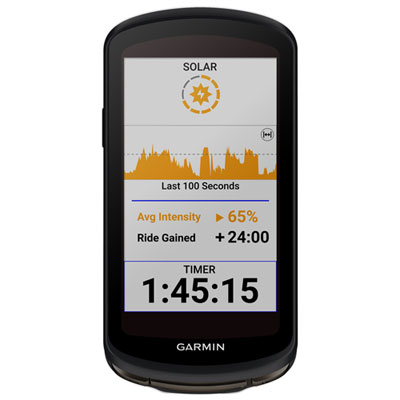
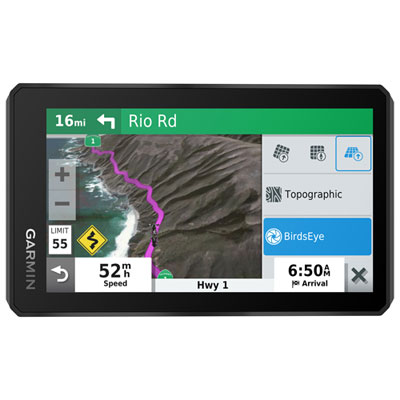
Discover more categories related to Navigation Systems
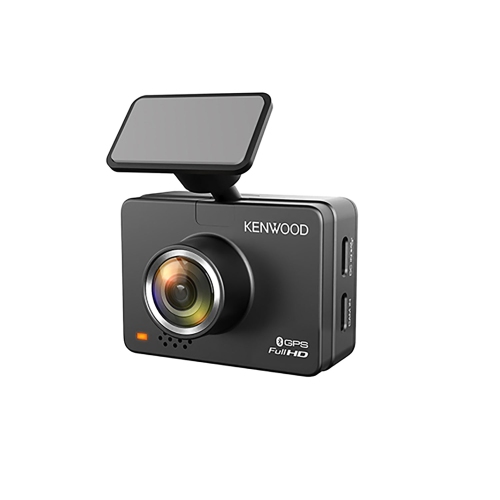


Top Collections:
Pokemon Centers, Kindle Devices, Best Budget Office Chairs, Apple iPhones 16, Best Laptops for Writers, iPhone 15 Apple, Canon G7X Cameras, Refurbished Apple Laptops, Alarm Clock, Motorola Razr Phones
Some products may be subject to Environmental Handling Fees
(EHF) depending on your province.
Learn more about EHFs.