Brake Drum Kits
Looking to upgrade your vehicle's braking performance? Our selection of brake drum kits offers a comprehensive solution for maintaining and enhancing your car's stopping power. Whether you're in need of a replacement kit or looking to improve your vehicle's braking efficiency, our range of brake drum kits provides high-quality components designed to meet your needs. With easy installation and durable materials, these kits are essential for ensuring a safe and smooth driving experience.
Sort
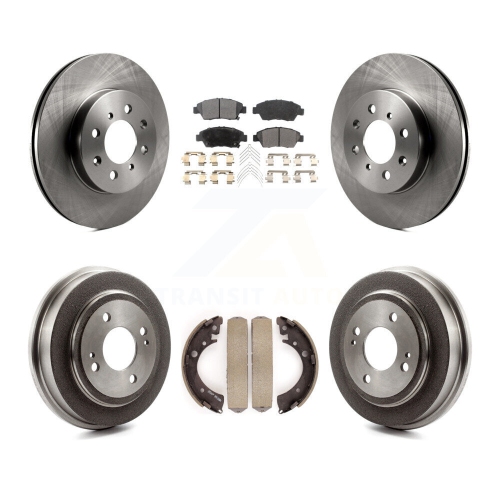
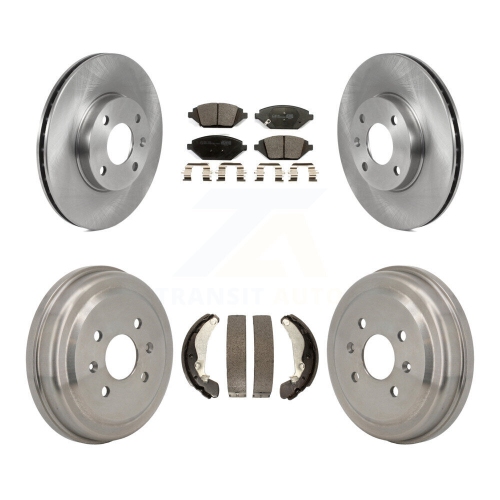
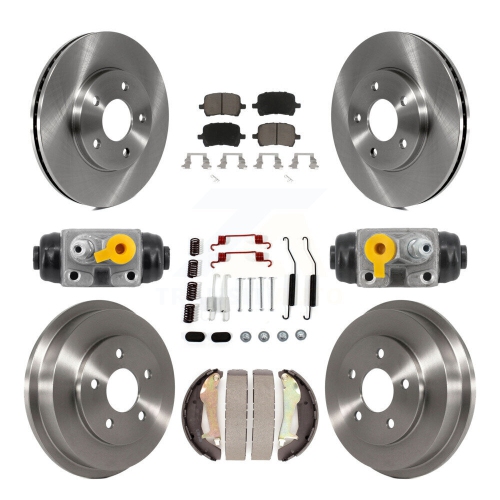
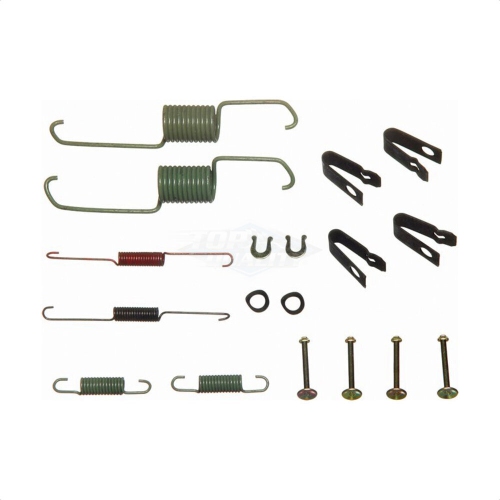
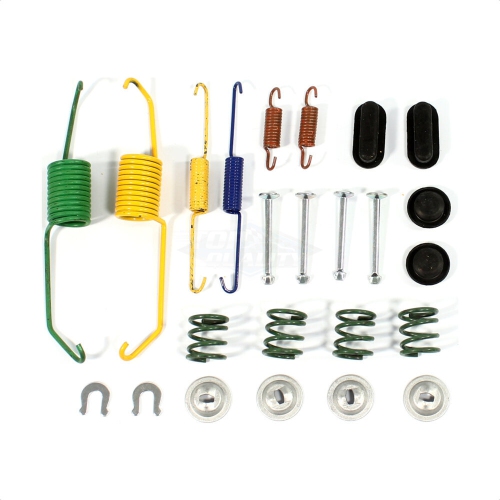
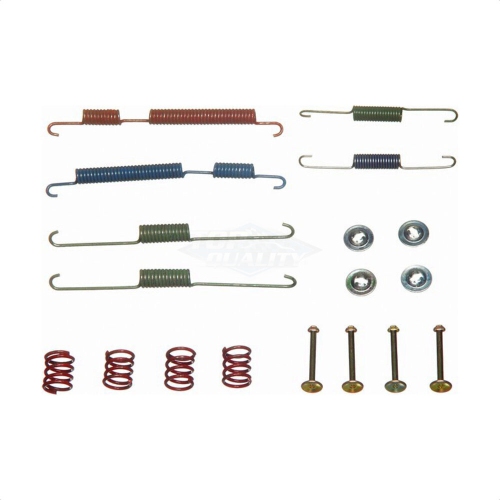
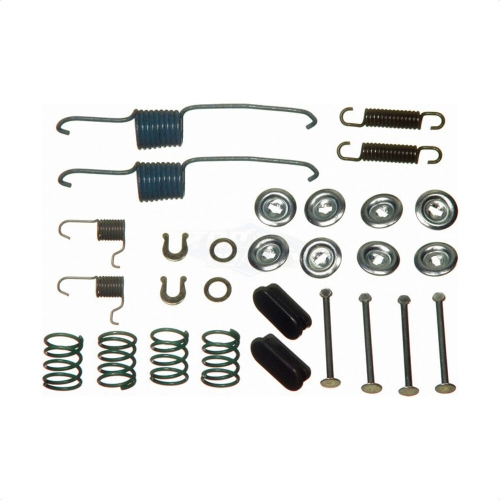
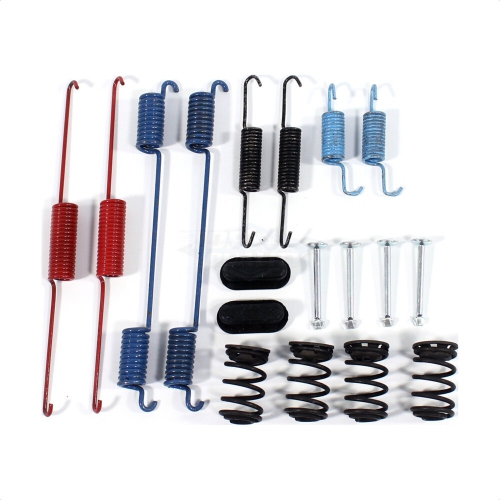
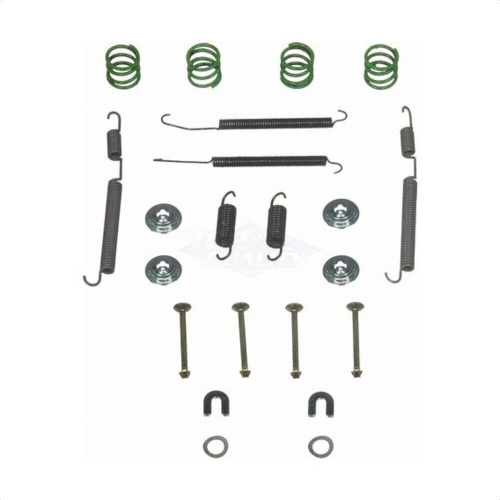
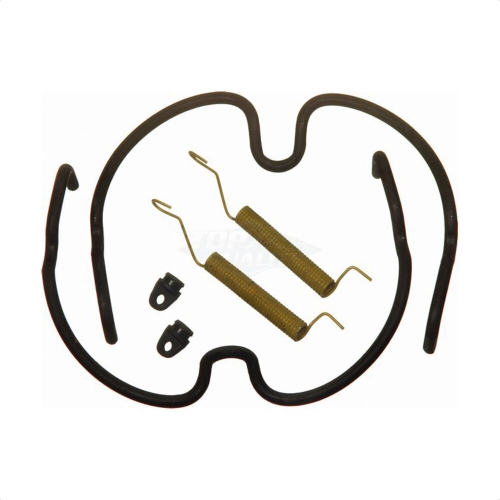
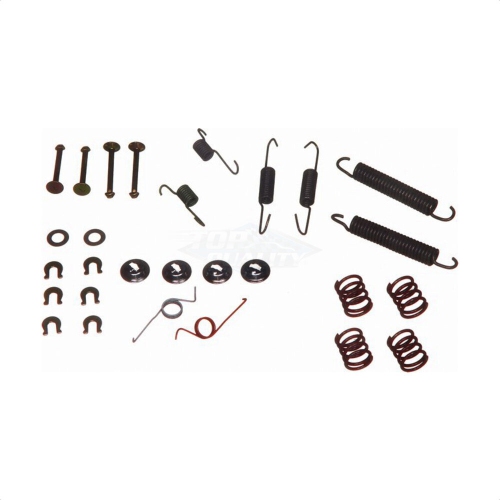
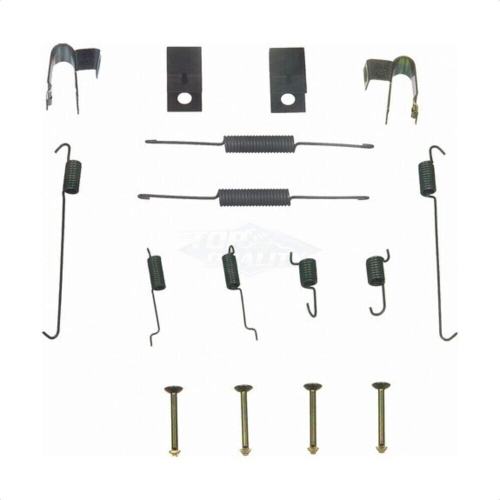

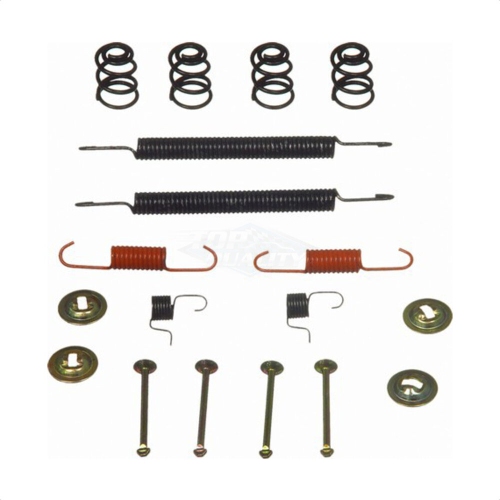
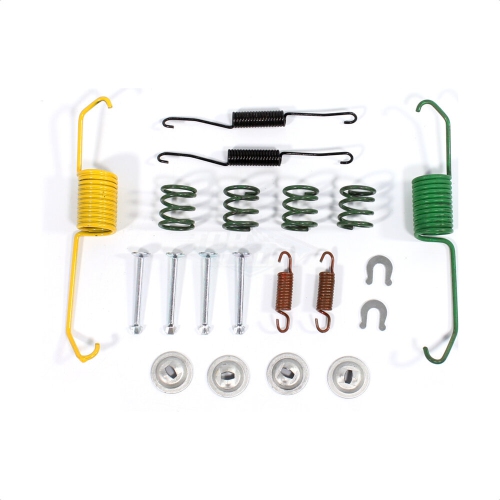
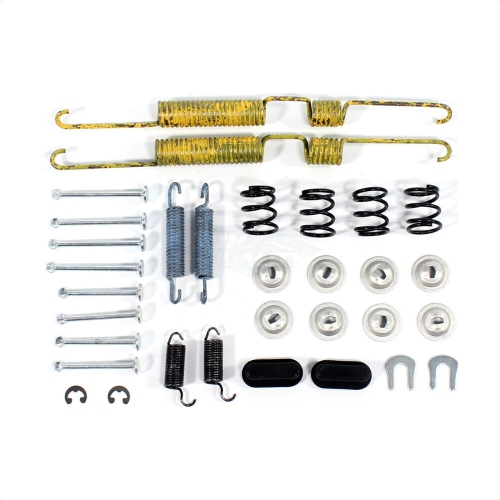
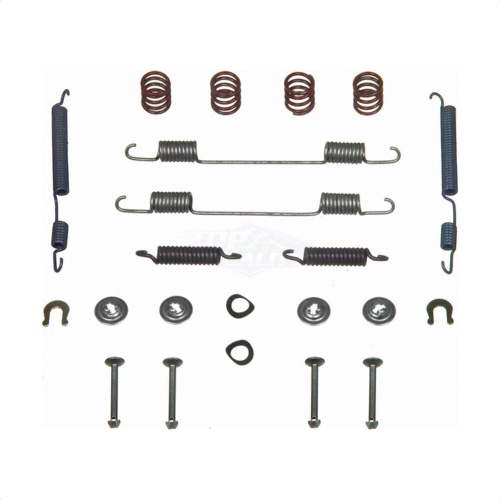
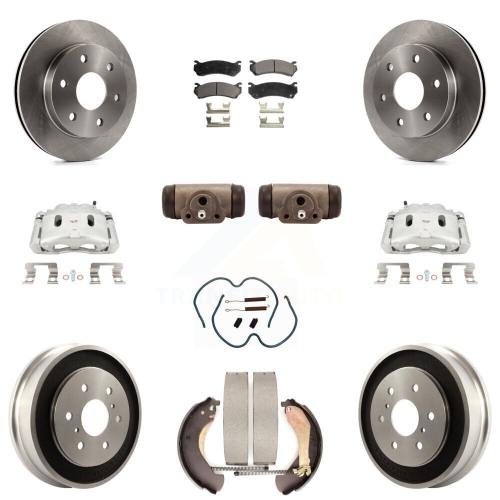
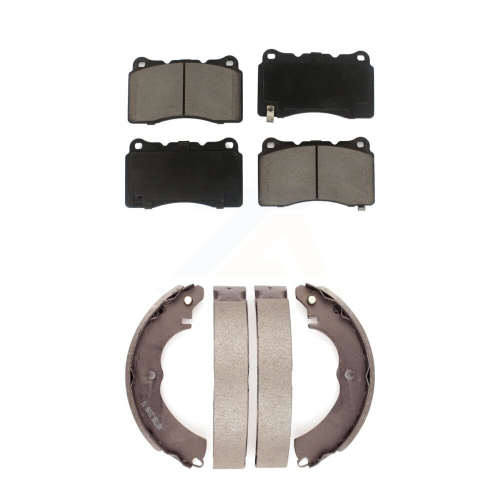
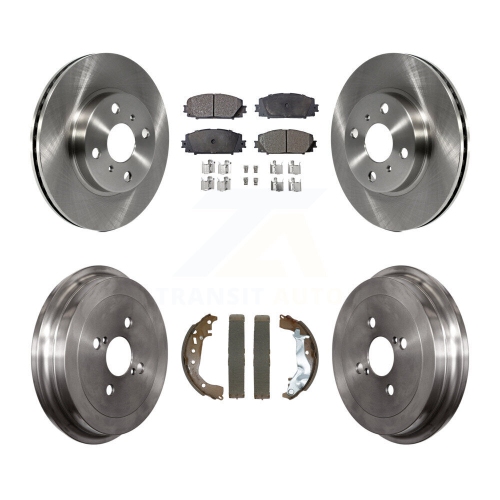
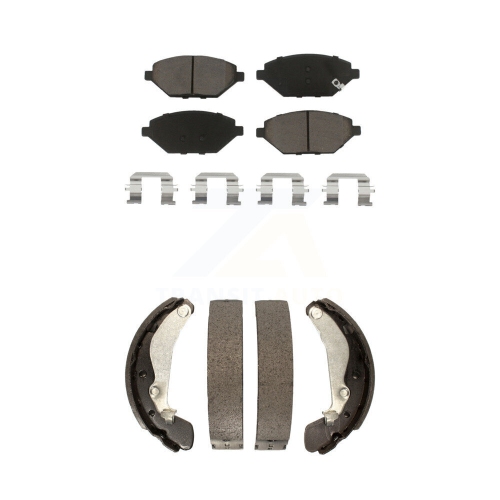
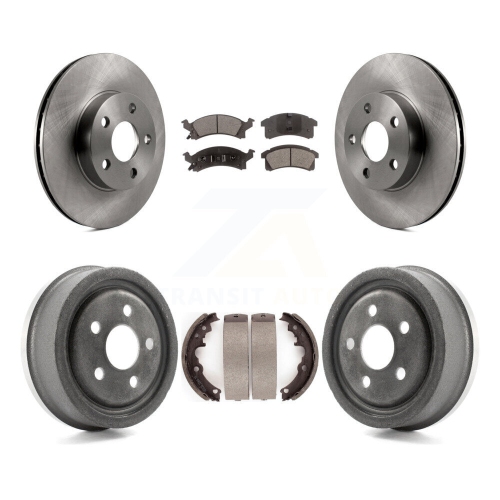
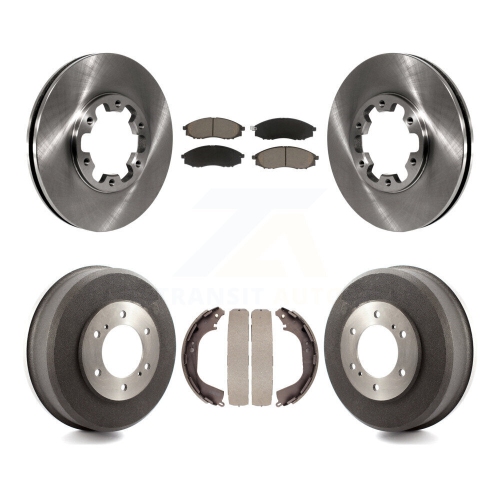
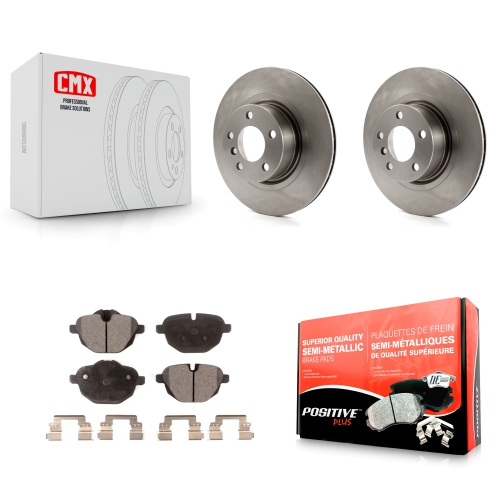
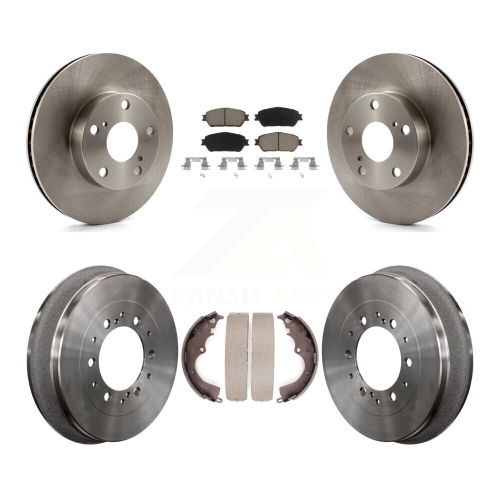
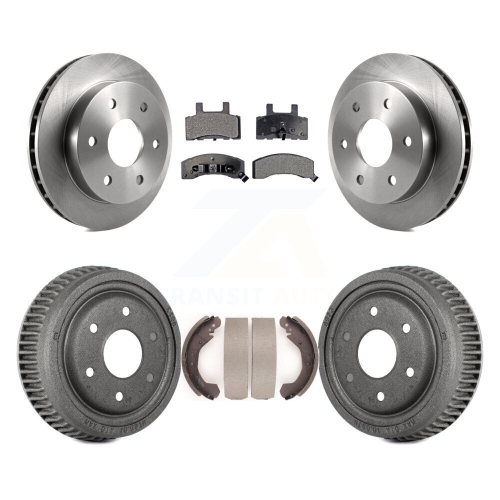
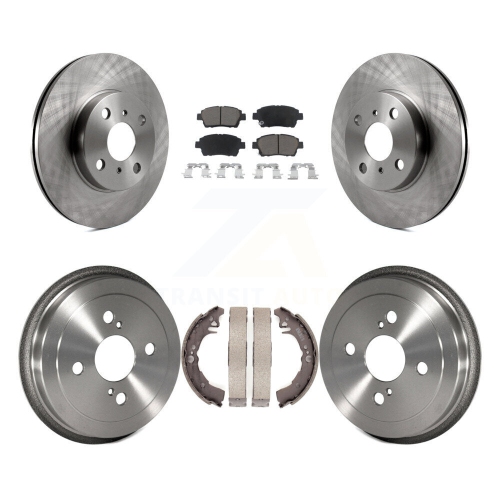
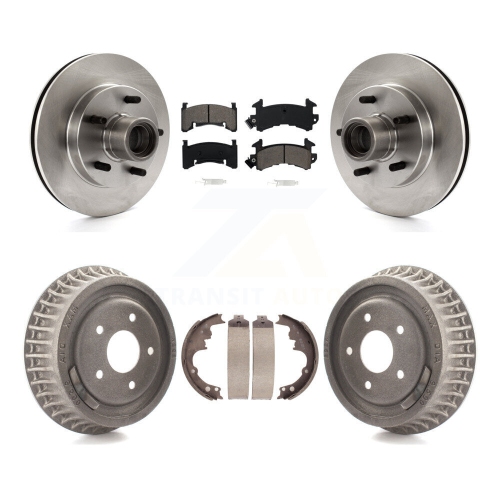
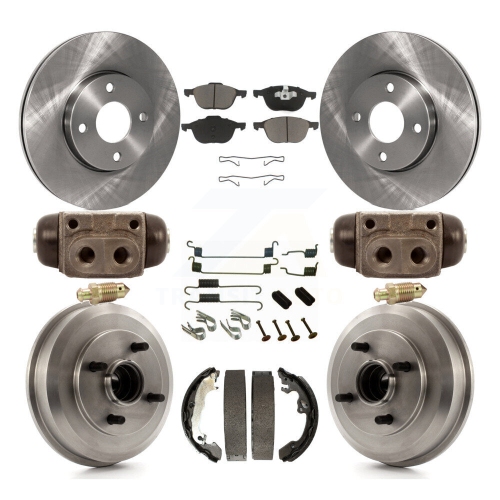
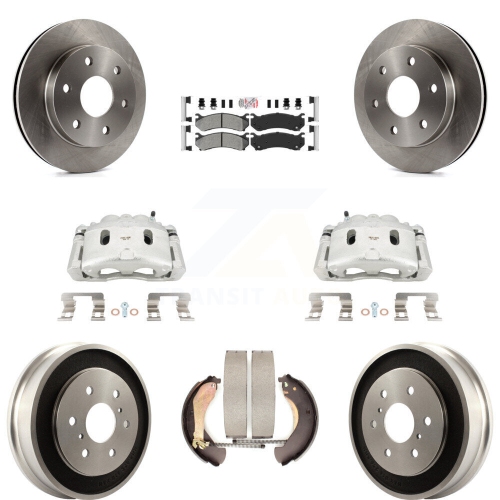
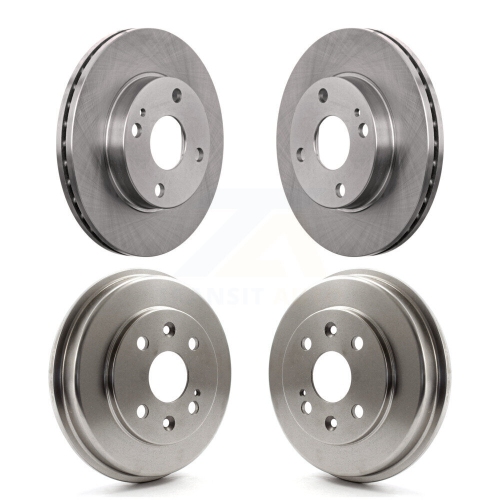
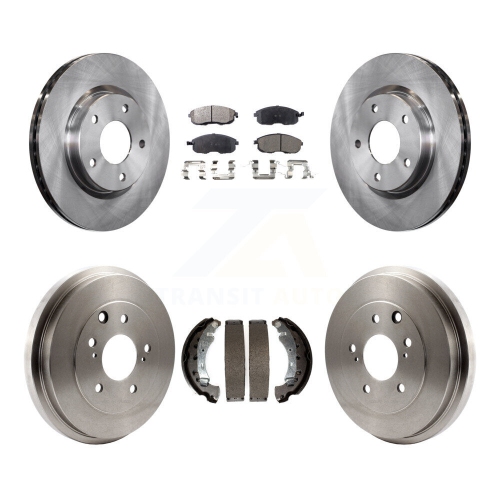
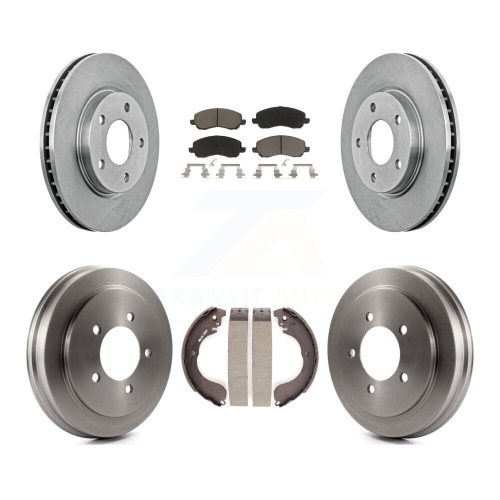
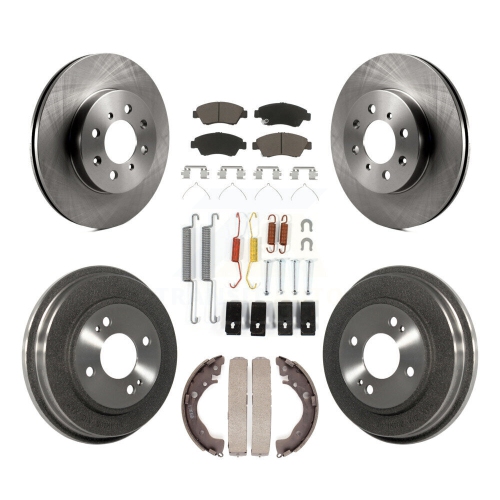
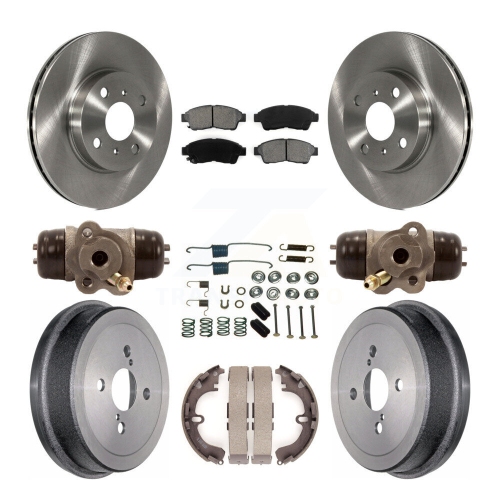
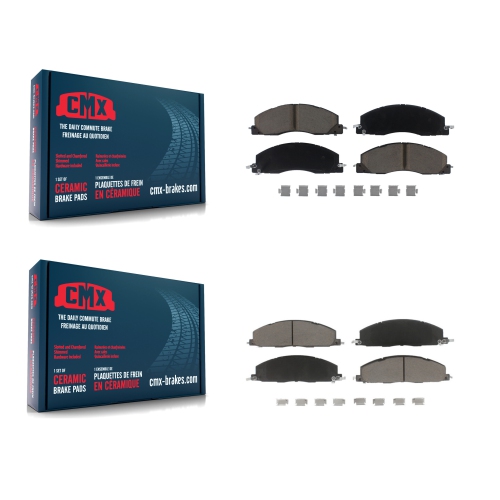
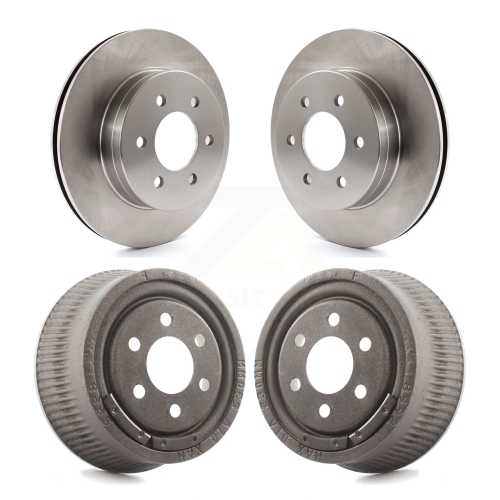
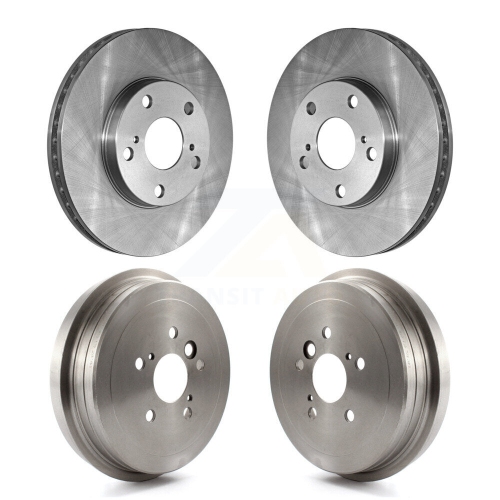
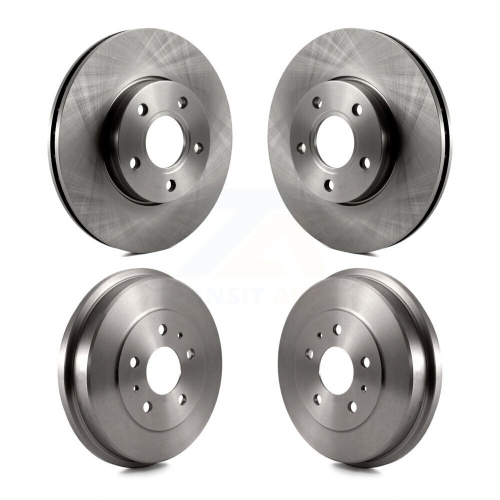
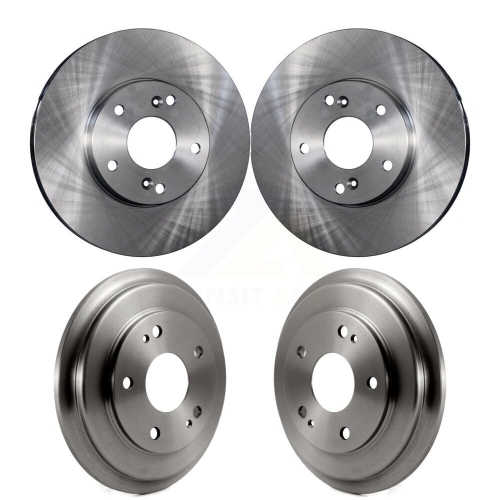
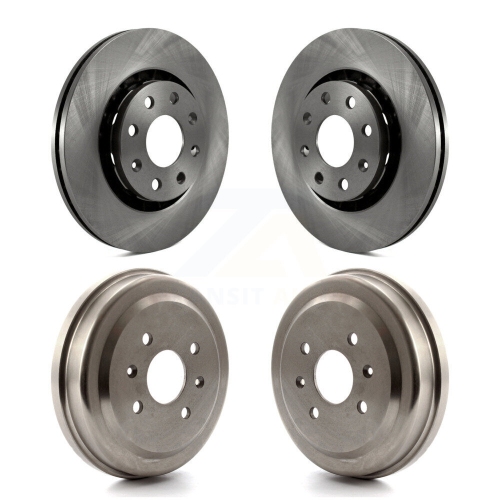
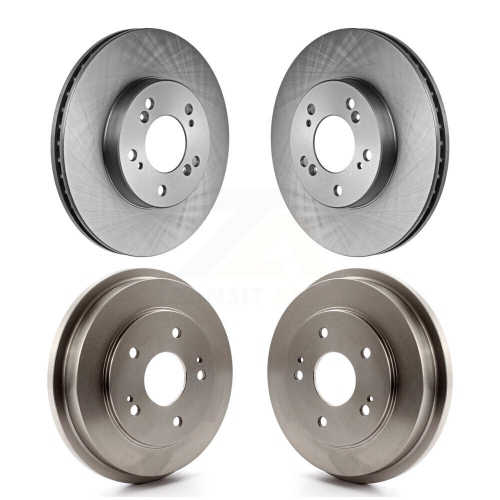
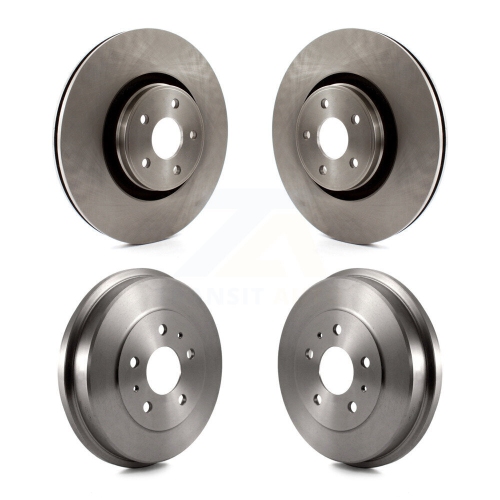
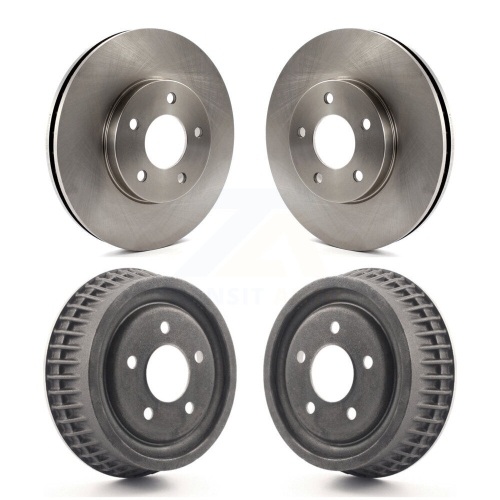
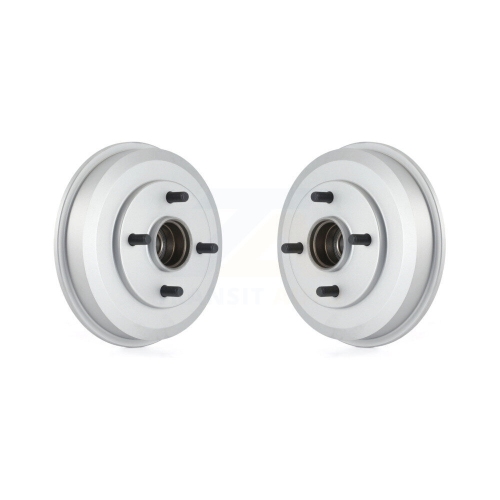
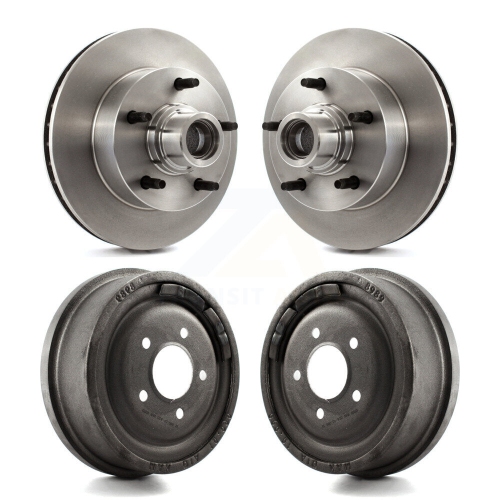
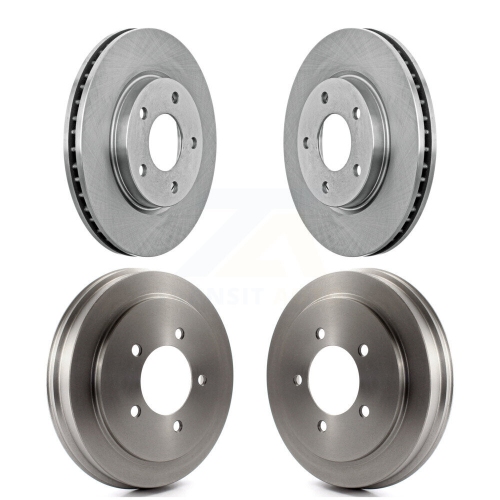
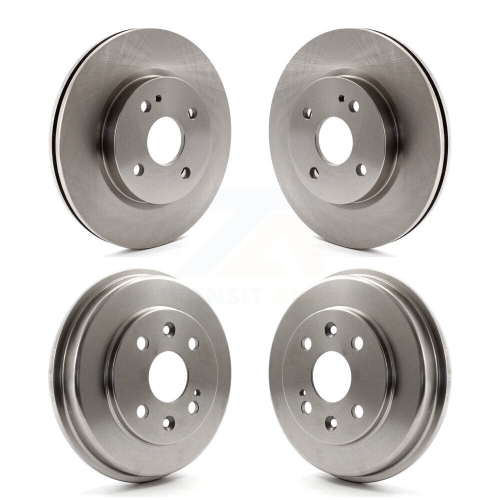
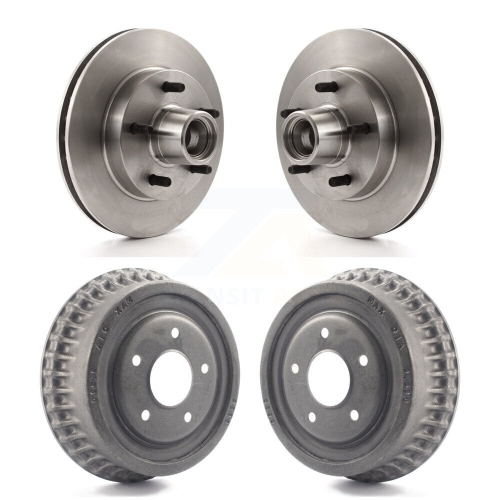
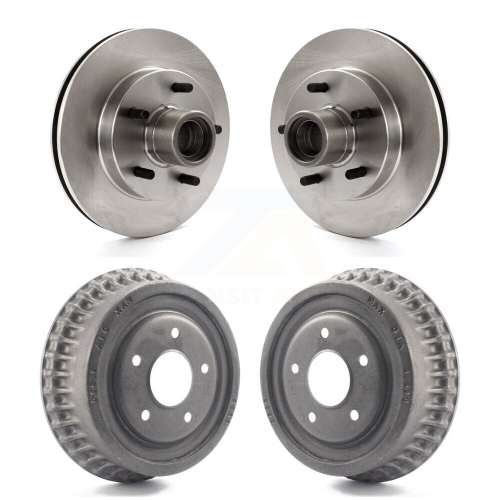
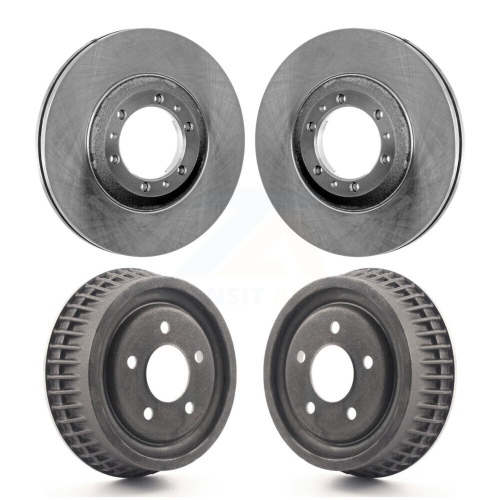
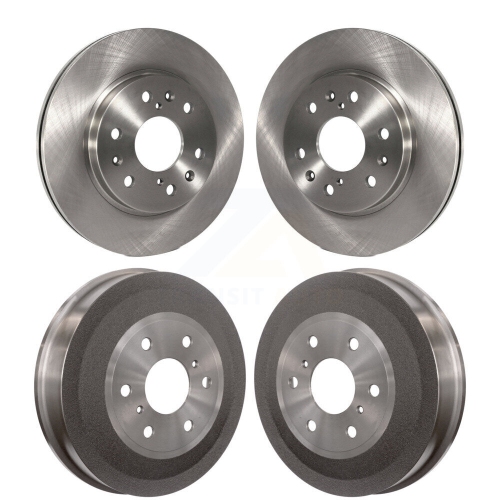
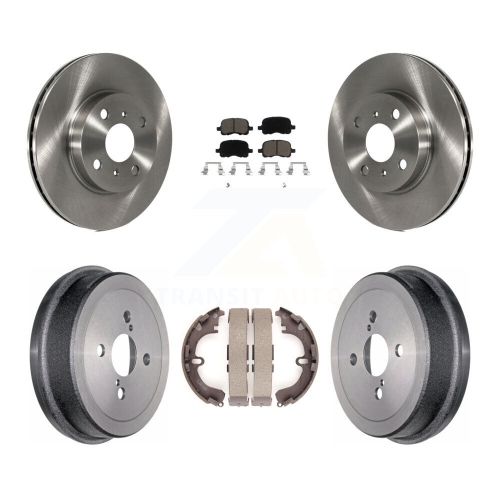
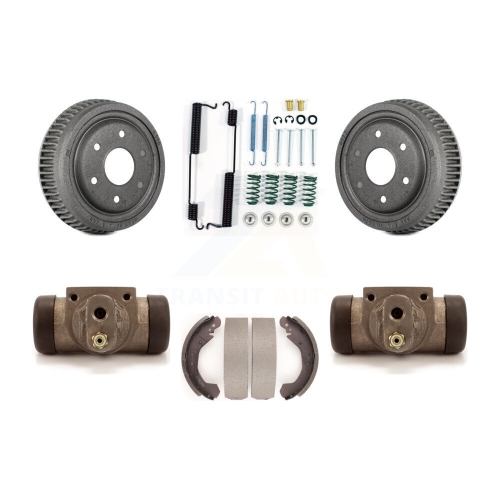
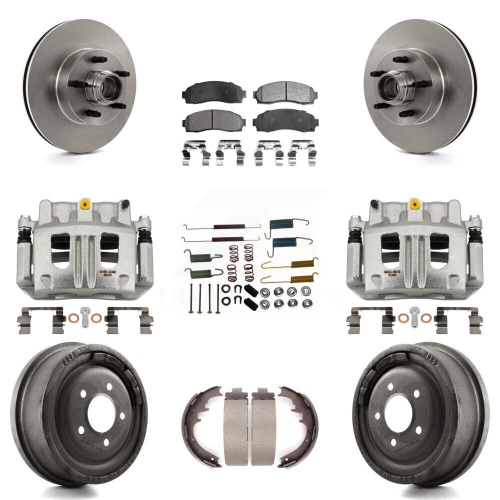
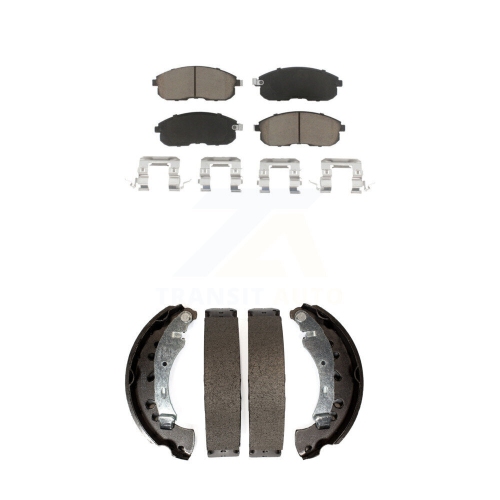
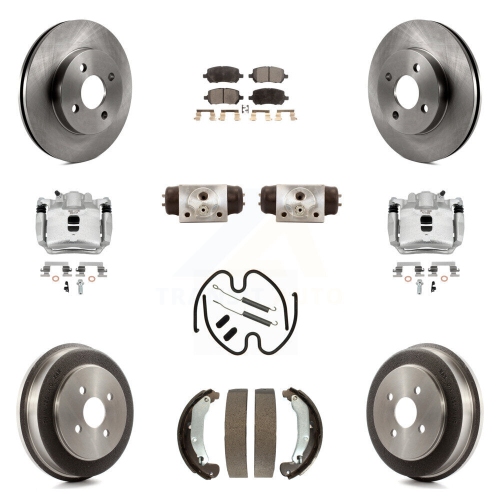
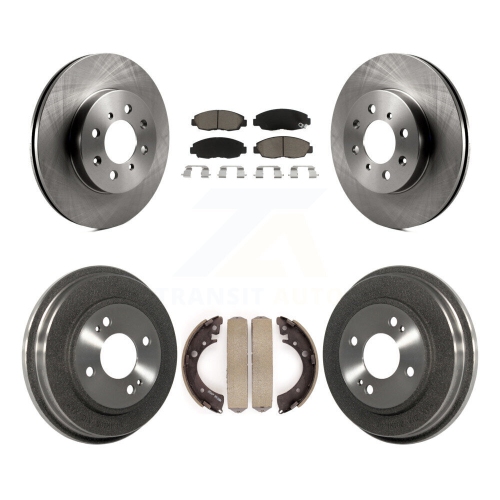
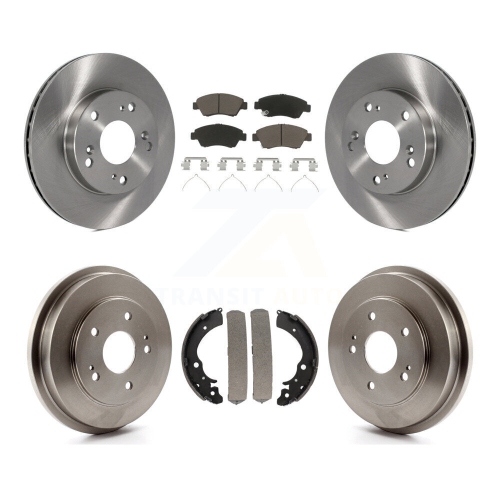
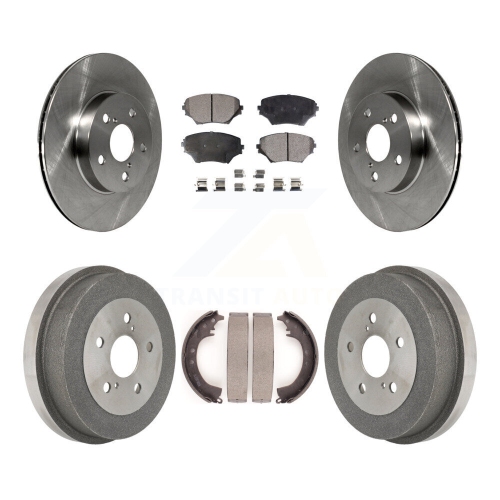
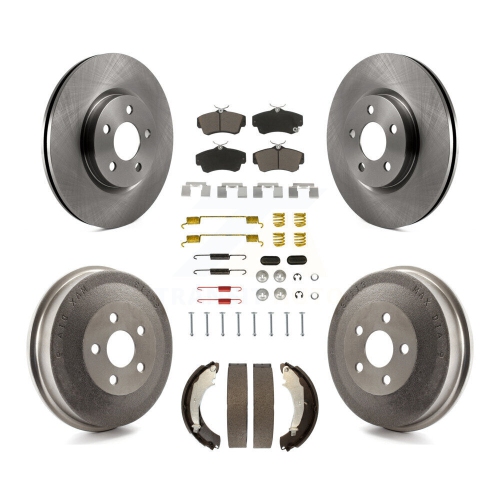
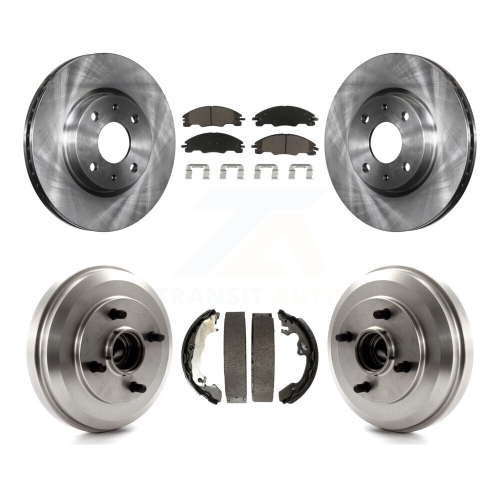
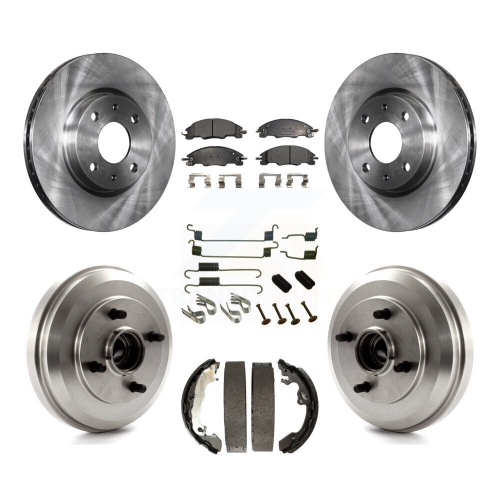
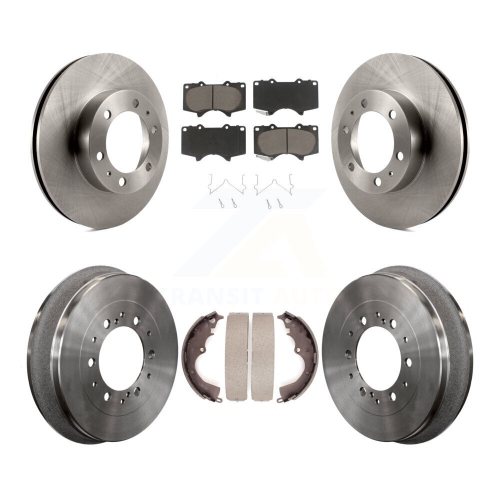
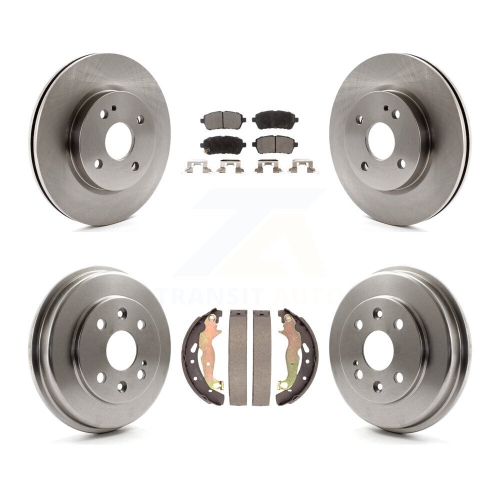
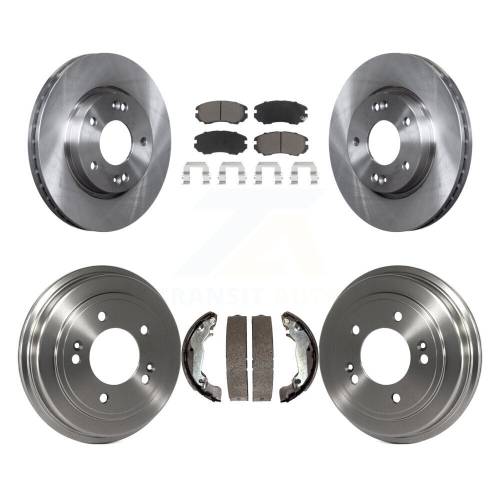
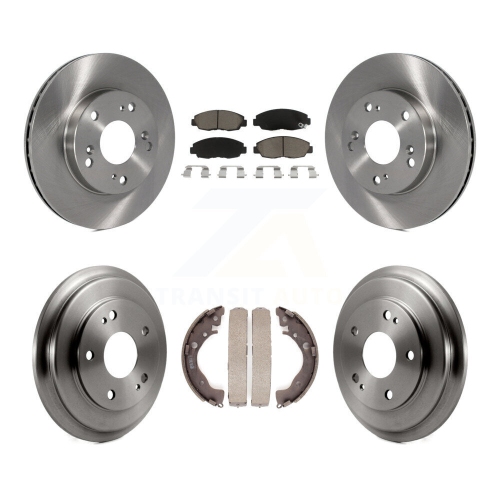
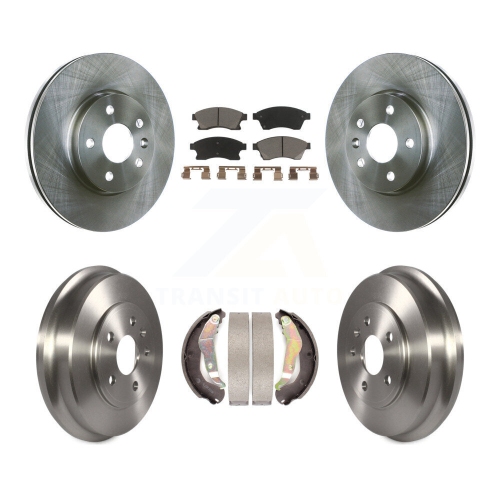
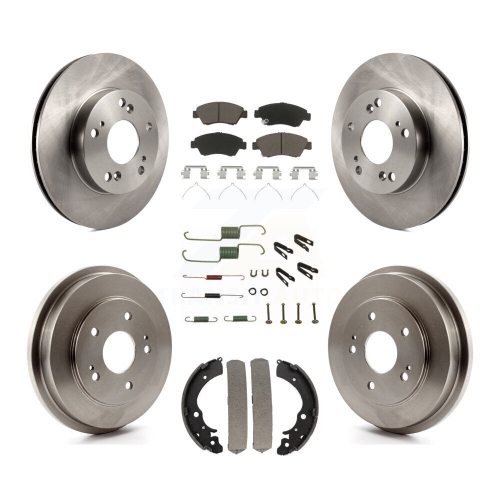
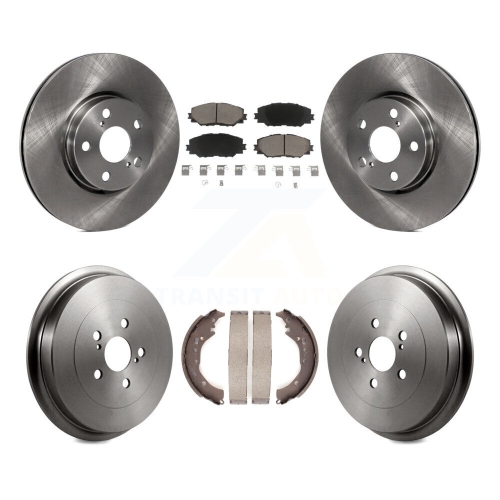
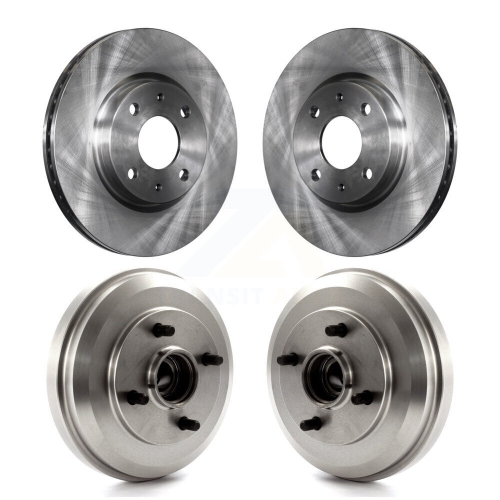
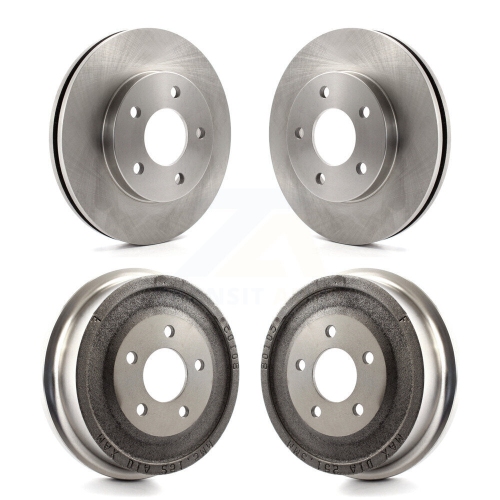
Parts, fitment, and service considerations for drum brakes
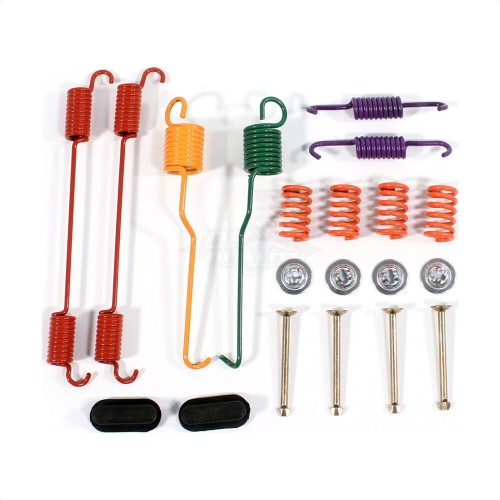
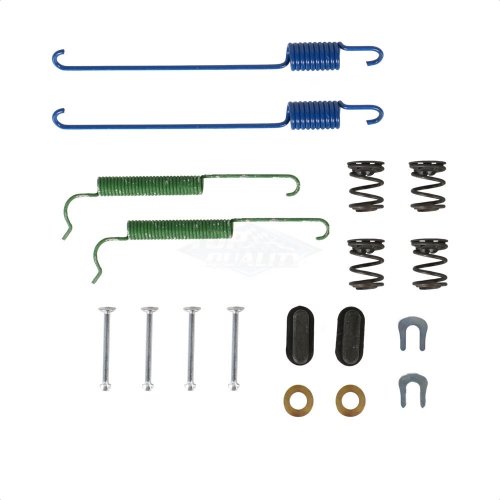
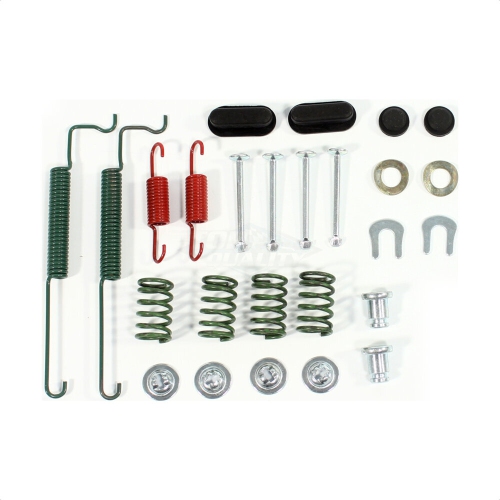
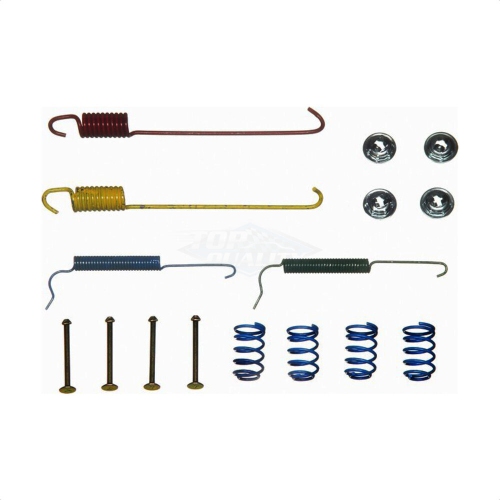
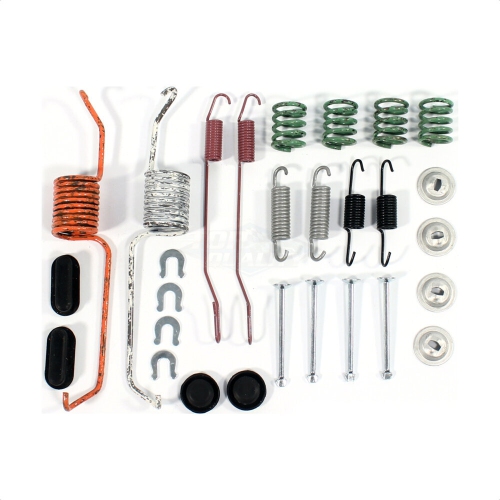
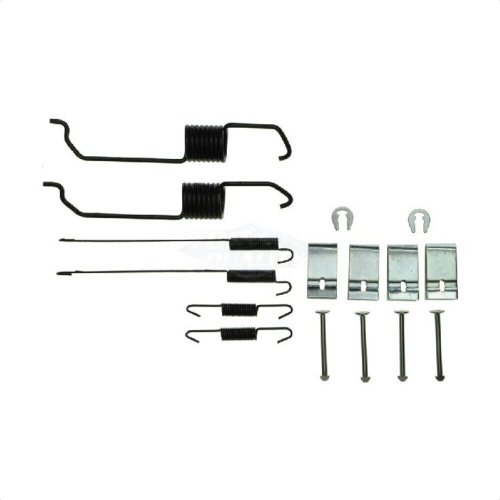
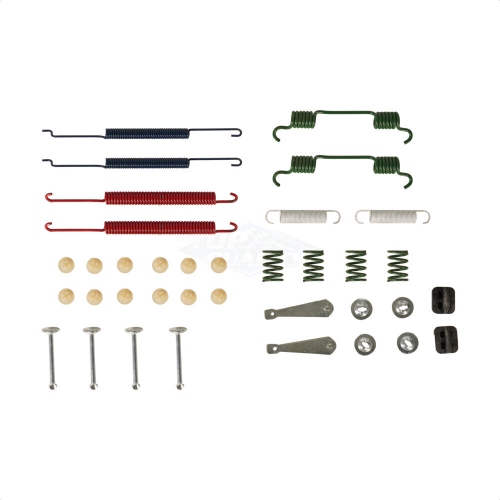
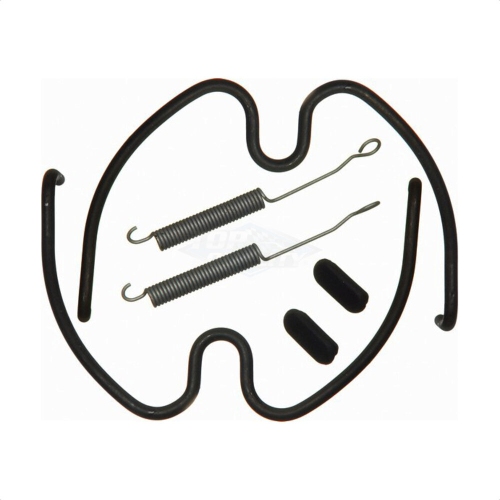
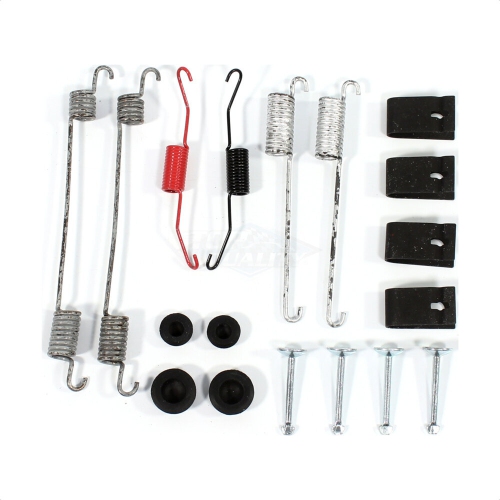
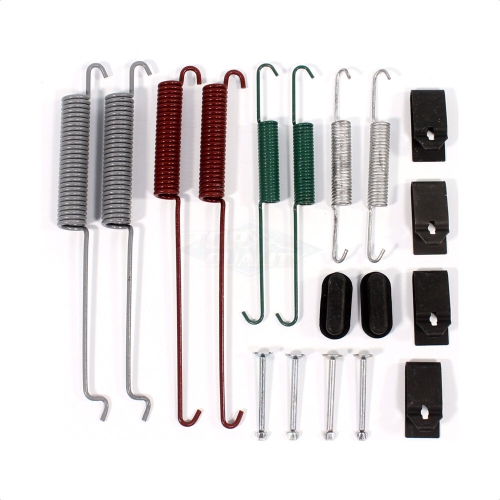
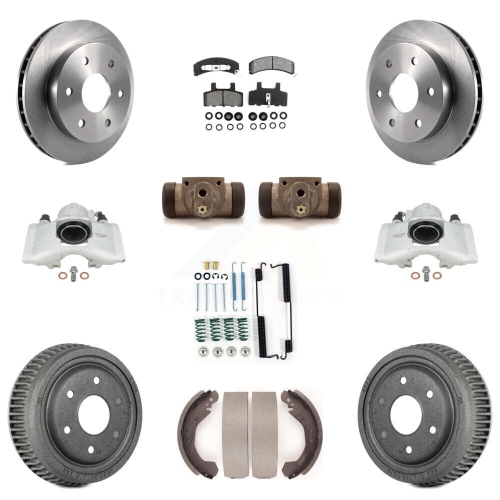
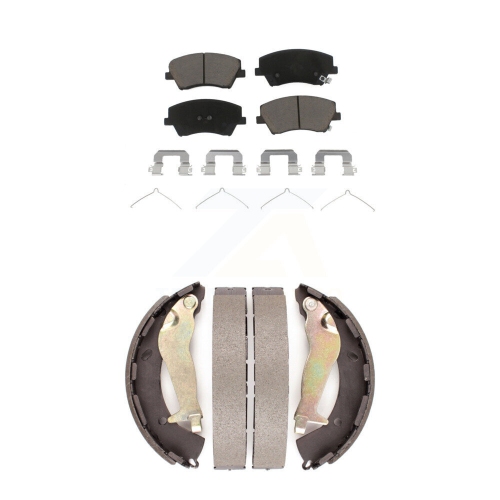
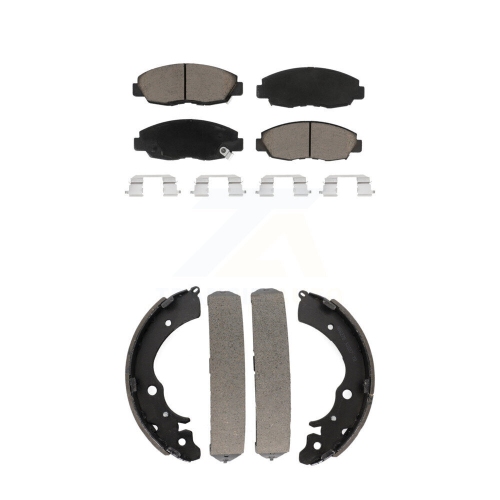
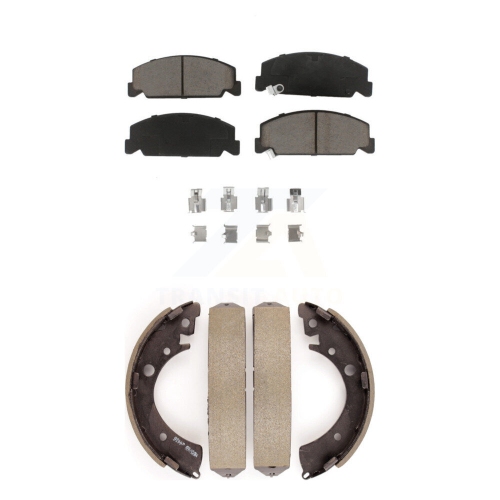
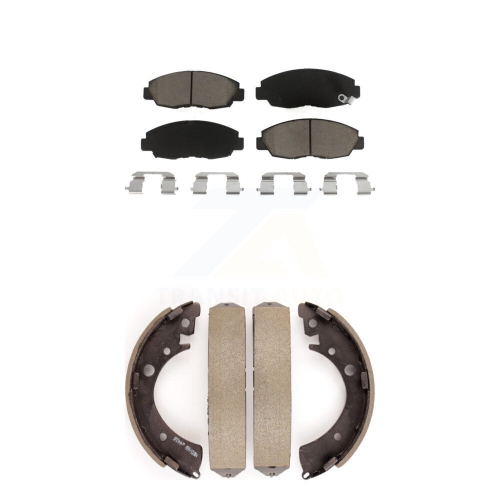
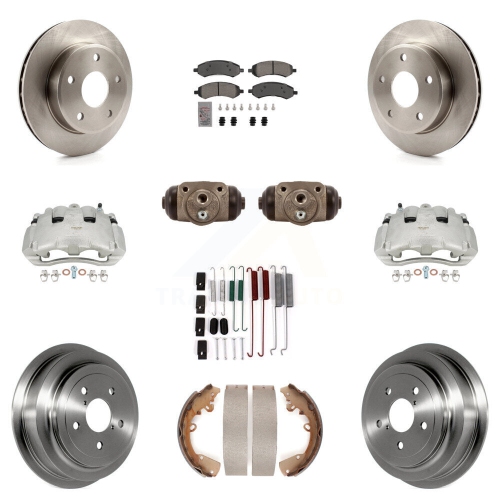
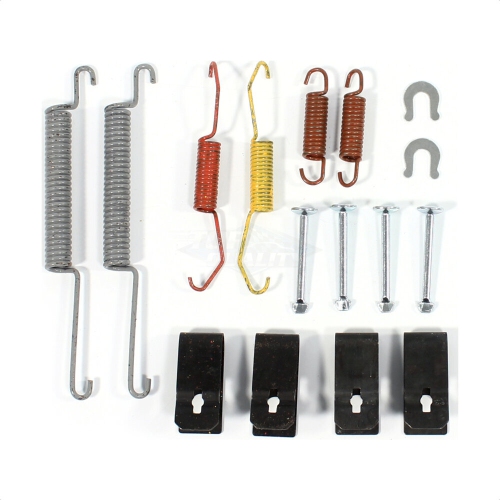
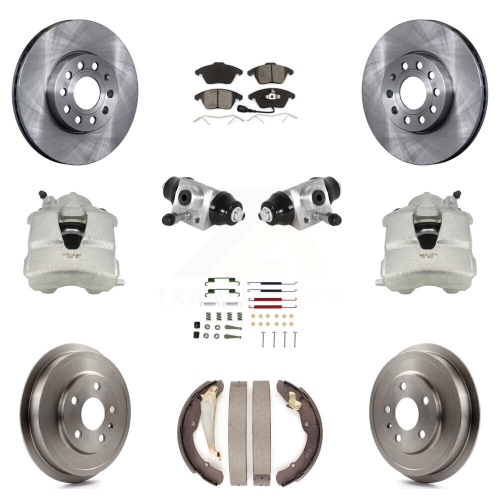
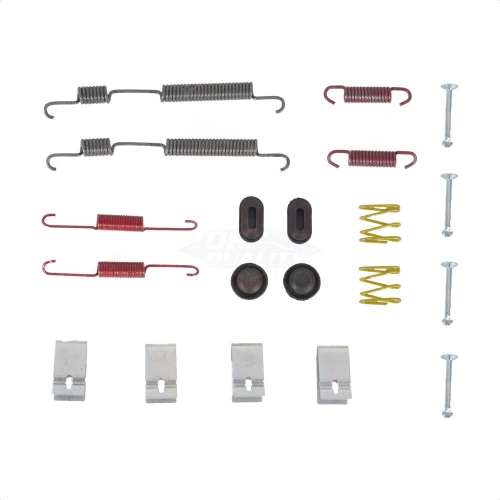
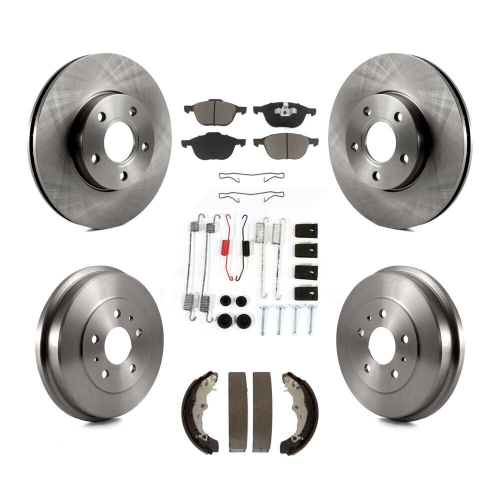
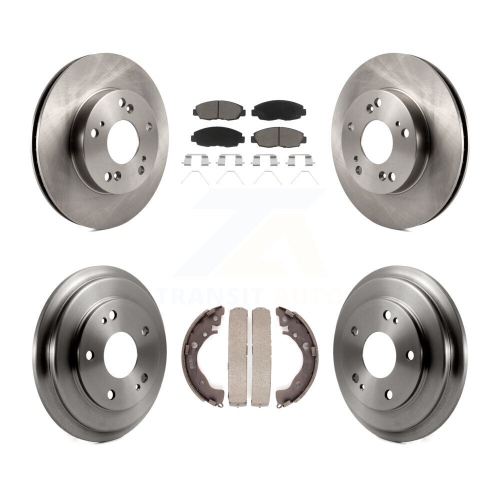
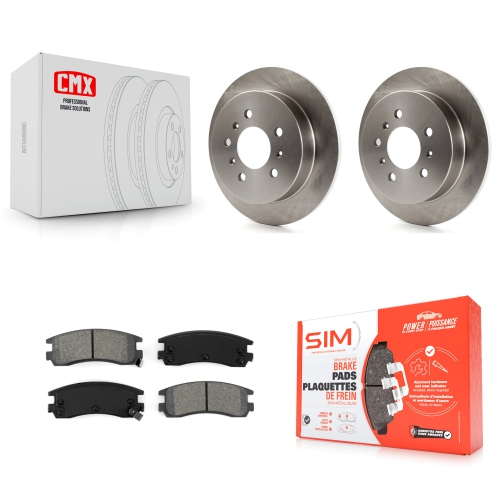
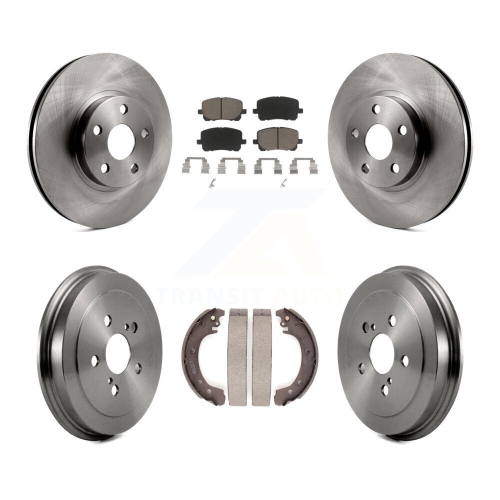
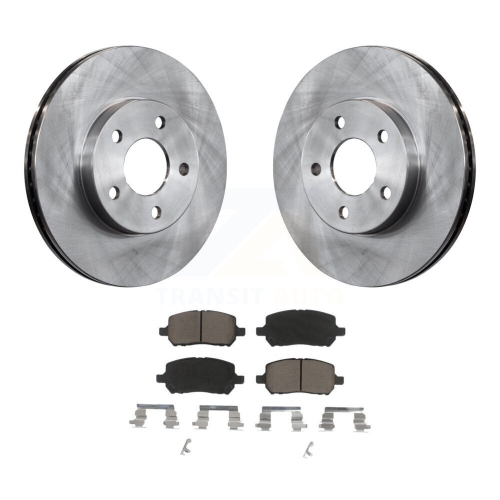
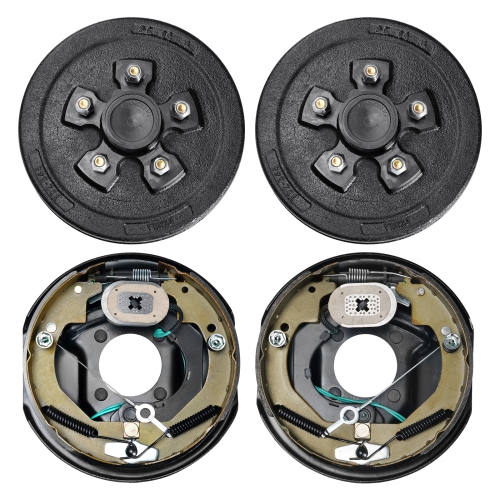
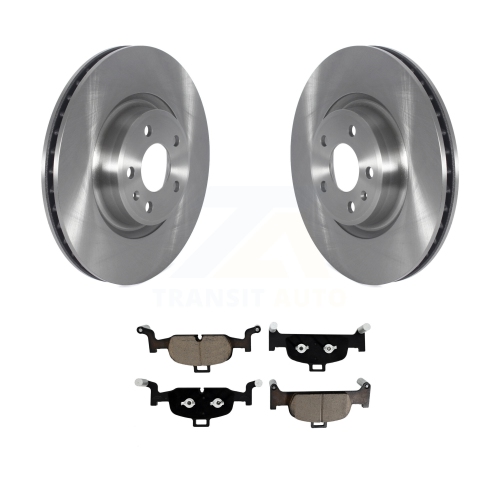
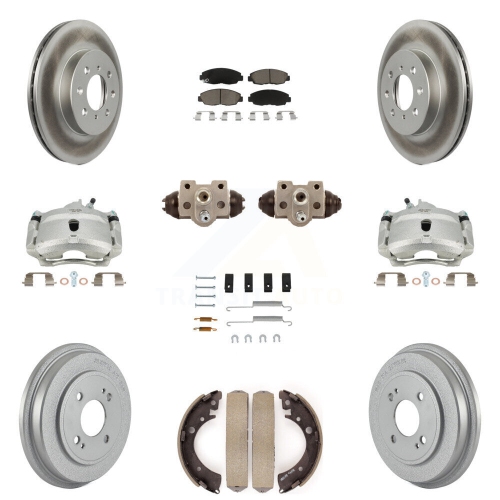
Brake drum kits bring together the parts needed to refresh a vehicle’s drum brake assembly, making them a practical choice for routine maintenance, brake repairs, restoration work, and trailer servicing. A complete kit commonly includes two brake drums, a pair of brake shoes, return and hold-down springs, adjusters, retaining hardware, and wheel cylinders for one 2-wheel axle, although the exact contents vary by application. Some packages focus on the primary wear components, while others provide a more comprehensive assortment of hardware so that aged springs, clips, adjusters, and cylinders can be replaced at the same time. Replacing related parts together can help create a more consistent braking feel and reduce the chance of reusing hardware that has become stretched, corroded, weak, or difficult to adjust. Brake drum kits are often selected for rear axles on passenger cars, SUVs, light trucks, classic vehicles, utility trailers, boat trailers, and other equipment that uses drum brakes. They can be especially useful when a vehicle has begun to pull to one side, produce grinding or scraping sounds, show uneven braking, or require repeated adjustment. A worn drum may have grooves, heat spots, or an oversized internal diameter, while brake shoes lose friction material over time and wheel cylinders can develop leaks. A matched kit offers a convenient way to address several of these concerns in a single repair, rather than collecting individual parts one at a time and trying to confirm whether every component is compatible.
Vehicle and trailer fitment should be the first consideration when comparing brake drum kits. Check the year, make, model, trim, engine, axle position, and whether the kit is intended for the front or rear axle, since two vehicles that appear similar may use different drum diameters, shoe widths, backing plates, wheel-cylinder designs, or adjuster arrangements. Measurements such as the drum diameter and shoe width are important, and trailer owners should also confirm the axle rating, bolt pattern, mounting configuration, and brake size. Kits may be sold for one axle, one side, or a complete 2-wheel axle replacement, so reviewing the package quantity helps prevent an incomplete order. It is also useful to confirm whether wheel cylinders, parking-brake levers, adjuster assemblies, and installation hardware are included. If the existing drums remain within specification and only the springs or retaining pieces need attention, a dedicated Brake Hardware Kits option may be more suitable than a full brake drum kit. For vehicles that regularly carry heavy loads, travel through wet conditions, or tow equipment, look for components designed for the intended duty cycle and axle capacity. Trailer and marine applications may call for corrosion-resistant finishes, sealed or protected components, and drums built for repeated exposure to road spray, launch ramps, salt air, or standing water. Galvanized drum options are available for some trailer applications, but compatibility with the brake shoes, backing plate, spindle, and other axle components still needs to be verified before purchase.
Brake drum kits are commonly purchased by drivers maintaining an older daily vehicle, owners preparing a classic car for regular road use, and trailer owners getting equipment ready for hauling during the warmer and cooler parts of the year. A practical kit can also be a thoughtful purchase for someone who enjoys working on cars, restoring a vintage vehicle, or maintaining a utility trailer at home, provided the recipient has the correct vehicle information and the tools and experience needed for the job. Drum brake service involves springs under tension, friction dust, wheel-cylinder fluid, and components that directly affect stopping performance, so installation should follow the vehicle or trailer manufacturer’s service information. The braking surface and shoe material should be kept clean and free of grease, and both sides of an axle are generally serviced together to maintain balanced braking. After installation, the shoes may need to be adjusted according to the vehicle’s specifications, the hydraulic system may require bleeding if wheel cylinders or brake lines were opened, and the parking brake should be checked for proper operation. A careful inspection of the backing plate, wheel bearings, seals, brake lines, and axle hardware can identify related wear while the drum is removed. Pricing varies with vehicle fitment, kit contents, drum size, and intended use; many complete kits fall broadly between $140 and $580 CAD, while specialized trailer or marine packages can cost more than basic stock-replacement sets. Comparing the included components, application details, axle coverage, material specifications, and return information helps shoppers choose a brake drum kit that matches the repair rather than relying on appearance alone. During the cooler months, when road moisture and temperature changes can expose weaknesses in a braking system, having correctly matched replacement parts on hand can make scheduled maintenance more straightforward and help keep a vehicle or trailer ready for dependable use.
Vehicle and trailer fitment should be the first consideration when comparing brake drum kits. Check the year, make, model, trim, engine, axle position, and whether the kit is intended for the front or rear axle, since two vehicles that appear similar may use different drum diameters, shoe widths, backing plates, wheel-cylinder designs, or adjuster arrangements. Measurements such as the drum diameter and shoe width are important, and trailer owners should also confirm the axle rating, bolt pattern, mounting configuration, and brake size. Kits may be sold for one axle, one side, or a complete 2-wheel axle replacement, so reviewing the package quantity helps prevent an incomplete order. It is also useful to confirm whether wheel cylinders, parking-brake levers, adjuster assemblies, and installation hardware are included. If the existing drums remain within specification and only the springs or retaining pieces need attention, a dedicated Brake Hardware Kits option may be more suitable than a full brake drum kit. For vehicles that regularly carry heavy loads, travel through wet conditions, or tow equipment, look for components designed for the intended duty cycle and axle capacity. Trailer and marine applications may call for corrosion-resistant finishes, sealed or protected components, and drums built for repeated exposure to road spray, launch ramps, salt air, or standing water. Galvanized drum options are available for some trailer applications, but compatibility with the brake shoes, backing plate, spindle, and other axle components still needs to be verified before purchase.
Brake drum kits are commonly purchased by drivers maintaining an older daily vehicle, owners preparing a classic car for regular road use, and trailer owners getting equipment ready for hauling during the warmer and cooler parts of the year. A practical kit can also be a thoughtful purchase for someone who enjoys working on cars, restoring a vintage vehicle, or maintaining a utility trailer at home, provided the recipient has the correct vehicle information and the tools and experience needed for the job. Drum brake service involves springs under tension, friction dust, wheel-cylinder fluid, and components that directly affect stopping performance, so installation should follow the vehicle or trailer manufacturer’s service information. The braking surface and shoe material should be kept clean and free of grease, and both sides of an axle are generally serviced together to maintain balanced braking. After installation, the shoes may need to be adjusted according to the vehicle’s specifications, the hydraulic system may require bleeding if wheel cylinders or brake lines were opened, and the parking brake should be checked for proper operation. A careful inspection of the backing plate, wheel bearings, seals, brake lines, and axle hardware can identify related wear while the drum is removed. Pricing varies with vehicle fitment, kit contents, drum size, and intended use; many complete kits fall broadly between $140 and $580 CAD, while specialized trailer or marine packages can cost more than basic stock-replacement sets. Comparing the included components, application details, axle coverage, material specifications, and return information helps shoppers choose a brake drum kit that matches the repair rather than relying on appearance alone. During the cooler months, when road moisture and temperature changes can expose weaknesses in a braking system, having correctly matched replacement parts on hand can make scheduled maintenance more straightforward and help keep a vehicle or trailer ready for dependable use.
Top selling and popular products
-
 Your price for this item is $360
 -
 Your price for this item is $167.55
 -
 Your price for this item is $93.9
 -
 Your price for this item is $55.47
 -
 Your price for this item is $243.99
 -
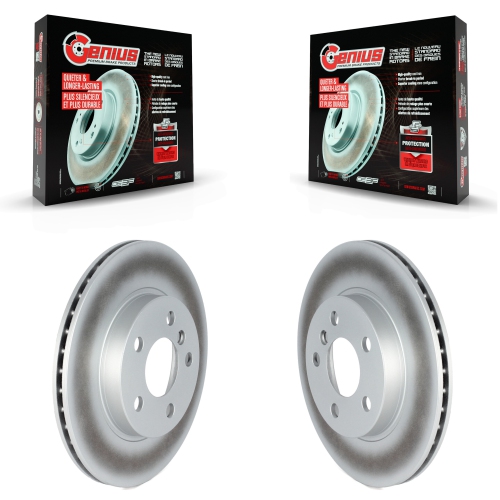 Your price for this item is $94.79
 -
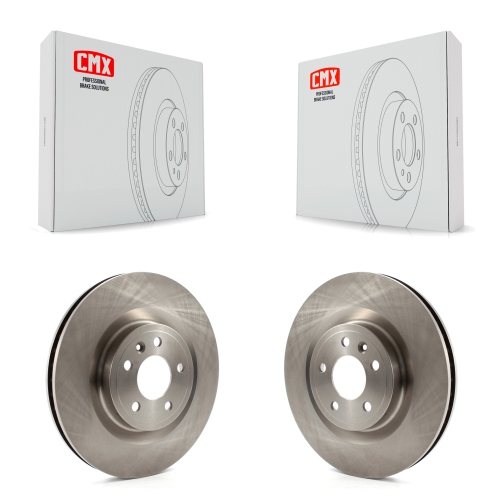 Your price for this item is $131.34
 -
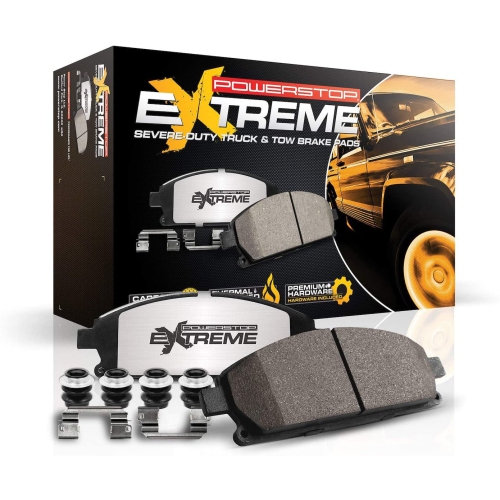 Your price for this item is $109.38
Discover more categories related to Brake Drum Kits
Top Collections:
Pokemon Centers, Kindle Devices, Best Budget Office Chairs, Apple iPhones 16, Best Laptops for Writers, iPhone 15 Apple, Canon G7X Cameras, Refurbished Apple Laptops, Alarm Clock, Motorola Razr Phones
Some products may be subject to Environmental Handling Fees
(EHF) depending on your province.
Learn more about EHFs.