Brake Hardware Kits
Brake hardware kits are essential components for maintaining the efficiency and safety of your vehicle's braking system. These kits include various parts that ensure your brakes function smoothly and quietly, helping to prevent wear and tear on your brake pads and rotors. Whether you're a DIY enthusiast or a professional mechanic, having the right brake hardware kits can make all the difference in achieving optimal braking performance. Explore our selection to find the perfect fit for your vehicle's needs, ensuring peace of mind on every drive.
Sort
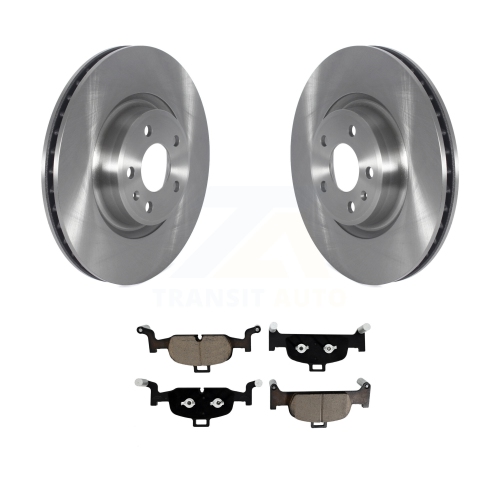
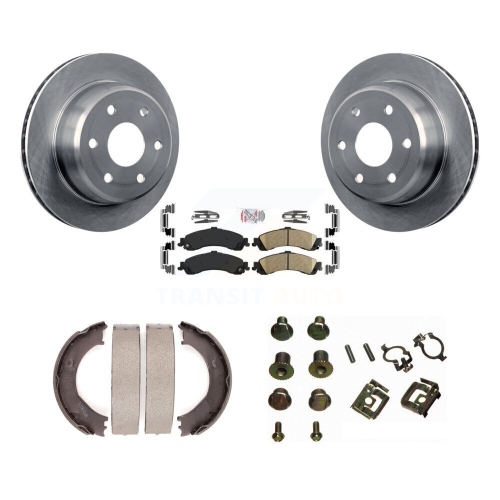
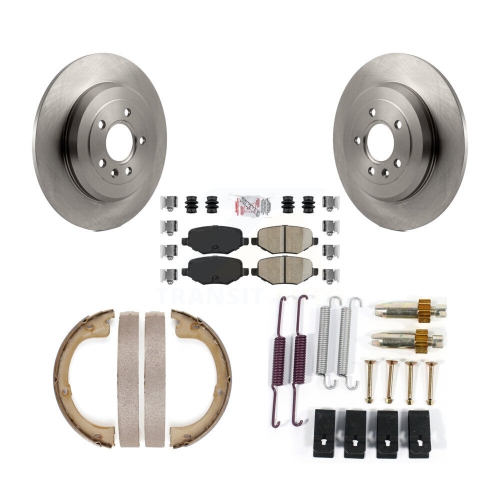
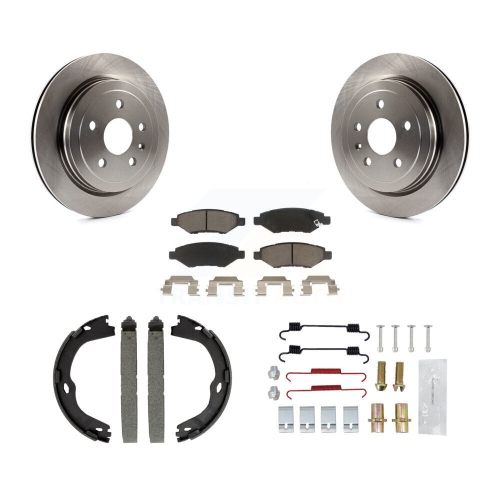
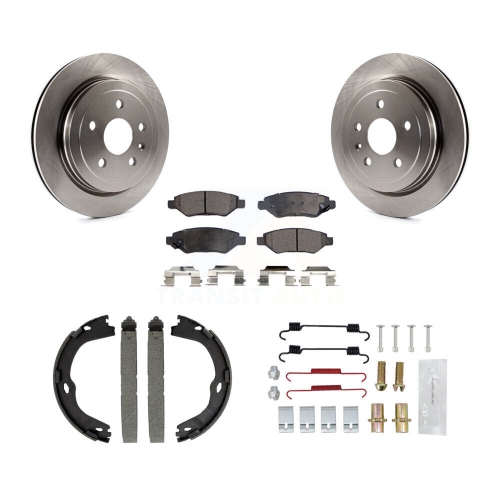
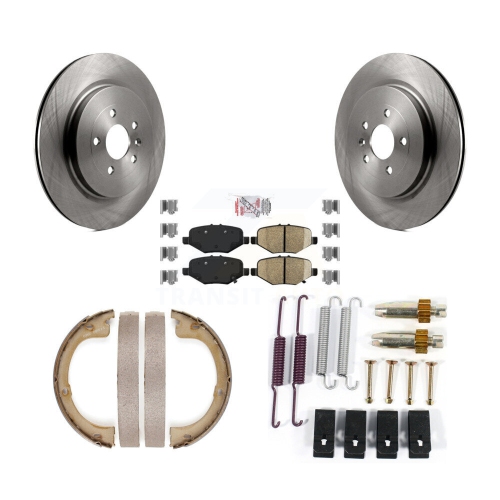
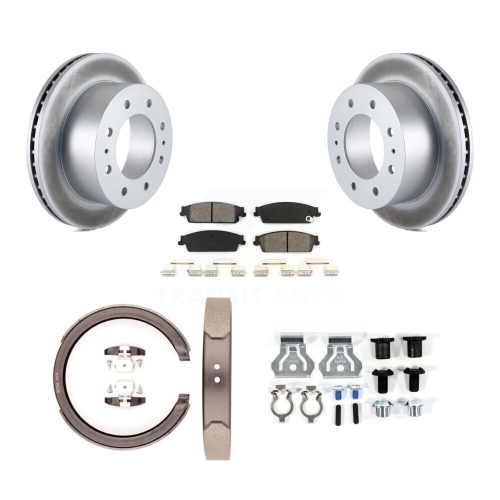
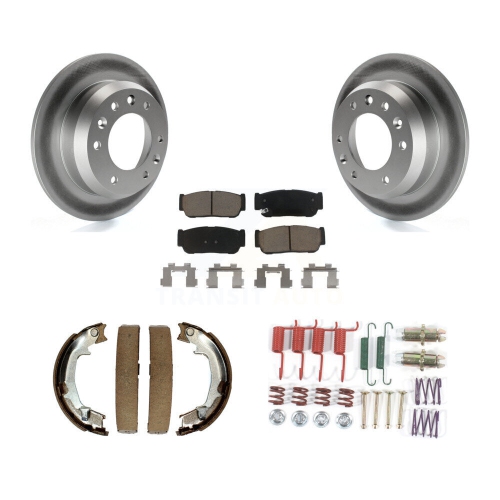
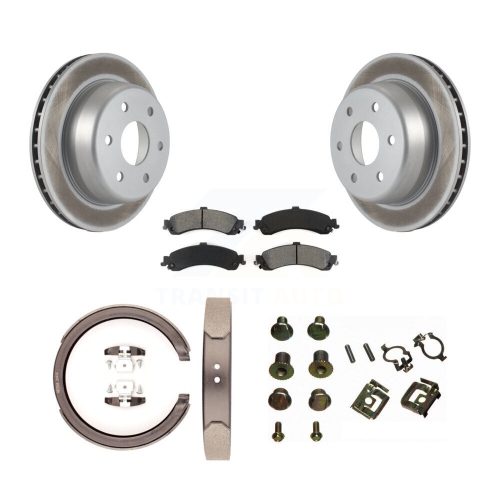
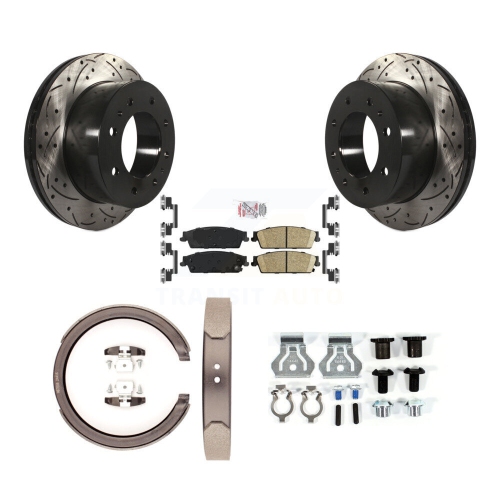
The overlooked parts behind smooth, consistent brake movement
Brake hardware kits contain the small but essential components that help a vehicle’s braking system operate smoothly and consistently. Depending on the application, a kit may include clips, springs, pins, retainers, shims, boots, bushings, or other fitting hardware used with brake pads, shoes, calipers, or backing plates. These parts can be easy to overlook because they are much smaller than rotors, drums, pads, and calipers, yet worn, bent, corroded, or missing hardware can affect how those larger components move. A disc brake hardware kit commonly includes abutment clips, anti-rattle clips, and pad retainers that hold the pads correctly in the caliper bracket while allowing them to slide as the brakes are applied and released. Caliper pin and boot kits typically include sliding guide pins and protective rubber boots, helping the caliper move evenly and keeping road dirt and moisture away from the sliding surfaces. For vehicles with rear drum brakes, drum brake hardware kits can contain return springs, hold-down springs, adjuster parts, and related fittings that keep the brake shoes properly positioned. Replacing this hardware during a brake pad or shoe service can help reduce brake squeal, dragging, uneven wear, and inconsistent pedal feel. It is also a practical way to refresh the complete brake assembly rather than reinstalling old springs or clips simply because they are still present. During the warmer driving season, frequent highway trips, towing, road construction, and stop-and-go traffic can put extra demands on brakes, while cooler months may bring more moisture, grit, and temperature changes around exposed components. A fresh, correctly matched hardware kit supports the regular movement that allows pads and shoes to release cleanly after braking.
Selecting the right brake hardware kit starts with vehicle compatibility. The year, make, model, trim, engine, drivetrain, brake position, and original equipment configuration can all affect fitment, so the vehicle details should be checked carefully before ordering. Even vehicles with the same model name may use different front and rear brake systems, different rotor or drum sizes, or separate hardware for left and right applications. It is important to identify whether the vehicle uses disc brakes or drum brakes at the service position and whether the kit is intended for the front axle, rear axle, or a specific corner. A disc brake kit should include the retaining and anti-rattle pieces required by that particular caliper bracket, while a drum brake kit should contain the spring and adjuster components used by the shoe assembly. If the existing caliper pins show scoring, rust, or binding, a kit with replacement pins and rubber boots may be more suitable than a basic clip set. Likewise, hardware exposed to road salt, standing water, and winter grime may show flaking, pitting, stretched springs, or loss of tension even when the brake pads or shoes appear usable. A careful inspection during a brake service can reveal shiny contact marks, pads that are worn at an angle, one pad sitting tighter than another, or a brake shoe that does not return fully. These signs may point to worn hardware or restricted movement. Some kits use coated or corrosion-resistant components, and others are designed as direct replacements for the original fittings; the most useful choice depends on the vehicle application and the condition of the parts being replaced. Always compare the kit contents with the existing assembly and the vehicle’s service information, and avoid mixing unrelated clips, springs, or pins that were not designed to work together.
Brake hardware kits are most often purchased by vehicle owners completing a brake repair, home mechanics maintaining a family vehicle, and professional technicians who want all of the supporting fittings available for the job. They can be especially helpful when replacing pads or shoes on an older vehicle that has seen many seasons of Canadian driving, since repeated heat cycles and exposure to moisture can leave small metal parts weakened or seized. A person who regularly drives through busy urban intersections may notice a light squeal or a slight delay as the brakes release; someone who travels rural roads may find that dirt and rust have affected caliper slide movement; and a driver who carries equipment or tows a trailer may prefer to renew the complete brake hardware assembly during scheduled service. These kits are generally not gift items in the traditional sense, but they can be a thoughtful, practical choice for a family member who maintains their own vehicle, works on a project car, or keeps a second vehicle ready for long trips. They may also be useful alongside related brake components, including Brake Caliper Kits, when a caliper is being serviced and the pins, boots, clips, or mounting hardware need attention at the same time. Brake work involves components that directly affect vehicle control, so installation should be completed with the correct tools, torque specifications, lubrication where specified, and safe support stands rather than relying on a jack alone. After installation, the brakes should be checked for free movement, proper pad or shoe placement, secure fasteners, and normal operation before regular driving resumes. When the weather shifts from warm roads to cooler, wetter conditions, having properly fitted hardware helps maintain predictable brake movement and can make routine servicing more complete, whether the work is performed at home by an experienced mechanic or entrusted to a qualified automotive professional.
Selecting the right brake hardware kit starts with vehicle compatibility. The year, make, model, trim, engine, drivetrain, brake position, and original equipment configuration can all affect fitment, so the vehicle details should be checked carefully before ordering. Even vehicles with the same model name may use different front and rear brake systems, different rotor or drum sizes, or separate hardware for left and right applications. It is important to identify whether the vehicle uses disc brakes or drum brakes at the service position and whether the kit is intended for the front axle, rear axle, or a specific corner. A disc brake kit should include the retaining and anti-rattle pieces required by that particular caliper bracket, while a drum brake kit should contain the spring and adjuster components used by the shoe assembly. If the existing caliper pins show scoring, rust, or binding, a kit with replacement pins and rubber boots may be more suitable than a basic clip set. Likewise, hardware exposed to road salt, standing water, and winter grime may show flaking, pitting, stretched springs, or loss of tension even when the brake pads or shoes appear usable. A careful inspection during a brake service can reveal shiny contact marks, pads that are worn at an angle, one pad sitting tighter than another, or a brake shoe that does not return fully. These signs may point to worn hardware or restricted movement. Some kits use coated or corrosion-resistant components, and others are designed as direct replacements for the original fittings; the most useful choice depends on the vehicle application and the condition of the parts being replaced. Always compare the kit contents with the existing assembly and the vehicle’s service information, and avoid mixing unrelated clips, springs, or pins that were not designed to work together.
Brake hardware kits are most often purchased by vehicle owners completing a brake repair, home mechanics maintaining a family vehicle, and professional technicians who want all of the supporting fittings available for the job. They can be especially helpful when replacing pads or shoes on an older vehicle that has seen many seasons of Canadian driving, since repeated heat cycles and exposure to moisture can leave small metal parts weakened or seized. A person who regularly drives through busy urban intersections may notice a light squeal or a slight delay as the brakes release; someone who travels rural roads may find that dirt and rust have affected caliper slide movement; and a driver who carries equipment or tows a trailer may prefer to renew the complete brake hardware assembly during scheduled service. These kits are generally not gift items in the traditional sense, but they can be a thoughtful, practical choice for a family member who maintains their own vehicle, works on a project car, or keeps a second vehicle ready for long trips. They may also be useful alongside related brake components, including Brake Caliper Kits, when a caliper is being serviced and the pins, boots, clips, or mounting hardware need attention at the same time. Brake work involves components that directly affect vehicle control, so installation should be completed with the correct tools, torque specifications, lubrication where specified, and safe support stands rather than relying on a jack alone. After installation, the brakes should be checked for free movement, proper pad or shoe placement, secure fasteners, and normal operation before regular driving resumes. When the weather shifts from warm roads to cooler, wetter conditions, having properly fitted hardware helps maintain predictable brake movement and can make routine servicing more complete, whether the work is performed at home by an experienced mechanic or entrusted to a qualified automotive professional.
Top selling and popular products
-
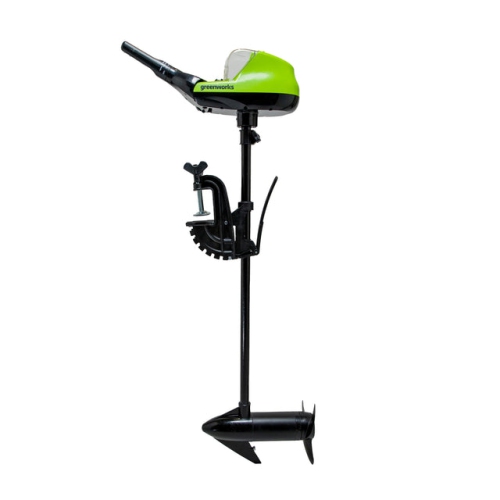 Your price for this item is $360
 -
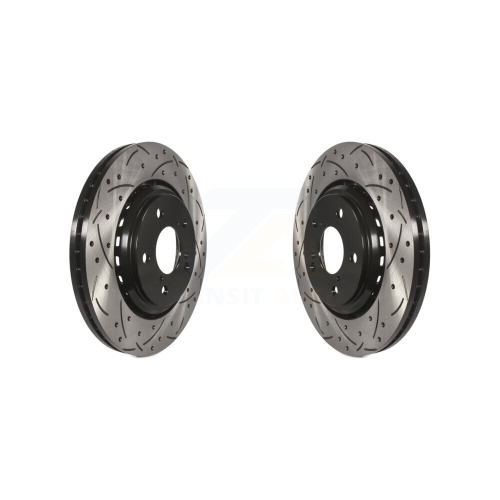 Your price for this item is $167.55
 -
 Your price for this item is $93.9
 -
 Your price for this item is $55.47
 -
 Your price for this item is $243.99
 -
 Your price for this item is $94.79
 -
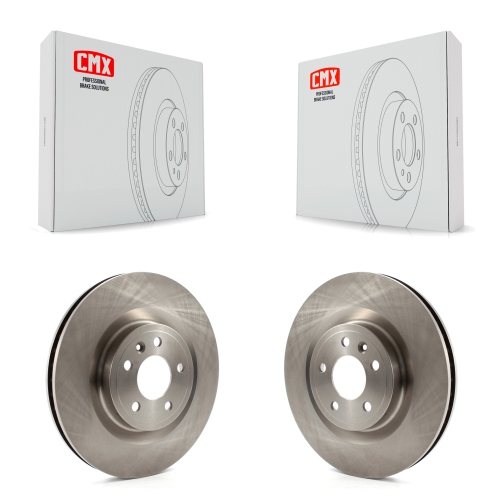 Your price for this item is $131.34
 -
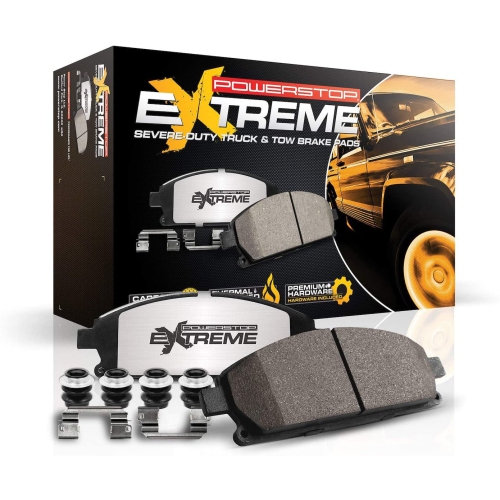 Your price for this item is $109.38
Discover more categories related to Brake Hardware Kits
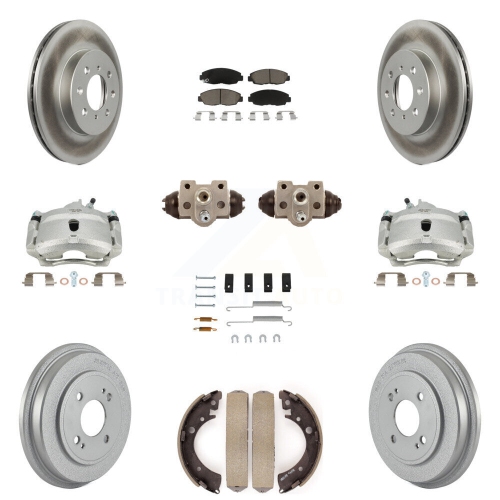
Top Collections:
Pokemon Centers, Kindle Devices, Best Budget Office Chairs, Apple iPhones 16, Best Laptops for Writers, iPhone 15 Apple, Canon G7X Cameras, Refurbished Apple Laptops, Alarm Clock, Motorola Razr Phones
Some products may be subject to Environmental Handling Fees
(EHF) depending on your province.
Learn more about EHFs.