Car Security
Explore a diverse range of car security solutions designed to provide peace of mind and protect your vehicle from potential threats. Whether you're looking to enhance the safety of your car with advanced alarm systems, GPS tracking devices, or innovative immobilizers, you'll find options that suit various needs and budgets. Prioritize the safety of your vehicle with cutting-edge technology and reliable features that deter theft and unauthorized access. Discover how these security products can seamlessly integrate into your lifestyle while ensuring your vehicle remains secure wherever you go.
Sort
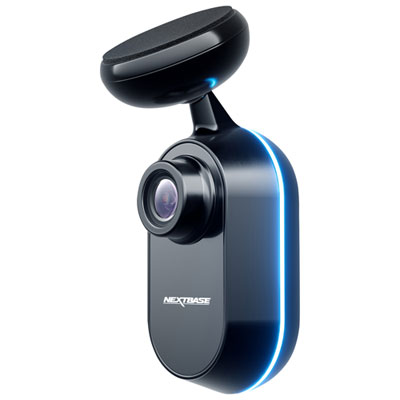
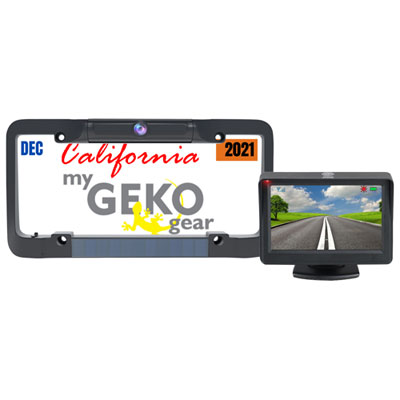
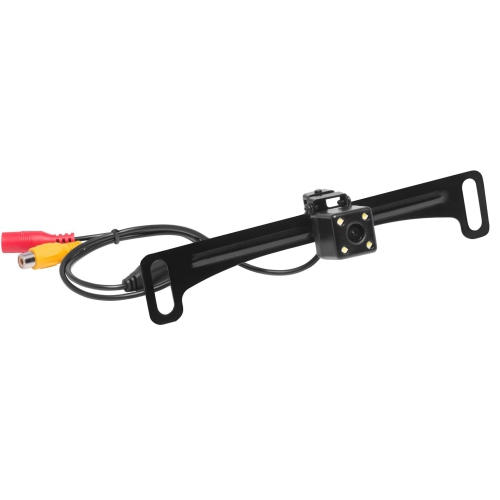
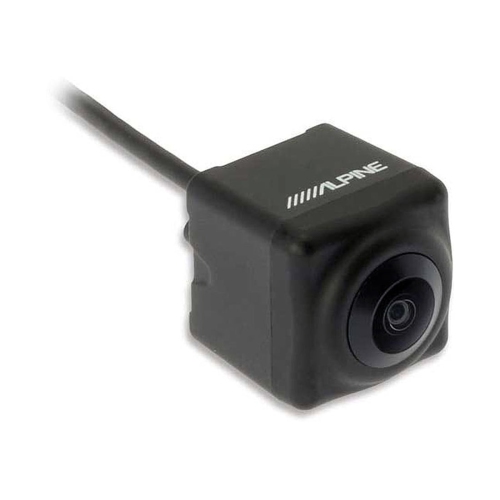


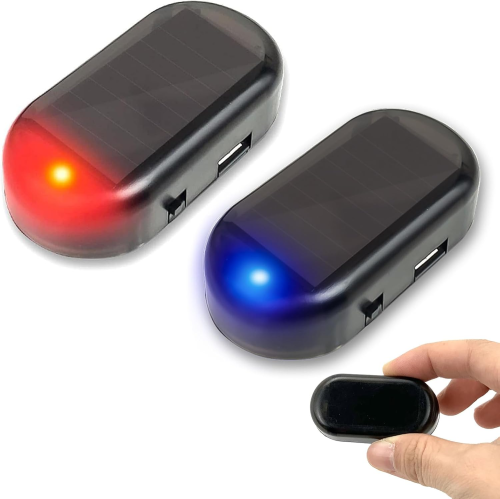
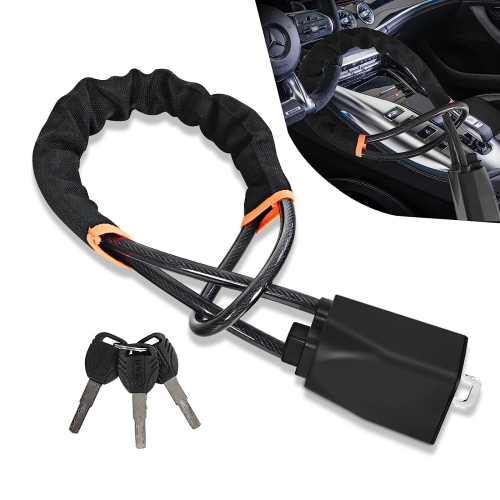
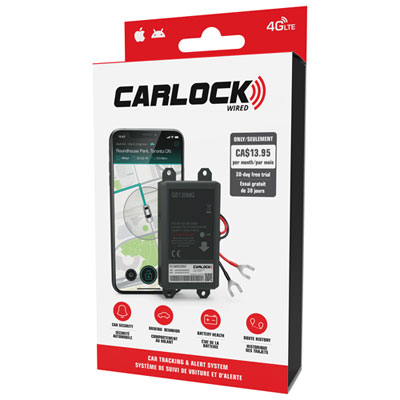
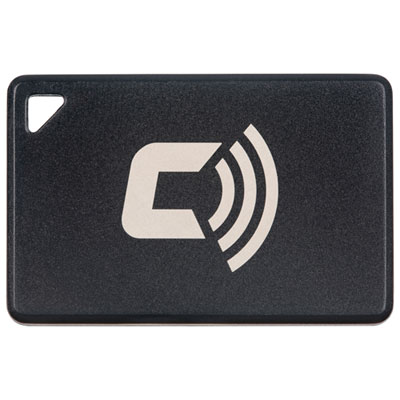

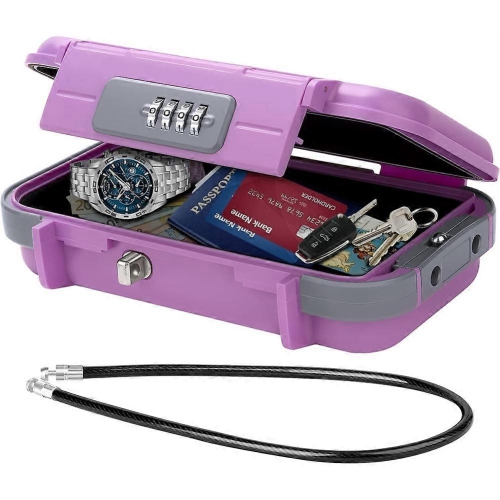

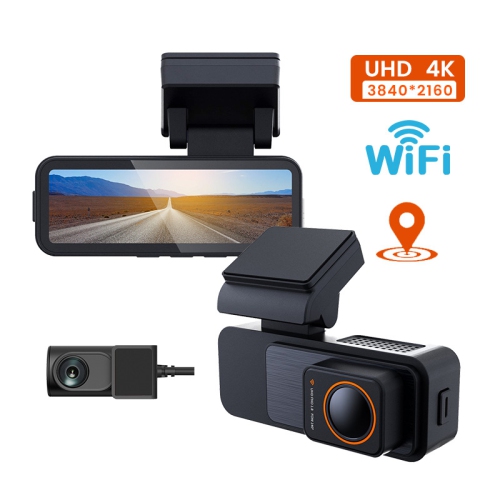

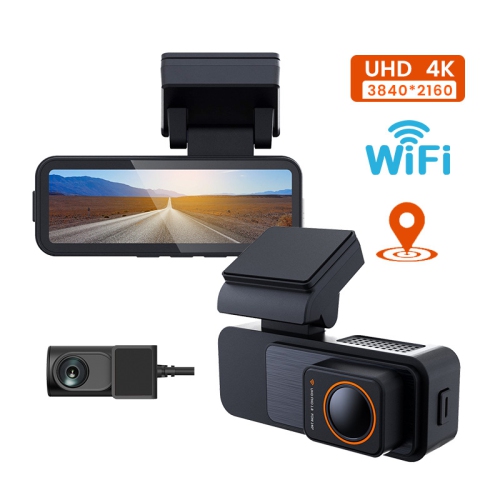
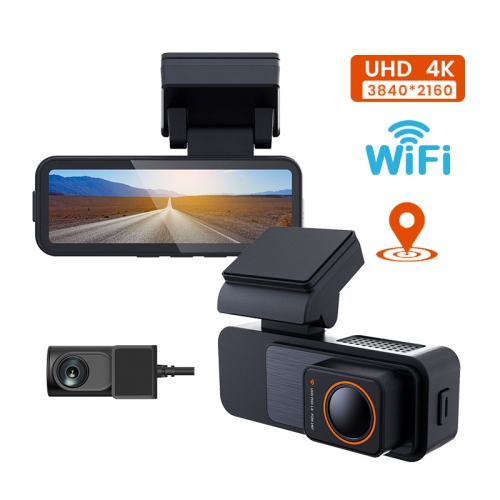


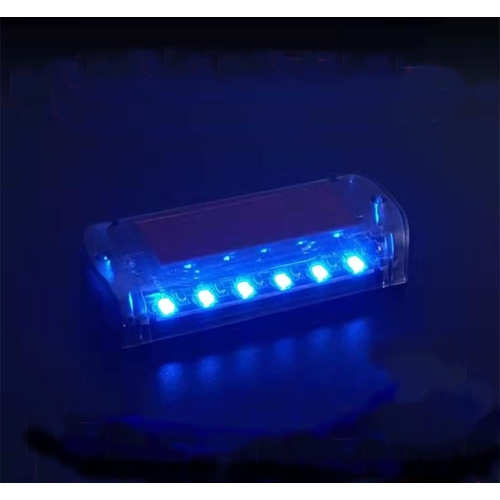
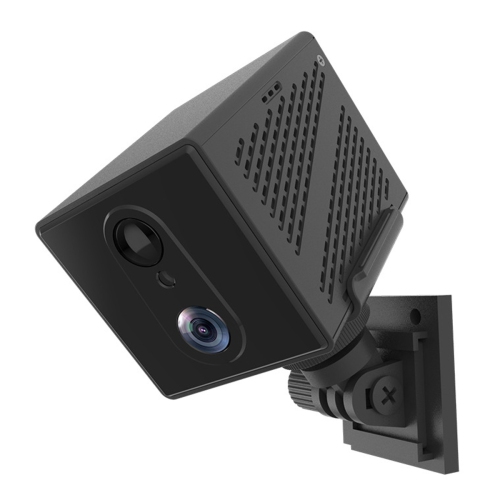


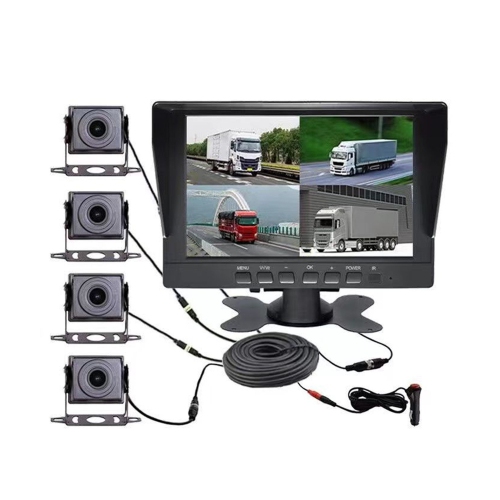
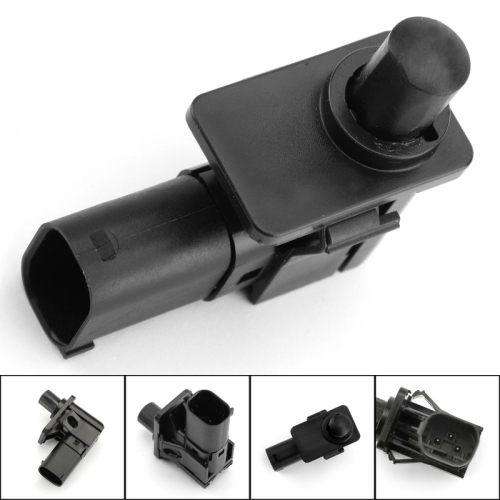

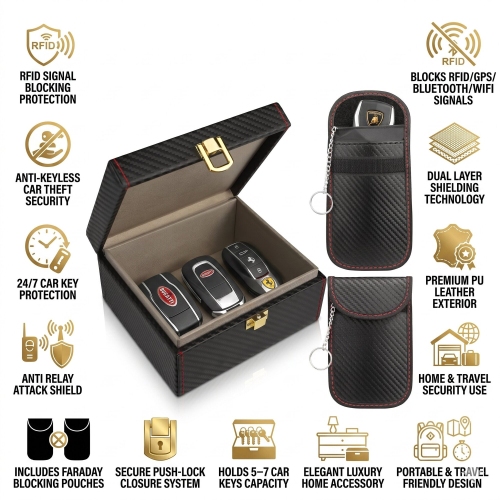
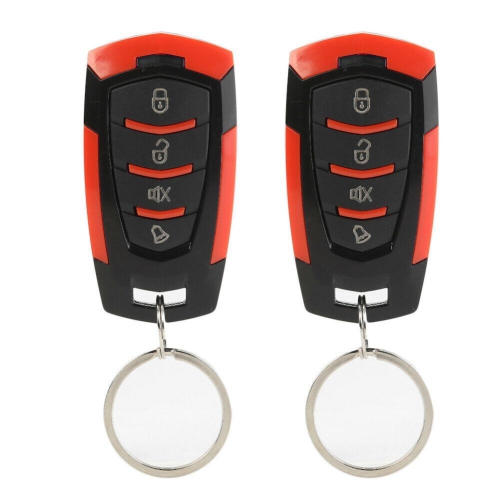

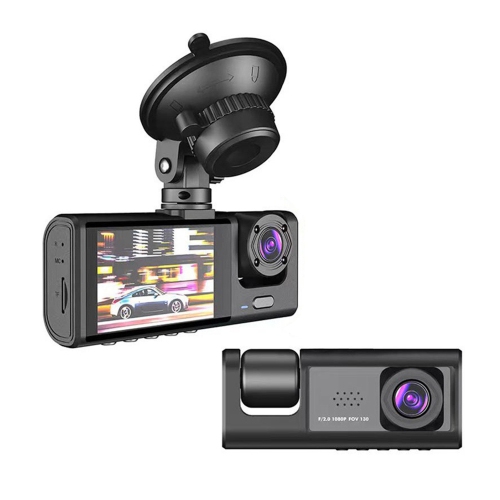
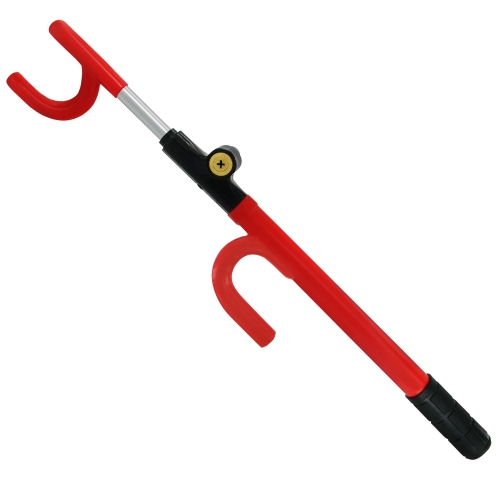

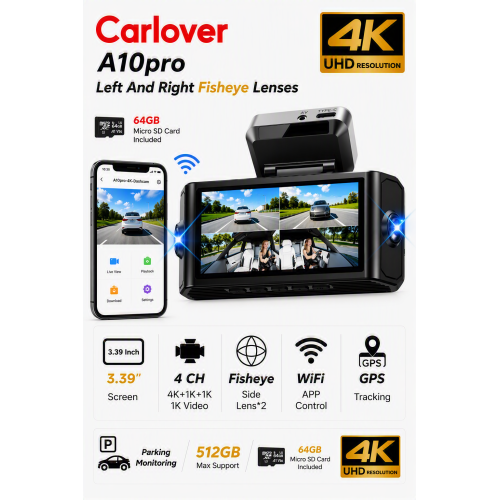
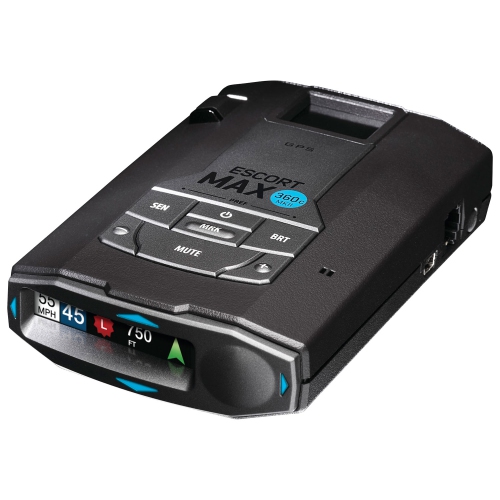


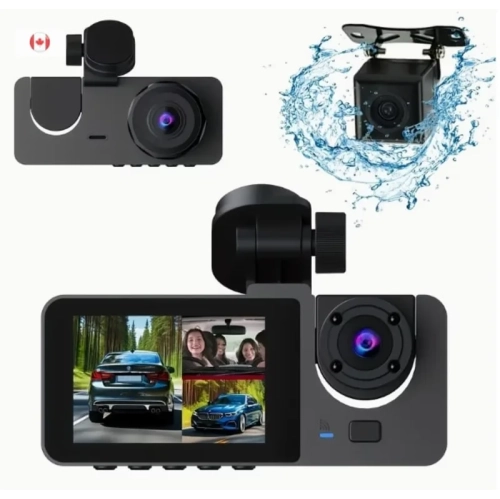







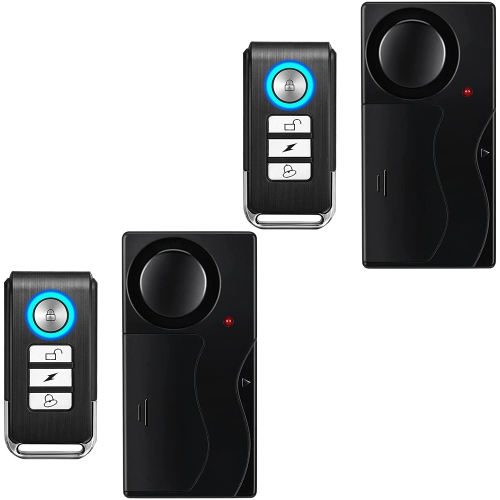
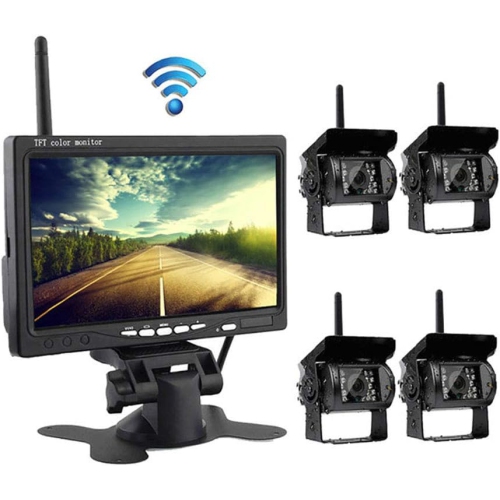


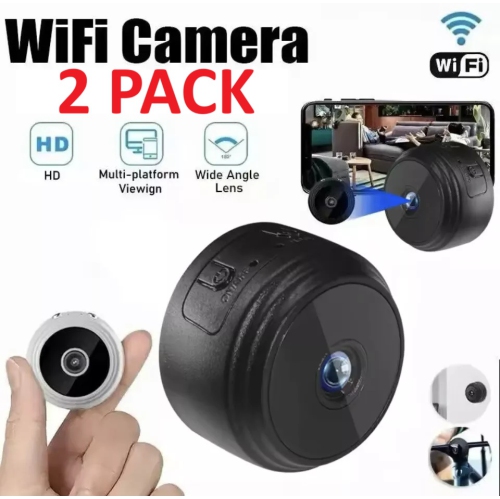
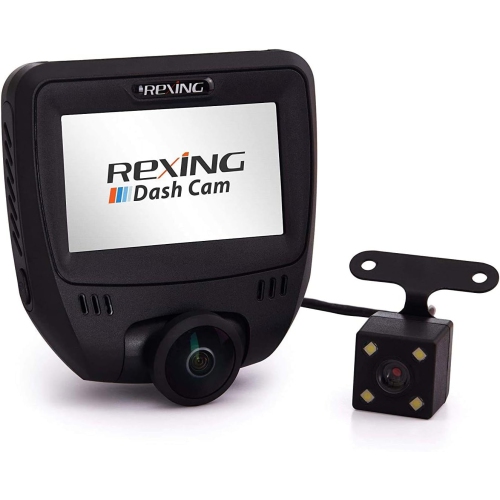


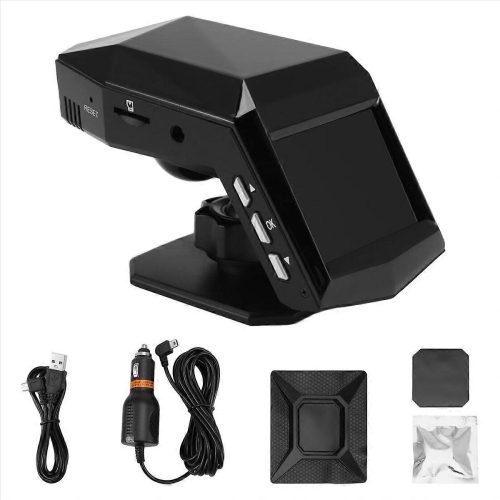




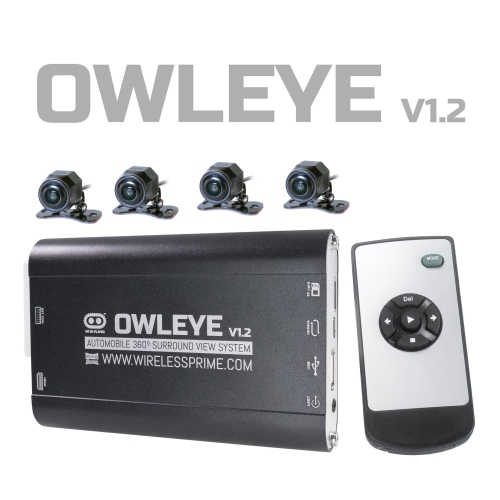


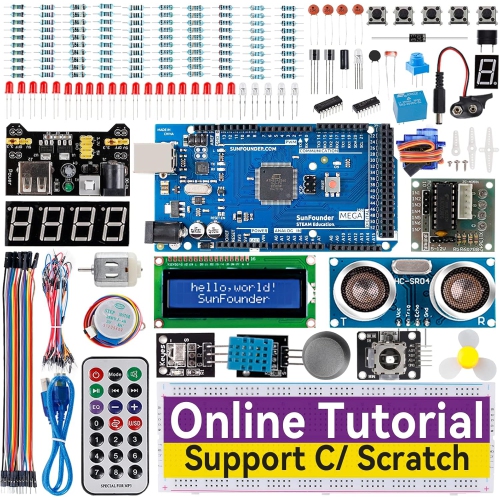
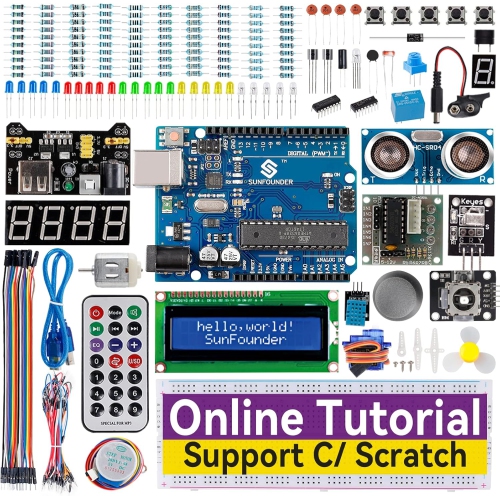


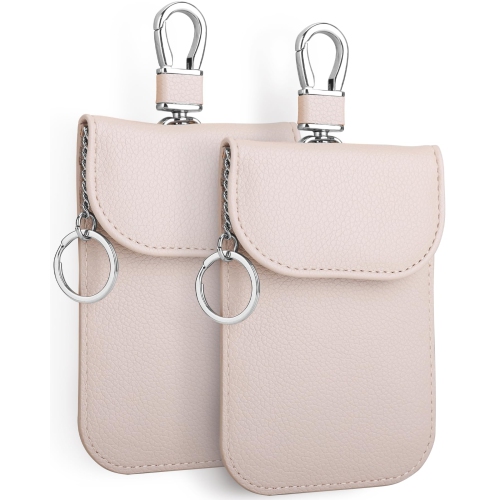



Layered protection for everyday parking, travel and theft prevention
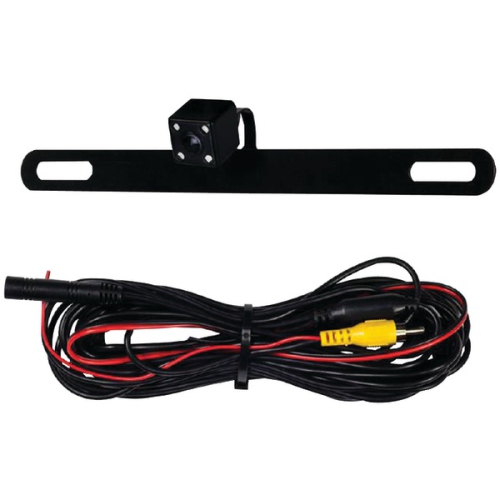
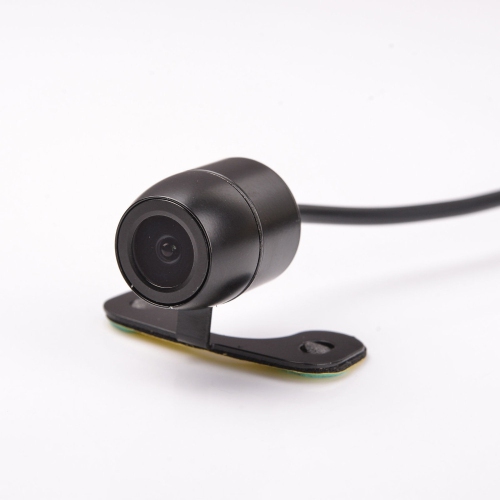
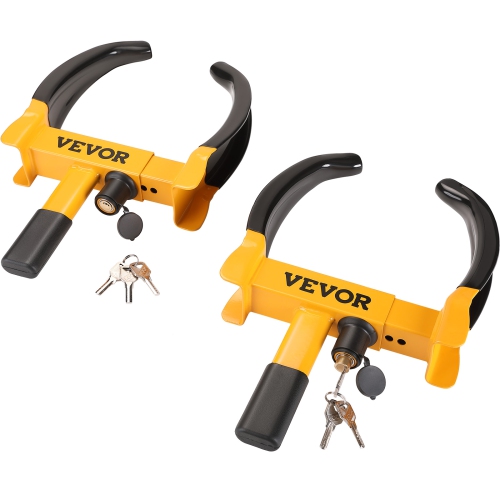
Car security products can add practical layers of protection around the vehicle you rely on for commuting, errands, family trips and weekend travel. A good setup starts with simple habits, then adds devices that make unauthorized access, movement or theft more difficult to complete. Visible deterrents such as steering wheel locks and wheel clamps can make a vehicle less appealing to someone looking for a quick opportunity, while an electronic immobilizer can help prevent the engine from being started without the correct authorization. Tracking devices offer another layer by helping you locate a vehicle or receive an alert if unexpected motion, vibration or ignition activity is detected. For shoppers comparing options, consider how each device fits your vehicle, where it is installed, whether it needs a subscription or ongoing charging, and how easily you can use it during an ordinary day. A security device that is effective but difficult to attach, activate or check may be left unused, so look for controls and alerts that suit your routine. Drivers who park on the street, leave a vehicle in a shared lot or travel with expensive equipment may appreciate combining a highly visible physical lock with discreet electronic monitoring. Someone who primarily parks in a private garage may prefer a compact tracker or an alert system that provides added awareness when the vehicle is moved unexpectedly. Reviewing Anti Theft Car Systems can help shoppers compare different types of protection and build a setup around their vehicle, parking habits and comfort with installation.
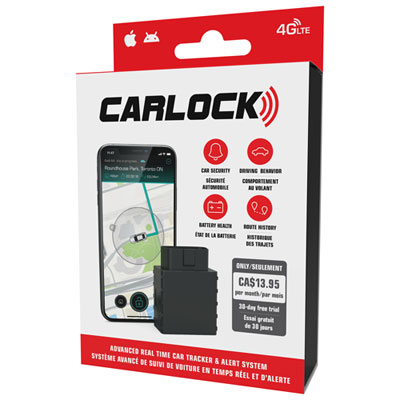
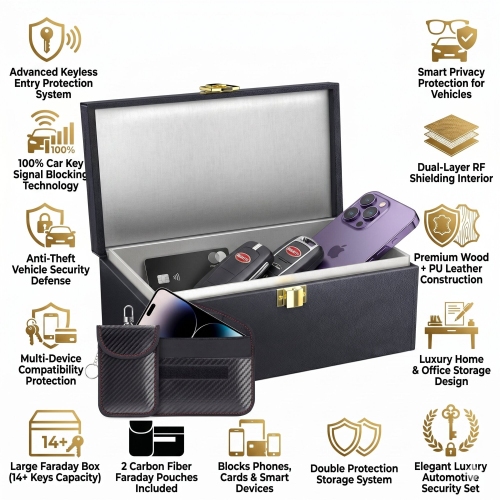
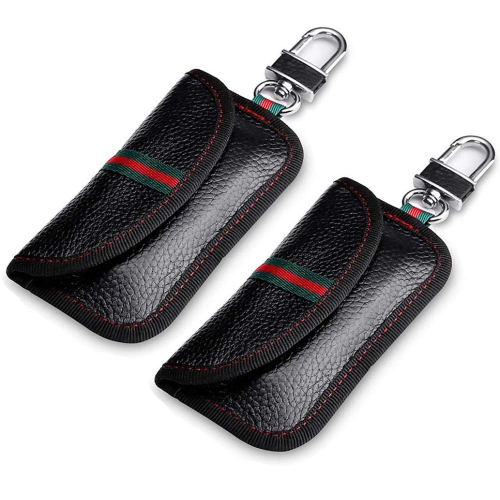
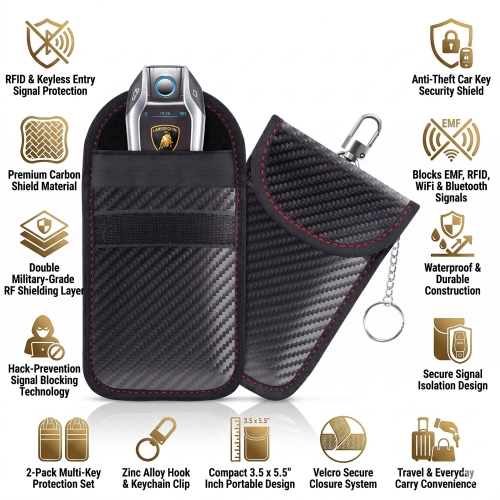
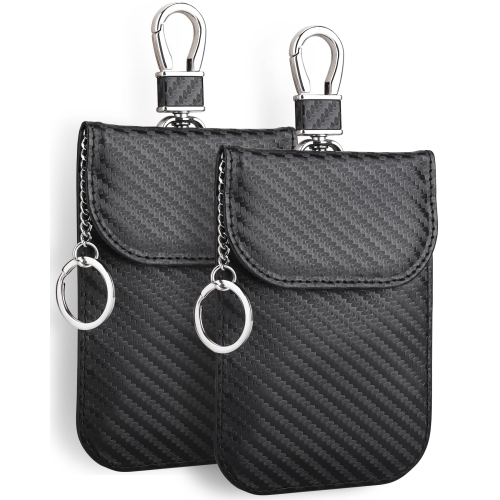
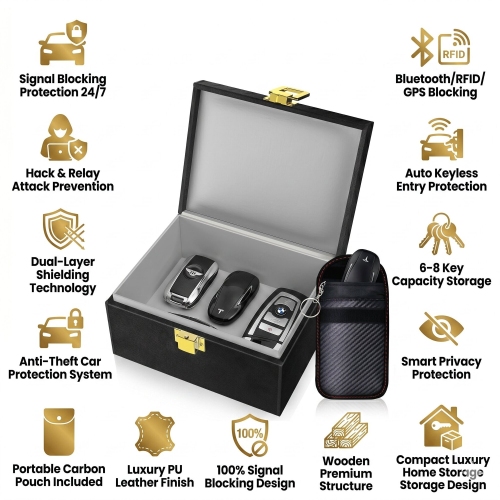
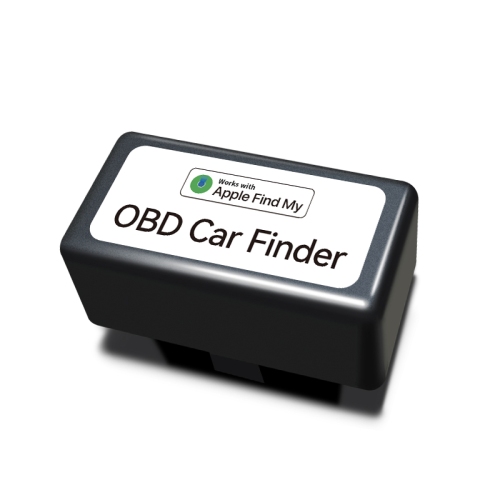
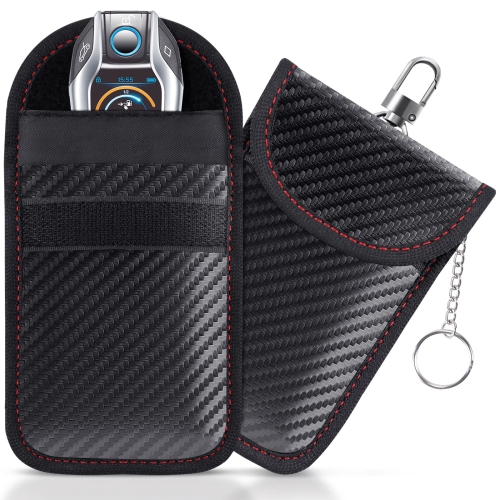
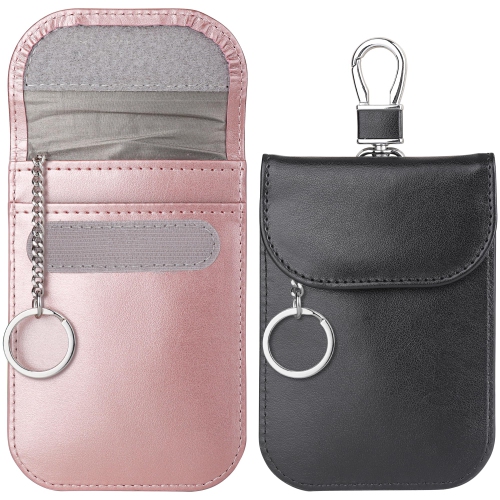
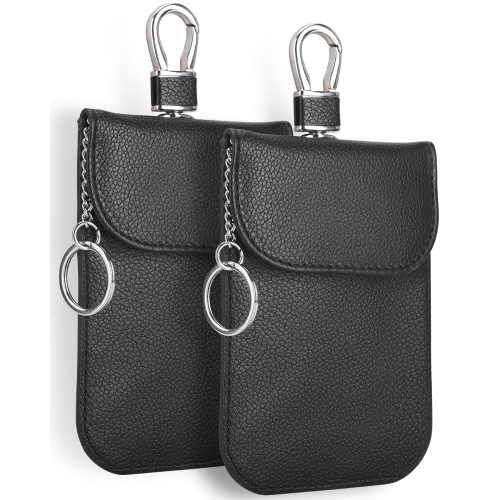
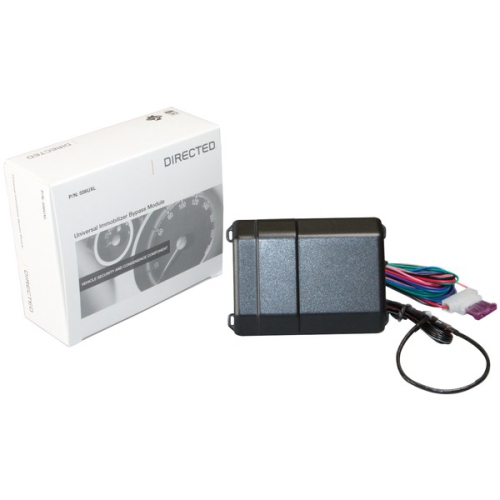
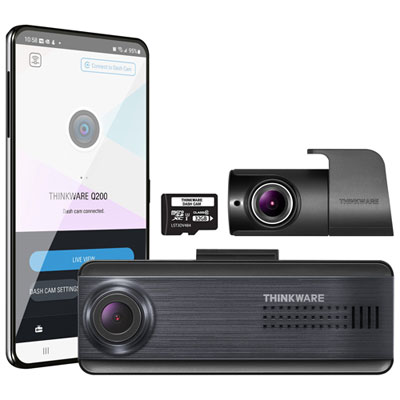
Physical security devices are useful because they create an obstacle that can be seen before a thief gets far. A steering wheel lock can communicate that the vehicle will take extra time and effort to operate, while a wheel clamp can stop a tire from turning and is especially useful when a vehicle will be parked for an extended period. When selecting one, check the size range, locking mechanism, construction, storage requirements and compatibility with the steering wheel or tire. A device should fit firmly without interfering with airbags, pedals or normal driving controls, and it should be removed before the vehicle is operated. Electronic immobilizers and hidden cut-off systems may provide a stronger layer for some vehicles, but professional installation can be important because incorrect wiring may affect vehicle systems or create reliability concerns. GPS and cellular trackers vary in how they communicate, how often they update location and whether they require a monthly service plan. Some connect through the vehicle’s diagnostic port, while others use a separate power source; shoppers should review battery life, weather resistance, app compatibility and alert settings before choosing. Keyless-entry vehicles may also benefit from a signal-blocking pouch or case that limits communication from a stored fob when it is not being used. Keep the pouch close to the entryway and test it periodically, since a worn closure or misplaced fob can reduce its usefulness. These products can also make thoughtful gifts for a new driver, a family member who commutes long distances or someone who has recently purchased a used vehicle. They are practical for people who spend nights away from home, park at transit stations or carry tools, sports equipment and other belongings in their vehicle. A gift can be even more useful when paired with help setting up alerts, learning the locking procedure and choosing a consistent storage spot.
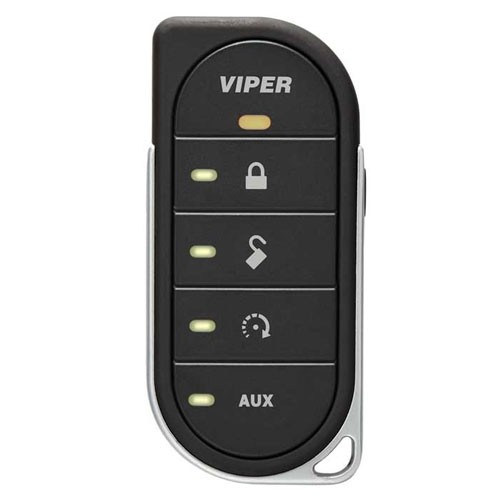
The most reliable approach combines security equipment with everyday attention. Lock every door, close the windows and sunroof fully, and avoid leaving the vehicle running while unattended, even during a quick stop. Keep bags, electronics, luggage and loose items out of view; a tidy cabin gives passing observers fewer reasons to investigate. If possible, park in a well-lit area with regular foot traffic, position the vehicle where cameras or building entrances are visible, and avoid leaving spare keys inside the vehicle. During the cooler months, remote-start habits deserve extra care: start the vehicle only when you can keep it in sight or use a properly secured location, and never leave keys inside simply because the doors are locked. Snow, ice and darkness can make it harder to notice tampering, so check the doors, windows, wheels and surroundings before driving away. A tracker can provide useful location information, but it is not a replacement for contacting local authorities if a vehicle is stolen; record the device details, vehicle identification number and insurance information in a safe place. For families, establish a simple routine that every driver can follow, including where the key fob is stored, how a physical lock is applied and which phone receives alerts. When purchasing, match the protection level to the vehicle’s age, value, usage and parking situation, and confirm any installation requirements before ordering. Whether the goal is added peace of mind for a daily commute, protection for a recently purchased car or a practical present for a new driver, layered car security can help reduce opportunities for theft and provide clearer information when something unusual happens.
Top selling and popular products
-
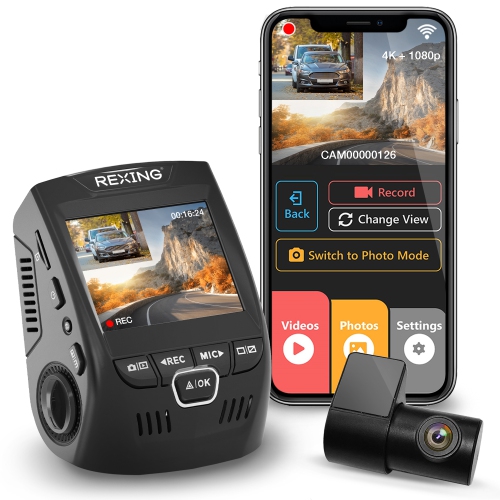 Your price for this item is $159.99
-
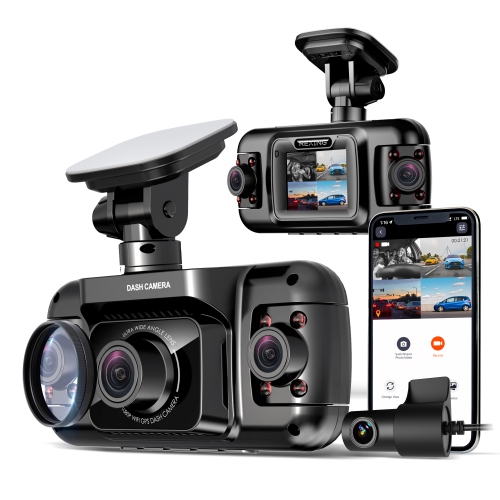 Your price for this item is $327.99
-
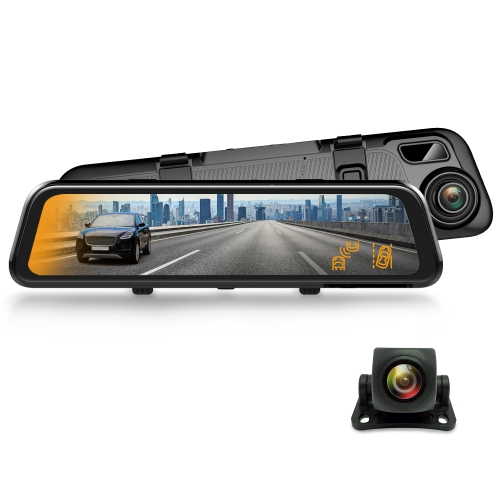 Your price for this item is $129.99
-
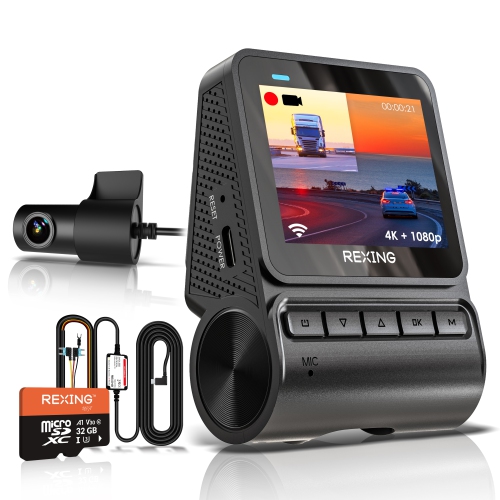 Your price for this item is $229.99
-
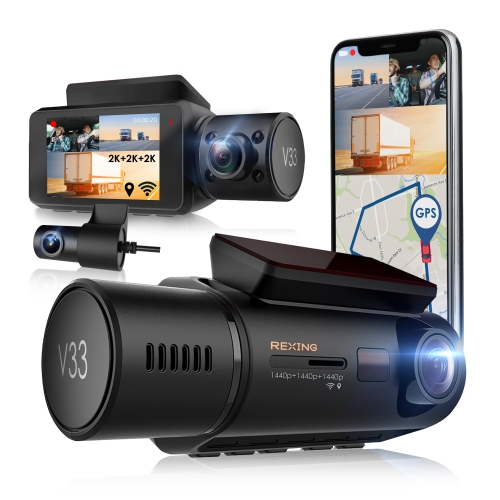 Your price for this item is $327.99
-
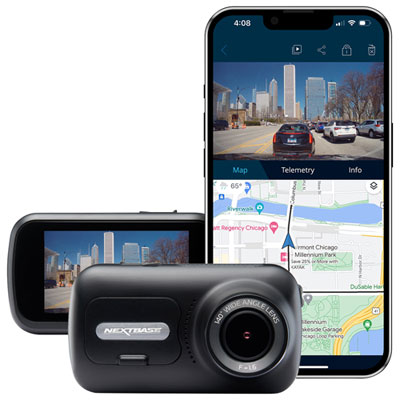 Your price for this item is $249.99
-
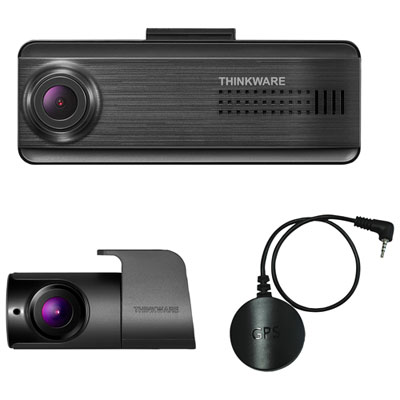 Your price for this item is $299.99
-
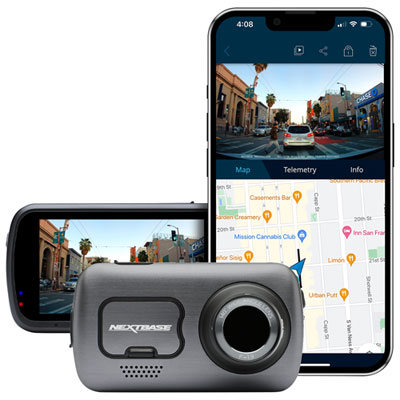 Your price for this item is $399.99
Discover more categories related to Car Security
Top Collections:
Pokemon Centers, Best Cameras for Sports Photography, Kindle Devices, Samsung Galaxy Phones, Canon G7X Cameras, Pokémon 30th Celebration Cards, Refurbished Apple Laptops, iPhone 15 Apple, Laptops for Students, Budget Smartphones
Some products may be subject to Environmental Handling Fees
(EHF) depending on your province.
Learn more about EHFs.