Electronic Amplifiers
Looking to elevate your audio experience to the next level? Our selection of electronic amplifiers offers the power and precision you need to enhance your sound system. Whether you're a music enthusiast, a home theater buff, or a professional musician, these amplifiers are designed to deliver crystal-clear sound quality and optimal performance. Explore our range of amplifiers to find the perfect match for your audio setup and take your listening experience to new heights.
Sort

![HIFONICS A2000.1D Alpha Compact 2000 Watt Monoblock Car Audio Amplifier [Employee of bestbuy] Great amplifier](https://multimedia.bbycastatic.ca/multimedia/products/500x500/161/16157/16157474.jpeg)
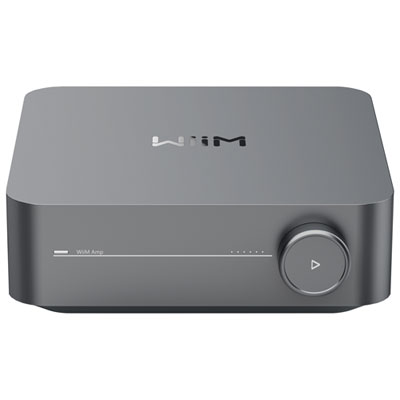
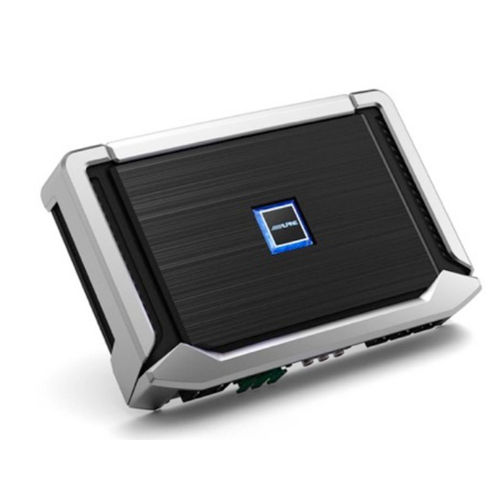
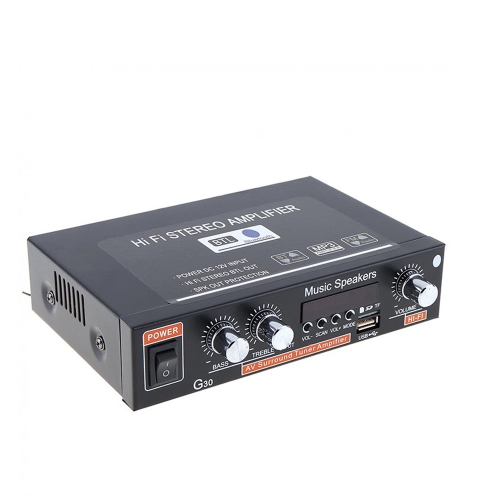
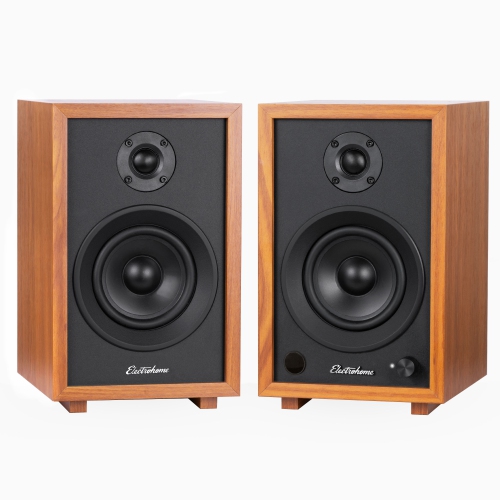
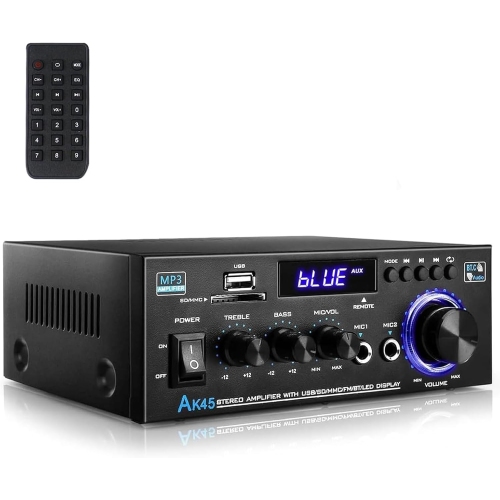
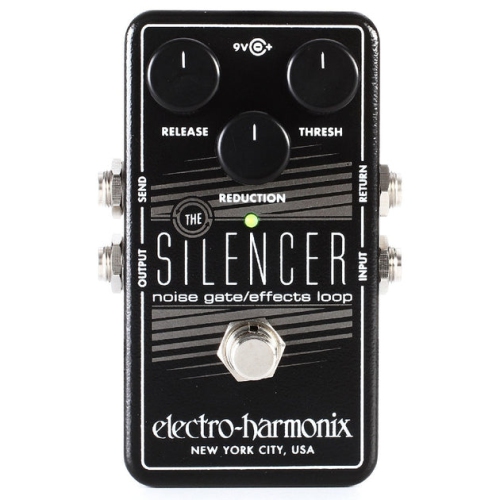
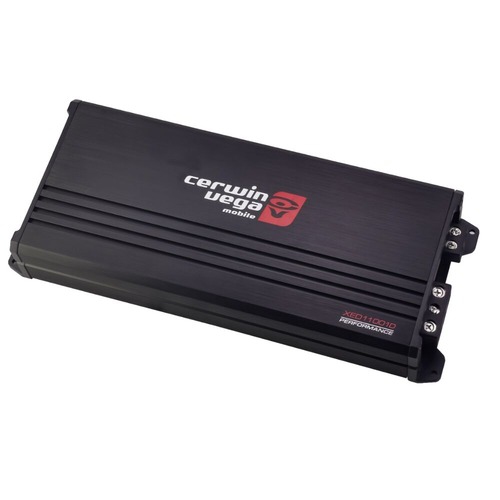
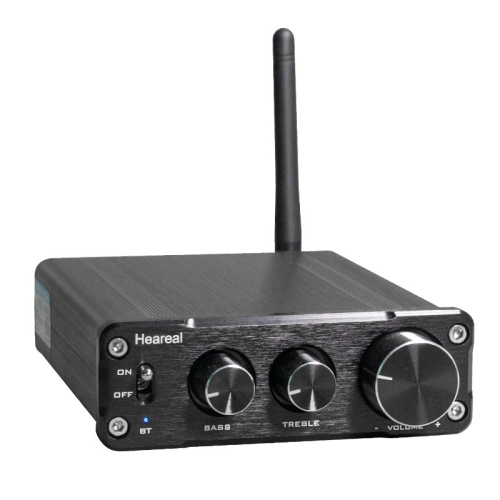
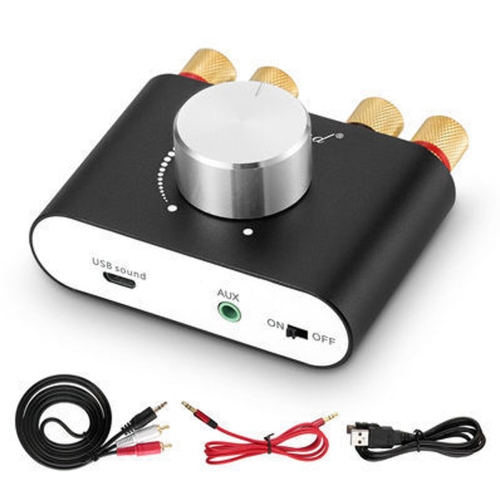
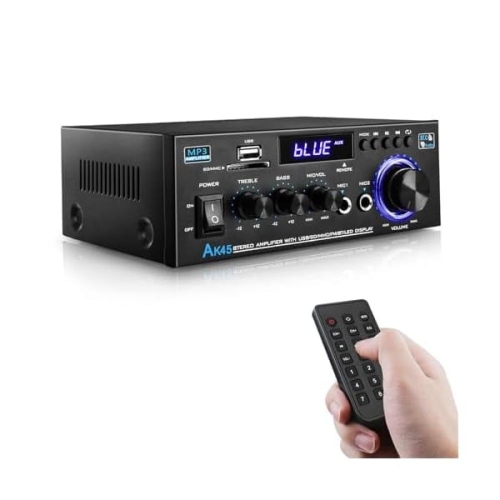
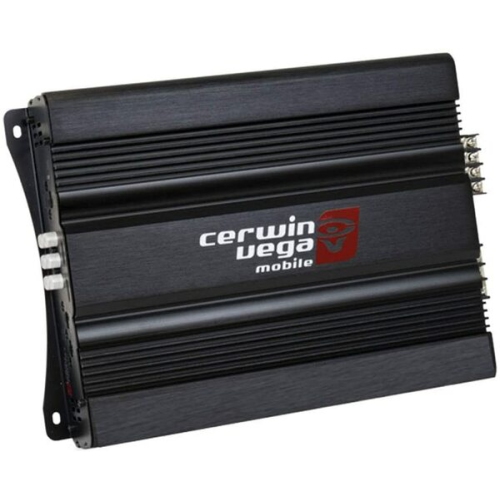
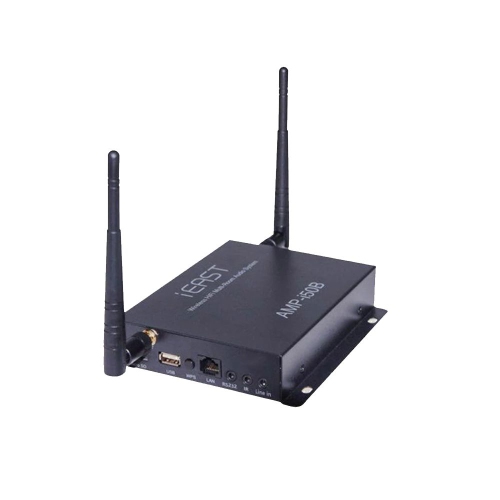
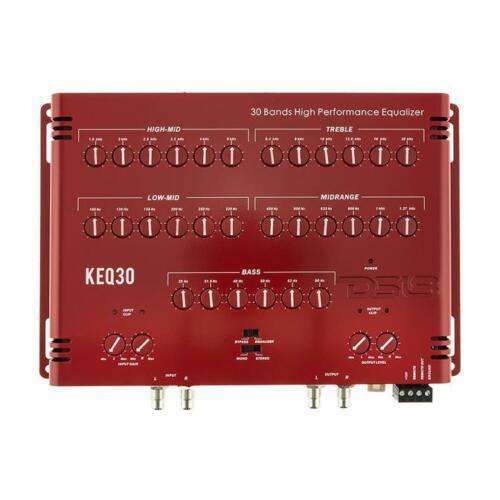
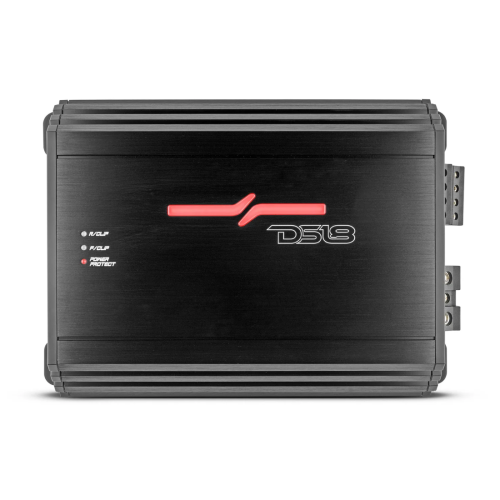
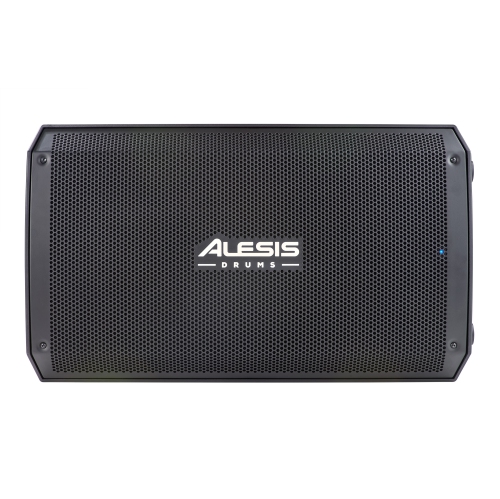
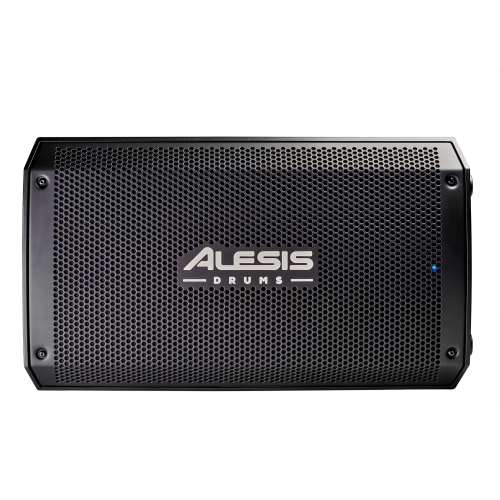
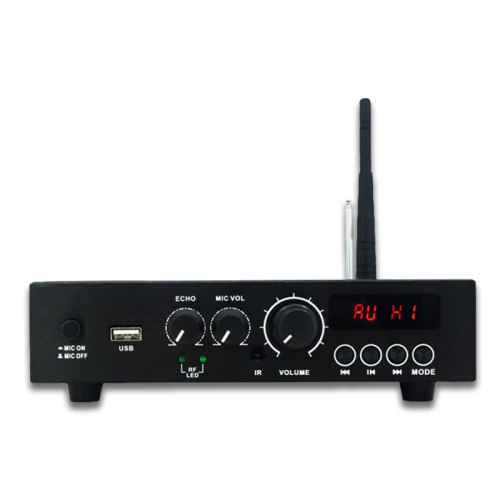
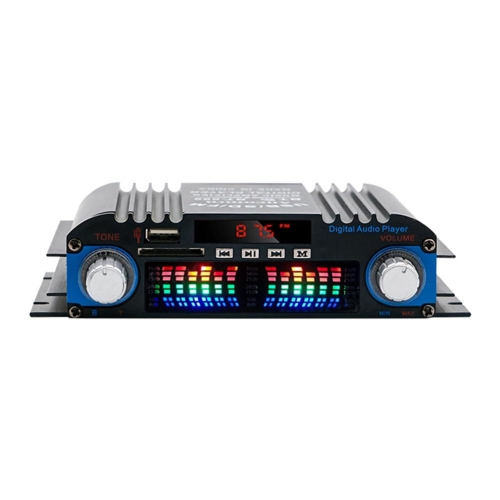
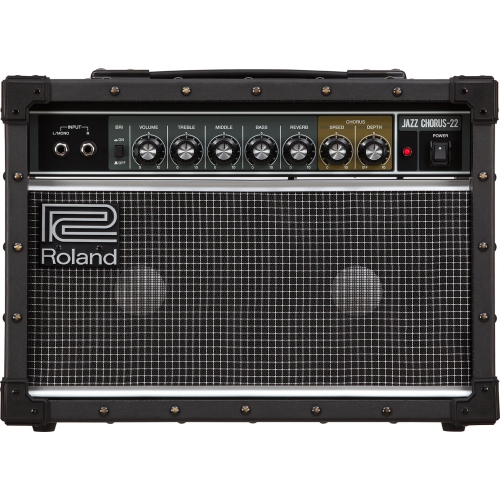
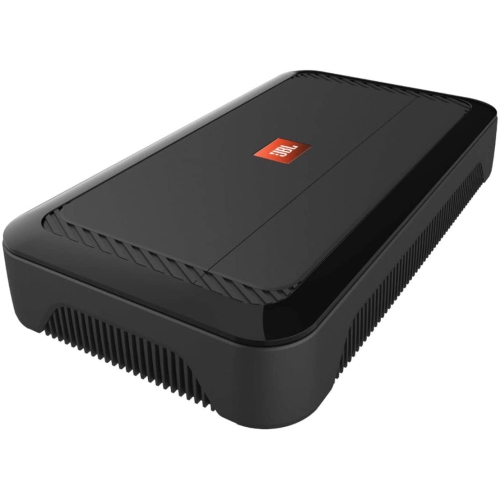
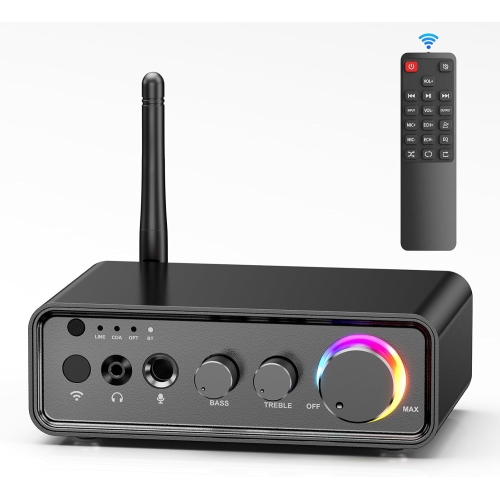
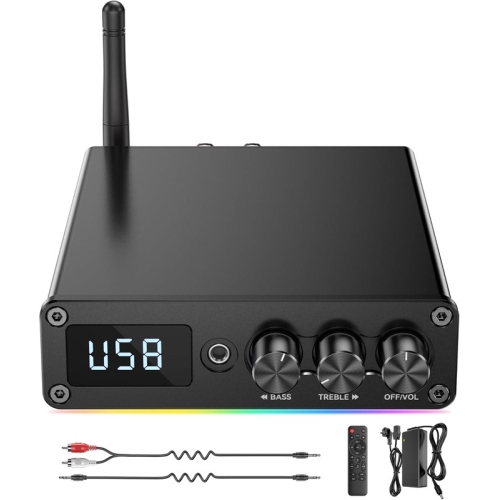
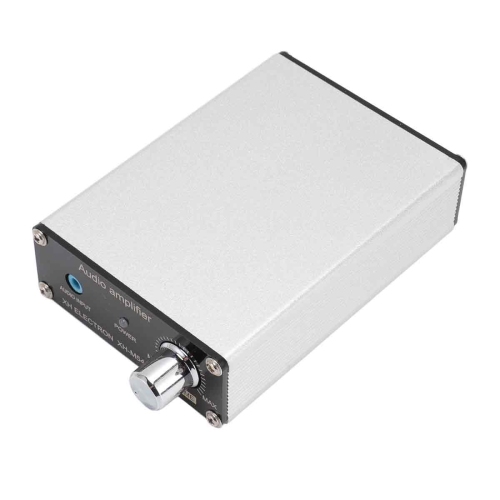
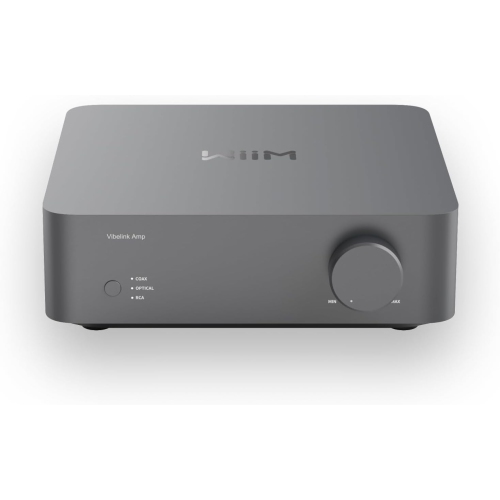
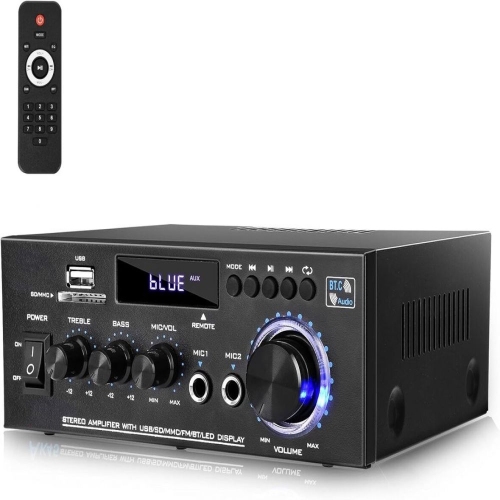
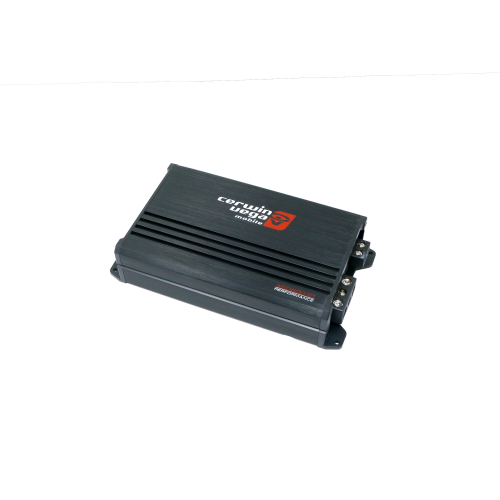
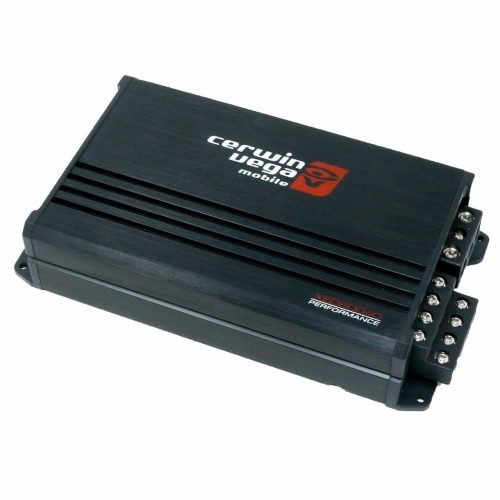
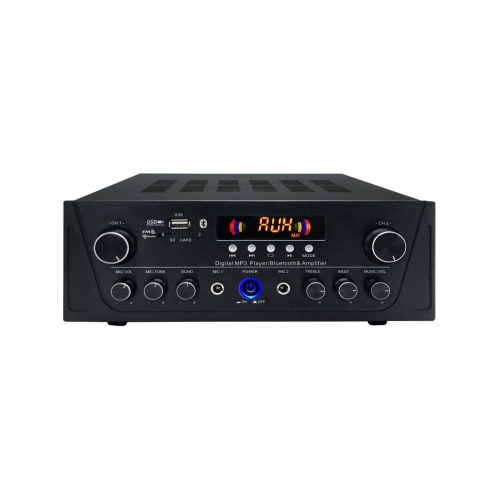
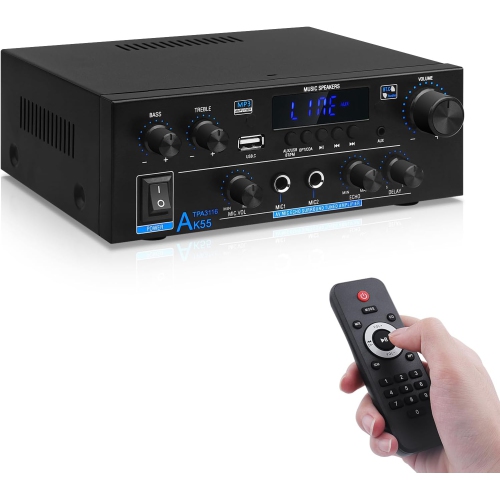
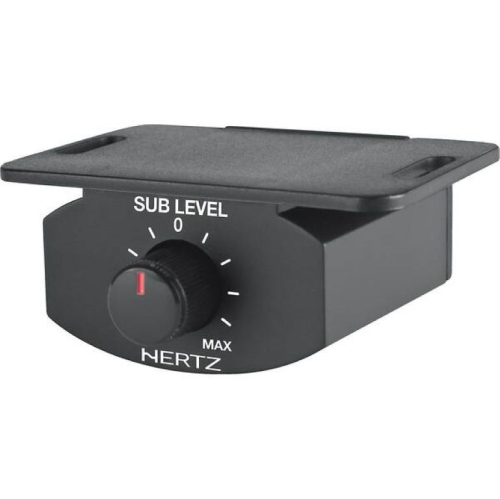

How signal strength, amplifier classes, and system matching work
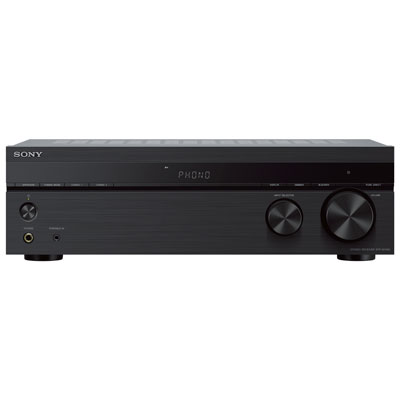
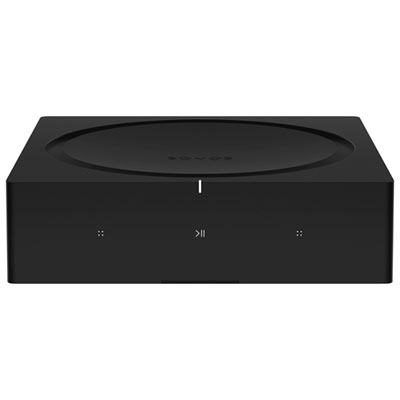
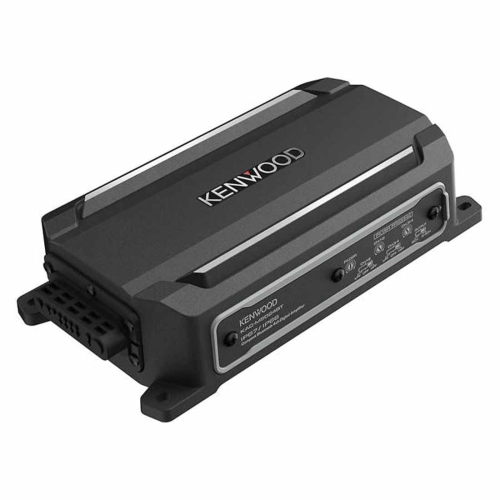
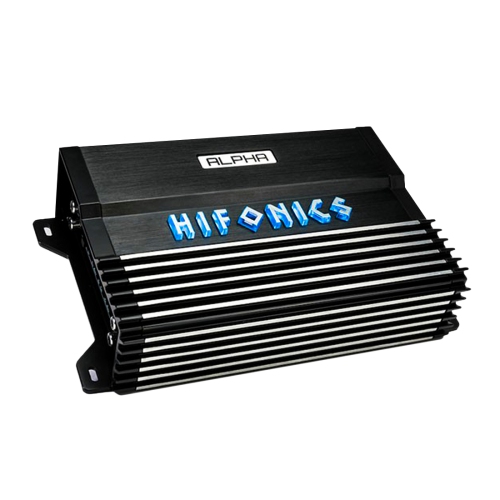
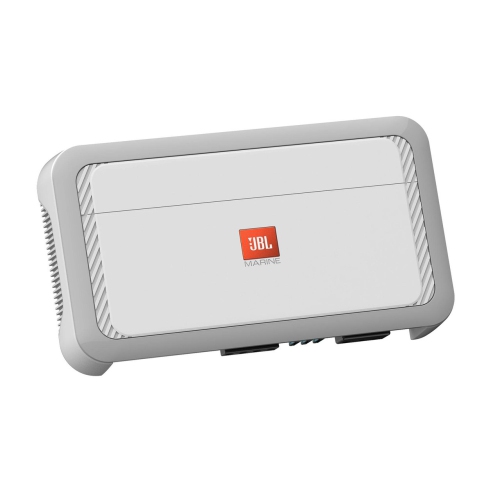
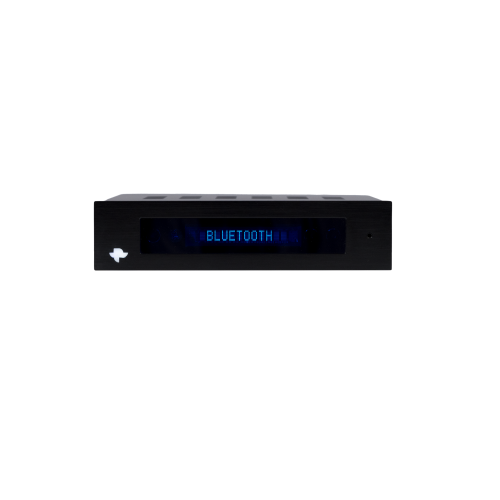
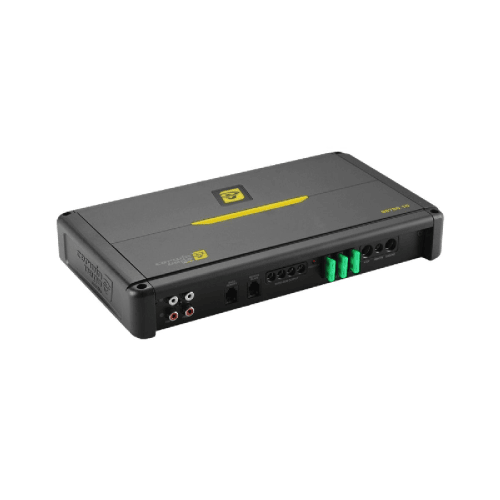
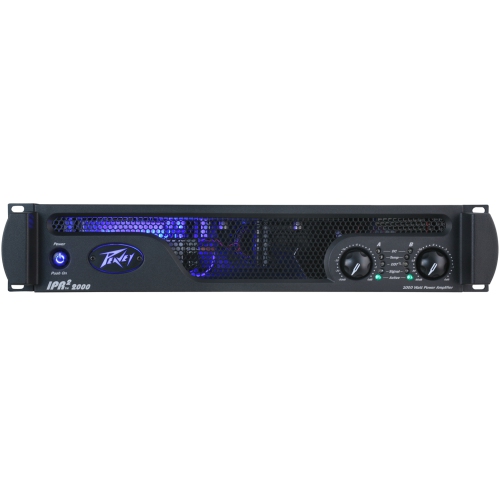
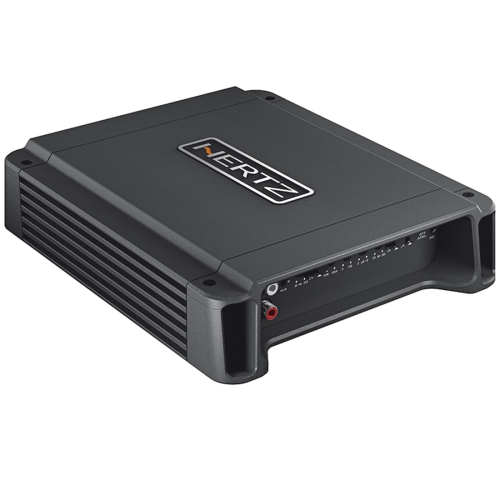
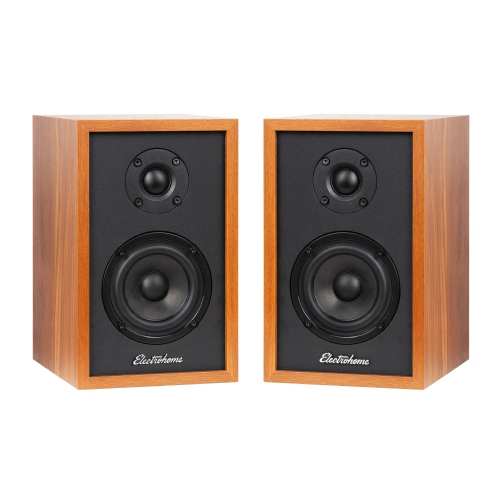
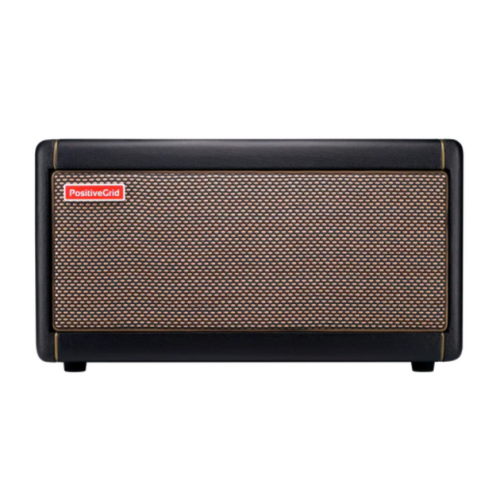
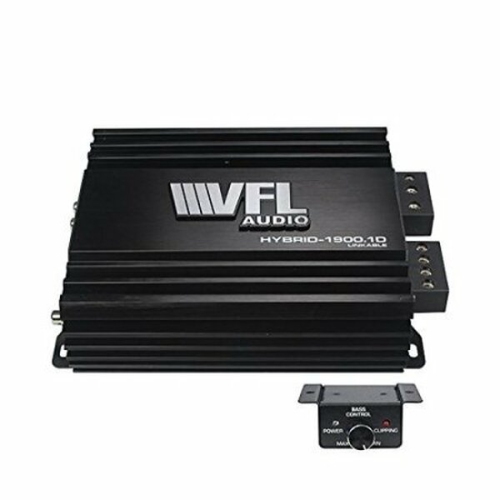
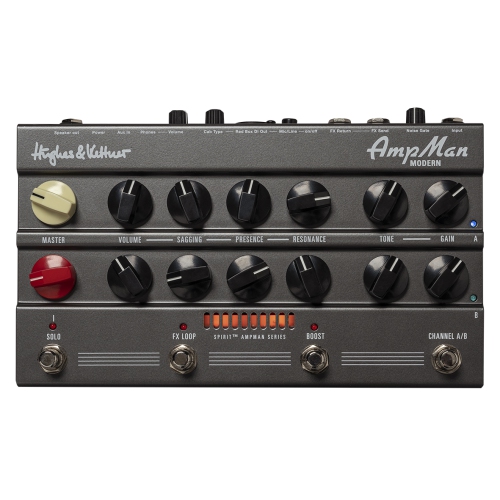
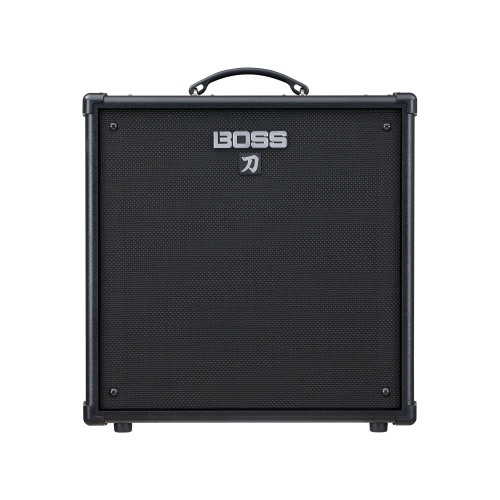
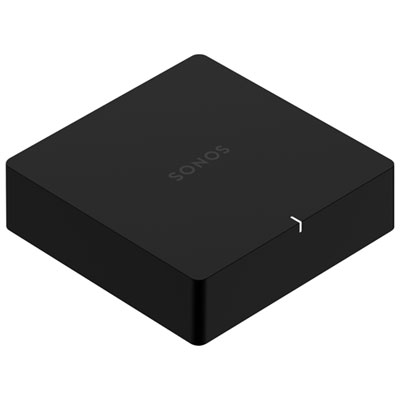
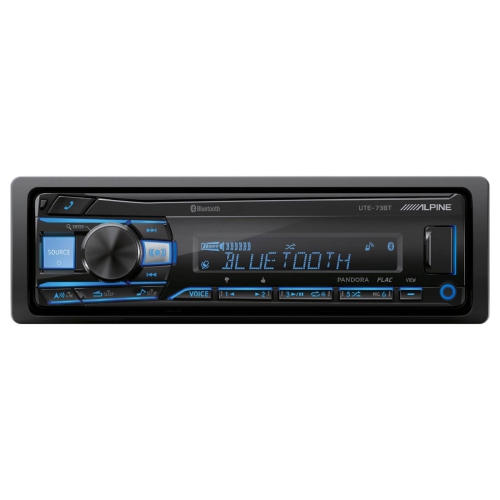
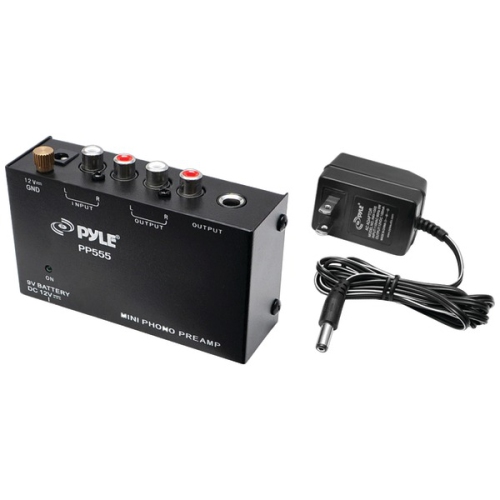
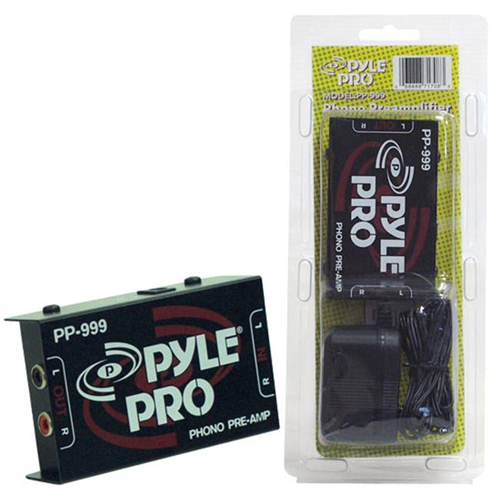
Electronic amplifiers are devices or circuits that use energy from a power supply to increase the voltage, current, or overall power of a weaker electrical signal. The enlarged signal remains related to the original input, allowing it to travel farther, drive a more demanding load, or produce a stronger result through connected equipment. In everyday audio systems, an amplifier receives a low-level signal from a source, increases its strength, and sends it to speakers or headphones. In other applications, amplifiers can strengthen signals from microphones, instruments, sensors, radios, communication equipment, and electronic circuits. This broad category includes voltage amplifiers, which increase signal voltage; current amplifiers, which provide more current to a load; and power amplifiers, which increase the combined voltage and current sufficiently to drive speakers or other output devices. Operational amplifiers, often called op-amps, are integrated circuits used in circuit design for functions such as filtering, signal conditioning, mathematical operations, and feedback control. When browsing electronic amplifiers, start by identifying the type of signal and equipment involved. An amplifier intended for a home audio setup may be quite different from one used in a vehicle, a recording space, a public-address system, or a circuit project. Input and output compatibility matters, including the connectors, signal level, number of channels, and the type of load the amplifier is designed to handle. Power ratings also deserve careful attention: an amplifier should provide suitable output for the connected speakers or equipment without being pushed beyond its intended limits. Specifications such as frequency response, total harmonic distortion, signal-to-noise ratio, impedance range, and gain can help describe how faithfully and effectively an amplifier handles a signal, although the practical result depends on the entire system. A well-matched amplifier can bring greater clarity and control to music, speech, instruments, or other audio, while an unsuitable match may cause distortion, weak output, excess noise, or inconsistent performance.
Amplifier design involves several operating classes, each balancing fidelity, efficiency, heat, and circuit complexity in a different way. Class A amplifiers keep the active device conducting throughout the signal cycle, which can provide strong linearity and low crossover distortion, but they generally use more power and generate more heat. Class B designs conduct during approximately half of the cycle and can operate more efficiently, though they may introduce crossover distortion if not carefully designed. Class AB combines aspects of Class A and Class B and has long been a common choice when a balance of sound quality and efficiency is needed. Class C designs conduct for a smaller portion of the cycle, making them suitable for certain high-frequency or radio-frequency applications where efficiency is important and the signal can be shaped with additional circuitry. Class D amplifiers use high-speed switching and pulse-width modulation to deliver high efficiency with comparatively low heat generation, making them practical where compact size, lower heat, or reduced power draw is valued. These labels do not tell the entire story, and the best choice depends on the application, listening environment, connected equipment, and desired features. For vehicle audio systems, installation space, wiring, channel configuration, and compatibility with the existing source and speakers are important considerations; shoppers exploring current options can also browse Modern Amplifiers. For home listening, consider whether the amplifier will power a pair of passive speakers, support multiple listening zones, or connect to a range of sources. Check the amplifier’s impedance and power specifications against the speakers rather than selecting by wattage alone. A unit with useful controls, straightforward connections, and a layout that fits the available shelf, cabinet, rack, or vehicle space can make setup more enjoyable. Ventilation is equally important, since amplifiers need suitable airflow around their housing, particularly during extended listening at higher volume levels. Keeping cables organized and using compatible connections can also reduce hum, interference, and accidental strain on ports.
Electronic amplifiers can suit a wide range of listeners, creators, hobbyists, installers, and gift recipients. Someone building a first home audio system may appreciate an amplifier that provides a clear path from a source device to passive speakers, while an experienced listener may be looking for additional channels, refined signal control, or enough power for a larger room. Musicians and recording enthusiasts may use amplification to bring an instrument or microphone signal to a useful level, shape its character, or send it to monitoring equipment. Drivers who spend long hours on the road may choose an amplifier as part of a vehicle audio upgrade, especially when they want more control over speaker performance or bass response. Electronics students, makers, and repair enthusiasts may work with amplifier circuits to learn about gain, feedback, filtering, transistors, integrated circuits, and signal processing. As a gift, an amplifier can be a thoughtful choice for someone who has recently received passive speakers, started assembling a listening area, enjoys live instruments, or likes working on technical projects. Before giving one, it helps to confirm the recipient’s existing equipment, available connections, preferred listening space, and comfort level with installation. Some setups are ready to connect with minimal adjustment, while others may require speaker wire, adapters, mounting hardware, ventilation clearance, or professional installation. Whether used to make a quiet signal audible, drive speakers with greater authority, strengthen a radio or sensor signal, or explore the foundations of electronic design, an amplifier is best understood as part of a complete system. Matching the amplifier to the source, load, room, vehicle, and intended use helps preserve signal quality and supports dependable performance through relaxed listening sessions, creative work, technical experiments, and gatherings during the warmer and cooler seasons alike.
Amplifier design involves several operating classes, each balancing fidelity, efficiency, heat, and circuit complexity in a different way. Class A amplifiers keep the active device conducting throughout the signal cycle, which can provide strong linearity and low crossover distortion, but they generally use more power and generate more heat. Class B designs conduct during approximately half of the cycle and can operate more efficiently, though they may introduce crossover distortion if not carefully designed. Class AB combines aspects of Class A and Class B and has long been a common choice when a balance of sound quality and efficiency is needed. Class C designs conduct for a smaller portion of the cycle, making them suitable for certain high-frequency or radio-frequency applications where efficiency is important and the signal can be shaped with additional circuitry. Class D amplifiers use high-speed switching and pulse-width modulation to deliver high efficiency with comparatively low heat generation, making them practical where compact size, lower heat, or reduced power draw is valued. These labels do not tell the entire story, and the best choice depends on the application, listening environment, connected equipment, and desired features. For vehicle audio systems, installation space, wiring, channel configuration, and compatibility with the existing source and speakers are important considerations; shoppers exploring current options can also browse Modern Amplifiers. For home listening, consider whether the amplifier will power a pair of passive speakers, support multiple listening zones, or connect to a range of sources. Check the amplifier’s impedance and power specifications against the speakers rather than selecting by wattage alone. A unit with useful controls, straightforward connections, and a layout that fits the available shelf, cabinet, rack, or vehicle space can make setup more enjoyable. Ventilation is equally important, since amplifiers need suitable airflow around their housing, particularly during extended listening at higher volume levels. Keeping cables organized and using compatible connections can also reduce hum, interference, and accidental strain on ports.
Electronic amplifiers can suit a wide range of listeners, creators, hobbyists, installers, and gift recipients. Someone building a first home audio system may appreciate an amplifier that provides a clear path from a source device to passive speakers, while an experienced listener may be looking for additional channels, refined signal control, or enough power for a larger room. Musicians and recording enthusiasts may use amplification to bring an instrument or microphone signal to a useful level, shape its character, or send it to monitoring equipment. Drivers who spend long hours on the road may choose an amplifier as part of a vehicle audio upgrade, especially when they want more control over speaker performance or bass response. Electronics students, makers, and repair enthusiasts may work with amplifier circuits to learn about gain, feedback, filtering, transistors, integrated circuits, and signal processing. As a gift, an amplifier can be a thoughtful choice for someone who has recently received passive speakers, started assembling a listening area, enjoys live instruments, or likes working on technical projects. Before giving one, it helps to confirm the recipient’s existing equipment, available connections, preferred listening space, and comfort level with installation. Some setups are ready to connect with minimal adjustment, while others may require speaker wire, adapters, mounting hardware, ventilation clearance, or professional installation. Whether used to make a quiet signal audible, drive speakers with greater authority, strengthen a radio or sensor signal, or explore the foundations of electronic design, an amplifier is best understood as part of a complete system. Matching the amplifier to the source, load, room, vehicle, and intended use helps preserve signal quality and supports dependable performance through relaxed listening sessions, creative work, technical experiments, and gatherings during the warmer and cooler seasons alike.
Top selling and popular products
-
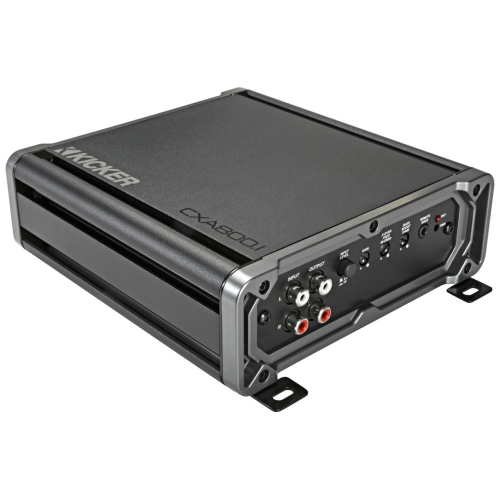 Your price for this item is $449.95
 -
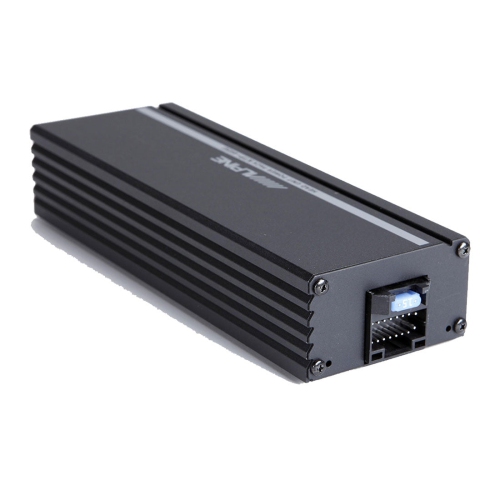 Your price for this item is $398
 -
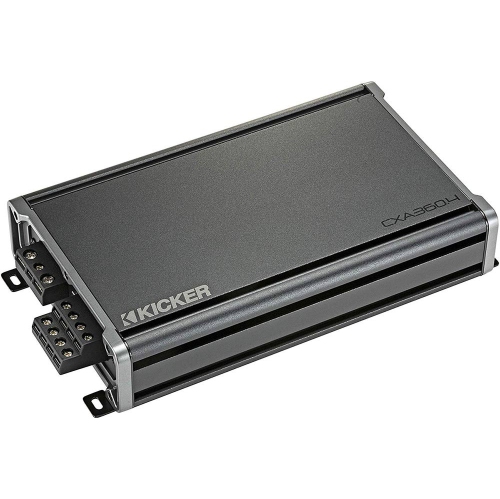 Your price for this item is $349.95
 -
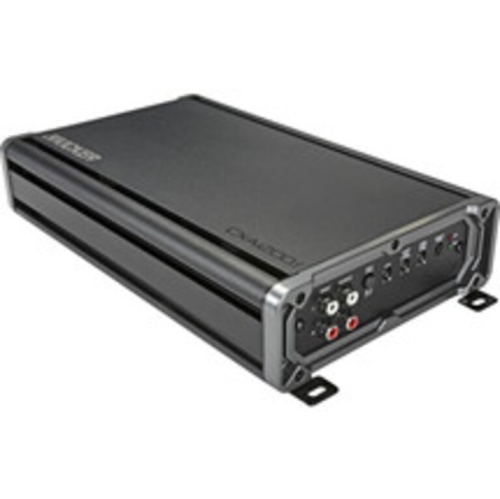 Your price for this item is $599.95
 -
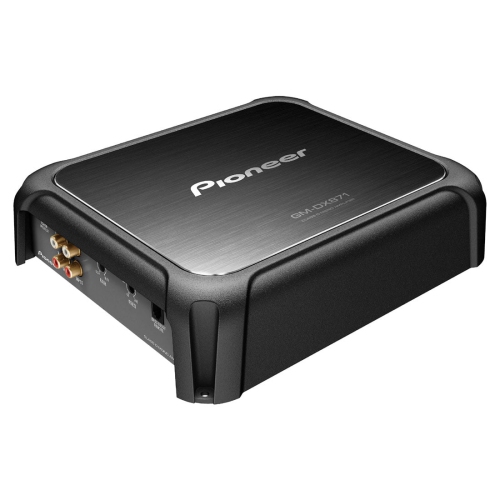 Your price for this item is $248.99
 -
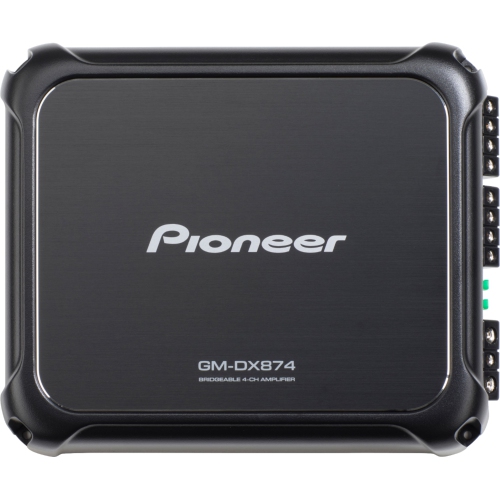 Your price for this item is $328.99
 -
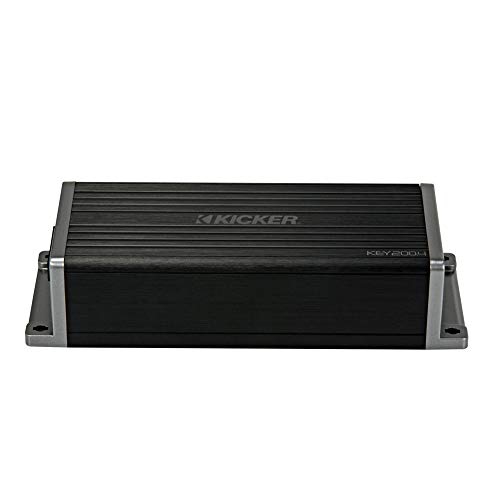 Your price for this item is $449.95
 -
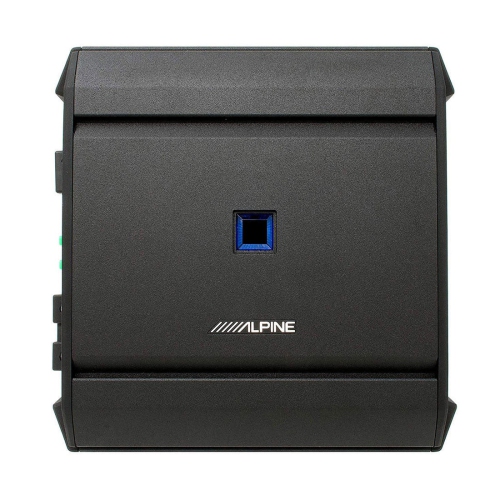 Your price for this item is $219.99
Discover more categories related to Electronic Amplifiers

Top Collections:
Pokemon Centers, Kindle Devices, Best Budget Office Chairs, Apple iPhones 16, Best Laptops for Writers, iPhone 15 Apple, Canon G7X Cameras, Refurbished Apple Laptops, Alarm Clock, Motorola Razr Phones
Some products may be subject to Environmental Handling Fees
(EHF) depending on your province.
Learn more about EHFs.