Signal Amplifiers
In today's fast-paced digital world, maintaining a strong and reliable connection is essential for seamless communication and entertainment. Signal amplifiers are key devices that boost the strength of your wireless signals, ensuring you stay connected no matter where you are in your home or office. Whether you're streaming your favorite shows, working remotely, or simply browsing the web, these powerful tools enhance signal quality and extend coverage to eliminate frustrating dead zones. Explore our selection of signal amplifiers designed to meet various needs, providing you with an uninterrupted and enhanced connectivity experience.
Sort



![WEBOOST Drive Sleek Otr [Single User] In-Vehicle Cell Phone Signal Booster Kit for Car, Truck Suv, All Carriers 3G/4G Lte](https://multimedia.bbycastatic.ca/multimedia/products/500x500/130/13041/13041808.jpeg)
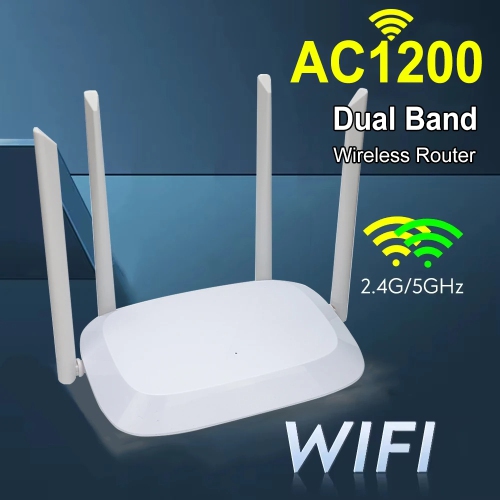
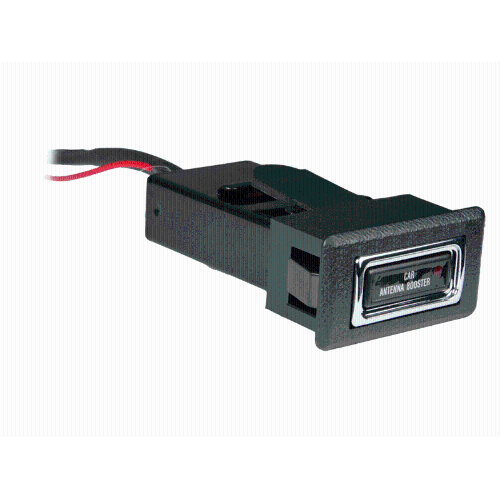
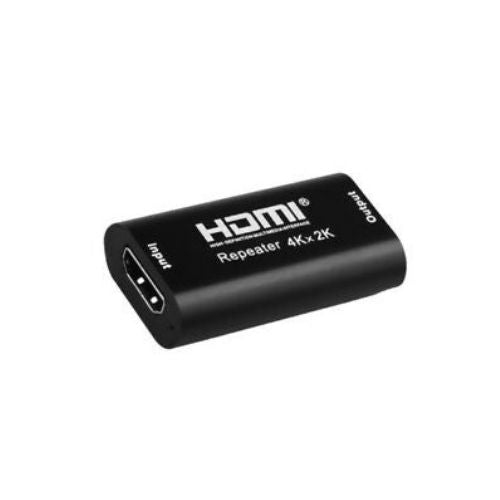
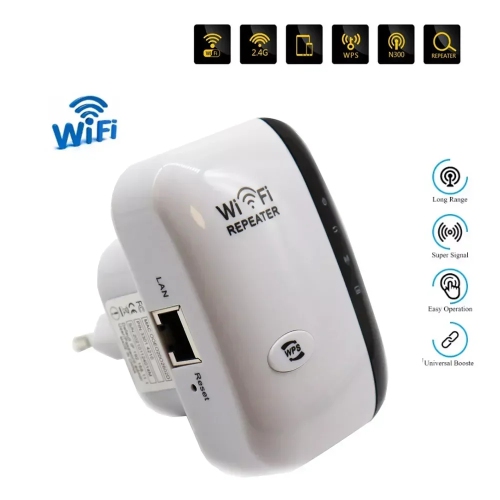
![WEBOOST Drive Reach [Multi User] In-Vehicle Cell Phone Signal Booster Kit for Car, Truck Suv, All Carriers 3G/4G Lte](https://multimedia.bbycastatic.ca/multimedia/products/500x500/136/13699/13699526.jpeg)
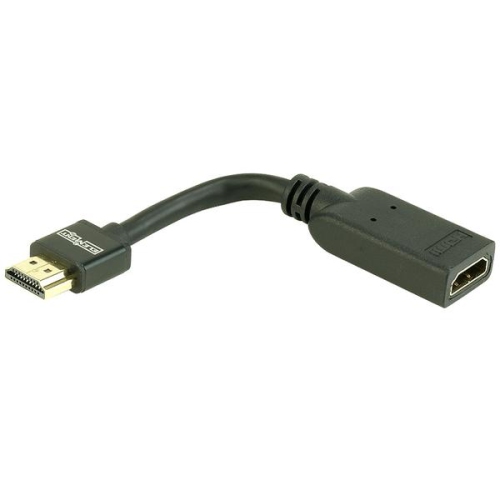
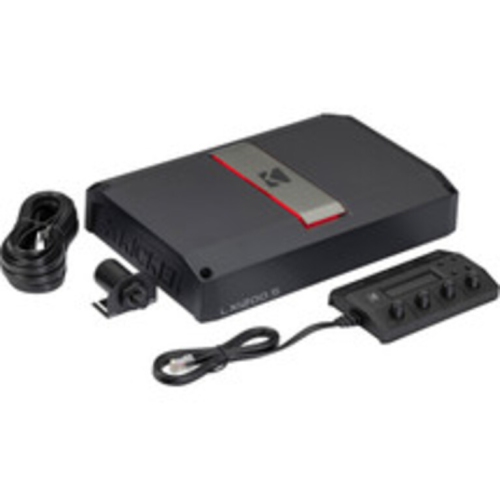
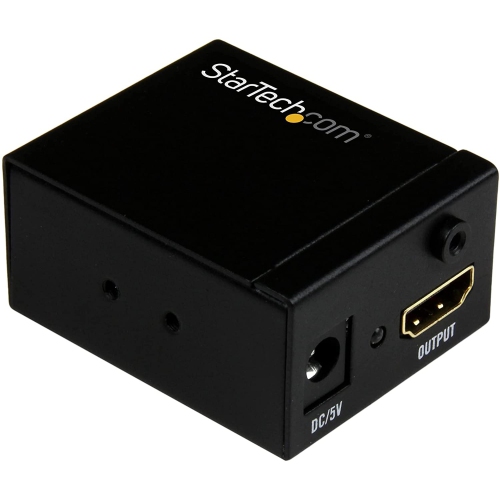
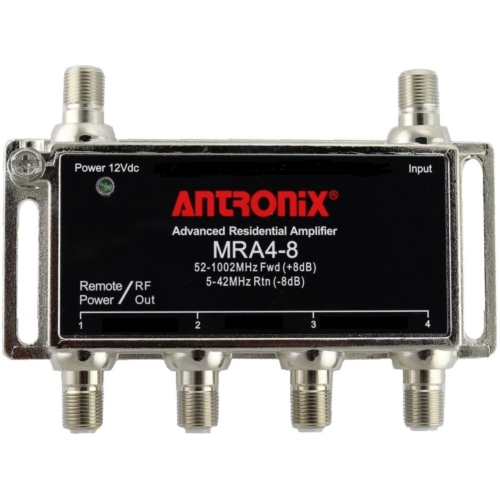
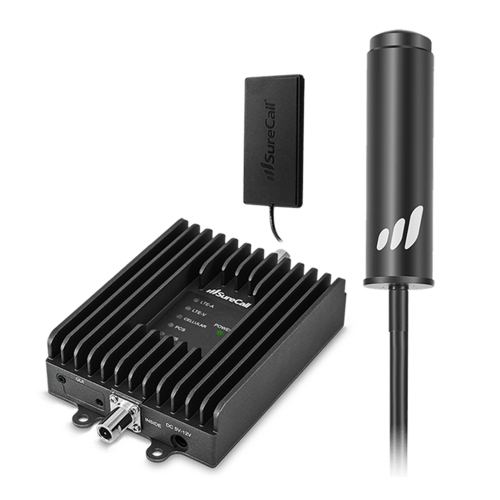
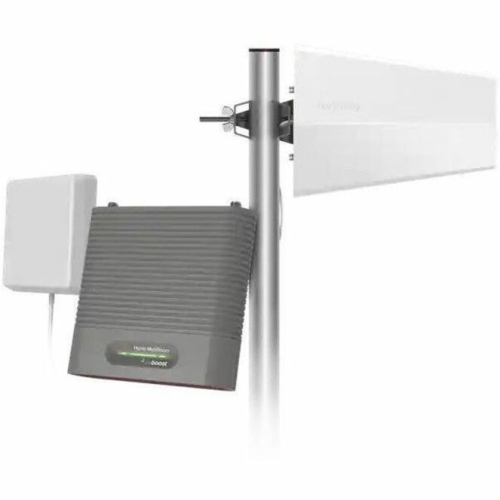
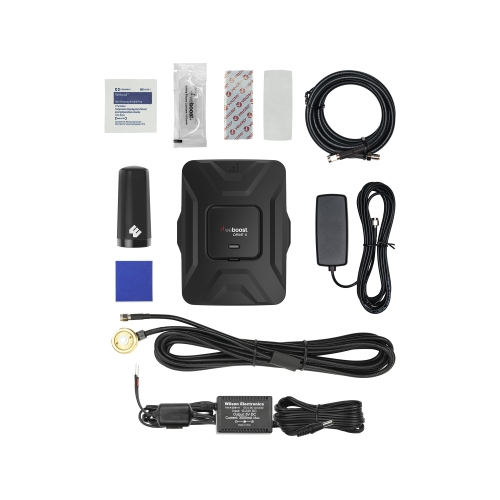
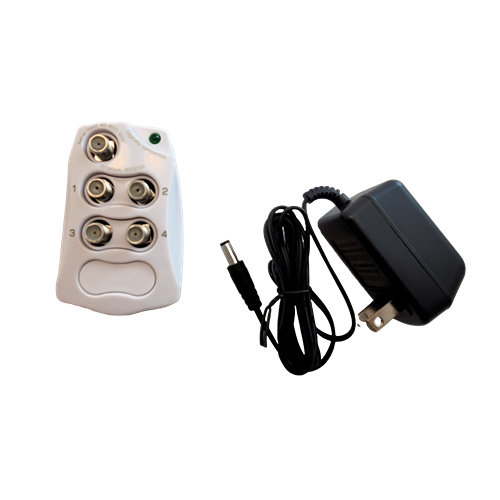
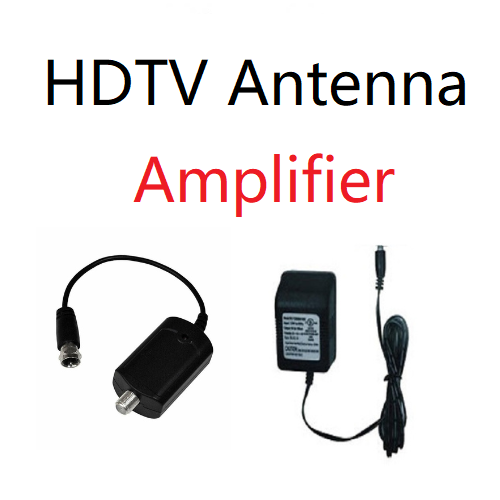
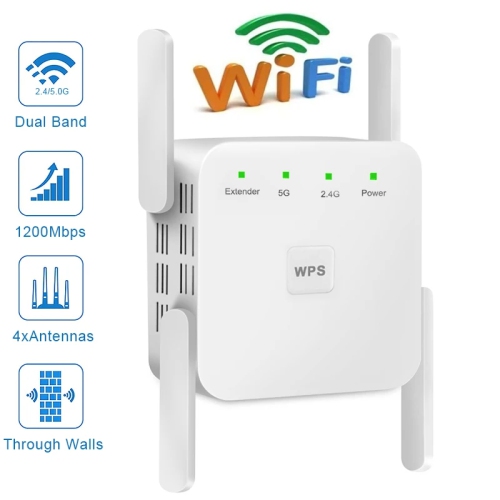
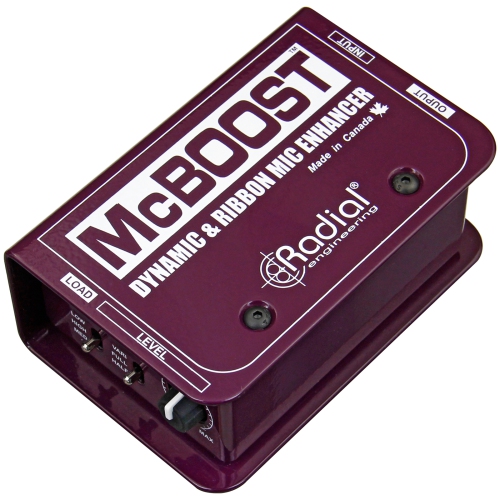
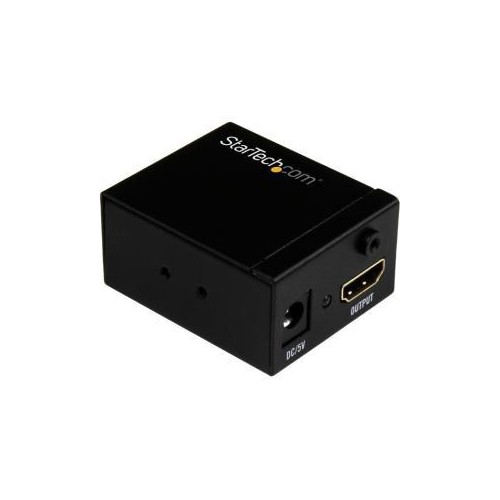
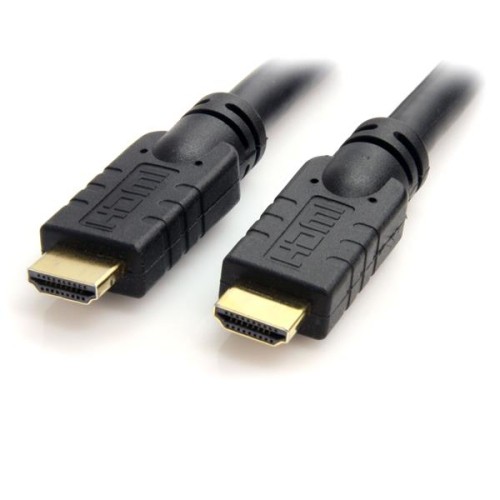
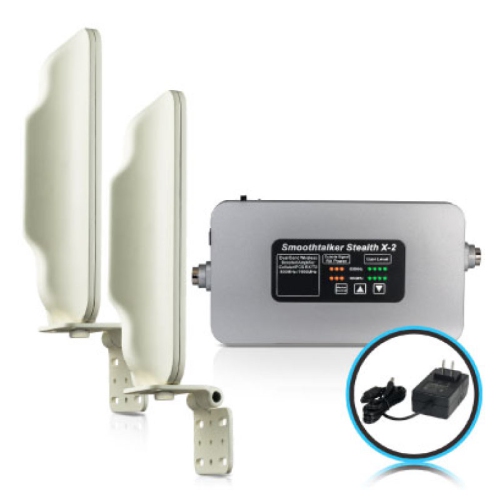
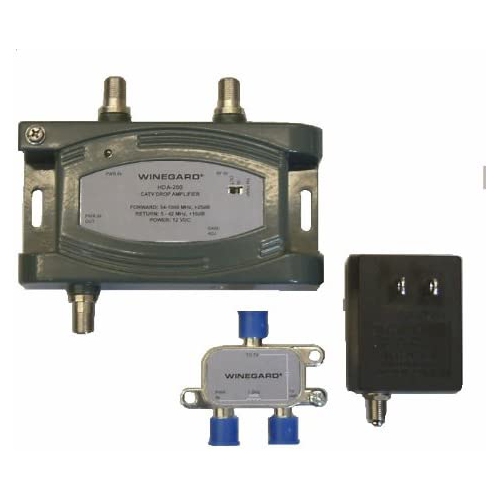
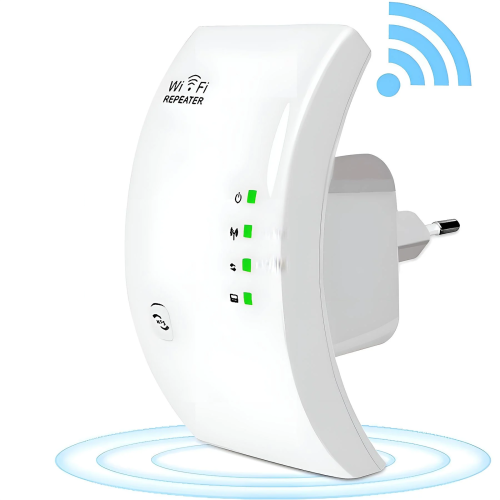
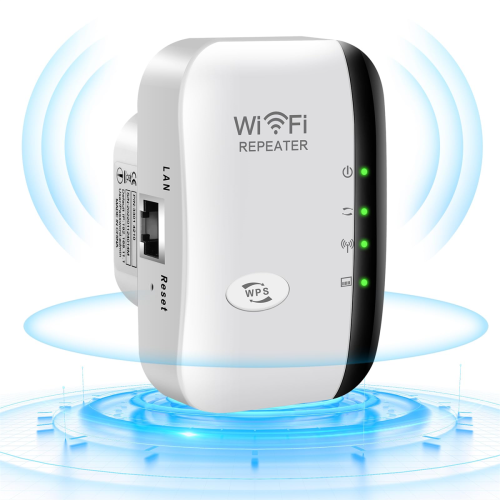
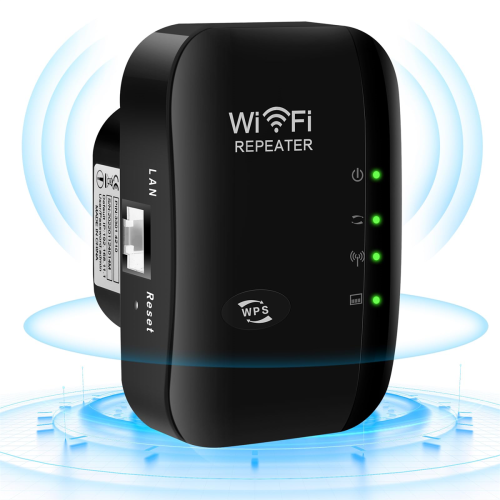
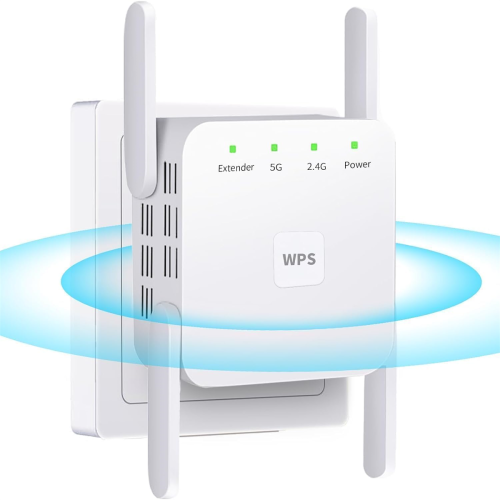
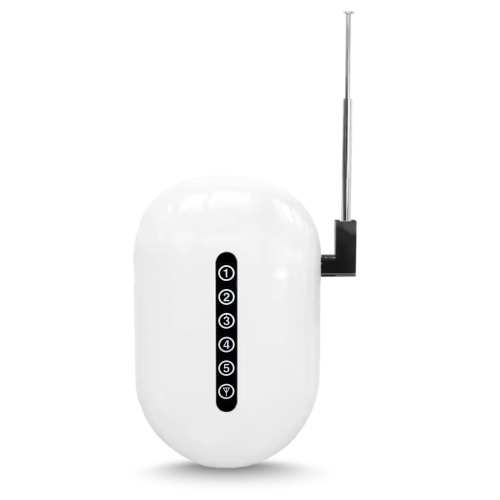
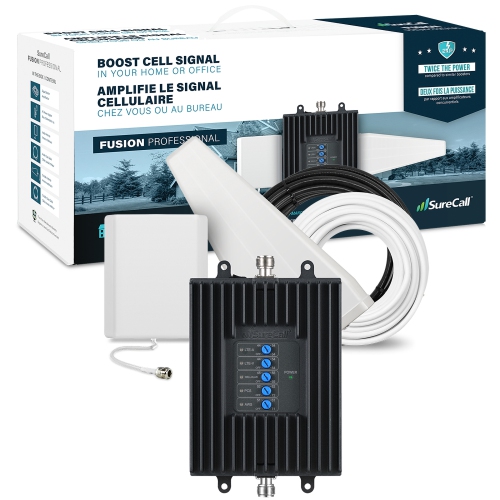
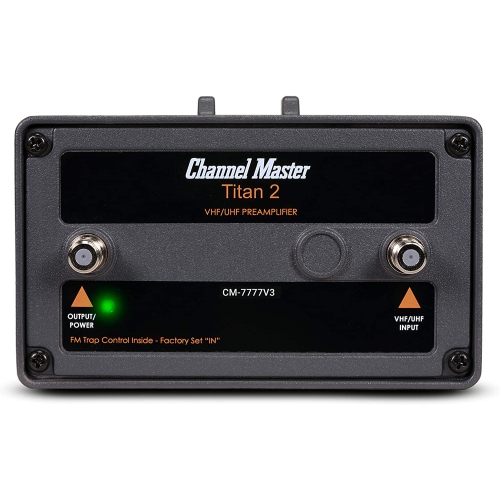
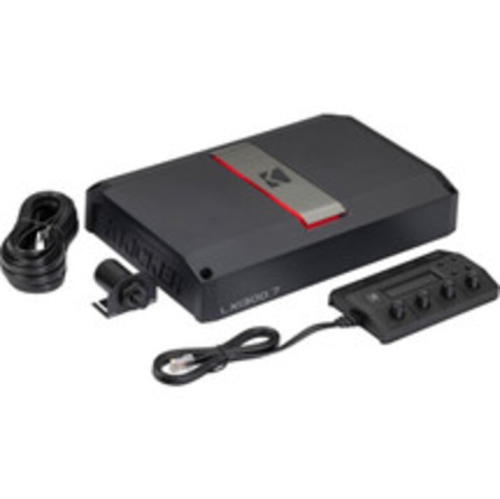
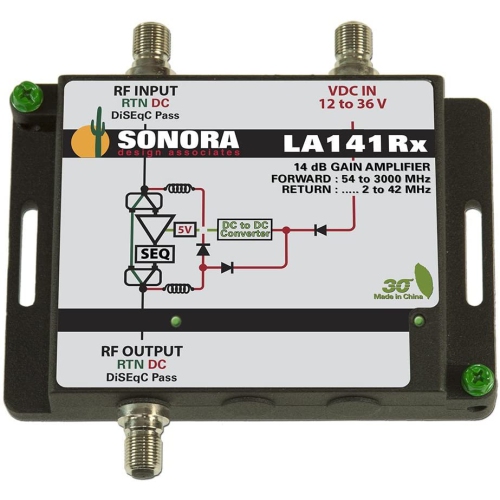
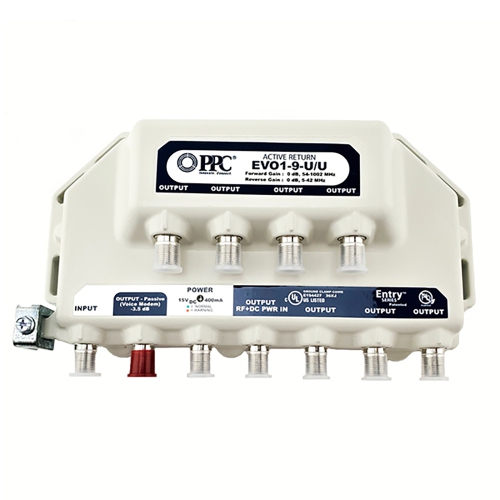
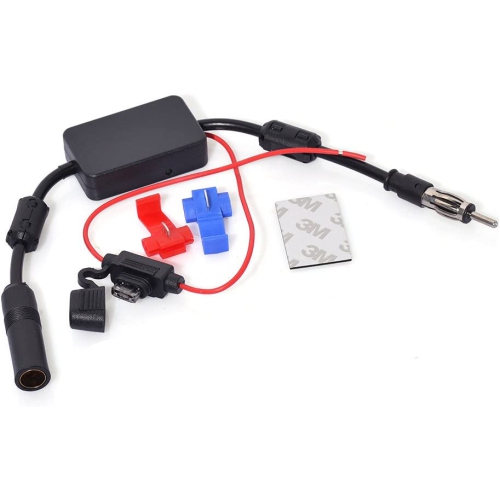
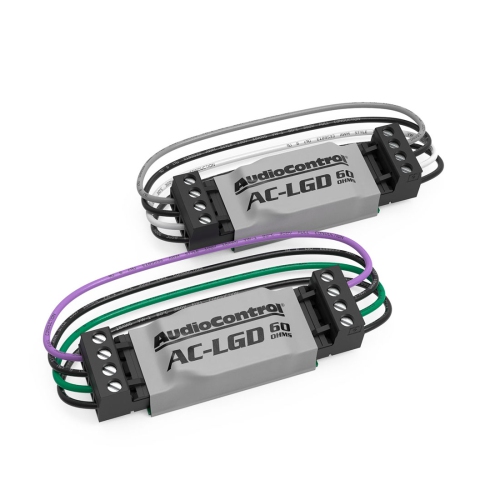
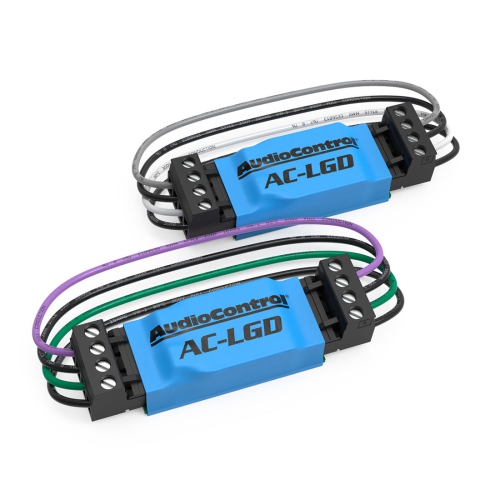
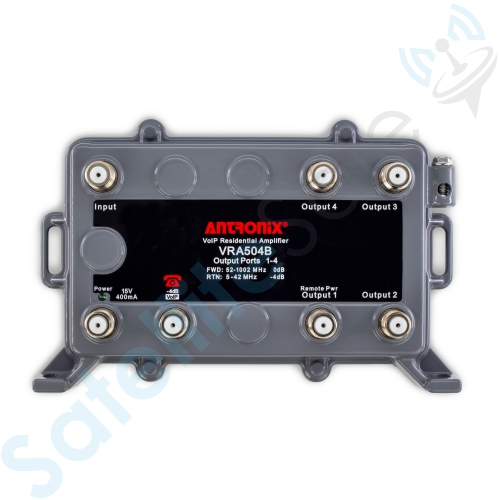
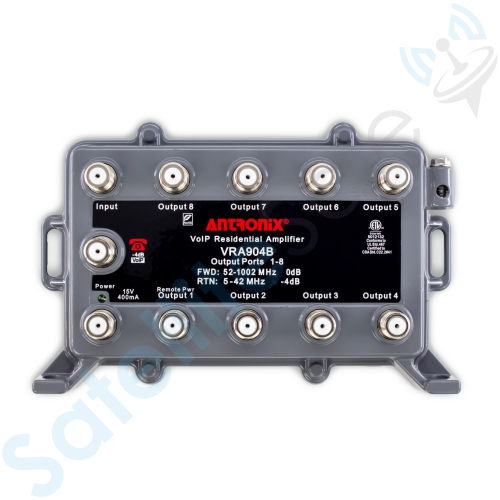
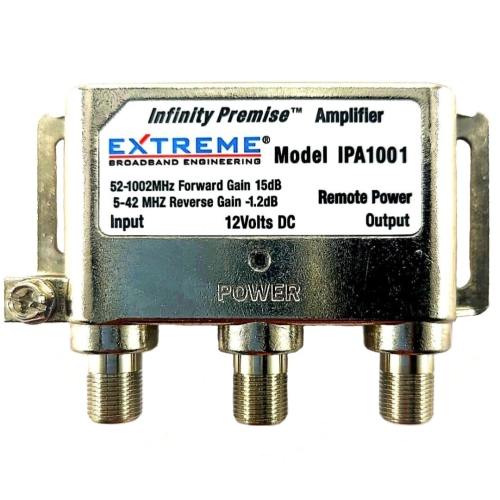
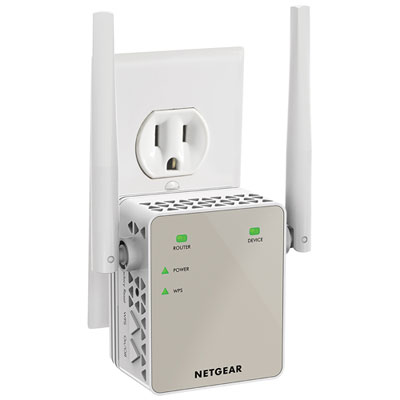
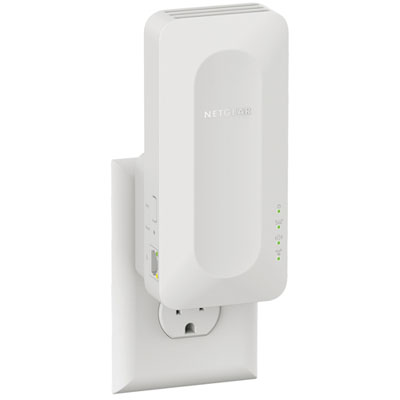
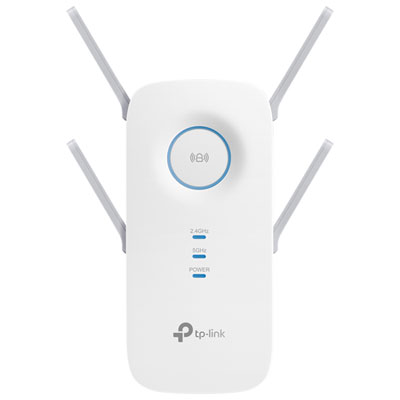
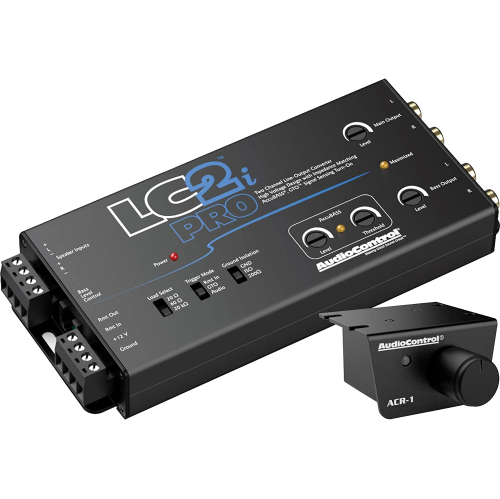
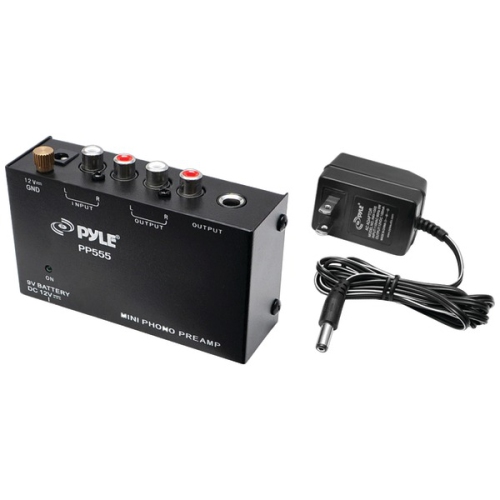
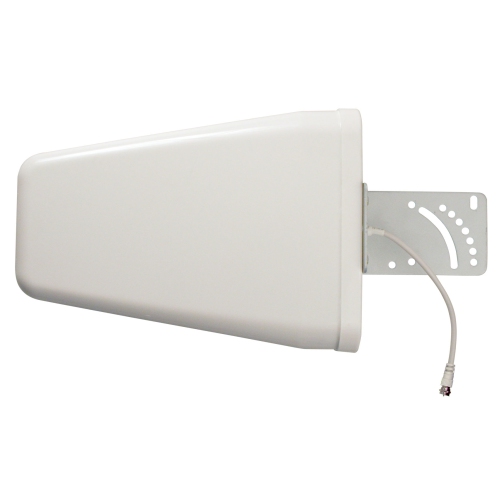
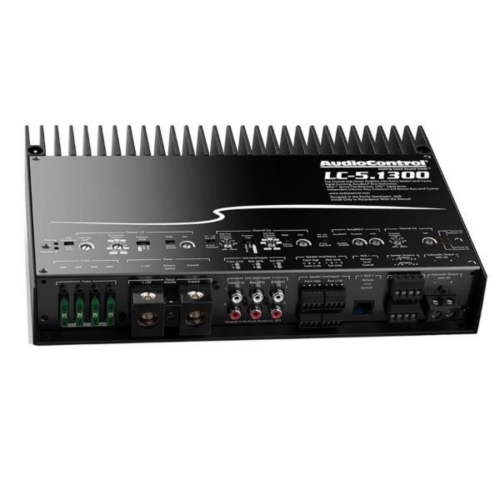
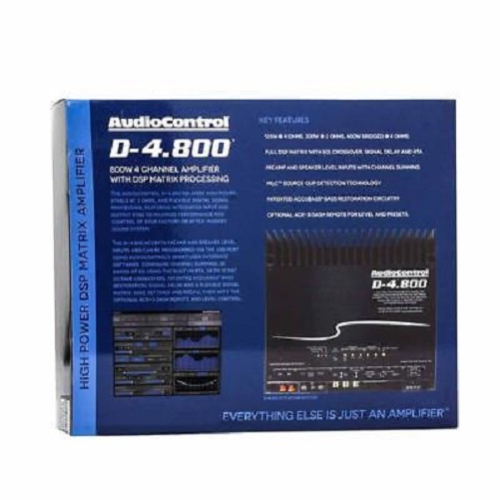
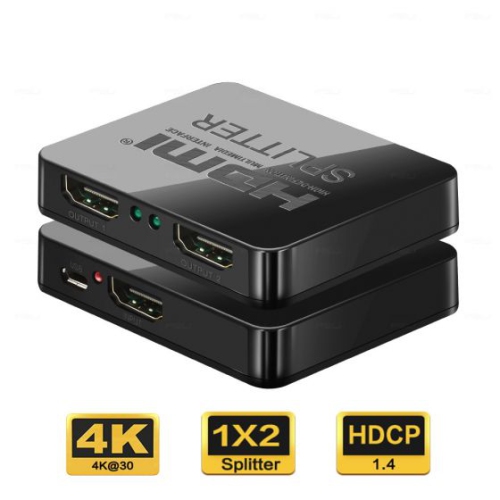
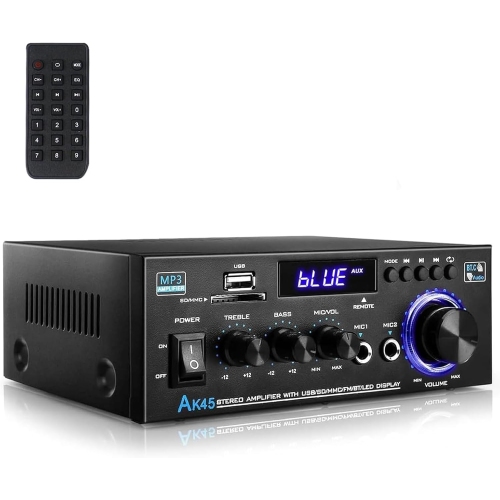

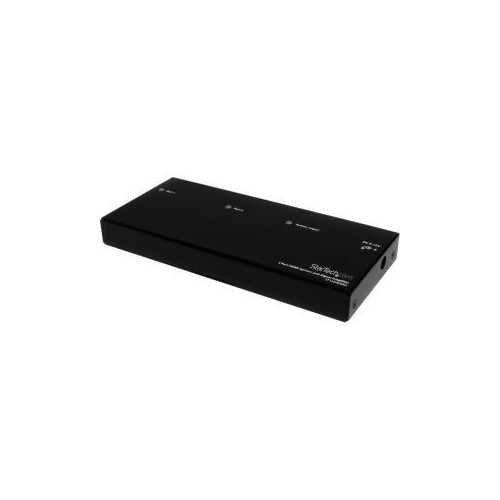
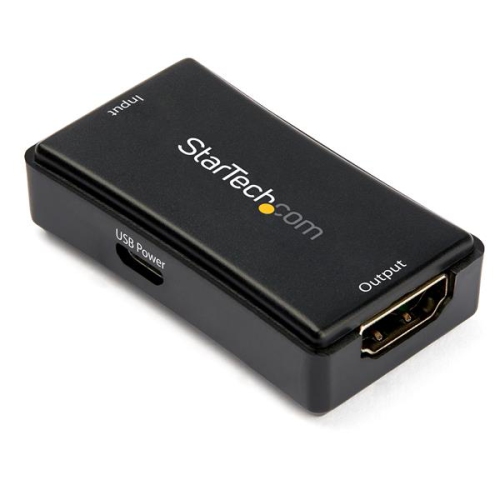
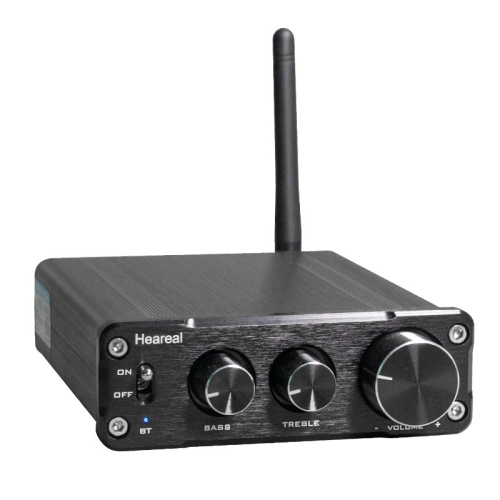
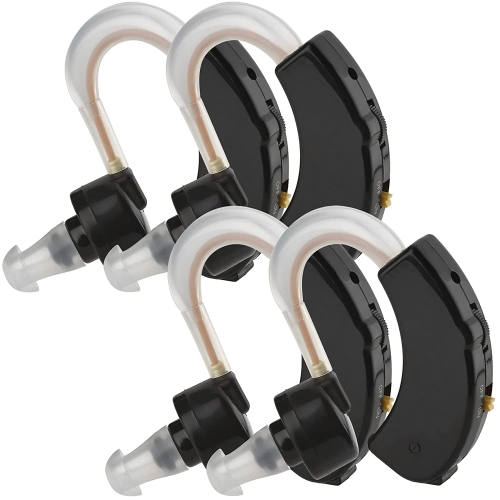
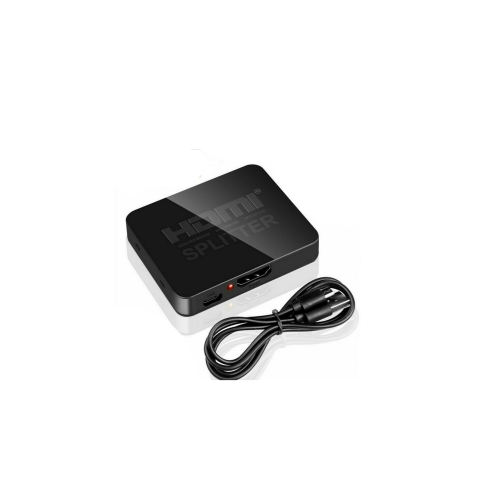
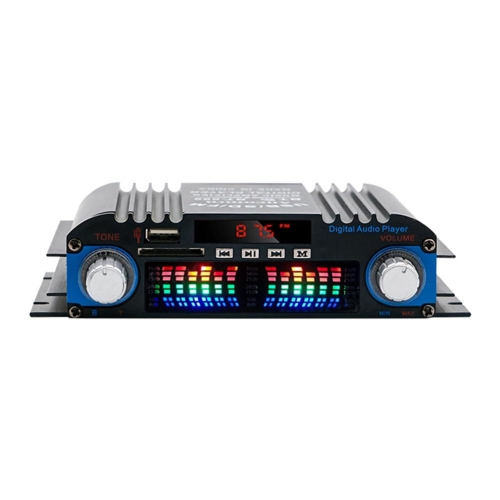

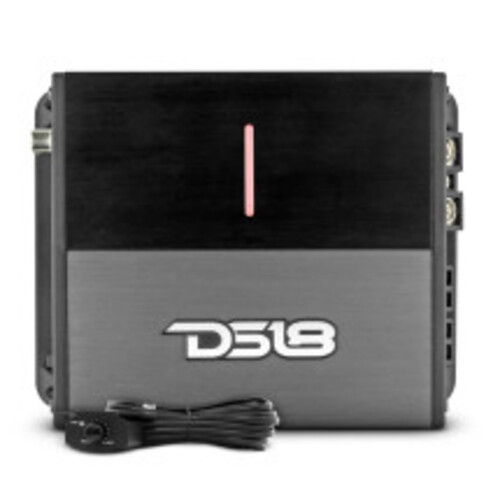
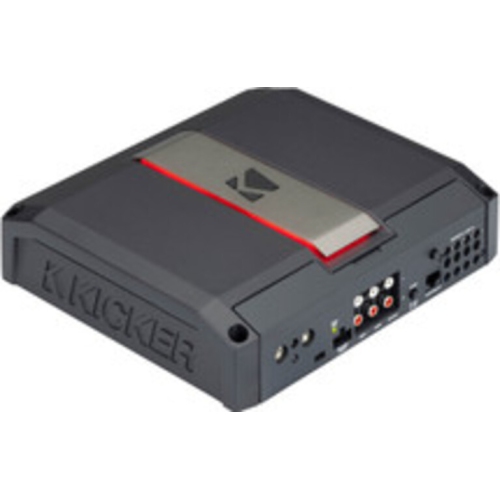

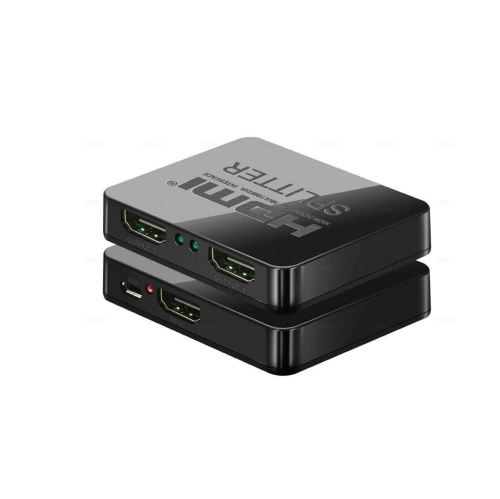
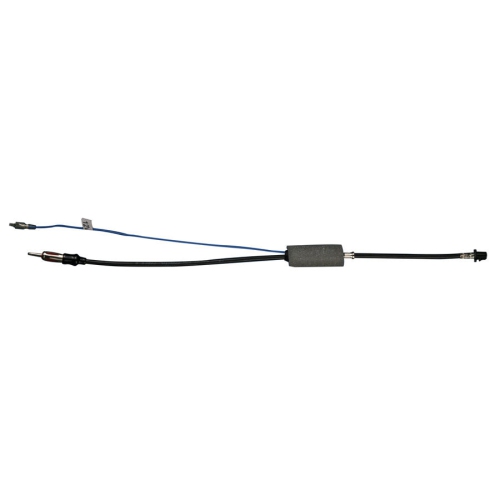
How the right gain improves clarity across your system
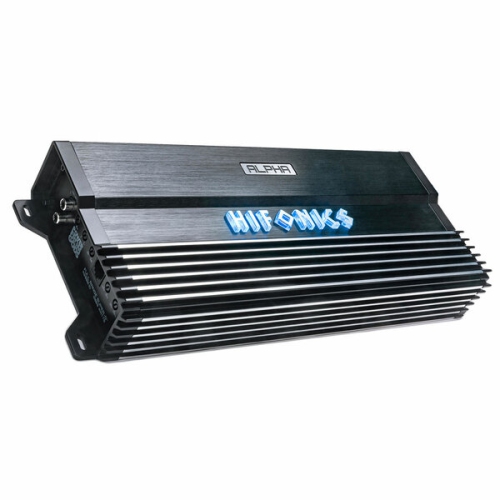
Signal amplifiers are electronic devices designed to increase the strength of an incoming signal so it can travel farther, reach connected equipment more effectively, or drive an output with greater authority. In simple terms, an amplifier uses power from an external source to create a larger version of the original signal. The amount of increase is known as gain, and the best amplifier for a particular setup depends on the type of signal being handled. Audio amplifiers strengthen low-level sound signals so speakers can produce clear, room-filling audio. Radio-frequency amplifiers can help compensate for signal loss in antenna systems, coaxial cable runs, and wireless communication equipment. Other amplifier circuits are used with sensors, instruments, and electronic projects to condition or increase small analogue signals. While the basic purpose is to make a signal stronger, a well-matched amplifier should also preserve the original waveform as closely as possible. Excessive gain, poor compatibility, or an unsuitable installation can introduce distortion, noise, clipping, or interference, so matching the amplifier to the source and destination is essential. Signal amplifiers may be useful in a home entertainment room, a vehicle, a workshop, a communications setup, or a custom electronics project. They can also be a thoughtful gift for someone who enjoys building audio systems, improving reception, recording music, working with electronics, or fine-tuning a vehicle’s sound system. For shoppers exploring audio equipment for a car, Modern Amplifiers can provide a useful point of comparison when considering how amplification fits into a larger setup.
Before choosing a signal amplifier, identify exactly what signal needs a boost and where the amplifier will be installed. Audio equipment is typically selected according to the speaker load, the number of channels, the desired output, and the available space. A home stereo or home theatre setup may benefit from an amplifier that provides clean, controlled power across the listening range, while a vehicle installation may require a compact design that fits beneath a seat, in a dashboard area, or inside a dedicated equipment compartment. Check the amplifier’s power ratings carefully, paying attention to whether figures are listed as continuous or peak output and whether they are measured at the same impedance as the speakers. Matching the amplifier to the speakers helps prevent overheating and unwanted distortion. Inputs and outputs matter as well: common connections can include wired audio inputs, speaker-level connections, line-level inputs, antenna connections, and other formats suited to a specific system. For radio, television, cellular, or wireless applications, compatibility with the relevant frequency bands is especially important. Cable length and quality also deserve attention, since long cable runs can reduce signal strength before it reaches the amplifier. A low-noise design can be valuable for sensitive applications, while adjustable gain gives the user more control over the amount of amplification. Features such as built-in protection, thermal management, remote controls, mounting hardware, and simple status indicators can make installation and everyday use more convenient. In a vehicle, consider the available power supply, wiring requirements, ventilation, and whether professional installation is appropriate. For a home antenna or communications setup, review placement guidelines and local requirements before connecting equipment.
Using an amplifier effectively is about improving the complete signal path rather than simply selecting the highest gain available. Start with a strong, clean source signal and inspect the connections, cables, antenna placement, speaker positioning, or wireless equipment before adding amplification. An amplifier cannot restore information that has already been lost, and increasing a noisy or distorted signal may make those problems more noticeable. In an audio system, set the source and amplifier levels carefully to avoid clipping, then adjust the gain so music, dialogue, and other content remain detailed at the listening volume you prefer. A properly matched setup can bring greater clarity to quiet passages, stronger impact to bass, and more consistent sound across a room without making the system harsh. For antenna and radio-frequency applications, place the amplifier as close to the receiving source as practical when the goal is to reduce losses along a long cable, while following the manufacturer’s instructions for power and grounding. Cellular and wireless signal equipment should be selected for the appropriate carrier, frequency range, and area of use, and installation should comply with applicable Canadian requirements. Anyone improving a home office, media room, vehicle, cottage, or workshop may appreciate the difference a suitable amplifier can make, particularly in spaces where distance, walls, cable length, or background interference affect performance. During the cooler months, an amplifier can also make an indoor listening area more inviting, bringing podcasts, films, music, and live broadcasts into sharper focus while people spend more time at home. Careful matching, secure connections, adequate ventilation, and realistic expectations will help ensure the amplifier supports a dependable system for everyday use.
Before choosing a signal amplifier, identify exactly what signal needs a boost and where the amplifier will be installed. Audio equipment is typically selected according to the speaker load, the number of channels, the desired output, and the available space. A home stereo or home theatre setup may benefit from an amplifier that provides clean, controlled power across the listening range, while a vehicle installation may require a compact design that fits beneath a seat, in a dashboard area, or inside a dedicated equipment compartment. Check the amplifier’s power ratings carefully, paying attention to whether figures are listed as continuous or peak output and whether they are measured at the same impedance as the speakers. Matching the amplifier to the speakers helps prevent overheating and unwanted distortion. Inputs and outputs matter as well: common connections can include wired audio inputs, speaker-level connections, line-level inputs, antenna connections, and other formats suited to a specific system. For radio, television, cellular, or wireless applications, compatibility with the relevant frequency bands is especially important. Cable length and quality also deserve attention, since long cable runs can reduce signal strength before it reaches the amplifier. A low-noise design can be valuable for sensitive applications, while adjustable gain gives the user more control over the amount of amplification. Features such as built-in protection, thermal management, remote controls, mounting hardware, and simple status indicators can make installation and everyday use more convenient. In a vehicle, consider the available power supply, wiring requirements, ventilation, and whether professional installation is appropriate. For a home antenna or communications setup, review placement guidelines and local requirements before connecting equipment.
Using an amplifier effectively is about improving the complete signal path rather than simply selecting the highest gain available. Start with a strong, clean source signal and inspect the connections, cables, antenna placement, speaker positioning, or wireless equipment before adding amplification. An amplifier cannot restore information that has already been lost, and increasing a noisy or distorted signal may make those problems more noticeable. In an audio system, set the source and amplifier levels carefully to avoid clipping, then adjust the gain so music, dialogue, and other content remain detailed at the listening volume you prefer. A properly matched setup can bring greater clarity to quiet passages, stronger impact to bass, and more consistent sound across a room without making the system harsh. For antenna and radio-frequency applications, place the amplifier as close to the receiving source as practical when the goal is to reduce losses along a long cable, while following the manufacturer’s instructions for power and grounding. Cellular and wireless signal equipment should be selected for the appropriate carrier, frequency range, and area of use, and installation should comply with applicable Canadian requirements. Anyone improving a home office, media room, vehicle, cottage, or workshop may appreciate the difference a suitable amplifier can make, particularly in spaces where distance, walls, cable length, or background interference affect performance. During the cooler months, an amplifier can also make an indoor listening area more inviting, bringing podcasts, films, music, and live broadcasts into sharper focus while people spend more time at home. Careful matching, secure connections, adequate ventilation, and realistic expectations will help ensure the amplifier supports a dependable system for everyday use.
Top selling and popular products
-
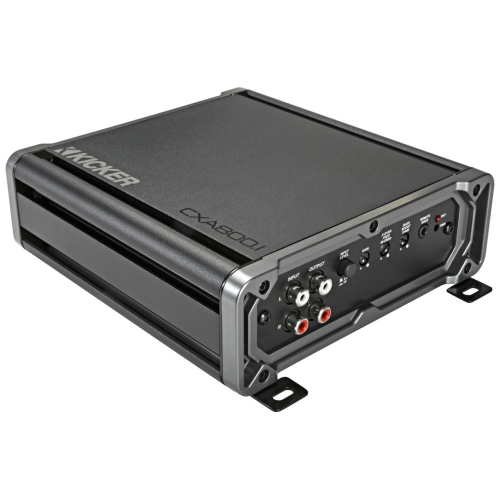 Your price for this item is $449.95
 -
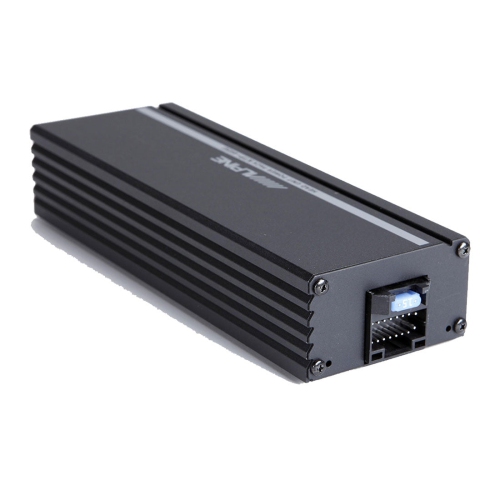 Your price for this item is $398
 -
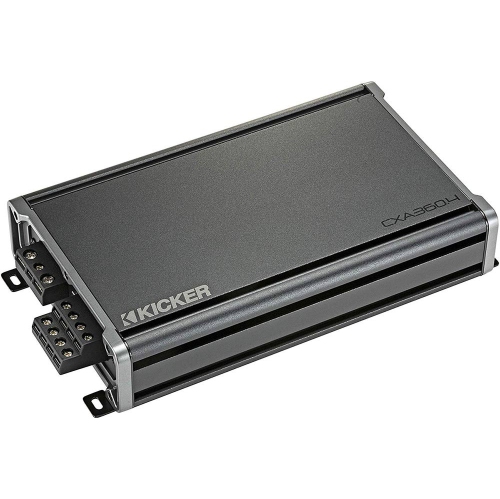 Your price for this item is $349.95
 -
 Your price for this item is $599.95
 -
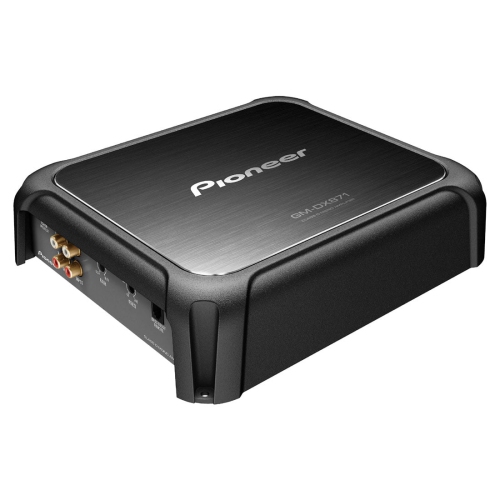 Your price for this item is $248.99
 -
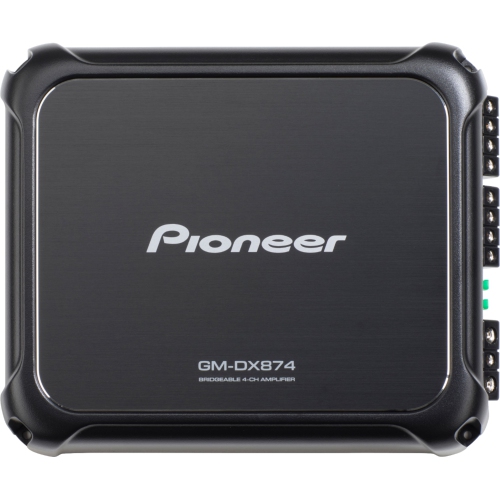 Your price for this item is $328.99
 -
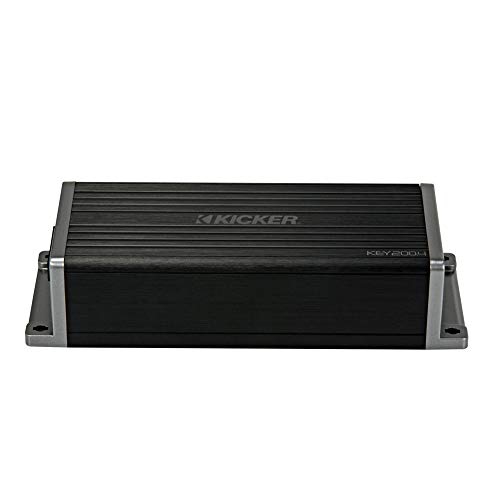 Your price for this item is $449.95
 -
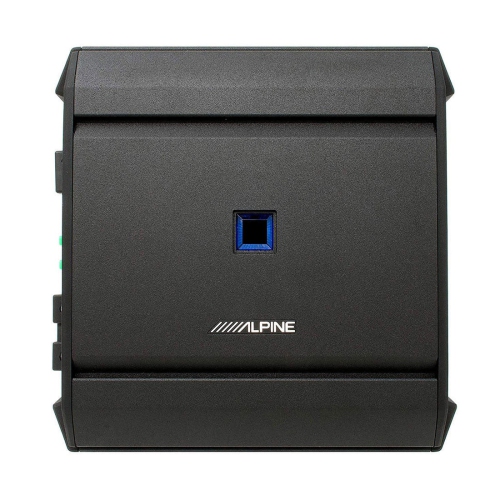 Your price for this item is $219.99
Discover more categories related to Signal Amplifiers
Top Collections:
Pokemon Centers, Kindle Devices, Best Budget Office Chairs, Apple iPhones 16, Best Laptops for Writers, iPhone 15 Apple, Canon G7X Cameras, Refurbished Apple Laptops, Alarm Clock, Motorola Razr Phones
Some products may be subject to Environmental Handling Fees
(EHF) depending on your province.
Learn more about EHFs.