Sound Amplifiers
Looking to enhance your audio experience? Look no further than our collection of sound amplifiers. Whether you're a music enthusiast, a home theater aficionado, or simply want to boost the volume of your TV or gaming console, we have the perfect solution for you. From compact and portable options to high-powered amplifiers that deliver immersive sound, our selection caters to every need and budget. Explore our range of sound amplifiers and take your audio enjoyment to new heights.
Sort
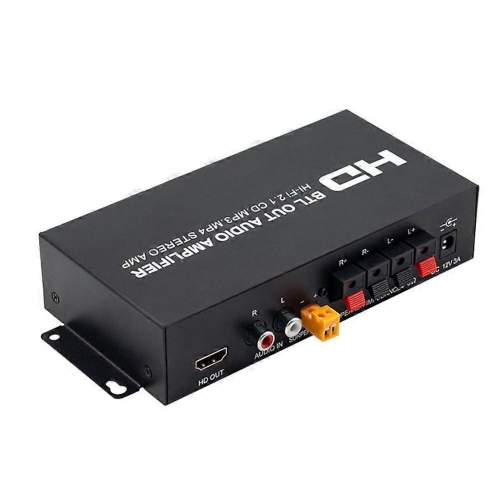

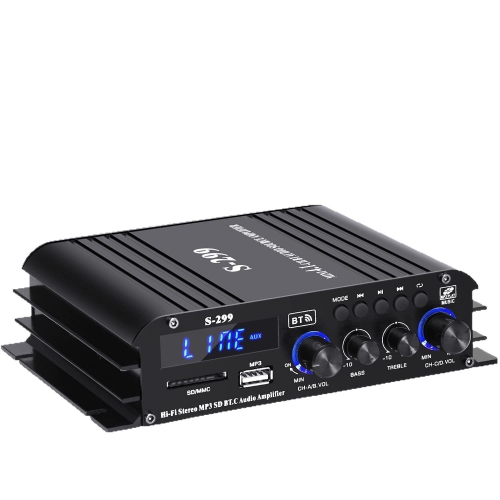


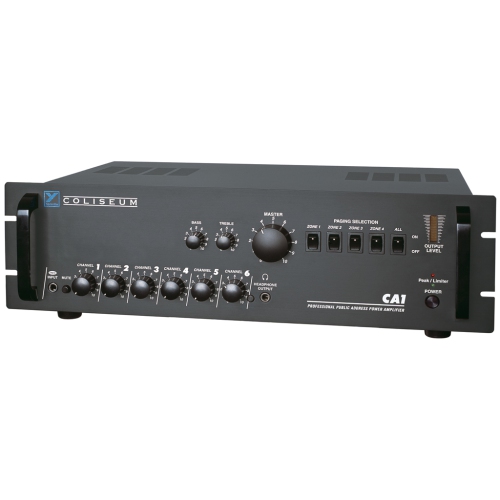
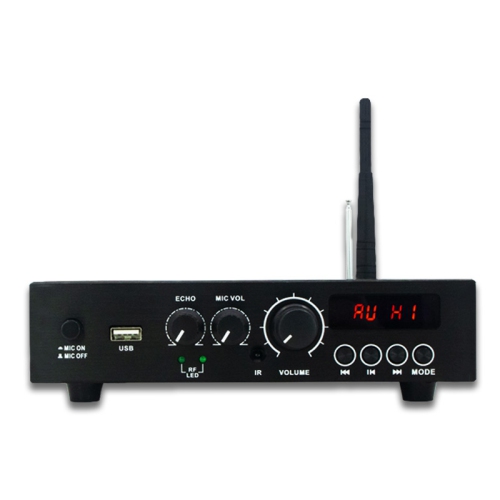
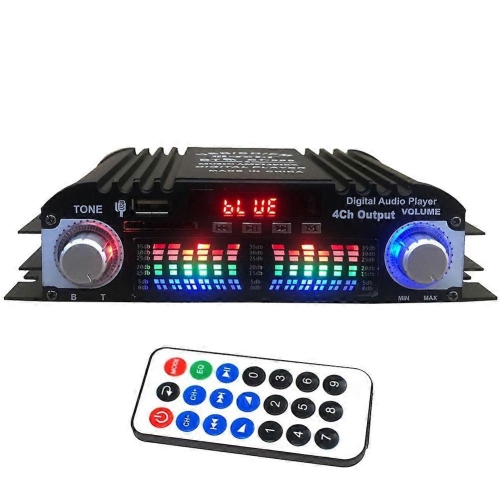
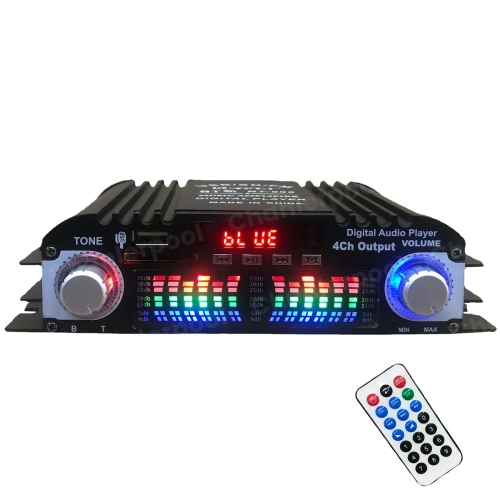
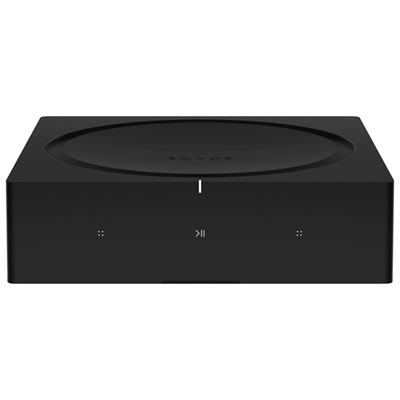

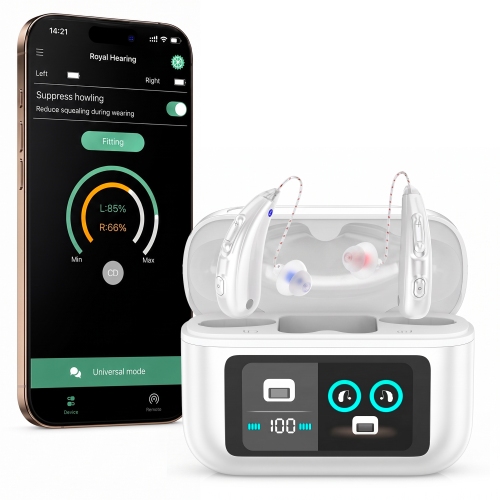
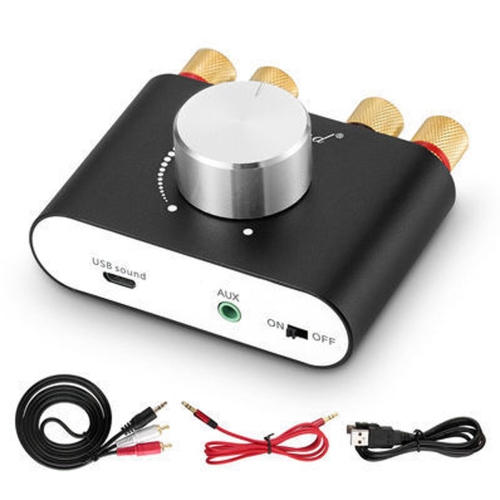
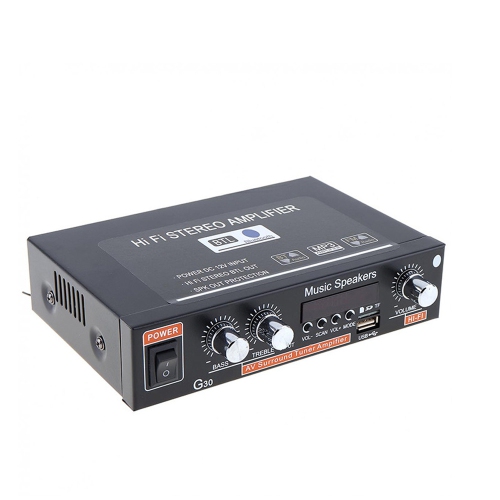
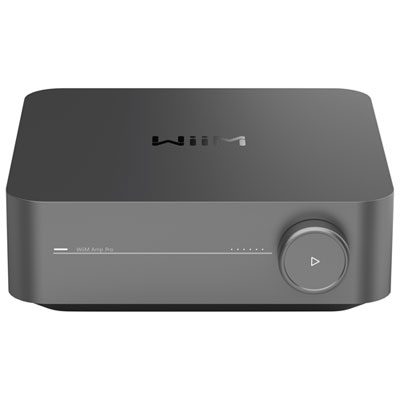
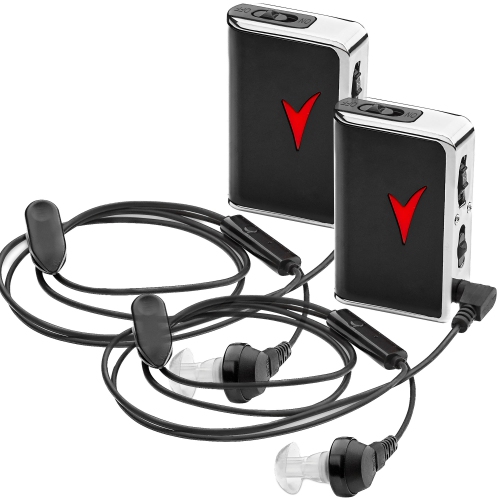
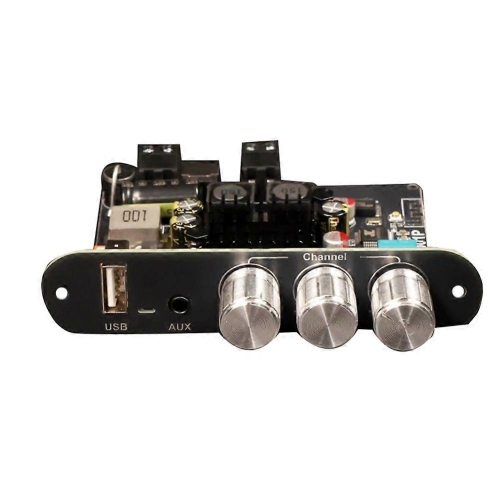
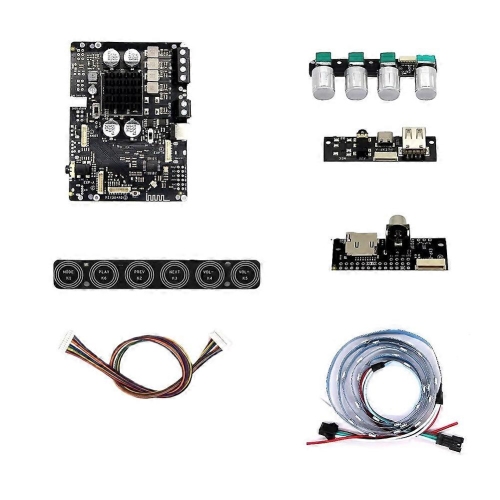
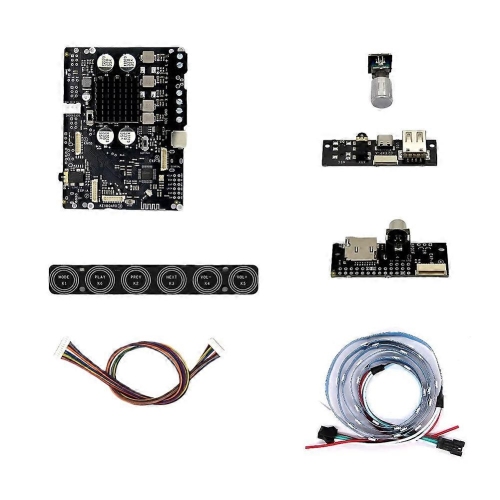
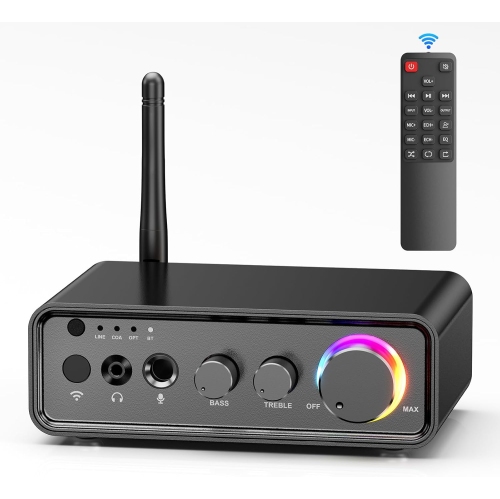

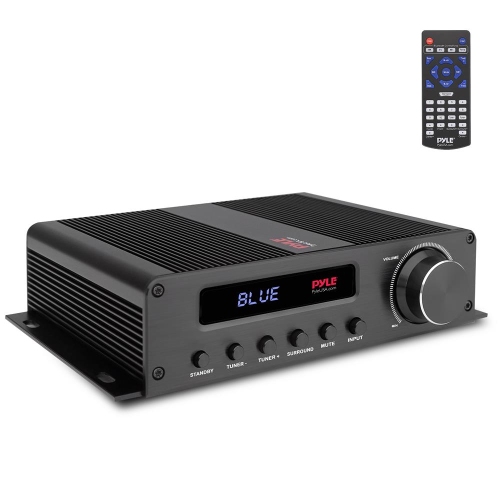
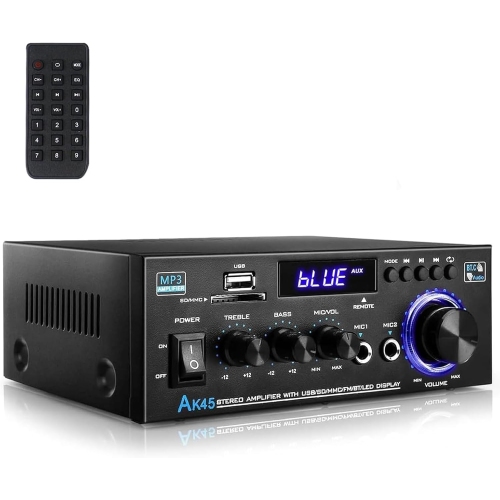
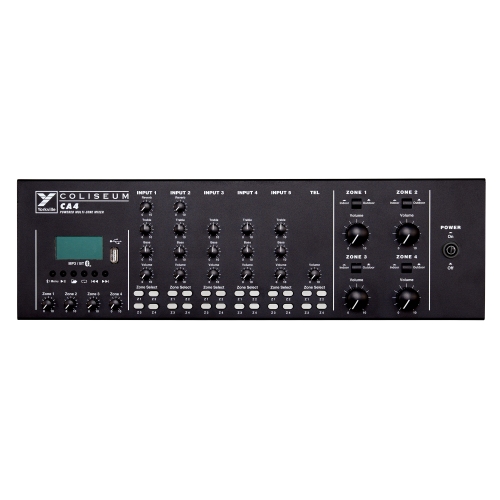
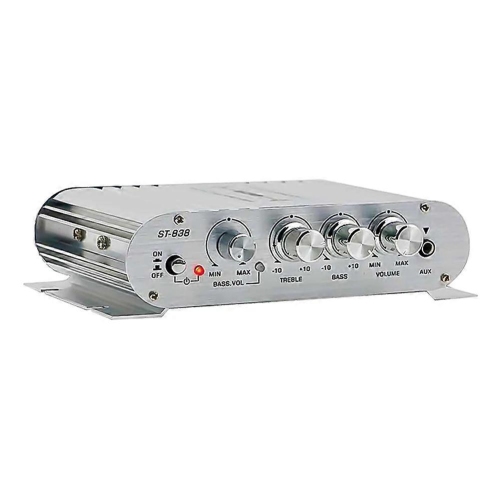
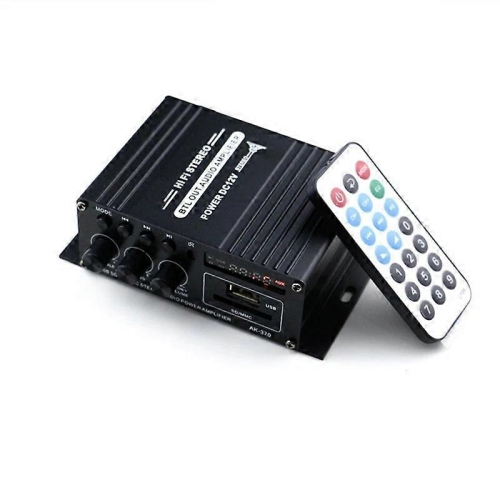
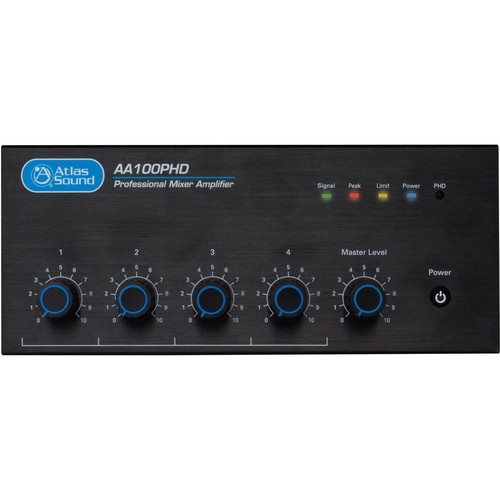
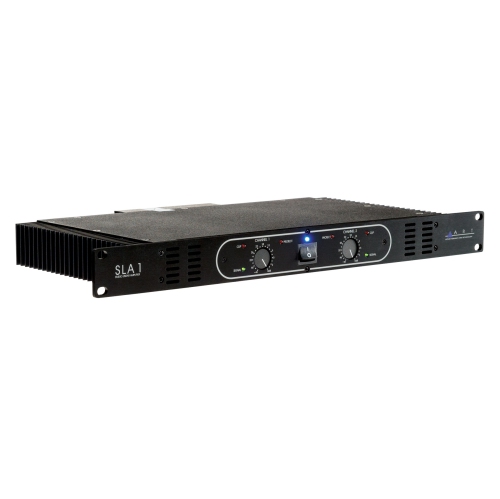
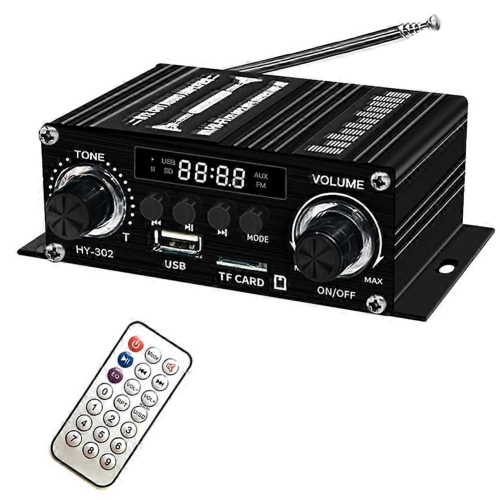
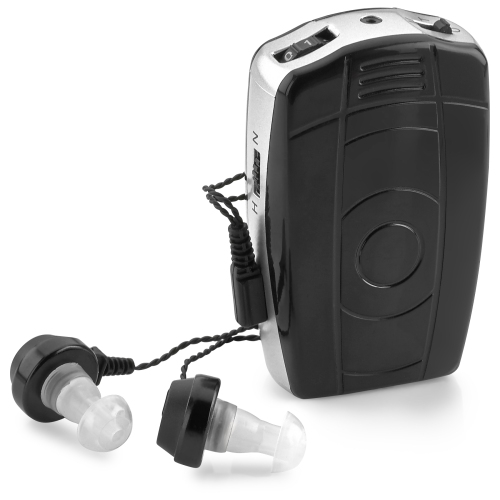

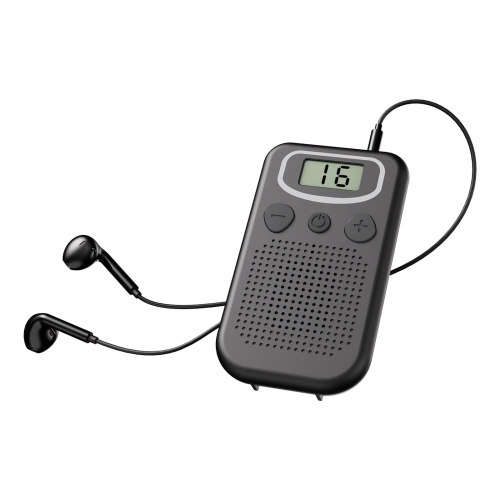
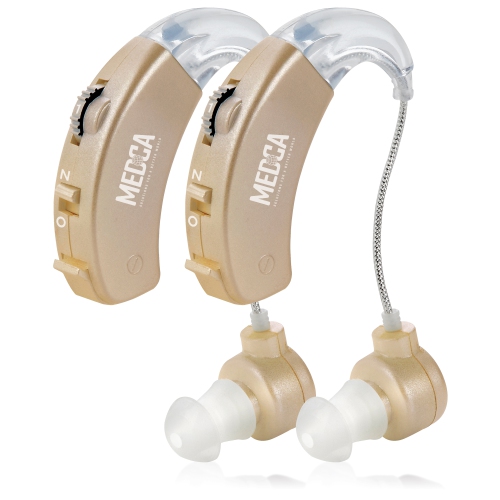
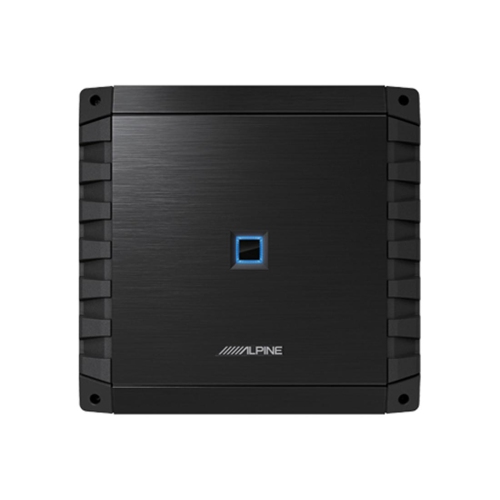
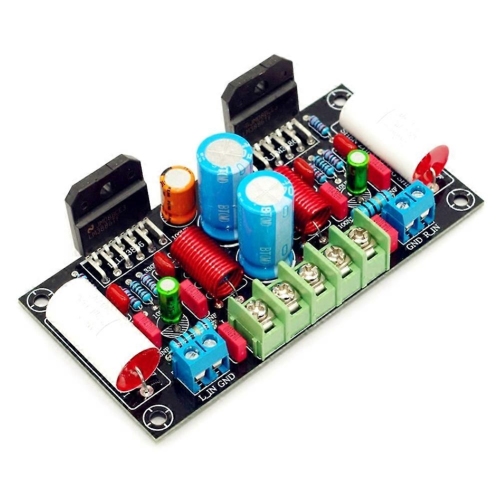


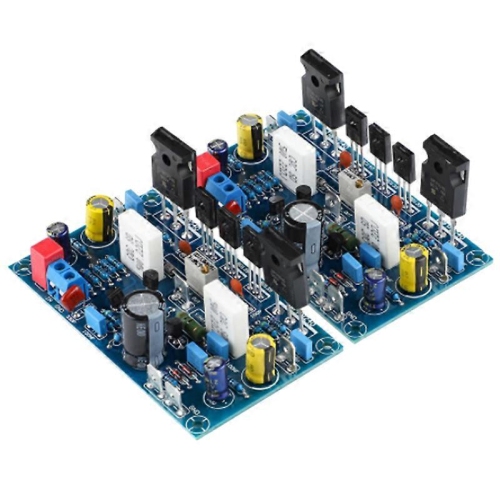
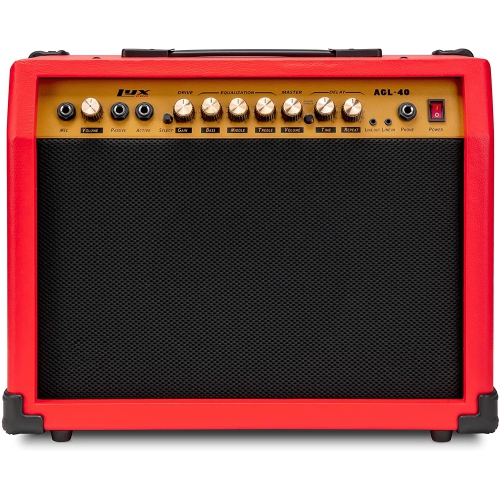

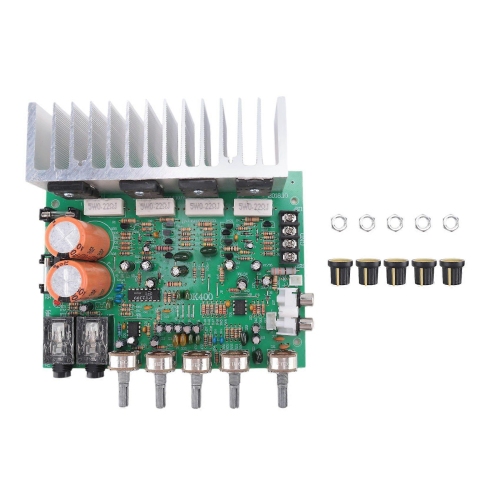
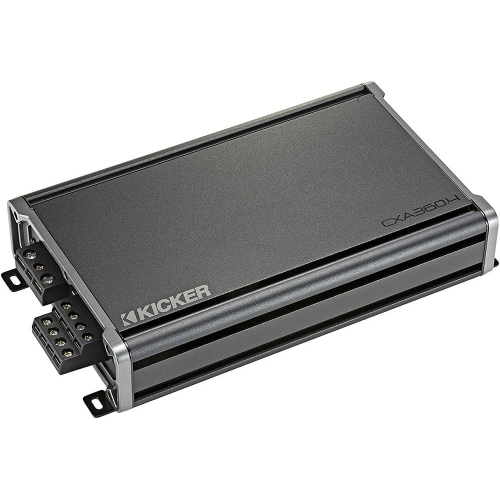
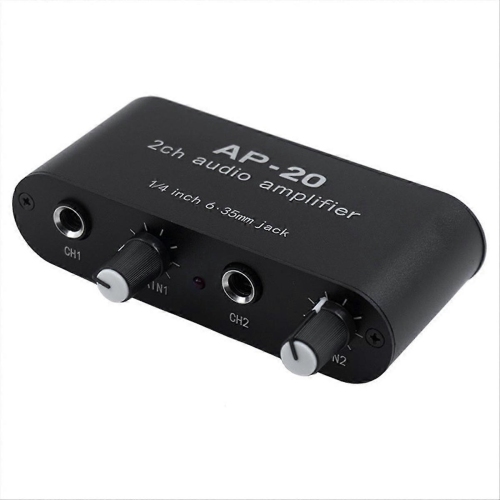
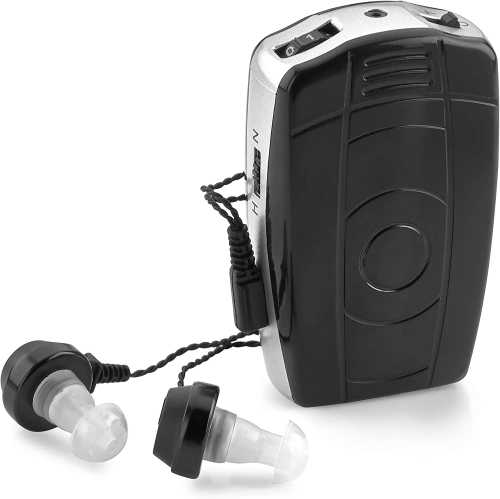
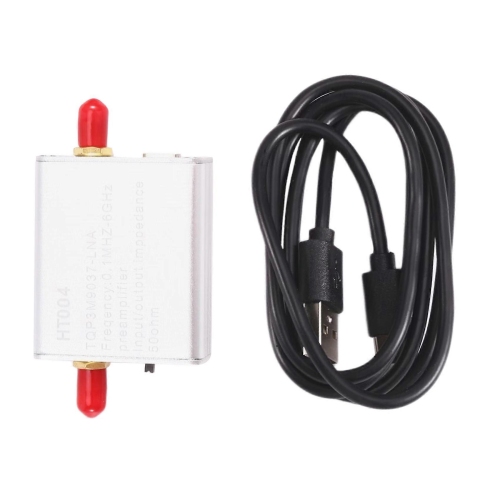
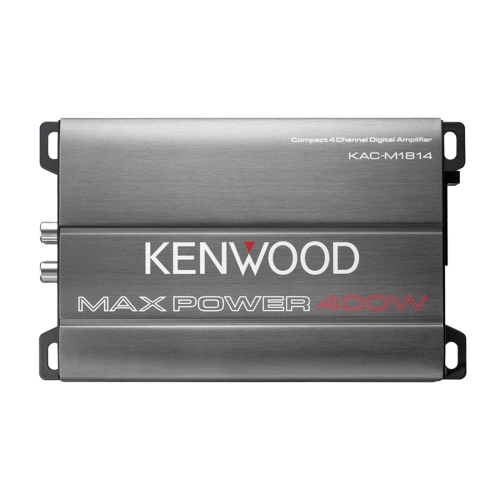
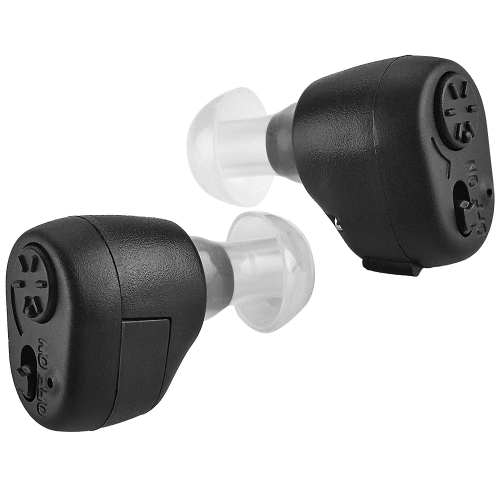
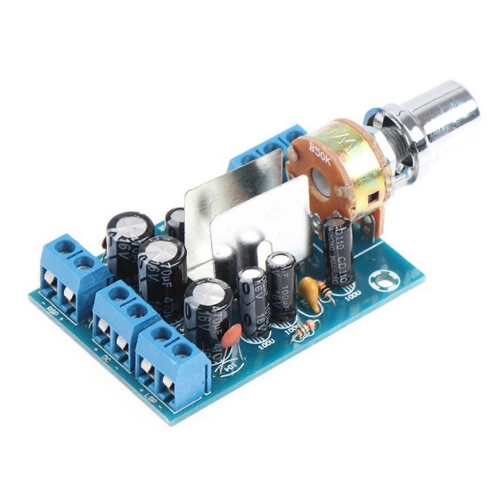
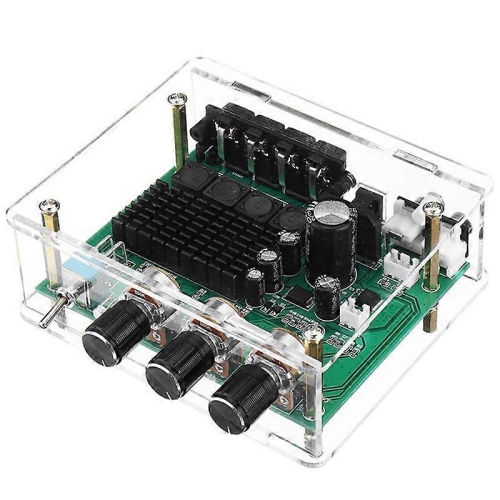
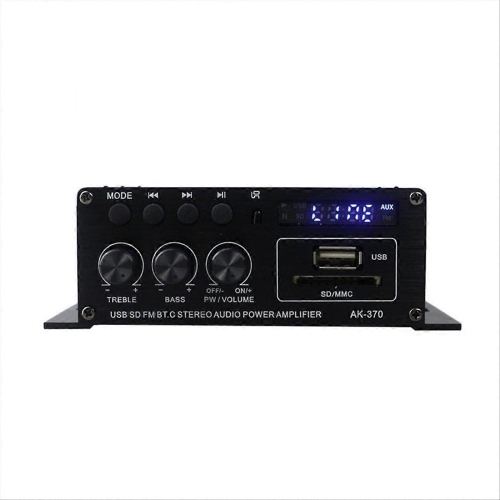
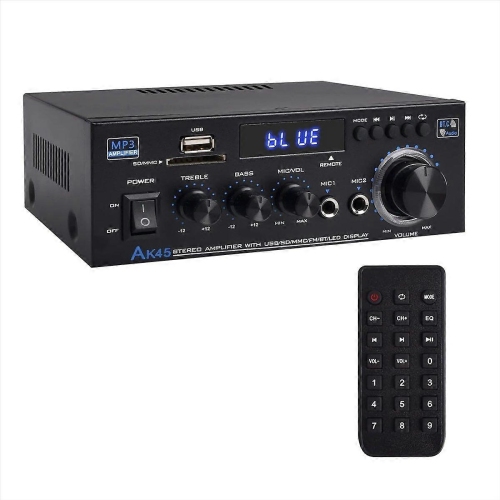

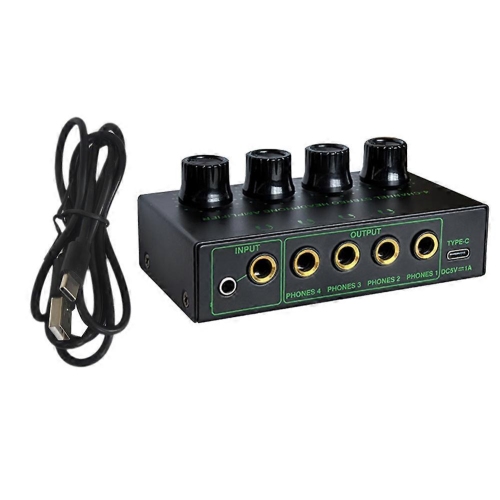
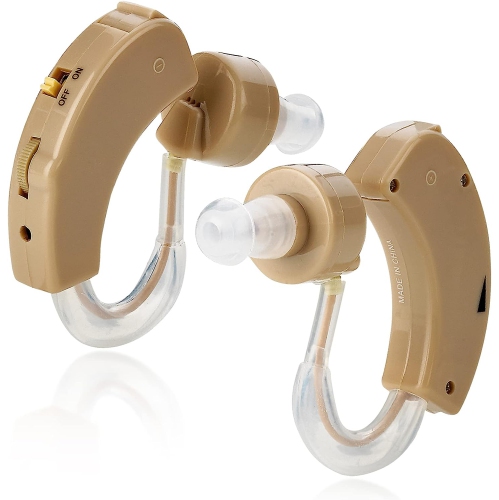
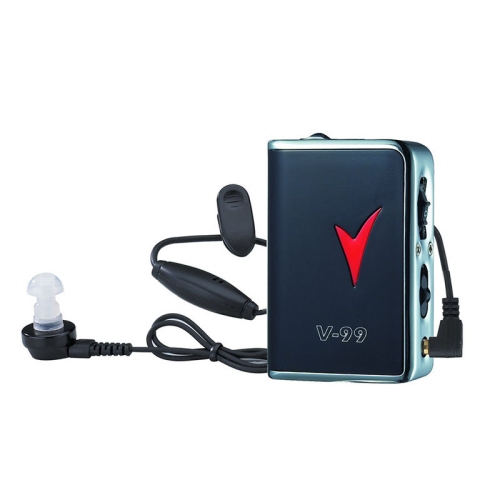

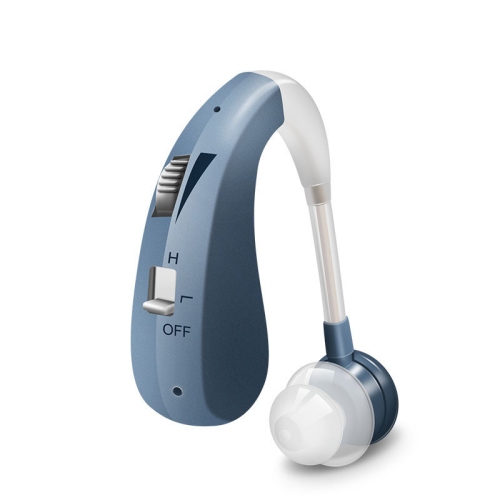
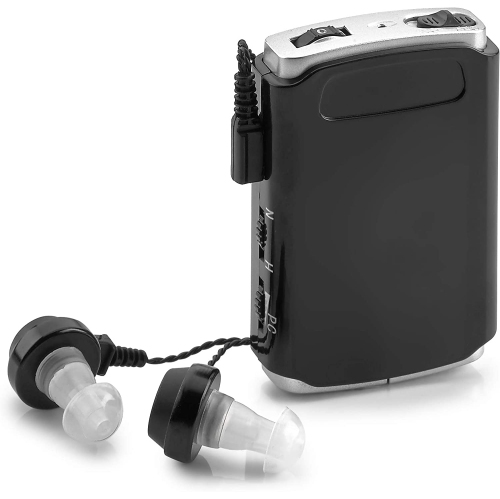


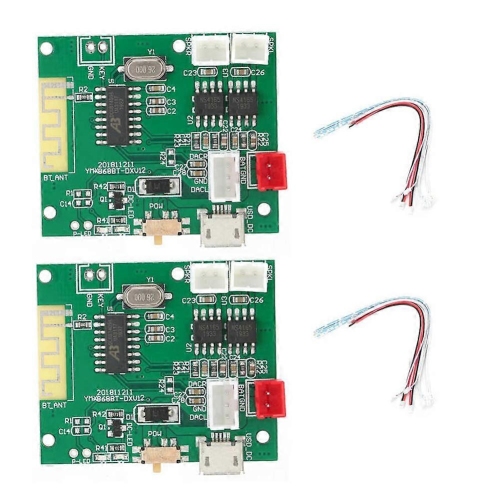
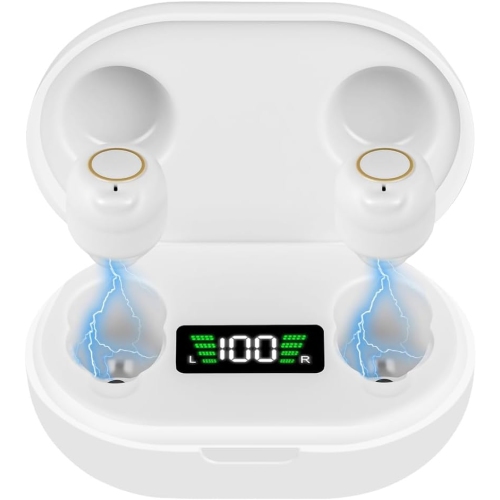
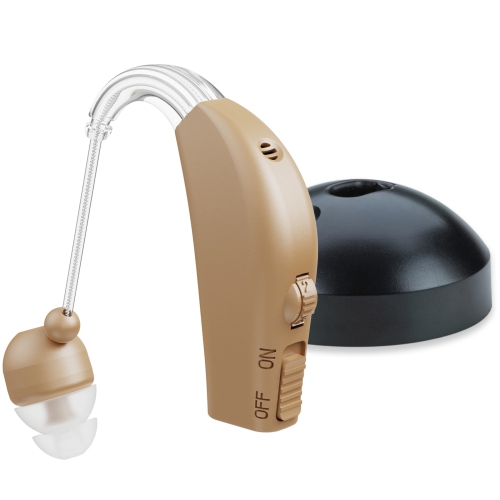


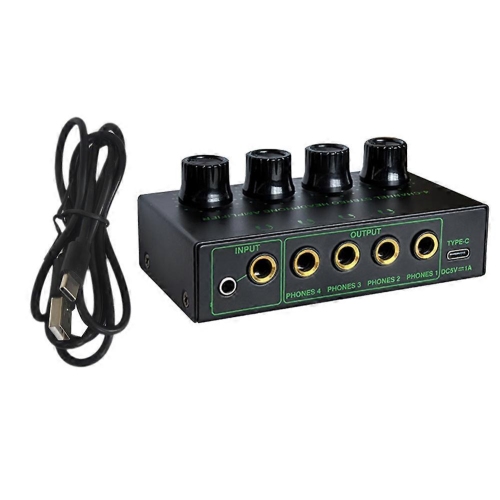
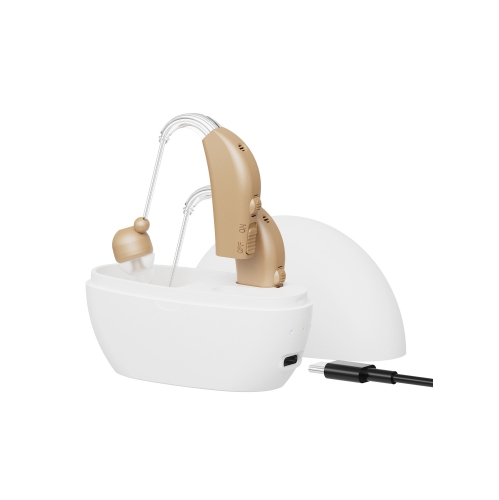
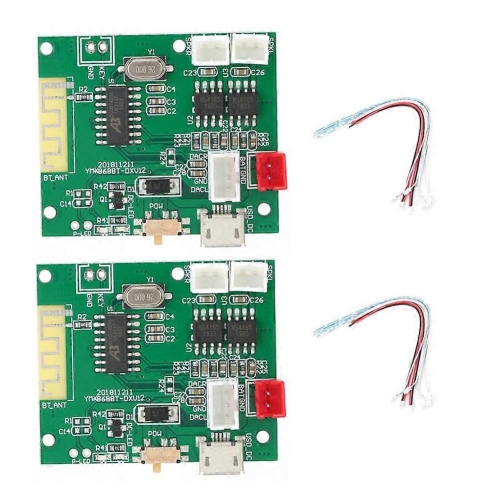


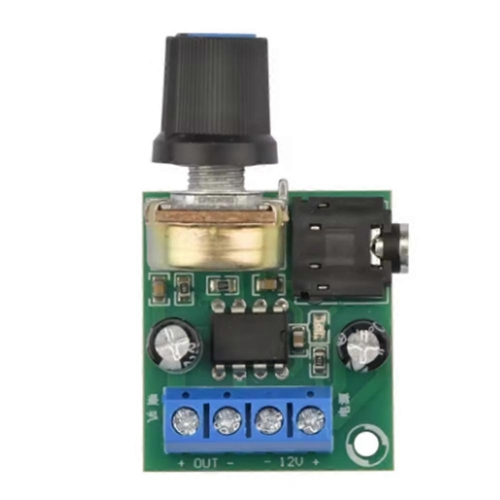
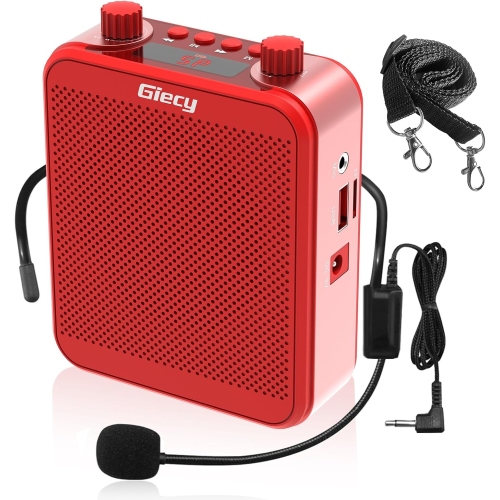
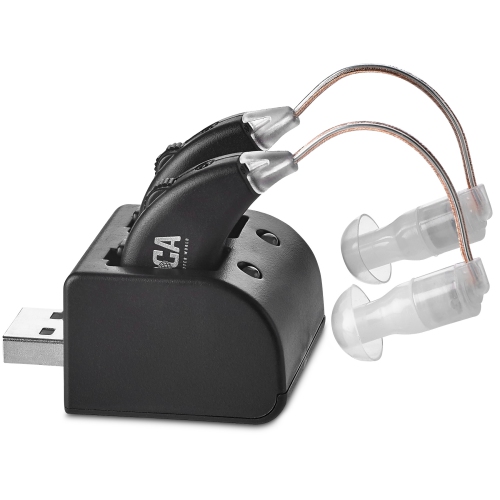
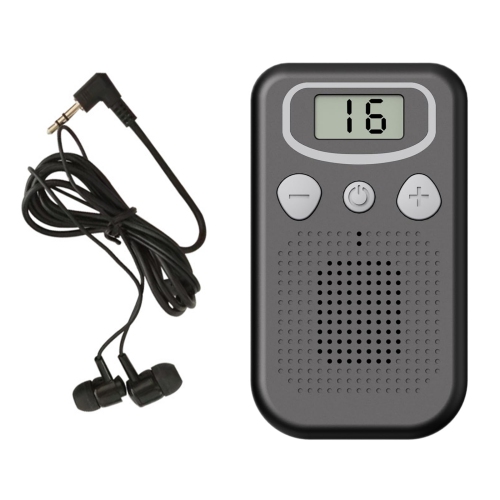
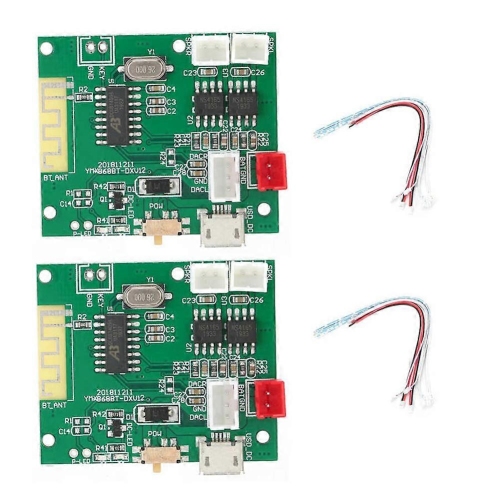
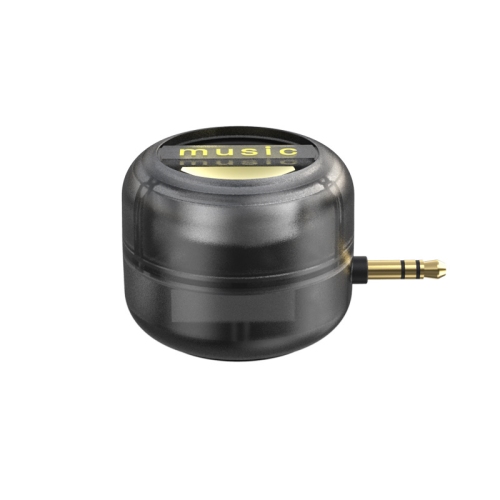
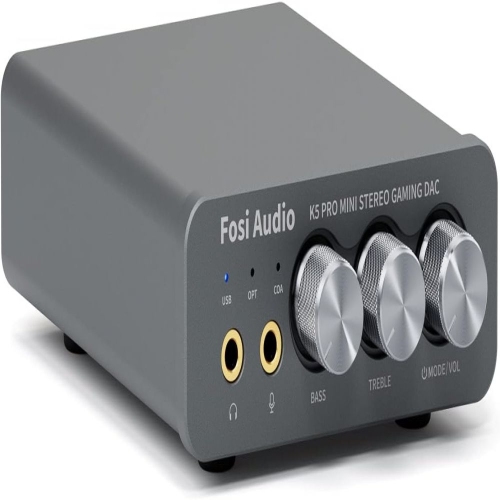
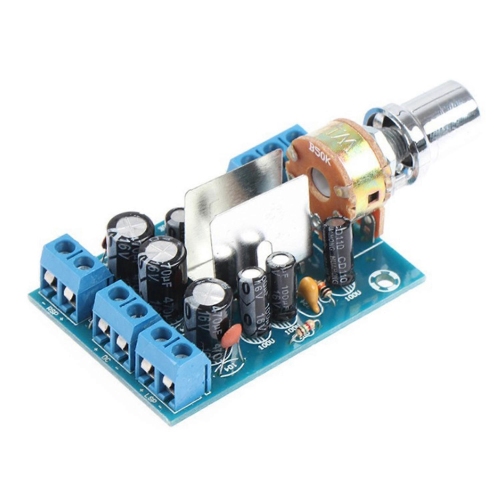
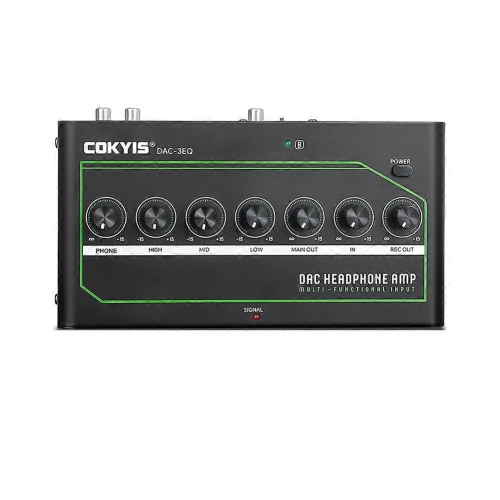
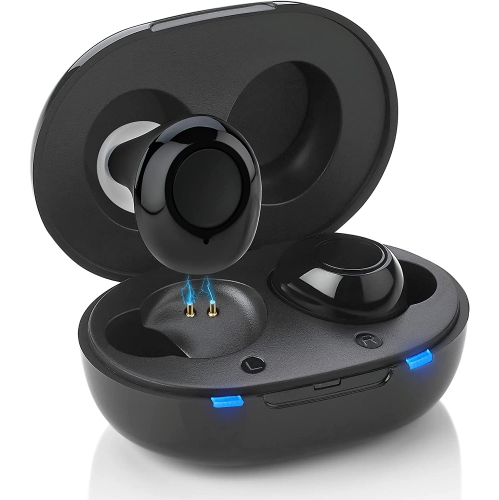
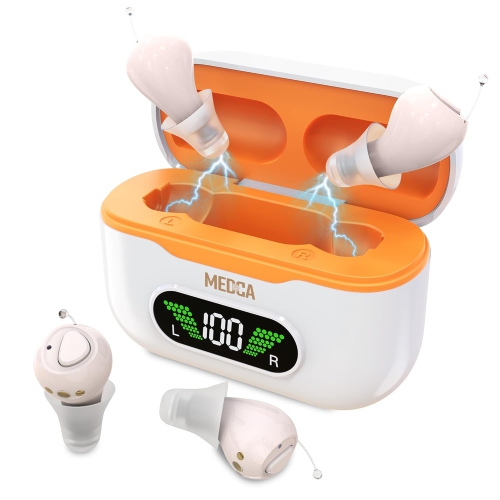
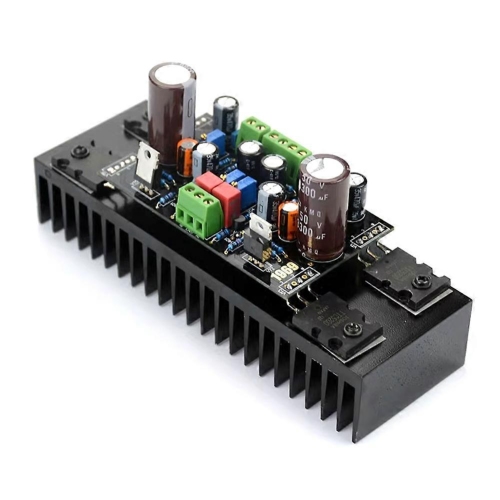
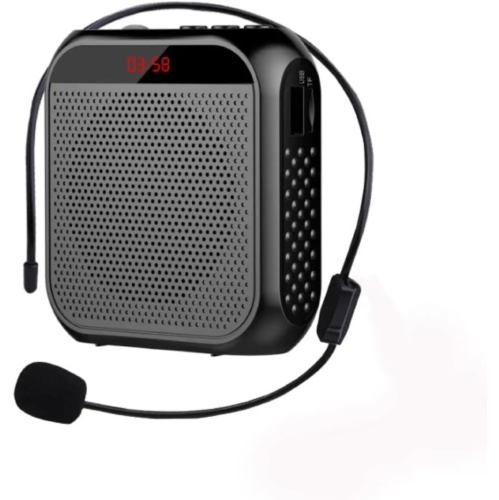





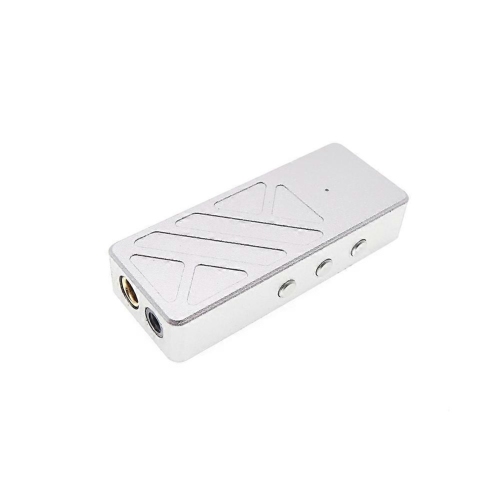
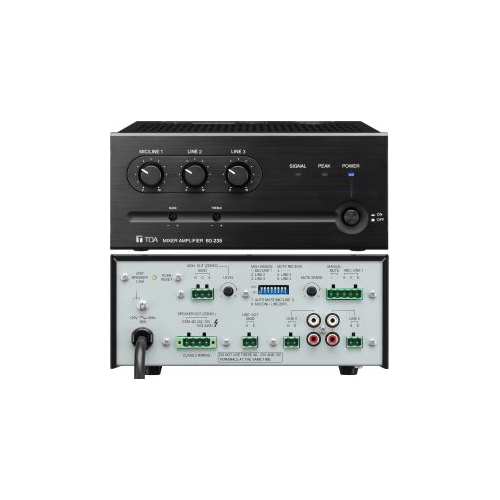
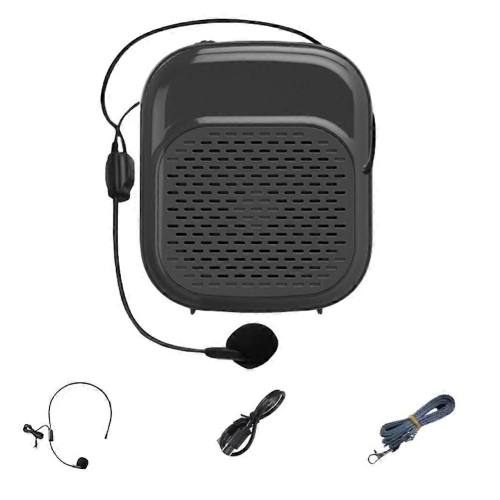
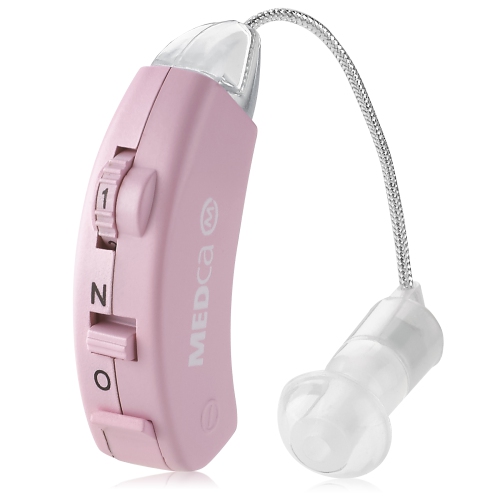
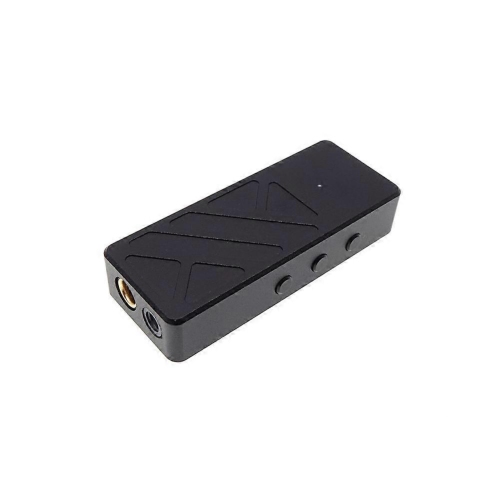
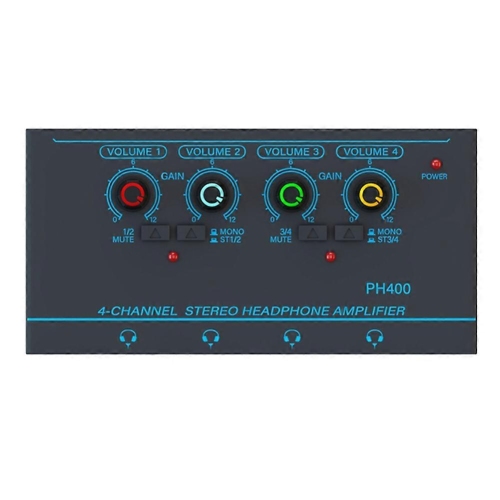
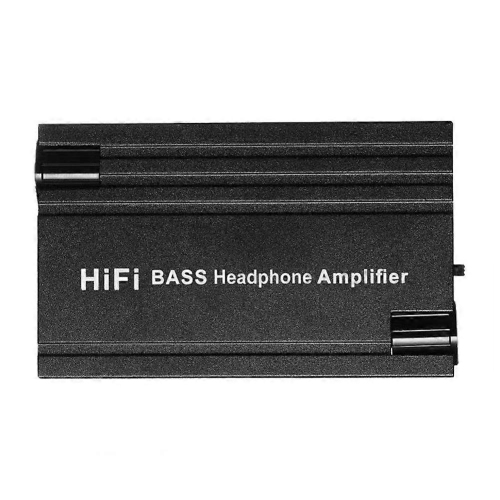
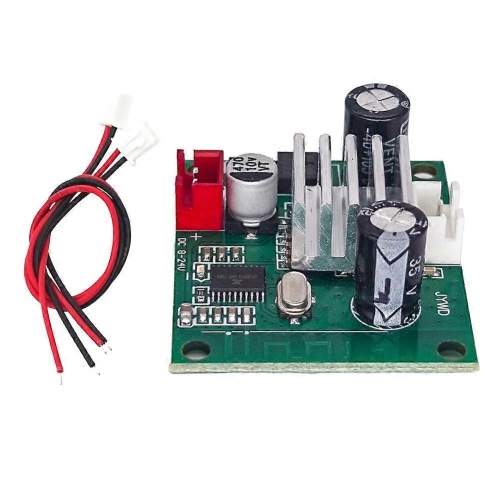

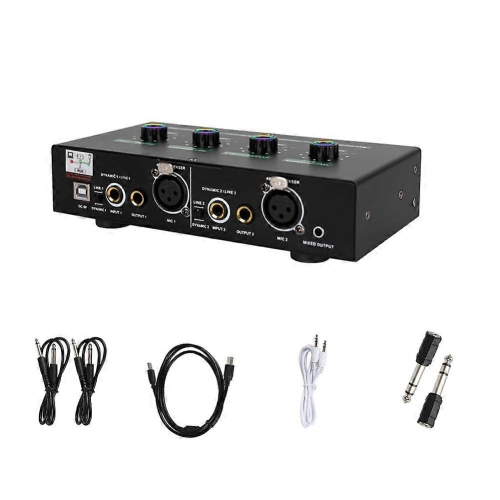
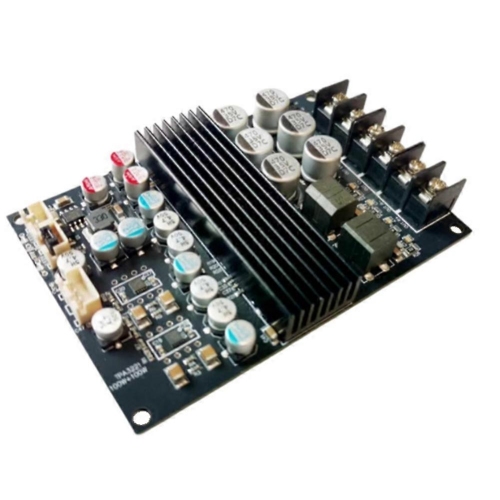

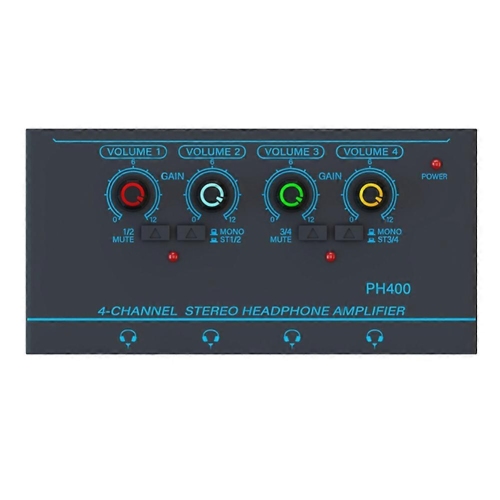
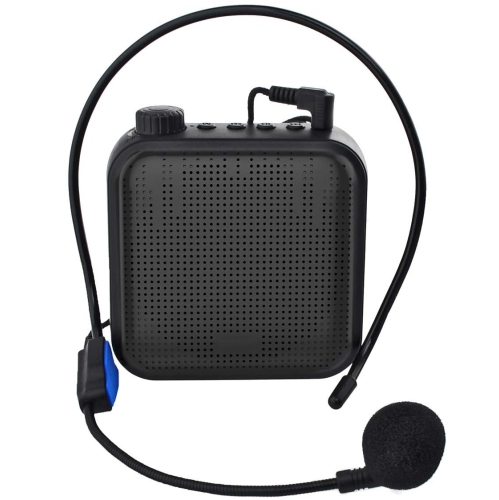
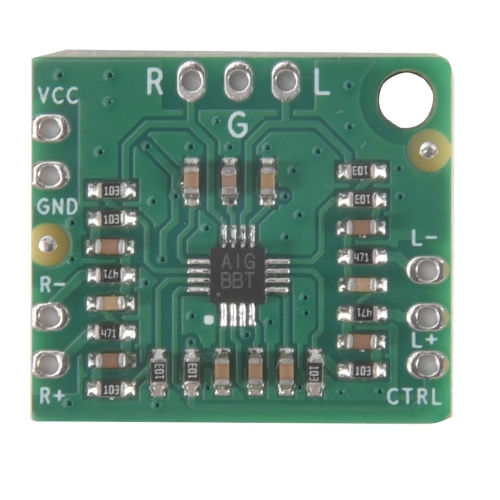
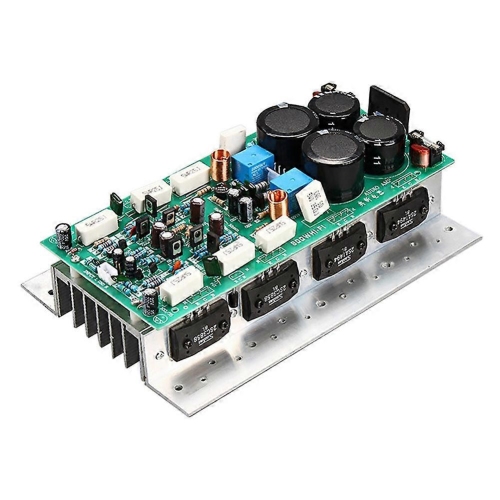

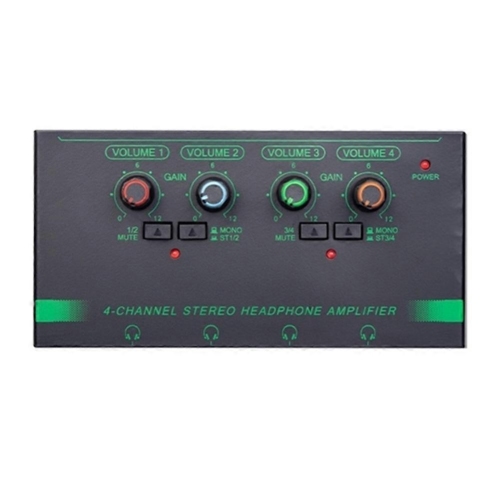
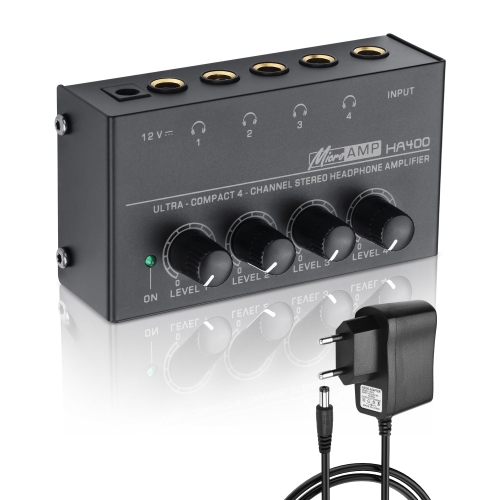
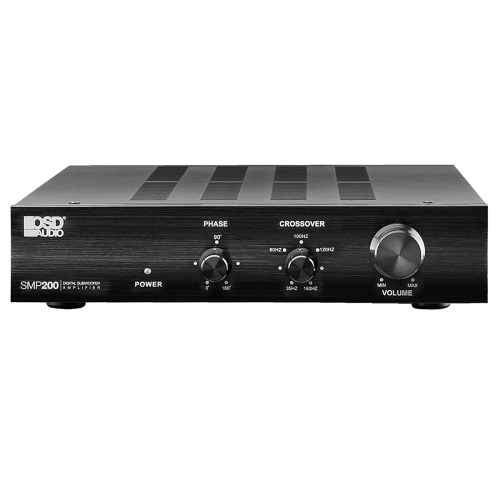
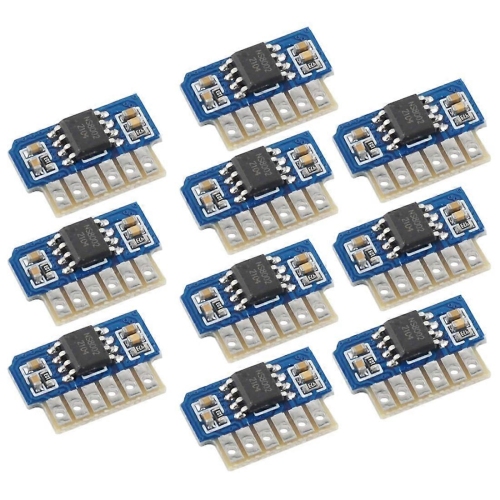
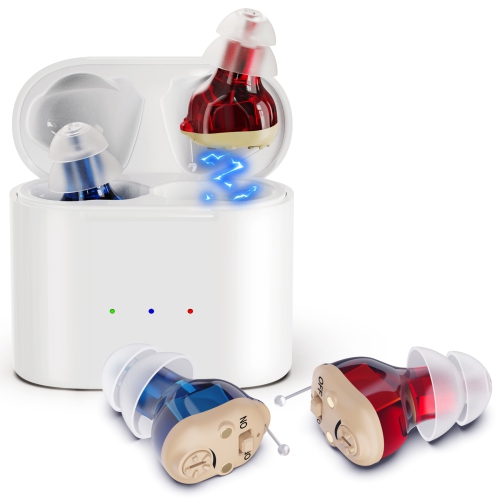
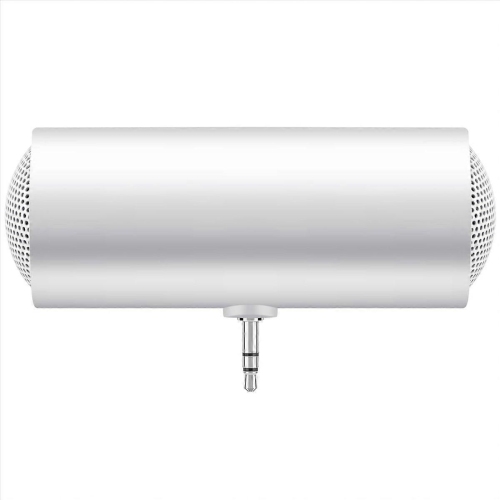
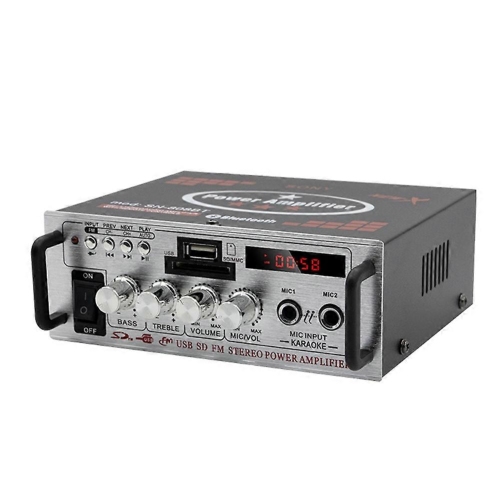
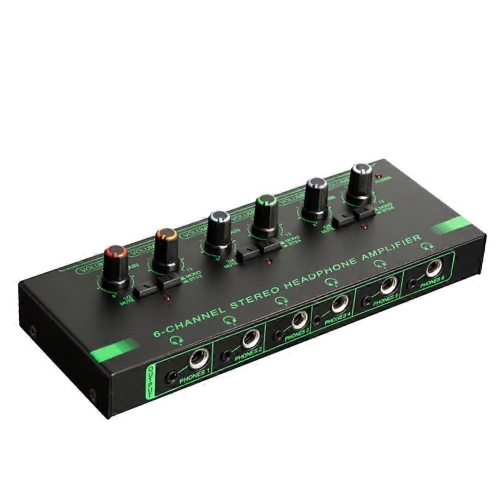
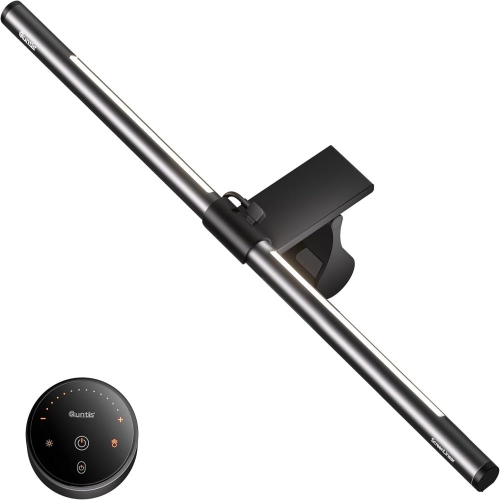
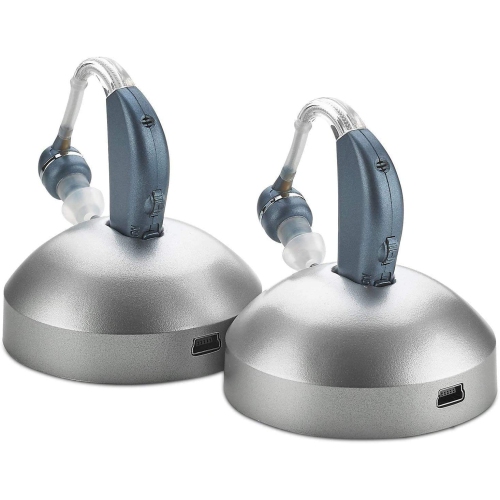
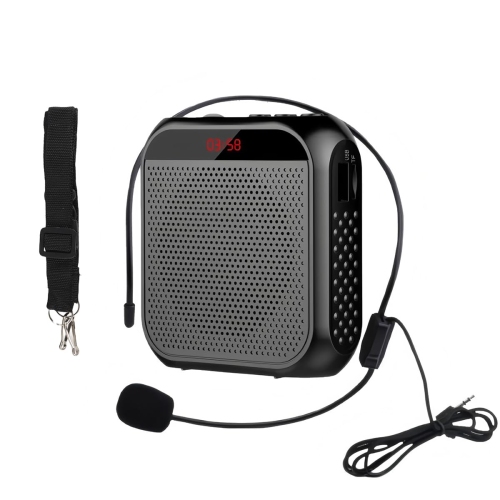
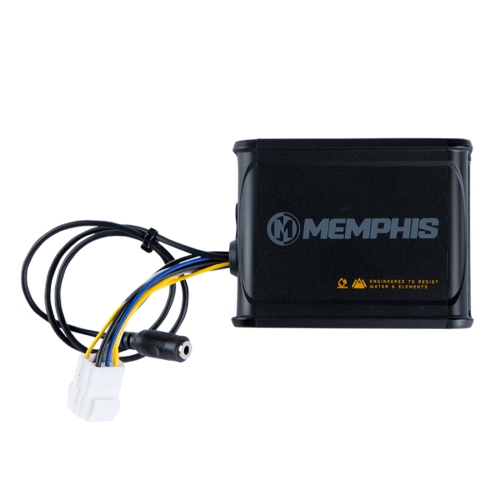

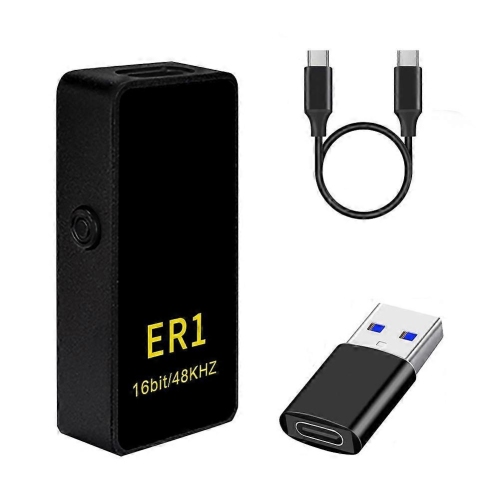



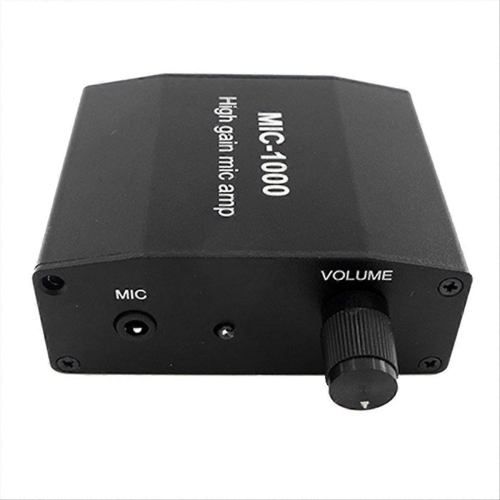


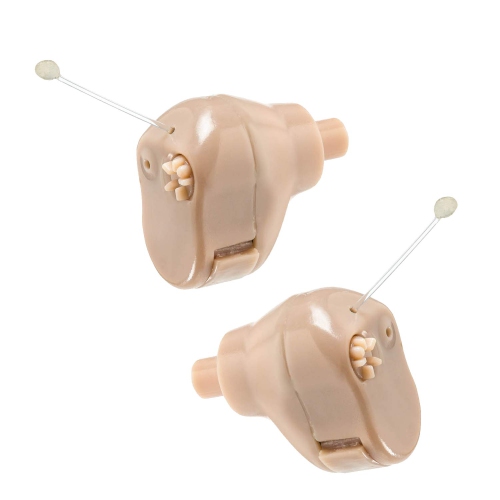
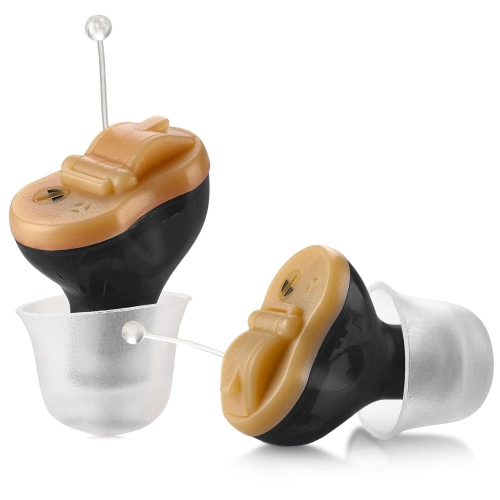


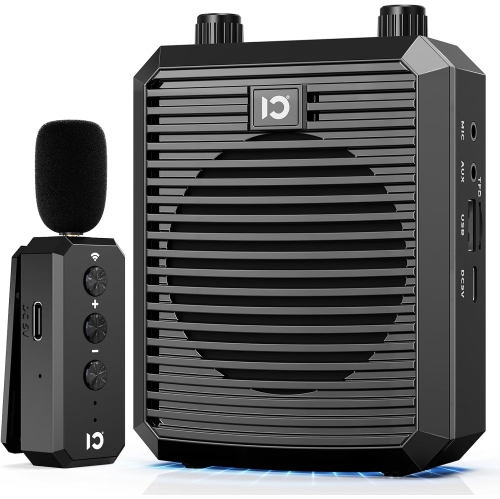



The power behind a well-matched listening setup
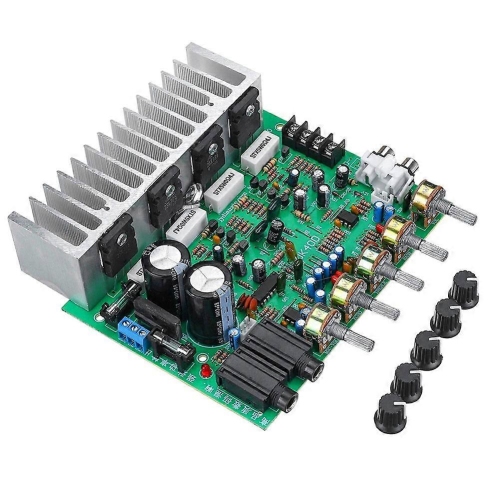
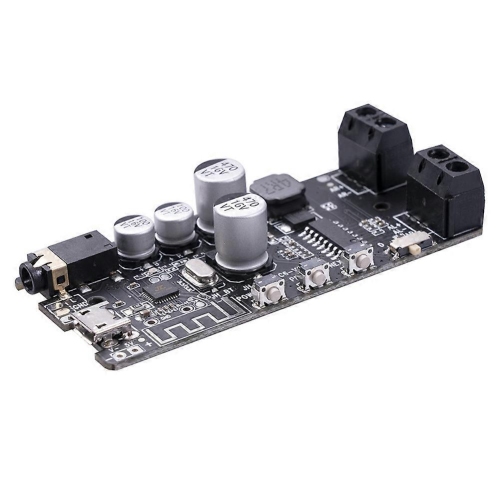
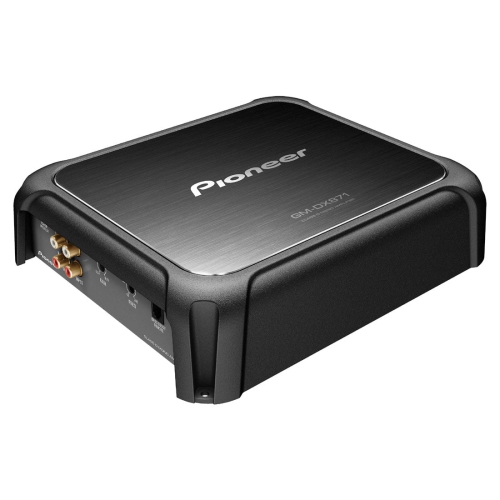
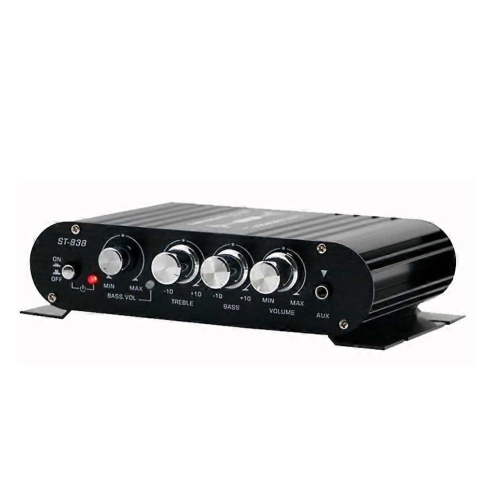
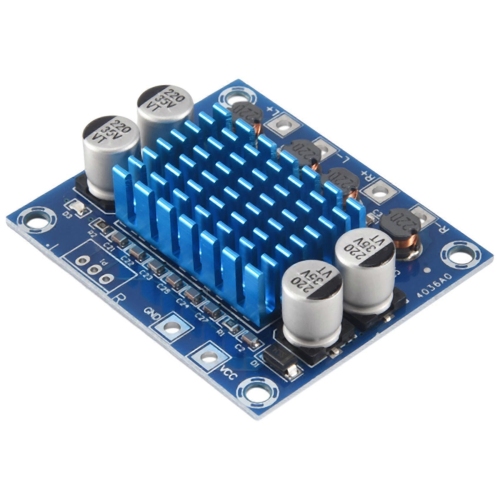
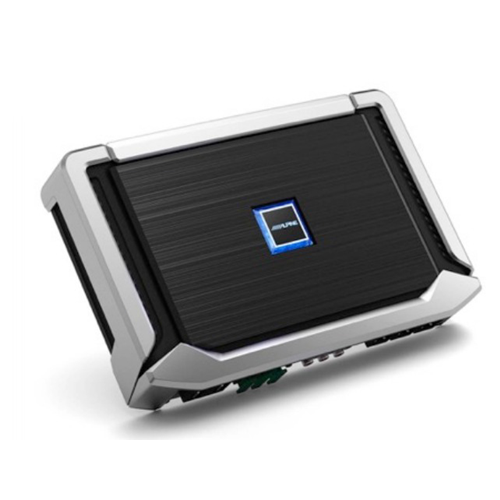
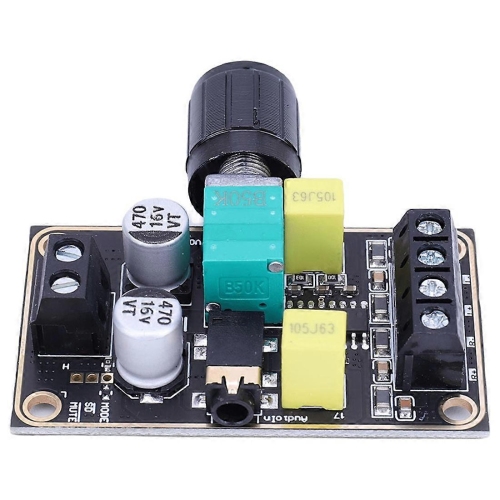
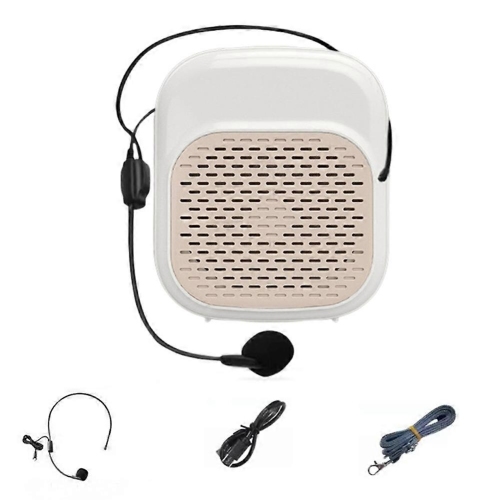
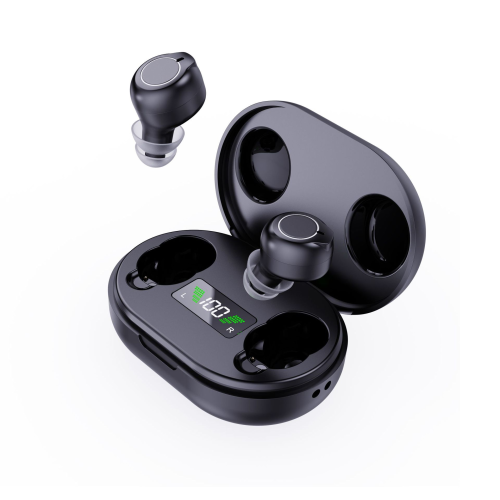
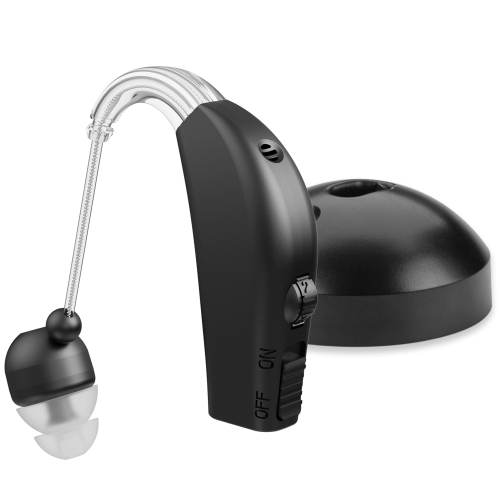
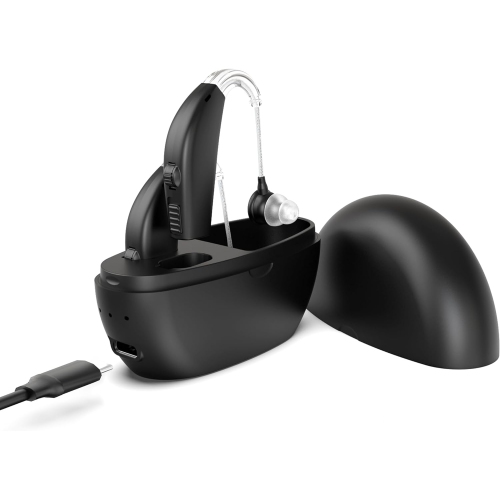
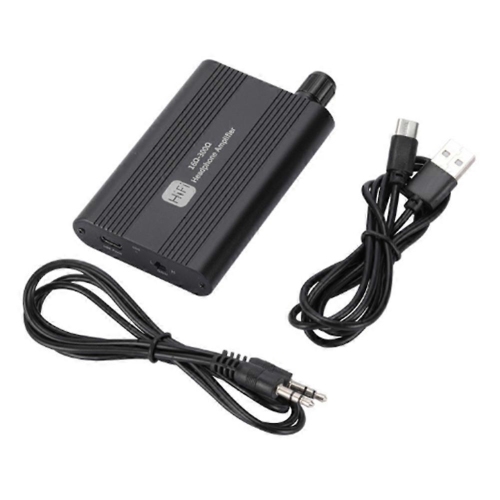
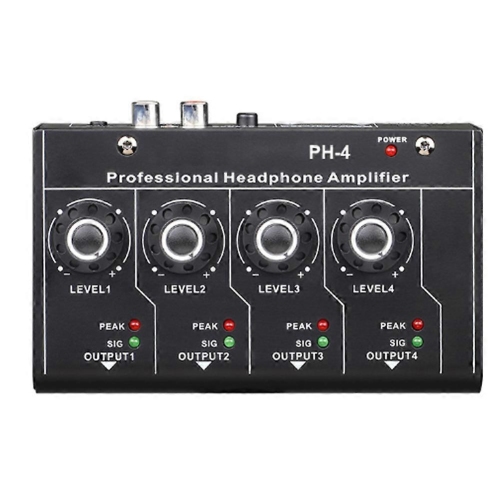
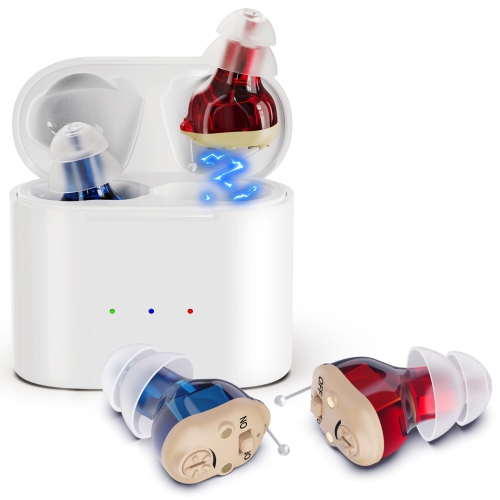
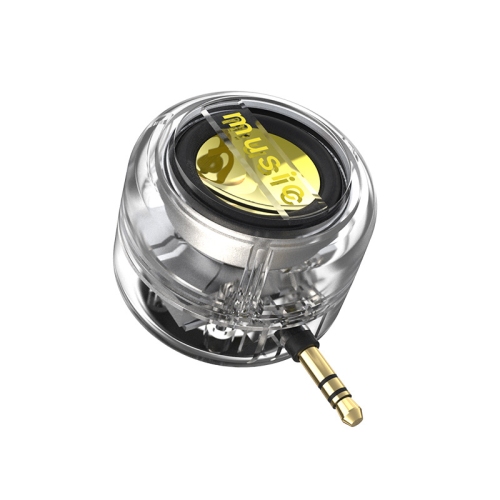
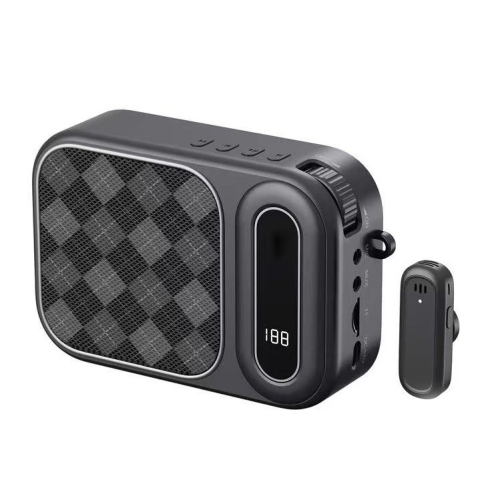
A sound amplifier increases the level of an electrical audio signal so it can drive compatible passive speakers or headphones. It sits between the music source and the listening equipment, supplying the power needed to turn a recording into room-filling sound. In a home stereo system, that source might be a turntable, a CD player, a network streamer, a television, or a phone connected through a suitable input. Integrated amplifiers combine source selection, volume control, and power amplification in one enclosure, making them a practical centrepiece for a straightforward listening setup. Separate power amplifiers work with a preamplifier or compatible audio processor, allowing those functions to be housed in different components. Headphone amplifiers serve a more personal listening arrangement, providing an output designed for compatible headphones rather than loudspeakers. These distinctions matter because an amplifier’s connections and output type determine where it belongs in a system. A compact stereo amplifier can suit a pair of passive bookshelf speakers beside a desk, while a larger component may fit a dedicated listening space with floorstanding speakers. Powered speakers already contain amplification and generally do not need a separate speaker amplifier connected to them. Sound amplifiers also differ in their circuit design. Solid-state designs use electronic components such as transistors, while tube amplifiers use vacuum tubes in some or all of their amplification stages. Tube designs are often associated with a warm presentation, although the actual sound depends on the circuit, speakers, and recording. Class D designs can deliver substantial power from a relatively compact enclosure, but size alone does not establish sound quality or speaker compatibility. For everyday listening, the appeal is a system that handles a quiet vocal performance, a layered orchestral passage, or a bass-heavy playlist with suitable control and clarity. The right combination preserves musical detail without making the equipment the focus of the room.
Speaker matching is one of the most important distinctions between sound amplifiers. Power ratings are useful when read alongside the speaker’s nominal impedance, sensitivity, and recommended amplifier range. Continuous power figures measured under comparable conditions are more informative than isolated peak numbers, and a higher wattage rating does not automatically mean better sound. Speaker sensitivity, listening distance, room size, and preferred volume all affect how much power a system needs. A pair of efficient speakers used for conversation-level listening places different demands on an amplifier than less sensitive speakers playing across a large open-plan space. An amplifier should support the connected speaker load, including the combined load when more than one pair is attached. When pushed beyond its capabilities, an amplifier can clip, creating distortion that may damage speakers; audible strain is a reason to lower the volume rather than keep turning it up. Connections are equally important to a system’s intended use. Analogue line inputs accommodate compatible source components, while optical, coaxial, or USB inputs may accept digital audio when supported. A digital input requires compatible conversion circuitry, whether built into the amplifier or provided separately. Turntables need particular attention: a phono input or a separate phono preamplifier is necessary unless the turntable already provides a suitable line-level output. Moving-magnet and moving-coil cartridges can also have different input requirements. Bluetooth connectivity can make casual phone playback convenient, while network streaming features may provide access to music over a home network. Neither feature is present on every amplifier. For television listening, supported HDMI ARC connections can simplify everyday control, but compatibility with the television and its audio settings still matters. A dedicated subwoofer output can help integrate a powered subwoofer, although crossover and bass-management functions vary. Vehicle audio systems use dedicated Music Amplifiers designed around automotive electrical systems and installation needs, rather than household power connections. Across these applications, clearly labelled inputs, secure speaker terminals, and accessible controls make a meaningful difference during regular use.
Physical fit and construction influence how comfortably an amplifier becomes part of daily life. A full-width component needs enough shelf space for its chassis, cable plugs, and the clearances specified by its manufacturer, while a smaller desktop design may leave more room for a monitor, keyboard, and speakers. Metal enclosures are common and can provide a sturdy housing, but long-term durability also depends on internal design, ventilation, connectors, and handling. A reassuring volume control and firm input sockets are useful details on equipment that will be adjusted or reconnected often. Amplifiers generate heat, so ventilation openings need to remain unobstructed; stacking other equipment directly over them or enclosing them tightly in a cabinet can interfere with cooling. Tube designs may have exposed surfaces that become particularly hot, making placement away from children, pets, and accidental contact important. Cable routing deserves space as well. Speaker wires should be connected with the power off, with no loose strands bridging terminals, and the connections should follow the amplifier’s instructions. Consistent speaker polarity helps maintain the intended stereo presentation. For routine care, a soft, dry cloth is generally suitable for exterior dusting when the equipment is switched off, unplugged, and cool, subject to the manufacturer’s care directions. Liquids should stay away from vents and controls, and internal servicing belongs with a qualified technician. Day-to-day convenience can matter just as much as construction: a remote control suits listening from a sofa, a readable display helps across a room, and a headphone socket allows a change from speakers to private listening. For a vinyl enthusiast, an amplifier with the appropriate phono stage can bring familiar records into a simple stereo arrangement. For someone building a first passive-speaker system, uncomplicated controls and compatible connections may be more useful than numerous advanced settings. As a gift, an amplifier is most thoughtful when the recipient’s existing speakers, sources, available space, and listening habits are already understood. Those practical details help make it a lasting part of the music system rather than another component needing adapters or replacement equipment.
Top selling and popular products
-
 Your price for this item is $331.22
-
 Your price for this item is $499.99
-
 Your price for this item is $349.99
-
 Your price for this item is $289.99
-
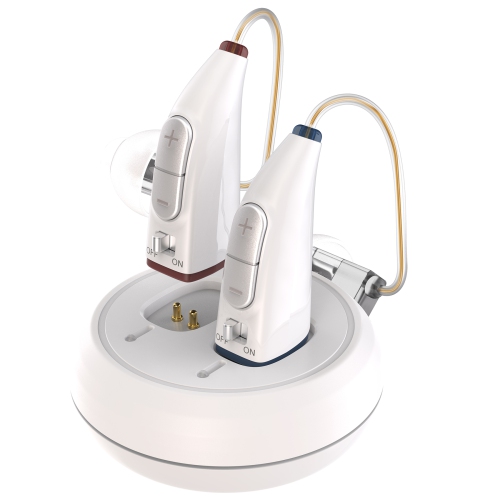 Your price for this item is $259.99
-
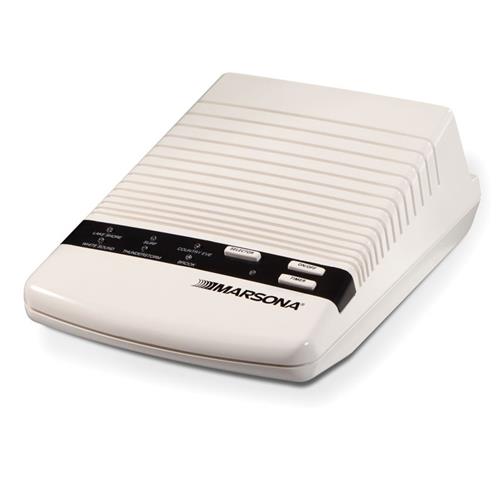 Your price for this item is $36.24
-
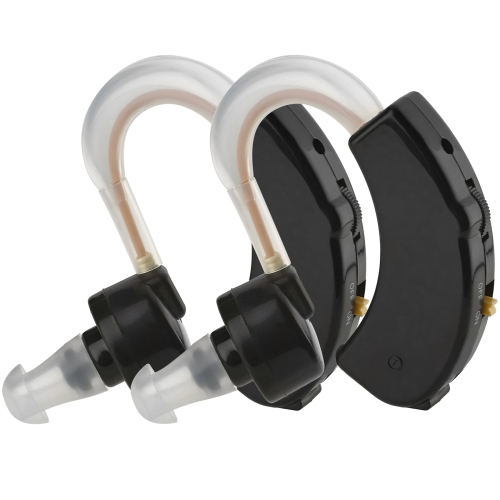 Your price for this item is $49.99
-
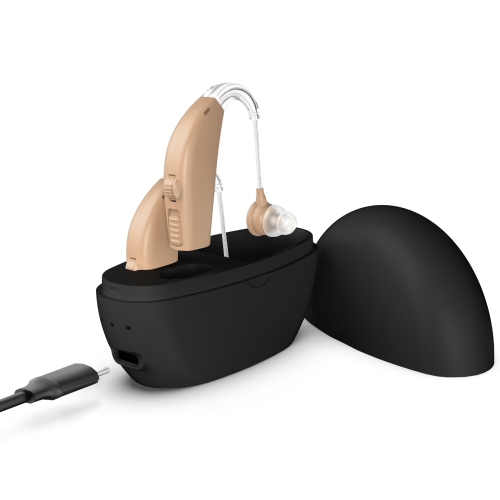 Your price for this item is $82.99
Discover more categories related to Sound Amplifiers
Top Collections:
Pokemon Centers, Best Cameras for Sports Photography, Kindle Devices, Samsung Galaxy Phones, Canon G7X Cameras, Pokémon 30th Celebration Cards, Refurbished Apple Laptops, iPhone 15 Apple, Laptops for Students, Budget Smartphones
Some products may be subject to Environmental Handling Fees
(EHF) depending on your province.
Learn more about EHFs.