External Antennas
Enhance the signal strength and improve your connectivity with our wide range of external antennas. Whether you're looking to boost the Wi-Fi signal in your home, optimize your TV reception, or enhance the GPS capabilities of your devices, we have the perfect solution for you. Our selection of external antennas offers a variety of options to suit your needs, from high-gain antennas for long-range coverage to compact designs for on-the-go convenience. Say goodbye to weak signals and hello to seamless connectivity with our top-notch external antennas.
Sort

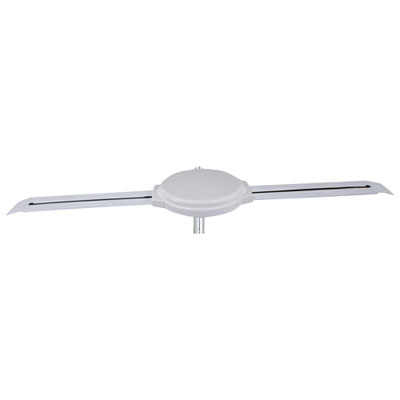
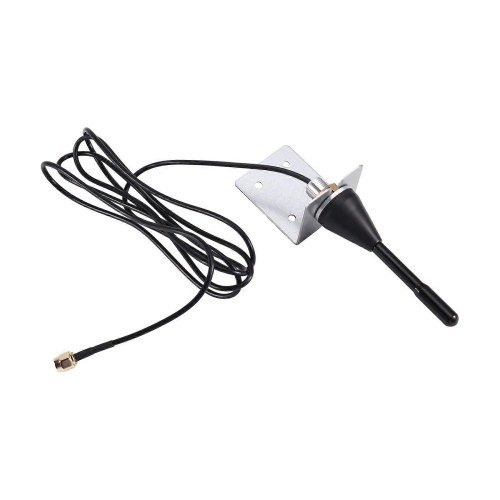
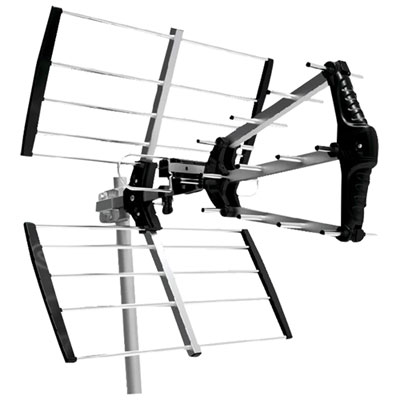
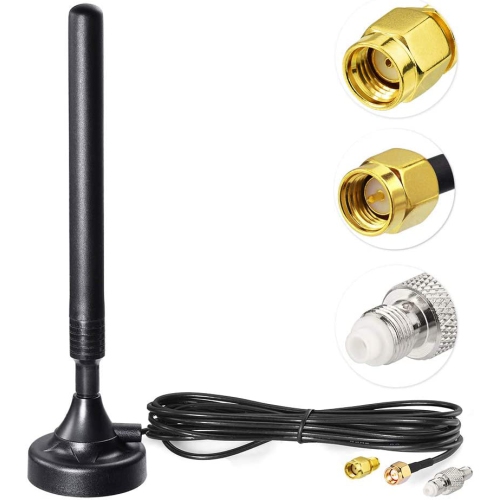
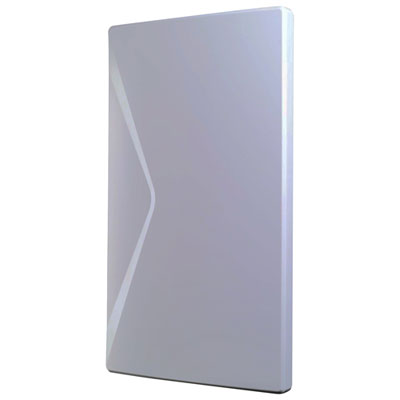
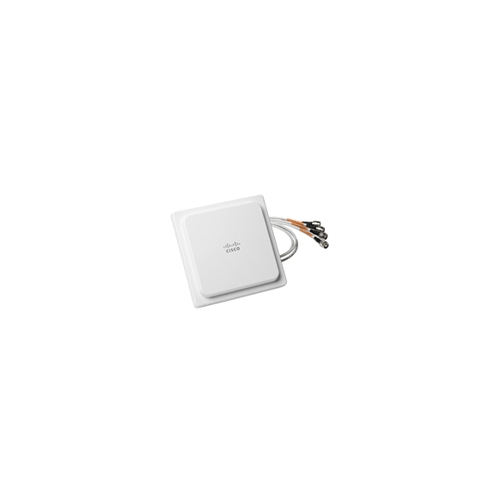
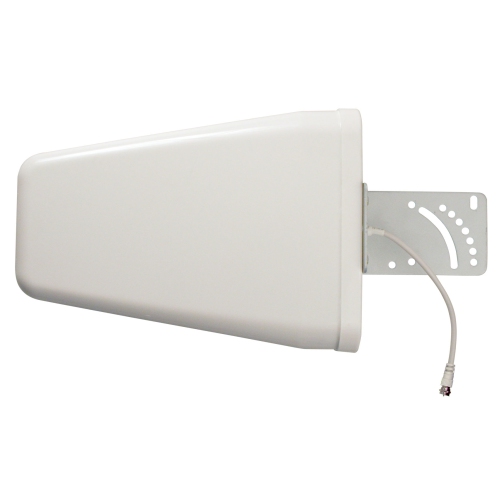
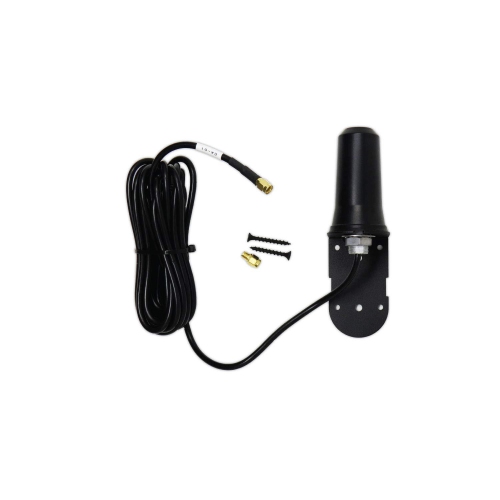

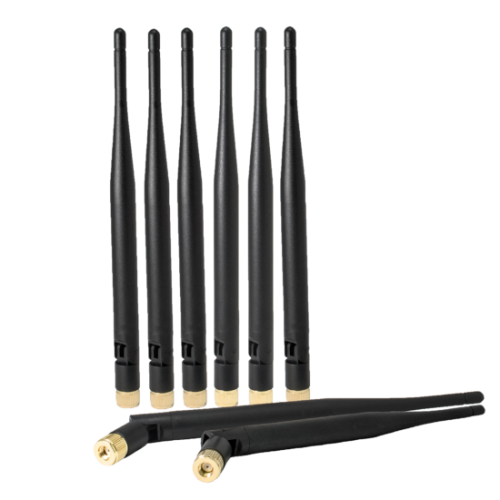
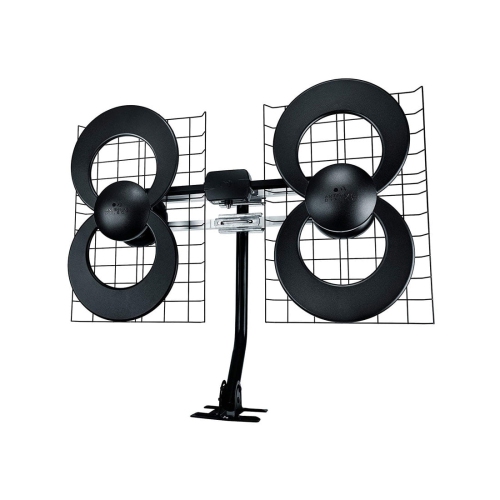
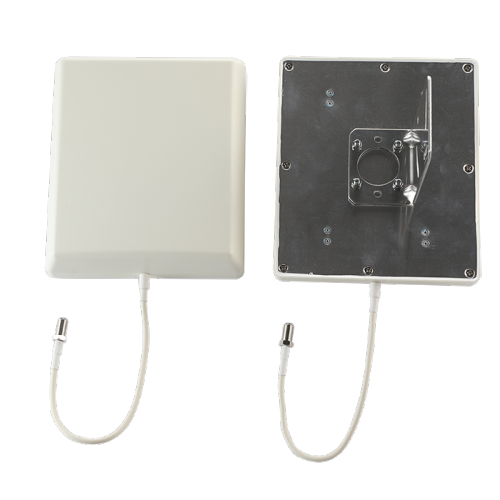
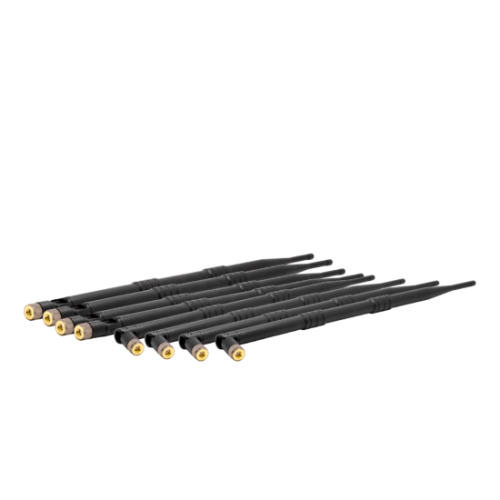
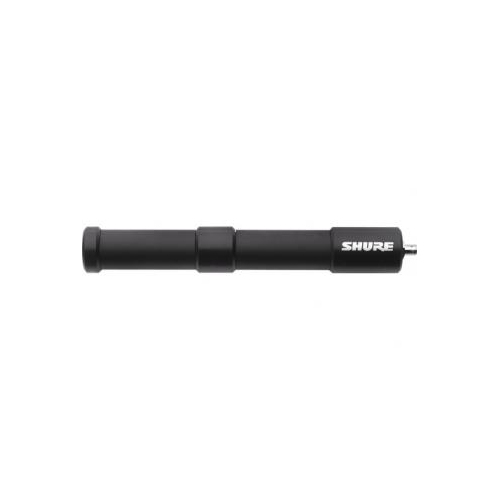
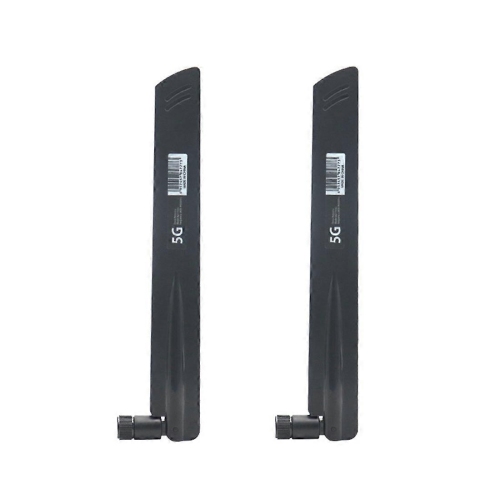
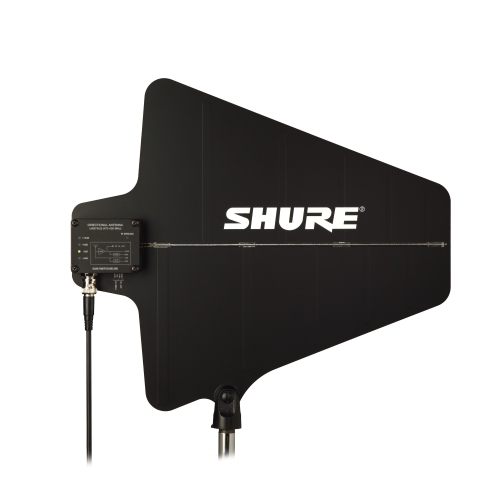

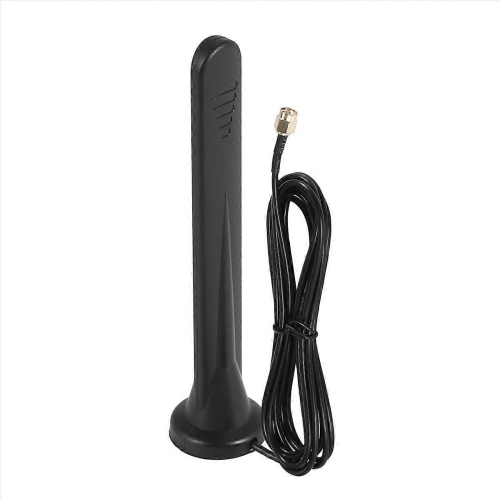
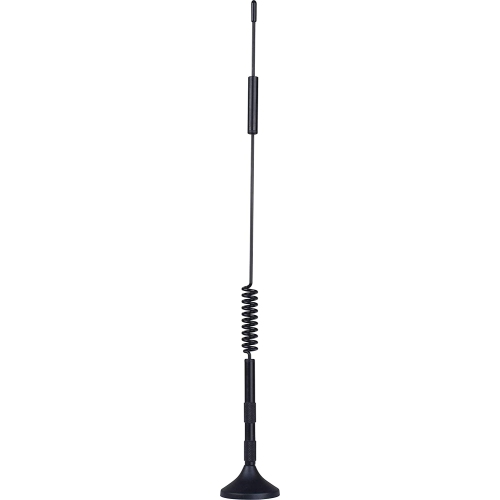
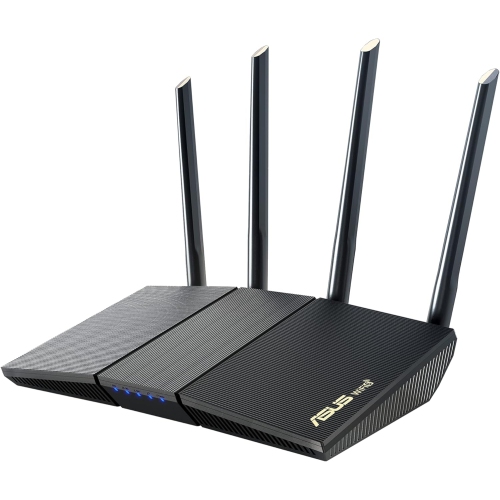
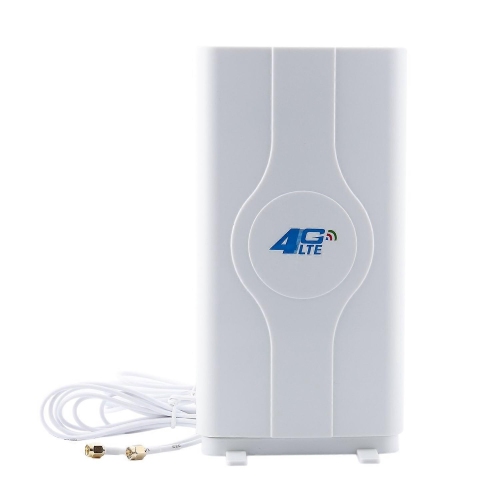
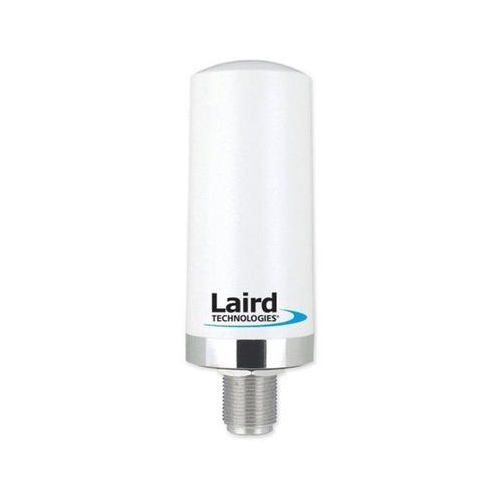
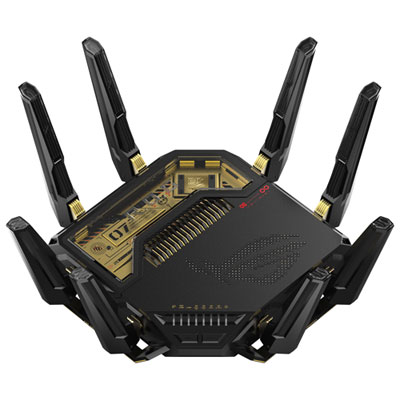
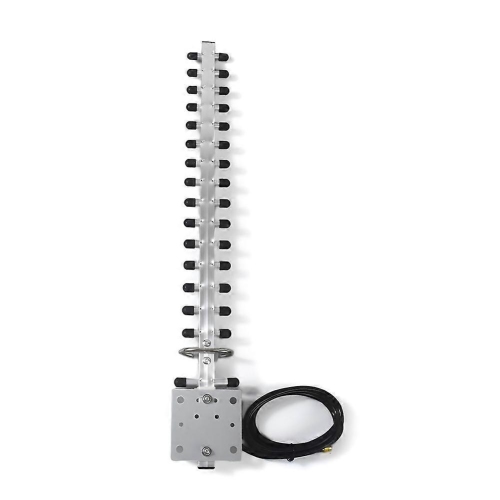
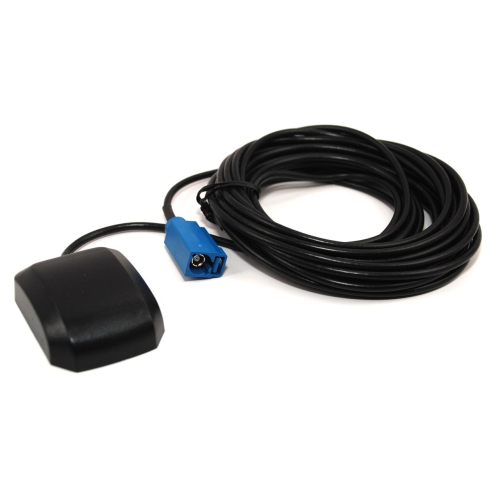
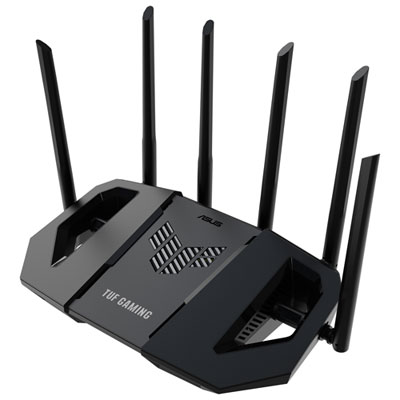
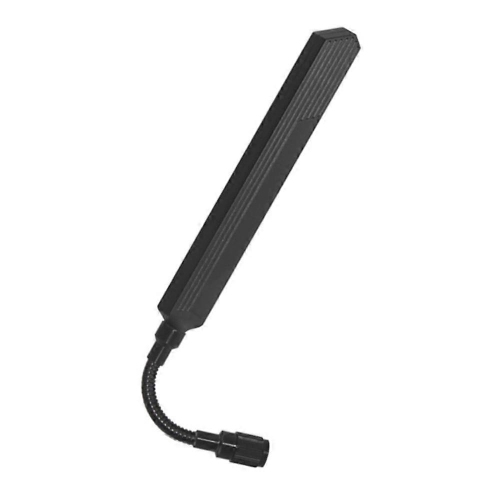
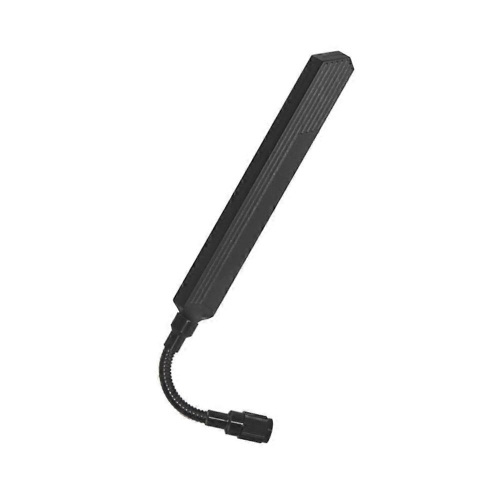
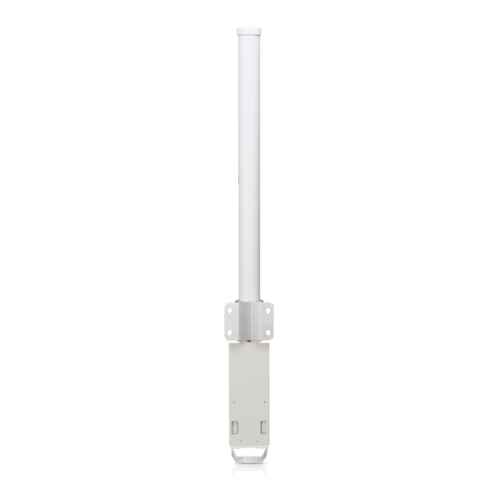
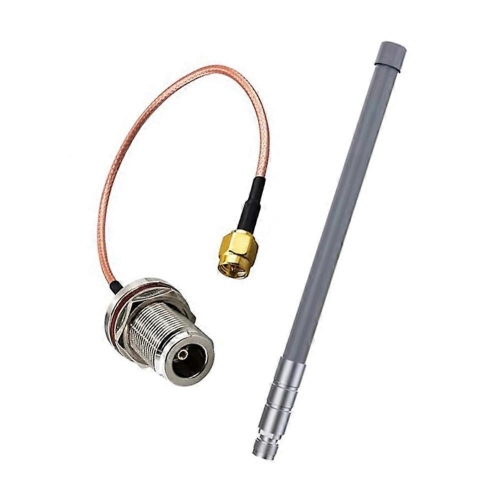
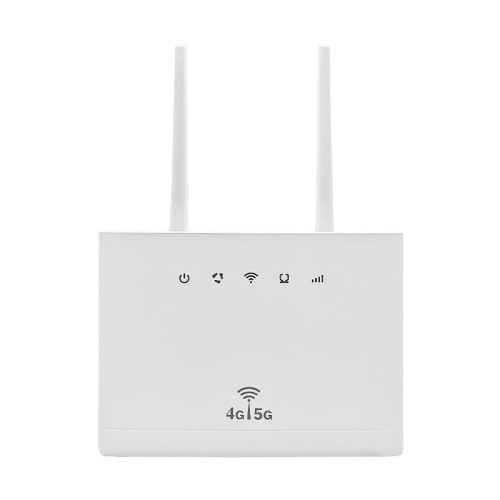
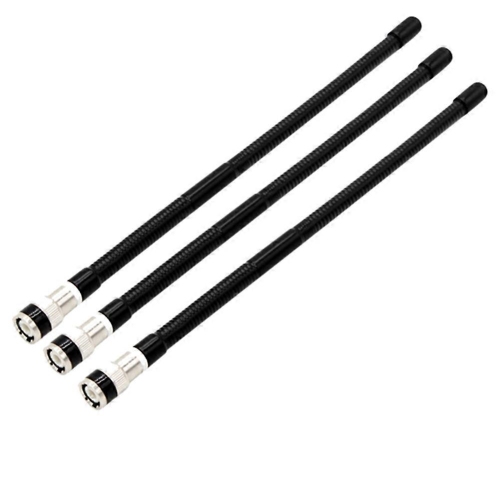
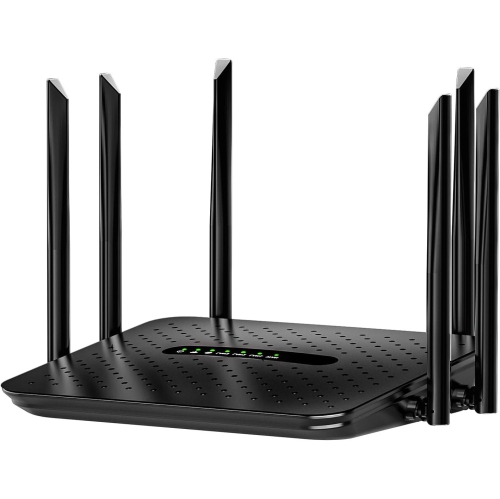
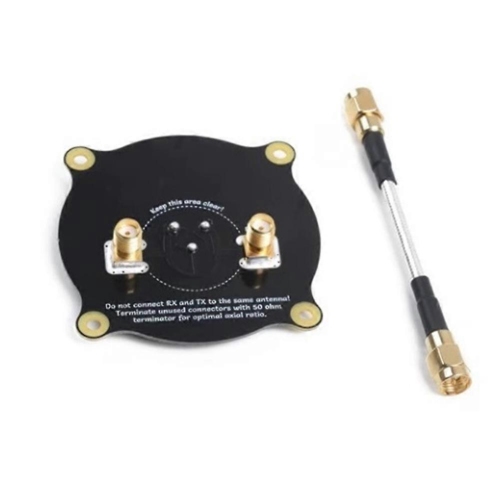
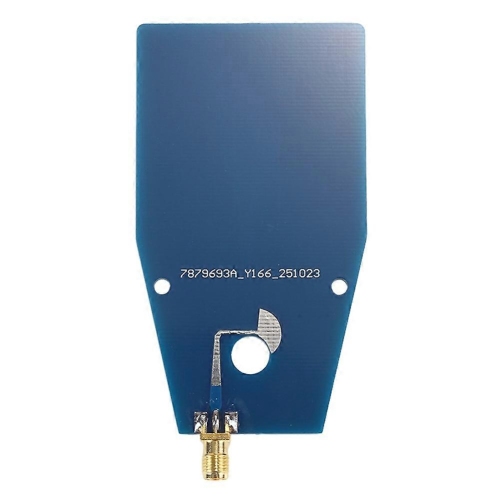
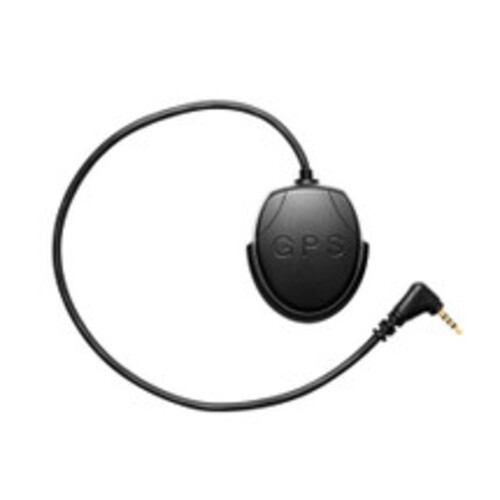
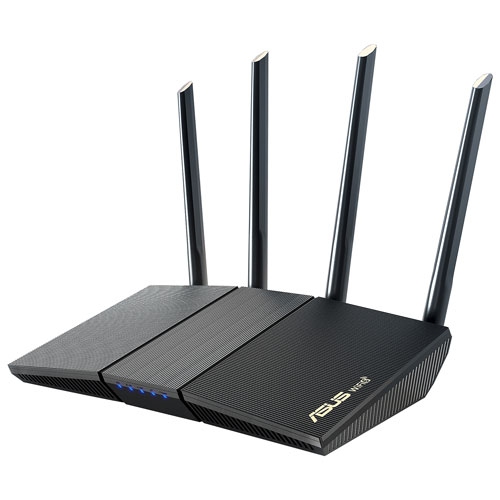
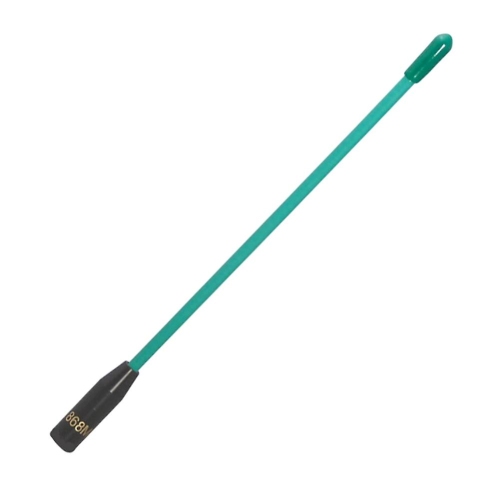
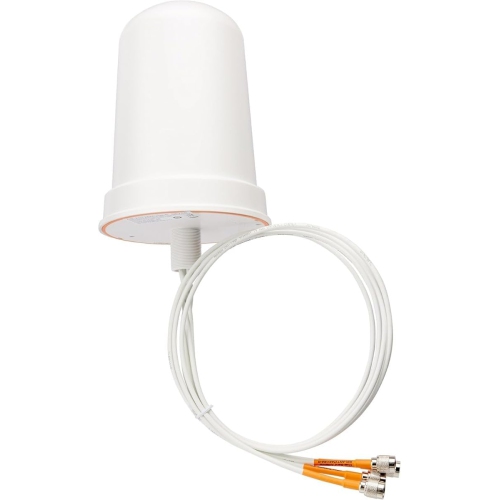
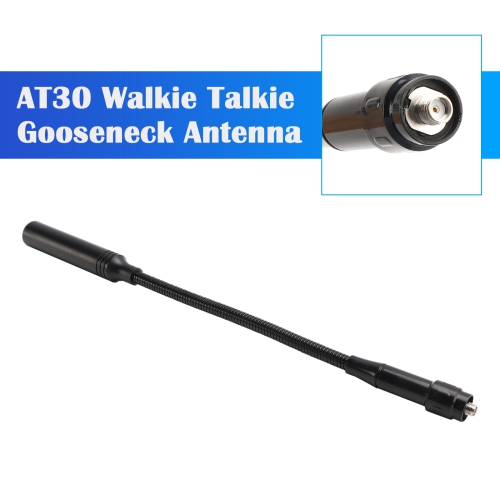
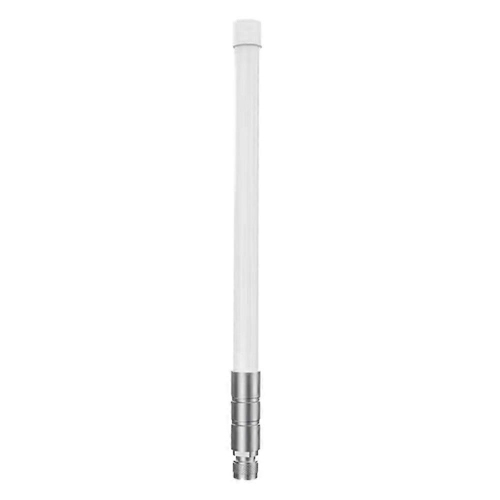
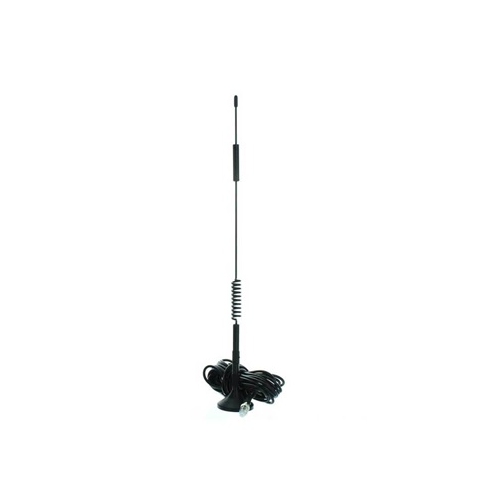

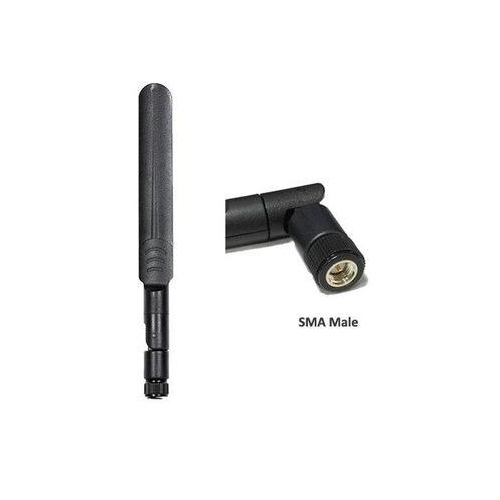

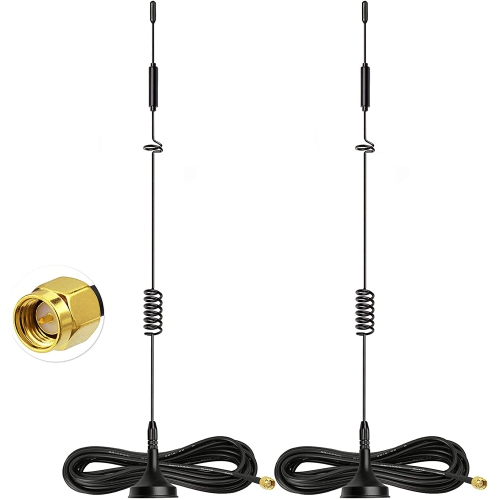
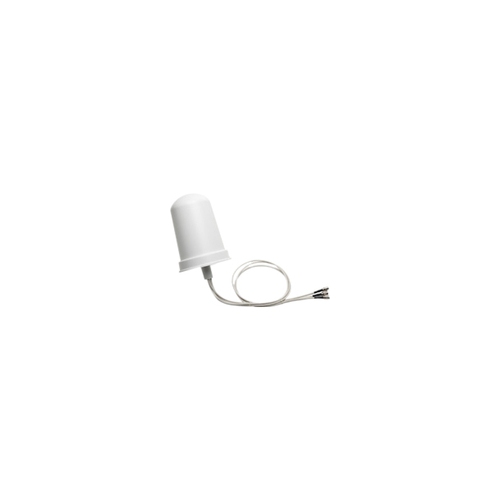

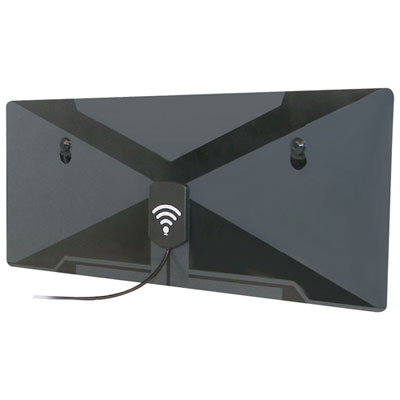
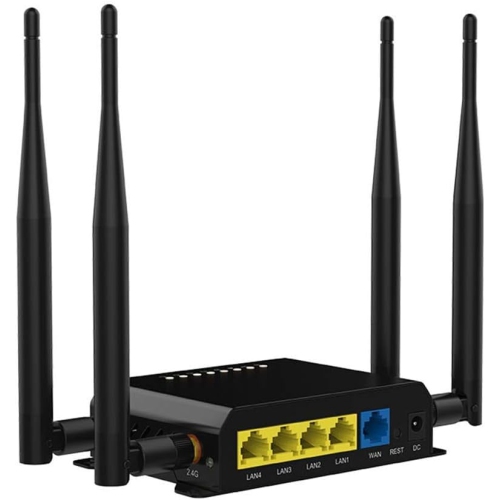
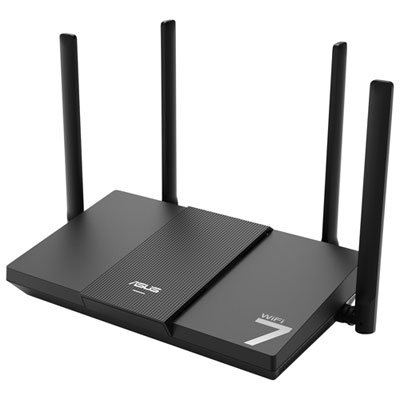
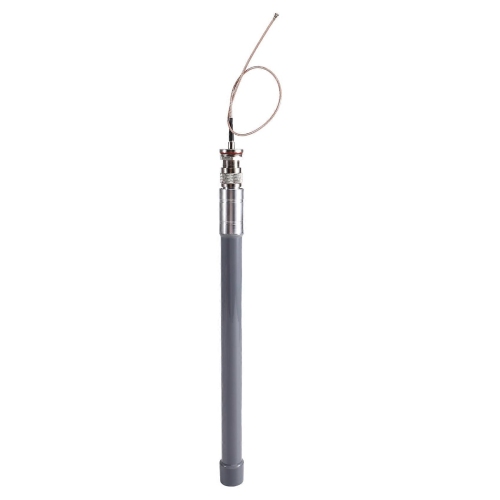
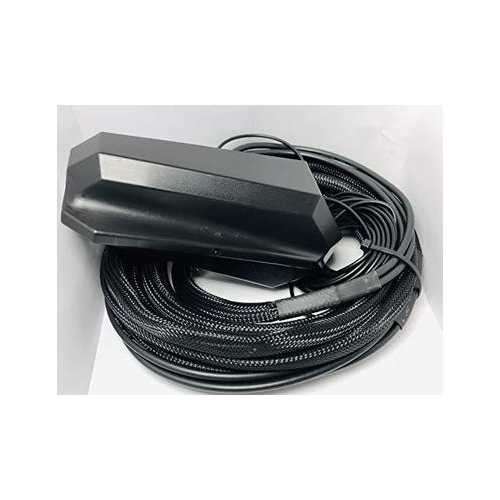

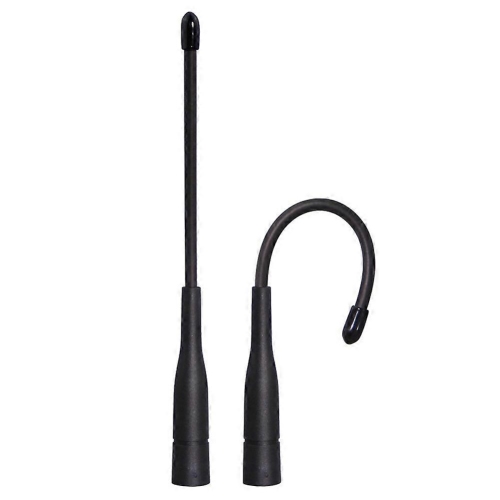


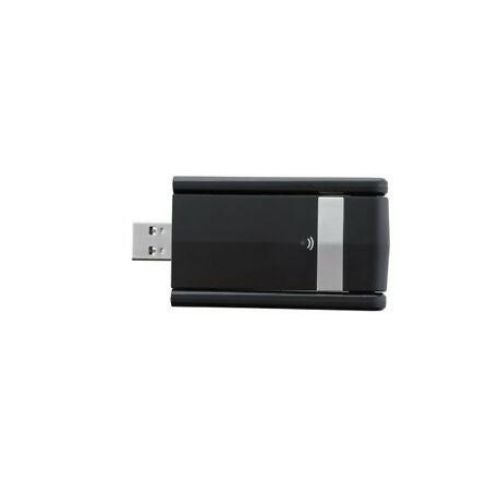
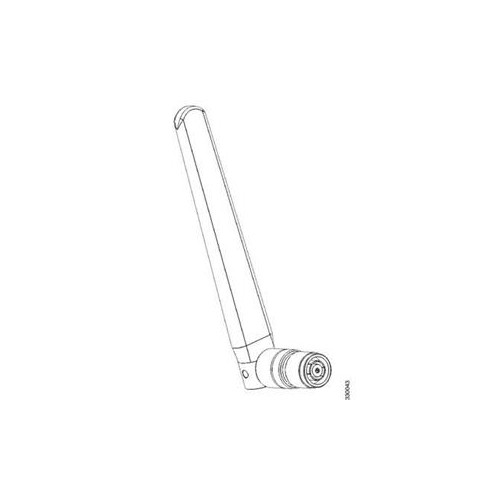
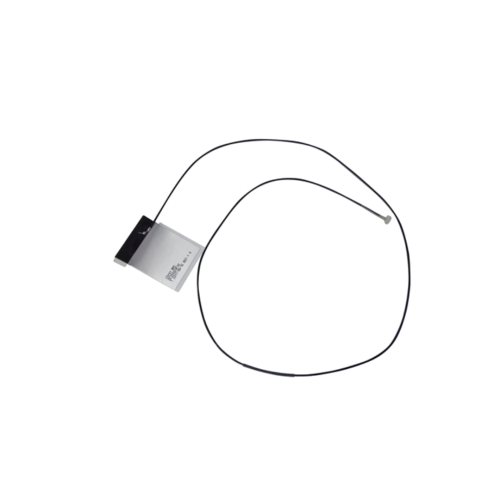
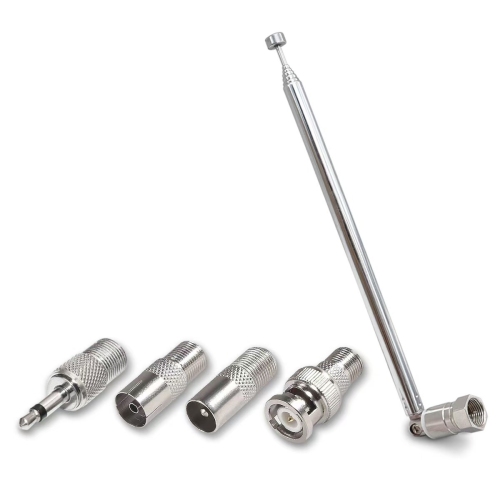


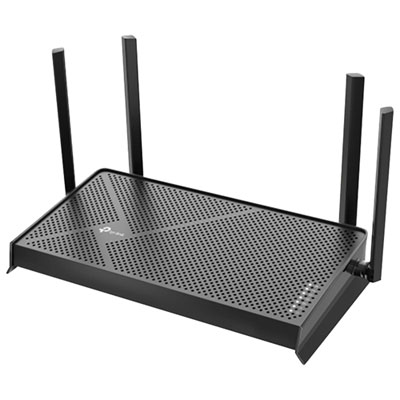
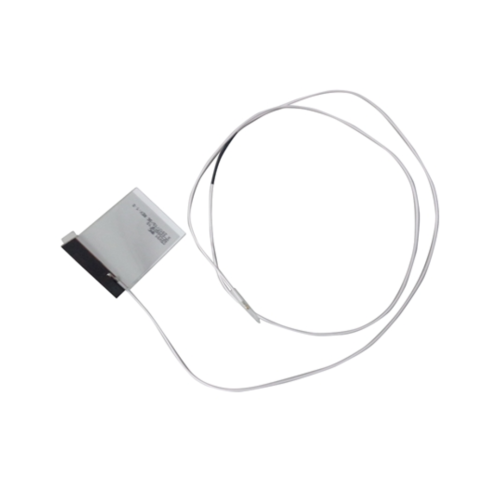
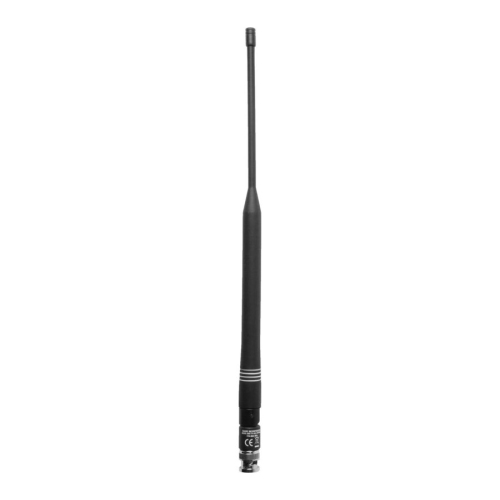

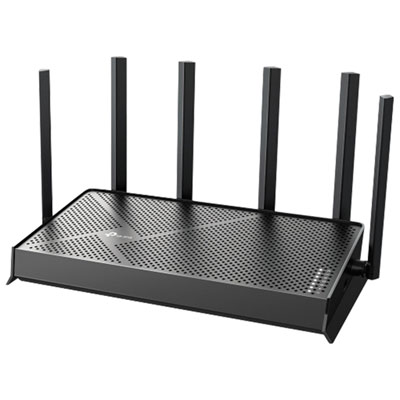
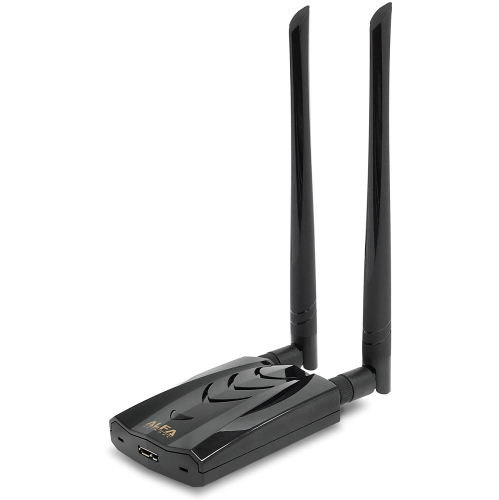
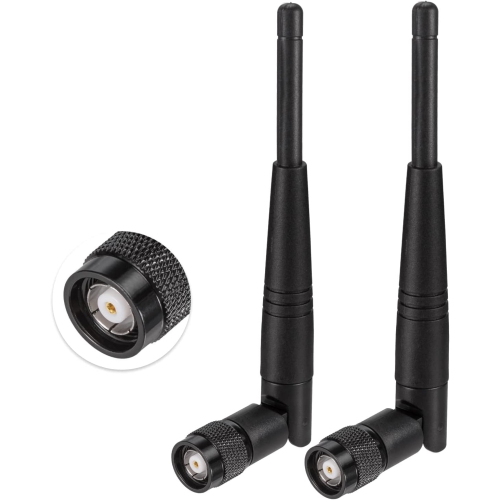
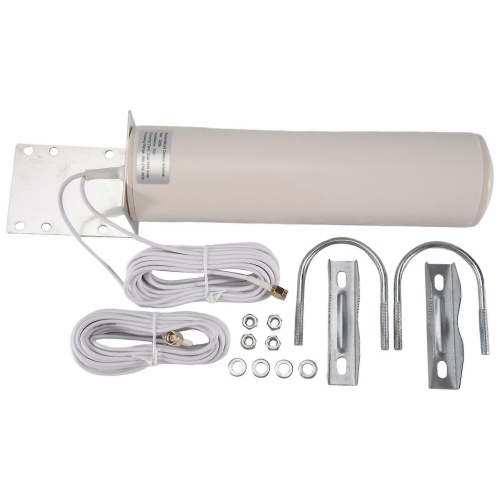
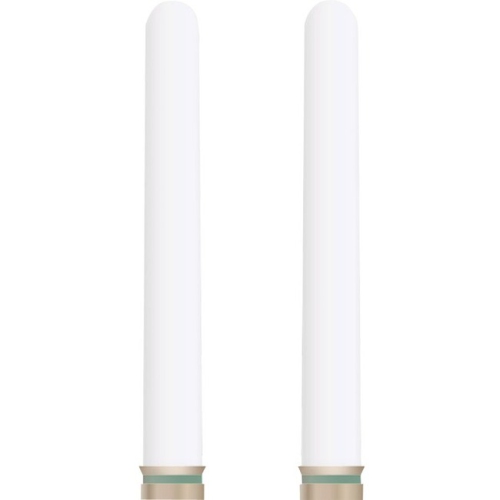
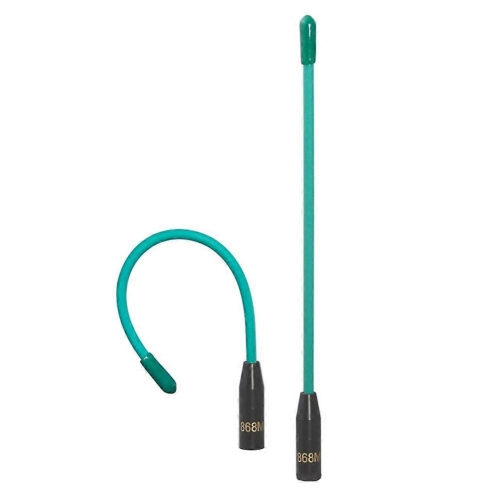
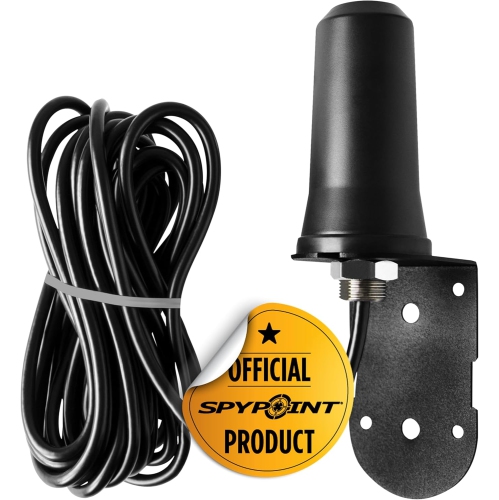
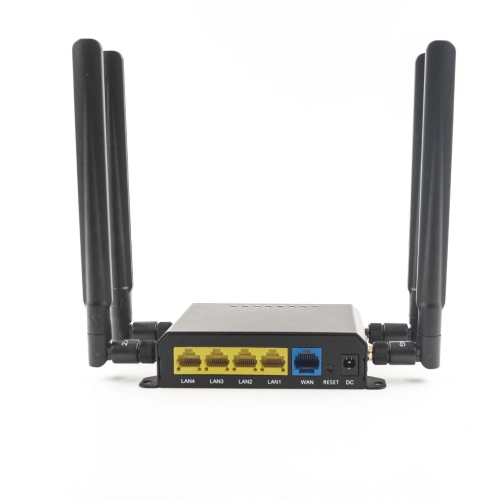
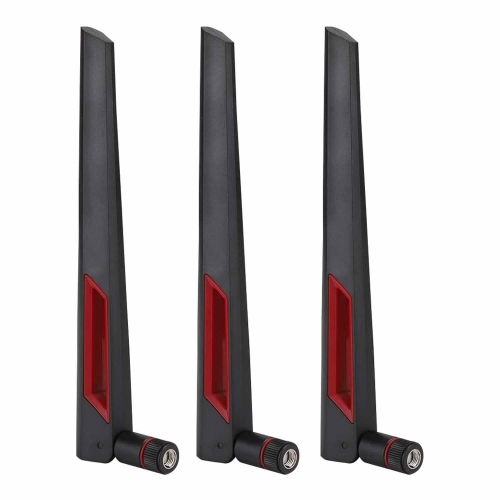
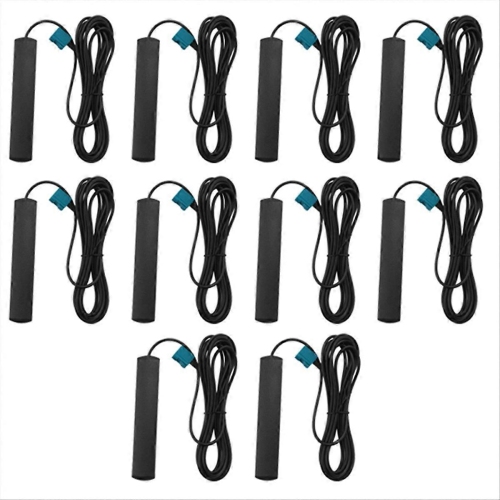
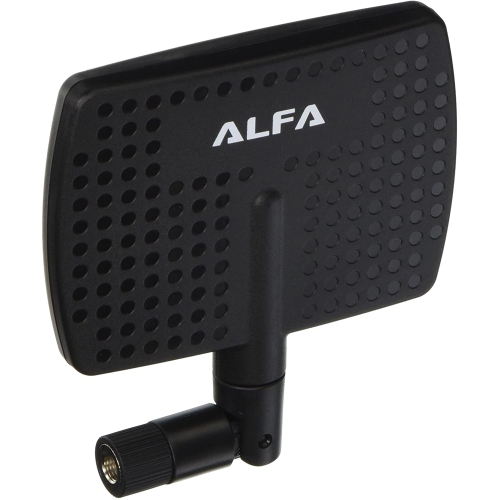
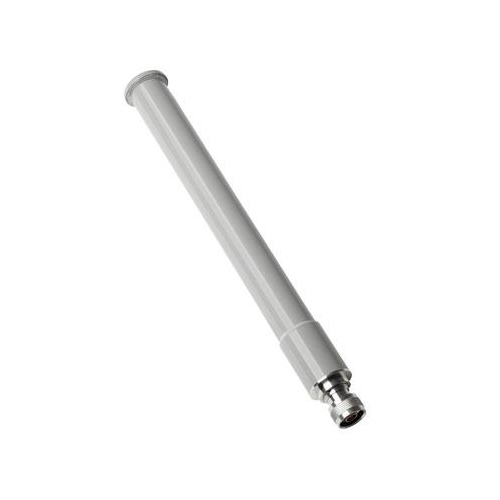
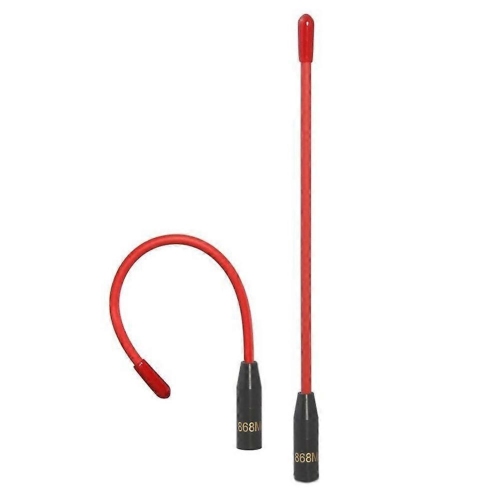
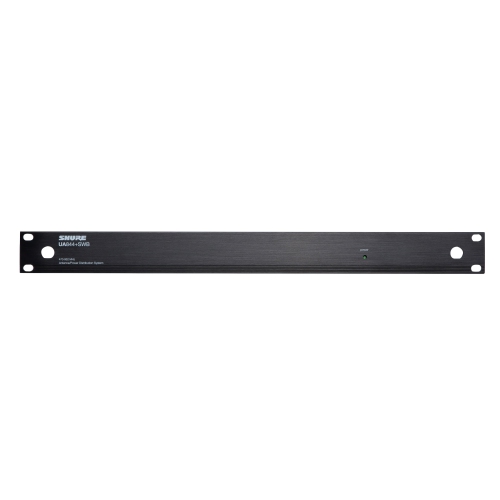
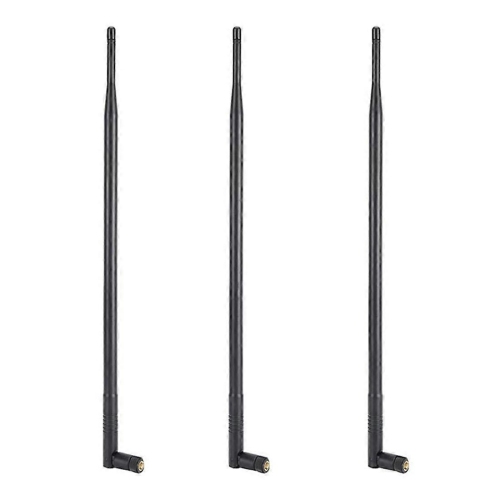
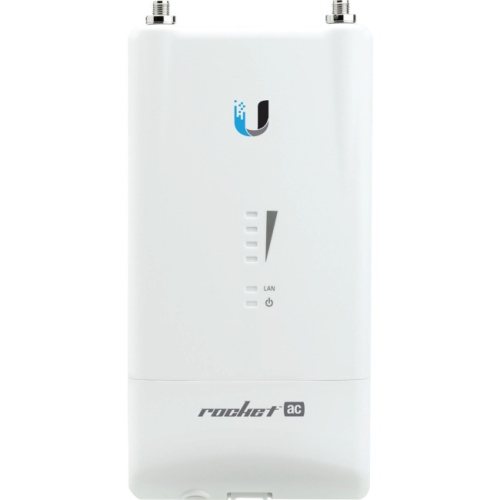
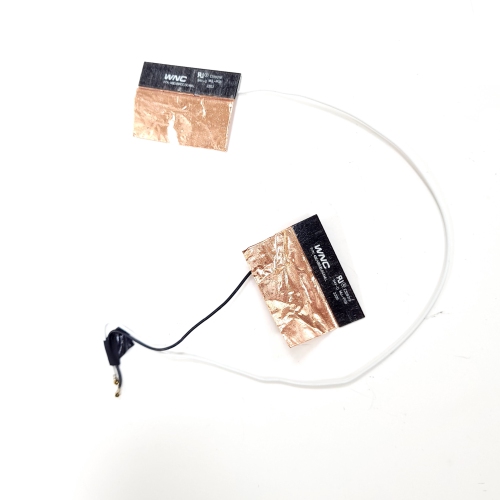
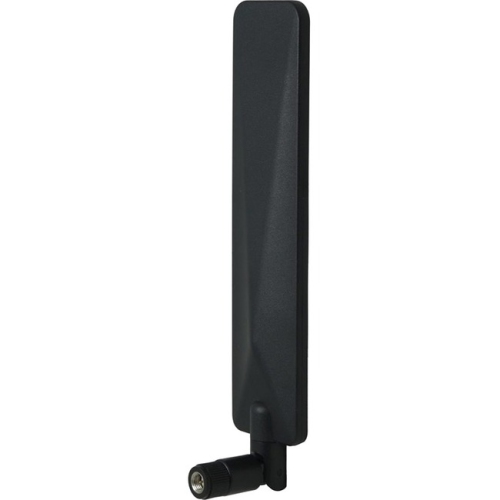
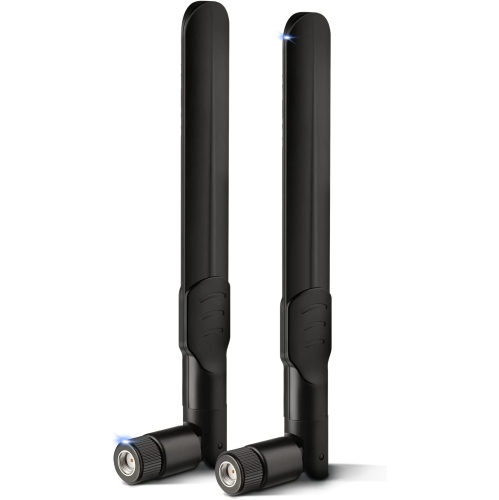
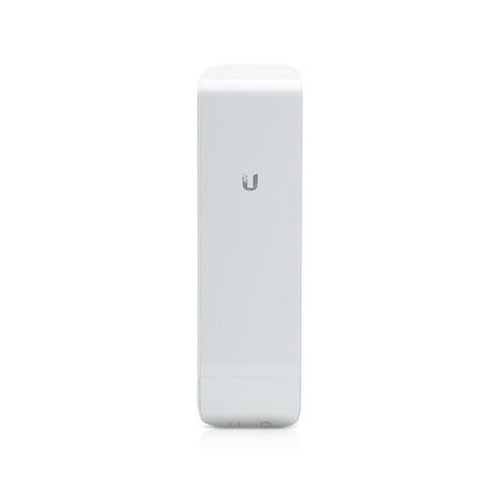
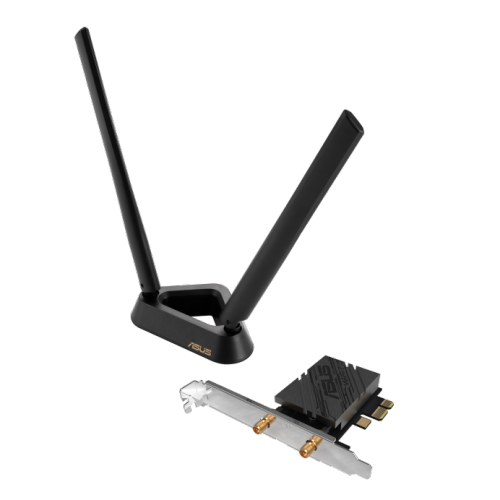
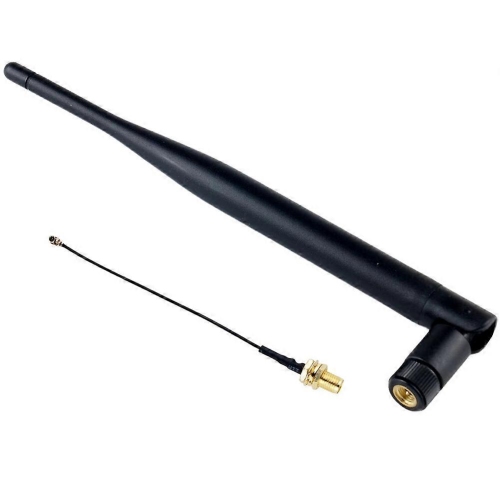
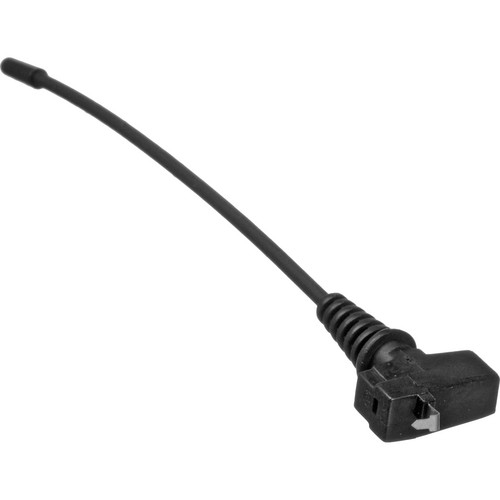
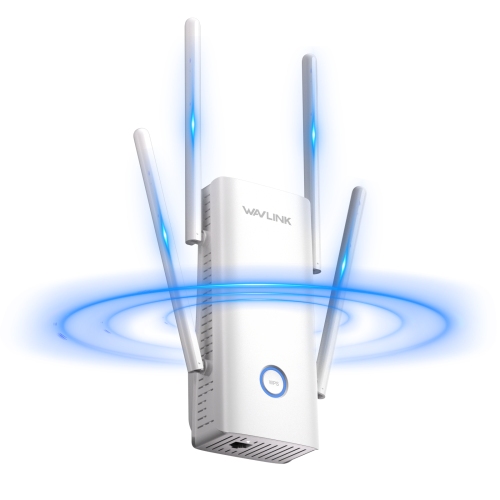
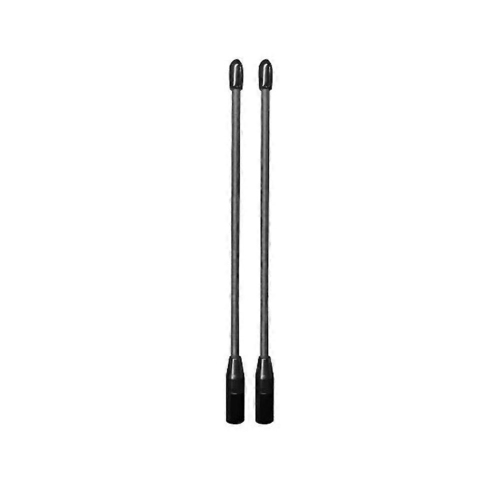
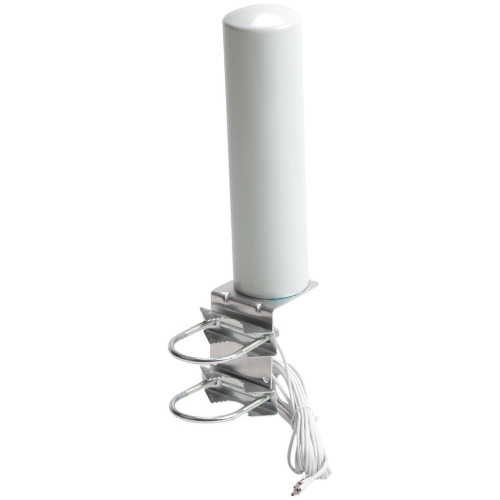
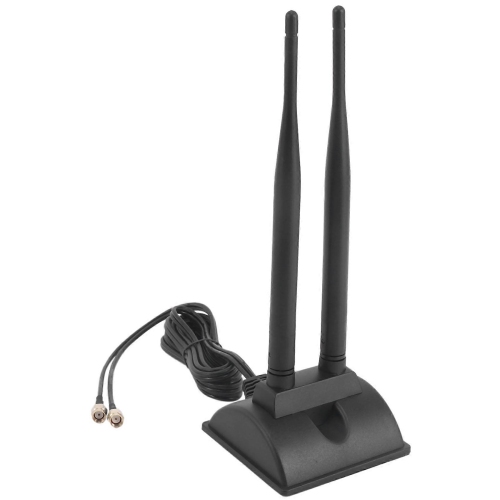
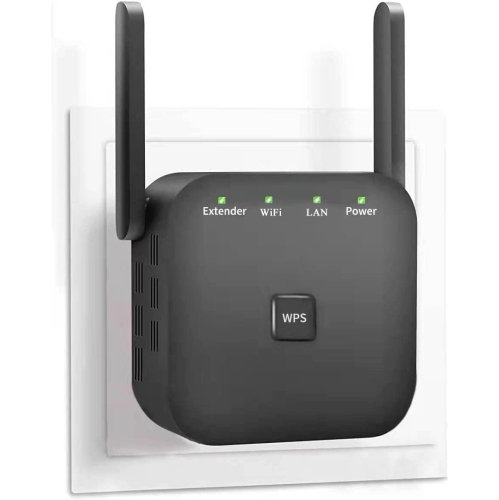
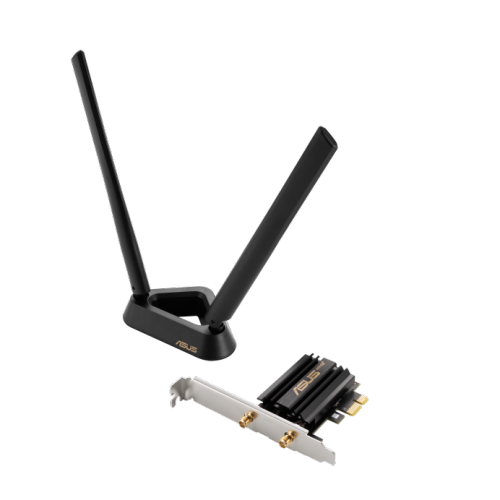
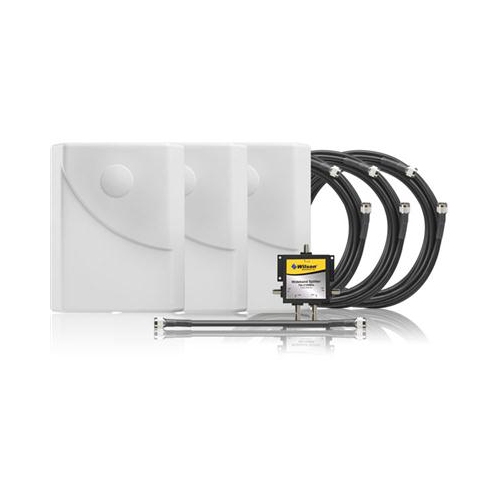
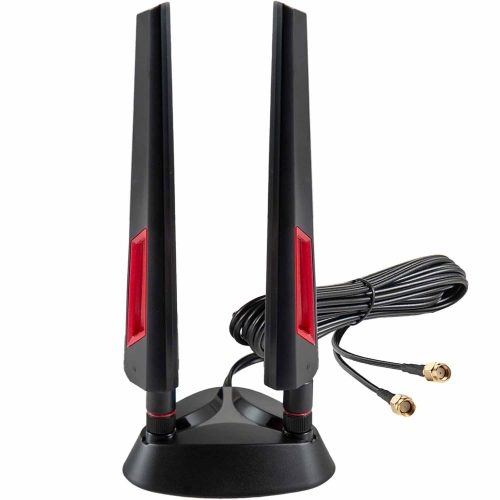
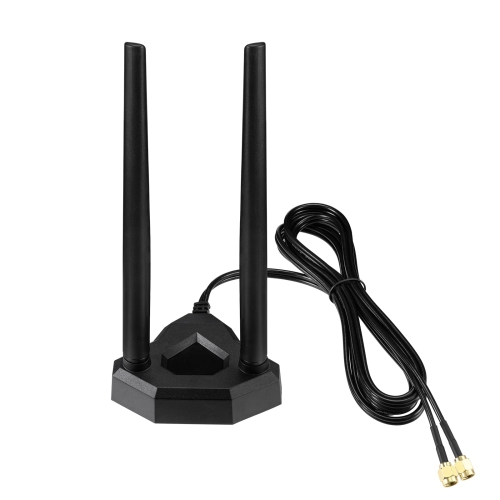
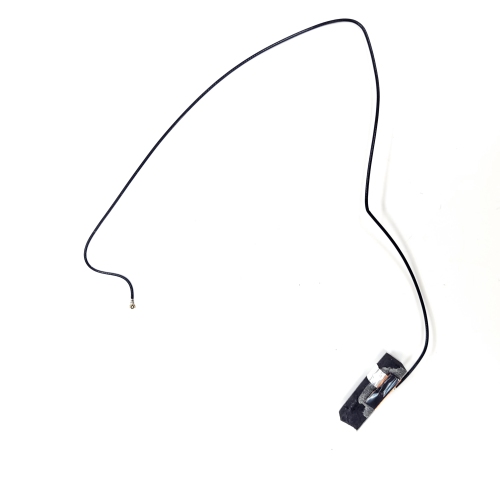
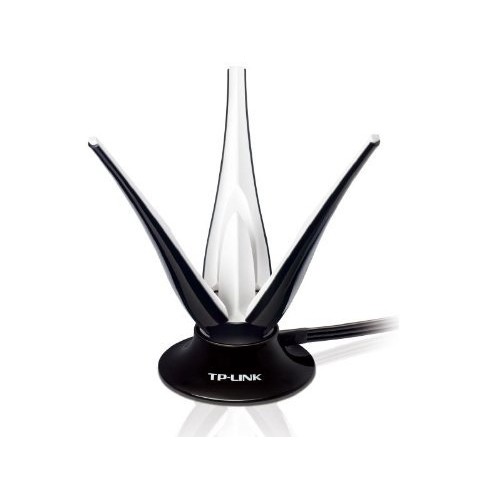
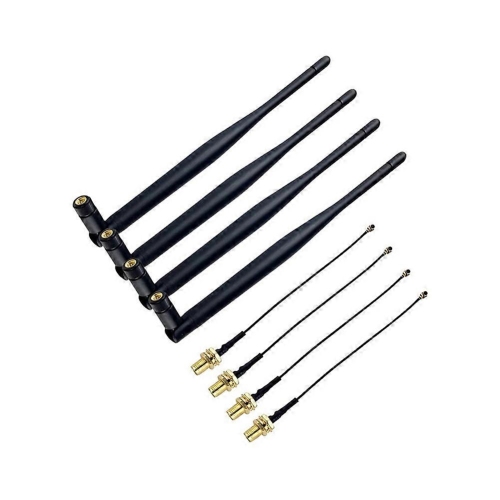
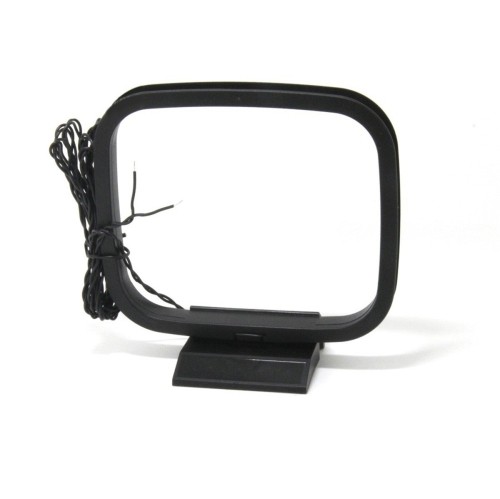
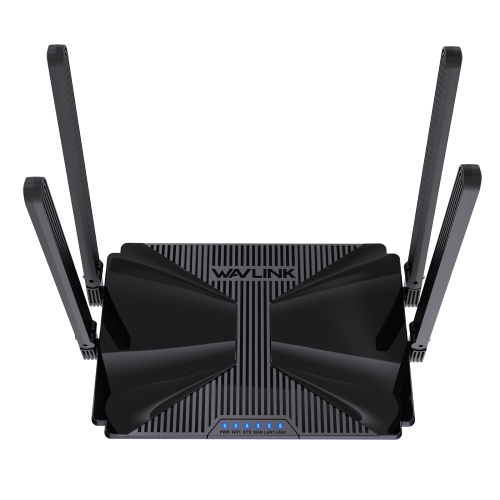
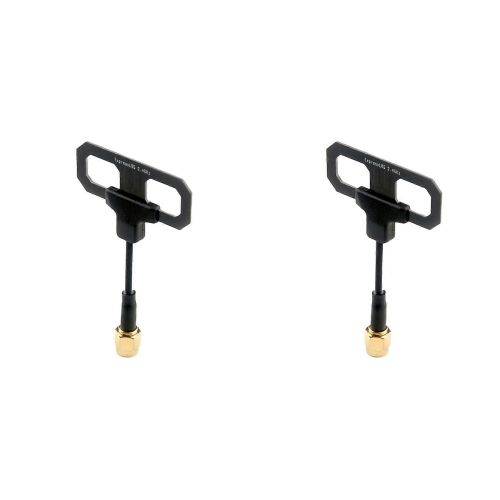
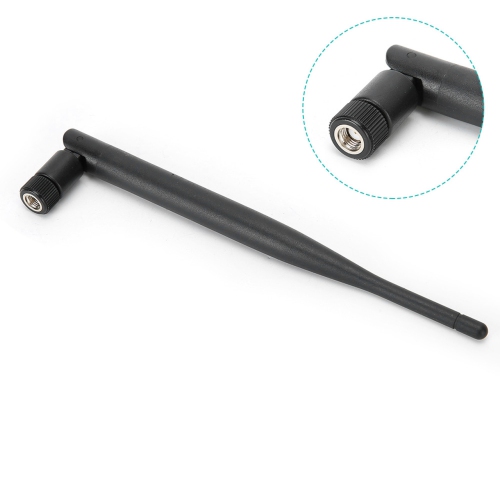
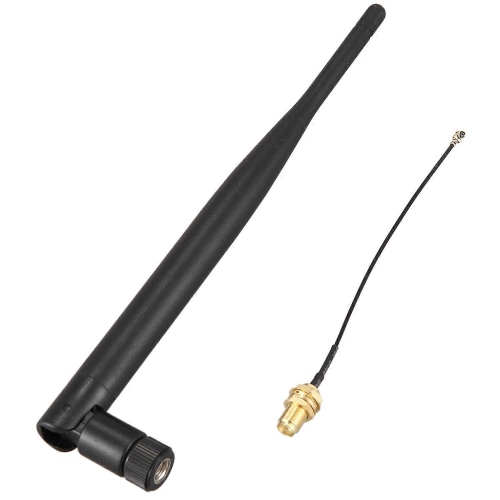
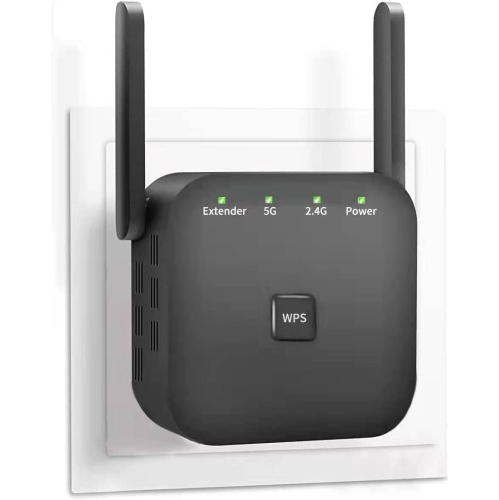
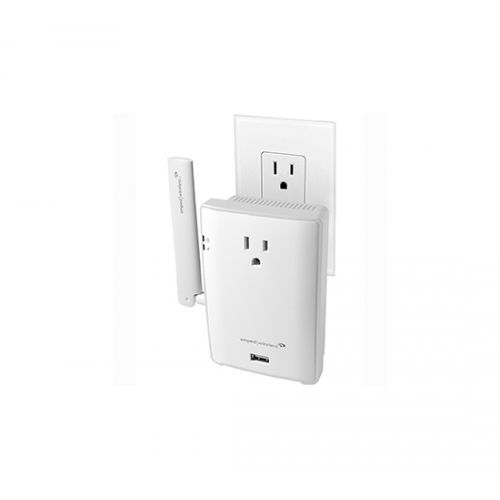
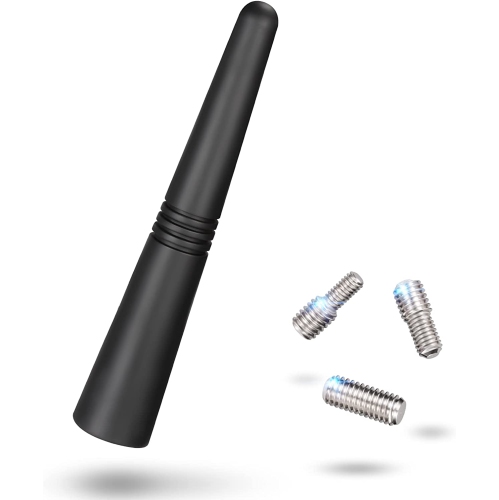
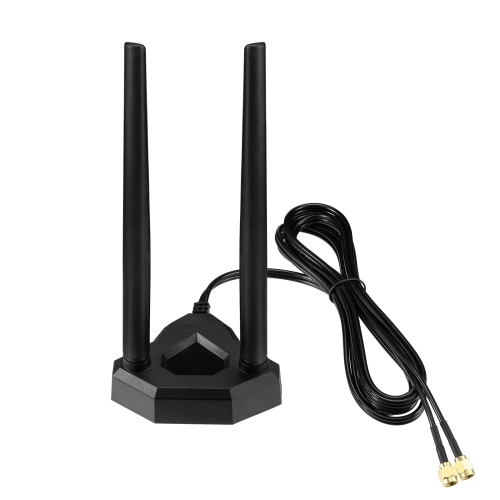
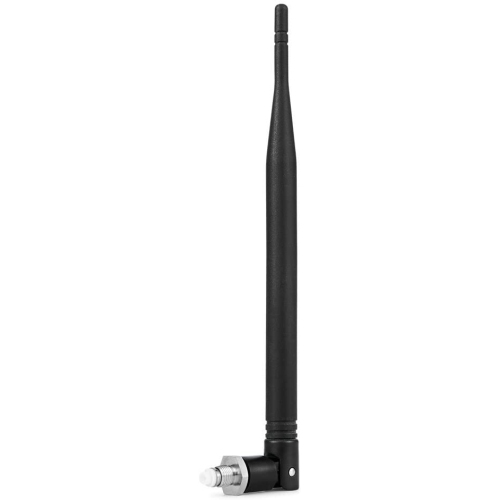
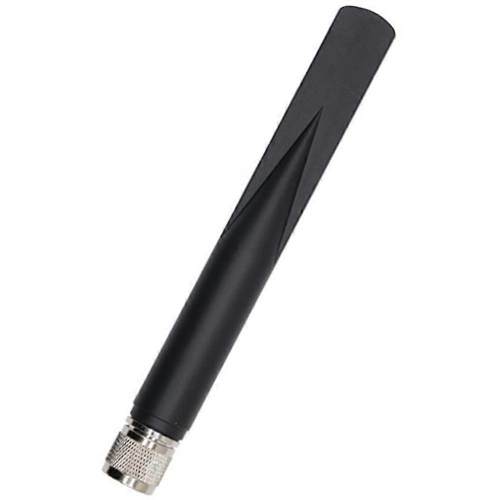
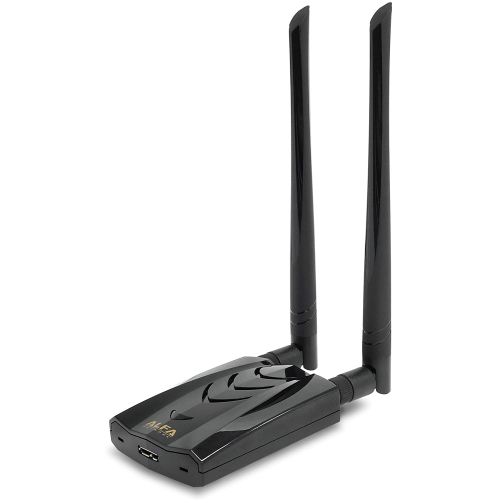
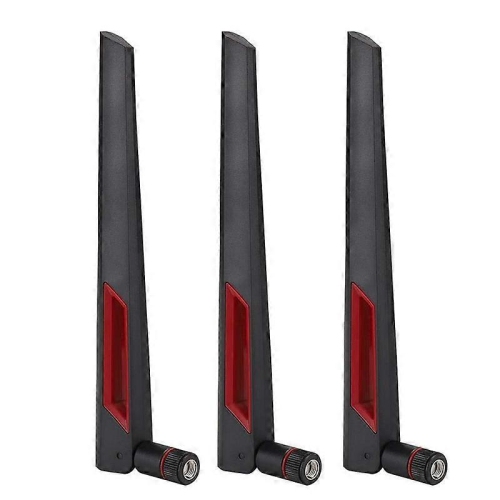
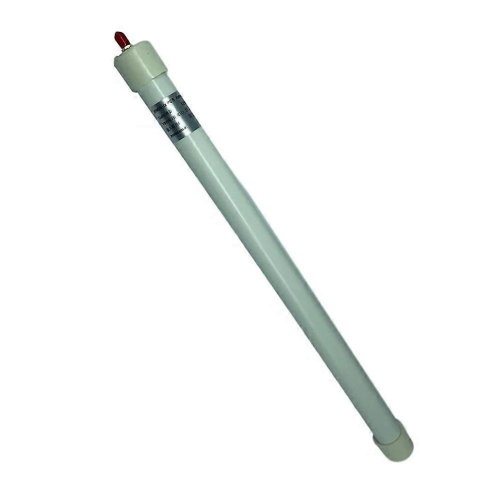
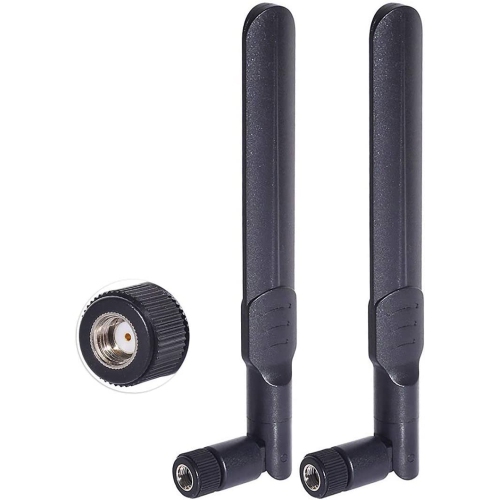
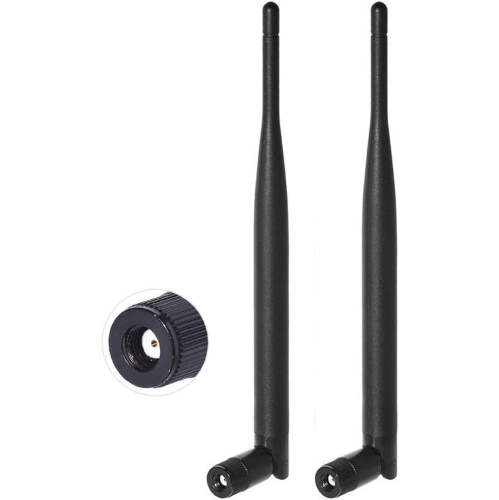
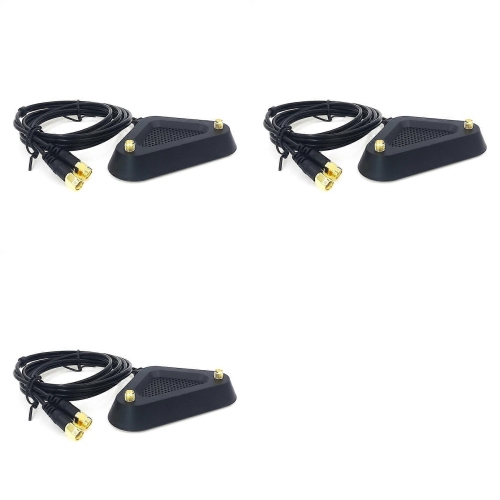
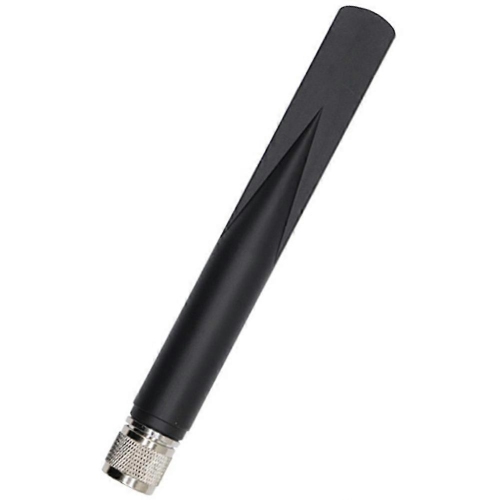
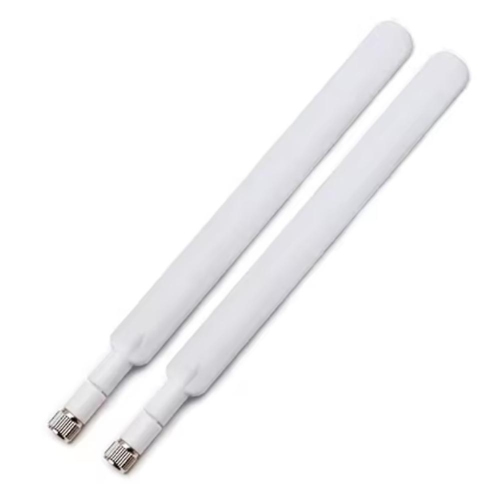
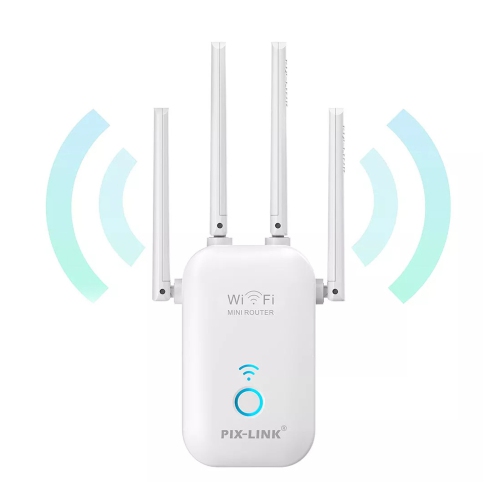
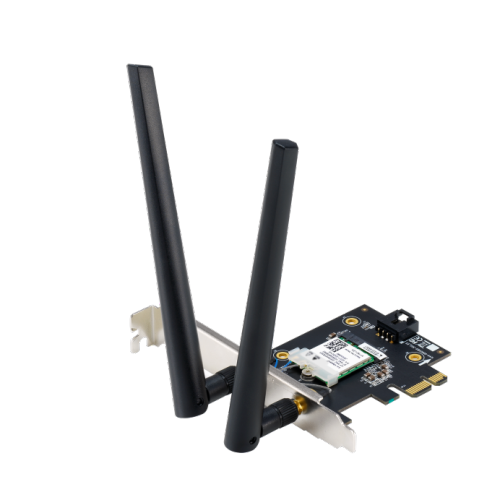

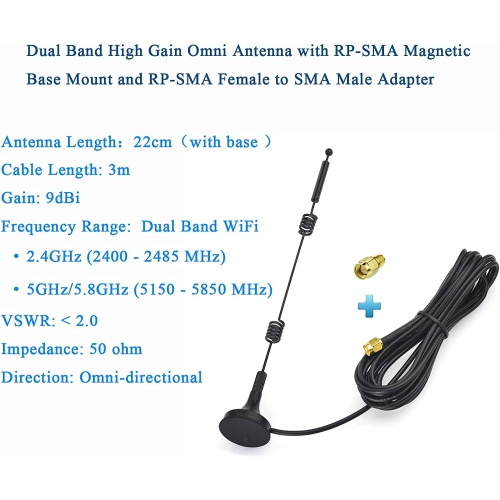
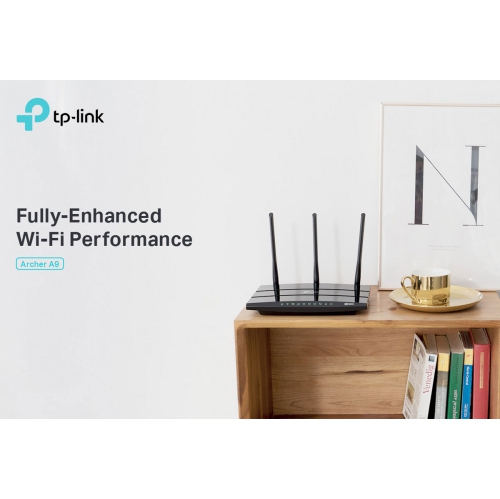
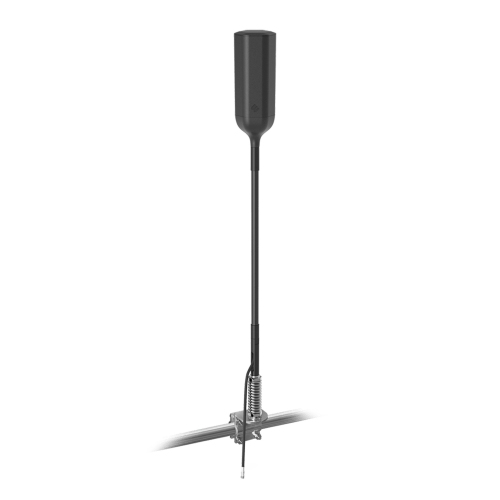
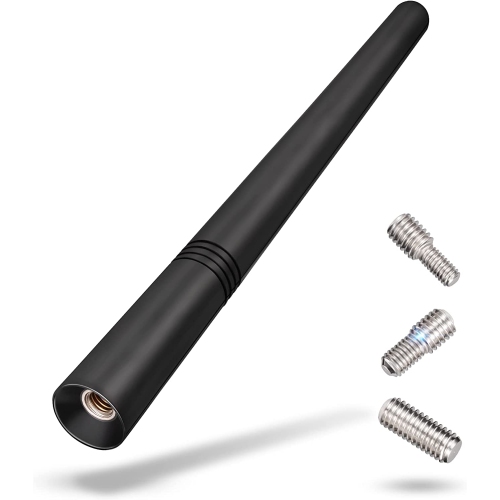
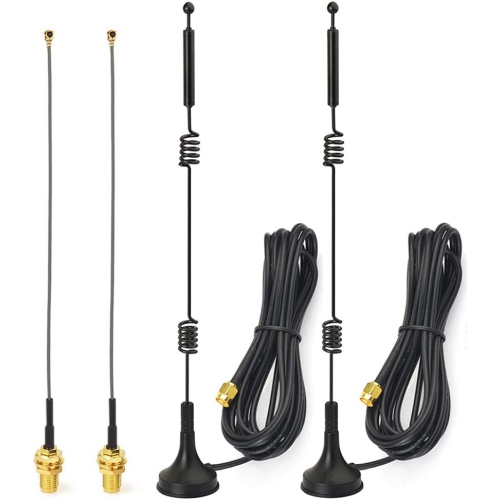
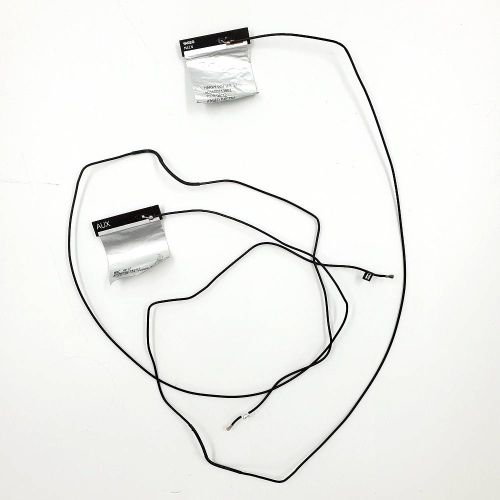
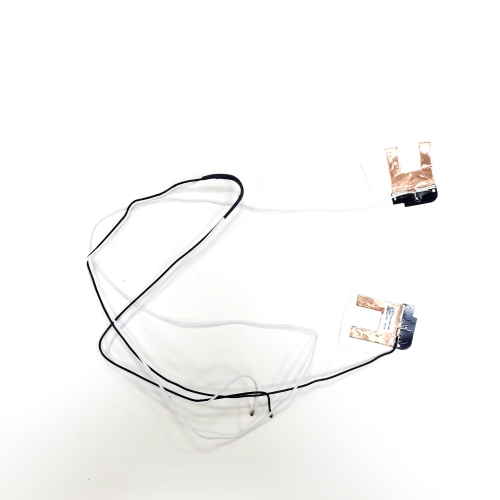
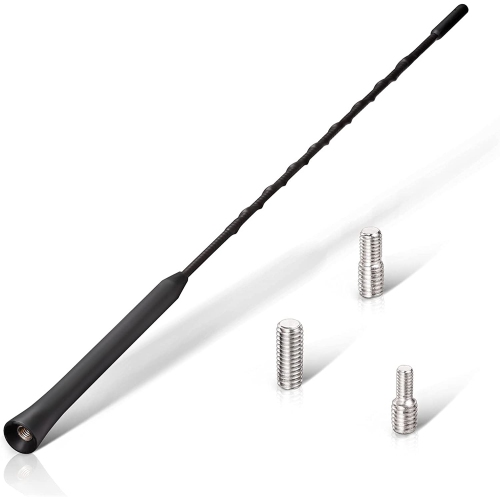
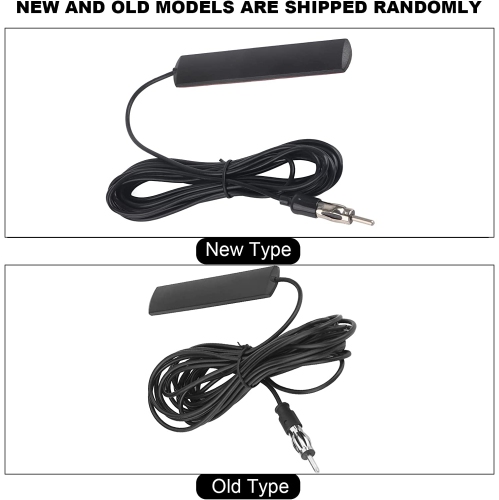
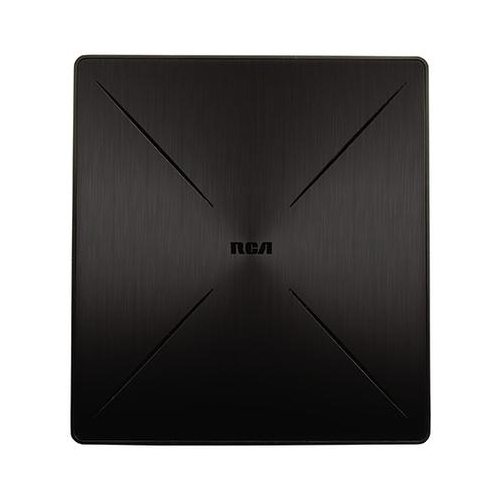

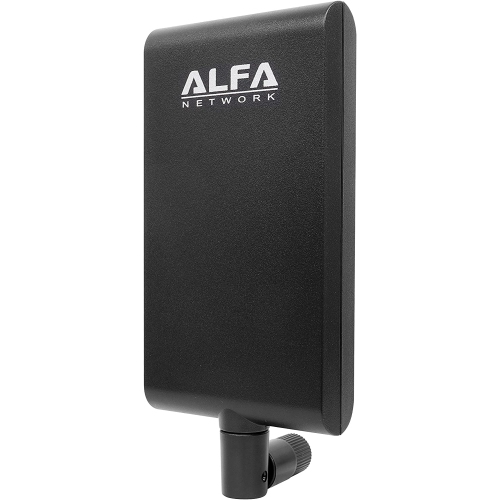
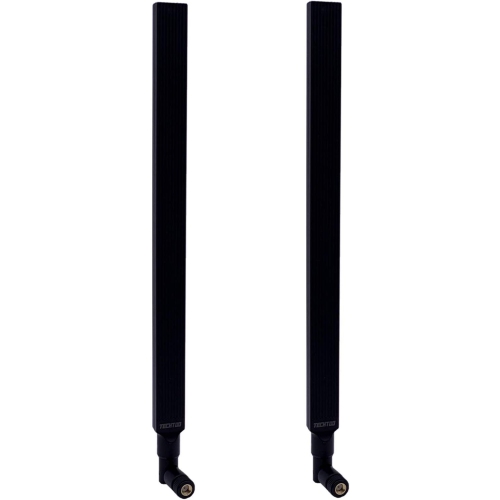
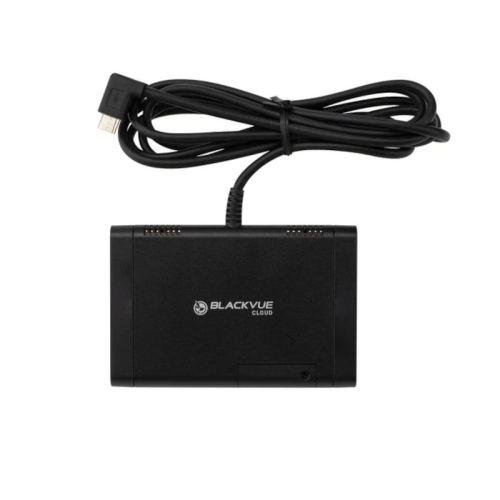
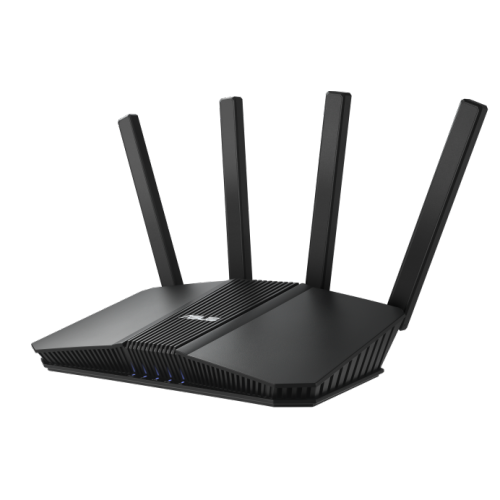
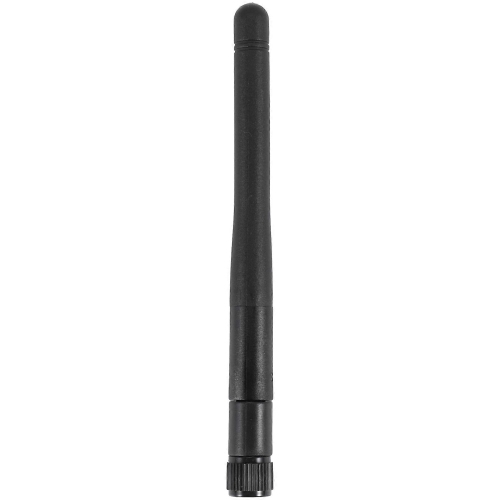
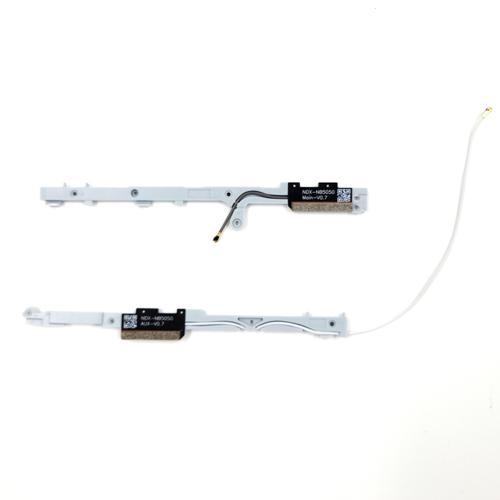
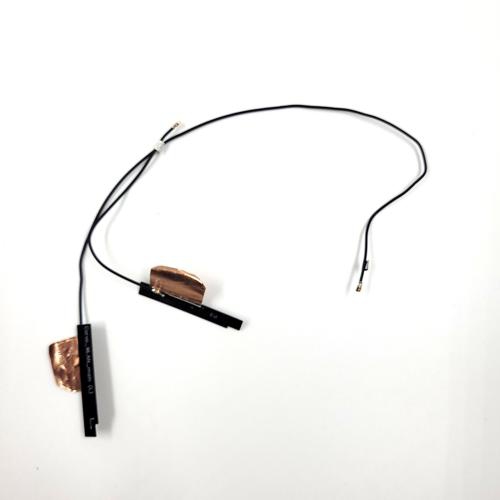
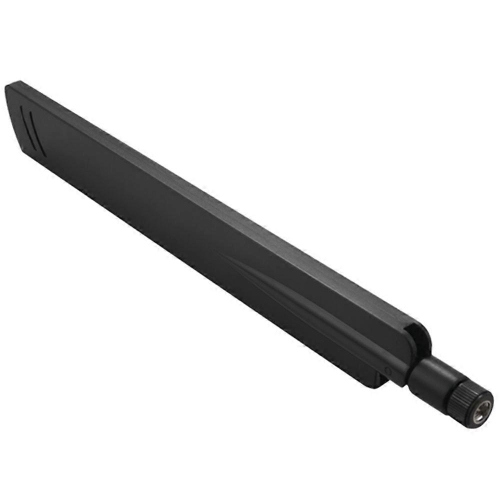
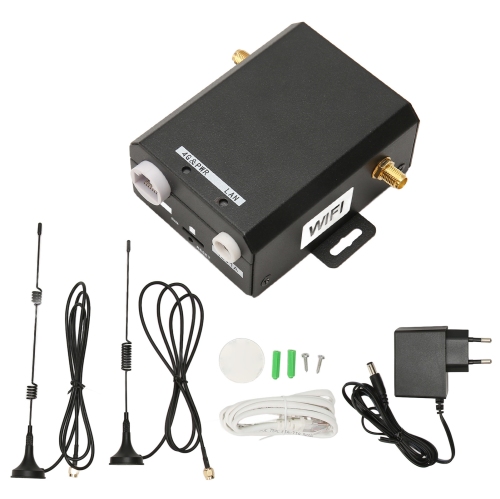
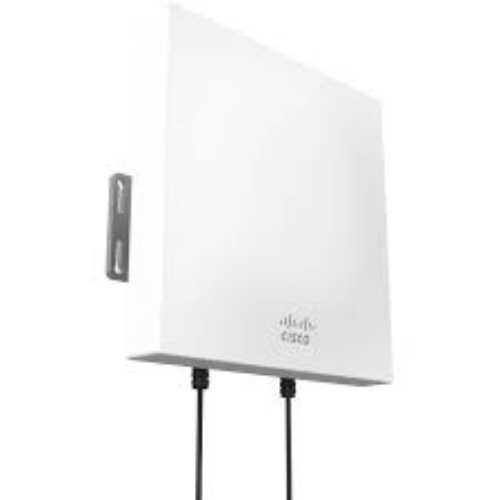
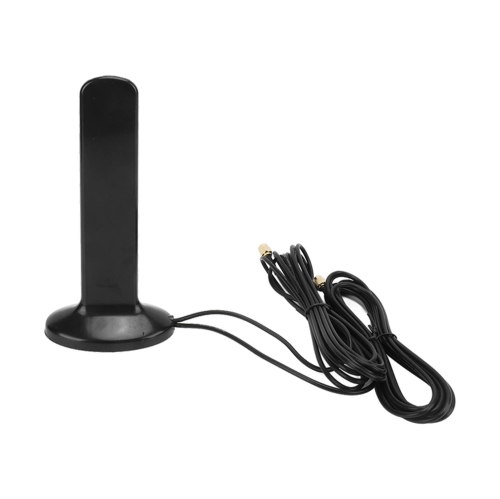
Better wireless reception beyond walls, vehicles, and distance
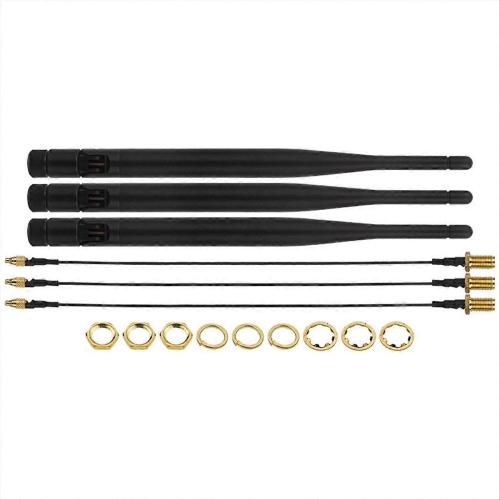
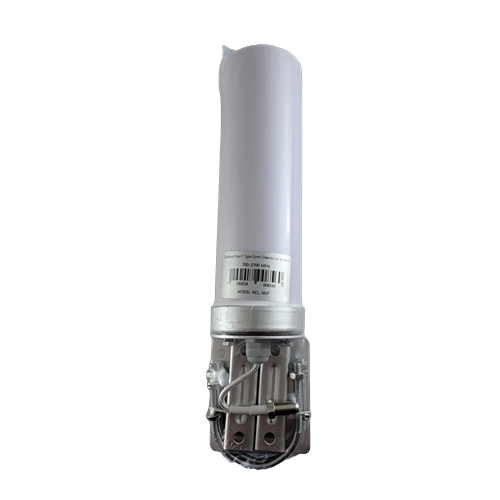
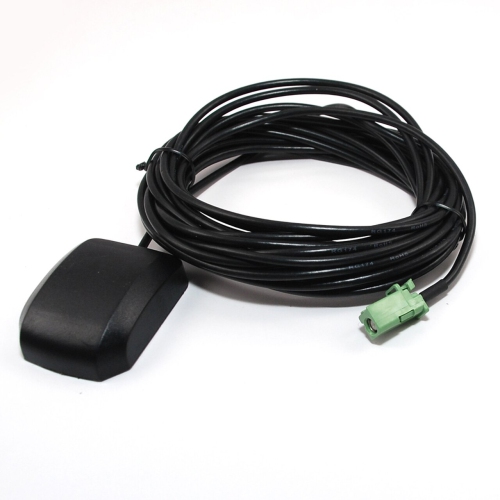
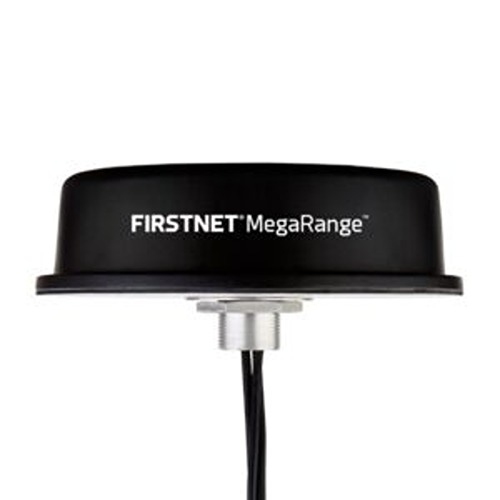
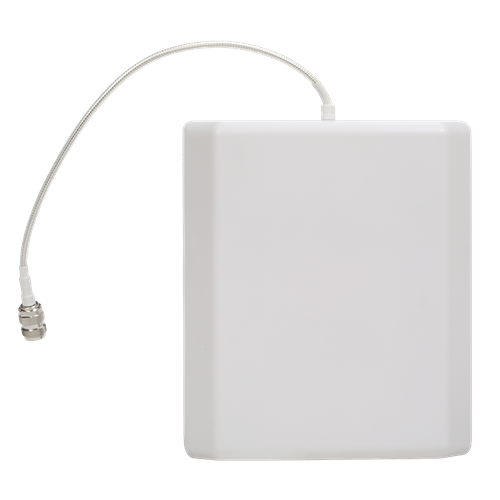
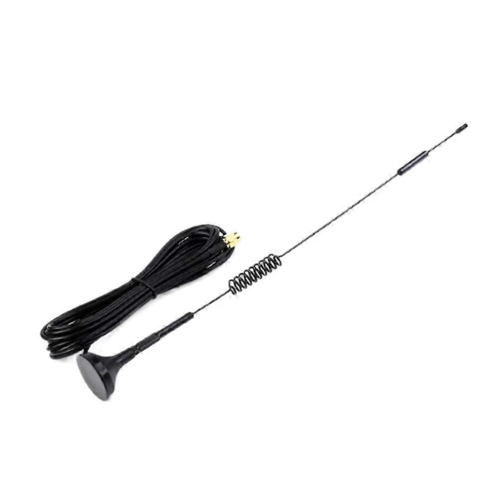
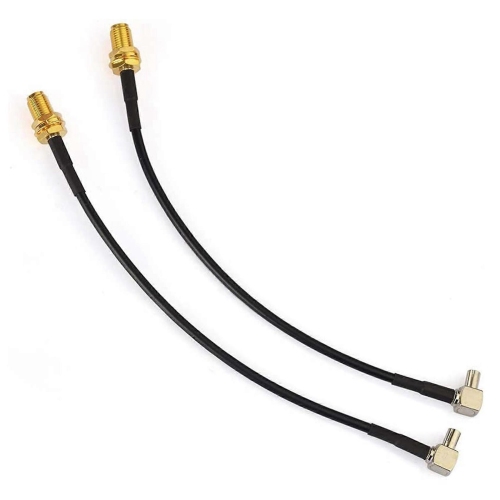
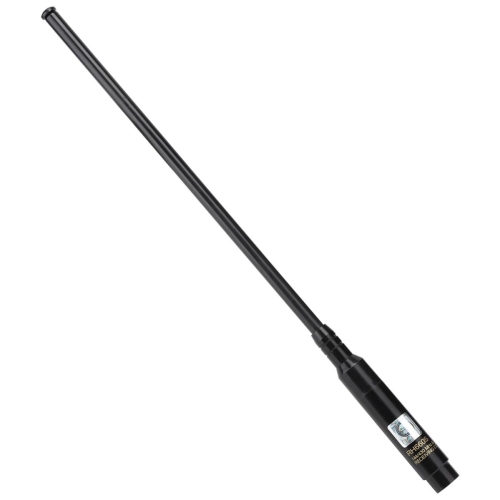
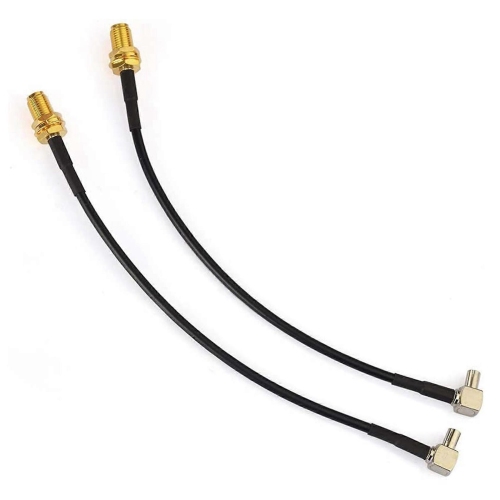
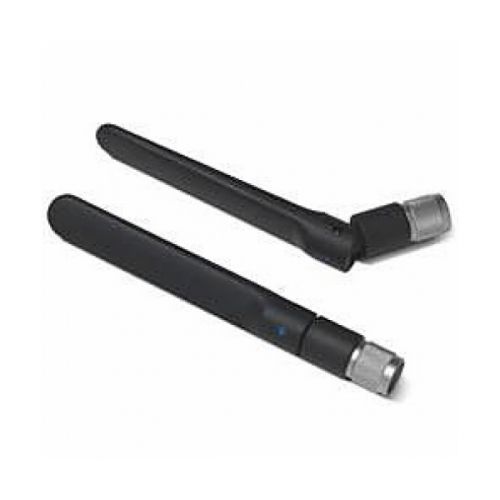
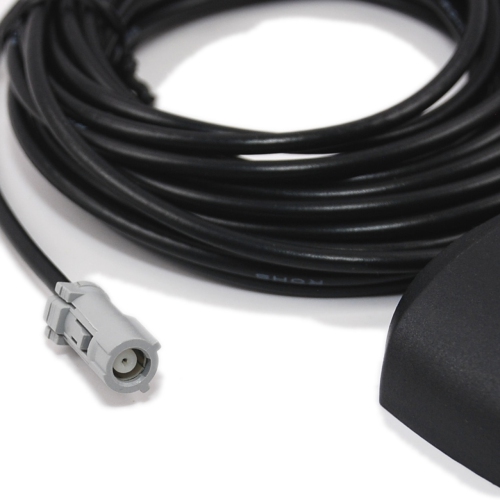
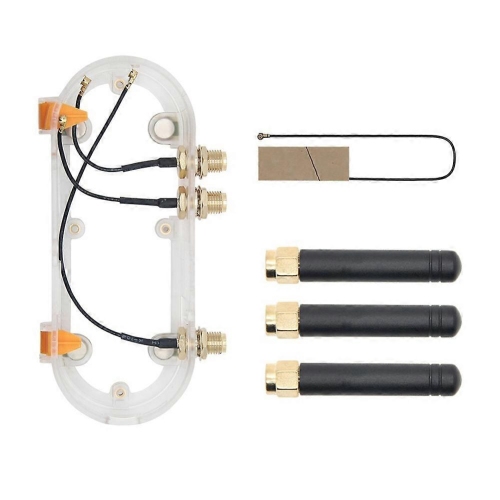
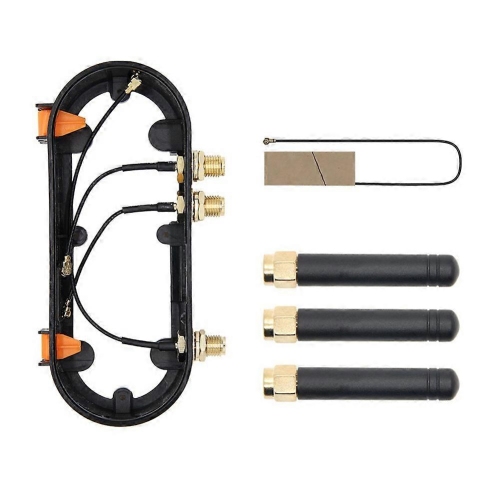
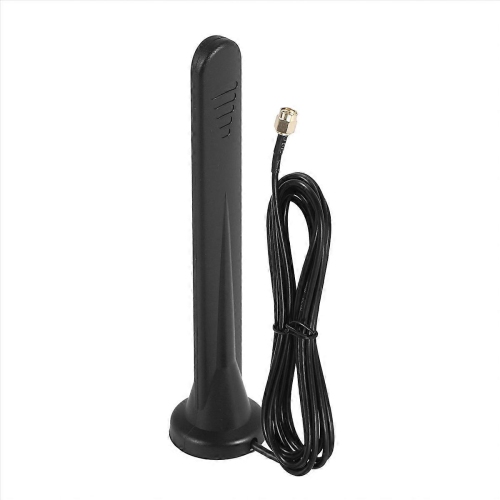
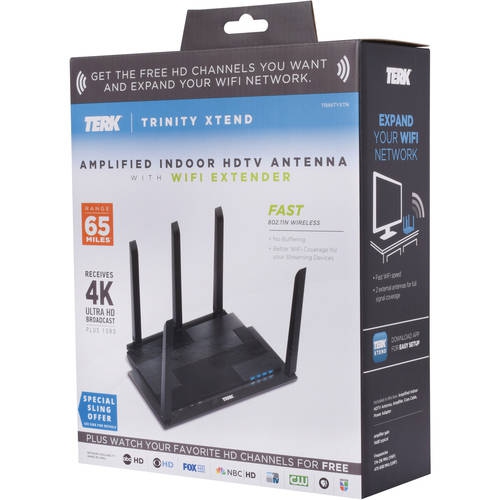
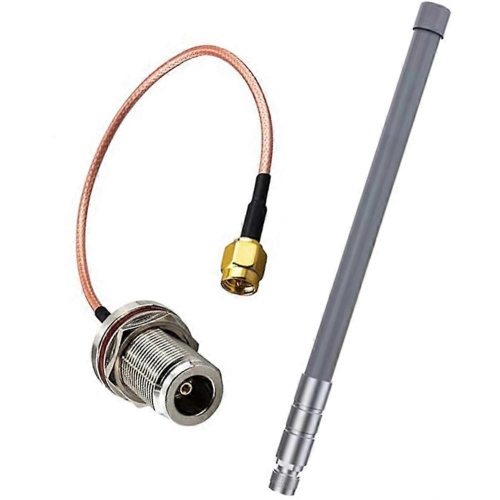
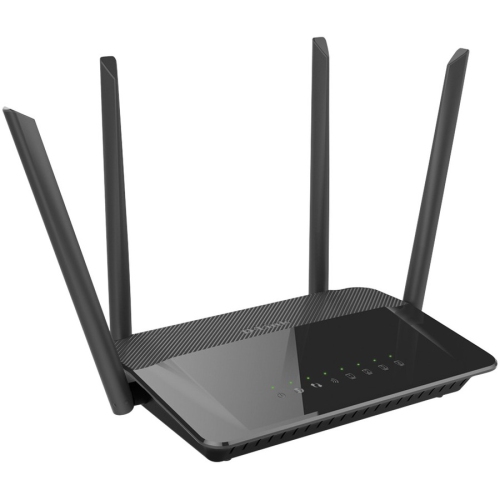
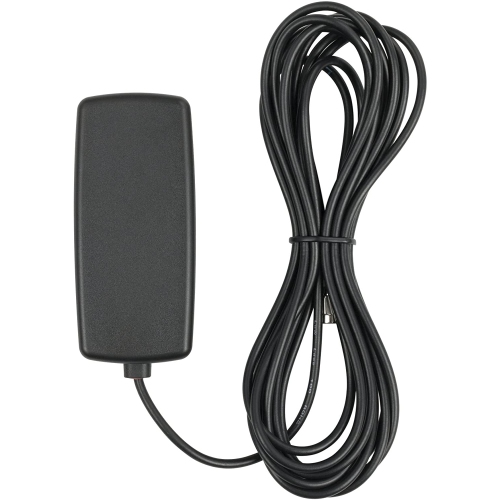
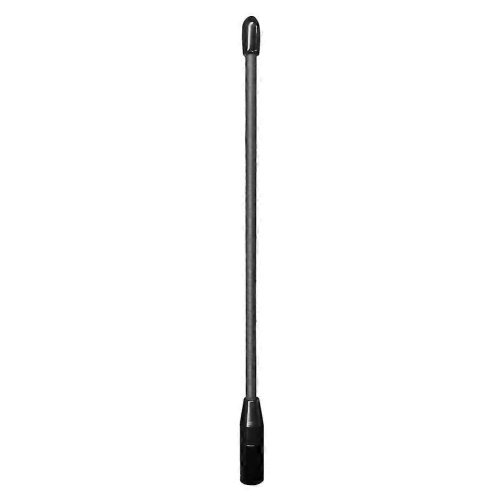
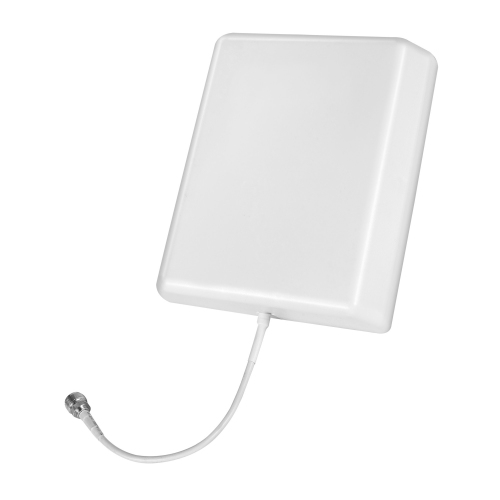
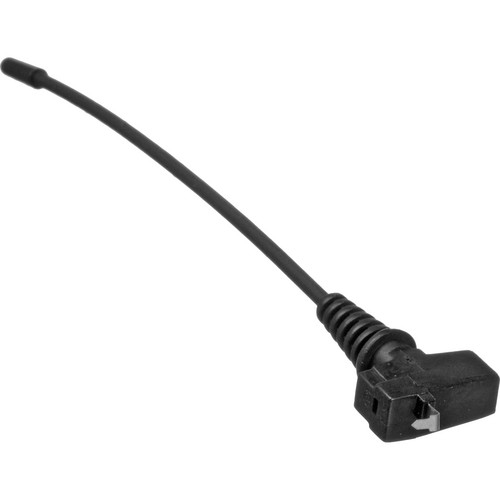
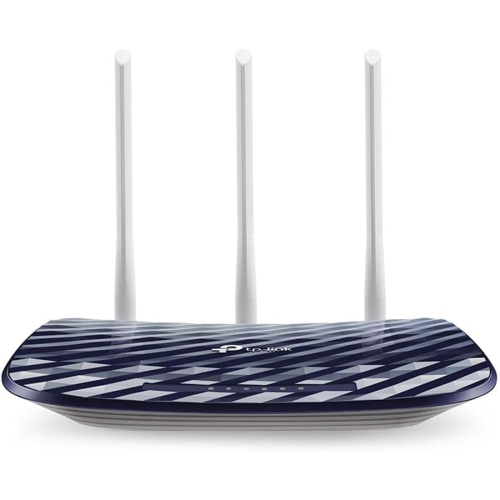
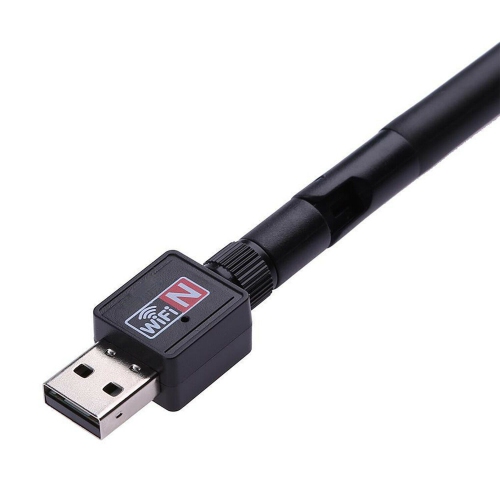
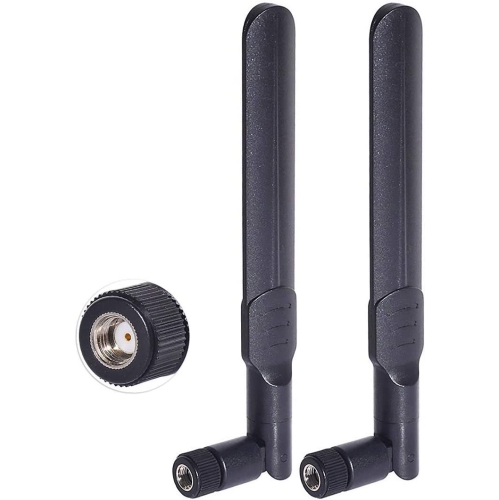
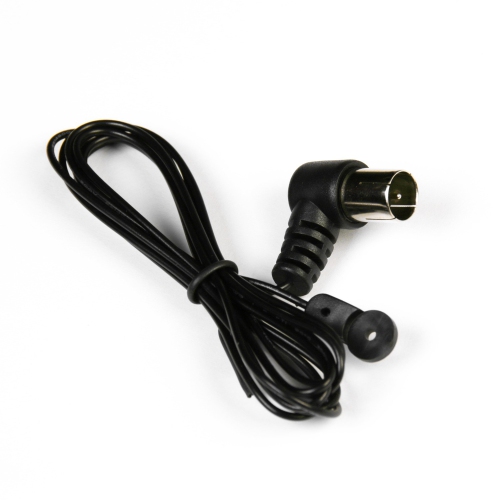
External antennas are designed to help devices receive and transmit wireless signals more effectively when an internal antenna is limited by distance, building materials, vehicle construction, or local interference. They may be used with cellular routers, mobile internet equipment, Wi-Fi systems, two-way radios, televisions, GPS equipment, and other compatible devices that support an external antenna connection. In a home with thick walls, low-emissivity windows, or a router tucked away in a basement, an antenna mounted outdoors or positioned in a clearer location can provide a more direct path to the available signal. The same principle can be useful in a rural home, cottage, workshop, recreational vehicle, boat, or work vehicle where the nearest cellular tower or broadcast source may be some distance away. External antennas do not create a signal where none exists, and actual results depend on tower location, terrain, weather, network congestion, building materials, device capability, and installation quality. However, placing the antenna above obstructions or outside a vehicle or building can help the connected equipment make better use of a signal that is already available. When browsing external antennas, start by identifying the device and signal type you need to support. Cellular and mobile internet antennas are not interchangeable with television, radio, GPS, or Wi-Fi antennas, even when their appearance is similar. Check whether the equipment accepts one antenna, two antennas, or a multiple-input, multiple-output configuration, and confirm the supported frequency bands before making a selection. The connector must also match, or be used with a properly rated cable or adapter. Shoppers who need help with connection compatibility can explore External Antenna Adapters to find options for joining compatible equipment and antenna cables.
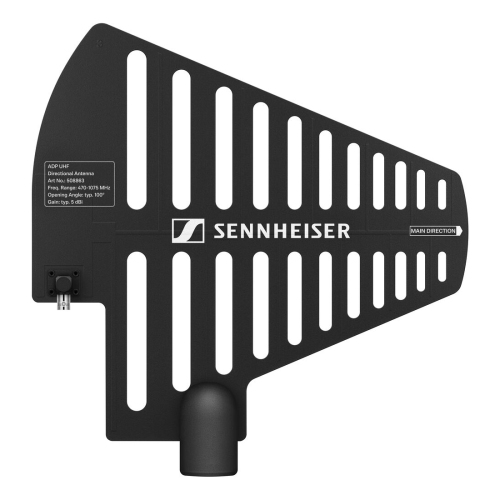
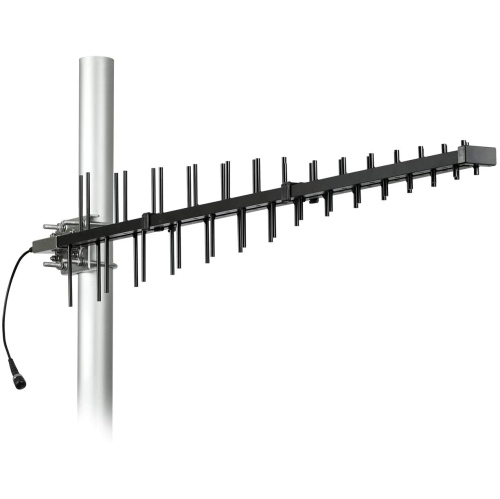
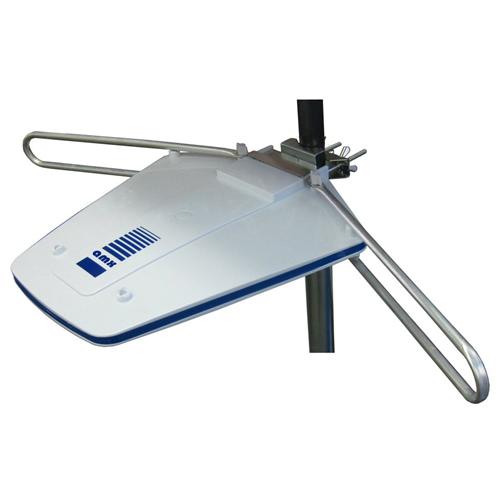
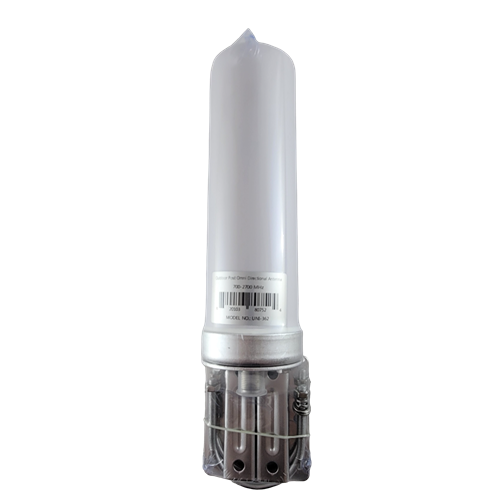
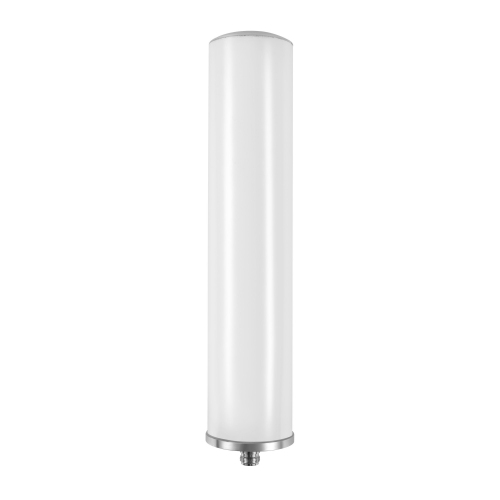
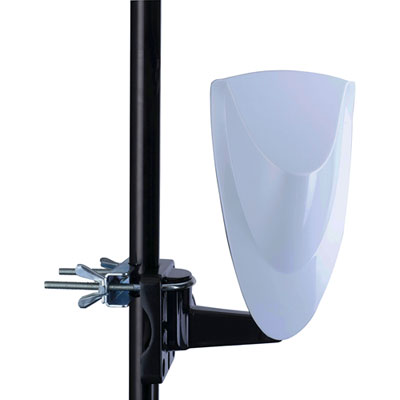
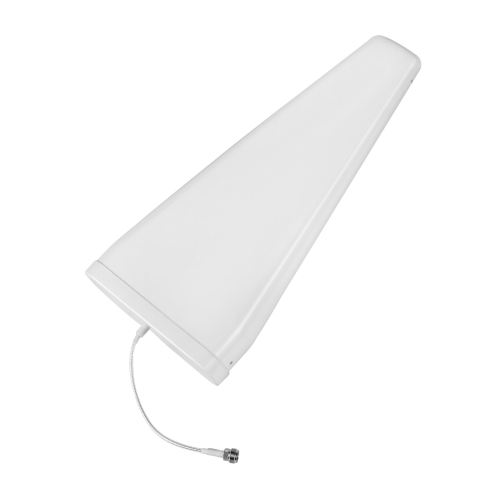
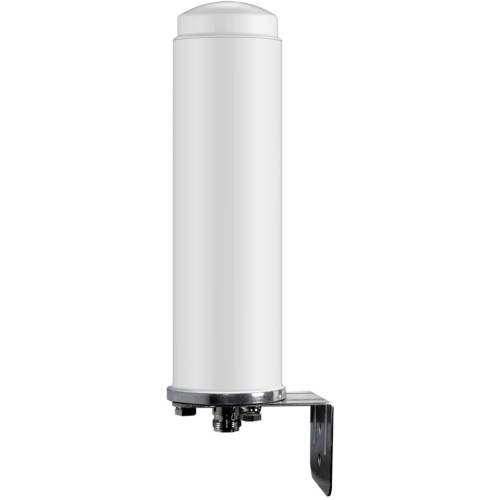
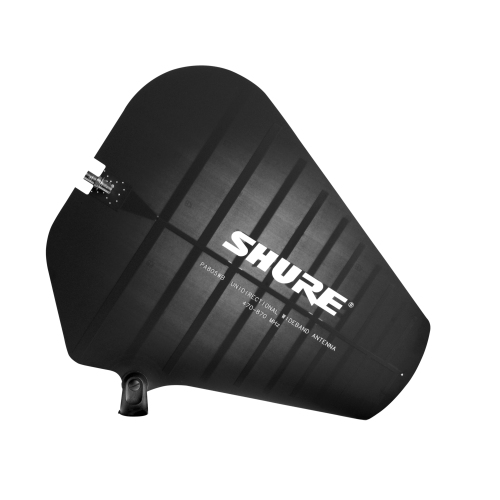
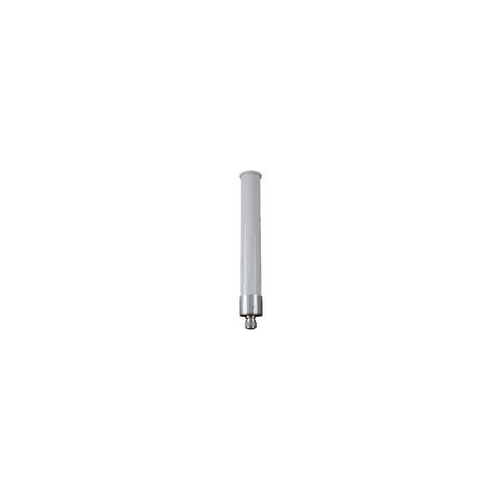
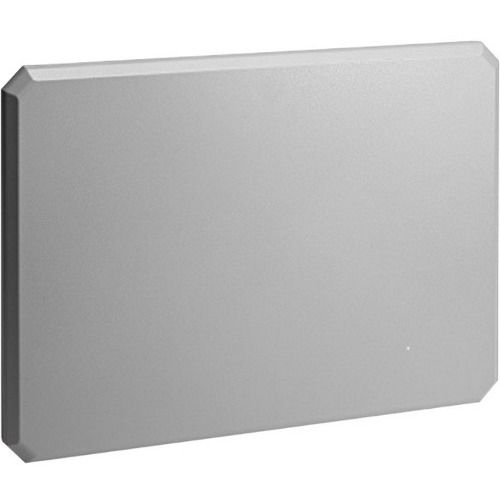
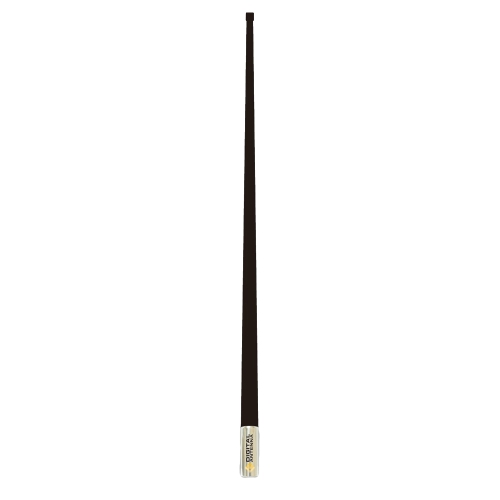
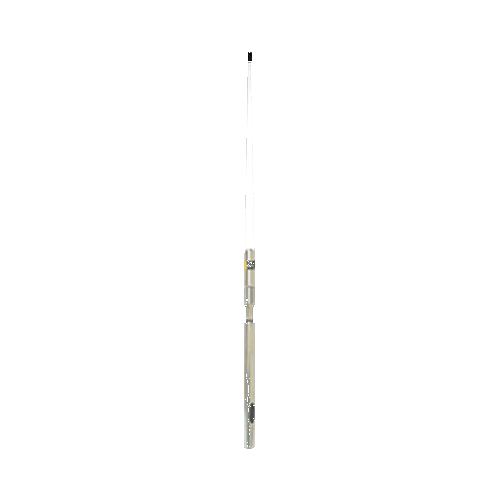
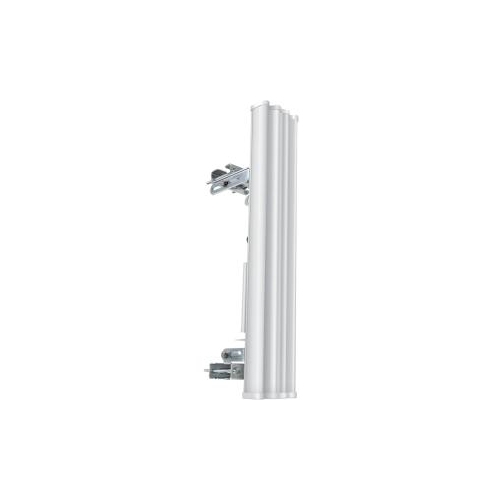
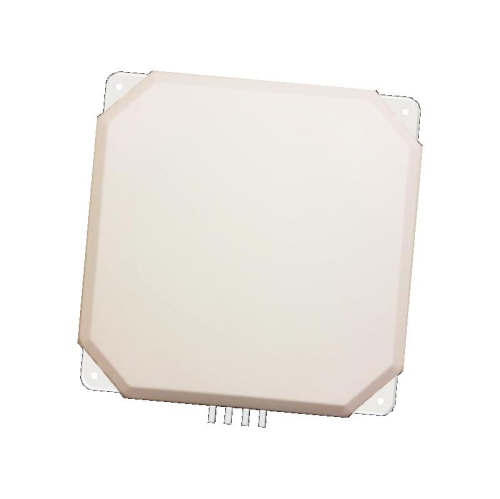
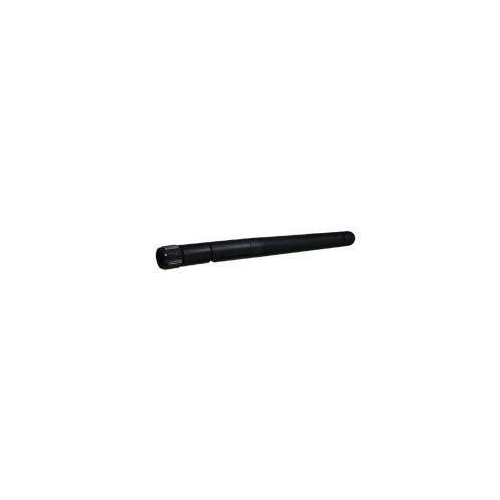
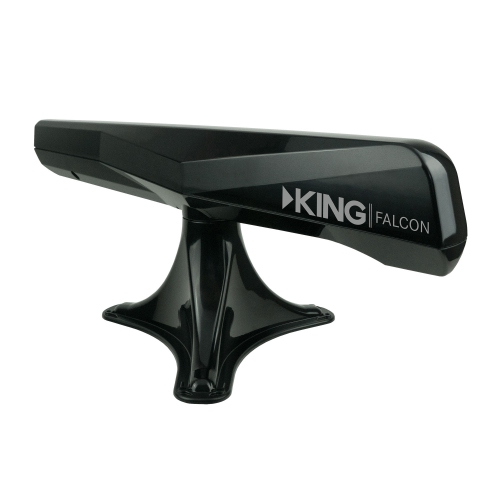
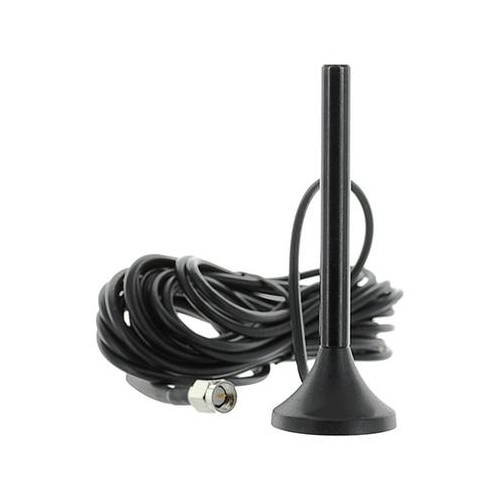
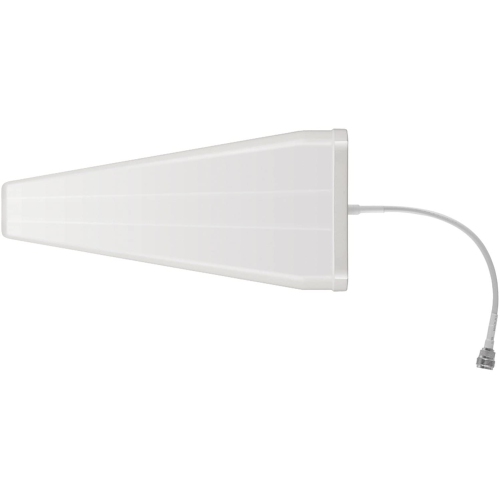
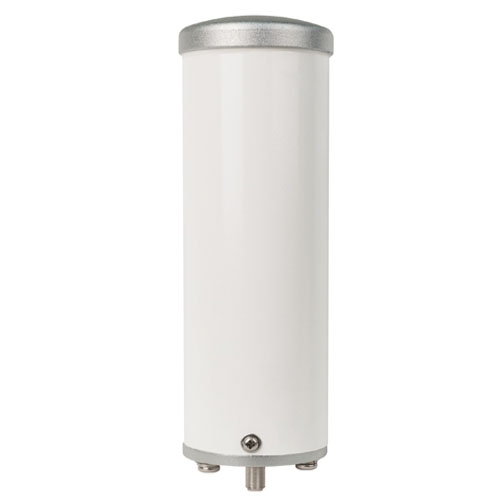
A key decision is whether an omnidirectional or directional design better suits the installation. Omnidirectional antennas send and receive signals around a full 360-degree range, making them convenient when signal sources are located in different directions or when precise aiming is impractical. They can be a practical choice for a vehicle, RV, cottage, or home near several possible towers, particularly when the signal is moderate and the antenna needs to work while the vehicle or equipment changes position. Directional antennas, including Yagi-style and panel designs, concentrate reception toward a narrower area. They are often considered for distant towers, rural properties, remote workspaces, or locations where a signal source can be identified and targeted. Directional models may offer higher gain in the intended direction, but installation takes more care: the antenna may need to be mounted securely, aligned, and adjusted while checking signal readings on the connected device. Gain ratings should be considered alongside the antenna’s pattern, frequency range, cable length, and local conditions rather than treated as a guarantee of faster service. Longer cables can introduce signal loss, so keeping the cable run short and using the correct cable type can matter as much as the antenna itself. For cellular routers and fixed wireless equipment, a roof, exterior wall, mast, or elevated pole may provide a clearer signal than a desk or shelf indoors. For televisions, an outdoor antenna can help capture over-the-air digital broadcasts when it is positioned with the local broadcast towers in mind. Radio users may benefit from an antenna that matches the intended frequency and mounting arrangement, while GPS equipment may use an external antenna to maintain a more reliable view of the sky when the receiver is inside a vehicle or enclosed structure. Always follow the equipment manufacturer’s instructions, observe local mounting and safety requirements, and protect outdoor connections from moisture with suitable weatherproofing.
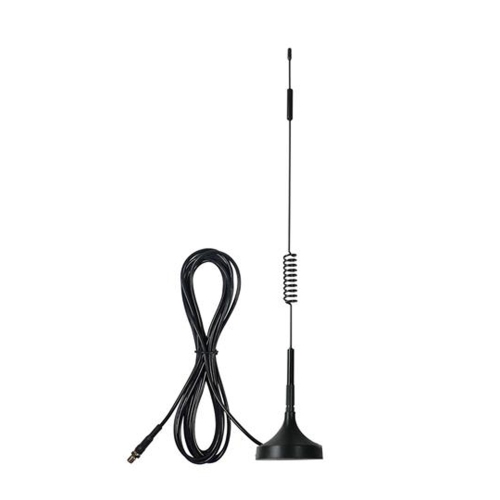
External antennas can be especially useful for people who rely on a stable connection for remote work, online learning, video calls, security systems, travel planning, navigation, or everyday communication. A cottage owner may use one to make a cellular router more practical beyond the reach of wired internet, while an RV traveller may use an omnidirectional antenna to maintain a more dependable connection as the vehicle moves between locations. Someone setting up a workshop, farm office, or detached garage may look for an outdoor antenna to overcome distance and walls between the building and the available network equipment. They can also be thoughtful gifts for a new homeowner, camper, road-trip enthusiast, amateur radio hobbyist, or family member spending more time at a seasonal property, provided the recipient’s device requirements are known. Before purchasing, measure the intended cable route, confirm whether a mounting bracket, mast, magnetic base, or other hardware is included, and consider exposure to wind, rain, snow, and temperature changes during the cooler months. A magnetic mount may be convenient for a vehicle, while a fixed mount can offer greater stability for a permanent installation. If the antenna will be placed outside, look for construction suited to outdoor use and plan where the cable will enter the building without creating a path for water. For best results, compare the antenna’s connector, frequency support, impedance, gain, radiation pattern, mounting method, and cable length with the specifications of the connected device. Choosing an external antenna this way helps avoid mismatched equipment and supports a cleaner, more reliable installation tailored to the way the signal is actually used.
A key decision is whether an omnidirectional or directional design better suits the installation. Omnidirectional antennas send and receive signals around a full 360-degree range, making them convenient when signal sources are located in different directions or when precise aiming is impractical. They can be a practical choice for a vehicle, RV, cottage, or home near several possible towers, particularly when the signal is moderate and the antenna needs to work while the vehicle or equipment changes position. Directional antennas, including Yagi-style and panel designs, concentrate reception toward a narrower area. They are often considered for distant towers, rural properties, remote workspaces, or locations where a signal source can be identified and targeted. Directional models may offer higher gain in the intended direction, but installation takes more care: the antenna may need to be mounted securely, aligned, and adjusted while checking signal readings on the connected device. Gain ratings should be considered alongside the antenna’s pattern, frequency range, cable length, and local conditions rather than treated as a guarantee of faster service. Longer cables can introduce signal loss, so keeping the cable run short and using the correct cable type can matter as much as the antenna itself. For cellular routers and fixed wireless equipment, a roof, exterior wall, mast, or elevated pole may provide a clearer signal than a desk or shelf indoors. For televisions, an outdoor antenna can help capture over-the-air digital broadcasts when it is positioned with the local broadcast towers in mind. Radio users may benefit from an antenna that matches the intended frequency and mounting arrangement, while GPS equipment may use an external antenna to maintain a more reliable view of the sky when the receiver is inside a vehicle or enclosed structure. Always follow the equipment manufacturer’s instructions, observe local mounting and safety requirements, and protect outdoor connections from moisture with suitable weatherproofing.
External antennas can be especially useful for people who rely on a stable connection for remote work, online learning, video calls, security systems, travel planning, navigation, or everyday communication. A cottage owner may use one to make a cellular router more practical beyond the reach of wired internet, while an RV traveller may use an omnidirectional antenna to maintain a more dependable connection as the vehicle moves between locations. Someone setting up a workshop, farm office, or detached garage may look for an outdoor antenna to overcome distance and walls between the building and the available network equipment. They can also be thoughtful gifts for a new homeowner, camper, road-trip enthusiast, amateur radio hobbyist, or family member spending more time at a seasonal property, provided the recipient’s device requirements are known. Before purchasing, measure the intended cable route, confirm whether a mounting bracket, mast, magnetic base, or other hardware is included, and consider exposure to wind, rain, snow, and temperature changes during the cooler months. A magnetic mount may be convenient for a vehicle, while a fixed mount can offer greater stability for a permanent installation. If the antenna will be placed outside, look for construction suited to outdoor use and plan where the cable will enter the building without creating a path for water. For best results, compare the antenna’s connector, frequency support, impedance, gain, radiation pattern, mounting method, and cable length with the specifications of the connected device. Choosing an external antenna this way helps avoid mismatched equipment and supports a cleaner, more reliable installation tailored to the way the signal is actually used.
Top selling and popular products
-
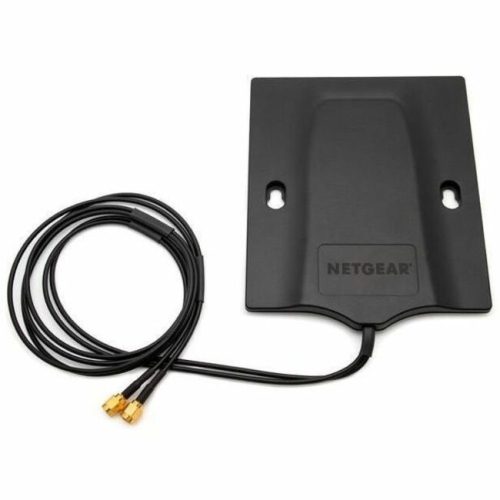 Your price for this item is $105.2
 -
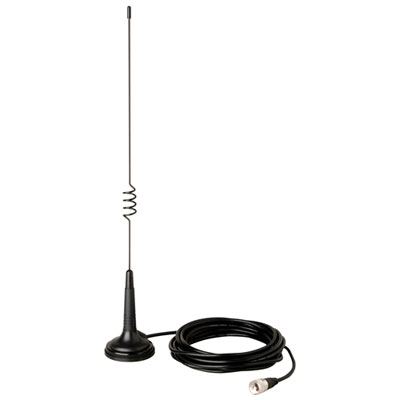 Your price for this item is $59.99
 -
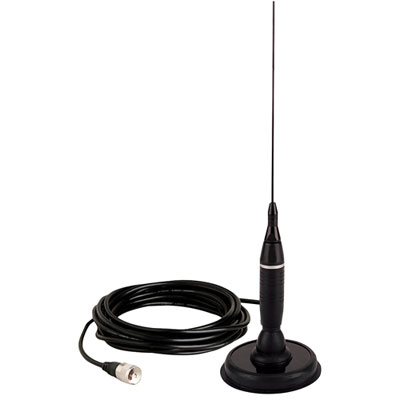 Your price for this item is $69.99
 -
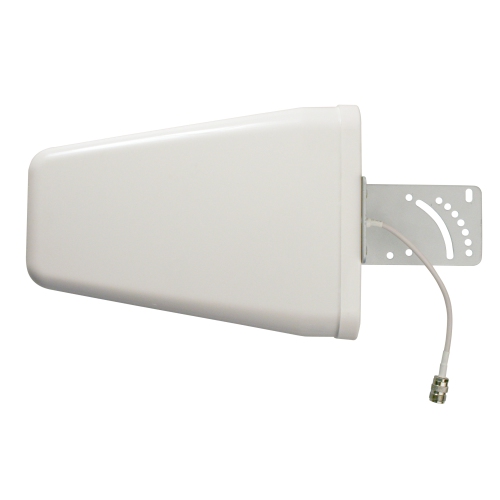 Your price for this item is $129.99
 -
 Your price for this item is $39.99
 -
 Your price for this item is $144.99
 -
 Your price for this item is $139.99
 -
 Your price for this item is $14.49
Discover more categories related to External Antennas
Top Collections:
Pokemon Centers, Best Cameras for Sports Photography, Kindle Devices, Samsung Galaxy Phones, Canon G7X Cameras, Pokémon 30th Celebration Cards, Refurbished Apple Laptops, iPhone 15 Apple, Laptops for Students, Budget Smartphones
Some products may be subject to Environmental Handling Fees
(EHF) depending on your province.
Learn more about EHFs.