Outdoor Wi-Fi Antennas
Enhance your outdoor connectivity with our wide selection of high-performance WiFi antennas. Whether you're looking to extend the range of your existing network or establish a reliable connection in your backyard, our outdoor WiFi antennas are designed to deliver fast and stable internet access. With their durable construction and weatherproof design, these antennas are built to withstand various outdoor conditions, ensuring uninterrupted connectivity for all your outdoor activities. Explore our collection of outdoor WiFi antennas and bring seamless internet coverage to every corner of your outdoor space.
Sort
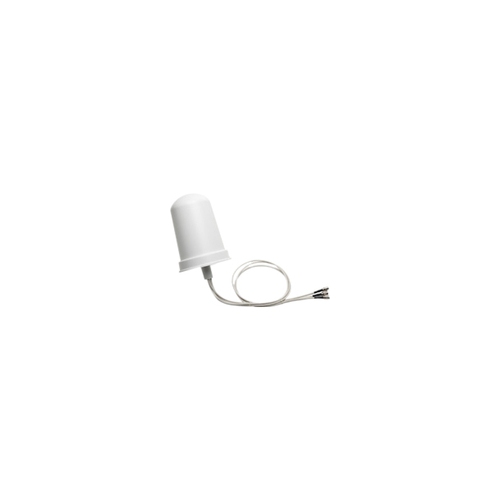
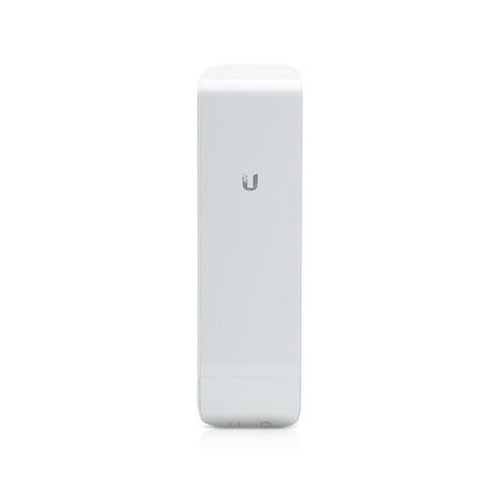
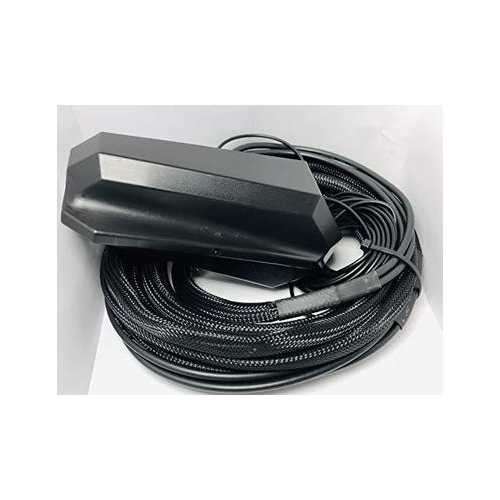
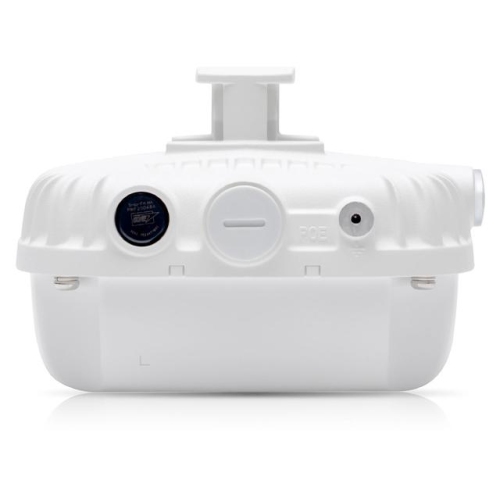
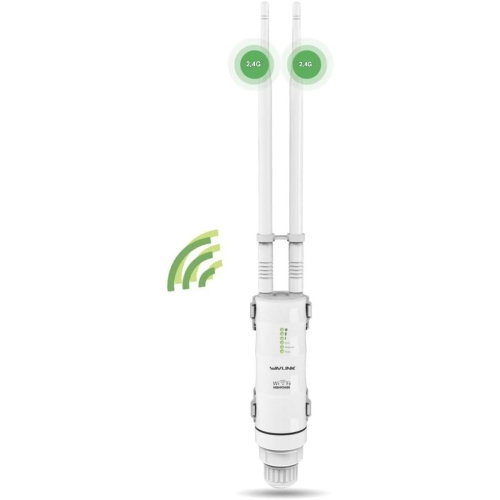
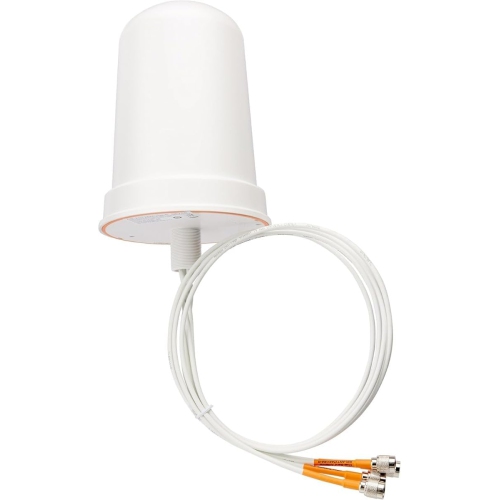
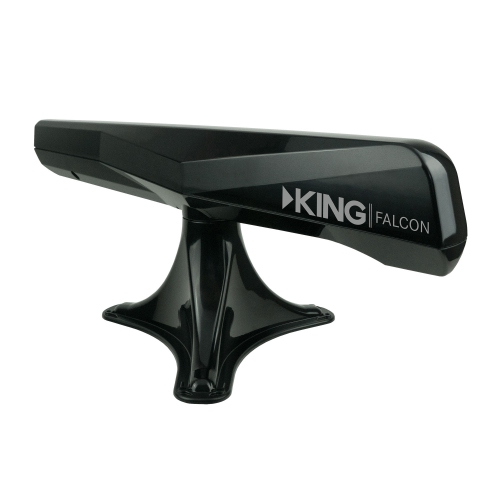
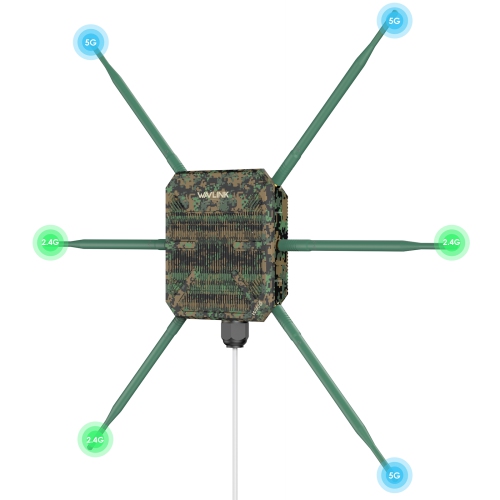
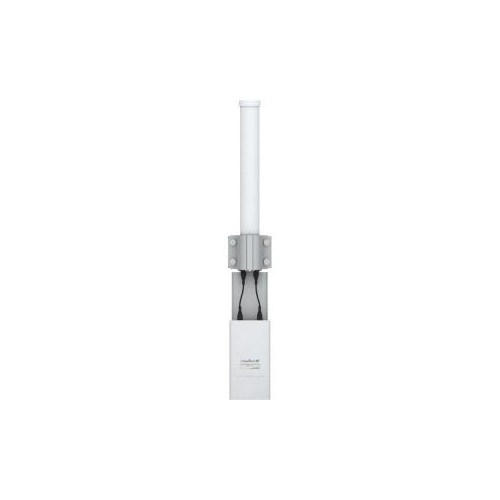
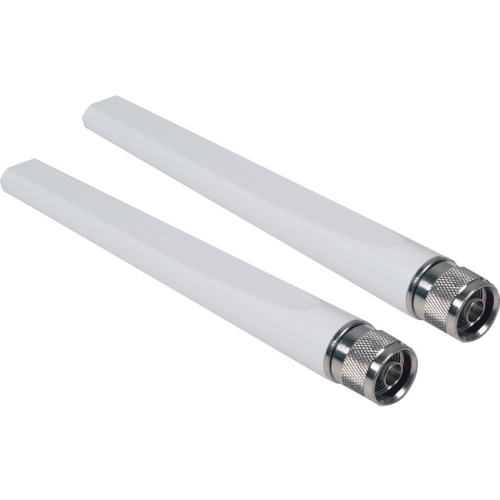
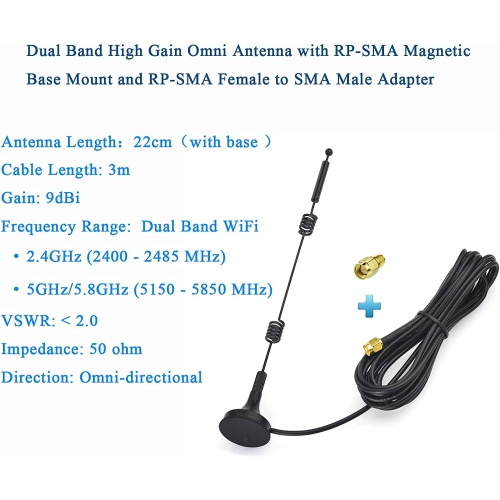

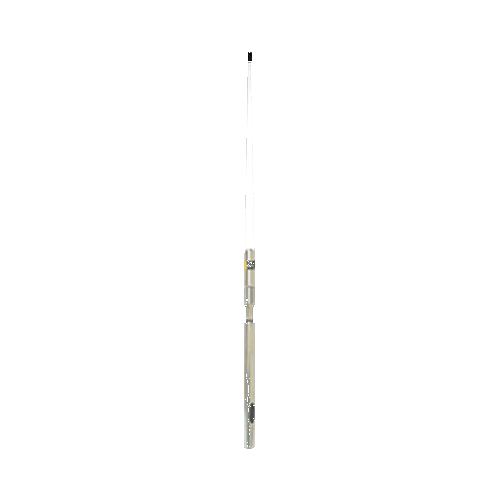
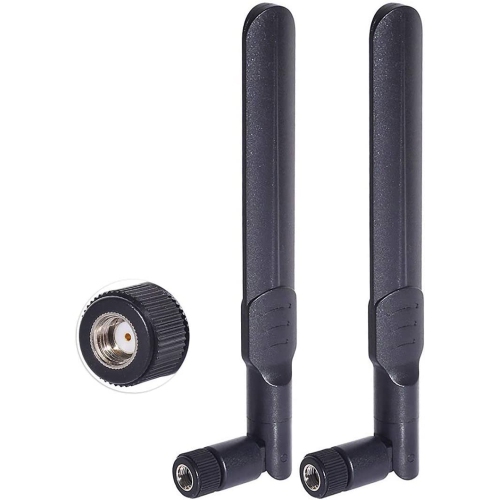
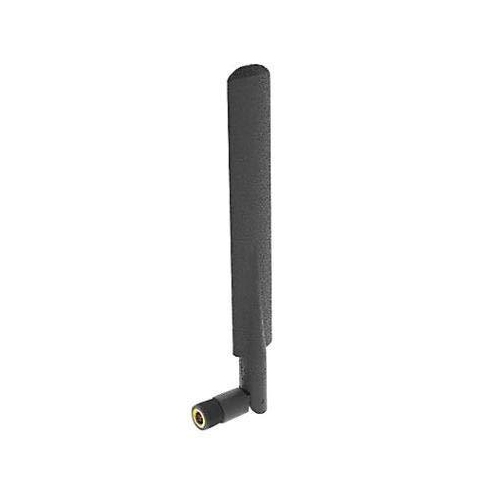
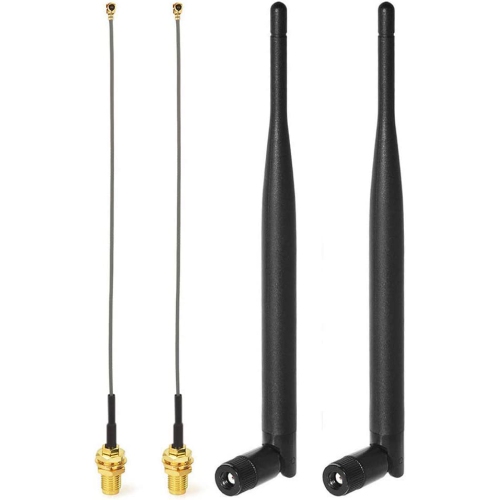
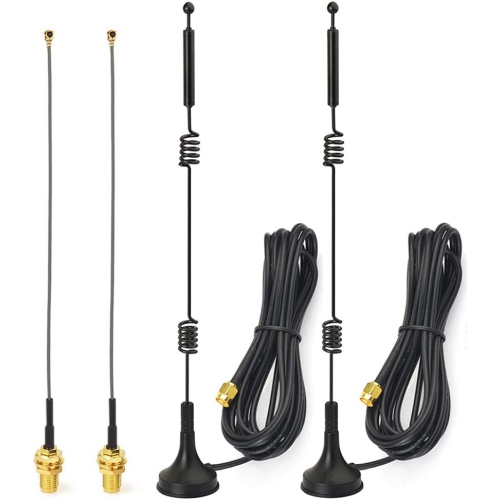
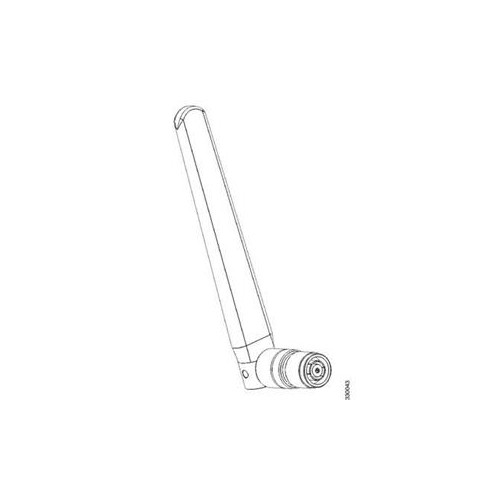
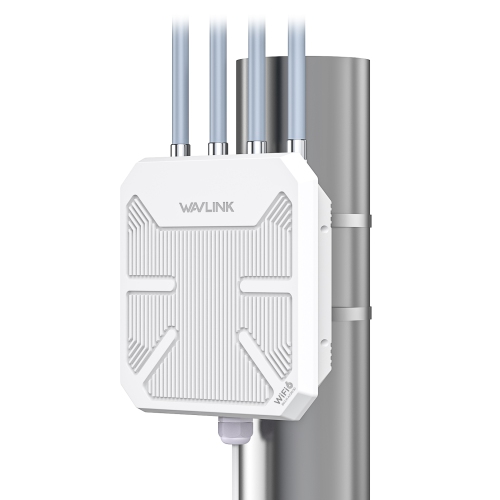
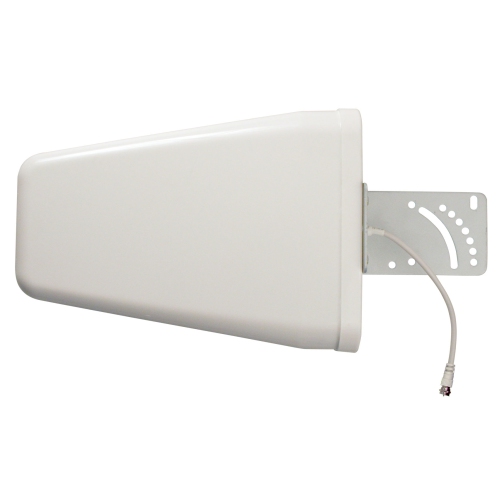
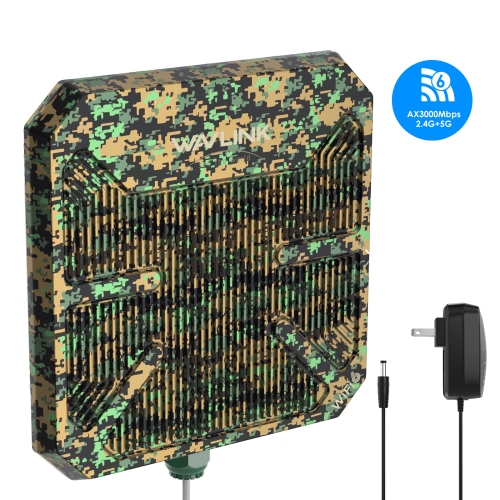
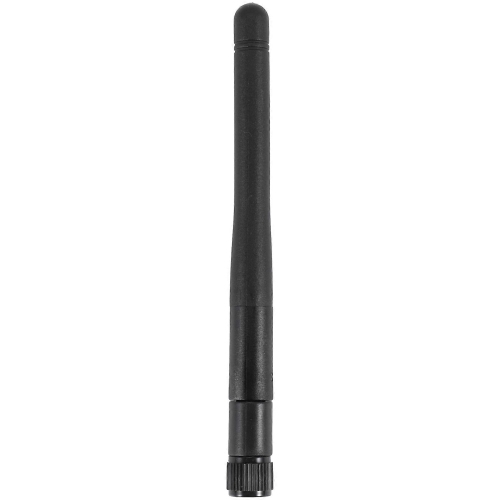
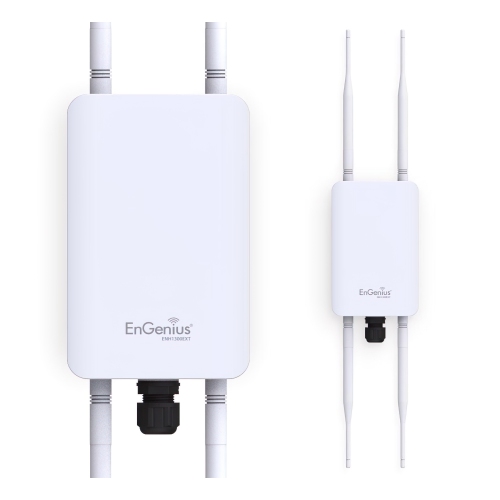
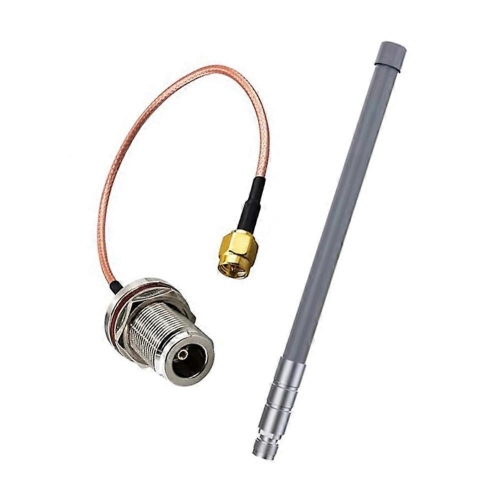
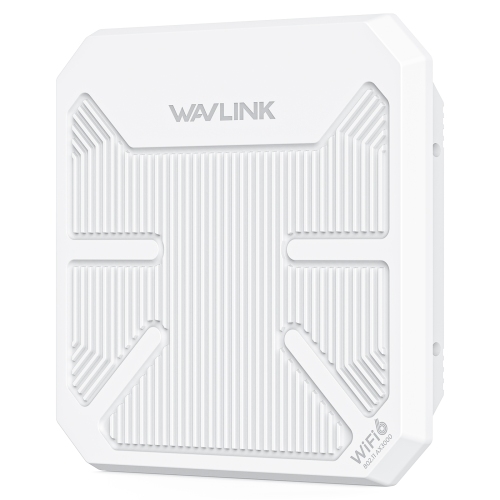
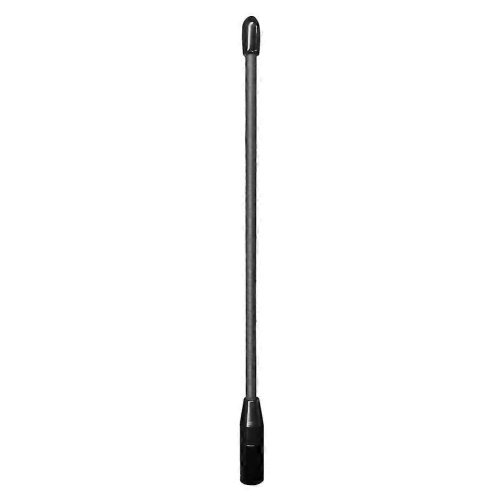
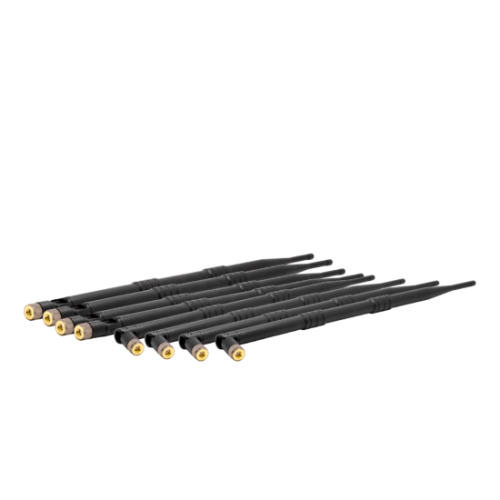
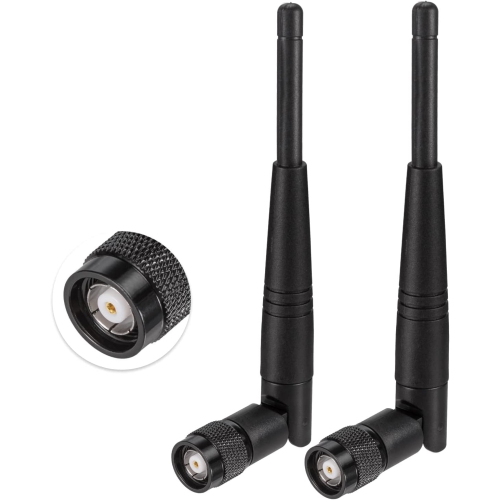
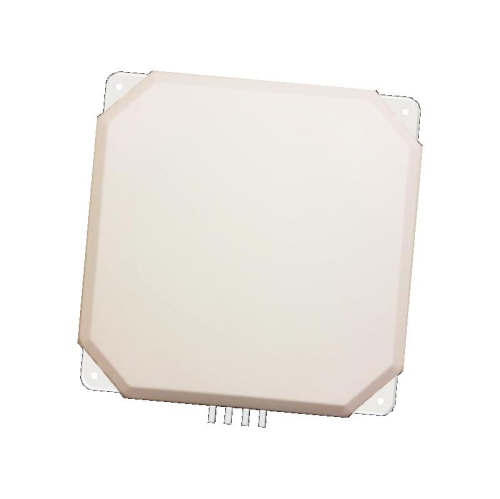
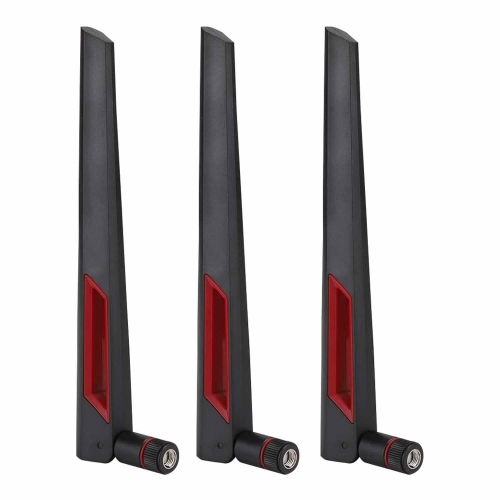
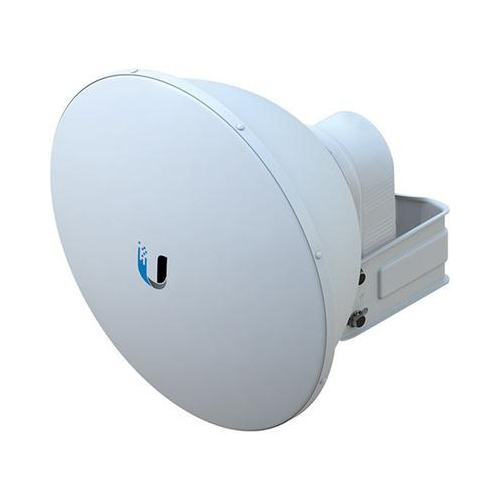
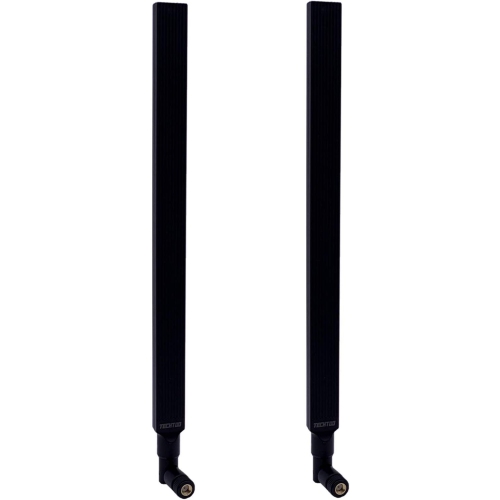
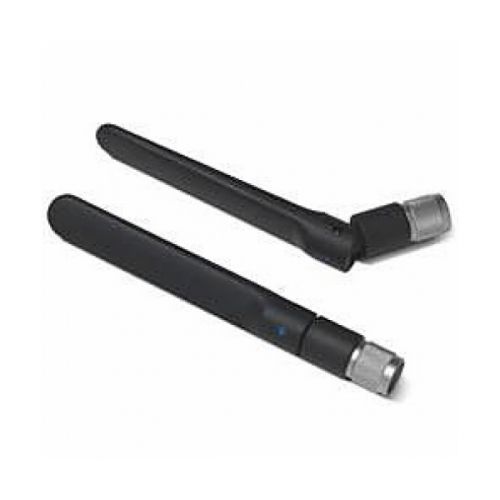
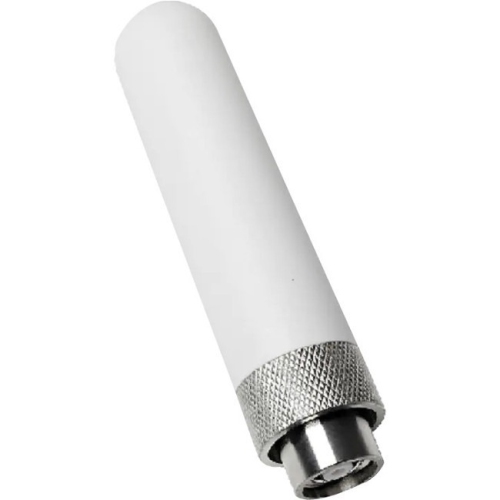
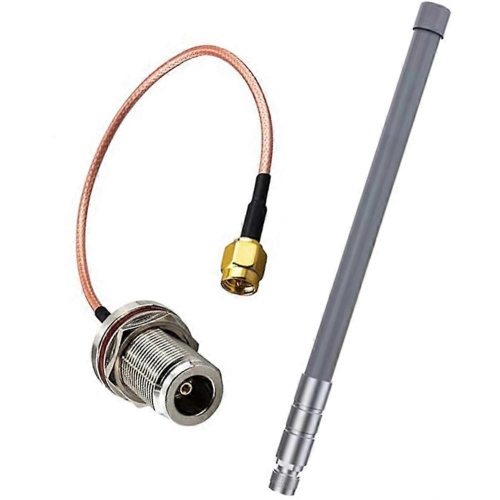


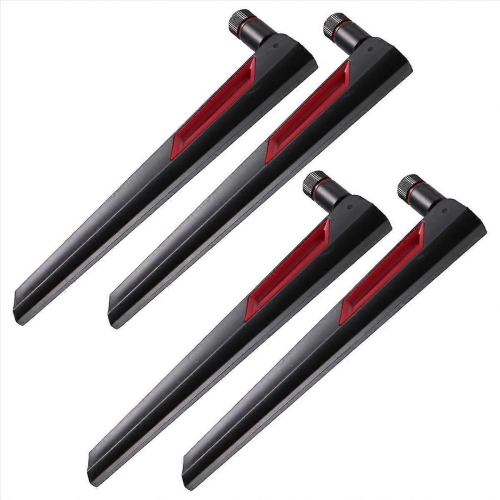
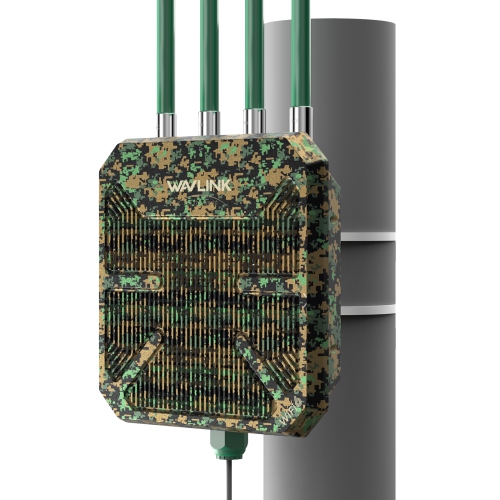


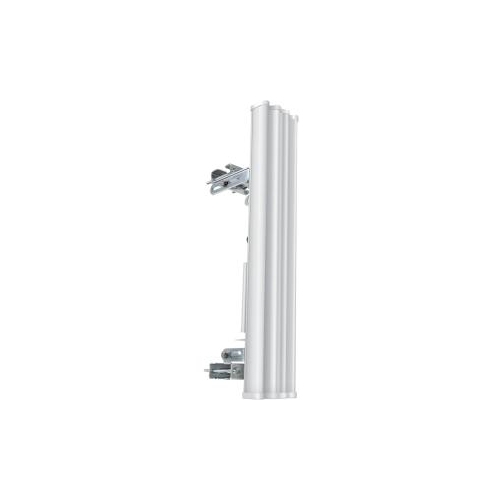
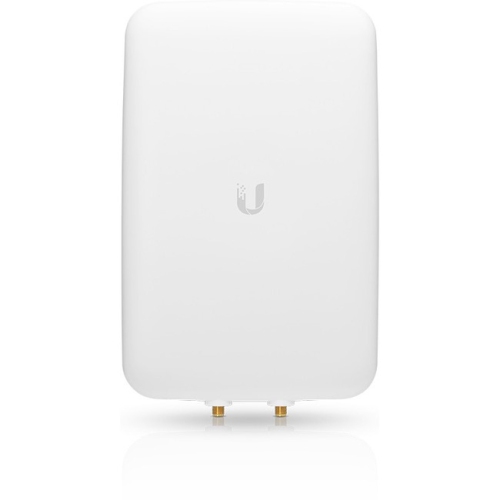
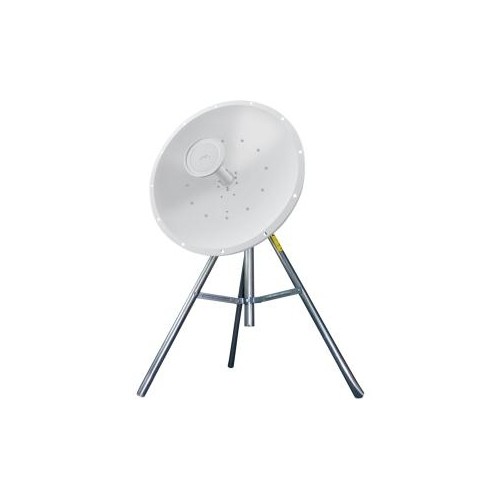
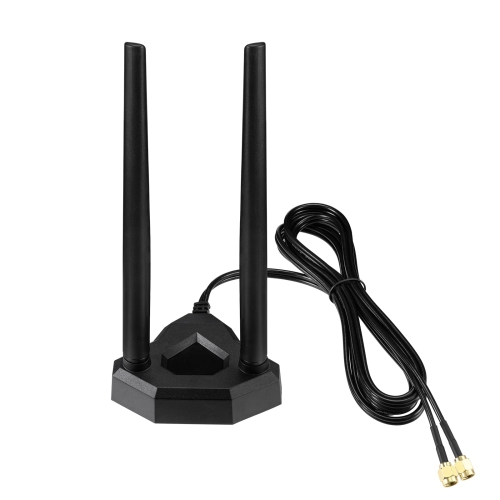
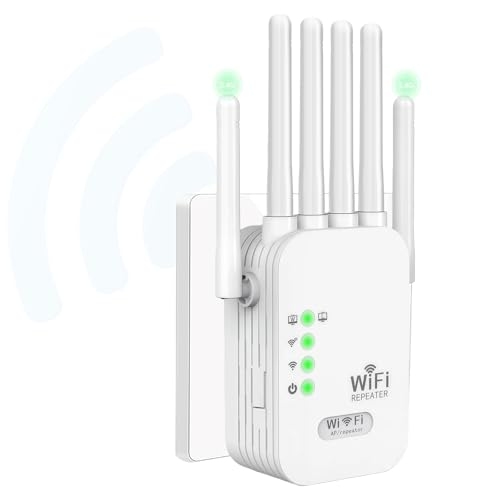
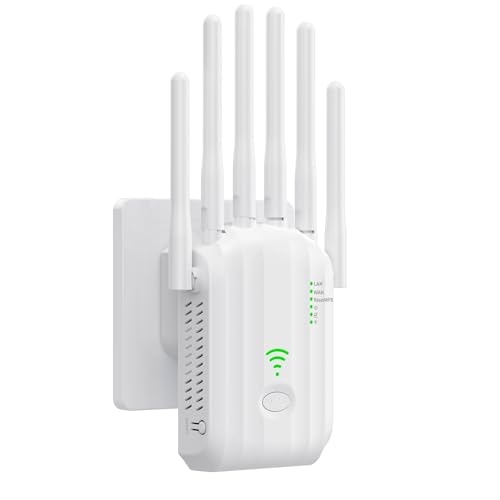
Extend wireless coverage to garages, patios and detached buildings
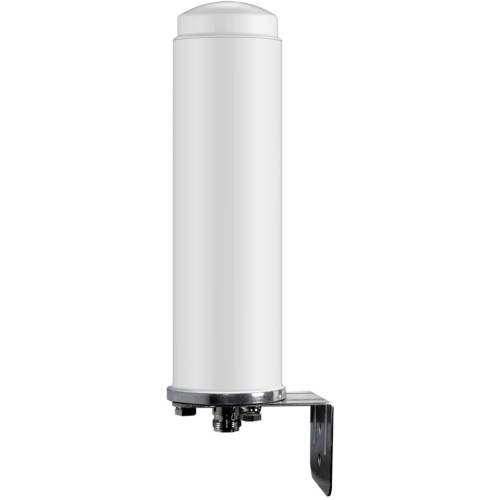
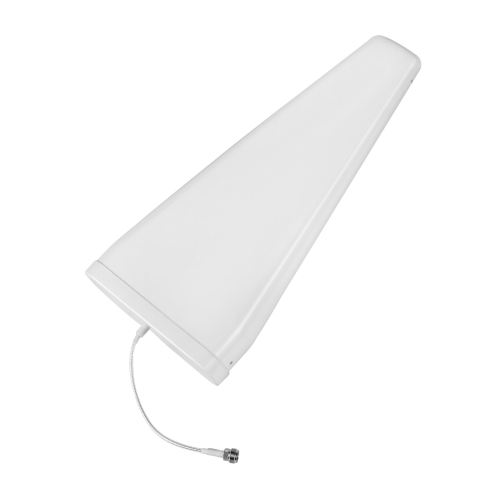
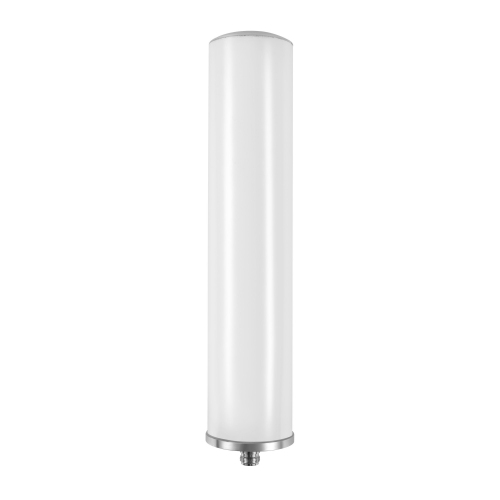
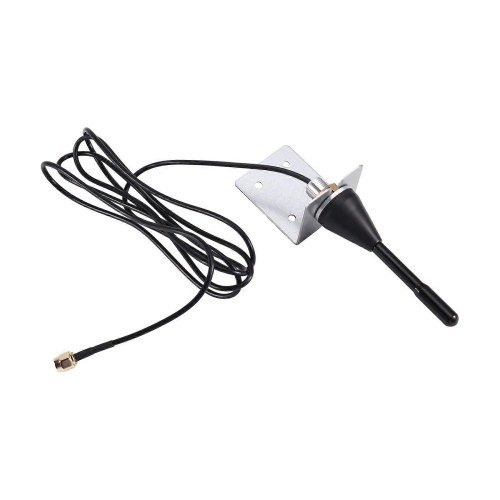
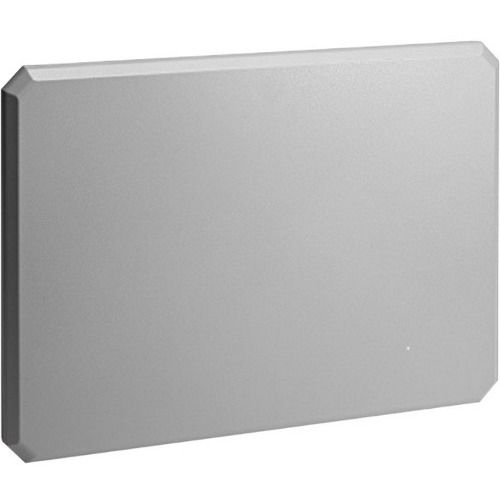
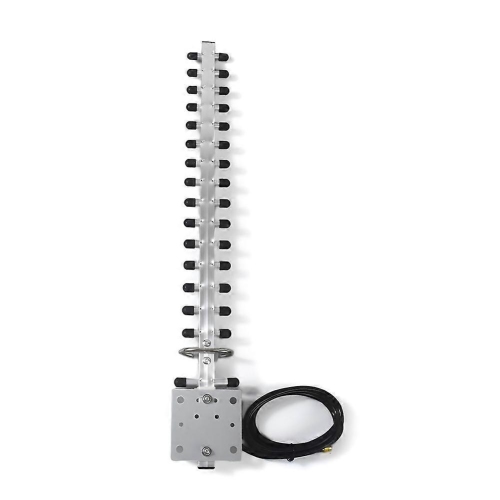
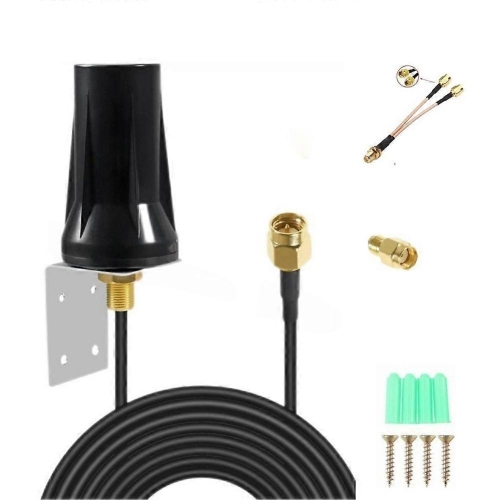
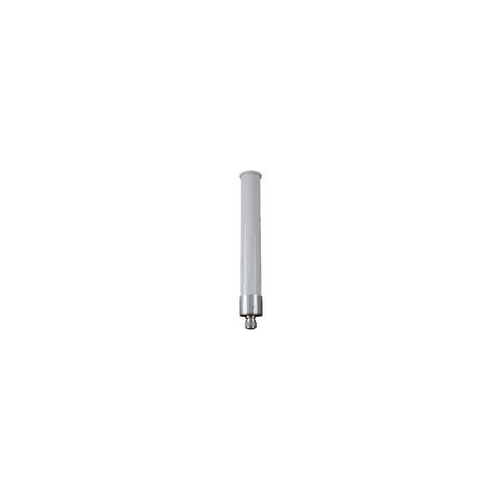
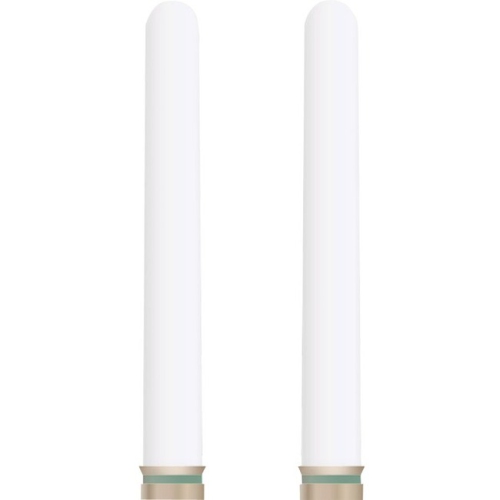
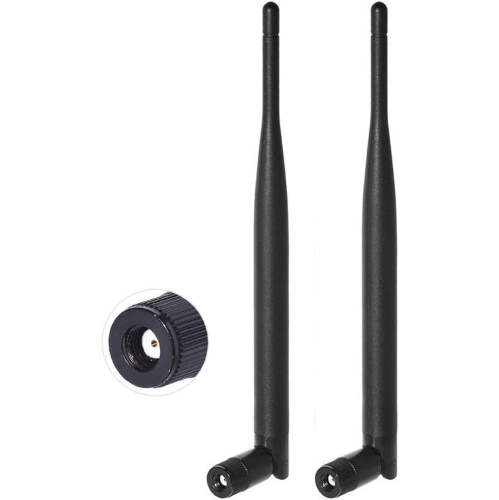
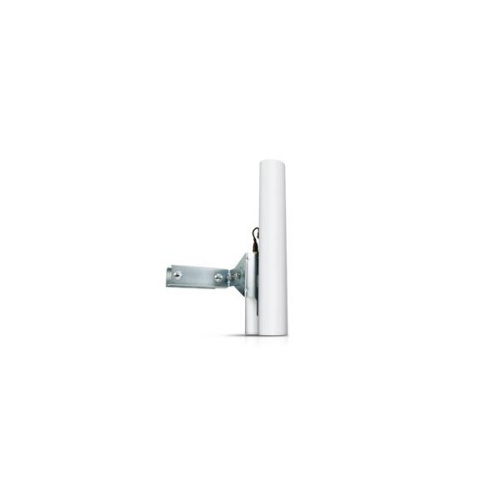
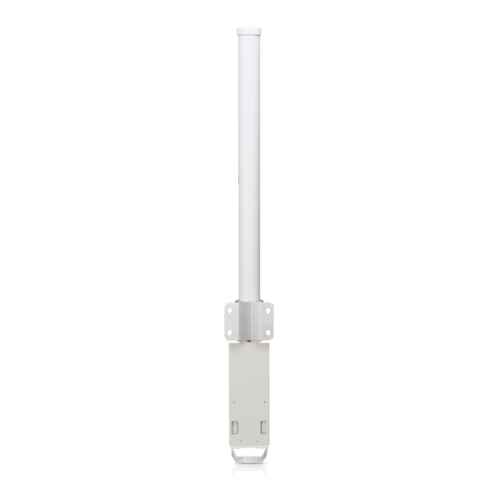
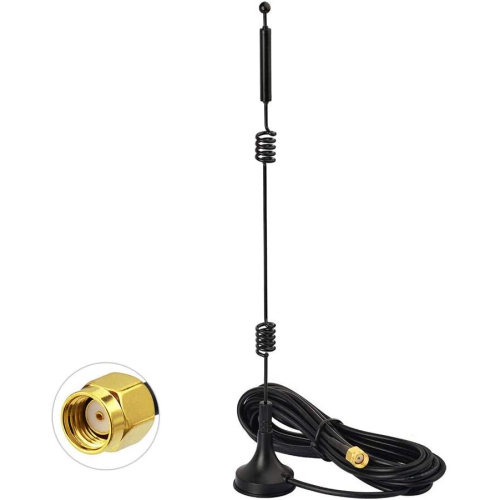
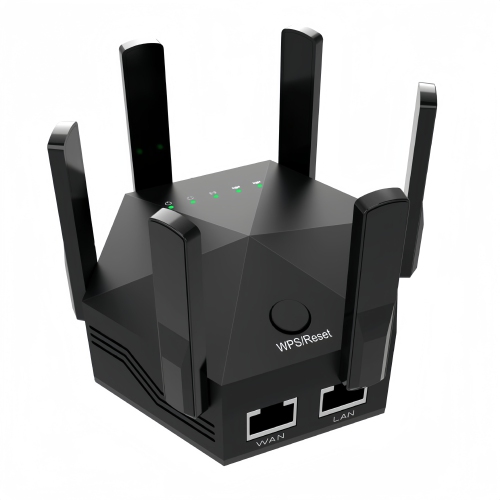
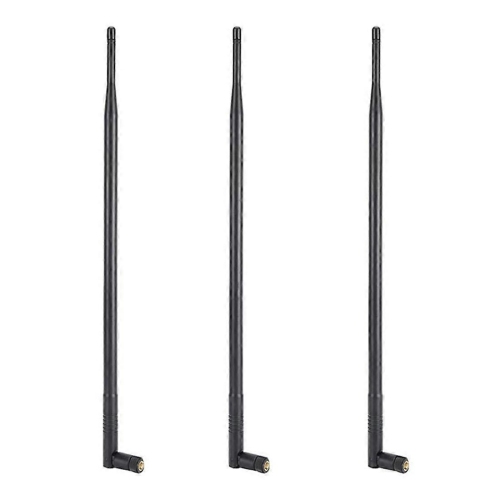
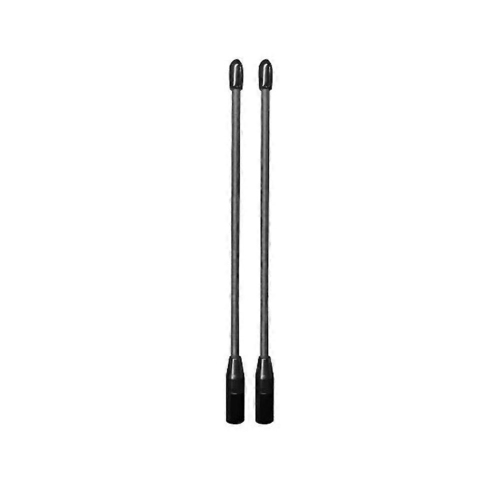
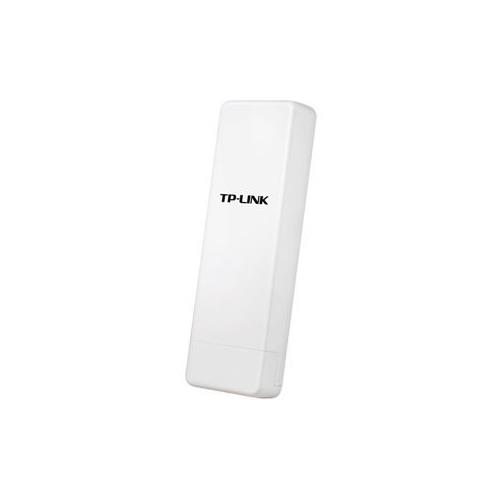
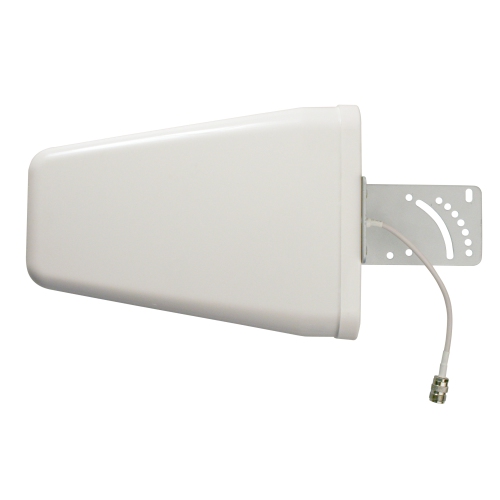
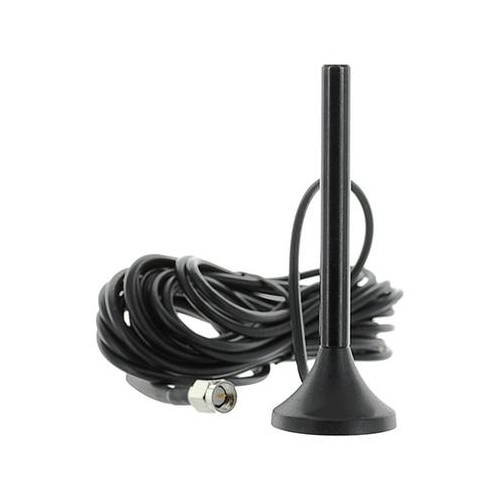
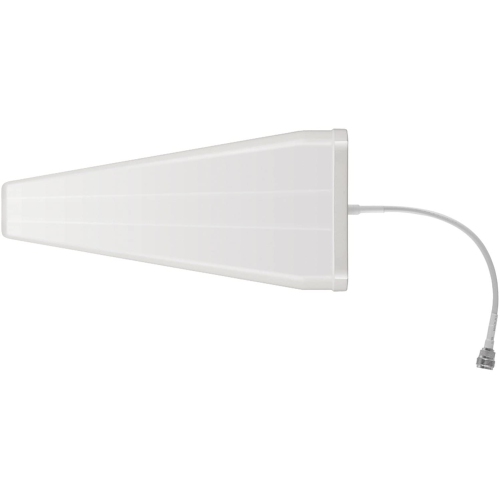
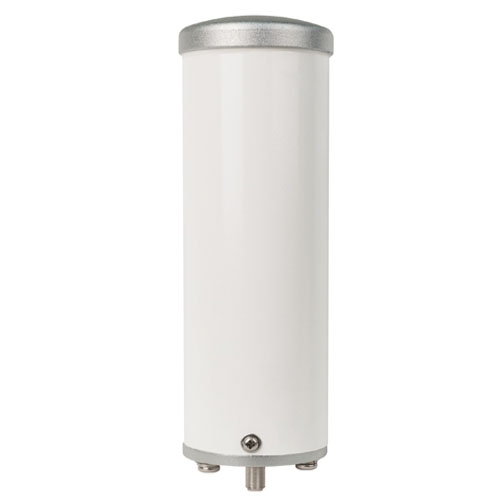
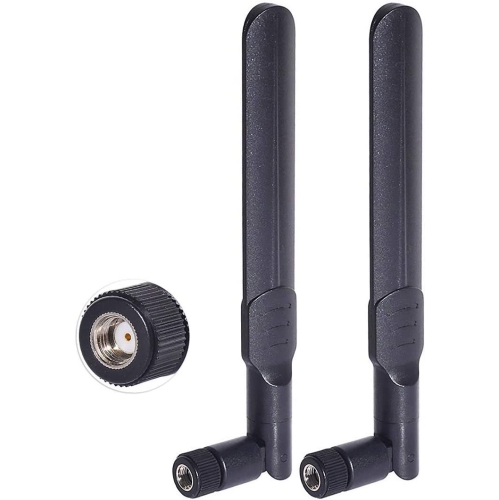
Outdoor Wi-Fi antennas can help extend a wireless network beyond the usual reach of an indoor router, making them useful for detached garages, workshops, cabins, patios, gardens, recreational spaces and other areas where a signal needs to travel through walls or across open ground. They work by connecting to compatible networking equipment such as a router, wireless access point, network card or USB adapter, depending on the design of the antenna and the equipment being used. Some antennas are omnidirectional, sending and receiving wireless signals around a full 360-degree area. This makes them a practical choice when several devices are spread around a property or when the exact location of each device changes. Directional antennas, including panel and Yagi-style designs, concentrate wireless energy in a narrower beam. They are often better suited to a fixed connection between two buildings, such as a house and a detached garage, or for reaching a specific outdoor access point across a yard. The best choice depends on the layout of the property, the distance between locations, obstacles such as trees and walls, and whether the goal is broad coverage or a focused point-to-point link. A higher gain rating, measured in dBi, can help a signal travel farther in a chosen direction, but it generally produces a narrower coverage pattern. Lower-gain omnidirectional models may provide more even coverage close to the antenna, while a high-gain directional model can be more effective when both ends of a connection remain in fixed positions. For an outdoor installation, look for construction intended to withstand changing conditions, along with a suitable mounting method, cable length and connector type. A secure mount helps keep the antenna aimed correctly during wind, while a shorter, high-quality cable can reduce signal loss between the antenna and network equipment. Installation should also account for safe routing, proper grounding where required, and protection for connection points exposed to moisture. If the antenna is mounted on a roof, pole or exterior wall, follow local safety practices and the manufacturer’s installation instructions, particularly around electrical wiring and lightning protection.
Compatibility is one of the most important details to confirm before choosing an outdoor Wi-Fi antenna. An antenna does not automatically improve every wireless device; the router, access point, adapter or network card must have a removable antenna connection and support the required frequency bands. Check whether the equipment uses 2.4 GHz, 5 GHz, 6 GHz or a combination of bands, and match the antenna’s supported frequencies to the network being used. Dual-band antennas can be convenient for networks that operate on both 2.4 GHz and 5 GHz, while Wi-Fi 6 and Wi-Fi 6E equipment may have additional requirements that should be verified before installation. Connector standards also vary, with SMA and RP-SMA fittings commonly appearing on networking equipment, but gender and connector placement can differ from one device to another. An adapter may solve a connector mismatch, although adding extra connections can make installation less tidy and may introduce additional signal loss. MIMO systems use multiple antenna paths to improve throughput and reliability, so replacing only one antenna on a multi-antenna router may not deliver the expected result. Review the number of antenna ports, the supported wireless standards and the recommended antenna configuration for the host device before ordering. It is also helpful to consider the height and location of the antenna. Raising it above nearby obstructions may improve line of sight, but a higher position is not always better if the cable becomes excessively long or the antenna is aimed away from the areas that need coverage. For a link between buildings, both antennas should generally face one another with as few obstructions as possible. For general yard coverage, an omnidirectional design mounted in a central, elevated position may be easier to use. Outdoor Wi-Fi antennas can be useful for home users who want to check cameras, stream music on a deck, connect smart devices in a shed or bring a dependable connection to a home office away from the main building. They may also suit property owners, installers, hobbyists and anyone setting up a temporary network at a campsite or rural location. As the weather warms, an improved connection can make it easier to use wireless equipment in outdoor living areas; during cooler months, a properly sealed and securely mounted setup can continue supporting devices in workshops, garages and other seasonal spaces. For vehicle or broadcast-related listening needs rather than wireless networking, browse Outdoor Fm Antennas as a separate category.
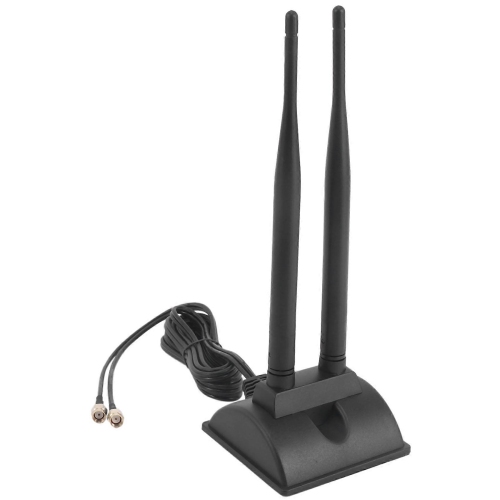
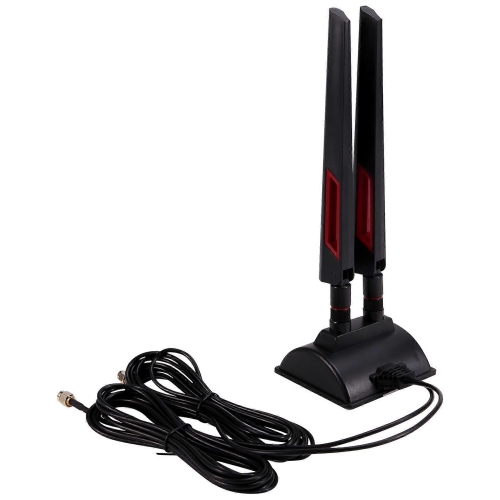
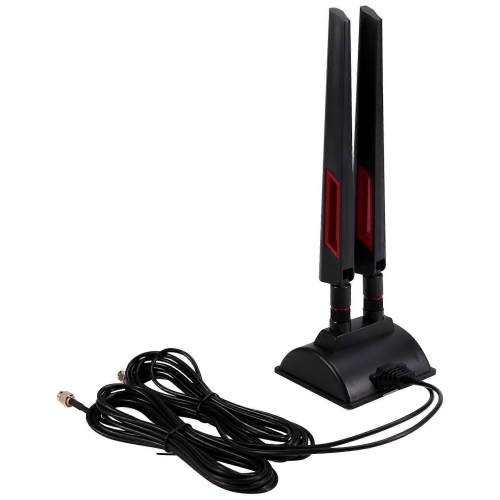
When comparing outdoor Wi-Fi antennas, start by identifying the location that needs better coverage and the equipment that will connect to the antenna. A desktop computer with a weak signal may benefit from a movable extension base that places antennas away from a metal computer case, while a detached-building connection usually calls for two compatible directional antennas and a clear path between them. A router intended to cover a broad outdoor area may need an omnidirectional antenna, but the router’s own radio power, antenna ports and placement remain equally important. An antenna can improve how efficiently a device sends and receives signals, yet it cannot create an internet connection where the broadband service or networking equipment is unavailable, and it cannot always overcome heavy interference or a blocked line of sight. Nearby networks, concrete walls, metal siding, large appliances and dense foliage can all affect results, with 2.4 GHz often travelling farther through obstacles while 5 GHz and 6 GHz can offer higher capacity over shorter distances when conditions are favourable. Keep the antenna’s intended orientation in mind during setup: an omnidirectional antenna should normally remain upright as specified, while a directional model must be aligned carefully toward the receiving antenna or access point. Weatherproof seals, UV-resistant housing, corrosion-resistant hardware and a cable designed for exterior use can make a meaningful difference where the installation will remain outside. Consider how the antenna will be serviced as well; accessible connections and a neat cable path make it easier to inspect or adjust the system without disturbing the network. These products can be a thoughtful gift for someone building a backyard office, upgrading a rural property, setting up a workshop or improving connectivity between a home and a nearby outbuilding, especially when paired with compatible networking equipment and mounting accessories. A little planning before purchase—checking frequency support, connector style, antenna pattern, gain, MIMO requirements, cable distance and mounting location—helps ensure the selected antenna fits the intended setup and performs as expected.
Compatibility is one of the most important details to confirm before choosing an outdoor Wi-Fi antenna. An antenna does not automatically improve every wireless device; the router, access point, adapter or network card must have a removable antenna connection and support the required frequency bands. Check whether the equipment uses 2.4 GHz, 5 GHz, 6 GHz or a combination of bands, and match the antenna’s supported frequencies to the network being used. Dual-band antennas can be convenient for networks that operate on both 2.4 GHz and 5 GHz, while Wi-Fi 6 and Wi-Fi 6E equipment may have additional requirements that should be verified before installation. Connector standards also vary, with SMA and RP-SMA fittings commonly appearing on networking equipment, but gender and connector placement can differ from one device to another. An adapter may solve a connector mismatch, although adding extra connections can make installation less tidy and may introduce additional signal loss. MIMO systems use multiple antenna paths to improve throughput and reliability, so replacing only one antenna on a multi-antenna router may not deliver the expected result. Review the number of antenna ports, the supported wireless standards and the recommended antenna configuration for the host device before ordering. It is also helpful to consider the height and location of the antenna. Raising it above nearby obstructions may improve line of sight, but a higher position is not always better if the cable becomes excessively long or the antenna is aimed away from the areas that need coverage. For a link between buildings, both antennas should generally face one another with as few obstructions as possible. For general yard coverage, an omnidirectional design mounted in a central, elevated position may be easier to use. Outdoor Wi-Fi antennas can be useful for home users who want to check cameras, stream music on a deck, connect smart devices in a shed or bring a dependable connection to a home office away from the main building. They may also suit property owners, installers, hobbyists and anyone setting up a temporary network at a campsite or rural location. As the weather warms, an improved connection can make it easier to use wireless equipment in outdoor living areas; during cooler months, a properly sealed and securely mounted setup can continue supporting devices in workshops, garages and other seasonal spaces. For vehicle or broadcast-related listening needs rather than wireless networking, browse Outdoor Fm Antennas as a separate category.
When comparing outdoor Wi-Fi antennas, start by identifying the location that needs better coverage and the equipment that will connect to the antenna. A desktop computer with a weak signal may benefit from a movable extension base that places antennas away from a metal computer case, while a detached-building connection usually calls for two compatible directional antennas and a clear path between them. A router intended to cover a broad outdoor area may need an omnidirectional antenna, but the router’s own radio power, antenna ports and placement remain equally important. An antenna can improve how efficiently a device sends and receives signals, yet it cannot create an internet connection where the broadband service or networking equipment is unavailable, and it cannot always overcome heavy interference or a blocked line of sight. Nearby networks, concrete walls, metal siding, large appliances and dense foliage can all affect results, with 2.4 GHz often travelling farther through obstacles while 5 GHz and 6 GHz can offer higher capacity over shorter distances when conditions are favourable. Keep the antenna’s intended orientation in mind during setup: an omnidirectional antenna should normally remain upright as specified, while a directional model must be aligned carefully toward the receiving antenna or access point. Weatherproof seals, UV-resistant housing, corrosion-resistant hardware and a cable designed for exterior use can make a meaningful difference where the installation will remain outside. Consider how the antenna will be serviced as well; accessible connections and a neat cable path make it easier to inspect or adjust the system without disturbing the network. These products can be a thoughtful gift for someone building a backyard office, upgrading a rural property, setting up a workshop or improving connectivity between a home and a nearby outbuilding, especially when paired with compatible networking equipment and mounting accessories. A little planning before purchase—checking frequency support, connector style, antenna pattern, gain, MIMO requirements, cable distance and mounting location—helps ensure the selected antenna fits the intended setup and performs as expected.
Top selling and popular products
-
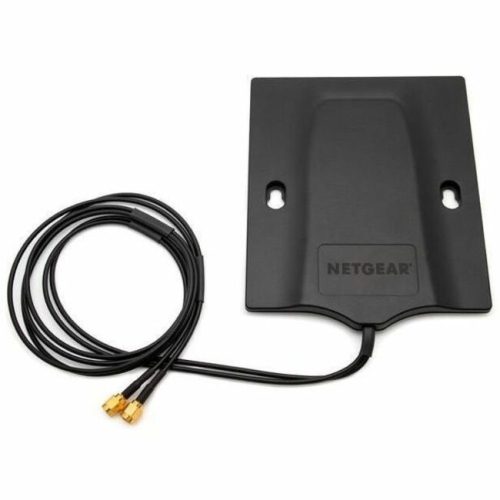 Your price for this item is $105.2
 -
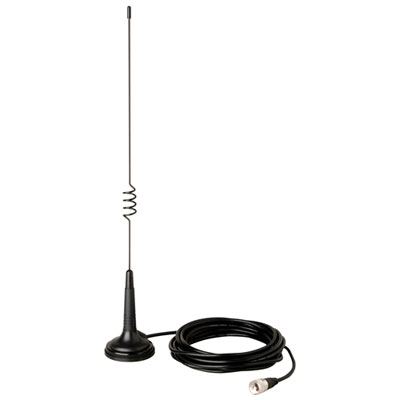 Your price for this item is $59.99
 -
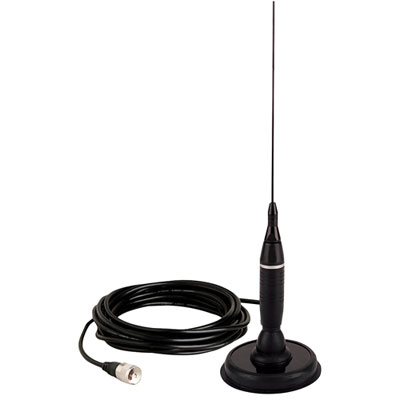 Your price for this item is $69.99
 -
 Your price for this item is $129.99
 -
 Your price for this item is $39.99
 -
 Your price for this item is $144.99
 -
 Your price for this item is $139.99
 -
 Your price for this item is $14.49
Discover more categories related to Outdoor Wi-Fi Antennas
Top Collections:
Pokemon Centers, Best Cameras for Sports Photography, Kindle Devices, Samsung Galaxy Phones, Canon G7X Cameras, Pokémon 30th Celebration Cards, Refurbished Apple Laptops, iPhone 15 Apple, Laptops for Students, Budget Smartphones
Some products may be subject to Environmental Handling Fees
(EHF) depending on your province.
Learn more about EHFs.