GPS Sensors
Looking to enhance your navigation experience? Look no further than our collection of GPS sensors. These cutting-edge devices are designed to provide accurate and reliable location data, ensuring you never lose your way again. Whether you're an avid hiker exploring new trails or a tech-savvy traveler looking for seamless directions, our range of GPS sensors has something to suit every need. With advanced features and top-notch performance, these devices are the perfect companion for any adventure. Discover the power of precise positioning with our selection of GPS sensors today.
Sort
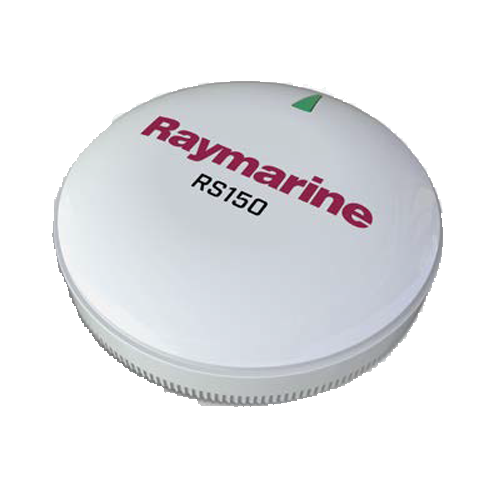
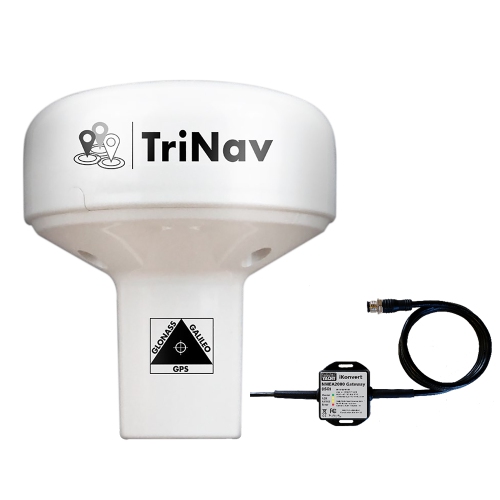
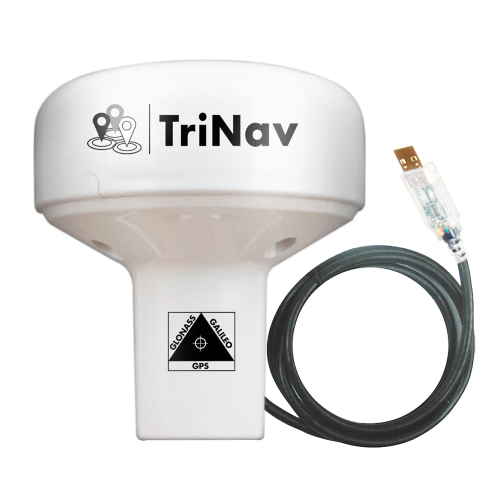
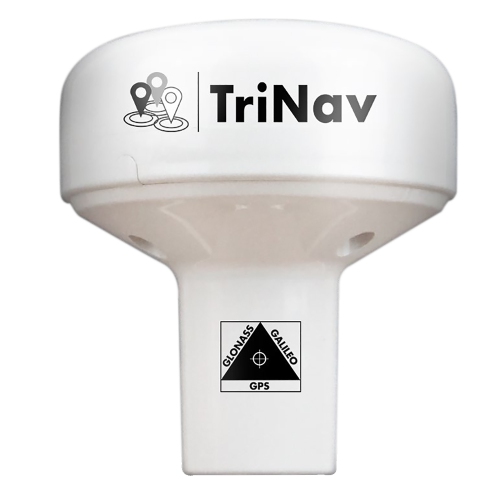
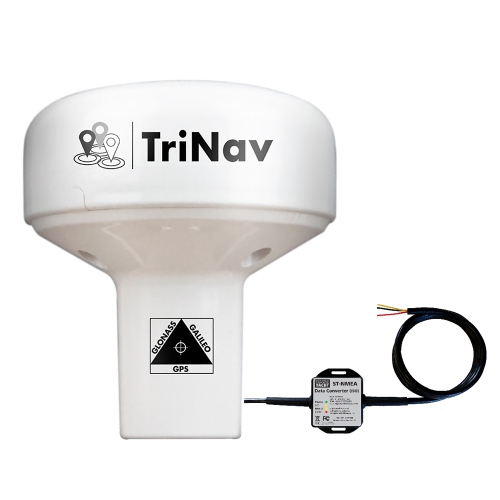

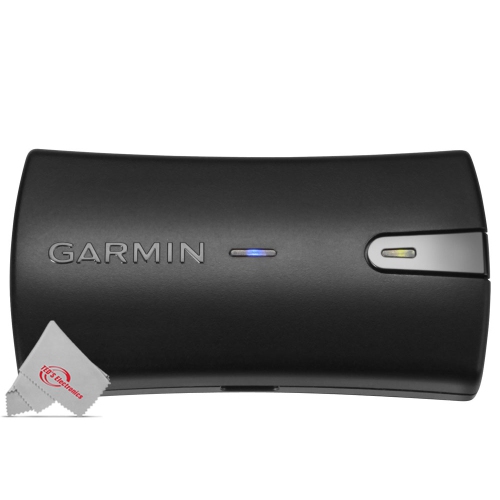
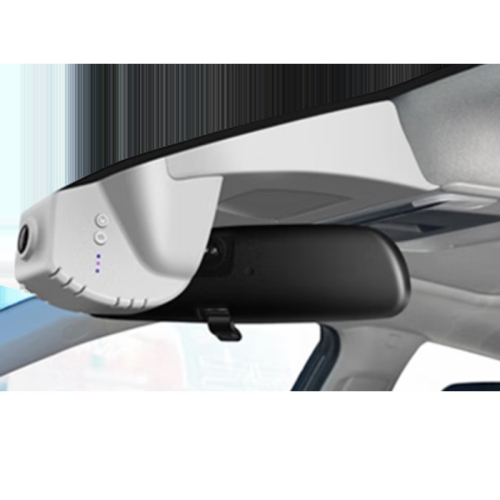

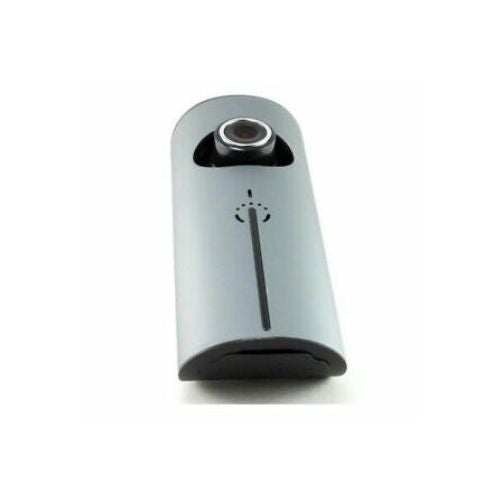
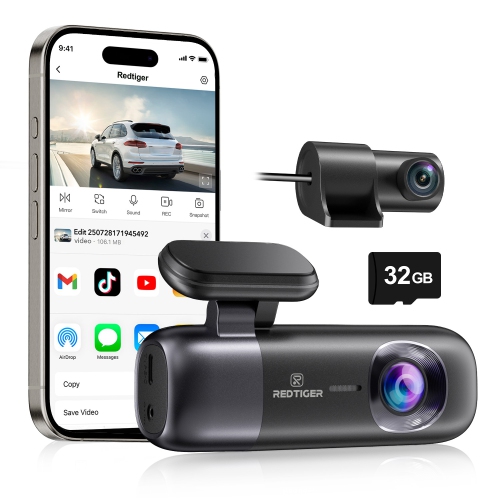
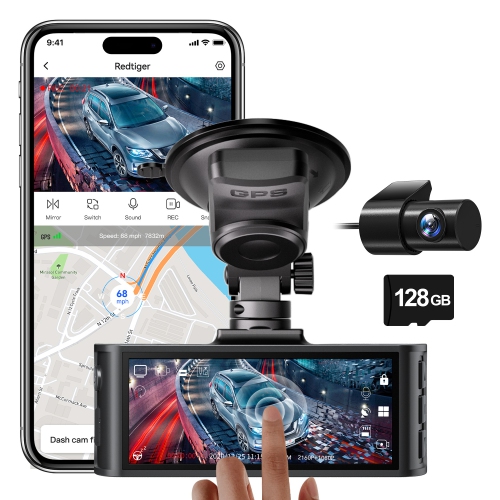
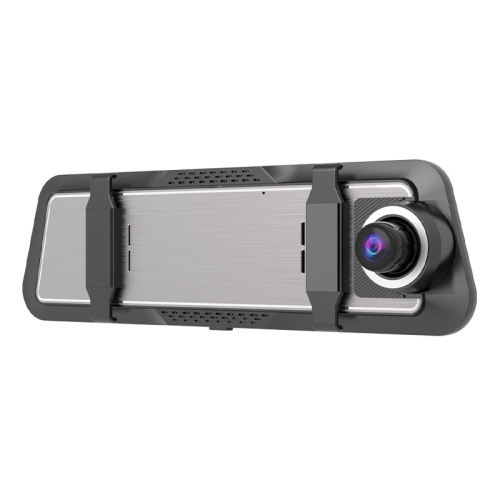

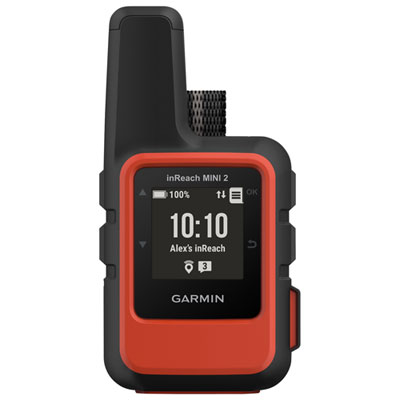

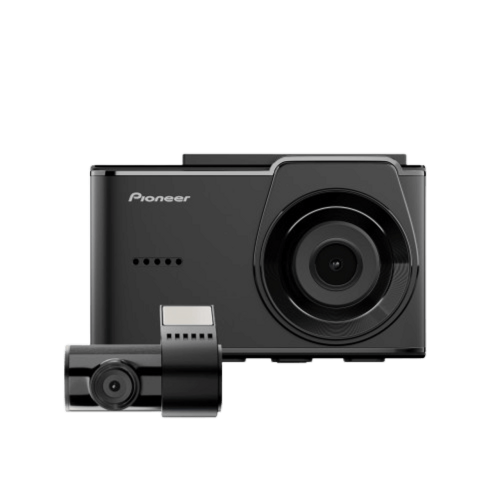
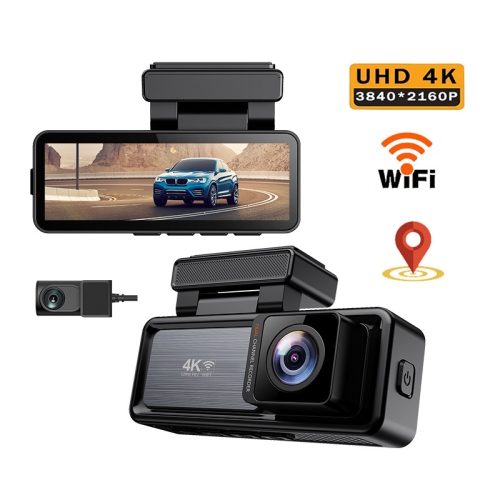
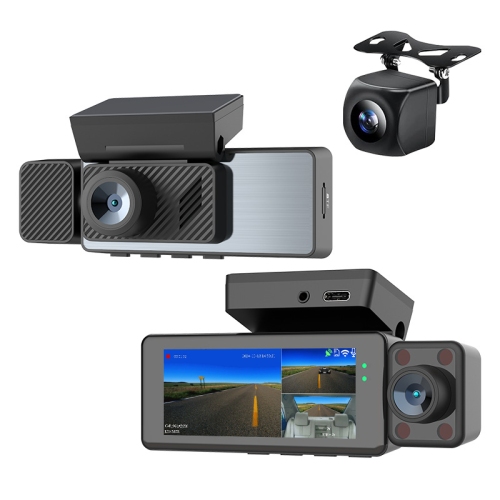

How satellite signals become location data for your devices
GPS sensors provide location, speed, and time data for connected electronics, navigation systems, and custom projects. A GPS sensor is a receiver that listens to radio signals from Global Positioning System satellites and uses their timing information to estimate its position. By comparing signals from multiple satellites, the receiver calculates distances and determines where it is through a process commonly called trilateration. A typical three-dimensional position fix requires signals from at least four satellites to calculate latitude, longitude, altitude, and the receiver’s clock offset. The resulting information can support anything from recording a route to placing a moving vehicle on a digital map. GPS reception itself does not require cellular service or an internet connection, and a receiver does not transmit its location back to the satellites. However, the device or application using that information may need a separate connection for map downloads, traffic information, location sharing, or remote tracking. That distinction matters when choosing between a sensor that supplies coordinates and a complete navigation system. A standalone GPS Device may be a better fit when a built-in display and dedicated navigation controls are more useful than sending position data to another piece of equipment. Position accuracy depends on the receiver, antenna, satellite visibility, and surrounding obstructions. Tall buildings, dense tree cover, and metal structures can block or reflect signals, making a recorded path less precise. Many consumer receivers provide accuracy within several metres under favourable conditions, while specialized setups can achieve greater precision with compatible correction services and equipment. Receivers supporting multiple satellite constellations, often described as GNSS receivers, can access additional satellite signals beyond GPS. This can improve the chances of maintaining a usable position fix, although it does not remove the need for sensible antenna placement. For route recording, navigation support, and location-based projects, reliable reception and compatibility with the receiving device are usually more useful considerations than a headline accuracy figure alone.
GPS sensors come in different formats because the equipment receiving their data can vary considerably. Compact embedded modules suit electronics projects where the sensor becomes part of a larger assembly, while enclosed external receivers can provide positioning information to a compatible computer, tablet, or navigation display. The physical connection is only part of the fit. A USB plug, Bluetooth connection, or serial interface must also be supported by the receiving hardware and software. With an embedded module, supply voltage, signal voltage, pin layout, and communication settings need to match the project’s electronics; a connector that looks suitable does not establish electrical compatibility. Many receivers output NMEA sentences, a common format for position and navigation data, but applications may support only certain message types or connection methods. Checking these details helps avoid a setup in which the sensor receives satellite signals successfully but the application cannot read its output. For someone recording a bicycle route or testing a small mobile robot, update rate can also make a noticeable difference. A receiver that reports its position once per second may suit a simple journey log, while faster updates can support smoother movement data when the rest of the system can process it. Higher update rates may increase power use and data volume, so the fastest setting is not automatically the most practical. Power arrangements deserve similar attention: some sensors draw power from the connected device, while others use a separate supply or an internal battery. A wireless connection does not necessarily mean the sensor can operate without external power. Likewise, a receiver that streams coordinates does not necessarily store a route; onboard logging requires dedicated storage and a supported recording function. Antenna design affects installation as well. An integrated antenna keeps the assembly compact, while a compatible external antenna offers more flexibility when the receiver sits beneath a console or inside a project enclosure. Connector type, cable routing, and any power requirements for an active antenna should match the receiver’s specifications.
Intended use helps narrow the practical differences between GPS sensors. A driver adding position data to a compatible dashboard system needs secure mounting and tidy cable routing that keeps controls, sightlines, and airbags unobstructed. A boating enthusiast connecting a receiver to navigation electronics needs compatible data connections and hardware suited to the mounting location. Someone building a location-aware prototype may place greater value on small dimensions, accessible connection pins, and clear technical documentation. For mapping or measurement work, the required accuracy should be considered alongside the complete system, including antenna placement, correction support, software, and any calibration procedures. Location estimates from a general-purpose sensor should not be treated as a substitute for certified equipment where safety or regulated work requires it. Construction matters across these uses. Enclosed receivers may use plastic or metal housings, each with different mounting and handling considerations, while exposed circuit boards require protection from contact, moisture, and accidental short circuits. An ingress protection rating provides more useful information about resistance to dust and water than a general description such as rugged, but the rating applies only under its stated conditions. Plugs, cable entry points, and mounting hardware can be just as important as the main housing when assessing durability. A magnetic base needs a suitable mounting surface, and an adhesive mount needs a clean surface and enough space to hold securely without straining the cable. Routine care is straightforward: disconnect power before cleaning where the manufacturer directs, use a soft cloth, avoid getting liquid into connectors, and inspect cables for crushed sections or damaged insulation. For portable receivers, battery maintenance and secure storage help keep the setup ready for repeated use. GPS sensors can also make thoughtful gifts for electronics hobbyists, navigation enthusiasts, or people developing mapping projects, provided the recipient’s connection type and intended application are known. For remote location sharing, a separate communications link is needed, along with appropriate permissions and account settings. Matching those details to the task helps distinguish a useful positioning component from a receiver that cannot work with the rest of the setup.
Top selling and popular products
-
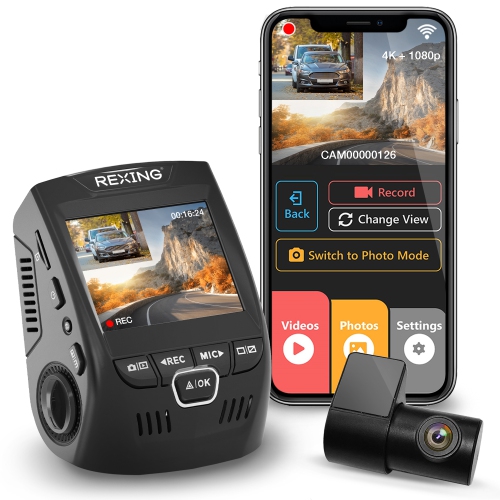 Your price for this item is $159.99
-
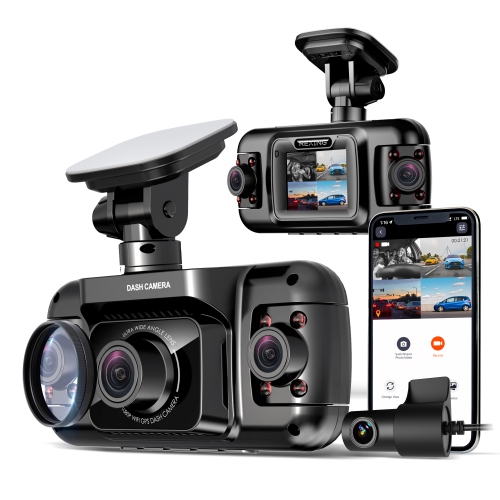 Your price for this item is $299.99
-
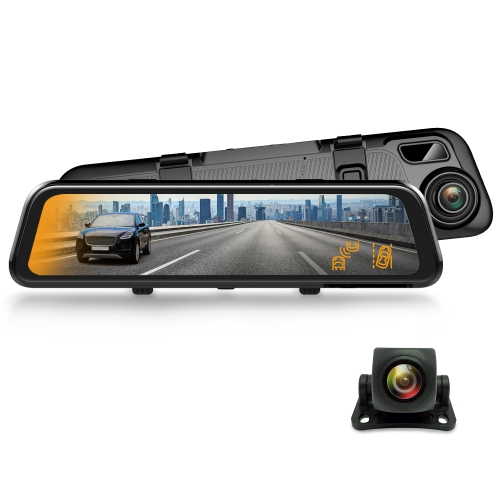 Your price for this item is $129.99
-
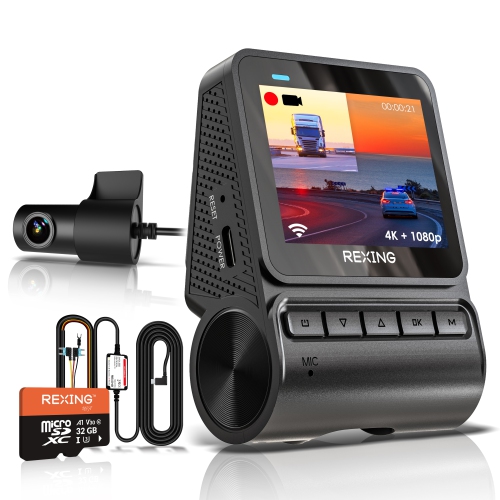 Your price for this item is $229.99
-
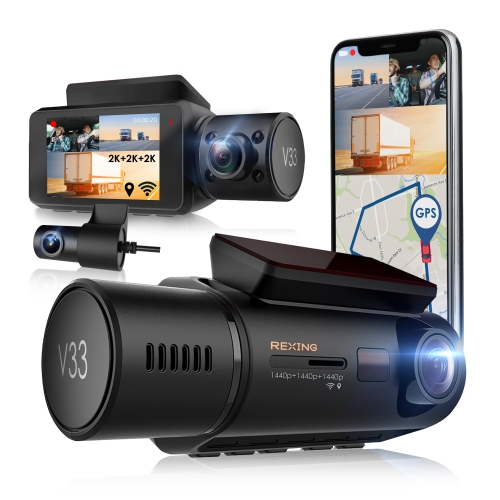 Your price for this item is $327.99
-
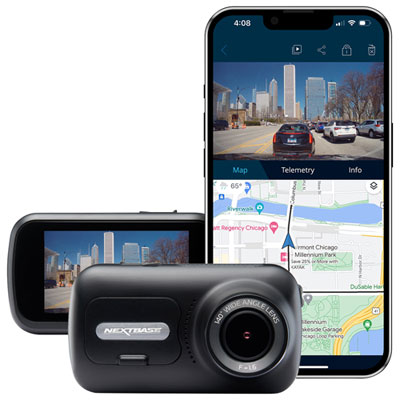 Your price for this item is $249.99
-
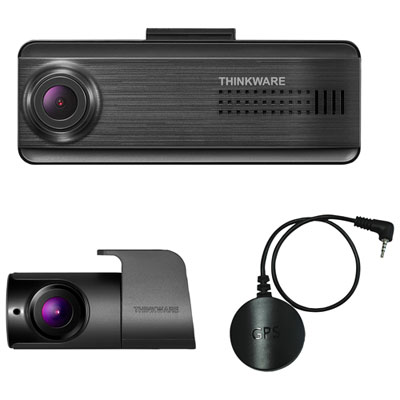 Your price for this item is $299.99
-
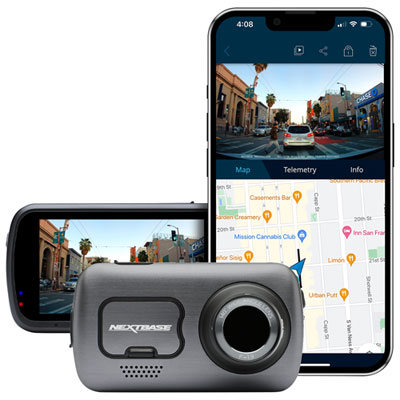 Your price for this item is $399.99
Discover more categories related to GPS Sensors

Top Collections:
Best Black Friday Deals This Year, Best Black Friday Deals On Electronics, Kindle Devices, Pokemon Centers, Best Black Friday Deals On Apple Products, Best Cameras for Sports Photography, Dyson Airwrap, Pokémon 30th Celebration Cards, Apple iPhone 17 Pro, Canon G7X Cameras
Some products may be subject to Environmental Handling Fees
(EHF) depending on your province.
Learn more about EHFs.