Speed Sensors
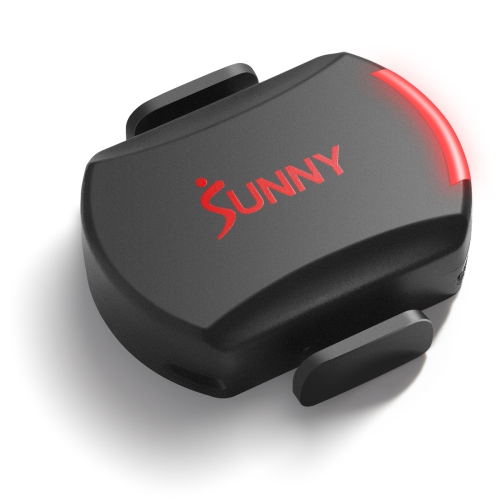
Looking to enhance the performance of your fitness equipment or track your workout progress with precision? Explore our selection of speed sensors designed to provide accurate data for your training needs. Whether you're a seasoned athlete looking to fine-tune your workouts or a beginner seeking to monitor your speed and distance, these innovative devices offer reliable measurements to help you achieve your fitness goals. Upgrade your exercise routine with cutting-edge technology that brings efficiency and effectiveness to your workouts.
Sort

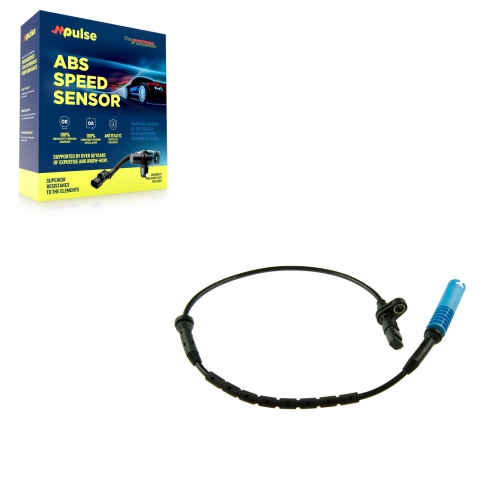
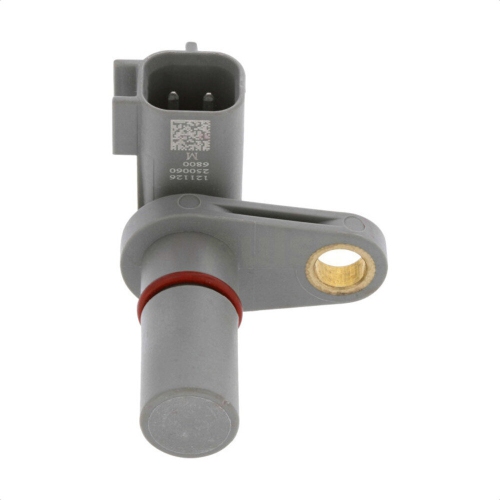
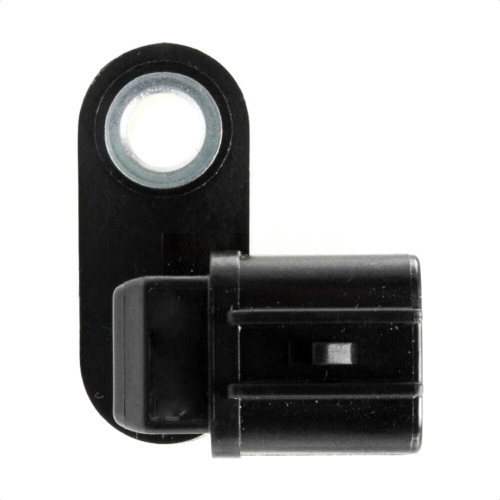
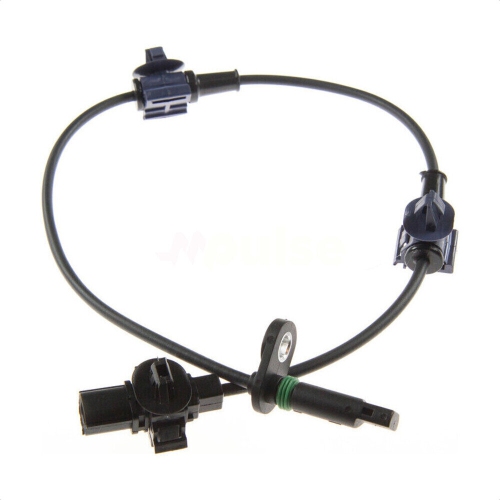
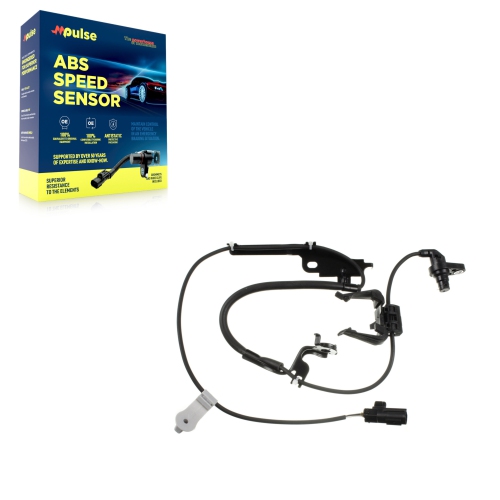
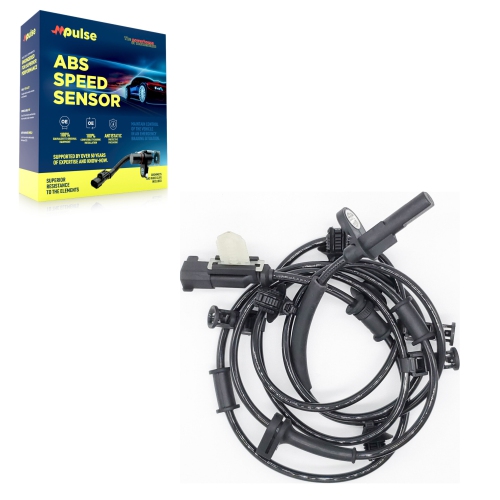
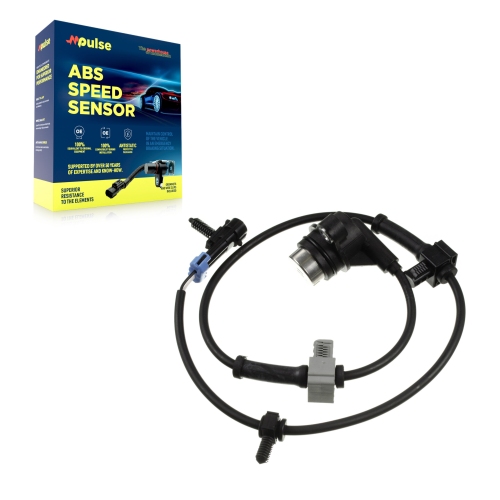
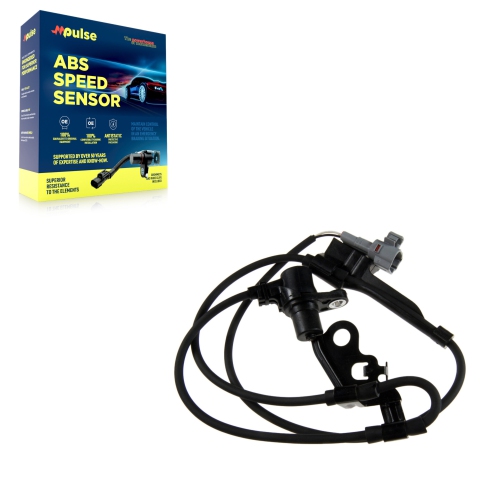
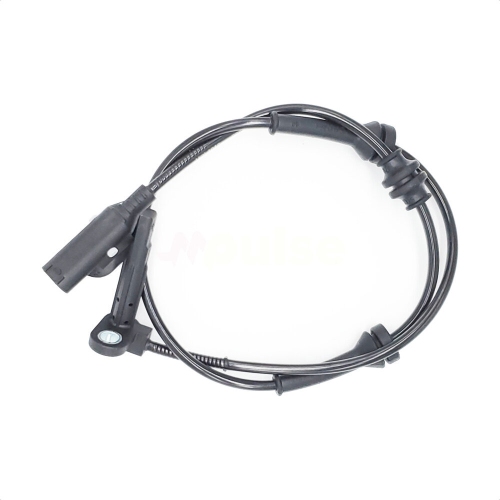
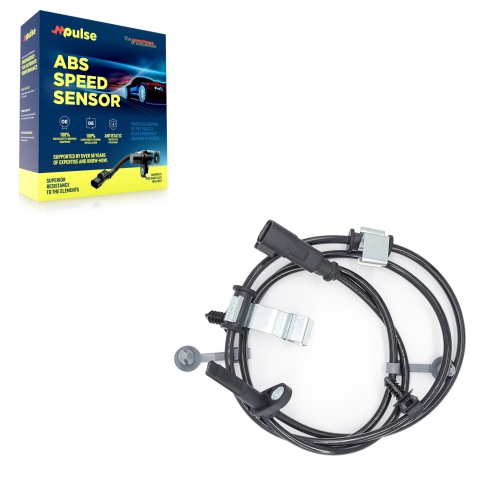
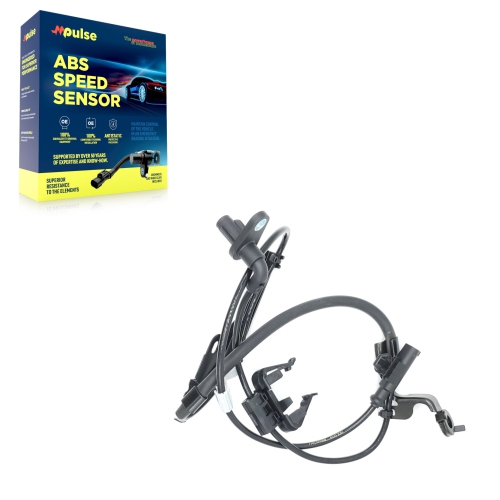
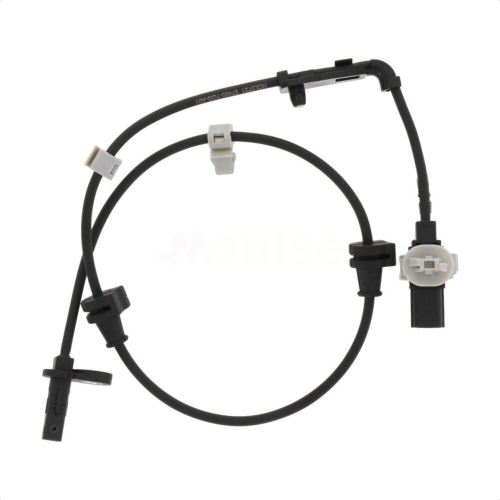
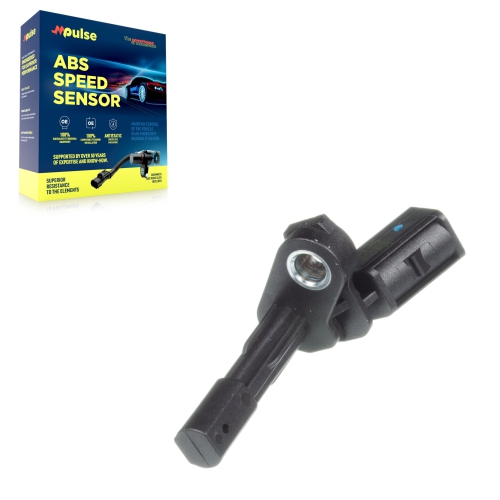
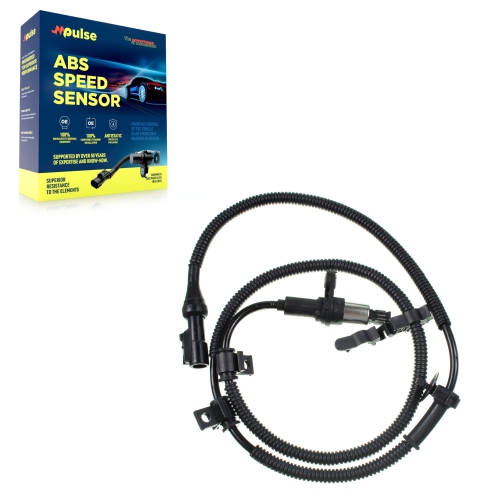
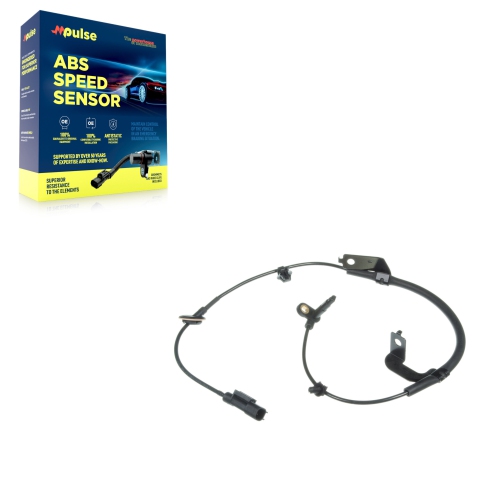
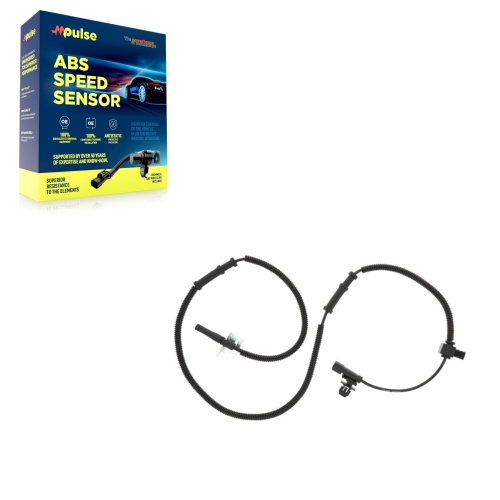
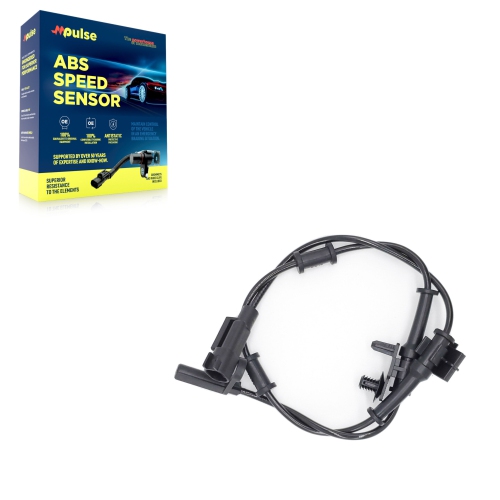
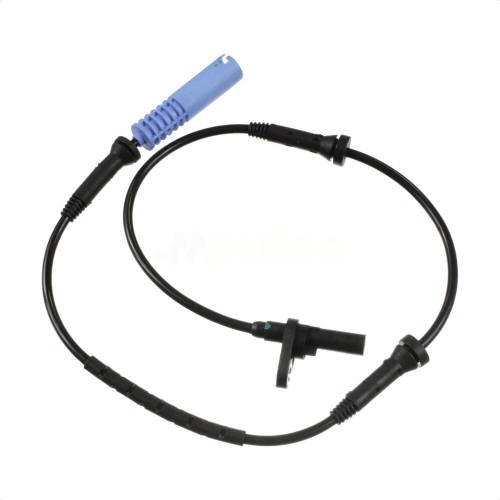
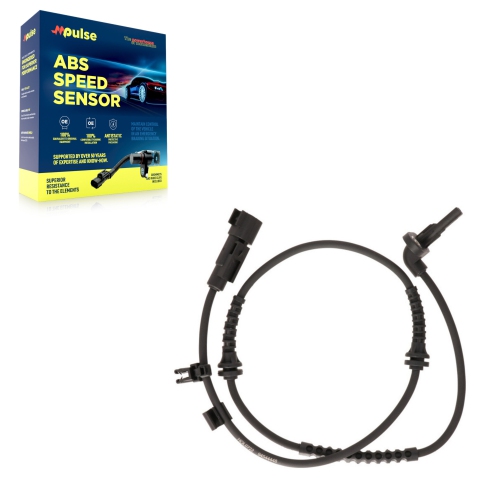
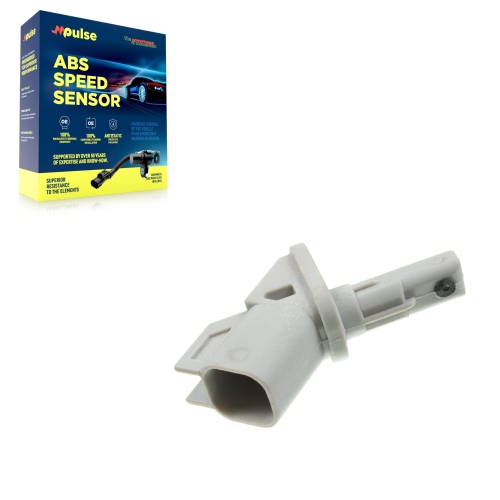
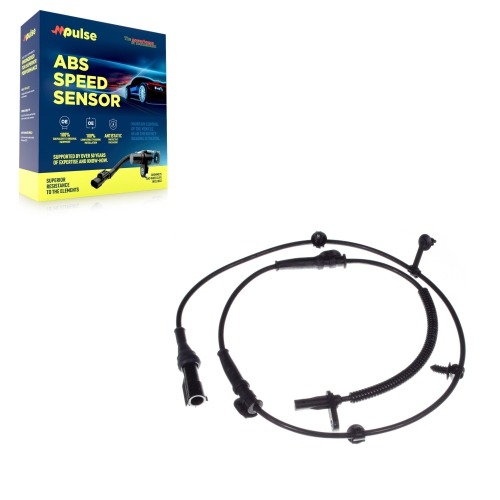
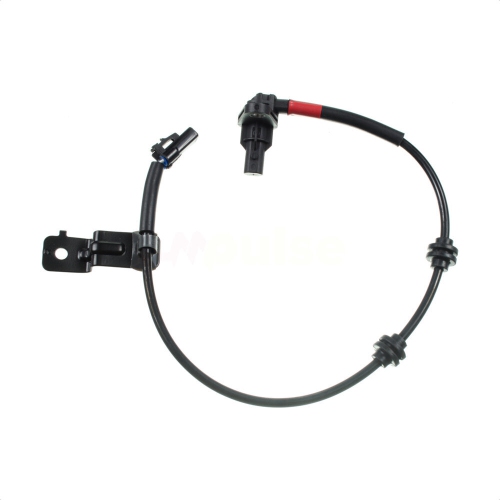
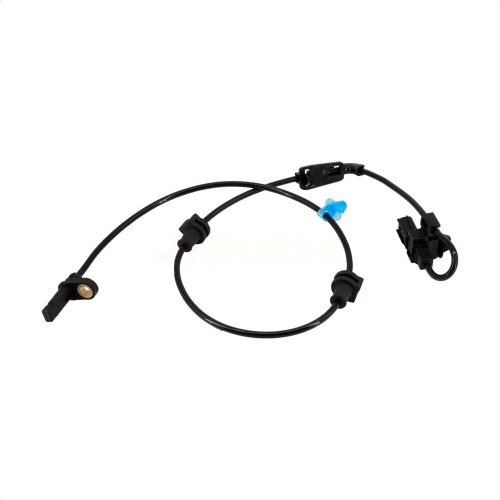
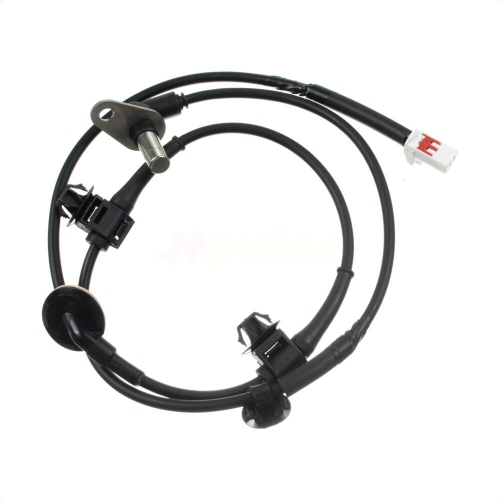

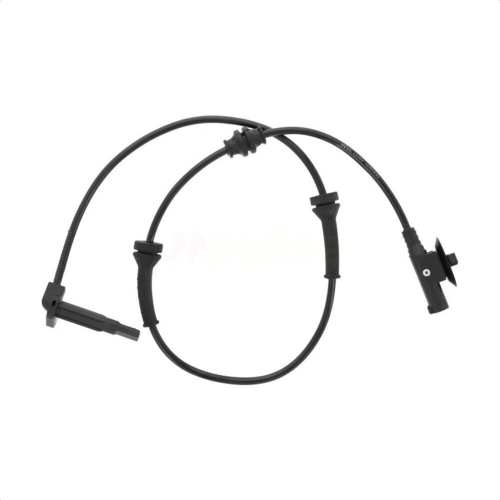
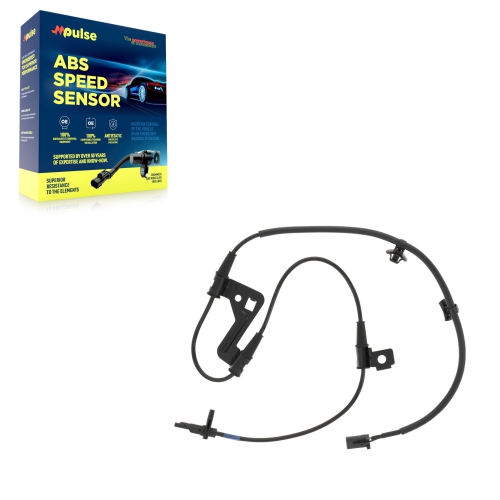
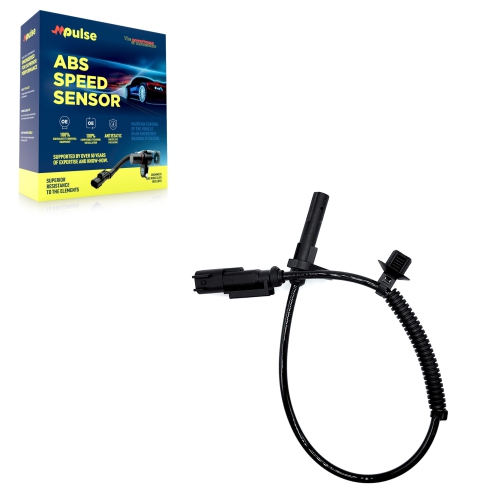
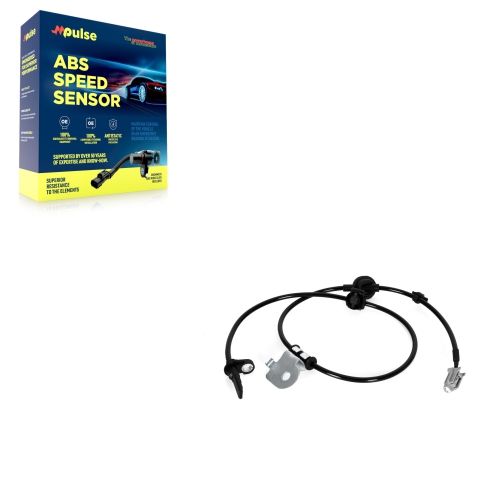
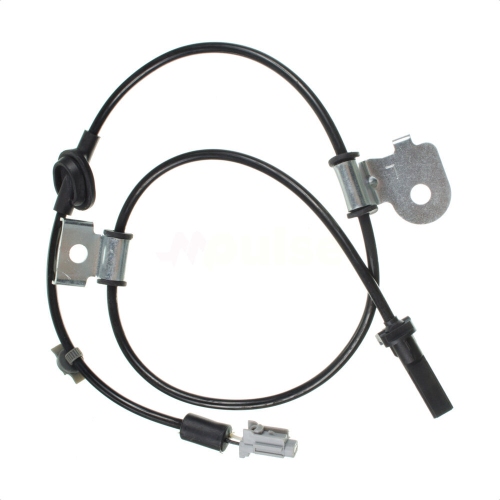
Why the right signal matters as much as fit
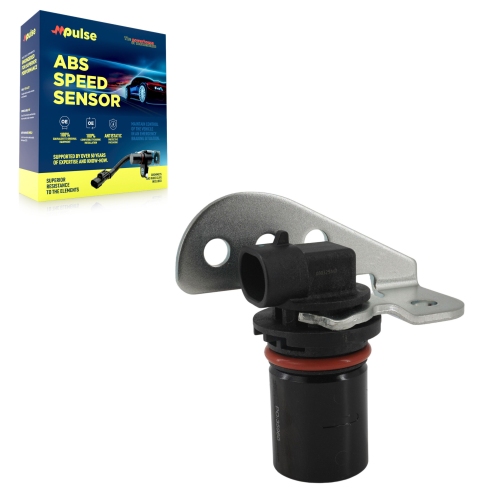
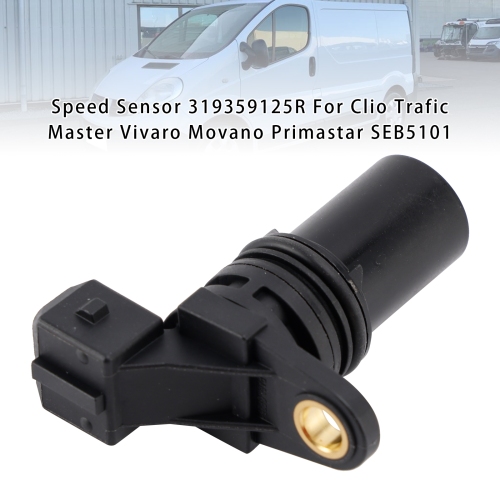
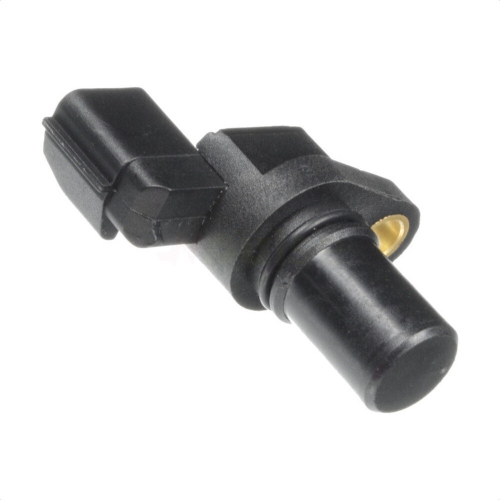
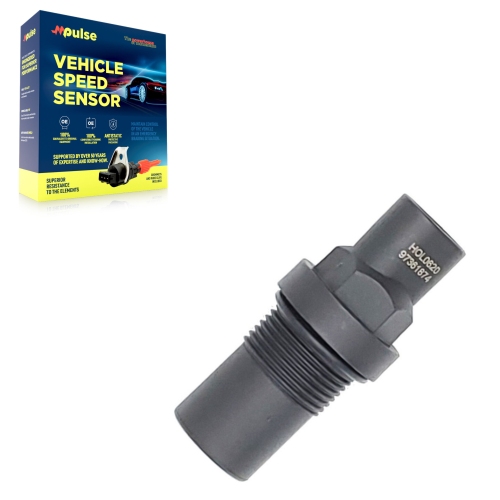
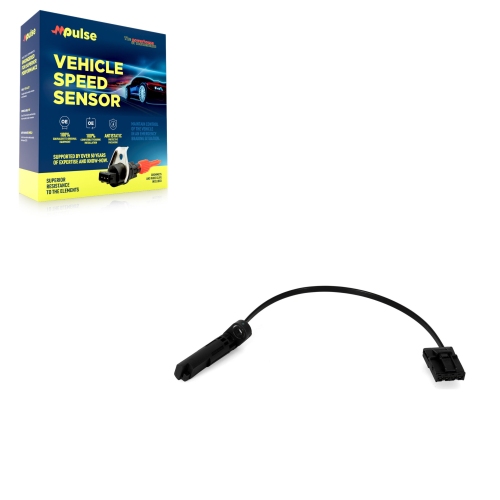
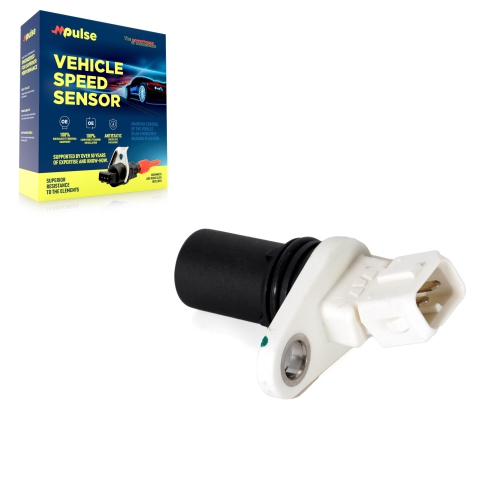
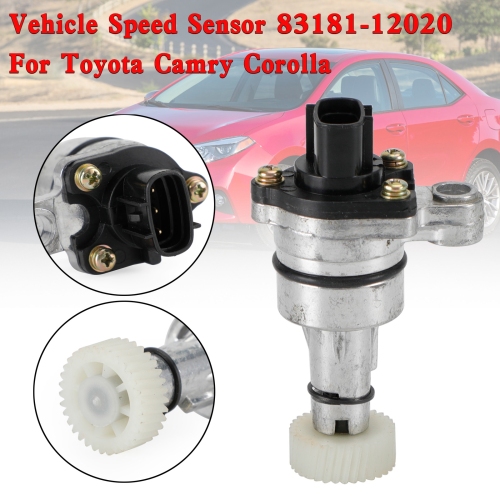
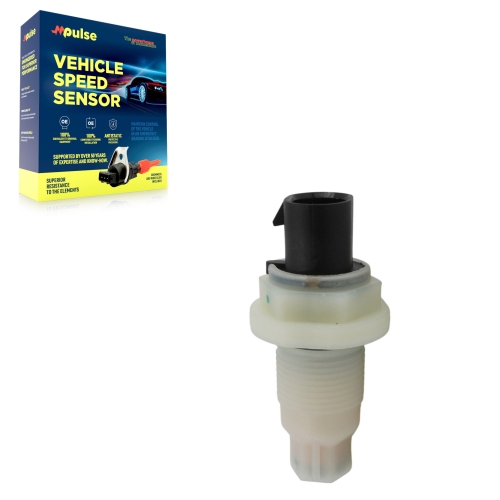
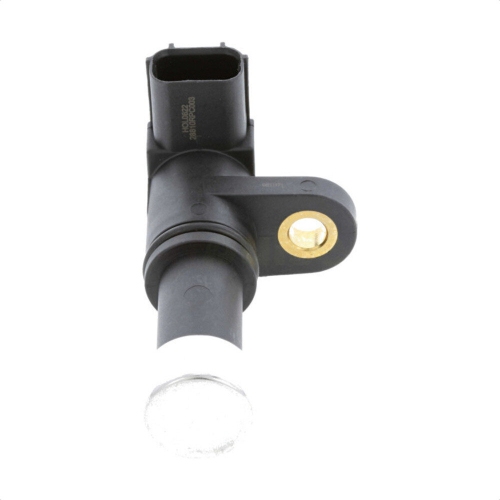
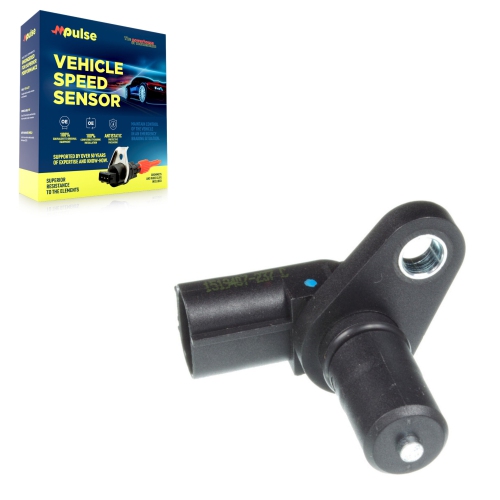
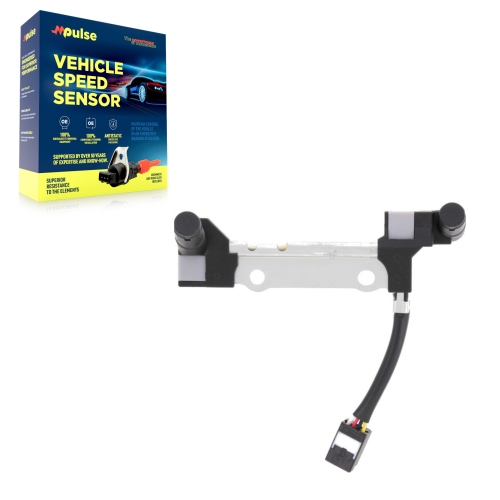
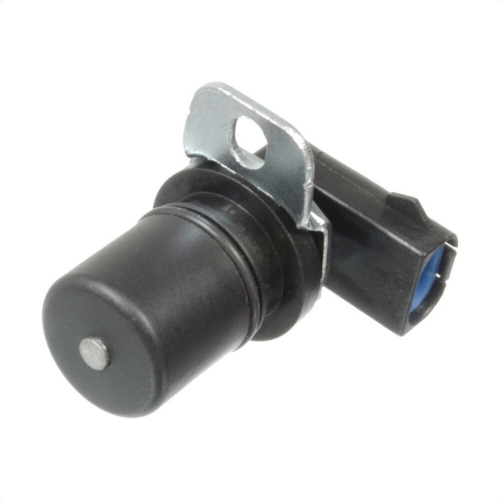
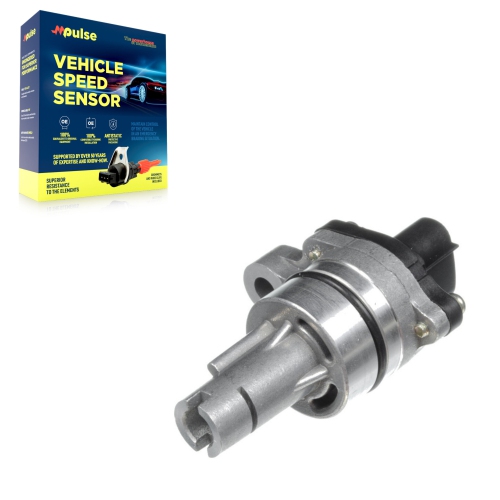
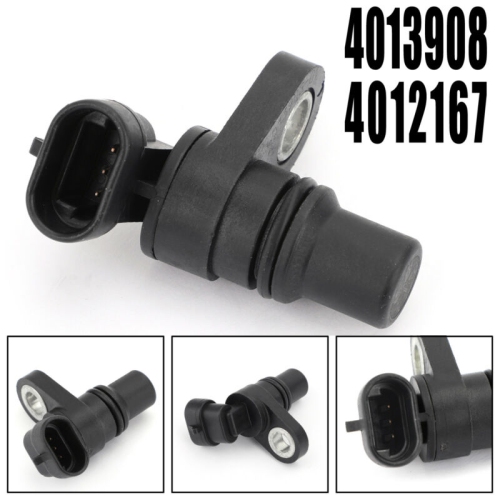
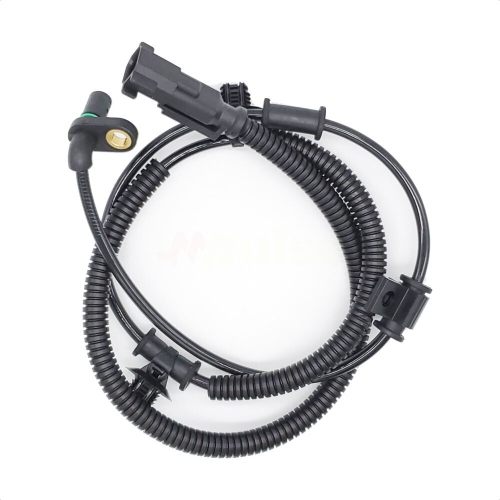
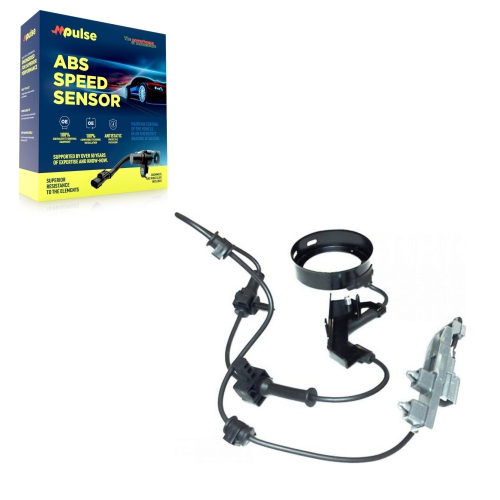
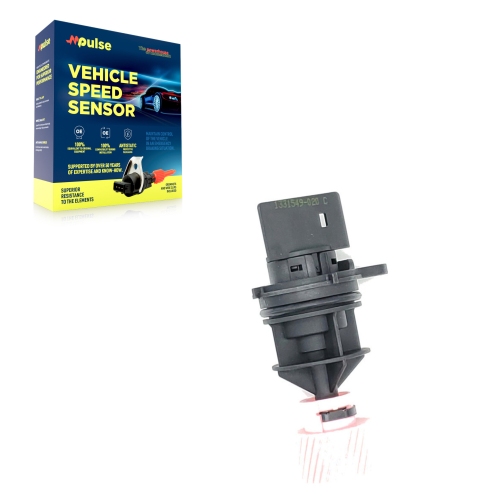
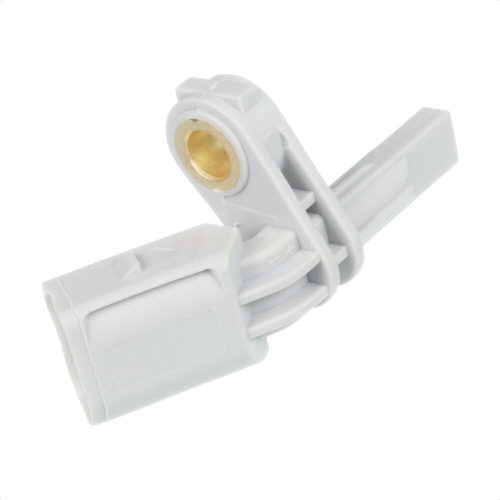
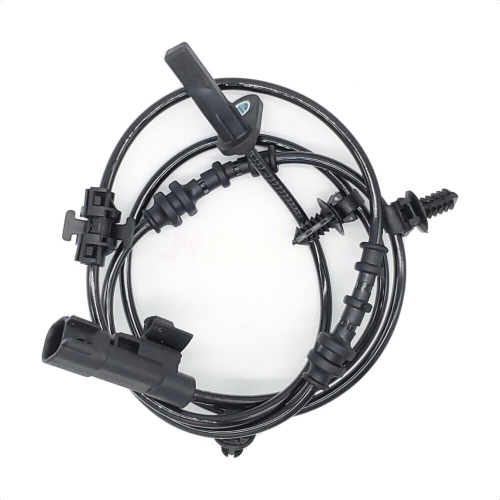
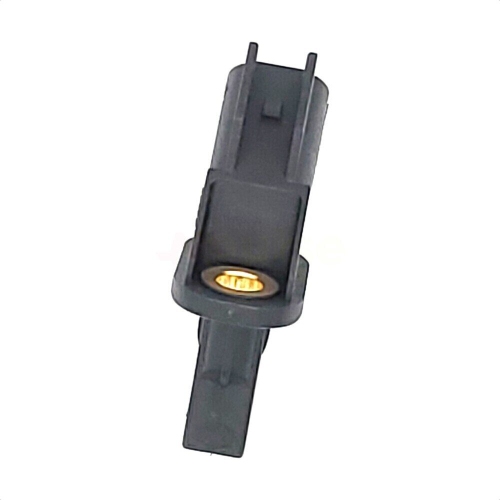
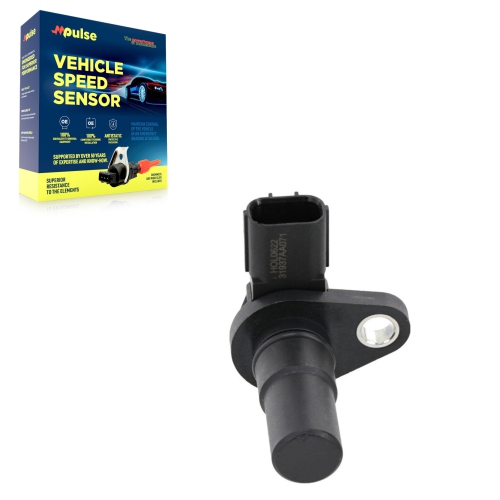
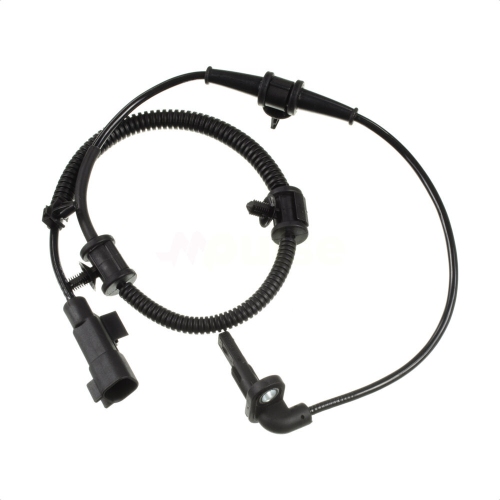
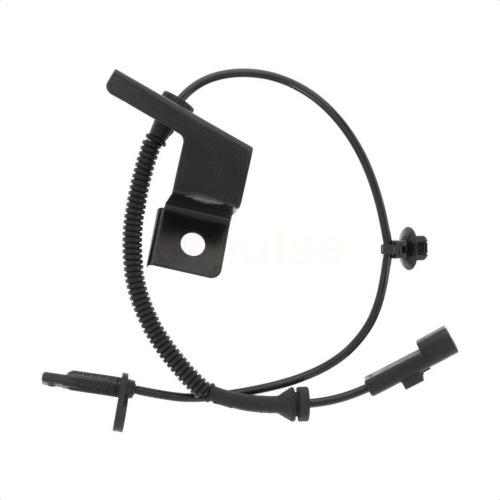
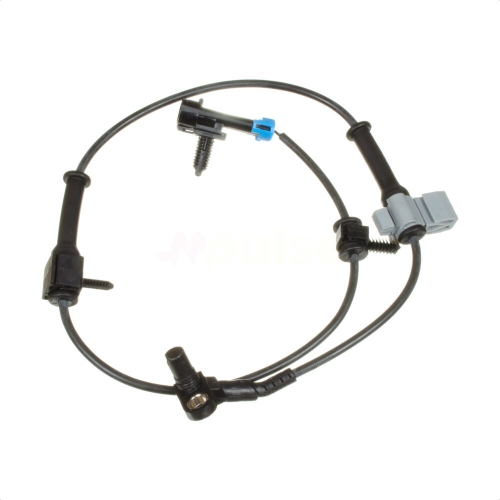
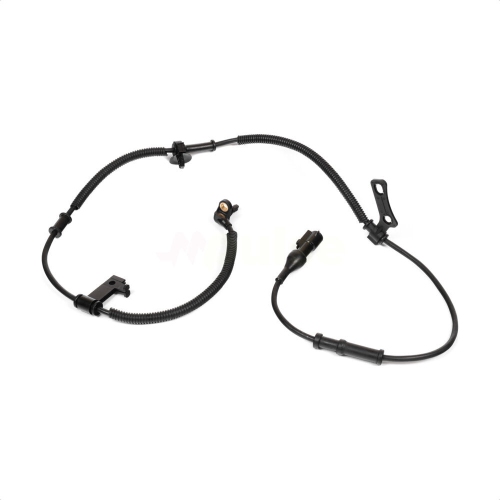
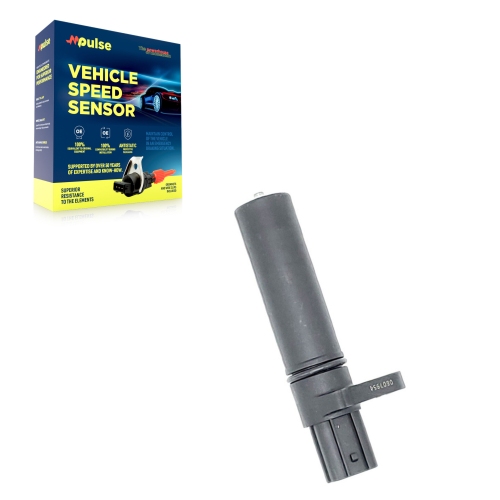
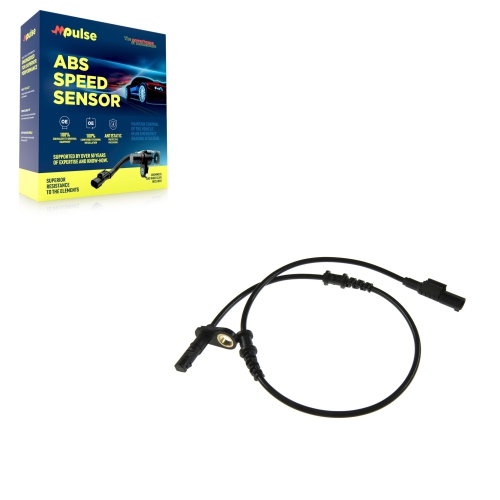
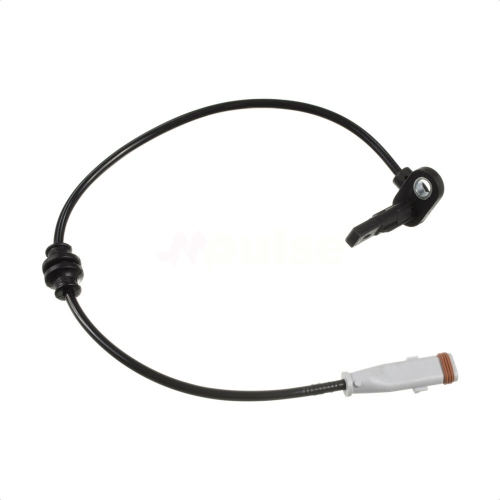
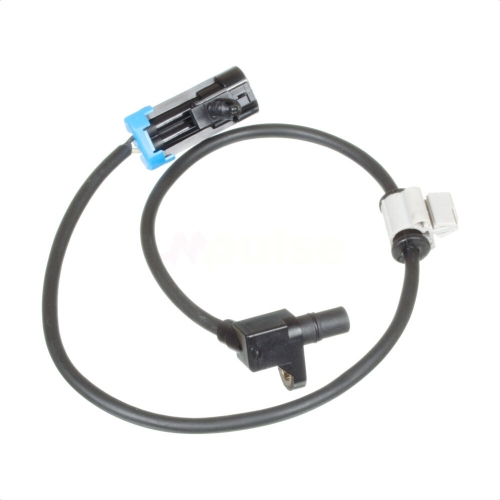
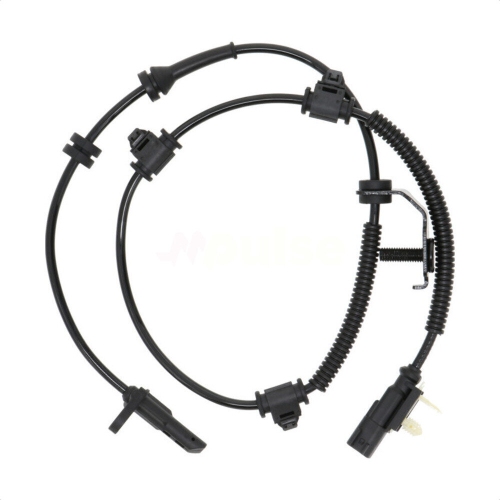
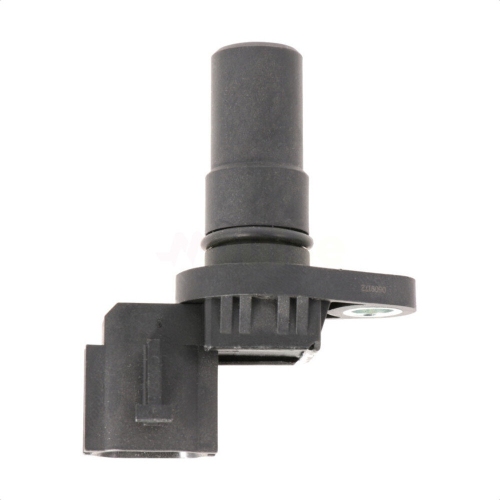
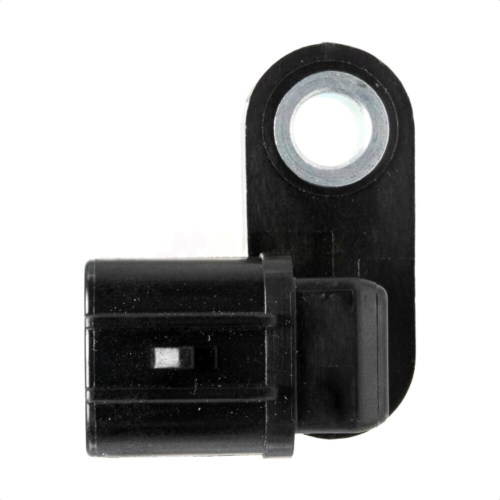
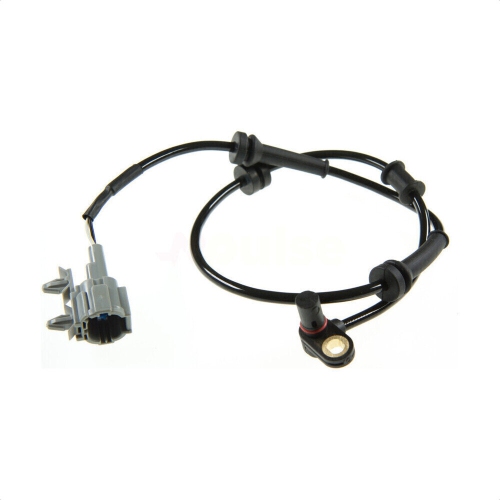
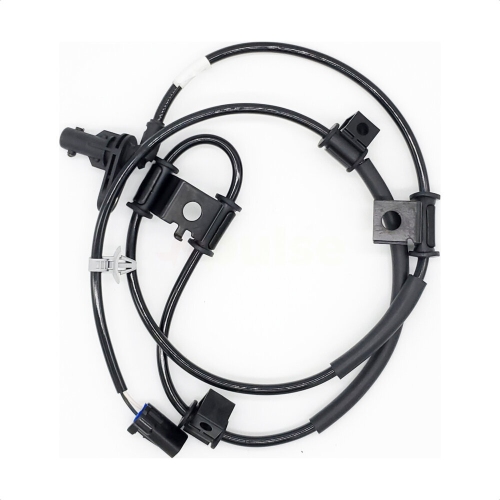
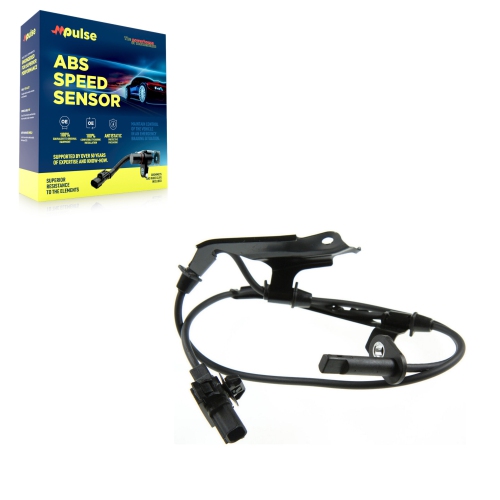
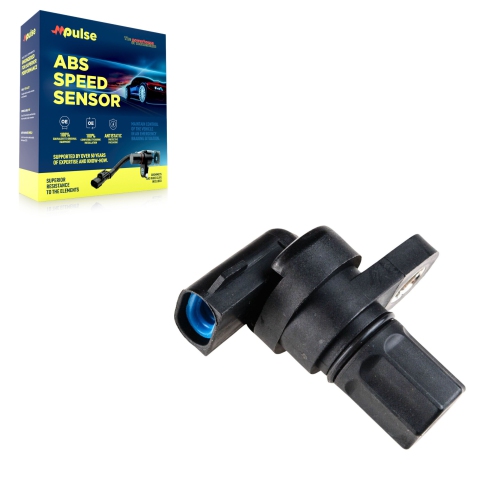
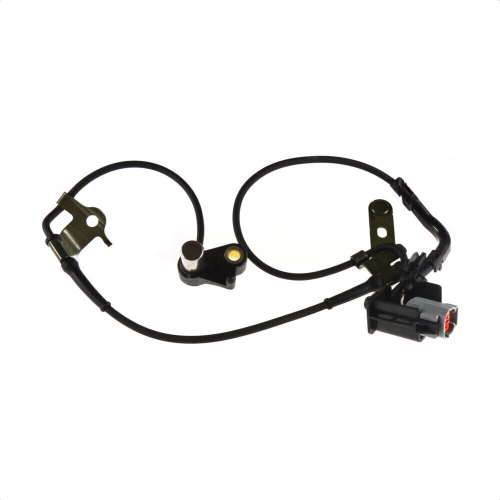
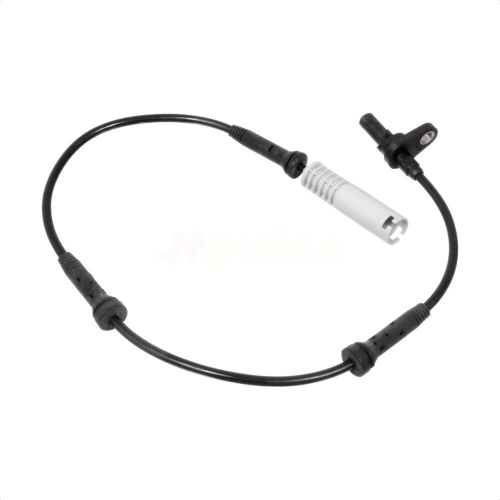
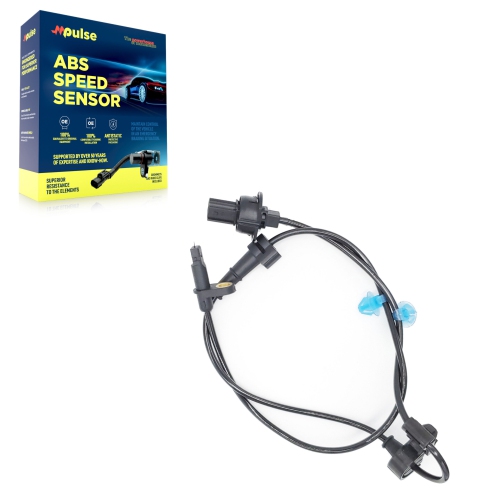
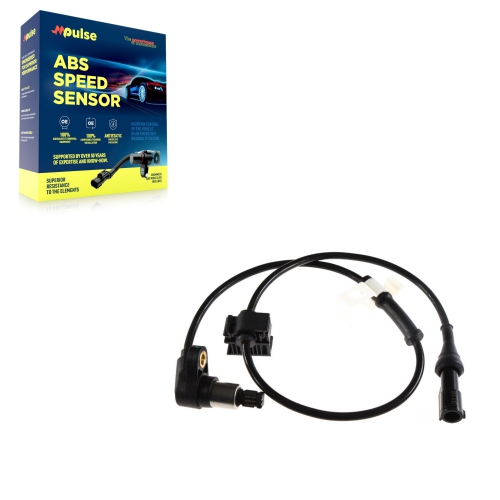
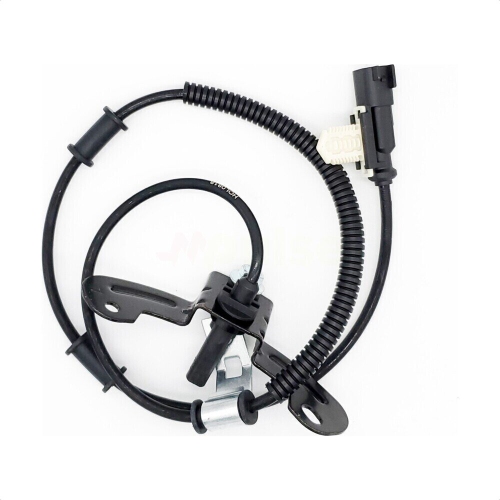
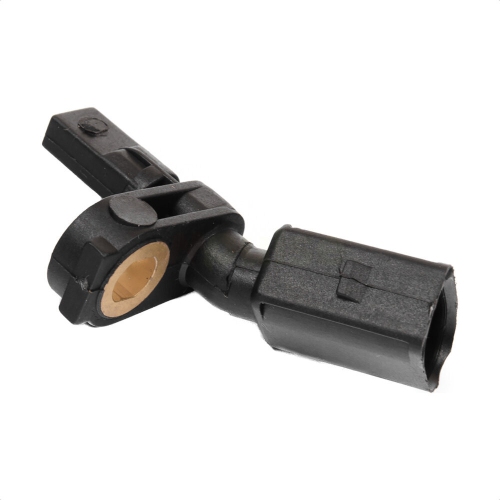
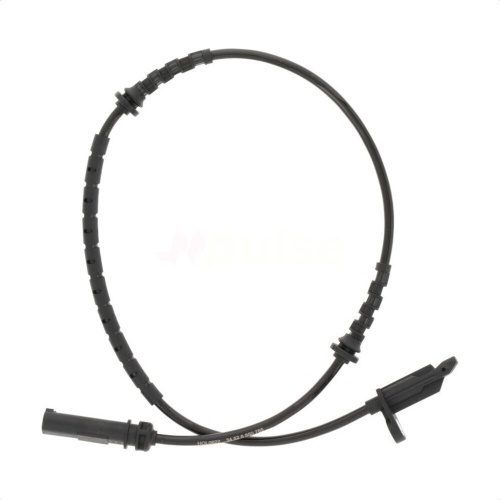
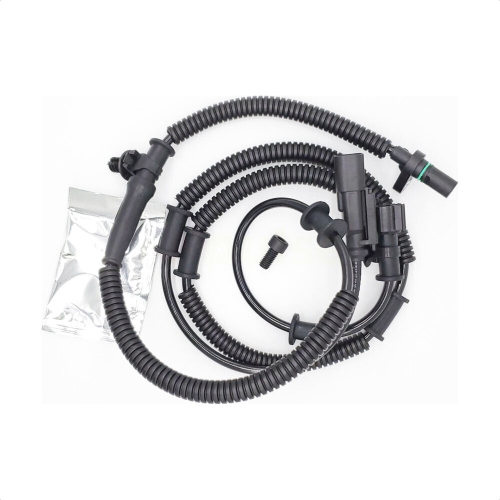
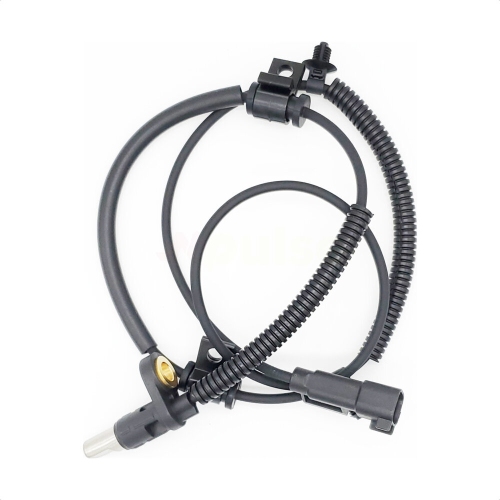
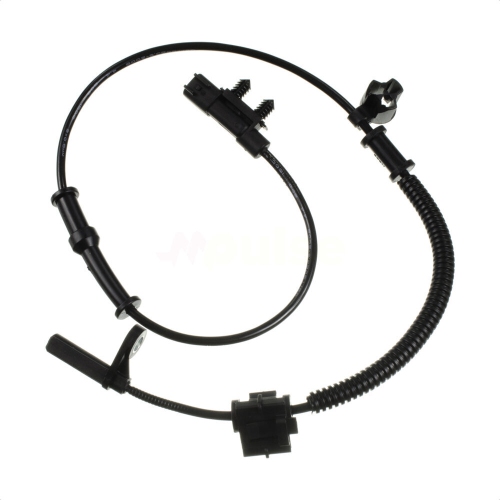
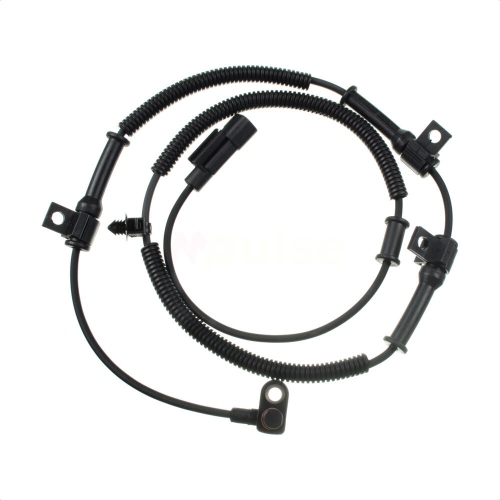
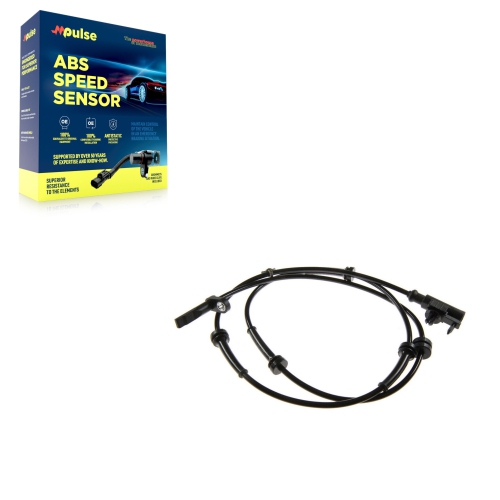
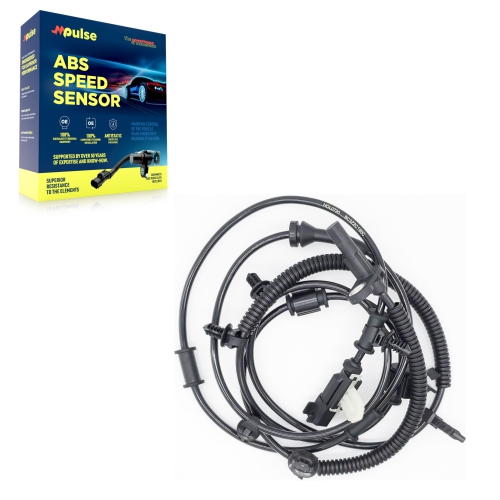
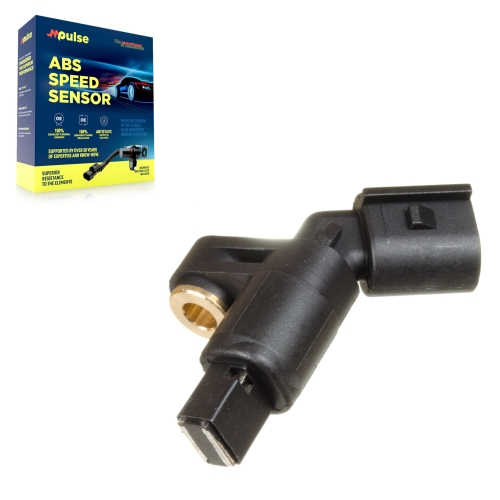
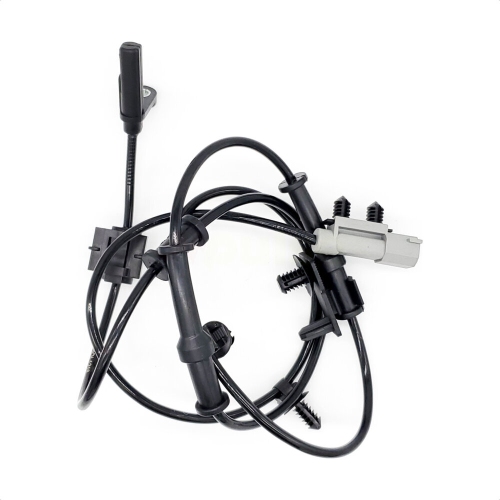
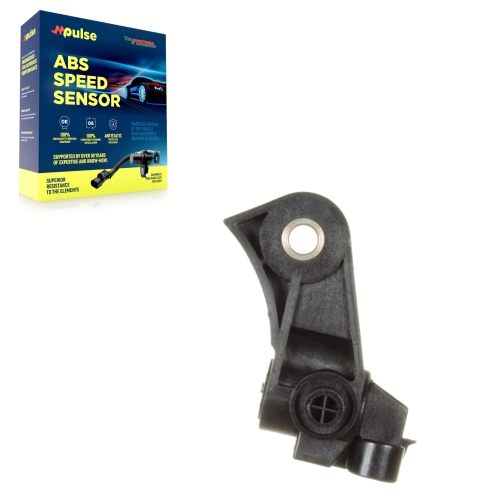
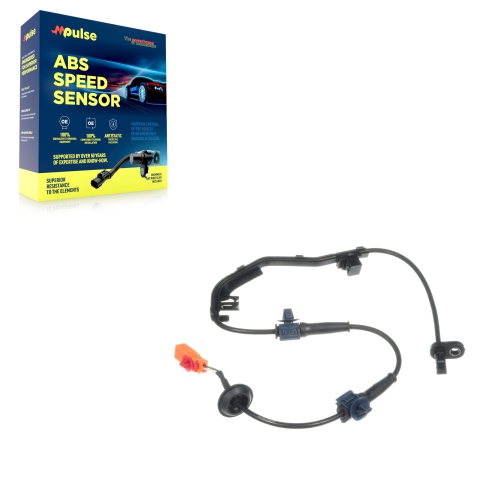
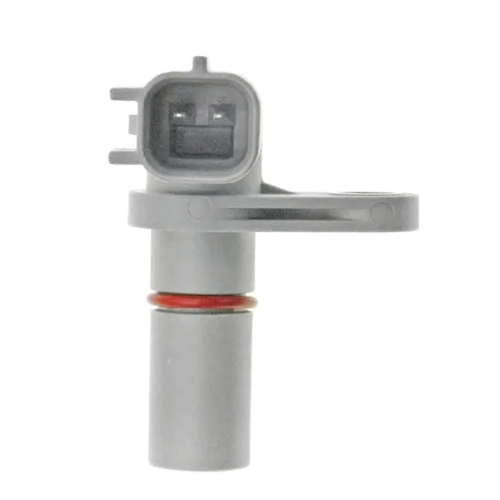
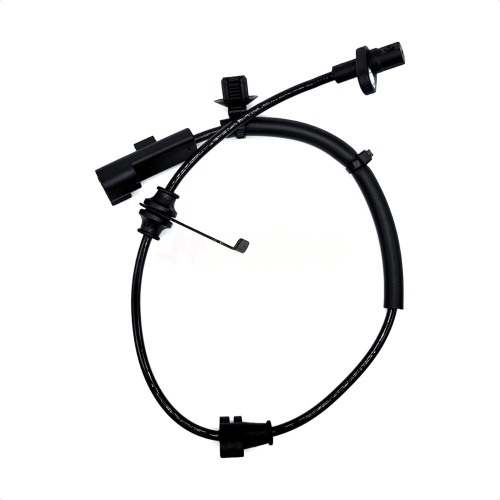
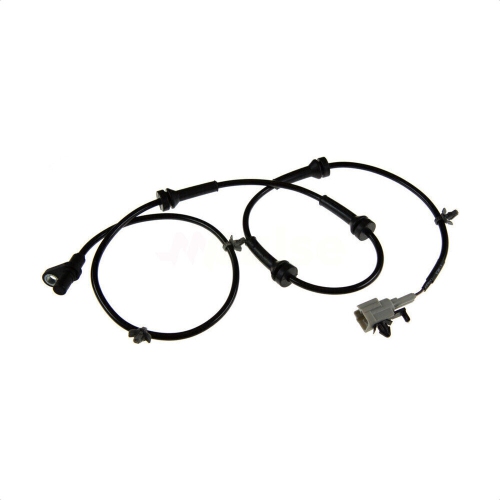
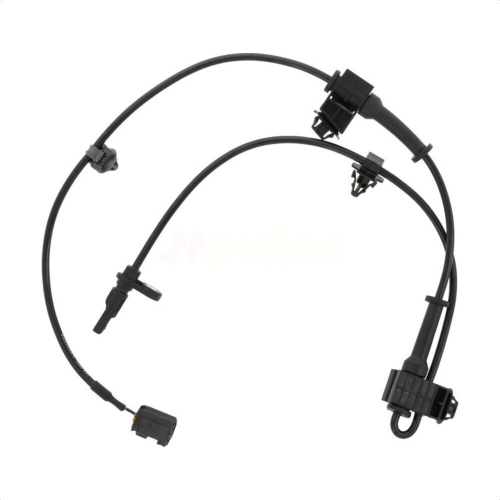
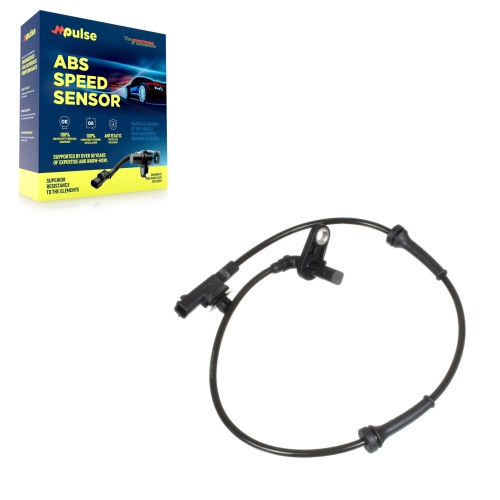
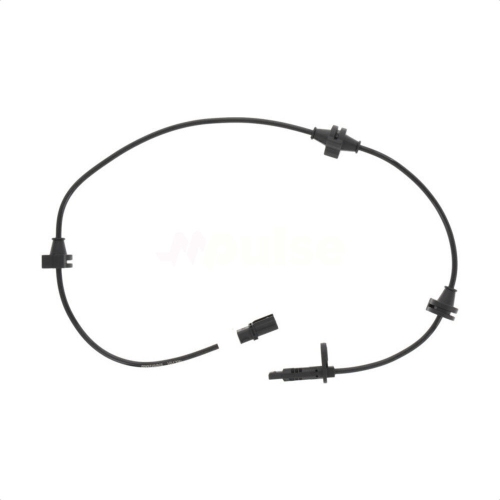
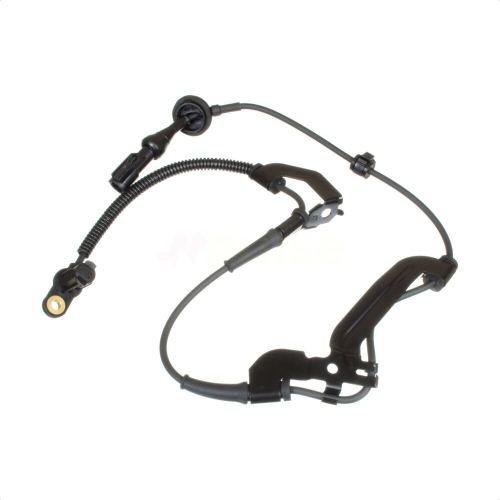
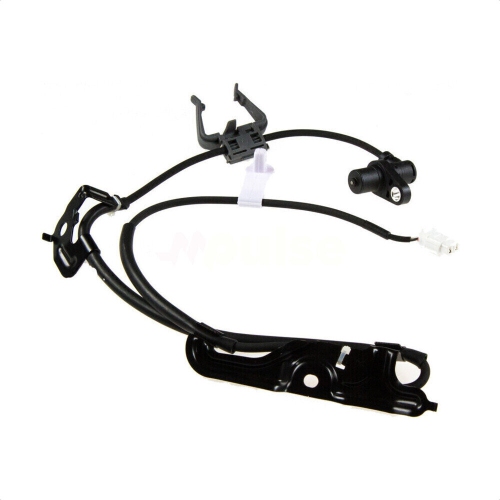
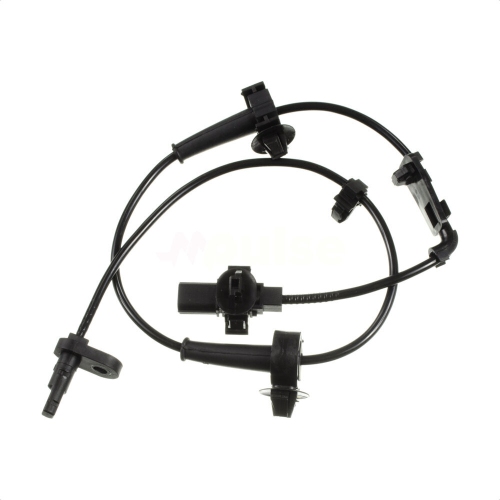
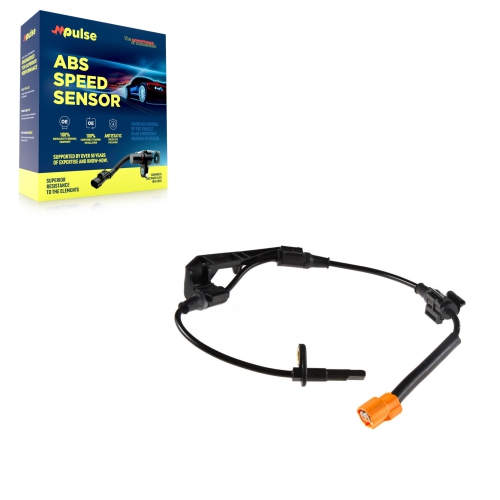
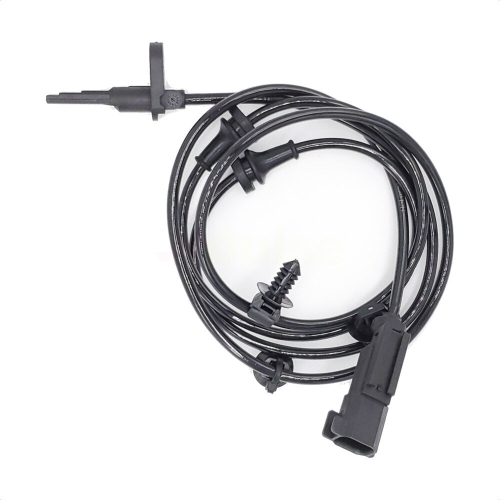
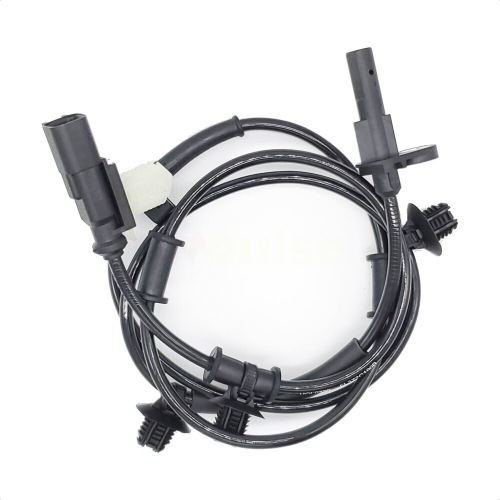
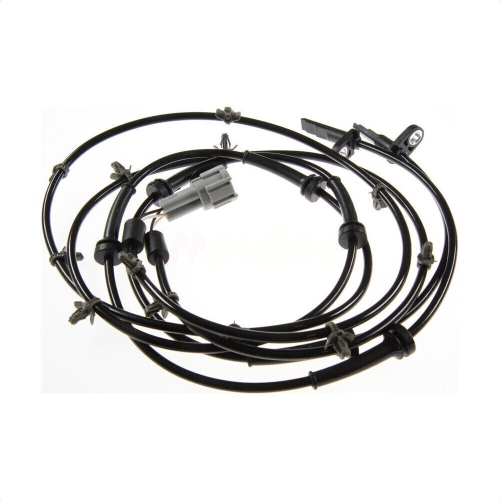
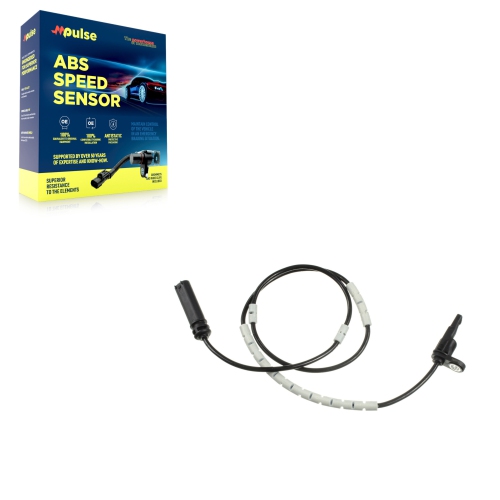
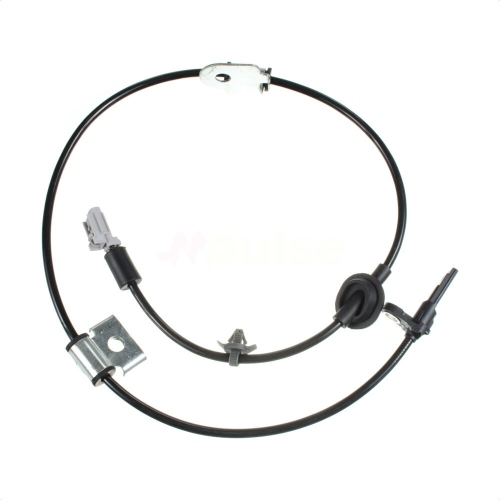
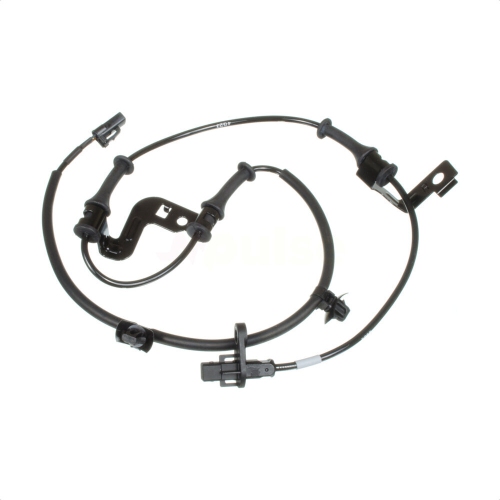
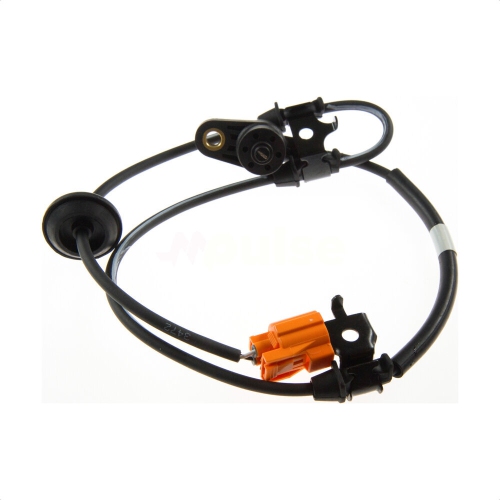
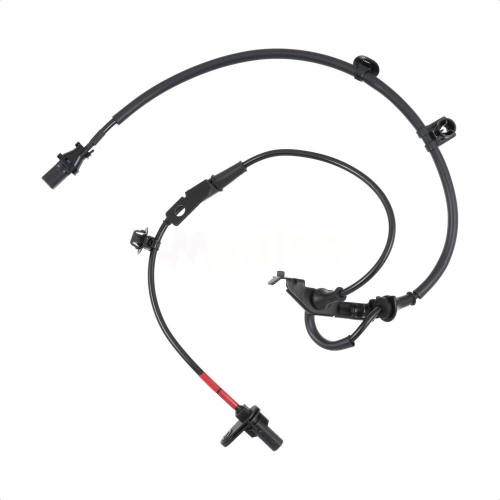
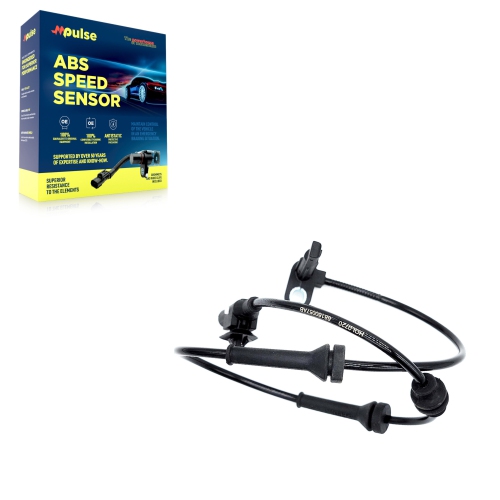
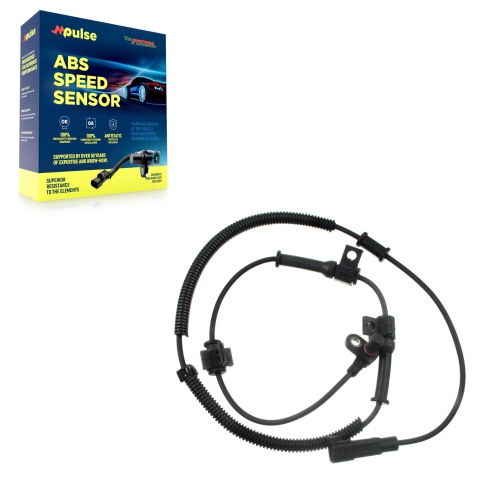
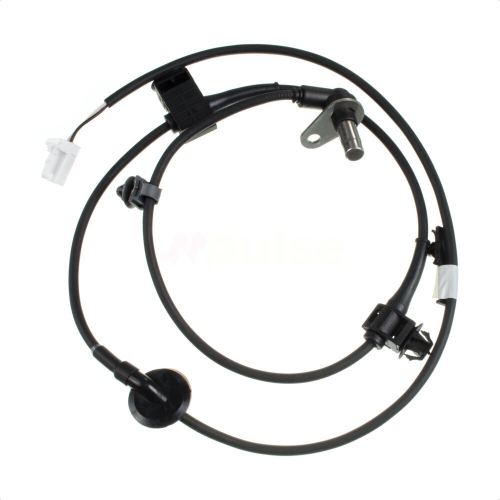
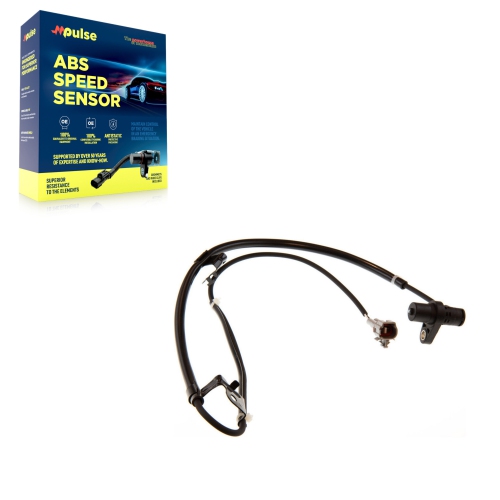
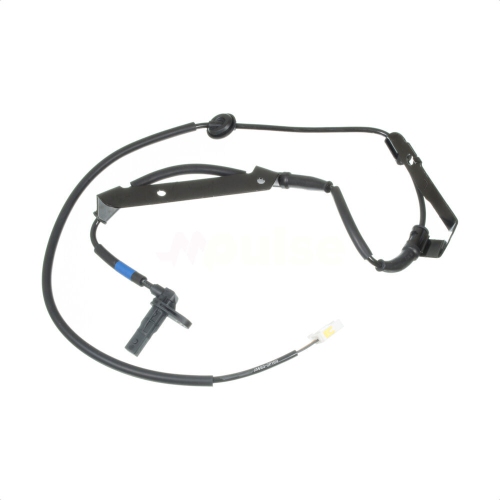
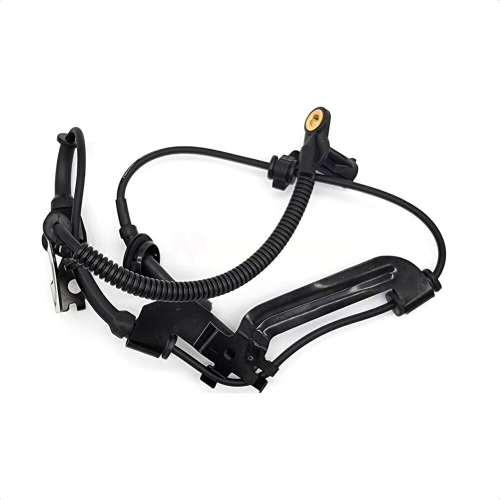
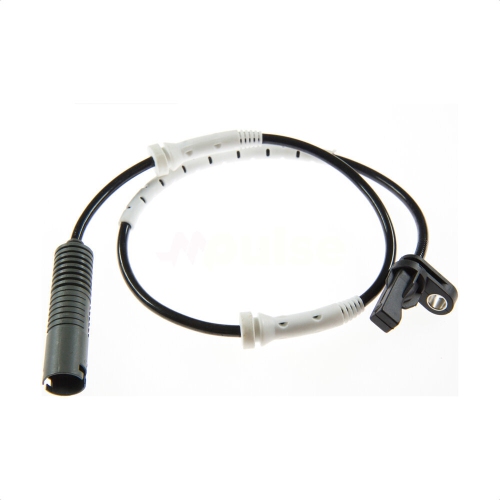
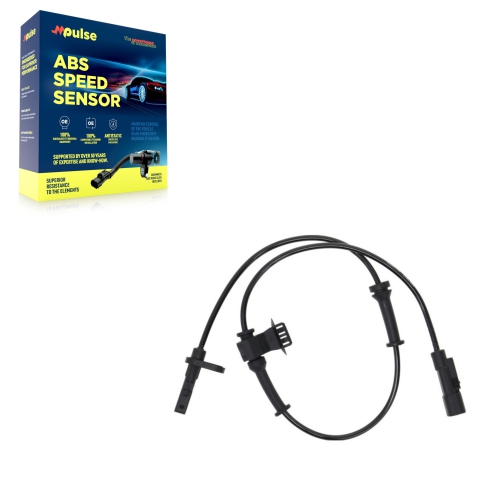
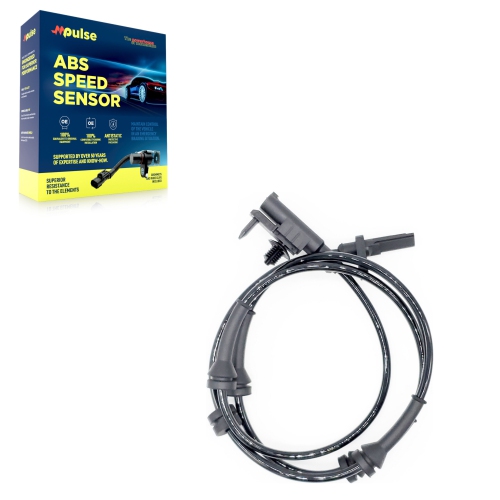
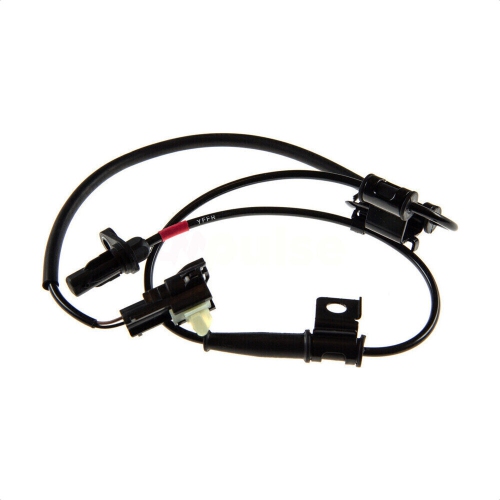
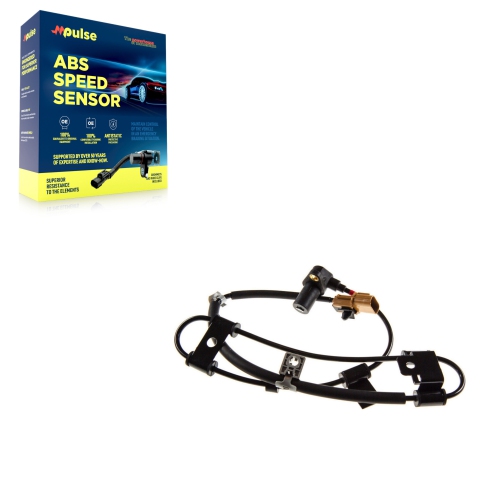
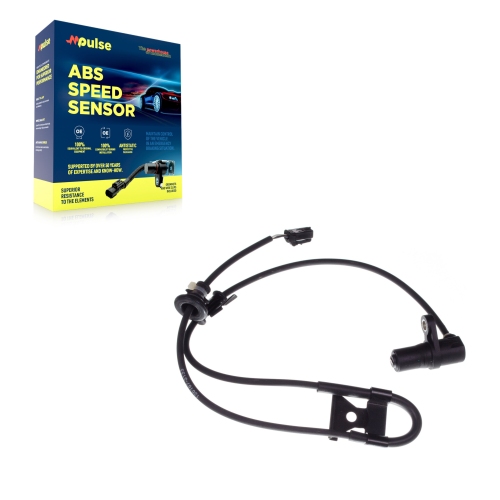
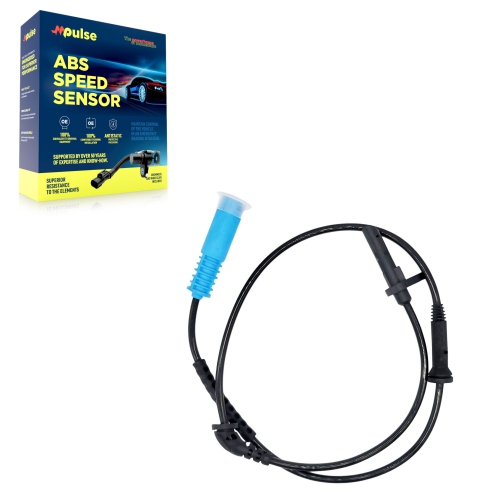
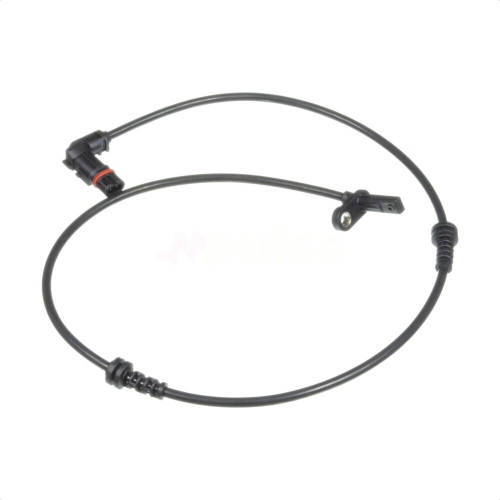
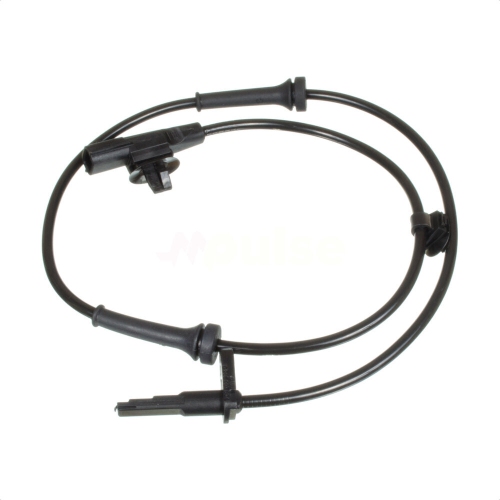
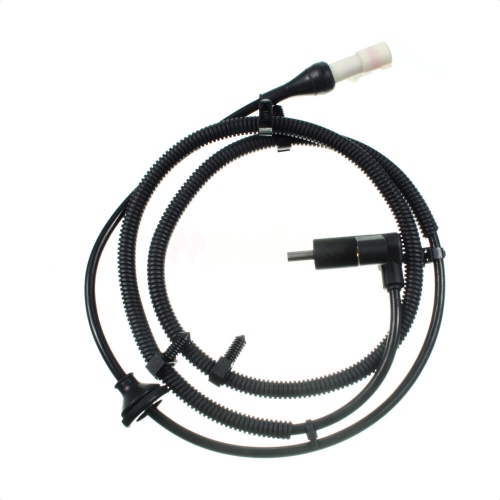
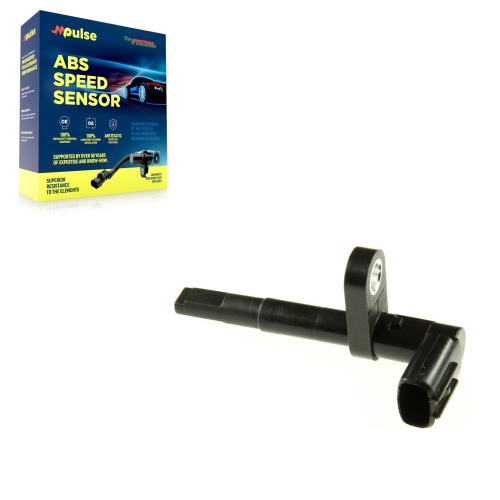
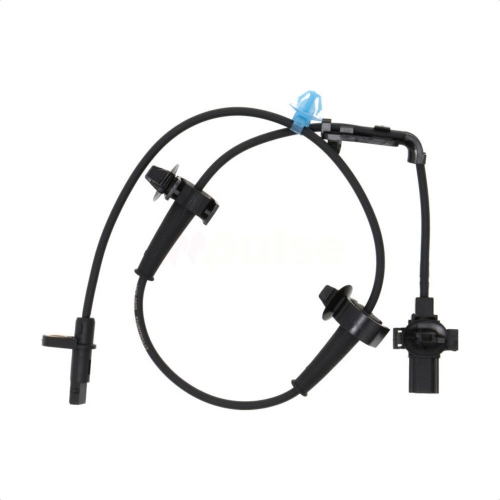
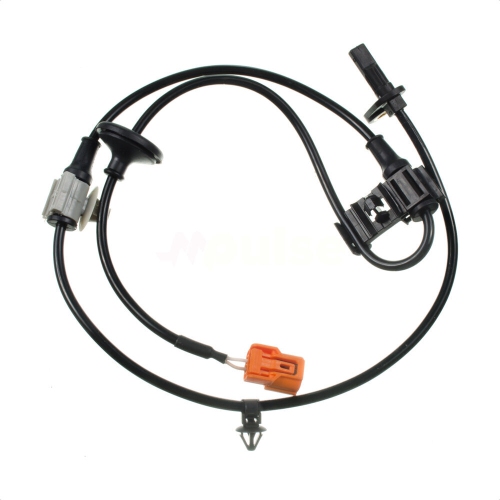
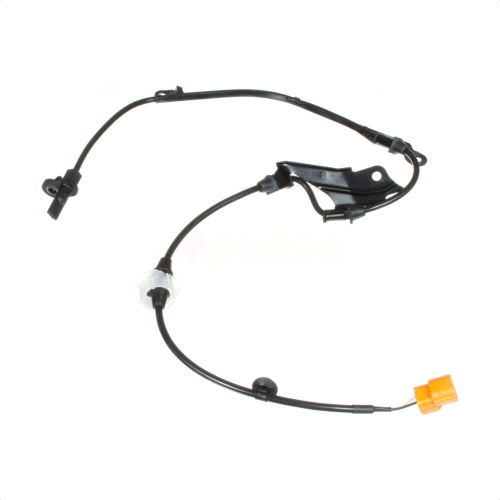
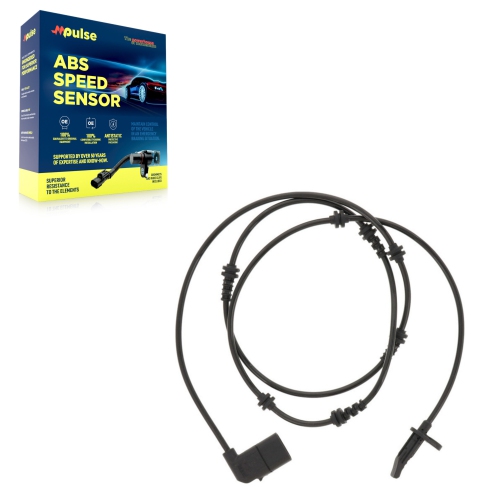
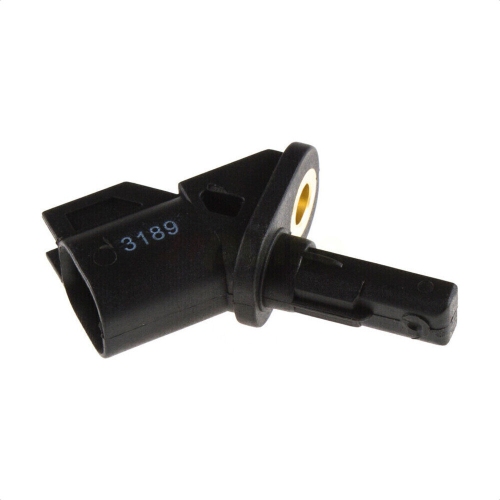
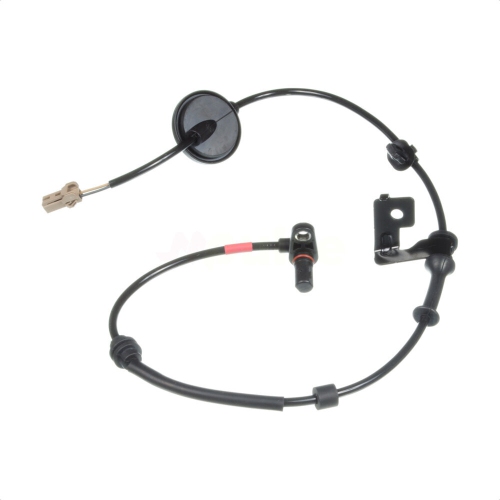
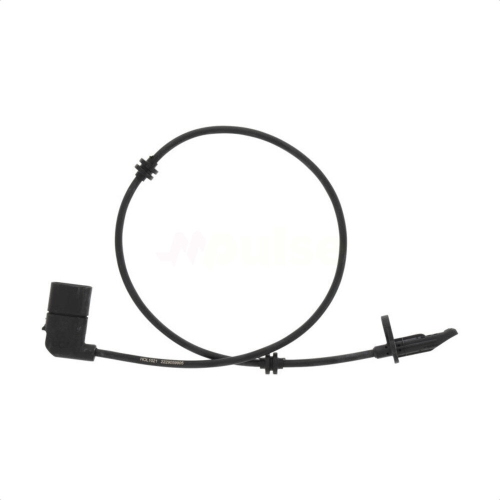
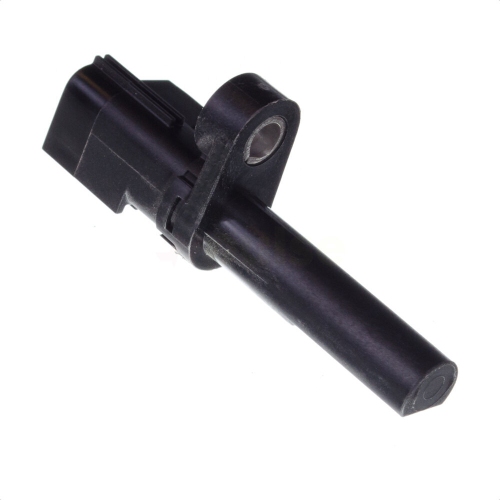
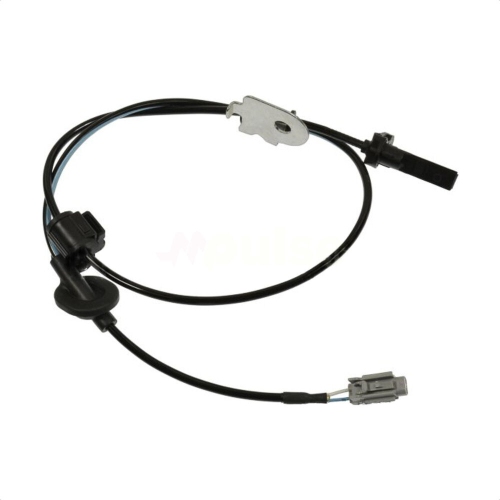
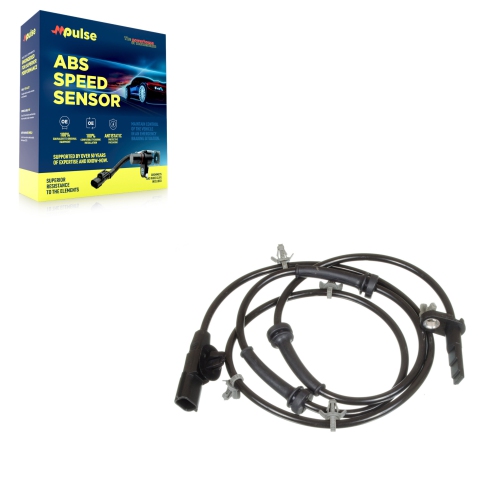
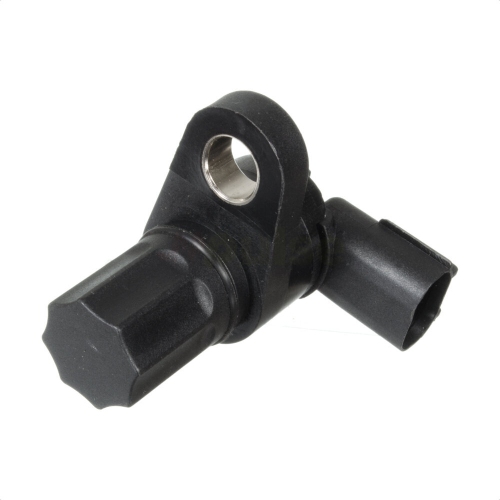
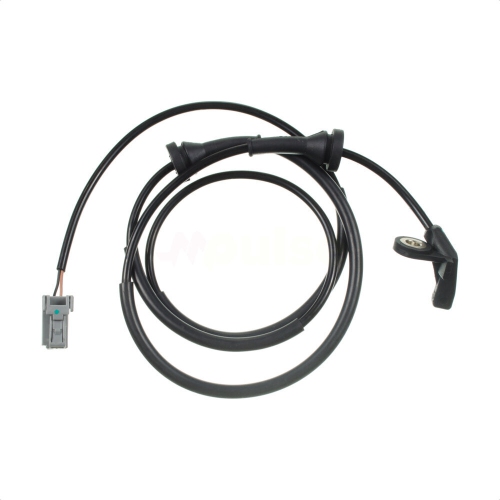
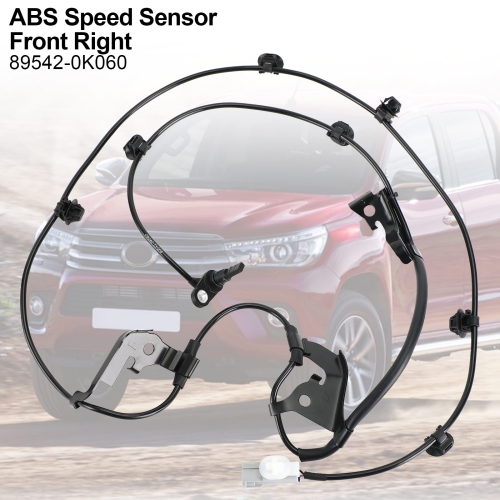
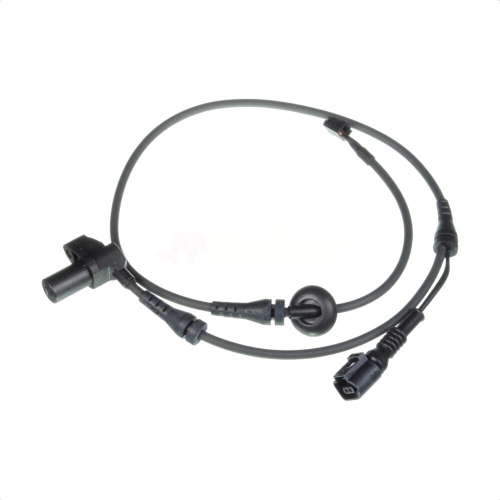
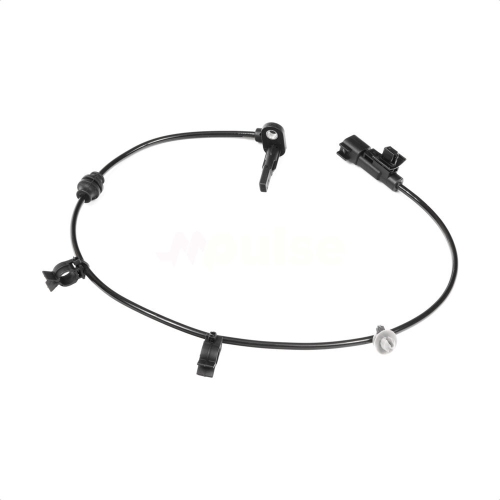
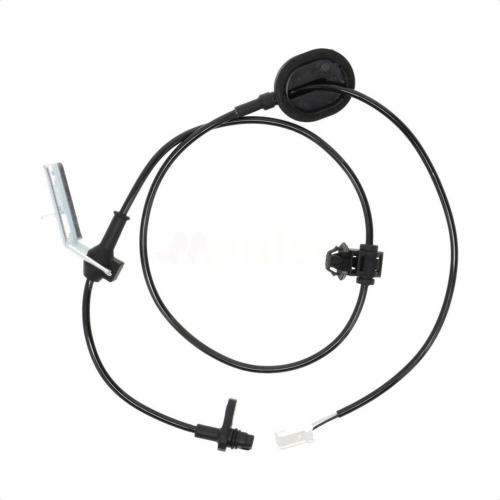
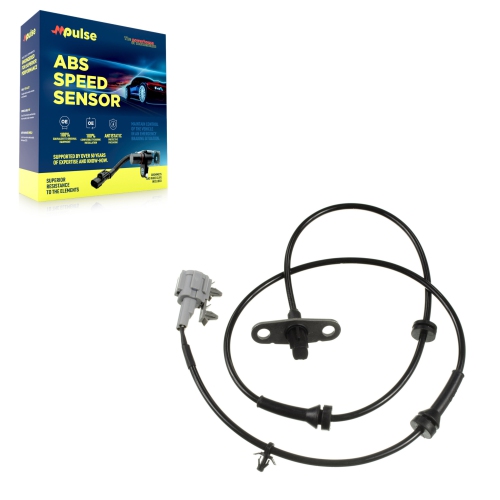
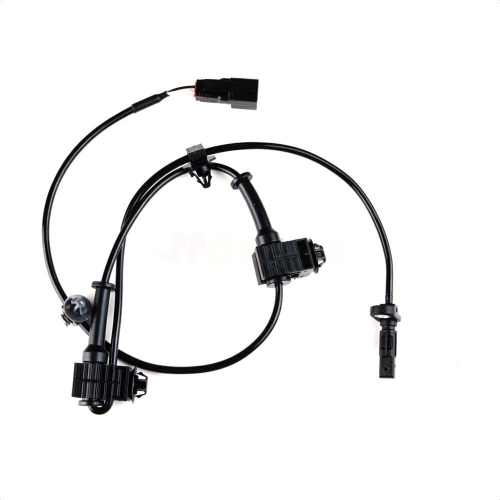
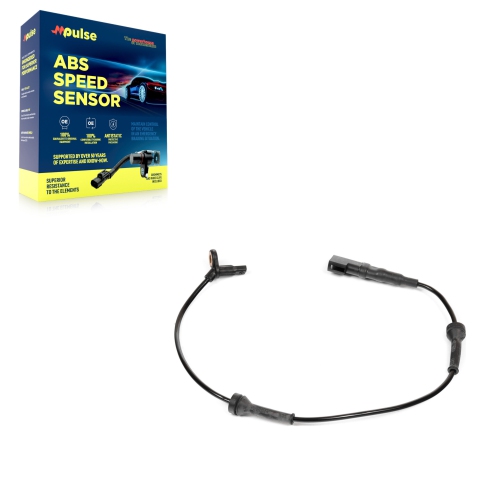
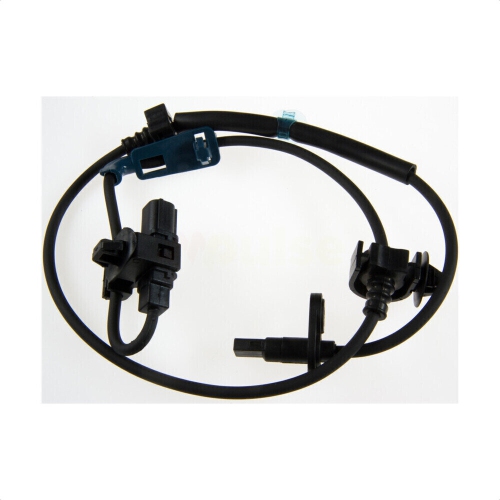
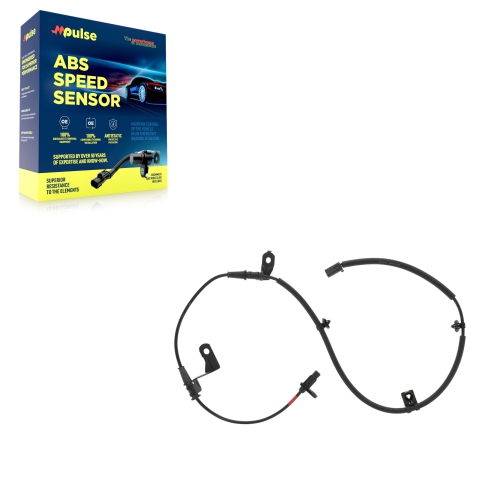
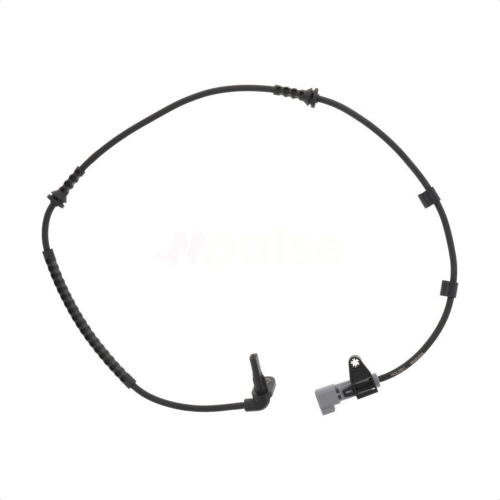
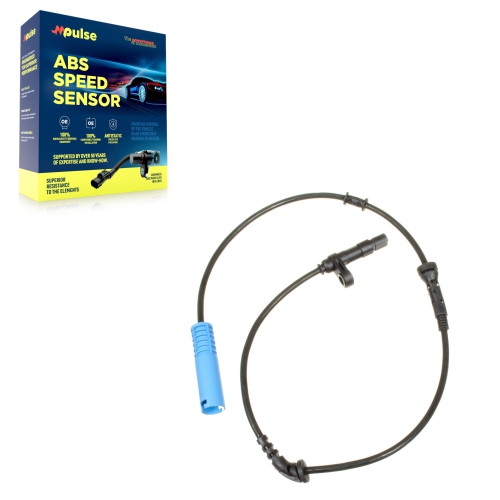
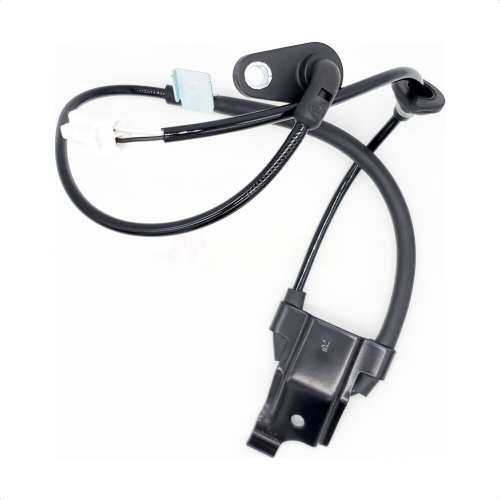
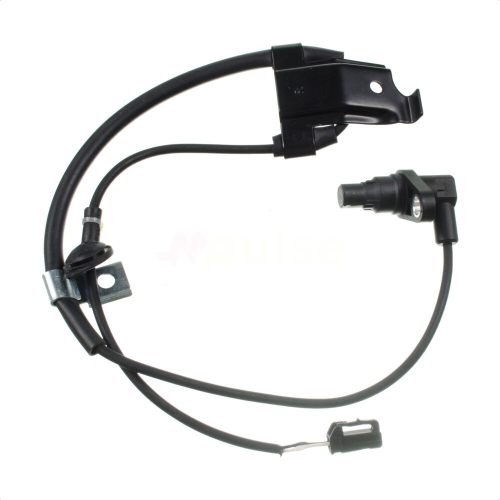
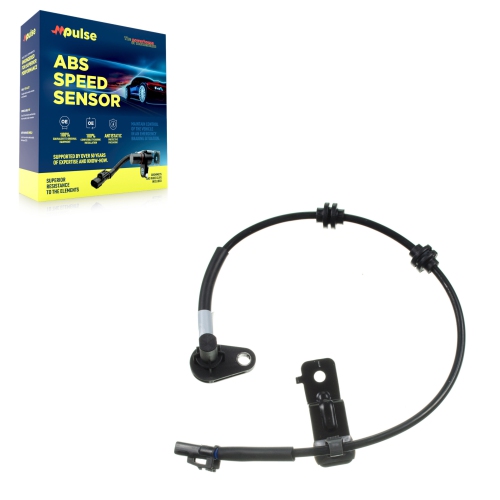
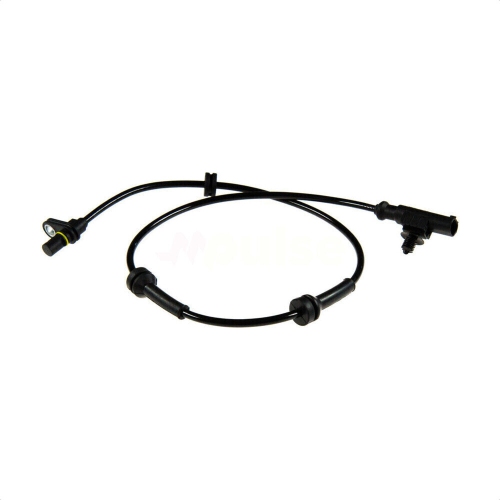
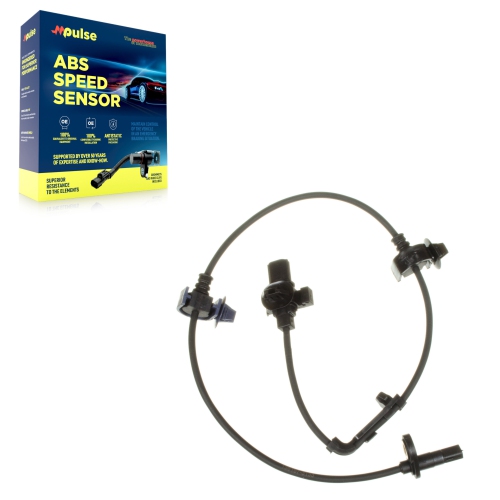
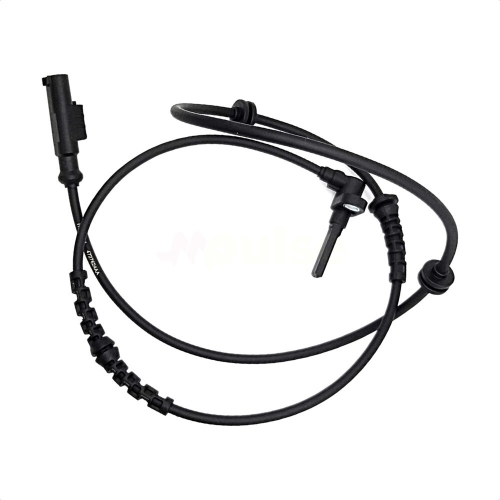
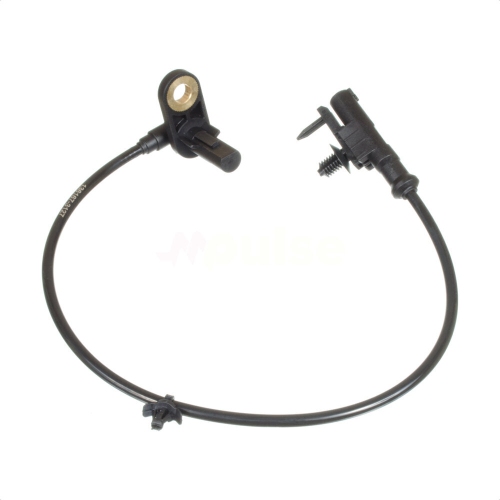
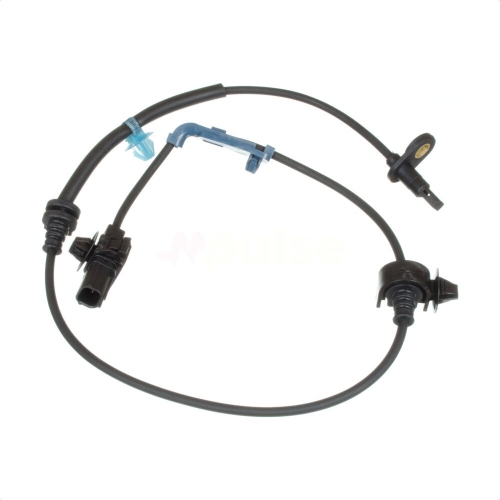
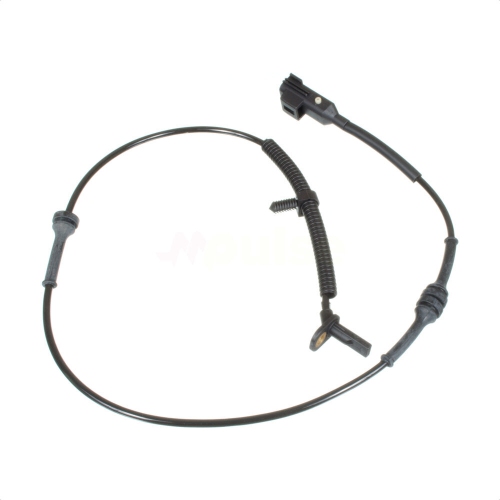
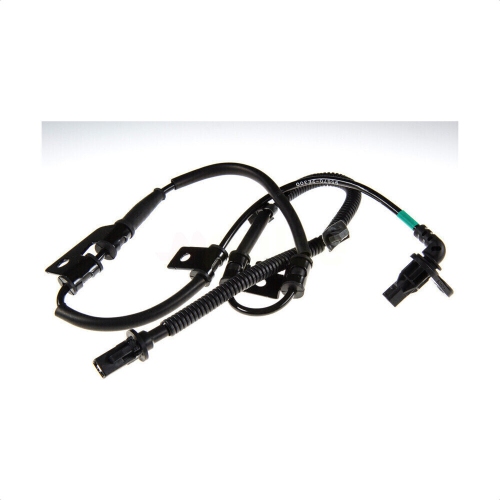
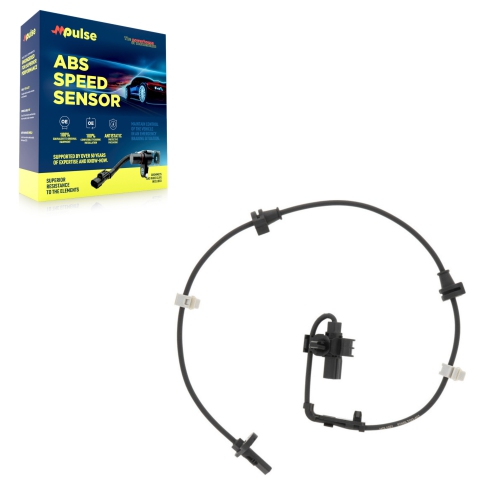
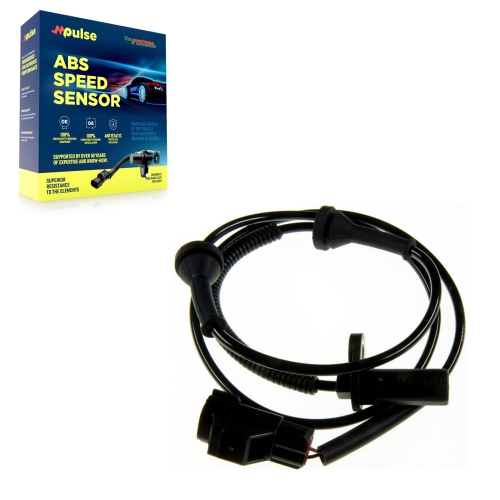
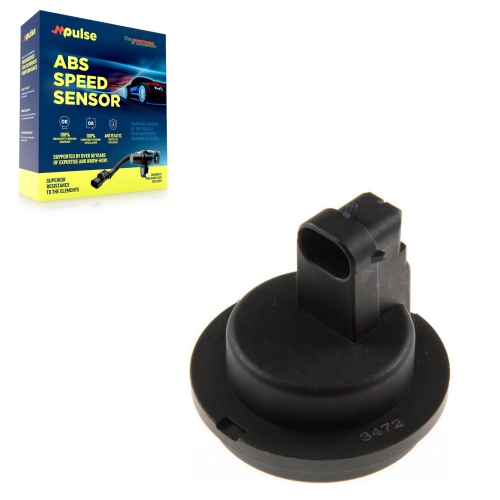
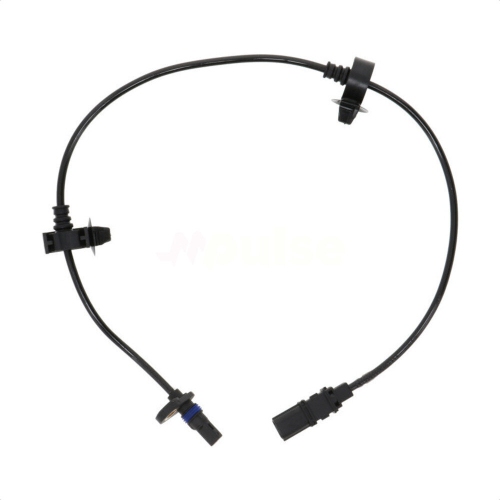
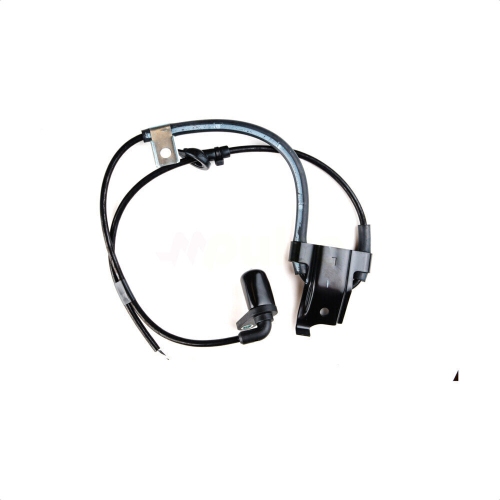
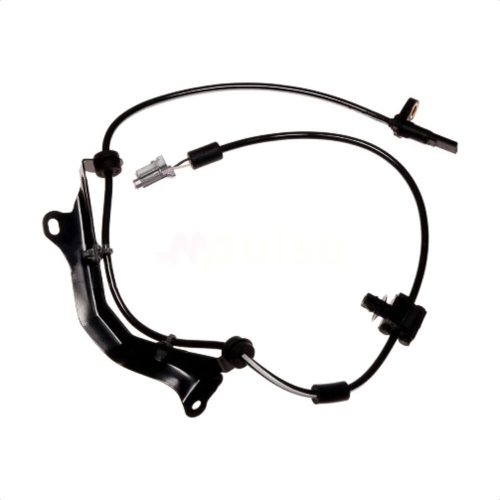
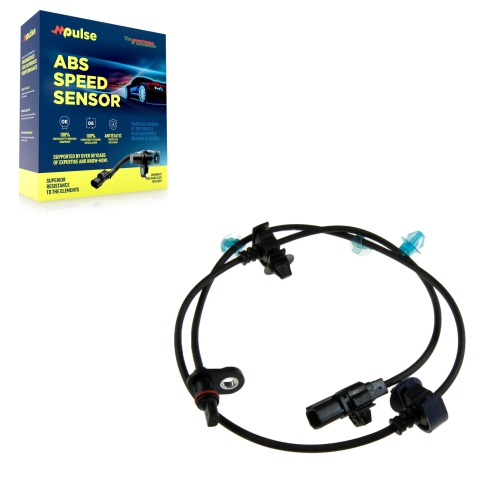
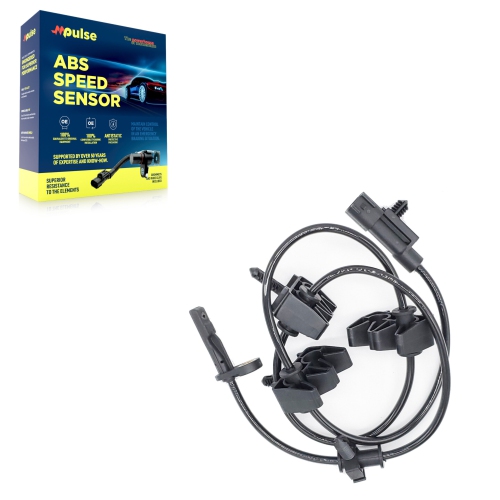
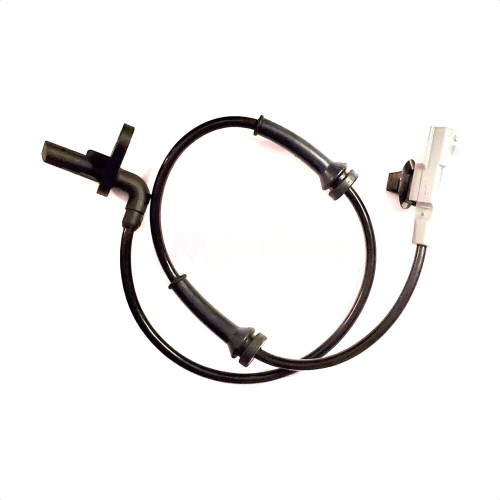
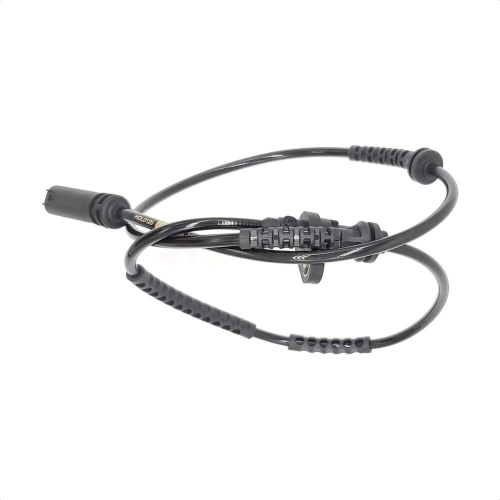
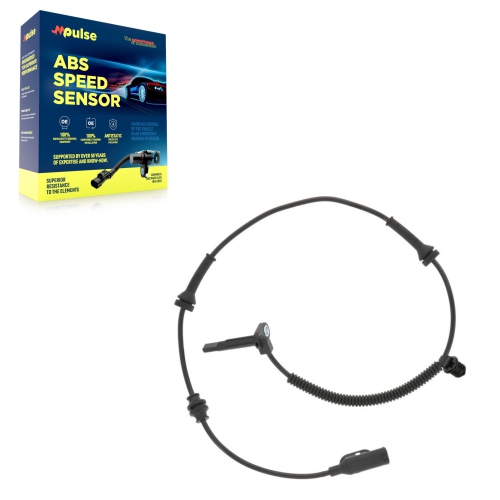
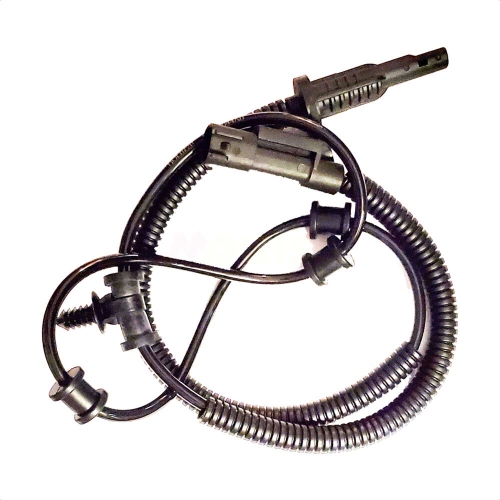
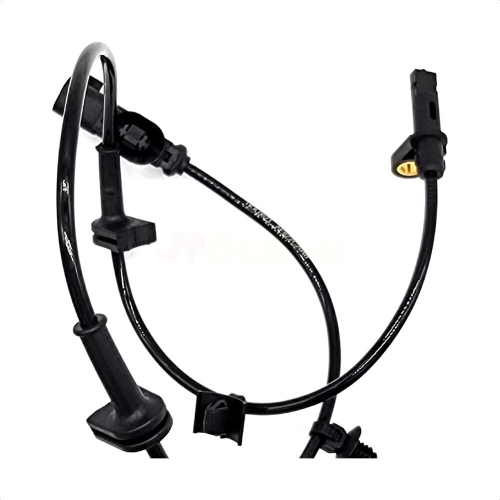
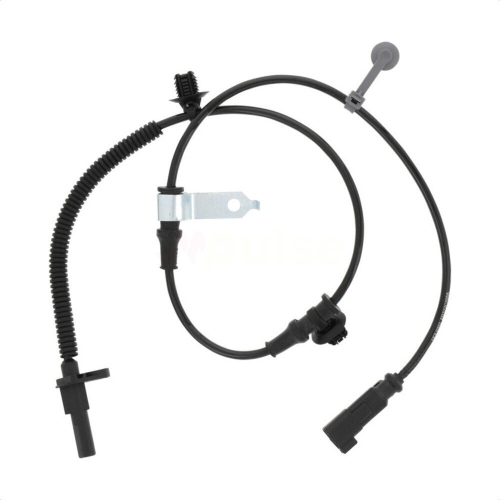
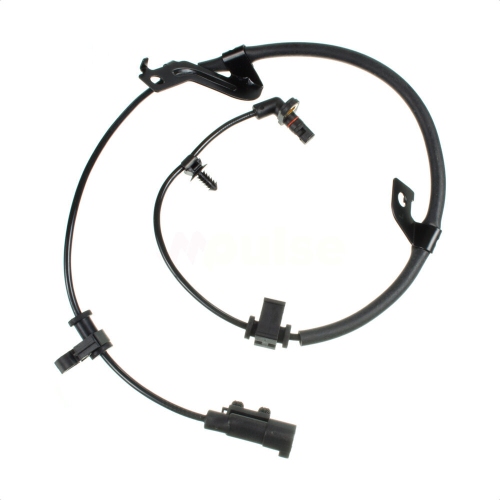
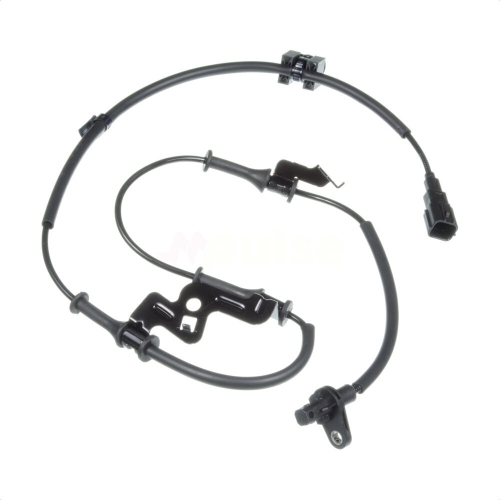
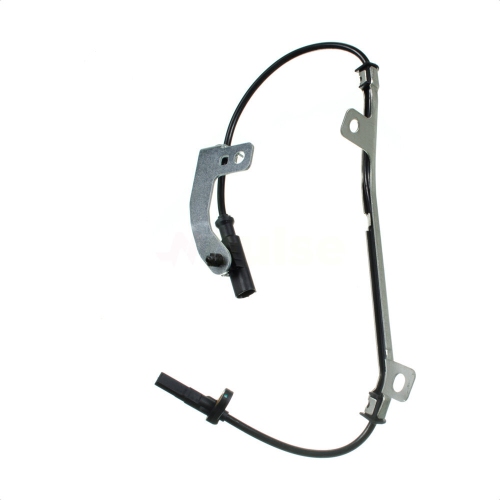
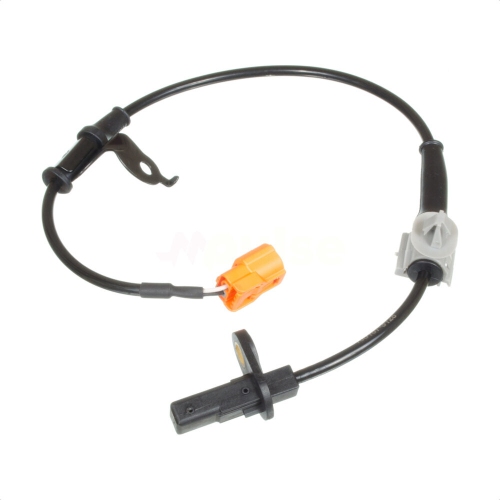
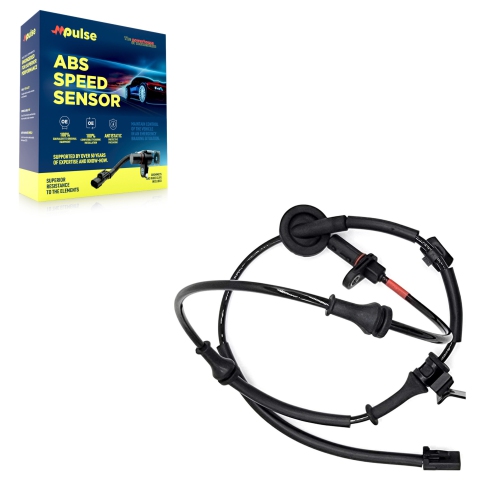
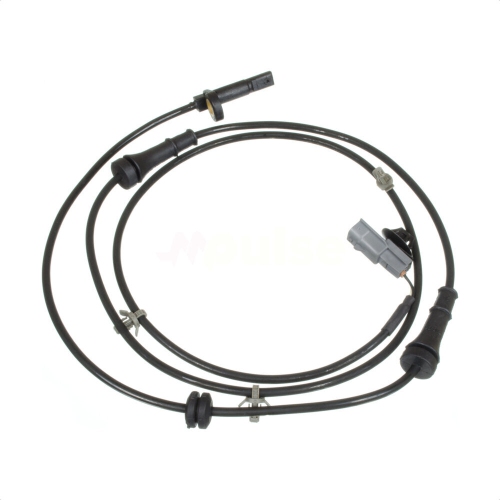
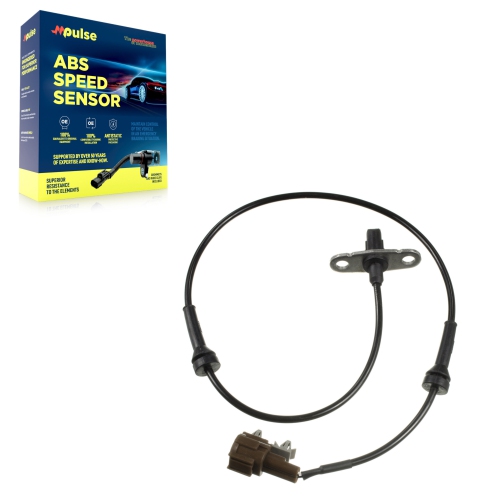
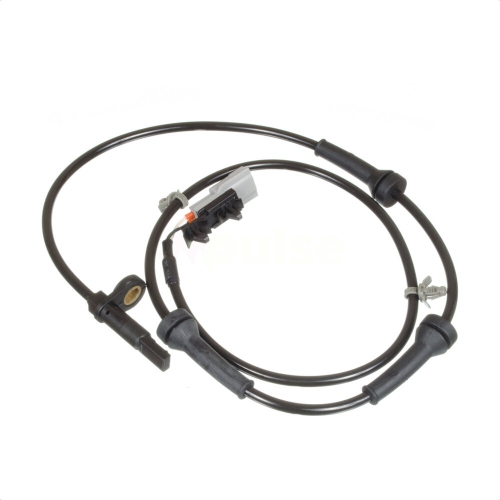
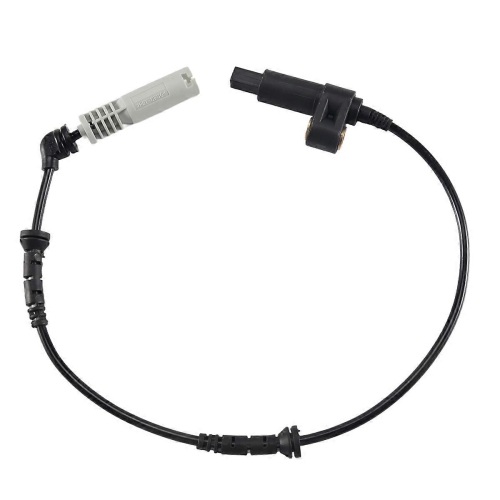
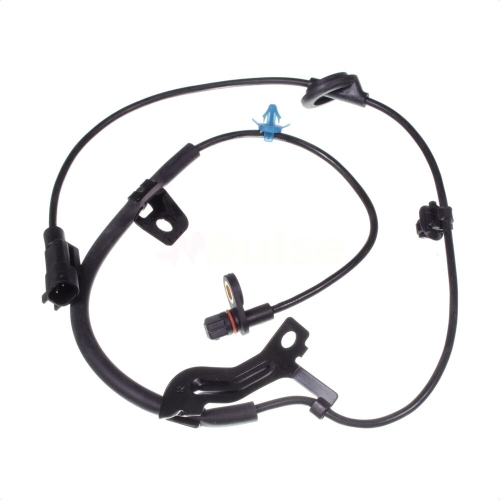
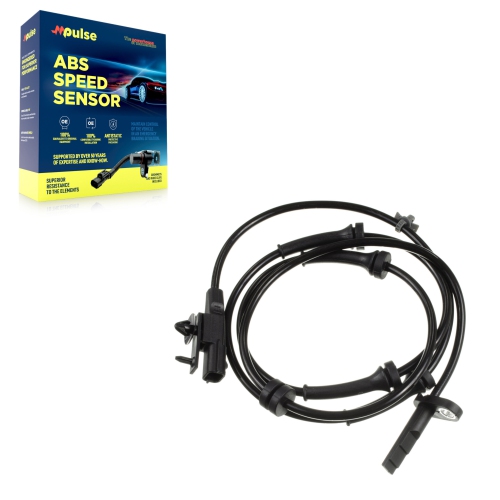
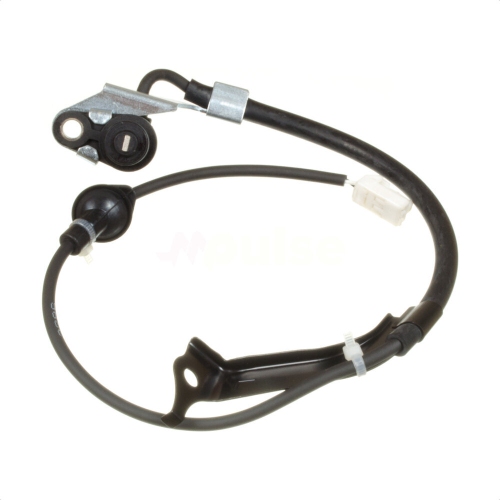
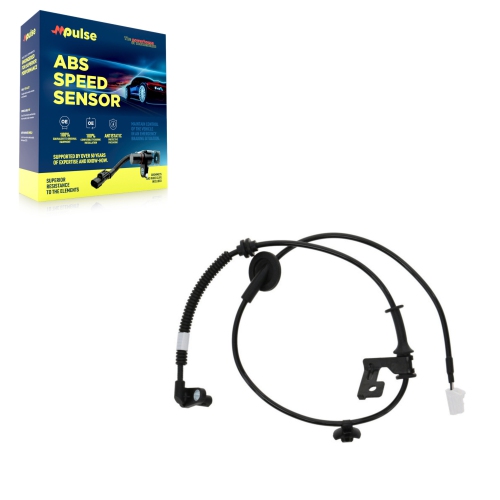
A speed sensor measures how quickly a wheel, shaft, or gear rotates and converts that motion into an electrical signal that a vehicle or machine can interpret. Depending on its location, that signal may support a speedometer, transmission shifting, anti-lock braking, traction control, or other functions that depend on accurate movement data. Although these sensors often look like small, simple components, their jobs differ considerably. A transmission input speed sensor monitors rotation entering the transmission, while an output speed sensor monitors rotation leaving it. Wheel speed sensors measure individual wheel movement, allowing compatible braking and traction systems to compare what is happening at each corner of a vehicle. For applications at the wheel hub, ABS Wheel Sensors form a related category with fitment requirements tied to the braking system and wheel position. A vehicle may calculate road speed using wheel signals, a transmission signal, or information shared between control modules, so the term “vehicle speed sensor” does not describe one universal part. Common sensing technologies include variable reluctance, Hall effect, and magnetoresistive designs. A passive variable reluctance sensor typically generates a signal as teeth on a rotating target pass its magnetic tip; signal strength changes with rotational speed. Active designs use a power supply and can provide reliable information at very low speeds, depending on their design. These differences matter because the receiving control module expects a particular signal, not simply an indication that something is turning. Outside automotive applications, speed sensors can also track bicycle wheel rotation or moving parts in equipment. The underlying purpose remains similar, but mounting, communication, and electrical requirements vary. A bicycle sensor intended to communicate wirelessly with a cycling computer, for example, is not interchangeable with a wired automotive sensor, even when both report speed.
Correct fit involves more than matching the shape of the sensor body. For automotive use, the vehicle’s year, make, model, engine, transmission, drivetrain, and sometimes production date can affect compatibility. Front and rear wheel locations may require different designs, and left- and right-side connections are not always identical. An existing part number can help narrow the match, but it should be checked against the application details rather than treated as the only identifying feature. Connector shape, terminal arrangement, cable length, mounting points, and the distance between the sensing tip and its target all contribute to proper operation. A sensor that bolts into place may still send the wrong signal or leave its wiring stretched across a moving suspension component. Some designs are separate service parts, while others are integrated into a wheel bearing or hub assembly. That distinction affects what must be replaced and makes an accurate description of the original assembly especially useful. Materials also reflect where the sensor works. Depending on the application, a sensor may combine a moulded polymer housing, metal mounting features, a sealed electrical connection, and insulated wiring protected by an outer jacket. A transmission-mounted design may need to tolerate contact with specified fluids, while a wheel-mounted design faces road debris, vibration, moisture, and repeated suspension movement. Seals, grommets, and cable clips help protect the connection and keep wiring in its intended position. Durability depends on both construction and correct installation: a strong housing cannot compensate for a cable rubbing against a tyre or a connector left unsecured. For cycling applications, fit may instead depend on hub dimensions, attachment bands, spoke clearance, and compatibility with the receiving device or training app. Some bicycle sensors detect rotation without a separate wheel magnet, while others require a magnet and a carefully positioned pickup. Those mounting differences influence how easily the sensor transfers between bicycles and how securely it stays in place during regular riding.
The value of a suitable speed sensor is most noticeable when its signal reaches the intended display or control system consistently. A driver may notice an erratic speedometer, unusual transmission behaviour, or a braking-system warning when a speed signal is missing or implausible, but none of those symptoms proves that the sensor itself has failed. Damaged wiring, corroded terminals, a worn bearing, a damaged toothed ring, or a problem with a magnetic encoder can produce similar results. Diagnostic trouble codes and live signal readings help identify the affected circuit, while inspection of the surrounding parts helps distinguish a sensing fault from a connection or mechanical issue. This is particularly important around wheel hubs, where the sensor and its rotating target operate as a pair. Replacing one component without checking the other can leave the original problem unresolved. Care is generally about protecting the installation rather than routinely servicing the sensor itself. Wiring should remain supported by its designated clips, connectors should retain their seals, and sensing surfaces should be handled without scraping or striking them. Cleaning methods need to suit the component and follow the vehicle or equipment manufacturer’s directions; harsh solvents, forceful probing, or indiscriminate pressure washing can damage sensitive parts or seals. During related brake, bearing, or suspension work, careful handling helps prevent an otherwise functional sensor lead from being pulled or pinched. Work involving a raised vehicle, braking components, or transmission access calls for suitable equipment and appropriate mechanical knowledge. Replacement speed sensors are relevant to vehicle owners maintaining an existing system, technicians resolving a confirmed fault, and experienced enthusiasts working within the requirements of a particular vehicle. Cycling versions serve riders who want wheel-based speed information for compatible displays or activity tracking. Across these uses, the most useful match is defined by the signal required, the mounting arrangement, and the conditions the component is designed to withstand. Accurate compatibility and secure connections matter more than visual similarity, helping the sensor provide dependable information throughout normal operation.
Top selling and popular products
-
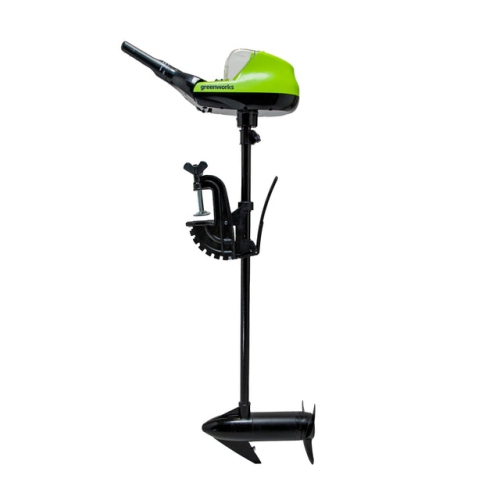 Your price for this item is $469.99
-
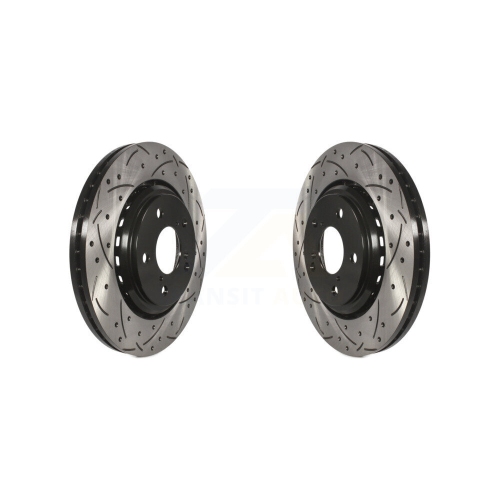 Your price for this item is $167.55
-
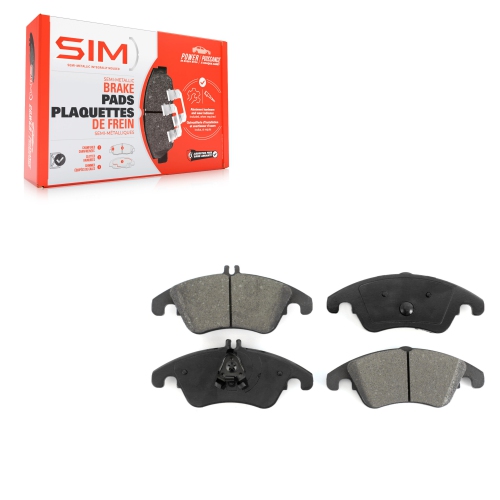 Your price for this item is $55.47
-
 Your price for this item is $243.99
-
 Your price for this item is $93.9
-
 Your price for this item is $137.99
-
 Your price for this item is $86.96
-
 Your price for this item is $112.06
Discover more categories related to Speed Sensors
Top Collections:
Best Black Friday Deals This Year, Best Black Friday Deals On Electronics, Kindle Devices, Pokemon Centers, Best Black Friday Deals On Apple Products, Best Cameras for Sports Photography, Dyson Airwrap, Pokémon 30th Celebration Cards, Apple iPhone 17 Pro, Canon G7X Cameras
Some products may be subject to Environmental Handling Fees
(EHF) depending on your province.
Learn more about EHFs.