Marine Stereo Accessories
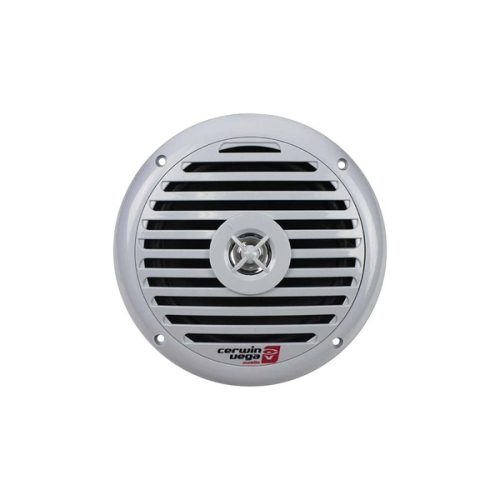
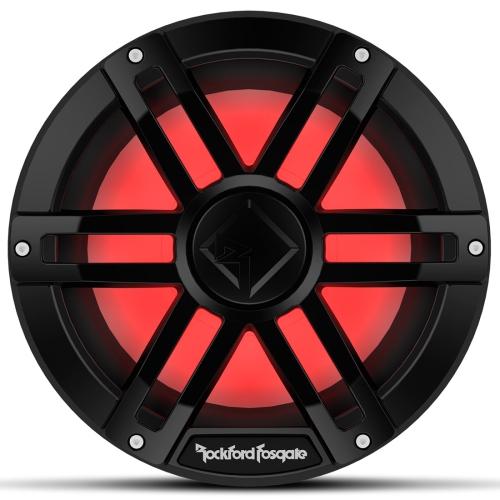
Enhance your boating experience with our wide range of marine stereo accessories. Whether you're a seasoned sailor or a weekend adventurer, these essential accessories are designed to take your on-water entertainment to the next level. From waterproof speakers that deliver crystal-clear sound to durable mounting brackets and wiring kits, our selection has everything you need to create the perfect audio setup for your boat. With high-quality materials and innovative features, our marine stereo accessories are built to withstand the harshest marine environments while providing you with an immersive audio experience. Explore our collection today and elevate your boating adventures like never before.
Sort
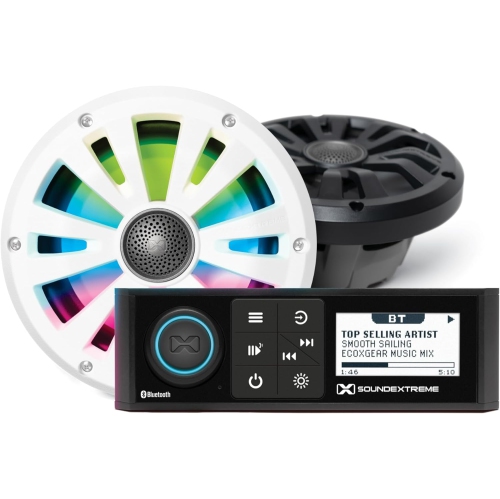

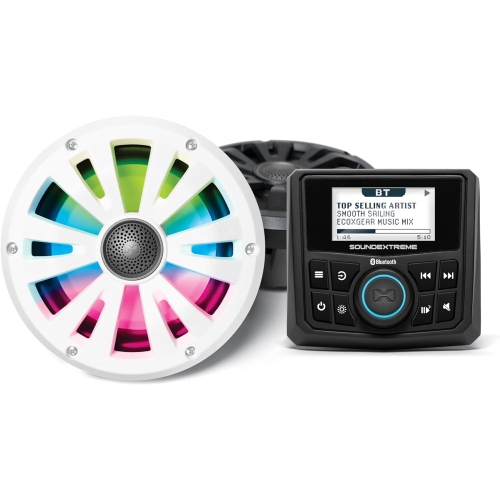
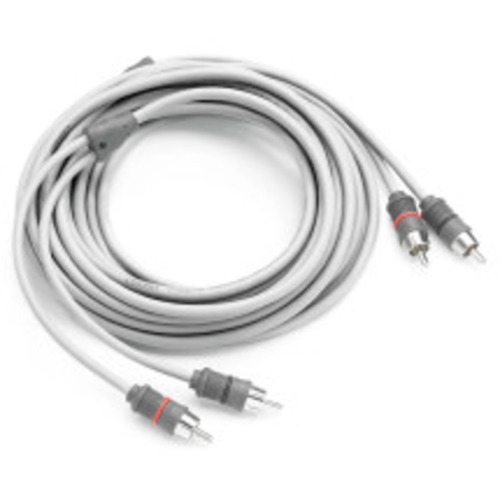
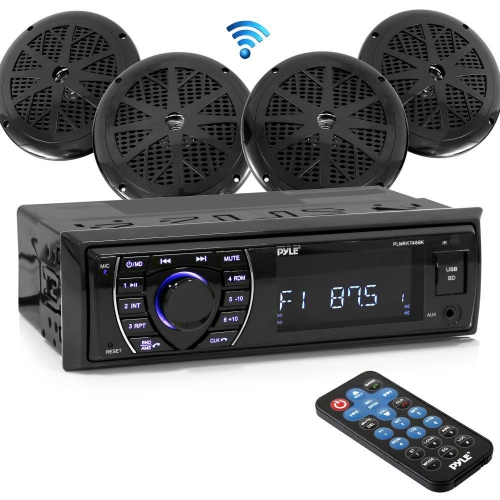
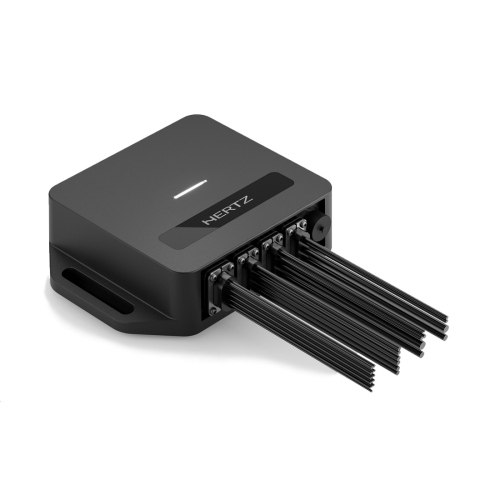
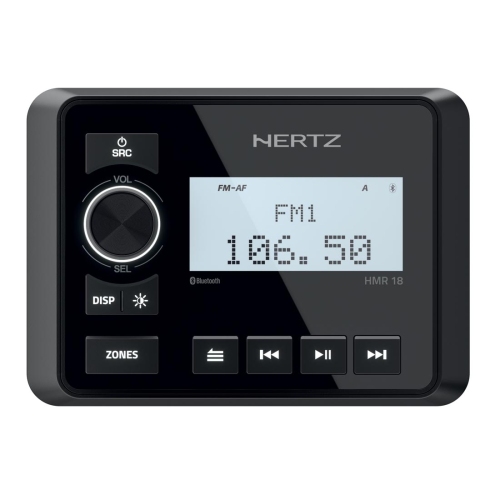
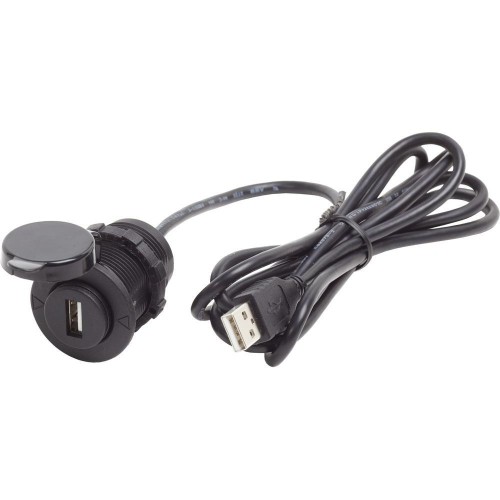

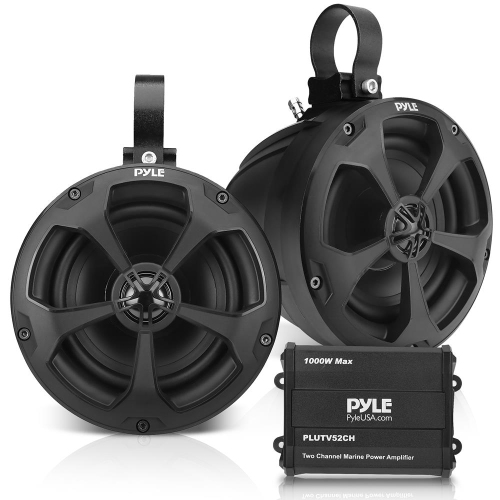
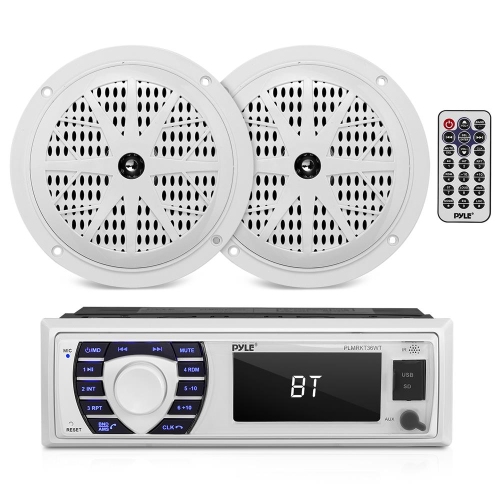

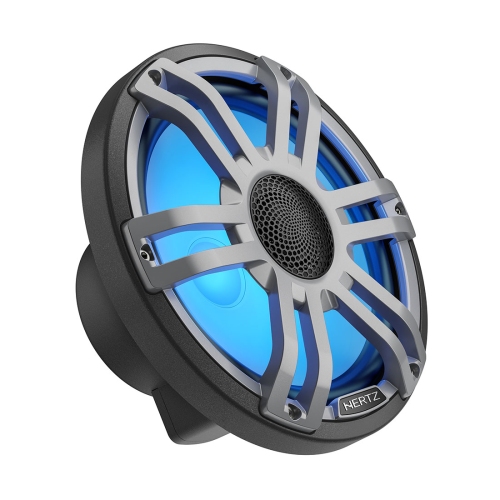
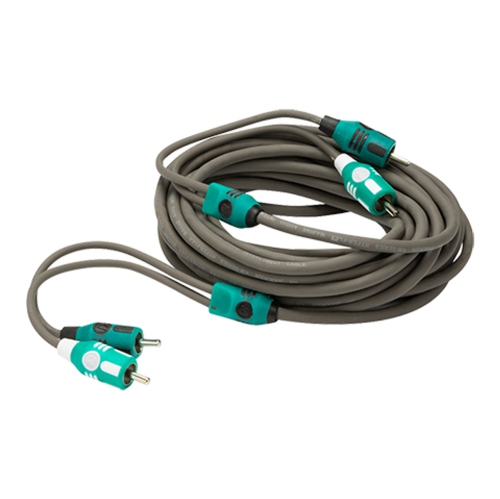
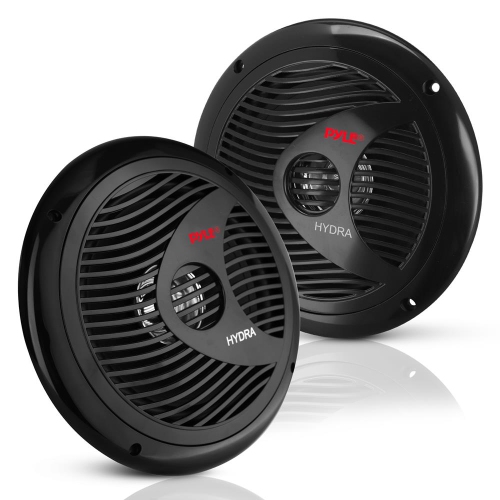




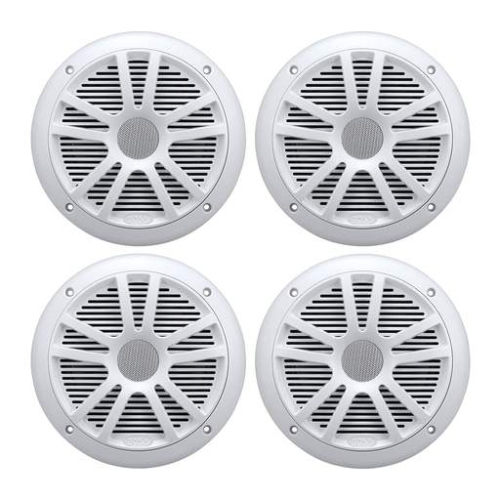

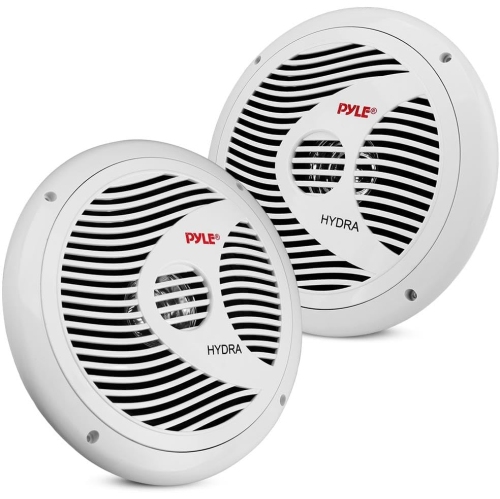
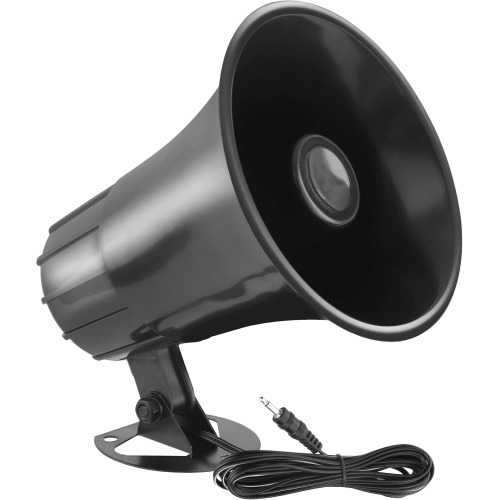
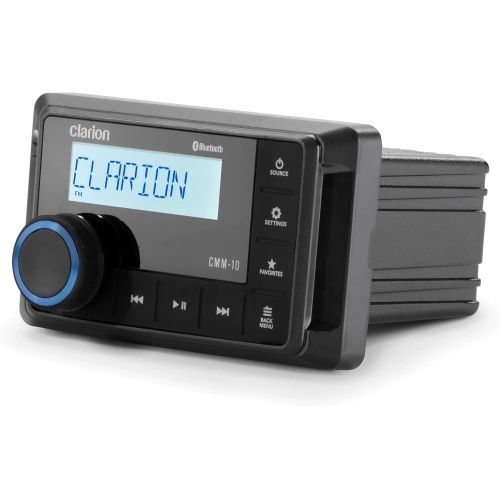
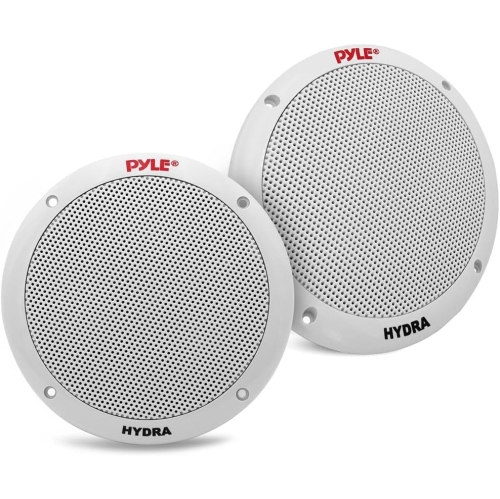
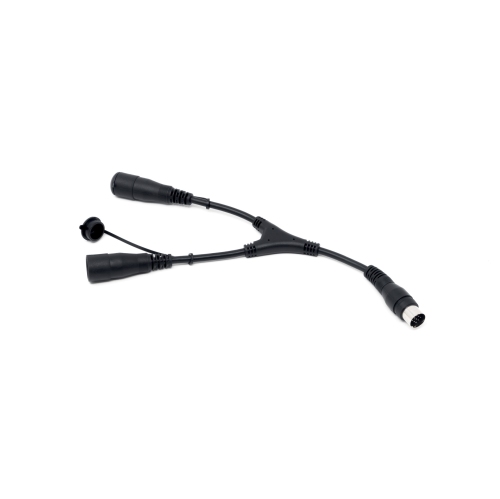
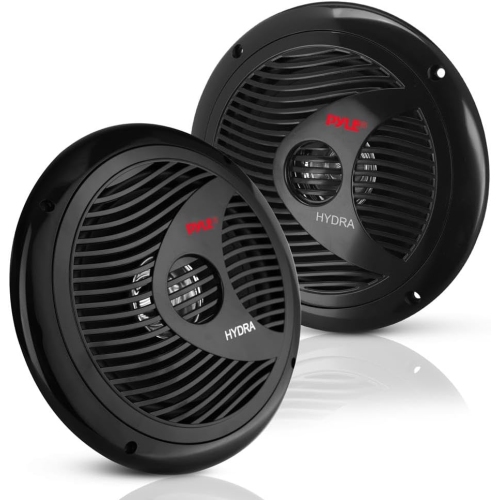




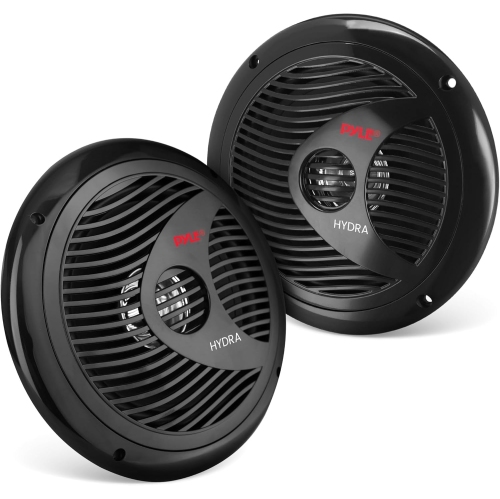
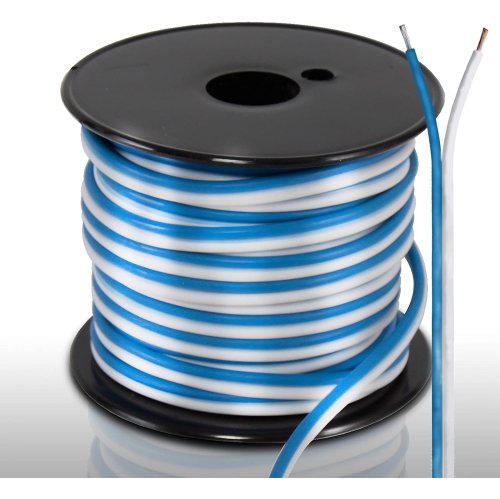
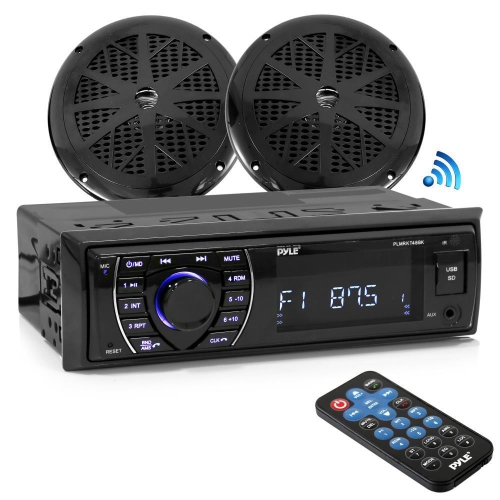
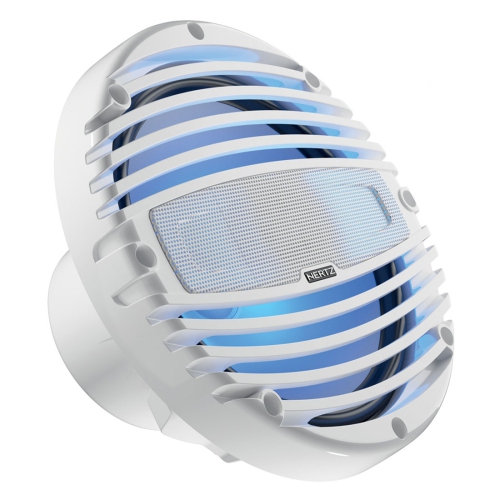





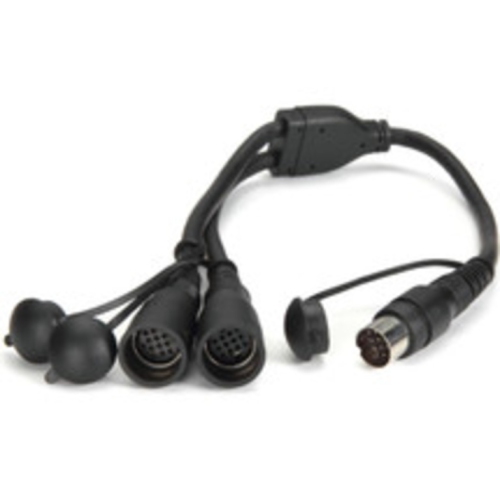
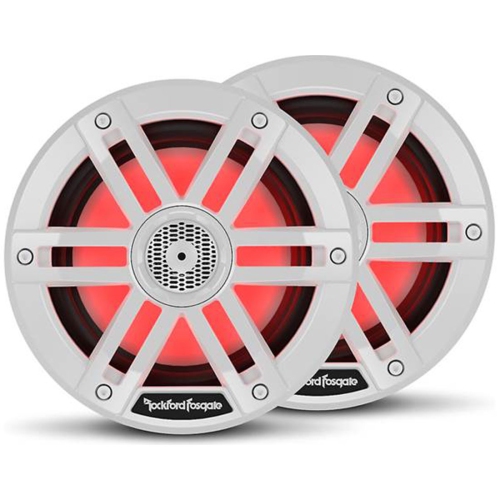

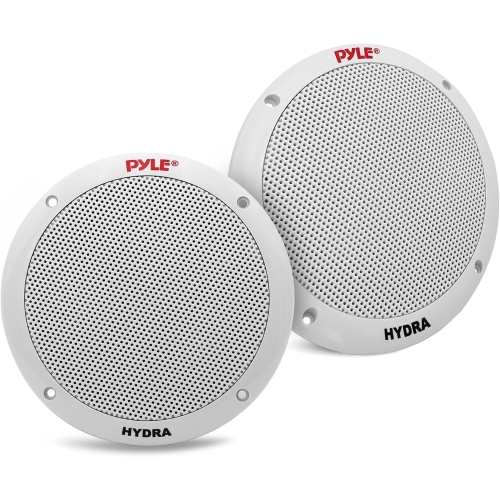

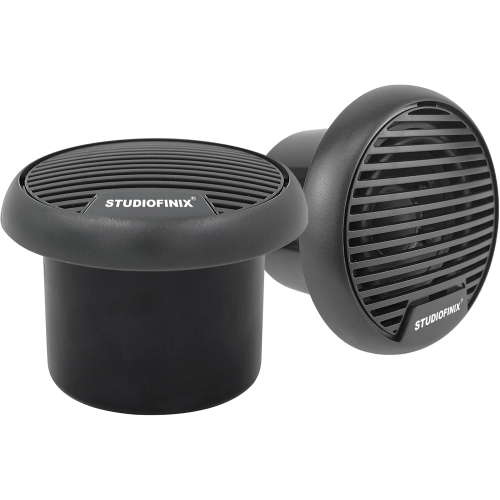
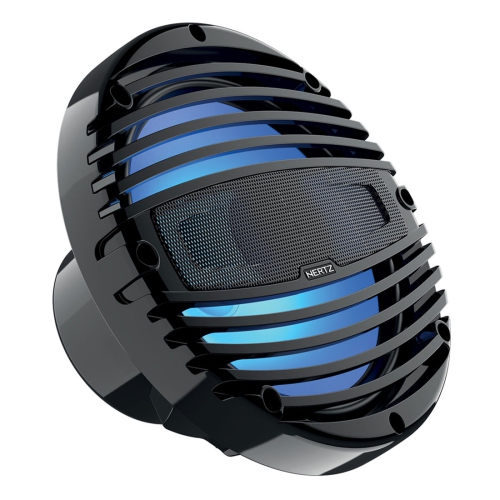

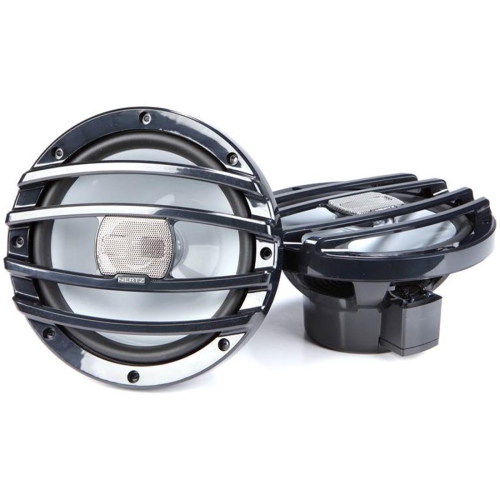
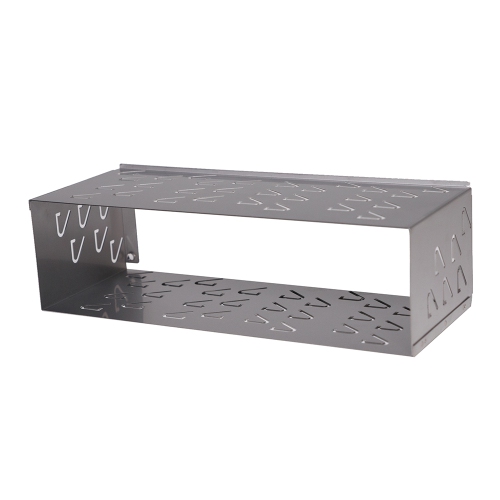
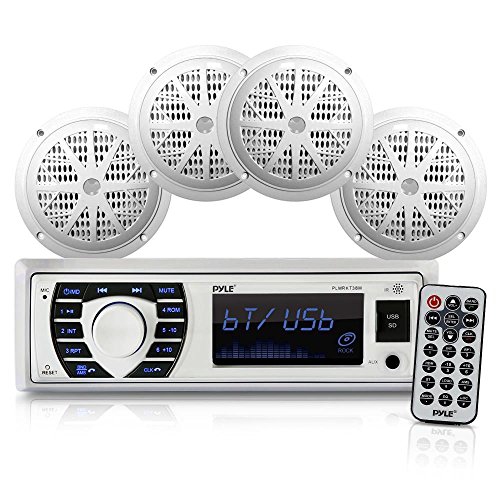
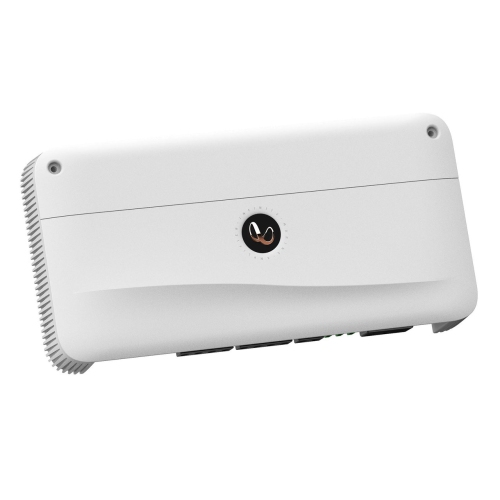



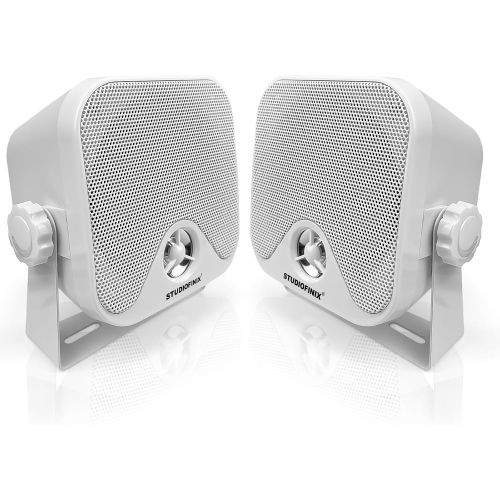
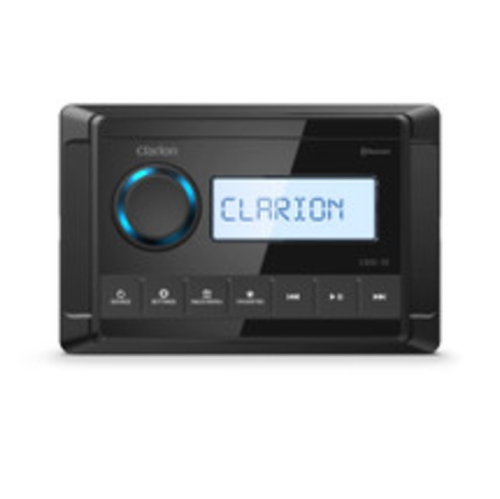
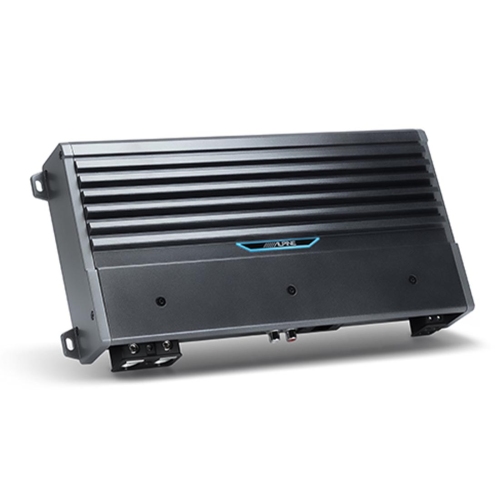

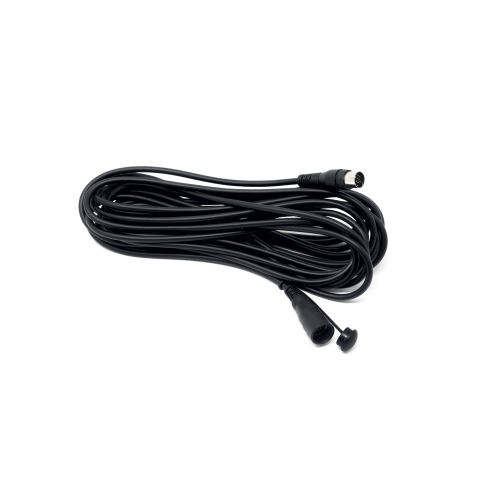



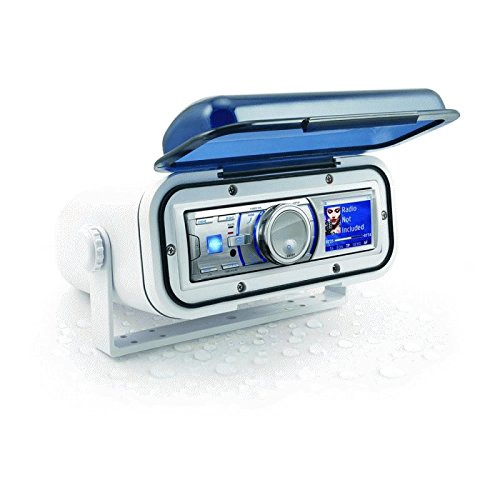
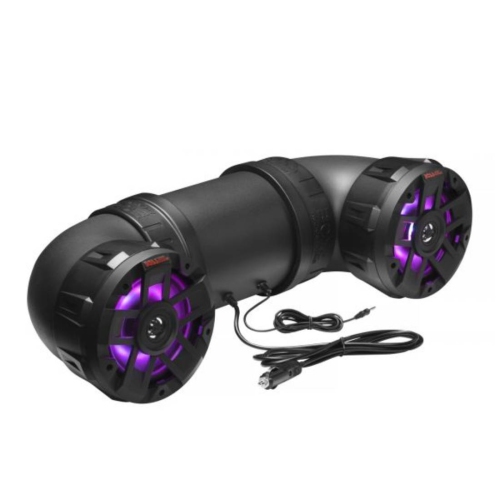
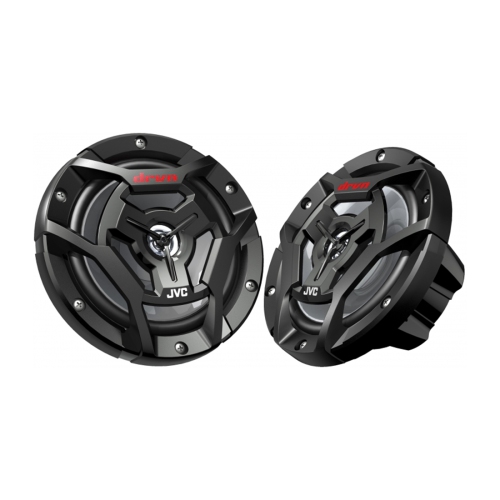
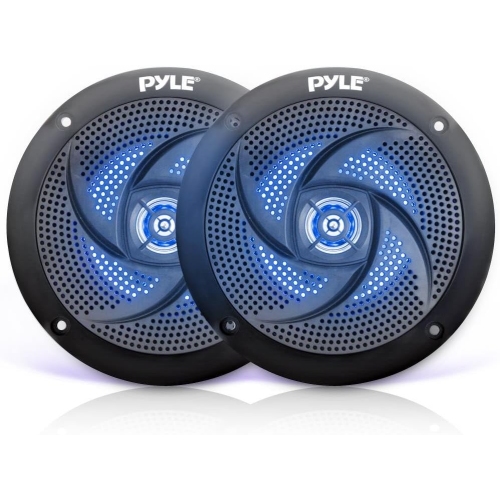






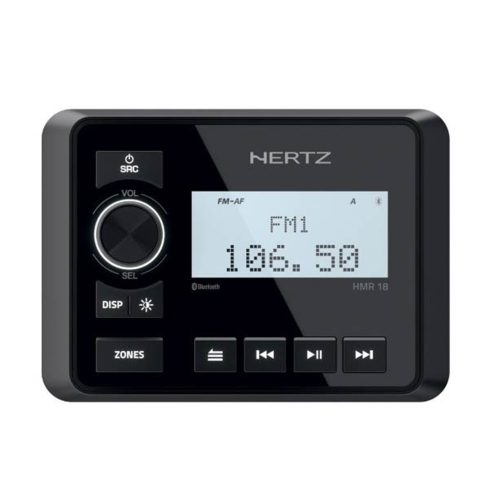
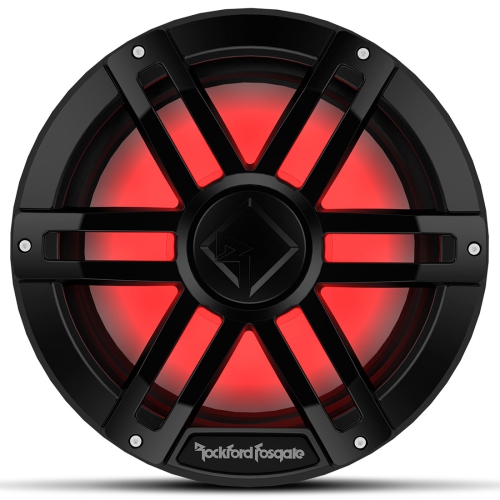

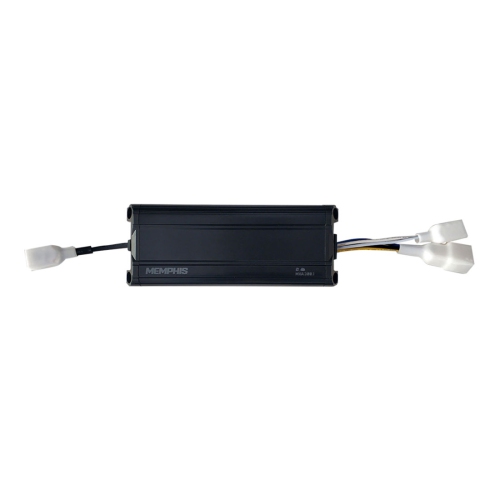
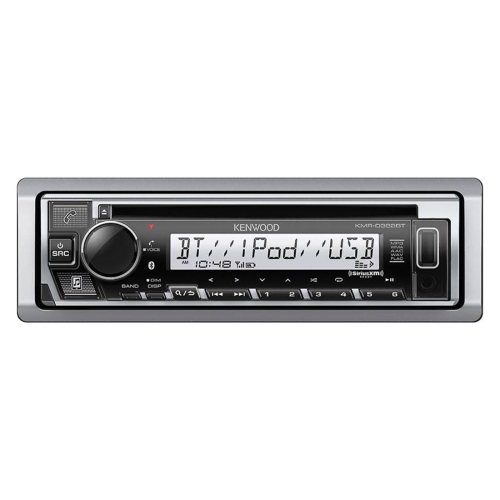

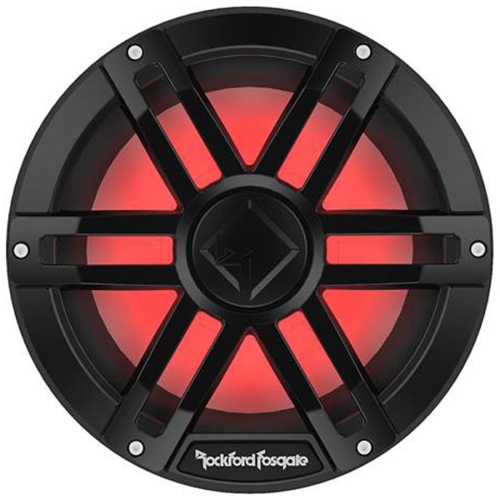
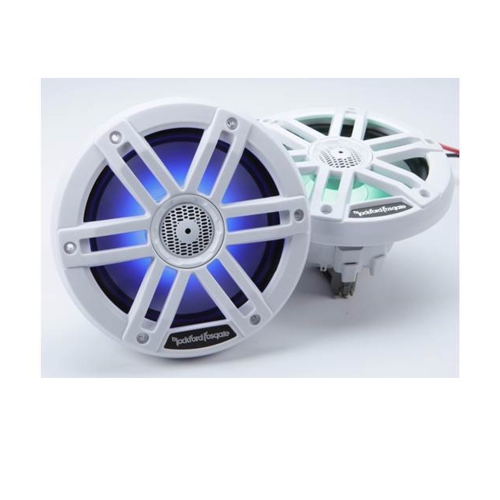
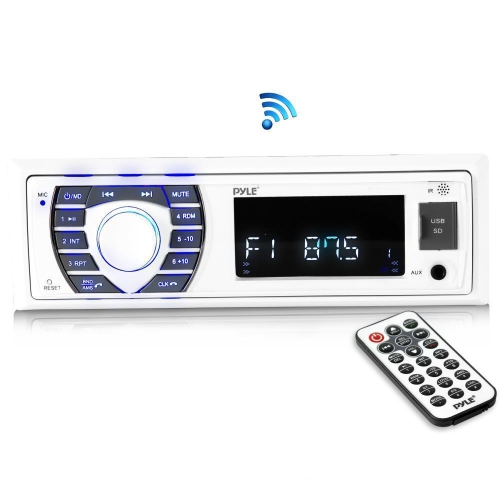
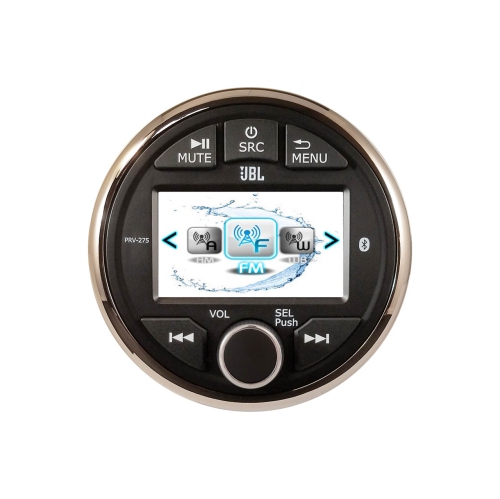
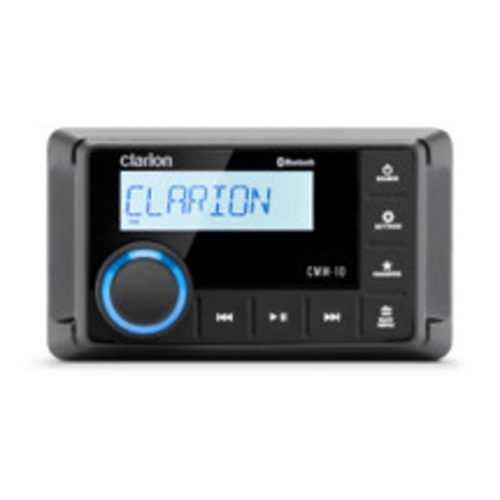
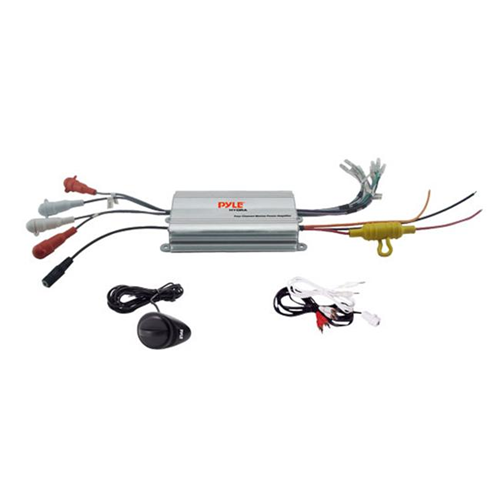
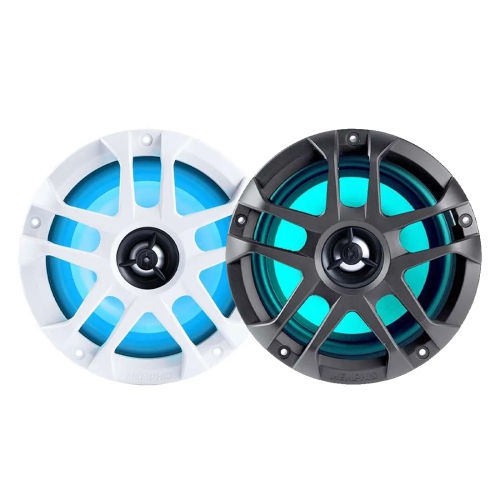

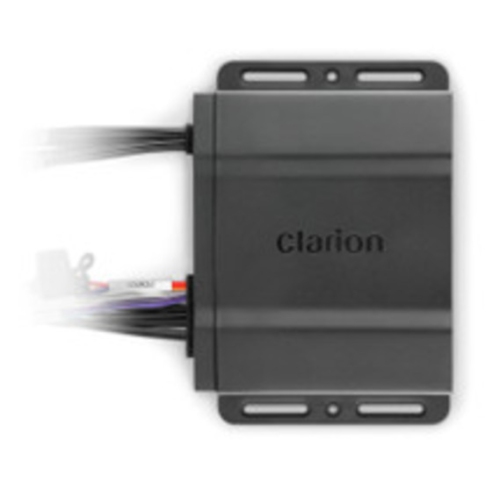
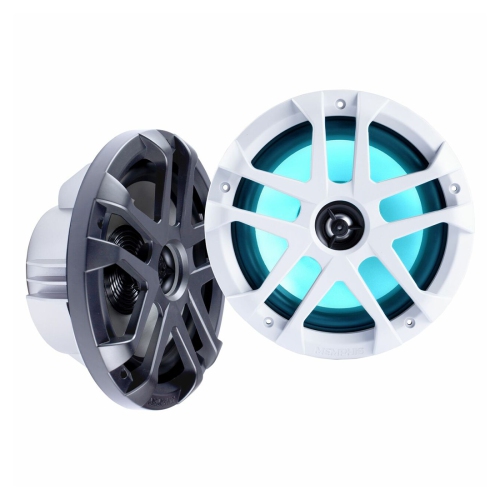
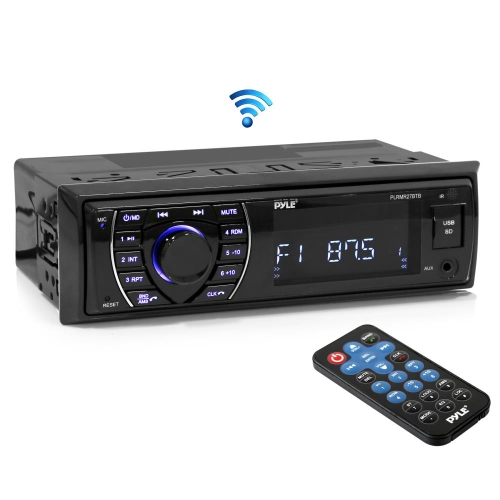
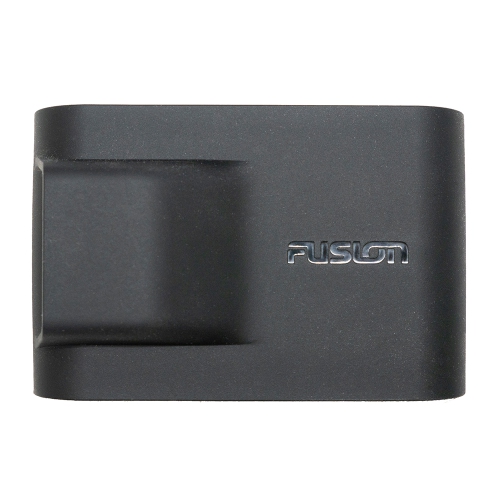




Dependable boat audio starts with the right fittings
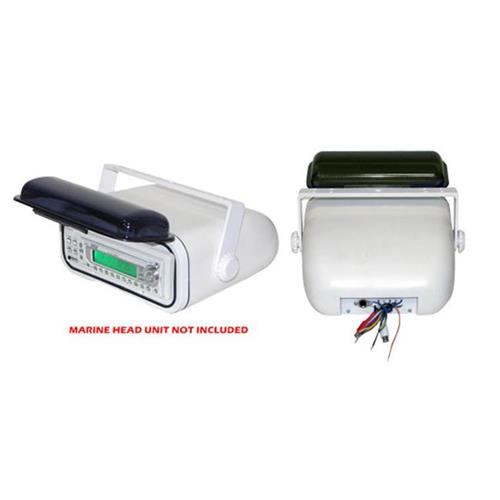
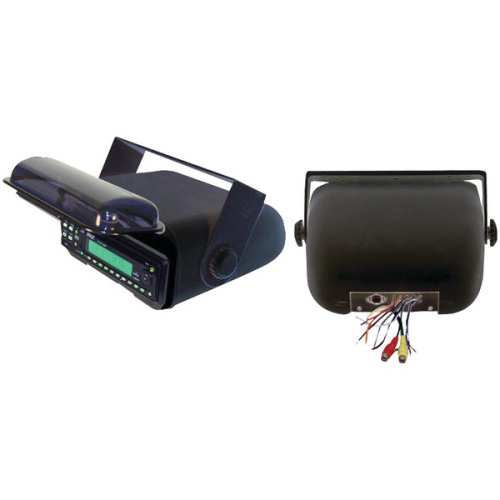
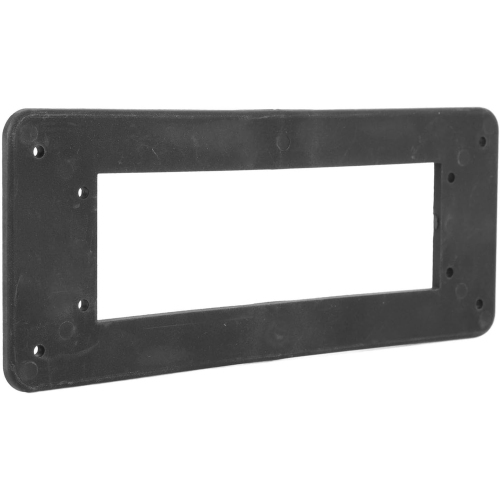
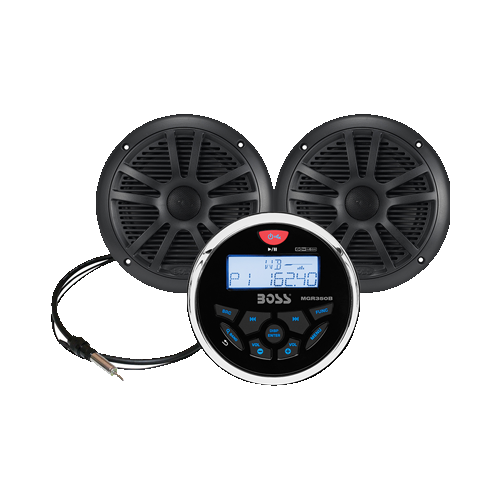
Marine stereo accessories help protect, connect, mount, and control a boat’s audio system, supporting everything from a simple helm receiver to a multi-zone setup with speakers throughout the vessel. Their purpose goes beyond appearance: the right accessories can help keep connections secure, reduce unwanted electrical noise, and make everyday controls easier to reach. Radio covers and splash guards add a protective barrier around the face of a stereo, while mounting plates, brackets, and installation hardware help create a stable fit in the dash. Materials matter on a boat, where spray, vibration, and repeated handling can be hard on ordinary audio fittings. UV-resistant plastics, corrosion-resistant hardware, and well-fitted seals are useful features, particularly around an exposed helm or seating area. A clear or tinted cover lets the display remain visible, but the hinge position and opening clearance also affect how comfortably the controls can be used. A cover that fits neatly over the faceplate still needs enough room to open without catching a nearby switch, steering wheel, or trim edge. Protection claims deserve a close look, since water resistance may apply only to a closed cover or the front face of a component rather than the entire assembly. An accessory does not automatically make the equipment behind it waterproof. Fit is equally important when pairing accessories with Marine Digital Media Receivers, especially when an existing dash opening needs an adapter plate or a receiver has controls that project beyond its face. The opening dimensions, mounting depth, rear cable clearance, and shape of the surrounding surface all influence the finished result. On a compact fishing boat, a tidy installation can preserve valuable helm space; on a larger pleasure craft, matching trim and thoughtfully placed controls can help the audio equipment sit naturally alongside navigation displays and other instruments. That combination of practical protection and a secure, unobtrusive fit is central to marine audio accessories.
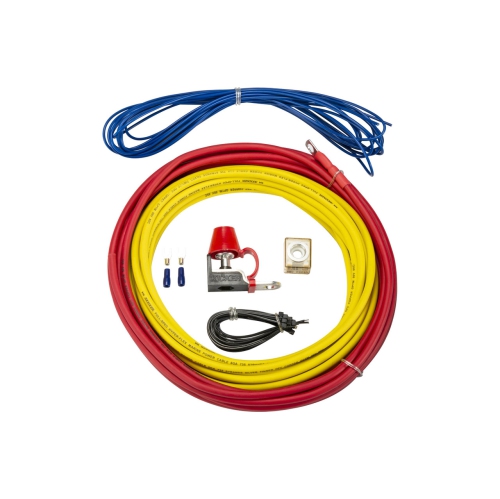
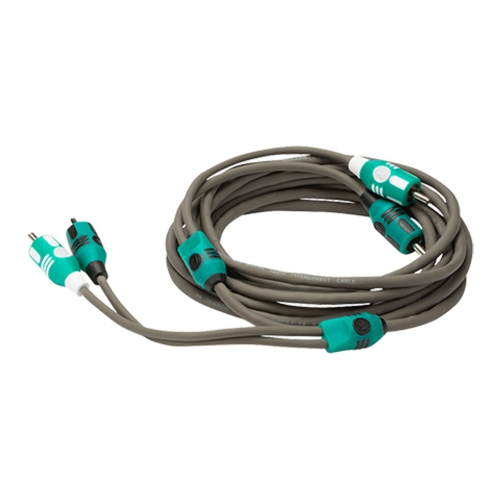
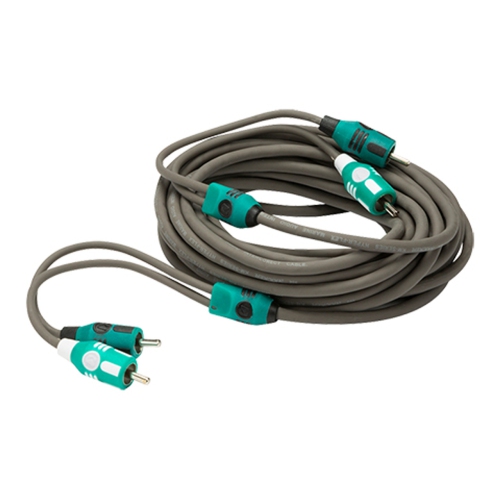
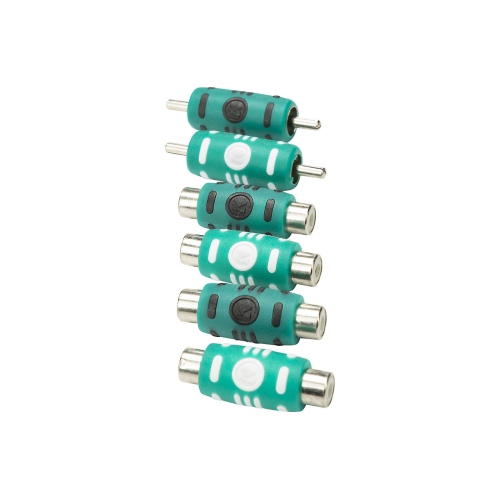
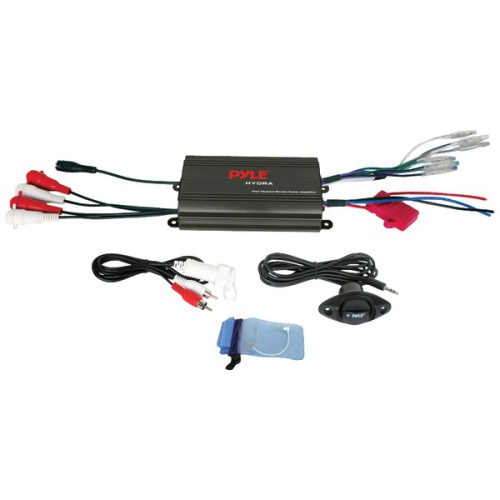
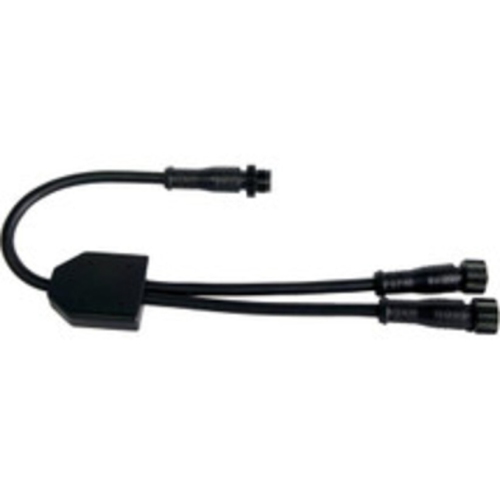
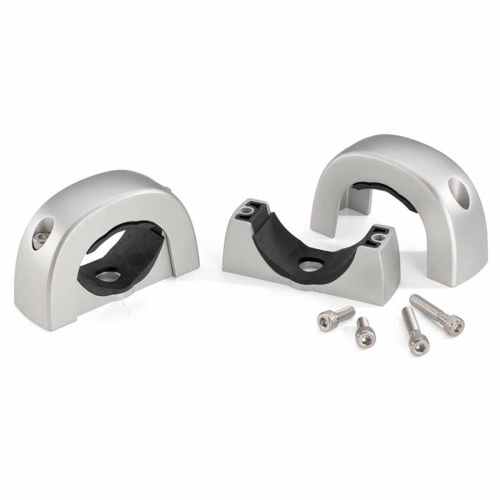
Behind the dash, cables, connectors, and mounting hardware do much of the work that keeps a marine stereo system dependable. Marine-rated wiring with tinned copper conductors can offer added resistance to corrosion, while suitable insulation helps protect the conductor along its route through the boat. Cable length and wire gauge need to suit the equipment’s electrical requirements and the distance involved, rather than simply matching the nearest available connection. Power cable, speaker wire, and line-level audio cable serve different purposes and are not interchangeable. For signal connections, shielding or twisted-pair construction can help limit interference pickup, although neither can correct every cause of buzzing or engine-related noise. Grounding, cable routing, connector condition, and the relationship between power and signal wiring can all affect what comes through the speakers. A faint whine that changes with engine speed, for example, may call for attention to the installation rather than a different audio source. Properly matched adapters can simplify connections between compatible components, but similar-looking plugs do not guarantee the same wiring arrangement or control support. Secure terminals and appropriately rated sealed connections are particularly valuable in areas where moisture may reach the wiring. Heat-shrink terminals can help protect a connection when they are correctly sized and installed; an exposed joint or loosely crimped terminal remains a weak point. Appropriate circuit protection is another essential part of a powered installation, with fuse ratings and placement determined by the equipment specifications and wiring requirements. Mounting accessories deserve the same attention. A receiver supported by the correct bracket or cage is less likely to shift against its trim as the boat moves, and suitable fasteners help hold the assembly firmly without damaging the mounting surface. Different metals may also require isolation to limit corrosion where they meet. For boat owners updating an older system, these less visible details often determine whether the finished installation feels solid and works consistently. A qualified marine installer can assess electrical compatibility, mounting support, and cable routing where access is tight or the existing wiring is unfamiliar.
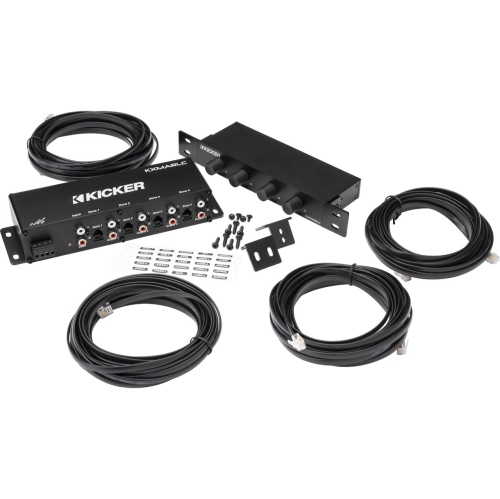
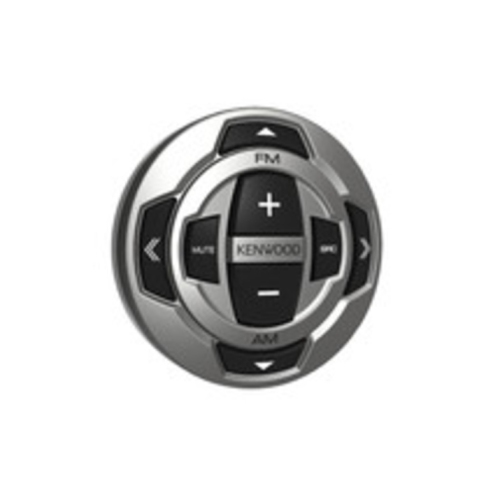
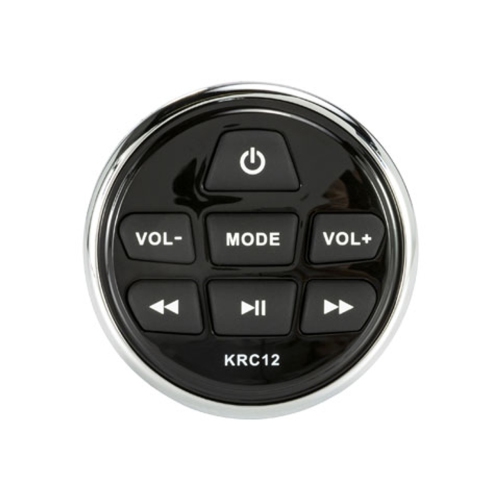
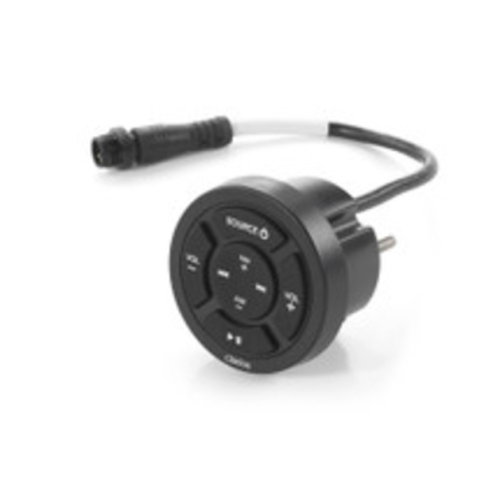
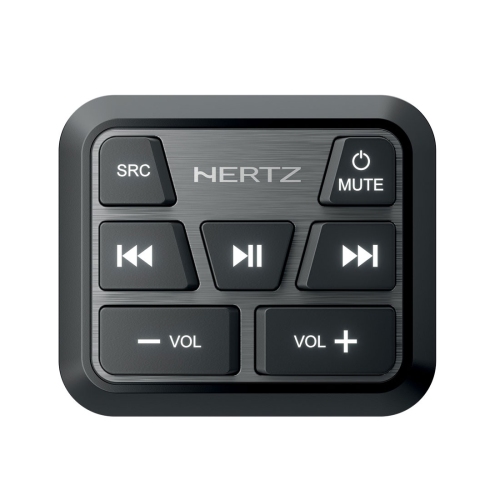
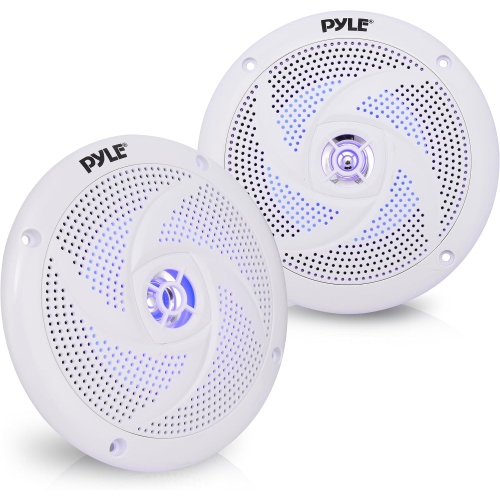
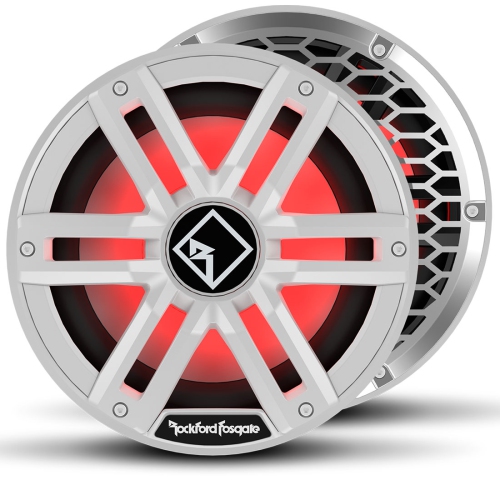
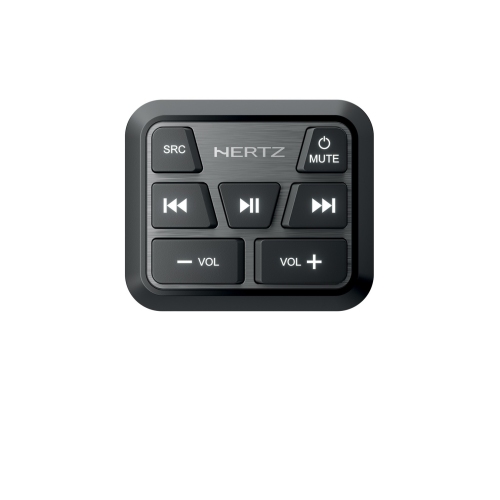
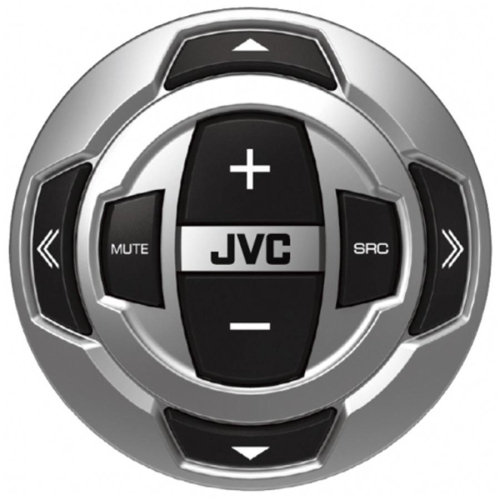
Control accessories make a difference once passengers are aboard and the boat is in use. A compatible wired remote can place essential functions near the helm, cockpit seating, or another frequently used area, reducing the need to reach the main receiver. Wireless controls offer more freedom of placement, but operating range, power requirements, and compatibility still depend on the system. A remote that adjusts volume does not necessarily provide source selection, track information, or independent control of separate listening zones. Zone-control accessories are useful when sound is needed in more than one area: people chatting near the stern may prefer a lower volume than those listening farther forward. Separate zones depend on compatible equipment and the way the speakers and amplification are connected, not simply on adding another control panel. Readable buttons, a display that can be seen from the usual seating position, and controls that are easy to operate with damp hands all contribute to everyday usability. Placement should also leave navigation equipment, safety controls, and access points unobstructed. For families, fishing companions, and friends sharing a boat, these details can make music less distracting and easier to manage without moving around the deck. Care helps preserve that convenience. Covers, seals, cable entries, and mounting points benefit from periodic checks for loose hardware, cracks, trapped moisture, or corrosion, particularly after exposure to salt spray. Cleaning methods should follow the accessory manufacturer’s directions; harsh solvents or abrasive pads can damage clear windows, finishes, and seals. Closing a protective cover when appropriate and avoiding unnecessary strain on connected cables can also reduce wear. Marine stereo accessories can make thoughtful gifts for a boat owner who enjoys music aboard, provided the receiver model, installation dimensions, and intended function are known. Whether the aim is a better-protected stereo face, a cleaner dash installation, or more convenient control from a favourite seat, compatibility and the intended location matter more than appearance alone.
Top selling and popular products
-
 Your price for this item is $148
-
 Your price for this item is $98
-
 Your price for this item is $299.95
-
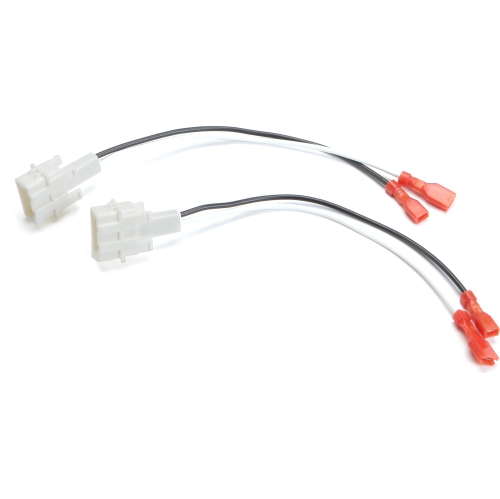 Your price for this item is $34.72
-
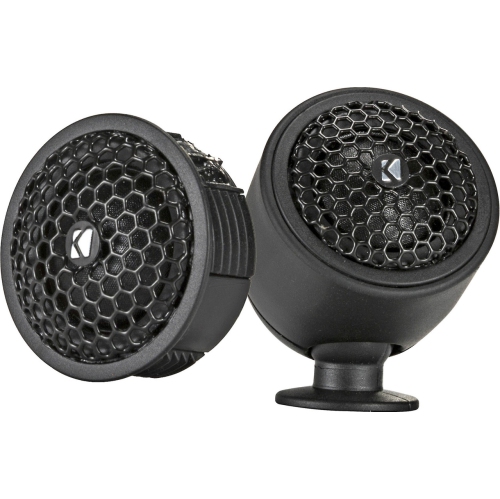 Your price for this item is $169.95
-
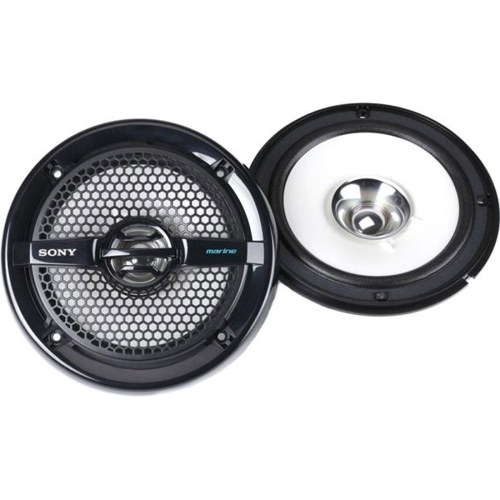 Your price for this item is $98
-
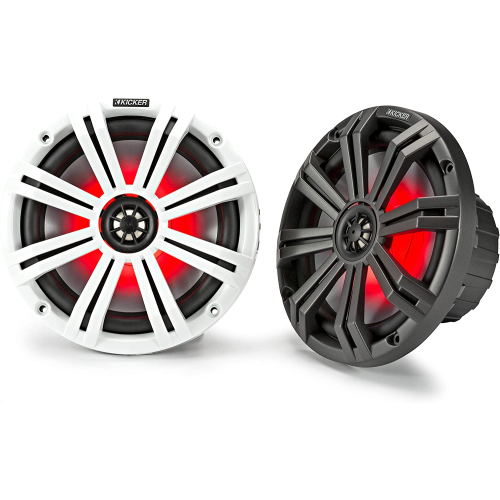 Your price for this item is $399.95
-
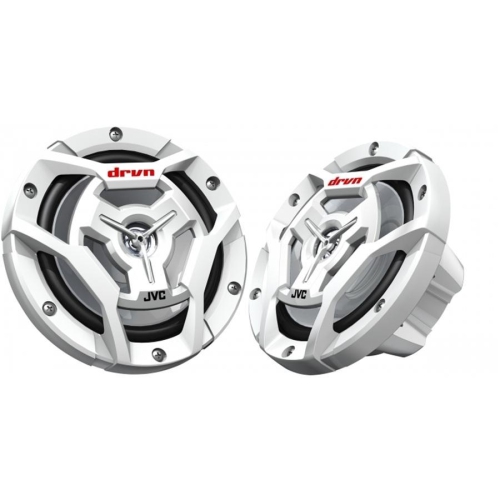 Your price for this item is $118
Discover more categories related to Marine Stereo Accessories
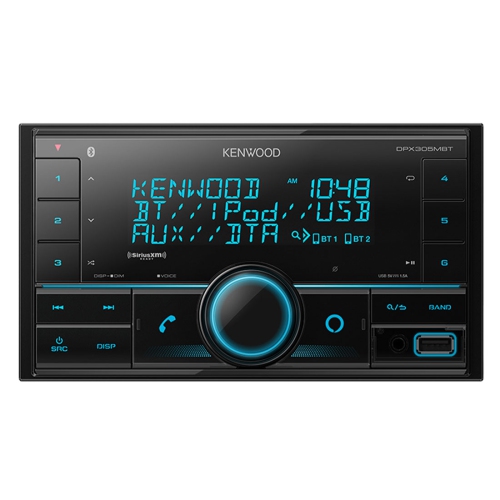
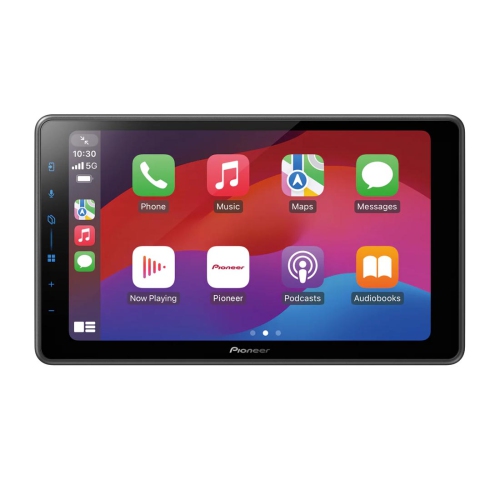
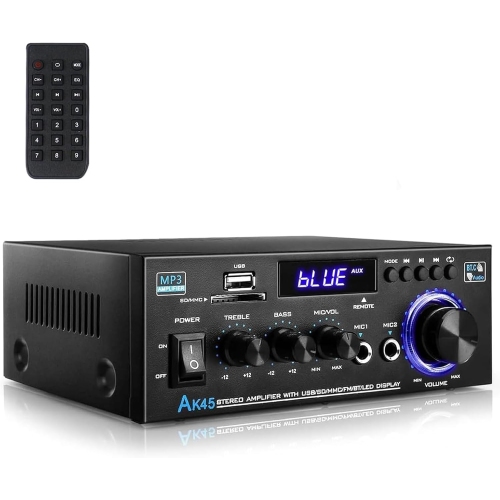
Top Collections:
Best Black Friday Deals This Year, Best Black Friday Deals On Electronics, Kindle Devices, Pokemon Centers, Best Black Friday Deals On Apple Products, Best Cameras for Sports Photography, Dyson Airwrap, Pokémon 30th Celebration Cards, Apple iPhone 17 Pro, Canon G7X Cameras
Some products may be subject to Environmental Handling Fees
(EHF) depending on your province.
Learn more about EHFs.